Daily insights for city builders, delivered every morning at 6 AM ET. I’m Brandon Donnelly — a Toronto-based real estate developer and founder of Globizen. I’ve been writing here since 2013.

Category: Photography

  • La Promenade des Anglais needs a Canadian flag

    I have a suggestion.

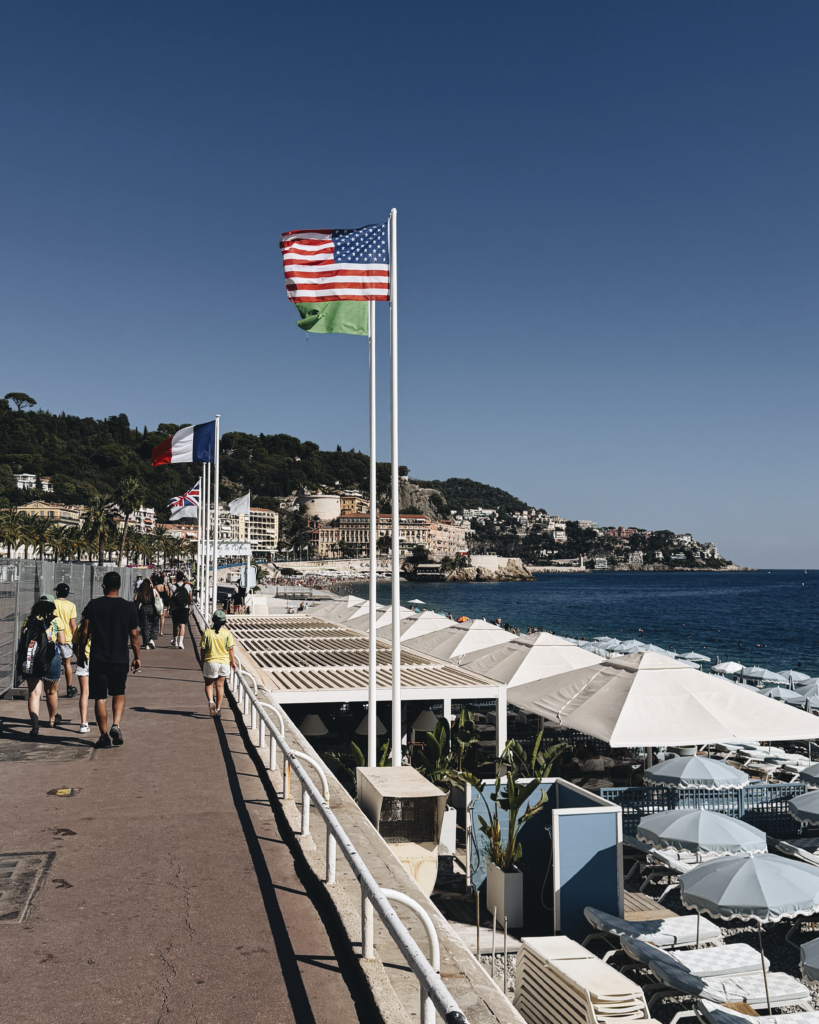
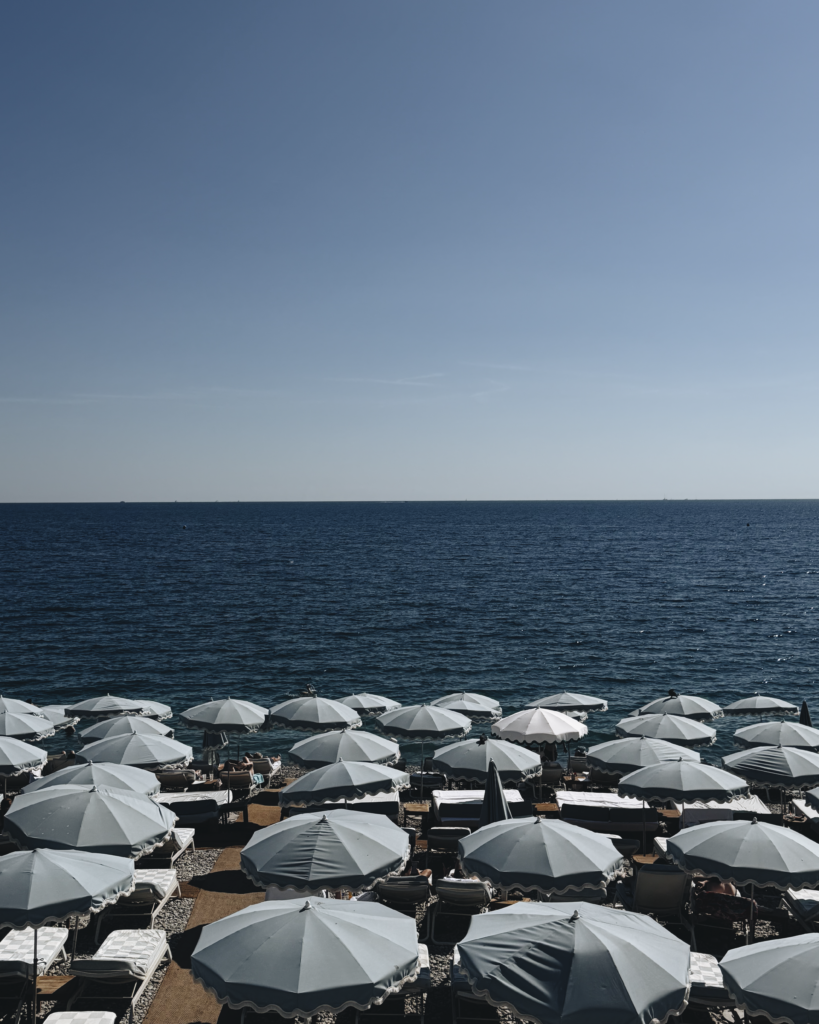
    La promenade des Anglais is Nice’s most globally recognizable street. It’s a 7-kilometre waterfront promenade that curves along the Baie des Anges. It’s a UNESCO World Heritage Site and it’s home to many of the city’s events, such as the Ironman competition that took place this week.

    (Congratulations once again to my brother from another mother Austin for showing us how it’s done today!)

    In addition to a beautiful promenade, beach, and shimmering blue waters, you’ll also find lots of flags. Naturally, there’s the French flag. There’s the Union Jack. The promenade was originally funded and built by the British aristocracy who used to winter in Nice.

    You’ll find the flag of Monaco given its proximity (~20 km). The Italian flag also features. Nice belonged to the Kingdom of Sardinia until 1860, and the border is ~30 km away.

    You’ll find the American flag, which presumably reflects the city’s long military and cultural connection with the US. More recently, you might also find Ukrainian flags, reflecting French solidarity with and support for the country.

    But one flag that I have yet to find is the Canadian flag. That is, other than the one this yahoo was waving around during the Ironman competition. I think that needs to change. Canada is widely considered to be the second most important country, after France, within La Francophonie.

    Plus, with Canada looking to aggressively deepen its economic ties with the EU and with Air Canada announcing direct flights from Toronto to Nice starting next summer, I think Nice should expect greater Canadian influence going forward.

    I have put out a formal request to President Macron, Prime Minister Carney, and the Ville de Nice. I’ll let you know how they respond.
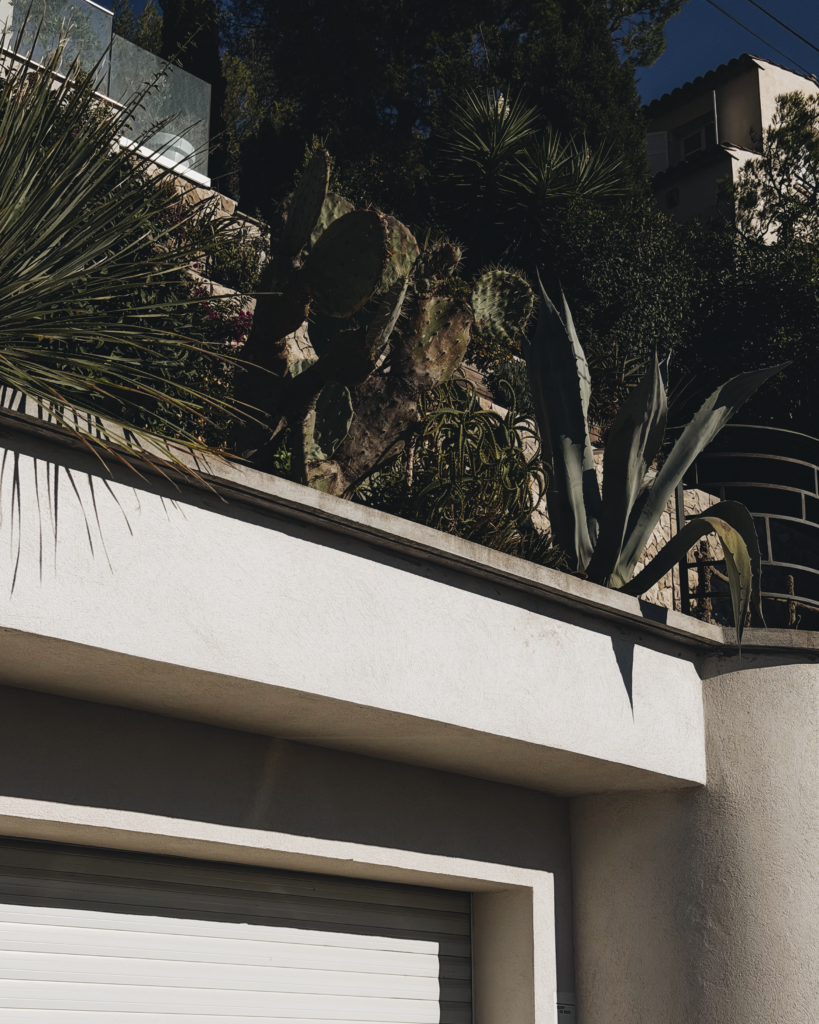
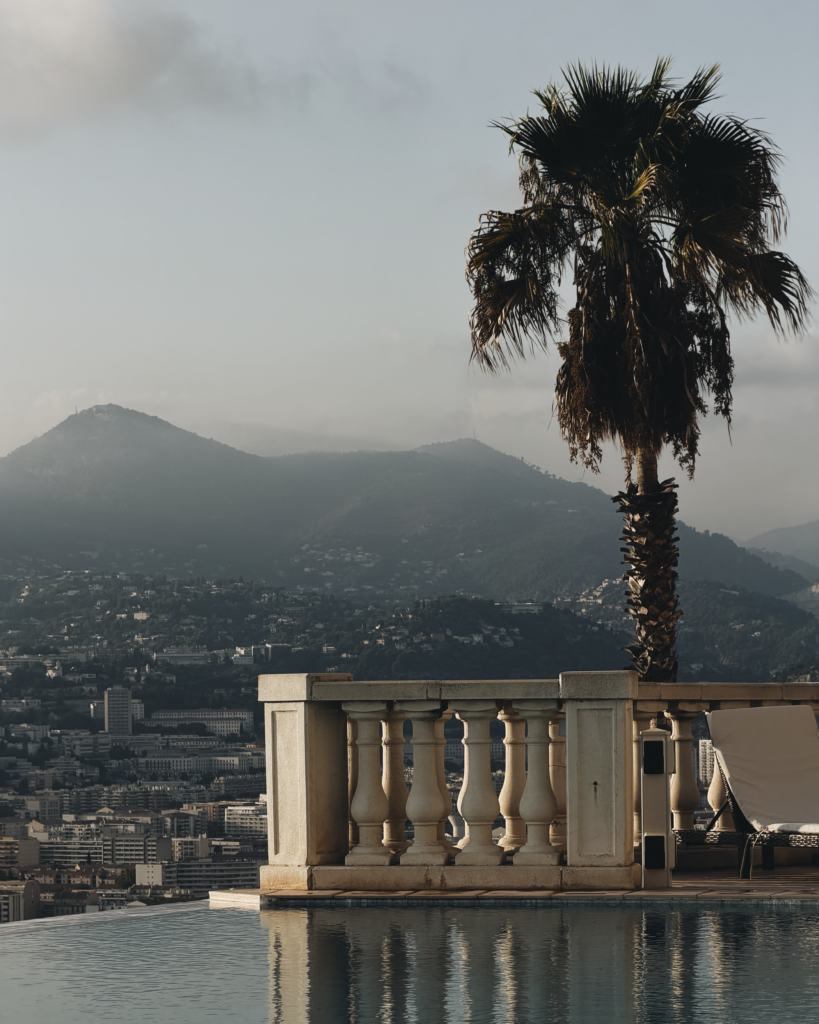
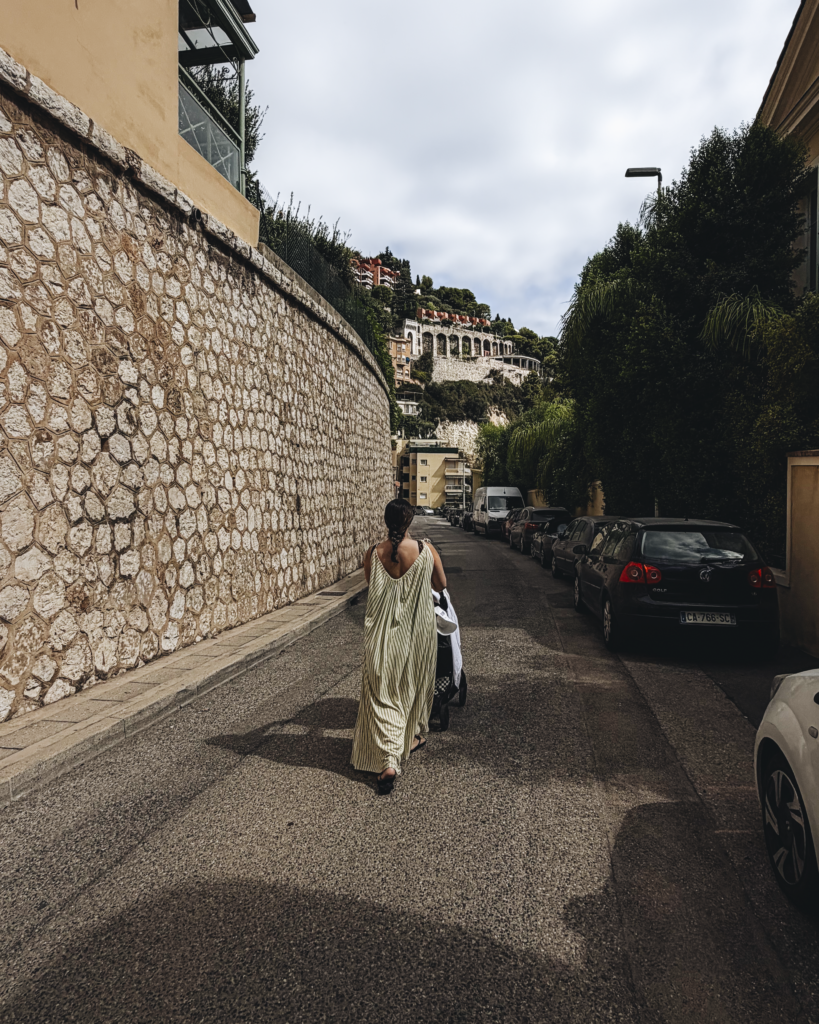
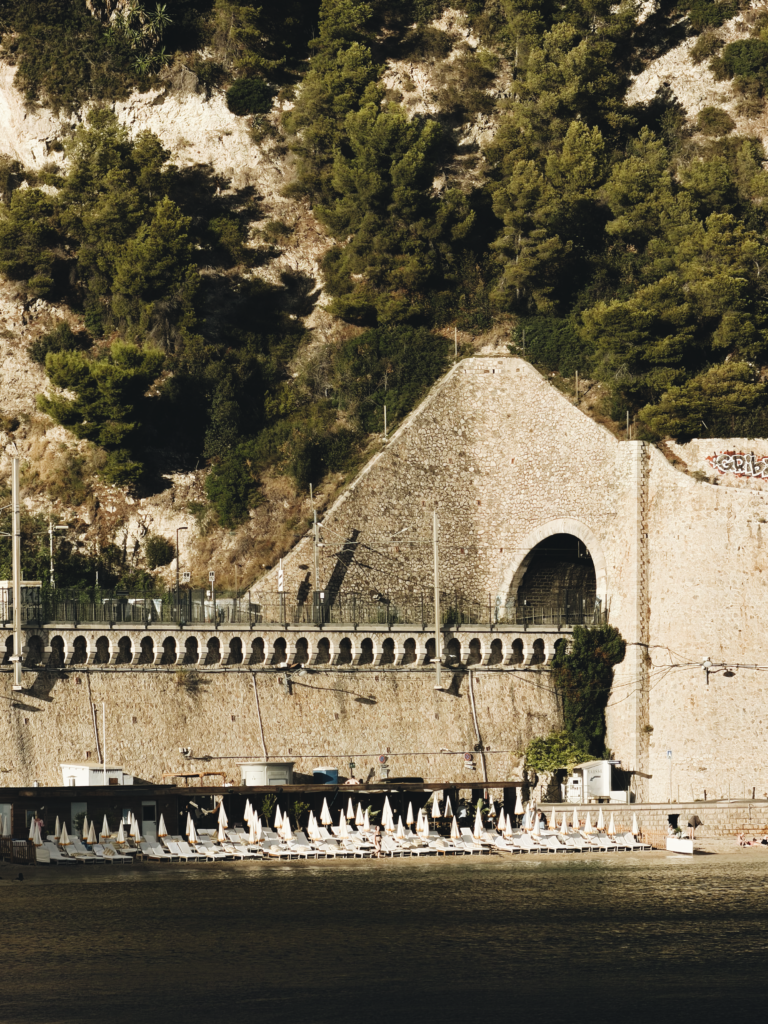
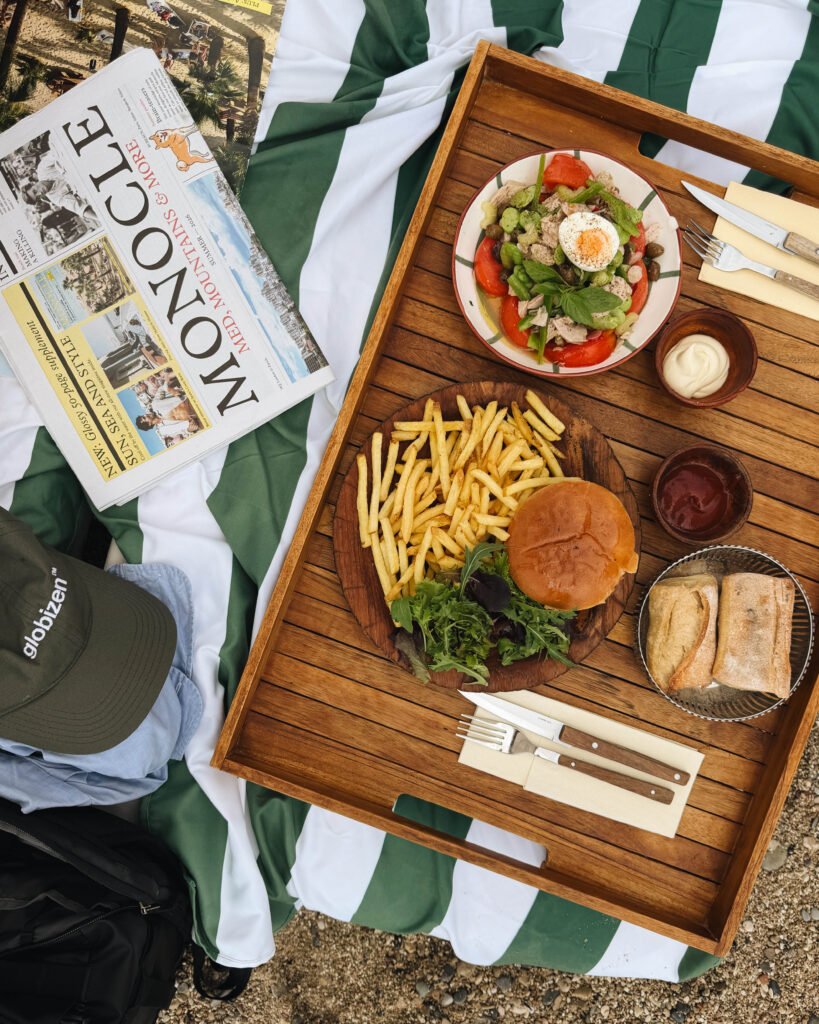
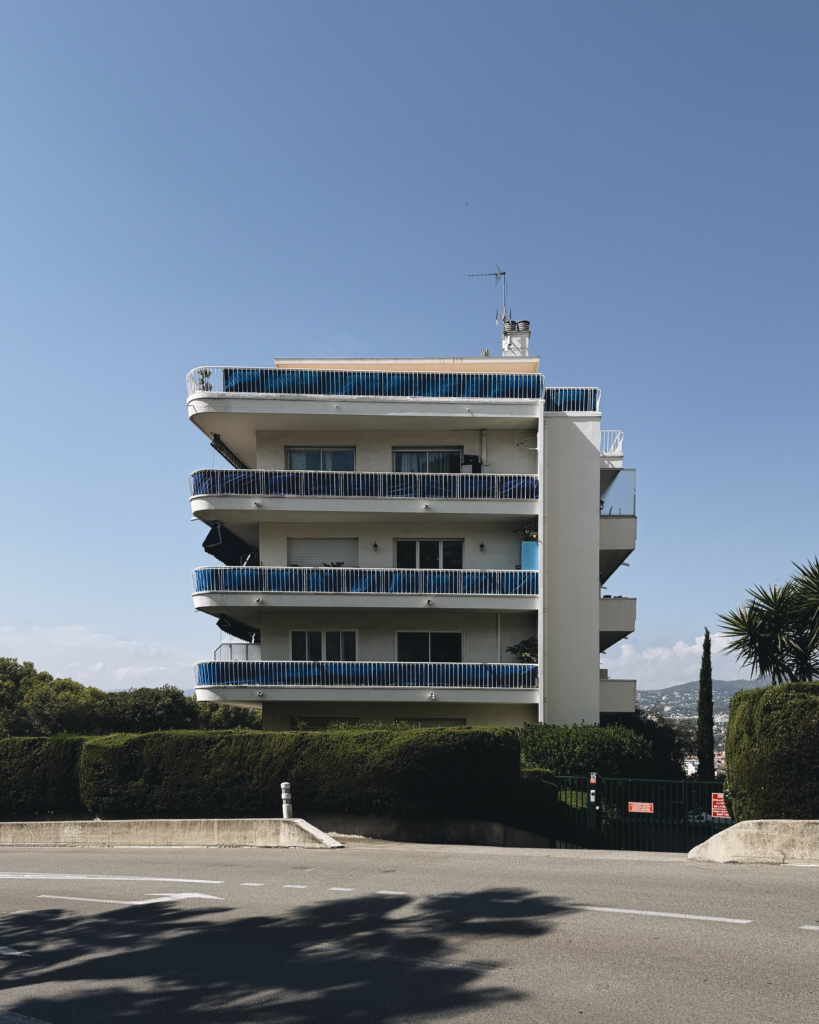
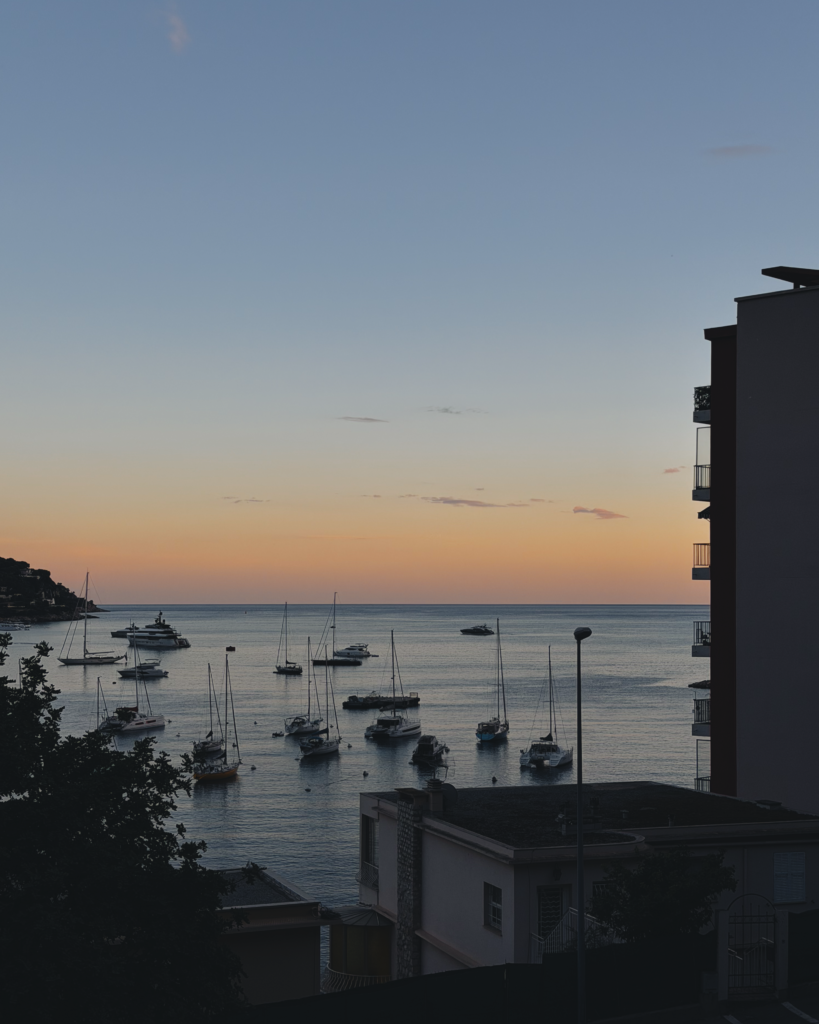
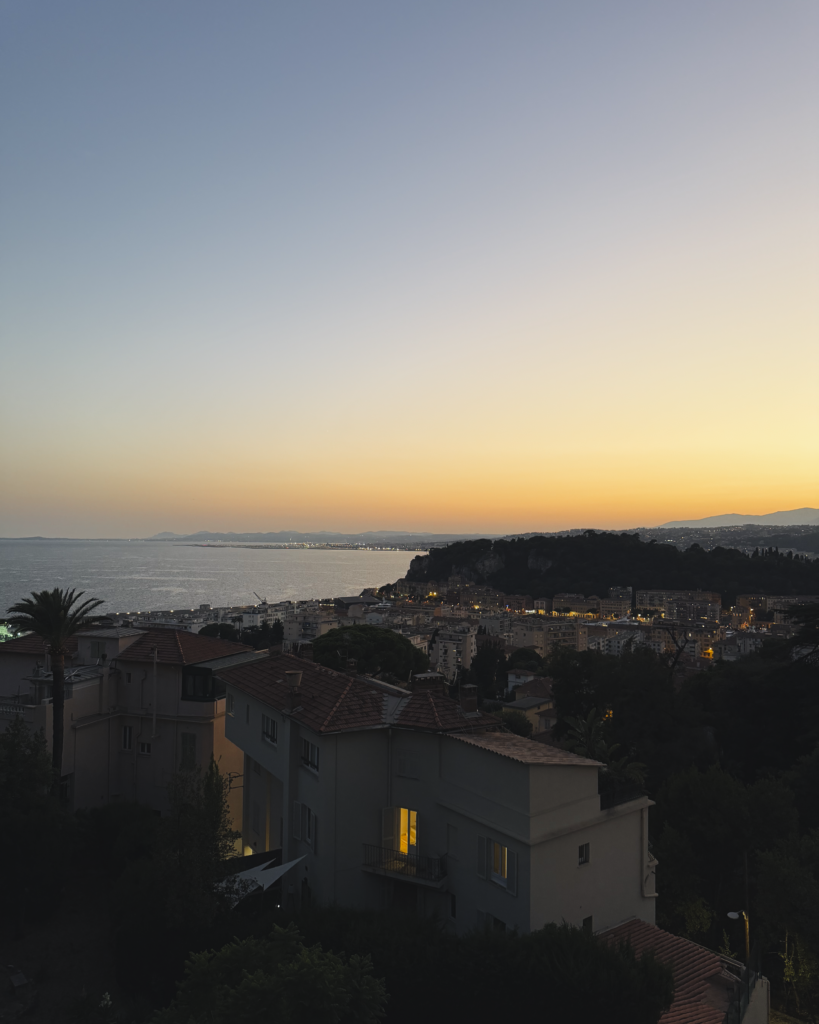
  • Nice, September 2026

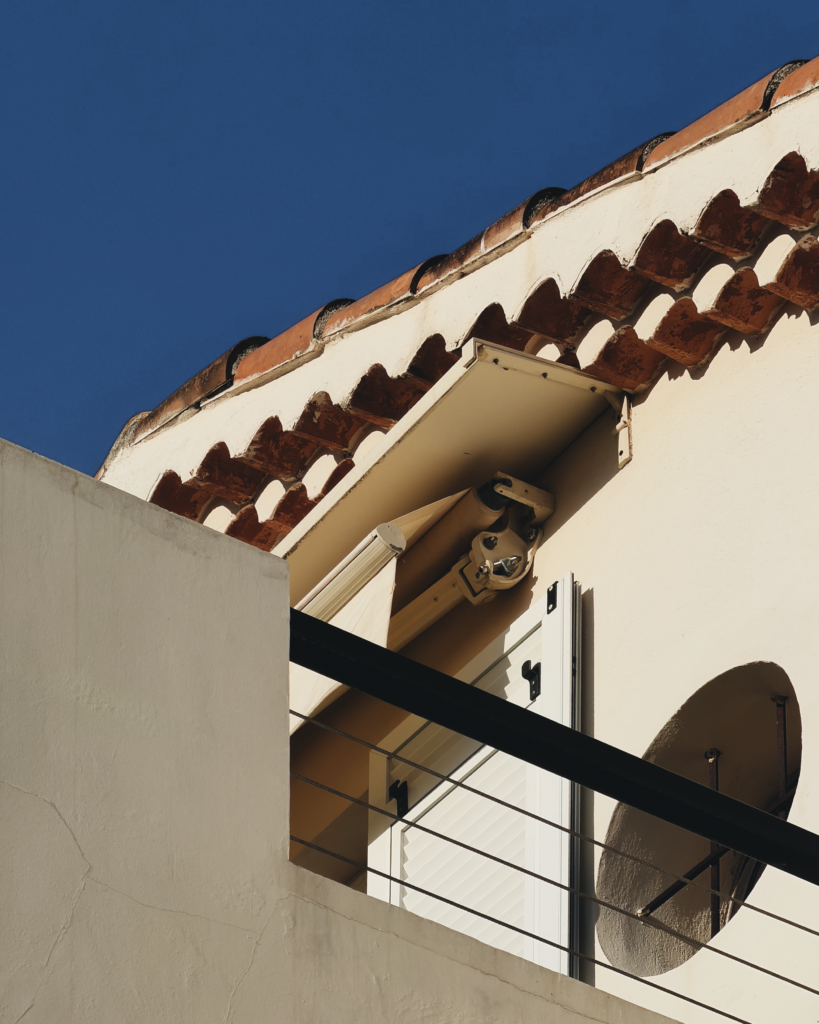
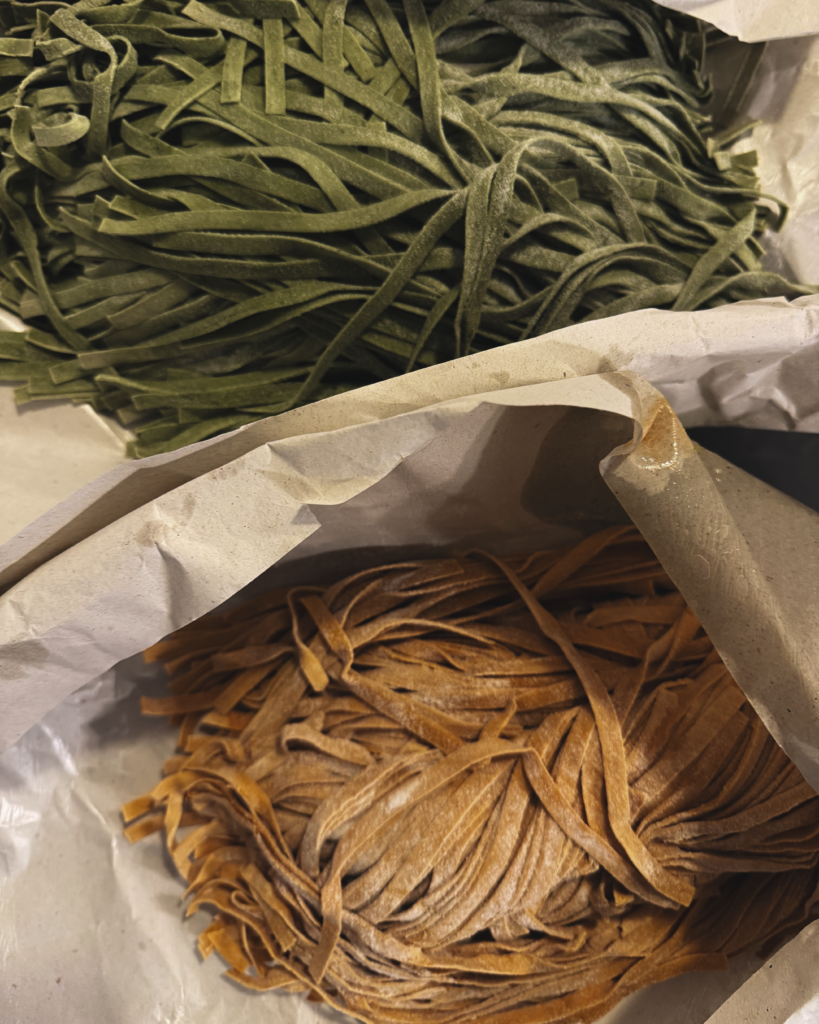
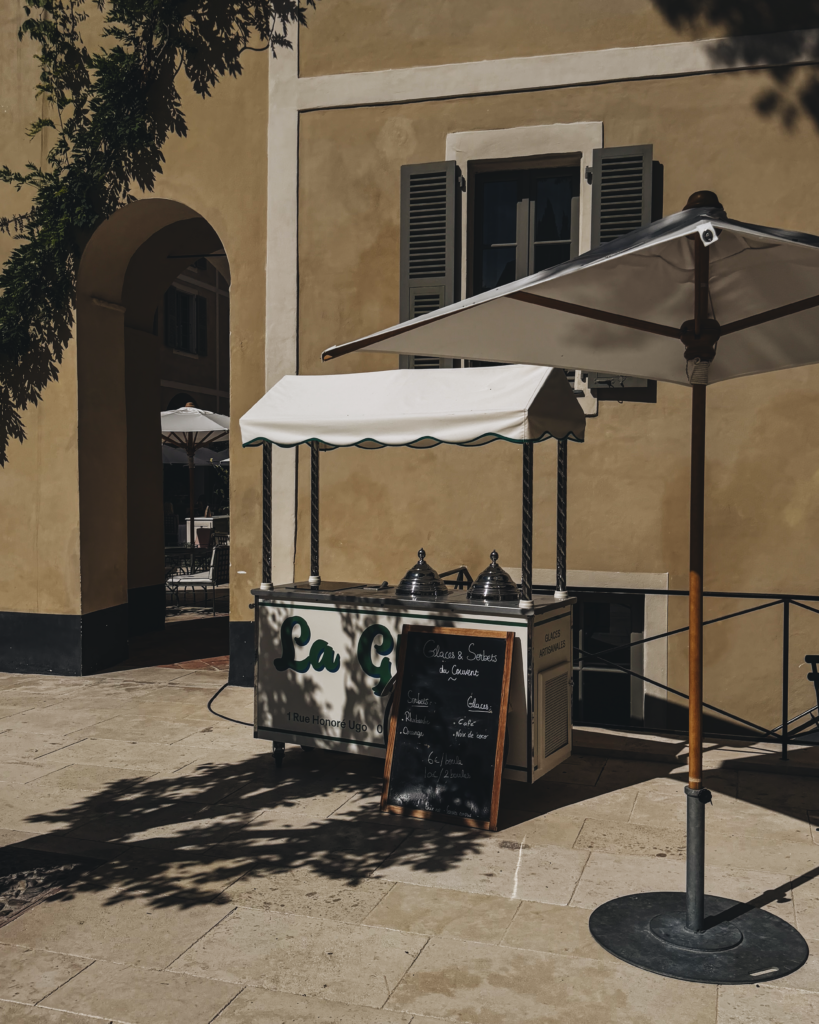
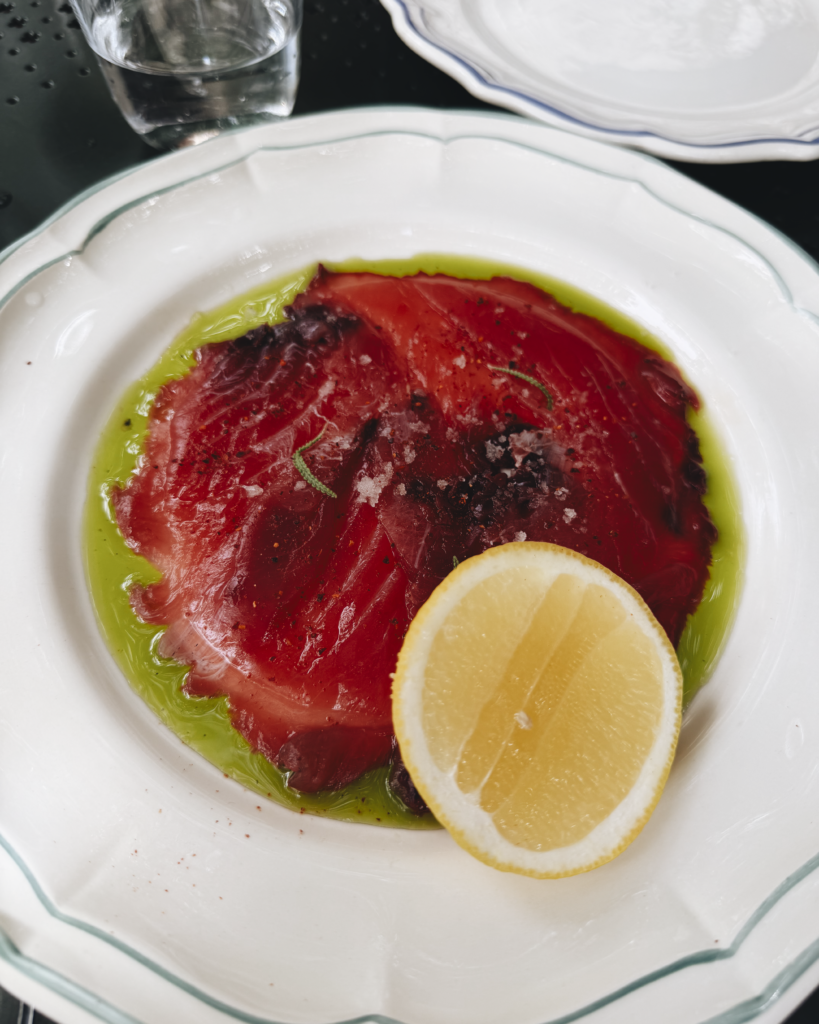
    I have my Fujifilm camera with me on this trip, but it’s been a bit much to carry it around throughout the day with Vivienne and all of her various belongings. So these photos are all shot on iPhone. Sometimes I remember to shoot in RAW (for better post-production), but most of the time these are just quick snaps with the default settings. In my opinion, the photos don’t have the same colour depth and overall richness as the ones I get from my Fujifilm.

  • We are now in a post-camera world

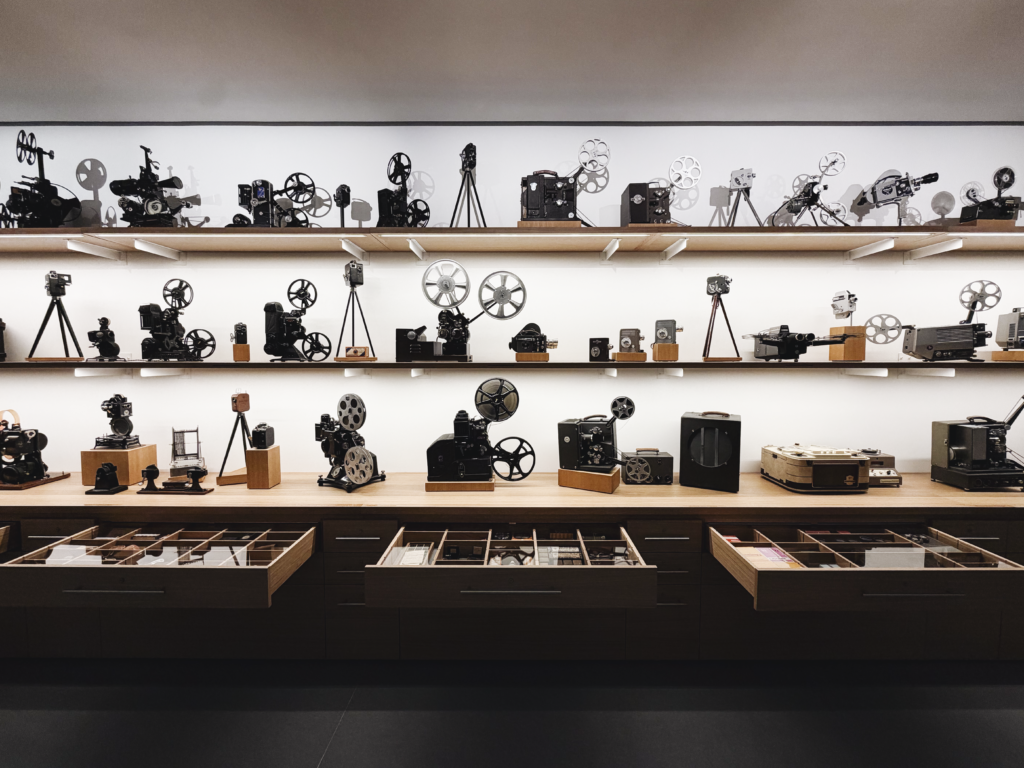
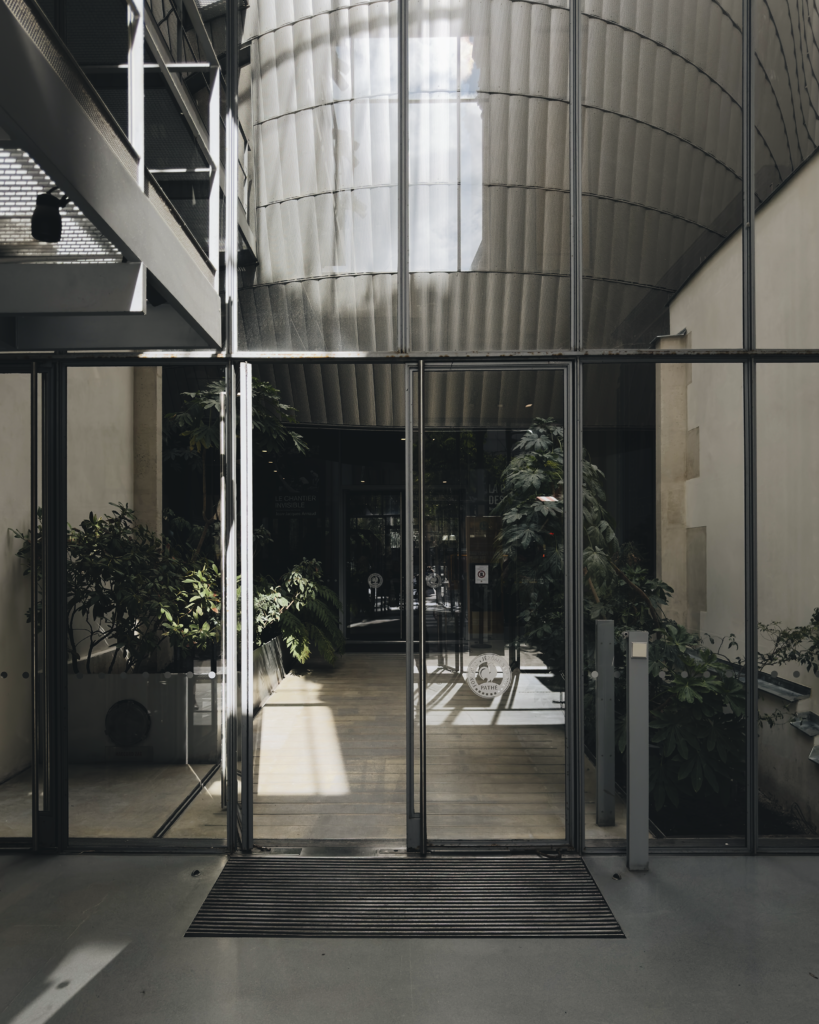
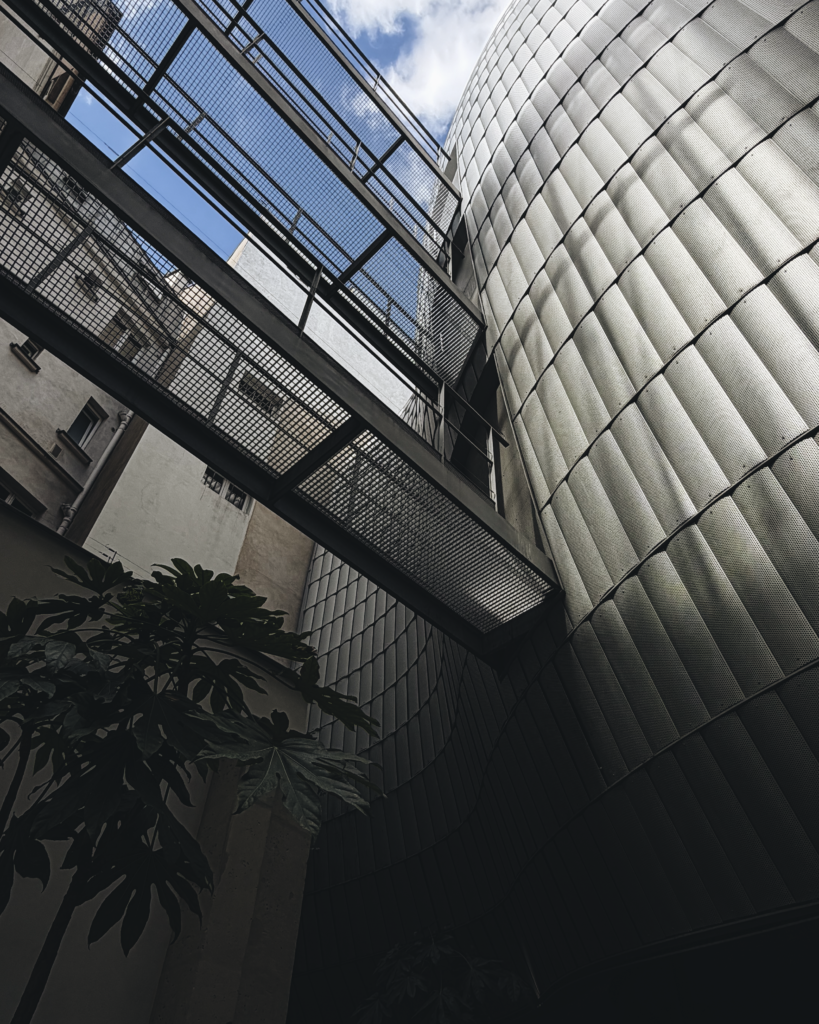
    This is a wall of 20th-century filmmaking equipment captured at the Fondation Jérôme Seydoux-Pathé. For background, Jérôme Seydoux is a French businessman and movie producer (and the grandfather of French actress Léa Seydoux). Pathé is the second-oldest operating film company in the world. It was founded by the Pathé brothers in the late 19th century. (For architecture fans, the Fondation itself was designed by Renzo Piano. Note: Full architecture tours only happen once a week.)

    Seeing this taxonomy of equipment and reading about its market adoption reminded me that technologies change, but human impulses tend to remain remarkably static. Film cameras at the beginning of the 20th century were made for industry. They were expensive, bulky, and required teams of people. But as you’d expect, by the middle of the century, these devices became more affordable and suitable for individual use. This gave rise to amateur filmmakers and eventually, you could say, proto-influencers.

    The introduction of smartphones made creation even easier and social media platforms completely changed the game of distribution, turning content creation into an even bigger business. But in the end, the human desire to capture, create, and share remains the same. Today, however, the game is fundamentally changing. AI eliminates the need for handheld devices and physical models and locations. Now you can just prompt. The possibilities are endless.

    As I was walking around the Fondation and reading about how it took a year to cast the right female lead for L’Amant (Jane March was eventually found in the suburbs of London), I couldn’t help but think about how AI completely collapses this process. Today, there’s no need to look; you just need to describe exactly what you want. Invariably, this is going to feel like some kind of loss to purists. Isn’t this artificial?

    We are now in a post-camera world. But what will never change is our desire to tell stories.

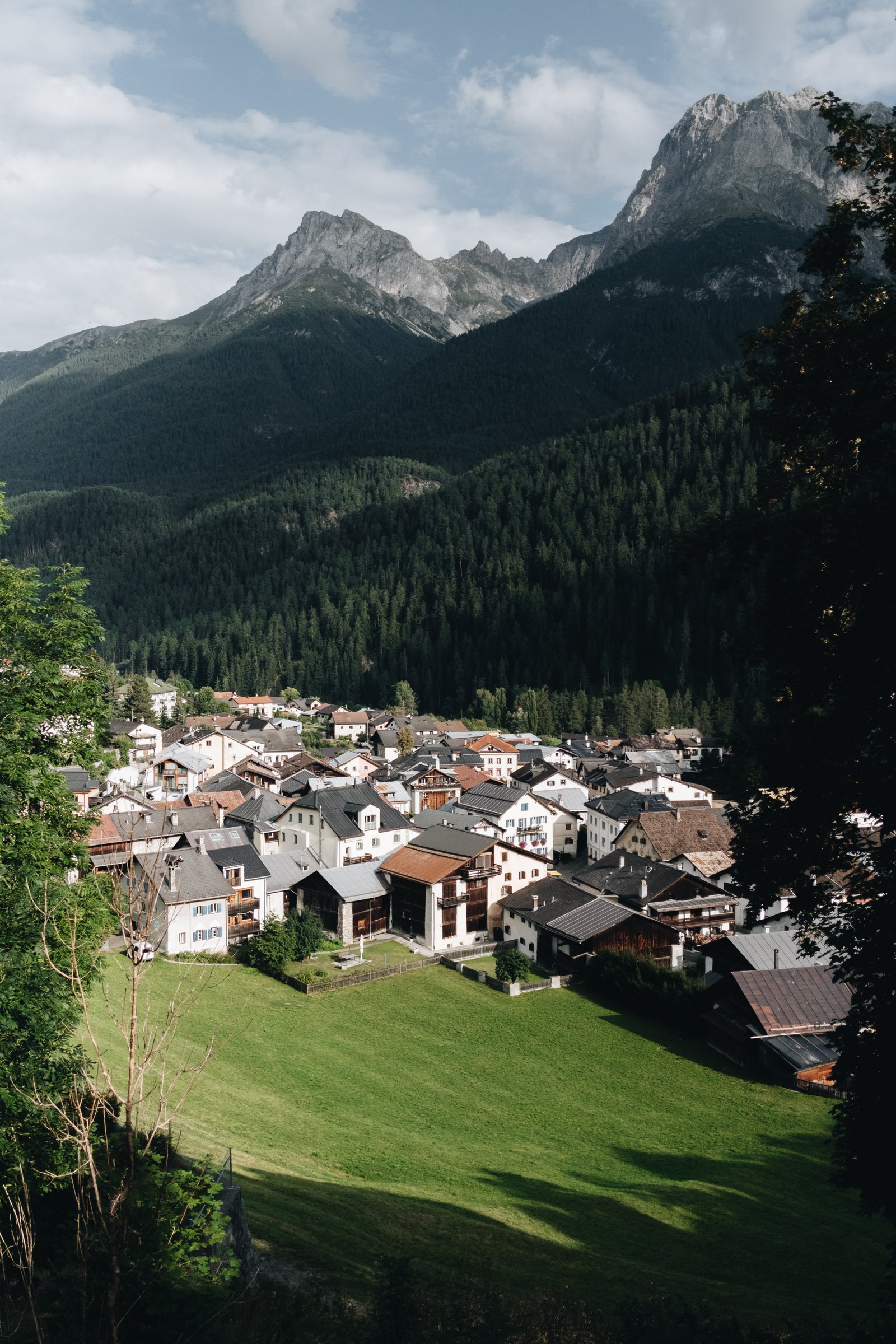
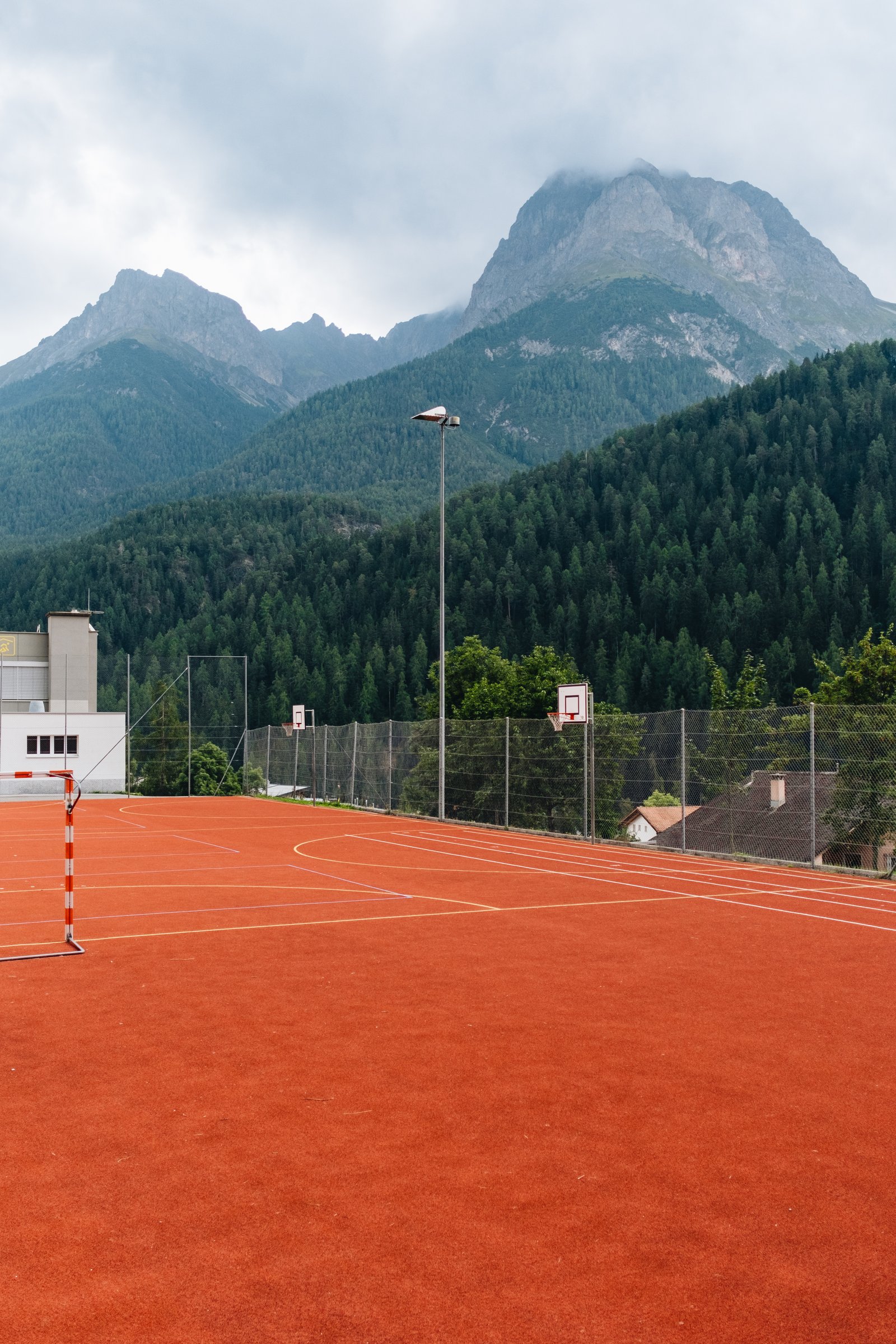
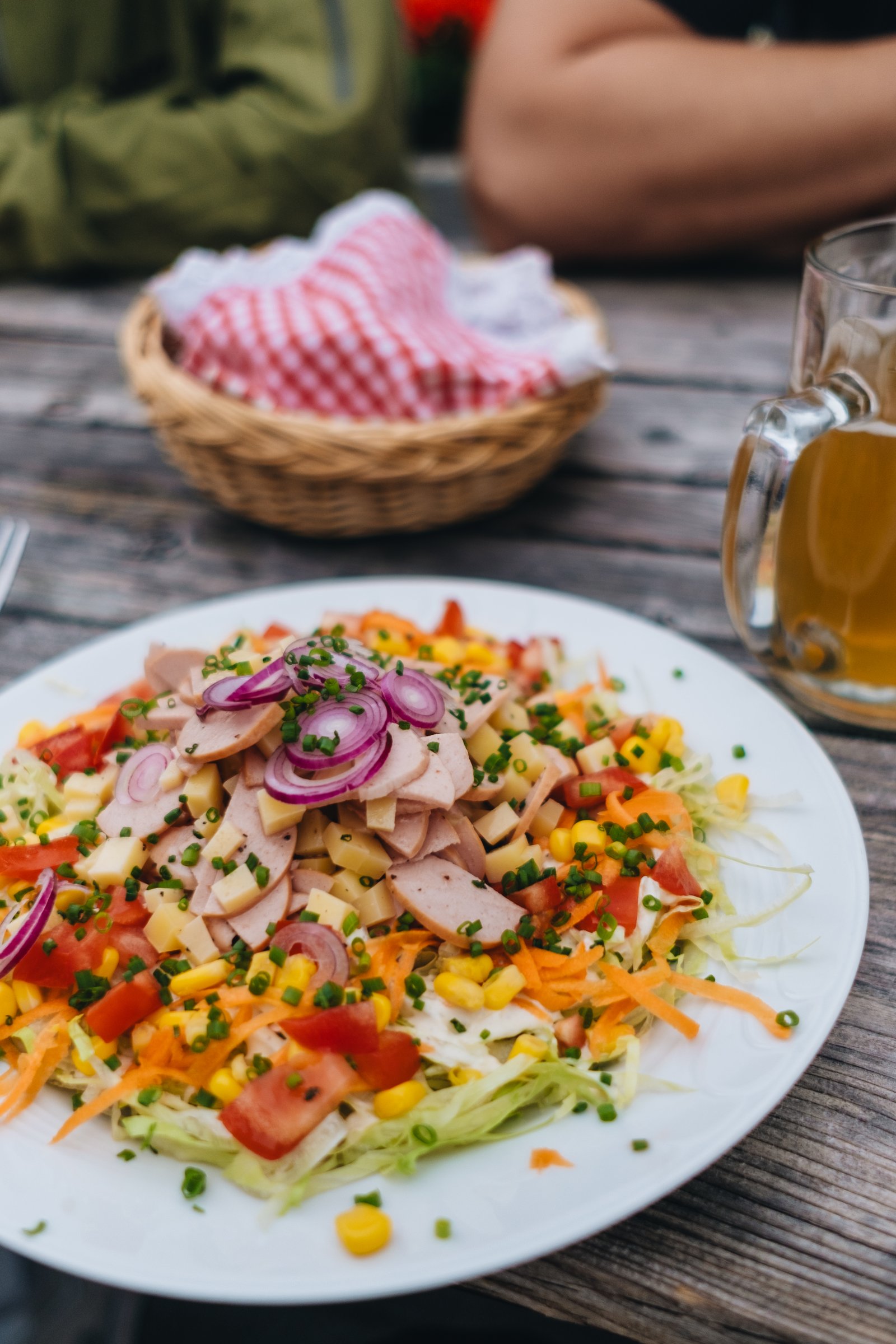
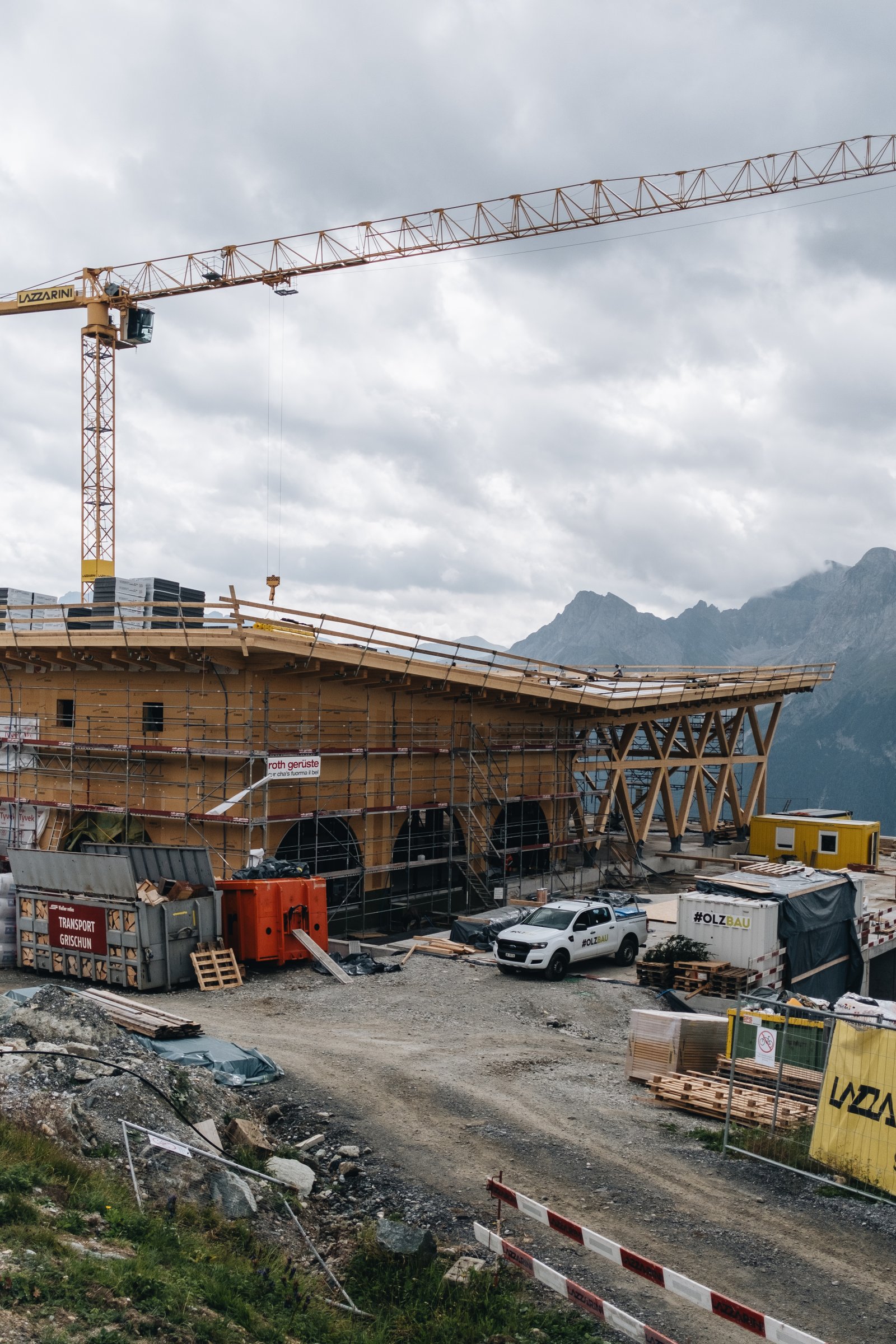
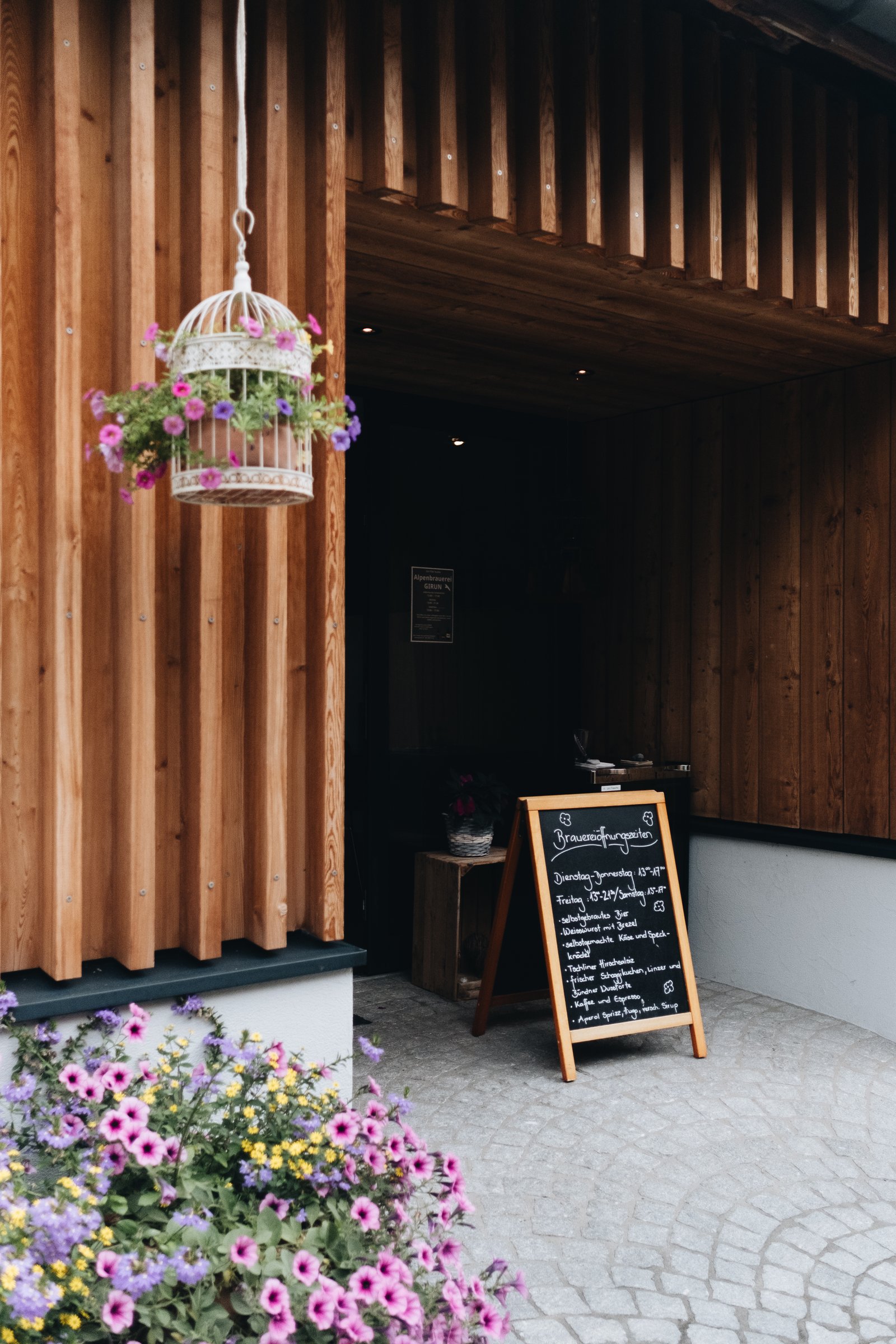
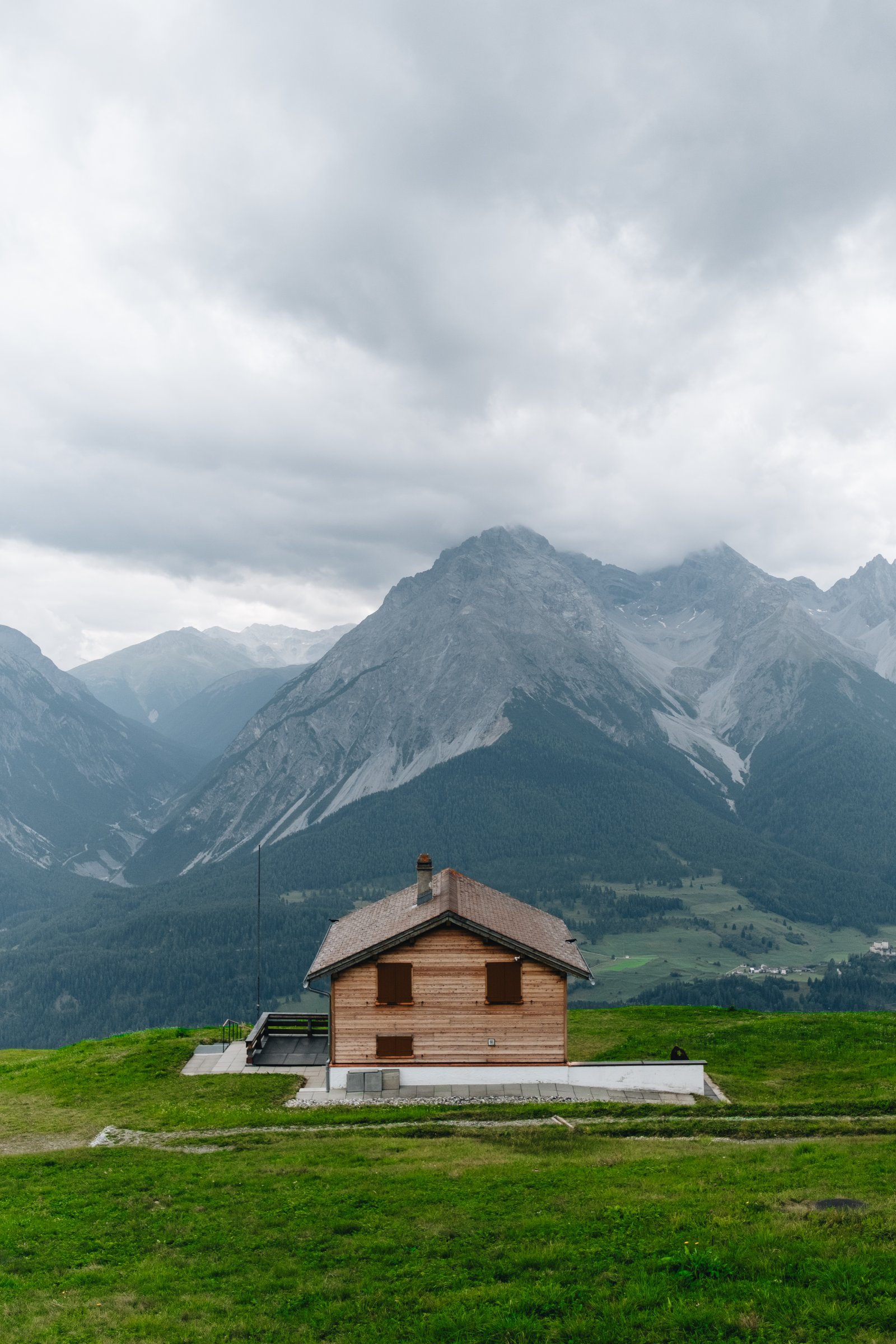
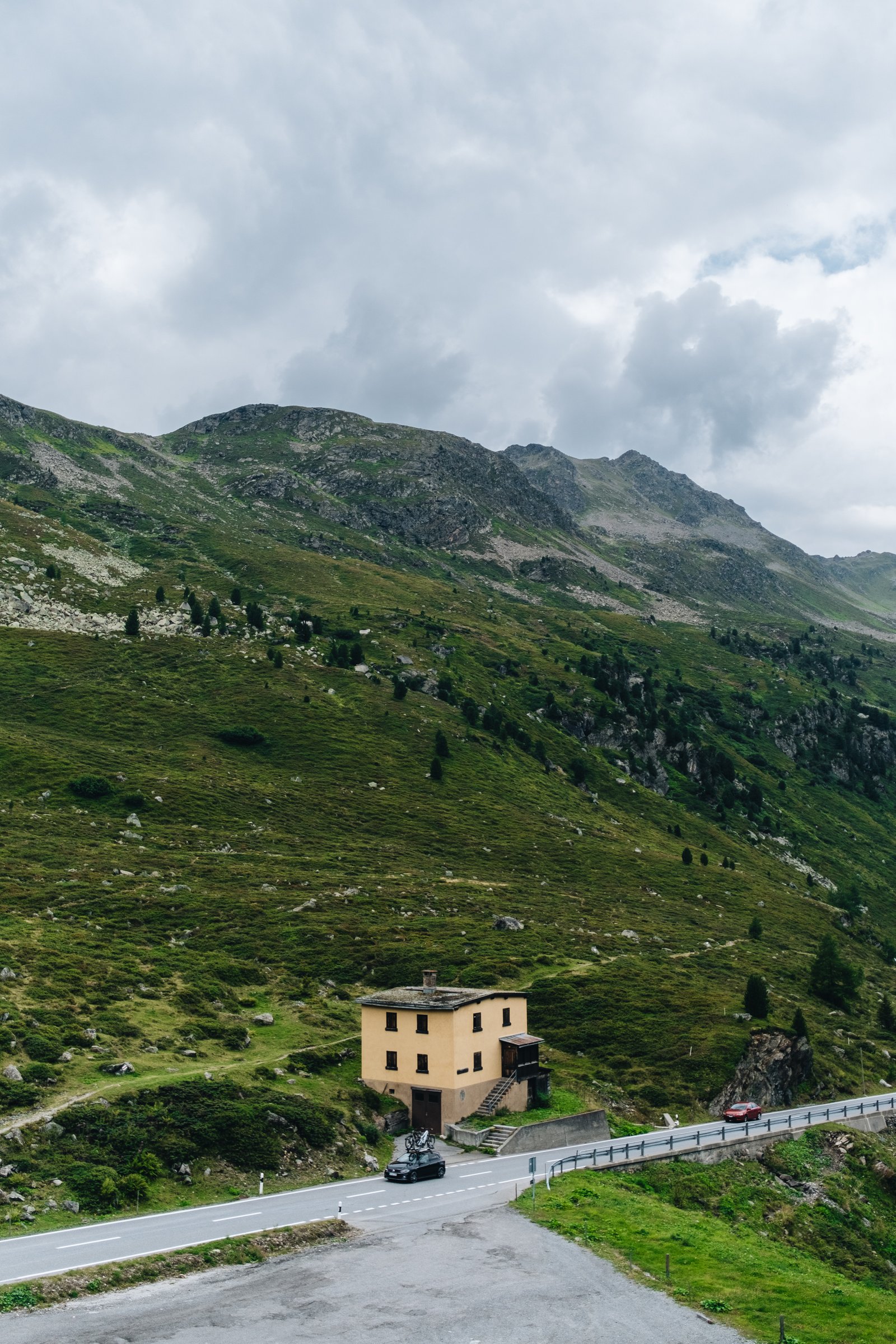
  • 🇨🇭 Scuol, Switzerland

    Camera: Fujifilm X-T3 (23mm lens)

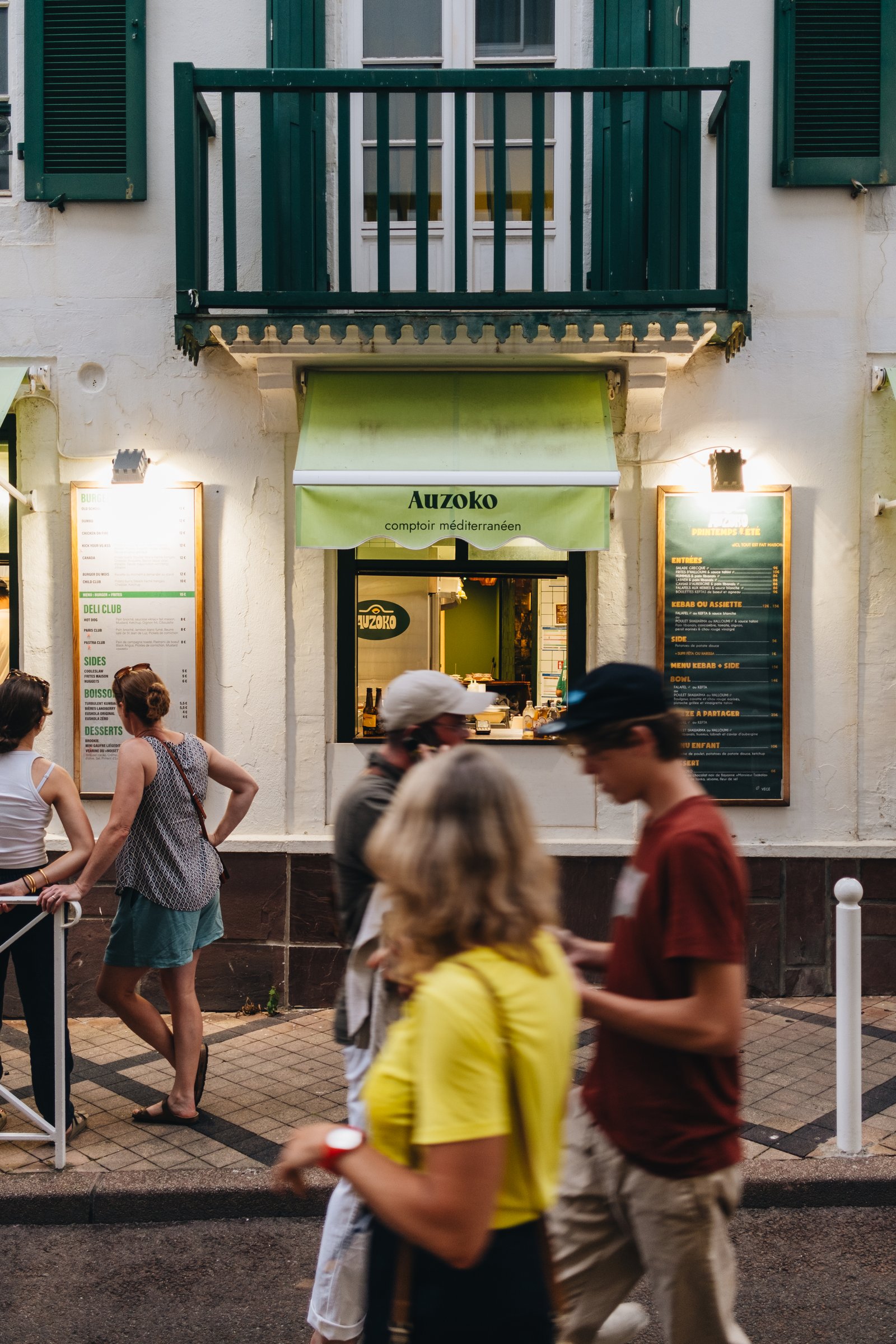
  • 🌶️ Biarritz.

    Camera: Fujifilm X-T3 (23mm lens)

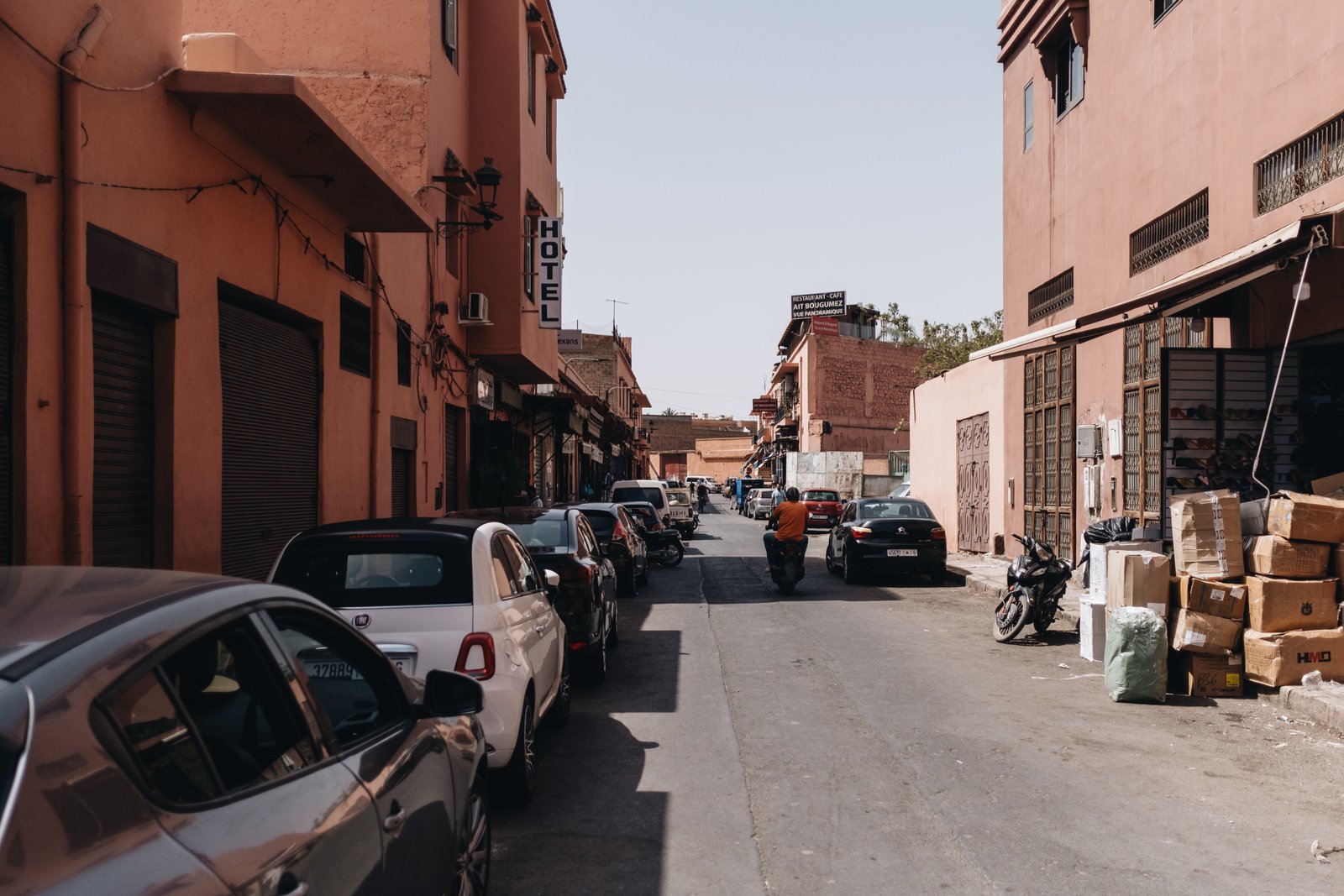
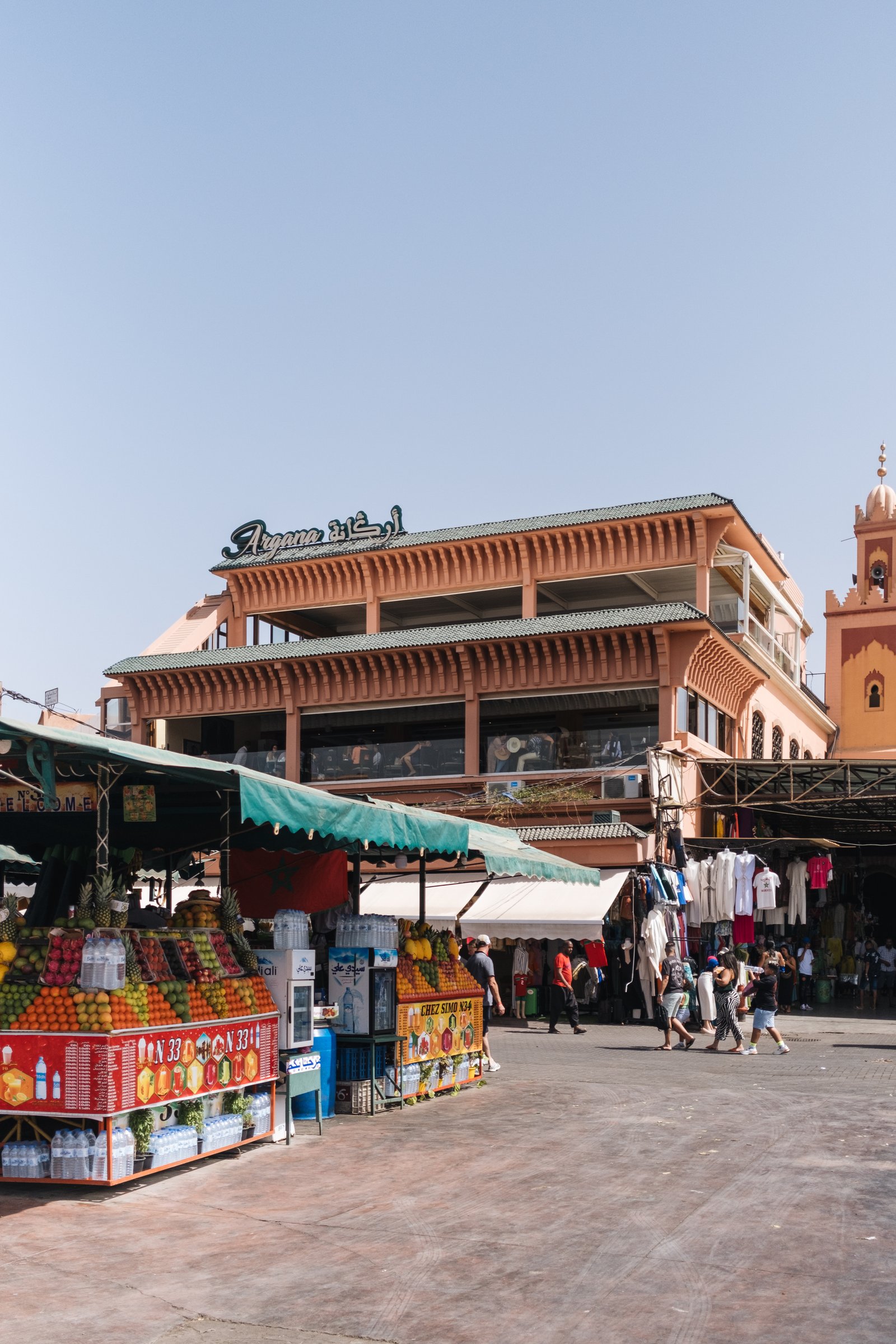
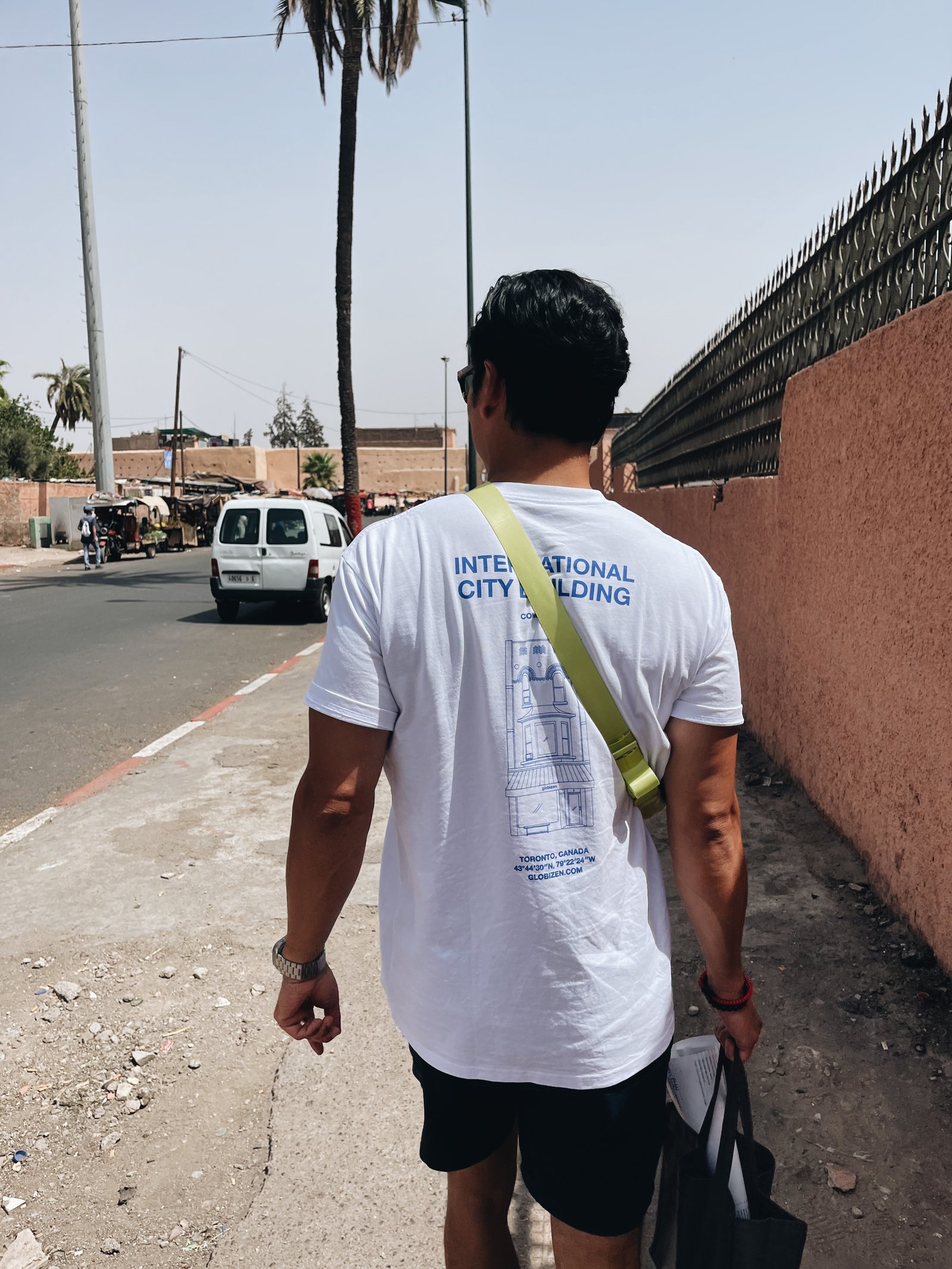
  • Streets of Marrakech

    Camera: Fujifilm X-T3 (23mm lens)

  • La médina de Marrakech

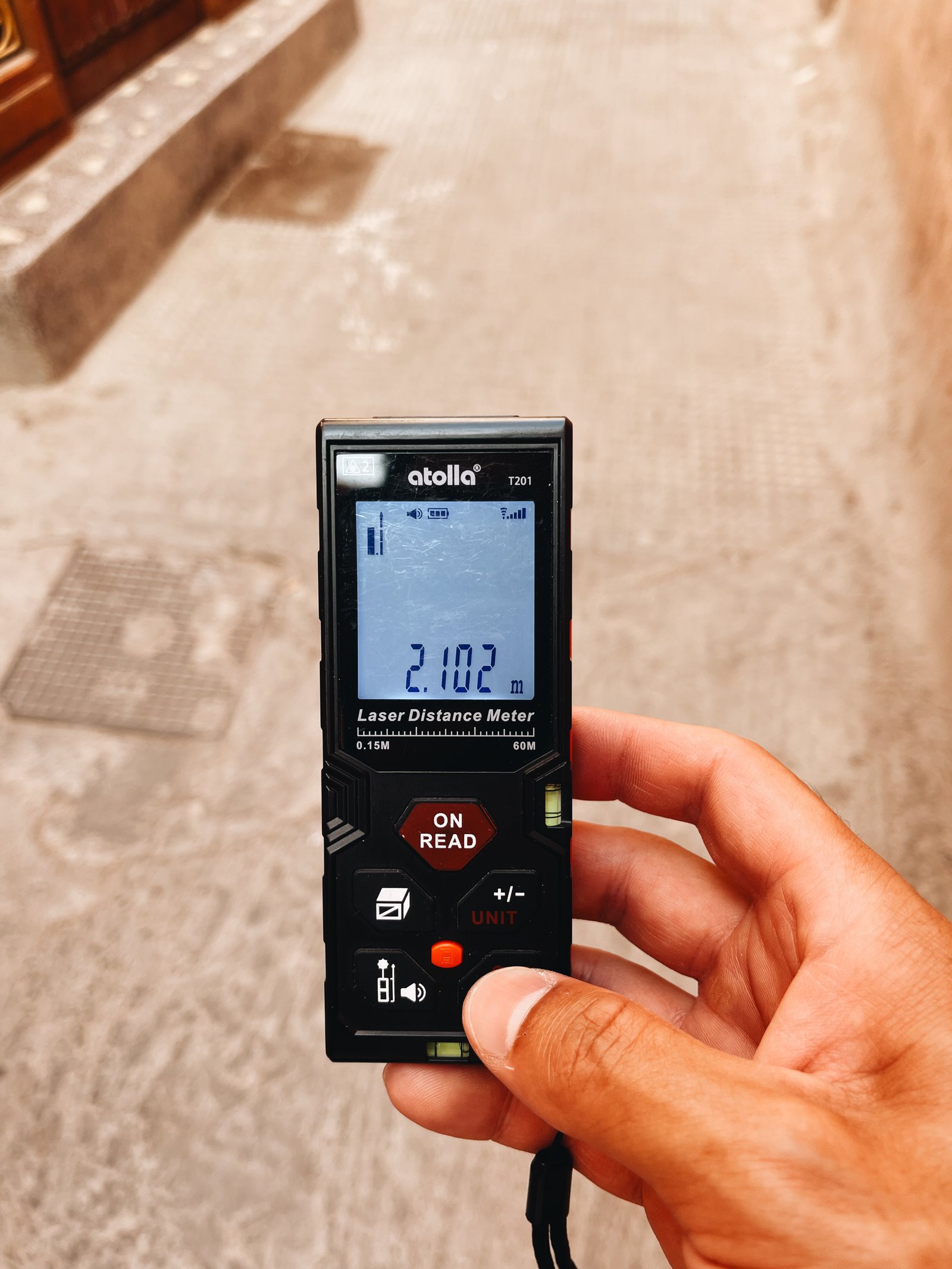
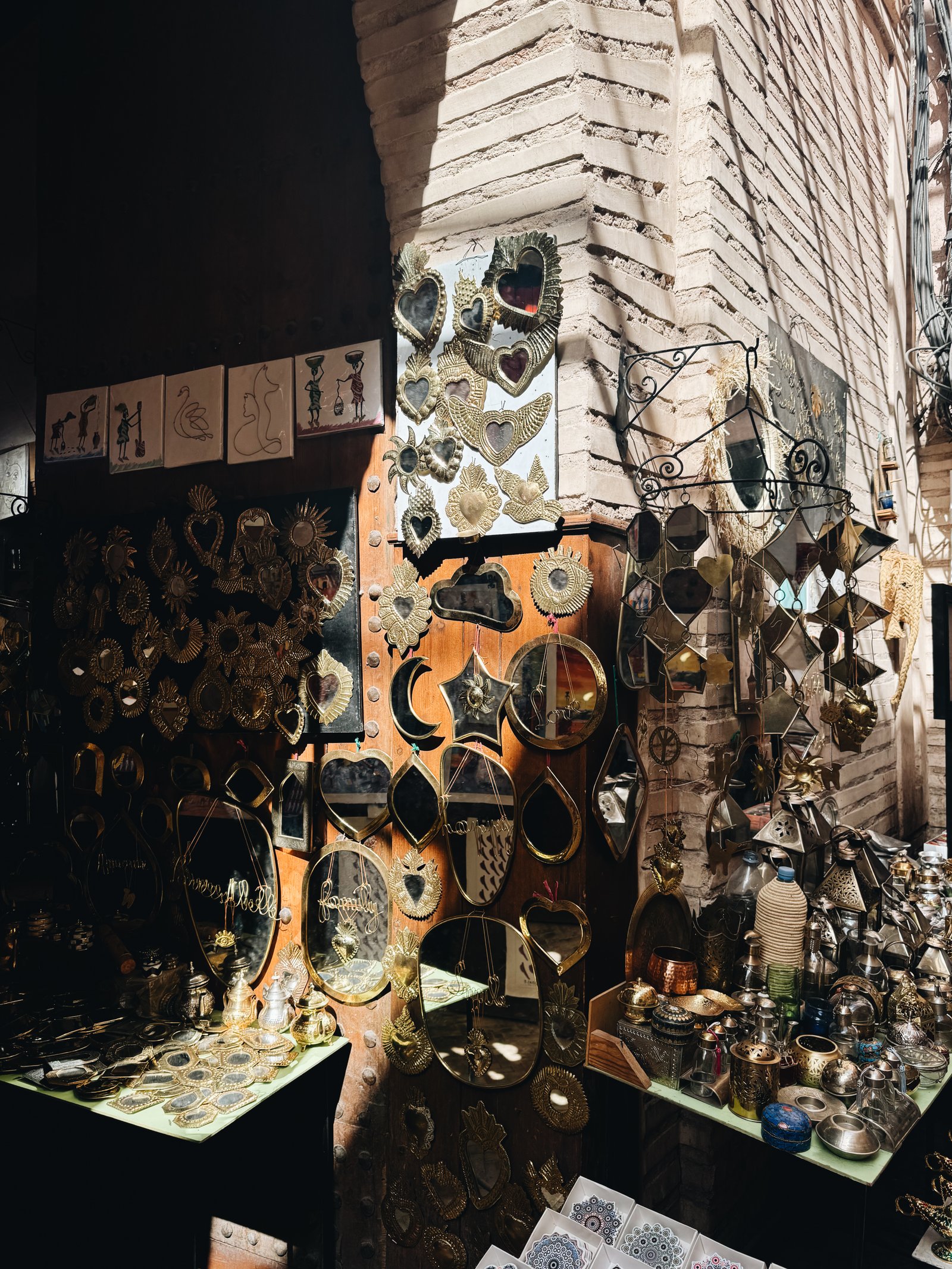
    Marrakech is one of the most frenetic, vibrant, and exciting cities that I have been to in a long time. Walking through the Medina means walking on streets that are only a few meters wide, but that are still somehow filled to the brim.

    Filled with a beautiful cacophony of people, smells, and merchants, selling everything from leather sandals to engine parts. Filled with an endless supply of people vying aggressively for your attention (and who all seem to coincidentally have a relative in Toronto). And filled with motorbikes that are liable to ride over your feet if only you let your guard down for a second.

    Sensory overload. It is at the same time exhausting and one of the coolest experiences ever.

    Another name for these streets would be “shared streets,” which is a way of saying that the formal distinctions between areas dedicated to pedestrians, cyclists, and motorists have been removed. While they are intended to be pedestrian-oriented, the overall approach is that all users just, you know, figure it out. Today, this is viewed as an enlightened approach to street design. Though it’s clearly not a new one.

    I will, however, be the first to admit that it’s easy to feel like an uptight Canadian in the Medina of Marrakech. This thought definitely crossed my mind: “I can’t believe they let motorbikes rip through these tiny streets.” You can see why somebody at some point felt it might be a good idea to carefully segregate uses.

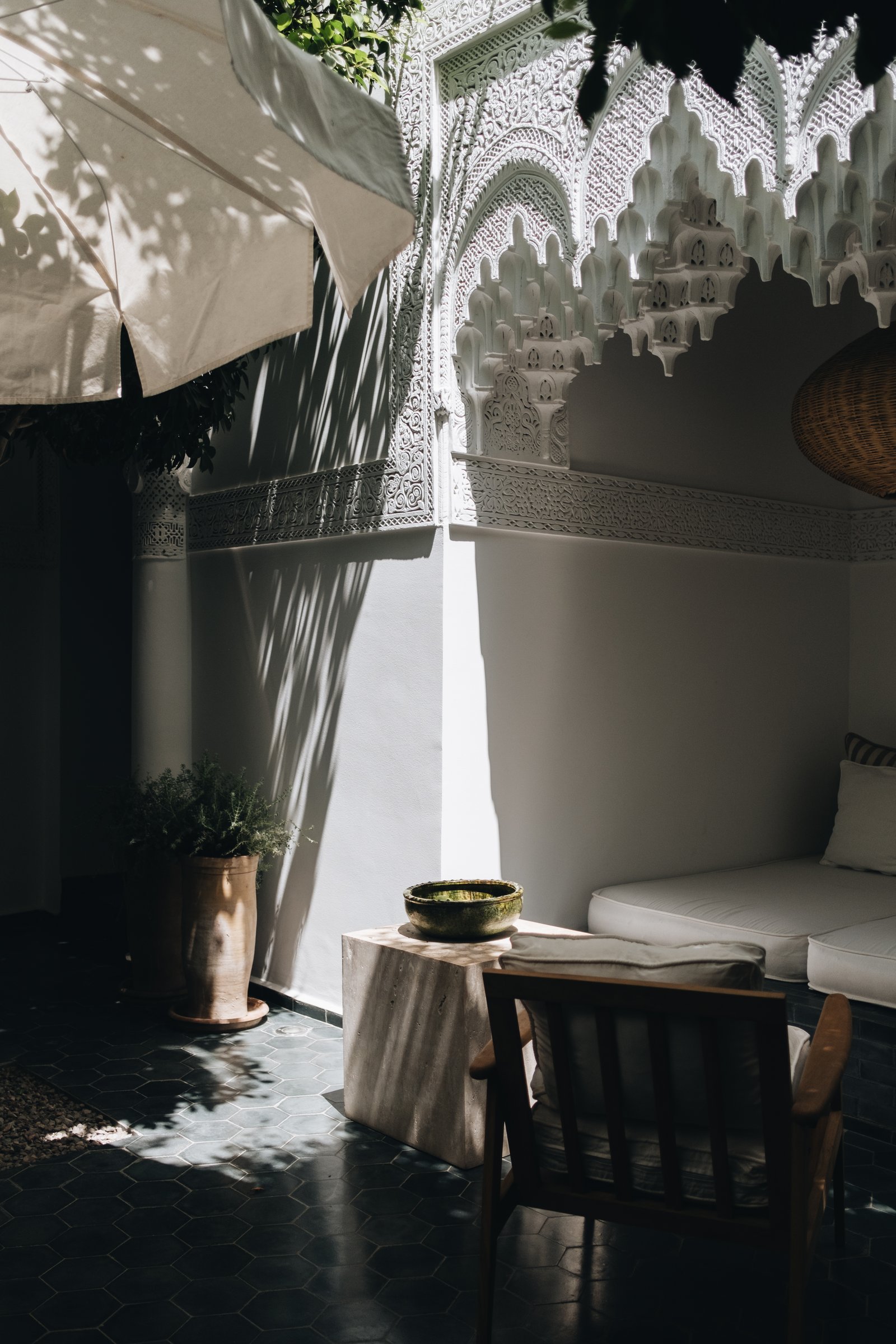
    At the same time, the architecture of Morocco feels like the perfect complement to these chaotic streets. Notably inward facing, the central feature of a traditional riad is its courtyard. These spaces offer much-needed protection from the hot Moroccan sun, but they also allow for family privacy, which is something that is important in this culture.

    The result is that you immediately feel it every time you walk inside. You have now entered a beautiful and calm oasis in the middle of a frenetic and exciting city.

  • Palma

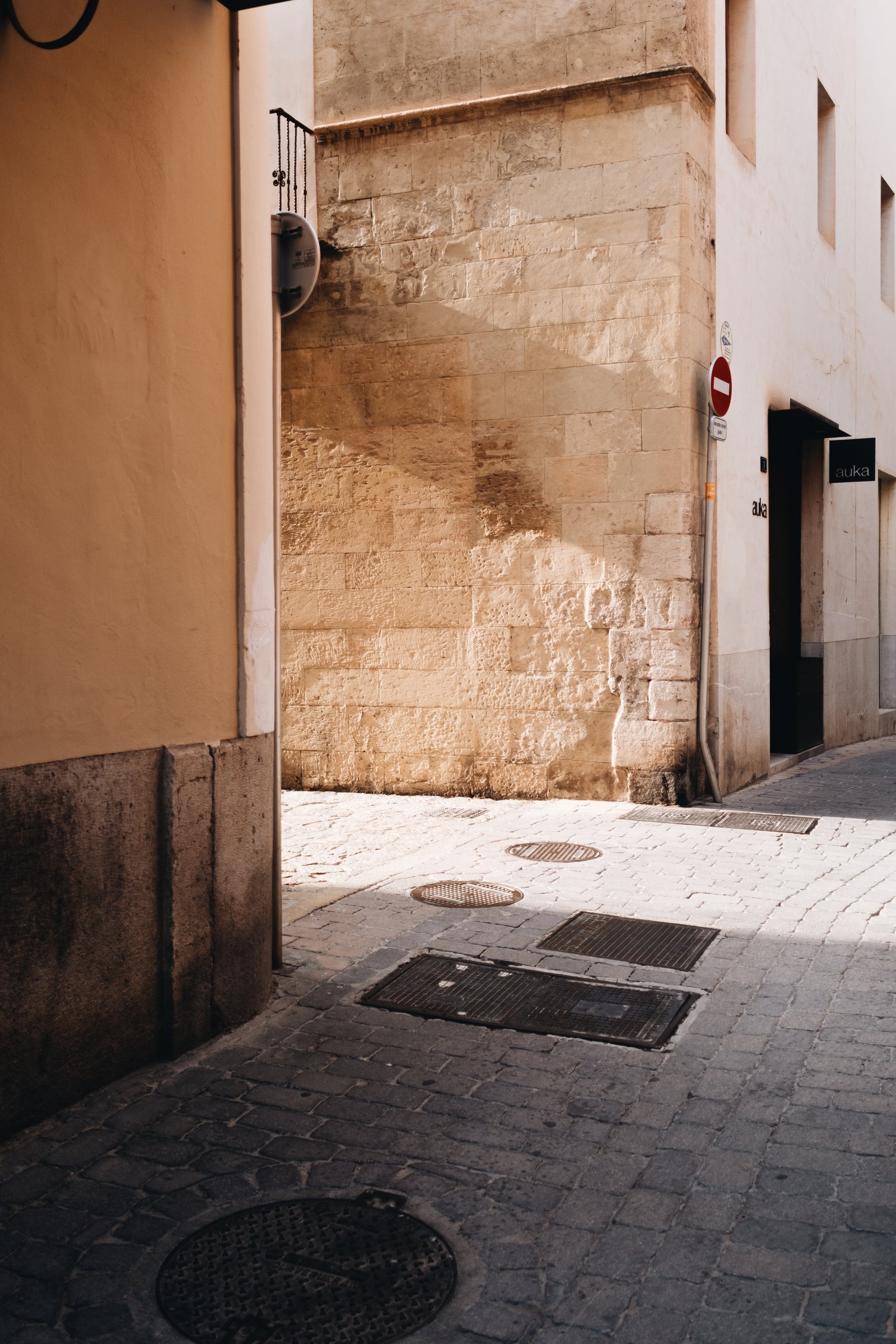
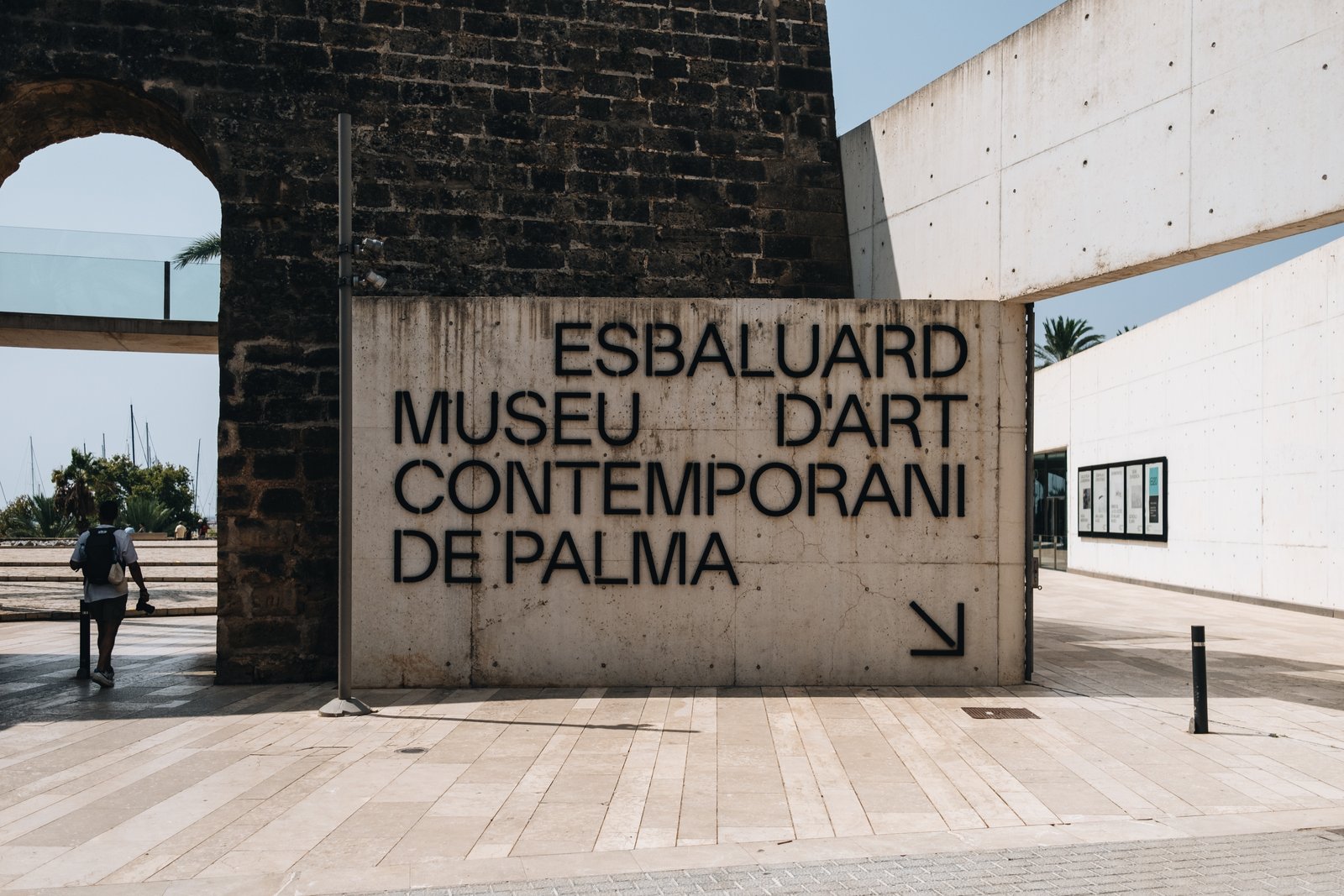
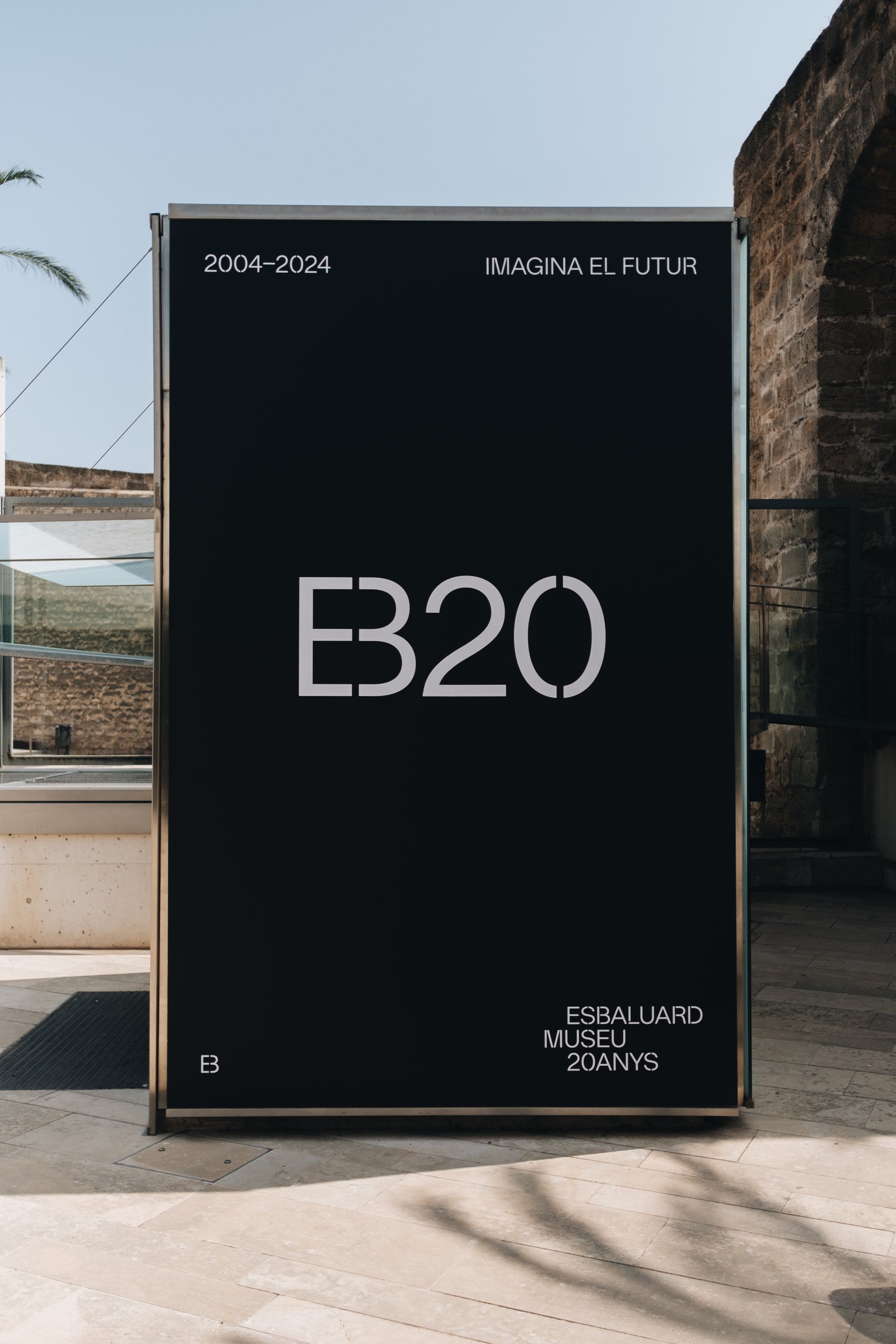
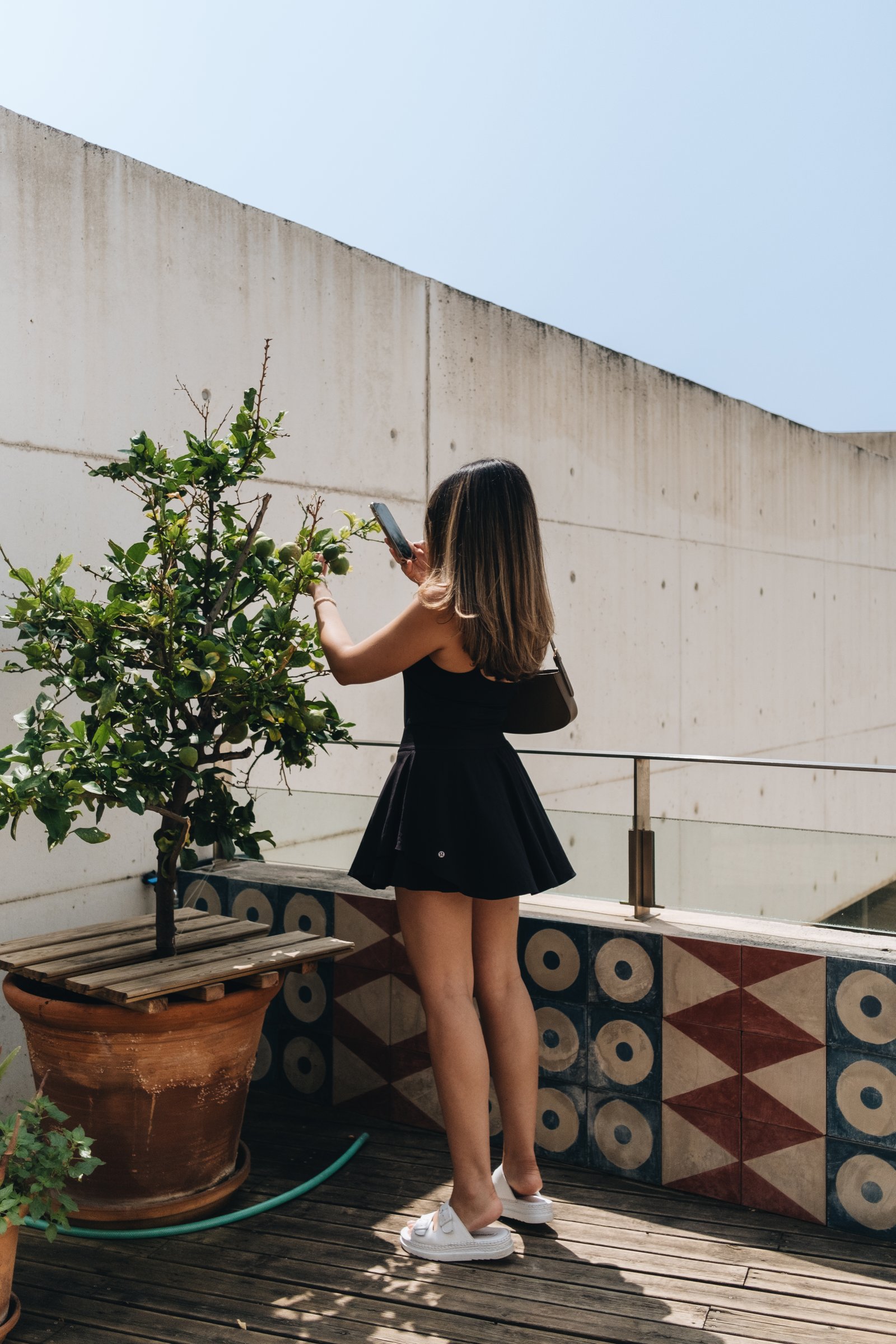
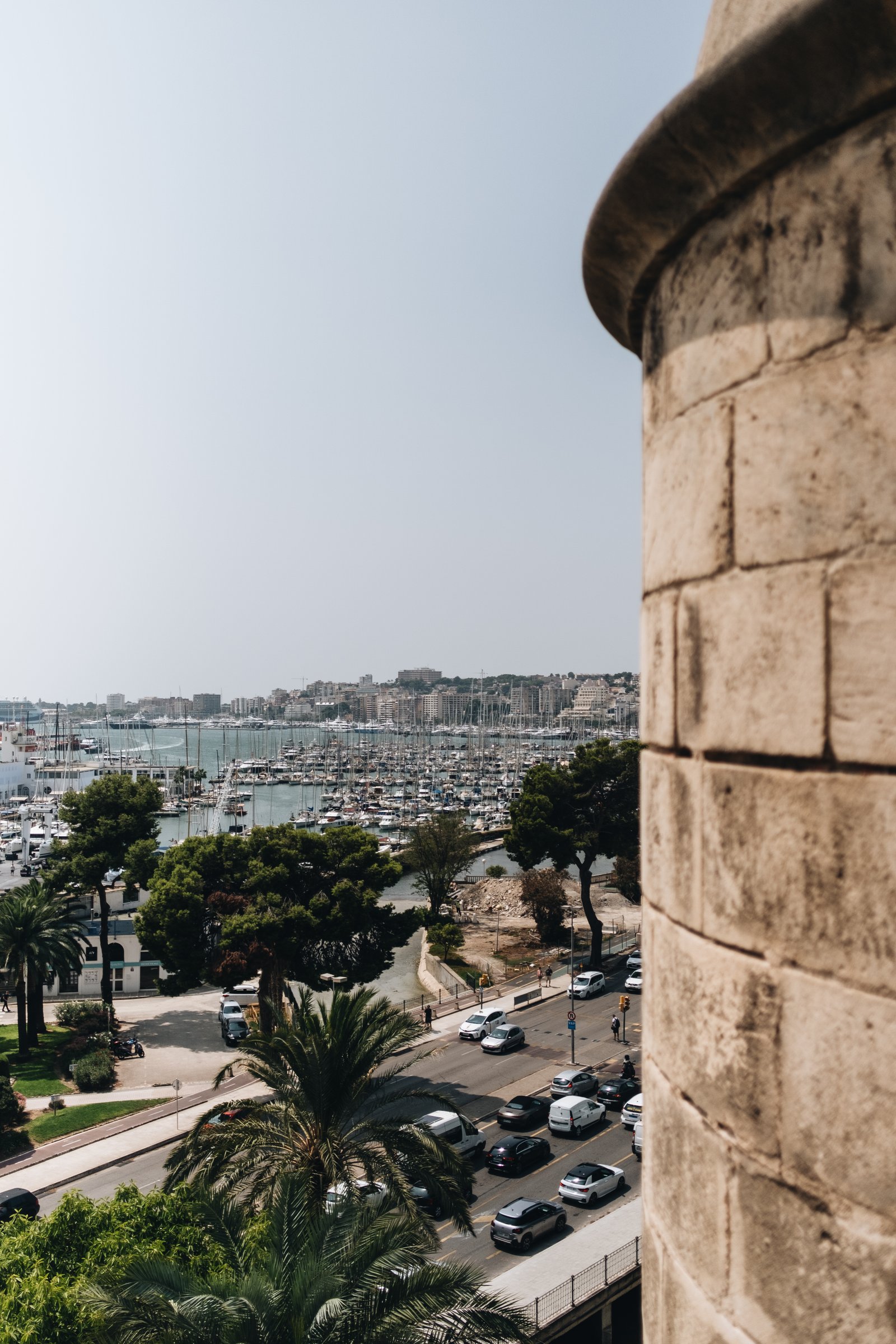
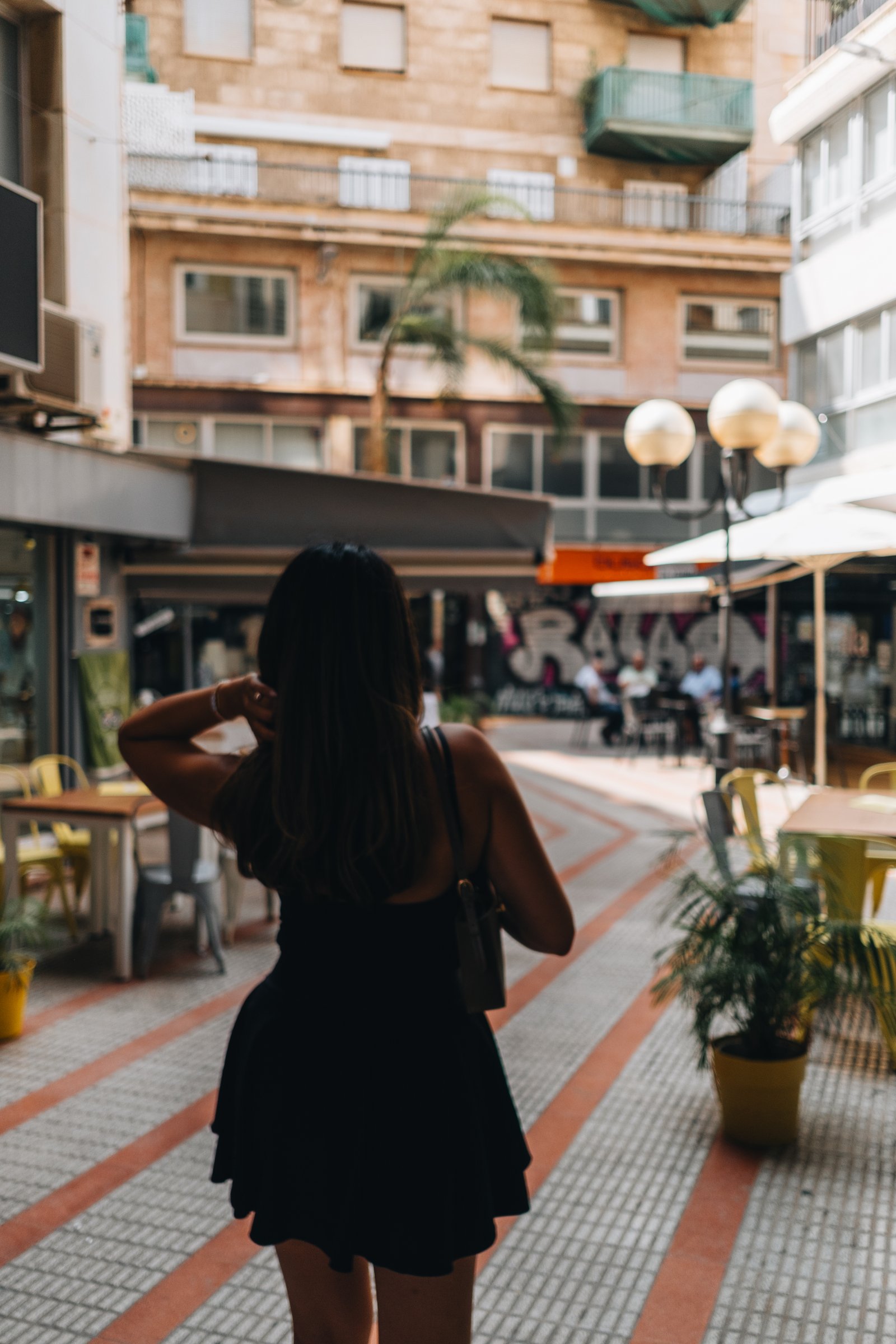
    Traveling is one of life’s greatest experiences. Pack a carry-on (so you bring only what you really need). Strip yourself of your regular surroundings. And explore the world with new eyes — maybe with a camera in your hand.
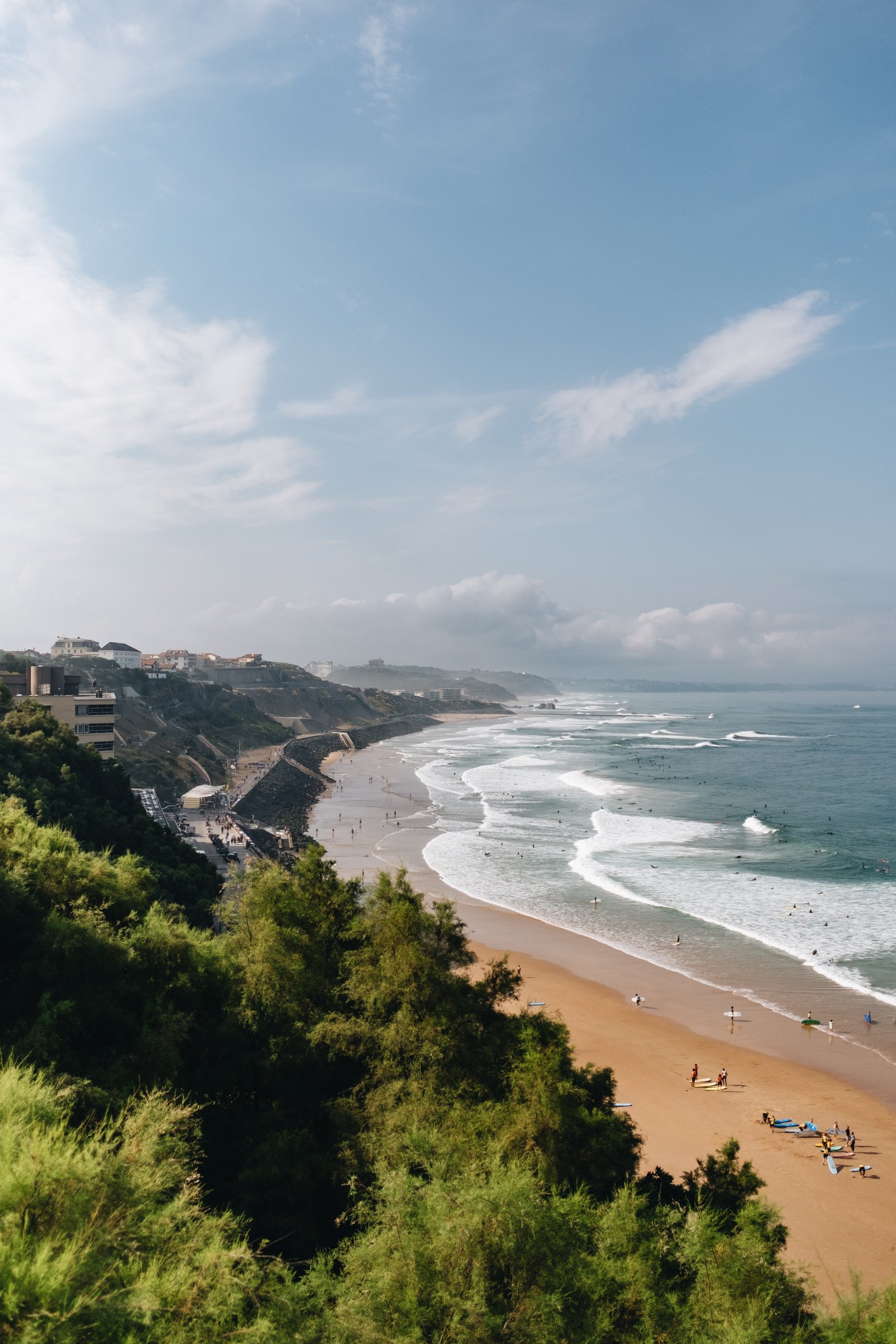
    Camera: Fujifilm X-T3 (23mm lens)

  • Cecret Lake

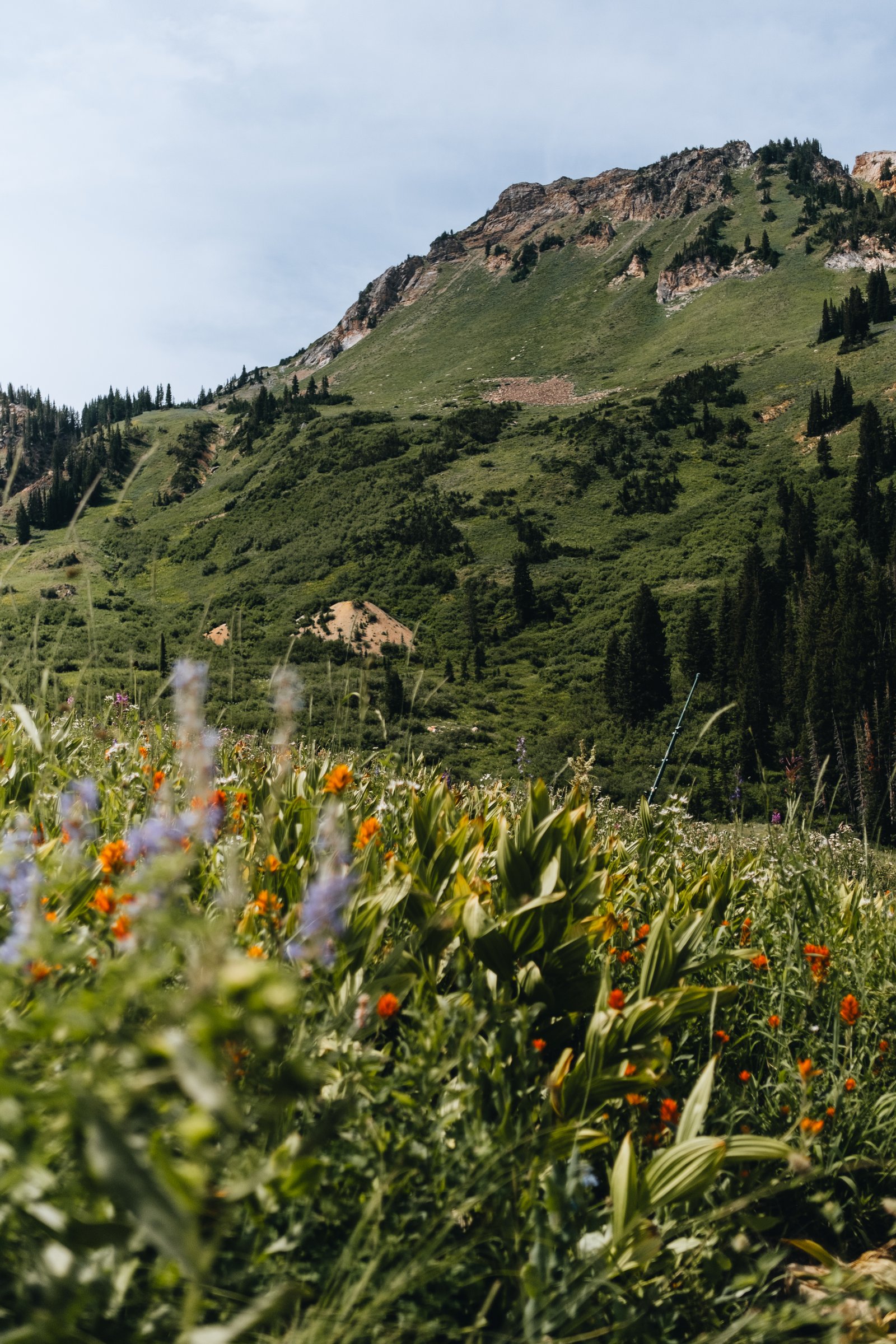
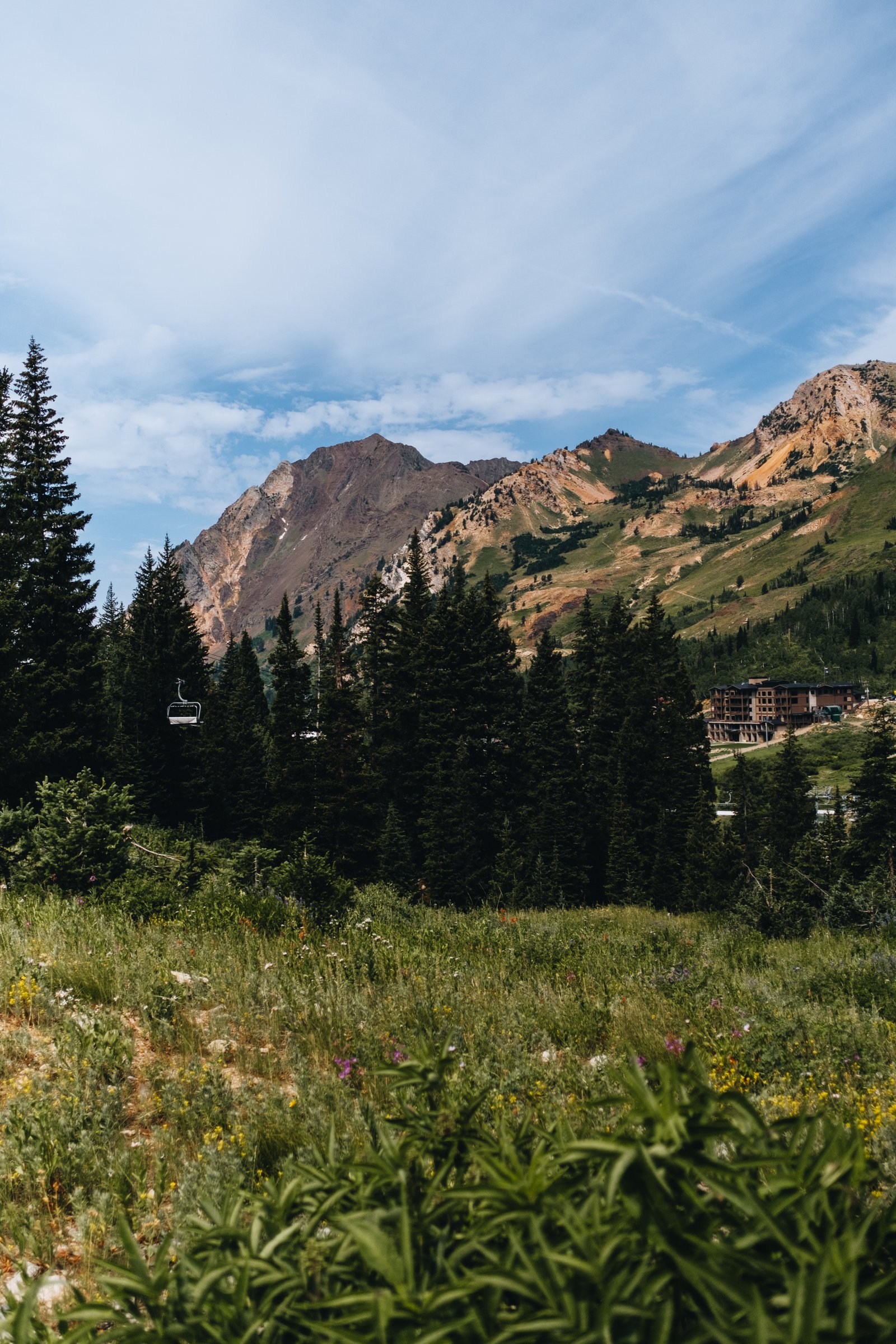
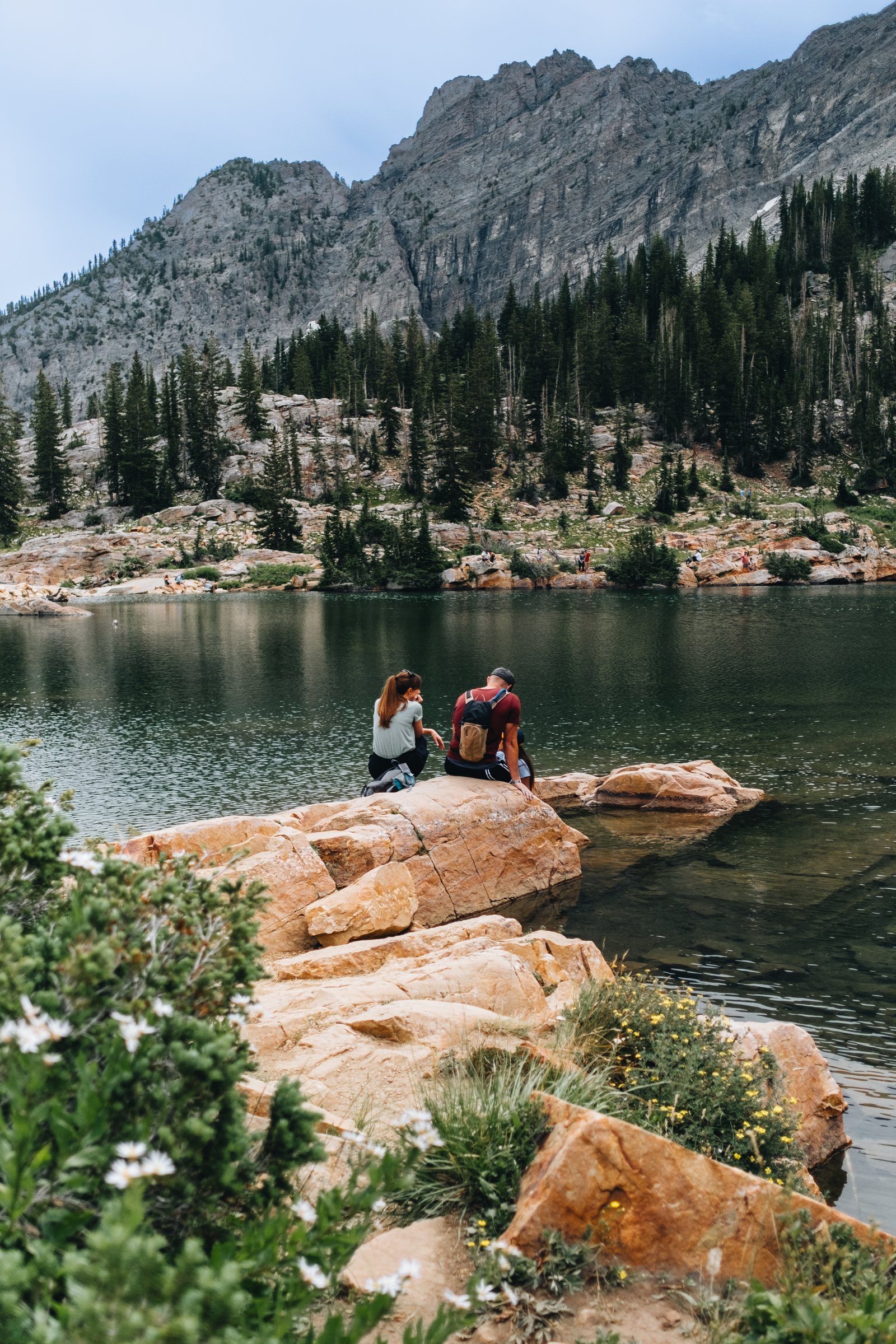
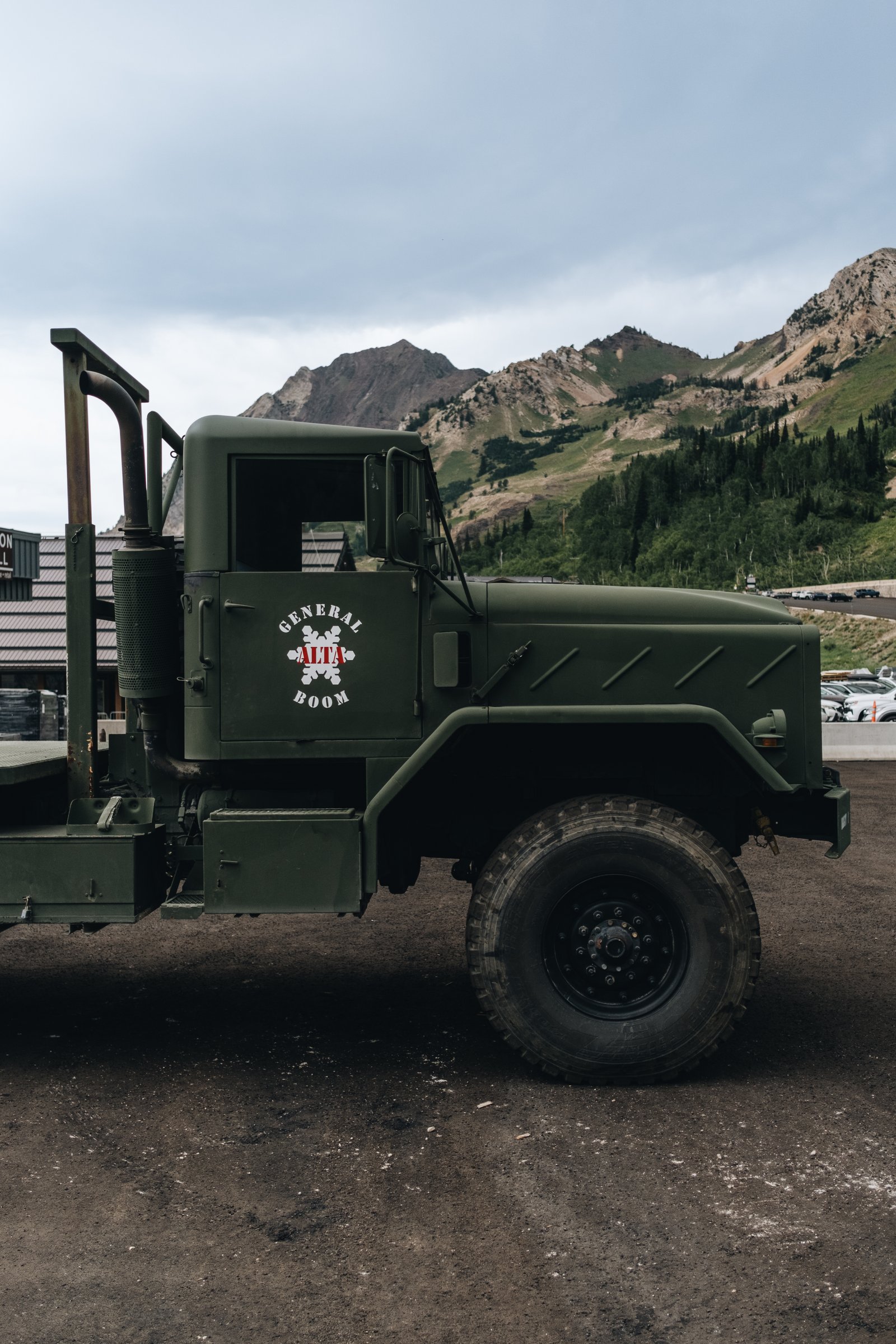
    It is Neat B’s birthday this weekend and we are hanging out in Utah. Today, we hiked up to Cecret Lake, which is accessible from the Alta Ski Area in Albion Basin. Alta is a ski-only resort, so hiking is the only way that my kind — snowboarders — gets to see this area. The basin is known for its beautiful wildflowers and it didn’t disappoint. Cecret Lake is also a watershed area for Salt Lake City. So as you hike up, there are signs telling you not to swim in the lake or do things like bath your dog. Because what goes into the watershed will end up in the faucets of Salt Lake City within 24 hours (according to the signs). If you haven’t done this hike, I would highly recommend it. It’s easy/moderate, and a great way to work up an appetite for In-N-Out Burger, which is a real treat for us Torontonians.
  • On the Bench

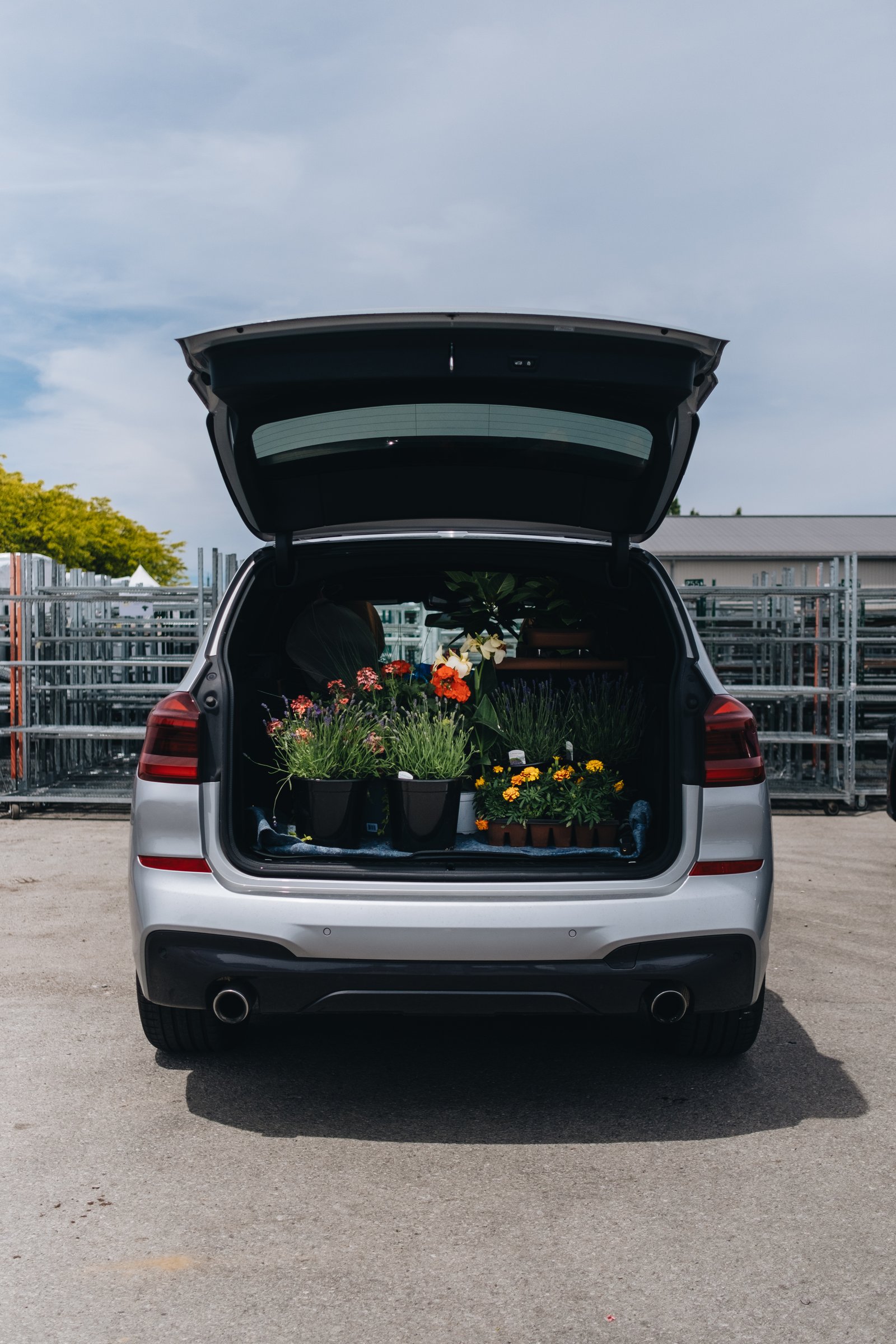
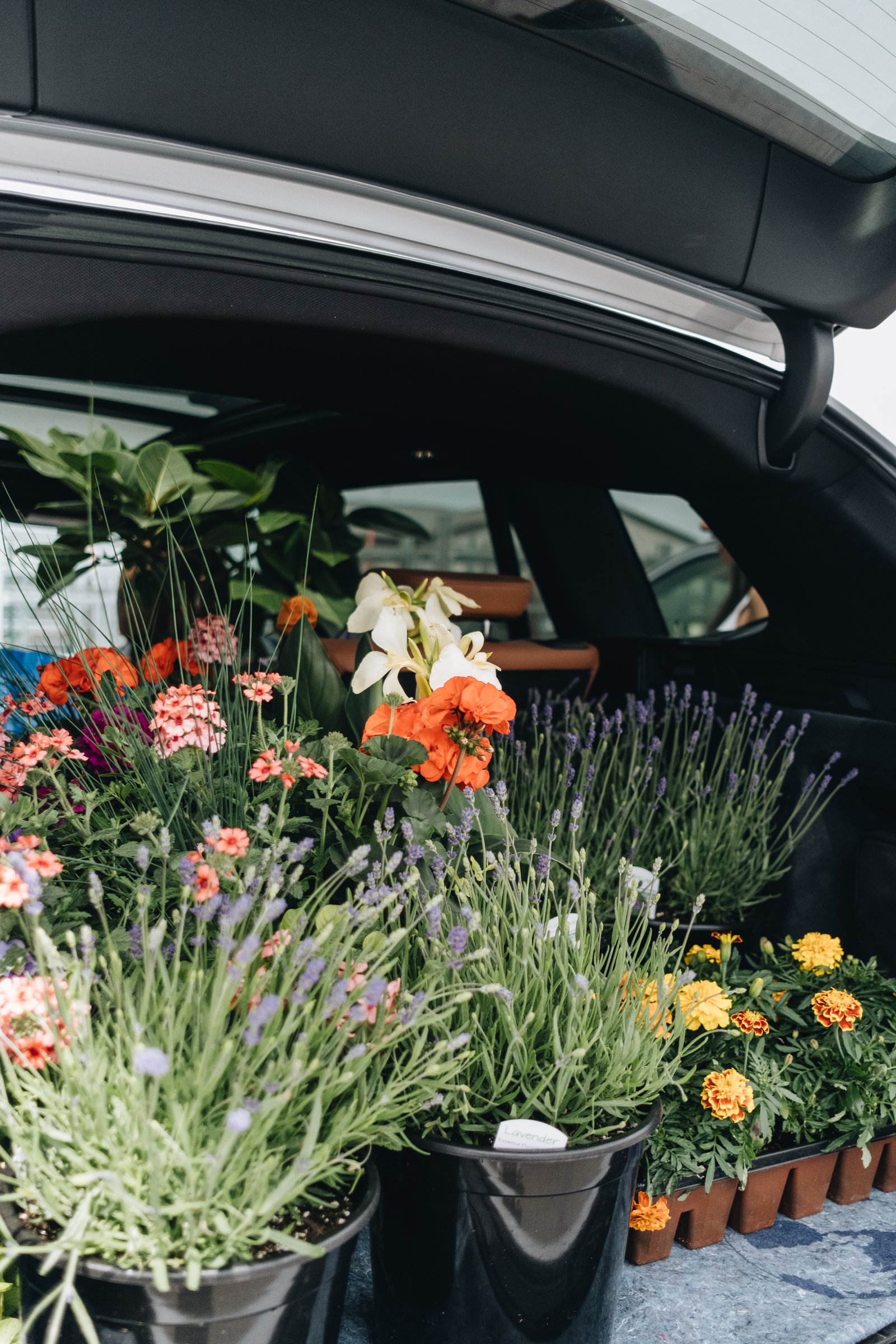
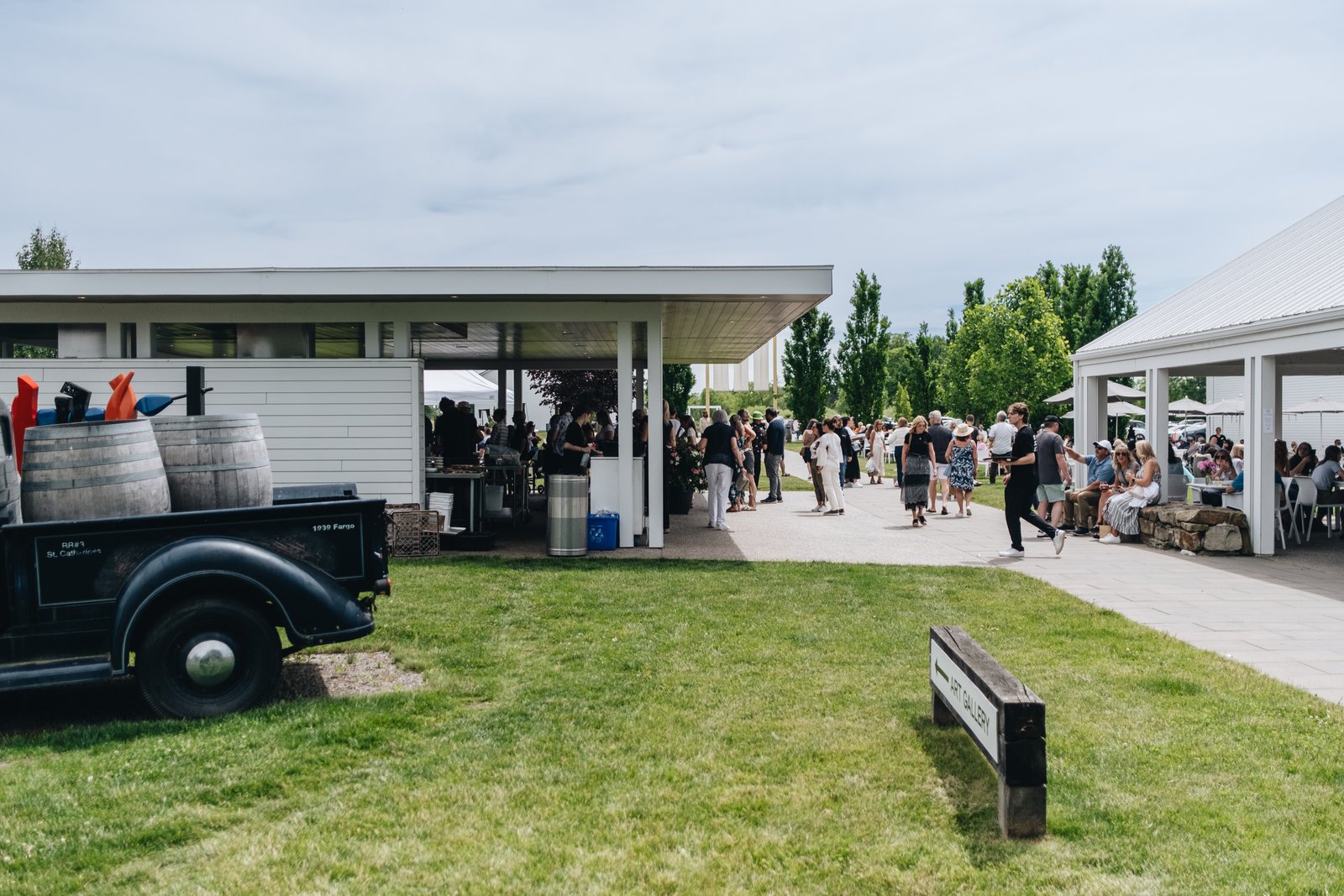
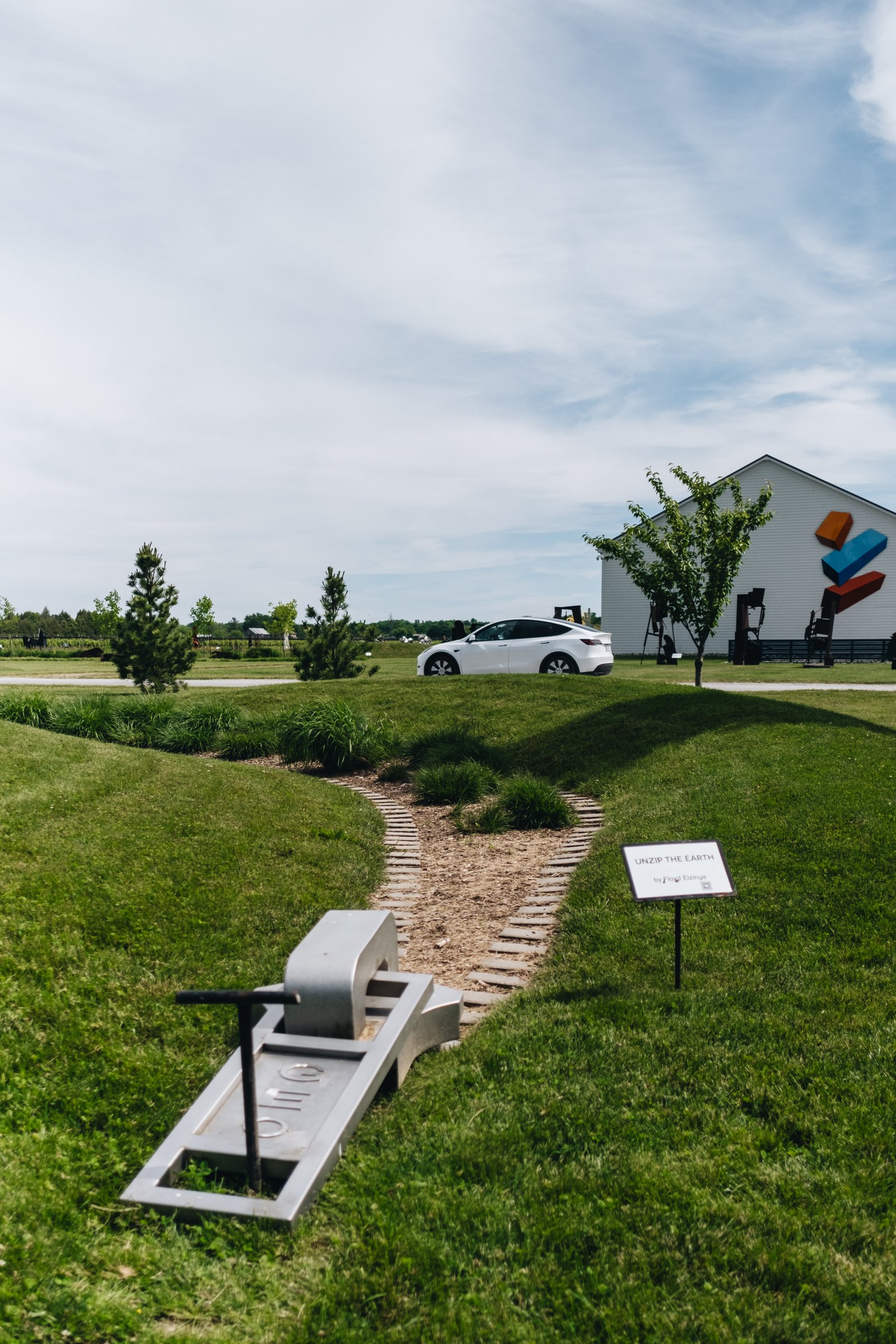
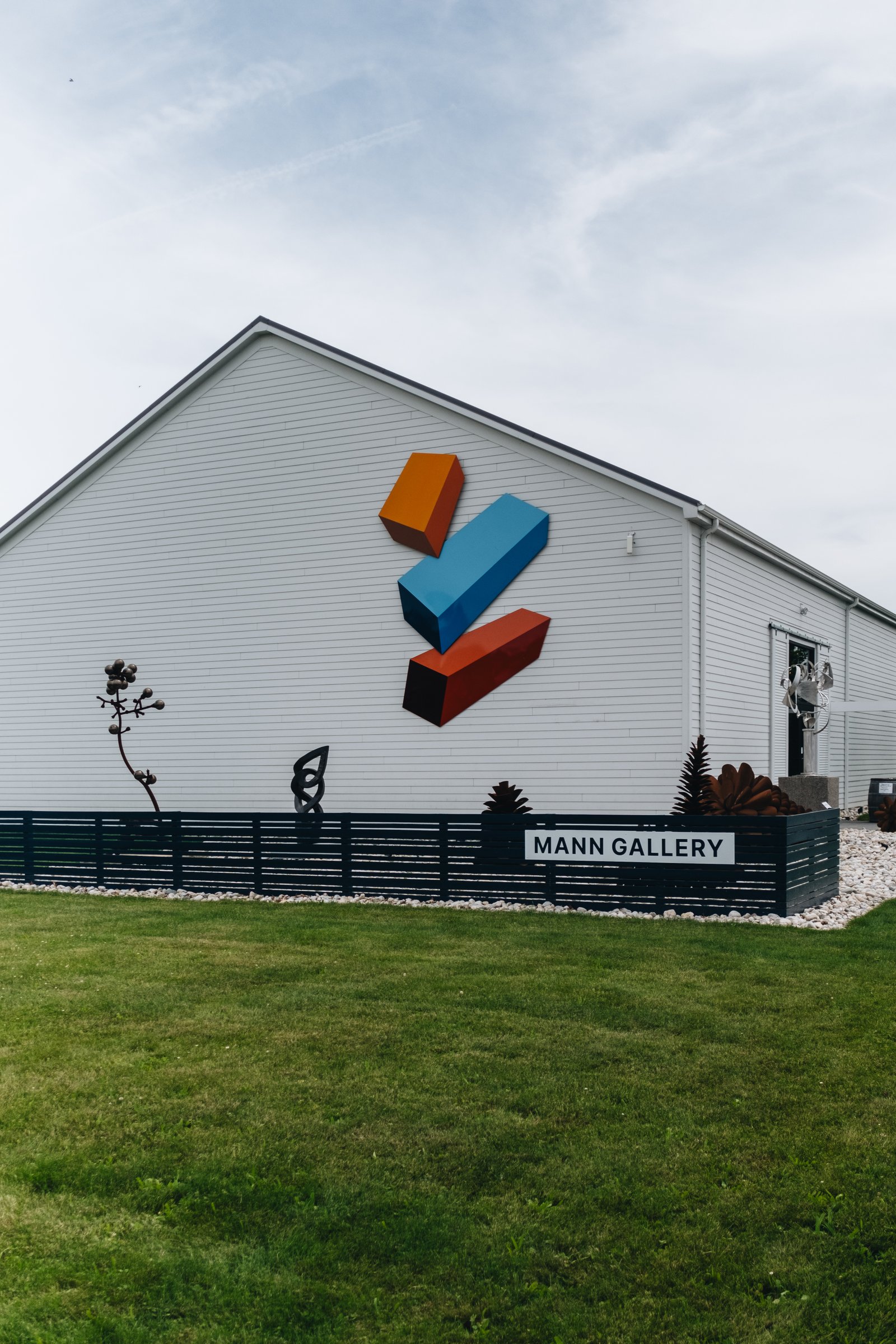
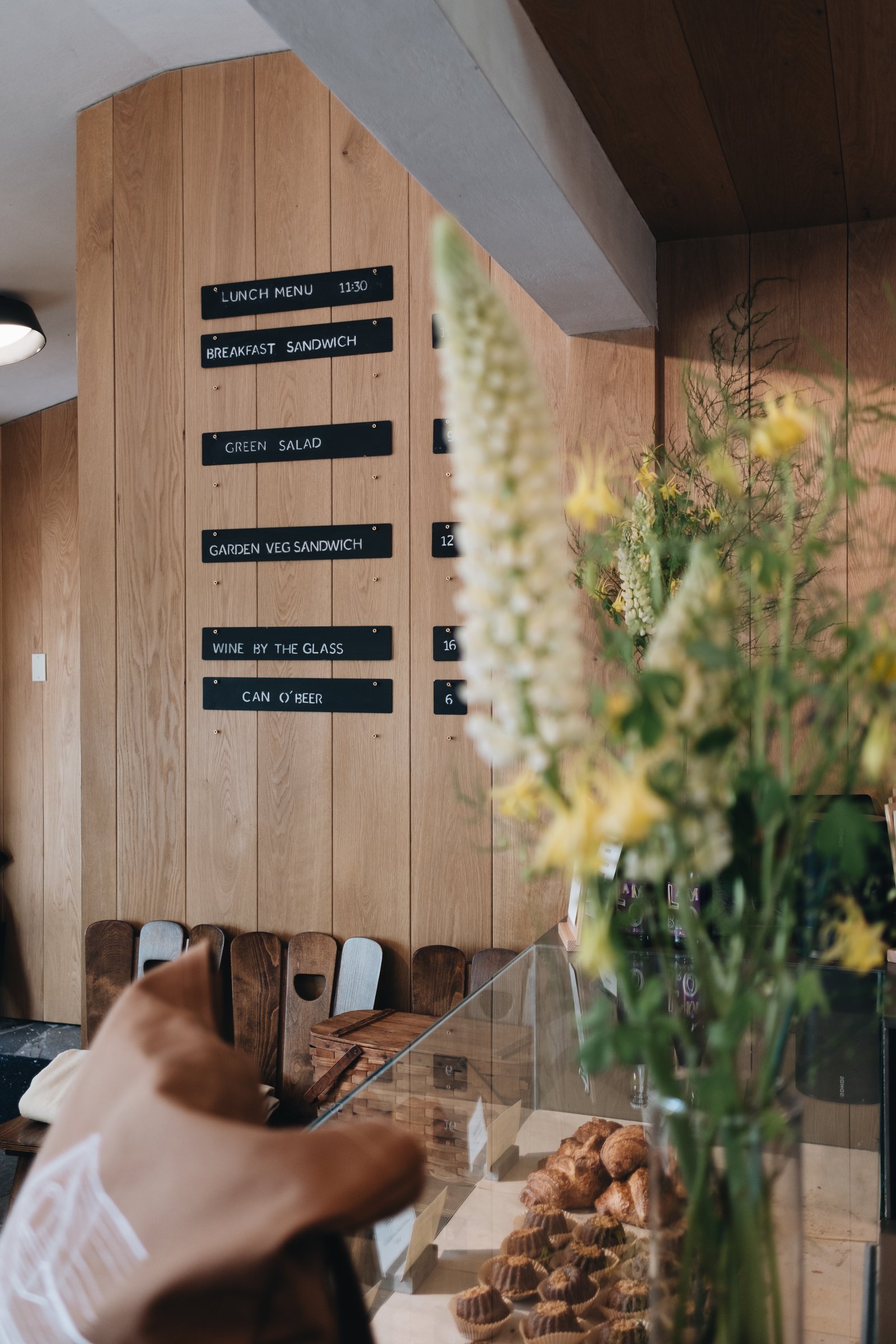
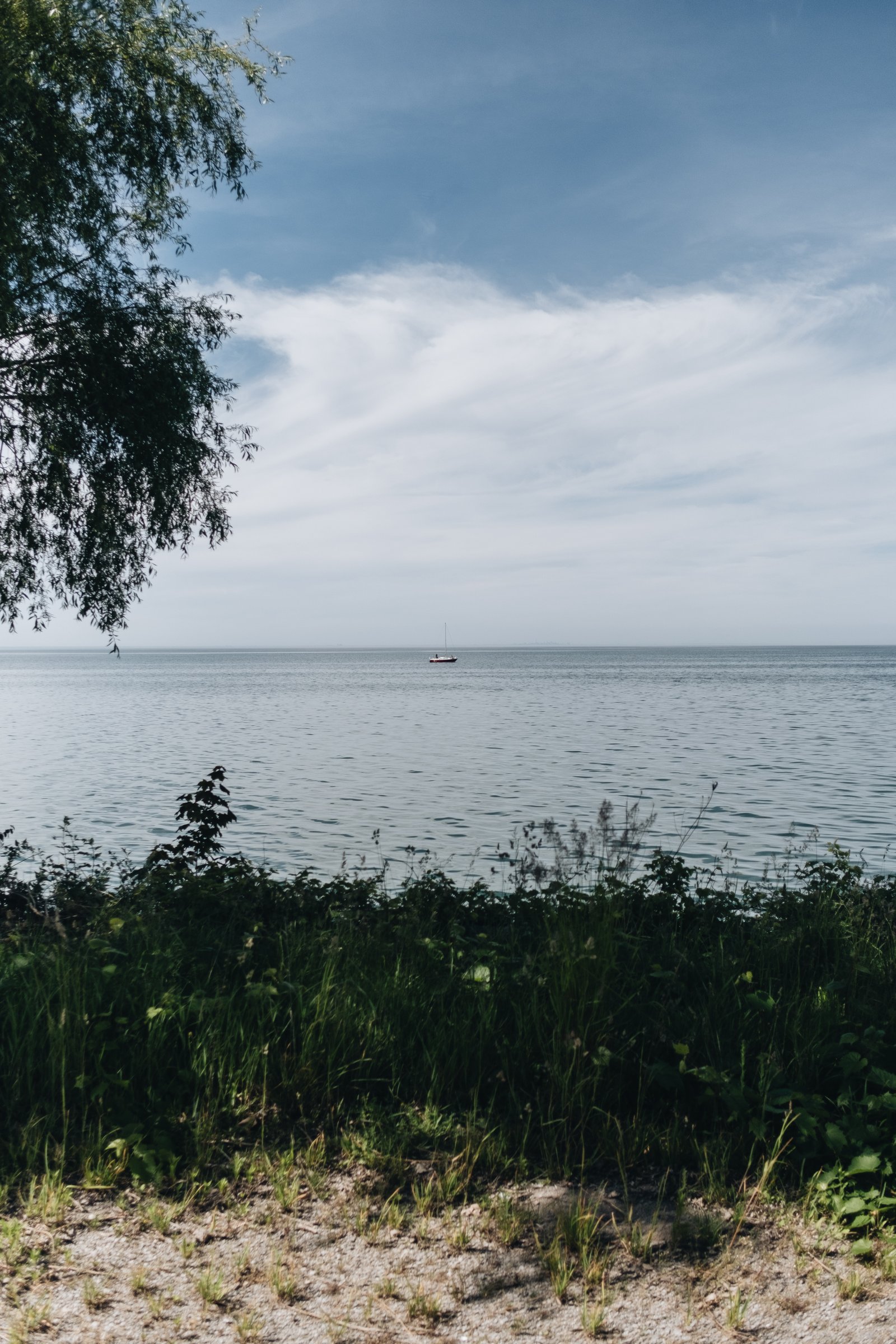
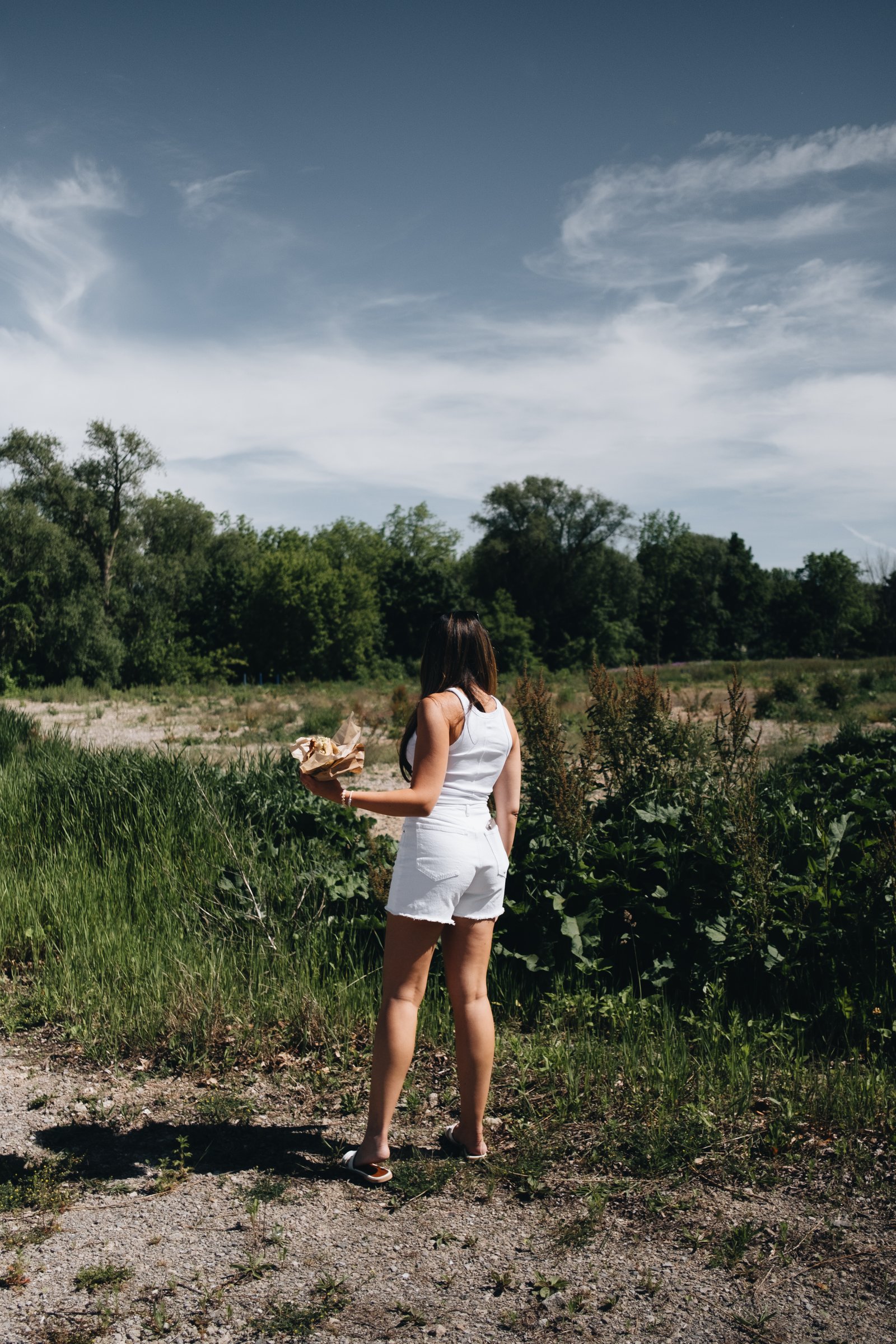
    A big congratulations to Veronica and Pearce Jarvis on their wedding this weekend in Niagara-on-the-Lake. Thank you for including us in your special day.

    Photos taken in the Niagara Benchlands (The Bench) on June 1, 2024 with a Fujifilm X-T3 (23mm).