Daily insights for city builders, delivered every morning at 6 AM ET. I’m Brandon Donnelly — a Toronto-based real estate developer and founder of Globizen. I’ve been writing here since 2013.

Category: Photography

  • Facing west

    I lived in my last condo for over 10 years. And since it faced east, I never got to see any sunsets while at home. Now that our new place faces south and west, I am amazed at how often there’s a beautiful sunset here in Toronto.

    This was last night’s from my home office:

    Naturally, this picture doesn’t come close to doing it justice.

  • Last run of the season

    Shot on iPhone and a Fujifilm X-T3

  • Jean Blanc Sports

    Shot on a Fujifilm X-T3 and iPhone

  • Spatial videos

    If you have an iPhone 15 Pro (and iOS 17.2), you can go into Settings -> Camera -> Formats and turn on a setting called “spatial video.” It will then enable this (excerpt from Om Malik):

    Spatial video is a mixed-reality video format that allows videos to record the depth and spatial information of the scene, and when you play it back, you get a more immersive, three-dimensional (3D) experience. The iPhone 15 Pro utilizes its main lens and the ultra-wide lens to capture the depth and spatial information of the videos. The spatial videos are captured at 1080p, 30 frames per second, and use the HEIC format.

    What you can then do is watch your videos on something like an Apple Vision Pro. It’s not going to be exactly perfect right now — given that the Vision Pro display is over 8k and the above is 1080p — but it will give you an indication of what’s to come for photography, video, and many other use cases.

    Some examples.

    As a regular consumer, this might allow you to capture videos from a trip and then more fully relive the moments once you’re at home. And as Om argues in his post, this will inevitably change photography/video. Because how we consume media, impacts how and what we capture.

    If you’re in the business of selling real estate to people, you can also imagine this set up having a profound impact on virtual tours. Because now you have something that’s pretty damn close to reality, if not eventually indistinguishable. Why even go in person until you have to?

    Of course, all of this will depend on whether Vision Pro actually sees widespread adoption. But if the technology is as good as everyone who has tested it seems to think, then surely there will be at least some initial users who find immediate value.

    And if that is the case, it opens the door for the masses. To once again quote Om: “It is not hard to be excited about the possibilities.”

  • What’s real anymore?

    Generative AI has made it a lot easier to make things up using software like Photoshop. This, of course, isn’t a new thing. But it has gotten significantly easier for people like me who aren’t experts in photo editing.

    Here are two examples that I created this morning. The first is a photo of me from last summer in the Salt Flats of Utah:

    And here I am again after adding new clothes, a dog friend, a couple taking photos, a more impressive backdrop, and some sort of body of water in front of me:

    The second is a photo from Paris:

    Now here it is again with tall buildings in the background, glass storefronts, a few neon signs, string lights above the middle of the street, a bollard blocking car access, and a few more people:

    These aren’t entirely perfect if you’re really paying attention. But for the most part, I think they’re pretty convincing — especially the second one.

    Generated images are only going to get better going forward and I don’t think that’s a bad thing. But we do have to start training ourselves to question whether something is real or doctored. It’s already hard to tell.

  • Paris in August 🇫🇷

    We’re no longer in Paris. We’ve been back in Toronto for about 3 weeks now. But the pictures live on and I finally got around to processing all of the ones that I took on my Fujifilm X-T3 (23mm f/2).

  • Étretat 🇫🇷

    Étretat, France. Shot on a Fujifilm X-T3 with a 23mm f/2 prime lens.

  • New Hampshire

    Rye and Portsmouth, New Hampshire. Shot on a Fujifilm X-T3 with a 23mm f/2 prime lens.

  • Junction House by Air Norm

    If you work in the development industry in Toronto, then you know, or know of, Norm Li. He runs one of the top visual content studios in the city and the country. But he (and the company) also do a bunch of other things like DJ at industry events and fly around in a helicopter taking incredible photos of the city from above. He invited me to join him in 2018 and I captured photos like these.

    This past week he sent me a text with the below photos of Junction House and a message saying, “new lock screen.” I, of course, immediately blasted them around to the team and then asked if I could post them online. I love how these turned out. And every time I see our placemaking sign, I am happy that we fought for what we all believed would end up looking pretty cool.

    Thanks for the photos, Norm.

  • Streets of Venice

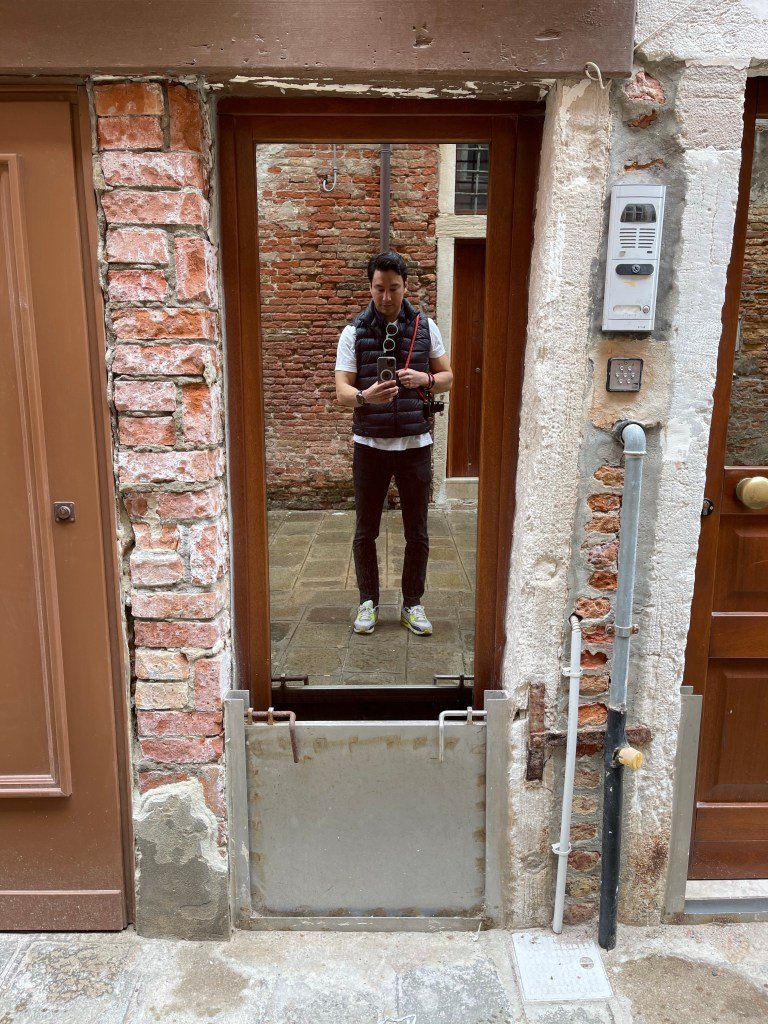
    This entire city is centered around controlling water. Omnipresent front-door flood dam:

    Venice has great doorbell game. If it hasn’t already been done, I think someone should make a coffee table book of these:

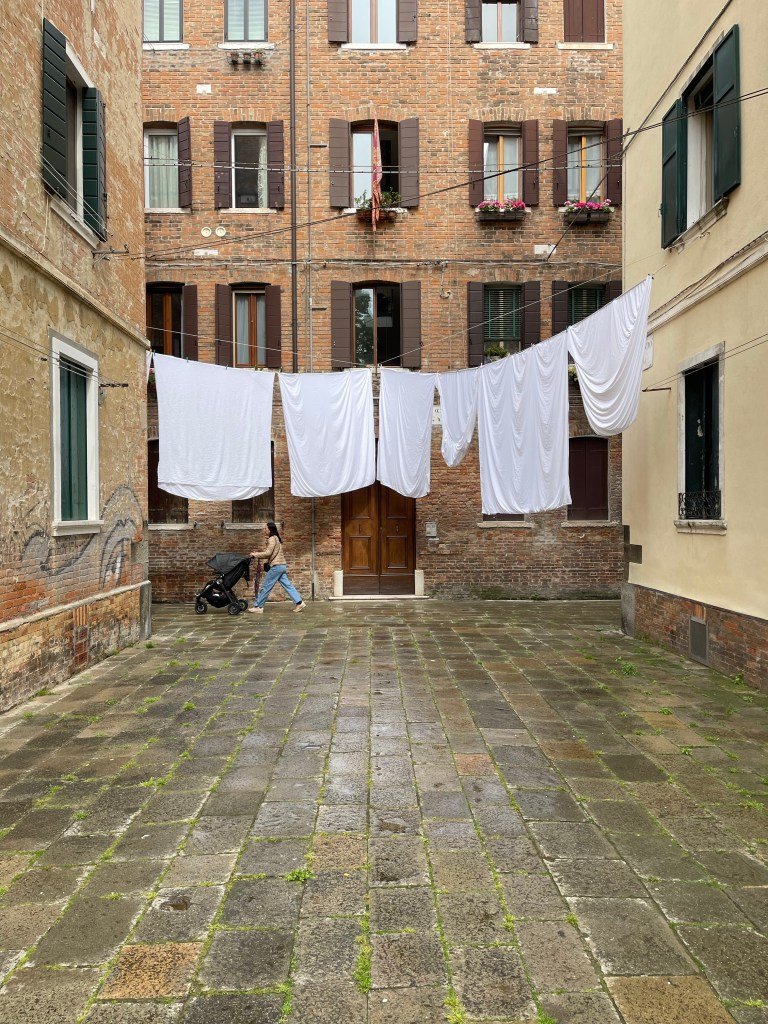
    This city is also quite prolific when it comes to urban laundry:

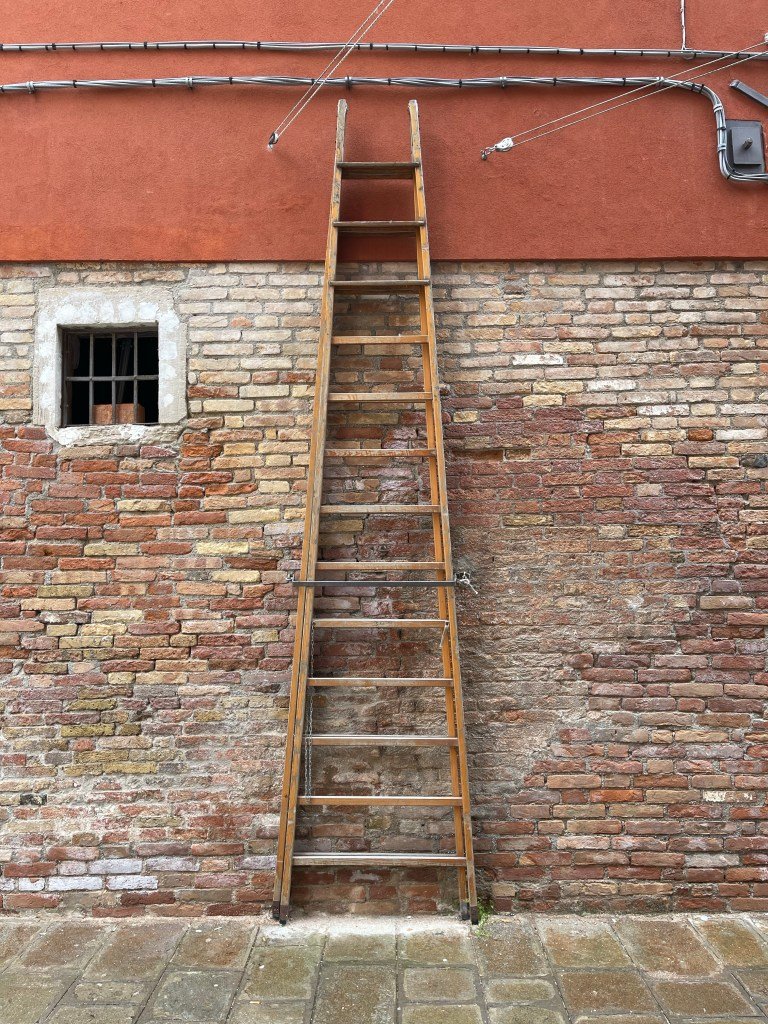
    We found a number of these street ladders. Presumably laundry related:

    Religion in the streets:

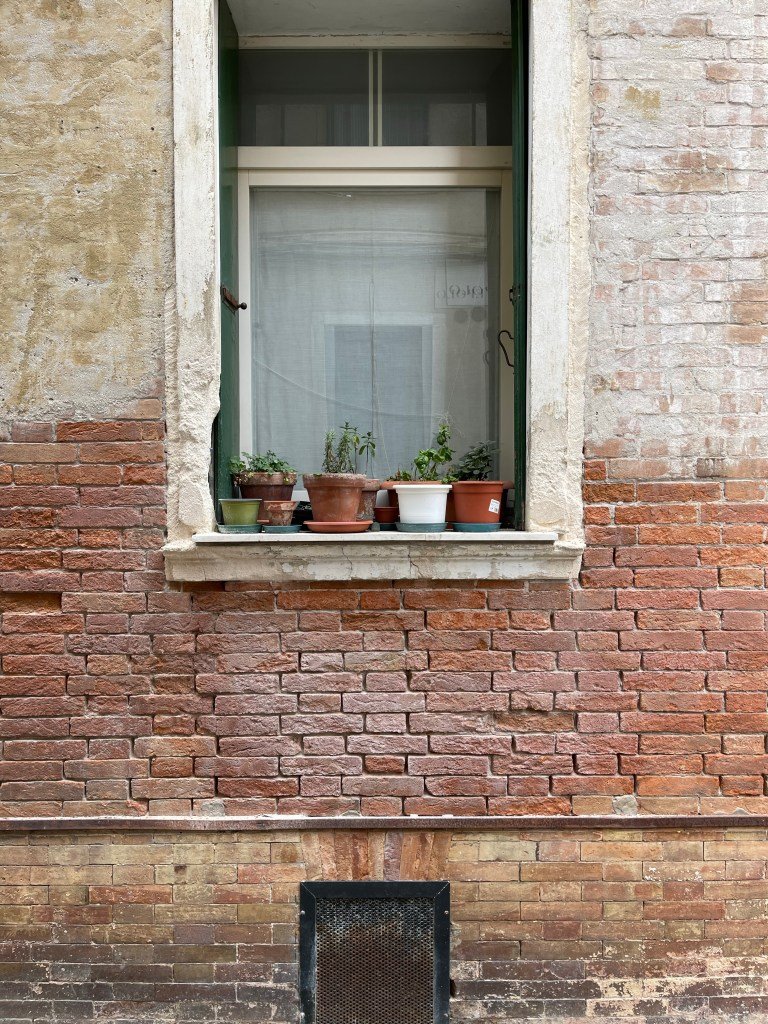
    Window garden:

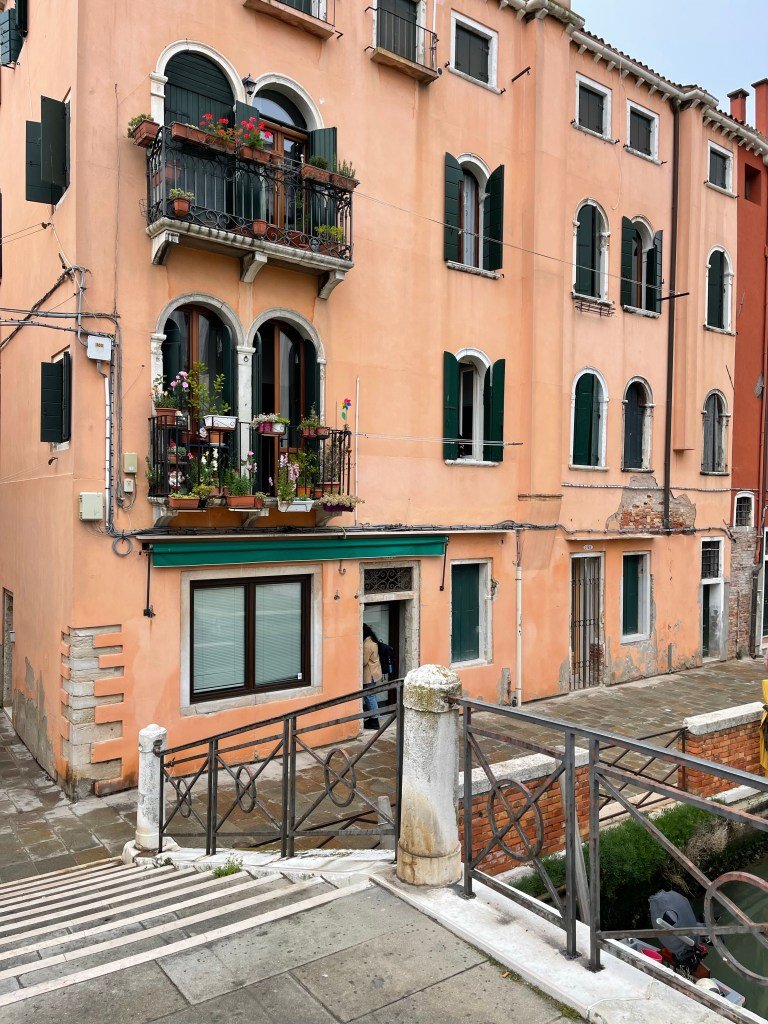
    Balcony gardens. Your reminder that (1) small balconies can still be impactful and that (2) balconies with a relationship to the street are used differently:

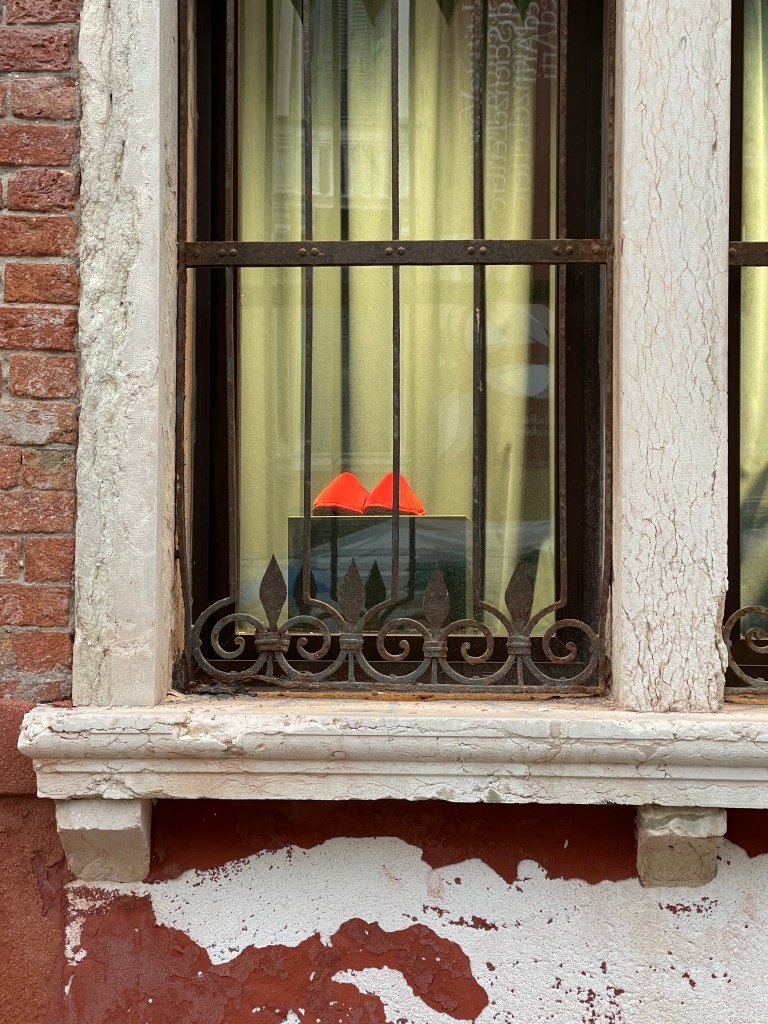
    Colorful shoes and green curtains:

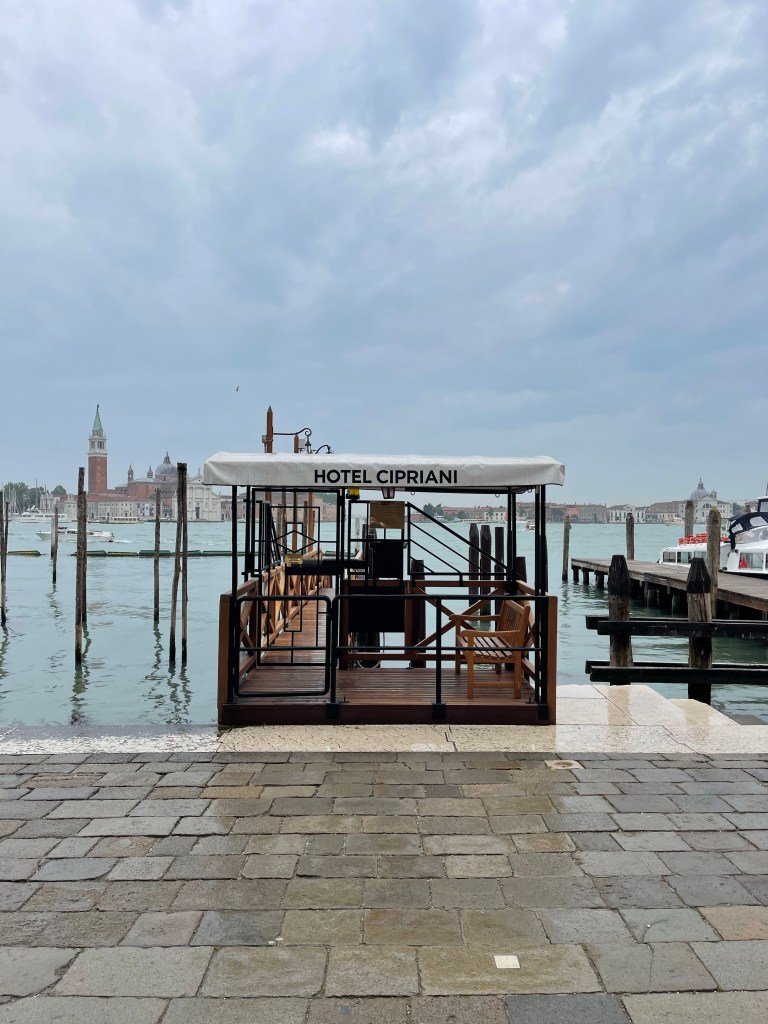
    Grand Canal:

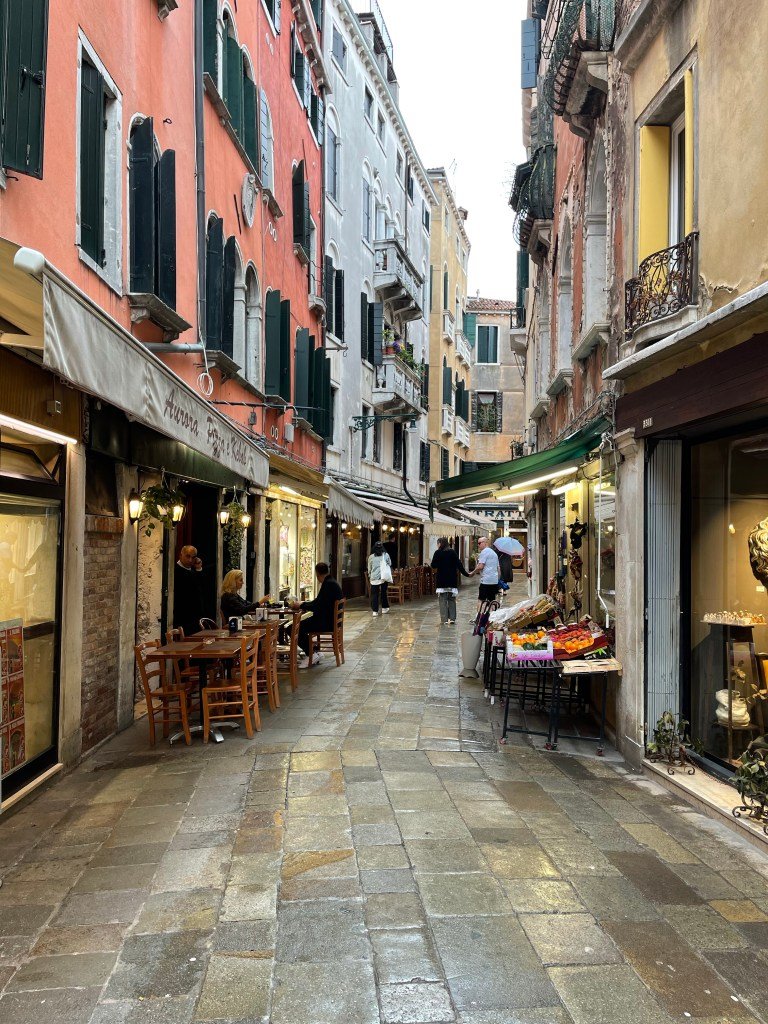
    The kind of street we should allow in North American cities: