


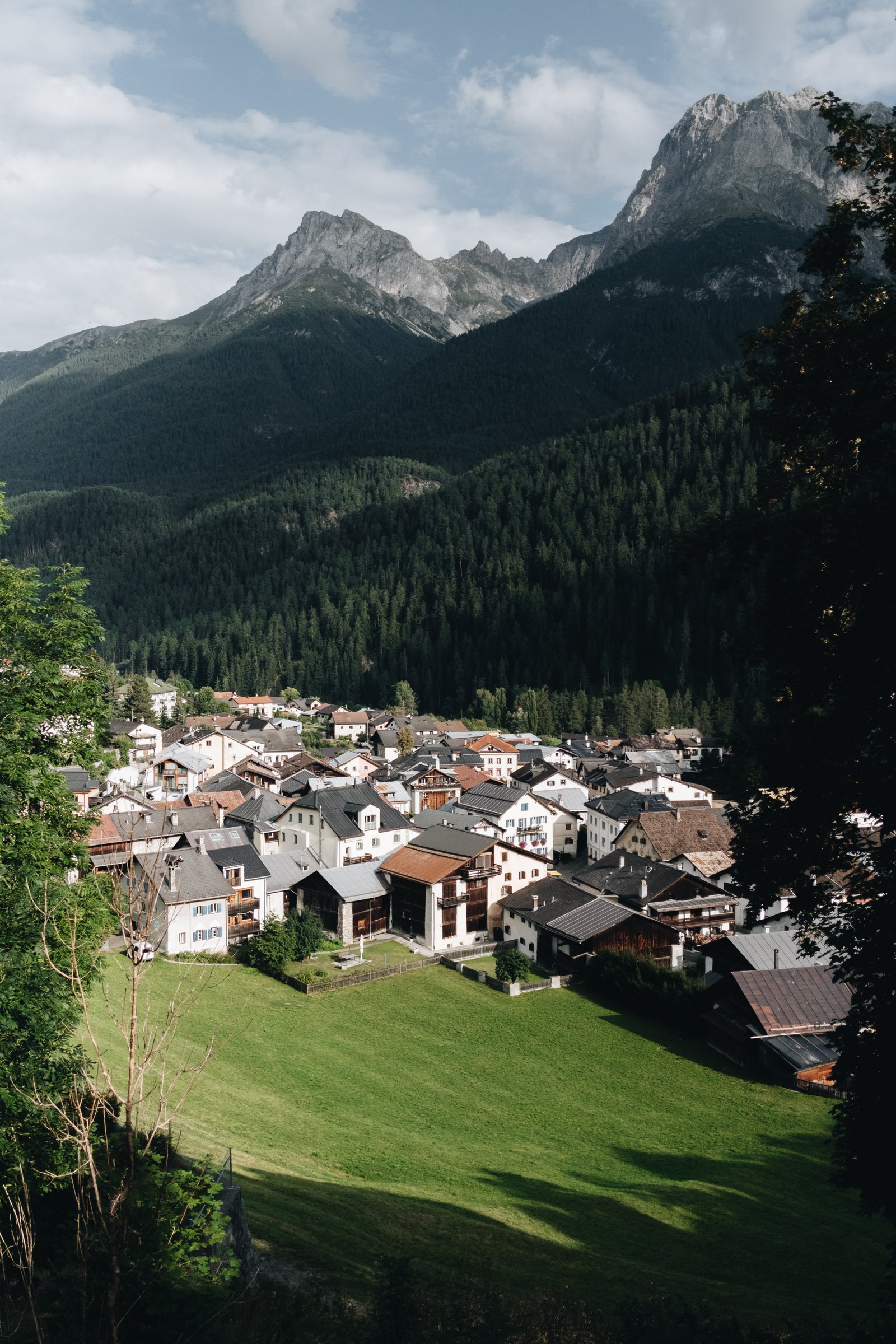


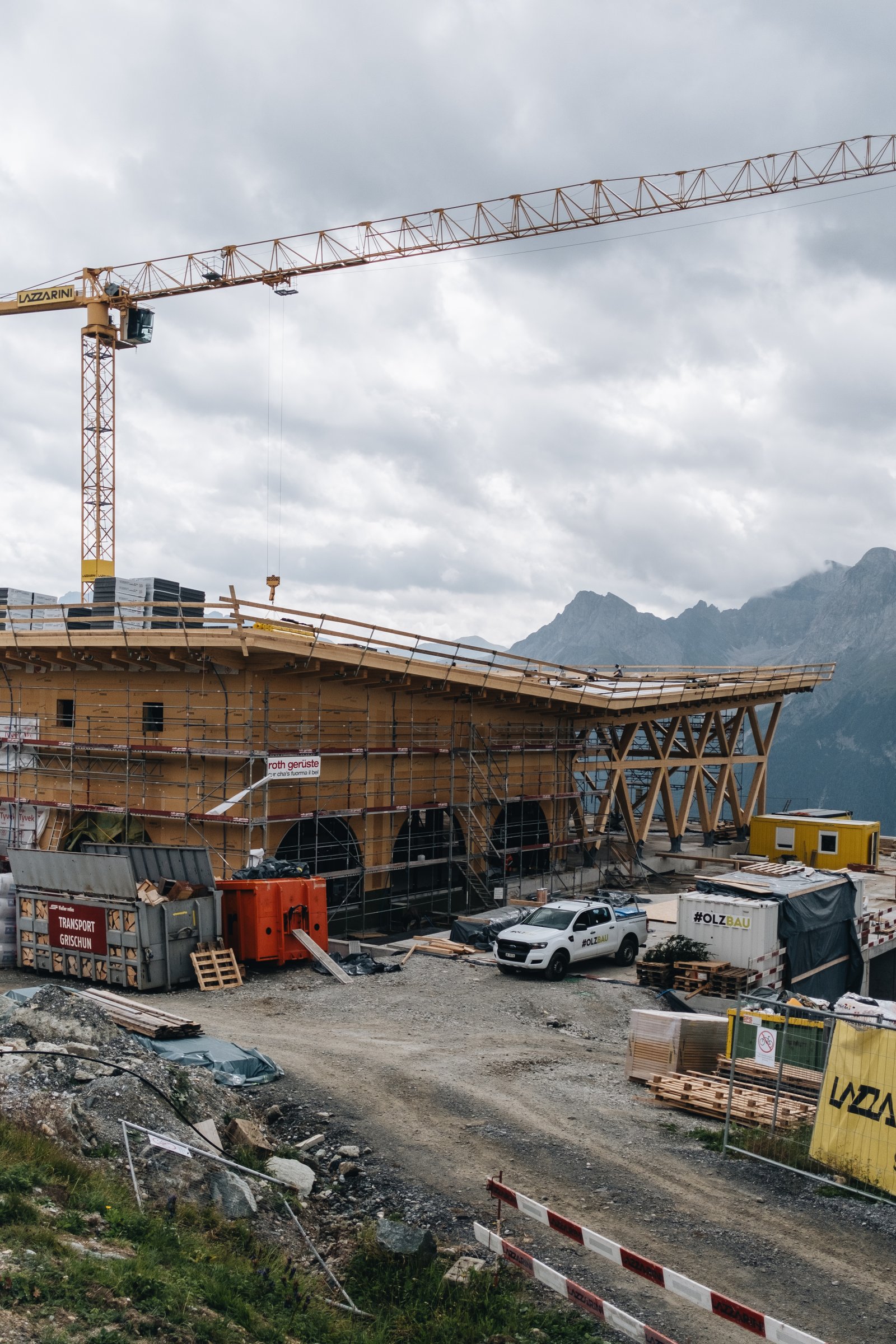
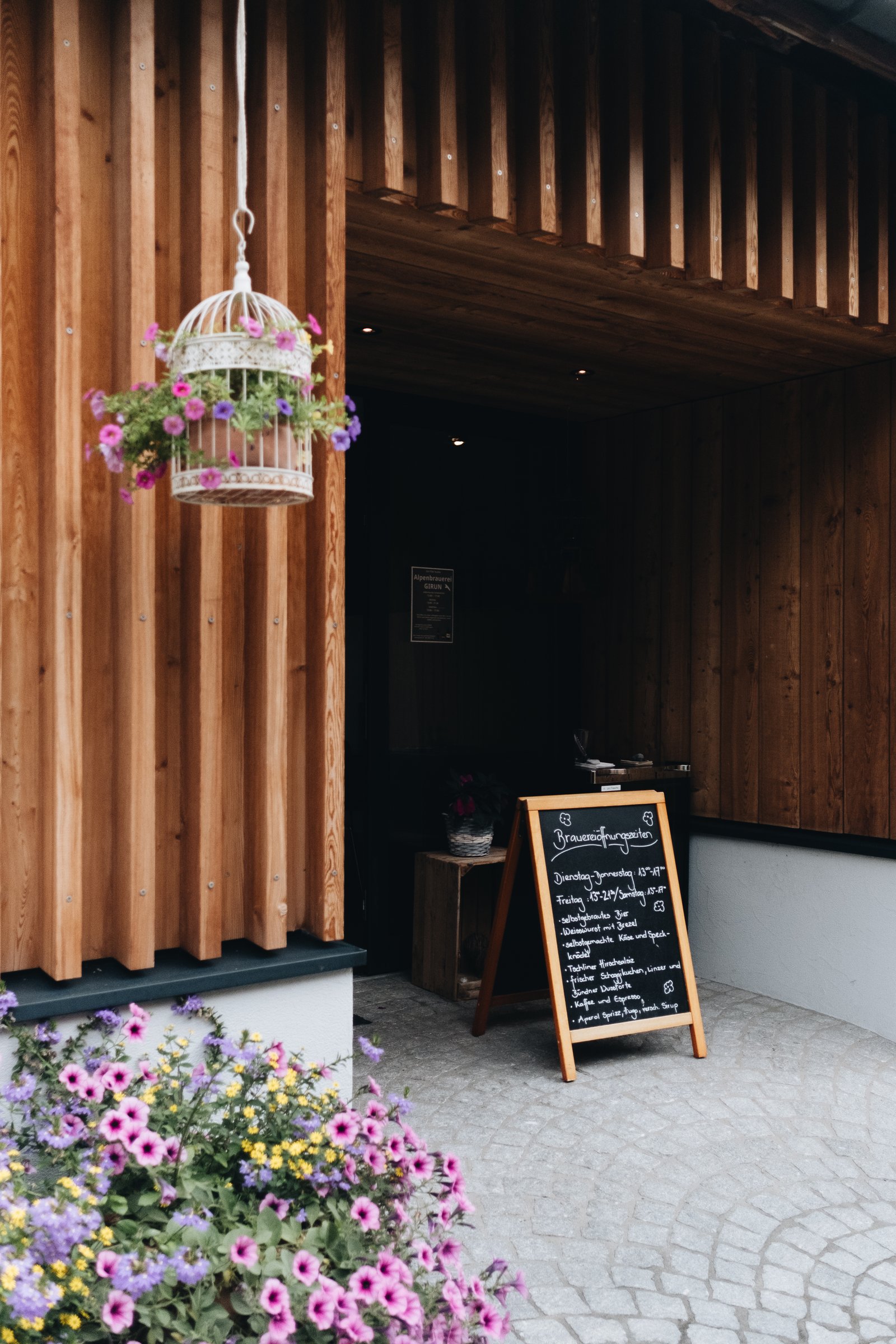


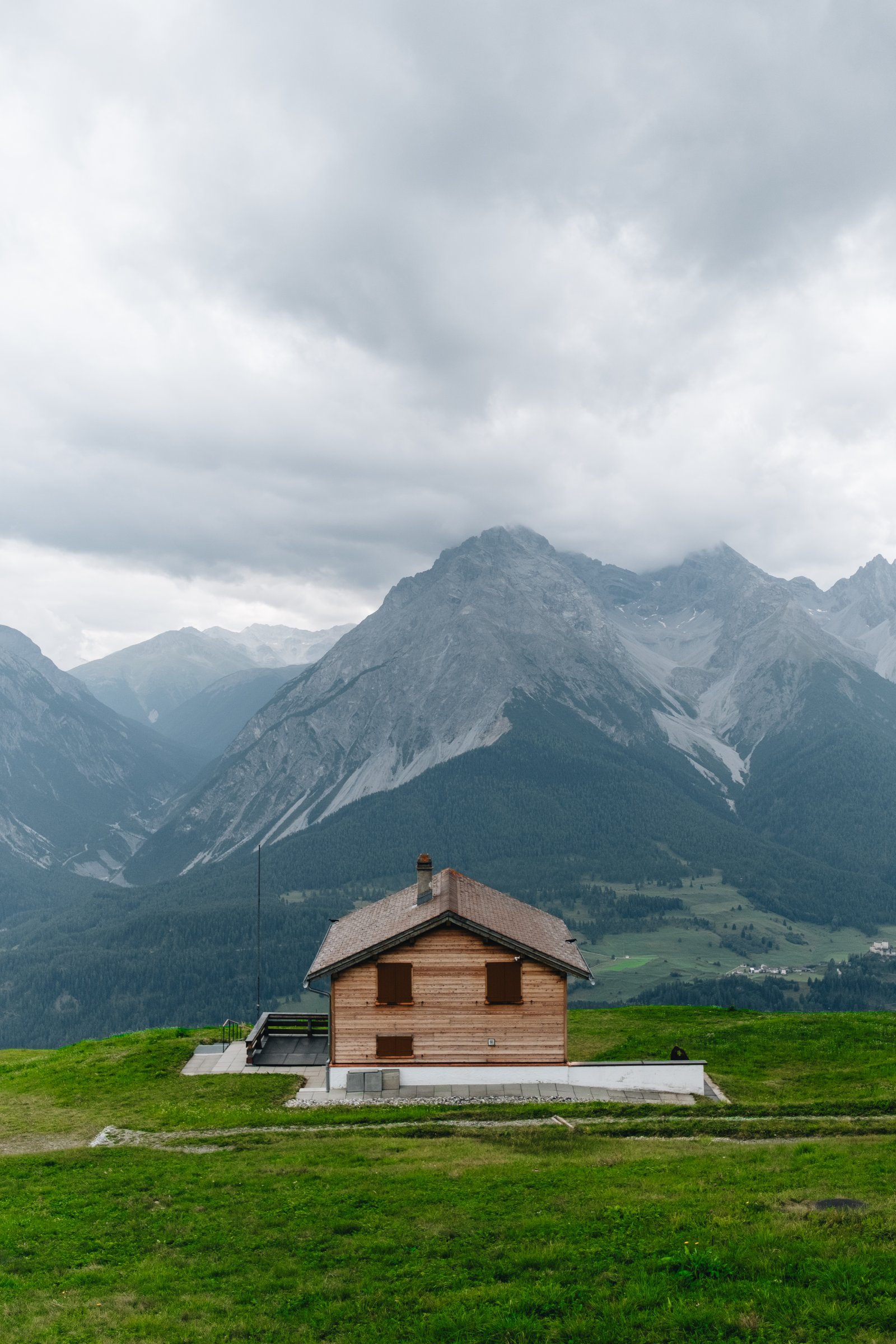
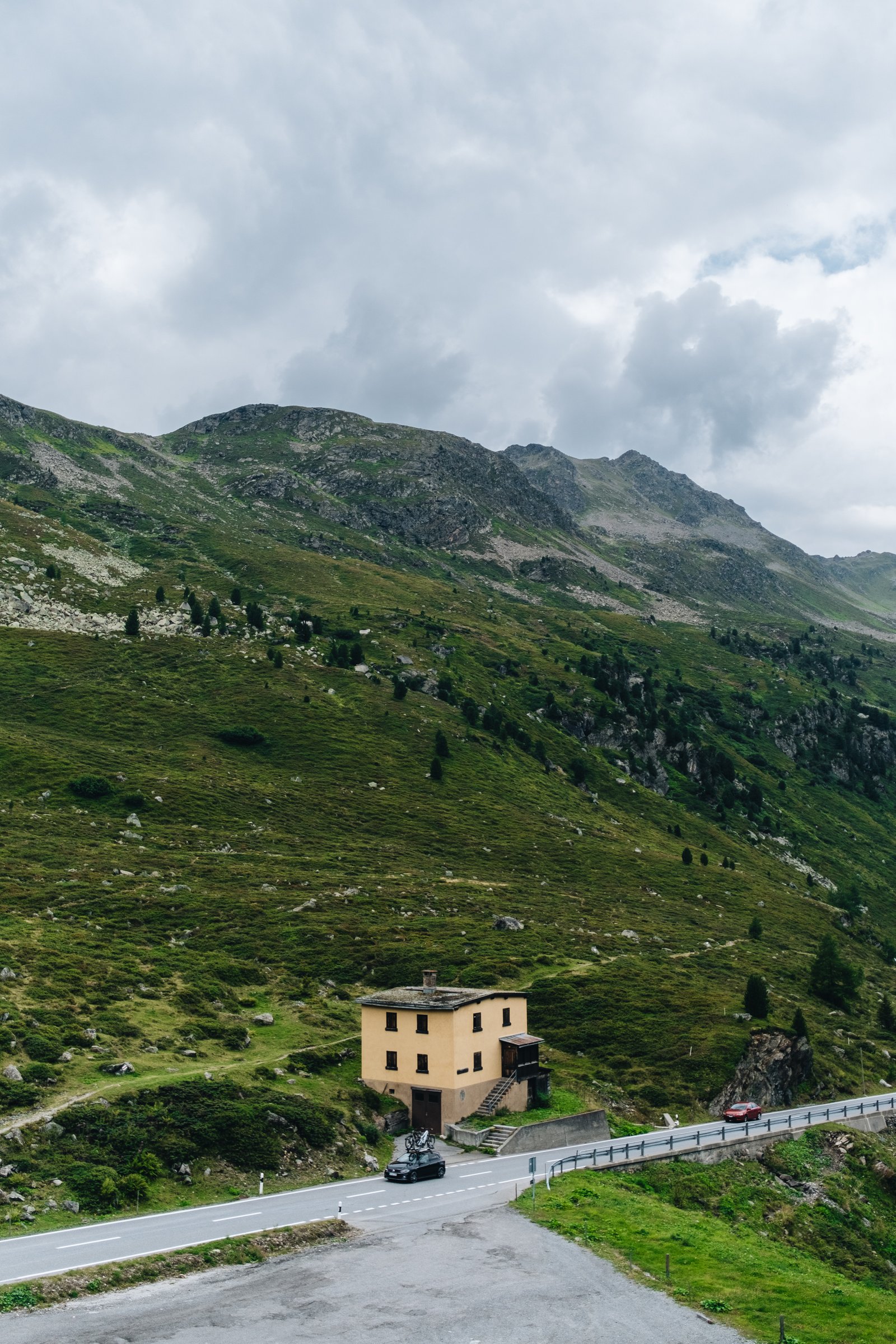
Camera: Fujifilm X-T3 (23mm lens)
Daily insights for city builders, delivered every morning at 6 AM ET. I’m Brandon Donnelly — a Toronto-based real estate developer and founder of Globizen. I’ve been writing here since 2013.
Camera: Fujifilm X-T3 (23mm lens)


Shot on iPhone and a Fujifilm X-T3
Sometime before the Paris 2024 Olympics this summer, the International Olympic Committee (IOC) is expected to announce who will host the 2030 and 2034 Winter Games. Right now, the two frontrunners are thought to be the French Alps and Salt Lake City/Park City — I think respectively.
Obviously these are two fantastic winter locations. But one of the things that the local committees need to do before they can secure the games is show the IOC that they have enough hotel rooms on hand. More specifically, they need 24,000 rooms reserved for 33 nights. This covers 17 nights during the games, 14 nights before, and 2 nights after.
Most of these rooms, about 10,000 or so, will go to journalists.
I didn’t fully appreciate — or I just didn’t think about it — that this was something that needed to be done 6-10 years out. Because right now there is a human running around try to lock up these rooms in advance of the decision this summer.
According to the Salt Lake Tribune, they’re already at 85% of the requisite 24,000 rooms. Though some of these rooms have yet to be built and some of them reach into neighboring Wyoming, which apparently isn’t an atypical distance when it comes to meeting this accommodation requirement.
For obvious reasons, I’m rooting for Utah here. I really want them to get the Winter Games.

My time in the mountains has come to an end. I’m on a flight back to Toronto and about to start watching old Bond movies (as one should). If you don’t ski or snowboard or do any other winter sports, it’s maybe hard to relate to this, but the mountains are a truly special place. I’m always sad to leave them. In my opinion, there’s no better place to disconnect and recalibrate.
And even though I’ve been mostly disconnected, it has been hard not to miss the hype around the new Apple Vision Pro, which was released into the wild this week. I haven’t tried one yet, but every review that I have read or watched seems to come to the same general conclusion: “Wow, this thing is incredible. It feels like a glimpse into the future of computing.”
If you’re looking for a comprehensive technical overview of the device, you should check out Marques Brownlee’s video, here. But if you’re just looking to get a sense of what it might be like to, you know, wander around New York City wearing one, you should definitely check out Casey Neistat’s video, here.
Now I think there’s no question that there’s a dystopian element to all of this. When Casey is standing around and watching a butterfly eat his donut, he looks pretty strange from the outside. Only he is seeing the butterfly. But then again, we all look pretty weird standing around staring down at our phones all the time. Maybe this will help us become less disconnected. I don’t know.
Either way, it’s hard not to imagine this changing — a lot. I mean, here’s just one small example. Already Zillow has an app for Vision Pro that allows you to tour homes for sale. Assuming it’s as good as everyone says it is, I can’t imagine anyone going to physically tour a home ever again, unless they’re really serious and/or ready to put in an offer.
Of course, there’s also no shortage of people saying that this device is simply too expensive. But I think that misses the point. This is version one. At this point, Apple just needs to be directionally right about what they are calling “spatial computing.” (They don’t want you to call it VR.) Because if they are right, the price will come down and then we’ll all be watching old Bond movies on these devices.

This is the chalet that our group has been staying in for the last week:


Every site has its challenges and that is especially the case in the mountains.

This is a photo taken from the base village of Val Thorens. I took it while we were sitting on a massive terrace in the middle of it. But what stood out to me even more than the terrace itself was the buildings that frame it. They are all about 8-9 storeys, have no step-backs, and were clearly orchestrated to create a defined “street wall.”
These framing buildings can be just as important as the public spaces themselves; they form the “walls” of the public realm and create a sense of enclosure. In this case, the buildings also follow a similar aesthetic. They were designed to pay homage to traditional Savoyard architecture, which is known for its use of local woods and stones.
The other thing I find noteworthy is that all of this is only about 50-some years old. Val Thorens the resort opened in 1971. And it only became an idea sometime around 1969 when Pierre Schneblelen — an engineer and developer — decided that he wanted to build Europe’s highest ski resort. (The base of the resort sits at 2,300 m and the peak elevation is 3,230 m.)
As time passes, it’s easy to take these kinds of places and experiences for granted. But they only exist because someone, at some point, had a vision. And when that vision was initially presented, it was probably perceived by many, or by most, to be crazy. That’s just how these things go, and so I like reminding myself of that.


Shot on a Fujifilm X-T3 and iPhone

The building season is short in Park City. There was still snow on our site in May and there was snow again on our site by October. You can certainly build through the winter, but it’s not ideal. It slows you down, and so the team has been racing to get “closed in” before the real winter weather arrives. (Park City Mountain Resort opens for the season on November 17.)
Right now, it looks like we’ll be finished framing by early next week. We have our framing inspection scheduled with Summit County on Wednesday. Here’s a progress shot of level three from last week:

This is the top floor of the house, which will house the kitchen, dining area, living room, terrace (which is where the above photo was taken from), and two bay windows. The far one is going to serve as a seat in the living room, and the closer one (on the right) is going to be a workspace area. In both cases, they’re designed to orient you towards the trees and the mountain.
Overall, this was Mattaforma’s design strategy — to create a kind of introverted house. The windows facing the street are generally small and placed to frame very specific views of the landscape; whereas the windows facing the trees and mountain are generous. The intent was to always connect you with nature as you move throughout the house.
Sadly, PMH won’t be available for rent this winter. But if you’d like to get on the list for next summer and winter, click here.
If you drive around the Cottonwood Heights neighborhood in Salt Lake City, which I have done multiple times over the last year, you will invariably see lawn signs shouting for “no gondola!” And the reason for this is that last summer, the Utah Department of Transportation (UDOT) came forward with its preferred solution to traffic congestion in Little Cottonwood Canyon: an eight-mile long gondola all the way up and into the mountains. If built, this would apparently be the longest and most expensive urban gondola in the world.
To try and explain why this is being recommended, I’ll give the example of what happened to us when we were there last week. We drove into Little Cottonwood Canyon on Tuesday morning when it was not snowing. We left Park City around 8am, passed through the valley (Salt Lake City), and arrived at Snowbird (resort) in around 45 minutes. This is normally how long it takes. But on the way up it started snowing, and it didn’t stop all day. (Nice!) So our drive home took significantly longer and looked like this (we were going 8-10 miles per hour all the way down):

This is what happens when it snows in the canyons. Which is why a wise bartender at one of the resorts advised us that, “on powder days, you need to leave the valley at 6AM. Because at some point, some asshole is going to think they can get up the canyon in a Tesla, and they will ruin it for everyone. It’s better to nap in your car at the resort than white knuckle for 2-3 hours.” During our drive home, we learned that he was not at all joking. This is what happens. And it is why UDOT wants to build one really long urban gondola.
There are, however, some very good reasons why urban gondolas aren’t really that common. Portland has one. Medellín has one. And apparently both are quite successful. But other than these examples, they generally aren’t thought of as the most effective tool in the transportation arsenal:
Gondolas are low-capacity vehicles that quickly get cramped if turned into high capacity ones. They don’t work well for multiple stops. As a result, they are a point-to-point transportation method with low capacity. They are also expensive, especially relative to how many people they might serve, making them financially unattractive options for most applications. At their best, gondolas work when traversing difficult terrain with a consistent but low ridership, which is why they’re most often deployed on ski resorts.
But this situation is maybe a bit unique. It’s kind of urban transport, but really it’s for people to get up the canyon and shred deep powder. Here’s more on how it might work:
The Cottonwood Canyon gondola would be a hybrid of sorts between urban transportation solution and resort-based gondola. The proposal is to build a massive 2,500-spot parking garage at the base of the canyon, about 20 miles from downtown and the airport, where people will park. They will then ride the gondola for 27 minutes to Snowbird or 37 minutes to Alta, a trip duration which has no parallel in the urban or resort gondola scene (the Snowbird tram, one of the most famous in the world, fits more than 100 people per tram but takes less than 10 minutes to ride). Even though the gondola would serve two ski resorts, it belongs more to the urban gondola concept because it is being proposed and recommended by the state’s transportation department as a solution to a recurring traffic problem.
As a snowboarder, this sounds great. But it is, of course, complicated. Conservation groups are objecting, and some/many taxpayers don’t want to pay for a gondola that will largely benefit two ski resorts. Especially one that doesn’t permit snowboarders (I made this part up). So we’ll see. A final decision is expected by UDOT this summer. In the meantime, if you’re interested in urban gondolas, check out this recent article in Vice Magazine by Aaron Gordon (quoted above). He does a good job explaining both sides of this debate. And if you are interested in this topic, I’d be curious to hear whether you think this is a good idea or not.
It was pure luck, but we couldn’t have timed this last week any better. It started snowing in the mountains around Salt Lake City on Tuesday, and it felt like it didn’t stop until Saturday. On Wednesday morning, which was peak powder, the main resorts were reporting anywhere between 23″ and 30″ of fresh now. It was the stuff of magical dreams.
But snowfall is, of course, highly variable. SLC is having a record year, whereas many resorts in Europe weren’t able to open until mid-January because of a lack of snow. And from a macro perspective, things are generally getting worse. According to this report, for every one degree increase in the world’s average temperature, global snow cover is reduced by about 8%.
What this mean is that, even in low emission scenarios, many of the places that previously hosted the Winter Olympics, may struggle to do so again in the future because of “non-reliable” snow cover. Freestyle ski and snowboard, for example, typically wants a minimum of 1 meter of snowpack as a base, and sometimes more if melting is expected.
Things do not look positive for Vancouver, Garmisch-Partenkirchen, and even Chamonix in the below chart. (And as a further blow, the authors of the report also don’t know how to spell Vancouver.) Naturally, this is something that you might want to consider when looking at long-term investments that are dependent on fresh snow.

You can, however, ignore Sochi in the above chart. Because this was never a great place for the Winter Olympics and it’s unclear to me why this place was ever chosen (other than for presumably nefarious reasons). It’s like: “We are one of the largest and coldest countries in the world. We have a lot of snow in Russia. But for fun, let’s choose one of the few places with a sub-tropical climate.”
Excluding Sochi, though, this is an alarming chart.