Daily insights for city builders, delivered every morning at 6 AM ET. I’m Brandon Donnelly — a Toronto-based real estate developer and founder of Globizen. I’ve been writing here since 2013.
Our week in Nice has ended. We took an early morning flight out today, connected in DC, and arrived back in Toronto in the evening.
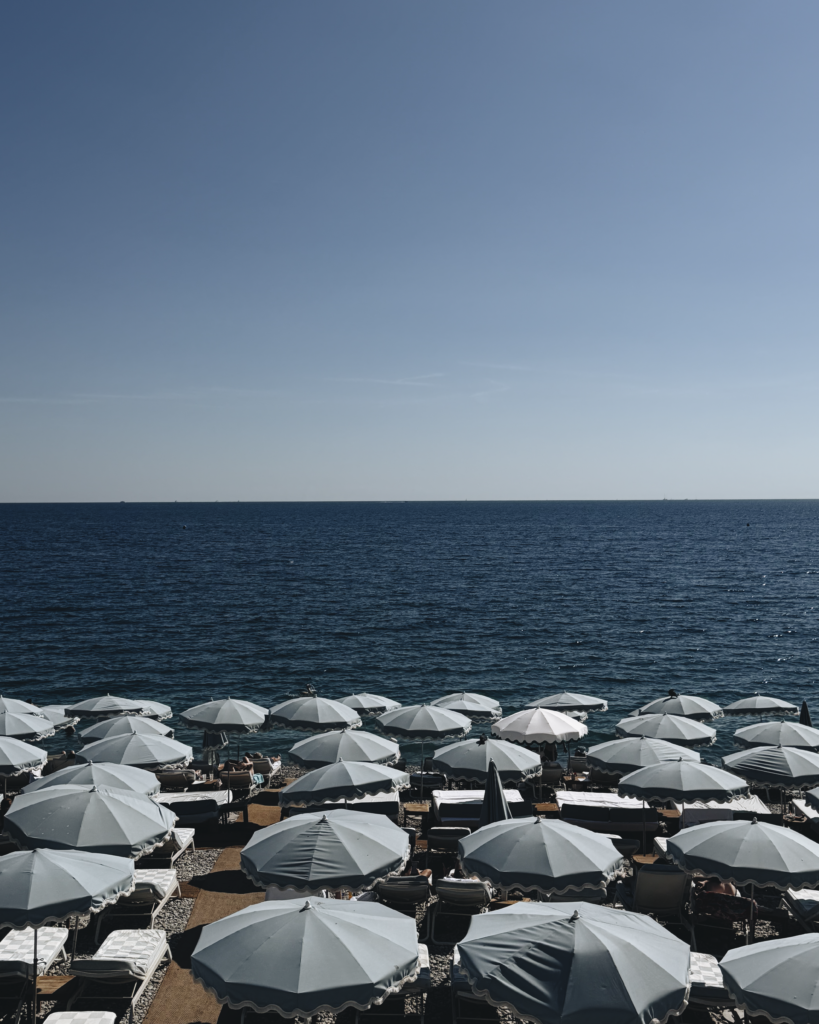
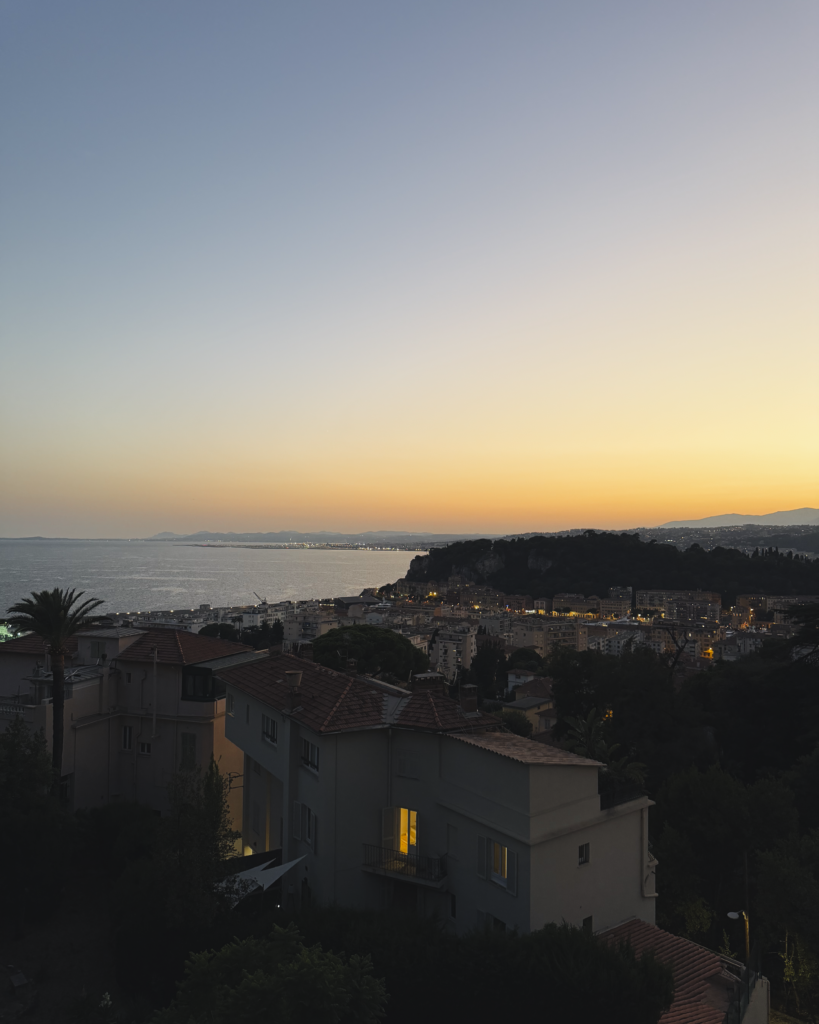
I love Nice. It’s urban, but it also has great beaches and rocky swimming coves. It shares some of the exact qualities I love about Rio de Janeiro, albeit on a smaller scale.
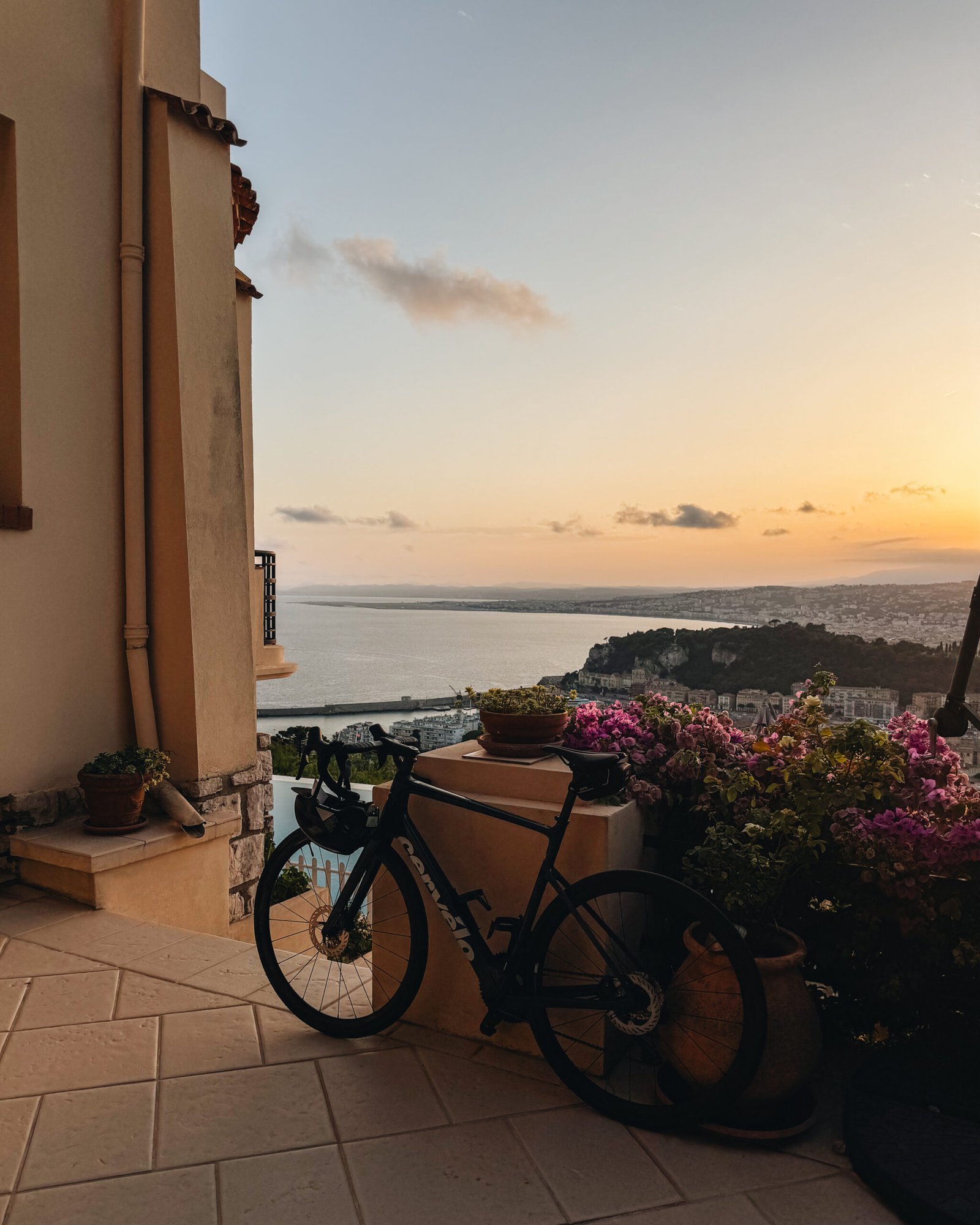
It also has a robust road biking culture. And I aspire to one day be able to keep up with the pros on those mountain climbs. Until then, look for me in the bike lanes of Toronto.
Regularly scheduled programming resumes tomorrow on the blog.
La promenade des Anglais is Nice’s most globally recognizable street. It’s a 7-kilometre waterfront promenade that curves along the Baie des Anges. It’s a UNESCO World Heritage Site and it’s home to many of the city’s events, such as the Ironman competition that took place this week.
(Congratulations once again to my brother from another mother Austin for showing us how it’s done today!)
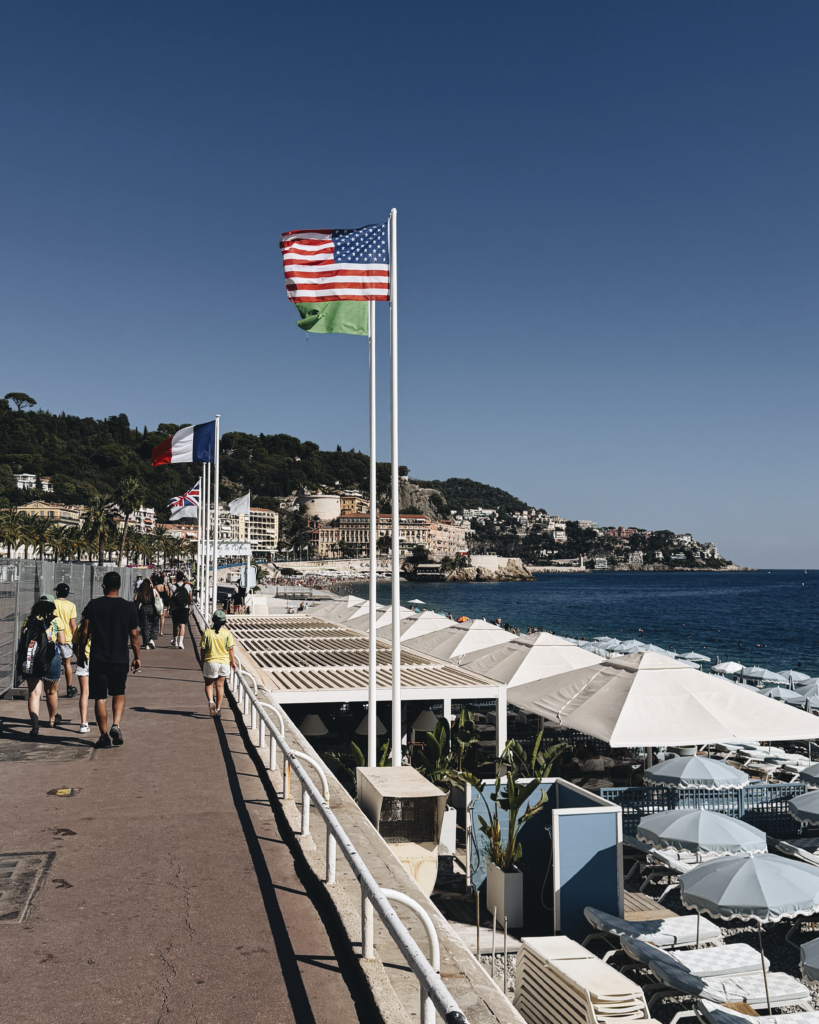
In addition to a beautiful promenade, beach, and shimmering blue waters, you’ll also find lots of flags. Naturally, there’s the French flag. There’s the Union Jack. The promenade was originally funded and built by the British aristocracy who used to winter in Nice.
You’ll find the flag of Monaco given its proximity (~20 km). The Italian flag also features. Nice belonged to the Kingdom of Sardinia until 1860, and the border is ~30 km away.
You’ll find the American flag, which presumably reflects the city’s long military and cultural connection with the US. More recently, you might also find Ukrainian flags, reflecting French solidarity with and support for the country.
But one flag that I have yet to find is the Canadian flag. That is, other than the one this yahoo was waving around during the Ironman competition. I think that needs to change. Canada is widely considered to be the second most important country, after France, within La Francophonie.
Plus, with Canada looking to aggressively deepen its economic ties with the EU and with Air Canada announcing direct flights from Toronto to Nice starting next summer, I think Nice should expect greater Canadian influence going forward.
I have put out a formal request to President Macron, Prime Minister Carney, and the Ville de Nice. I’ll let you know how they respond.
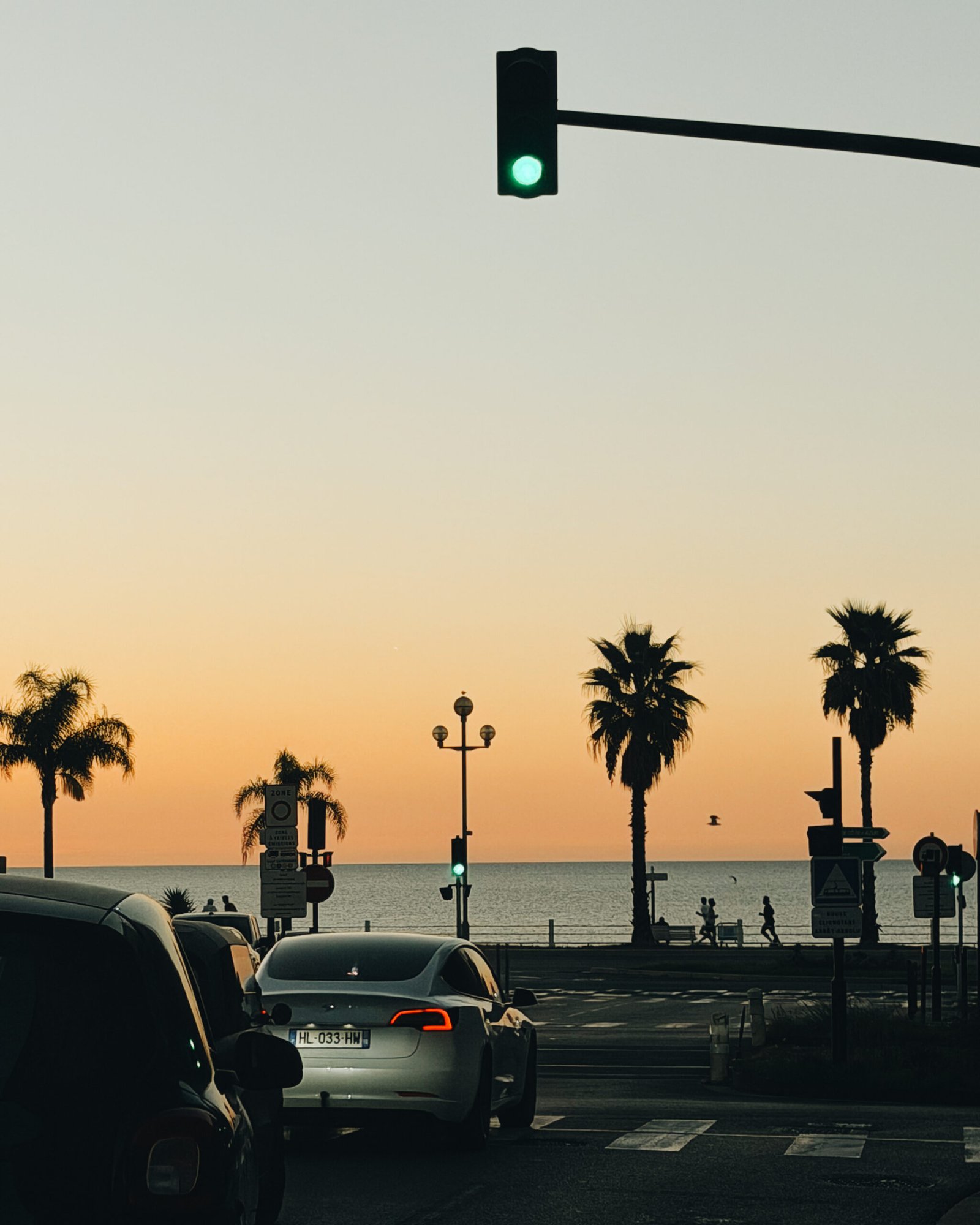
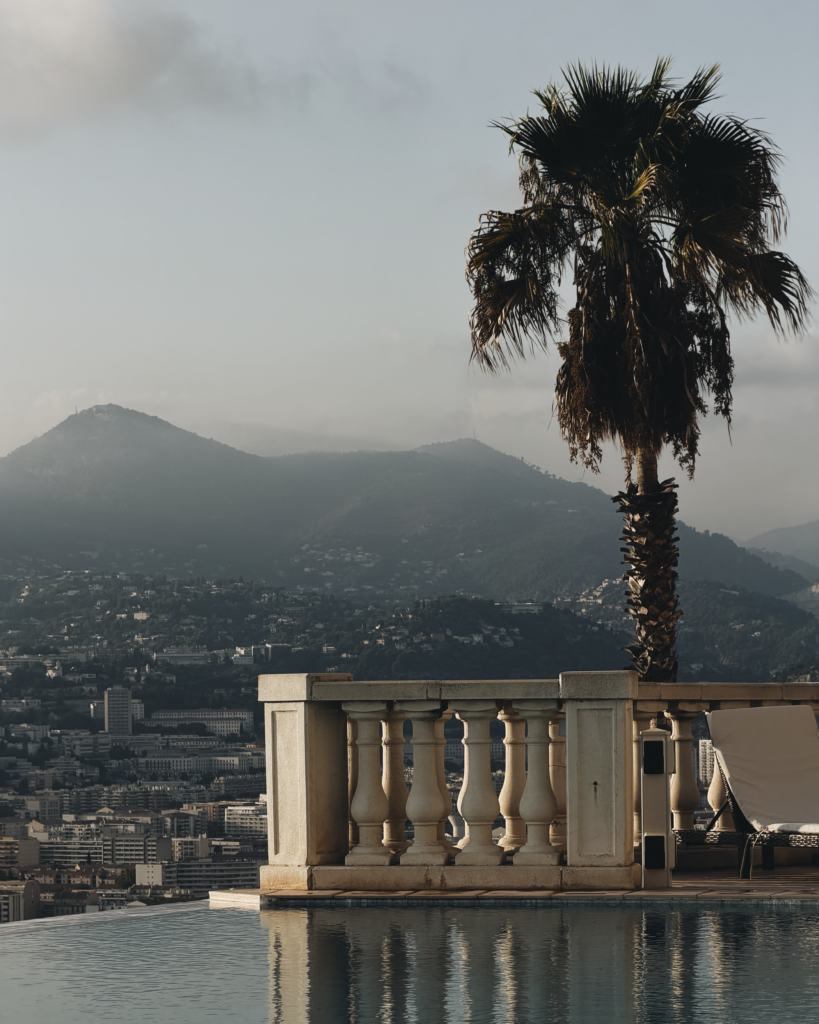
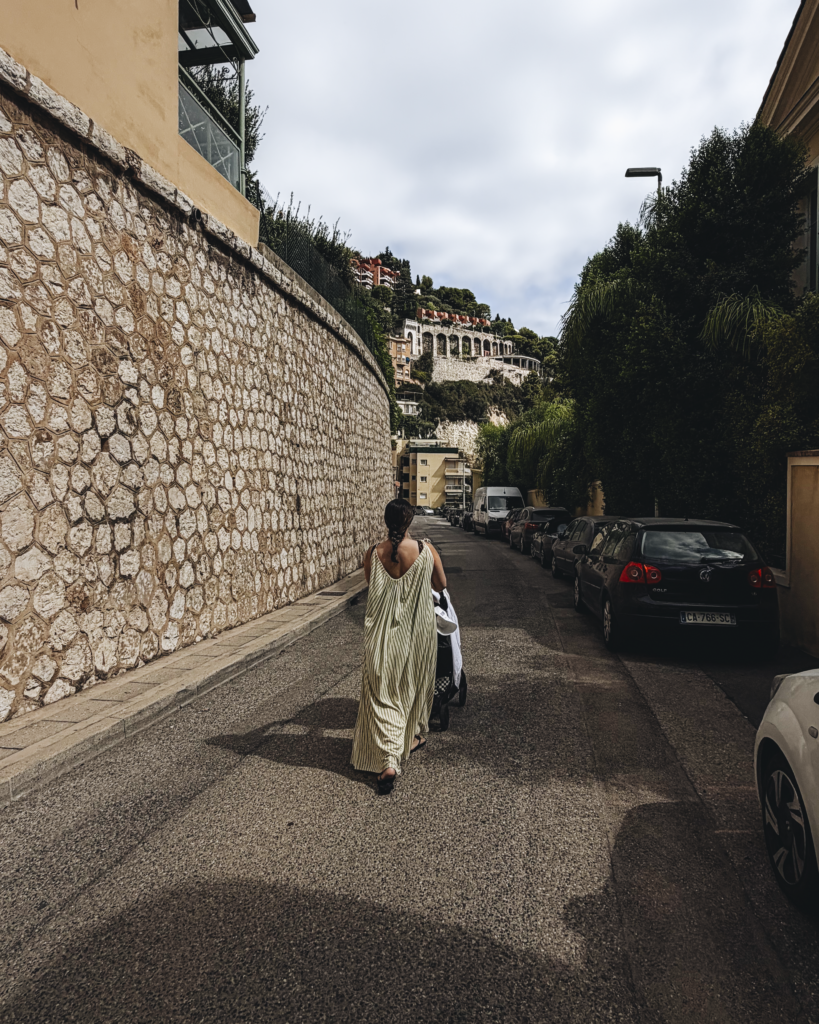
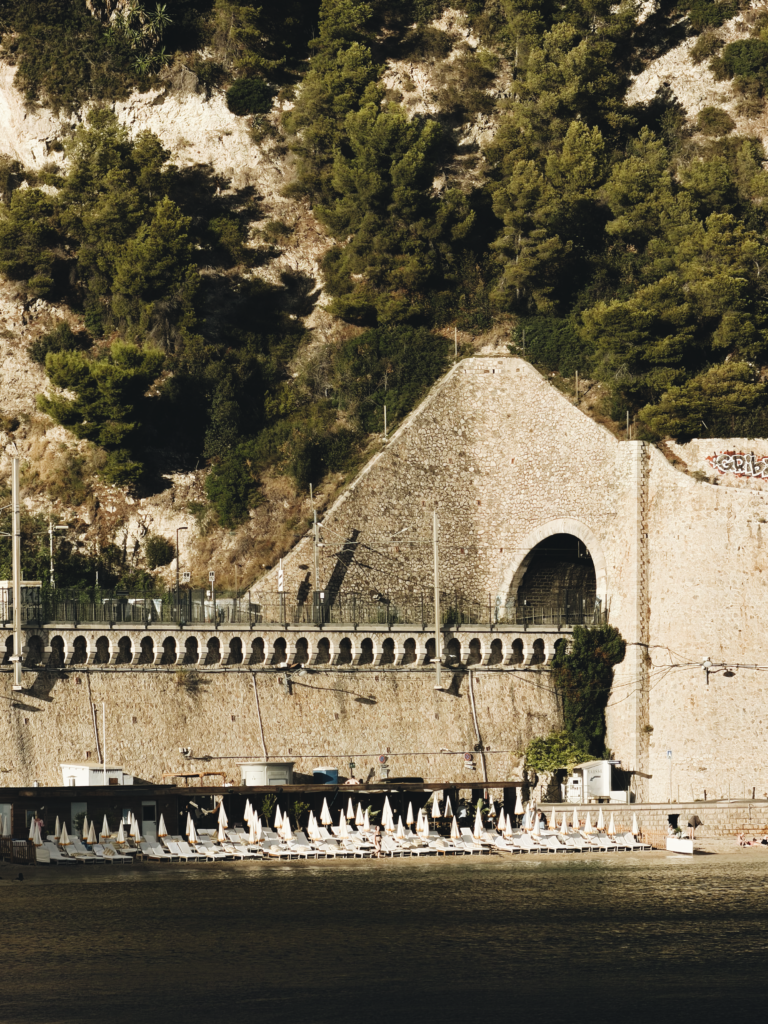
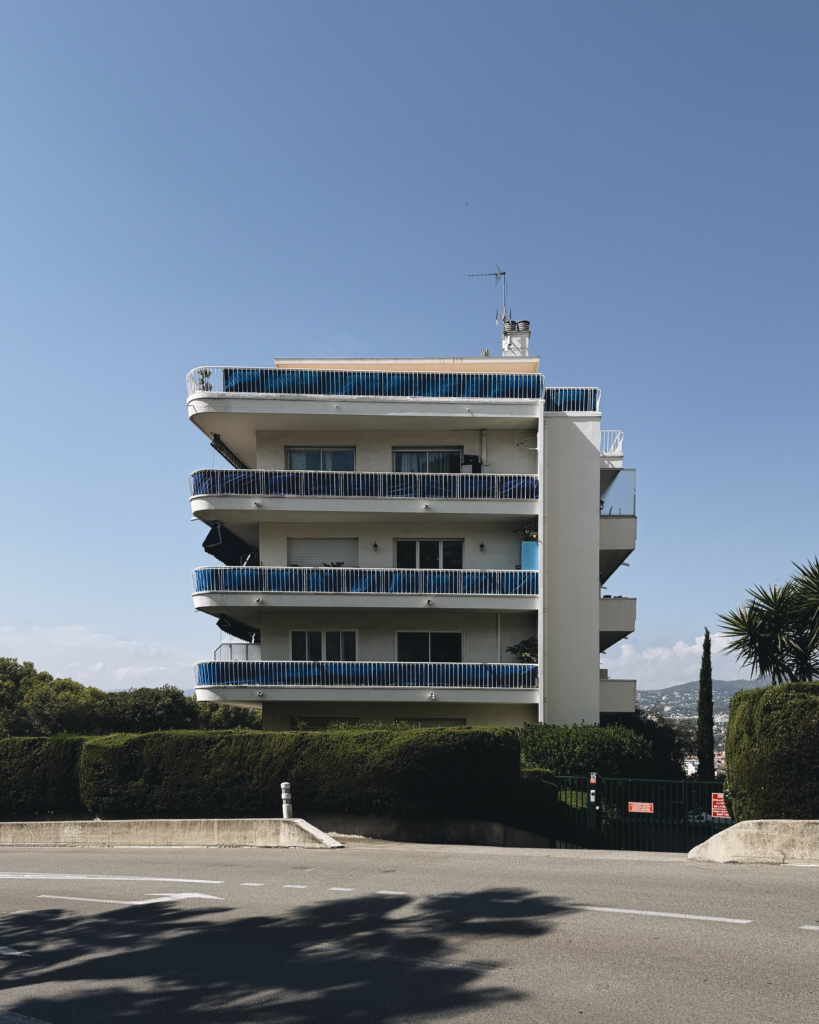
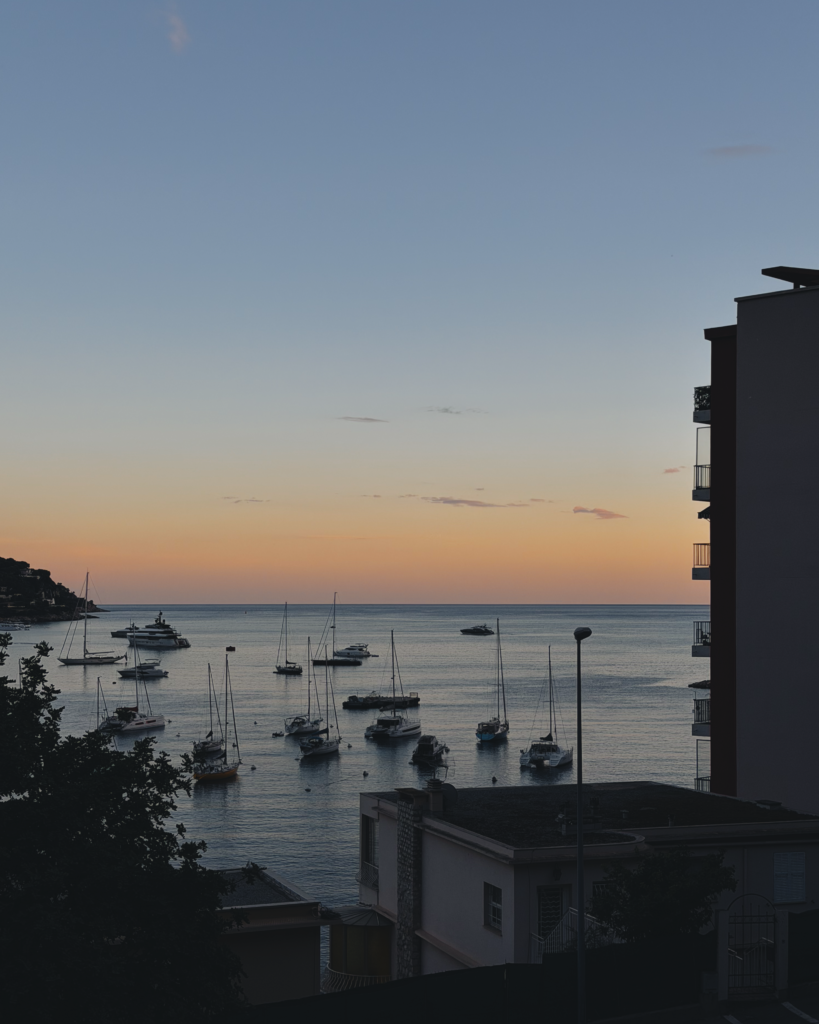
I have my Fujifilm camera with me on this trip, but it’s been a bit much to carry it around throughout the day with Vivienne and all of her various belongings. So these photos are all shot on iPhone. Sometimes I remember to shoot in RAW (for better post-production), but most of the time these are just quick snaps with the default settings. In my opinion, the photos don’t have the same colour depth and overall richness as the ones I get from my Fujifilm.
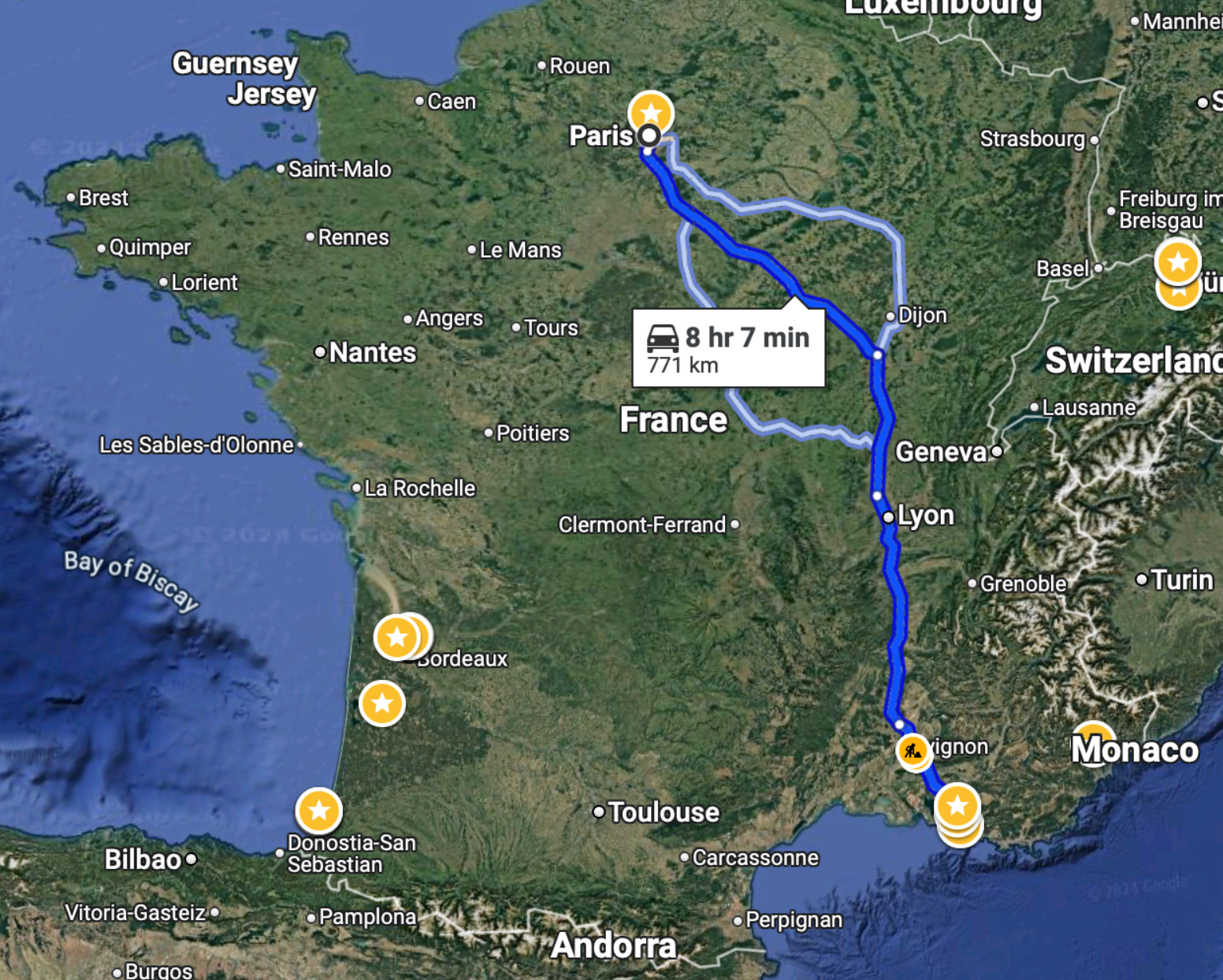
The train from Paris to Marseille takes just over 3 hours:
To drive this same distance, it would take just over 8 hours:
So unless you had a very specific reason, I don’t know why you’d ever want to drive this route. I certainly hate long drives and would avoid this at all costs.
On a related note, the Canadian government announced this week that it will actually be moving forward with a high-speed train linking Québec City to Toronto, stopping in Peterborough, Ottawa, Montréal, Trois-Rivières, and Laval. And unlike previous announcements, it will actually go pretty fast — upwards of 300 km/h, which is comparable to what the TGV does on the above route.
There are three consortia currently competing for this contract, but apparently the federal government has already chosen a winning bidder. An announcement is expected next month. At the same time, the project office owns all of the bids, and so there’s a chance that elements from each of them could be used in the final project.
According to official messaging, the design alone is expected to take some 4 to 5 years, which is an eternity and way too long. But at least we seem to be moving forward. This rail link is a no brainer. It will compress the geography of an importantly bilingual corridor with nearly 20 million people — about half the population of Canada! It’s our megalopolis.
Now we just need to move forward with urgency and with an unwavering commitment to creating the best high-speed rail service in the world. Let’s not accept mediocrity. And let’s not cancel it once we’ve already sunk millions into it. That would be a terrible outcome for such an obviously important nation-building project.
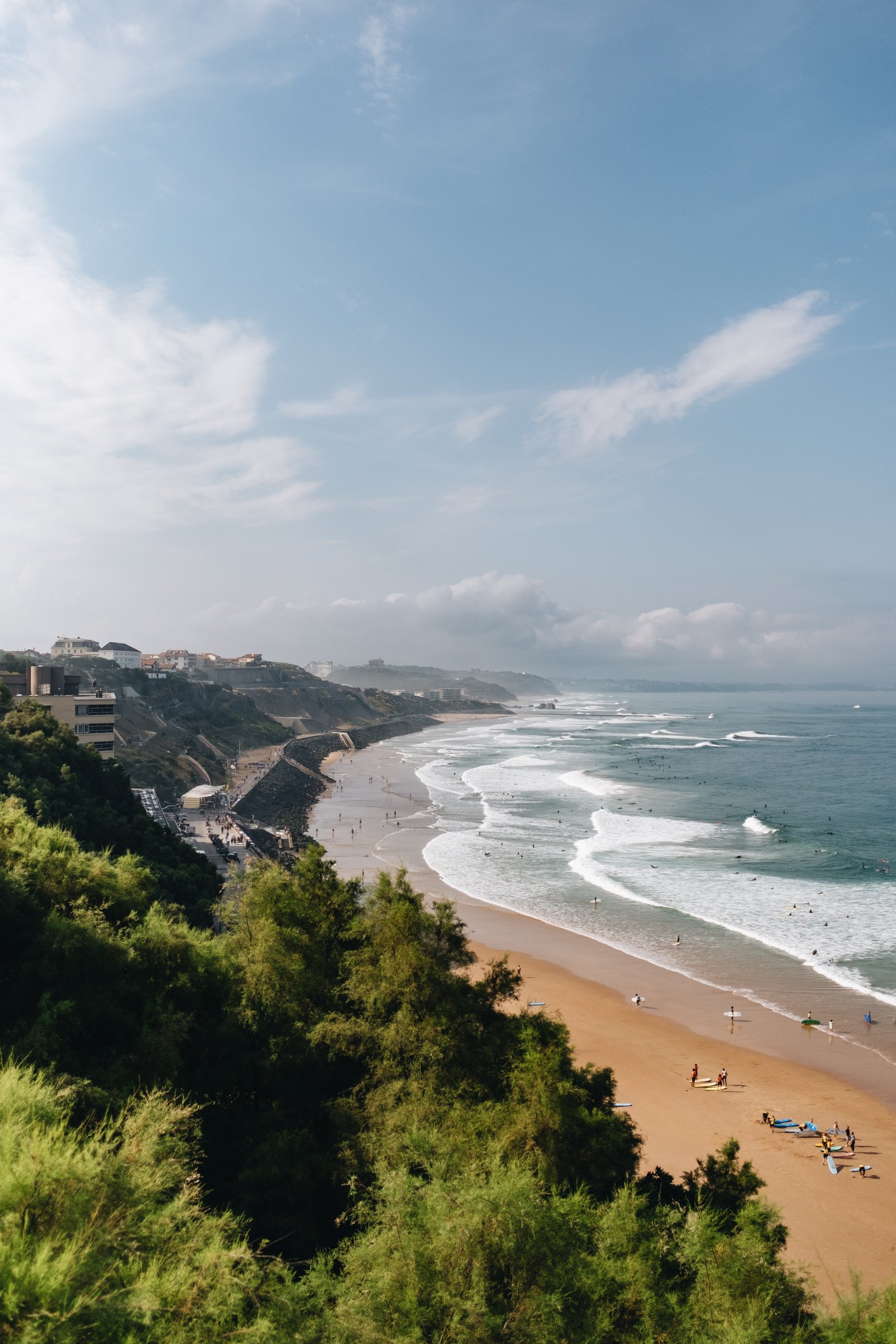
Neat B and I tried surfing for the very first time today in Biarritz. Our instructor was a 57-year old Frenchman who has been surfing for 50 years (he allegedly started when he was 7) and who spent some 20 years living in Costa Rica doing the same. Sounds super stressful, if you ask me. We both did well for our first time, and managed to catch waves and get up on our massive spongy boards. (This is what they give you when you have no idea what you’re doing.) Naturally, we’ll be doing the same thing tomorrow morning. Biarritz is an awesome place. It feels to me like the summer version of all the things I love about Utah in the winter — breathtaking landscapes, chill vibes, and cool people doing fun things on boards and such.
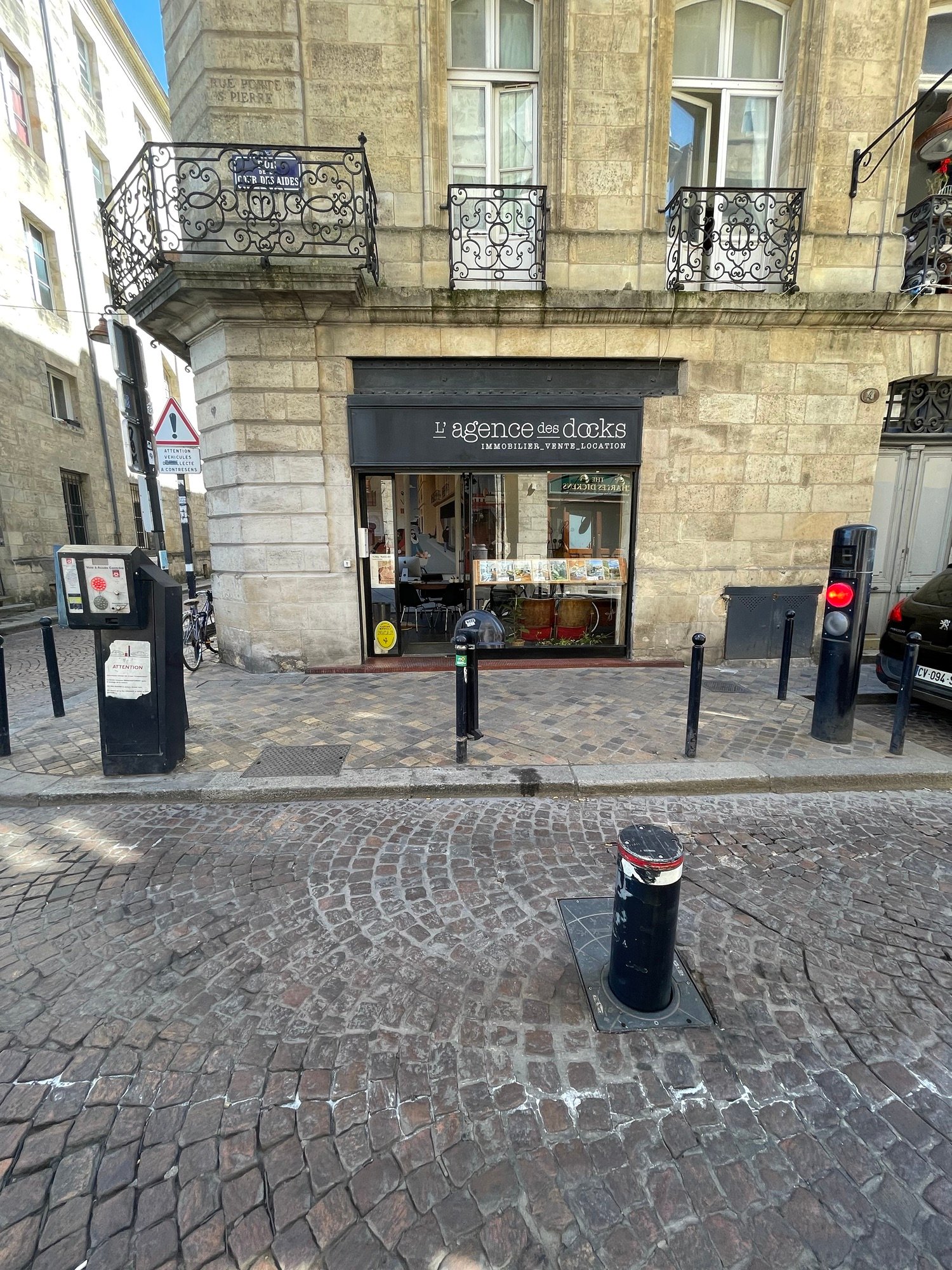
The mighty — and automatic — bollard is an important city-building tool that isn’t employed nearly enough in North America. It’s typically used to control car access to small pedestrian-only or pedestrian-first streets. But I guess if you don’t have any of these, then you may not feel the need to install such a device. The above photos are from Bordeaux. And if you want to gain access, you need to hit the intercom button and explain why you’re local traffic. Can you think of any streets in your city that could use a system like this? I can think of many in Toronto.
Since the modern Olympic Games were revived in 1896, no city has ever hosted swimming events in an urban river. Too poopy. But Paris, as we talked about, hopes to be the first. Starting on July 30, the Seine is scheduled to host the swimming portion of the triathlon competitions.
Except, it will depend on water quality. Today’s training sessions (scheduled for Sunday, July 28) were cancelled because water tests showed that the Seine is currently below acceptable standards. This is due to heavy rain over the last few days, which I guess overloaded the city’s storm network.
So what is clear is that — 36 years after then-Mayor Jacques Chirac first promised to clean up the river — the city has only been able to successfully achieve this, sometimes. It’s not an easy task.
According to Bloomberg, the clean-up efforts have already cost €1.4 billion. This was spent on doing things like constructing a 50,000 m3 holding basin (about the size of 12 Olympic-sized pools) under the Gare D’Austerlitz. This now holds storm overflow during heavy rain events, in lieu of it going into the Seine.
But this doesn’t provide any guarantees as evidenced by today’s cancelled training sessions. Presumably, it just makes it less likely for overflow stormwater to get dumped into the Seine. So a cynic might ask: Why bother with all of this?
Well, for one thing, swimming in a river in the middle of a major global city is just plain cool. Look at how the Swiss do it. But another reason could be that you want to create one of the greenest cities on the planet. And if that’s the case, then seeing athletes swimming in the Seine is a pretty powerful image.
At the beginning of this month, the Government of Canada issued this direction, setting out the requirement for all public servants to be “in the workplace” at least three days per week. To ensure some flexibility, it also specified that it didn’t have to be exactly this schedule. But the intent was that public servants would need to spend a minimum of 60% of their regular schedules, in the workplace, whether measured on a weekly or monthly basis.
Immediately, the Public Service Alliance of Canada reacted and said that it would be filing “unfair labor practice” complaints: “We will be using every recourse we have available to fight this mandate,” PSAC national president Chris Aylward said, arguing that the surprise policy update was “anti-worker” and “fundamentally breaks the trust of workers and unions with the Trudeau government.”
Now, I understand that there are a whole host of legal considerations with a mandate like this. If remote work has, for example, become an implied term of these employment relationships, then it might be difficult for any employer to call these people back. Thankfully, I am not a lawyer. And so I don’t think this way. It is probably also the case that I’m now in my middle adulthood and have old school views on this topic.
Because in my mind, this is the government saying, “hey everyone who works for us, we’d like you to come into the office at least three days a week so that we can work together as a team, collaborate, and hopefully innovate.” And this is employees saying, “no way, that’s totally unfair! How dare you demand we come into the office that much?” Like, since when did going into work become such a problem?
At the same time, Canada is suffering from an existential productivity problem. This country has seen no productivity growth in recent years. And if you compare us to other developed countries, we are near the bottom. Even France — which is stereotypically famous for its relaxed work culture and its ban on after-work emails — is more productive than were are!
This needs to change or we will remain a deeply troubled country. And like everything, it’s going to require work.