Daily insights for city builders, delivered every morning at 6 AM ET. I’m Brandon Donnelly — a Toronto-based real estate developer and founder of Globizen. I’ve been writing here since 2013.

Category: Environment

  • Data centres will soon claim 15% of total US grid capacity

    Here are some recent data centre figures to help put things into perspective. By 2035, BloombergNEF now expects there to be 194 GW of data centres online in the US. This is an upward revision of 83%! The reason for this revision is that “the announced data center pipeline in the US has grown by a further 101 GW since December 2025.”

    But here’s another interesting thing. BNEF also estimates that the shipment of AI chips between 2023-2033 could total as much as 325 GW of data centre capacity in a theoretical world with no other constraints. Of this figure, they expect 207 GW to go to the US.

    However, they also identify a shortfall of 63 GW between this expected supply of AI chips and what is actually forecasted to get built due to grid constraints. So in other words, the chip market may be overshooting what can actually be physically deployed (though there are nuances to consider here).

    Regardless of what ultimately ends up happening, we’re talking about enormous numbers. The recent clean energy investment here in Canada is expected to generate an additional 14 GW of clean, renewable power. It goes to show just how many of these big announcements we are going to need for Canada to become a data centre superpower.

    At the end of 2025, the entire utility-scale electricity-generation capacity of the US was 1,280,799 MW, or about 1,280 GW. So when we’re talking about an install base of 194 GW by 2035, we’re talking about ~15% of the country’s current grid capacity.
  • Low-carbon cement

    By some measurements, cement production alone is responsible for about 8% of human-caused carbon dioxide emissions every year. And so there is an imperative to find suitable low-carbon alternatives. Here is what is currently happening in the US (via Grist):

    On Tuesday, Terra CO2 Technology was picked to receive a $52.6 million federal grant to build a new manufacturing plant just west of Salt Lake City. The company has devised a method that turns common minerals into additives that can help replace Portland cement — a key component in concrete, and one of the most carbon-intensive materials in the world.

    In addition to this new facility, the company is set to start construction on its first plant in the Dallas-Fort Worth area:

    The project is expected to break ground in January 2025 and begin shipping out materials by late summer 2026, Yearsley said. The facility will be capable of producing up to 240,000 metric tons of SCM [supplementary cementitious materials] per year when completed, or enough to serve roughly half of the local metropolitan market.

    And all of this is part of a broader initiative by the US Department of Energy:

    The Utah facility is one of 14 projects provisionally selected this week to receive $428 million in total awards from the U.S. Department of Energy’s Office of Manufacturing and Energy Supply Chains. The initiative, which is funded by the Bipartisan Infrastructure Law, aims to accelerate clean energy manufacturing in U.S. communities with decommissioned coal facilities. Officials said the projects are expected to create over 1,900 high-quality jobs across a dozen states.

    For the rest of the article, click here.

  • Balkonkraftwerk

    Germany has, over the last 2 years, really gotten into balcony solar panels:

    The ease of installation and a potent mix of government policies to encourage adoption has made the wee arrays hugely popular. More than 550,000 of them dot cities and towns nationwide, half of which were installed in 2023. During the first half of this year, Germany added 200 megawatts of balcony solar. Regulations limit each system to just 800 watts, enough to power a small fridge or charge a laptop, but the cumulative effect is nudging the country toward its clean energy goals while giving apartment dwellers, who make up more than half of the population, an easy way to save money and address the climate crisis.

    Of course, there’s only so much that panels like these can produce. By some estimates, a “large well-positioned balcony” might only produce 15% of a home’s electricity needs. But hey, that’s still something, and it seems like something that Toronto should be looking at.

    We also have balconies.

  • Healing penny water

    We spent the last few days in Scuol, Switzerland. Scuol is a small mountain town with under 5,000 people (2018 figure) near the eastern border of the country. The town first achieved notoriety in the 1860s because of the various naturally-occurring mineral waters that can be found in the area. They were / are thought to have healing properties, and so a spa tourism destination was created. Skiing and snowboarding were later added to the town’s repertoire.

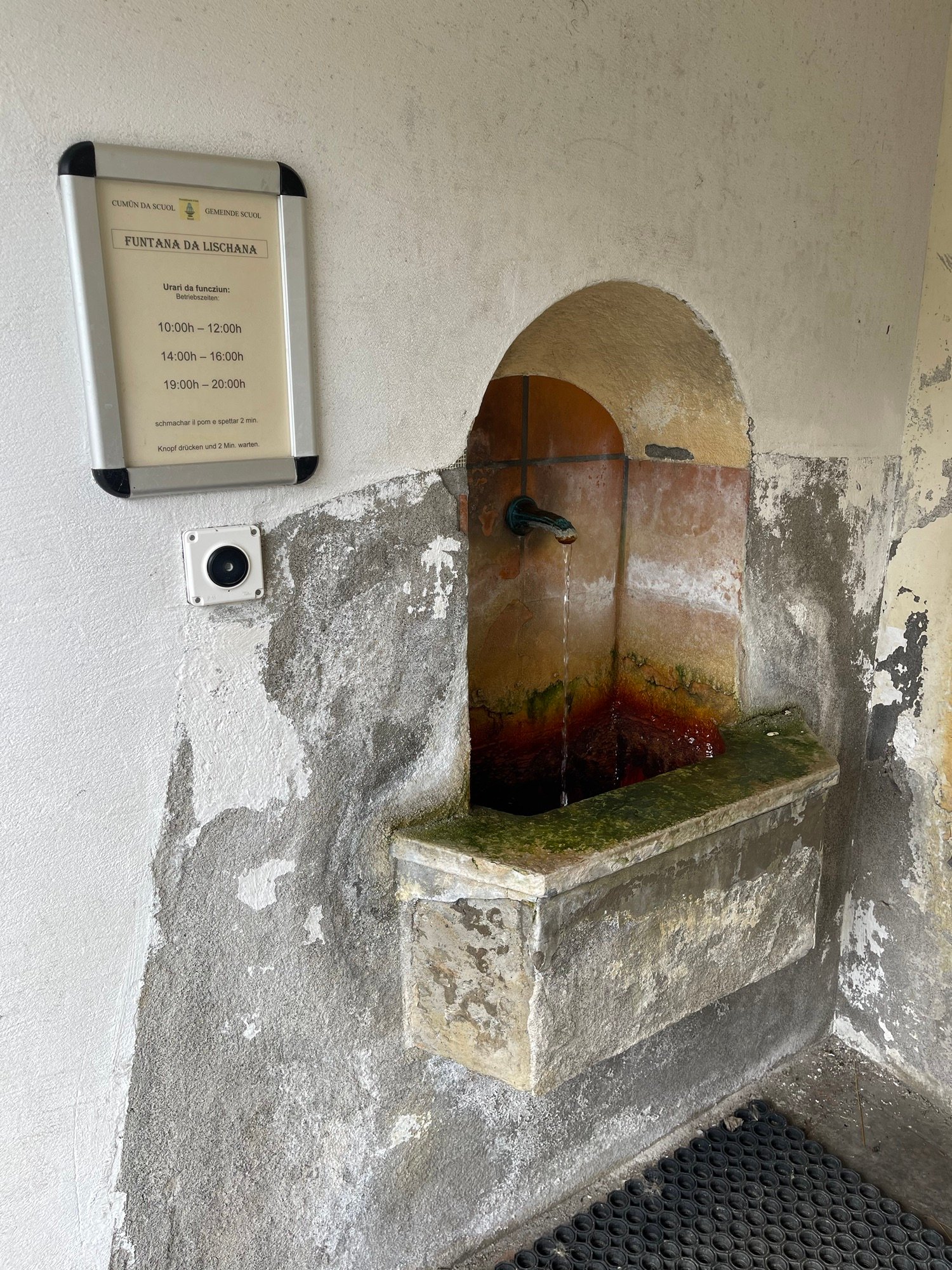
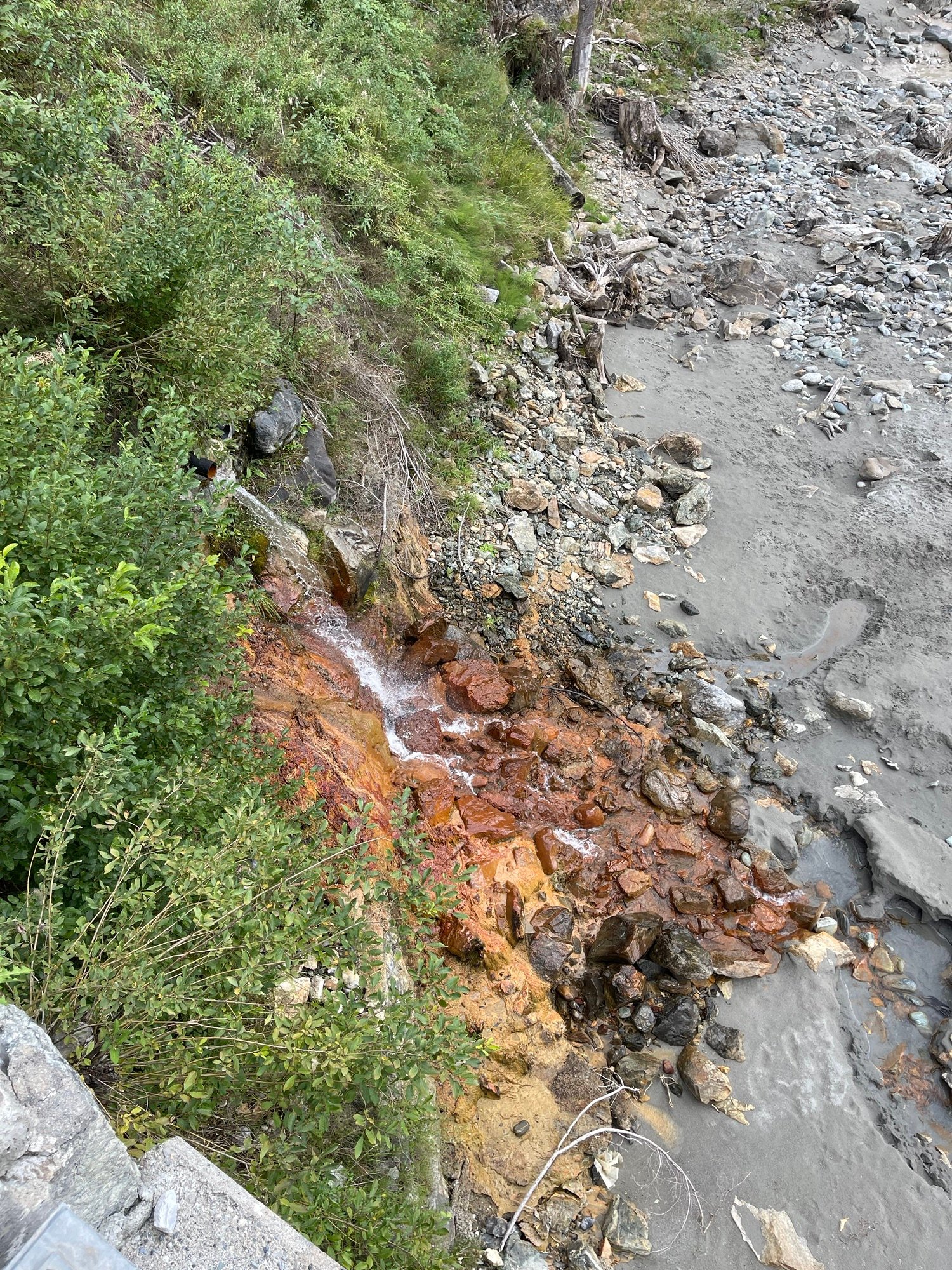
    We tried the water from this fountain — the Lischana source:

    The best way I can describe the taste is to say, imagine water that has had pennies soaking in it for the last 100 years. That’s what it tastes like, which is not good. But it is rich in magnesium and other things, which is why people (especially athletes) seek it out. It comes out clear from the source but if you let it sit in a bottle it will naturally become carbonated and turn brown. That’s why the embankment above has the color that it does.

    I had a handful of respectable sips. Hopefully that’s enough to make me strong. A big thank you to Klaus, Peter, and Jaimie for the invite to Scuol!

  • Vertical solar panels

    Ordinarily, solar panels make the most sense on the roof of a building. This is often where you can harvest the most solar energy. But sometimes it can make sense to install them vertically, like in the case of the above building in Scuol, Switzerland. I am by no means an expert on solar, but I am told that this can make sense in snowy climates (where rooftop panels are likely to get covered) and in northern locations where the lower angle of the sun means a vertical position actually catches the sun more effectively (especially during the winter months). It could also be the case that you just don’t have any available roof space. Either way, you have to look at and model out the entire year when it comes to solar.

  • No AC

    We are staying in our 6th hotel of this trip right now. And only 50% of these hotels have had air conditioning. This had led to a few restless sleeps where it was simply too hot. In one of our hotels, we had to ask them to bring a fan up to our room. But hey, this is Europe. I’m sure everyone thought we were spoiled North Americans. Interestingly enough, not having AC forces you to be more aware of the environment around you. Very quickly you learn that if you don’t shut the blinds or shutters when the afternoon sun is shining in, you are going to end up with a room that is too hot to sleep in. I try to be mindful of this back home in Toronto, where we do have AC, but there really isn’t the same imperative to both design and then operate around climate and local conditions. Active mechanical systems do much of this for us.

  • We should use more permeable pavers

    Today we rented a car so that we could go and explore other parts of Mallorca. We went to three different beaches and coves on the southeast coast, and they were some of the most beautiful public spaces I have ever seen.

    Along the way, we stopped at an Aldi to grab picnic supplies. I love Aldi. It’s amazing how much less expensive everything is here compared to back in Toronto, even once you do the EUR to CAD conversion.

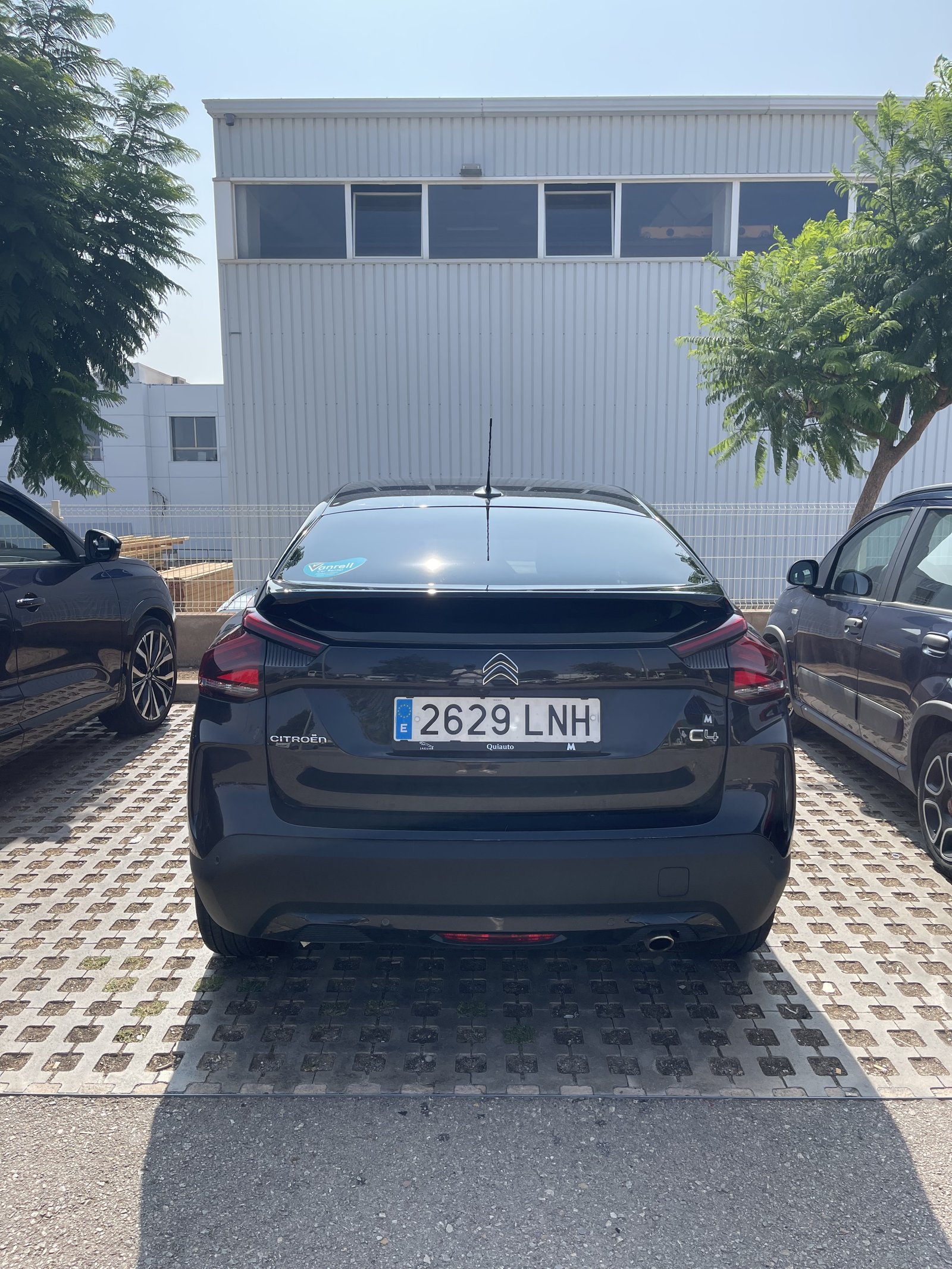
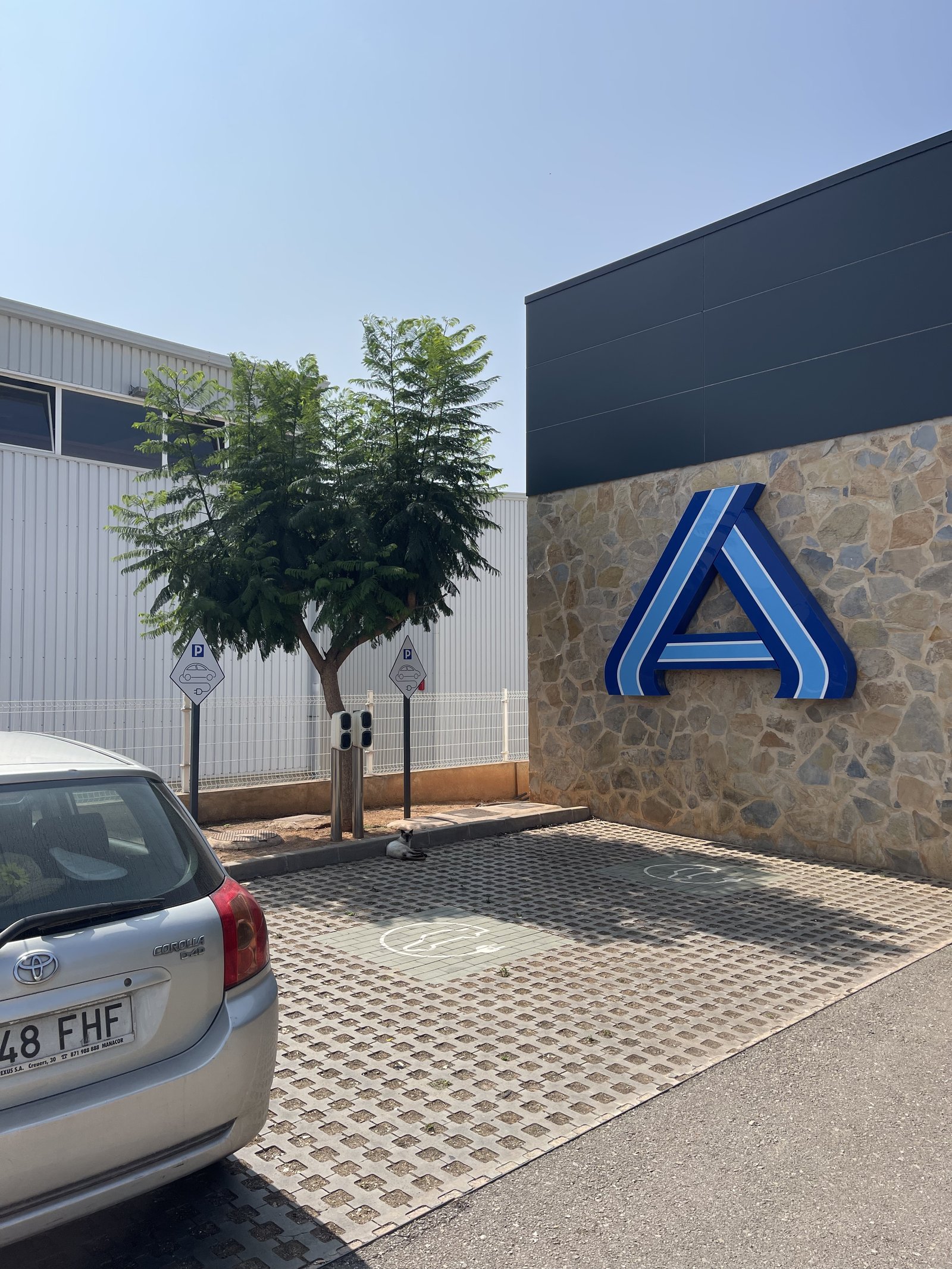
    As soon as we pulled in, the first thing I noticed is that every single parking space had permeable pavers. Here are two photos. The second photo is to also show you their EV charging spaces and one of the two cats that seems to live at the store.

    Permeable pavers are, of course, useful because they help to reduce surface runoff. Meaning, they allow some amount of water to filter into the ground, which is not the case with impermeable surfaces.

    Considering that Toronto has already had two major flood events this summer alone, I think it behooves us to take note. When is the last time you’ve seen permeable pavers used in a public parking lot in Canada or the US? Serious question. I can’t think of an example.

    Having a store cat could also be a good idea.

  • Turn off the AC

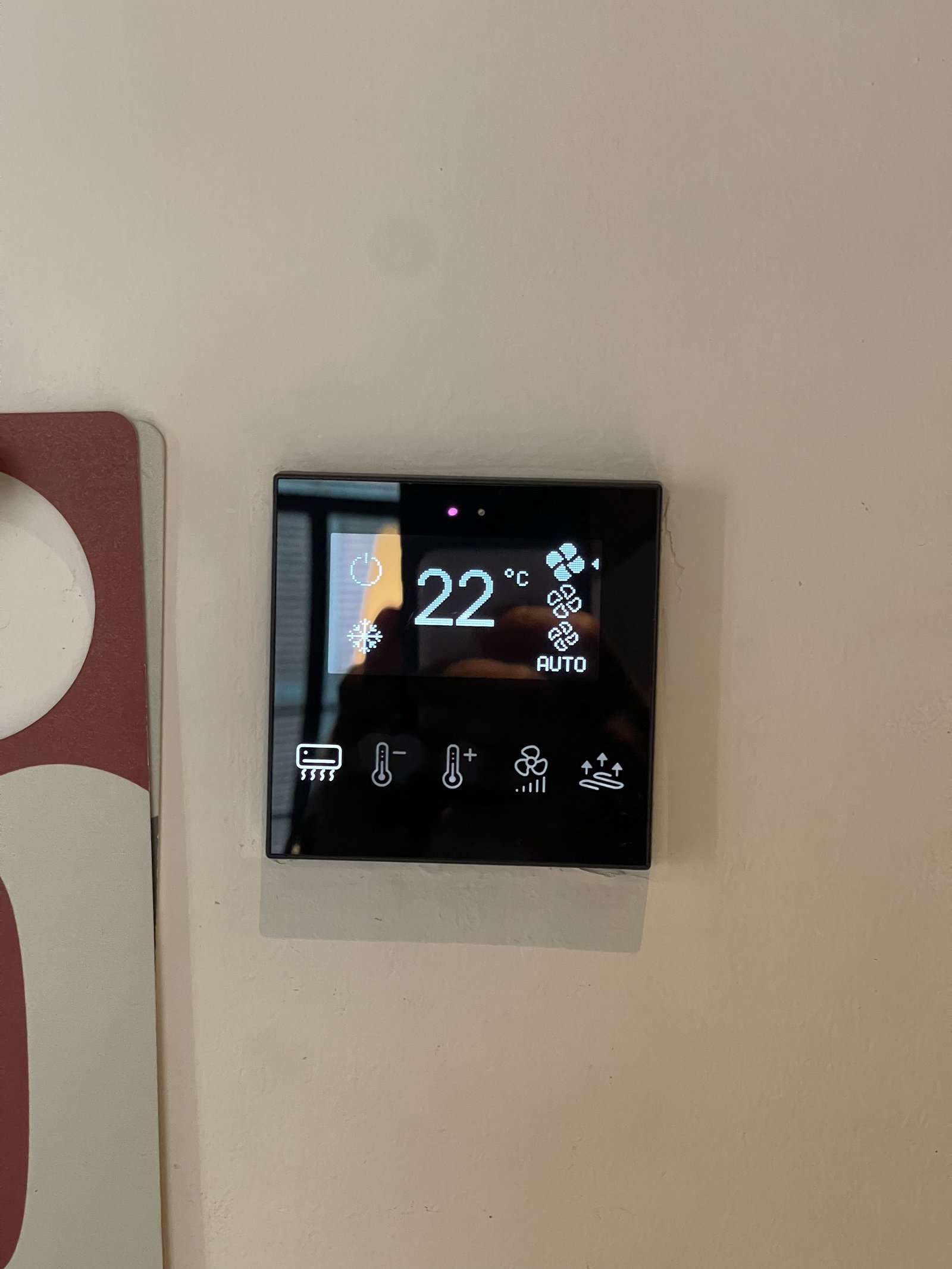
    We just checked into our hotel in Palma and one of the first things I noticed is that as soon as you open any of the windows/doors, the AC automatically turns off. A message on the thermostat then alerts you that it will come back on once you close the windows. I haven’t yet figured out how this particular hotel room is sensing that things are open, but it’s relatively easy to do this at home through smart thermostats and sensors like these. I make a real concerted effort to do this manually, and so it’s great to see it automated in a hotel room, where people are naturally going to care less about wastage. Europe is so far ahead of North America when it comes to energy efficiency.

  • Olympic athletes will — probably — be able to swim in the Seine

    Since the modern Olympic Games were revived in 1896, no city has ever hosted swimming events in an urban river. Too poopy. But Paris, as we talked about, hopes to be the first. Starting on July 30, the Seine is scheduled to host the swimming portion of the triathlon competitions.

    Except, it will depend on water quality. Today’s training sessions (scheduled for Sunday, July 28) were cancelled because water tests showed that the Seine is currently below acceptable standards. This is due to heavy rain over the last few days, which I guess overloaded the city’s storm network.

    So what is clear is that — 36 years after then-Mayor Jacques Chirac first promised to clean up the river — the city has only been able to successfully achieve this, sometimes. It’s not an easy task.

    According to Bloomberg, the clean-up efforts have already cost €1.4 billion. This was spent on doing things like constructing a 50,000 m3 holding basin (about the size of 12 Olympic-sized pools) under the Gare D’Austerlitz. This now holds storm overflow during heavy rain events, in lieu of it going into the Seine.

    But this doesn’t provide any guarantees as evidenced by today’s cancelled training sessions. Presumably, it just makes it less likely for overflow stormwater to get dumped into the Seine. So a cynic might ask: Why bother with all of this?

    Well, for one thing, swimming in a river in the middle of a major global city is just plain cool. Look at how the Swiss do it. But another reason could be that you want to create one of the greenest cities on the planet. And if that’s the case, then seeing athletes swimming in the Seine is a pretty powerful image.

    It shows progress.

    Photo by J Shim on Unsplash

  • Ontario should have more solar energy

    I have a very close friend (Peter Vogel) who is in the solar business. He runs business development for a company called Otter Energy. And by volume, I believe they are the largest in Ontario. Since 2009, they have installed over 350,000 panels.

    So when Peter and I hang out, I get the benefit of learning about solar. And he is great at reminding me that installing panels on the roof of buildings in Ontario makes a ton of sense from both an environmental and financial standpoint.

    Generally speaking, the amount of benefit you will see depends on the building’s ratio of roof area to overall building area. Low-rise buildings with a lot of roof area (think industrial assets), are absolute no brainers. But it can also work very well on many other asset classes, including mid-rise multi-family.

    Here are some high-level figures that he recently walked me through:

    • As a rule of thumb, solar in Ontario typically generates between 12-14 kWh’s per year per square foot of roof area (usable flat roof).
    • The average payback period for an install is usually somewhere between 4.5 to 7 years.
    • However, on income producing properties, the permanent decrease in operating expenses and the corresponding increase in net operating income (NOI) will increase your asset value on day one.
    • Consider spending $100k on solar panels to increase your NOI — through lower electricity costs — by $10k. If you were to then capitalize this increase in NOI by 5%, it would mean your asset value has right away increased by $200k. If the cap rate for this asset is even lower, say 4%, the increase goes up to $250k.
    • These multiples can get even better with larger installs. Here are some numbers from a real-world 100,000 sf commercial building in Ontario. In this case, the solar system cost about $800k (net) and resulted in annual operating cost savings of about $140k. This means, that at a 5% cap rate, the owner spent $800k to increase the value of their asset by $2.8 million on day one.
    • Of course, in addition to all of this, you get long-term energy cost certainty. That’s worth something too.

    The business case is compelling. So I think more building owners should be looking at solar. We are certainly looking at it from a development perspective. If you’re interested in learning more, feel free to reach out to my friend. There are a lot of details that help strengthen the case for solar, including depreciation allowances and tax credits.