
October 18, 2025 · View original
So what did we uncover during yesterday’s great urban design debate?
If I can extract one overarching takeaway, it’s maybe this one: We need to be big and bold (have a compelling vision!), while at the same time getting out of the way of small-scale urban innovation. Joe Berridge, for example, felt strongly that Toronto is not taking full advantage of its waterfront. We’ve been too focused on bike lanes and parks, rather than on creating noteworthy global draws and aggressively marketing ourselves externally. Toronto needs its Sydney moment — something like a globally significant Opera House that attracts people from all around the world. I don’t disagree. Cities need to do things that are remarkable.
At the same time, we spent a lot of time talking about the micro scale. Some of the most loved urban environments from around the world have the simplest built form: fine-grained and humble buildings fronting onto human-scaled streets — streets like Ossington in Toronto and seemingly every street in Paris. But that was then. This kind of built environment is mostly incongruent with how we plan and develop new communities today. We develop big, we impose top-down planning, and we no longer have the same inherent flexibility that our older building stock had.
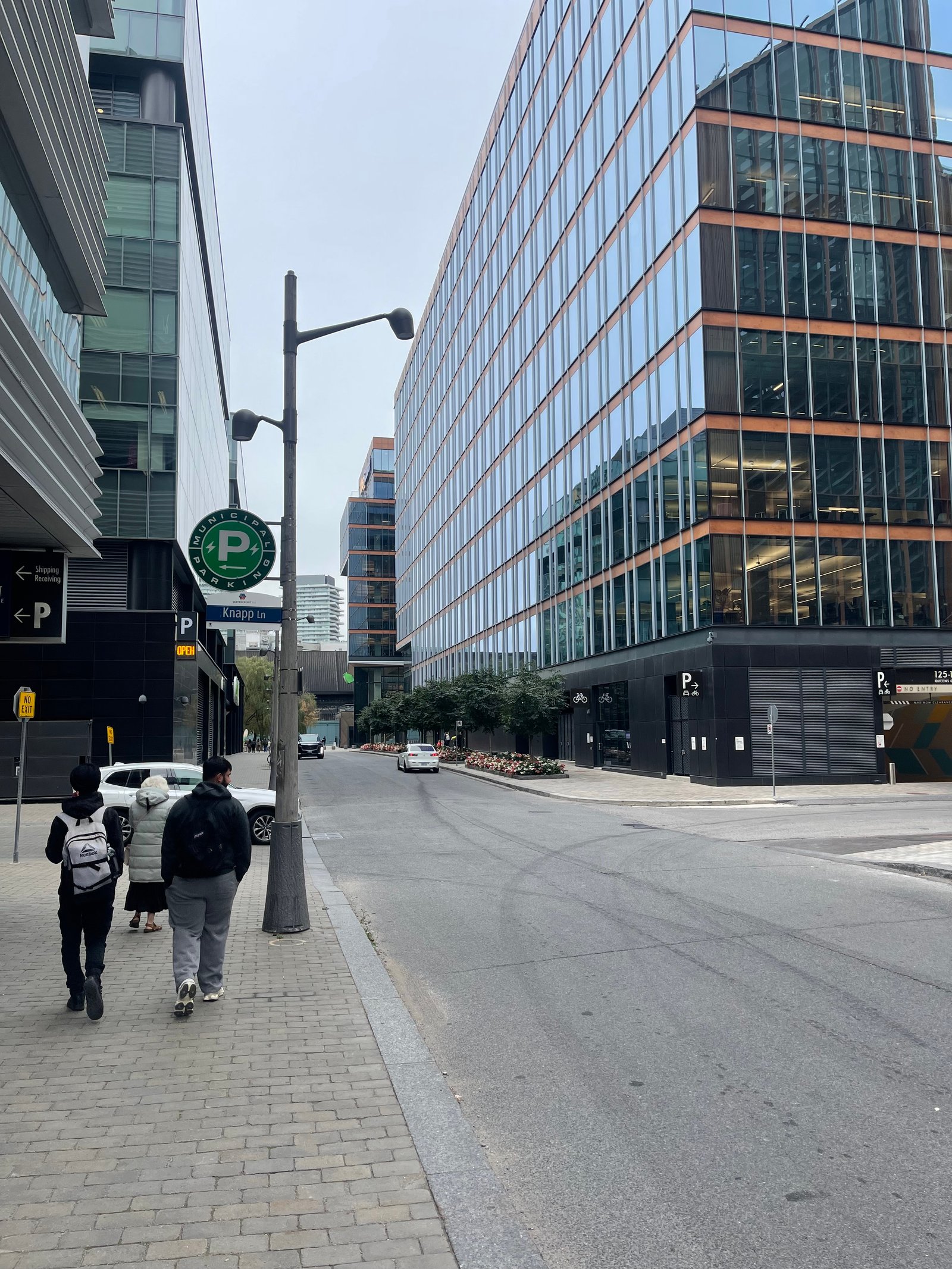
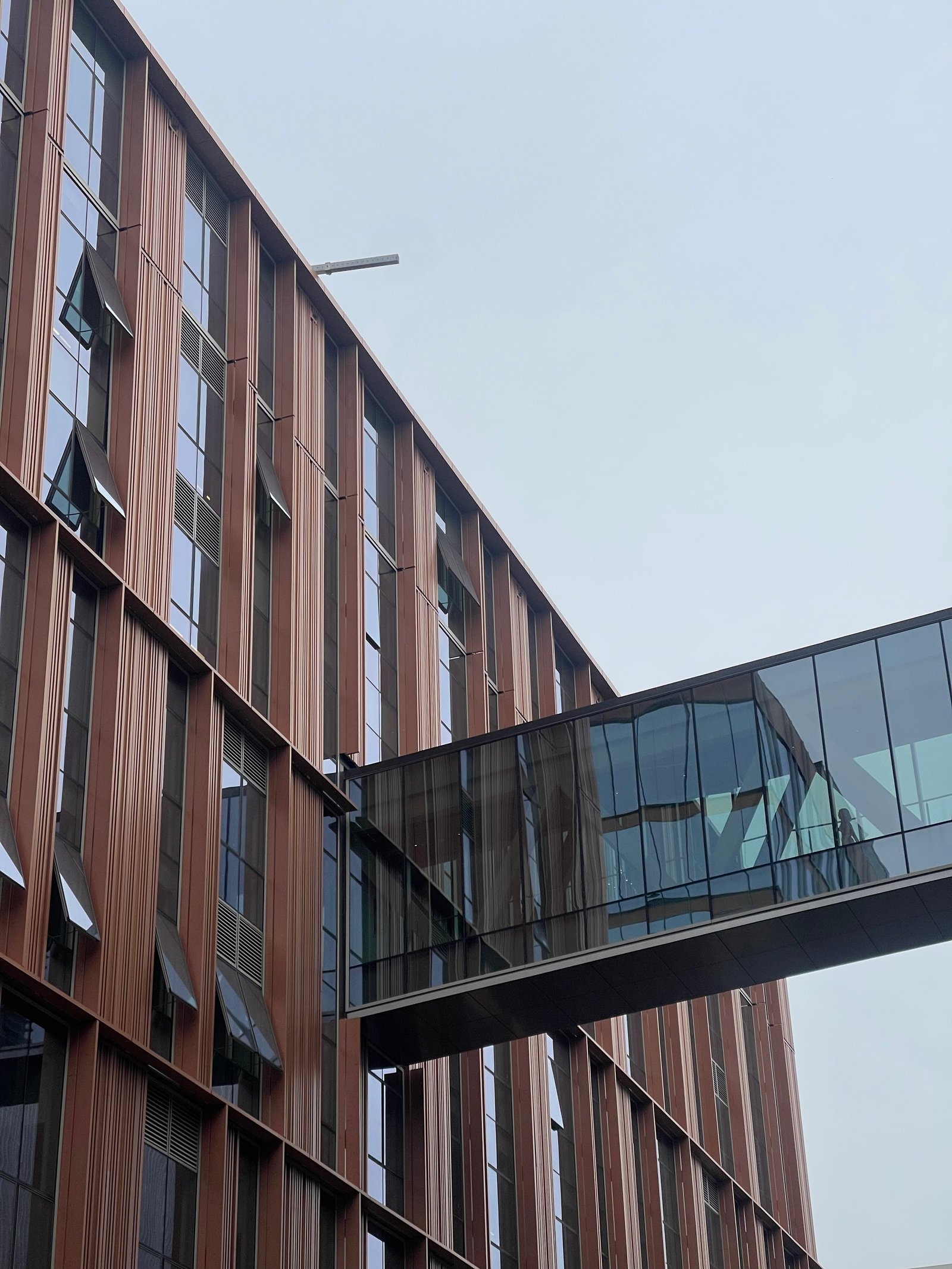
Take, for instance, Toronto’s East Bayfront, which is where this conference is taking place. It’s a recently developed community with many or most of the hallmarks that constitute good urban design today: handsome architecture (including mass-timber buildings), pedestrian-friendly streets, well-designed public realms, and more. And yet, the area is largely void of any urban vibrancy. Other than the boardwalk along the water and a handful of restaurant patios, there’s very little public life. Many of the buildings are also connected by bridges, which is not in and of itself a problem, but it further removes life from the street.
Here are a few photos of the area that I took while leaving the panel:

Compare this to a random street in Tokyo:
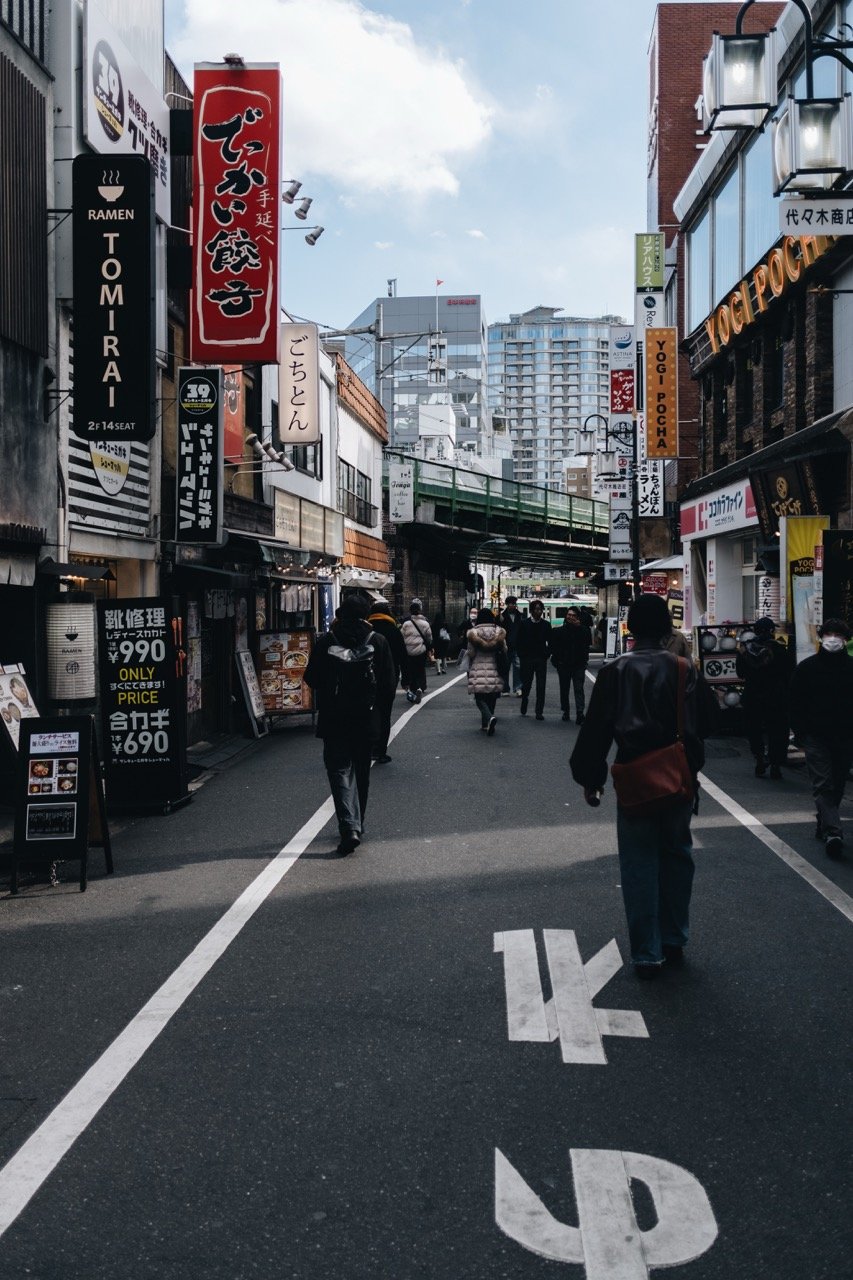
The buildings are ugly, or at least nondescript. None of the tenants are following a consistent signage standard. There are no sidewalks. And there’s an overhead rail line bisecting the street. And yet, it’s vibrant. It’s a successful urban street. Most older cities have areas akin to this, but it’s a real challenge to create it from scratch in new developments (see above). I’m very interested in this challenge and, as we have talked about many times before on the blog, I think part of the answer lies in allowing flexibility and ground-up change. It’s impossible to predict what an area could become and, for that reason, top-down planning will never get it exactly right.
Thinking about it this way, urban design isn’t dead; it just maybe needs a refocusing. And what I propose is approaching it along the lines of Jeff Bezos’ old management adage: You want to be stubborn on vision, but flexible on the details.
Leave a Reply