Daily insights for city builders, delivered every morning at 6 AM ET. I’m Brandon Donnelly — a Toronto-based real estate developer and founder of Globizen. I’ve been writing here since 2013.

Category: Places

  • How Paris creates such beautiful social housing

    August 16, 2025 · View original


    Back in the spring, I wrote about a small social housing project in Paris at 18 rue Pradier. And the reason I wrote about it is because it’s one of those beautiful European projects that makes every city builder in North America wonder: Why don’t we build projects like this?

    I mean, it’s nicer than most market-rate housing projects.

    As part of my post, I did some internet sleuthing to find out the site area, the gross construction area, and what appeared to be the land price. But it was a modest piece. Thankfully, developer Brendan Whitsitt (of Imprint Development) just published a far more comprehensive summary of the project.

    In it, he pieces together the building’s mechanical systems, the wall assemblies, the project costs, and even the capital stack. He also compares everything back to what’s typical and allowable by code here in Toronto. It’s well worth a read.

    However, I am going to spoil the punchline: Building in Europe is not cheaper. 18 rue Pradier is a beautiful — but very expensive — project. It only works because of subsidies. No private-sector developer would build it otherwise.

  • What Toronto built in the postwar years is what we’d like to build today

    August 12, 2025 · View original


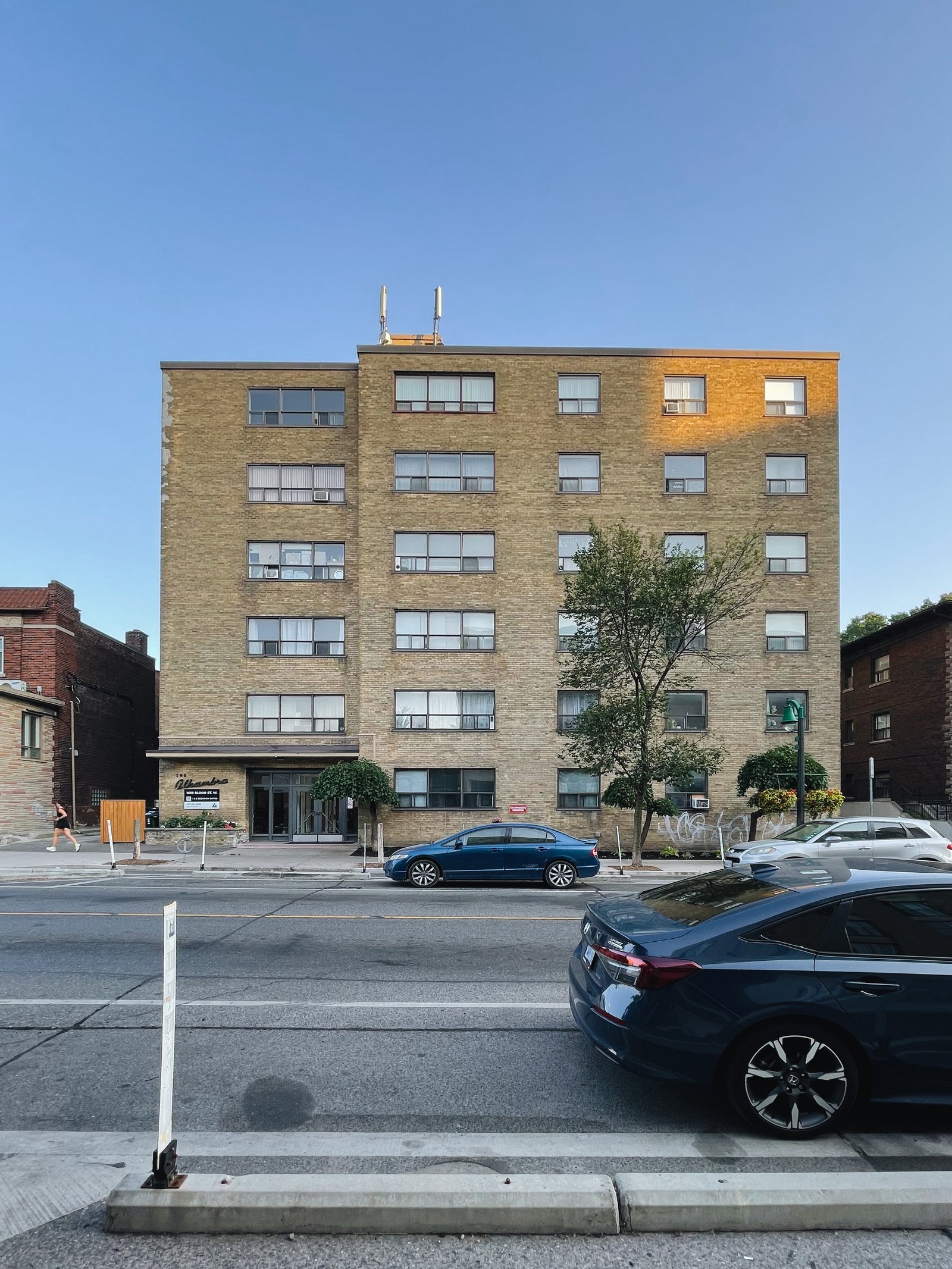
    I was lollygagging on Bloor last night while waiting for my take-out sushi to be prepared when I happened to notice the above building at 1639 Bloor Street West.

    What stood out to me was that it’s six storeys, has no stepbacks, is brick all around, and is more or less the kind of infill housing that Toronto is now trying to encourage along its major streets. Except, this building is old. The internet tells me it was built in 1954 (and houses 46 apartments). Which made me immediately wonder: did we used to know how to build this housing typology and then simply forget? Or was this the work of a cowboy developer who somehow managed to slip it through the cracks?

    Either way, I decided to walk the perimeter and take a closer look. The first thing I noticed was a row of garbage bins along the building’s east elevation, with about a dozen or so cameras keeping a close eye on them. If anyone in building management is wondering why a handsome man in a black t-shirt and stylish Birkenstocks was so curious about garbage bins — don’t worry. I was just trying to determine if you had a Type-G loading bay hidden around the back. I can now confirm: no such loading facility.

    Looking at Toronto’s maps, the site is approximately 30 meters wide by 40 meters deep — so roughly the equivalent of five lots, given the prevailing lot fabric in the area. The building itself appears to have a footprint of about 660 square metres (~7,100 square feet). If I multiply this by six floors and then by an efficiency ratio of 0.80, I get a very rough gross rentable area of 31,000 square feet. Divide this by 46 apartments and you end up with an average suite size of ~741 square feet.

    Imagine that: assemble five lots on Bloor, employ an all-brick façade on all elevations, and build to an average suite size that is probably close to 200 square feet larger than some of the city’s most recent downtown developments. The math would never math today.

  • When should foreigners be allowed to buy homes?

    August 1, 2025 · View original


    Given how nice it is outside right now, some of you may be forgetting that Canada does have winter. And it is largely because of winter that we are the biggest foreign buyer of homes in the state of Florida (and the US as a whole for that matter). In 2024, Canadians bought over $2.4 billion worth of homes in Florida. And between April 2023 and March 2024, it is estimated that Canadians accounted for nearly 25% of all foreign home sales in the state (this is according to the National Association of Realtors).

    Because of this strong demand, I would imagine that many and perhaps even most Canadians would tell you that being allowed to buy a home in the US — or elsewhere in the world — is a nice freedom to have. (Although demand is waning because of the strong US dollar and because of the current geopolitical climate.)

    If we flipped this around and asked Canadians whether foreigners should be allowed to buy homes in Canada, I suspect that we might get a different leaning. And that’s why there is the Prohibition on the Purchase of Residential Property by Non-Canadians Act (which is currently set to expire on January 1, 2027). This was and likely still is the politically popular thing to have in place.

    Now, it could be the case that these two groups are mutually exclusive. In other words, the people who own homes outside of Canada (a small minority) do not overlap with the people who support a ban on foreign buyers (the majority). And so when looked at in aggregate, the majority of Canadians do in fact want this ban. That said, I would not be surprised if Canadians buy more homes abroad than foreigners buy homes in Canada, which would make our current policies, at the very least, mildly hypocritical.

    Whatever the case may be, it is in the news this week that some of the largest builders in British Columbia have just sent a letter to our governments arguing that the foreign buyer ban and BC’s foreign buyer tax need to be reconsidered — or modified to something that resembles Australia’s model. (Australia restricts foreign ownership to newly constructed homes and pre-sales. Foreigners can’t buy resales.) The letter was signed by 25 companies including developers like Amacon, Beedie, Strand Development, and Westbank.

    At the very least, I think there’s a strong argument to be made that pre-construction and new home sales should be exempt from the ban. Most people probably don’t appreciate that developers rely on pre-sales to finance the construction of new homes. It is significantly more challenging for end users to buy in this same way given how long projects take. We can certainly have a conversation about whether this is the optimal financing approach, but it is the way things work today.

    So my view is this: If foreign capital wants to finance new housing and help increase our overall housing supply, that’s a good thing. Let’s take their money and use it to build lots more homes for Canadians. With this approach, foreigners won’t be competing for our existing housing stock and, over the longer term, it is likely that most of these pre-sales will end up as new rental supply or as a resale home for Canadians.

    The alternative is building fewer new homes, waiting until there’s a worse housing shortage, and then turning the industry back on to deliver new homes in 5-7 years.

    Cover photo by Denys Kostyuchenko on Unsplash

  • Toronto’s “traffic czar” is doomed to fail

    July 23, 2025 · View original


    Okay, so the official title is Chief Congestion Officer.

    But whatever. What’s important is that the City of Toronto is apparently close to hiring a human that will become the so-called “congestion lead”. This will be, in their words, a senior strategic cross-divisional leadership role that reviews programs and projects, and then works to minimize traffic congestion (this is among other things).

    Translation: Construction is causing too much congestion so let’s make sure we’re better at managing what happens on Toronto’s streets. Fine. Nobody is going to argue against being too coordinated. But there are at least two problems with the overall framing of this position.

    Firstly, it is likely that this czar will go after things like construction lane closures. Maybe the city will make them harder to get and/or maybe they’ll increase the occupancy fees they charge. (Reminder: Developers pay cities lots of money to occupy public streets.)

    Regardless of what is done, it’s important to keep in mind that there’s a trade-off here. Any time you make construction more difficult, you add costs. And when construction costs are added, they have to go somewhere. Typically that means they get passed on to buyers and renters. So depending on how hard this czar goes after road closures, we could be indirectly increasing the cost of new housing.

    Pick your poison.

    But the even bigger problem with this new role is this: It presupposes that if only we did X, Y, and Z, we could solve traffic congestion. This is a fallacy. It’s not going to happen. Of course, I’m not saying that better coordination wouldn’t improve traffic flows; I’m saying that we’re ignoring the root problem.

    The Greater Toronto Area has a population of nearly 7 million people, and there’s simply no conceivable way we could all drive around everywhere and still have free-flowing traffic. It’s impossible — no matter how well we coordinate roadwork or how many people with whistles we plant at major intersections during rush hour.

    The only way to solve this problem is to embrace a multi-modal approach to urban mobility. And so rather than a “traffic czar” narrowly focused on car congestion, what we really need is a “mobility czar” focused more broadly on moving the most number of people as efficiently as possible — across all modes of transport.

    This is not the solution that many people want to hear — because it will mean a break from the status quo — but we already know that it works. Really well in fact.

    Cover photo by Cyan Chen on Unsplash

  • Creative residencies at Parkview Mountain House, Park City

    July 21, 2025 · View original


    Parkview Mountain House has just launched a new creative residencies program intended to reinforce the house’s identity as a creative retreat. The way it works is very simple: If you’re an artist, designer, creative or a brand doing culture-shaping work, you can now apply for a free three-night stay at the house. In exchange for the stay, we ask that creative residents produce and share original content that reflects their experience in the mountains of Utah and at Parkview Mountain House. This could include photography, videos, written pieces, branded campaigns (such as a lookbook), and maybe even an artifact for the house. Long term, the idea is to assemble a kind of cultural archive with credit being given back to each individual creator and/or brand. We’re really excited to see what this residency program produces and we hope that the results will be design-focused, globally minded, and rooted in a deep love for the mountains.

    If you’d like to apply, or know of someone who would be a good fit, here’s the link.

  • How long will it take to absorb Toronto’s pipeline of new condominiums?

    July 18, 2025 · View original


    Urbanation just released its Q2-2025 condominium market survey results for the Greater Toronto & Hamilton Area. The results are as expected: new home sales are slow (like, 91% below the 10-year average) and unsold inventory is rising. But what I’m most interested in is trying to guess the future.

    Urbanation expects a total of 17,117 condominium homes to complete in the second half of this year, which would bring total completions for 2025 to 31,422 homes (which is an elevated number). Completions in 2026 are then expected to drop to a more “historically normal level” of 18,037 units.

    At the same time, there are 64,623 condominium homes under construction as of Q2-2025. I take this to mean that, once the above 17,117 homes complete in the second half of this year, there will be at least 47,506 new homes still under construction as we start 2026.

    If we do end up completing 18,037 units next year, and ignoring any new starts, that will leave just under 30k units under construction into 2027. If completions remain at a similar level after this, we could then be close to building our way through this condominium pipeline by the end of 2027.

    Of course, this says nothing about actual absorption. It’s one thing to build a new home, but it has to ultimately get filled. And right now, there are almost 2,500 unsold condominium apartments in newly completed projects across the region. This is a record high going back as far as 2005.

    So it’s hard to say. But my view continues to be that, by 2028, we should be on the other side of this market. In the meantime, if you’re looking for a place to live in Toronto, I think you’d be hard pressed to find a better time to buy. Most people will be too scared, and that’s the point.

    Cover photo by Venrick Azcueta on Unsplash

  • Canada should be celebrating Vancouver’s new Terminal 2 port

    July 14, 2025 · View original


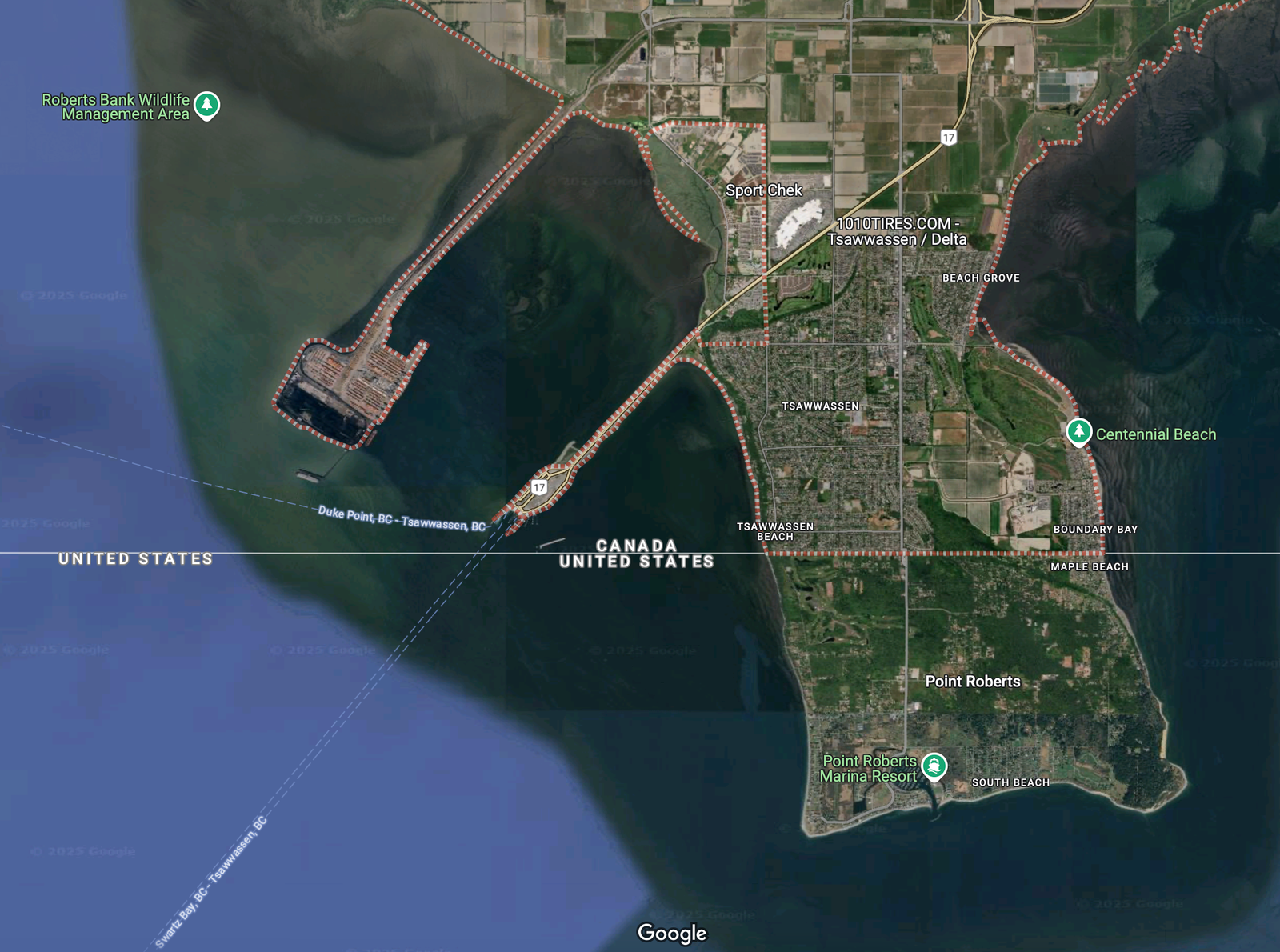
    Last week, the Vancouver Fraser Port Authority kicked off procurement for the new Roberts Bank Terminal 2 project by issuing a request for qualification (RFQ). Bidders now have until September 25, 2025 to submit their qualifications with the hopes of eventually being selected to deliver this “nation-building project” in the Lower Mainland of BC.

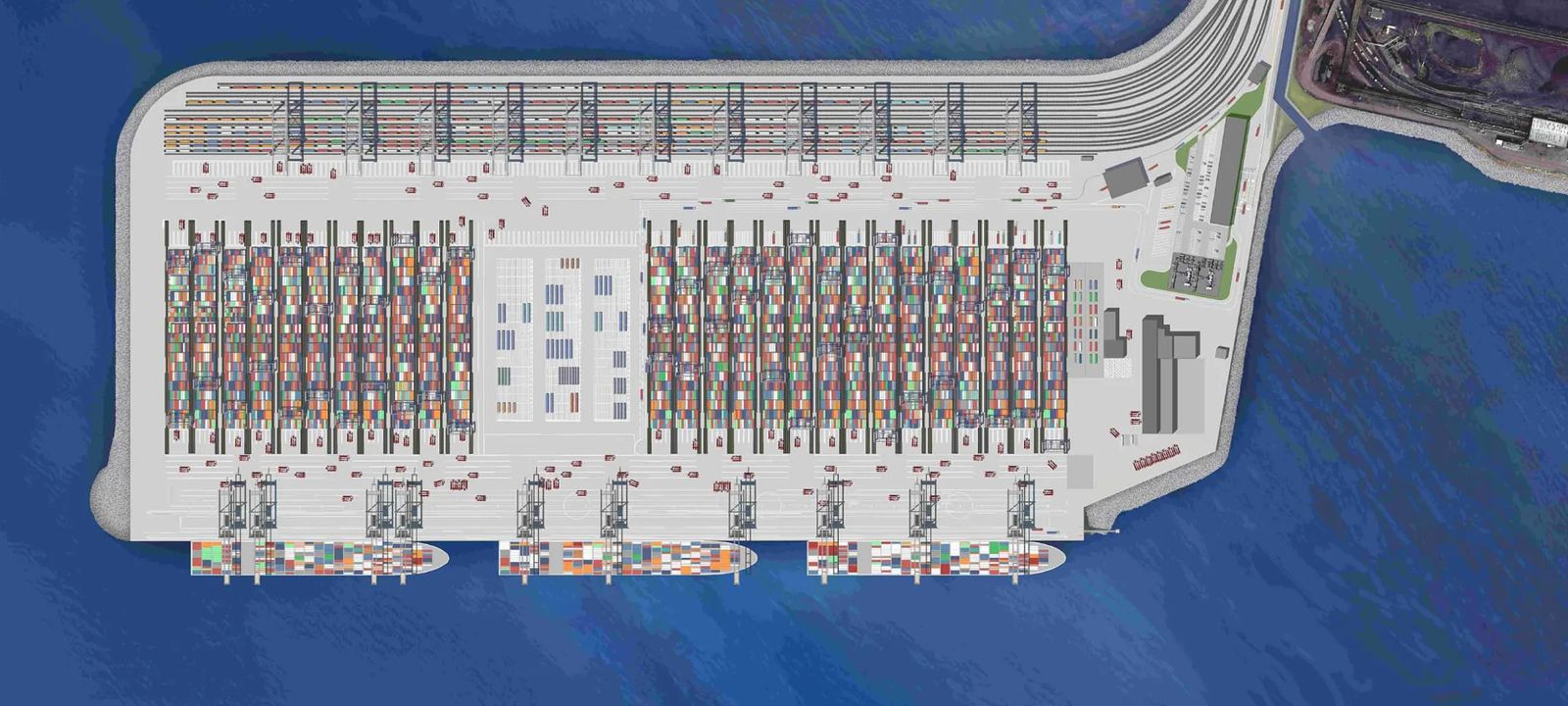
    The contract will include the delivery of an approximately 100-hectare marine landmass (~247 acres), 35-hectare widened causeway, 1,300-meter wharf structure and berth pocket, and expanded tug basin. And when complete by the mid-2030s, the new terminal is expected to create more than 17,000 well-paying long-term jobs, unlock $100 billion in new trade capacity, and contribute somewhere around $3 billion in annual GDP.

    Here’s a rendering of the new marine landmass:

    The Port of Vancouver is the largest port in Canada by tonnage and TEUs (twenty-foot equivalent units). It’s also one of the largest in North America. This expansion is expected to increase its capacity by up to 50%, which could have it leap ahead of several major US ports by the time it’s complete in the mid-30s. That could place it among the top 4 container ports in North America.

    It would be hard to overstate the importance of this project for Canada. The economic center of gravity for the world is steadily moving toward East Asia. In the 1980s, if you were to map and drop a pin at this economic center — according to GDP — it would have landed in the North Atlantic (between the US and Europe). By 2030, this economic center is projected to be near the border of India and China.

    Already, China is Canada’s second largest trading partner (after the US). And over 60% of the container trade flowing through Vancouver is transpacific. More specifically, it is trade with China, Japan, South Korea, Vietnam, and India. If we don’t expand our port capacity and if we allow our container supply chain to become bottlenecked, well then these containers will simply shift south to the US West Coast. It’s that simple.

    Though this project was approved by the federal and provincial governments in 2023, it has faced stiff opposition from local community groups and environmentalists. This is partly why it took approximately 10 years. The Federal Environmental Assessment process began in 2013. And it wasn’t until April 2023 that the feds granted approval with a list of 370 legally binding environmental conditions.

    What this means is that by the time this project is (hopefully) complete in the mid-30s, it will have taken at least two decades! And perhaps even longer knowing how construction works. This is far too long, which is obviously why we are working to make changes to how we, as a country, green light important nation-building projects. There’s no question that this is one of them, and so today I think it’s important to celebrate this milestone.

    It’s time to build, Canada. And as fast as possible.

  • The tallest mass timber residential structure in Toronto

    July 11, 2025 · View original


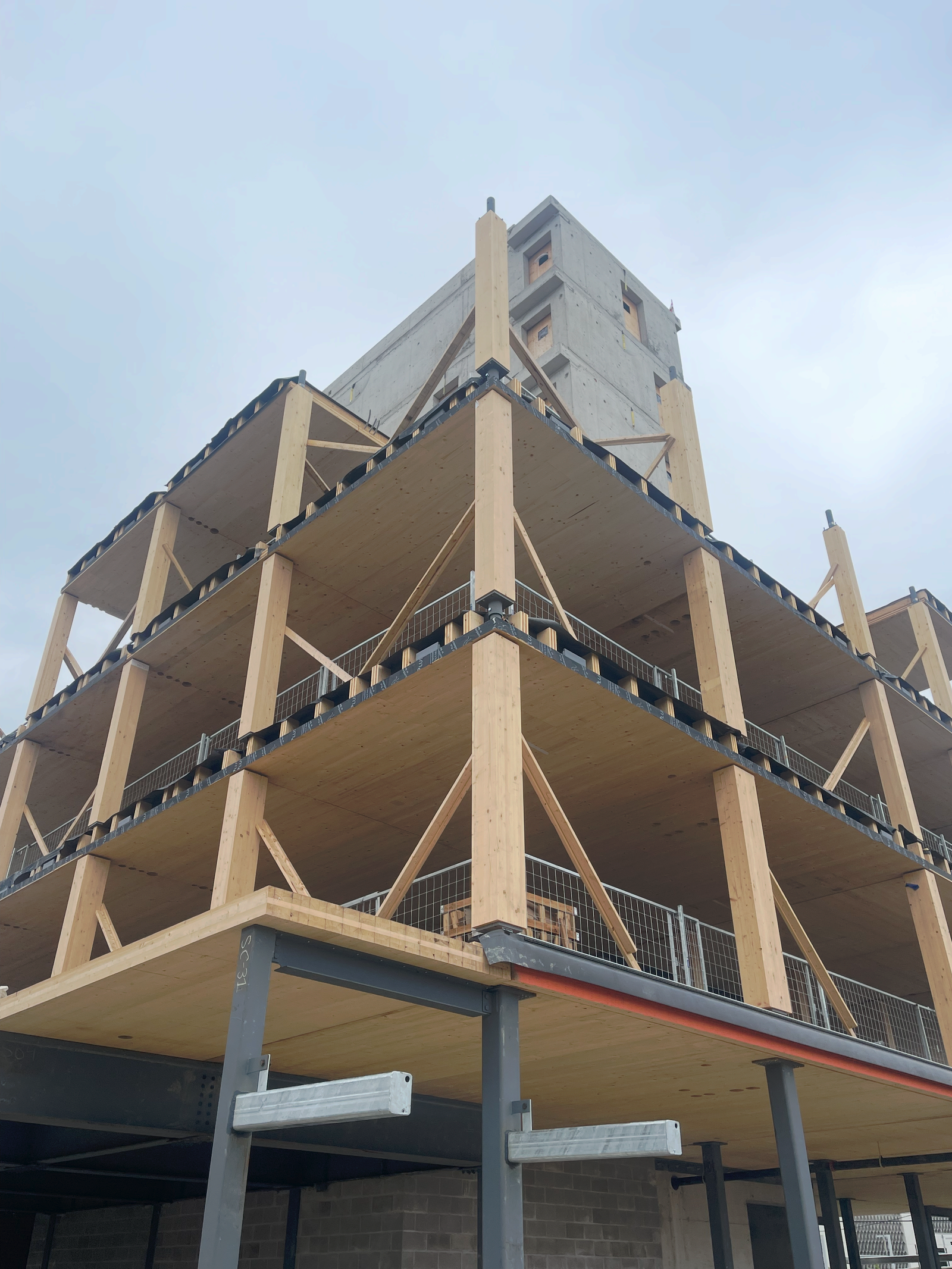
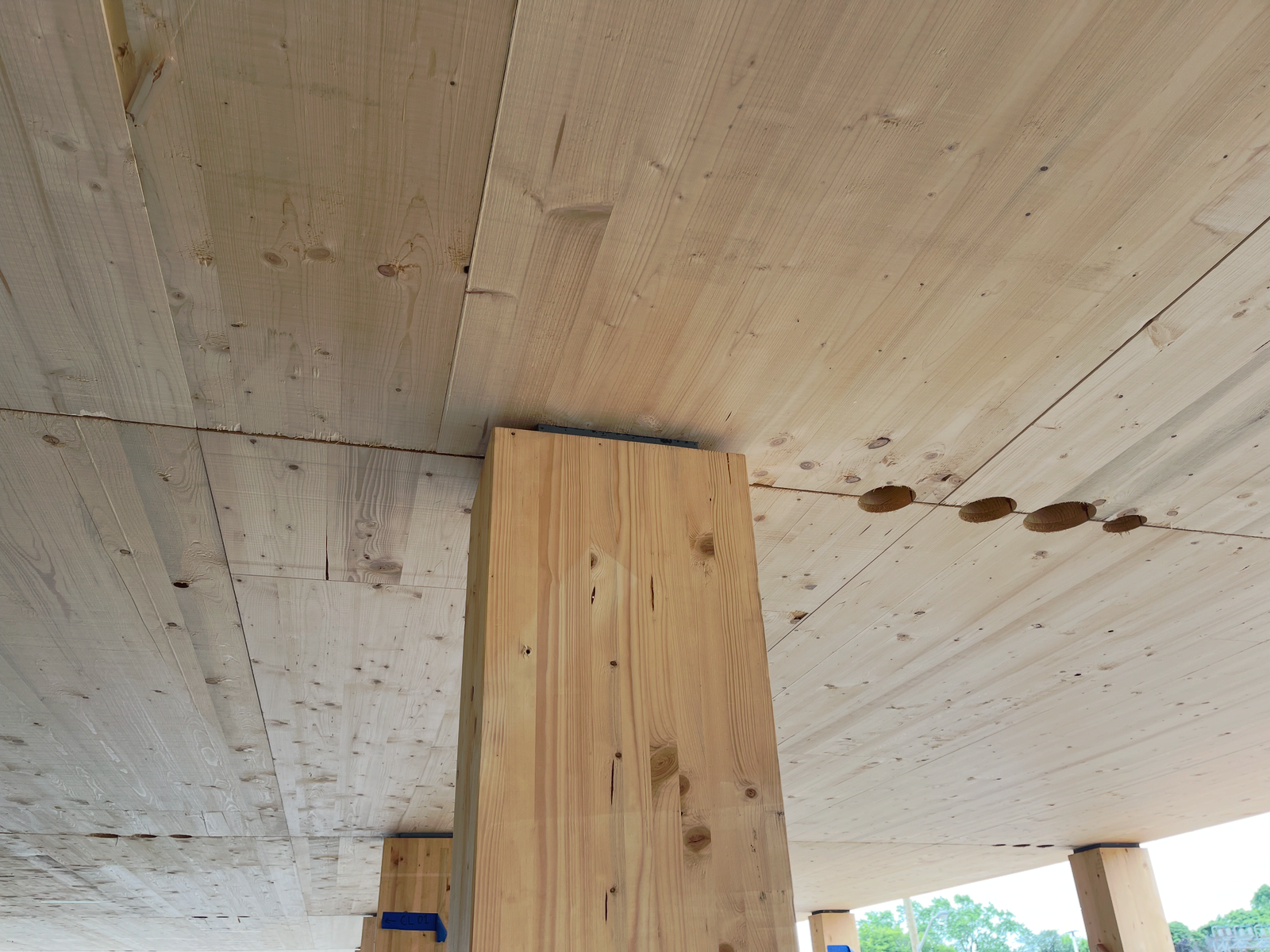
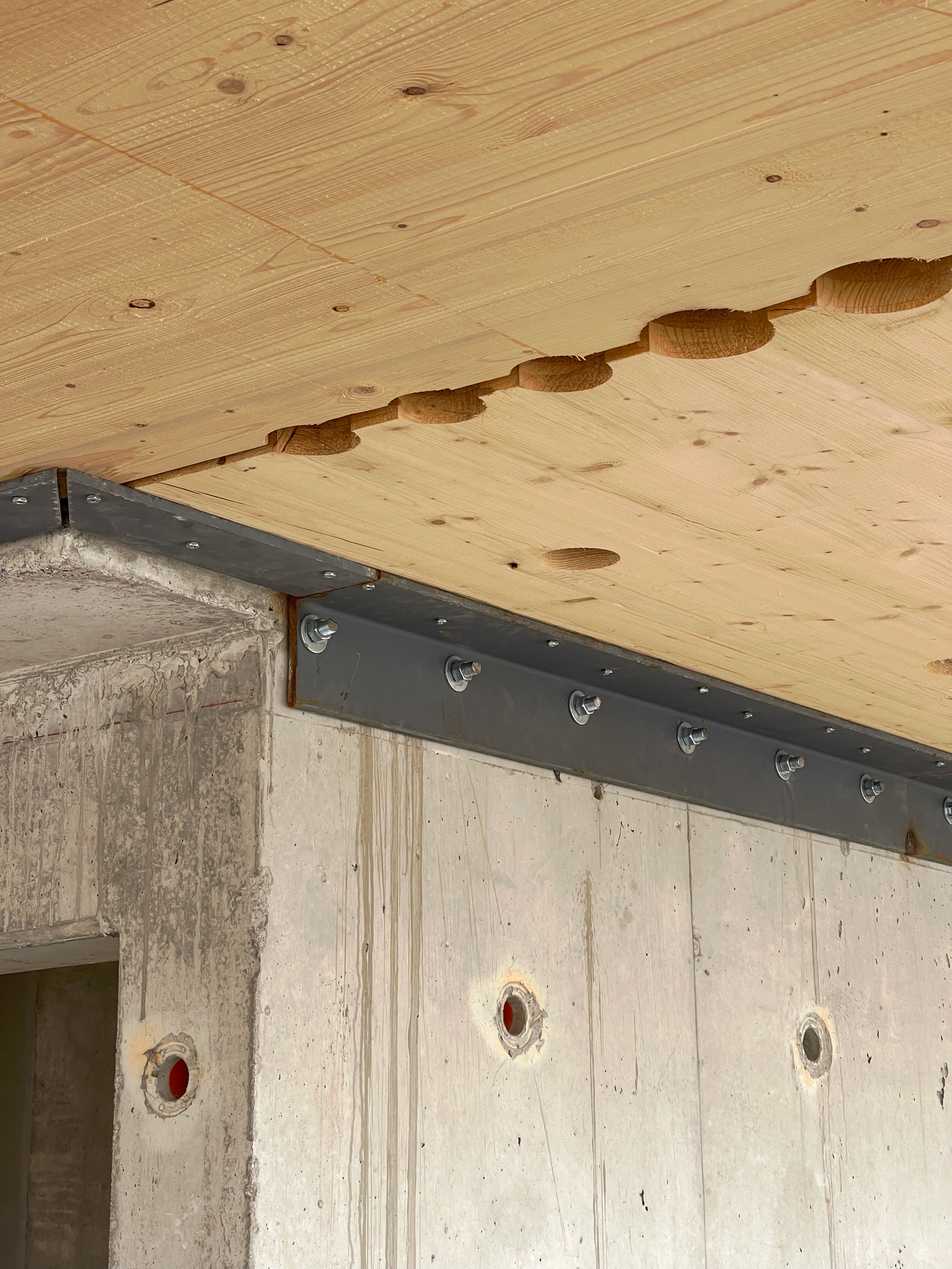
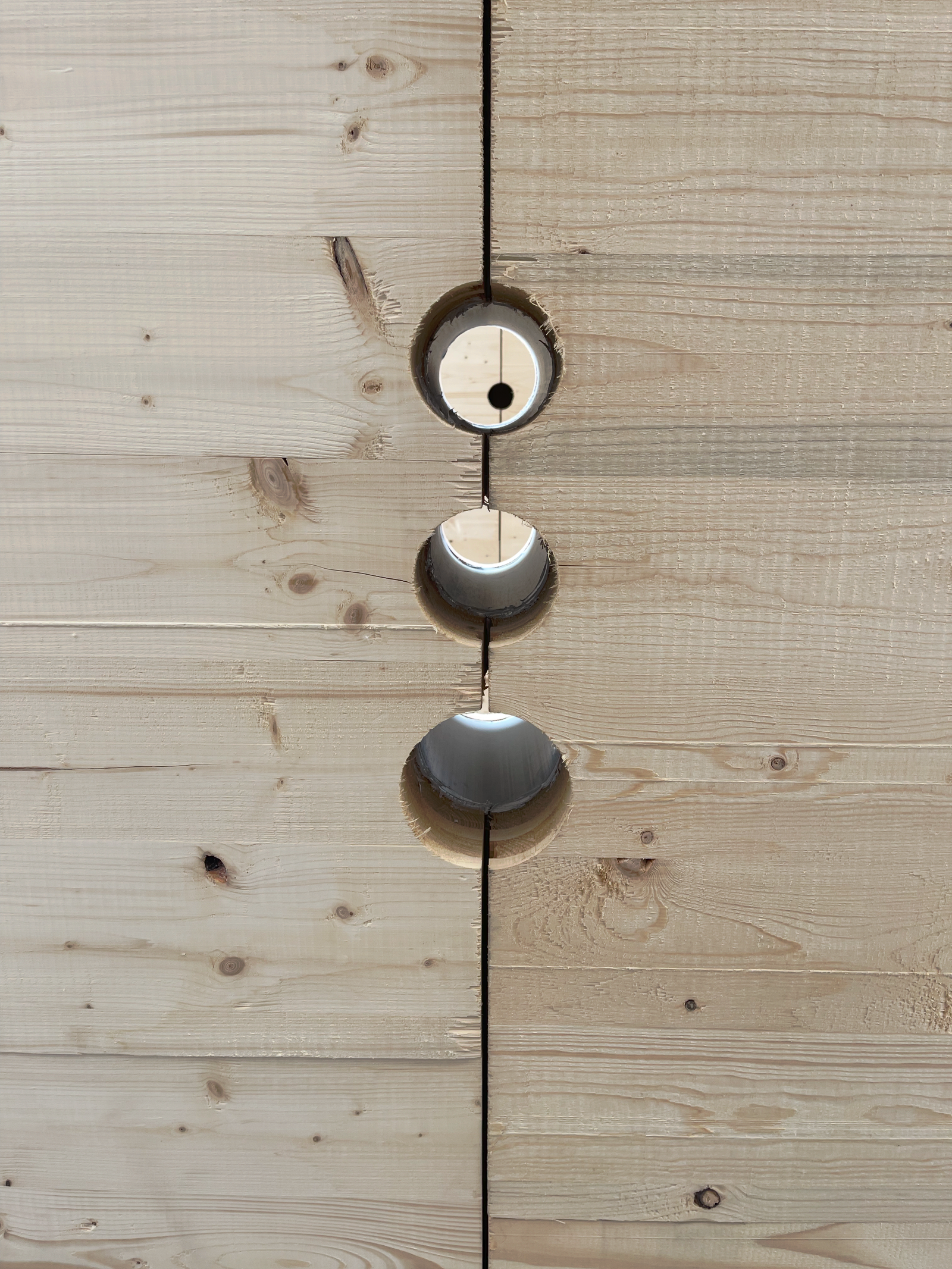
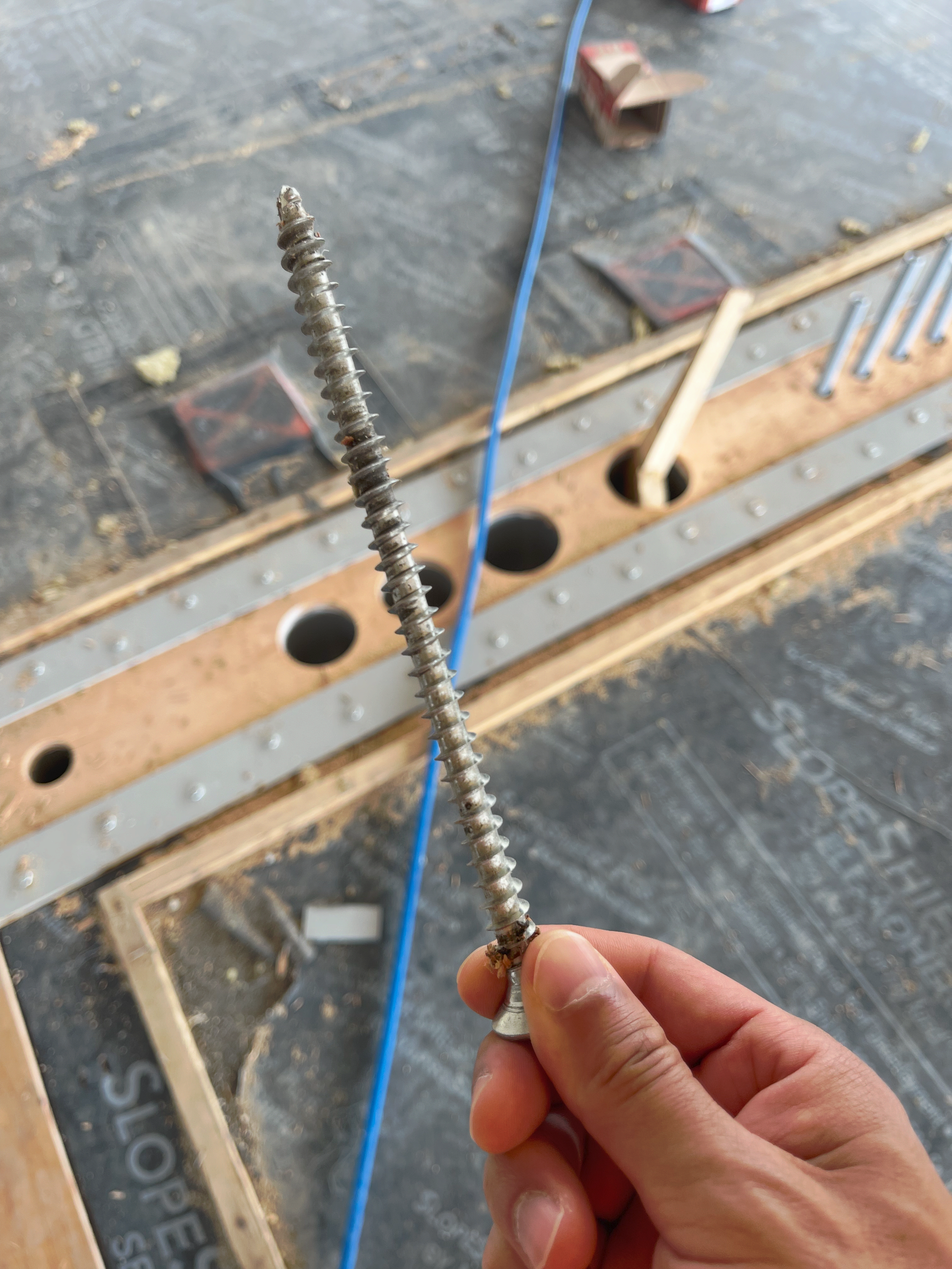
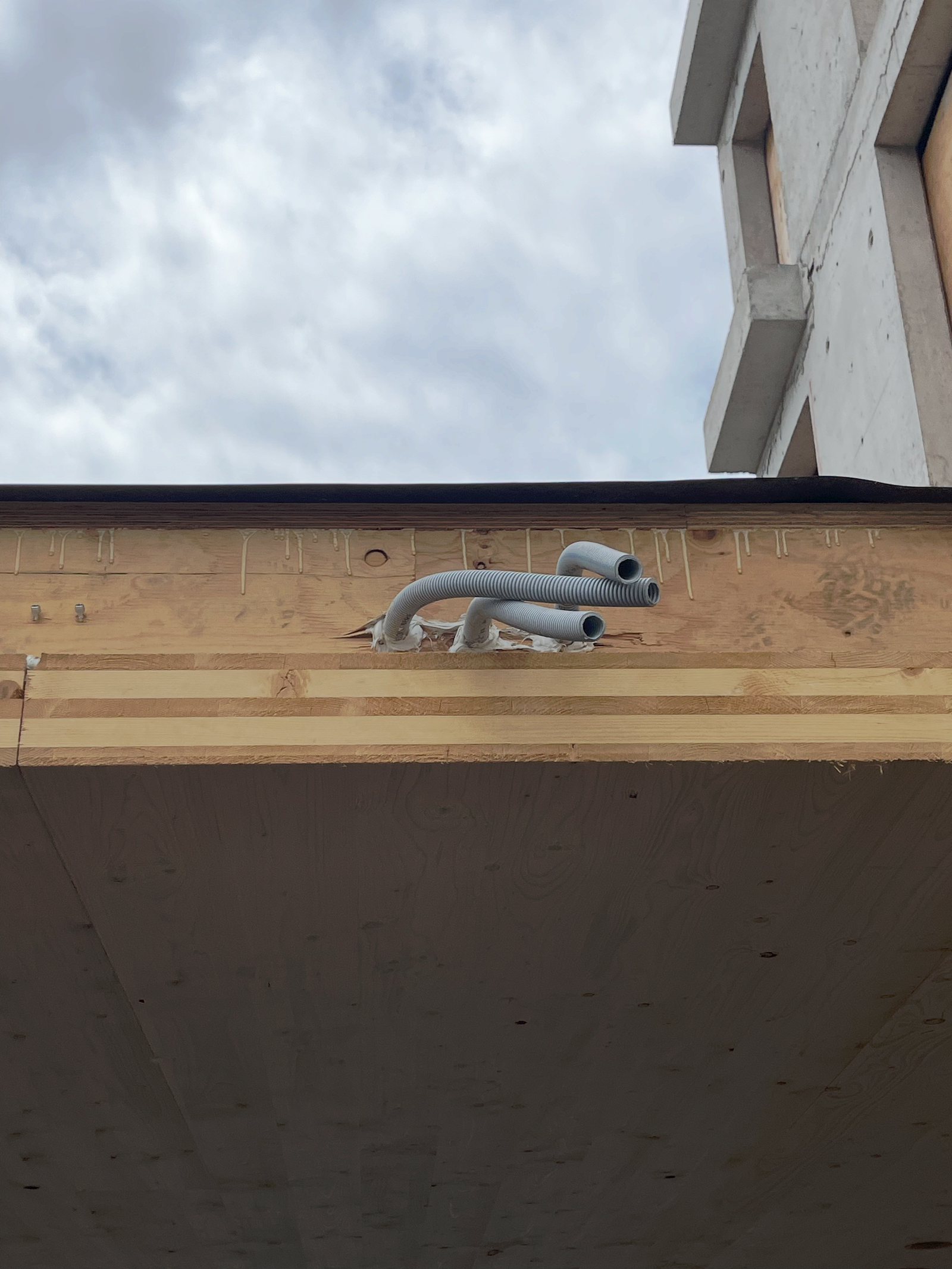
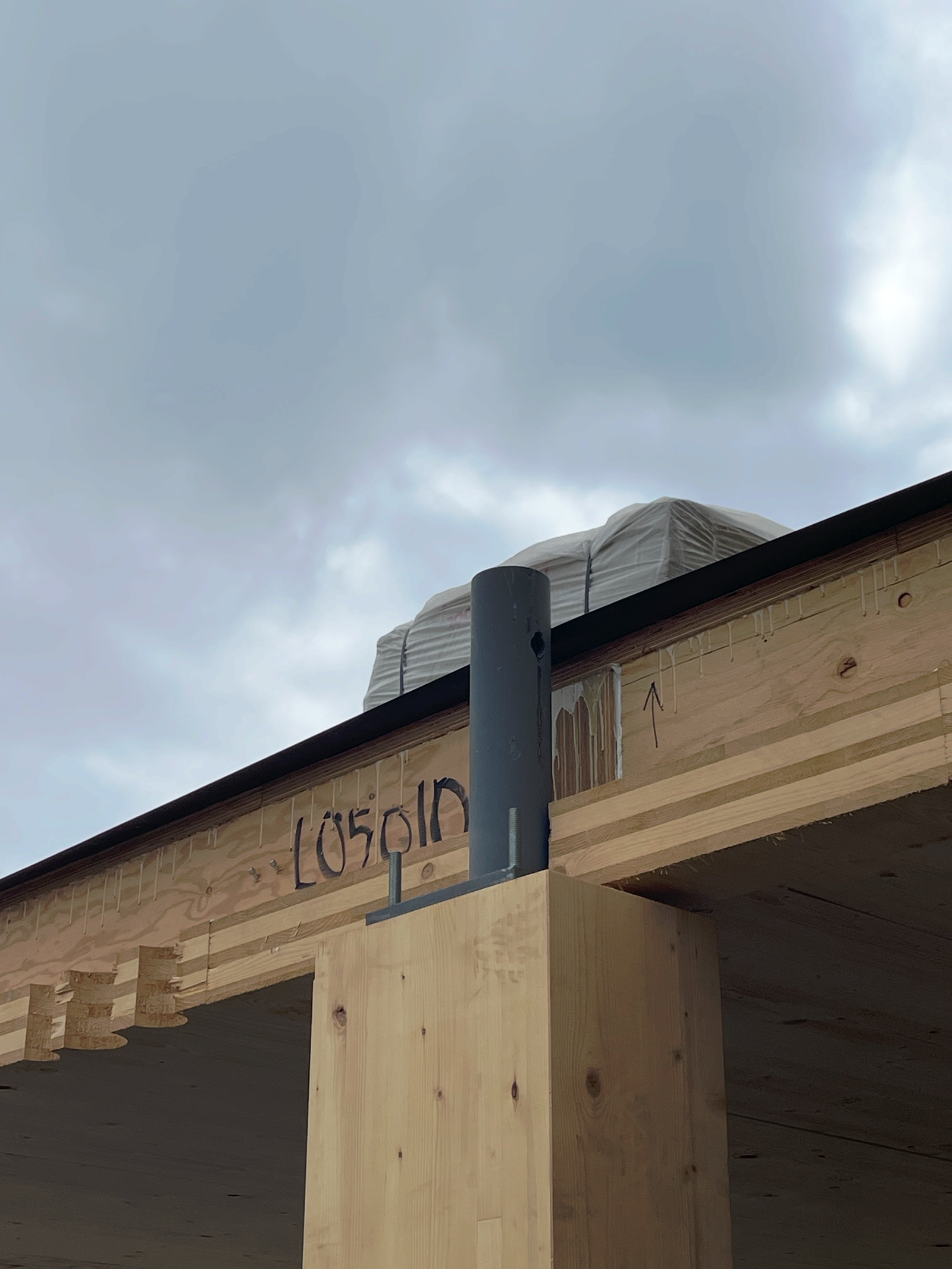
    This week, our team toured a new 9-storey mass timber residential building going up at 230 Royal York Road in Toronto. The developers are Windmill Developments and Leader Lane Developments. The construction manager is Oben Build. The mass timber company is Vancouver-based Intelligent City. And when it’s completed, it is expected to be the tallest residential building in Toronto. But I suspect it won’t hold this title for very long. Building out of wood is destined to become a major part of how we build in this city and country. So here are a bunch of photos from the site walk. I tried to include as many detail shots as possible so that you can all get a sense of how it pieces together.

  • Episode 88 of the Toronto Under Construction podcast

    July 10, 2025 · View original


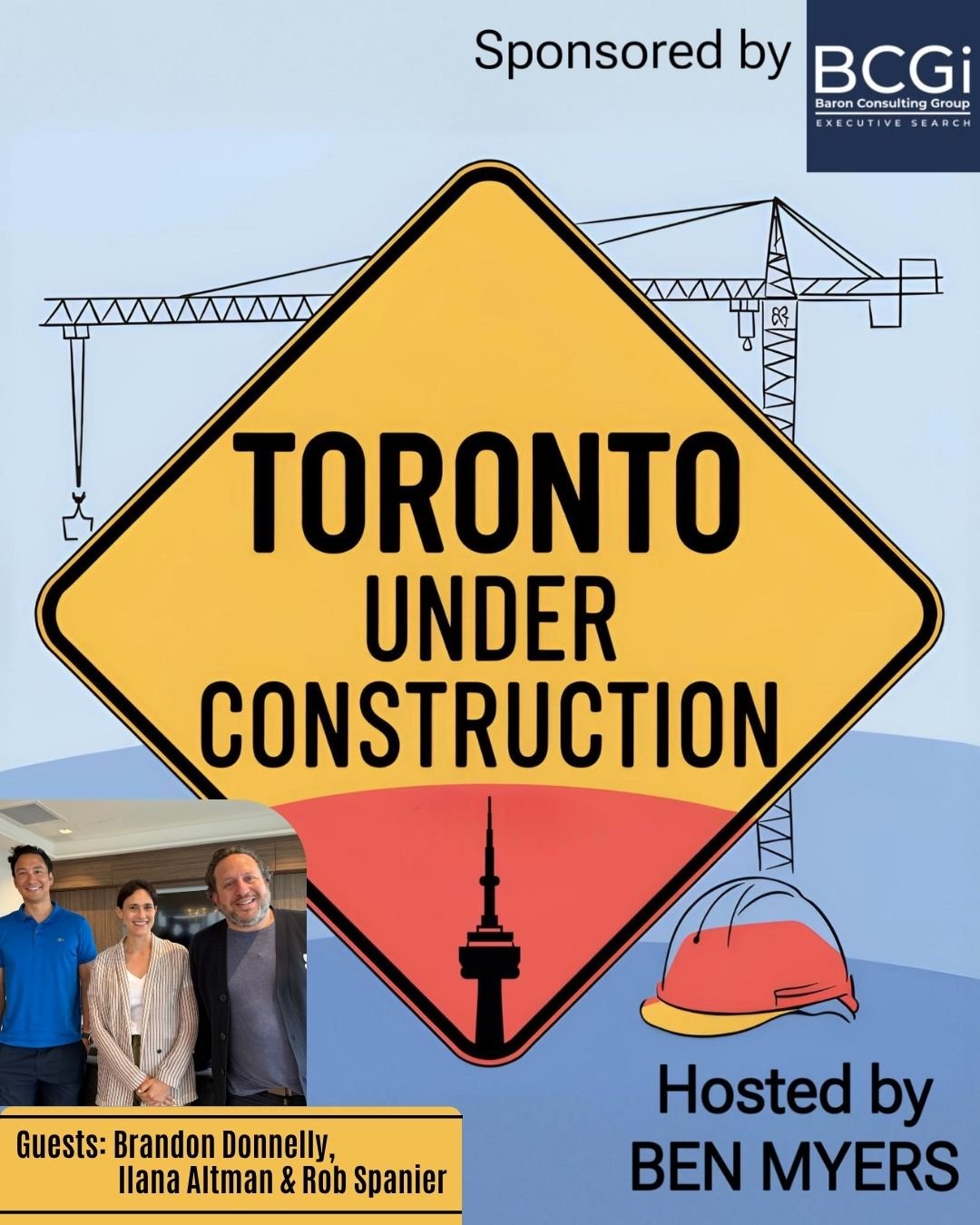
    I was recently on Ben Myers’ Toronto Under Construction podcast with Ilana Altman (The Bentway) and Rob Spanier (Spanier Group). It was generally a discussion about what makes for great public spaces, how Toronto is evolving its public realm under infrastructure like the Gardiner Expressway, and what it means to design cities with people at the forefront. If you’d like to have a listen, click here. I hope you enjoy it.

  • Attention Paris city builders

    July 7, 2025 · View original


    Neat B and I just booked some end-of-the-summer travel. We’re going to bounce around to a few different places, but the plan is to end up in Paris and then spend a week there working remotely — you know, from the Paris office.

    And by the Paris office, I mean a generous 323 sf aparthotel with a small kitchen, workspace, and shared laundry facility that we rented in the 10th. I started by searching diligently for an Airbnb; but I couldn’t find anything we liked, so I ended booking something through Edgar Suites.

    As part of this trip, I’m aiming to meet as many industry people as possible and hopefully tour some development projects. One of my goals is to better understand how Paris consistently pulls off beautiful infill housing projects like this.

    So if you’re a developer, architect, investor, or other kind of city builder based in Paris, please drop me a line at brandon.donnelly@globizen.com. I’d love to connect and learn more about your city and market, and about what you’re up to.

    Coffee and yummy pastries on me, of course.