Daily insights for city builders, delivered every morning at 6 AM ET. I’m Brandon Donnelly — a Toronto-based real estate developer and founder of Globizen. I’ve been writing here since 2013.

Category: Places

  • A return to local corner stores

    February 17, 2025 · View original


    Here’s a timely article talking about the difference between 7-Eleven stores in North America versus Japan, and why the Canadian company, Alimentation Couche-Tard, wants to buy the Japanese company for $47 billion:

    > So far, owner Seven & i Holdings Co. hasn’t been able to replicate that success at its 13,000 US and Canadian stores, better known for their constantly rolling hot dogs and 30-ounce soft drinks than their fresh food or their ability to inspire effusive posts from social media influencers. The Tokyo-based company, which has been closing underperforming North American stores faster than it’s been opening new ones, is now the target of a $47 billion takeover bid by a Canadian rival that says it can do a better job translating that overseas magic to the market.

    I have no idea if this will happen, but Couche-Tard has been trying to buy the company since 2005. If successful, this will create the largest convenience store operator in the world. It will also go down as one of the largest foreign takeovers in Japan. (On a related note, Couche-Tard tried to buy French grocery chain Carrefour SA in 2021, but that was blocked by the French Finance Minister.)

    What is clear, though, is that there’s an obvious user-experience gap between the stores in Japan and the stores in Canada and the US. As we talked about here, convenience stores in Japan serve solid food and act very much as community hubs. I didn’t know this until right now, but in Japan, people also use these stores to do things like send parcels and pay utility bills, and top chefs regularly judge the food.

    However, this is based on a supply-chain network that is, at least right now, unique to Japan:

    > In Japan, which is much smaller, the chain relies on a robust supplier network, where inventory and food preparation take place at more than 150 factories churning out breakfast, lunch and dinner. Product lineups and displays change quickly based on consumer tastes, with each store responsible for analyzing the sales of every product and adjusting orders to reduce waste and control inventory. It’s a management method known as tanpin kanri, which was even taken up as a Harvard Business School case study. “Japan’s convenience stores’ food preparation central kitchens and logistics infrastructure would be more challenging to establish and operate efficiently over vast areas in the US,” Boston says.

    There appears to be universal consensus that the key to unlocking additional value is more fresh food and overall better offerings. And presumably Couche-Tard is of the opinion that it will be a better operator and that it can figure out whatever supply chain is needed. Time will tell. But I find it interesting that all of this is arguably about creating a kind of “local corner store” that better serves people’s needs.

    Cities used to have these in spades. But then we zoned them away, scaled everything up, and optimized around rolling hot dog cookers and big gulps. So in many ways, this story is about a return to fundamentals. It’s about figuring out a way to serve quality products to local neighborhoods, in a globalized world. That sounds simple enough, but it’s clearly not easy.

    Cover photo by Lisanto 李奕良 on Unsplash
  • A home, an office, and a public space in Japan

    February 16, 2025 · View original


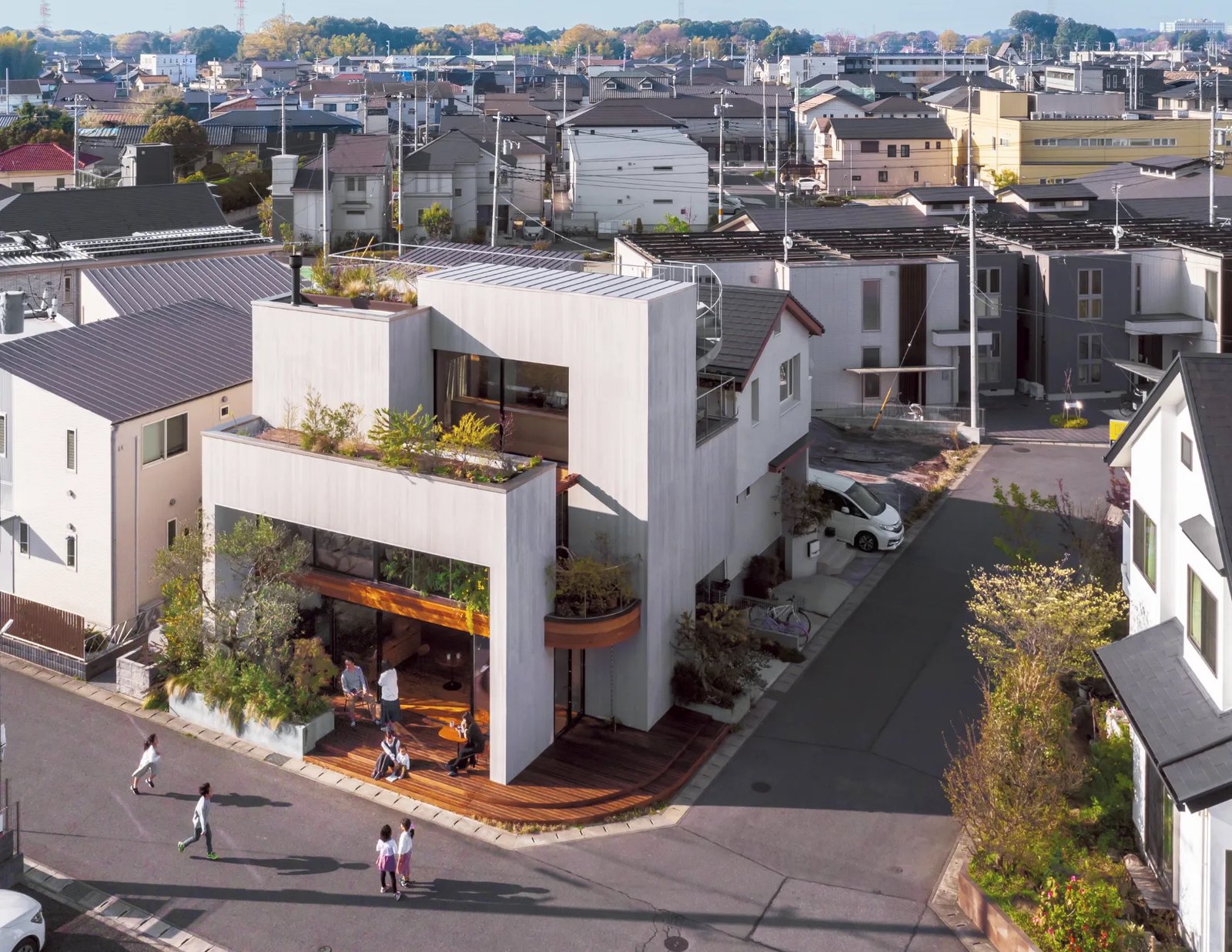
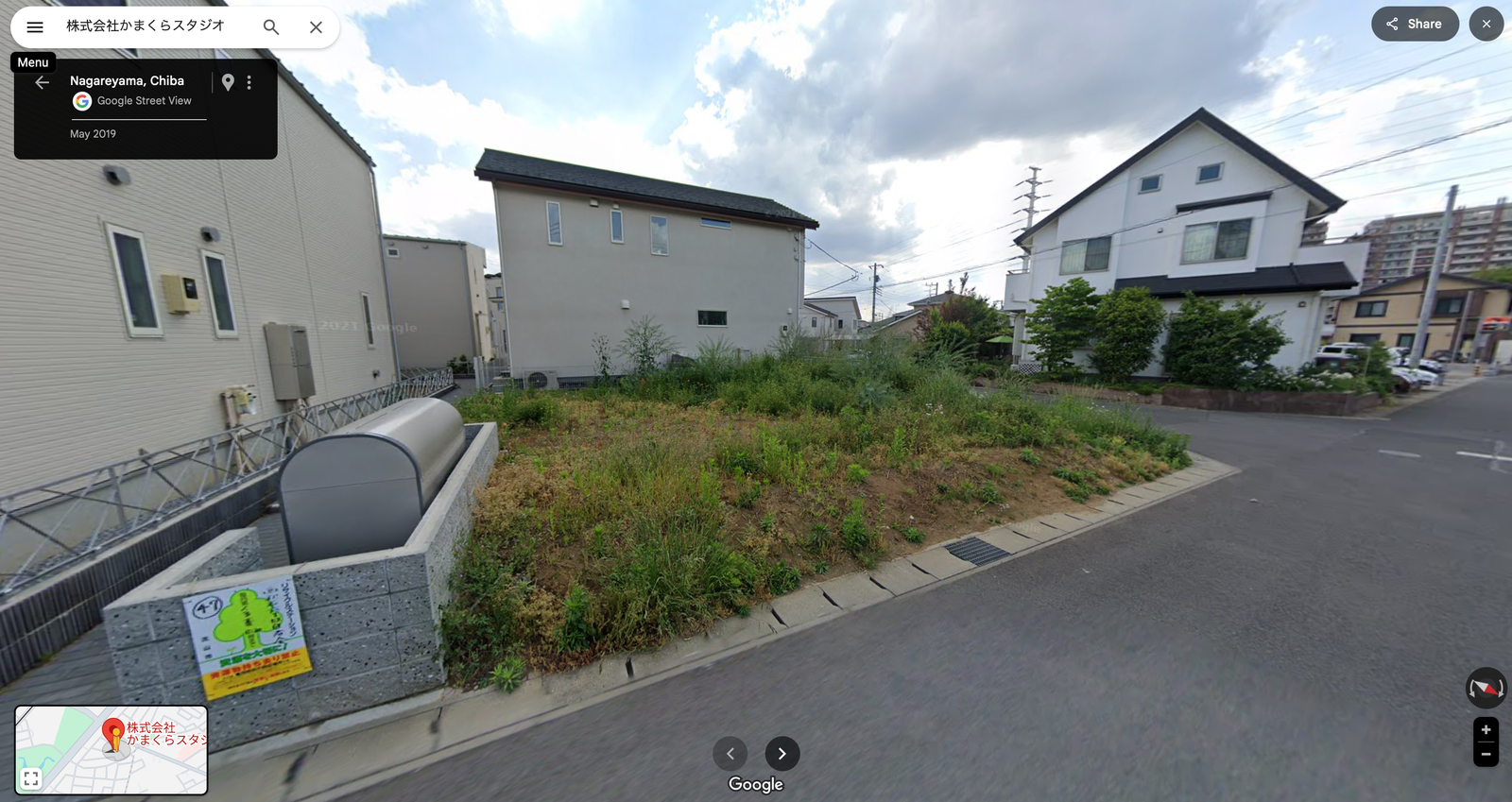
    In my recent post about “takeaways from Japan” I spoke about a willingness to experiment and be playful with the built environment. I said that quite often people design homes around what they want, as opposed to what they think might broadly appeal to the market. So today, let’s look at an example. Below is a site on the outskirts of Tokyo, about an hour from the center of the city. The architect — Kamakura Studio — describes it as being situated in a “new town” where about 75% of the residents have moved in within the past decade. And like Japan as a whole, problems of aging and population decline are expected in the future.

    Using Google Maps to get rough dimensions, the site looks to be somewhere around 8m wide by 11m deep. So this is not a huge site compared to what you might find in the suburbs of other cities, but it’s certainly a very workable set of dimensions. Also noteworthy is the fact that the area has no sidewalks. This is common throughout Tokyo. Ordinarily, this would imply a suburban mental model. But in practice, Tokyo’s streets actually feel very pedestrian-friendly. And that’s because they tend to be narrow and the entire city is oriented mostly around rail.

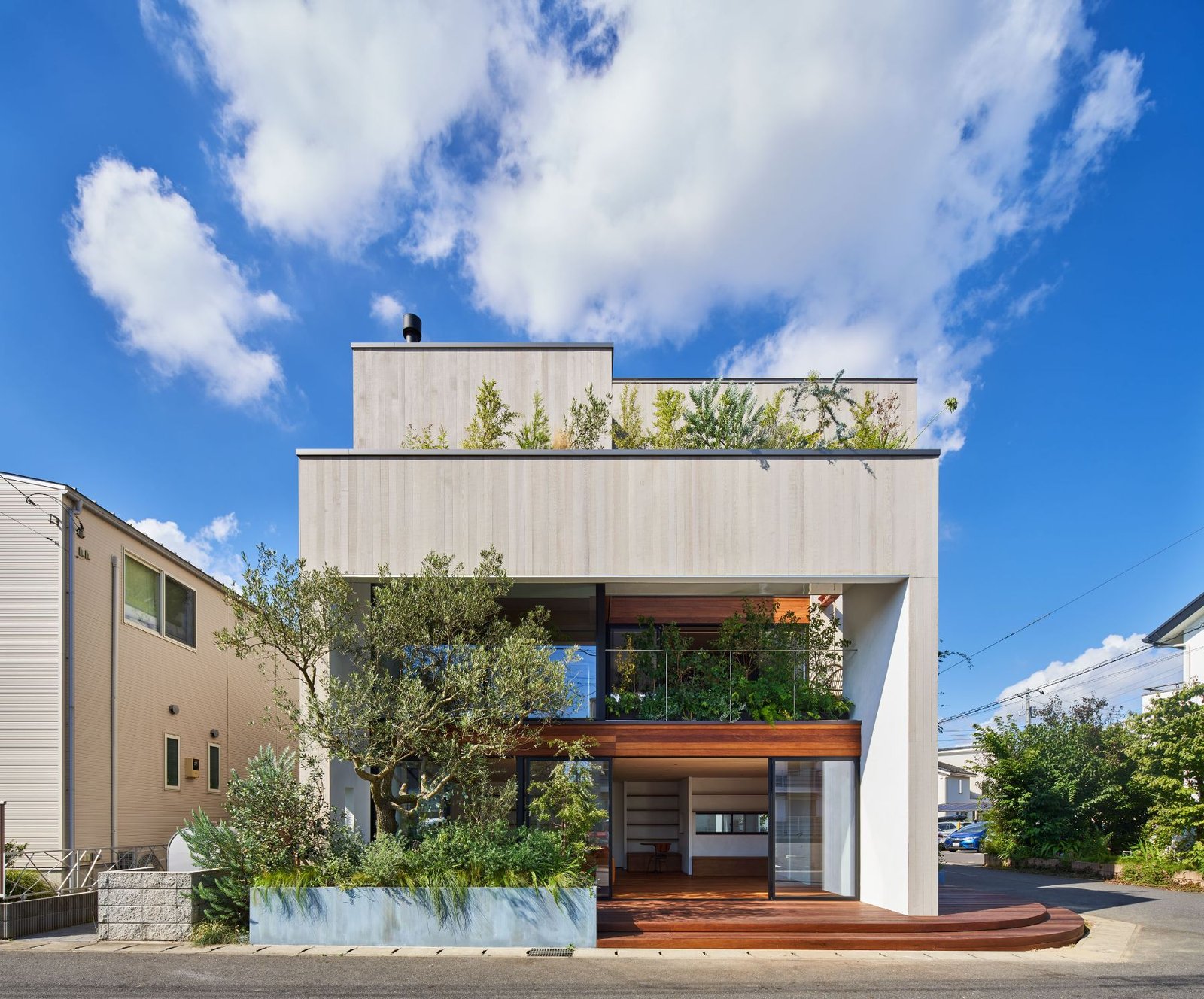
    What was ultimately developed on the site is this (House F):

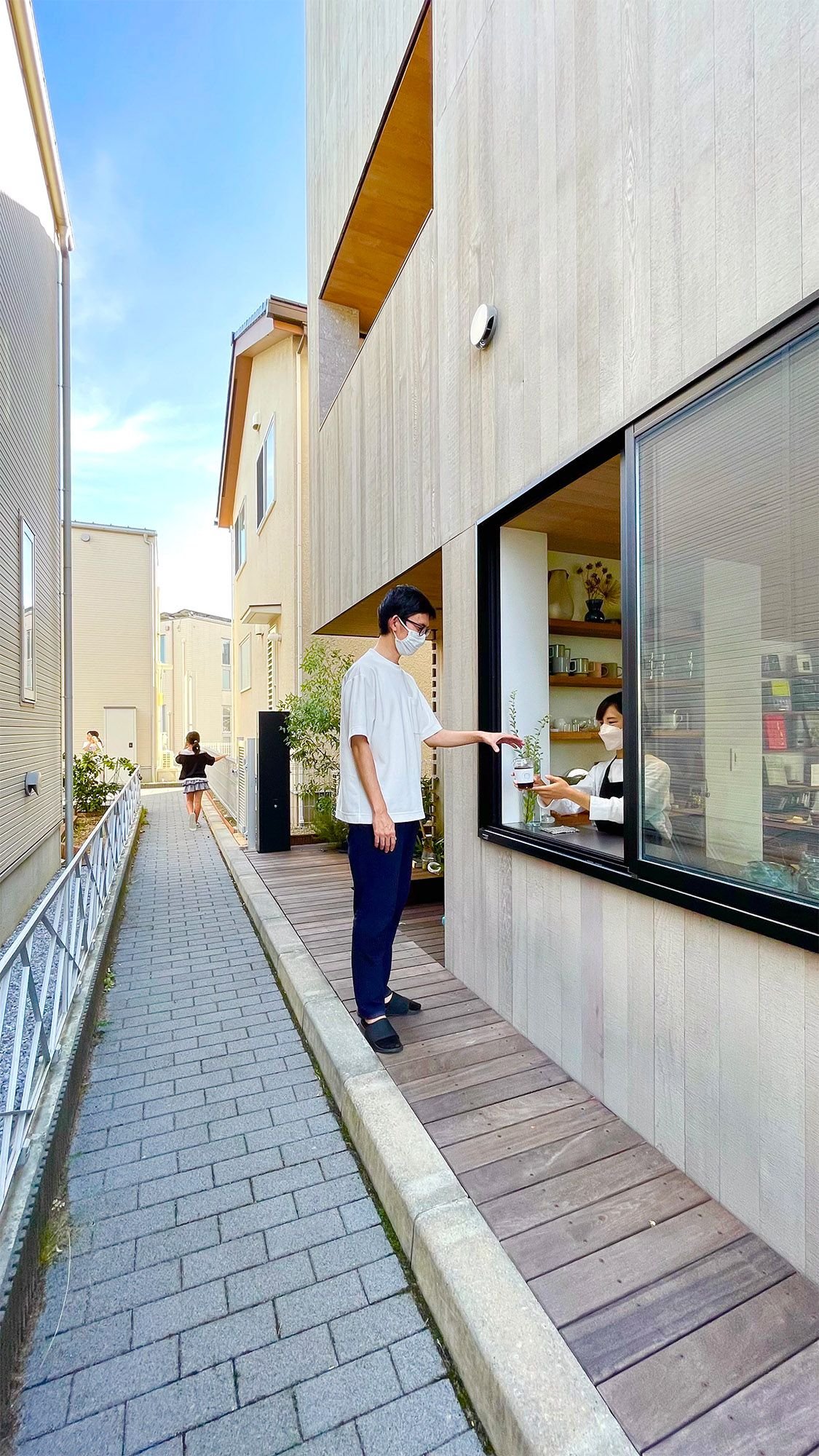
    Totalling 169 m2, the first floor of the house serves as an office for the architect and as an open space for the local community. The firm opens up the space to people who may want to stop in for coffee (or just hang out) and for movie nights. There’s even a “plant-sharing network” on the terrace where dozens of households supposedly contribute and participate. On the second and third floor of the house are the domestic quarters. Here there are two generous bedrooms, study spaces, and multiple balconies, one of which provides access to a rooftop terrace.

    It’s a highly livable house, but it’s also designed to meet a particular set of ambitions. I mean, look at the above coffee window. And this is one of the really cool things about domestic architecture in Japan. (If any of you are familiar with how the zoning would work for a site like this, I’d love to understand that.)

    Project images via Kamakura Studio

  • Takeaways from Japan

    February 12, 2025 · View original


    It’s a wrap for the 14th annual fresh pow adventure. (Here’s a short video.) I’m now on a plane home. But let me tell you, “Japow” did not disappoint. We went for the powder and, without any exaggeration, it snowed every single day. I have never seen snow accumulate as fast as it does on Hokkaido. I now understand why after big storms some people need to leave their house via the second floor. The region gets that much snow in January and February.

    Of course, we also got the chance to spend a number of days in Tokyo. When I first visited the city over 20 years ago, I absolutely loved it. And I feel the same way after this trip. Tokyo is up there for me — it’s one of my favorite cities. It’s obviously enormous, but it’s highly livable and it works, really well in fact. So here’s a list of some of the things — both small and big — that I admire about the place and that I think we should adopt back in Toronto.

    – Its reputation is, of course, true. Tokyo is a neat and clean city, especially given its scale. And everyone seems to be bought into it, because they don’t even have public garbage cans. I don’t exactly know how you instil this into the culture of a place, but I think it goes along with the overall pride they seem to take in their work and the commitment to quality. How you do anything is how you do everything. – Without fail, every time you sit down at a restaurant, the first thing you will receive is a moist towel to clean your hands. It’s a super simple and welcome gesture. Why not clean your hands before you eat? – Everything has a place. Receipts are handed over in trays. Restaurants have baskets at each table so you don’t have to put your bag on the floor. Hangers are provided so you don’t throw your jacket on the back of your chair. And the list goes on. It’s orderly and civilized. – Our toilets are in the stone ages. You’re not going to get yourself clean with just paper. You need a comfortable warm seat and highly adjustable jets of water. I never fully appreciated this need before the trip, but now I’m a true believer. It’s time for a new toilet. – Lots of people still wear masks in Japan, and across Asia. Unselfishly, people do this when they themselves are sick and want to protect others from their germs. It’s a practice that I had hoped would stick in the Western world following the pandemic. But it did not. – Convenience stores (7-11, Lawson, Seicomart, etc) are everywhere and they’re actually good. You can have a decent meal at any of them. We need to up our game. As North American cities relax their zoning to allow more small-scale retail in residential neighborhoods, I also hope that, generally, we see a stronger culture of “going to the corner store.” – Tokyo cares deeply about art, architecture, design, and fashion. There’s a culture of investing in all of it, and you see it clearly across the city. I mean, look at their public toilets, many/most of which have been designed by a celebrated architect. – There’s also a high willingness to experiment and be playful with the built environment, including domestic architecture. Many people seem to design their homes around what they want, as opposed to what might broadly appeal to most people in the market. (This is a topic we’ve spoken about before.) – Alongside all of this, I find that there’s a cartoon quality to a lot of the aesthetics in Tokyo. You see this in the graphic design, the design of everyday objects, and, of course, all the actual cartoons and anime you see everywhere. It makes the city feel very playful at times. – Tokyo is very much a vertical city, as opposed to just a city with tall buildings. There are buildings all over the place with retail uses located on some hidden upper floor and where you need to queue for an elevator to access it. There’s no shortage of evidence to suggest that this “only works in Asia”, but maybe it could work in more places than we think. Oftentimes our land use policies limit the amount of commercial floor area in mixed-use zones. But why even bother? Let the market determine what’s viable. – Finally, and we talked about this last week, Tokyo is a city that is clearly oriented around rail. And it’s the only way that a city of this size could operate as beautifully as it does. This isn’t new information, but it remains my number one takeaway. Because Tokyo is an easier city to get around than Toronto. In fact, we found ourselves not wanting to take Ubers because rail was actually faster, cheaper, and more convenient. That’s a testament to the power and efficiency of rail.

    What did I miss? Let me know in the comment section below.

  • Tokyo’s open-air exit stairs

    February 4, 2025 · View original


    One of the trademarks of Tokyo’s urban landscape is a lot of exterior exit stairs. For example, our hotel is almost 20 storeys and it has two exit stairs, both of which sit outside of the building. Here’s a photo taken from the corridor. You can also see other buildings in the background with similar exit stair configurations.

    Oftentimes these stairs will also be positioned on a building’s primary elevation, making them form part of the overall architectural expression. There’s no shame in doing that here. This is curious to me because it means that, on tight urban sites, you’re giving up part of your frontage to egress. The alternative would be to burry it in the middle of the building and have it transfer over at some point.

    In any event, my first thought when I see a lot of exterior circulation is usually that the place must have a mild climate. And indeed, this is true of Tokyo. The average January and February lows and highs are 10 degrees and 5 degrees, respectively. Snow is extremely rare here. But that doesn’t seem to be what’s driving this egress approach.

    Because if you go up north to Sapporo, where they get upwards of 500cm of snow each year, it too has exterior exit stairs. Closer to home, there’s also the example of Montreal, which is similarly known for its exterior stairs (both in its older housing stock and in some of its newer housing stock). So it can’t just be a weather thing.

    The more likely hypothesis is that it’s simply cheaper and easier to build this way. There may also be local regulations that either directly or indirectly encourage it, beyond it just being more cost effective. Interestingly enough, though, exterior stairs don’t seem to be as common in newer buildings (but this is just my anecdotal observation from the last few days).

    We talk a lot these days about single-stair buildings. And I think it’s clear that we need to start allowing this for larger infill projects. But Tokyo also has me wondering if we should be having a parallel conversation about more open-air exit stairs and corridors. Climate is clearly no excuse. If it can help bring down the cost of building, then it’s something to consider.

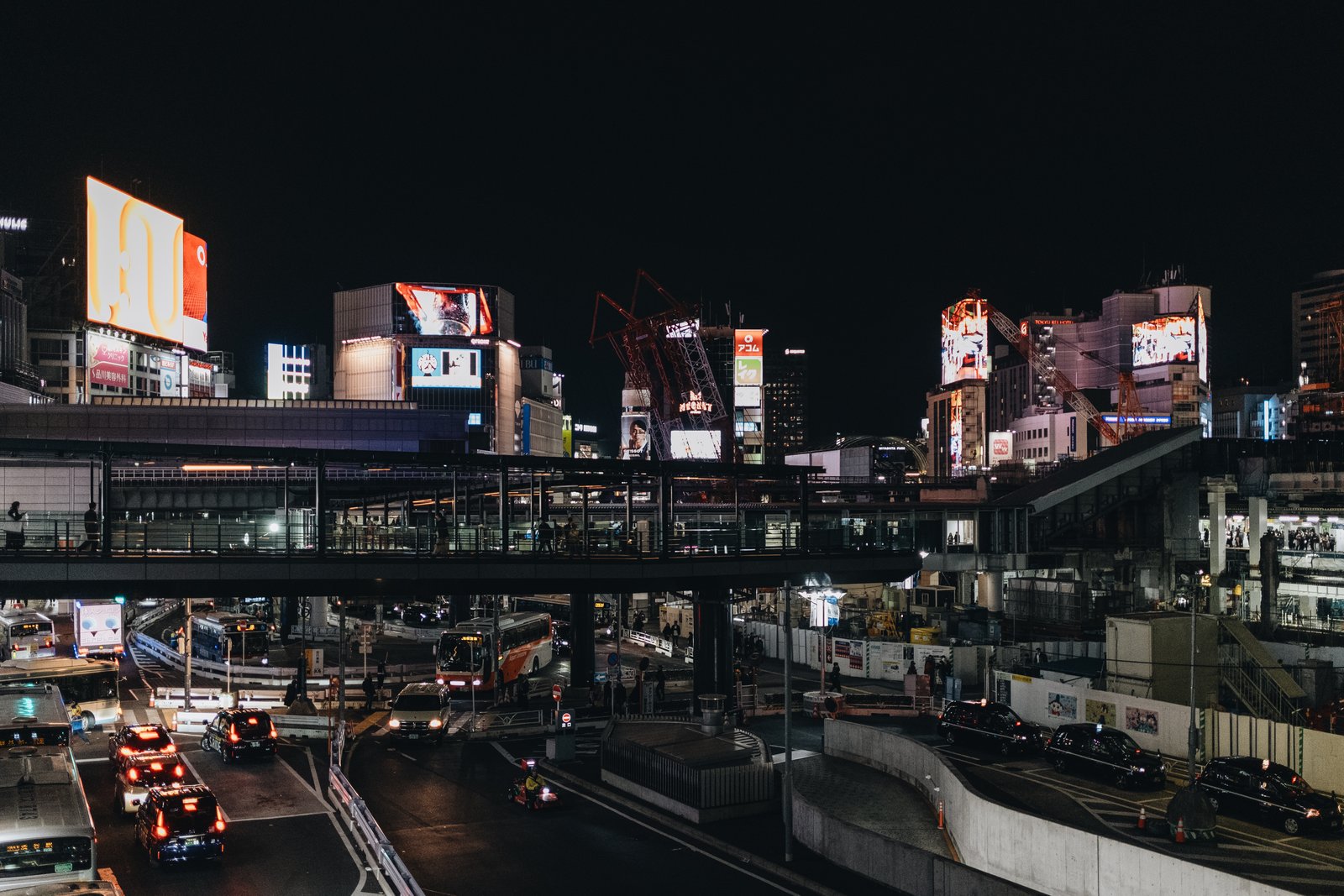
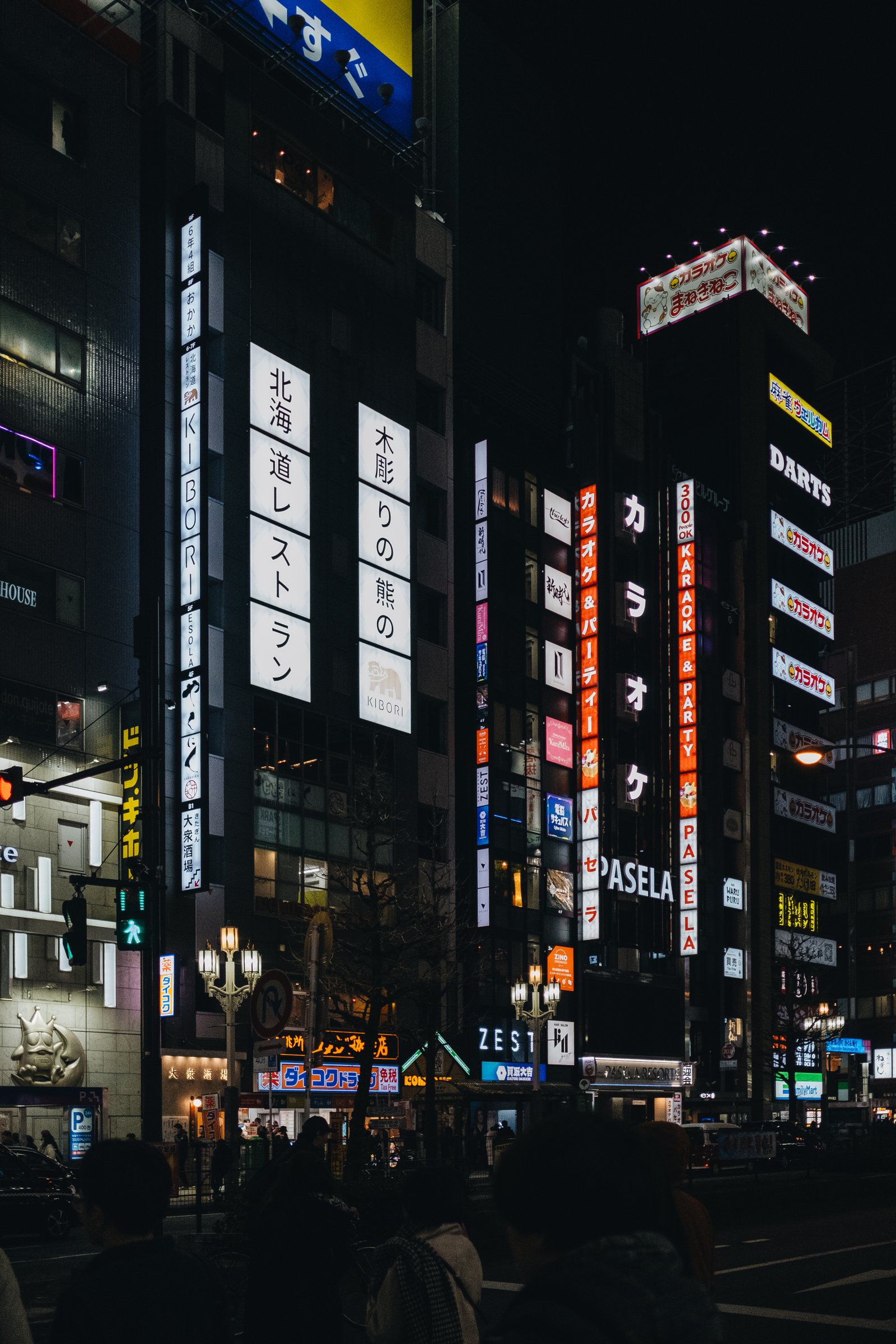
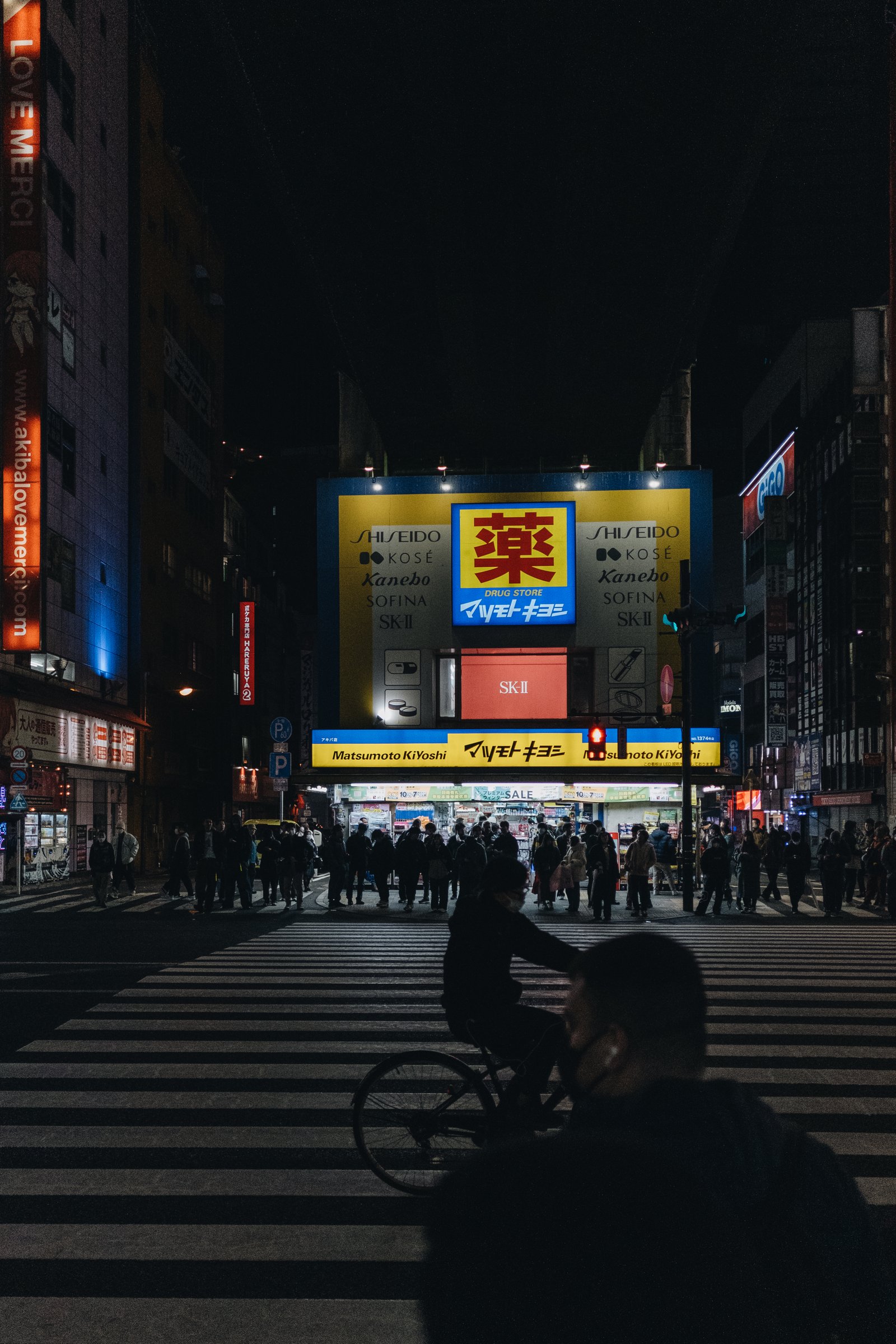
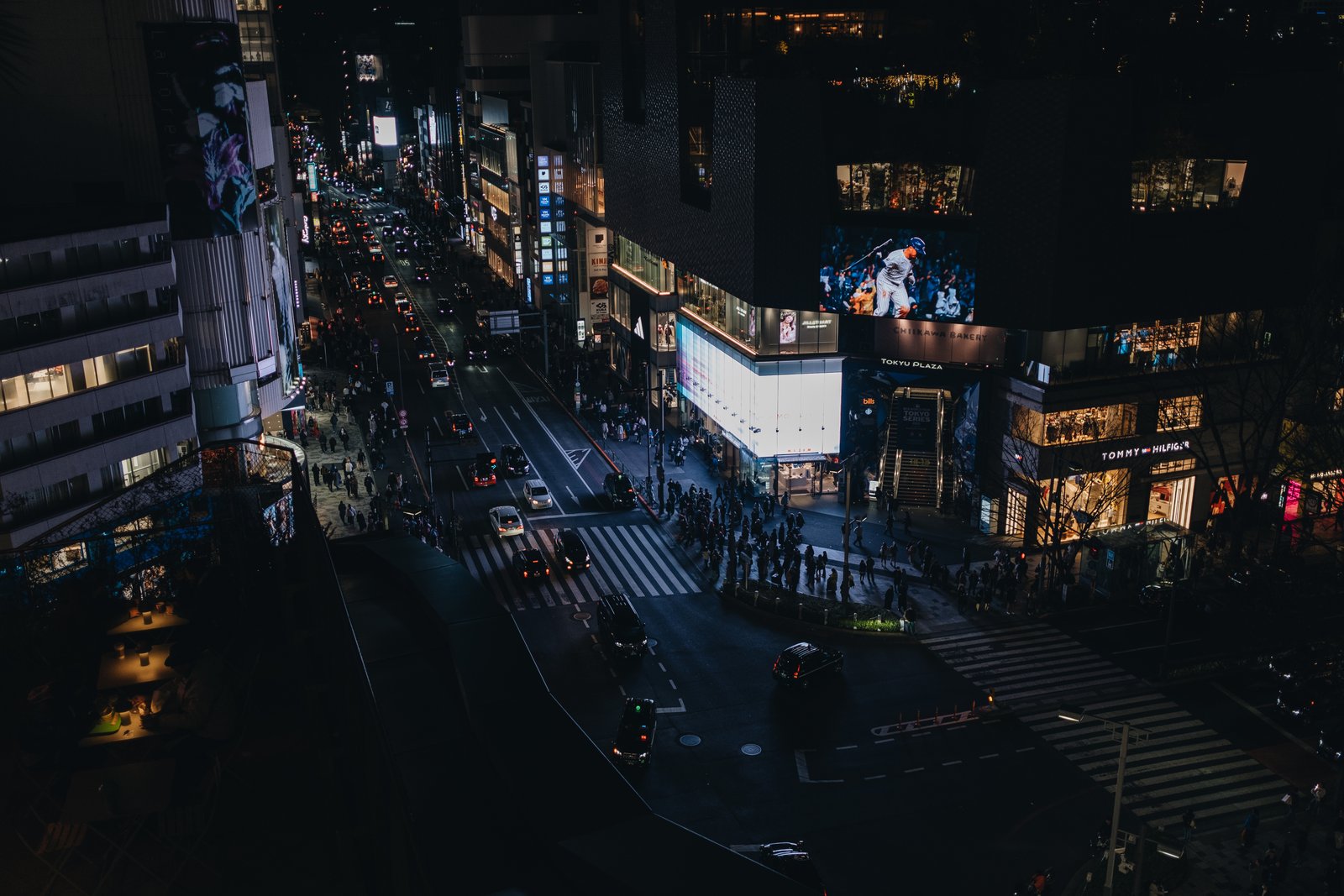
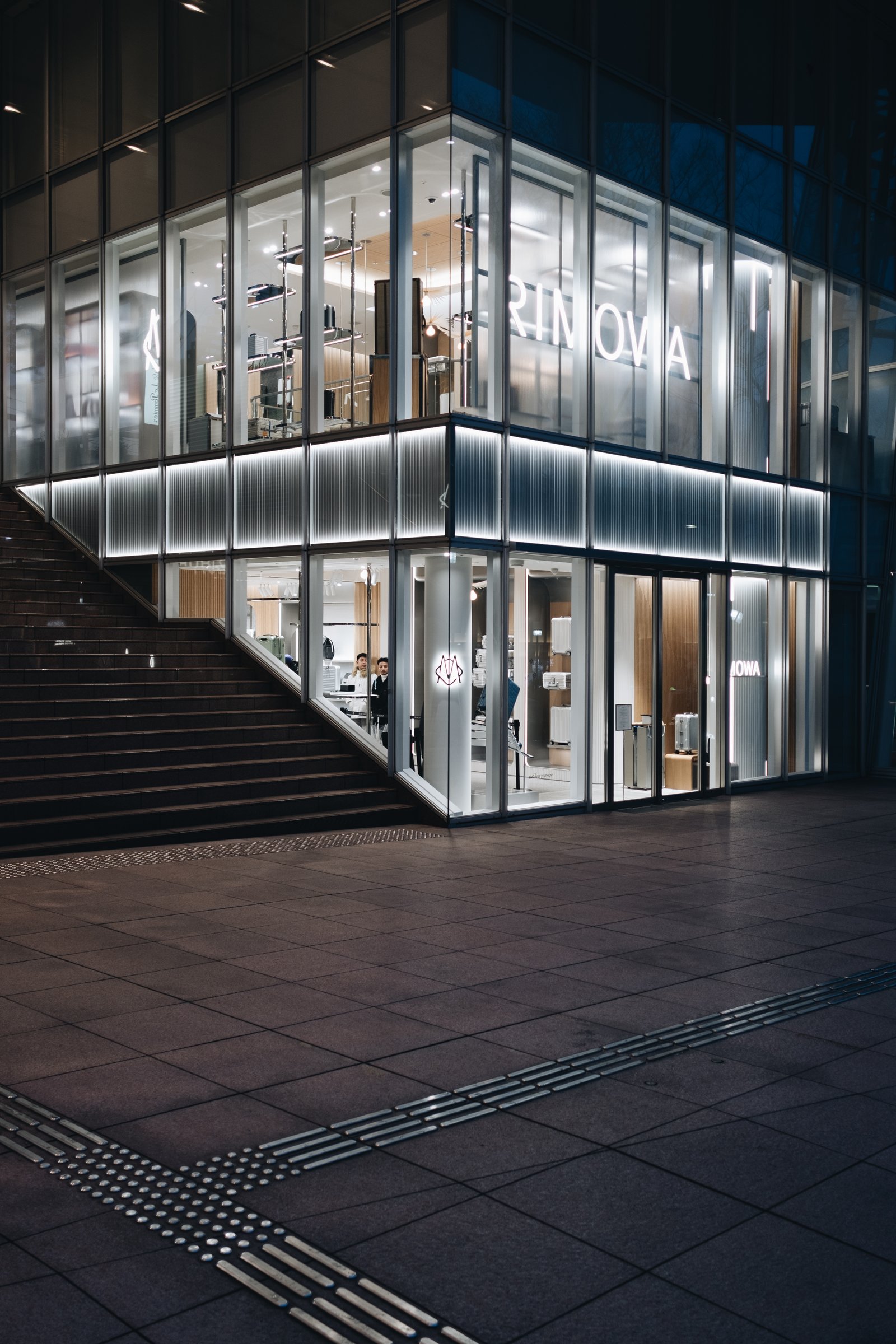
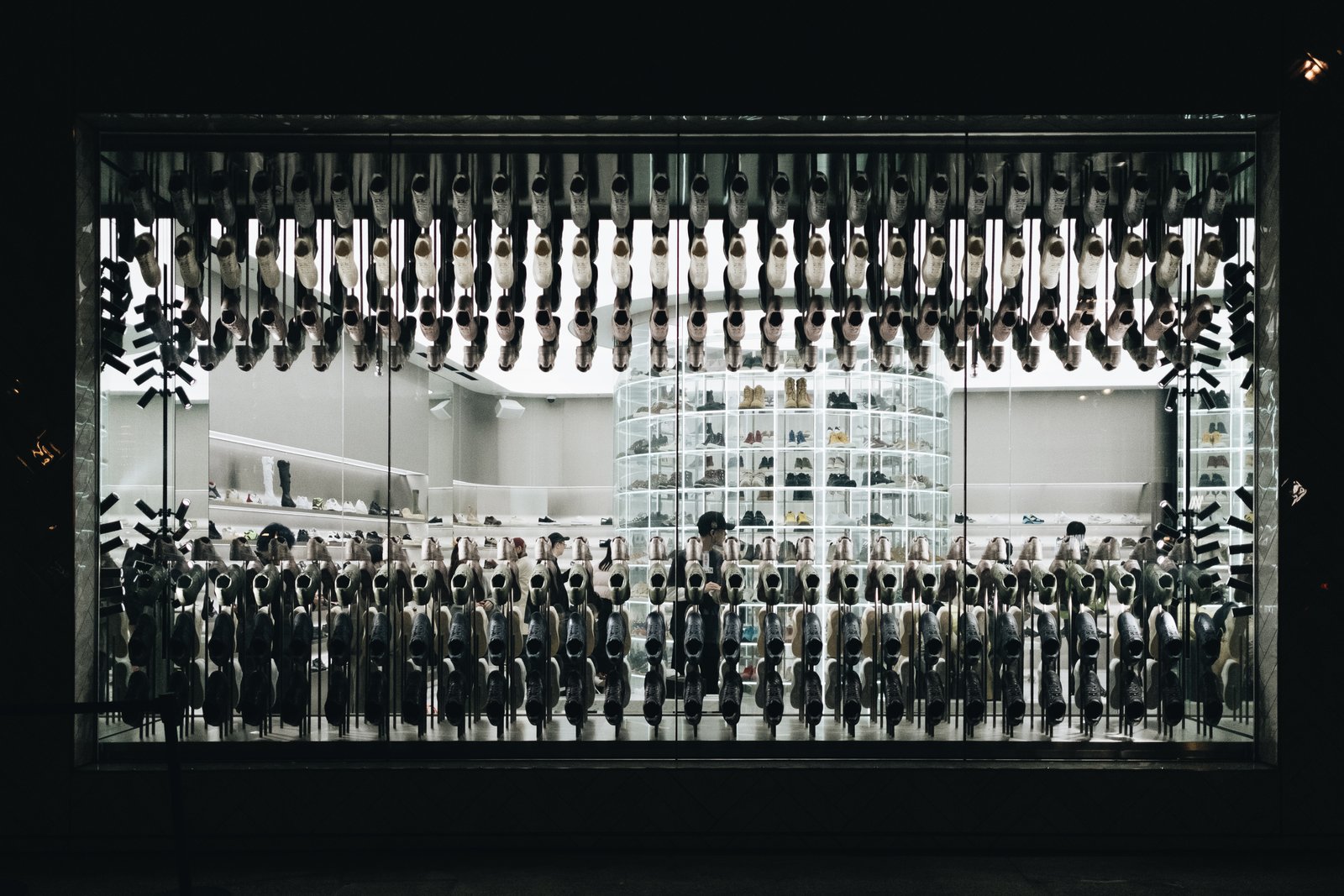
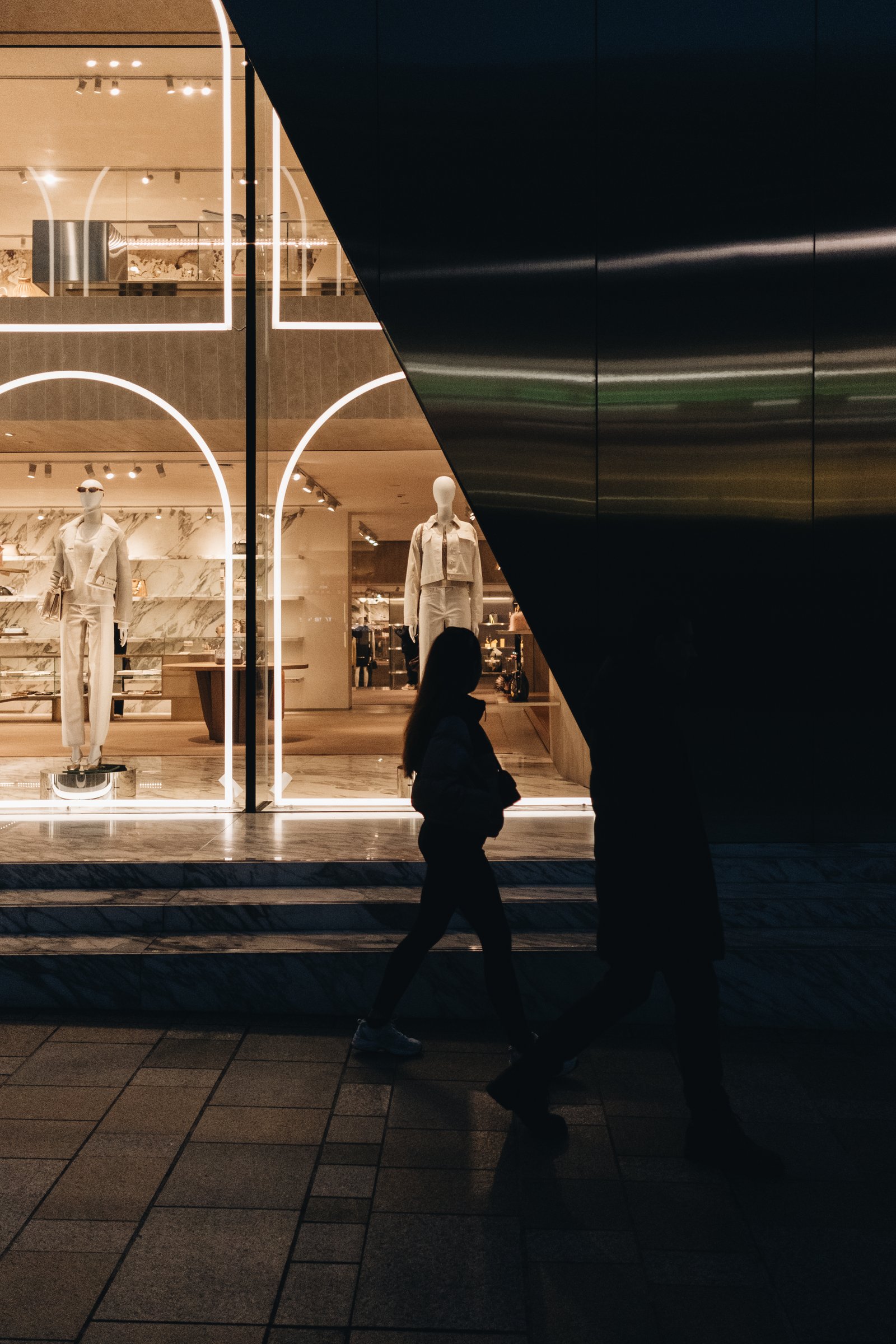
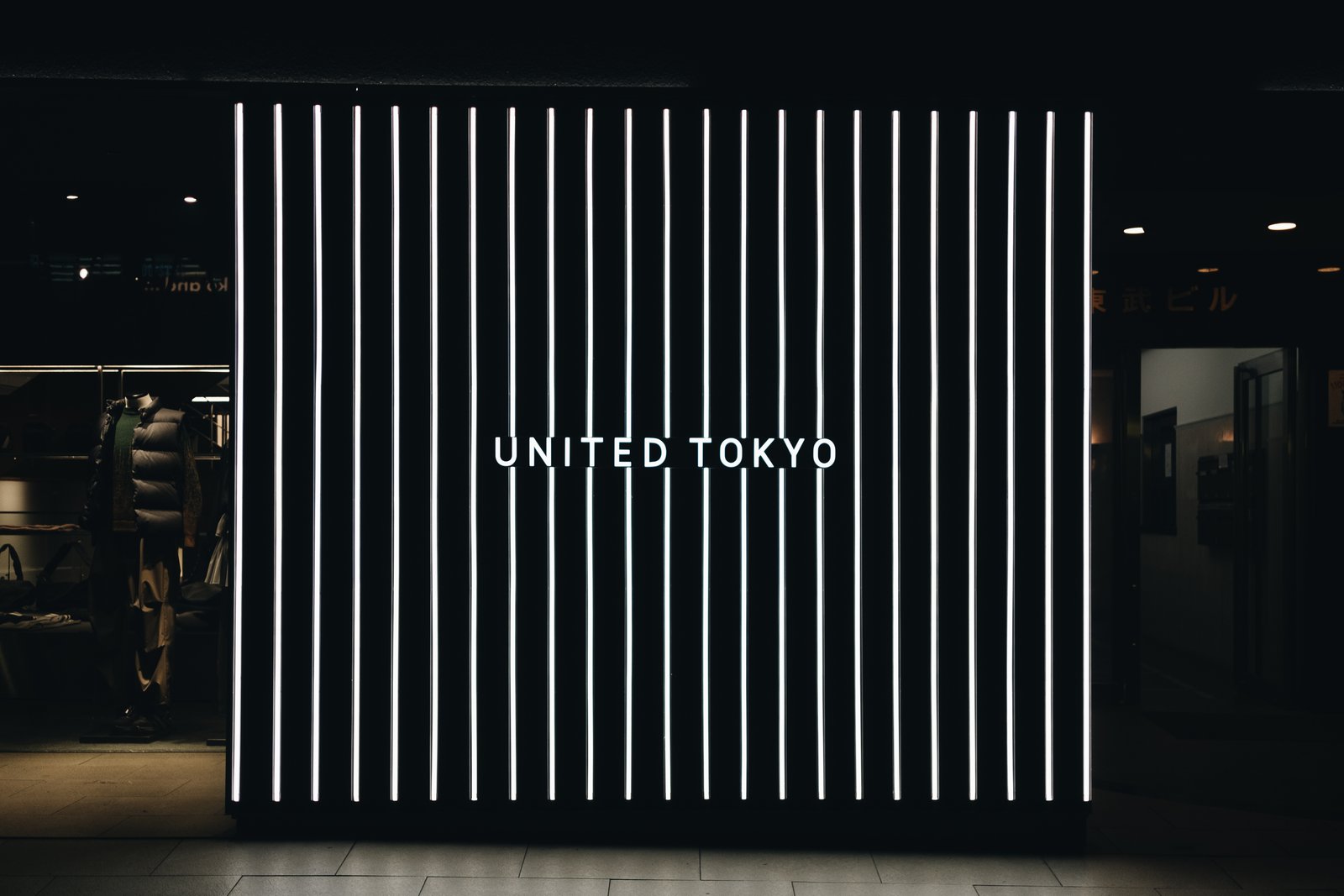
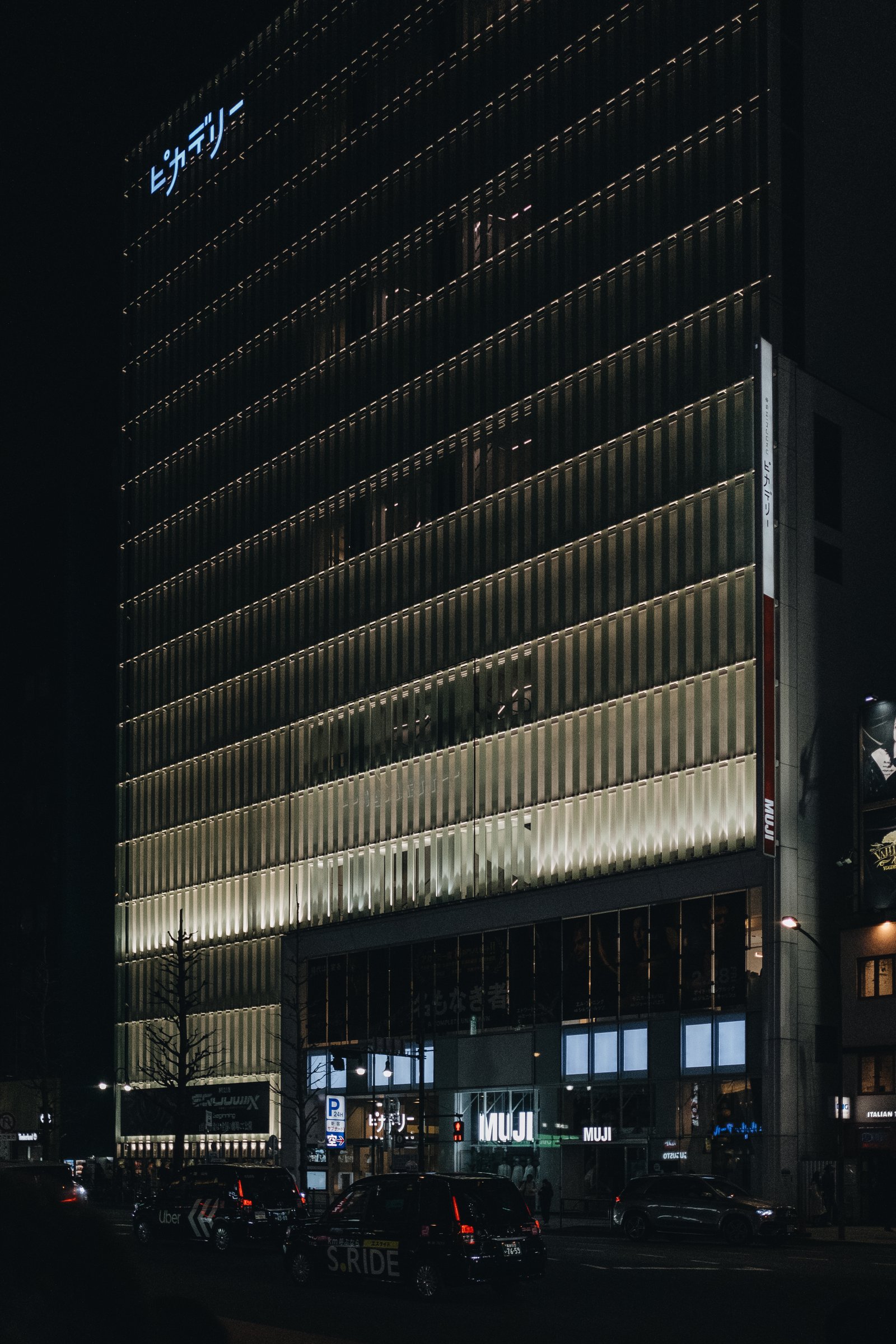
  • Tokyo at night

    February 3, 2025 · View original


  • Anatomy of a Tokyo hotel room

    February 2, 2025 · View original


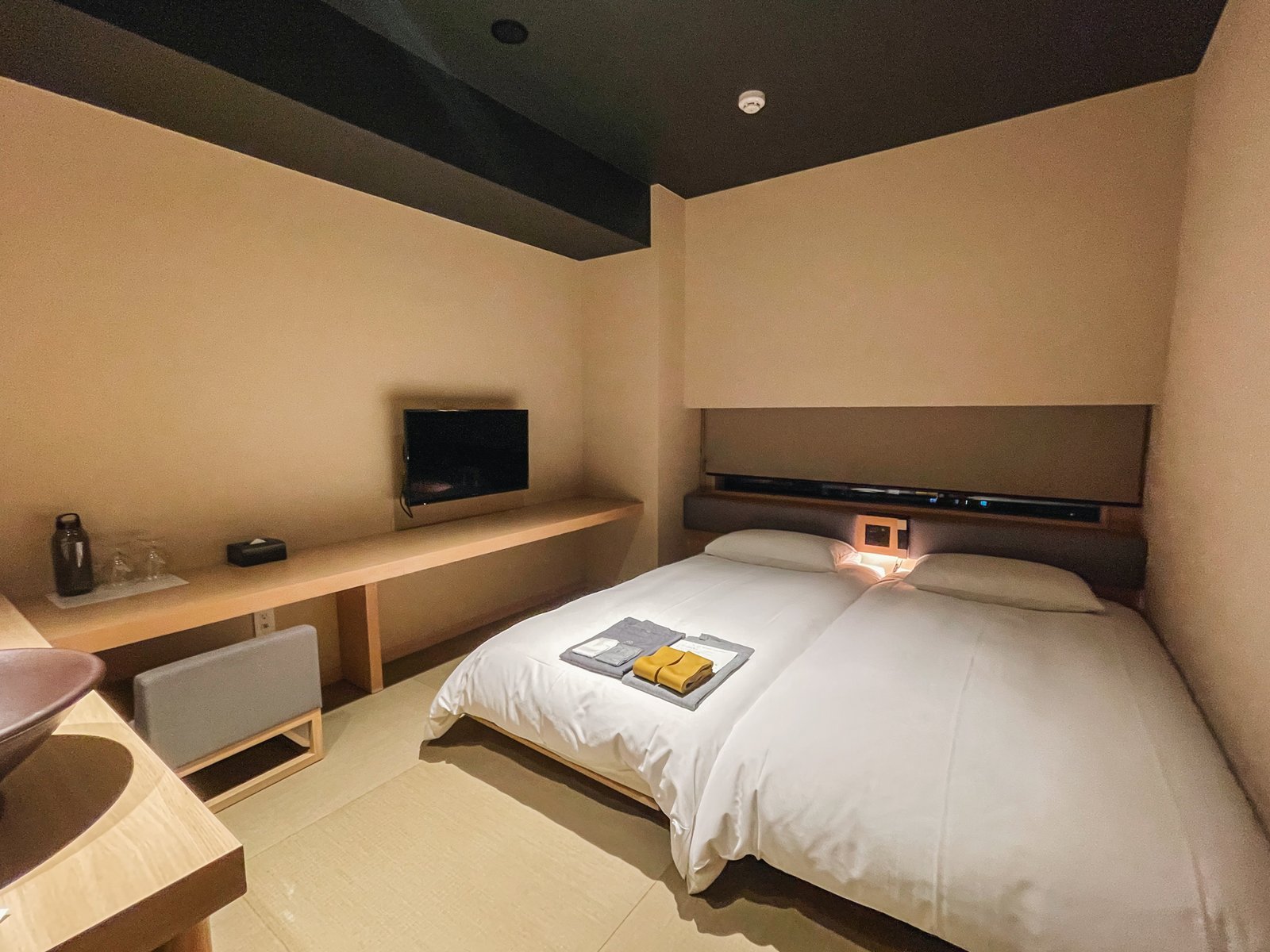
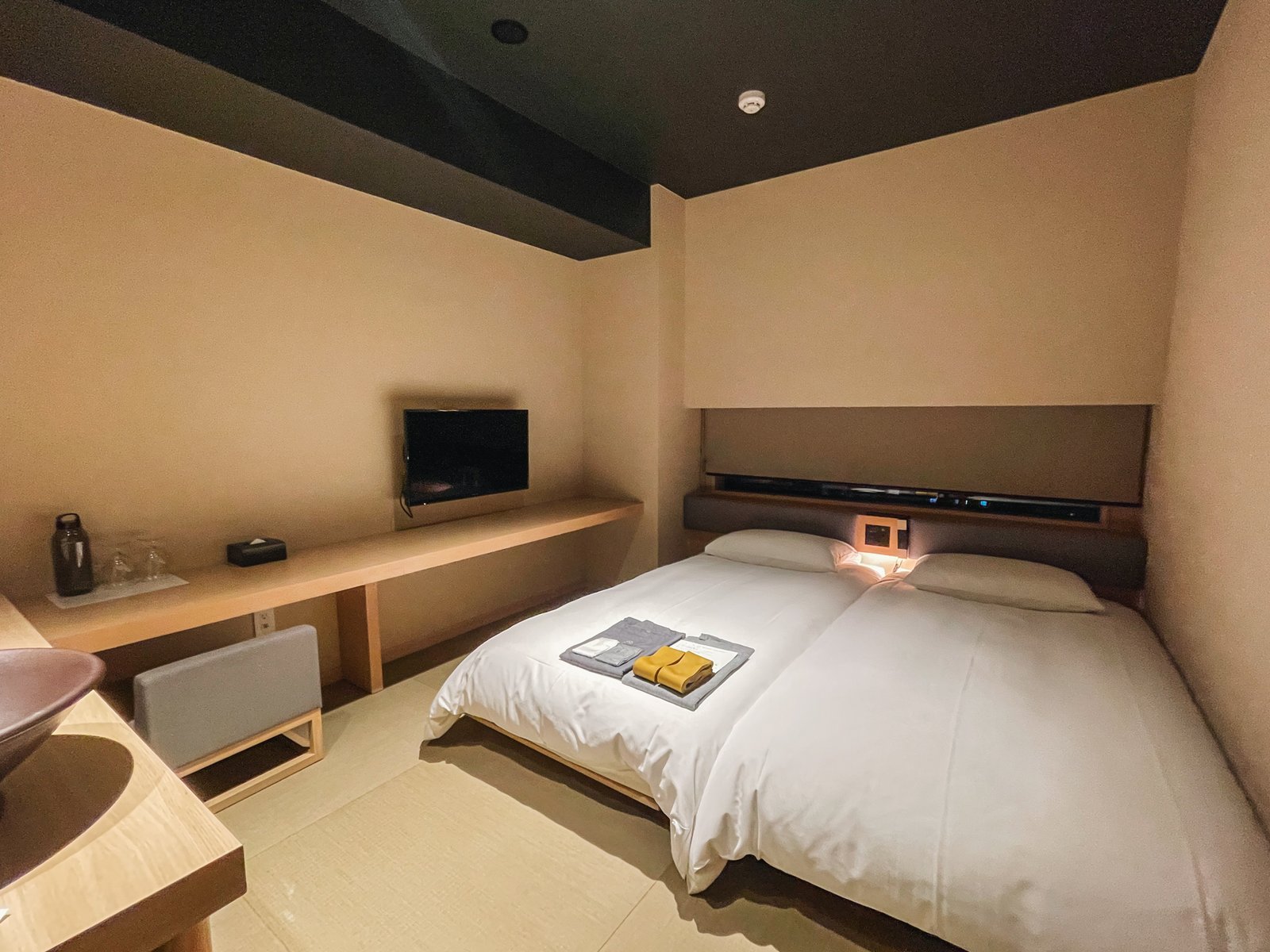
    Space comes at a premium in Tokyo. So today, let’s take a look at our hotel room, including some of its dimensions. The smallest room in our hotel is 12 m2 (~129 ft2). But we sprung for the 20 m2 (~215 ft2) room given that we have two big ski/snowboard bags with us.

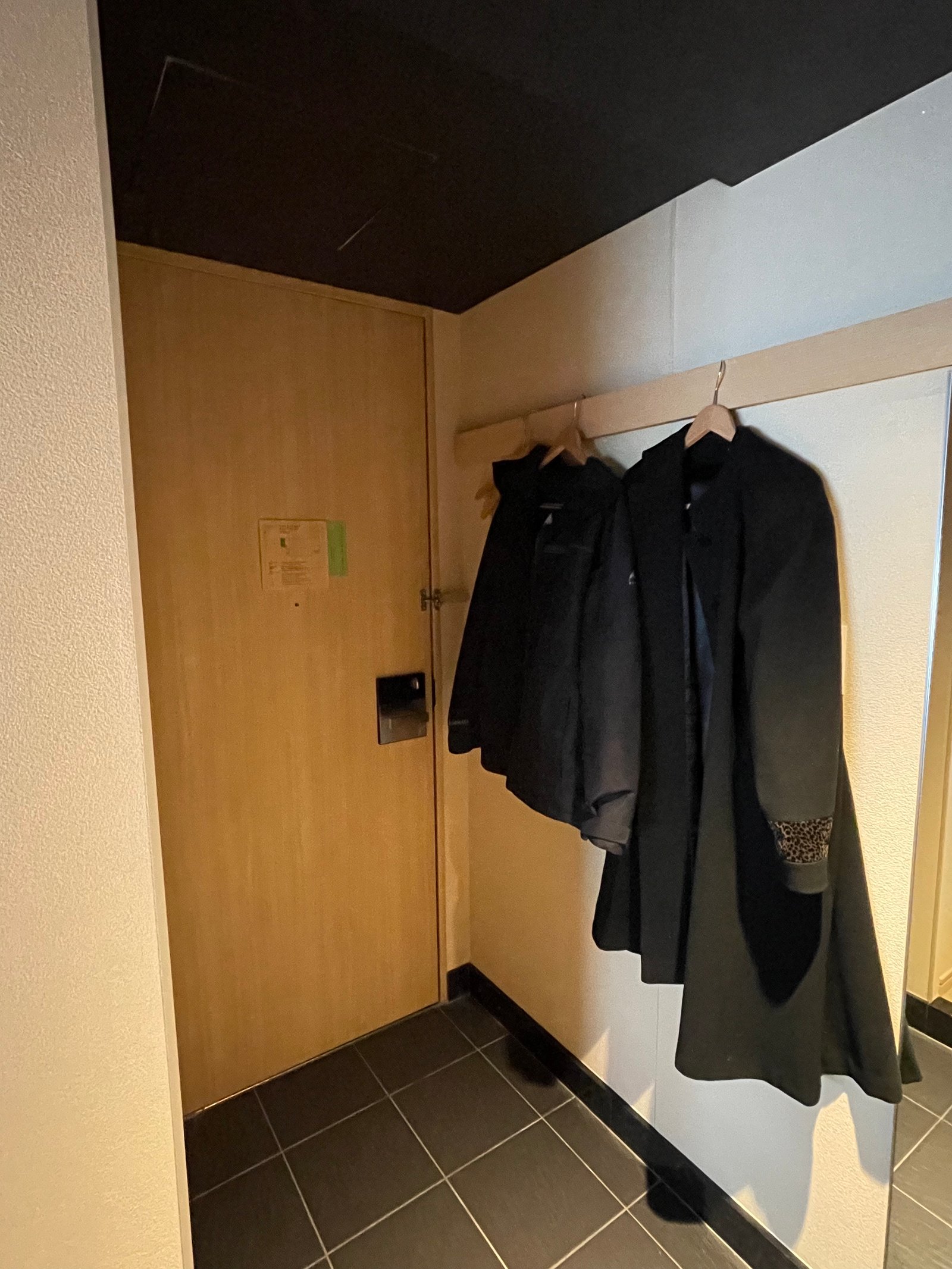
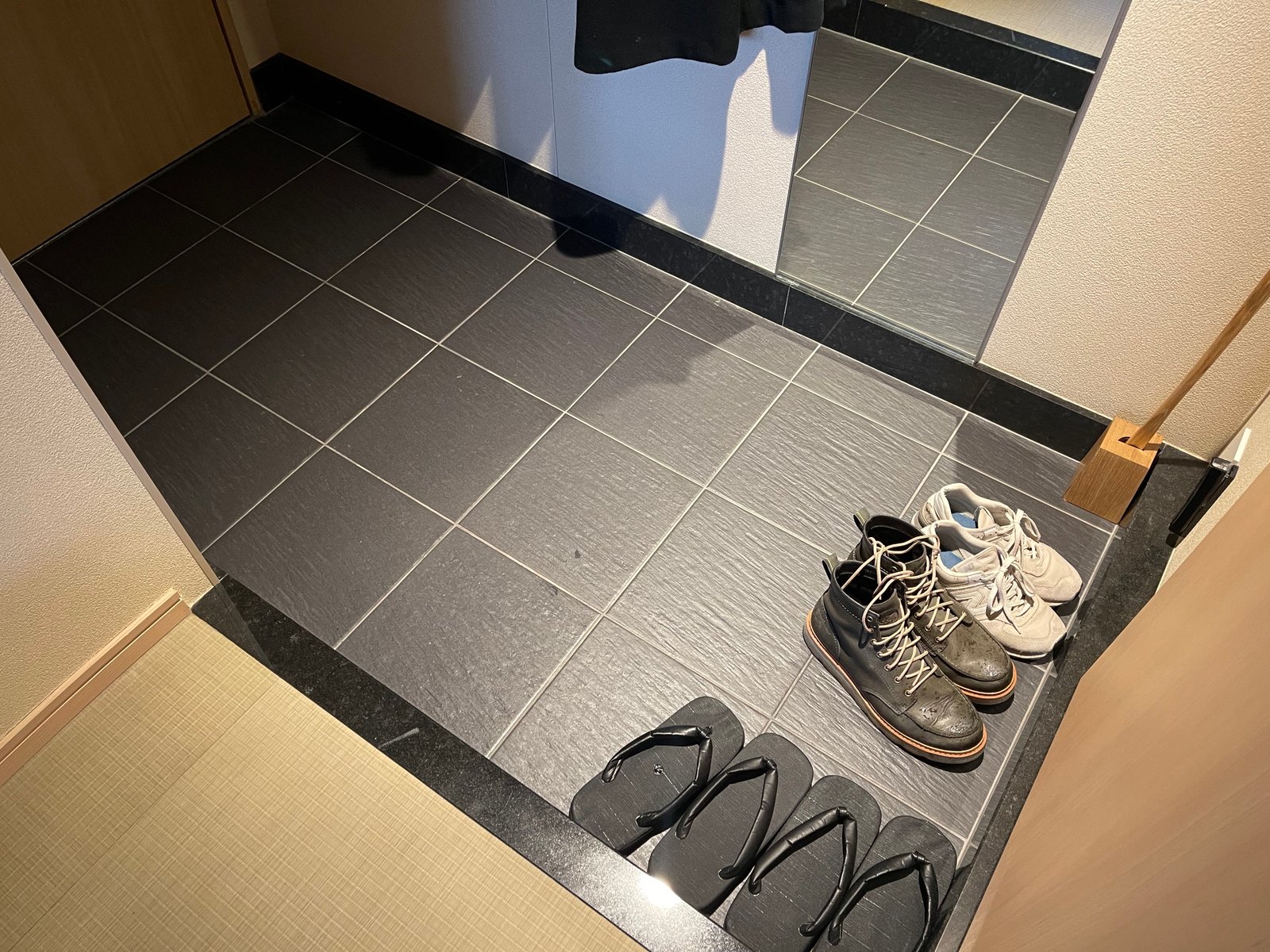
    When you walk into our room, there is a foyer where you naturally remove your outside shoes and put on your inside shoes. There’s also a continuous hook for hanging coats, which seems to be a common detail throughout Tokyo. This area measures 1060mm (3’5″) wide by 2119mm (6’11”) deep and has a clear height of 2170mm (7’1″).

    You then step up to the main room area, which has tatami flooring throughout. It’s obvious that you shouldn’t cross this threshold with your outside shoes on. Here the clear height compresses down to 2069mm (6’9″) because of the raised floor and because of some HVAC above. I wonder if there are any services running under the floor. Presumably they made use of the space.

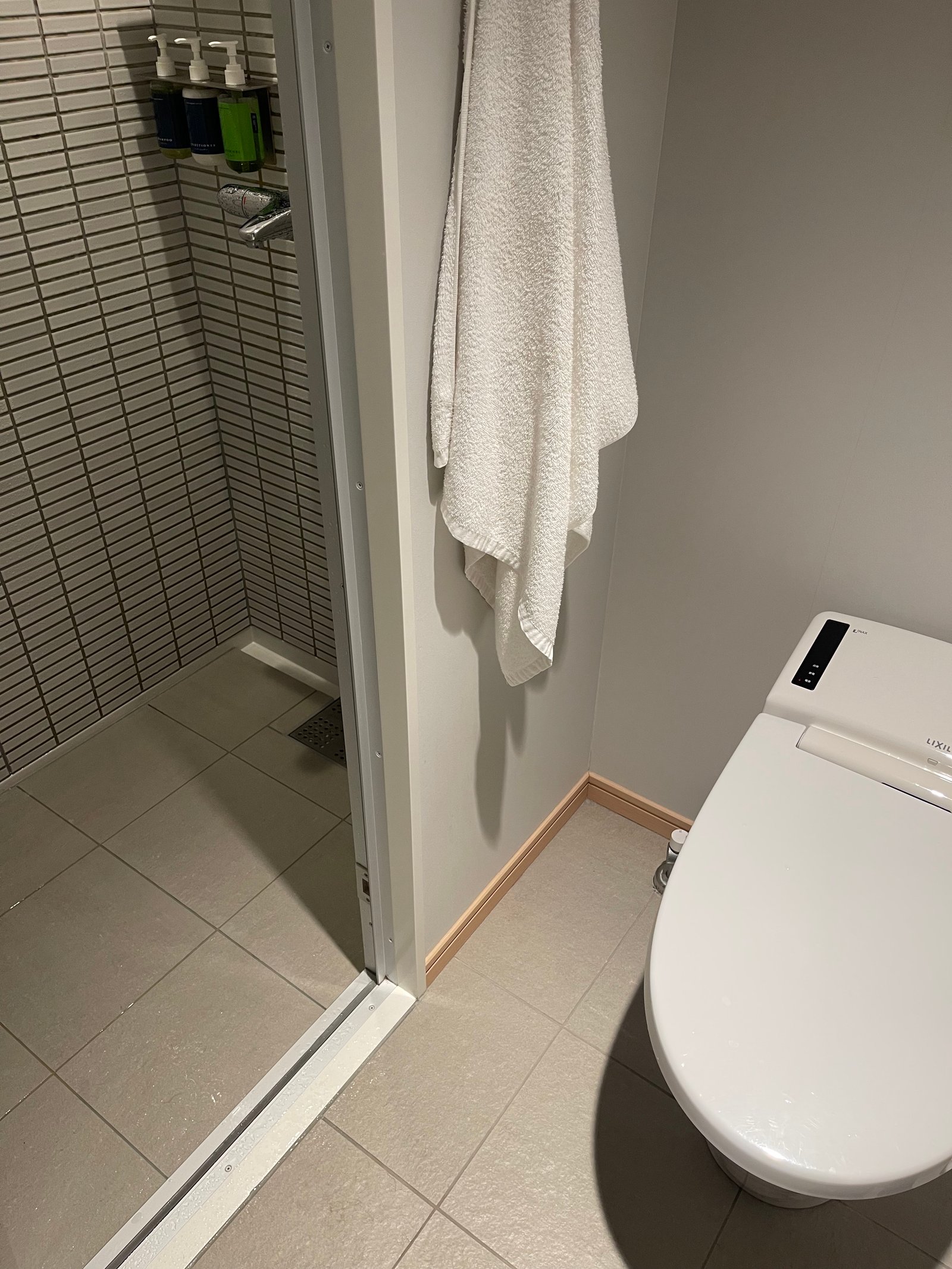
    The toilet/shower room is 1886mm (6’2″) wide by 1235mm (4’0″) deep and has the same ceiling height as above. As expected, the toilet is very fancy, it has a heated seat, and it will do whatever it takes to ensure that you leave this compact room with a tidy bum. The control pad is also fairly intuitive to use.

    The main living/sleeping area of the room is 2783mm (9’1″) wide by 3351mm (10’11”) deep, which is roughly the size of a Toronto apartment bedroom. This room also has a TV, desk area, and the bathroom sink. The ceiling height opens up to 2395mm (7’10”) in this area.

    It’s worth highlighting that the desk height is just under 24″ and the vanity countertop height is about 26″. These are very low compared to Western standards and I can certainly feel it in my back.

    In my view, it’s this vertical dimension which represents the biggest design difference compared to what I’m accustomed to. Surfaces are low and the ceiling heights are compressed. Because otherwise, I’ve stayed in even smaller rooms in Paris and in other places. It’s very comfortable and we would certainly stay here again.

  • Hello Tokyo

    February 1, 2025 · View original


    We arrived in Tokyo late last night. Our departure was delayed by a few hours, but we ended up sleeping most of the flight, and so we landed relatively refreshed and ready to tackle all of the late-night snacks at the closest 7-11.

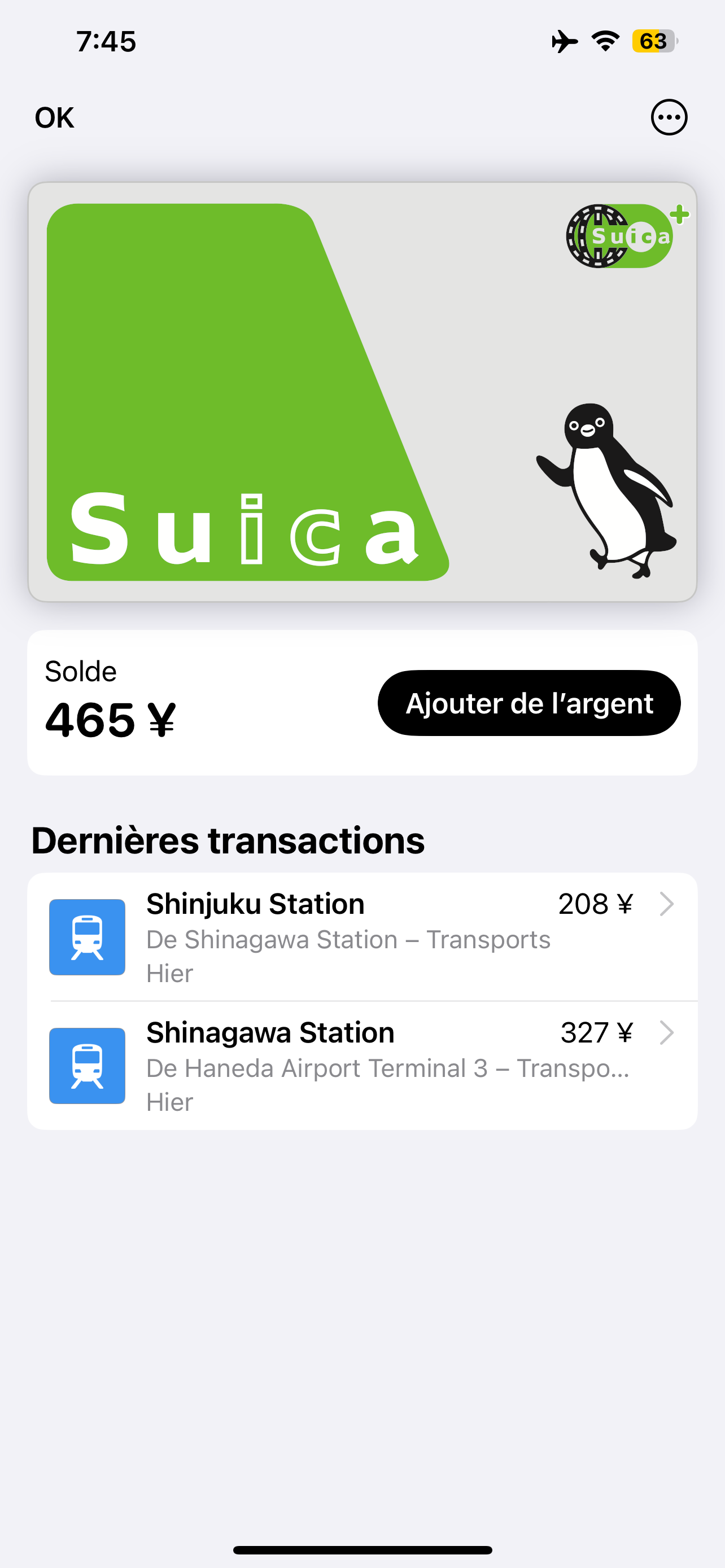
    The onboarding process for taking the train into the city was as easy as it could have been. I was able to add and then load their Suica card directly from Apple Wallet. (Thanks for the tips, everyone.)

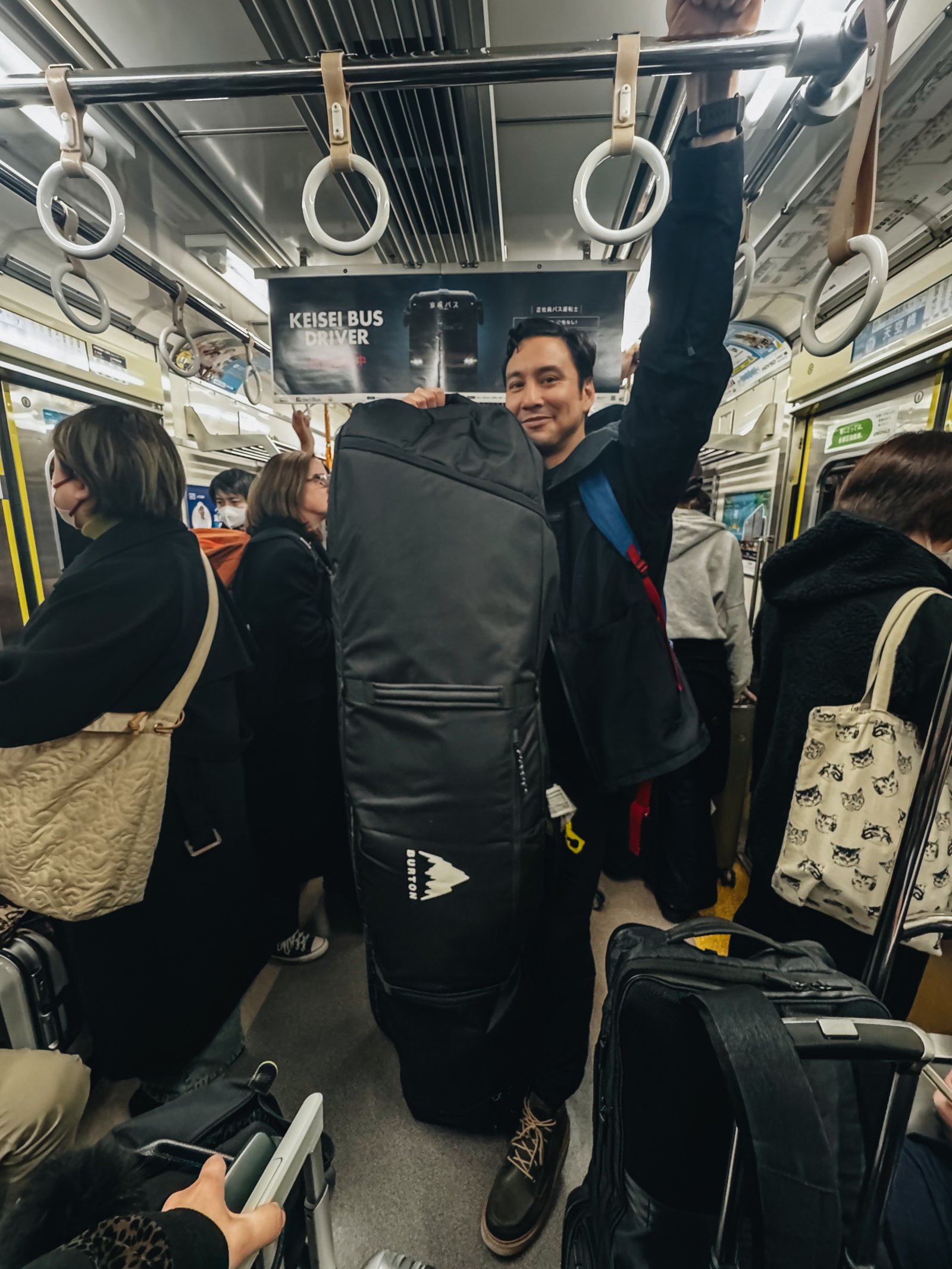
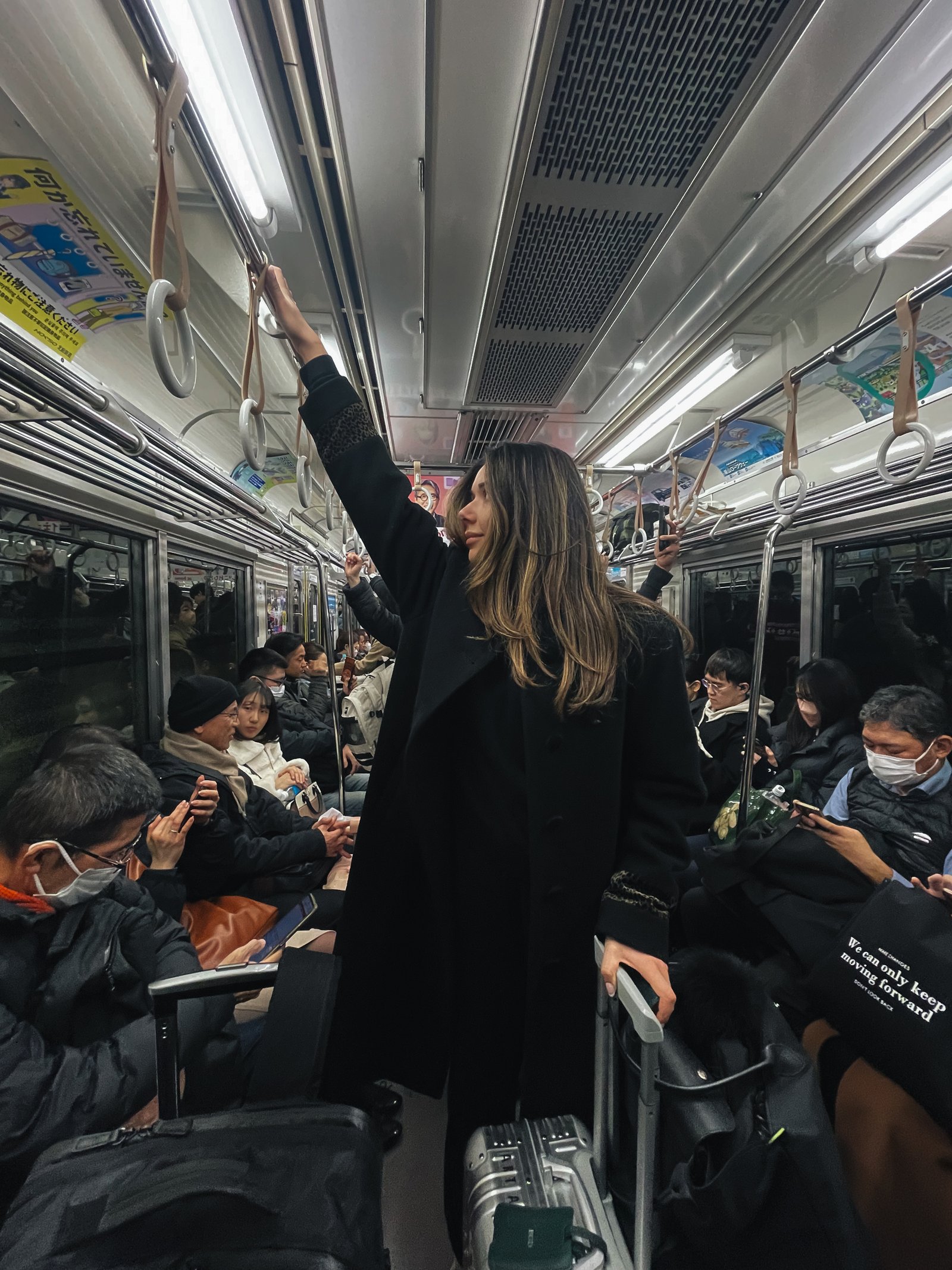
    Here’s us, taking up too much room on the train with our two ski/snowboard bags.

    However, I will say that Shinjuku station — which is the busiest train station in the world, by far — is just as confusing as I remember it. Between the vastness of the station and overall network, and the language barrier, it can be a real challenge to figure out where to go to make your connection.

    But ultimately, we made it to our hotel, and to 7-11. In case you’re wondering, and to give you an idea of scale, my legs absolutely hang off the end of these beds.

    I have no idea what the circular thing was in this bowl, but it was good, hot water was readily available in the store for these purposes, and I was able to supercharge the entire thing with some charcoal-grilled chicken from a separate package.

    The first time I visited Japan, I had a cell phone with one of the first ever color screens. I thought this was a huge deal. And, I had a standalone digital camera that was about the size of a small wallet. I also thought this was a huge deal. Sadly, I’m not sure where most of these photos are today (though I still have the phone).

    So it’s exciting to me that I’m now writing posts and sharing photos with all of you on a decentralized and open ledger that is intended to act as permanent information storage. In theory at least, these posts and these photos will be around forever, even if Paragraph as a company goes away.

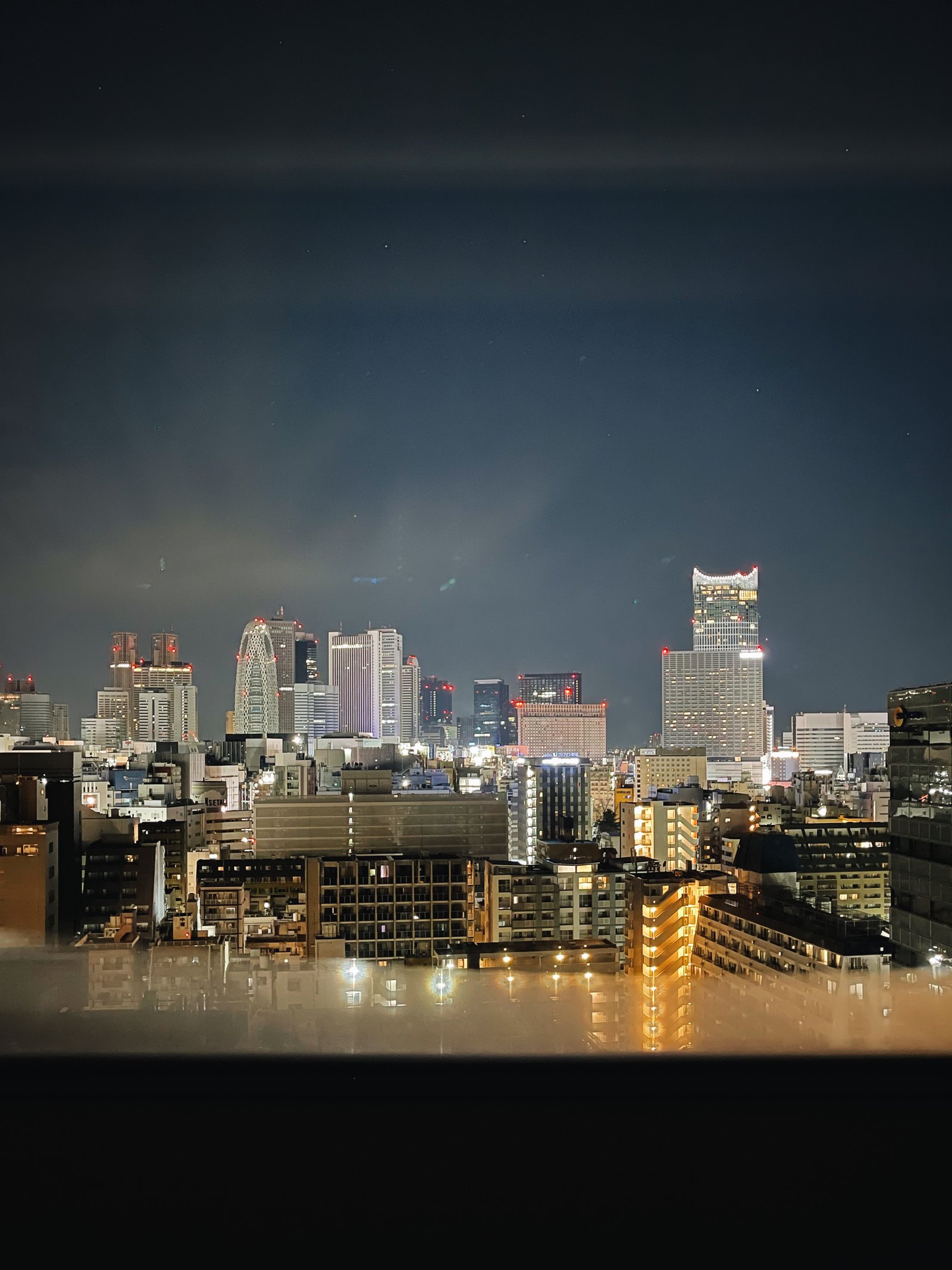
    Which means I’ll be able to look back on the above photo and remind myself that I took it from the window above my hotel bed when I woke up at 530AM, I couldn’t sleep, and I decided to just get up and write today’s post. Tokyo is such an awesome city. It’s great to be back after all these years.

  • 14th annual

    January 27, 2025 · View original


    It’s almost that time of year again.

    Later this week, marks the start of our 14th annual ski and snowboard trip. Our group missed two years because of the pandemic and so, technically, this should be the 16th annual, but who’s counting? This is a trip that happens every year like clockwork and, this year, we’re checking off a big mountain destination that has been on many/most of our bucket lists: Hokkaido, Japan. If you read my recent post called “The Secrets of the greatest snow on earth,” you might remember that Hokkaido is one of the snowiest places on the planet. Every January, there is a 90% probability that the island will get at least 100 inches of snow!

    Before Hokkaido, we’re also going to be spending a handful of days in Tokyo. The first and only time I’ve been to Japan was back in undergrad, over 20 years ago. I’m really excited to see how the city has evolved, and to see it with fresh eyes. I was in the early days of studying architecture back then, and just starting to understand my obsession with cities. So I’m sure that I’ll have a much different appreciation this time around. Neat B is also coming to experience Japan’s legendary powder and she’s never been to Asia before. So I’m equally excited to see Japan anew through her eyes.

    This past weekend we started making our travel list. Generally, our approach is to list the things we absolutely want to see and do, including noteworthy architecture, and then let the rest happen organically. Often some of the best travel experiences are the ones you didn’t plan. I also have a friend from graduate school that now runs his own practice in Tokyo: Kenta Fukunishi Architecture Office. Our group is going to lean on him to show us what’s hot in contemporary Japanese architecture. My buddies and I haven’t seen him since 2009.

    I’m also hoping that some of you will have recommendations for Tokyo and/or Hokkaido, which is why I’m blogging about this trip a little early. Tokyo is obviously massive. It’s the largest metro area in the world. And so more than most places, it demands curation. We’re not even going to make a dent over the course of a few days there. If any of you have any suggestions, please leave them in the comment section below or shoot me an email at brandon dot donnelly at globizen dot com.

    In terms of what you can expect here on the blog, expect photos and expect to see me measuring the width of impossibly narrow streets. I’ll also be sharing a lot of content to our Globizen Instagram account, so make sure you follow us there. As always, this blog will get updated every morning — though I’m sure I’ll screw up the time zones on the way there and not know what day it is. And as always, I’ll have my Fujifjilm camera on me. It’s also my goal on this trip to capture more videos. It’s something I love to do, but never have seem to make time for. Let’s change that.

    Here’s to the 14th annual!

    Cover photo by Steven Su on Unsplash
  • Demographic trends in Greater Paris

    January 20, 2025 · View original


    The work of l’Atelier parisien d’urbanisme (or Apur) is right in my wheelhouse. Run by an architect, they are a group that analyzes, documents, and then develops strategies for urban matters impacting Paris and Greater Paris (la Métropole du Grand Paris). For example, last year they published a book called Paris Atlas, which contains 150 original maps and lots of statistics about the city. And this month, they published a note talking about population and demographic trends in the city. Here’s a brief summary of this latest report.

    As of January 1, 2022, there were 7,115,576 people in Greater Paris:

    Between 2016 and 2022, its population grew by about 0.2% per year or about 14,800 people per year. This is slower than the previous reporting period (2011 to 2015). It’s also all because of natural births:

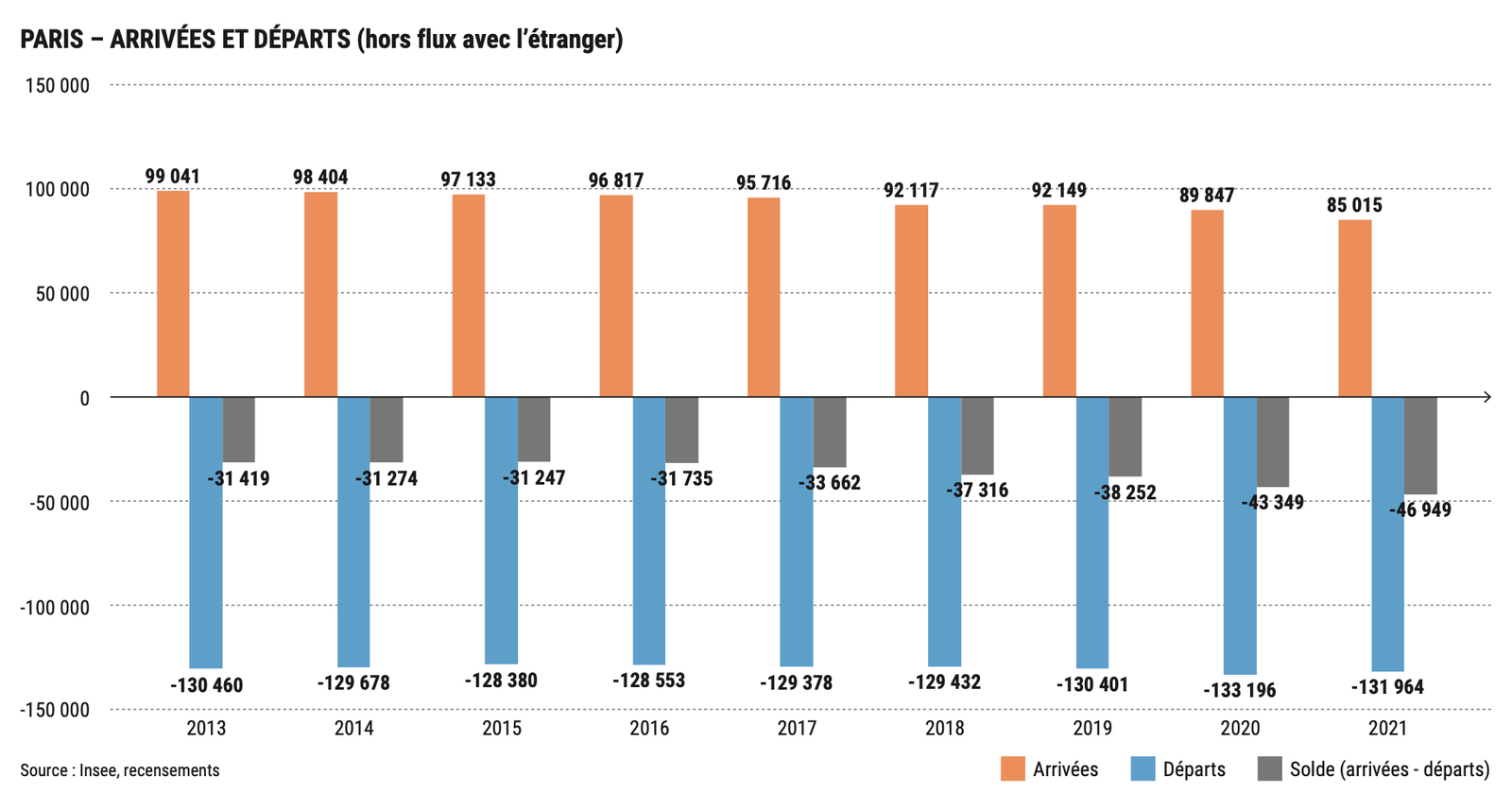
    When it comes to migration, more people leave the city each year than come to it:

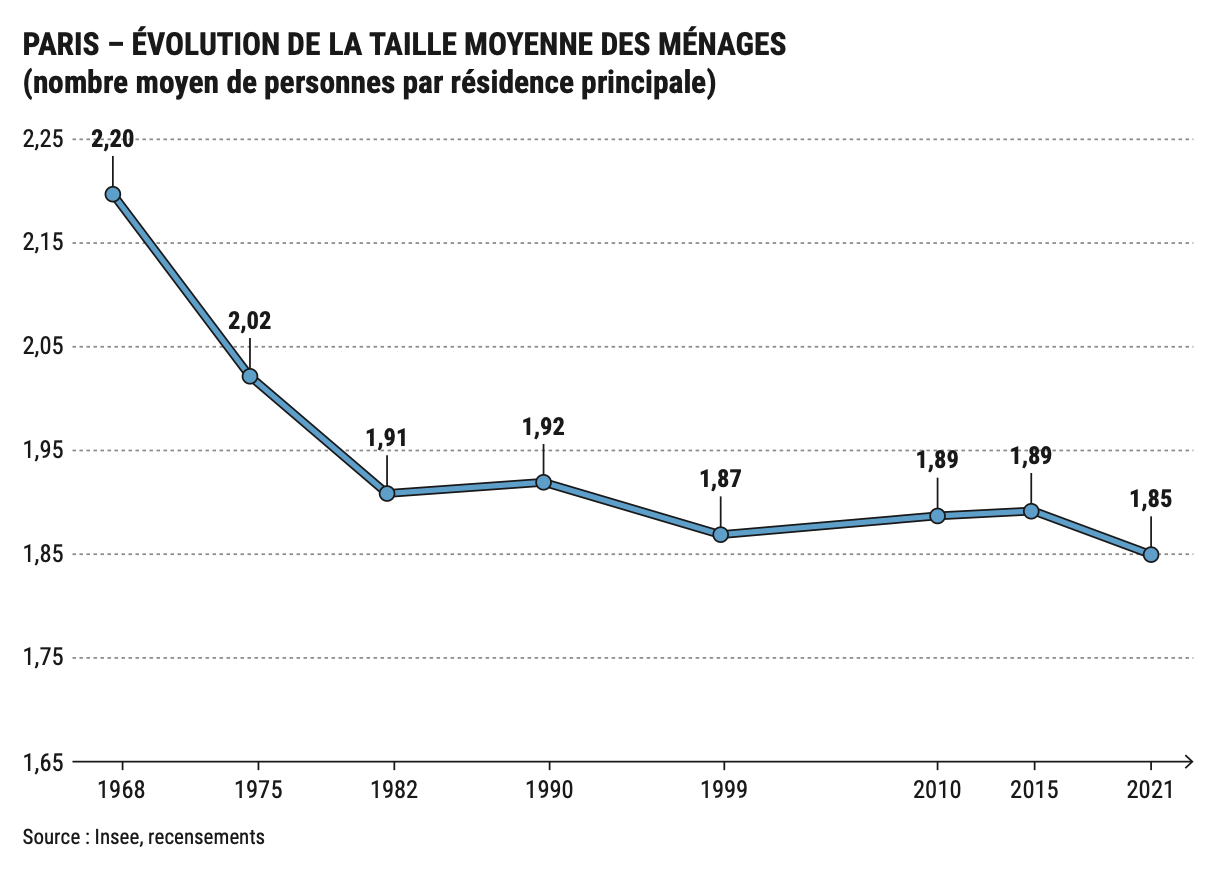
    This runs in contrast to a city region like Toronto, where the vast majority of our population growth comes from positive net migration. This is also true of Canada as a whole. Still, Paris is not immune to lower birthrates and a declining average household size:

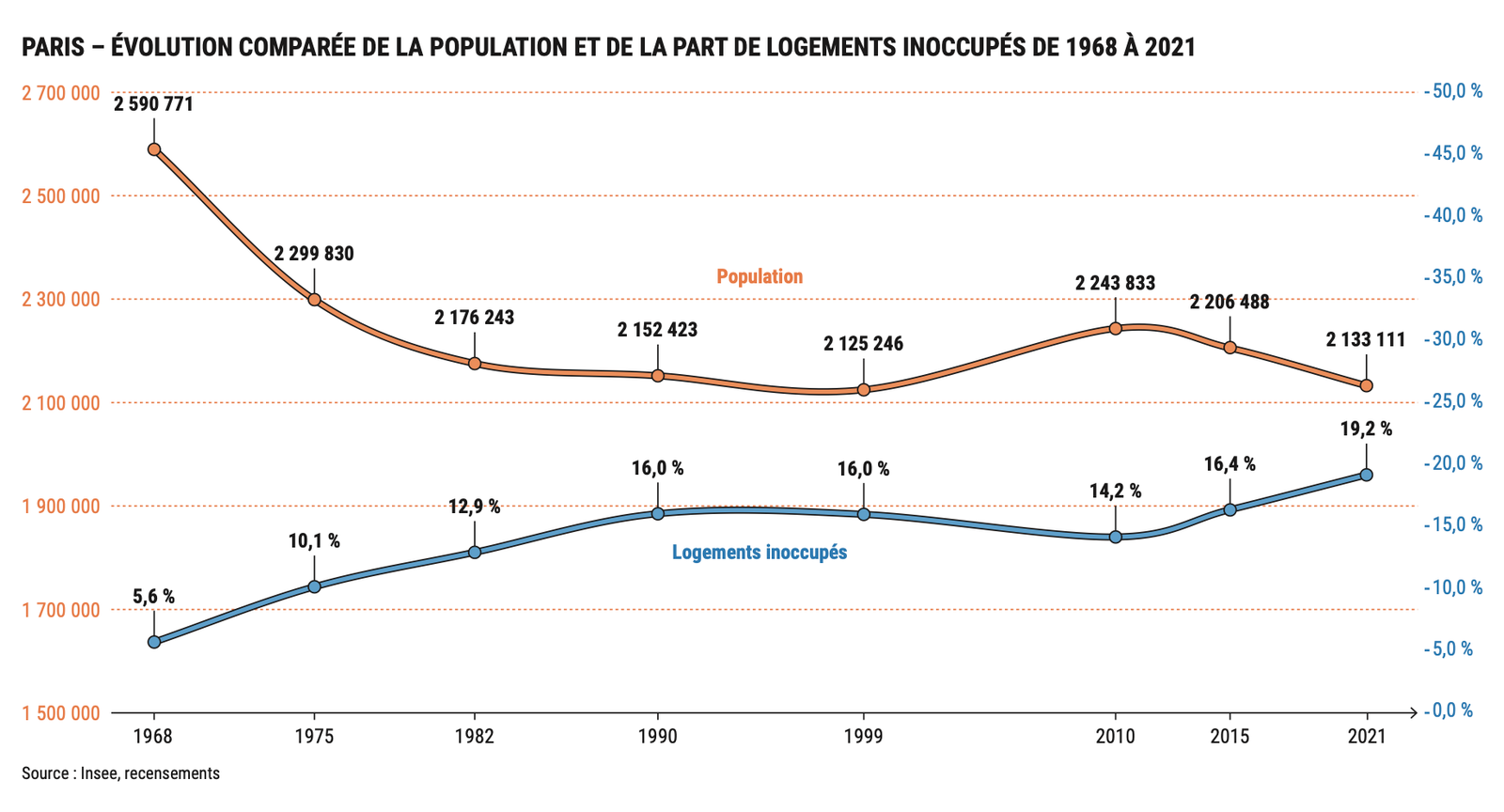
    Another factor impacting population, according to the report, is the decline in principal residences (homes occupied for more than 6 months of the year) and the rise of what the report calls “unoccupied homes”, which includes secondary homes and vacation rentals. As of 2021, the number of “unoccupied homes” was estimated at approximately 19.2%:

    However, in four arrondissements (1, 6, 7, and 8), the number of homes not used as a principal residence is thought to exceed 30%! This is making it even harder to build enough new homes. For example, between 2015 and 2021, Paris built approximately 30,300 new homes. (Reminder, the Greater Toronto and Hamilton Area completed about that many in one year last year.) But at the same time, the city counted 14,600 fewer principal residences. This is, I guess, what happens when you’re one of the most visited cities in the world.

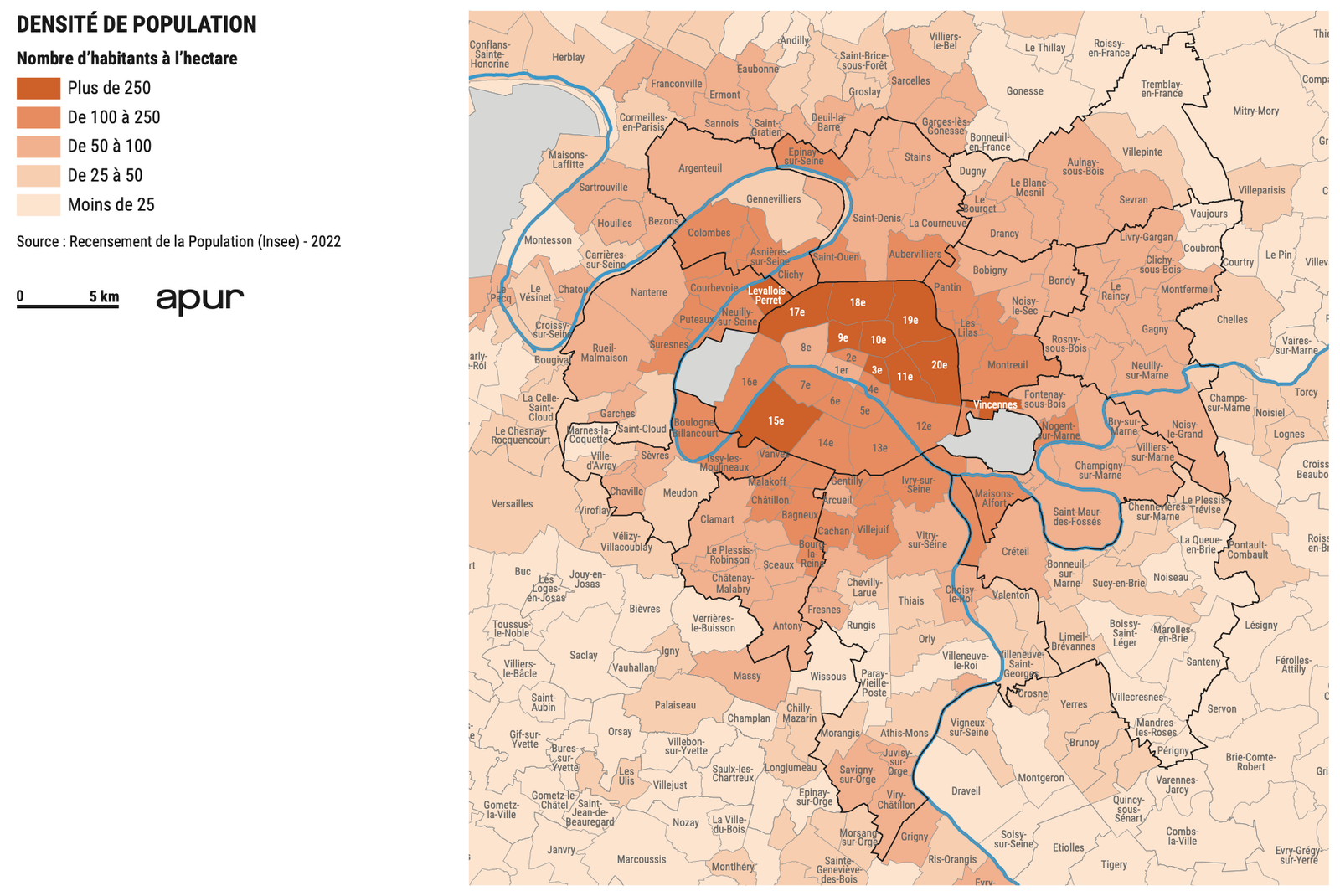
    To end, I’ll leave you all with this population density map:

    The darkest areas represent more than 250 people per hectare. That works out to more than 25,000 people per square kilometer (just divide the above numbers by 0.01). At the same time, between 2016 and 2022, the population of Paris proper (not Greater Paris) decreased by an average of 12,800 people per year. This is in comparison to an average decrease of 11,900 people per year for the period of 2011 to 2016. As is the case in many/most cities, Paris’ population growth is happening largely in the suburbs and in the outskirts.

    Cover photo by JOHN TOWNER on Unsplash