Daily insights for city builders, delivered every morning at 6 AM ET. I’m Brandon Donnelly — a Toronto-based real estate developer and founder of Globizen. I’ve been writing here since 2013.

Category: Places

  • A great hotel can help you build your city

    January 10, 2025 · View original


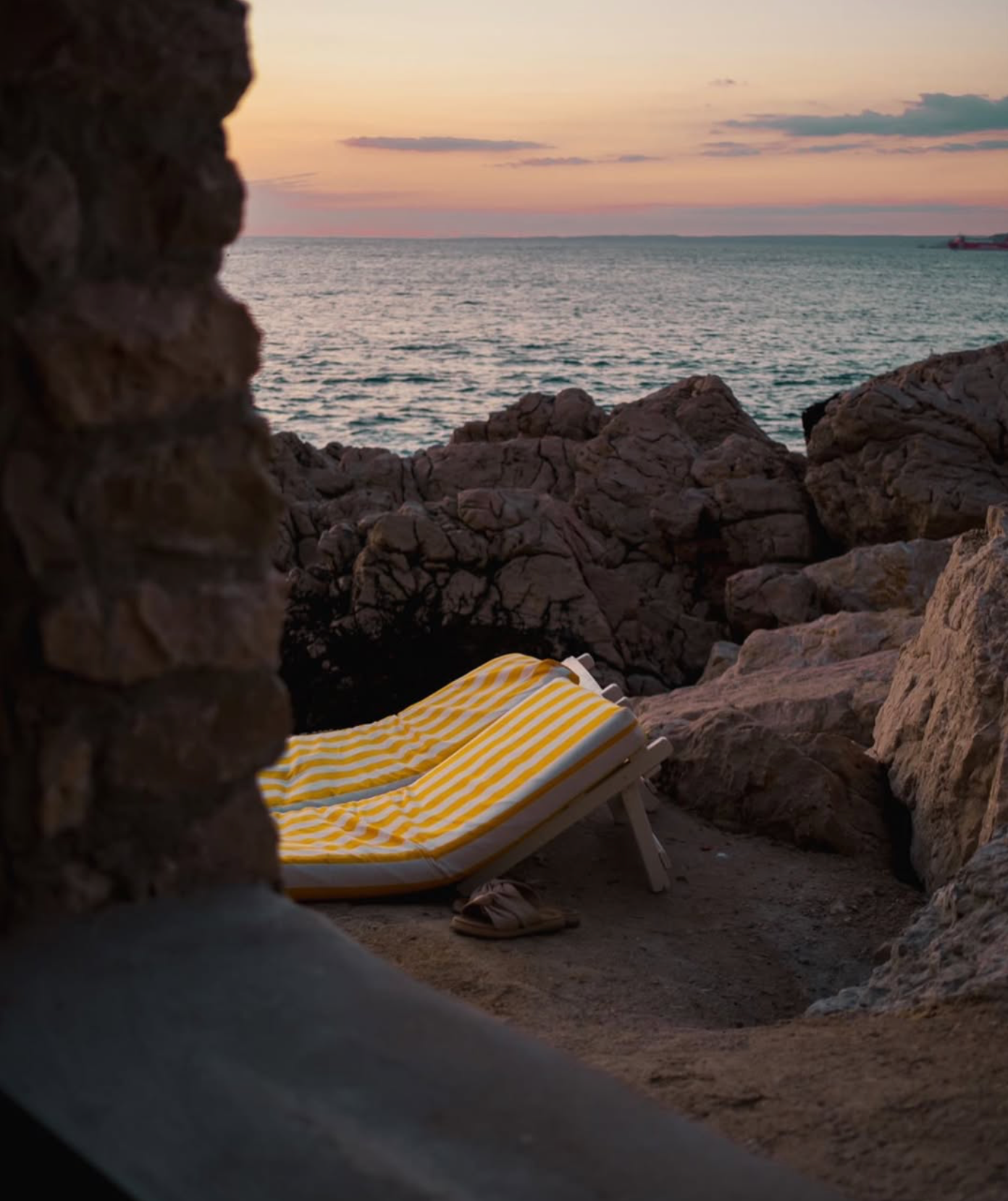
    Hotels are an important city-building tool. Let me give you an example. Each year, Conde Nast Traveler publishes a list of the best places to visit right now. Here’s the 2025 list. If you scroll through it, one of the 25 places you’ll find is Marseille. And if you look at the first picture, you’ll find a hotel/restaurant called Tuba Club.

    Long-time readers of this blog will know that I’m a big fan of Marseille and that, back in 2021, Neat B and I stayed at this hotel. In fact, the whole reason we even decided to stop in the city for the first time was so that we could check out this exact place. It opened the summer before and I had seen it written up somewhere.

    I can also tell you that if you flip through Monocle’s new handbook about France and go to the hotel section, you will likewise find Tuba Club. The place is seemingly everywhere and now has a loyal following.

    But here’s the important thing: it only has 5 rooms! And the room we stayed in was best accessed via a window and a large rock outcropping beside it. There’s no way this place would meet code anywhere in Canada. But boy was it cool. And because we loved the experience so much, we decided to go back to Marseille the following summer and check out more of the city. It didn’t disappoint.

    Now I tell people and write blog posts about how much I love Marseille. And it all started with 5 non-code-compliant rooms perched on a bunch of rocks in a sleepy fishing port on the south end of the city. A great hotel can help you build your city.

  • Finally, New York City gets its congestion relief zone

    January 6, 2025 · View original


    Good morning. Well, it finally happened.

    After decades of delay and negotiations, New York City finally implemented congestion pricing for the area of Manhattan south of 60th Street. This is a first for the United States, and so it’s a big deal not just for the city, but for this part of the world. It went into effect yesterday, on Sunday at midnight, so that the MTA could work out any kinks before this morning’s rush hour. And apparently everything went smoothly. Drivers are now required to pay $9 to enter the zone during peak hours (5am to 9pm during weekdays). The charge is also expected to rise to $15 by 2031. Of course, this is a highly contested initiative. Trump is still vowing to kill the program as one of his first acts in office and, as soon as the pricing came into effect, suburban drivers started protesting it in Manhattan. I thought Jarrett Walker had a clever response to this:

    > Tweet: Tip: An effective protest is one that doesn’t prove the other side’s point.

    One of the common rebuttals when it comes to things like road and congestion pricing is this one: “yeah, this might work in cities like London which have great transit systems, but it doesn’t work in our city because we don’t have that and it will unfairly disadvantage those who have no other alternative but to drive.” In fact, this exact excuse was recently raised by local politicians here in Toronto. But this is New York fucking City. It has the highest annual transit ridership in North America (beating out Mexico City by nearly 2x) and it has the largest system by total length. According to the 2012-2016 American Community Survey, 85% of people traveling to Manhattan’s CBD (I’m assuming lower Manhattan here) also take transit. And only 11% drive a car. So what exactly is the problem here?

    This objection also ignores the fact that, generally speaking, congestion pricing has two main goals: (1) to, of course, reduce traffic congestion and (2) to generate money for more efficient modes of transport. In this case, the MTA is hoping this new congestion relief zone will generate up to $15 billion that can then be reinvested in transit and other infrastructure. Demand for roads can also be relatively inelastic in the short term, meaning demand doesn’t change all that much as the price moves up and down. This makes it a good place to find money for public infrastructure, but it might mean that $9 is too low to have a dramatic impact on traffic congestion. We will see; I’m sure we’ll get some data soon enough.

    My prediction is that this will ultimately have an impact on congestion and that people in New York will get over the $9 charge. They’ll also come to appreciate the reduced traffic congestion within the zone. So I think this road pricing will stick, and my hope is that it will become an example for other cities in the US and across North America. Congratulations on finally getting this over the line, NYC. It was certainly a hard-fought battle.

    Cover photo by Veronika Galkina on Unsplash

  • The secrets of the greatest snow on earth

    January 5, 2025 · View original
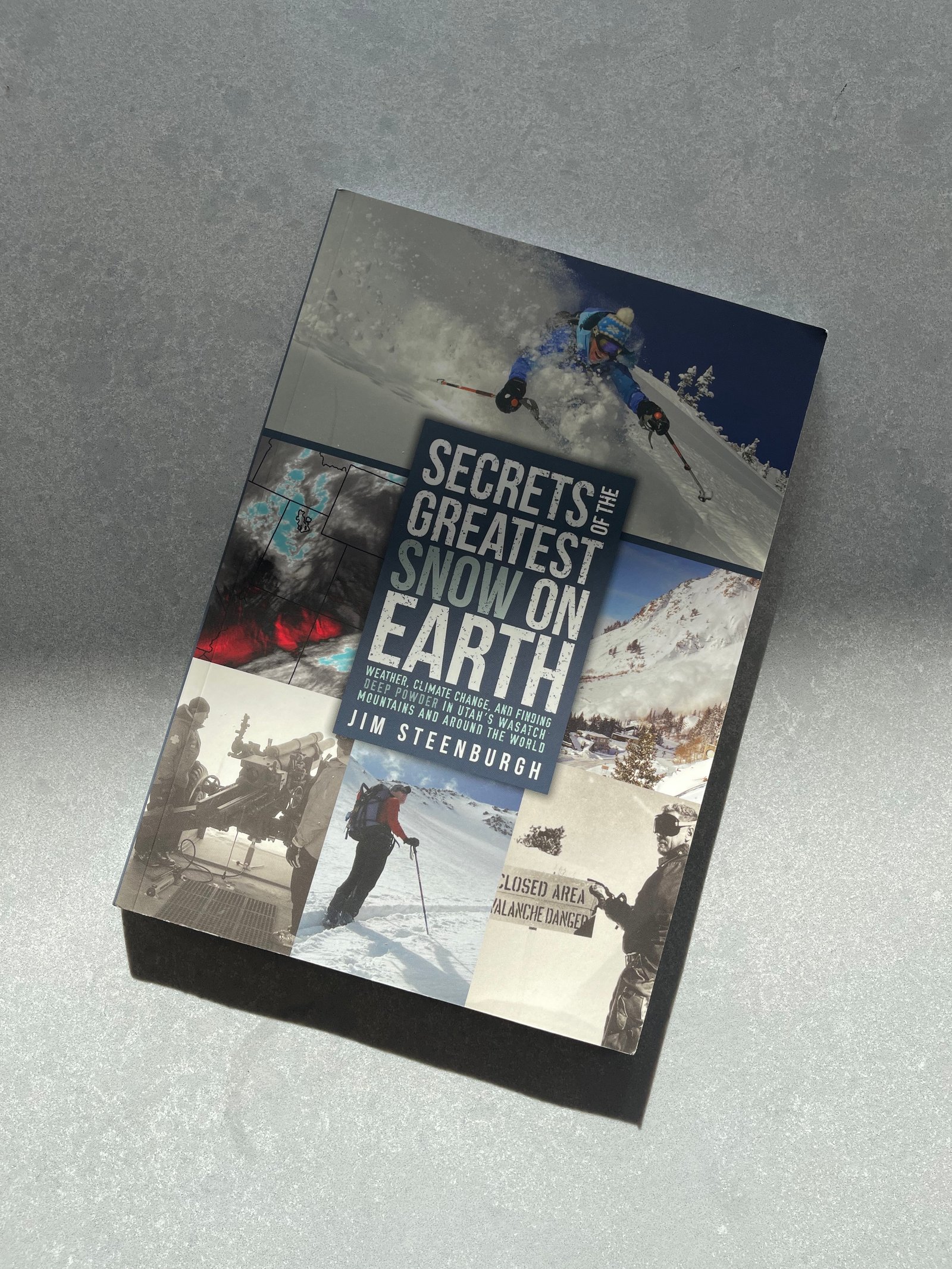

    I’ve been reading this book before bed over the last few days. It’s about the Wasatch Mountains in Utah, but more broadly it’s about how snow works, why and where in the world epic storms happen, how not to get killed in avalanches, and how global warming is impacting our climate. It’s written by Jim Steenburgh, who is professor of atmospheric science at the University of Utah and author of the blog Wasatch Weather Weenies. And I’m finding it really fascinating, even if there are limits to how granular I want to get on the science behind stellar dendrite snowflakes.

    One of the main questions he answers is, of course, the title of the book: Why is the powder skiing and snowboarding so good in Utah? Is it in fact, the greatest snow on earth? (The State of Utah started using this very successful slogan in 1962 and it made its way onto license plates starting in 1985). It turns out that there’s lots of science to support this claim, particularly when it comes to the Big and Little Cottonwood Canyons on the east side of the Salt Lake Valley. This is where you’ll find resorts like Snowbird, Alta, Brighton, and Solitude.

    Little Cottonwood Canyon has one of the most dramatic snowfall contrasts in the world. At its entrance in the valley, the average annual snowfall is about 100 inches. But drive 7 or so miles into the canyon to Snowbird (which during a snowstorm can be super treacherous), and the average annual snowfall increases to over 500 inches. Generally speaking, the average annual snowfall in the canyon increases by about 100 inches per 1,000 feet of elevation gain.

    One of the reasons for this is that the terrain surrounding the Cottonwoods is both high and broad, which means that it is exposed to storm flows coming from nearly any direction. During “stable storms”, this can also create a blocking front, where storms get caught on the windward side and continue to dump in one place, instead of passing over the mountain. This is one of the reasons why there’s this saying: “It doesn’t need a reason to snow in Little Cottonwood Canyon; it needs a reason to stop.”

    Another very snowy place in the world is Japan’s Hokkaido Island. In fact, Jim argues that if there’s any place that could give Utah a run for its money with the claim of the greatest snow on earth, it’s here. Based on historical data, Hokkaido Island has a 90% chance of at least 100 inches of snow in the month of January. This is a lot more than Utah, though snowfall falls off more quickly outside of the peak months.

    So statistically, if you want the highest probability of powder snow during the month of January, Hokkaido is the place for you. It also happens to be where we’re going for our annual ski and snowboard trip this year. I’ll be sure to report back and confirm whether this is true or not.

    The last chapter in the book is on climate change and he starts by stating the obvious: global warming is real. The climate of the Wasatch Mountains today is demonstrably warmer than it was when they were mining silver in Little Cottonwood Canyon in the late 19th century. That is bad news for skiing and snowboarding, and already in the Western US, declines in the average snowpack below elevations of 8,000 feet have been observed.

    The good news is that there’s yet to be a clear and consistent trend above 8,000 feet (at least according to Jim when he wrote the first edition of this book about a decade ago). So stay high up, my friends. If you’re interested in this topic, or climate in general, I would highly recommend you check out Jim’s book. Or at the very least, his blog. I’m going to take my copy of the book and leave it at Parkview Mountain House the next time I’m there so it’s available to everyone who visits. It’s fascinating stuff.

    Cover photo by Alex Moliski on Unsplash

  • How to love winter

    December 22, 2024 · View original


    David Sax is not wrong in this recent opinion piece in the Globe and Mail:

    > Adults suck at winter. We see it as a long, dark, cold, uncomfortable season that we have to endure and survive. The older you get, the harder winter is. But it doesn’t have to be this way.

    There are some cities that do better at winter. For whatever reason, Montreal has always felt to me like a city that embraces it more than say Toronto. Maybe it’s because it’s generally colder and snowier. Maybe it’s because they have mountains nearby. Or maybe I’m wrong. It has just always seemed that way to me.

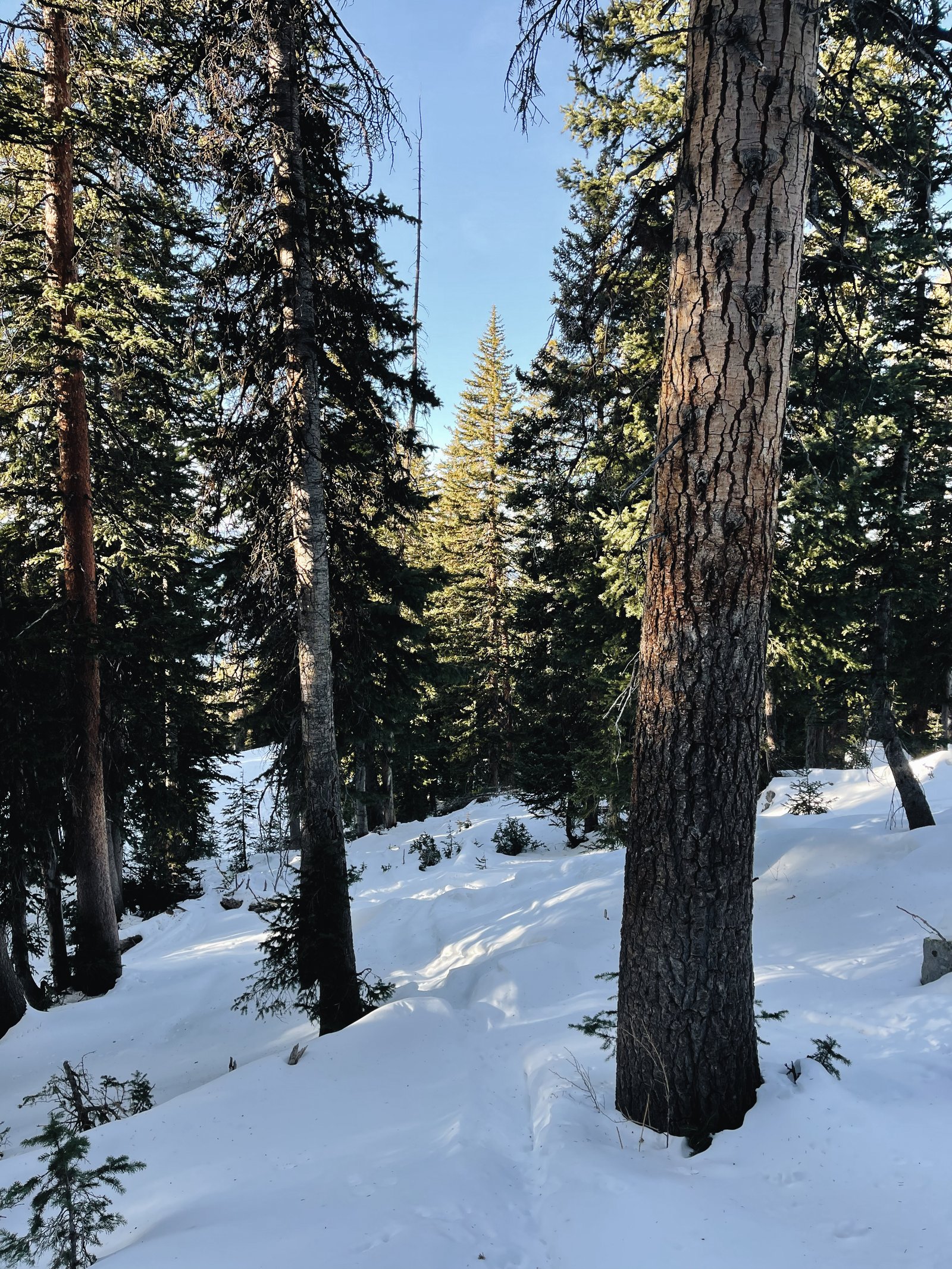
    The trick, as David points out, is to find something you love that you can only do in the winter. For me, and many others, that thing is skiing and snowboarding. Here is a photo from yesterday afternoon taken from within the trees at Brighton Resort in Utah:

    One of the things I love about Salt Lake City / Park City is how much ski and snowboard culture permeates everything. Drive around and you’ll see people waiting at bus stops with all of their gear on and their skis in hand. The locals also tell me that if there’s an epic storm, you can expect a lot of people to show up in the office around lunchtime.

    This is one way to love winter. Admittedly, it’s harder in a city without mountains and snow accumulation, and only cold winter weather. (Cities like Toronto.) So what are your options then? If you have any ideas or things you love to do, please share them in the comment section below. Us adults should suck less at winter.

  • Bookings are now open for Parkview Mountain House

    December 12, 2024 · View original


    For the last 16 years, I have been going on an annual ski and snowboard trip with some of my closest friends from Penn and from Toronto. Two years ago we went to Park City. Last year we went to Les 3 Vallées. And this winter we’ll be going to Hokkaido, which has been on my bucket list for a very long time. I enjoy doing a lot of different sports, but nothing comes close to snowboarding for me. It’s my first love. There’s just something about being in the mountains. So I look forward to our “annual” all year.

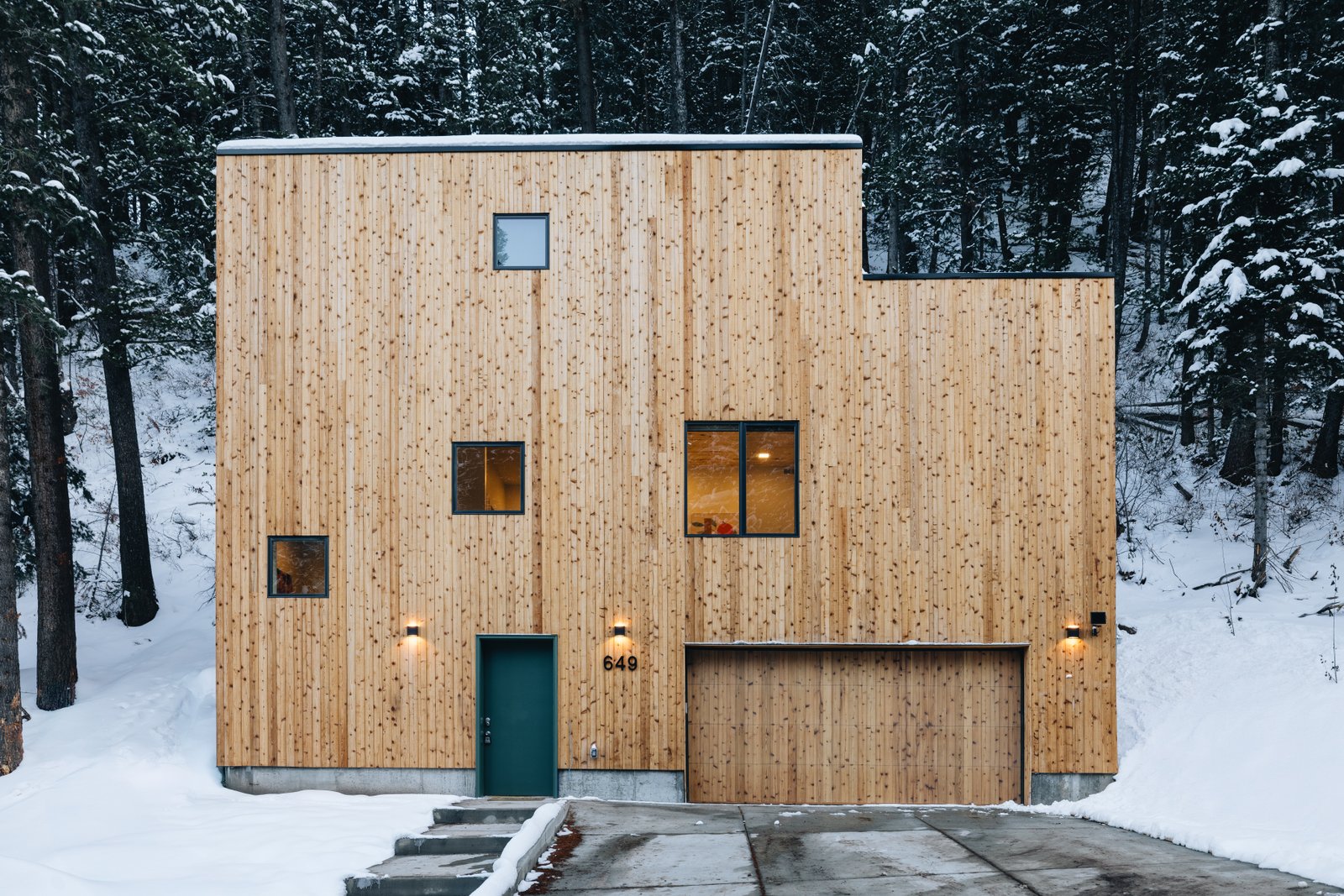
    Because of this, I have long had the goal of building a house and short-term rental in the mountains. Firstly, I felt that there weren’t a lot of design-focused options in many mountain towns. You know, something clean and minimal. And secondly, I wanted a place that could embody and share our love of the mountains with others. As many of you know, this resulted in Parkview Mountain House. Globizen partnered with two regulars on the trip and we created what we refer to as a “creative retreat.”

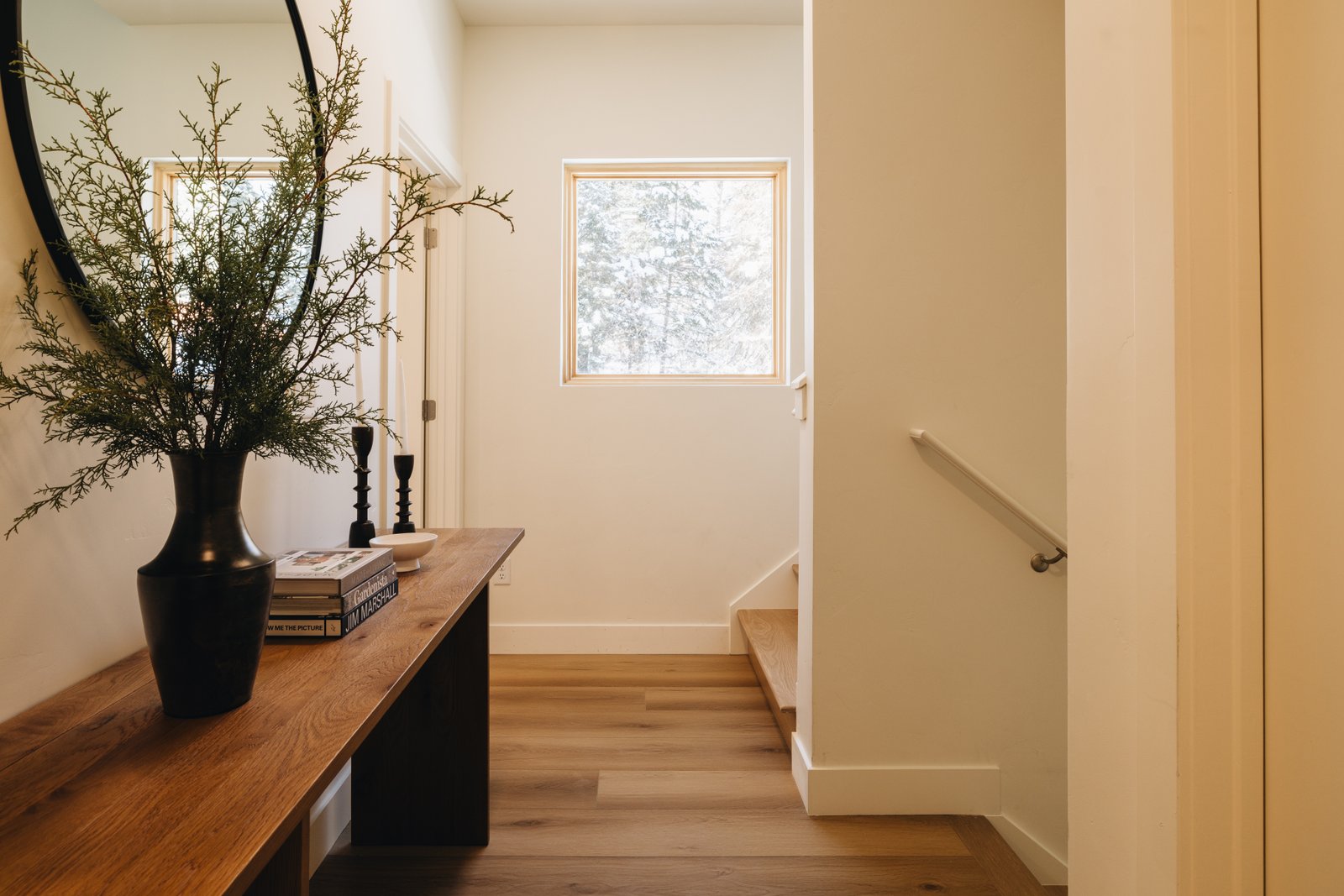
    Here are a few photos of the house:

    Today, I’m super excited to announce that bookings are now open at PMH! If you’d like to book a stay, you can visit AvantStay’s website (who is our hospitality manager) or you can book through Airbnb, if you prefer that. Because we’ve just gone live, all of the rates are at an introductory level while we build up our initial review base. So now is a good time to get something in the calendar this winter (or next summer which is also a really beautiful time). Neat B and I, and a few friends, will be there later this month and we can’t wait.

    Cover photo by Alex Moliski on Unsplash
  • Ten Years of Turning

    November 24, 2024 · View original


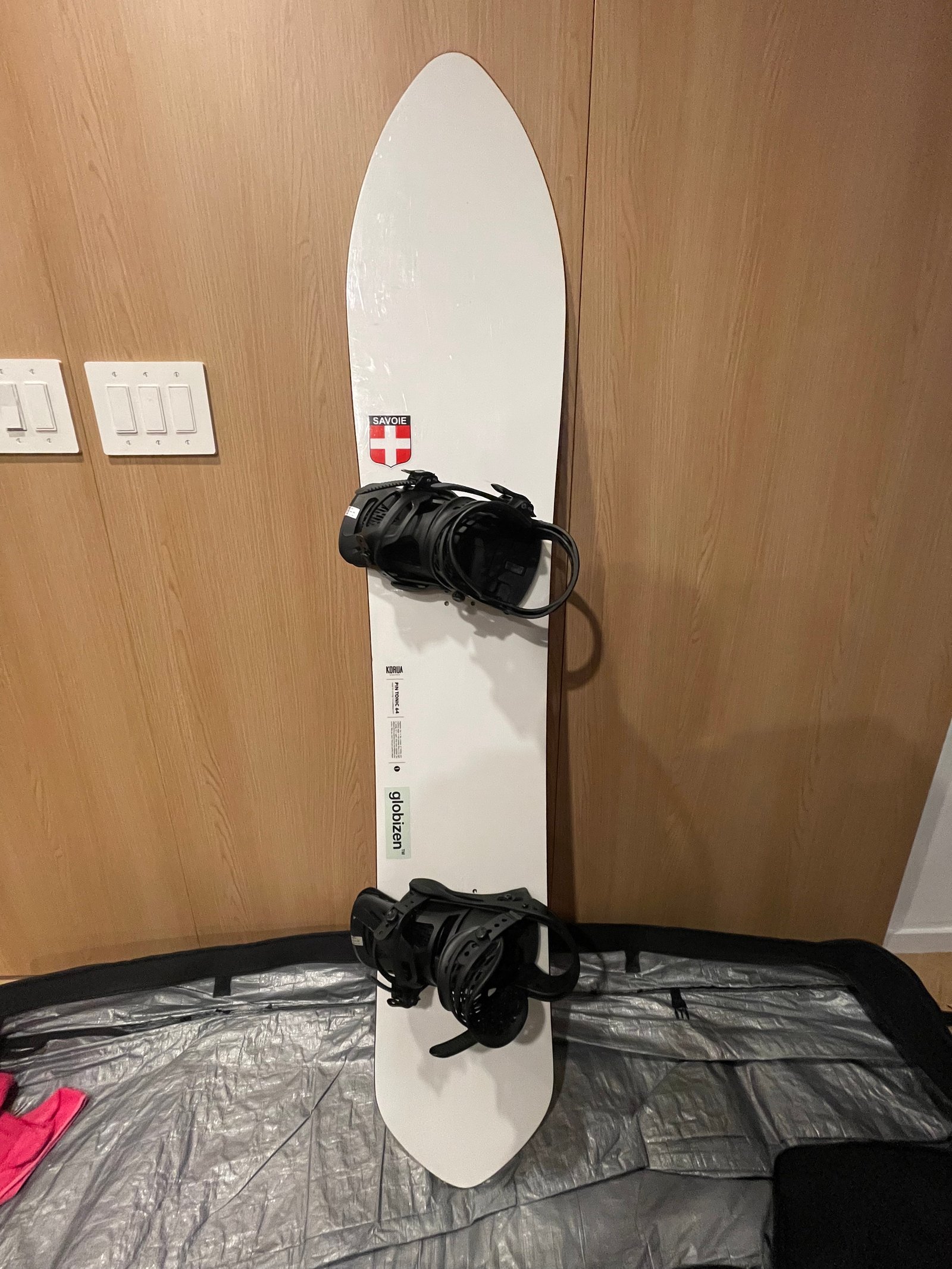
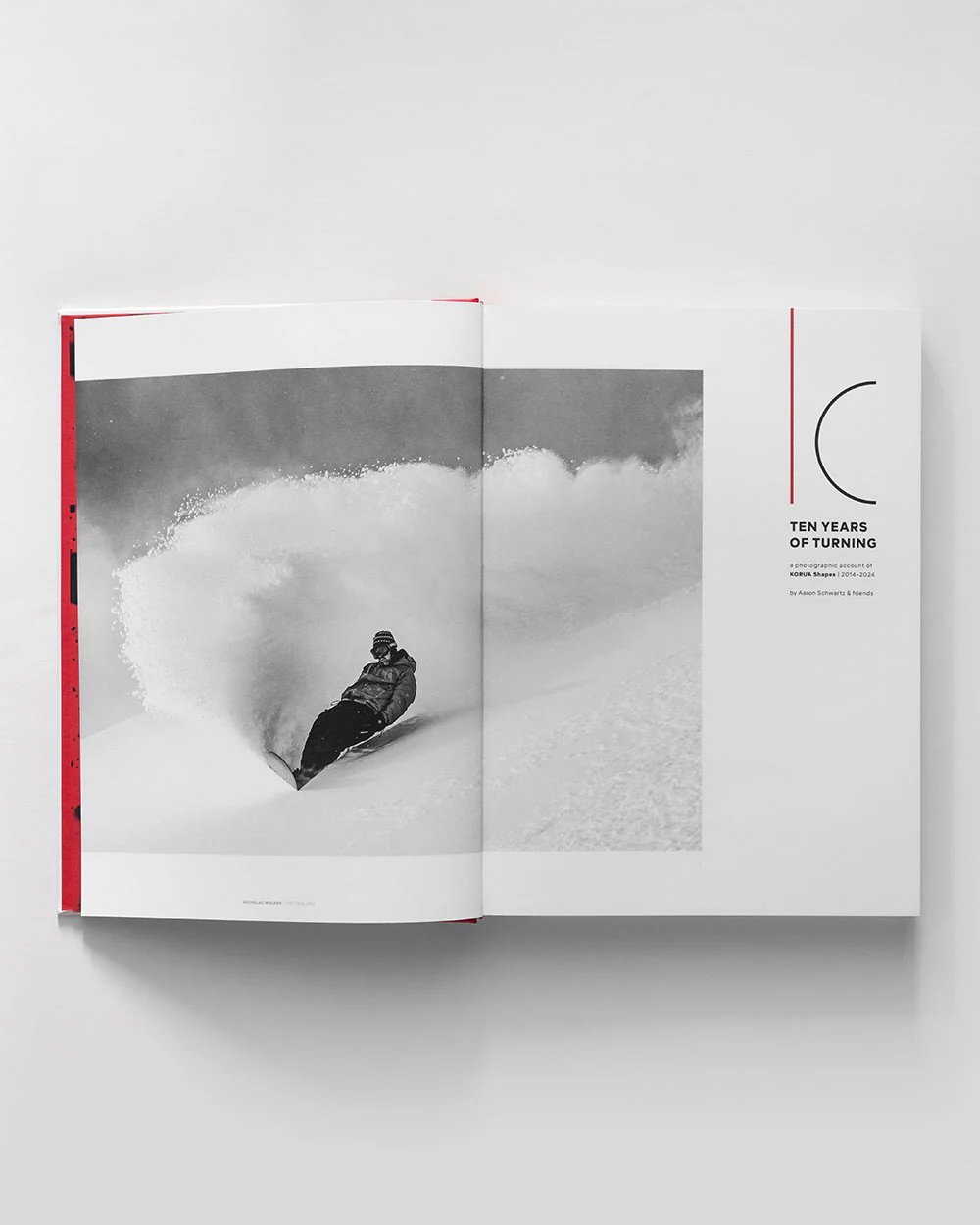
    This weekend marks the opening of many of the resorts in Utah, and so I’ve got snowboarding on the mind right now. The social media algorithms have officially switched me over from cycling videos to ski and snowboard videos. I’m ready to go. The snowboard I have been using for the last few years is from a German company called KORUA. Their story is that the company grew out of a trip to Japan. A group of friends, who were all snowboard nerds in their 30’s, fell in love with the snowboarding culture over there, specifically the focus on “deep powder boards”, and so they decided to return to the Alps and create their own brand.

    The result:

    To date, this has been my favorite board. The shape of it fits my riding style and I love the absolute simplicity of it. None of their boards have any designs or graphics — they’re just different shapes (optimized for different kinds of riding) with an all white top and an all red bottom. I joke that it’s the Christian Louboutin of snowboards. But it’s not really. The KORUA brand is all about performance, the aesthetic beauty of being in the mountains, and the simple pleasure of turning a board on snow. If you’ve ever watched any of their videos or if you follow them on the socials, you’ll know that they have a very unique aesthetic. Black and white. Super simple.

    To this end, they’ve just released a new photo book called Ten Years of Turning. The book tells KORUA’s brand story through the lens of Aaron Schwartz, who is their in-house photographer. He’s been with them since the founding of the company in 2014. And even though I’ve only seen a few of the pages online, I follow Aaron and I already know that this is a book we’re going to need to have hanging around at Parkview Mountain House. If you’re into snow and beautiful things, you may want to check it out as well.

  • Paris may have the busiest bike route in the world

    In my opinion, we need far better urban data if we’re actually going to make evidence-based decisions. Thankfully, there are lots of great companies that are focused on this space. One of them is Eco-Counter, which makes devices to count pedestrians and cyclists, among other things. This is an important job, because as Peter Drucker used to say, “you can’t manage what you don’t measure.”

    Let’s look at their bike counters. According to their global map, they have 464 of them installed around the world. Montreal has 58 of them, which we’ve spoken about before, and is an impressive install base. And Toronto looks to have only one, which is located on Bloor Street on the north side of High Park.

    The busiest route/counter in Montreal is at St-Denis Street and Rue des Carriéres. So far this year — up to November 17, 2024 — this counter has seen an average of just under 5,000 trips per day and a year-to-date total of 1,600,468 trips. Both of these metrics are notably up compared to 2023 when I last looked at the data.

    The busiest route in Eco-Counter’s entire network is on Boulevard de Sébastopol in Paris (an important main roadway, not a side street). It has seen an average of 13,667 trips per day and a year-to-date total of 4,386,996 trips. Not surprisingly, the Paris counter exhibits less seasonality. People still cycle in the winter in Montreal, but it’s less than in the warmer months.

    Finally, our lone Toronto counter adjacent to High Park has seen an average of 1,186 trips per day and a year-to-date total of 380,813 trips. Not quite Paris or Montreal (the latter of which has a colder climate), but I would argue that this really isn’t an indicative location for Toronto given how underdeveloped the area is. Plus, you need to see each route as part of a network.

    If you look at Montreal’s top 5 bike counters, all of them have a year-to-date total that exceeds 1 million trips. This is important information if you’re trying to make mobility decisions and these are significant figures. Imagine if these millions of people got off their bikes and instead decided to take transit or drive a car. That would change things.

    Photo by Celine Ylmz on Unsplash

  • Cité Radieuse, Duplex Type E

    Le Corbusier’s Cité Radieuse in Marseille is, as I have mentioned before, one of the most important and influential multi-family buildings of the 20th century. As an architecture student, this is one of those buildings that you get indoctrinated with, so I was excited to visit it for the first time with Neat B in 2022 on what was our second visit to Marseille. We’re big fans of the city. Here is the post I wrote following that visit.

    Today, let’s look at one of the actual suites, which is currently listed for sale through Architecture de Collection. But first, a reminder: The complex was originally constructed between 1948-1952 and was meant to serve as a new housing model for post-war France. In 2016, the building was designated a UNESCO World Heritage Site and, today, you’ll sometimes find things like a Chanel fashion show taking place on its rooftop.

    The suite that is for sale is Type E, which is about 100 m2. It has 3 bedrooms and 2 bathrooms. A balcony. And a view of the Mediterranean. It is listed for 650 000 €, which works out 6,500 € per square meter. For Toronto readers, this is right now the equivalent of C$965,485 or about C$897 per square foot. The monthly copropriété charge is about 300 € and the annual property taxes are about 2000 €.

    Does this seem reasonable or expensive to you?

    For more info, click here.

    Photo by Louis Charron on Unsplash

  • Venice to Venice

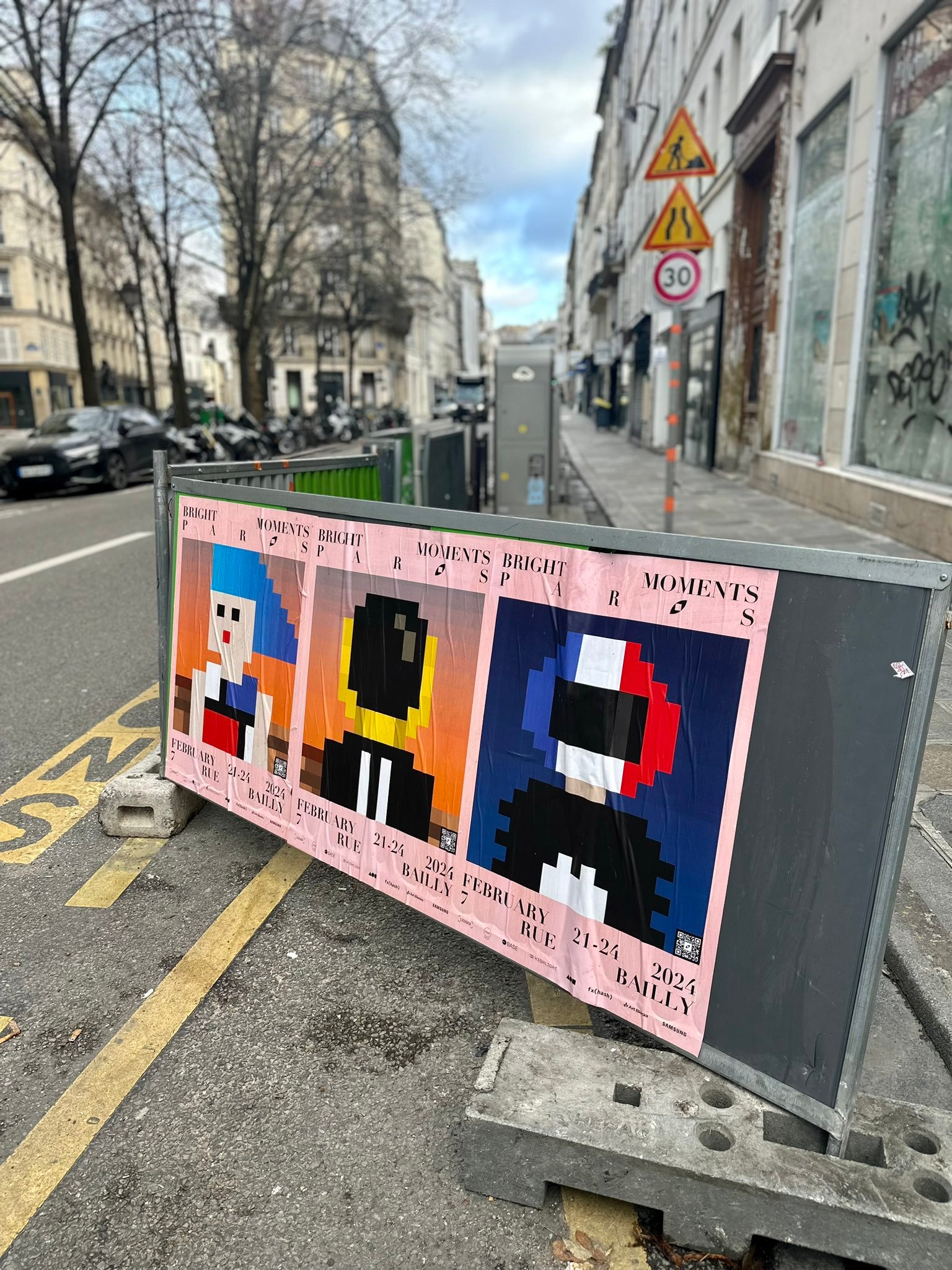
    Crypto Citizens are a collection of 10,000 NFTs that were minted between 2021 and 2024, starting first in Venice, California and ending in Venice, Italy. Each of their 10 locations has a sub-collection of 1,000 pieces and I am the owner of CryptoParisian #112, because, well, Paris was the next best city for me after they egregiously skipped over Toronto.

    This is one of the most ambitious projects in the NFT art community and, now that they’ve completed their world tour, they’ve just released a documentary called Venice to Venice. It is currently being screened in private venues around the world, but eventually there will be a world premiere at a film festival. This is when I presume they will land in Toronto!

    If you’d like to watch the trailer and/or mint it, click here.

    Photo: Seth Goldstein

  • Call with a Paris developer

    I had a call with a developer in Paris earlier this week and it was interesting to hear him talk about the new home market over there. It sounded a lot like Toronto. Higher interest rates cooled demand. Individual investors largely disappeared. And now developers are having to rethink their strategies and floor plans (including suite sizes).

    But in his view, this isn’t necessarily a bad thing. It now means that you actually have to be a reasonably good developer in order to have a chance at succeeding. You have to design thoughtful floor plans and build great housing. It’s a return to fundamentals, and I would argue that the same thing is happening here in Toronto.

    My other noteworthy takeaway was around social housing. All new developments in the Île-de-France region are subject to inclusionary zoning. I believe the requirement is 30% of the suites. These suites are then purchased by social housing operators, and it is one of the ways that new supply is created in the market.

    We talk a lot about IZ on this blog, but what’s interesting about this approach is that it becomes a forward sale for the developer. Meaning, it helps to de-risk projects. Before doing anything, you know you’ve sold 30% of your inventory, and somehow the numbers all work. European social housing math is baffling to me.

    I am now wondering if this creates some kind of incentive to keep development costs in check. Because if social housing operators are expected to buy 30% of all new homes, then they too are going to want them to be as cost effective as possible. I’m speculating though; I don’t know that this is the case.

    If you’re a developer or real estate person in Paris, please get in touch. I’d love to learn more about your market and trade notes.