Daily insights for city builders, delivered every morning at 6 AM ET. I’m Brandon Donnelly — a Toronto-based real estate developer and founder of Globizen. I’ve been writing here since 2013.

  • Biking the Dolomites

    September 8, 2025 · View original


    Yesterday, Bianca and I biked around 60 km from Cortina d’Ampezzo to Dobbiaco and then back again. It was the most beautiful bike ride that either of us had ever been on. Here’s the Strava report.

    Leaving Cortina, we were on a paved bike trail that had one side dedicated to cyclists and one side dedicated to pedestrians. The views of the valley were breathtaking — both the mountains and the community itself. It felt like we were riding through an idyllic mountain town that couldn’t possibly be a real place.
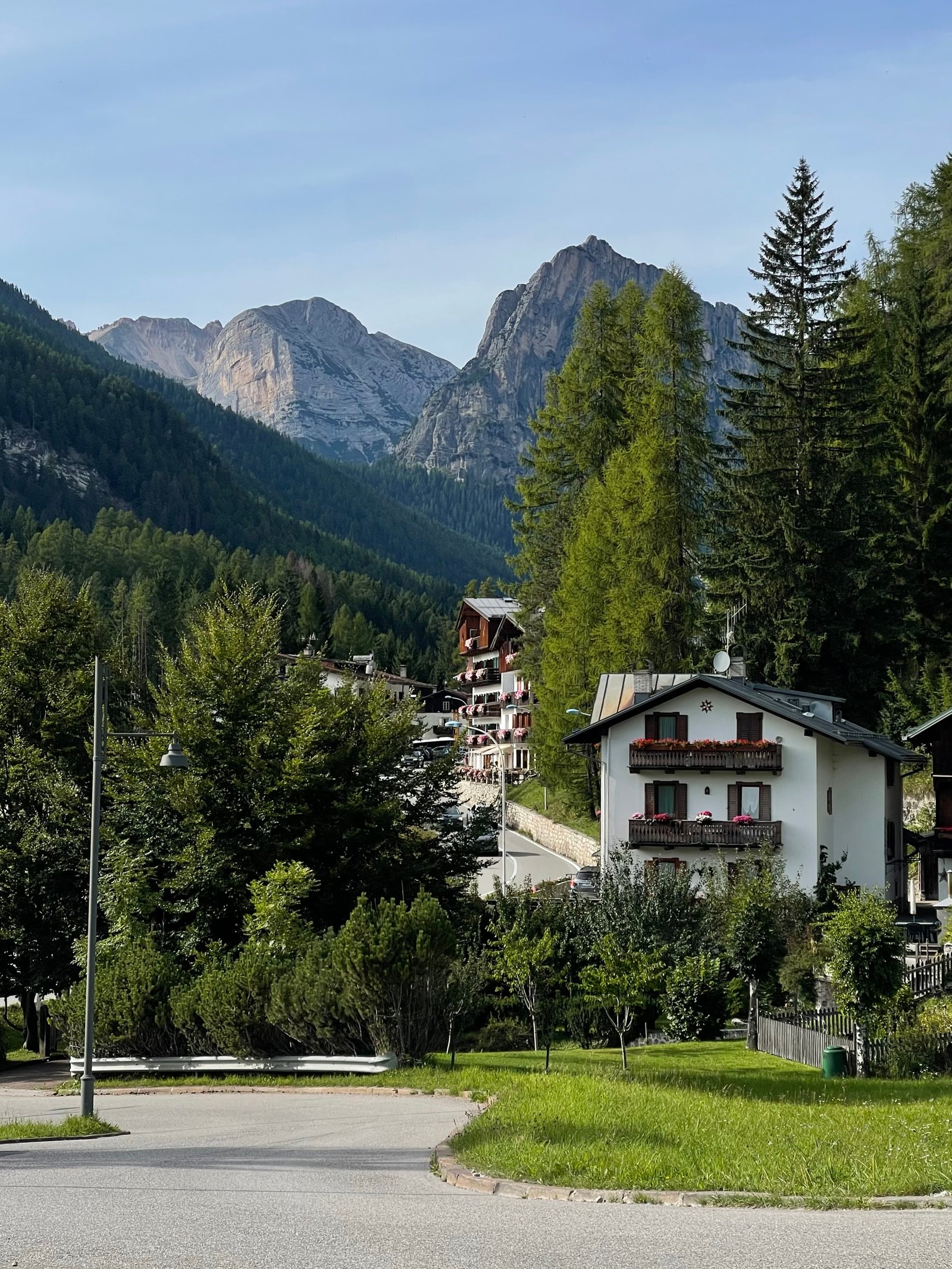
    The trail then switched to gravel and that’s what we rode on through most of the mountains, including over bridges and through mountain tunnels. I couldn’t tell you how many times we had to stop to take photos.

    Our first official stop was for a picnic at Lago di Dobbiaco.

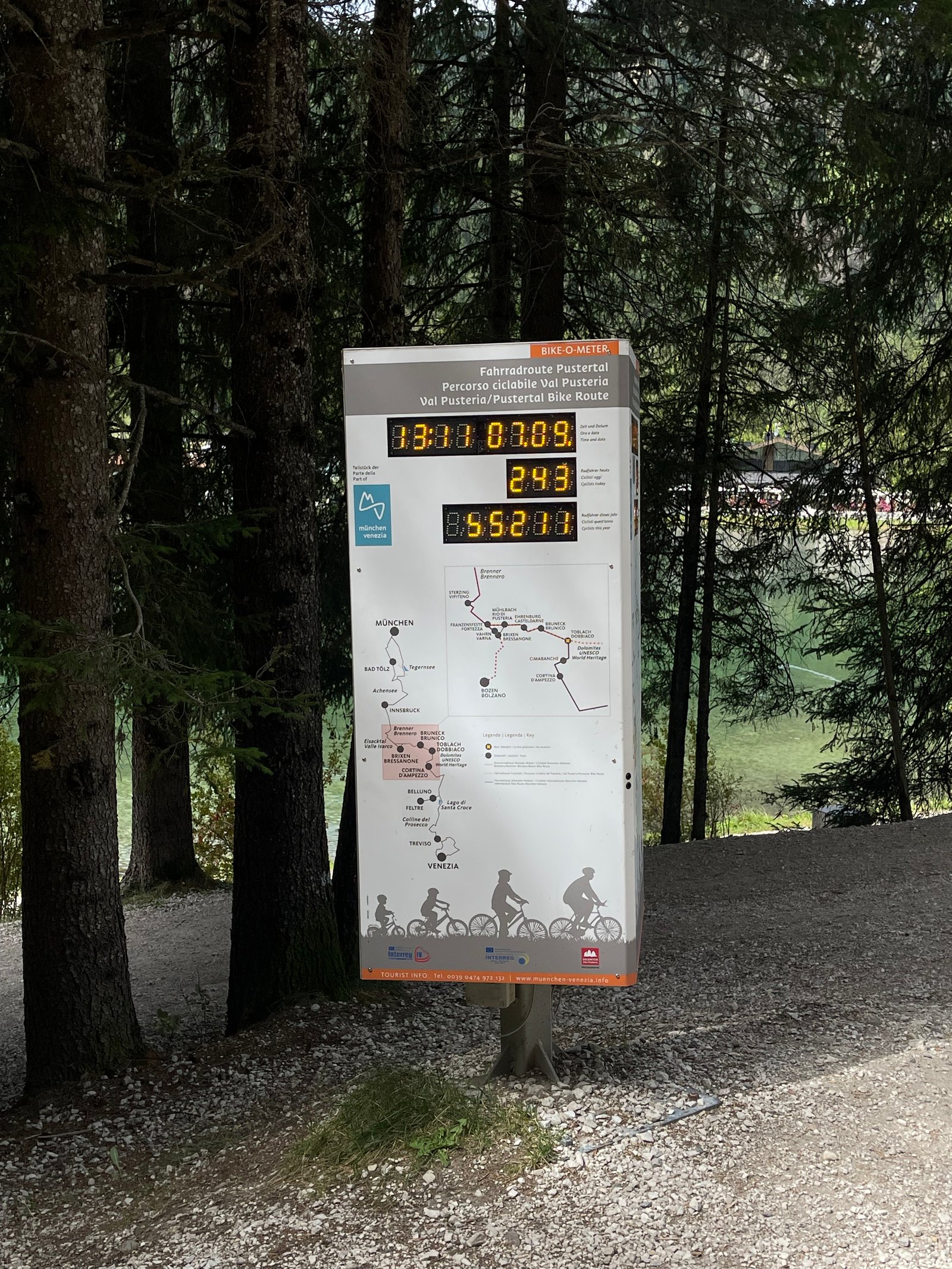
    Here we were greeted by a bike counter. It was 13:11 and we were cyclist number 243 for the day. The counter for the year was acting up, but I’m guessing it was trying to say between 50-60k cyclists year to date. It was also here that we learned we were on a 560-kilometer trail that runs from Venice to Munich, all the way through the Alps. That would be a fun adventure for another day.
    Overall, the cycling infrastructure was incredible. It was one of the things we were most impressed by. When we arrived in the predominantly German-speaking town of Dobbiaco — which is also known as Toblach in German — we were on a dedicated bike path that looked like this:
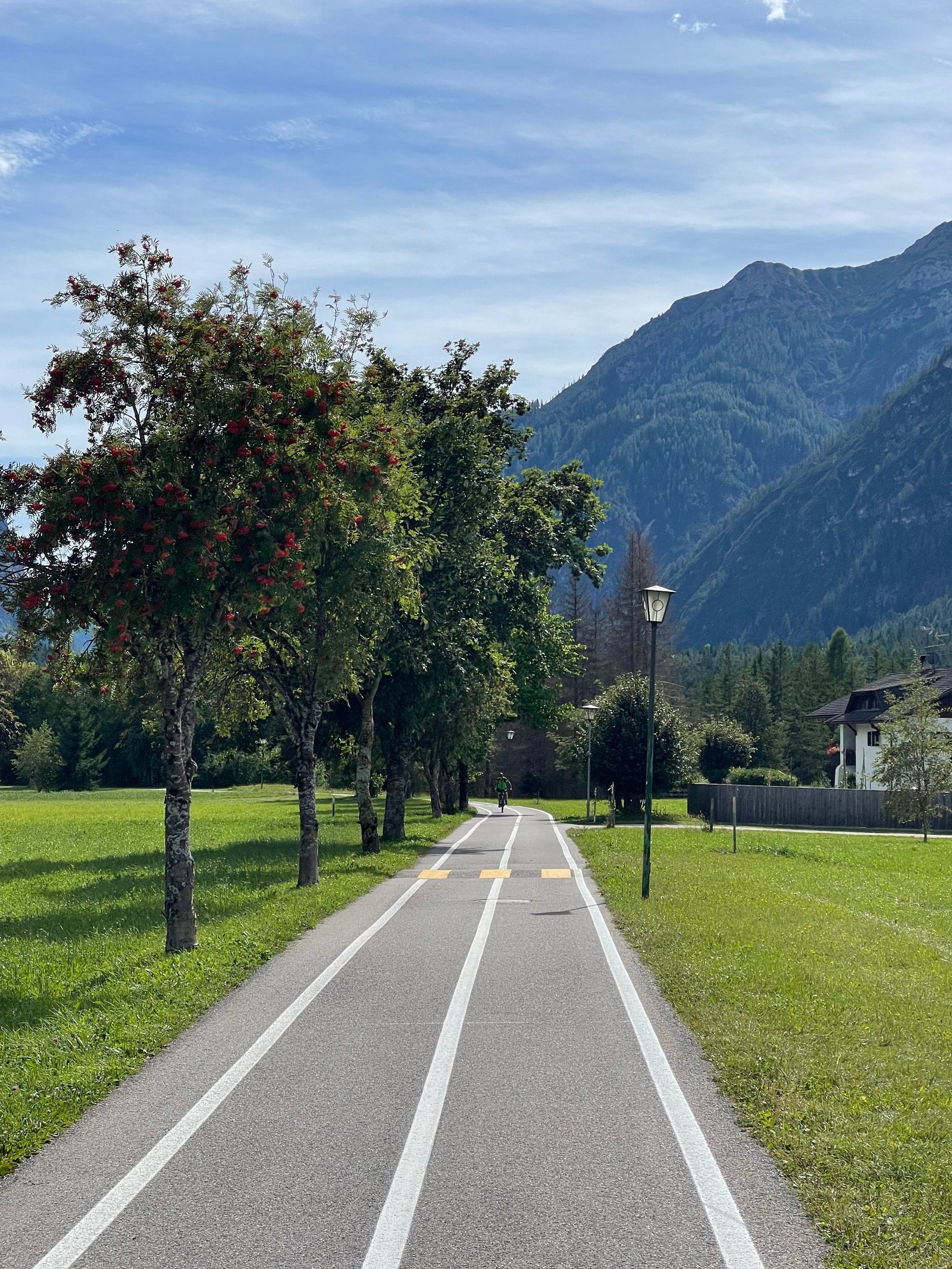
    I couldn’t even find any roads leading to some of the homes we were passing. It seemed like residents would have to drive their car onto the bike path just to get home. And once we arrived in the center of town, we were presented with bike lanes, like this, to take us around and underneath busy traffic roundabouts.

    > Tweet: This tiny German-speaking town in the Italian Alps has the most incredible bike lanes I have ever seen. https://t.co/gL6jAVqaWt

    This is some of the most impressive biking infrastructure that I have ever experienced, and it’s in a small town of 3,300 people. It’s also an alpine town that gets bitterly cold winters — significantly colder than even cities like Toronto. So if they can make this happen, why can’t we?
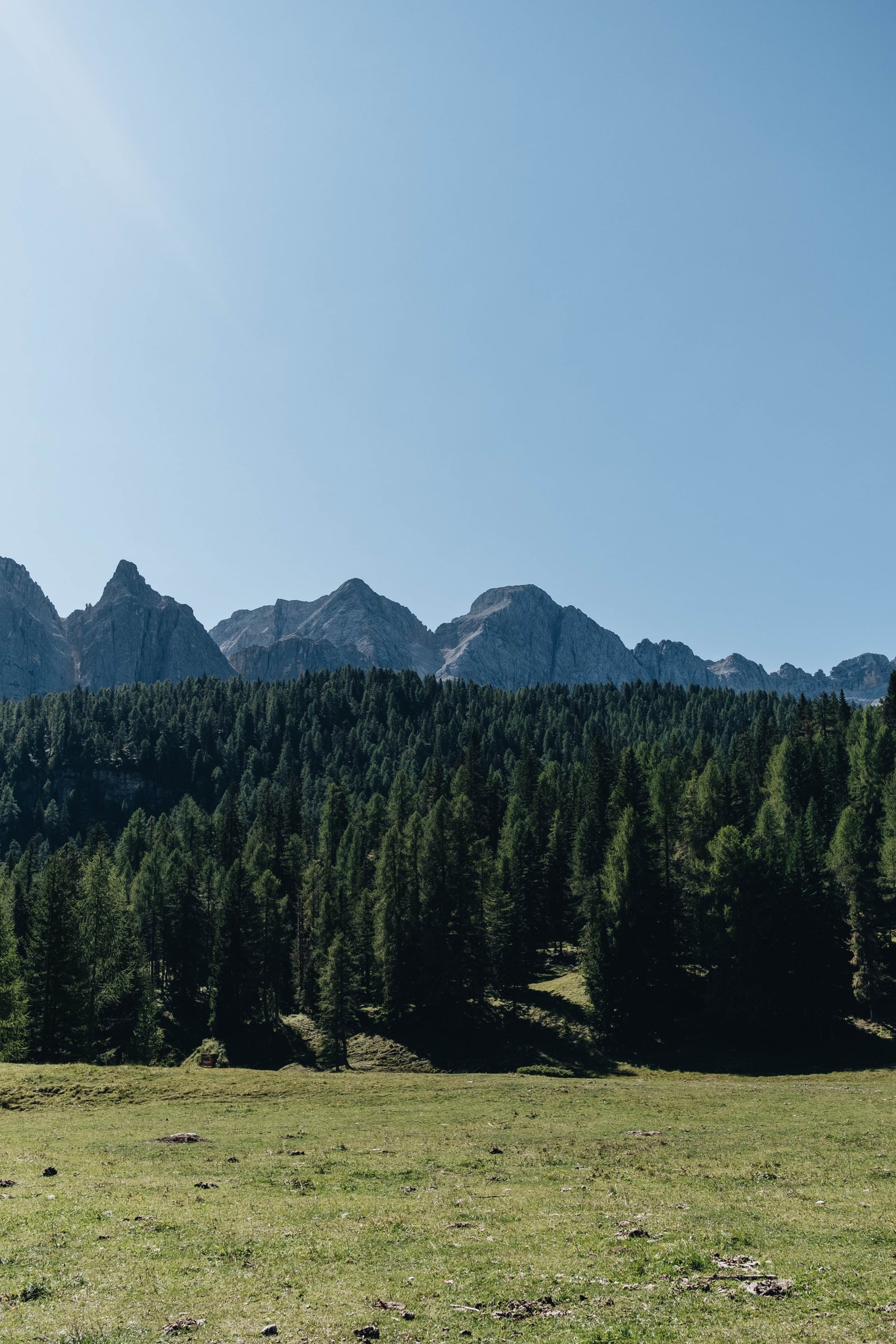
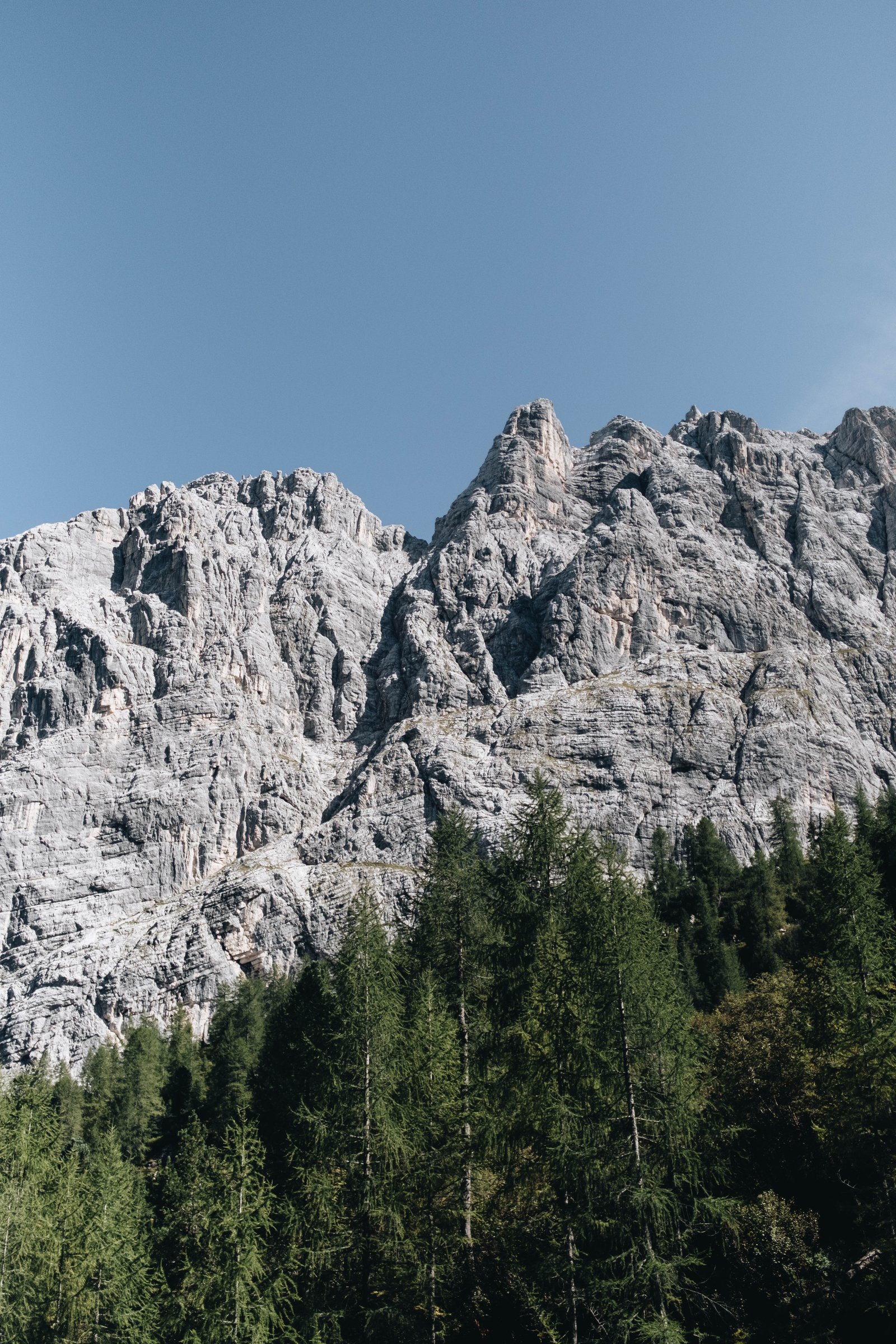
  • Hiking the Dolomites

    September 7, 2025 · View original


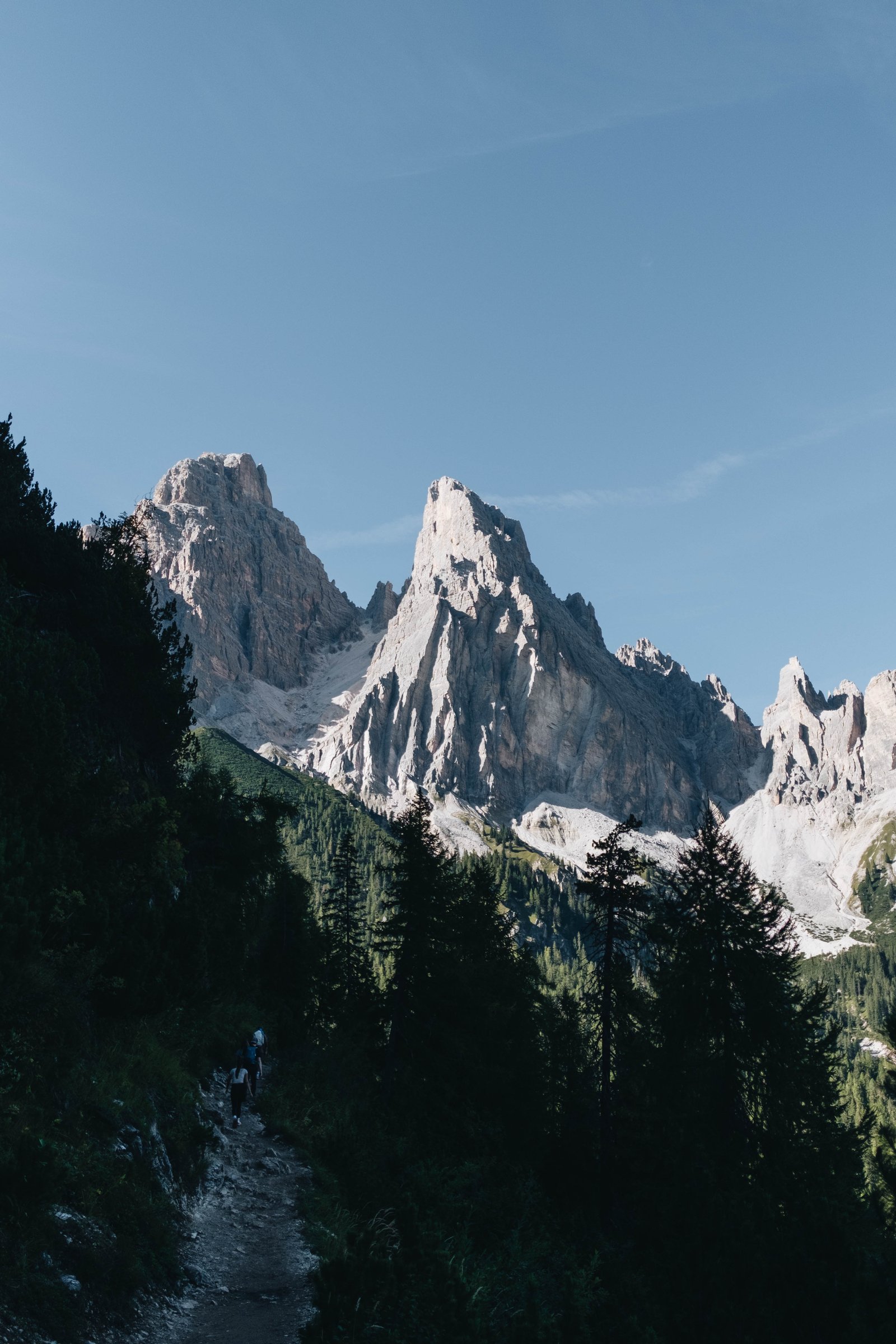
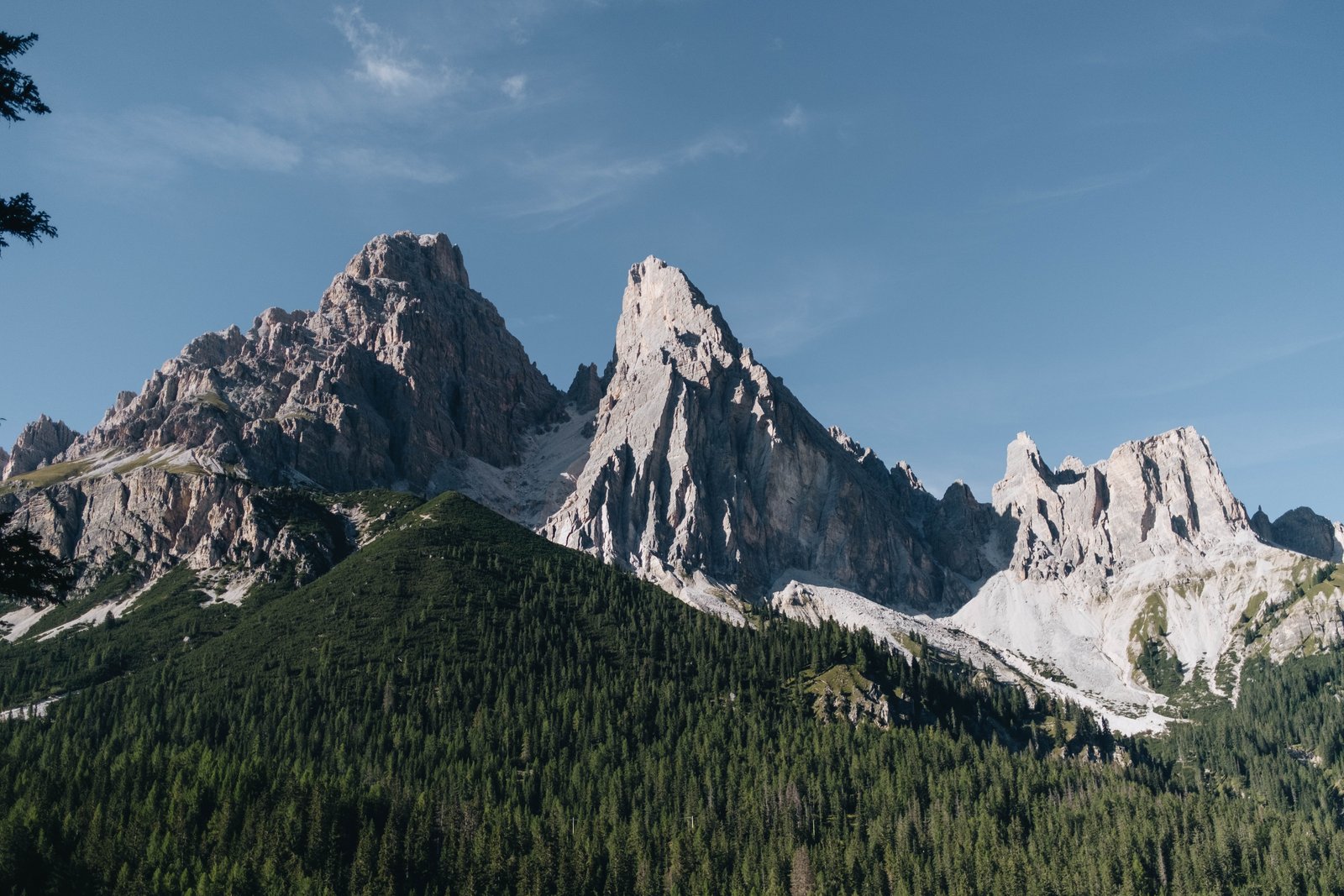
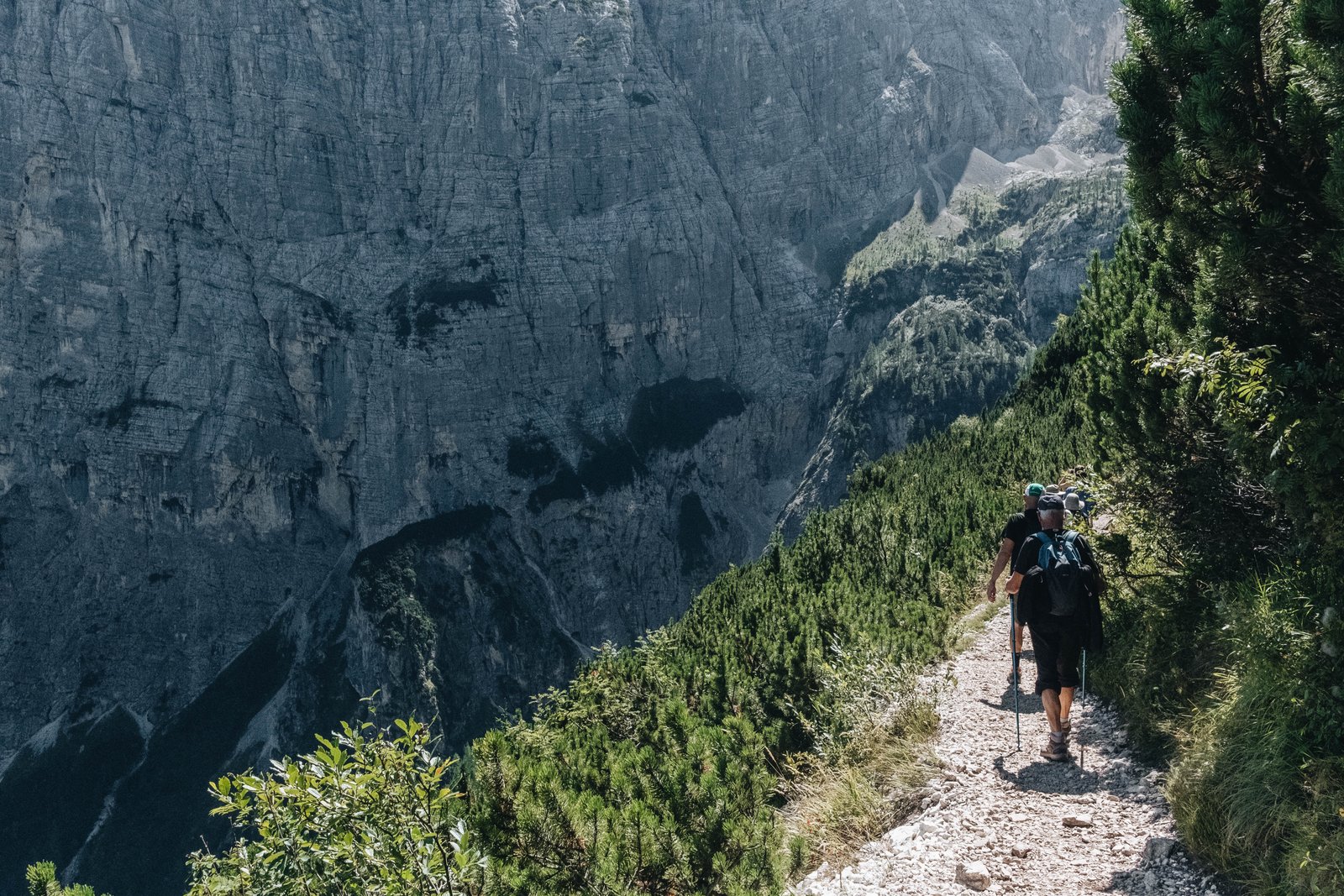
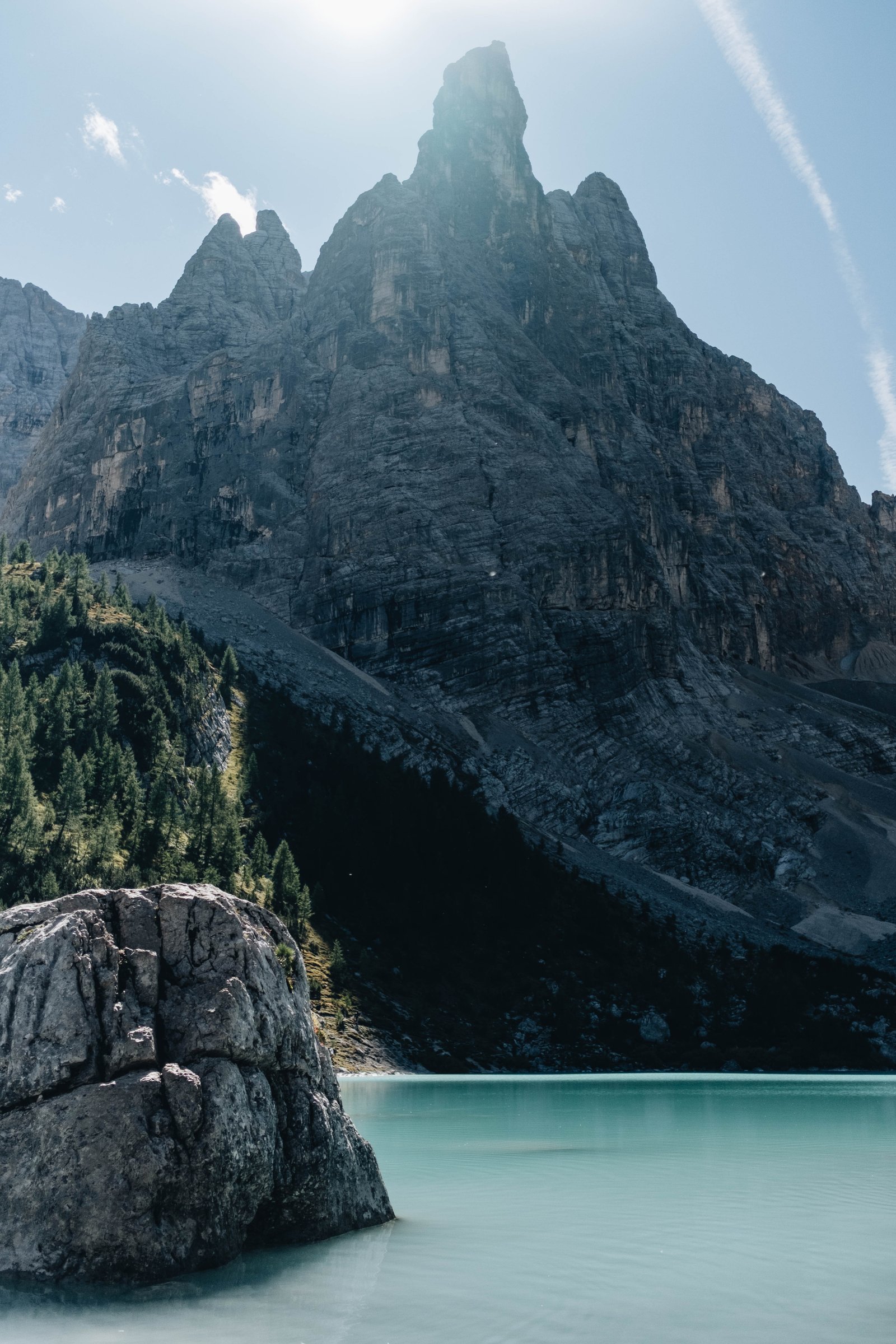
    The Mediterranean is out, and the Alps are in. Yesterday, we hiked over 12 km up to Lago di Sorapis in Cortina d’Ampezzo (here’s the Strava post). It was definitely on the more difficult side, but not as difficult as something like the Grouse Grind in North Vancouver — which has been called “Mother Nature’s Stairmaster.” The difference here is that there are a handful of exposed faces with steep drop-offs, the kind that immediately make my palms sweaty and force me to grab the steel support cables with everything I’ve got. The views and payoff (Lago di Sorapis) were worth it though. The Dolomites are such a beautiful and unique mountain range.

  • From food to real estate — how ratings impact consumer behavior

    September 6, 2025 · View original


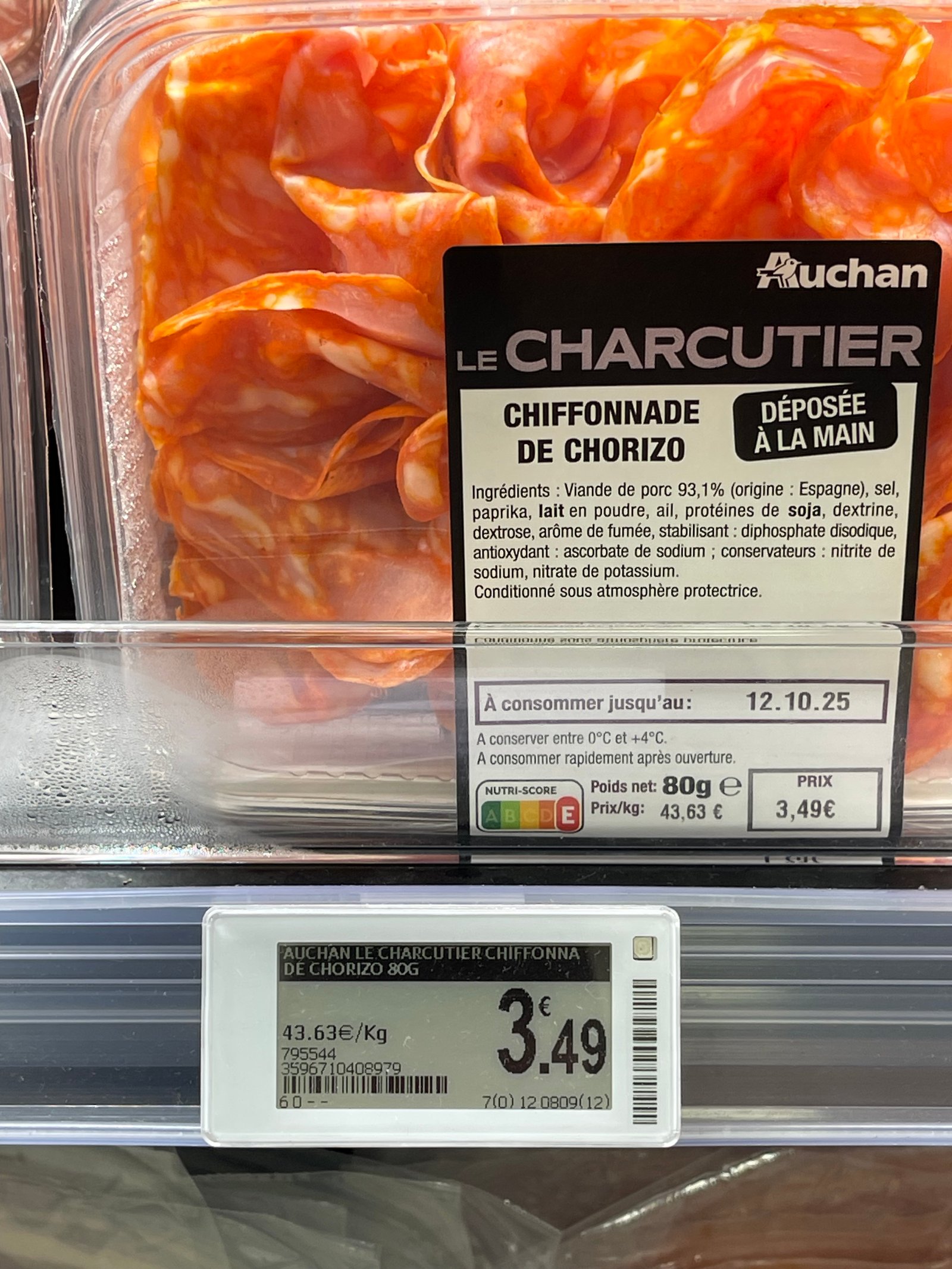
    France uses a nutritional rating system for the front of food packaging called a “Nutri-Score.” Other countries have introduced similar initiatives, but supposedly France was the first to use this particular rating system, which ranges from A (best) to E (worst).

    Here’s what it looks like on a package of chorizo:

    Nutri-Scores were first introduced in supermarkets in 2017 and are applied on a voluntary basis. But having been in a handful of French grocery stores over the last week, I can tell you that it is widely used. So much so that I was more surprised when it wasn’t there. What might they be trying to hide?

    The Nutri-Score is also widely supported by the general public and, according to some surveys, nearly 90% of the French population believe that it should be mandatory on all food packaging.

    So how does it work? The system is based on an algorithm that looks out for good stuff like fruits and vegetables, fiber, protein, and healthy oils, while penalizing bad stuff like sugar, saturated fat, and sodium, among other things.

    It’s an algorithm that is likely to be in constant flux. My understanding is that they have special rules for things like cheese. But regardless, I find that this simple rating system has a significant impact on my buying and eating decisions. Take the above chorizo. It has a score of “E.” Do I really want that or should I go for the jambon next door that has a rating of “B?”

    This also made me think of France’s mandatory Energy Performance Certificate (or Diagnostic de Performance Énergétique). This is a diagnostic that is required of all properties being sold or rented in the country.

    It ranks both energy consumption and CO2 emissions from A (most efficient) to G (least efficient). It also provides recommended renovations. And if you lie — and actual performance deviates too far from the stated rating — you could be in trouble.

    But just like the Nutri-Score, I am sure that these energy efficiency scores similarly affect buying and renting decisions, especially if there’s a capital expenditure recommendation tied to a low score.

    This is how commercial real estate is bought and sold. A building condition assessment is done, somebody comes up with a cost for all the work that will need to be done, and then it gets factored into the price: “Yeah, so, I was going to pay you $50 million, but now I have to spend $2 million on CapEx.”

    But on the residential side, I don’t think this is often the case. Not unless someone is measuring performance and telling you what improvements should be made and, in some cases, need to be made for the property to be legally rentable. Out of sight is out of mind.

    No businessperson, landlord, or entrepreneur wants to deal with more bureaucracy and red tape. But I’m of the strong opinion that too much of the food we eat is over-processed shit. I also believe in continually striving to be better — especially when it comes to our built environment. And that starts with measurement and benchmarking.

  • Nice Méridia

    September 5, 2025 · View original


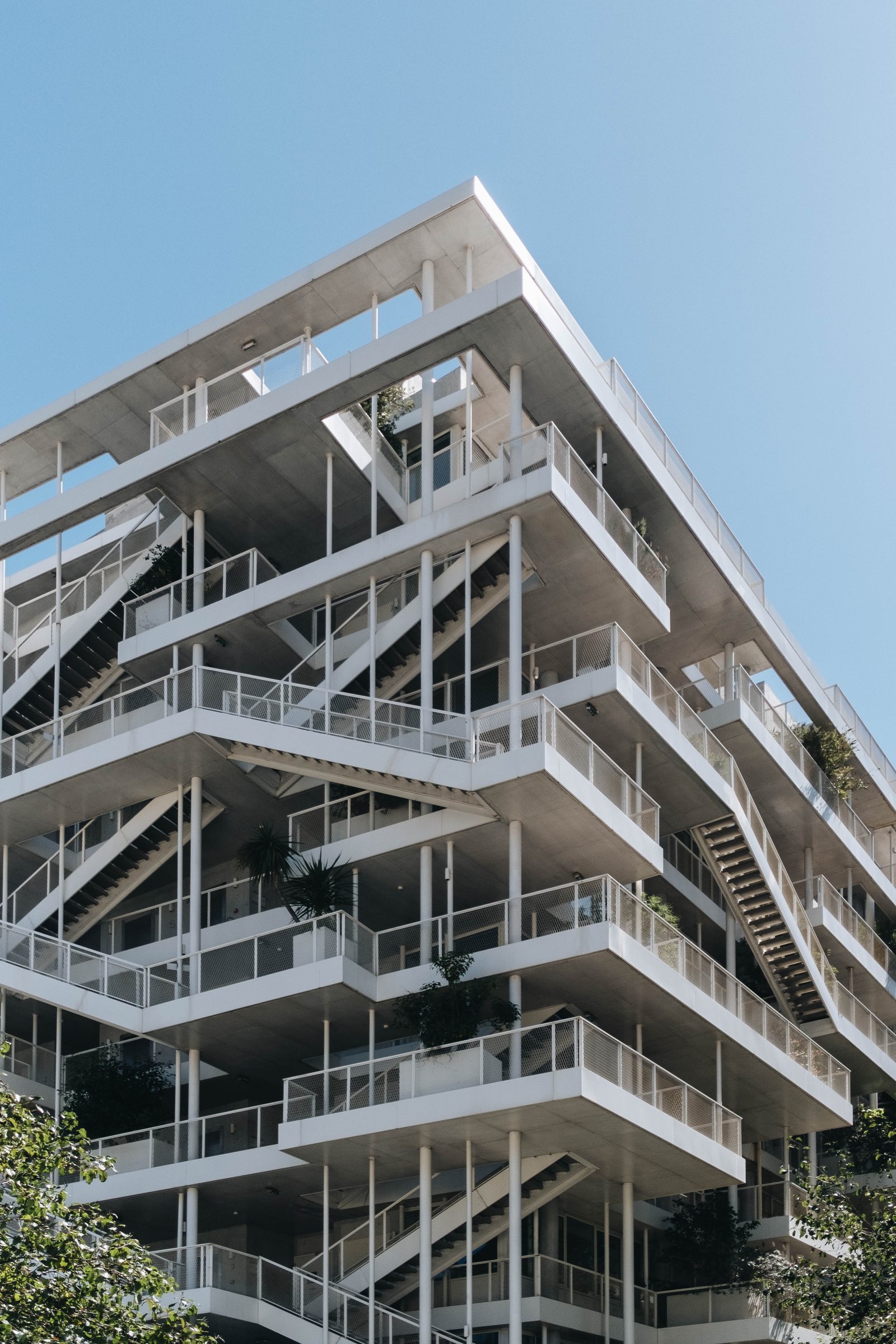
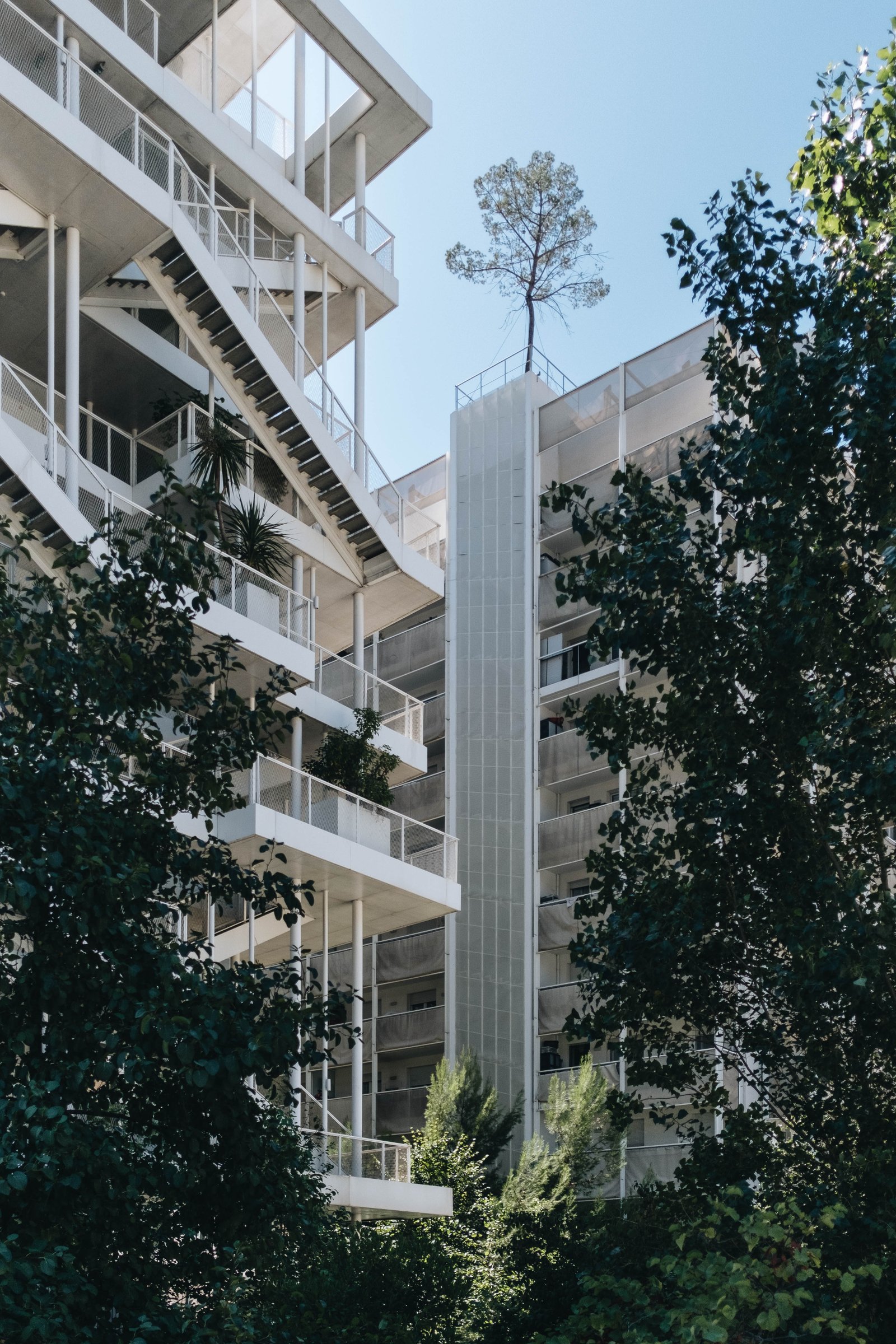
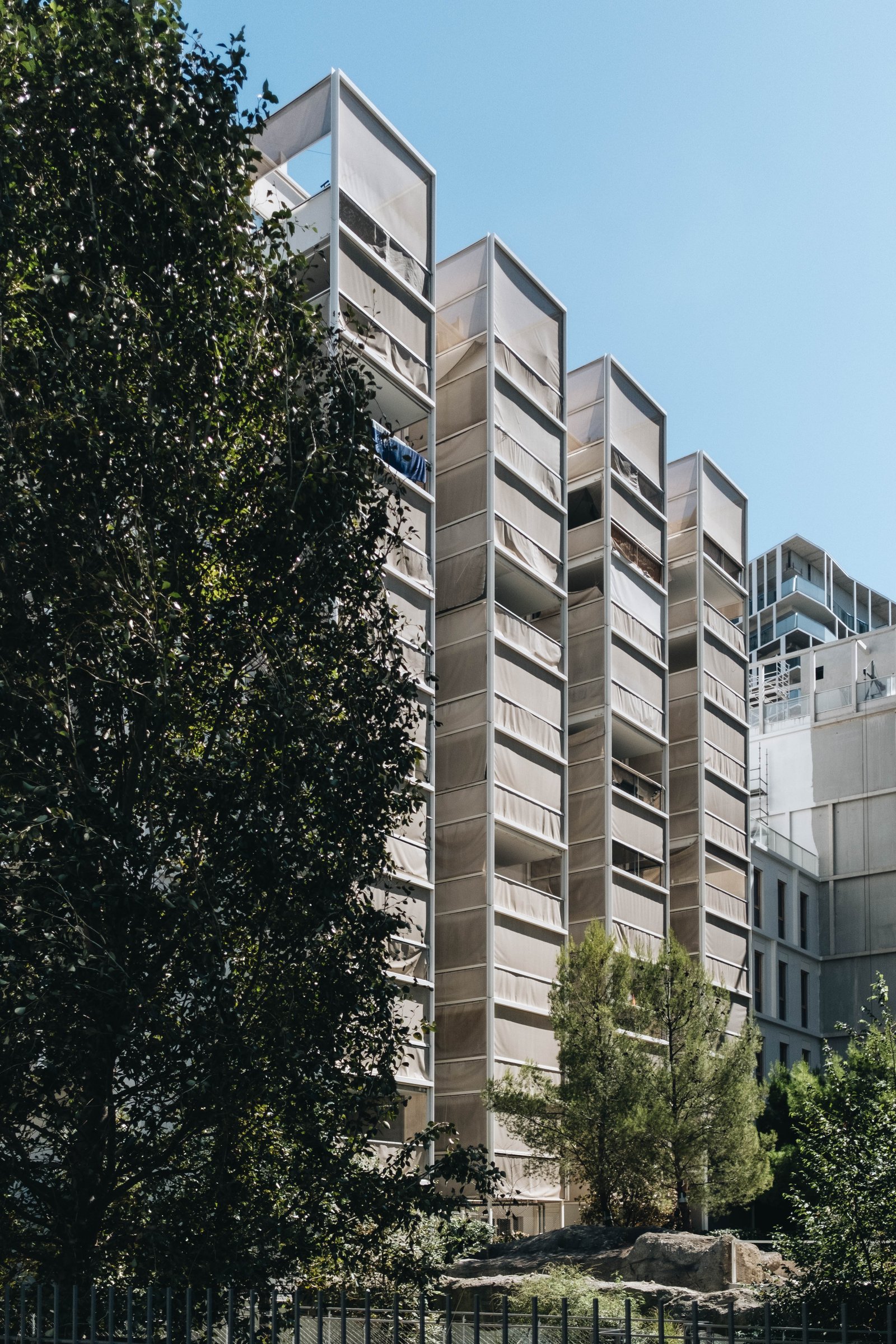
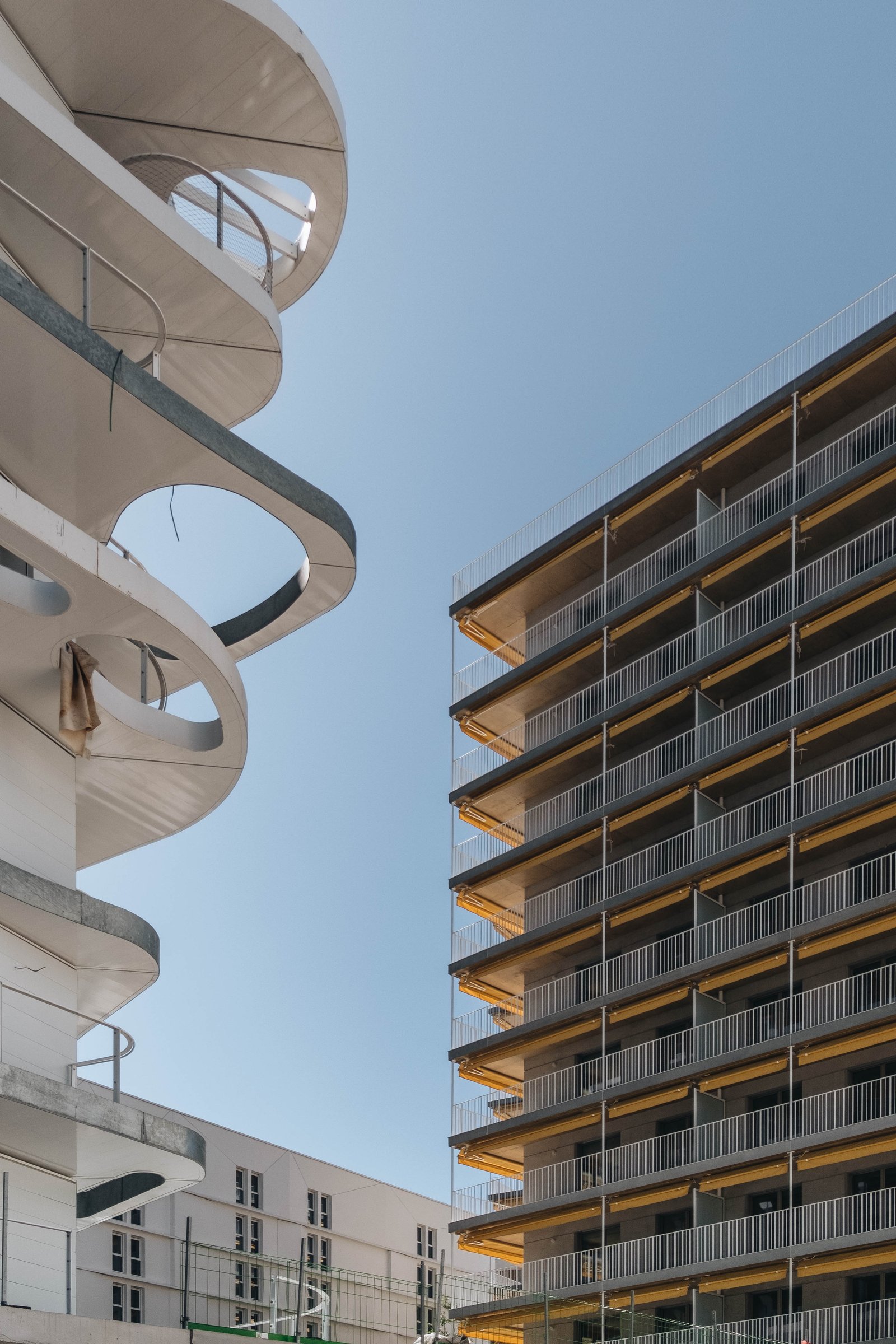
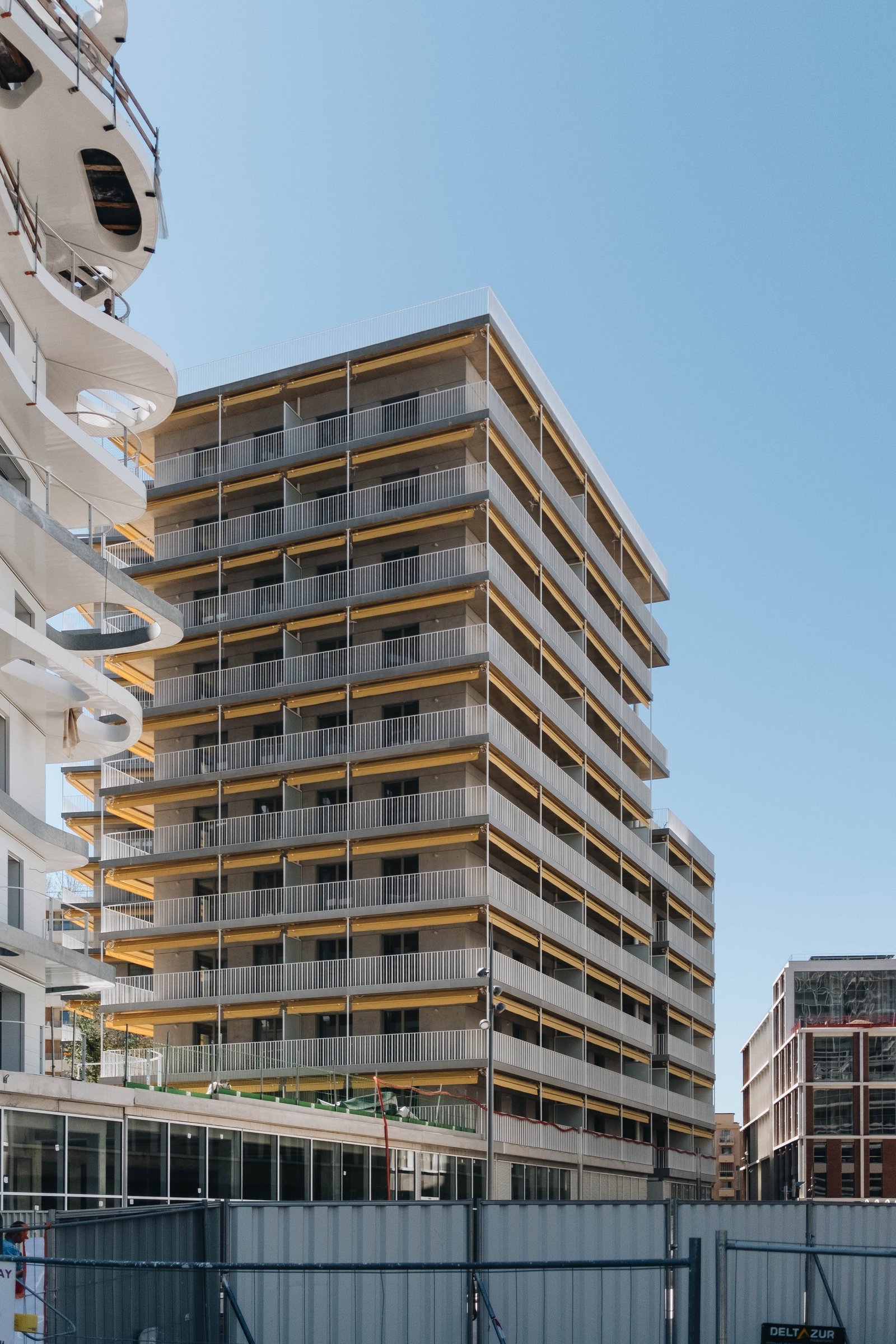
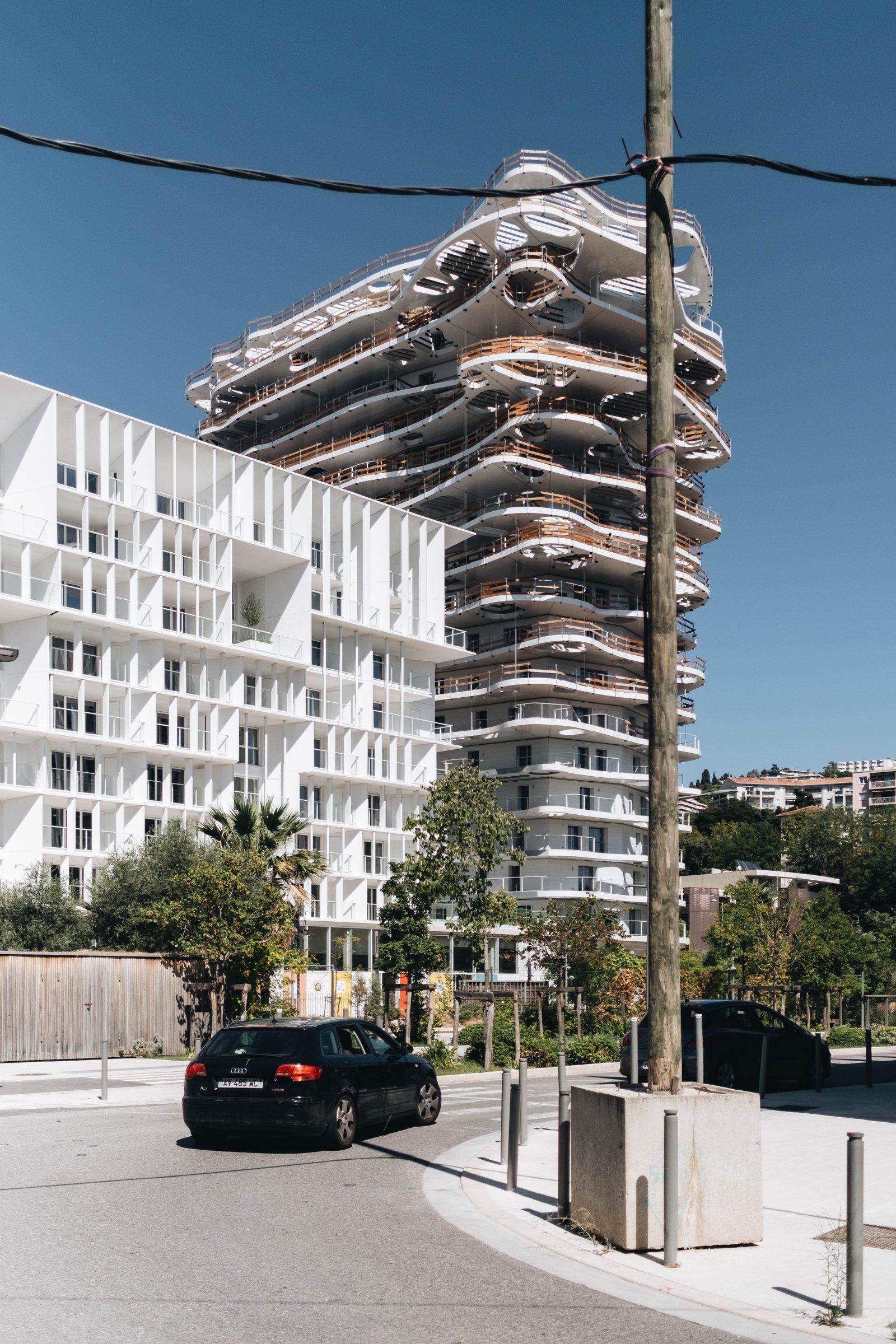
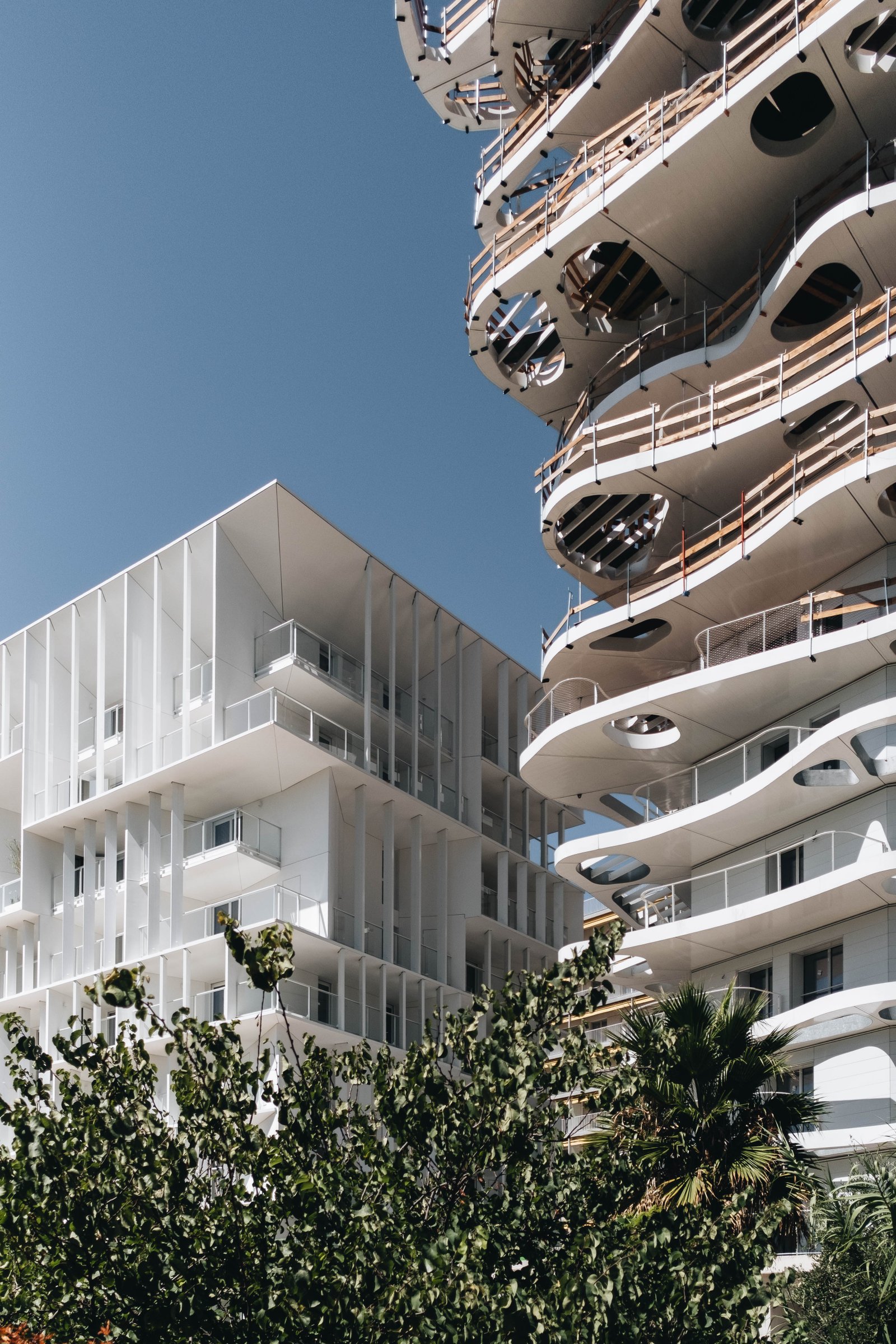
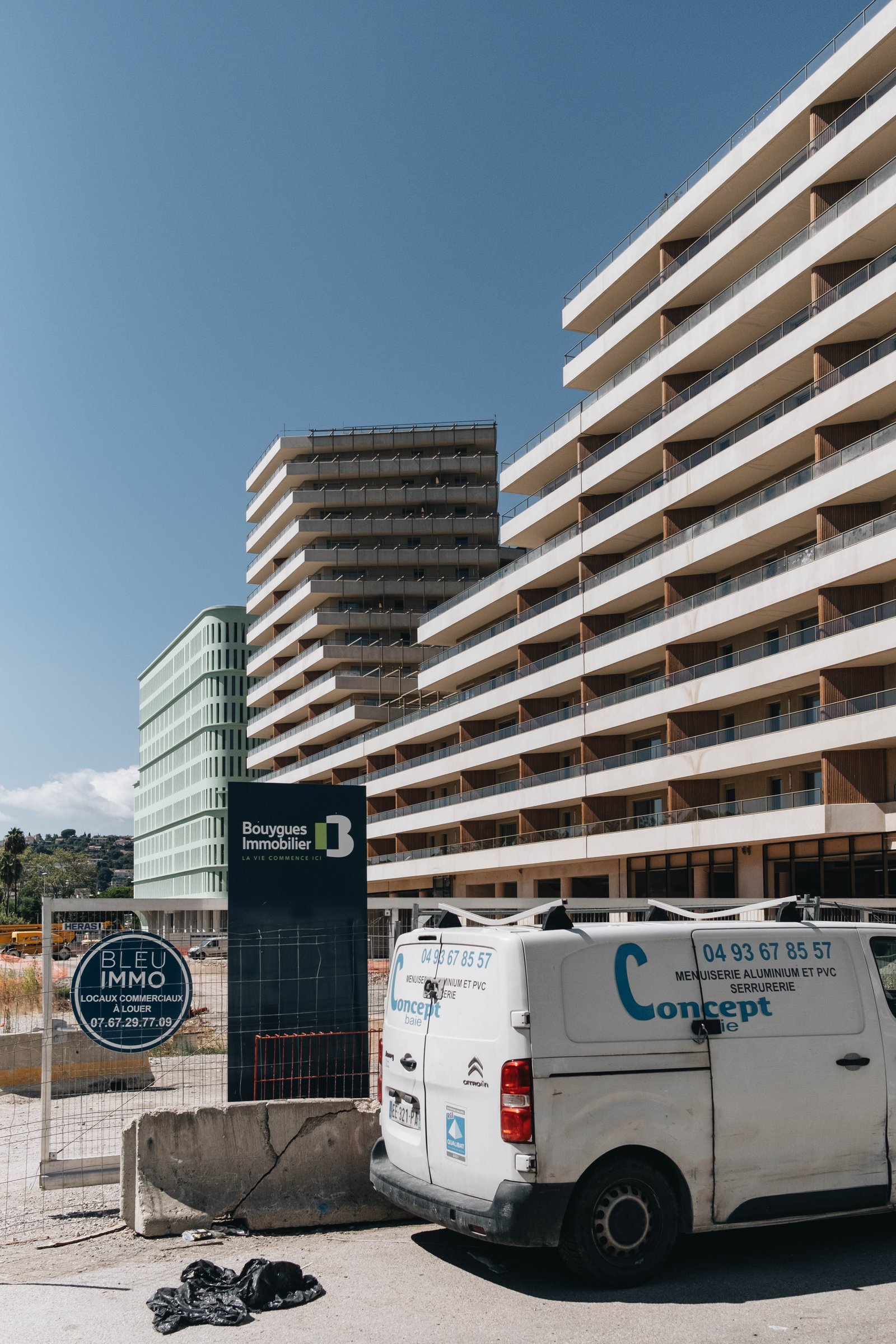
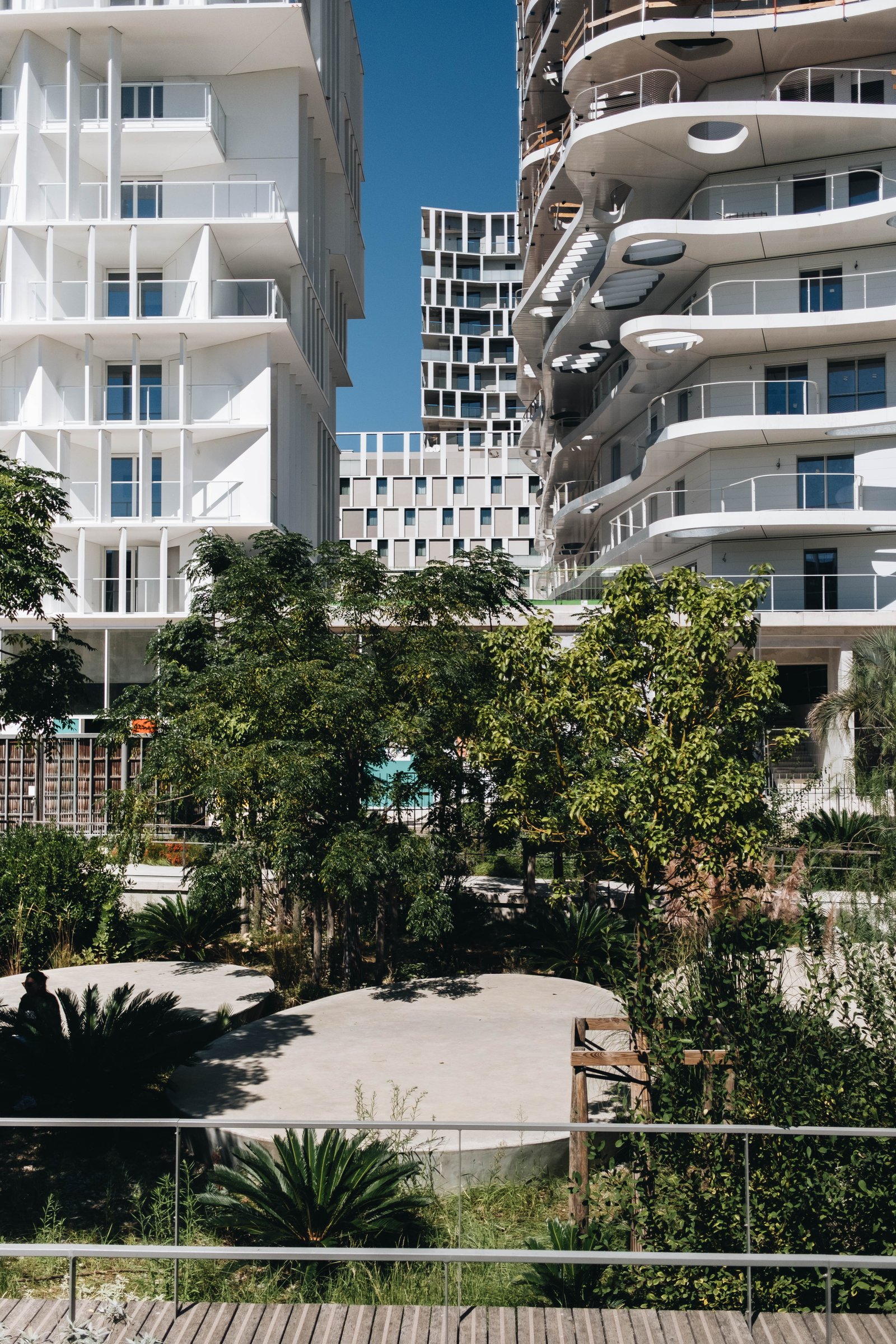
    Today’s post is a follow-up to yesterday’s post about a new community currently under construction in Nice’s Var valley. The following photos were captured on a Fujifilm X-T3 and edited in Lightroom.

  • Exploring new Nice

    September 4, 2025 · View original


    It’s easy to romanticize the oldest parts of Europe’s built environment. But we all know they were built during a different time. A more fair comparison would be to look at how new neighbourhoods are being planned and constructed today.

    So let’s exit Vieux-Nice and venture to an entirely new community currently under construction to the north of the airport called Nice Méridia. When complete, the mixed-use community expects to welcome 5,000 residents, 5,000 students, and 5,000 jobs.

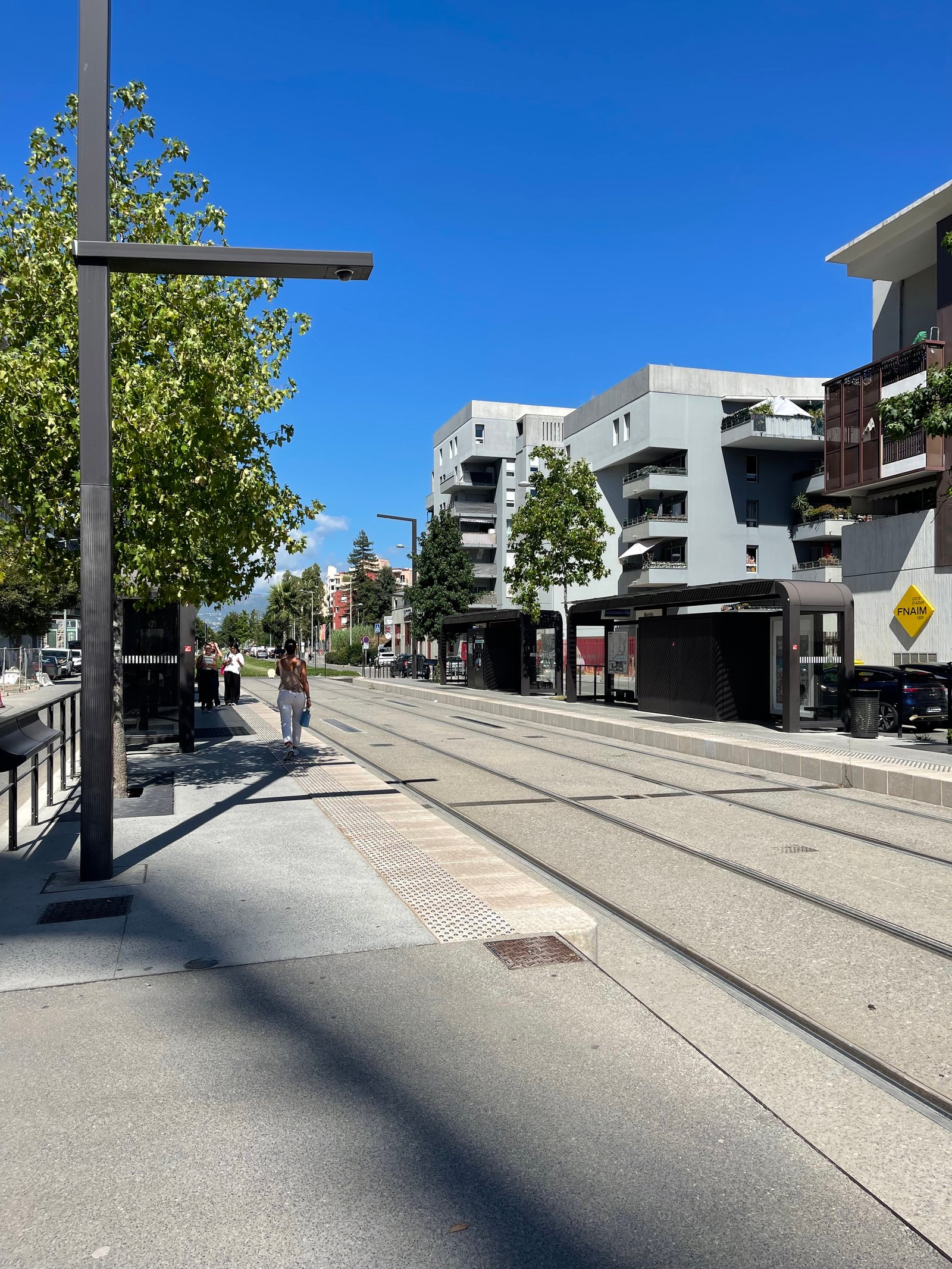
    I don’t know much about the surrounding area, but I do find it noteworthy that the transit infrastructure is already in place. Here’s the tram line that runs on the eastern edge of the community, on its own dedicated lanes. Transit is the clear priority here.

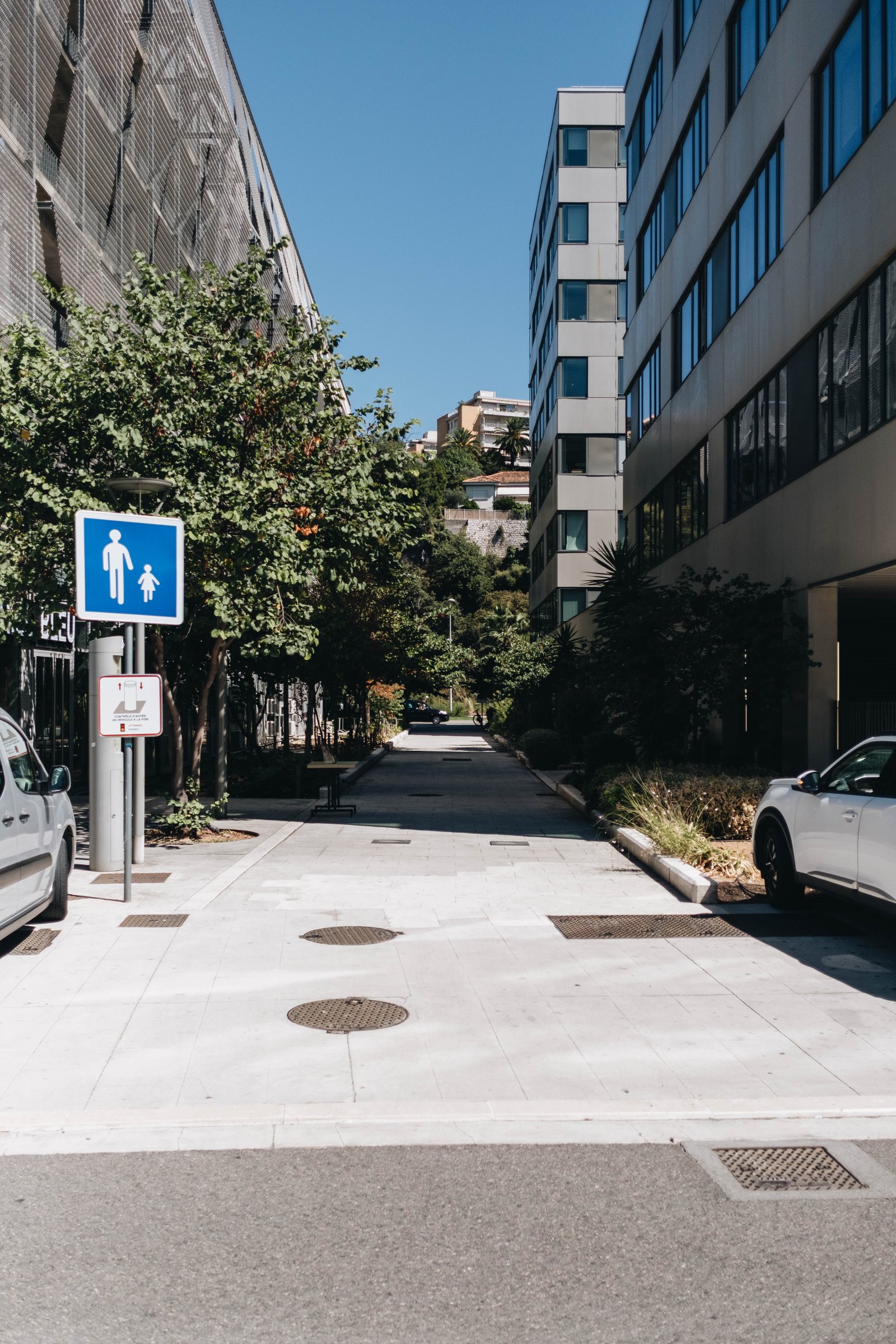
    The community itself is a mix of different street designs. Here, for example, is a narrow street where traffic is controlled by mechanical bollards. North America really needs to get with the bollard program.

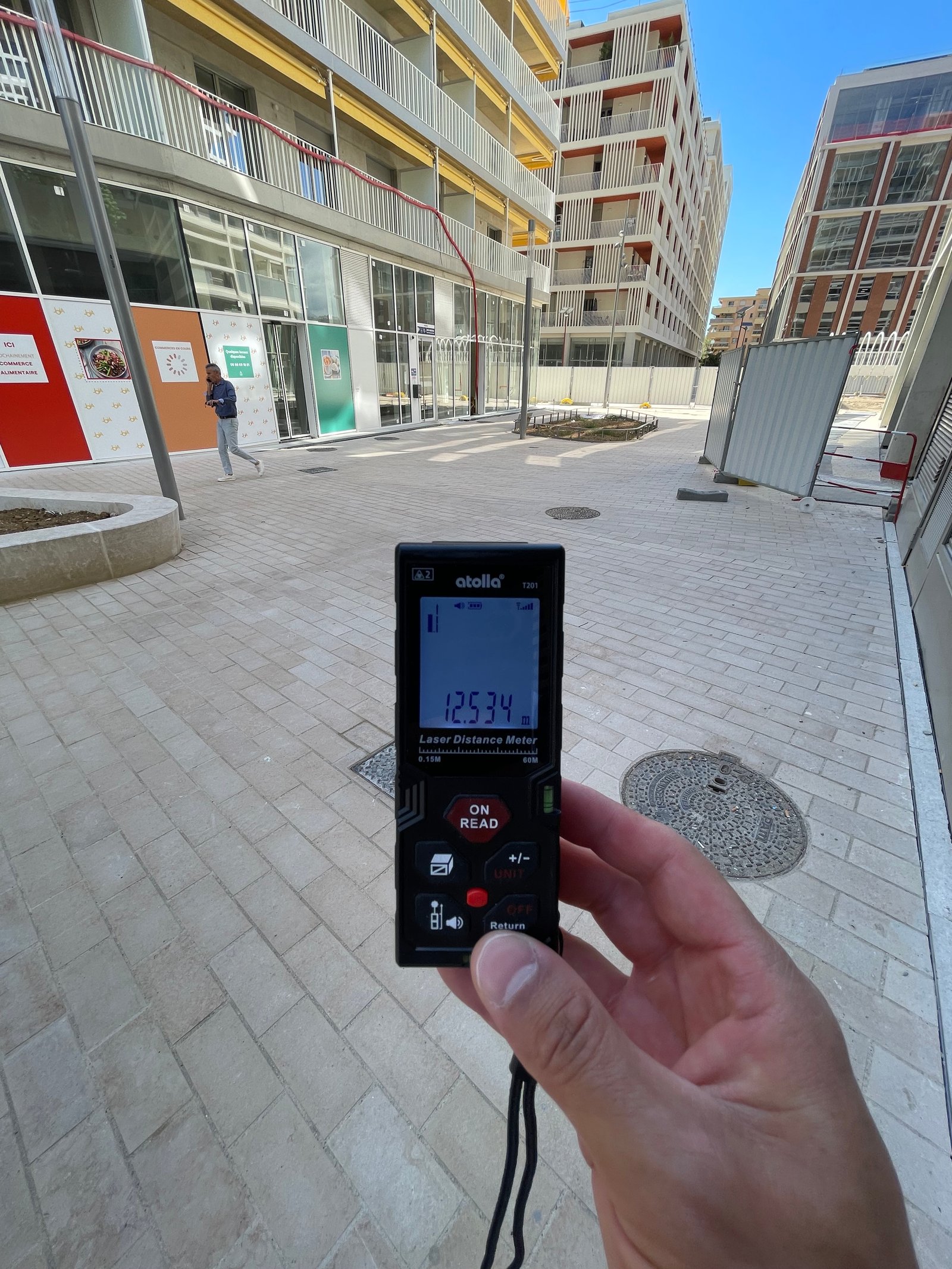
    Here’s a pedestrian-only street that, at its narrowest, is roughly 12.5 meters. So a fairly generous mid-block space.

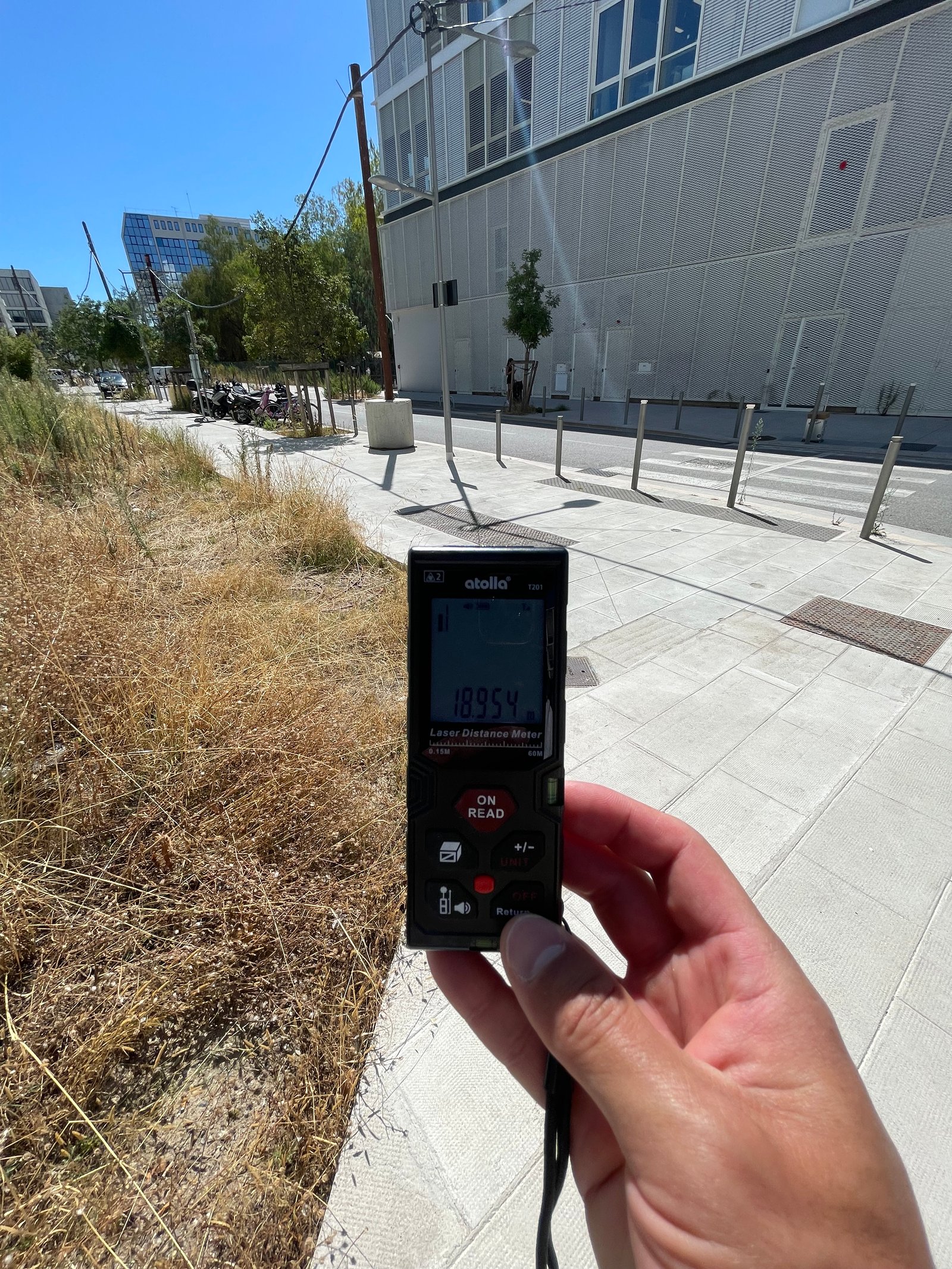
    Here’s what seems to be a fairly typical through street, which clocks in at around 19 meters from building face to building face.

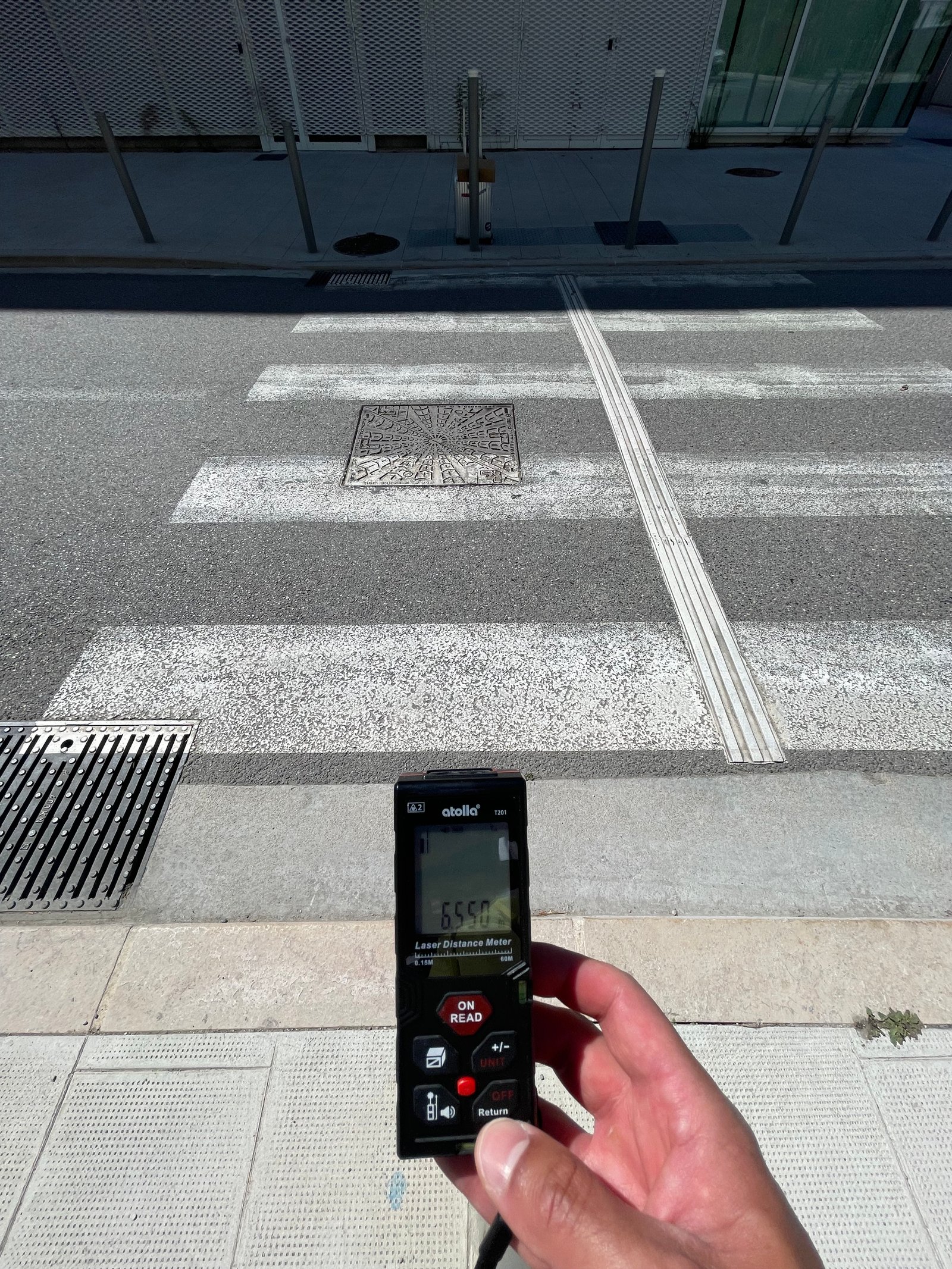
    20 meters is not an atypical right-of-way width. It’s the dimension of most of the streets in the core of Toronto. But here, most of the space is allocated to sidewalks and green space. The space allocated to cars is roughly 6.5 meters. (I’d like to emphasize that this is a rough dimension as I was using my suitcase to pick up the endpoint of the laser.)

    Finally, there’s this incredible green space bisecting the entire community. I don’t have any dimensions for it, but I can tell you it’s a spectacular amenity. With the all-white buildings in the background, it feels a bit like Miami.

    Tomorrow I’ll share photos of the architecture. Stay tuned.

  • La jalousie window shutter

    September 3, 2025 · View original


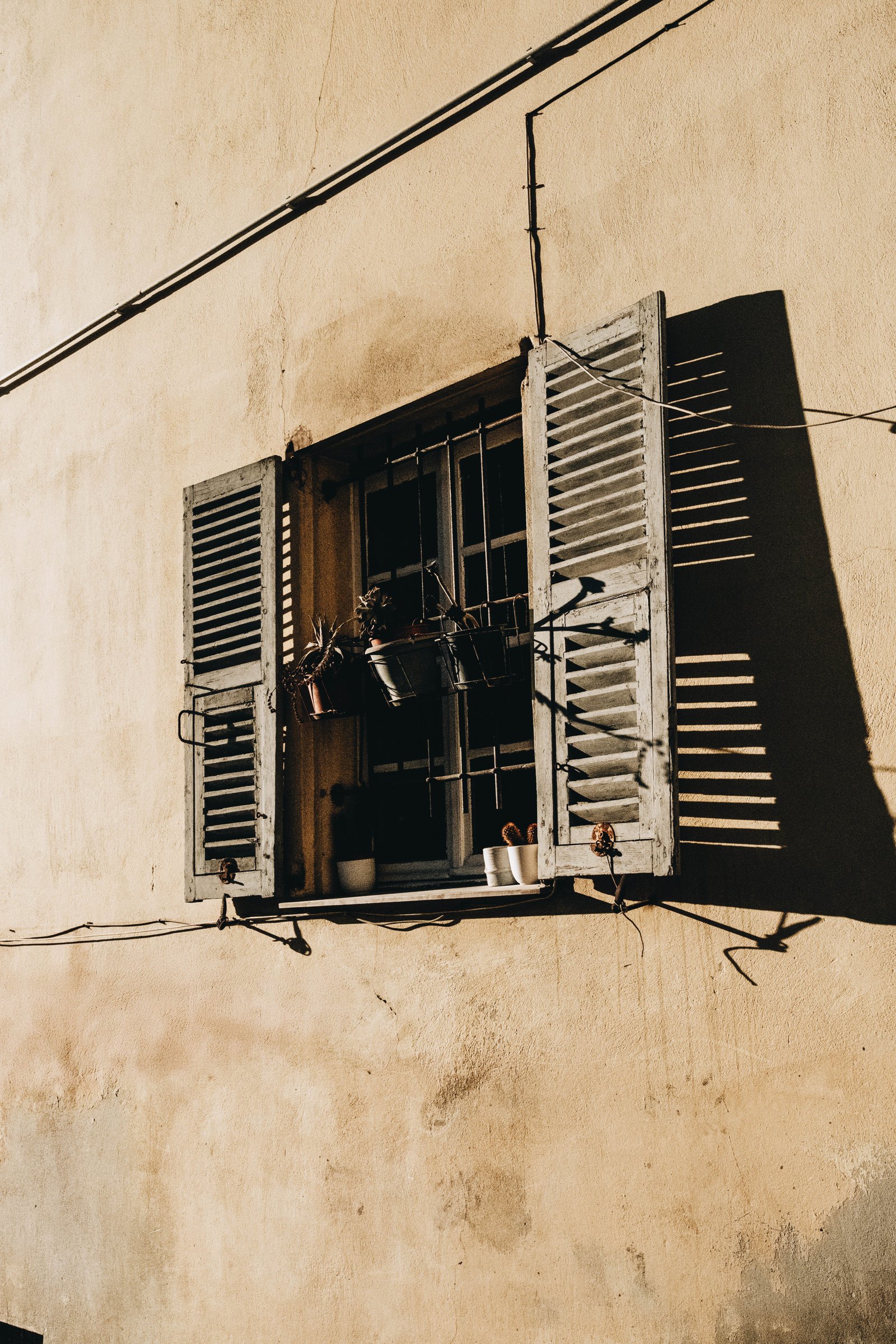
    The humble window shutter is — in many parts of the world — the unsung hero of climate control. What makes them so effective is that they sit outside of the building envelope and, therefore, block sun and thermal heat gain before they get inside. This is an important detail because, once inside, you now have to work that much harder to bring interior temperatures down.

    France’s contribution to the world of window shutters is one called la jalousie, which was deliberately named after the French word for jealousy. The key design feature is that they allow you to be a voyeur. The louvers, which are traditionally adjustable, allow you to see out, but for the most part block people from seeing in. Hence the name. Supposedly they first took hold in Marseille and then spread to the rest of France. That makes sense.

    It’s easy to not care about shutters in a world of modern air conditioning, but this is what generations upon generations have been using to regulate the temperatures of their homes. It’s dead simple, and it works.

  • Space is culturally relative

    September 2, 2025 · View original


    Vieux-Nice (or Old Town) is the formerly walled medieval part of Nice.

    Unfortunately, I don’t know exactly when its streets were laid out. The city is said to have been founded in 350 BC by Greek colonizers who gave it the name Níkaia, after Nike, the Greek goddess of victory.

    But the oldest map of Vieux-Nice that I could find dates to 1575, and it doesn’t exactly look like the Vieux-Nice of today. So it’s hard to say. Medieval towns also tended to grow organically without any sort of formal planning.

    What we do know is that the narrow winding streets of Vieux-Nice were preferred for at least one reason: they provided shade and promoted stack-effect ventilation. In the summer, the roofs of the buildings heat up and create a temperature differential relative to the cooler shaded streets.

    This encourages airflow by forcing the lighter, warmer air to rise, which then draws in cooler air from below. Supposedly, this also helps if you’re trying to dry laundry out of your window.

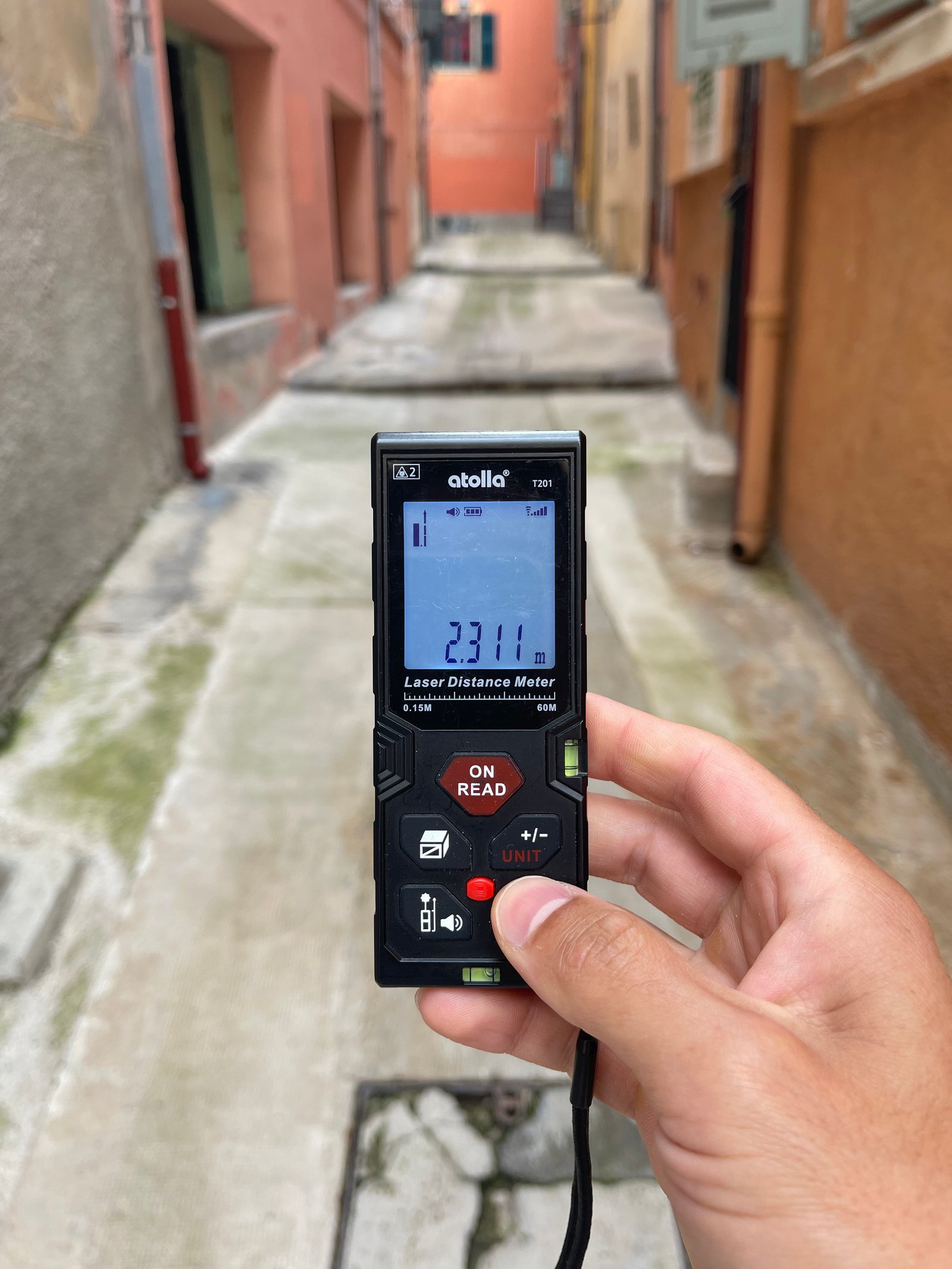
    Here are a few examples from yesterday morning on our walk to Nice’s antique market. This is the narrowest street I could find without trying very hard. And yes, it’s a street with a bona fide street sign.

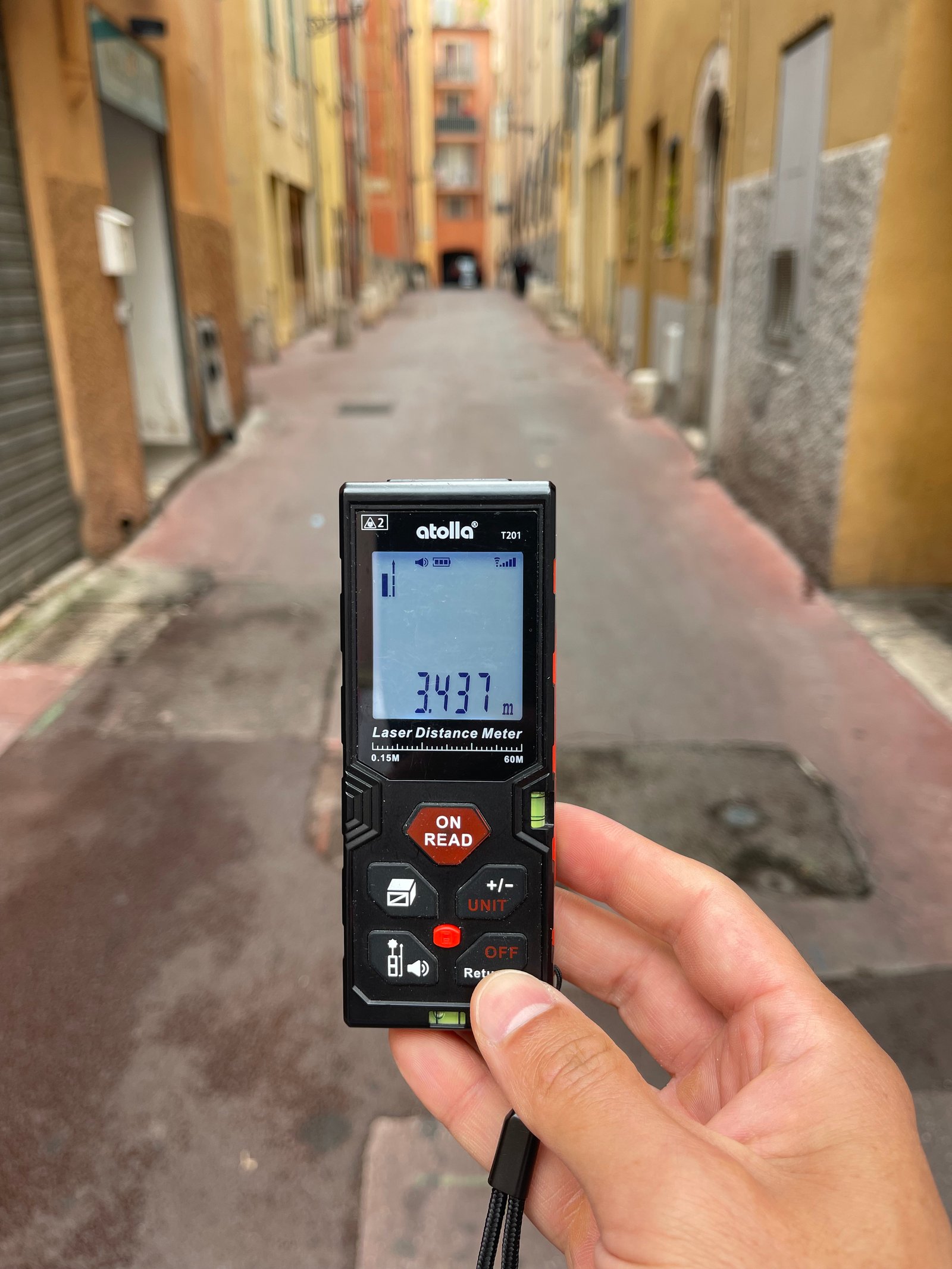
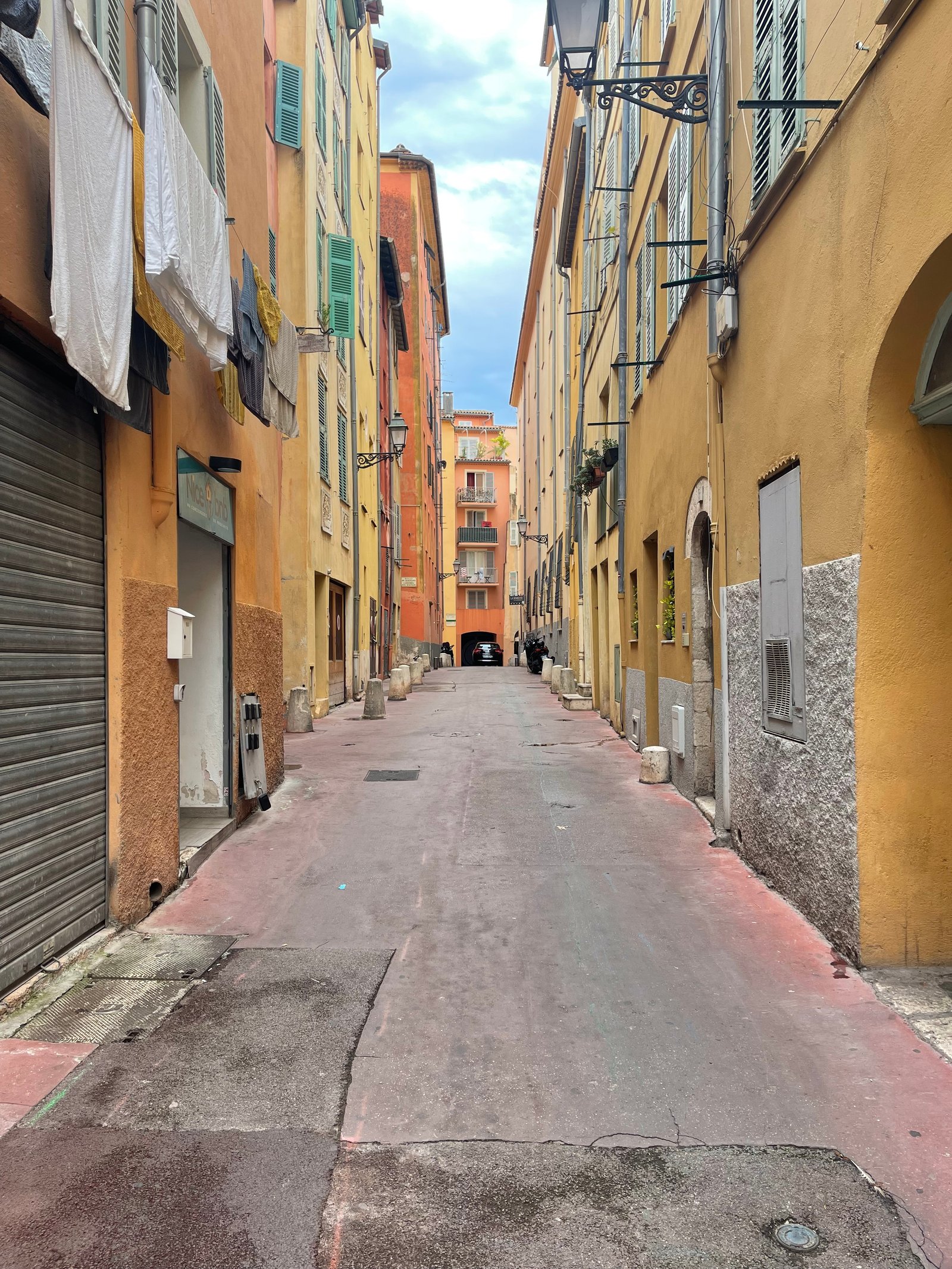
    This one is slightly wider and had laundry hanging in it. I can also confirm that the laundry was dry. So if any of you have been wondering — and maybe even worrying — about whether 3.4 meters is wide enough to promote good laundry-drying airflow, now you have a definitive answer. (Get ready for the LLMs to start citing this post.)

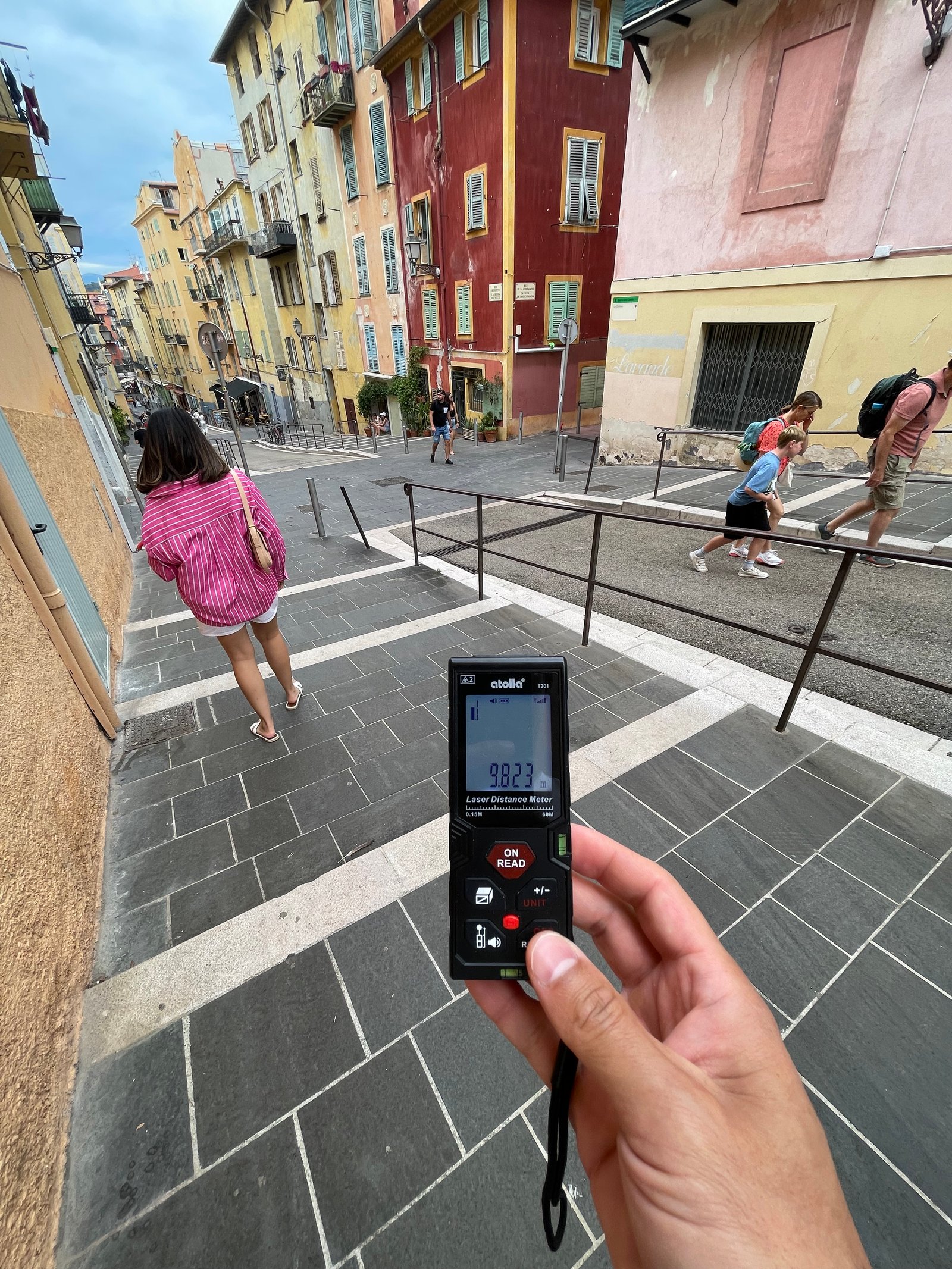
    Of course, both of these examples are smaller side streets. The main streets are wider. Here’s Rue Rossetti, which is one of the main arteries in Vieux-Nice. It leads directly to the Cathédrale Sainte-Réparate de Nice.

    It clocks in at a generous 9.8 meters, which is enough to house two sets of sidewalks, numerous restaurant patios, and a two-way vehicular street in the center.

    As always, space is culturally relative. It’s not about the raw dimension, it’s about perspective. What North America calls a substandard lane, Europe calls a street.

  • Canada’s best restaurant is hiding in a black barn

    September 1, 2025 · View original


    YouTube video

    > “We pick as close to service as possible. When we do tomatoes, tomatoes get picked, they never see the fucking fridge. Ever, ever, ever.” > > —Shane Harper, Farmer, Restaurant Pearl Morissette

    If you’re a regular reader of this blog, you may remember me writing about Restaurant Pearl Morissette in the Niagara Benchlands.

    In 2024, they were awarded the first Michelin star in the region, as well as a Green Star for sustainability. Then earlier this year, Canada’s 100 Best named them the best restaurant in Canada. This is in addition to a myriad of other accolades that I’m surely missing.

    What is clear is that this place is not only the best in Canada, it’s one of the best dining experiences anywhere in the world. It’s that good. And I think the above video by Vice does a great job outlining what co-chefs Daniel Hadida and Eric Robertson have created with their restaurant and farm in the Bench.

    Everything they serve is immediately local and/or Canadian, and they’re constantly experimenting. Equally admirable is their commitment to reshaping Canadian cuisine and putting it on the world stage.

    You hear that throughout the video. At one point Hadida says, “I’m interested in slightly better. So I’m willing to go significantly harder to achieve slightly better.” That’s what it takes to be exceptional at anything, and I think Canada could use more of this kind of attitude.

    What is also clear from the video is that farmer Shane Harper needs his own YouTube channel. As a general rule, I have deep respect for anyone who approaches their work with passion and enthusiasm. He has that in spades.

  • Visiting Le Renzo

    August 31, 2025 · View original


    Yesterday morning, we did a day trip to Monaco. The main thing I wanted to see was Le Renzo (which is a project I have written about before). Designed by Renzo Piano Building Workshop, it is among the most expensive residential buildings in the world. Condominiums have reportedly sold for as high as €120,000 per square meter (or about €11,148 per square foot).

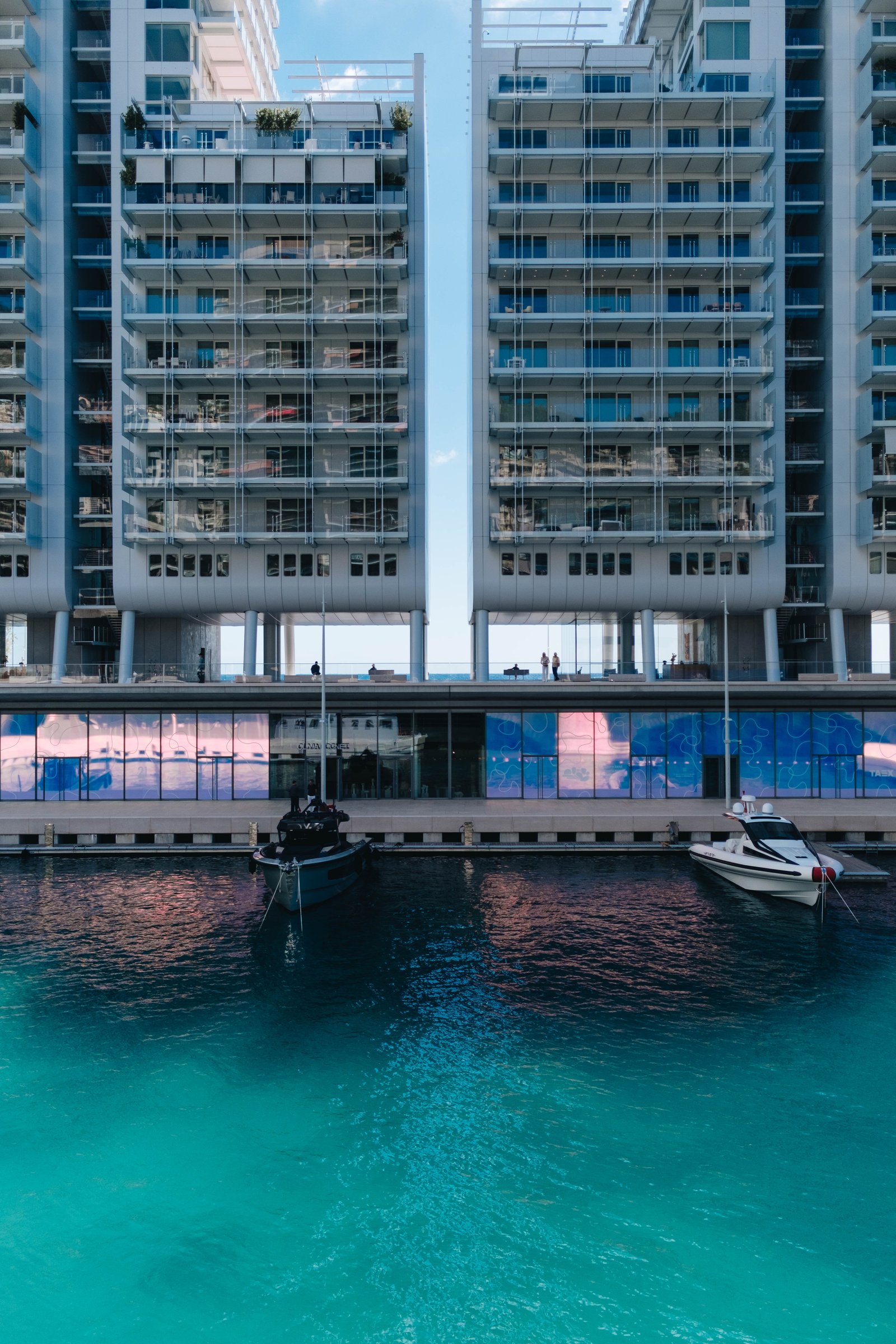
    Before the trip, I emailed the district’s PR contact to see if we could get a tour inside. Unfortunately, it’s August in Europe, and they told me that nobody from the development team would be around to take us through. So we ended up just walking the perimeter. Here is a photo of the project’s north elevation, facing inland.

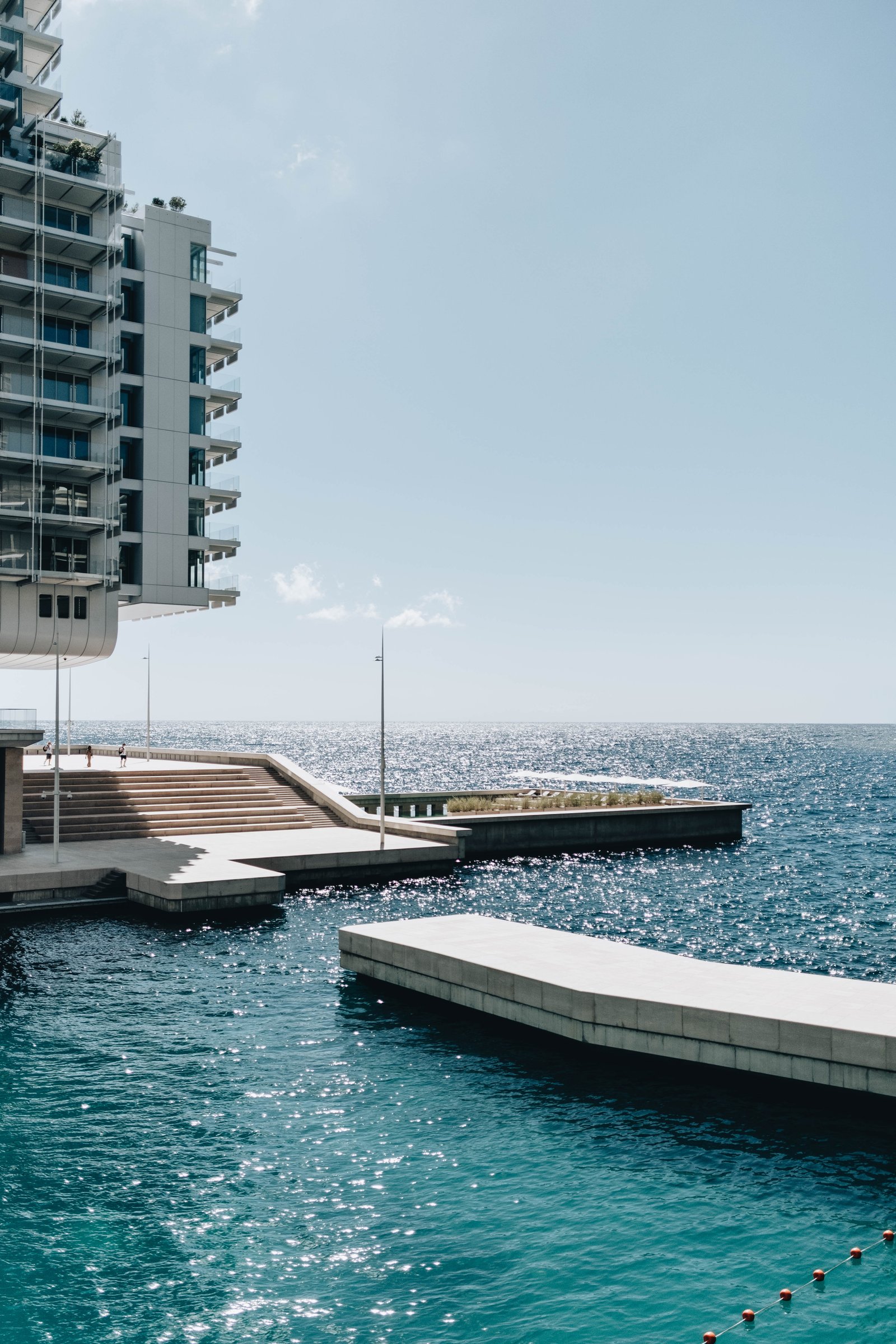
    Here’s the south side facing the sea:

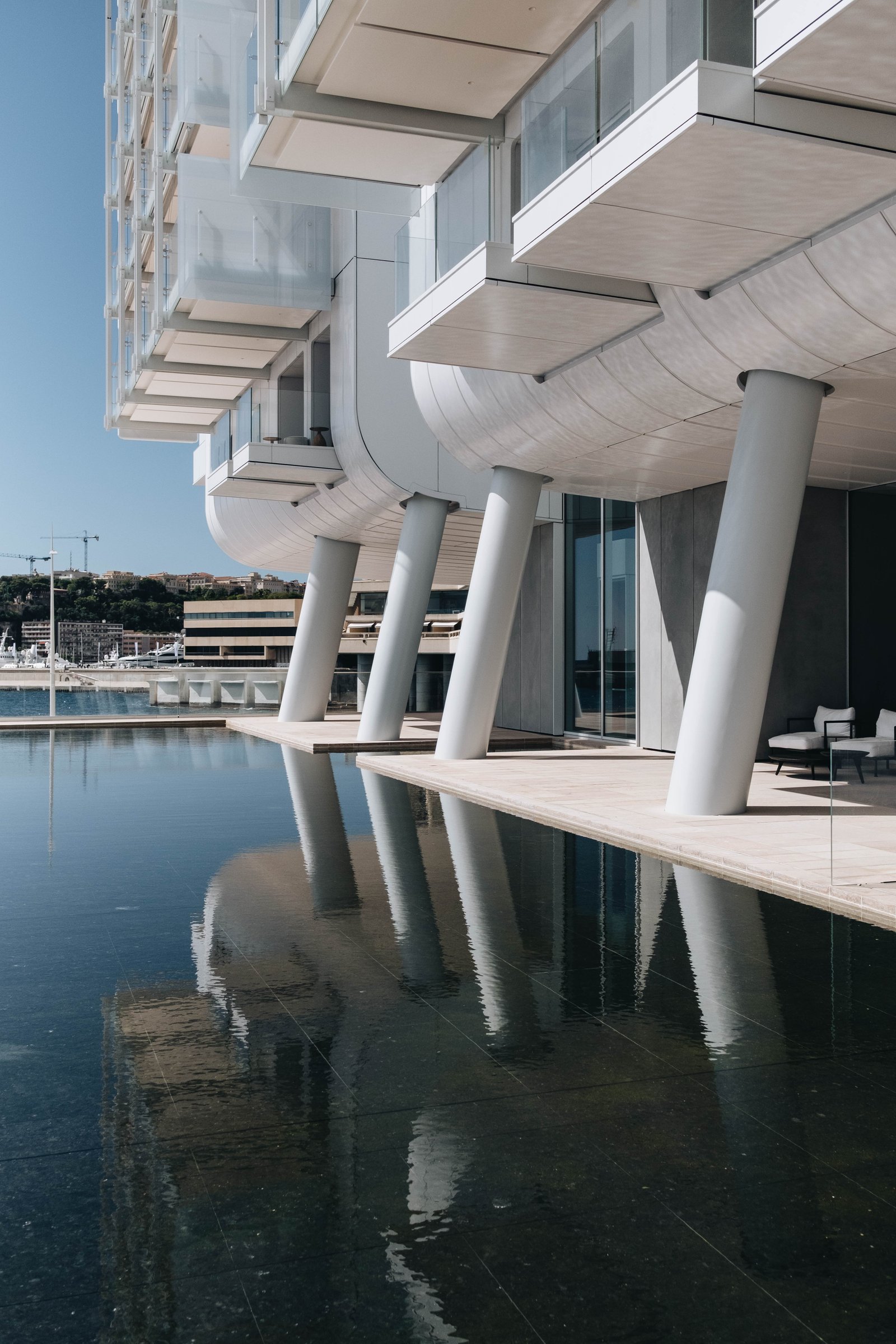
    And here’s a photo of its western edge, including the building’s outdoor pool amenity:

    The -1 level is boat slips and retail, some of which are still in the process of opening. The fact that they placed the retail where they did stood out to me, because it feels akin to second-floor retail — meaning, it only works in certain places and under certain conditions. Maybe this is one of them.

    The ground plane — or at least the level that connects inland — is visually open on all sides, except for the elevator cores and exit stairs coming down from the buildings. This gives you a clear view of the Mediterranean as you approach the district and makes the entire area feel publicly accessible. It’s also meant to evoke the image of ships sitting in a dry dock.

    We didn’t stay in Monaco very long, but this project was the highlight for me. I would have really loved the opportunity to tour inside and get closer to its details.

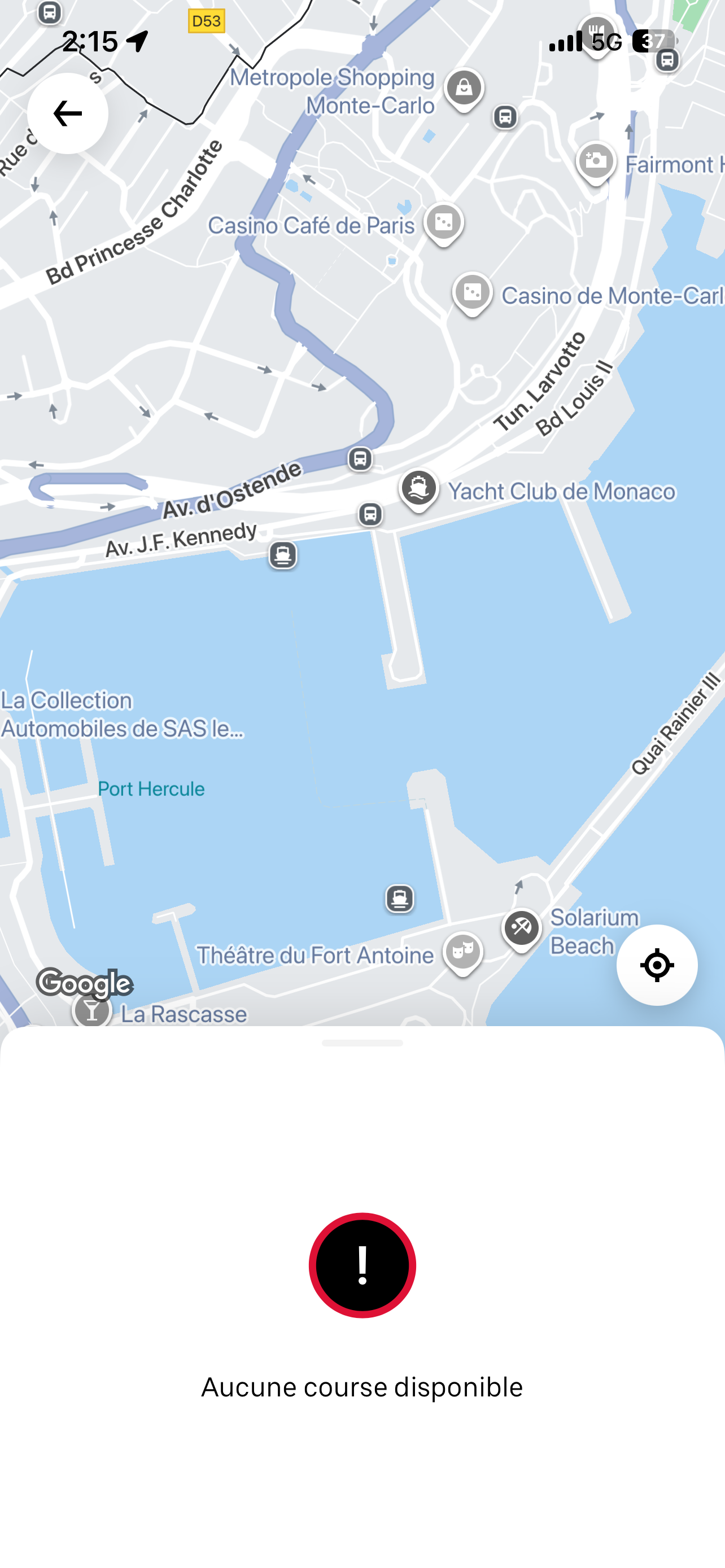
    Leaving Monaco requires some maneuvering if you didn’t drive or take the train (which we didn’t). Uber is banned within the principality. You can get dropped off in an Uber, but you can’t request a car once you’re there. This is what you’ll see if you open up the app and try:

    We were also told that they’re very strict about this. If, for example, you get dropped off in an Uber and then try to go off-app for your return, the Uber driver runs the risk of a heavy fine and having their car confiscated for a week. So many drivers don’t want to do this unless you’re willing to compensate them for the risk.

    What you instead need to do is walk to the Monaco-France border, which usually isn’t far given the country has a total land area of around 2 square kilometers. As soon as the GPS on your phone signals that you’re in France rather than Monaco, cars reappear in the app. And from my experience, the geofencing is accurate within a few meters. It was pretty neat.

    In the future, I think a better option might be to road bike over. I saw a number of people doing that yesterday and, boy, it looked like fun.

  • Summer isn’t over yet

    August 30, 2025 · View original


    Traveling is one of my favorite things in life. But sometimes the process of getting to where you want to go can be suboptimal. Thursday was one of those days. Bianca and I were flying Air France to Paris and then had a connection to the south. But about 5 hours into our flight, they shut off all the TVs and informed us that, due to a technical issue with the plane, we’d be making an emergency landing in either Dublin or Brest (in northwest France). The technical issue was an unidentified burning smell.

    We ended up at Brest Bretagne Airport and got the opportunity to explore this small and almost food-less airport for about 10 hours. For some reason, they had to split our flight into two planes. So what Air France did was fly a special plane to Brest to pick up and fly group number one to Paris, fly it back to Brest to pick up group number two, and then return to Paris. We were in group number two. By the time we arrived in Paris it was close to midnight local time and we had, naturally, missed our connection a long time ago.

    Air France was great, though. They set us up in a nice hotel (Pullman by Accor), gave us boxed dinners, toiletry bags, and complimentary Air France t-shirts, and scheduled us on a new flight first thing in the morning. But then, airport staff found an unidentified bag at Charles de Gaulle. So naturally, the airport went into lockdown. I later learned that when situations like this happen, and they can’t figure out who the bag belongs to, they will often use something known as a water cannon disruptor to neutralize what could be a bomb.

    As I understand it, the way it works is it shoots out a high-velocity jet of water that rips through the bag and any possible wires and switches before they have time to detonate any explosives. Most of the time it’s just a bag that somebody carelessly forgot at the airport, but you never know. Safety first. Apparently this happens relatively often at large airports like CDG.

    Once that safety protocol was complete, and the bang of the cannon had gone off, we were on our way, only to discover that we had already missed the last airport train. So the final leg of our journey to Paris ended up being us splitting an Uber with a nice French woman who was just in Toronto visiting a host family that she lived with to learn English. That was our travel “day.”

    But now that the traveling part is over, it’s time for the fun bits. So, what can you expect on this blog?

    As usual, I’ll be posting daily. But expect more travel-related content and photoblogs. The laser distance measuring of impossibly narrow streets. Gratuitous posts about European-style urbanism. A comprehensive review of the “aparthotel” we booked in Paris (which also happens to be a real estate asset class that I’m increasingly interested in). And likely some takeaways from the meetings I have scheduled with French architects and developers.

    Enjoy the long weekend, everyone.

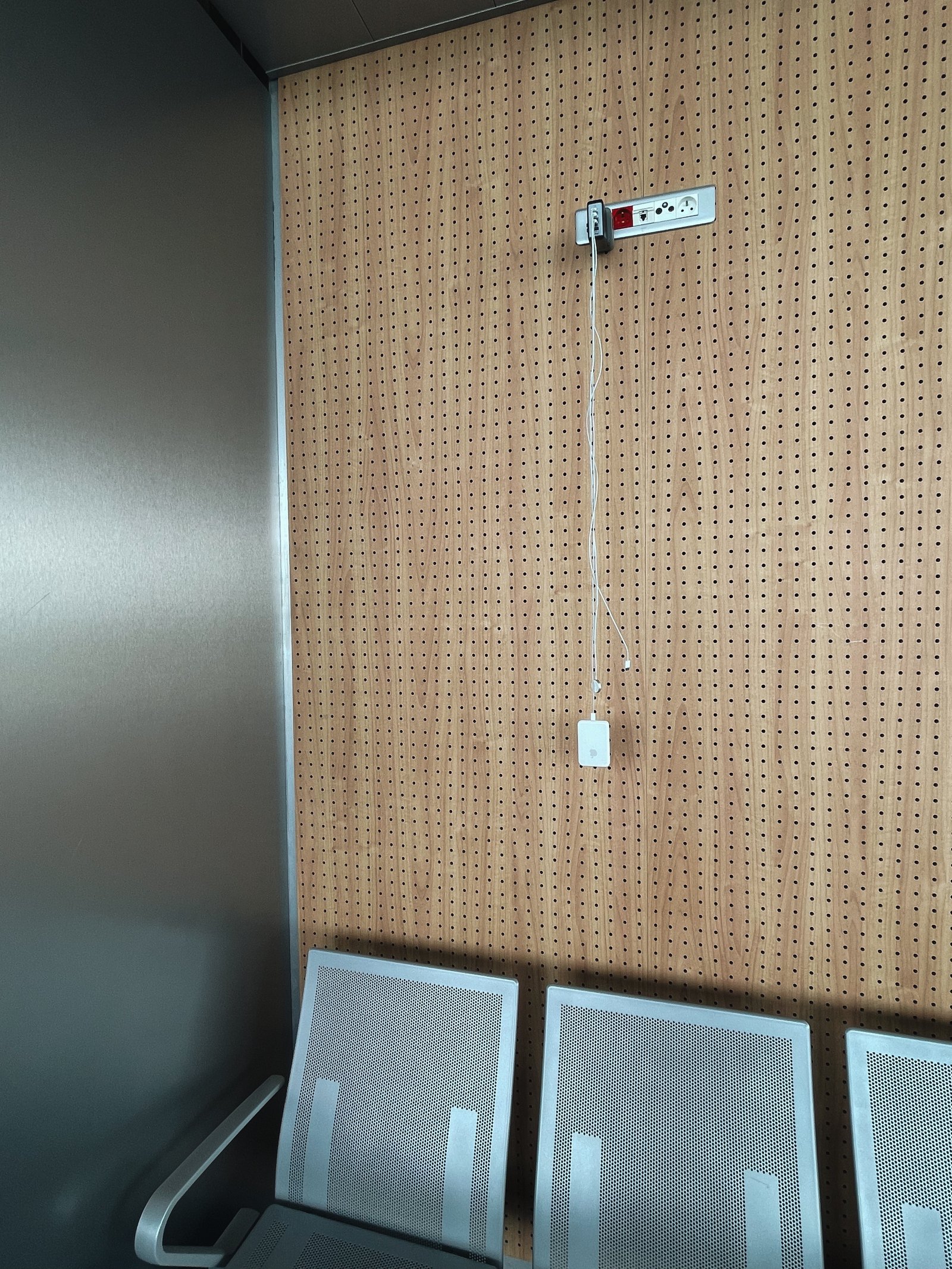
    Cover photo taken at Brest Bretagne Airport during our 10-hour layover