Daily insights for city builders, delivered every morning at 6 AM ET. I’m Brandon Donnelly — a Toronto-based real estate developer and founder of Globizen. I’ve been writing here since 2013.

Category: Tokyo

  • Our cars are outgrowing our cities

    June 30, 2026 · View original


    Now that a car seat lives permanently in the backseat of my car and I have learned how much it compresses the passenger seat in front of it, I have on more than one occasion thought to myself, “I guess this is why people feel the need to buy bigger cars.” And the data shows this is true: cars generally keep getting bigger.

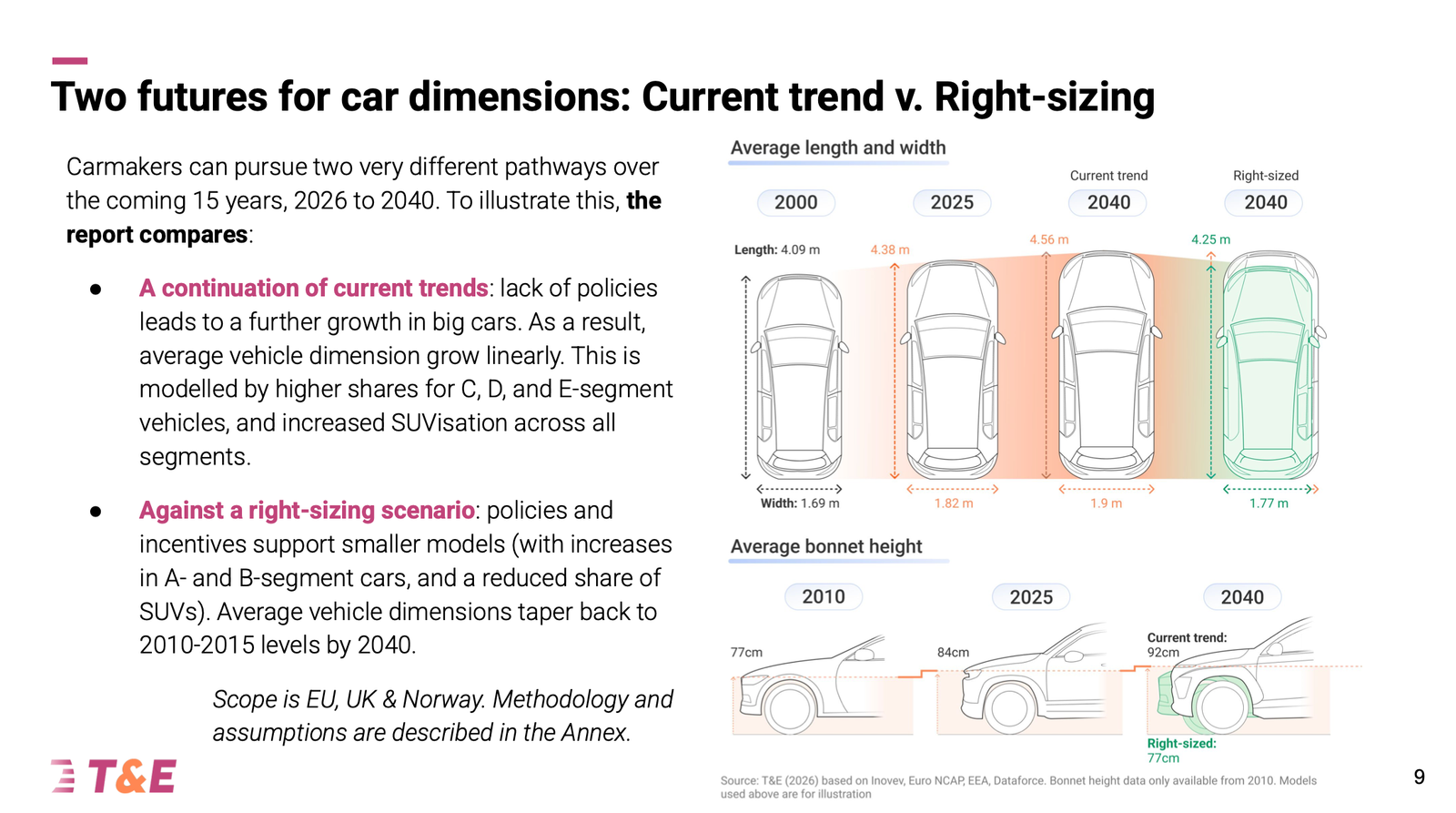
    A brand-new report from Transport & Environment found that over the last 25 years in the EU, the UK, and Norway, the average newly-sold car has increased in length by 1.2 cm per year, in height by 0.5 cm per year, and in width by 0.5 cm per year.

    But it’s not necessarily because buyers are looking to fit more kids and car seats. Average household sizes have fallen in the US, so it’s similar to housing: people are having fewer kids and, therefore, want to consume bigger homes (and cars). My cursory understanding is that there tends to be some gamesmanship with car sizes and emissions targets, but I do also think it’s a case of consumers just wanting bigger and better.

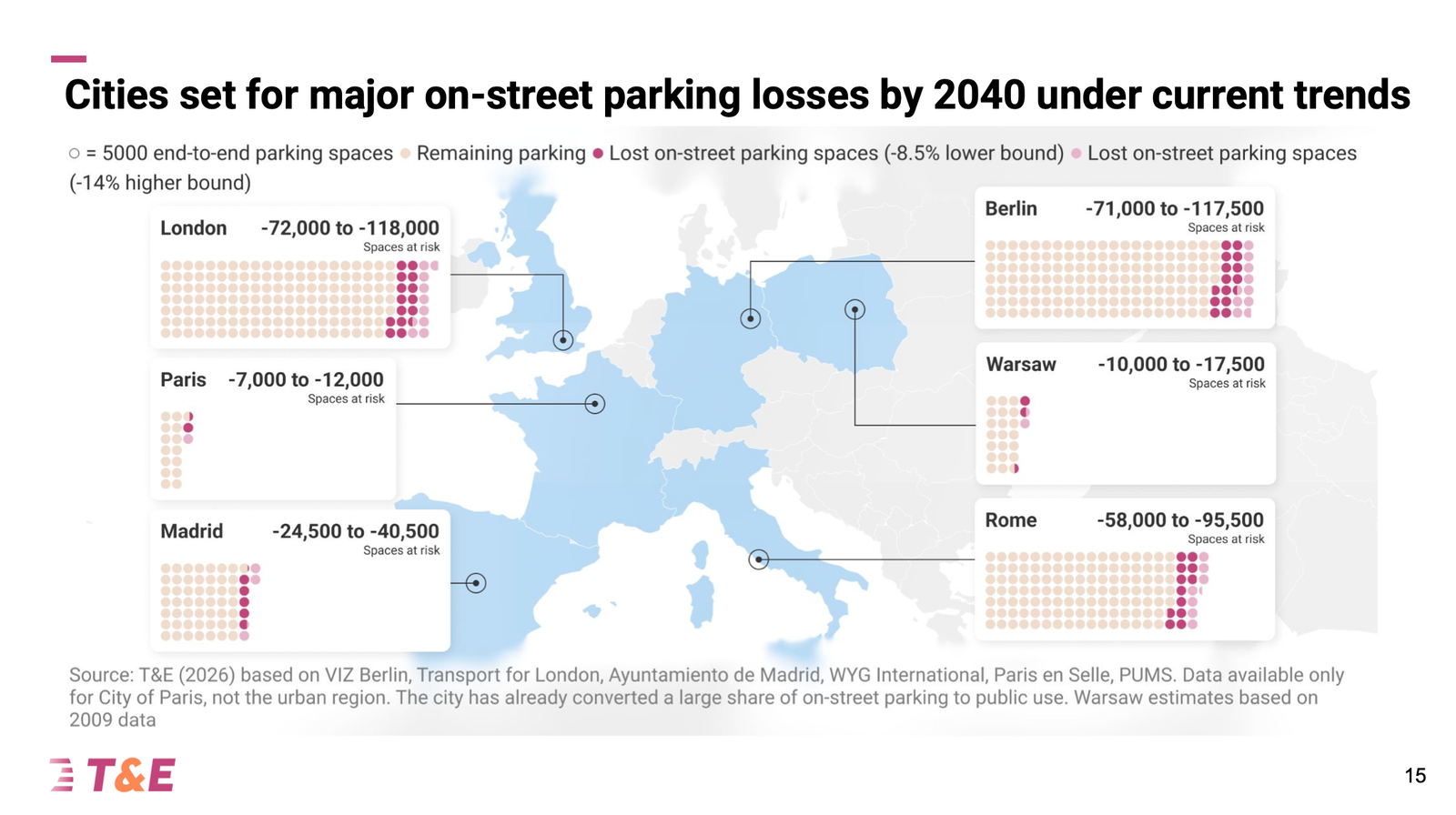
    For those of us who deal in the built environment, this is an important trend to consider because larger cars (1) tend to kill more pedestrians and (2) take up more space in our cities. The report estimates that, if current trends continue, European cities could lose between 8.5 and 14% of their on-street parking spaces by 2040.

    Small marginal changes of only a few centimetres may not seem material on an individual basis, but when you layer on pedestrian deaths, urban parking constraints and traffic congestion, it only strengthens the case for the Tokyo model of urbanism.


    Cover photo by Oleksandr Voloshchenko on Unsplash

    Slides from Transport & Environment

  • Tokyo proves that futuristic megaprojects can still feel human

    June 29, 2026 · View original


    It’s that time of year again. Monocle just released its annual survey of the most liveable cities in the world.

    If you’re a regular follower of the magazine and/or its quality-of-life survey, you’ll know that North American cities don’t generally fare well in this ranking. This year, the only one to appear is Vancouver. You’ll also know that there are some usual suspects that appear near the top (here comes the spoiler). This year’s top city is Tokyo.

    One of its standout features, yet again, is its liveability and orderliness despite being one of the largest urban regions in the world. But there’s also talk about some of its grandiose city-building initiatives, one of which includes the new Takanawa Gateway City.

    The 13-hectare (32-acre) development is a transformation of a former rail yard in south Tokyo into what is being called a futuristic “global gateway.” The megaproject includes retail, office, hotel, residential, and cultural uses, plus a 1.1-kilometre elevated pedestrian promenade that stitches it all together.

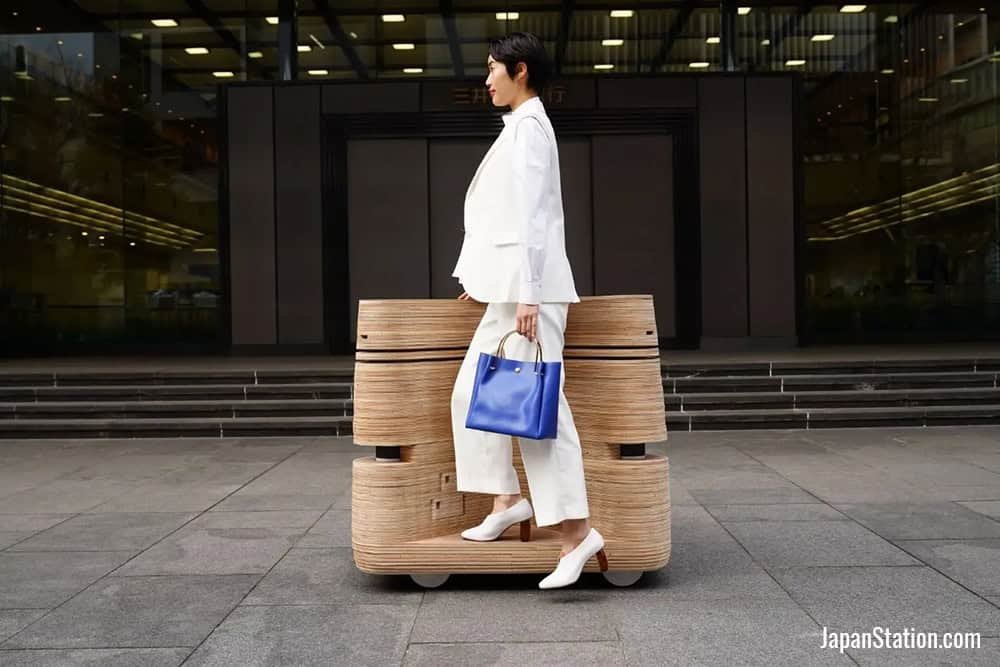
    There are also autonomous mobility devices called “iino” that actively roam the district and offer pedestrians free, futuristic rides. Here’s a video and an image from JapanStation:

    We talk a lot on this blog about Tokyo’s granular, small-scale urbanism. But obviously the city also builds big, though it’s not exactly what you’d find in other cities. For one thing, the development is vertical in a way that is difficult to achieve outside of cities like Tokyo.

    Here’s a comprehensive walking tour of the district. At 42:02, you’ll see a rooftop public space that is extremely well used, especially given that the development only recently opened. I also find it remarkable that so many people in the video have taken their shoes off to use the free, public foot bath.

    Could you imagine doing that in your city? It’s perhaps a perfect example of how Tokyo miraculously pulls off being both big and liveable.


    Cover photo by Tsuyoshi Kozu on Unsplash

  • The market logic of Japanese rail

    April 21, 2026 · View original


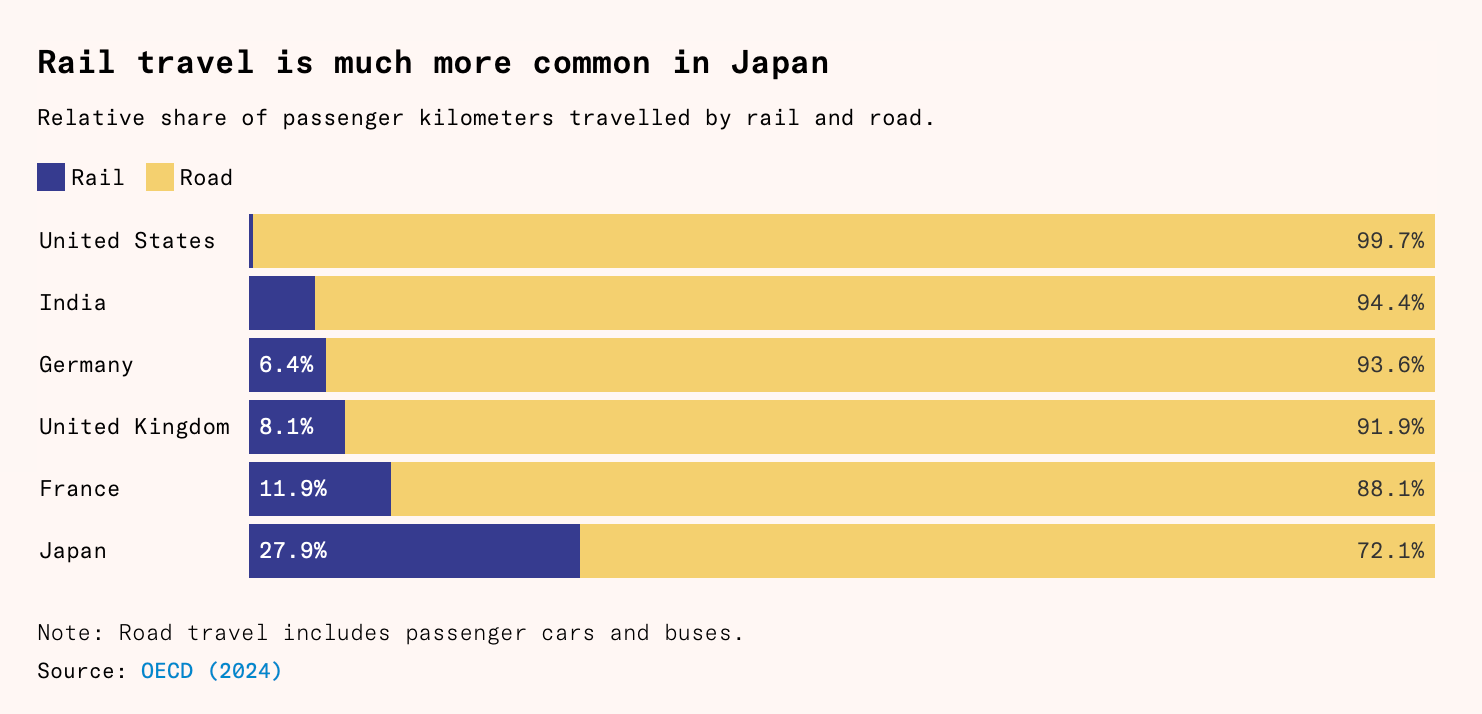
    We have spoken many times before about the fact that Japan is built around rail-oriented urbanism. But if you have the time right now, I’m going to suggest that you read this longish article by Matthew Bornholt & Benedict Springbett called “Why Japan has such good railways,” because nowhere else in the developed world uses rail for passenger kilometres more than Japan, and they explain why.

    One common hypothesis, which is mentioned in the article, is that it’s largely cultural. The Japanese are rule-abiding collectivists who are more willing to take public transit compared to us selfish and individualistic North Americans. But this doesn’t seem right. In fact, one could argue that the Japanese solution is actually more free-market oriented.

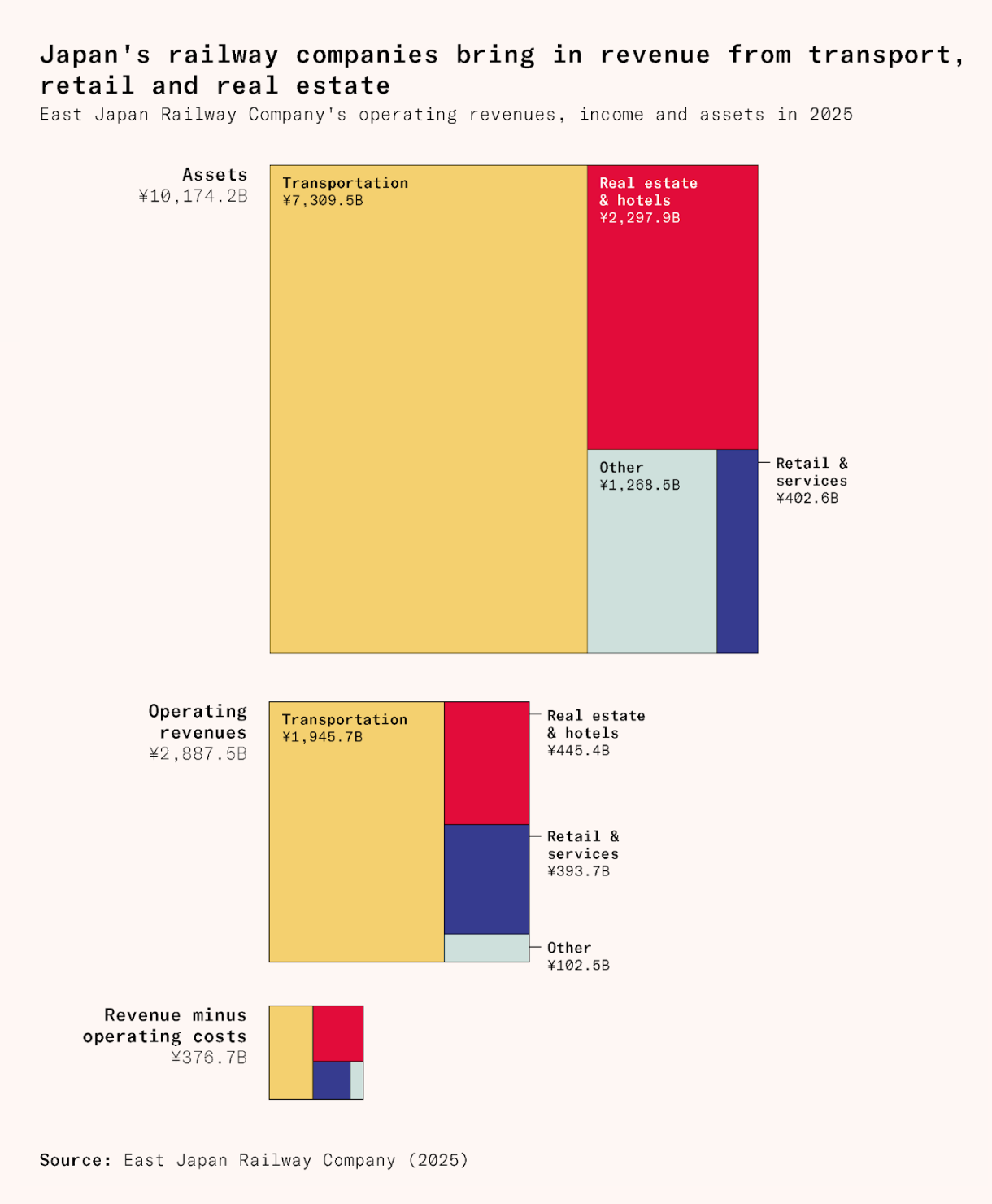
    The Japanese rail model seems to work so well because (1) most of the network is private, (2) liberal land-use policies have allowed Japan’s urban centres to develop enough density to properly support the use of rail, and (3) the rail operators make money in a bunch of other ways beyond rail. They’re typically also in the business of real estate.

    Here’s a quote from the article by the president of the Tokyu Group that I absolutely love:

    > I think that though we are a railway company, we consider ourselves a city-shaping company. In Europe for instance, railway companies simply connect cities through their terminals. That is a pretty normal way of operating in this industry, whereas what we do is completely different: we create cities and then, as a utility facility, we add the stations and the railways to connect them one with another.

    This is a fundamentally different model that allows rail companies to capture some of the value that they inherently create. To use the example of Toronto’s Eglinton Crosstown line, it’s the difference between saying, “I’m going to build a rail line and then, presumably, other stuff will happen,” and, “I’m going to develop this midtown corridor and then I’m going to run rail underneath it to maximize value creation.”

    If Japan can do it, so can we. Ironically, a big part of it means easing land-use controls and allowing transit-oriented development to simply be what it wants to be — dense and proximate to rail.


    Cover photo by Mylène Larnaud on Unsplash

    Charts from Work in Progress

  • When autonomy is a solution to the wrong urban problem

    March 9, 2026 · View original


    If you have a long, painful, soul-crushing commute, Tesla has a solution for you: Full Self-Driving (their autonomous, but still supervised, self-driving technology). And it makes sense that Tesla would position its product in this way. A great deal of our built environment (the vast majority of it in some geographies) has been designed around the car. We are dependent. And this is an obvious solution to its negatives.

    To be clear, I’m excited about autonomy, which is why it’s a frequent topic on this blog. But the urbanist in me can’t help but think that positioning it in this way is in some ways a solution to the wrong problem. Here’s an alternative solution: live and work in a walkable, transit-oriented community.

    Imagine, for instance, pitching this Tesla positioning to a Tokyoite. Tokyo is reported to have the highest railway modal split in the world. According to some measurements, only something like 12% of trips in the city are done by car. So if you said, “FSD is the solution to your long and boring commute. Now you can just sit, relax, read a book, do work, or play on your phone!” it wouldn’t be a stretch to imagine Tokyoites saying that they already do this on a train.

    Of course, Tokyo is a unique place, and there are lots of car-dependent cities where there is simply no other practical option. I also recognize that housing attainability is a major driver of sprawl. In these cases, FSD represents a meaningful quality-of-life upgrade.

    Again, I support this happening, but at the same time, I worry about it placating us into thinking that we’ve solved one of the major negatives of urban sprawl. Yes, you have to sit in a car for two hours each day, but now you’re not actually driving. Isn’t that, like, so much better? In a best-case scenario, we maintain the status quo when it comes to our built environment. And in the worst-case scenario, it leads to even more sprawl.

    This is an open question that we have on this blog: To what extent will self-driving cars increase our willingness to commute? Historically, new mobility technologies have promoted urban sprawl because they allowed us to travel greater distances in the same amount of time. Consider streetcar suburbs and then our car-oriented suburbs.

    A big part of the AV argument is not that they will solve traffic congestion (they won’t); it’s that they will make your commute suck a lot less, and in an even rosier scenario, become a kind of “third space” where people work, relax, or whatever. This, in turn, will make sprawl more widely palatable.

    But the more I think about this, the less I believe it. Marchetti’s Constant tells us that humans have generally maintained a consistent “time budget” for commuting irrespective of the technology being used. Will this time really be different?

    On the flip side, there are many who would argue that urban sprawl is a natural market outcome. Not everyone wants the “utopian, socially-engineered dream” that urbanists and YIMBYs like me want. And this is a fair response. I believe in individual freedoms. Give people housing options (we’re very bad at this) and let them choose where they want to live.

    But we should acknowledge the tradeoffs. Traffic congestion is a clear byproduct of urban sprawl and land-use patterns that leave no other practical option for getting around. Complaining about traffic is complaining about sprawl. One more lane or cars that drive themselves have not been shown to change this relationship.

    Sprawl also contributes to greater loneliness and declines in happiness. In 2000, Robert Putnam argued in his book, Bowling Alone: The Collapse and Revival of American Community, that, roughly speaking, every 10 minutes of additional travel time leads to a 10% reduction in social connections. We spend less time with our families, friends, and communities.

    There’s little doubt that self-driving cars will make commutes more tolerable. But perhaps that’s not ambitious enough.


    Cover photo by HONG FENG on Unsplash

  • The case for elevated rail

    March 1, 2026 · View original


    There is a school of thought that elevated rail is bad, or at least suboptimal, for cities. The thinking is that it’s a visual blight, it’s noisy, it disconnects neighbourhoods, and it can even reduce surrounding real estate values. Having a train passing directly in front of your window is admittedly less ideal than not having a train passing directly in front of your window.

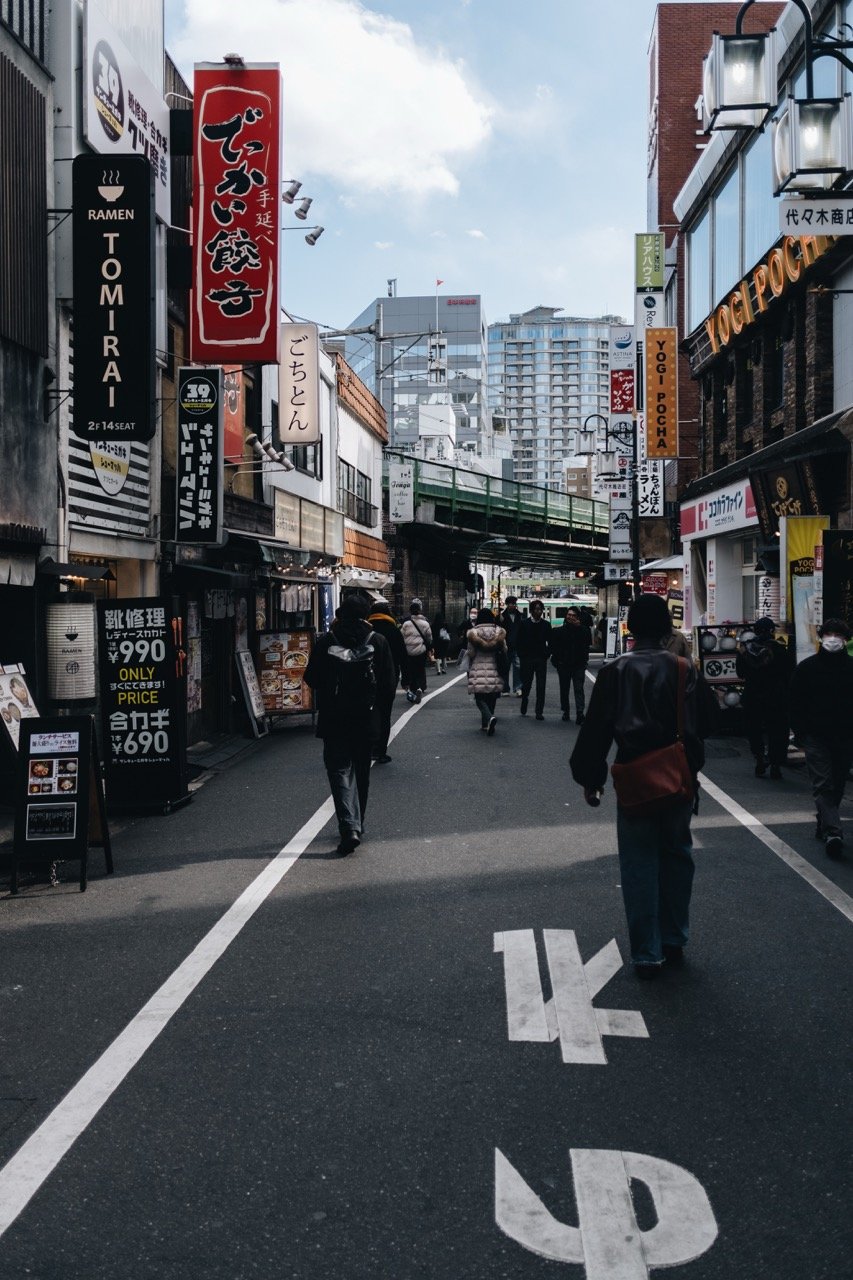
    But there is no shortage of examples from around the world where elevated rail does far more to benefit a community than detract from it. Tokyo is perhaps the obvious place to look. It is decidedly rail-oriented city with the majority of its network above ground and countless examples of active commercial spaces being tucked under and adjacent to elevated rail.

    Here, for example, is a restaurant that I visited on my last trip and that was immediately adjacent to a track:

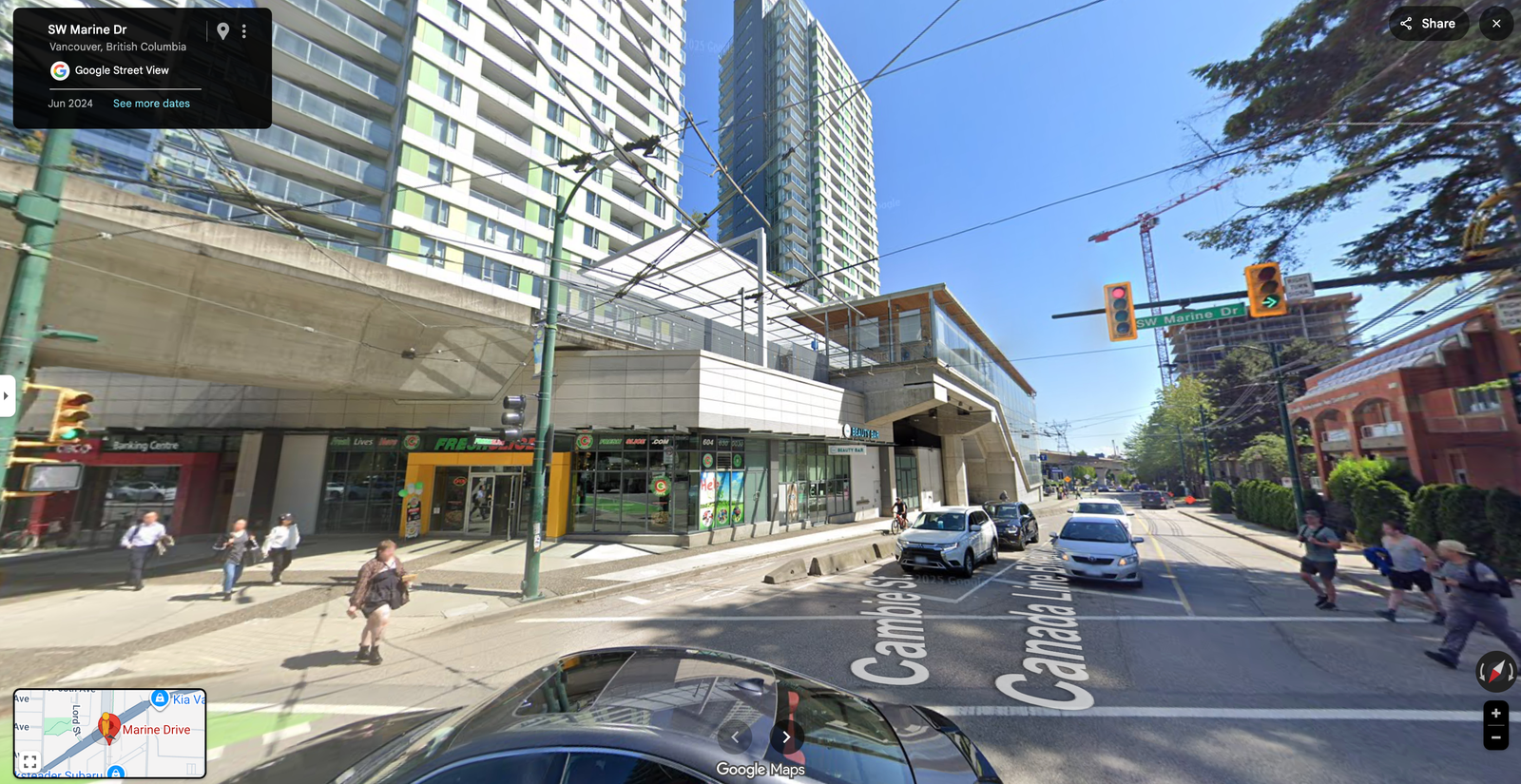
    But you don’t have to travel all the way to Japan to find examples where elevated rail does little to detract from the urban experience. Here’s Marine Drive station in Vancouver, integrated into a newish development:

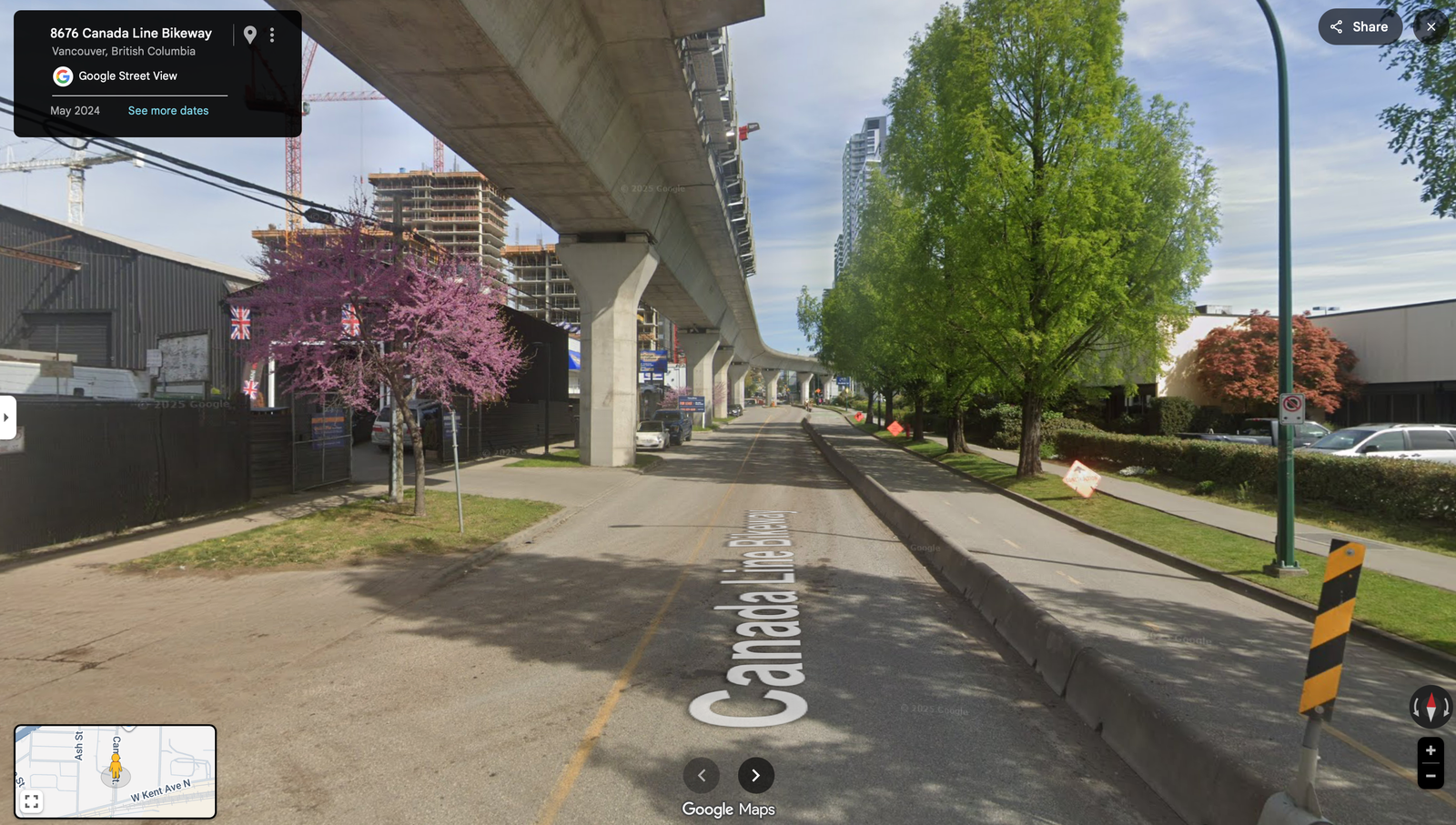
    And here’s what the elevated guideway looks like as it heads toward the station:

    The obvious advantage of elevated rail is that it’s significantly cheaper than underground rail. According to global data collected by the Transit Costs Project at New York University, underground rail tends to be at least 2x the cost — often it’s even more. Are the benefits worth this additional cost, and is it worth building less overall transit with the same capital budget?

    Elevated rail is not without its drawbacks, but good design and urban sensibilities can help to mitigate many of them. As is the case with a lot of urban design, what matters most is how we treat the ground plane underneath the rail. So, to the extent that it remains out there, I think it’s time we get rid of any stigmas associated with elevated rail. More transit is better than less transit.


    Cover photo by Daiji Sasahara on Unsplash

  • Sometimes architecture is irrelevant

    January 6, 2026 · View original


    Tokyo is a city of contrasts. It is both hyper-modern and steeped in tradition. It is known for art, architecture, design, and fashion, yet it’s also a city that — through its built form — makes the argument that architecture is irrelevant.

    While the city certainly has countless examples of remarkable architecture, the vast majority of its buildings are arguably just that — buildings. They are a nondescript part of the urban fabric that give back through their siting, scale, rhythm, and mix of uses rather than their raw architectural qualities. Sometimes you may not even be able to see the building past all the signage.

    If you were looking for a city to support the argument that urbanism matters more than architecture, I think Tokyo would be a good place to start.

    What Tokyo does so successfully is ground-up urbanism (as opposed to top-down master planning). Flexible permissions, mixed-use zones by default, and an orientation around rail have allowed Tokyo to organically evolve into one of the most livable global cities on the planet.

    In fact, I think you’d be hard-pressed to find any city of this magnitude that is simultaneously this livable. Which makes me wonder: Are we spending too much time worrying about architecture?

    It is common for big cities to have design review processes. These typically consist of a panel of experts who evaluate new development proposals based on their architectural and urban design qualities. The comments that come back might suggest that a long facade be visually “broken up,” or that additional stepbacks be introduced in order to mitigate the impact on the street and improve sky views. It’s a process that can be lengthy.

    But what Tokyo tells us is that, while architecture matters a great deal, it may not be the most important thing to focus on from a city-building standpoint. What matters more is the space and relationship between these buildings, the uses and permissions granted to their occupants, and the overall relationship to transit infrastructure. Here, urbanism is more critical than architecture.

    If you buy this argument, then design review panels aren’t actually our most pressing priority. Instead, what we should have is a kind of urbanism review panel. But rather than react to new developments, its job would be to go out and proactively identify and fix bad urbanism: this street is too narrow, this street is too wide, OMG what were we thinking here, and so on.

    Then, when a new development proposal comes along, this panel would get out of the way and let the market decide what it wants to be. It would trust that it had done its job and laid the right preconditions for good urbanism to emerge.

    Sounds weird and unsettling, doesn’t it? Except, we might be pleasantly surprised by what it would lead to.

    Cover photo by Fred Nassar on Unsplash

  • The world has a new biggest city

    The UN’s 2025 World Urbanization Prospects report has reshuffled the global rankings, placing Jakarta at the top

    December 29, 2025 · View original


    It’s not always as straightforward as it may seem to measure the size of a city or urban region.

    There’s the problem of which urban boundary to use. And then once you’ve landed on that, there’s the additional problem of estimating how many people live within it. This can be particularly challenging when it comes to informal settlements, where there isn’t reliable population data.

    The most common approach is to use the continuous built-up area as the urban agglomeration, as opposed to any sort of “city proper” boundaries. And this is exactly what the United Nations has done in its latest World Urbanization Prospects report.

    Here, they have fundamentally revised their measurement methodology by using a new, so-called harmonized geospatial approach. If you’d like to nerd out on the specifics, you can do that here.

    But one of the key takeaways is that this new methodology has resulted in a reordering of the world’s largest urban agglomerations. At the top is now Jakarta, followed by Dhaka:

    Previously, Tokyo was thought to be the world’s most populous megacity, but it has dropped down to 3rd in this new report. And by 2050, it is forecasted to drop even further to 7th place:

    As we spoke about yesterday, the world’s economic center of gravity is rapidly shifting toward Asia. And that shows up in these charts.

    I have a strong desire to visit the largest cities in the world. It’s fascinating to see how such large urban clusters manage to organize themselves. There are always systems that naturally emerge to make things work, even if it feels chaotic on the surface.

    I’ve only been to 3 cities from the 2025 chart, so I have my work cut out for me.

    Cover photo by Rifki Kurniawan on Unsplash

  • Where Americans flew in 2025

    The top United Airlines international destinations by US state

    December 26, 2025 · View original


    Whether you live in North Dakota or Texas, there’s a reasonable chance that when you travel internationally, you enjoy going to Cancun. Or perhaps you fly into Cancun and then go to a neighboring town like Tulum. United Airlines just released the following map showing the most-booked international destinations from every state for passengers traveling on United Airlines between January and October 2025. The top three destinations are London, Cancun, and Tokyo:

    First, it’s important to keep in mind that this data only includes people flying on United; it doesn’t capture all international air travel. Second, maps like this are necessarily going to be influenced by an airline’s biggest hubs. In the case of United, its hub-and-spoke model relies on major airports and routes like San Francisco-Tokyo and Newark-Heathrow.

    Still, specific destinations appear on this map for a reason. Cancun is the number one “vacation” airport for Americans, which is an incredible success story, because it wasn’t a place until the 1970s. Prior to Cancun, Acapulco was Mexico’s top resort destination, but it was becoming constrained, and the government needed a replacement conduit for extracting US dollars from the American middle class. So, they developed Cancun.

    The popularity of Tokyo is likely partly a result of a weaker yen, in addition to being an important Asian hub and an incredible place to visit. According to the Japan National Tourism Organization (JNTO), over 2.7 million Americans visited the country in 2024 — a 33% year-over-year increase and a 58% increase compared to 2019.

    The country also saw 3.7 million international visitors in January 2025, which is the highest ever for a single month. Countries like the US and Canada also set all-time records for January arrivals. Part of this, I’m sure, has to do with Japan’s legendary “Japow.” I was part of this year’s cohort, and I’ve never seen so much snow as I did on the island of Hokkaido.

    There are also very specific one-off relationships that appear on United’s map. The number one destination for the state of Arizona is, for example, Taipei. And this is being driven by a semiconductor boom, specifically Taiwan Semiconductor Manufacturing Company’s direct investment in the state. At the time, it was heralded as “the largest foreign direct investment in a greenfield project in American history.”

    So, there’s a lot that can be gleaned from a map like this. If we were to zoom out and look at all international air travel, we would likely see some reordering. I suspect Paris would jump ahead of airports like Vancouver, given its hub status for other airlines. But it’s unlikely you’d see a completely different list. Americans fly east to London, south to Cancun, west to Tokyo, and north to Toronto. These are the primary hub airports.

    Cover photo by Yu Kato on Unsplash

  • A 10-storey, single-stair apartment building on 640 square feet

    December 18, 2025 · View original


    It’s fun to examine projects that I could never underwrite or build in Toronto. Here’s another one from Tokyo — a 10-storey, single-stair apartment building on a busy street, next to a metro station.

    The site itself is only 59.49 m2 (~640 ft2), and the building footprint is 47.97 m2 (~516 sf), for a total of 388.28 m2 (~4,179 ft2). There’s retail on the first and second floors, one home per floor on levels 3 through 8, and then a two-storey home on levels 9 and 10. All of this is serviced by a single elevator, and a single open-air egress stair off the back.

    The building itself uses a simple structural system involving 6 columns (which you can see evenly placed on the plans). According to the architect’s notes, they started with a simple 4-column design, but apparently the columns were too large and compromised the suite layouts.

    Tokyo is a unique city and this kind of housing wouldn’t work everywhere. But there’s a universal lesson here: removing barriers and allowing small infill projects is a good thing for cities. Until these projects are feasible, we won’t know exactly what the market actually wants and could support.

    Photos from Hiroyuki Ito Architects

  • Combining bold vision with soft infrastructure

    December 8, 2025 · View original


    Sometimes I am an advocate for big, bold urban change. This is where I tend to be closely aligned with urbanists like Joe Berridge, co-founder of Urban Strategies. (We sat on a panel together this past October at the Council for Canadian Urbanism Forum, and I found myself agreeing with him on this point.)

    For example, last week I tweeted that the edges of High Park would be better off looking like Central Park in New York. By this I meant that High Park is an urban park with a major subway line running on top of it — we should not be shy about embracing a more urban future.

    This stretch of Bloor Street, at the north edge of the park, has got to be one of the dullest stretches of street along the entire line. It’s hardly fitting for Toronto’s most famous urban park.

    Some of you didn’t like this tweet. Serendipitously, it also happened to align with a heated community meeting for a major two-tower rental development in High Park North. But this project is one block from a subway station, and it should be approved. The unfortunate reality is that we have underdeveloped much of the land around our transit infrastructure.

    At the very same time, I am a strong advocate for small-scale, incremental change. We’ve spoken a lot about this topic over the years, particularly in the context of Tokyo. Japan is renowned for its flexible approach to zoning and for the way that it allows small, ground-up interventions. The result is an approach to urbanism that is often referred to as emergent.

    A good example of this approach is the work of Japanese developer Staple. Staple calls itself a “soft developer” and what that translates into is a bottom-up model that is focused on regenerating local economies. (This is arguably even more important in the context of Japan, where a shrinking population is creating urban decline in many communities.)

    To achieve this, they rely on “soft infrastructure” such as local shops and grocers, hotels, housing, workspaces, restaurants, regenerative agriculture, lifelong learning centers, and more. In other words, they are focused on the nuts and bolts that make for thriving local communities and that can be easily missed if you’re too focused on the bigger picture.

    One recently completed project is Soil Nihonbashi in Tokyo’s Nihonbashi-Kabutocho neighborhood. Designed by architect Kiyoaki Takeda, the project opened in September and includes a coffee shop, cocktail bar, dim sum spot (and other dining options), co-working space, parklet (bakery), rooftop agricultural garden, and 14-room hotel.

    It’s the kind of hotel that global brands tend to avoid like the plague. It’s too small. Too many diseconomies of scale. But it’s exactly the kind of hotel and mix of uses that is wonderful for local communities. Think of what the Drake Hotel here in Toronto did for West Queen West when it opened back in the day.

    All of this brings me back to something I have said before. A good recipe for city building is to be stubborn on vision, but flexible on the details. Cities are at their best when you allow and empower bottom-up change. Get out of the way. There’s no way that top-down planning will get it all right. So if you can combine bold vision with flexible implementation, well then, you’ve got the secret sauce.

    Cover photo from architect Kiyoaki Takeda