Daily insights for city builders, delivered every morning at 6 AM ET. I’m Brandon Donnelly — a Toronto-based real estate developer and founder of Globizen. I’ve been writing here since 2013.

  • Toronto needs a summer bathing culture

    July 6, 2025 · View original


    > Tweet: Man, Toronto in the summer is something else. I love this city.

    While this is true, I do I have some suggestions. At the top of the list is this: Toronto needs to make better recreational use of Lake Ontario and its waterways. More specifically, it needs a summer bathing culture.
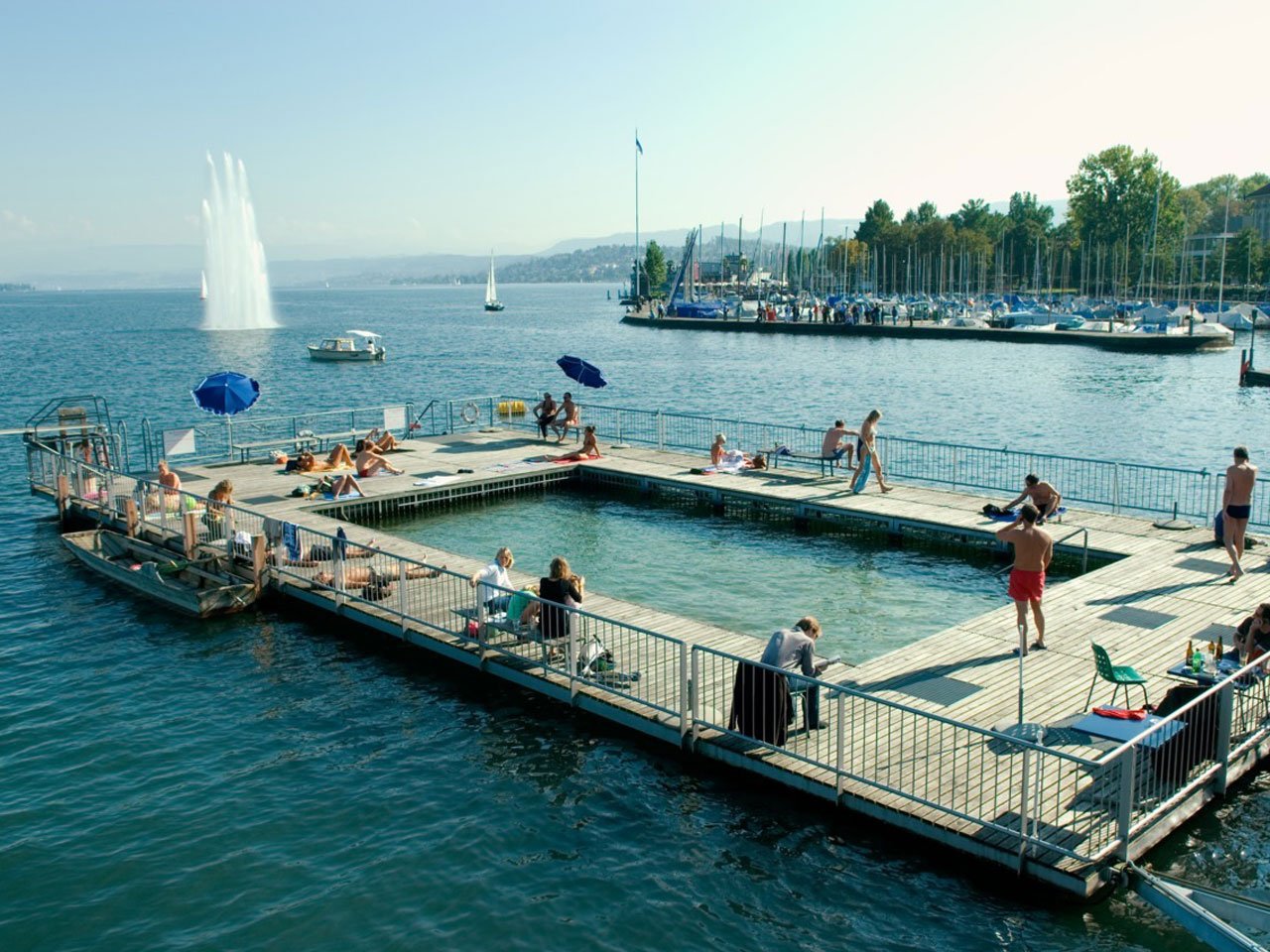
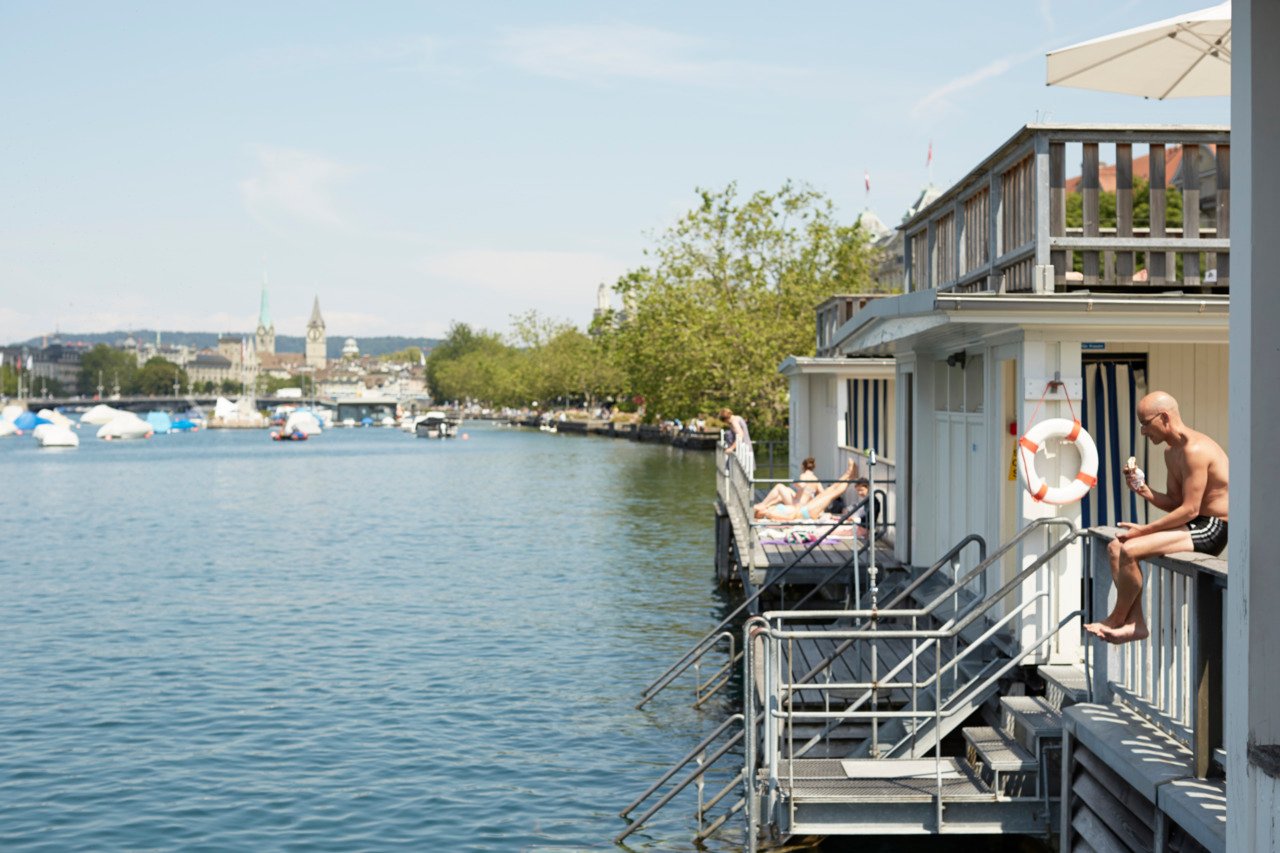
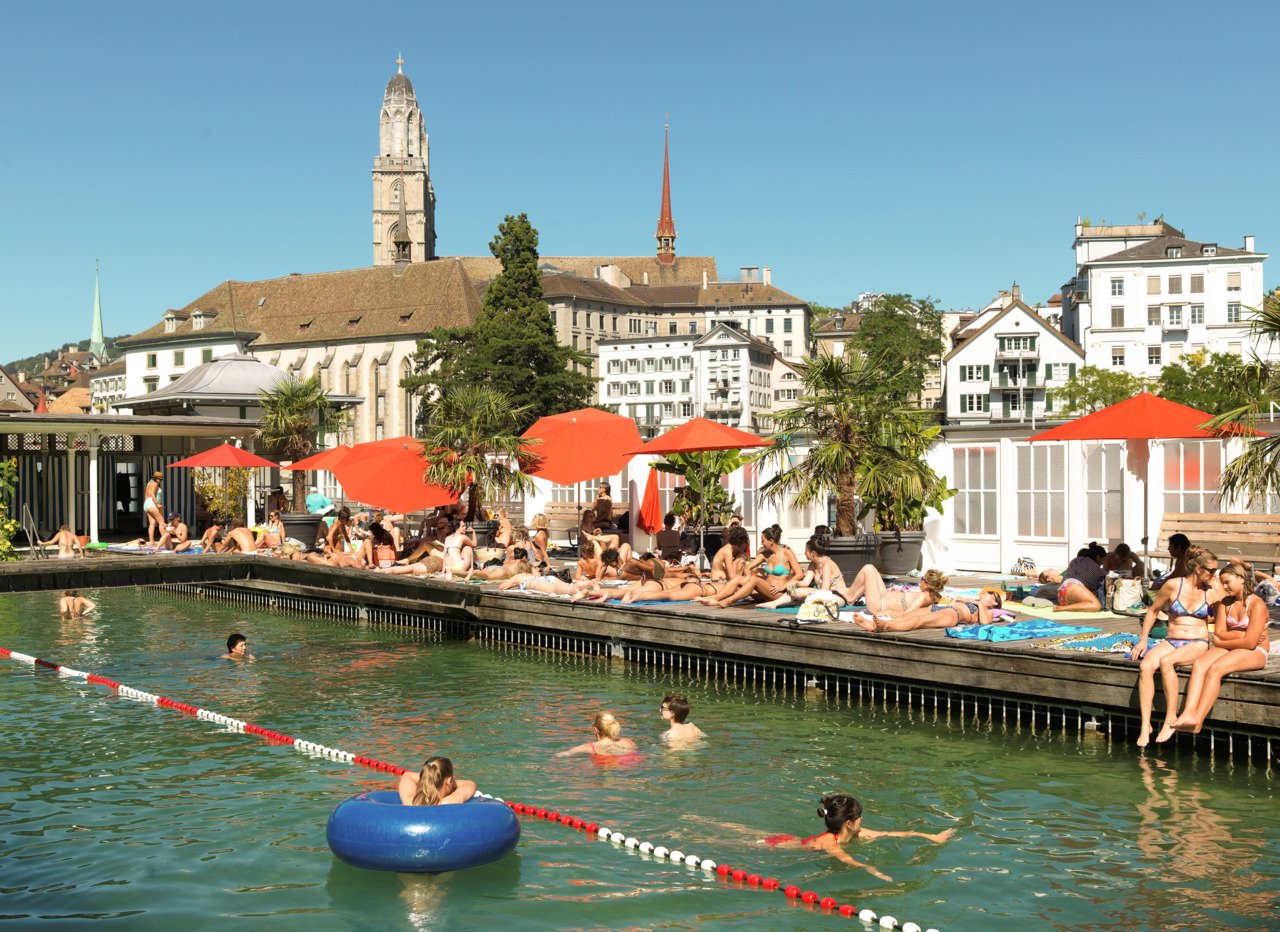
    One of the gold standards for this is easily Zürich. The city has a long history of urban swimming right in Lake Zürich and the Limmat River. And because the city has some of the cleanest urban water in the world, all that is really needed are platforms leading straight into water. But Zürich also has a rich history of beautiful public bathhouses (called Badis). These facilities accommodate the obvious daytime functions, but they also transform at night into bars, clubs, and event venues. It’s for these reasons that their seasonal opening in May is often viewed as the official opening of summer in the city. This is what Toronto needs. So how do we make that happen?

    The obvious first step is that we need clean water, which means we need to eliminate the poop. This remains a problem and here’s why (taken from this 2014 document):

    > About 30% of the land area, which is really in the older area of the city [of Toronto], is serviced by combined sewers. That’s a single pipe that carries both raw sewage and stormwater runoff when it rains. Inherent in the way these systems were configured back in the late 1800s and up to about 1950 is that during heavy rains there’s a spillage of combined sewer overflow, as we call it. It’s a mixture of raw sewage and stormwater runoff. We have about 80 outfalls across the city, 34 of which discharge to Lake Ontario.

    The good news is that we’re working on it. In 2018, Toronto started on the largest stormwater management program in the city’s history with the promise that it will virtually eliminate the release of combined sewer outflows into the Lower Don River, Taylor-Massey Creek and Toronto’s Inner Harbour. I don’t know enough, technically, to say whether this will get us all the way there, but I do know that it is absolutely crucial to making Toronto more like Zürich. Zürich also some combined sewers, but they use large retention tanks to hold excess wastewater and prevent it from overflowing into Lake Zürich and the Limmat River.
    The second step is that we need to invest in incredible bathhouse facilities. From what I can tell, this is also a work in progress. As part of the preliminary design for the Parliament Slip (in the city’s central waterfront), there is a proposal for a floating barge and two outdoor pools. There may even be a snack bar! (Let’s hope it’s a lot more than that.) This won’t be the same experience as swimming directly in Lake Zürich, but it will still be awesome and Toronto should make it happen.
    But there are other opportunities. One that often comes to mind for me is Sunnyside Bathing Pavilion. Originally constructed in 1922 and renovated in 1980, today it mostly feels abandoned, other than the mediocre cafe facing the boardwalk (and yes, the adjacent pool). It’s severely underutilized and under kept. What we ought to do is host an international design competition and challenge the world to rethink it and its relationship to the lake, just as we did for our central waterfront. And of course, we should do this in parallel with making our bodies of water some of the cleanest in the world.

    Toronto needs a summer bathing culture.

    Photos from Zürich Tourism
  • Toward more family-friendly housing on Toronto’s major streets

    July 5, 2025 · View original


    Yesterday afternoon, our team had a productive in-person meeting with senior planning staff at the City of Toronto. The purpose of the meeting was to talk about the challenges associated with delivering infill missing middle housing and to brainstorm the possible solutions.

    Some of the key topics that we discussed: Type-G loading / garbage requirements, amenity space requirements, right-sizing the Site Plan Control process, single-stair exiting, the cost of connecting to Toronto Hydro, the challenges with assembling small lots, specifics of the Major Street Study, and a bunch of other things. So many of the things that we regularly talk about on this blog.

    We also walked everyone through the site we had under contract but eventually dropped because the margins were just too thin. This included opening up our pro forma, projecting it onto the screen, and going through it line-by-line. We are happy to do this because we think this transparency helps everyone truly understand the obstacles.

    What’s clear is that we all want to see more family-friendly housing lining our avenues and major streets. And so there’s a real feeling of collaboration during meetings like the one we had yesterday. We’re all at the stage of “what is it going to take? Let’s figure it out!” This can-do attitude makes me feel optimistic that we are going to get there. And once we do, Toronto will be that much better for it.

    It was also nice having an in-person meeting back at City Hall. To be honest, I can’t remember the last time I did that. But it used to be standard operating procedure. We’d all arrive early, huddle in the cafe at the bottom of the building for a pre-meeting, and then look around to see what other teams/projects were also on deck with the city. It made me feel nostalgic — and older.

    Enjoy the weekend, everyone.

  • One of the most iconic and extreme railways in the world

    July 4, 2025 · View original


    YouTube video

    If you’re a regular reader of this blog, you’ll know that I like trains. So when I come across a video titled “This Sahara Railway Is One of the Most Extreme in the World,” there’s a high probably that I’m going to watch it — even if it’s over 6 years old. Now for a second, I thought that I may have already written about this rail line, but AI tells me that I haven’t.

    The Mauritania Railway is one of the most iconic and famous lines in the world. It’s approximately 704 kilometers long and it was built for the sole purpose of transporting iron ore from the Zouérat mines in northern Mauritania to the port city of Nouadhibou on the Atlantic coast. Iron ore represents somewhere around half of Mauritania’s exports.

    This railway runs some of the longest trains in the world — each train can have over 200 cars, which translates into trains that are up to 3 kilometers long. They can also transport up to 17,000 tons of iron ore, making it one of the heaviest trains anywhere in the world.

    But what I find most fascinating about this railway is the informal economy that unintentionally emerged on top of it. Because the trains return from Nouadhibou to Zouérat empty, local fishermen and traders use it to transport product inland to towns along the line. And for many of these towns, this is their lifeline — it’s their only connection to the outside world.

    It’s not a fun trip, nor is it a safe trip. It also takes 20 hours to travel from one end to the other. But it’s importantly free and it provides economic opportunity. It’s an extreme example of the power of rail. Here you have a single railway that likely shoulders at least a quarter of the country’s entire GDP, and that’s without including any of the benefits derived from its informal contributions.

    If you haven’t yet seen the above video, I would encourage you to take the 12 minutes and give it a watch. The visuals are important to see. And there’s a reason it has over 10 million views.

    Cover photo by Andrzej Kryszpiniuk on Unsplash

  • Toronto reneged on its commitment to allow six-unit buildings

    July 3, 2025 · View original


    Alex Bozikovic of the Globe and Mail wrote an excellent piece talking about what I wrote about last week in Old Toronto, and then the rest. Here are some of the zingers:

    > And Mayor Olivia Chow? She barely spoke. She ultimately supported the compromise, but she declined to stand up for a bolder vision. For a mayor elected with a mandate to address housing and equity, that silence was striking. > > Meanwhile, the opposition – led by suburban councillors – offered little beyond incoherent panic. “We are risking suburban alienation,” said Parthi Kandavel of Scarborough Southwest, as though allowing modest apartment buildings might rupture the civic fabric. “A one-size-fits-all approach does not fit the bill.” > > For Mr. Kandavel, as for a thousand politicians before him, one-size-fits-all is fine as long as that “one size” gives the loudest homeowners exactly what they want – and preserves economic segregation by keeping tenants away from where they don’t belong.

    He goes on:

    > In Mr. Kandavel’s ward, at least 52 per cent of residents lived in apartments as of 2021. Nearly half are renters. To speak as if tenants are invaders is to insult the very people he represents. > > If the federal government decides to withhold that $60-million, it would be entirely justified. A city that won’t allow a sixplex – a building the size of a large house – is not serious about housing, about urbanism, or about its own future.

    Cover photo by Julian Gentile on Unsplash

  • Happy (belated) Canada Day

    July 2, 2025 · View original


    I hope all of you had a great longish Canada Day weekend. I say longish, because maybe you took off Monday, or maybe you didn’t. Either way, yesterday was Canada Day. I love Canada Day. Every year I take out my giant flag and bring it with me wherever possible in celebration of this place.

    This past Saturday I took it to Electric Island. And what I will say is that I saw a noticeable uptick in house and techno fans wearing Canadiana. Everything from Blue Jays hats to t-shirts saying things about the direction of elbows. This is not at all surprising. We know what happened this year. And the result is that Canadian patriotism is surging.

    According to Leger and the National Post, 83% of people surveyed in June 2025 said they’re proud to be Canadian. And according to Angus Reid, who polled people in February of this year, nearly 60% of Canadians said they have a “deep emotional attachment” to country. This is what happens someone punches you in the face. You get your back up and seek out solidarity.

    But when channelled correctly, this can be a positive thing. What we need it to do is to continue to shake us out of complacency. The status quo puts us at risk and accepts mediocrity. We need to diversify our economy (away from the US), build with the greatest of urgency, and think of ourselves as an emerging global superpower.

    Happy (belated) Canada Day, everyone.

    Cover photo by Mvrkle on Unsplash

  • A city without cars

    July 1, 2025 · View original


    YouTube video

    Okay, so I haven’t been (yet). But if you’re an urbanist in search of a new city to check out, consider Pontevedra in northwestern Spain. Pontevedra is famous for its car-free city center. Starting in 1999, then-mayor Miguel Anxo Fernández Lores began making some radical changes to prioritize pedestrians and turnaround a city in decline. They’d still be considered radical today, so I can only imagine what they felt like back in the 90s.

    The historic center of the city, which covers an area of about 300,000 m2 (or about 74 acres), was fully pedestrianized. The area surrounding it was also converted to a low-traffic zone, bringing the total size of the pedestrian-oriented area to more than 1.3 million m2 (or about 321 acres). To put this into perspective, High Park in Toronto is just under 400 acres.

    The result is that vehicular traffic dropped by ~92% in the historic center and ~53% in the city as a whole. Today, walking accounts for over 65% of all trips and the average resident walks about 5 km per day (roughly equivalent to 6,000 to 7,500 steps). On top of this, over two-thirds of children now walk to school. And the city hasn’t reported a single pedestrian death from cars in over a decade!

    But how has the city performed economically since the change? Some 15,000 people have moved to the city since it became car-free and the total inventory of shops and restaurants has increased. It has also been reported that foot traffic went up (possibly by as much as 30%) and that retail vacancies dropped significantly. This is supported by research showing that well-designed pedestrianized areas do often drive higher retail sales.

    Did you hear that Kensington Market?

  • Building Canada with how, not why

    June 30, 2025 · View original


    The One Canadian Economy Act, which received Royal Assent on June 26, 2025, has two components to it: the Building Canada Act and the Free Trade and Labour Mobility in Canada Act. Today, I’d like to talk about the first one.

    The intent of the act is to expedite the delivery of “nation-building projects.” Projects that will strengthen Canada’s autonomy, resilience, and security, and turn the country into a global superpower (my words, not theirs).

    The government states that this might include things like highways, railways, ports, airports, oil pipelines, critical minerals, mines, nuclear facilities, and electricity transmission systems.

    At a high level, the streamlining is intended to work like this:

    – Projects first need to qualify as a nation-building project. – Then, the federal government approves the project right from the outset. – Following this a single conditions document will be issued by a new Federal Major Projects Office. This is intended to replace the current process of multiple sets of comments, conditions, and federal permits.

    Overall, the target is to reduce average approval timelines from ~5 years to ~2 years.

    What I particularly like about this sequence is that projects get “approved” right at the start. This is intended to immediately change the conversation from whether we should build to how do we build, which is an important distinction.

    As someone who manages projects for a living, I can tell you that decisive and clear direction is critical to moving projects forward. Uncertainty and indecision kill momentum and motivation within teams. You need to be able to say, “this project is going, and going fast, so focus on figuring it out and making it happen!”

    Ultimately, everything comes down to execution. But at least we’re taking positive steps toward becoming a country that once again builds — and builds big.

    Photo: Gordie Howe International Bridge

  • Do not freeze rents

    June 29, 2025 · View original


    > “Rent control is the second-best way to destroy a city, after bombing.” —Lawrence H. Summers

    Zohran Mamdani, the Democratic nominee for the mayor of New York City, clearly ran a good campaign. He used social media and short-form videos to find his audience and win with the message that the city has become unattainable to most.

    But it is also clear that the stock market really does not like his message. Shares of firms with exposure to New York City’s real estate market reacted immediately: Vornado Realty Trust, SL Green, Equity Residential, Empire State Realty Trust, LXP Industrial Trust, and others, were all down. At the same time, the wealthy vowed to leave New York for places like Florida, as they so often do these days.

    One of reasons for this negative reaction was Mamdani’s commitment to not just cap rent increases, but freeze rents in rent-stabilized units for the entire duration of his term. We’ve spoken a lot about rent control over the years (here, here, here, and other places) but, at a high level, the problem with rent controls is that they create a strong disincentive for landlords to invest and maintain their homes and for developers to build new homes. So what ultimately happens is that you get a more rapidly aging inventory of existing homes and a reduced amount of new supply.

    A full-out rent freeze takes this even further. A rent freeze does not mean that utility costs will also be frozen, that insurance and taxes will be frozen, that interest rates will be capped, and that all other landlord operating expenses will be restricted from inflating. (If this were the case, we really wouldn’t have market economy.) So what a rent freeze does is ensure that, in real dollars, a landlord is able to collect less money from tenants, while operating costs continue to increase under the line.

    The same is true in condominiums and other ownership structures. Whenever somebody talks about frozen maintenance or common element fees, I immediately remind them that this is a bad thing, not a feature. It means the condominium corporation is on an unsustainable path and will eventually run out of money. Something is being sacrificed in order to keep up with rising operating and capital expenses. At the very least, you need to keep up with inflation.

    I can appreciate that rents are too high. As a developer, I would love to be able to build to lower rents. It reduces absorption risk and it’s better for the city. But rather than just freeze rents, a more productive and sustainable approach would be to attack the underlying root causes for the problem. A rent freeze is a short-term political fix that will have second and third-order consequences. Problems for a different day and for a different mayor, perhaps. But problems nonetheless.

    Cover photo by Daryan Shamkhali on Unsplash

  • What is causing transit ridership to bounce back in some cities and not others?

    June 28, 2025 · View original


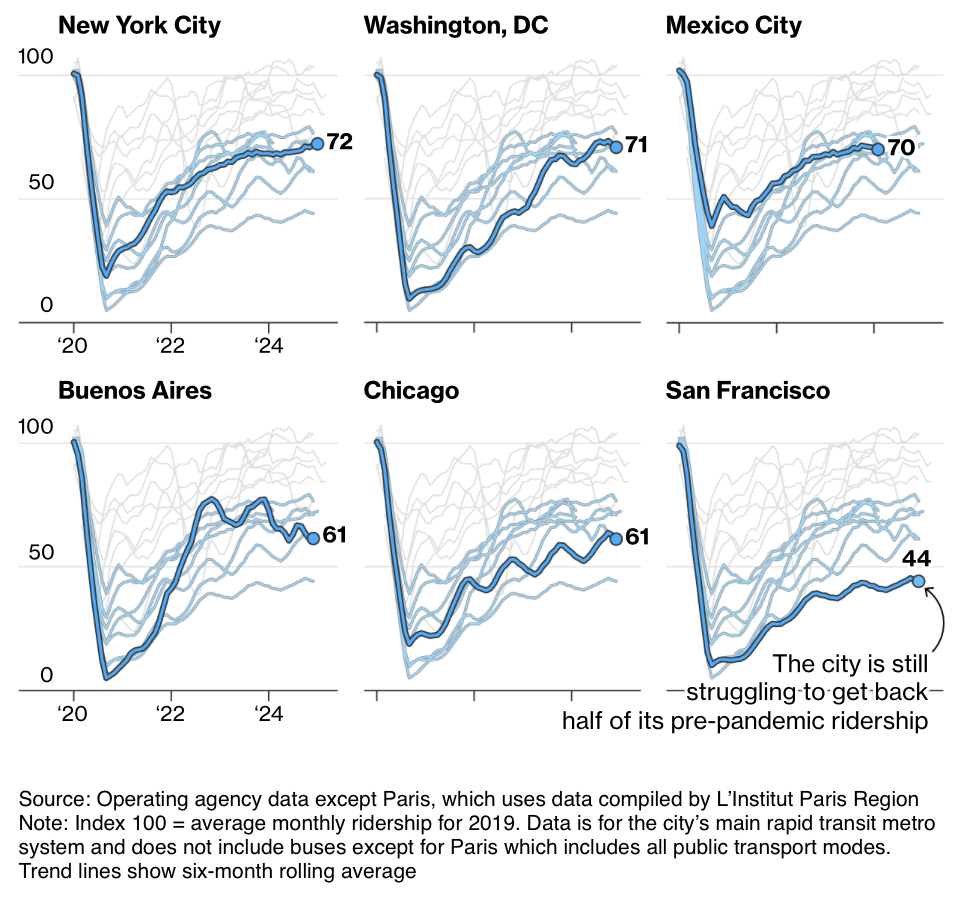
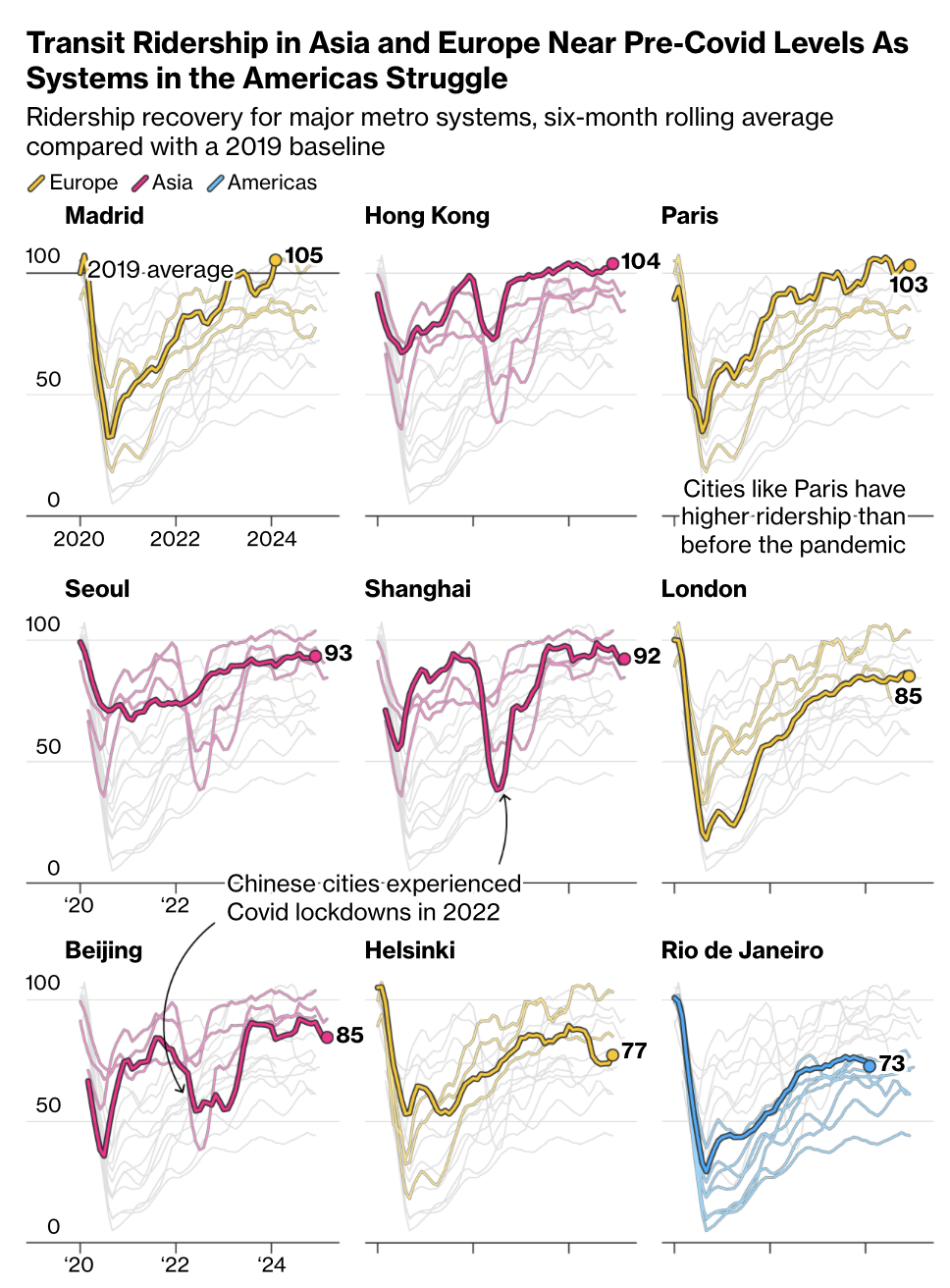
    Nationwide across the US, transit ridership is only at about 70% of where it was in 2019 before the pandemic. But this is not the case in all cities around the world. According to this recent Bloomberg article, Madrid, Hong Kong, and Paris are all above their 2019 ridership levels. Seoul and Shanghai are also close at just over 90%, and London is at 85%.

    So this problem of fewer people riding transit seems to be a North and South American phenomenon. Rio de Janeiro is at 73%, Mexico City is at 70%, and San Francisco is somewhere near or at the bottom at 44%. The obvious explanations for this are that Europe and Asia are generally denser and less car-oriented, their return-to-office patterns have been much stronger (less WFH), and their governments probably care more about transit (and spend more money on it).

    Broadly speaking, I think this is all true, but I’d love to know more precisely what’s driving these differences. Because it’s not exactly obvious. Consider, for example, Paris and London. Paris is at 103% of its 2019 levels, whereas London is only at 85%. Why is that? Both cities share a lot of similarities. They have a river that weaves through the middle, they’re dense, they have lots of trains, and both are alpha global cities.

    So why the delta? What exactly is Paris doing that is encouraging more transit usage?

    Charts via Bloomberg

  • Old Toronto, and then the rest

    June 27, 2025 · View original


    This week, Toronto once again demonstrated that there are two cities within our city: There’s Old Toronto and then there’s the rest of Toronto. The former generally corresponds to the boundaries of Toronto prior to amalgamation in 1998. It represents a city that was built around streetcars and subways and is therefore embedded with certain urban sensibilities. Then there’s the rest of Toronto. This part of the city ranges from being reluctantly urban to overly hostile toward it. And it shows up in many areas, from its modal split to its voting patterns.

    This week it showed up in a debate to permit multiplexes with up to six homes (sixplexes) in all residential neighborhoods city-wide. It is also important to note that adopting this zoning change is a prerequisite to the city accessing $471.1 million in funding from the federal government. But this is not how City Council voted this week. Instead, a “compromise motion” had to be put forward that isolated sixplexes to Toronto and East York District, and Ward 23 in Scarborough. In other words, we are not that far off from splitting Toronto between Old and the rest.

    I’m glad that something, instead of nothing, got done. But it’s disappointing that Mayor Olivia Chow did not stand up and show any leadership on this recommendation from planning staff.