Daily insights for city builders, delivered every morning at 6 AM ET. I’m Brandon Donnelly — a Toronto-based real estate developer and founder of Globizen. I’ve been writing here since 2013.
If you think housing is expensive, consider the above, which I stumbled upon in New Hampshire and which initially struck me as some sort of military-grade camping vehicle.
I checked out Earth Roamer’s site and these things are luxurious on the inside. However, they also have a base starting price of US$695,000. I don’t know the exact square footage, but the PSF price has got to be very high.
They’re also about 12’ tall (nearly double what most parking garages are designed to accommodate); meaning they don’t really fit in most cities. But I guess that’s kind of the point.
It’s been raining all morning, but apparently there is an ocean hidden in the above picture. We also got in after dark and so all I really saw was what I could see on the drive from the airport.
Whenever I am reminded that the vast majority of built form in North America is car-oriented in nature, I can’t help but think of how sticky all of this is going to be.
Witold Rybczynski put it accurately when he said, “urbanism and architecture observe different time lines.” Buildings may take forever to build, but relative to urban form, they actually change pretty quickly.
New materials and styles emerge, and so do new buildings. But the streets that surround them change so slowly, that for all intents and purposes, they mostly don’t change.
What that means is that, for better or for worse, most of what we see is likely to persist. No wonder there is an arms race going on with autonomous vehicles.
Yeah, I can’t say I’m excited to try this. Japan Airlines has just launched a new year-long pilot allowing its passengers to reserve and rent clothes. The way it works is that you tell them what you’re traveling for and then you get something like a “spring/fall x smart casual” variety pack delivered to your hotel or Airbnb.
The clothes, which look something like this, are a mix of excess stock and second-hand stuff, and so it is being positioned as a more sustainable choice. You’re both using clothes that might otherwise go to waste and you’re reducing the amount of weight that you’re traveling with. (You still need to bring your own underwear.)
The site handling the clothing rental system claims that a 10kg reduction in a flight passenger’s luggage results in an estimated 7.5kg reduction in carbon dioxide emissions. A 7.5kg reduction in CO₂ emissions, it adds for reference, is the equivalent of forgoing using a hairdryer for 78 days (based on an average use of 10 mins per drying session).
I suppose this could also be positioned as a convenience: why lug a suitcase full of clothes around when you can just reserve what you want and have it waiting for you at your hotel? But I also suppose that you need to be okay wearing well-used clothes. Maybe this matters less, though, if the clothes are really nice and fashionable?
I don’t know. It’ll be interesting to see if there’s a market for this.
I would also say that even though I may not be excited about rental clothes, I take great pride in packing efficiently for travel. Unless I’m going snowboarding, I basically do not check a bag. I can do 2 weeks just fine with a carry-on and, to be honest, there’s something liberating about reducing your belongings to only what is necessary.
So who knows, maybe bringing only underwear and toiletries would be even more liberating.
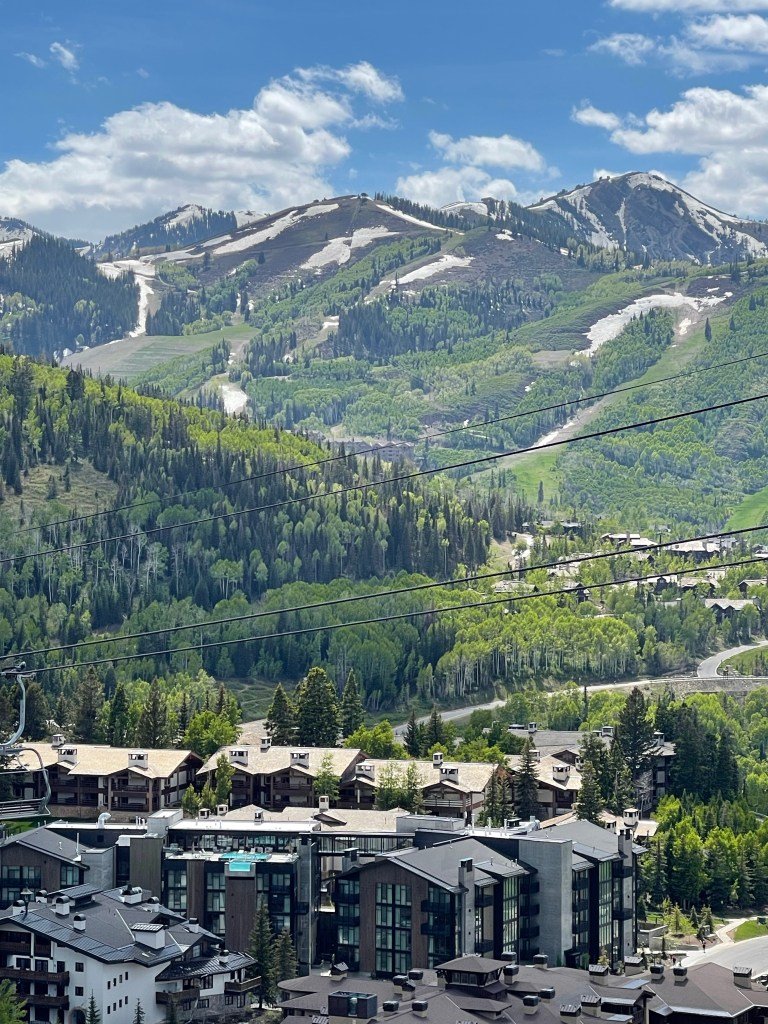
We spent his morning meeting with prospective property managers for Parkview Mountain House. Here’s what we learned about the short-term rental market in Park City, Utah:
Property management fees generally range from 20-35% of revenue (these are turnkey solutions)
Airbnb is somewhere around 80% of the market here; though it does tend to skew toward slightly smaller rentals, whereas VRBO skews larger
Sundance Film Festival and New Year’s Eve are the two busiest times in Park City (demand greatly exceeds the available vacation rentals — 120%?)
Many Sundance guests tends to be people on expenses accounts: not price sensitive, but apparently very demanding
Winter is obviously peak demand because of snowboarding and skiing, but demand is still strong in the summer because of cycling, hiking, golfing, fishing, etc.
The two slowest times are spring (mud season) and fall
Many PMs will track booking lead times, which is the period of time between booking and check-in
This past winter season, demand was strong but average lead times were way down — meaning people were booking last minute and responding to snowstorms
During heavy snowfall seasons, like the one Utah had this past winter, you’ll likely need to budget for roof snow clearing (a few thousand for the season)
Heated driveways are a very good idea in the mountains
The most popular / most searched amenity is by far a hot tub; servicing one will run you about $125 per month
I always find it fascinating to dig in and learn about a new industry and/or market. And that’s exactly what we did this morning.
Cities are complicated. And we have spoken before about how it can sometimes feel like they never really reach homeostasis. In extreme cases, it might seem like they’re either decaying and losing people, or they’re too successful.
I was reminded of this again this morning while reading an article about how Rome’s historic city center is being overrun with Airbnbs and tourists, and how it is pushing out the locals. It has, arguably, become too successful as a tourist destination.
But the question I have is: What’s the right amount of tourism? If 25,000 listings is too many for Rome, what’s the right number? And do cities ever really achieve homeostasis, where, you know, things feel just right? Here’s an excerpt from the above article that describes what parts of Rome were like before the tourism boom:
Ms. Rapaccini remembers when Monti was a quiet, authentic haven for arty types and locals. She and her late partner, the film director Mario Monicelli, who received six Oscar nominations, moved to Monti in 1988. The area wasunfashionable, dirty and full of prostitutes, but beautiful in its gritty way, “like a little village” even though it was in the heart of a big, bustling city, she recalls. The apartments were cheap and the area began to attract film types, journalists and artisans – none of them rich – who mixed easily with local workers and shop owners.
It’s a romantic description of what sounds like a pretty gritty area. Unfashionable, dirty, and full of prostitutes is apparently better than full of annoying American tourists. And perhaps it is. But then what was the area like before it was unfashionable, dirty, and full of prostitutes? Was that also better?
I have no idea. But cities are constantly changing and evolving, and they were doing it long before any of us arrived, especially in the case of an ancient city like Rome. Maybe that’s what makes it so difficult to hang onto that exact moment in time when everything was just right.
The first and only other time that I have visited Milan was over 20 years ago. I was 19 or so, and a close friend and I decided to take the train into Centrale without a place to stay and without a plan, other than to get into some trouble.
We ultimately succeeded at this ambitious plan. But I clearly didn’t see enough of the city, and I left thinking that it was a bit of a grimy and sleepy place. I was disappointed. I thought it would be fashion everywhere, and it wasn’t for me. And this impression has lingered with me ever since.
Boy have I been missing out.
I have fallen in love with Milan on this very short trip. It really is a capital of fashion and design. This is not a city of meandering tourists looking for the Pantheon (okay, there’s still some of that); it is a big city of business and culture. And if I had to compare and contrast it to other cities, I would say this.
Its built form is not nearly as manicured and as fussy as Paris’. In fact, in some ways, it’s a bit like Toronto. Its overall urbanism is messier, and you have to scratch beneath the surface and sneak into some courtyards before you really uncover its true beauty. But once you do, it’s magical.
At the same time, its street fashion strikes me as being slightly fussier. There is an effortlessness in Paris that doesn’t seem as pronounced in Milan (though it is still there). Here, there’s a little more flash and a little more, “I’m sexy and stylish, and I would like you to be aware of that.”
But this is not to say that you won’t see men and women in suits and stilettos riding a bicycle. It still feels effortless. It still feels natural. And when you’re here, you can’t help but feel like you’re probably not stylish enough for this capital of fashion and design.
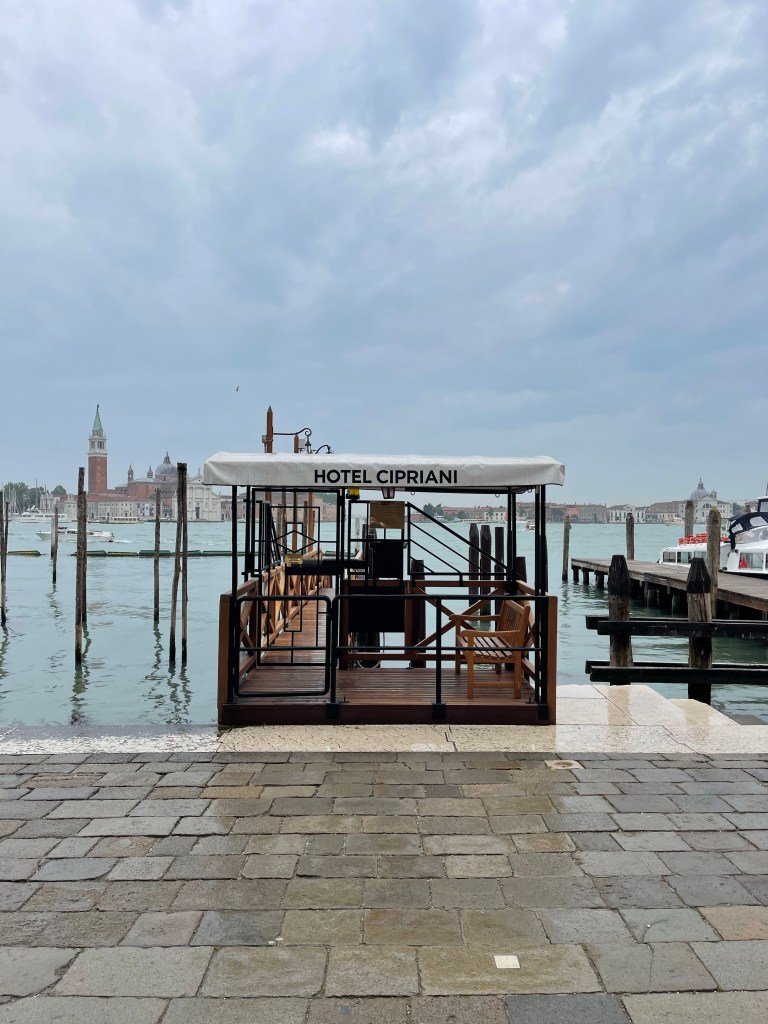
We are on the train headed to Milan this morning, so as is customary on this blog, here are a few observations from the last few days in Venice:
Venice was a dominant republic for some 1,000 years. It was the fulcrum point of trade in Europe and, at one point, its wealthiest city. But that started to change in the 15th century, which is an important reminder that nothing is guaranteed. The world changes. Markets change. And maybe you won’t be as relevant tomorrow, unless you can find another economic reason for being.
If you’re an old city with lots of history, perhaps the easiest fallback plan is tourism. And it goes without saying that Venice gets a lot of tourists. I was, of course, one of them. After Italian, the most commonly overheard language on the streets seemed to be French. Maybe it was the time of year?
Besides my debilitating spring allergies, May feels like a reasonably optimal time to visit the city. I don’t think you want to visit Venice in peak summer. Too many meandering tourists taking photos (myself included). And too hot and humid. A high probability of “walking rage.”
Hotels in Venice are not cheap. But the city itself didn’t seem overly expensive, at least compared to many other top tourist destinations. Think €2.50 jugs of wine, €20-30 for very nice local leather goods, and €110 for a 7-course Michelin-starred meal.
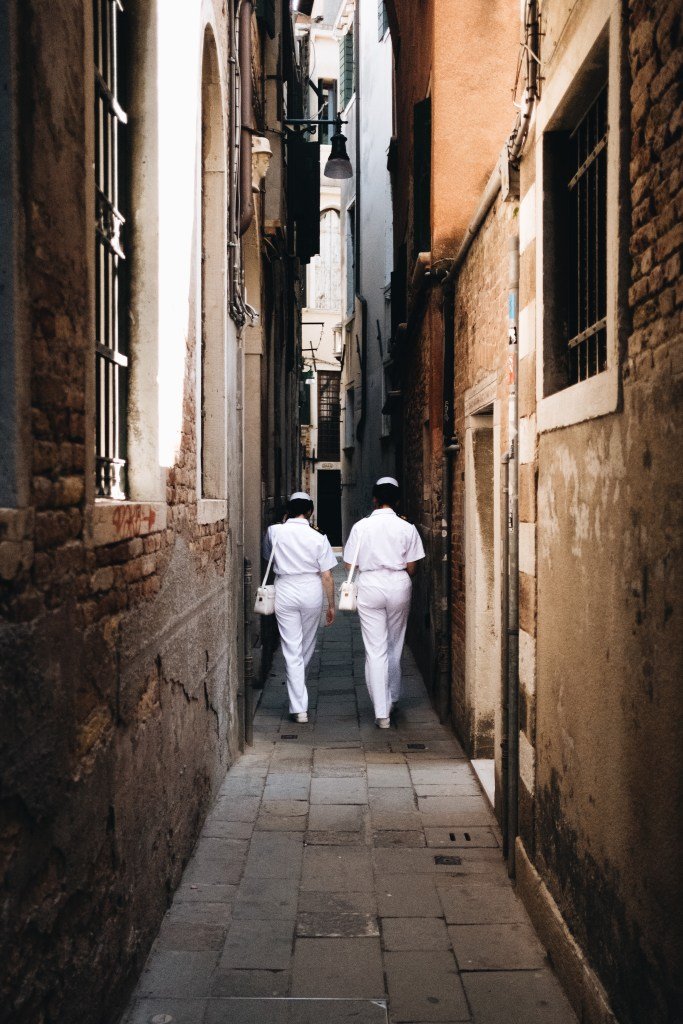
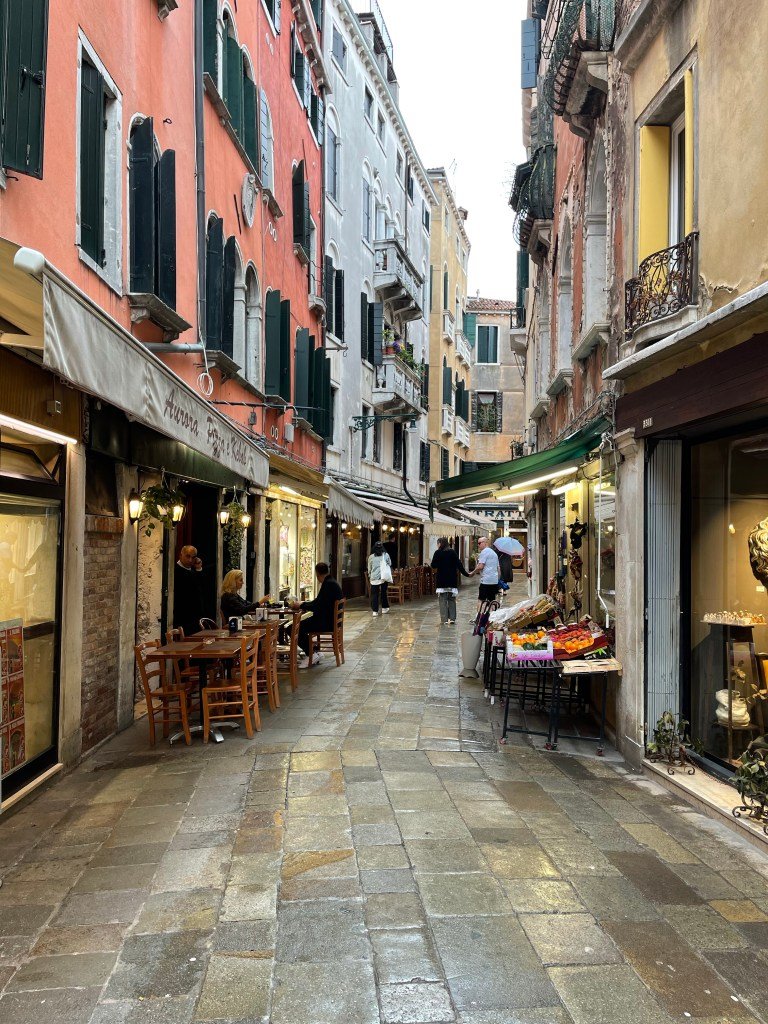
Venice has some of the most compact streets I have ever walked in. I didn’t have my laser distance measurer on me, but in many cases, you can barely fit two people side-by-side. I certainly couldn’t extend my arms fully outward. (See above photo.)
Wonderful doorbells. Virtually every apartment in Venice, has an array of doorbells at its front door. They are beautiful, typically in metal, and almost always round. But in addition to looking nice, there is also something very personal and about seeing people’s names right on the street. This probably tells you something about how differently privacy and security are viewed in the city.
That said, Venice isn’t a place where I would want a pied-à-terre. (I like to think about this sort of thing when I travel because it speaks to impressions of a place.) I mean, I love it, but: Too many tourists and the whole “we are sinking and have regular floods” thing seems like a bit of a problem. For me, it’s a city that I’d like to regularly visit. We spent much of our 2 days at the Venice Biennale, and there’s obviously a lot more to see.
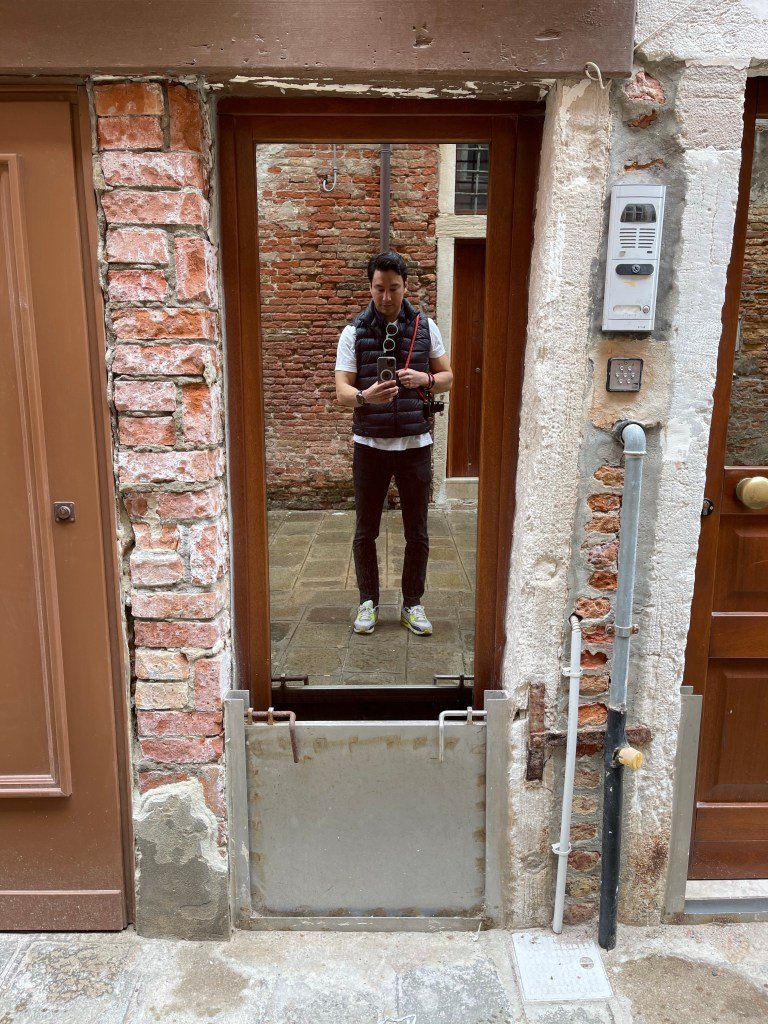
Finally, and this also goes without saying, but Venice is a city that is necessarily preoccupied with controlling water. Our hotel room had big rain boots in it, just in case. The base of every building is generally solid up to knee height. Interiors have tall tile baseboards. Front doors have removable flood dams. And there are markings across the city indicating some of its historic flood levels. As I understand it, this was always a problem for Venice; however, it is getting worse. I think it tells you just how economically valuable it was for Venice to be located where it is, in a shallow lagoon at the top of the Adriatic Sea.
We spent yesterday and today at the Venice Biennale (both the Giardini and the Arsenale). I really enjoyed it and I’m glad that I was finally able to attend. One of my favorite exhibits was Bahrain’s. It is called “Sweating Assets”, and it’s a demonstration of how air conditioning condensate might be harnessed from the country’s significant cooling infrastructure.
Here’s a video of it in action:
In the middle of the exhibit is a big glass box. This is meant to represent a ubiquitous conditioned space. And as the humid Venice air hits this glass box, condensation is created. This water is then channeled to various soil deposits, where greenery is already starting to grow. And presumably it will continue to grow over the life of the exhibit.
They were careful not to come across as encouraging excessive air conditioning. This was not the point. Instead, the message was: Air conditioning is already an omnipresent necessity in the country, and here is how something that is mostly ignored today — AC condensate — could be turned into a meaningful asset.
I thought it was clever. And they also gave out a nice book for free.
This entire city is centered around controlling water. Omnipresent front-door flood dam:
Venice has great doorbell game. If it hasn’t already been done, I think someone should make a coffee table book of these:
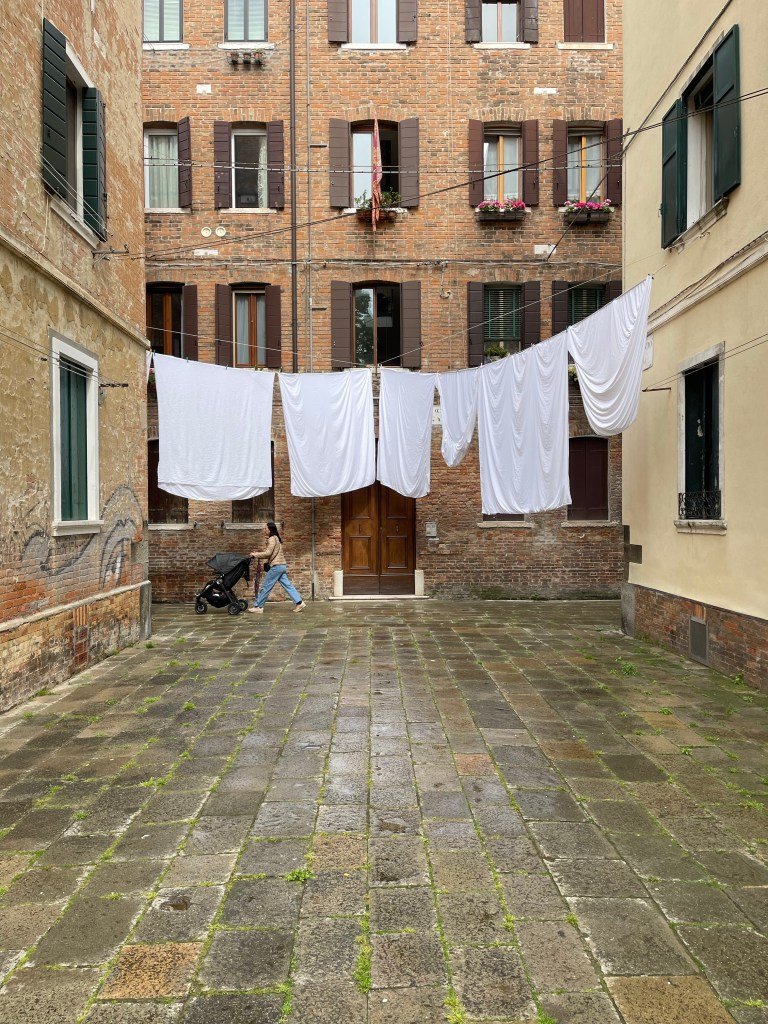
This city is also quite prolific when it comes to urban laundry:
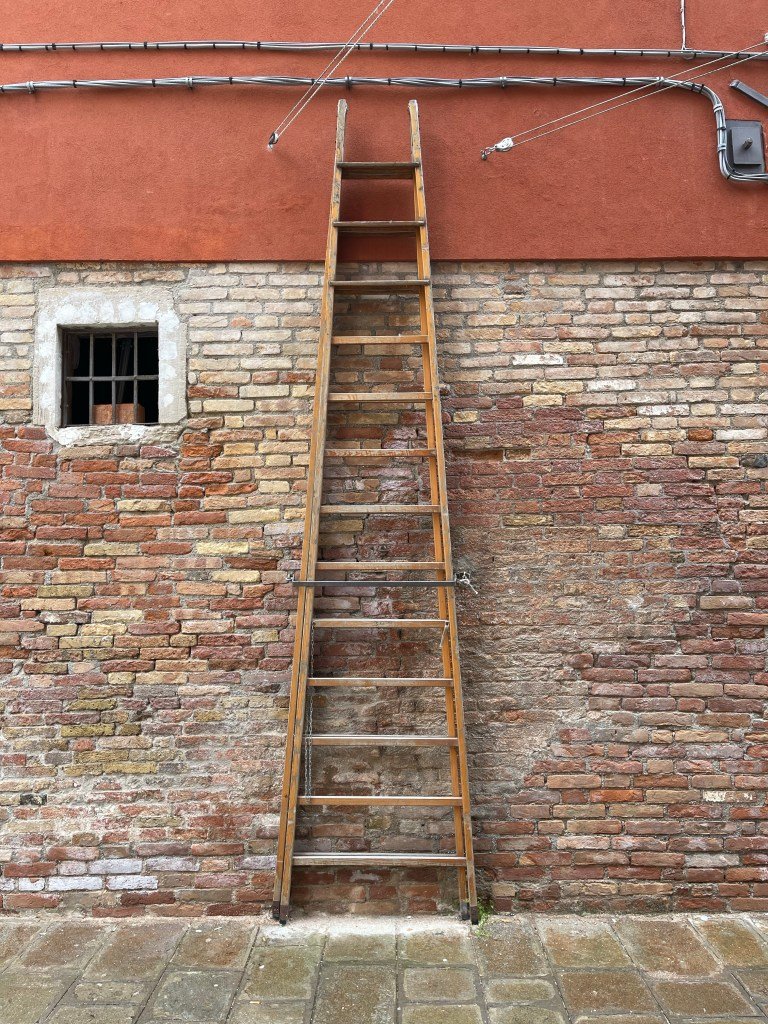
We found a number of these street ladders. Presumably laundry related:
Religion in the streets:
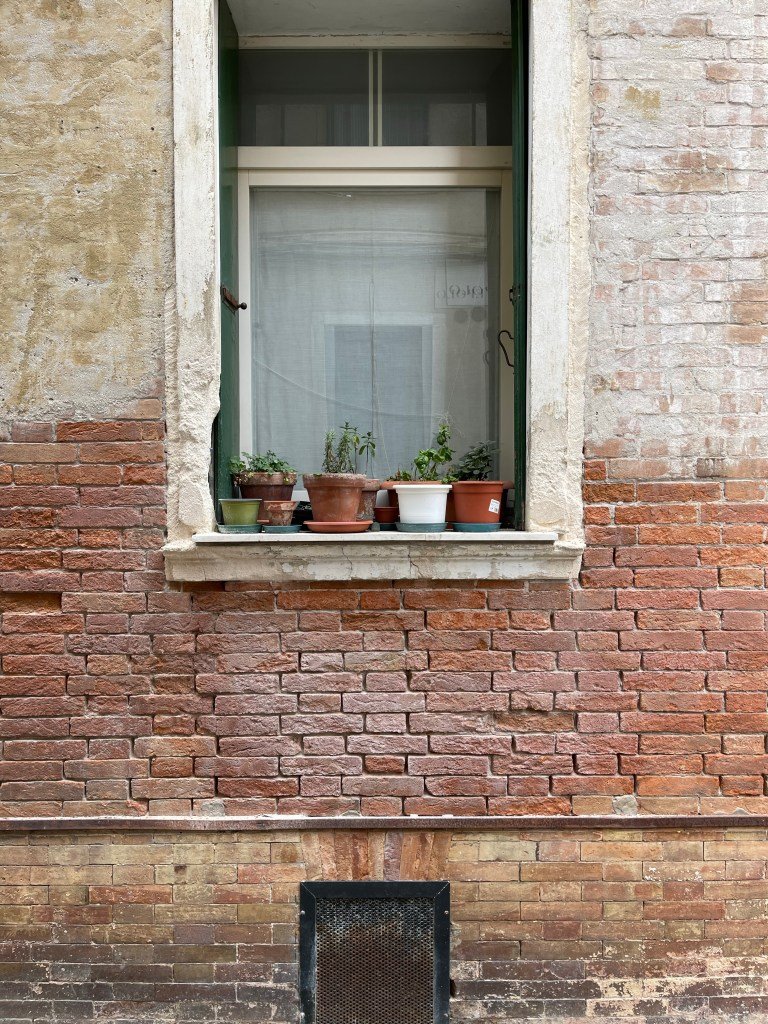
Window garden:
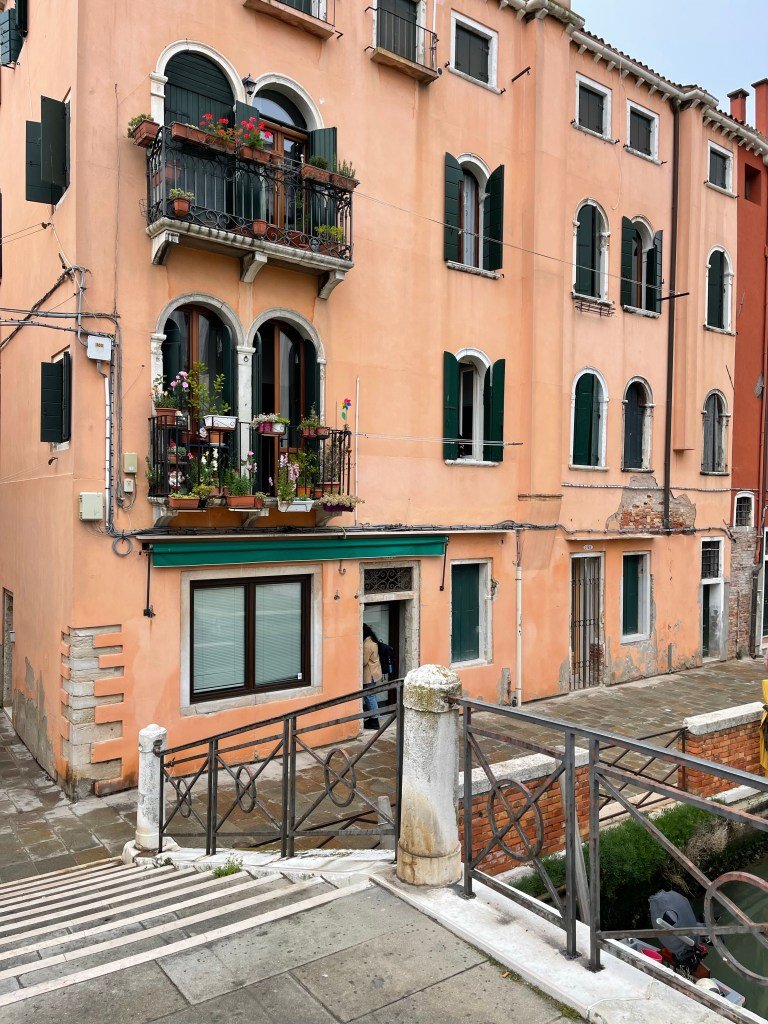
Balcony gardens. Your reminder that (1) small balconies can still be impactful and that (2) balconies with a relationship to the street are used differently:
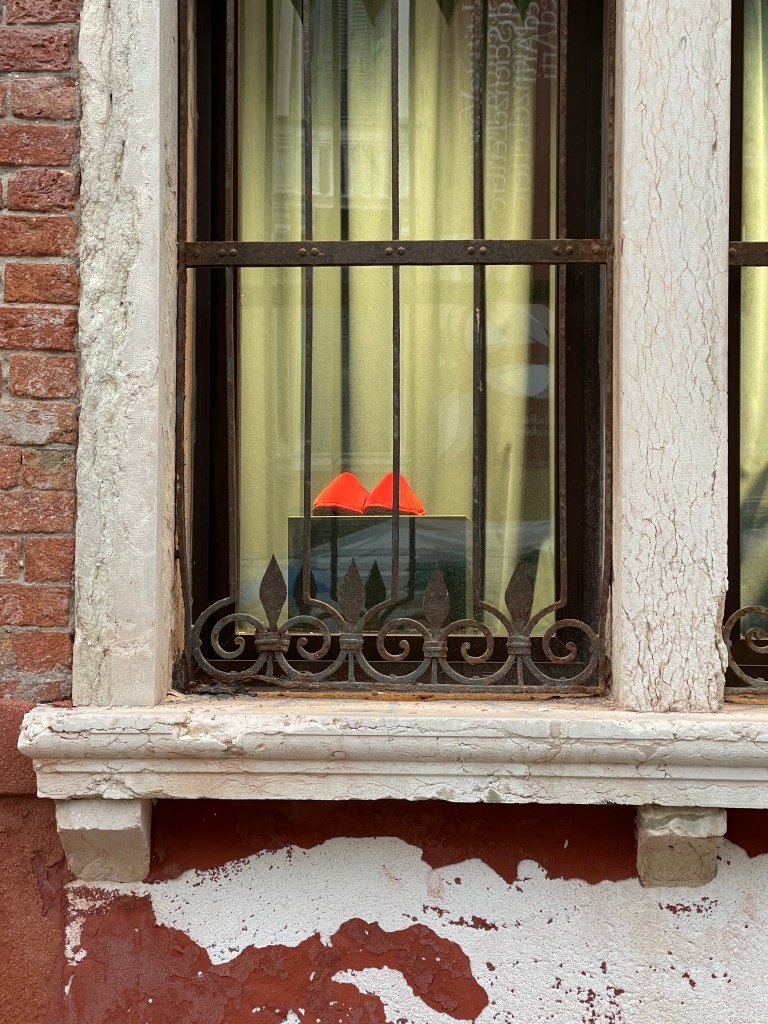
Colorful shoes and green curtains:
Grand Canal:
The kind of street we should allow in North American cities: