Daily insights for city builders, delivered every morning at 6 AM ET. I’m Brandon Donnelly — a Toronto-based real estate developer and founder of Globizen. I’ve been writing here since 2013.

Category: Vancouver

  • Housing complexity does not erase fundamental economic laws

    Business in Vancouver just reported the following breaking news: If you build a lot of new housing, it will become more affordable for people.

    Here’s an excerpt:

    Nearly 24,000 rental units are expected to be delivered in the region over the next two years, adding significant supply and intensifying leasing competition, according to Cushman & Wakefield ULC.

    Record construction completions in 2025 and high deliveries in 2026 are pushing down rent growth and creating tenant-friendly conditions, said a first-quarter report from the firm released in May.

    It could take several years to absorb existing inventory, with meaningful rent growth unlikely to resume until 2028, when longer-term supply constraints could re-emerge if development activity slows and immigration resumes, said the firm.

    This is, of course, the YIMBY argument. Increase housing supply, and housing becomes more affordable.

    But critics will argue that housing supply isn’t the main problem. Indeed, there are surveys that indicate skepticism around the overall housing supply argument. Ask people if producing more widgets will lower the price of widgets, and most agree. Ask people if producing more housing will lower the price of homes, and it’s mixed.

    Housing gets a little more complicated because of investors, speculators, foreign buyers, immigration policies, short-term rentals, and other demand-side factors. And at the end of the day, housing supply adjusts to changes in demand at a snail’s pace. So, from time to time, we will get it wrong. We overbuild at the end of the cycle and underbuild at the beginning of it.

    But none of this means that housing supply isn’t fundamental. Understanding the demand side is important, too. But regardless of where we are in the development cycle, when supply outstrips demand, it is going to create downward pressure on rents and help housing become more affordable. That’s exactly what we’re seeing today.


    Cover photo by Peter Skaronis

  • How public transit connects the World Cup host cities

    July 9, 2026 · View original


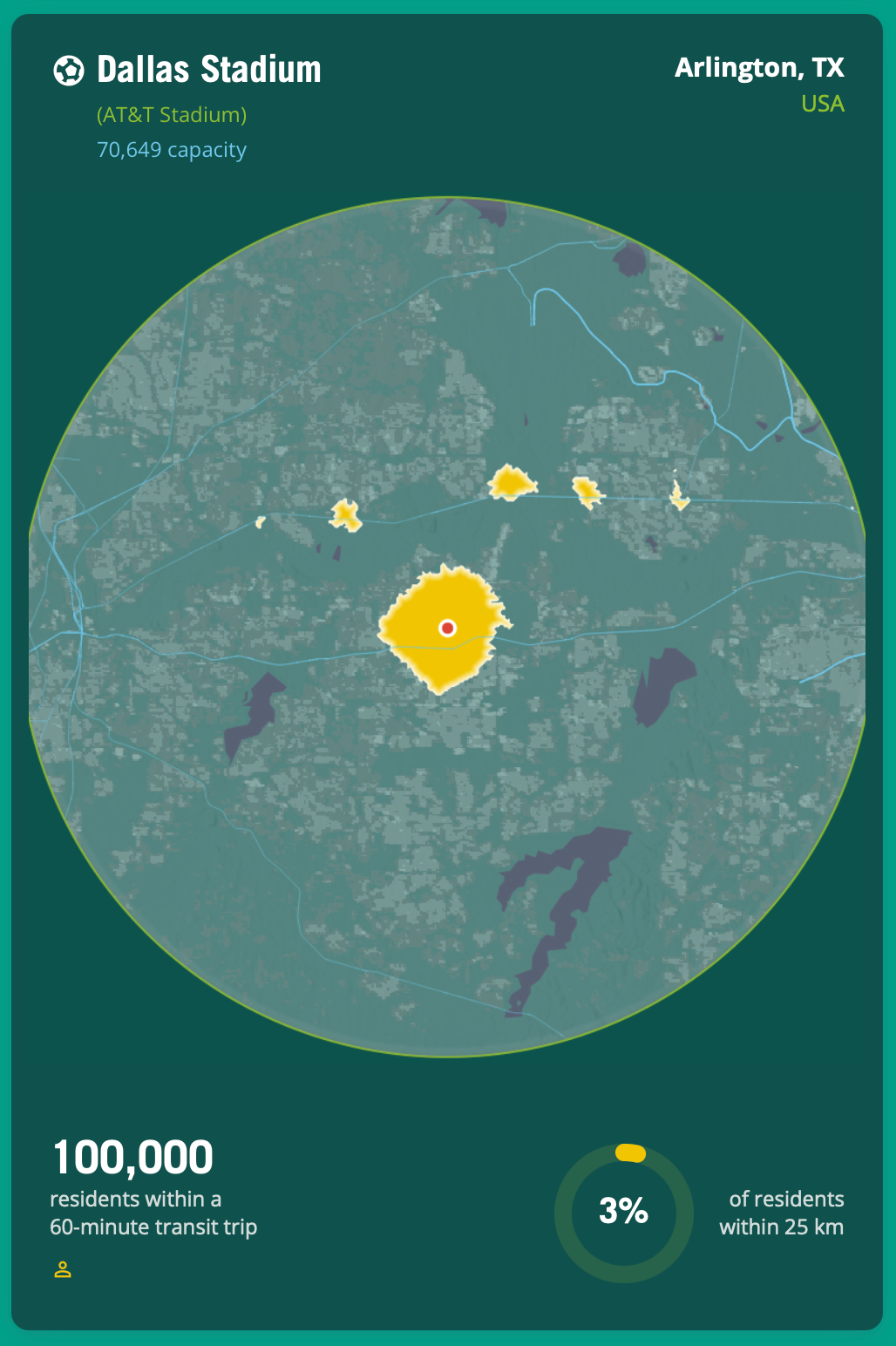
    The 2026 FIFA World Cup is being hosted across 16 different cities in Canada, the United States, and Mexico. The city hosting the most games is Dallas, with 9 matches. Supposedly, this is because the city has a nice stadium with a retractable roof and capacity for 70,649 people, and Dallas is a fairly central location for a tournament being hosted across North America.

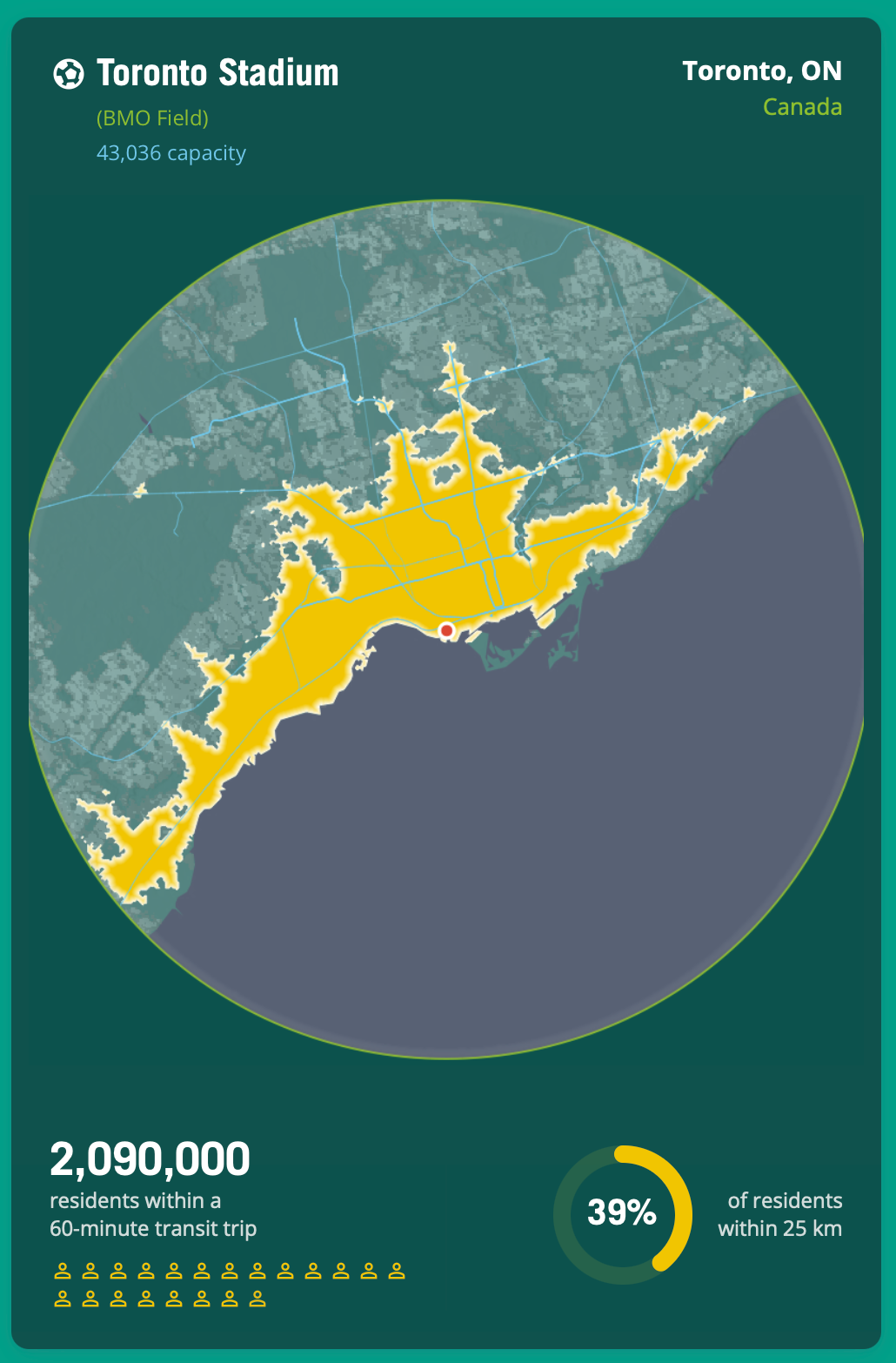
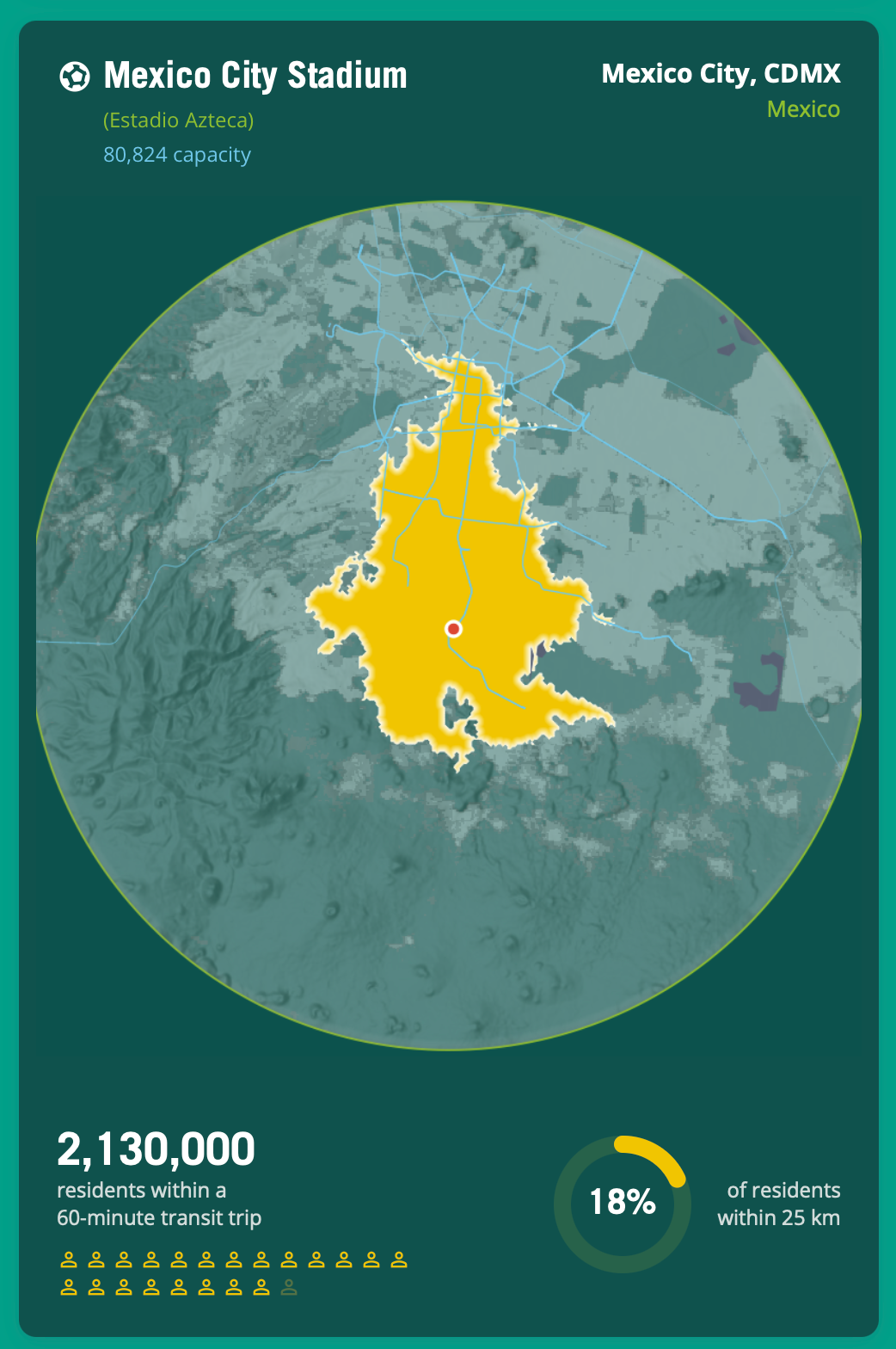
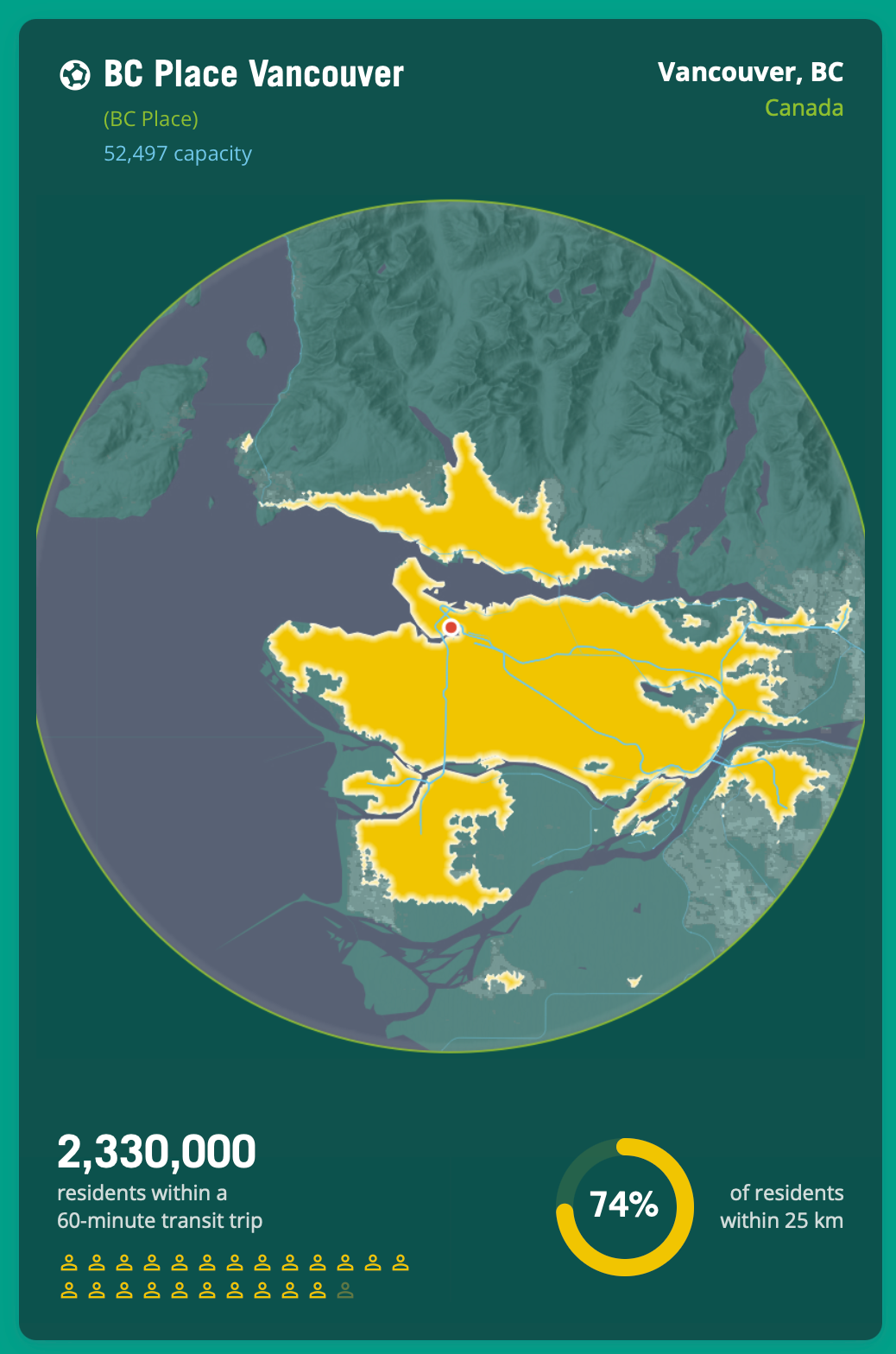
    But here’s another way of looking at the stadiums. The School of Cities at the University of Toronto recently published a study called “Transit-Oriented Stadiums.” What they did was look at how well connected each stadium is to its host city by public transit. More specifically, they looked at how many people live within a 60-minute public transit isochrone polygon.

    Dallas Stadium (AT&T Stadium) is in Arlington, Texas, and it has about 100,000 residents within a 60-minute transit trip:

    Now, here’s Toronto. BMO Field has a much smaller capacity (43,036 people), but over 2 million residents live within a 60-minute transit trip:

    Mexico City’s transit catchment reaches over 2.1 million people, despite its stadium being out of the core of the city:

    And Vancouver takes the top spot with over 2.3 million people:

    These diagrams highlight a striking divide in land-use patterns. The two key factors are stadium placement and transit investment. Obviously, if you flipped the script and mapped the number of residents within a 60-minute drive, then Dallas Stadium would perform quite differently. But bringing 70,000 people to one location via cars will never match the spatial efficiency of public transit.


    Cover photo by Ronin

    Diagrams from the School of Cities at the University of Toronto

  • The liveability rankings are shifting toward Asia

    July 8, 2026 · View original


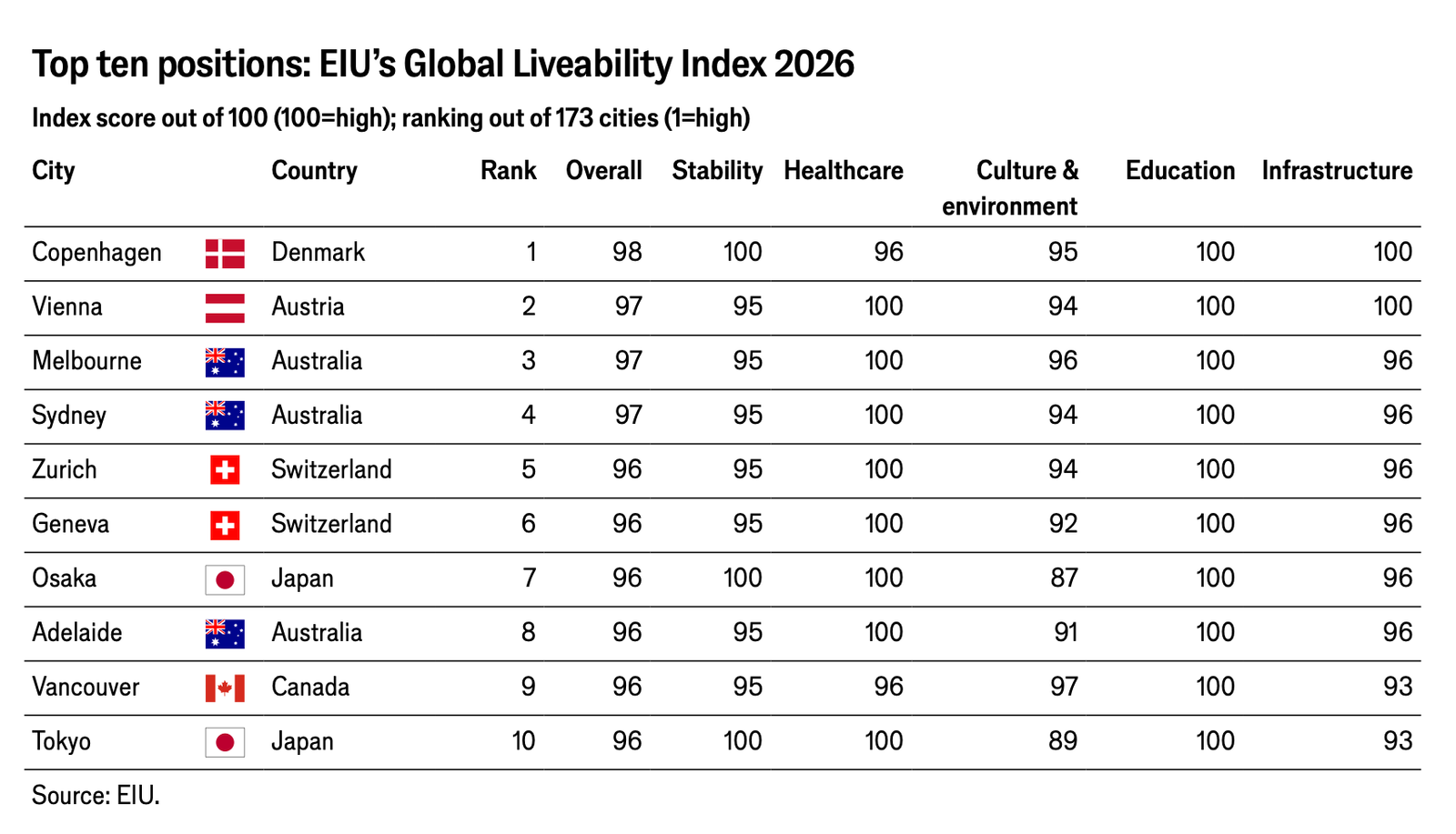
    The Economist just released its list of the world’s most — and least — liveable cities in 2026. It has a somewhat similar complexion to Monocle’s quality of life survey in that you’ll find cities like Copenhagen, Vienna, Sydney, Zurich, and Vancouver on both. But at the same time, there is a core difference.

    Basically the way it works is that The Economist’s ranking is designed to help HR departments calculate “hardship allowances” when staff are relocating overseas, whereas the Monocle survey places a much greater emphasis on questions like: Can I grab a drink at a cool bar at 2 AM on a Tuesday? It’s for this reason that you won’t find cities like Lisbon, Paris, and Madrid on The Economist’s top 10 list.

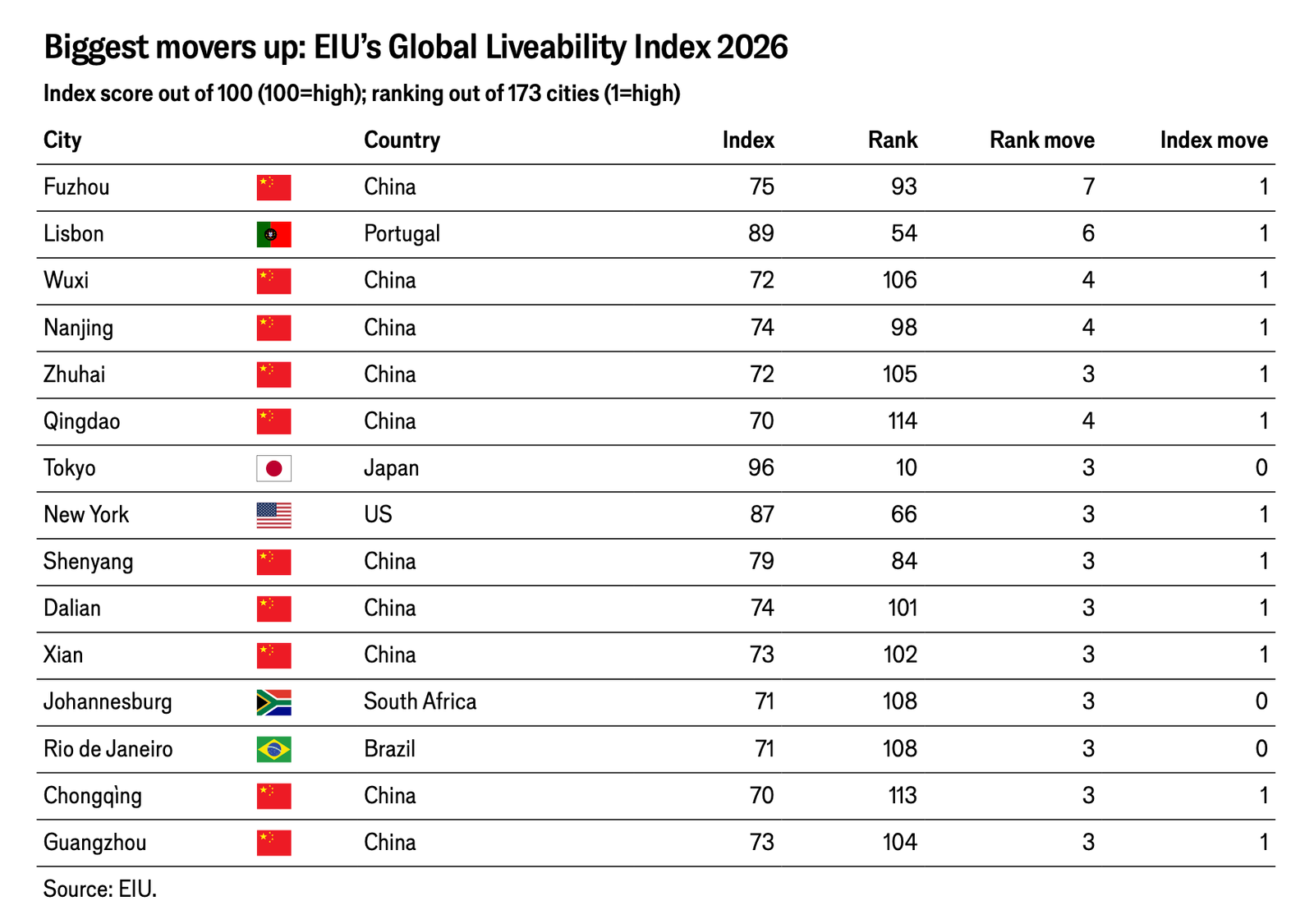
    The other not-very-surprising fact of this year’s ranking is that cities in the Middle East and North Africa (MENA) broadly saw the largest declines in liveability. This is due to the Iran war and deteriorating “stability” points.

    Perhaps the most interesting takeaway is the rise of Asia, and in particular China. There are now 9 Asian cities in the top 20, compared to 7 cities in Europe. According to The Economist, improvements in healthcare are why Chinese cities are posting the biggest gains. Also on the movers-up list is New York, due to falling crime rates and a reduced perceived terrorism risk.

    While this is certainly positive, if you’d like to dive deeper, you can download a full copy of the EIU Global Liveability Index 2026.


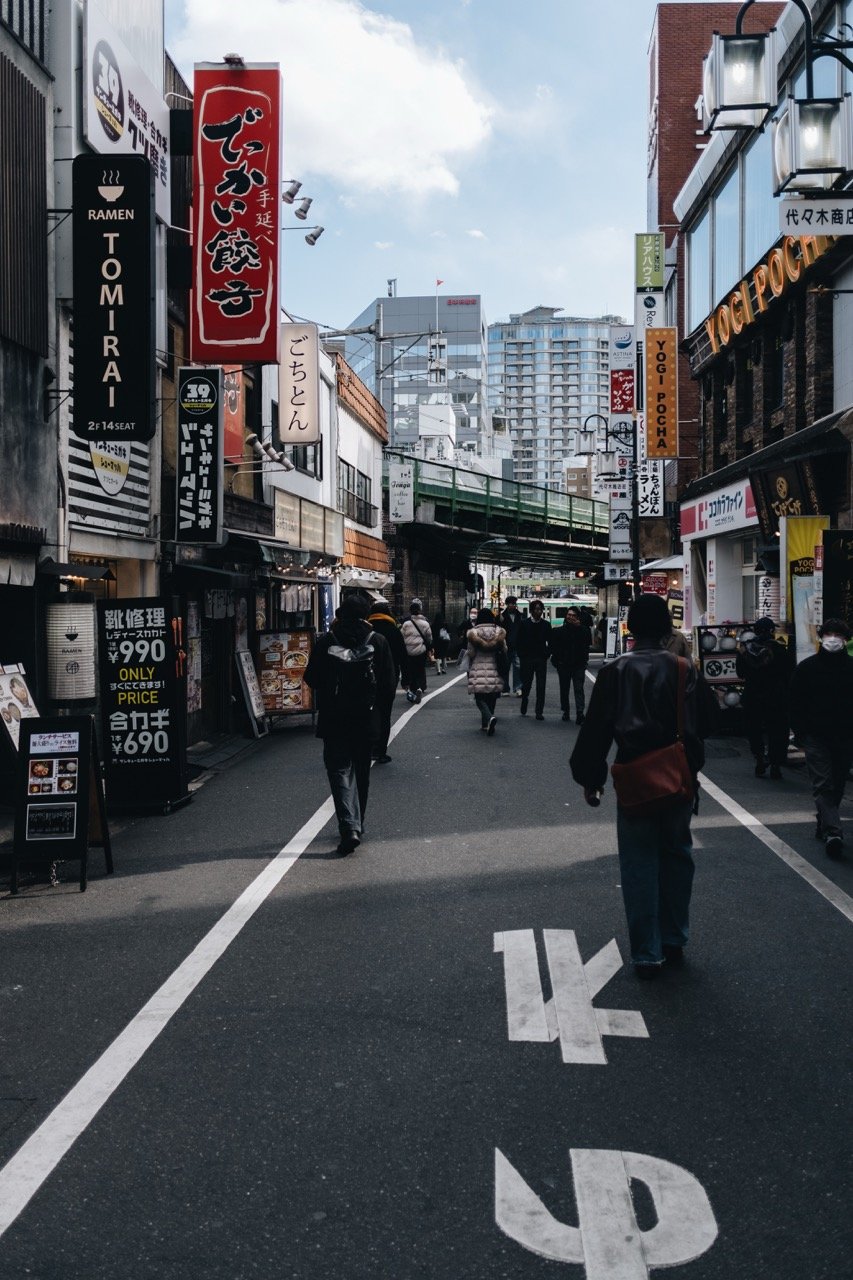
    Cover photo by Julius Carmine

  • The fundamental contradiction in Canadian housing

    July 6, 2026 · View original


    > “Show me the incentive and I’ll show you the outcome.” —Charlie Munger

    Canada is, broadly speaking, a nation of homeowners. In the 2021 census, 66.5% of Canadians owned their own home. So, most. And this is encouraged. Owning your own home is typically viewed as a way to generate wealth, build equity, and provide tangible evidence that you have enough creditworthiness to make a mortgage payment every month.

    Given the above, you could say that the majority of Canadians are incentivized to do things to protect the value of housing and, in turn, their personal net worth. But we also know that this creates an inexplicable housing paradox. We want housing to be more affordable for some, but ever more valuable to others. How exactly should we achieve this?

    In this recent opinion piece in the Globe & Mail, John Turley-Ewart argues that the recent announcement in Vancouver translates into housing no longer being a home. Rather, it has become a “supply-managed good in a protected industry,” similar to dairy and telecom in this country. So: “The result will be a country where homeownership is reserved for the few by design. It shouldn’t be that way.”

    Here’s a thought exercise: Why would it be a problem if Canada’s homeownership rate dropped to, say, one-third — the same rate as Switzerland? Is it because housing should appreciate faster than the rate of inflation and generate wealth for Canadians, or is it simply because pride of ownership is good for people’s moral well-being? If it’s the former, well, then the argument eats its own tail.

    We are saying we want housing to be more affordable so more people can own it, but if it were constantly depreciating (getting cheaper), or even just appreciating at the rate of inflation, should people even want to own it? Why not just rent and invest the down payment elsewhere to earn greater returns? That’s what the Swiss do by and large.
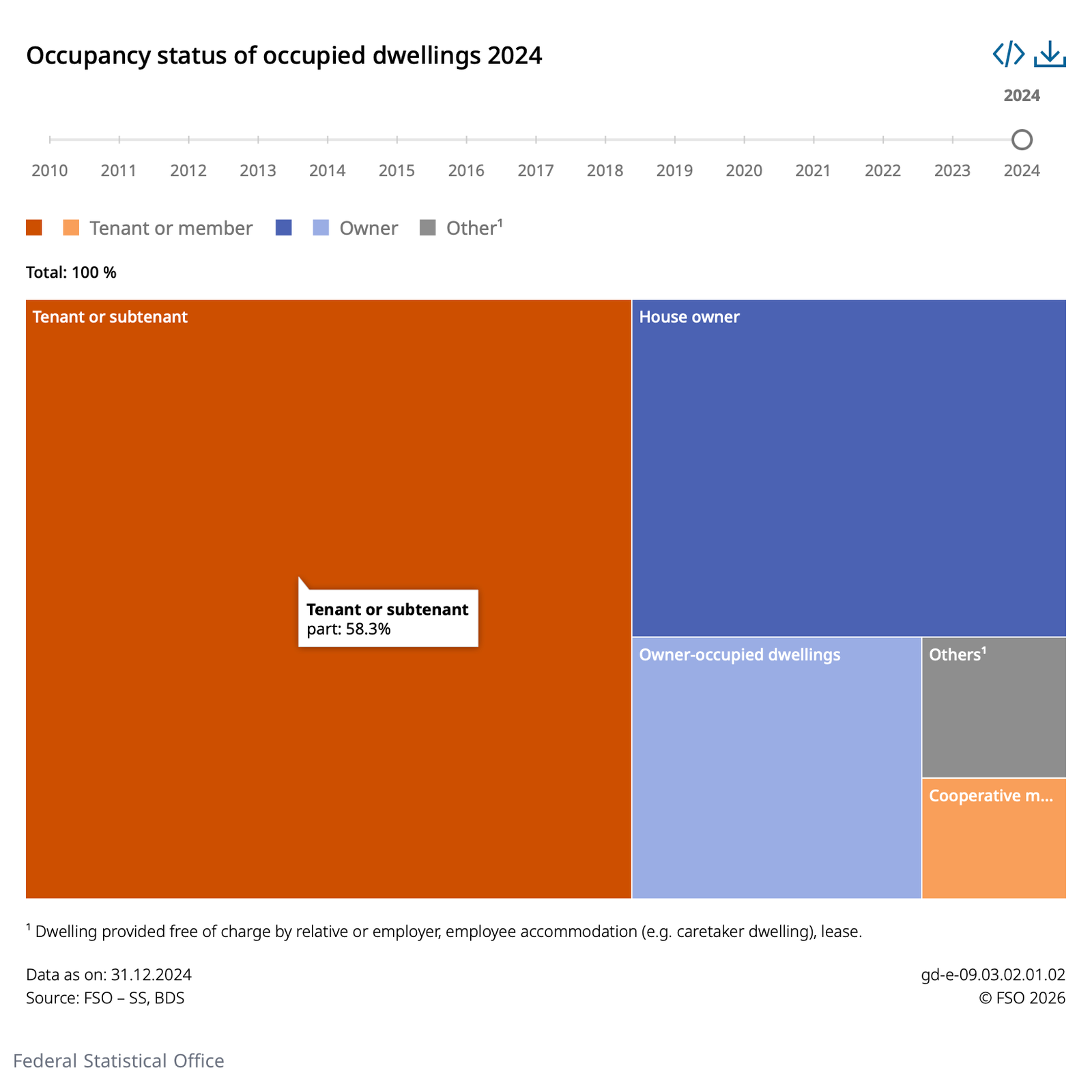
    Swiss households tend to rent rather than own.

    I believe the more precise argument being made in the Globe & Mail is that housing has simply gotten too expensive for middle-class incomes, so what we need is less government meddling and a reset before the market begins to re-appreciate in favor of the 66.5% of Canadians who are invested. While I certainly agree with the basic idea that we need to stop overtaxing new housing and reset our development cost structures, let’s not ignore our clear housing paradox.

    In Canada, we view housing as an investment, and that runs counter to the idea that housing should be as affordable as possible to the greatest number of people. As we know, this viewpoint isn’t the same everywhere. Japan, for instance, has historically viewed housing as a consumer good. You bought it new, or built it new, when you needed it, and once you were done with it, the expectation was that there wouldn’t be many buyers for it.
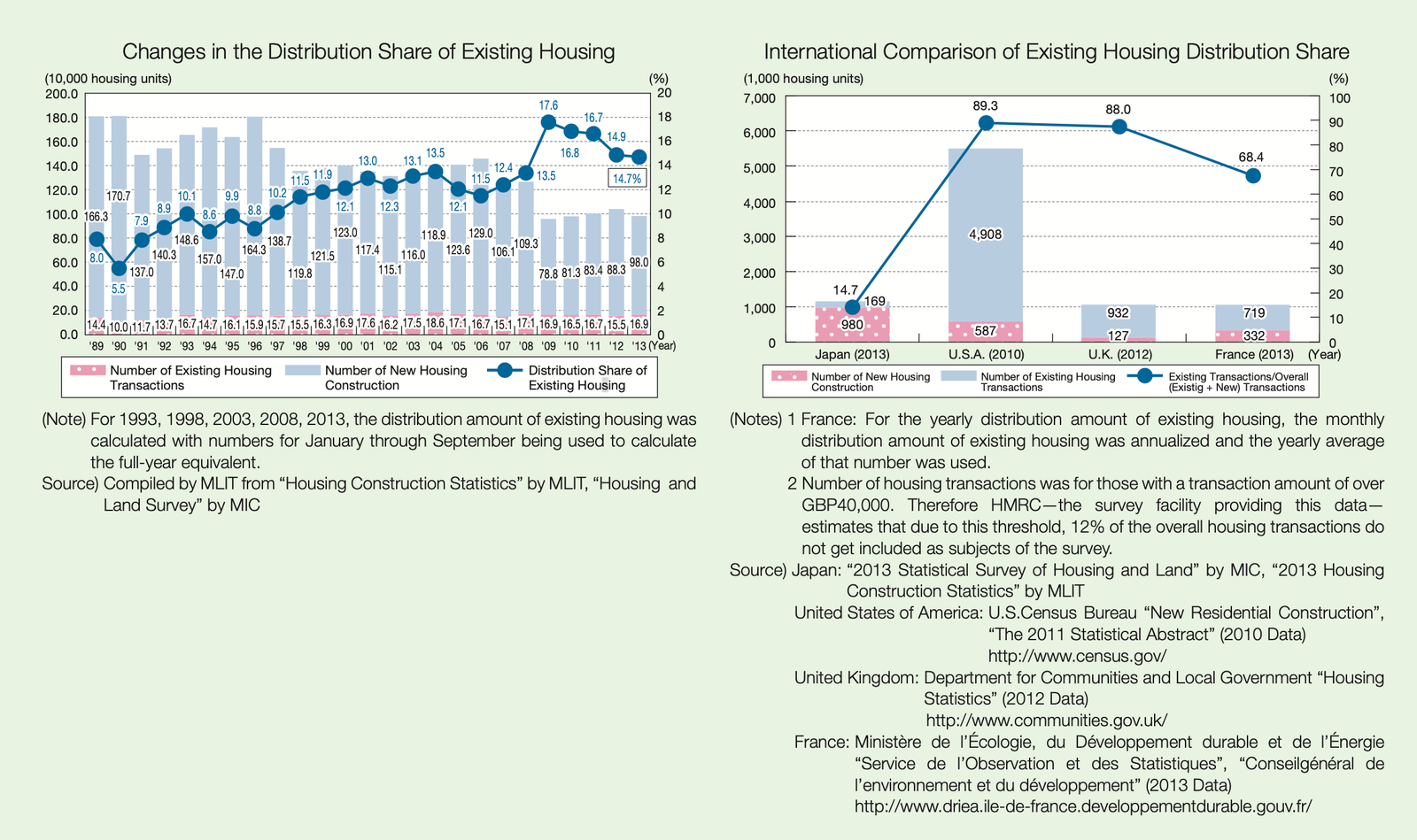
    Historically, Japanese households have greatly favoured new construction over resale housing

    As recently as 2013, the percentage of existing housing transactions as a share of the overall housing market in Japan was only 14.7%, compared to over 89% in the US (2010 figure). The government has since worked to get this number up, but it shows a distinct historical view of housing. It also led to more daring residential architecture. If you’re not concerned about what the next buyer might think, you become a little more free-willed.

    The point of this post is not to pass a value judgement on any one approach; rather, it is to point out that there are many different ways to think about housing. Deciding the precise outcome we want is always going to be helpful in determining the right solutions.


    Cover photo by Aditya Chinchure

    Swiss housing occupancy status diagram from the FSO

    Japan charts from the White Paper on Land, Infrastructure, Transport and Tourism in Japan 2015

  • Developer bailout or opportunistic acquisition strategy?

    June 26, 2026 · View original


    It’s never a good political look to be seen as helping out, or worse, bailing out developers. Developers are about as popular as cyclists who ride through red lights.

    Last week, the feds and the BC government botched this housing announcement when they offered minimal details and said that they would step in to buy vacant condos and turn them into affordable housing. According to CMHC, there are around 4,376 completed condominiums sitting vacant in Metro Vancouver.

    The reaction to the announcement was immediate: This is the government overtaxing the housing industry into a crisis, and then turning around and giving it a bailout.

    Since then, BC Premier David Eby has acknowledged that maybe they should have worked out more of the details before going public. He also clarified that this is about buying “distressed condos” below replacement cost. No developer will, in theory at least, profit from this program.

    My knee-jerk reaction is that the private sector should be left to sort itself out unless you believe the answer is “yes” to one or both of the following questions: (1) Is government intervention necessary to prevent systemic risk and contagion in the market, and/or (2) Should our governments be in the business of owning affordable housing?

    I’ll leave it to you all to form your own opinions.


    Cover photo by Albert Stoynov on Unsplash

  • 1 Kid, 1 Condo

    May 30, 2026 · View original


    The countdown is on. Our baby girl will be arriving at some point in the near future (we’re on her schedule) and so I think you should all expect to see more baby-in-an-urban-condo-related content.

    If you’re familiar with planning in Toronto, you’ll know that there are specific urban design guidelines related to children in vertical communities. (The final 2020 report can be found here.) They include neighbourhood guidelines, building guidelines, and specific unit guidelines, which include, among other things, recommendations for “ideal” family units.

    Why all of this matters is that approximately 95% of the new housing built in the City of Toronto today is now multi-unit housing (buildings greater than 5 storeys). Our future is vertical. So even though only about 32% of all households with children currently live in a multi-unit community (Toronto proper figure), it’s not hard to imagine this number going up. Either that, or we’re left with more sprawl, plummeting birthrates, and a bleak, childless city.

    As I was writing this post, I asked my wife what she thought would be the biggest benefits and drawbacks of having a kid in a condo. On the positive side she said she likes the safety of being in a building and our nice walkable, urban community. On the negative side, her mind went straight to stroller management and general space constraints.

    Indeed, when you visit friends and they have a driveway big enough to park an aircraft, a basement with a climbing gym for the kids, and bedrooms bigger than many urban apartments, it’s hard not to think to yourself, “Yeah, you know what, maybe this would be nice!”

    Interestingly enough, neither of us thought once about elevators. We live in a mid-rise building and never have to wait more than a few seconds. Now onto stroller management. Right now, it’s sitting folded in our front hall closet:

    It fits nicely, but it’s obviously going to be work to constantly fold it up and put it away. We’ll see how that goes. We are, however, fortunate in that we have two floors in our place, so it is house-like in that there’s greater physical and acoustic separation between the main living areas and the bedrooms. We also have a good-sized outdoor space, but a backyard with grass it is not.

    Back in the day, I used to enjoy following a blog out of Vancouver called 5 Kids, 1 Condo. Adrian Crook stopped updating in 2020 (presumably his kids grew up), but it was a good example that home is not a housing typology; it’s both a physical and psychological space where humans (hopefully) feel a sense of comfort and belonging.

    As our urban home grows, I’m looking forward to sharing what we learn along the way on this blog. It feels extremely relevant to the work that many of us do as city builders.

  • Customers, costs, and typologies in the next housing cycle

    May 25, 2026 · View original


    Because of how long it takes to build a building, real estate markets almost always overbuild at the top, and underbuild at the bottom (see yesterday’s post about the pig in the python). In a theoretically perfect economic model, supply would adapt instantly to changes in demand. But in the real world of development, this adaptation can take 5 to 10 years.

    At the same time, it’s not just about the quantity of real estate being delivered at any given time; it’s also a question of what kind of real estate. We talk a lot around here about this moment in time being a healthy reset for Toronto’s housing market (and other markets). But what exactly are we resetting? I find it helpful to think of it in terms of three prongs.

    First, there’s customer type. Who will be the buyers and tenants during the next cycle and what will they be looking for? For instance, when it comes to pre-construction condominiums, to what extent will individual investors factor in like they did during the last cycle? Many think they will play a much smaller role.

    Second, there’s the cost structure. The cost of building is changing, and hopefully we will see continued efforts to make housing more cost-effective to deliver. And third, there’s a question of building typology. As the demand profile changes and as costs evolve, it is naturally going to have an impact on the kind of buildings that get built.

    My gut is that we will see more housing geared toward end-users in medium-density builds, but only time will tell.


    Cover photo by Lennon Kong on Unsplash

  • The current state of unsold condominiums in Vancouver and Toronto

    May 10, 2026 · View original


    According to recent data from CMHC via the Globe and Mail, here’s (at least part of) the housing situation in Vancouver and Toronto:

    – Metro Vancouver has 4,919 newly built unsold homes on the market (including houses, duplexes, row houses, and condominiums). – Of this total, 3,195 are unsold condominiums. All of these figures exclude homes that were sold but where the buyers failed to close. – Across Metro Vancouver, 37% of the unsold condominium inventory is priced above $1 million. – In the city of Vancouver proper, 81% of the unsold condominium inventory is above $1 million, with more than 14% priced above $3 million. – In the Greater Toronto Area, there are only 701 newly built unsold units on the market, and in the city of Toronto, 61% of these are priced at or above $1 million.

    Initially, the 701 figure seemed low to me, but the way I interpret this “unsold” metric is that it’s strictly a best attempt at a moment-in-time snapshot of developer inventory in newly completed projects that have never been subject to a purchase agreement.

    Missing from these figures are unsold homes currently under construction, and recently closed homes that have never been occupied and are now on the resale market or are simply sitting empty. Again, if a buyer failed to close, these homes would not show up in the CMHC figures.

    It also doesn’t include homes in the pre-sale phase. However, I think this supply is mostly irrelevant because if the developer doesn’t get to construction then that inventory quickly disappears from the market. It’s not sitting there needing to be absorbed (though we developers would love for it to be).

    The Globe and Mail article talks about how there are over 40,000 housing units that have been approved in Metro Vancouver but have not yet proceeded to construction, and that “newly built condos in Vancouver are too pricey to sell.” But the salient question is one of product-market fit: What housing do customers actually want, and can afford, today?

    As we have talked about many times before on the blog, I think we need to view this moment in time as an opportunity to reset our housing markets. In other words, it’s an opportunity to look at how we regulate and tax new housing, and at what and how we build, all with the goal of better serving the housing needs of Canadians.

    My specific view is twofold: We need to cut the regulatory fat around delivering new homes, and we need to better optimize for medium-density housing.

  • The case for elevated rail

    March 1, 2026 · View original


    There is a school of thought that elevated rail is bad, or at least suboptimal, for cities. The thinking is that it’s a visual blight, it’s noisy, it disconnects neighbourhoods, and it can even reduce surrounding real estate values. Having a train passing directly in front of your window is admittedly less ideal than not having a train passing directly in front of your window.

    But there is no shortage of examples from around the world where elevated rail does far more to benefit a community than detract from it. Tokyo is perhaps the obvious place to look. It is decidedly rail-oriented city with the majority of its network above ground and countless examples of active commercial spaces being tucked under and adjacent to elevated rail.

    Here, for example, is a restaurant that I visited on my last trip and that was immediately adjacent to a track:

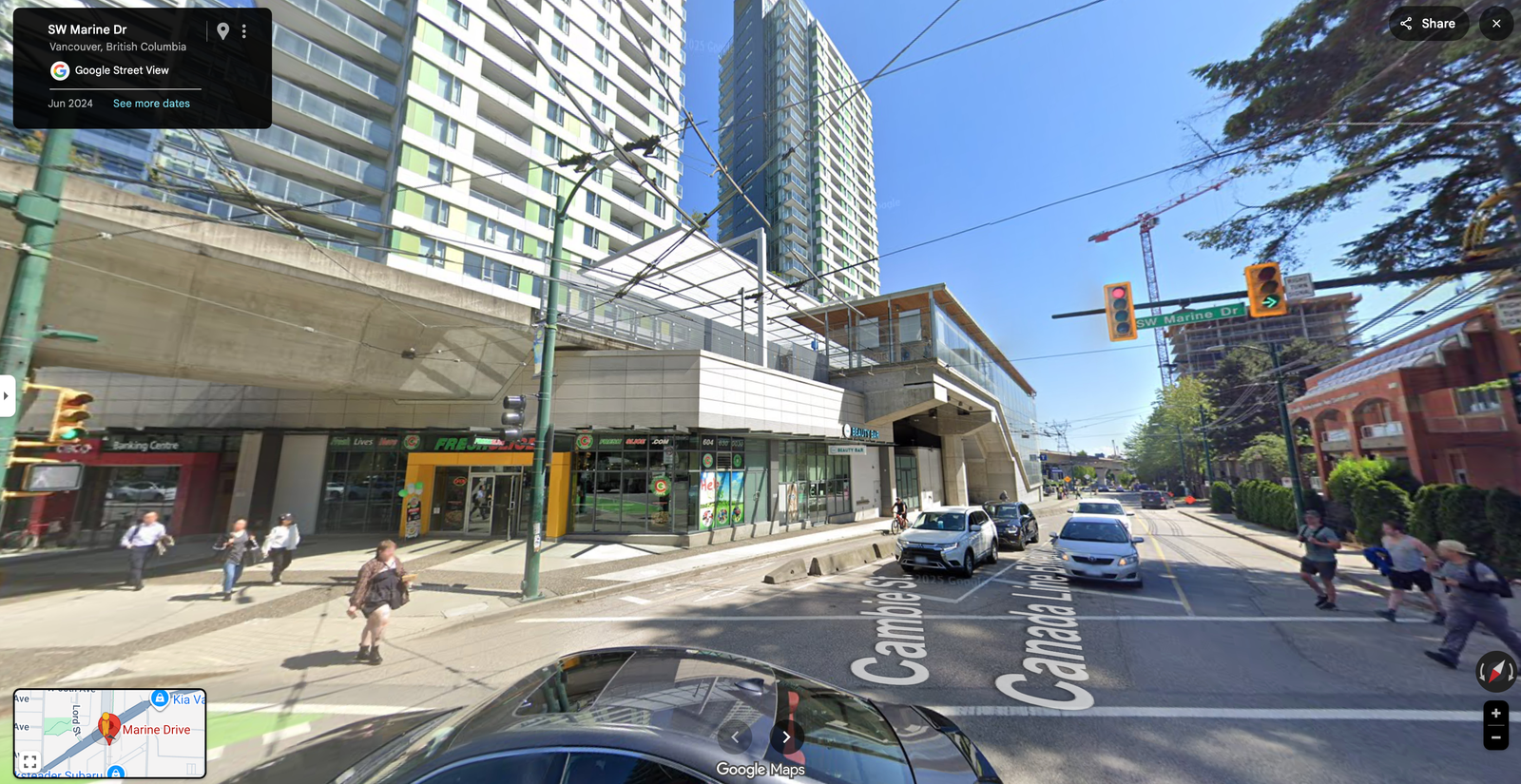
    But you don’t have to travel all the way to Japan to find examples where elevated rail does little to detract from the urban experience. Here’s Marine Drive station in Vancouver, integrated into a newish development:

    And here’s what the elevated guideway looks like as it heads toward the station:

    The obvious advantage of elevated rail is that it’s significantly cheaper than underground rail. According to global data collected by the Transit Costs Project at New York University, underground rail tends to be at least 2x the cost — often it’s even more. Are the benefits worth this additional cost, and is it worth building less overall transit with the same capital budget?

    Elevated rail is not without its drawbacks, but good design and urban sensibilities can help to mitigate many of them. As is the case with a lot of urban design, what matters most is how we treat the ground plane underneath the rail. So, to the extent that it remains out there, I think it’s time we get rid of any stigmas associated with elevated rail. More transit is better than less transit.


    Cover photo by Daiji Sasahara on Unsplash

  • The myth of the full city

    February 18, 2026 · View original


    Whether it’s said out loud or not, invariably something like this comes up when talking about new housing development:

    > “There’s another solution,” says Lucas, mulling over the housing shortage. “I’m not saying I know what it is. Maybe the city’s full. What’s wrong with Windsor instead? Or Cornwall? A hundred years ago, manufacturing and employment were spread out way better than they are now. Everybody needing to be in Toronto and Vancouver is killing us.”

    So, is Toronto full? Do we need to return our urban economies to what they were a century ago? To use rough whole numbers, let’s consider that Toronto’s average population density (in the city proper) is upwards of 5,000 per km2. It’s much higher in the downtown core, but our low-density inner suburbs bring down the average.

    Now, let’s consider Paris, as we often do on this blog. Paris proper has roughly 1/6th the footprint of Toronto (again, the city proper boundary) and roughly 4x the population density (upward of 20,000 people per km2). So, if Toronto is full, what the hell is going on with Paris?

    Even Paris is nowhere near full. The opportunities for intensification in central neighborhoods may not be as obvious as they are in Toronto, but urban Paris continues to grow through small-scale projects, office conversions, and, most notably, through ambitious transit projects and mixed-use developments designed to stitch together the greater urban region.

    Cities do, of course, face constraints, but they’re never technically “full.” “Full” is generally shorthand for, “I already live here and I like the way things are, and so I would prefer no one else come and disrupt what I’ve presently got going on.”

    Because if this weren’t the case, then I suppose you might hear more people say, “I really wanted to move to Toronto, but it was quite literally full. Like, absolutely no physical room for me. I couldn’t do it. I would have had to sleep on the streets.” Nope. We’ve got a space allocation for you. In fact, if you’re in the market for a new home, give me a call.

    Importantly, this is different from a city being, maybe, too expensive. That is not the same as not having any more room. But the two are interconnected: saying a city is full and then blocking housing because of said fullness creates a self-fulfilling prophecy of artificial scarcity. This drives up prices and can then create a false sense of being full.

    Of course, in this scenario, you aren’t out of land; you’re out of permission to use the land differently. “Full” is a funny thing.


    Cover photo by Julian Gentile on Unsplash