Daily insights for city builders, delivered every morning at 6 AM ET. I’m Brandon Donnelly — a Toronto-based real estate developer and founder of Globizen. I’ve been writing here since 2013.

Tag: monocle

  • Open for business

    I just received the September issue of Monocle magazine. One of the features I always read is the “Observation” on the very last page. It reads as the editor in chief’s personal blog.

    In this issue he talks about the recent EU referendum and the changes he is making to his business in response to that. Monocle is headquartered in London, but he is now finding it challenging to be “an international media business in a country that hasn’t figured out how it’s going to move forward.”

    His response?

    They are shoring up the Zürich office. They are looking at the possibility of a second bureau somewhere on the continent. And they are similarly looking to increase staff in both Toronto and Singapore.

    When one place closes up, the companies and talent will find other cities that are open for business. 

    As someone who is closing one chapter this week and starting a new one, Tyler Brûlé’s Observation also reminded me of the importance of change. Oftentimes change feels uncomfortable. But that’s not necessarily a bad thing. In fact, it’s more likely a sign that you’re on to something.

    What have you done lately that made you feel uncomfortable?

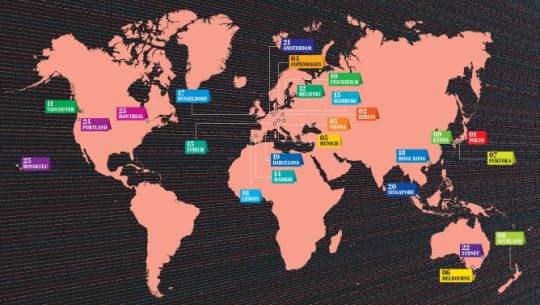
  • Monocle’s Top 25 Liveable Cities — 2016 Edition

    Monocle’s annual survey of the top 25 most liveable cities in the world was just released. It’s now in its 10th year. I found it in my inbox this morning and it was a good reminder that it was about time I renewed my subscription. I’ve been a regular reader of Monocle since 2007, but I let my membership lapse last year.

    Of course, any sort of list like this is going to be subjective. It all depends on the methodology you use. Still, their annual survey is an interesting way to see what each city is up to and where the tides are going. This year Monocle put extra weighting on each city’s nightlife. If you’re not a subscriber, here’s a short video you can watch. It will give you a rundown of all the cities. (I was happy to see Montréal creep onto the list. Incredible city.)

    This focus on the night is something that I’ve been writing about a lot both on this blog and elsewhere. It’s an idea that’s picking up momentum around the world as an economic development strategy. But for whatever reason, uptake seems to be slower here in North America.

    I like how architect Anna Dietzsch puts it in this video. She says that Rio may have the beaches, but Sao Paulo (where she’s based) has the night. That’s exactly how cities should be thinking about this opportunity. It used to be that cities thrived almost entirely because of location, waterways, transport, and other natural features (example: Buffalo). But increasingly, it’s becoming about things like nightlife.

    Vancouver may have the mountains, but Toronto has…

    Image: Monocle

  • Should I stay or should I go?

    I’m listening to The Foreign Desk this morning while I have my coffee. Steve Bloomfield is interviewing two different politicians: one who believes Britain should remain in the EU and one who believes Britain should leave the EU. 

    (Each interview is about 15 minutes short.)

    The back and forth is largely centered around two things: the economy and immigration. Will the British economy be better off in or out of the EU? And on the immigration front, will “in” translate into millions of Turks flooding into Britain should Turkey join the EU?

    For those of you who haven’t been following, Britain will be holding a referendum on June 23rd (2016) to decide whether they stay or go.

    My general view is that a strong economy should trump concerns over foreigners. But I don’t feel as if I know enough about this precise topic to take a firm position.

    Regardless, I very much enjoyed The Foreign Desk episode this morning and I would be open to discussing this issue in the comments below if any of you are also interested.

  • The Entrepreneurs, Barcelona

    Last week Monocle published their latest edition of “The Entrepreneurs” series. In this episode they look at Barcelona and a handful of entrepreneurs that are helping to grow the city. The video is only about 7 minutes long.

    I enjoy Monocle’s short films and I’ve always been impressed by Barcelona as a city. So here’s the video:

    [youtube https://www.youtube.com/watch?v=Q1wLBjlecac?rel=0&w=560&h=315]

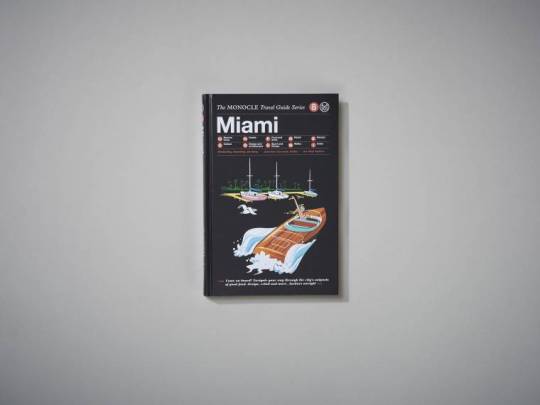
  • The Monocle Travel Guide Series — Miami

    I’m off this week to South Florida to check out Art Basel (among other things). This week isn’t a great week to be leaving the city since it’s the Toronto Real Estate Forum and lots of people are coming to the city for that. But I’ve wanted to go to Art Basel for over a decade, so it was about time I did that.

    I also decided to pick up the new Monocle Travel Guide to Miami. This is the 8th city that they’ve covered and, as you might know from reading this blog, I’m a big fan of Monocle. (I’m still waiting for the Toronto edition, guys.)

    As part of this guide launch – which was timed to coincide with Art Basel Miami Beach – they also released a short video that is worth watching.

    When most people think of Miami they probably think of sun and flash. And that is certainly part of the DNA of the city. But Miami has also grown into a global city with important and extensive connections to Latin America. It’s also an incredible place for those who love art, architecture, and design. If you watch the Monocle video, I’m sure you’ll feel that. 

    Miami is absolutely one of my favorite cities.

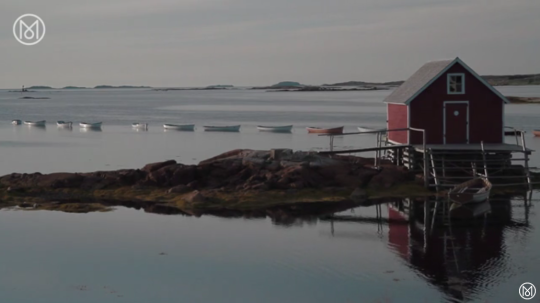
  • Life after fishing on Fogo Island

    Fogo Island is a small remote island off the coast of Newfoundland in Canada. As of 2011, the population was roughly 2,400 people.

    For centuries the island was a thriving fishing community, particularly for cod. At its peak, Canadian fisherman alone were bringing in 266,000 tons of cod every year.

    But in 1992 the Canadian government put in place a moratorium on fishing North Atlantic cod. And it decimated the local economy. (Should we still be calling it a moratorium after all this time?)

    However, thanks to people like Zita Cobb and her Shorefast Foundation, Fogo Island is in the midst of an entrepreneurial and cultural renaissance. Take a look at the Fogo Island Inn. It’s on my list of places to visit.

    Back in 2013, Monocle Magazine published a two-part video series outlining what is happening on the island. You can watch part 1 of that series by clicking here and part 2 by clicking here. Each video is under 10 minutes long.

  • Cottage weekend

    I just got home from a weekend up at a friend’s cottage. It’s an annual birthday tradition and it’s always a great time. A good cottage weekend can do wonders to reinvigorate yourself. I am ready for the week.

    But since the Pan Am Games closing ceremony fireworks are about to kick-off and I want to go watch them from my sun deck, I don’t have a lot of time to write a post. So instead, I thought I would share a few of my photos from the weekend.

    The first photo is near Shelburne, Ontario. The wind turbines are from the Amaranth Wind Farm, which is the largest wind energy installation in Canada.

    image

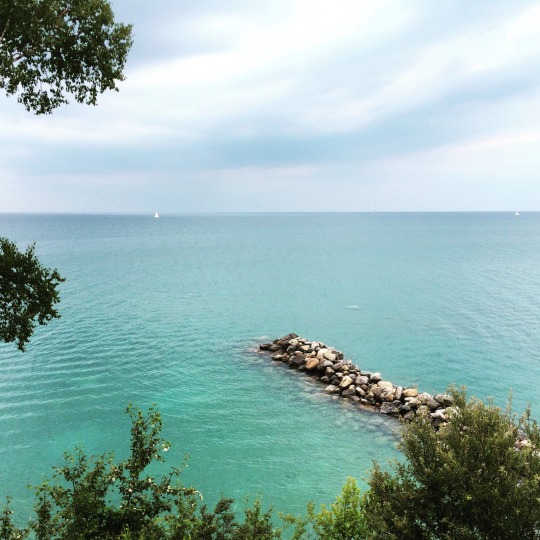
    This is the Georgian Bay. I love swimming in this water.

    image

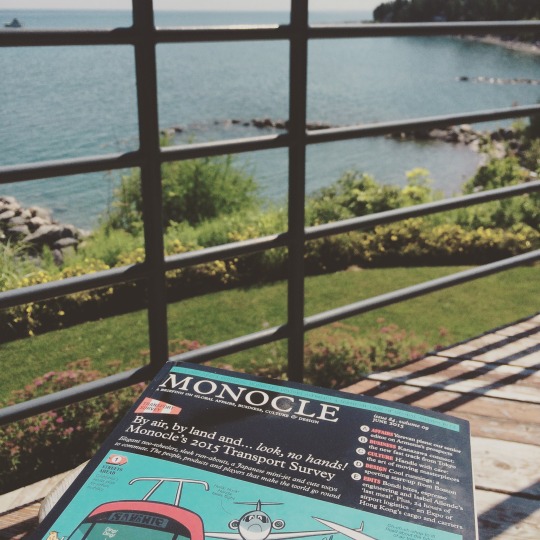
    Cottage reading: Monocle.

    image

    The wood shop. There’s a lot of creative talent at this particular cottage.

    image

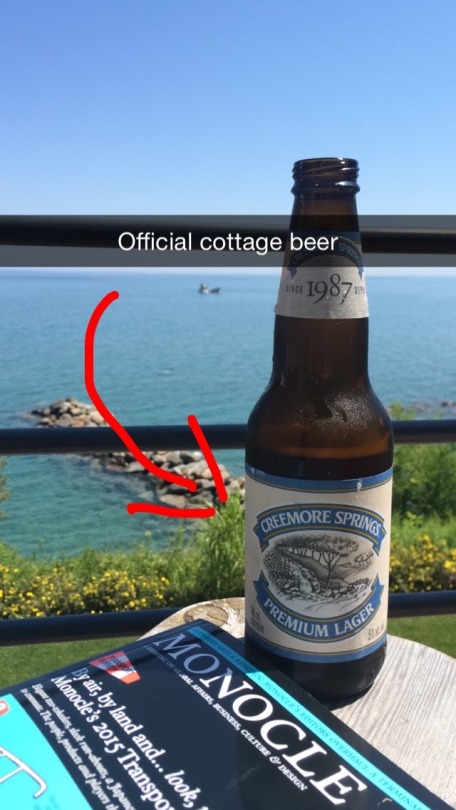
    Creemore = cottage.

    image

    All of these photos were also posted to my Instagram if you’d like to follow me there. The last photo was from Snapchat (donnelly_b).

    Regular scheduled programming will resume tomorrow. I have a great guest post queued up on road pricing. I can’t wait to share it.

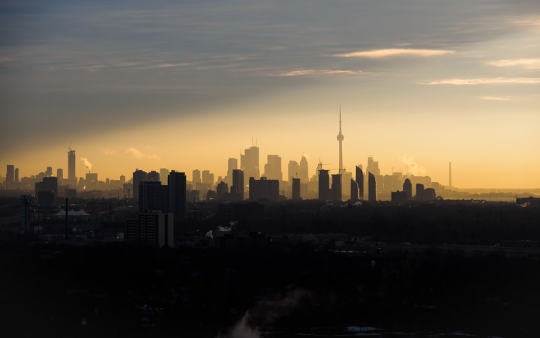
  • 10 reasons to visit Toronto right now

    https://500px.com/embed.js

    Next weekend a good friend of mine from architecture school will be visiting Toronto from Philadelphia. And I’m really excited to show him the city. (Next month it’s my turn to go to Philadelphia.)

    He’s a fellow city geek. He hasn’t been to Toronto in a number of years. And I haven’t seen him since our trip to Detroit 2 years ago.

    For those of us living and working in Toronto, there’s a lot to celebrate. Sure the Gardiner Expressway East decision didn’t go as I – as well as many other urbanists, including our Chief City Planner – had hoped. But there’s no shortage of other things to brag about.

    So here are 10 reasons to visit Toronto right now:

    1. We’ve created an entirely new business district south of Union Station called South Core. Now the region’s primary mobility hub is in the middle of the country’s most important business district, as opposed to on the edge of it. It’s a better use of infrastructure.

    2. We now have a dedicated train (the Union Pearson Express) that takes you from the country’s busiest airport directly to downtown in 25 minutes. You’ll find local retailers at the stations and a brand created by the brain behind Monocle Magazine. You can even use a smart card to ride it and our local transit system.

    3. We didn’t shut down Uber. Instead our mayor wants to create new policy that will allow these services to coexist with conventional taxi services. We don’t yet know how this will turn out, but I believe it’s a step in the right direction. It’s Toronto taking a leadership approach to innovation as opposed to trying to stomp it out.

    4. We are about to host the largest sporting event in Canadian history. The 17th Pan American Games will have double the number of athletes competing as the 2010 Winter Olympics in Vancouver.

    5. We created an entire neighborhood from scratch in order to house all of these athletes (Canary District). And I think it’s destined to become one of Toronto’s great neighborhoods. I’m saving my first visit for next weekend, so expect a follow-up post on this.

    6. We are dramatically rethinking this city’s public realm. From the plaza out front of Union Station to the new Queens Quay Boulevard along the waterfront, we are prioritizing people and creating more complete streets. It has given Toronto an entirely new urban feel.

    7. We are slowly starting to embrace our forgotten laneways and alleys through the help of organizations like The Laneway Project. And this is going to eventually lead to a further rethink of our pubic spaces and urban fabric.

    8. We continue to be one of the fastest growing cities in the world (certainly in the developed world). As a result, we are building some really exciting buildings by some of the top architects in the world. This includes everyone from Norman Foster to Frank Gehry.

    9. According to a recent report coming out of the Martin Prosperity Institute, Canada is one of the most creative and globally competitive countries in the world, as well as the most open to “ethnic and religious minorities and gay and lesbian people.”

    10. The ATC community is in the process of identifying a new, quintessentially Toronto food dish. But since we have every type of imaginable cuisine here, we’re struggling to pick just one. When you visit, you can help us identify the best and most Toronto dish.

    So there’s a lot to be excited about. I for one can’t wait for us to host the Pan Am Games, starting tomorrow. It’s a chance to show off this great city. 

    So if you’re also in town next weekend and want to geek out about cities, drop me a line.

  • The perfect high street

    How do you create and maintain a thriving high street in this era of increasing online shopping? This was one of the questions that Monocle asked at its recent Quality of Life Conference in Lisbon and here’s a video with its recommendations. Click here if you can’t see the video below.

    [youtube https://www.youtube.com/watch?v=Ox2WJwDbuIo?rel=0&w=560&h=315]

  • Lisbon is the new Berlin

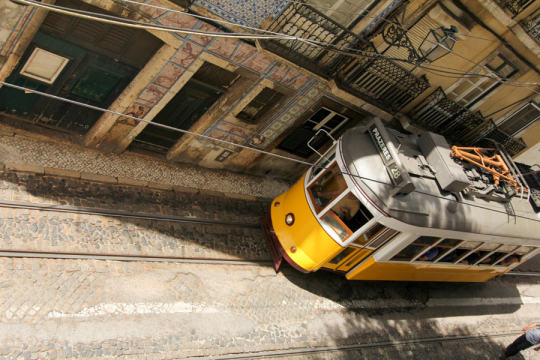
    Photograph Tramway à Lisbonne by yannick le goff on 500px

    Tramway à Lisbonne by yannick le goff on 500px

    This morning I stumbled upon a blog post by a Berlin-based venture capitalist (Ciarán O’Leary) talking about how Lisbon feels like the next Berlin. In other words, it feels like the next great European startup hub.

    Here’s his reasoning:

    • The tech scene is organic – it happened on its own, came out of nowhere. That is much more fun and sustainable than any kind of political or targeted economic strategy.
    • There are a ton of constraints (funding, local talent base, etc.) so entrepreneurs need to hustle to make things happen. Hustle is good.
    • Berlin was an economic void, Portugal had a massive economic crisis and Lisbon sure isn’t letting that crisis go to waste.
    • Entrepreneurship has the real chance to be a center stage act, not a side gig. It’s everywhere.
    • The city is very, very cool. You just want to be here.
    • You can have a great life on a startup salary.
    • Everyone speaks english; everyone is welcoming and open. That matters a lot when you want to attract international talent and funding.

    Of course, he’s not the only one calling Lisbon the next Berlin. The EU also named Lisbon “the most entrepreneurial region in Europe in 2015.” Isn’t it interesting what can grow out of economic crisis? See PIGS.

    I also don’t think it’s a coincidence that Monocle held its first ever Quality of Life Conference in Lisbon. It’s a testament to O’Leary’s point above that, “You just want to be here.”

    And while being “very, very cool” may not seem immediately relevant to creating a robust startup environment, it really is. It may be the most important point. It makes the city a magnet for talent. 

    Just the other day I was trying to explain Berlin to someone and I used a similar lexicon. I said: “It’s an unbelievably cool city. It bleeds hipness. You will love it.”

    If you’re a city, that’s a great thing to be.