Daily insights for city builders, delivered every morning at 6 AM ET. I’m Brandon Donnelly — a Toronto-based real estate developer and founder of Globizen. I’ve been writing here since 2013.

Tag: miami

  • Editions of Edition

    A few weeks ago Surface Magazine interviewed Ian Schrager. If you don’t know who Ian Schrager is, you should look him up. He started Studio 54 in New York (along with Steve Rubell) and is largely credited with inventing the boutique hotel genre. His latest project is Edition Hotels, which launched in London in 2013 and in Miami in 2014.

    What I found particularly interesting about the interview are the “serious snafus” that Edition experienced at the outset. There was a project in Waikiki and a project in Istanbul. Both failed. Here’s a guy who invented the genre and had partnered up with Marriott to pioneer a new brand. And it wasn’t until Edition London that they were able hit their stride.

    I say all of this not to poke fun at their failures. Nobody should do that. Poke fun at not trying instead. My point is the exact opposite. To create something new and amazing, such as Edition, you often have to subject yourself to a few scrapes and bruises along the way.

  • German investment fund buys 1111 Lincoln in Miami Beach for $283M

    The German investment fund Bayerische Versorgungskammer (BVK) has just closed on the Herzog & de Meuron-designed mixed-use parking garage / event space at 1111 Lincoln in Miami Beach

    They paid USD$283 million or $1,932 per square foot. It’s one of the biggest deals ever on Lincoln Road.

    The complex includes 94,488 square feet of office, 51,839 square feet of retail, and a 300 stall parking garage / event space (people get married in this garage). The sale also includes retail space at 1664-1664 Lenox Avenue, but excludes two new residential units according to The Real Deal. I’m assuming it is these two.

    The seller was developer Robert Wennett, who bought the site – existing office building + surface parking lot – in 2005 for $23.5 million. He then spent $65 million on the widely celebrated HdM garage and built himself a penthouse residence on top if it.

    I am very curious to know the cap rate. But it would also be interesting to try and figure out what sort of premium could attributed to the fact that this is a pretty famous complex designed by HdM.

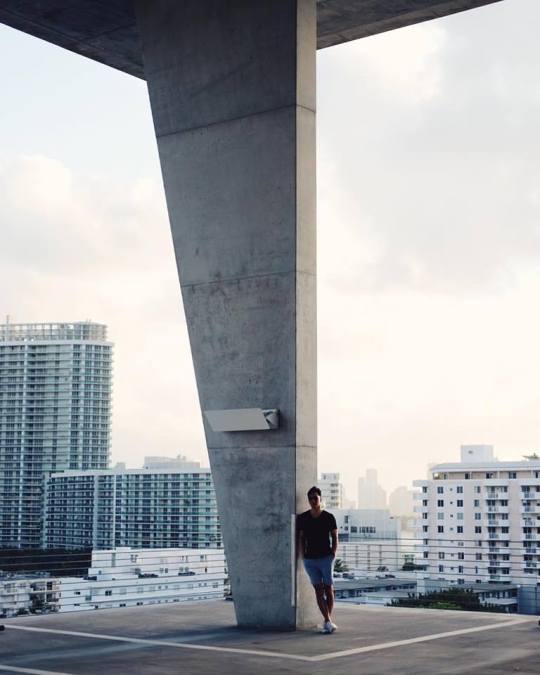
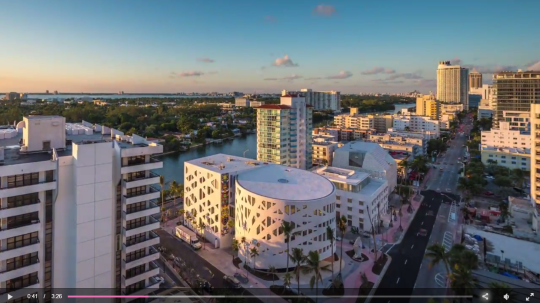
    The Wall Street Journal once wrote that several hundred people walk into this parking garage every single day just to look around. I have been one of those humans on many many occasions. See above photo.

    For more photos of 1111 Lincoln, click here.

  • The U.S. cities that gained the most workers over the last 12 months

    One of the great things about social media is that it gives us access to data that previously didn’t exist or was difficult to collect.

    Take, for example, LinkedIn’s monthly report on employment trends called the Workforce Report. They look at which industries are hiring, where people are moving for jobs, and so on. Click here for the June 2017 edition. 

    Note that architecture/engineering hiring appears to be up nationally, which is usually a positive leading indicator.

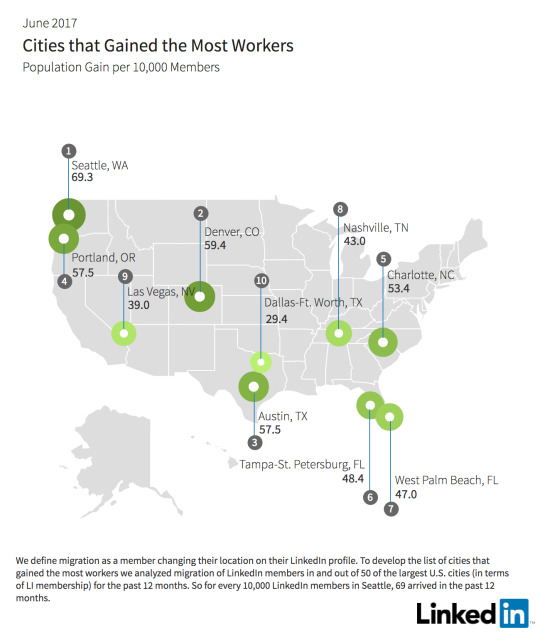
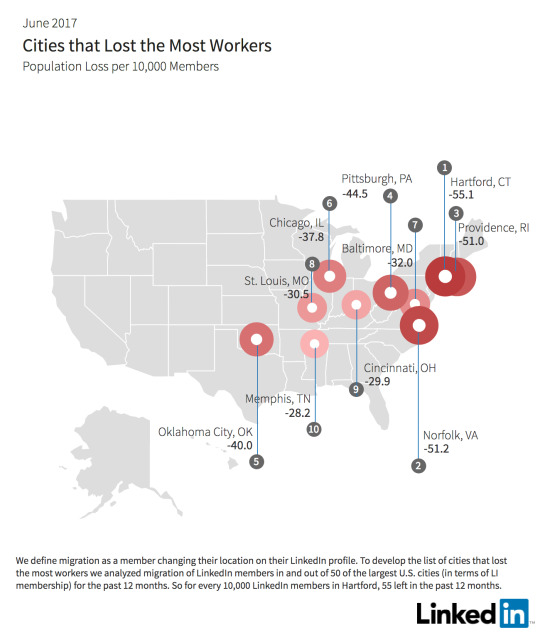
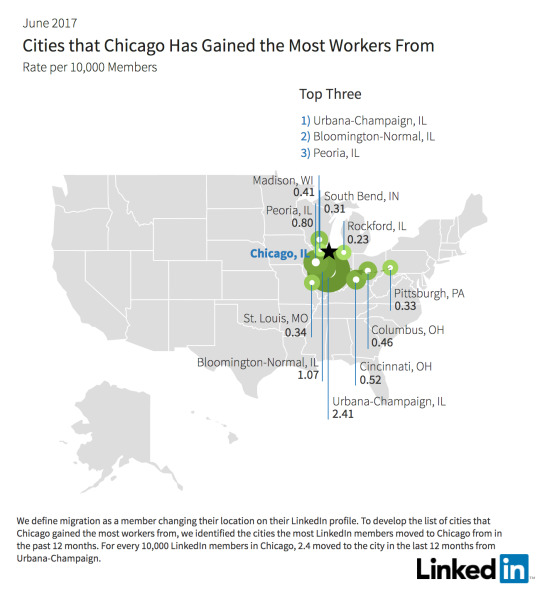
    I’ll leave you all to go through the report, but I did want to pull out a few of their maps and one of their takeaways. Below are maps of the cities that lost the most workers and gained the most workers over the last 12 months.

    The established trend of people moving from colder northern cities to warmer amenity-rich cities seem to play out here.

    That said, one of their “key insights” is that fewer workers today are moving to the San Francisco Bay Area. Since February 2017, there has been a 17% decline in the net number of workers.

    They blame housing affordability (ahem, lack of supply). People are simply turning to other great cities like Seattle, Portland, Denver, and Austin. They’re growing and cheaper.

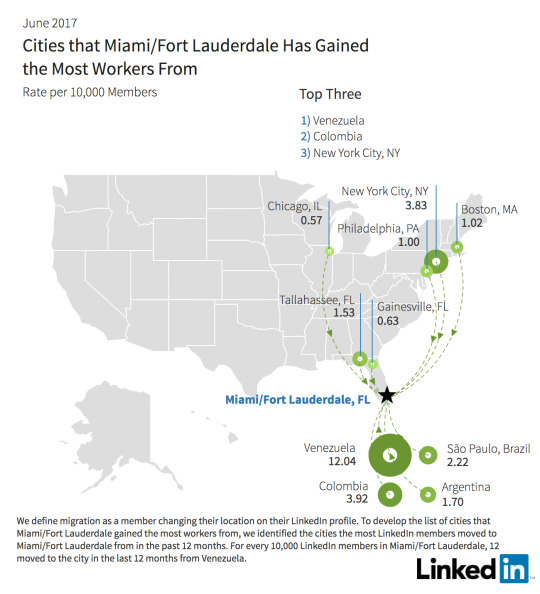
    One of the other cool things about the report is that you can drill down into individual cities to see where people are moving from. I looked up Miami and Chicago just to do a quick comparison. 

    Not surprisingly, Miami is seeing a significant contingent from South America. What’s interesting about this random comparison is how international Miami is and how regional Chicago is in terms of their draws.

    I would love to see similar data for Canada. This is valuable stuff.

  • Zaha Hadid’s Miami condo is on the market for $4,350 psf

    Today, Google is celebrating the famed Iraqi-born British architect Zaha Hadid, who died last March (2016) in Miami of a sudden heart attack.

    She was the first woman ever to receive the Pritzker Architecture Prize, which is the prize of all prizes for architects.

    Here is Google’s front page:

    The building that is featured is the Heydar Aliyev Center in Baku, Azerbaijan. It’s an extraordinary piece of architecture. And in case you aren’t familiar with it, below is a Red Bull video of Maksim Kruglov skateboarding the building and its grounds. The building is just screaming to be skated. (Click here if you can’t see it below.)

    [youtube https://www.youtube.com/watch?v=J7lEGbAIU6M&w=560&h=315]

    I’m not exactly sure why Google chose today to feature Hadid. Initially I thought it might be the anniversary of her death, but she died in March. Whatever the case may be, a quick search revealed that her Miami condo was just listed for $10,000,000. That’s probably not what they are celebrating.

    It’s located at 2201 Collins Avenue (Unit 730) in the W Hotel Miami Beach. It’s 2,299 sf and features a totally separate guest apartment, which itself has one bedroom. The main suite was initially 2 units, but Zaha had them combined into a generous one bedroom.

    Only $4,350 per square foot.

    Below is a quick video prepared by the broker. You don’t need the sound on for this one. (Click here if you can’t see it below.)

    [youtube https://www.youtube.com/watch?v=9CD_xwYPbf8&w=560&h=315]

  • EDITION

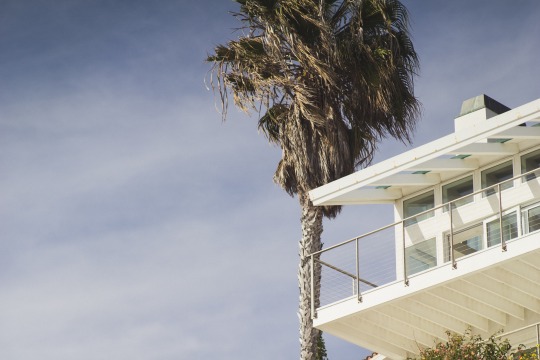
    I took the above photo at The Miami Beach EDITION. I know it’s no longer the newest hotel on the strip, but as far as design is concerned, it’s probably my favorite. I love the interiors. It feels quintessentially Miami Beach to me. The lobby is white and minimal, but at the same time there’s a tropical warmth to it.

    The interiors were done by the Toronto and New York-based Yabu Pushelberg. If you haven’t been, here and here are some photos of the hotel. Before EDITION, the building housed the Seville Beach Hotel. As should be the case, some of that hotel’s original details were preserved in the renovation.

  • Miami nice

    Art Basel Miami Beach is going on right now so a few of us were talking about it in the office this week. If I had the time, I would have loved to go back this year.

    I think it’s great how Miami (Beach) seems to be infusing art, design, and culture into seemingly everything it does.

    Here is a really well done video tour of Miami’s Faena District (via Wallpaper*). It’s definitely worth a watch. Screenshot below.

    If you don’t know the story behind Alan Faena, you should also read up. He’s an Argentinian fashion designer turned real estate developer.

  • Flood-prone areas see dip in real estate sales

    image

    The New York Times has an interesting article up talking about the possible impacts of climate change on coastal real estate in the United States. In it they make the argument that sales velocity is declining in flood-prone areas. Here are two snippets:

    Over the past five years, home sales in flood-prone areas grew about 25 percent less quickly than in counties that do not typically flood, according to county-by-county data from Attom Data Solutions, the parent company of RealtyTrac. Many coastal residents are rethinking their investments and heading for safer ground.

    In the past year, home sales have increased 2.6 percent nationally, but have dropped about 7.6 percent in high-risk flood zones in Miami-Dade County, according to housing data. Many coastal cities are taking steps toward mitigation, digging runoff tunnels, elevating roads and building detention ponds.

    I would like to see more data supporting this argument, but I can’t say I’m surprised. Flood risk is certainly something I would think about – particularly in high-risk areas such as South Florida. Florida has 6 of the 10 most vulnerable urban centers in the US.

    The other piece that caught my attention is this:

    Flood risks are easily overlooked because past flood damage often goes unreported and, as in Virginia, the burden of discovering it falls to the buyer. LexisNexis, a news and legal research company, can supply sellers a report with the history of flood claims on the property, but buyers usually do not know to ask for it. FEMA collects information on federal insurance claims for homes nationally, but the agency has been reluctant to make it public for privacy reasons.

    It is yet another example of how opaque the real estate industry is. A lot of the information – assuming it’s even available – is fragmented across a number of different sources. If you’re playing hot potato, this obviously works to your benefit. But I don’t believe it’s the best thing for the overall market.

  • The rise of tech outposts

    What happens when wages and real estate prices become too high in a city? Companies start growing in lower cost locations. We’ve all seen this before. 

    Fred Wilson recently blogged about this “spillover effect”, citing a New York Times article talking about the growth of tech offices in Phoenix. As someone who sits on the board of many technology companies, he was noticing a thematic trend:

    “A big theme of board meetings I’ve been in over the past year is the crazy high cost of talent in the big tech centers (SF, NYC, LA, Boston, Seattle) and the need to grow headcount in lower cost locations.”

    We talk a lot about housing prices on this blog, and so I think it’s useful to see how this, along with high wages, also impacts companies. The two are interrelated.

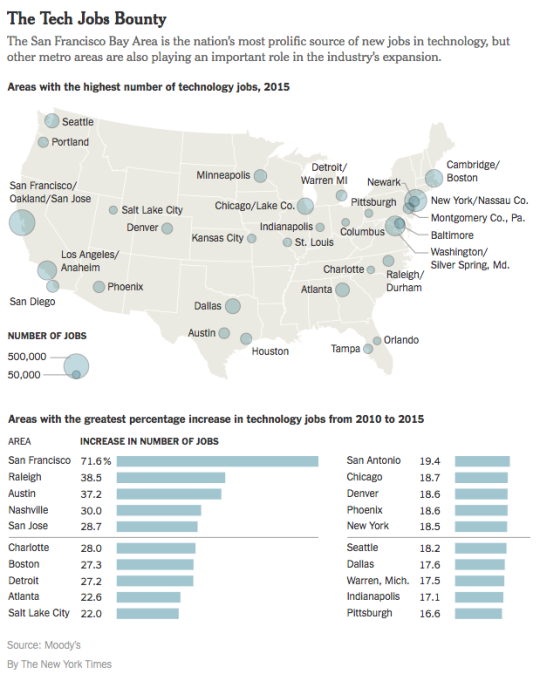
    Below is a chart from the NY Times article showing the US cities with the highest number of technology jobs and the most growth from 2010 to 2015. 

    San Francisco is in a league of its own. But overall, the growth is in tech and many cities are adding lots of technology jobs. Look at Detroit and Boston right beside each other (Detroit obviously has a smaller starting base). And look at how Miami is nowhere to be found.

    Of course, one interesting question is whether these new outposts – such as Phoenix – can truly come into their own and carve out a niche:

    “We don’t want to be San Francisco’s back office — we need more creators here,” said Scott Salkin, a founder and the chief executive of Allbound, which is based in Phoenix, makes sales software and has offices down the hall from Gainsight’s.

    Even with the high cost of living, it’s hard to supplant the coastal hegemony. That’s where people go to chase riches. As comedian Daniel Tosh likes to say, “the middle of the country is for people who gave up on their dreams.”

    Though for some, living in a place like Denver or Salt Lake City and snowboarding every weekend is a better outcome than living in a studio apartment and commuting an hour to work.

  • LED neon lighting by Electric Confetti

    image

    Ever since I attended Art Basel Miami Beach last year, I’ve been determined to get a neon piece for my condo. I got inspired by all of the neon I saw at the show and so I told myself that I was going to get something made.

    I found a company in Vancouver called Endeavour Neon, but I never ended up pulling the trigger. It turns out that traditional neon lighting is pretty expensive. 

    However, I recently discovered a Melbourne-based company called Electric Confetti. Founded by designer Natalie Jarvis, the company makes LED neon lighting using flex tubes. Supposedly, this makes them more durable and more energy efficient. They’re also less expensive.

    I am trying to figure out shipping to Canada, but it looks like I might be finally getting my neon. I really like the banana (pictured above), but that might be an odd reference for a bedroom. I’ll sleep on it.

    I thought I would share with all of you in case you have a home, an office, or a project that could use some neon lighting.

  • Where the world’s billionaires live

    The Martin Prosperity Institute here in Toronto recently published an interesting report called The Geography of the Global Super-Rich.

    What they did was use the Forbes 2015 Billionaire List to chart billionaires and billionaire wealth by location and by industry. They also looked at the wealth gap in each location and whether the wealth was self-made or inherited.

    A correlation analysis was also done to see what key variables – such as population, density, economic output, global city standing, VC investment, and so on – were positively correlated with a greater concentration of super rich people.

    There are 1,826 billionaires across the world according to Forbes. The researchers were able to match 99% of them to a specific metro area / primary residence.

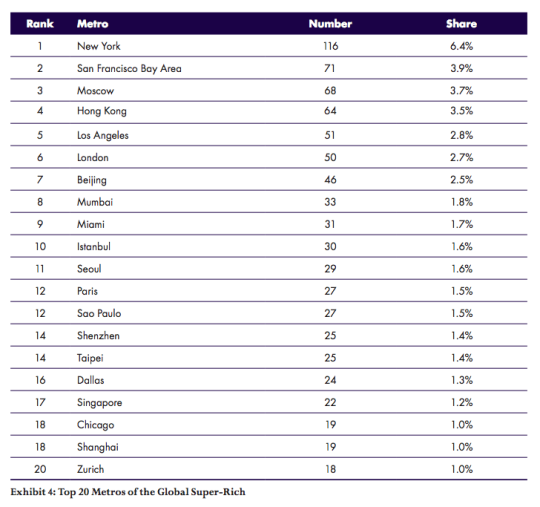
    Here are the top 20 metro areas in terms of the number of billionaires:
    image

    Look at Miami at #9. 

    I suspect that this may surprise some of you. But Miami has grown into a significant global city. As one of my friends from Miami likes to tell me: “The best thing about Miami is that it’s a Latin American city that’s so close to the United States.”

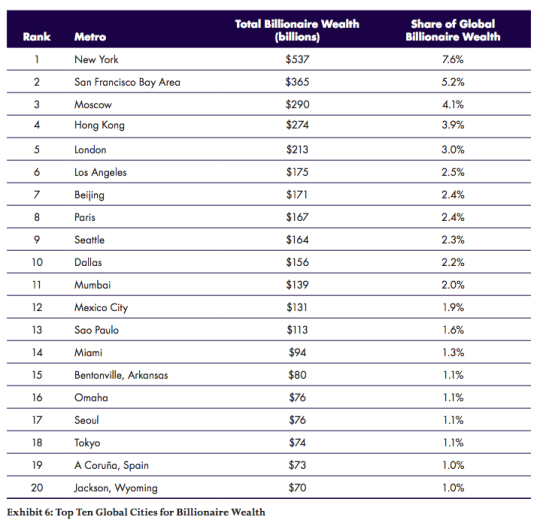
    Here are the top 20 metro areas in terms of total billionaire wealth: 
    image

    A bunch of changes on this list because of extremely wealthly people and families in places like Bentonville (Arkansas) and Omaha.

    One of the conclusions of the report is that the size of the city generally matters:

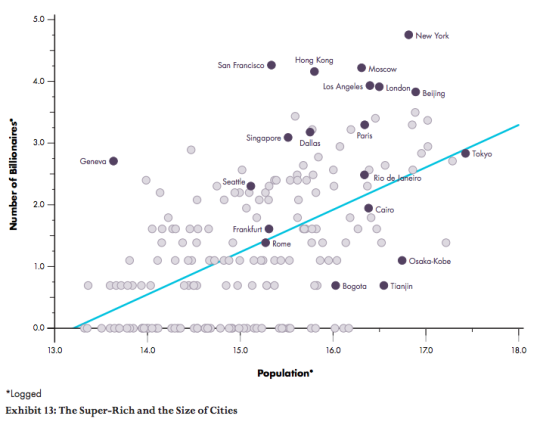
    “The geography of the super-rich is a function of larger cities. Both the number of billionaires and their net worth are positively associated with the population of global cities, with correlations of 0.56 for the number of billionaires and 0.44 to their net worth.”

    Here is a chart comparing population to the number of billionaires:
    image

    Cities such as New York, Moscow, and Hong kong, which sit far above the blue line, have more billionaires than their population size would predict.

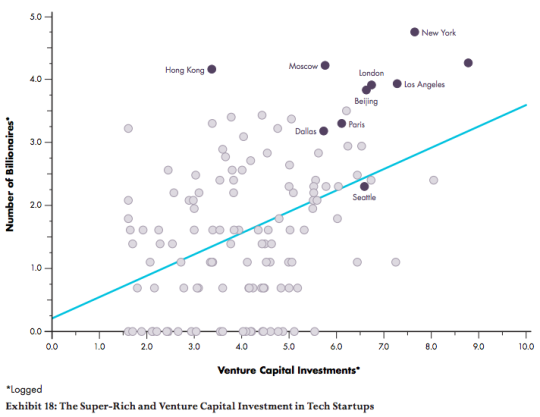
    Here is a similar chart comparing venture capital investment to the number of billionaires:
    image

    Once again, there is a positive association.

    Finally, here are a two charts that show which industries have produced the most billionaires:
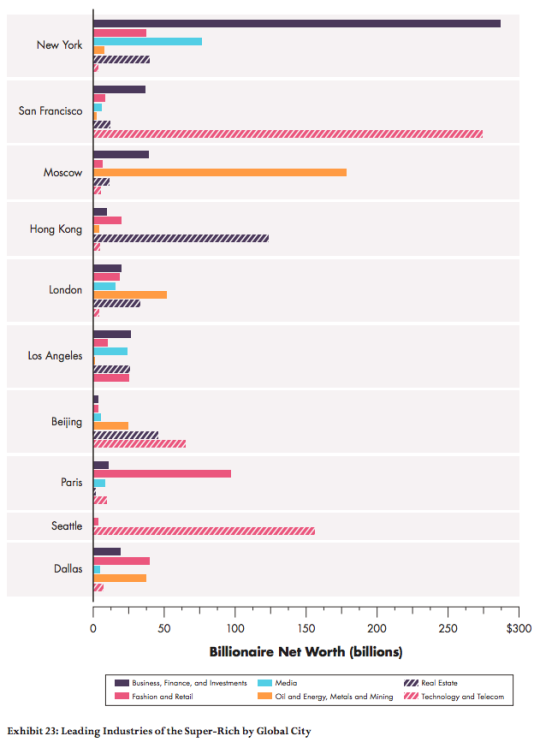
    imageimage

    If you’re interested in this study, you can download the full report here. All of the charts were sourced from the report.