Daily insights for city builders, delivered every morning at 6 AM ET. I’m Brandon Donnelly — a Toronto-based real estate developer and founder of Globizen. I’ve been writing here since 2013.

  • Toronto approves expanded Avenue network

    February 7, 2025 · View original
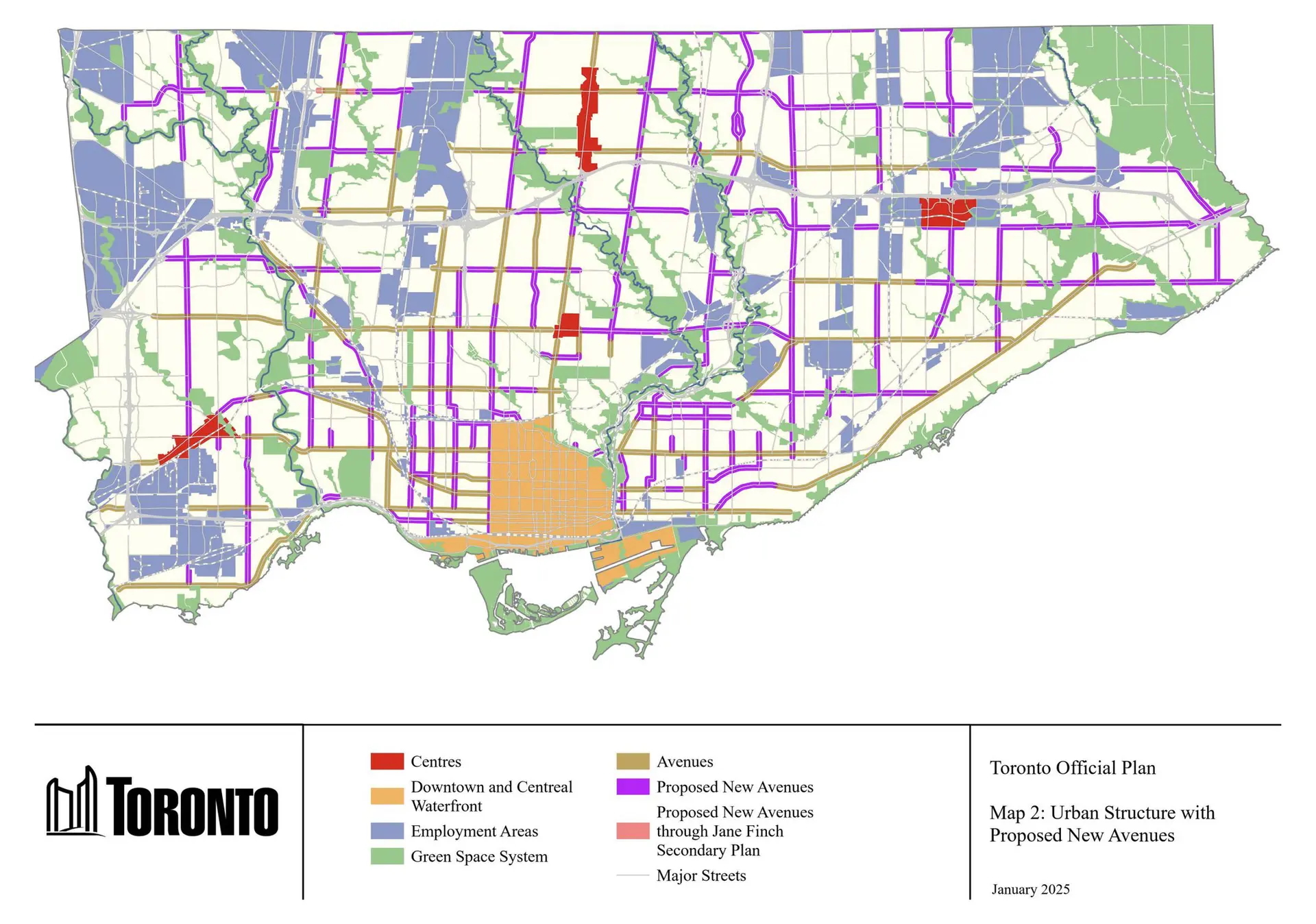

    Last month, I wrote about Toronto’s proposal to add additional “Avenues” to its urban structure. (“Avenues” is a defined term that I touch on in last month’s post). Well, this week the new Avenues Policy went to City Council for debate and approval. You can read all the back and forth via Matt Elliott on X. Not surprisingly, some Councillors were/are opposed to it, fearing it will create some sort of dystopian future for Toronto. An attempt was made to send it back for further study and consultation, which is the typical delay tactic. Comments were made that people in multi-family buildings are lonely because they don’t know their neighbors. And it was argued that Kipling Avenue should not be a designated “Avenue”, even though it’s already called one. (Toronto street suffixes can be weird sometimes.) Thankfully, the new Avenues passed. And this is a big deal for Toronto. Over time, this expanded Avenue network is going to create new housing and employment opportunities, and make transit and other forms of mobility far more viable all across the city. As I said last month, I think it’s going to be foundational in helping us move away from the outdated model of the monocentric North American city. Slowly but surely we are laying the groundwork for an urban structure that is actually, and more uniformly, urban.
  • Hello Hokkaido

    February 6, 2025 · View original


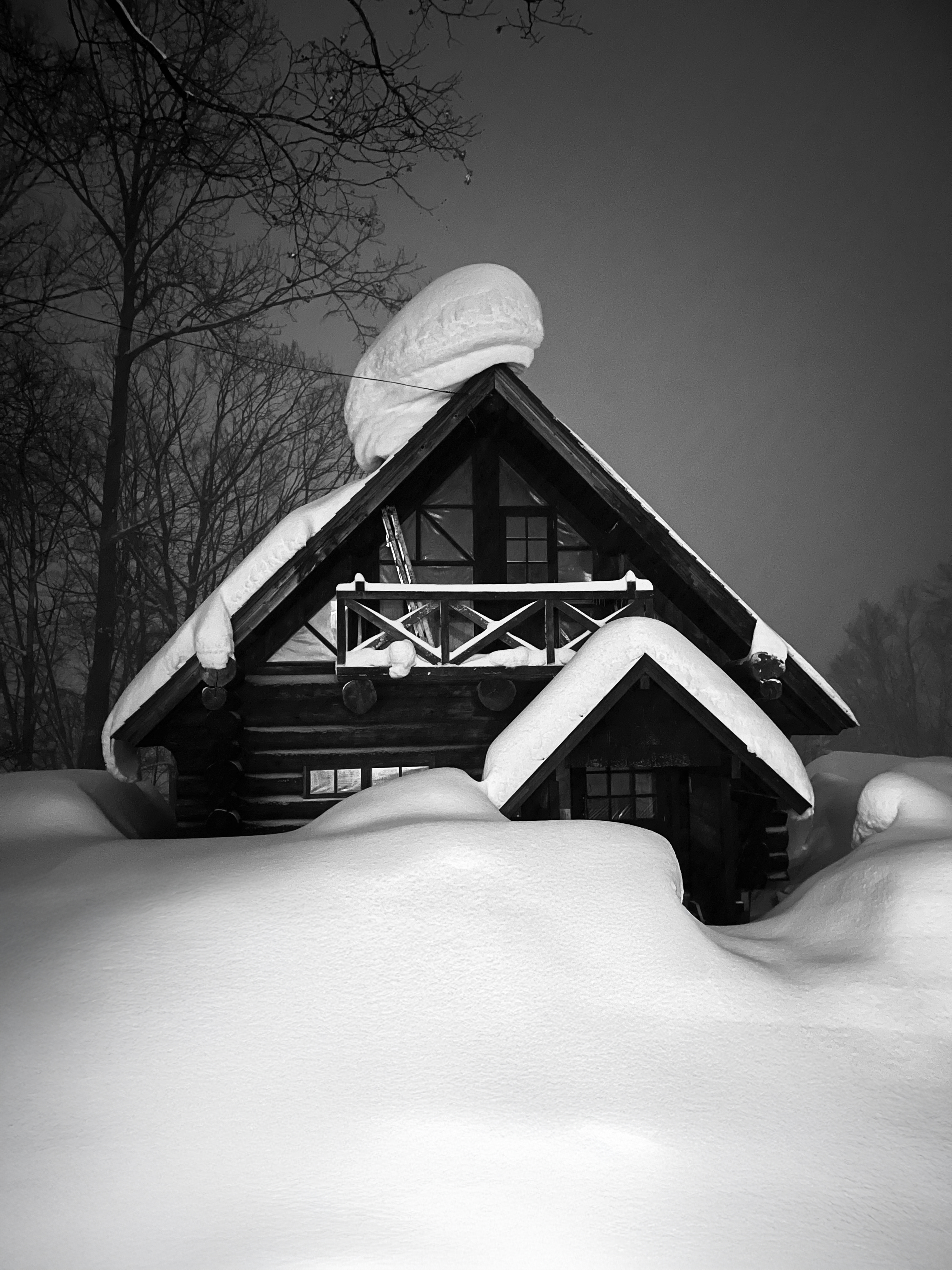
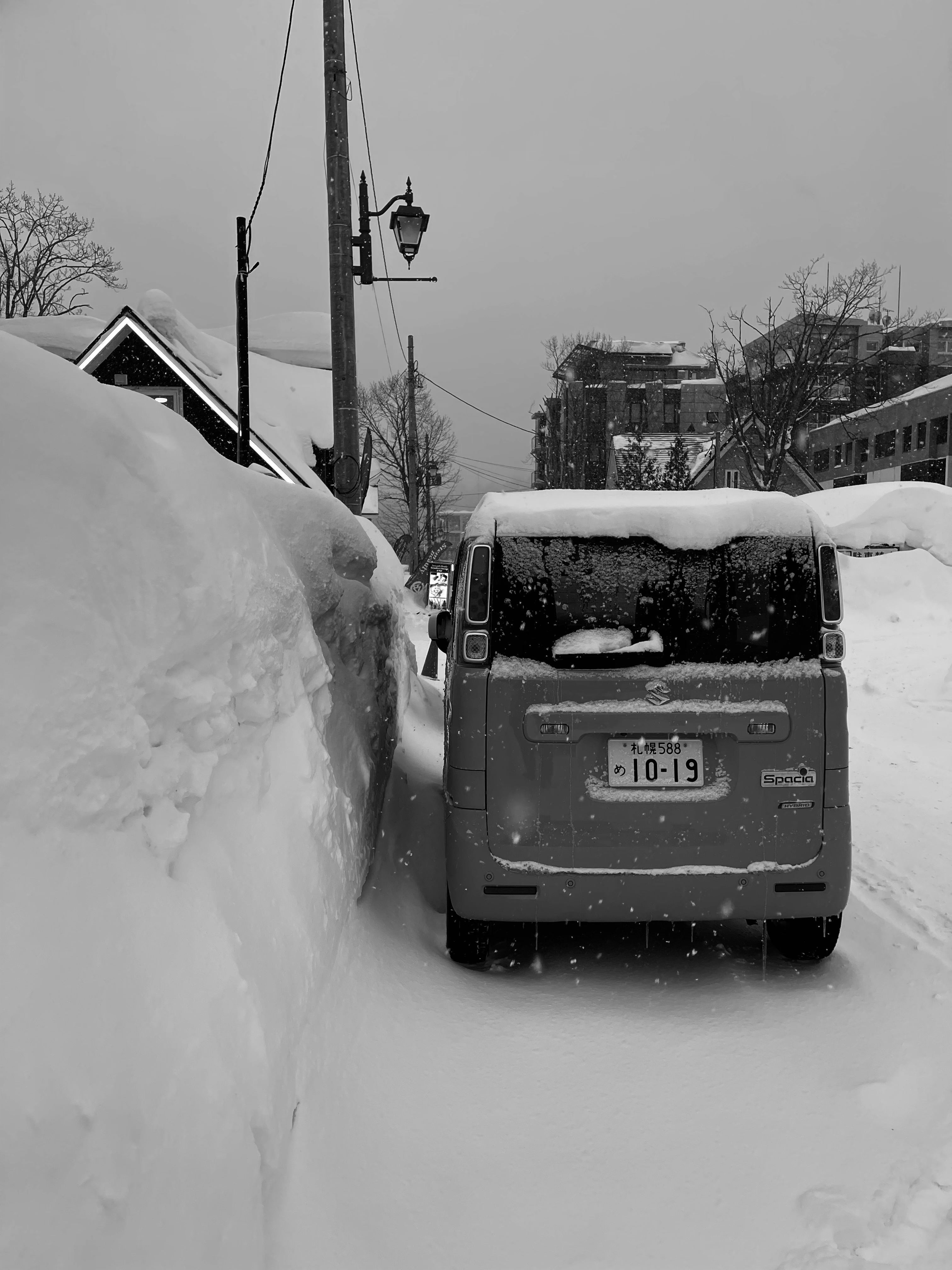
    We landed on Hokkaido yesterday. And when we got out of the airport, it was snowing. The first thing we did was stop in Sapporo for lunch and, while we were there, it continued to snow.

    After lunch, we drove west to Niseko, and for almost the entire 2-hour drive, it was whiteout conditions. It was the first time I had ever seen a place use flashing red arrows hung above the road to indicate the edge of the outer lane.

    This, I quickly learned, is invaluable in a place like Hokkaido; it’s so that both drivers and snowplows know where they’re going and know their limits. But to be honest, many other places should probably adopt it as well.

    We are now on day two and it’s still snowing. The stats do not lie: this is one very snowy place. As I understand it, the main reason for this is its location, and not its elevation. I’m sitting at ~280 meters right now (whereas Park City is over 2,000 meters up).

    But it does have mountains.

    And when warm air from the Sea of Japan mixes with cold fronts from Siberia, and then intersects these mountains, it produces beautiful dry powder snow, and lots of it. “Japow” is no joke, as you can tell from the above photos.

  • Tokyo’s open-air exit stairs

    February 4, 2025 · View original


    One of the trademarks of Tokyo’s urban landscape is a lot of exterior exit stairs. For example, our hotel is almost 20 storeys and it has two exit stairs, both of which sit outside of the building. Here’s a photo taken from the corridor. You can also see other buildings in the background with similar exit stair configurations.

    Oftentimes these stairs will also be positioned on a building’s primary elevation, making them form part of the overall architectural expression. There’s no shame in doing that here. This is curious to me because it means that, on tight urban sites, you’re giving up part of your frontage to egress. The alternative would be to burry it in the middle of the building and have it transfer over at some point.

    In any event, my first thought when I see a lot of exterior circulation is usually that the place must have a mild climate. And indeed, this is true of Tokyo. The average January and February lows and highs are 10 degrees and 5 degrees, respectively. Snow is extremely rare here. But that doesn’t seem to be what’s driving this egress approach.

    Because if you go up north to Sapporo, where they get upwards of 500cm of snow each year, it too has exterior exit stairs. Closer to home, there’s also the example of Montreal, which is similarly known for its exterior stairs (both in its older housing stock and in some of its newer housing stock). So it can’t just be a weather thing.

    The more likely hypothesis is that it’s simply cheaper and easier to build this way. There may also be local regulations that either directly or indirectly encourage it, beyond it just being more cost effective. Interestingly enough, though, exterior stairs don’t seem to be as common in newer buildings (but this is just my anecdotal observation from the last few days).

    We talk a lot these days about single-stair buildings. And I think it’s clear that we need to start allowing this for larger infill projects. But Tokyo also has me wondering if we should be having a parallel conversation about more open-air exit stairs and corridors. Climate is clearly no excuse. If it can help bring down the cost of building, then it’s something to consider.

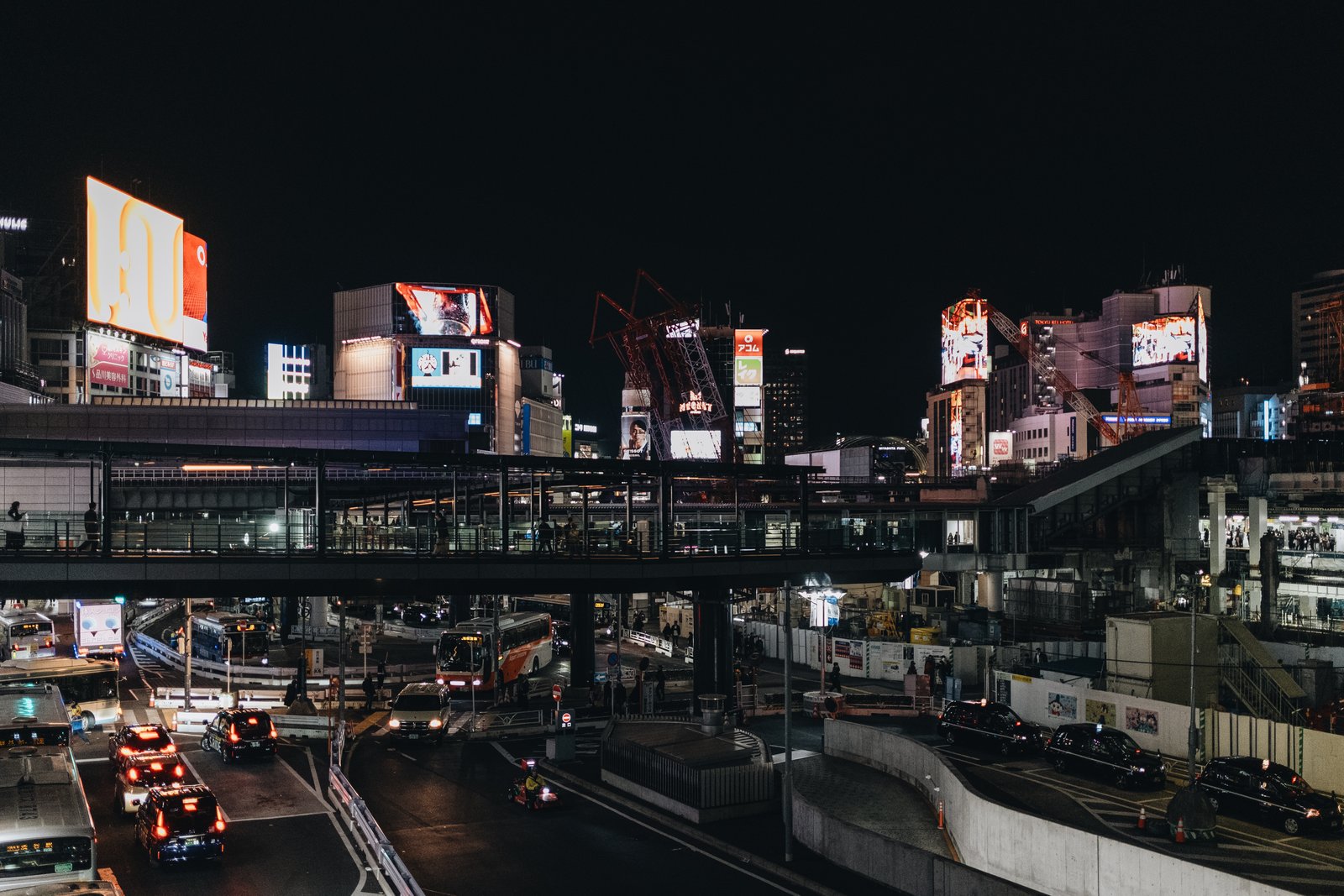
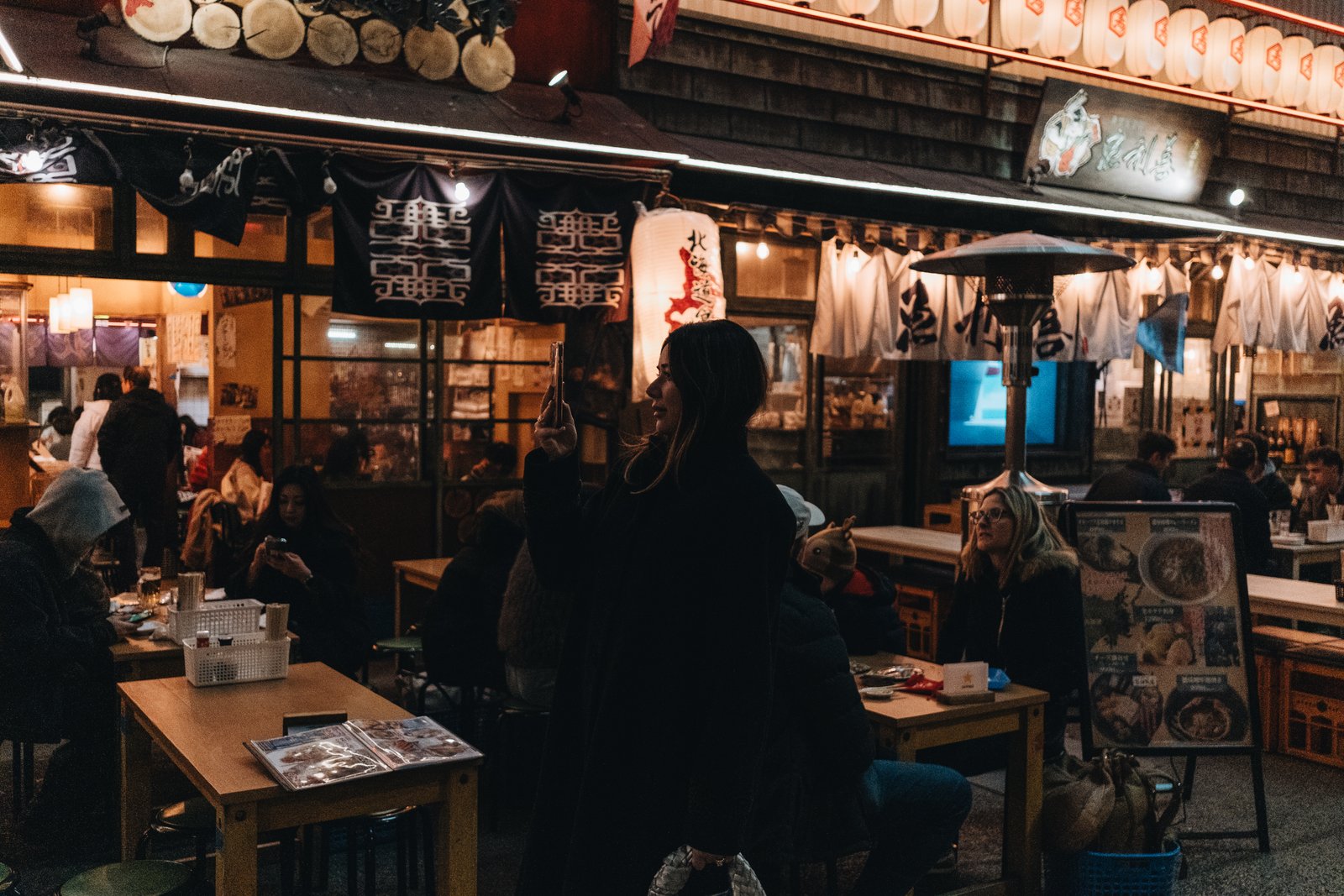
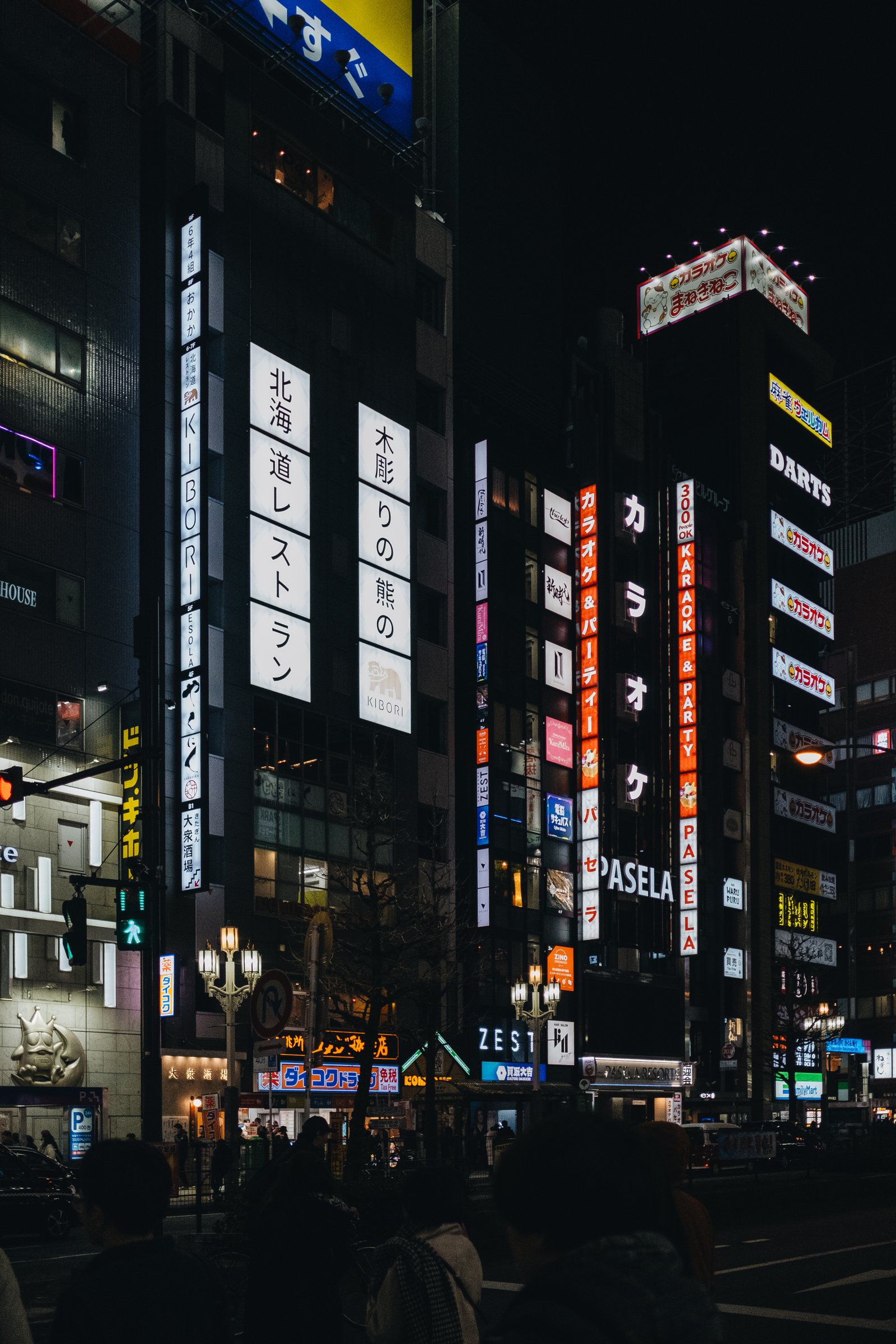
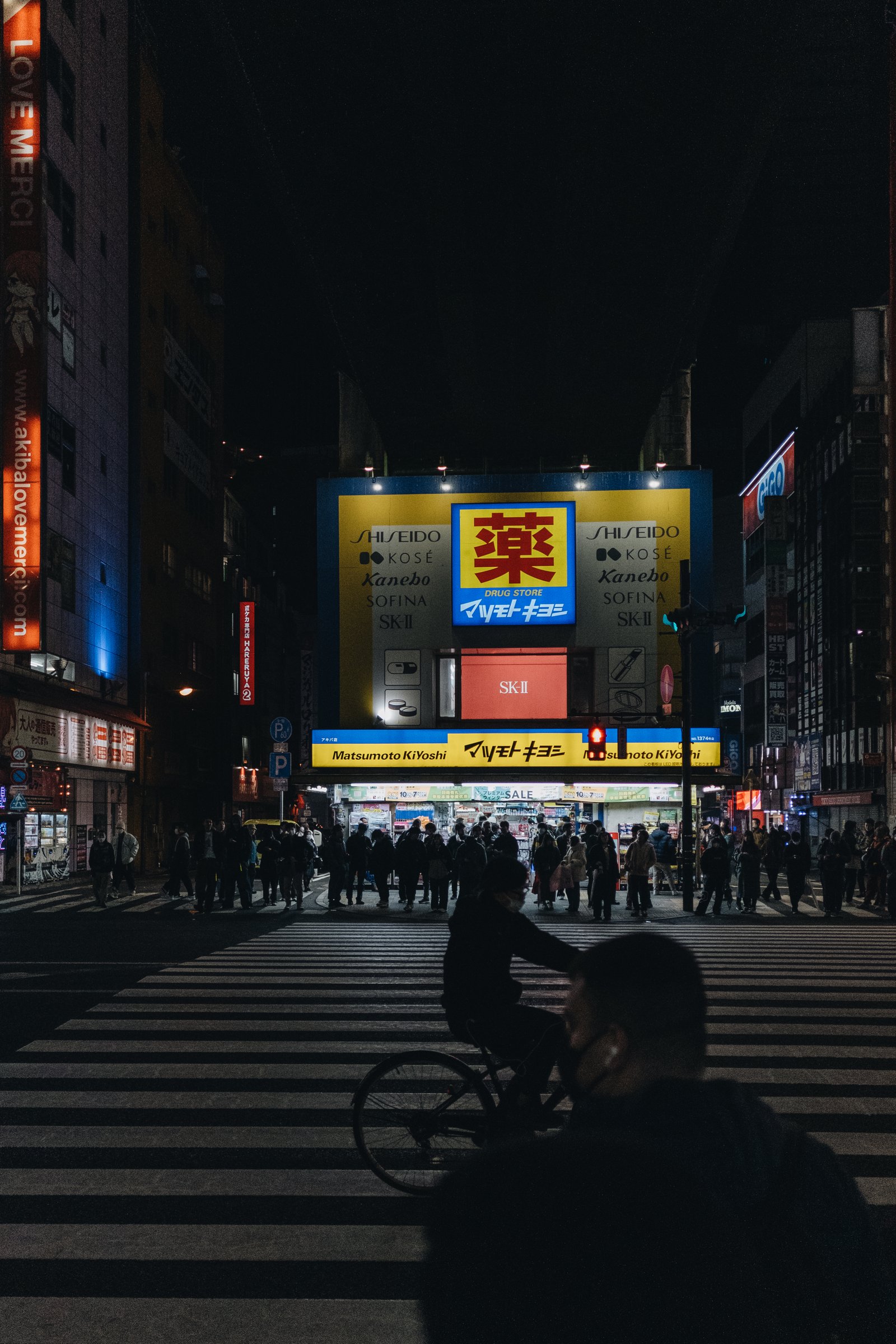
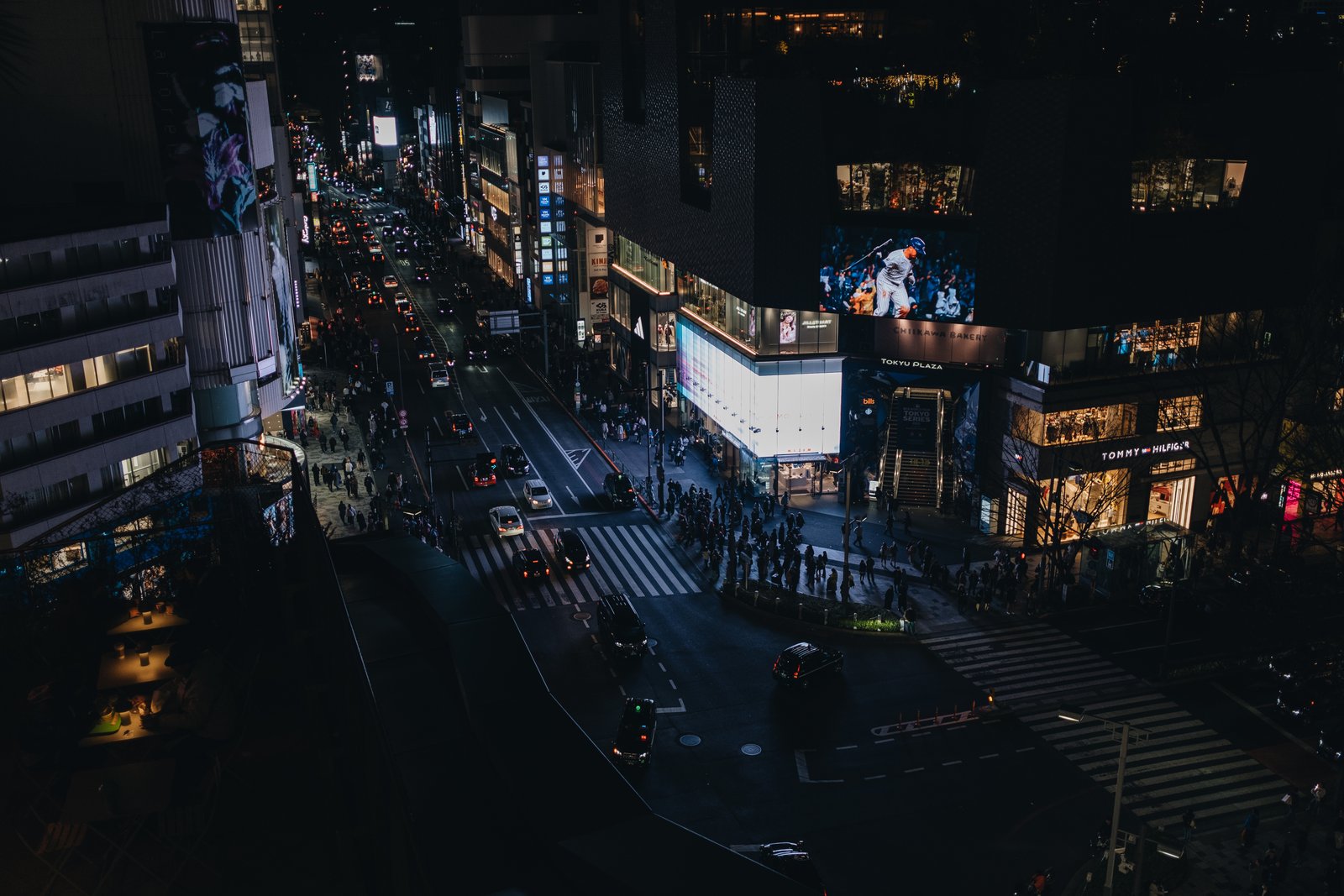
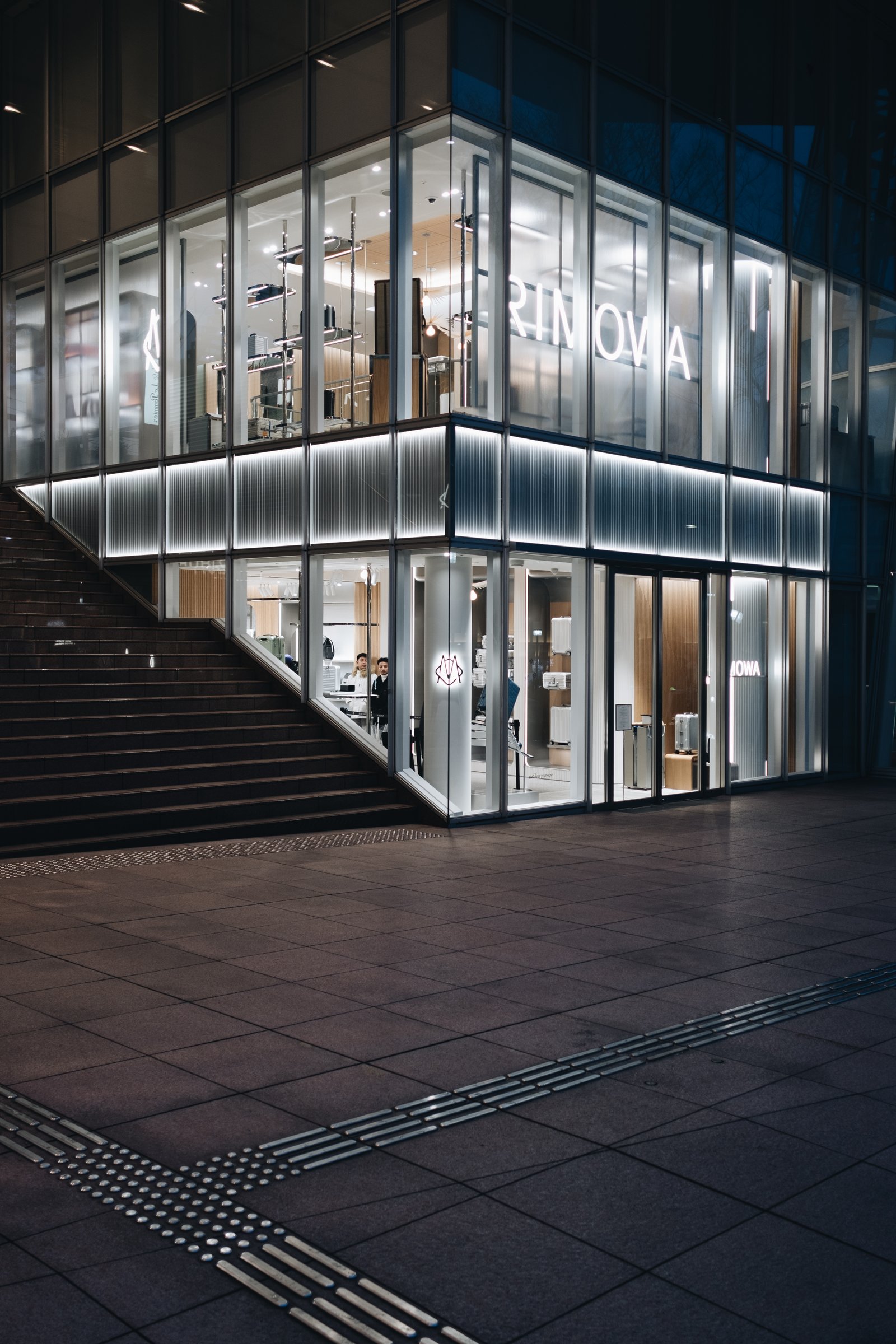
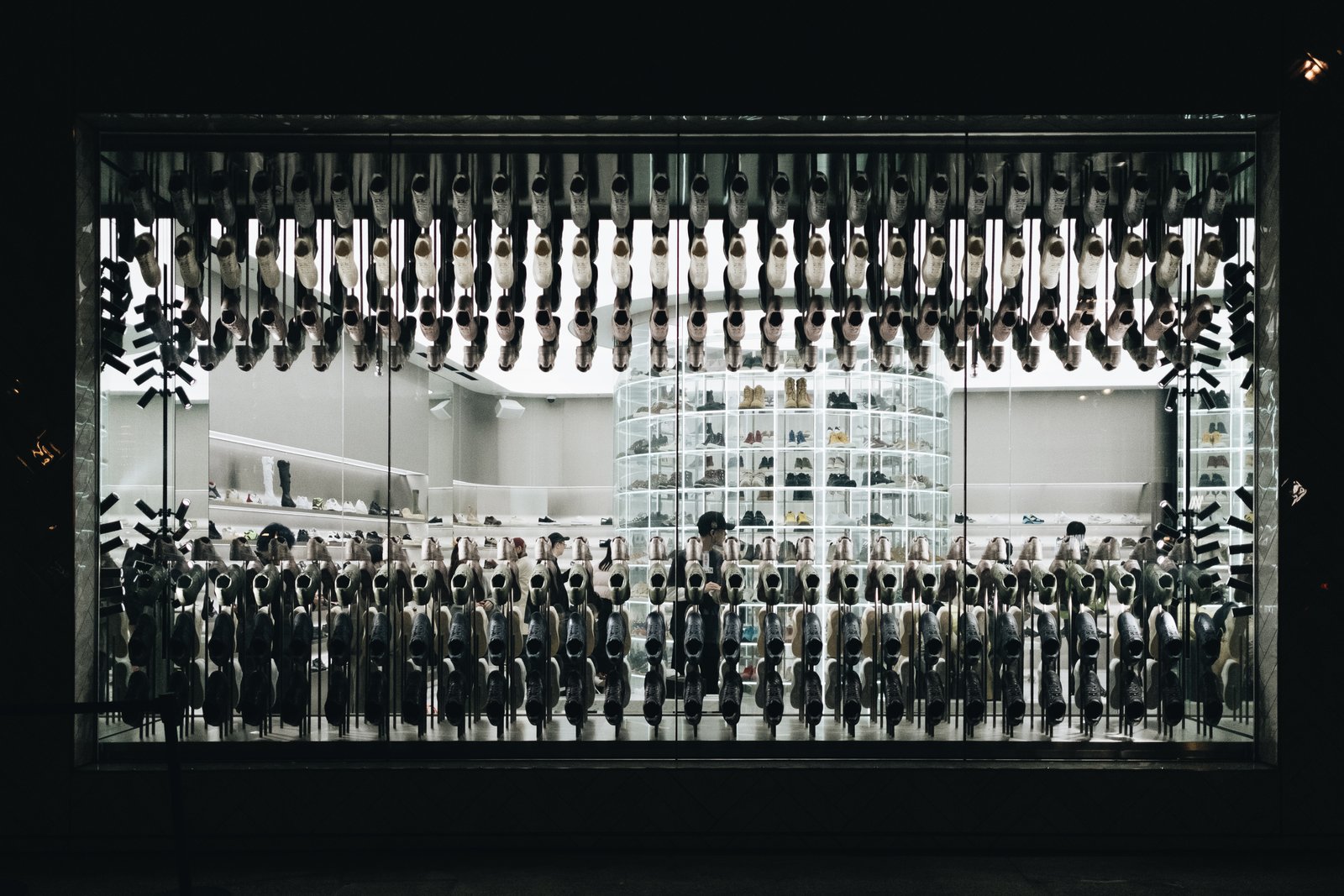
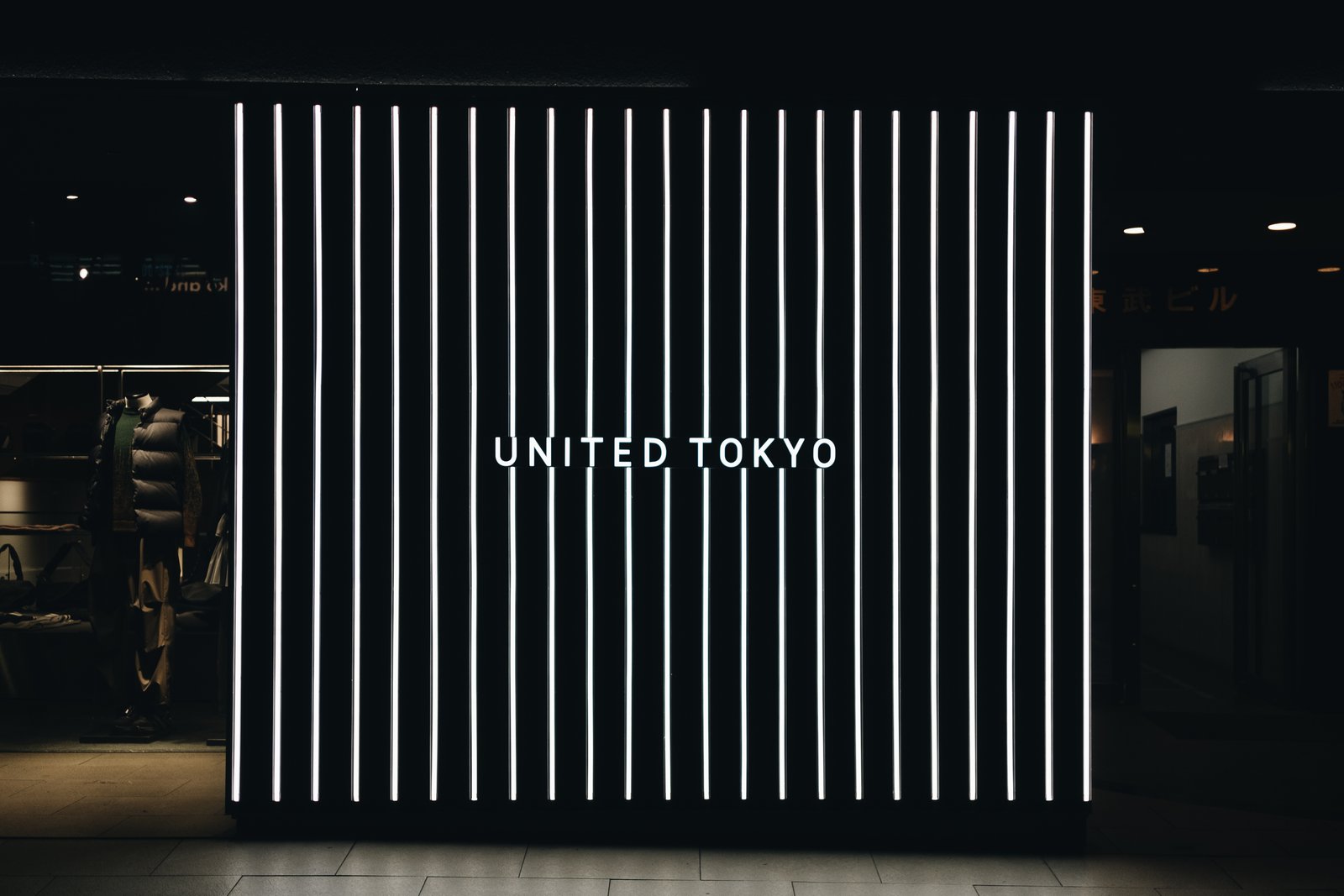
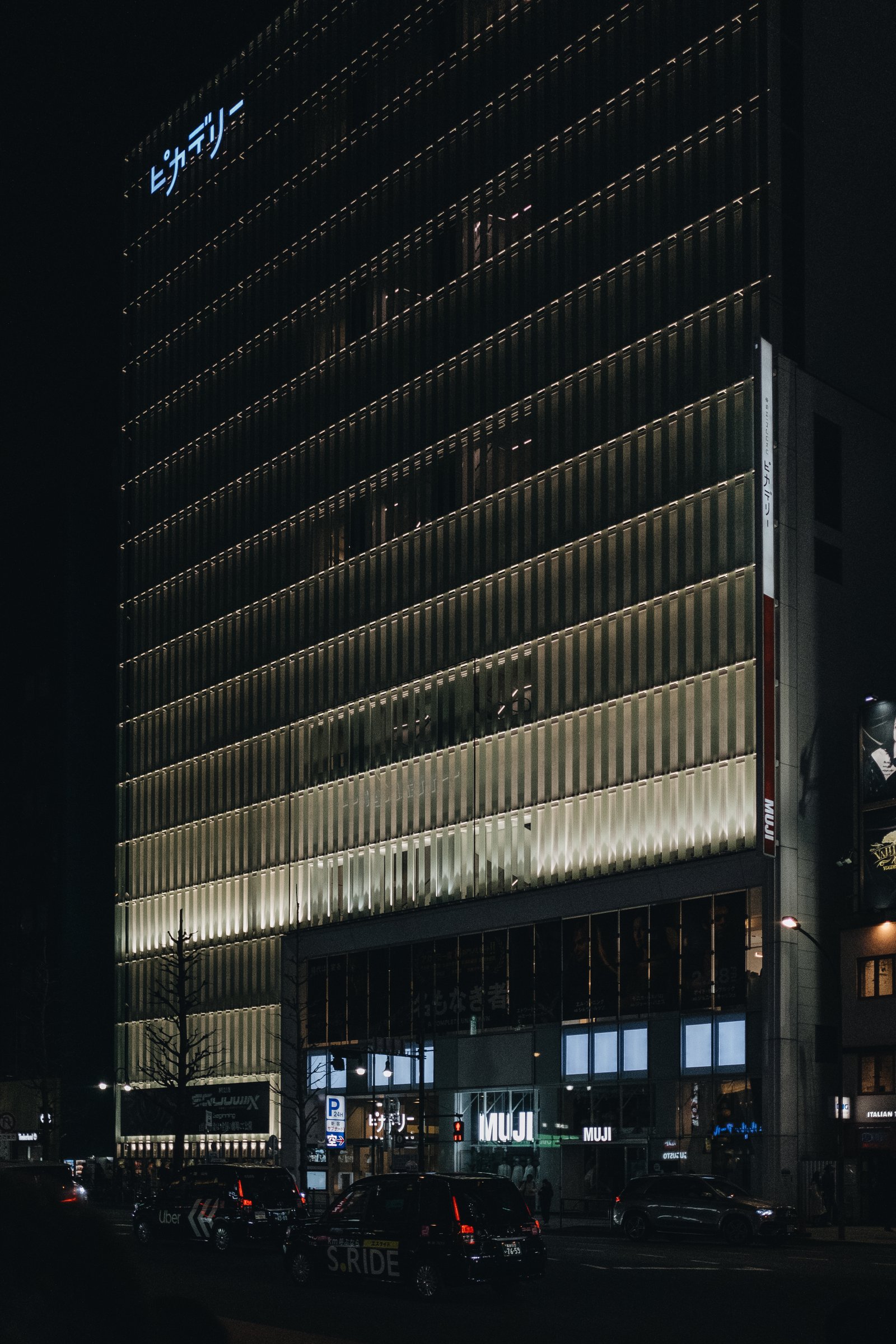
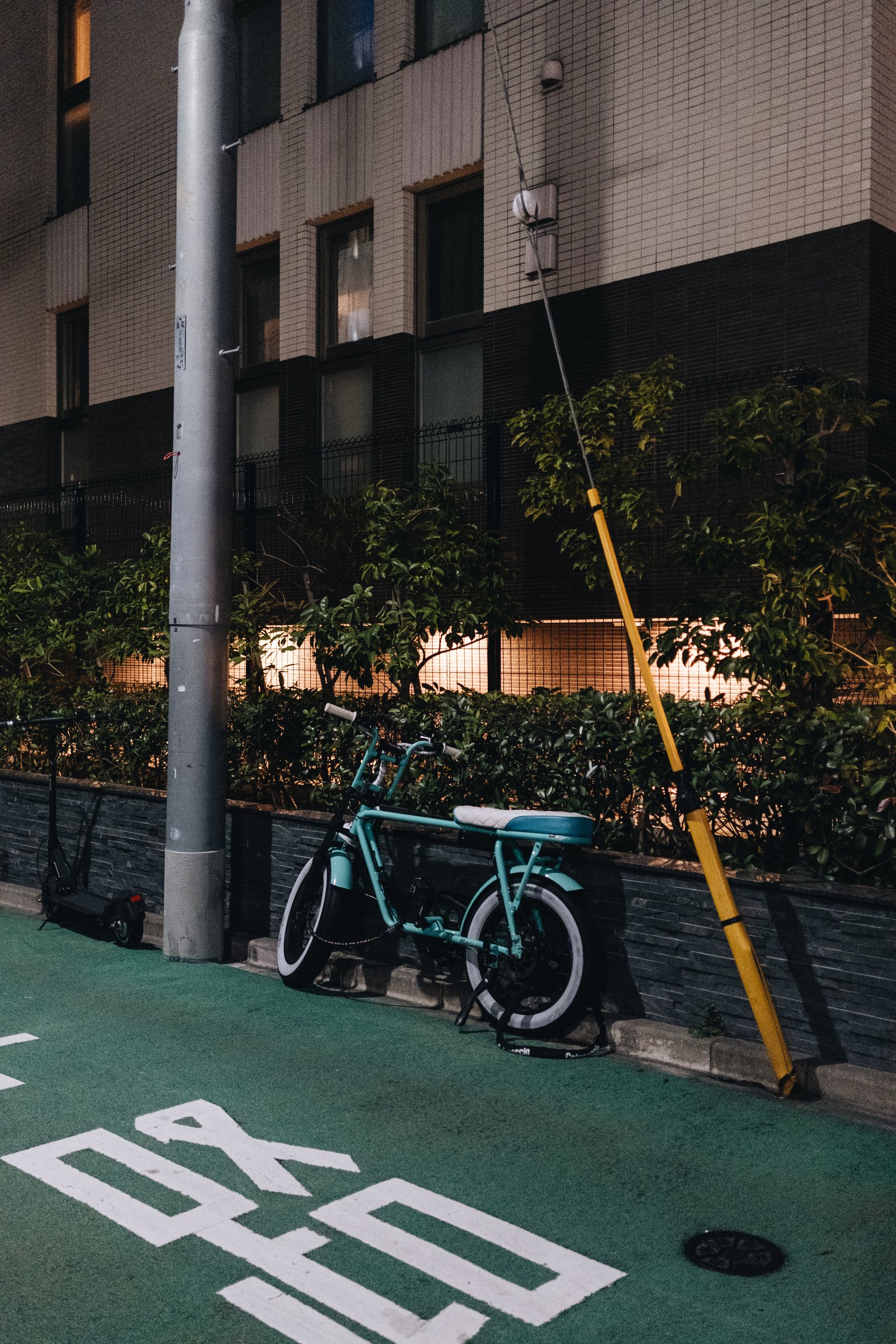
  • Tokyo at night

    February 3, 2025 · View original


  • Anatomy of a Tokyo hotel room

    February 2, 2025 · View original


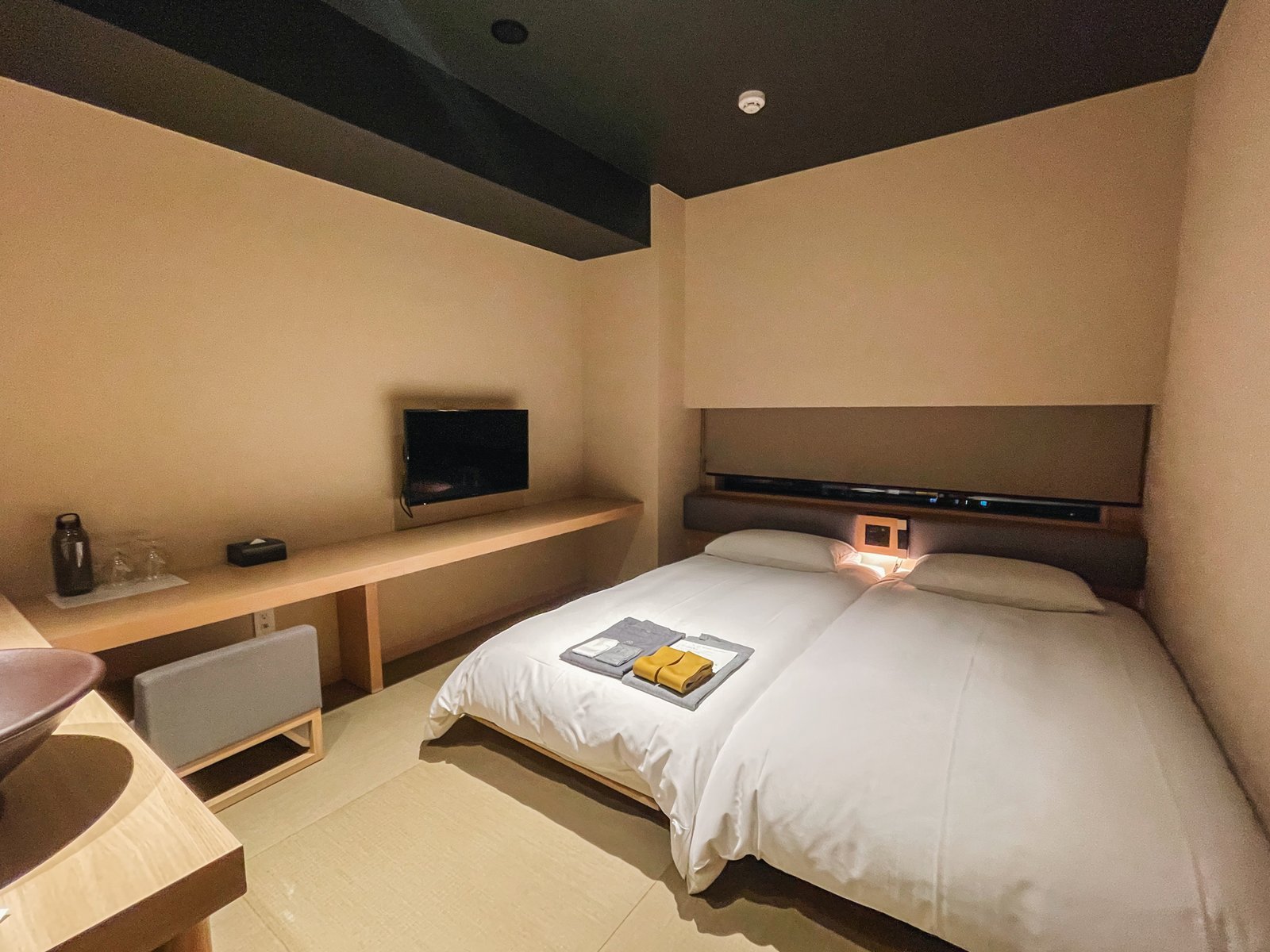
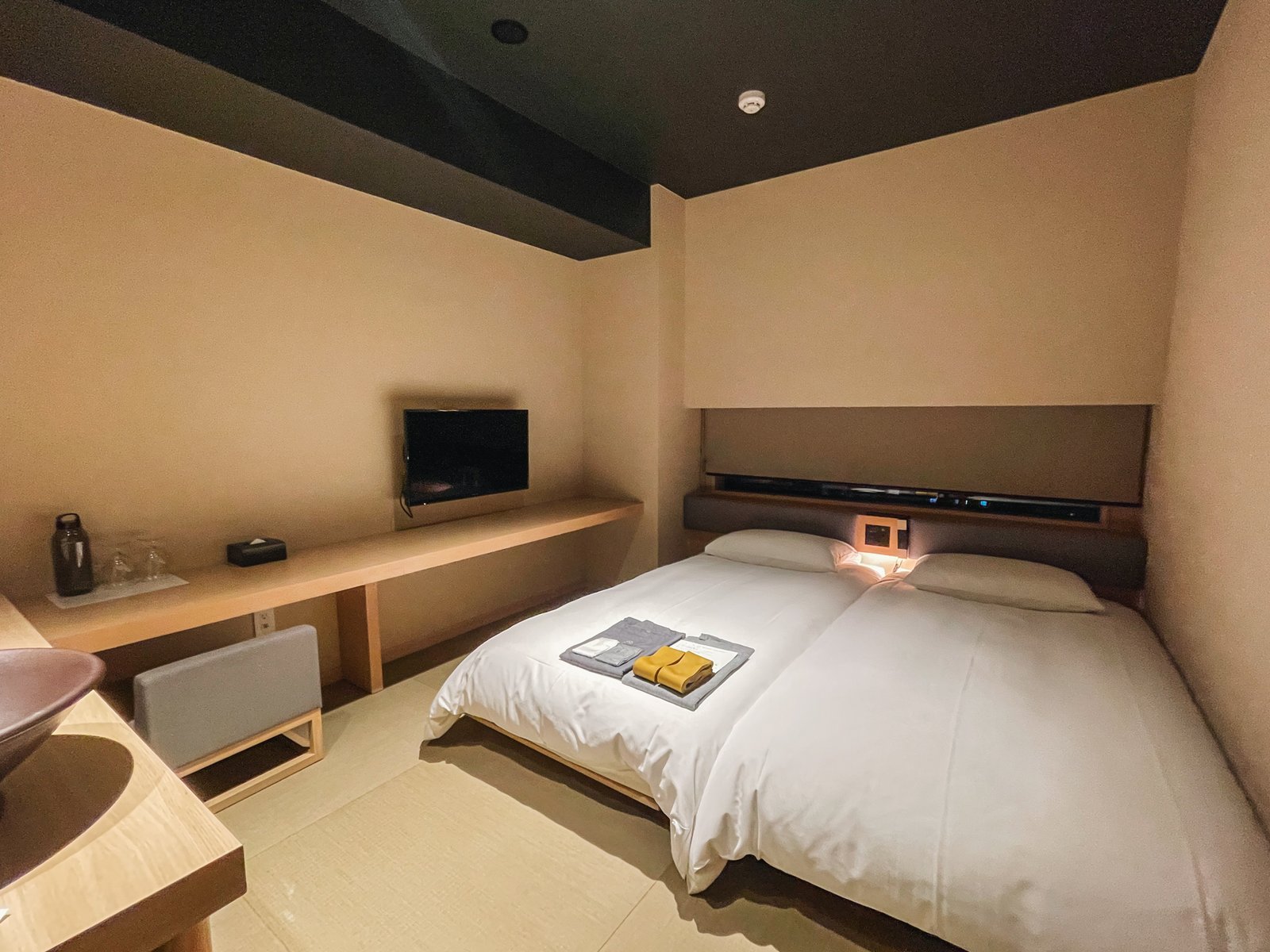
    Space comes at a premium in Tokyo. So today, let’s take a look at our hotel room, including some of its dimensions. The smallest room in our hotel is 12 m2 (~129 ft2). But we sprung for the 20 m2 (~215 ft2) room given that we have two big ski/snowboard bags with us.

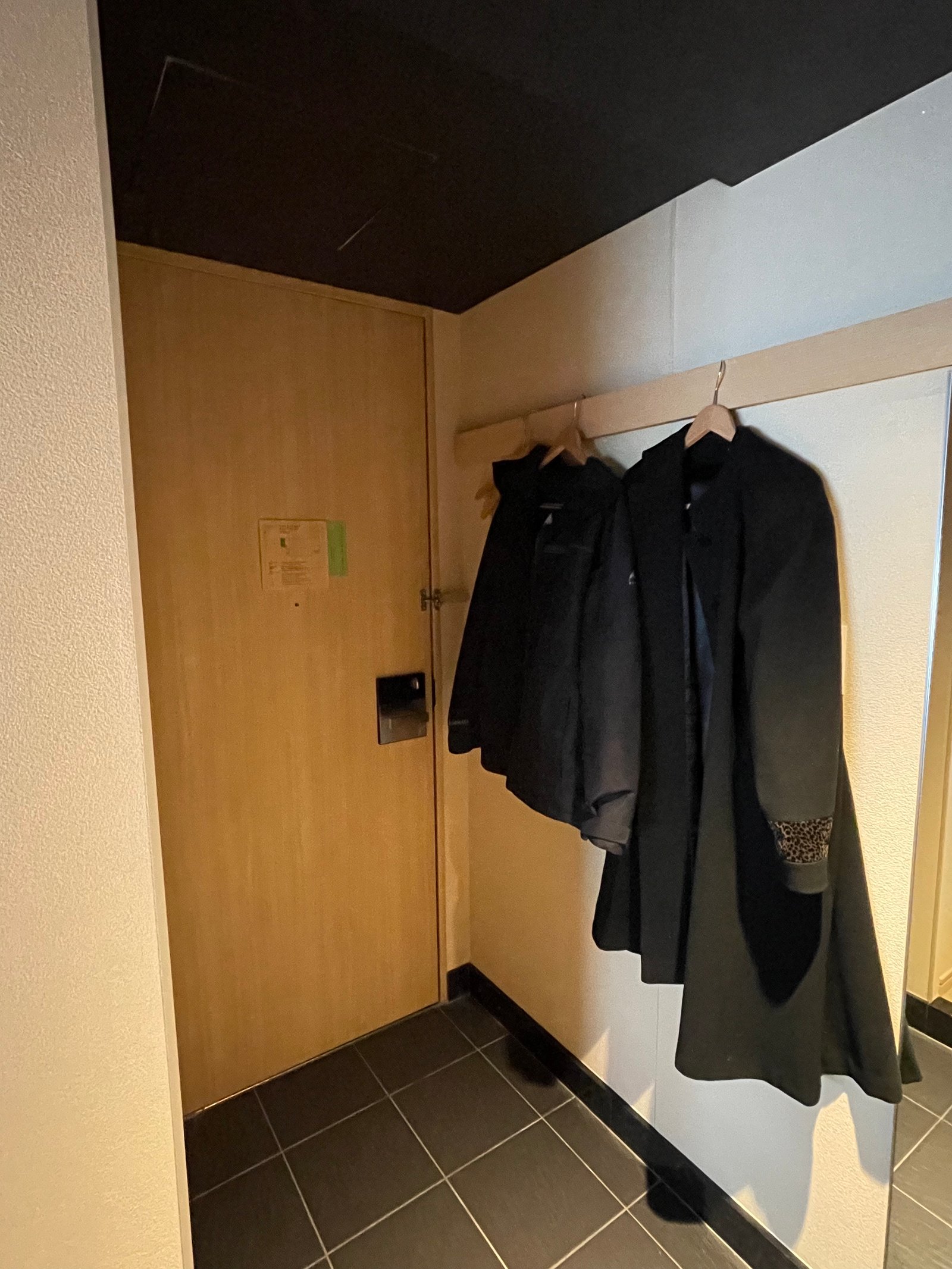
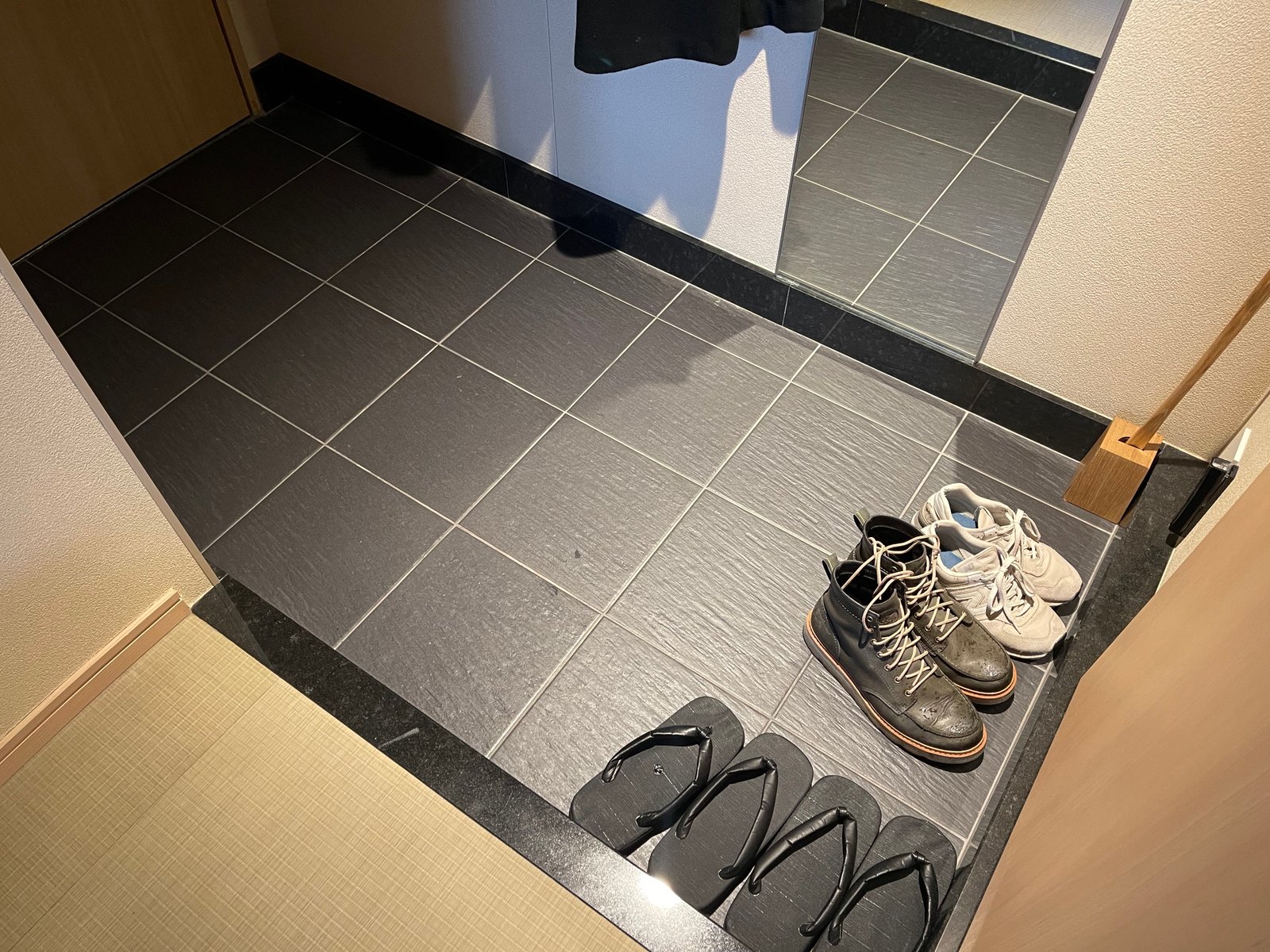
    When you walk into our room, there is a foyer where you naturally remove your outside shoes and put on your inside shoes. There’s also a continuous hook for hanging coats, which seems to be a common detail throughout Tokyo. This area measures 1060mm (3’5″) wide by 2119mm (6’11”) deep and has a clear height of 2170mm (7’1″).

    You then step up to the main room area, which has tatami flooring throughout. It’s obvious that you shouldn’t cross this threshold with your outside shoes on. Here the clear height compresses down to 2069mm (6’9″) because of the raised floor and because of some HVAC above. I wonder if there are any services running under the floor. Presumably they made use of the space.

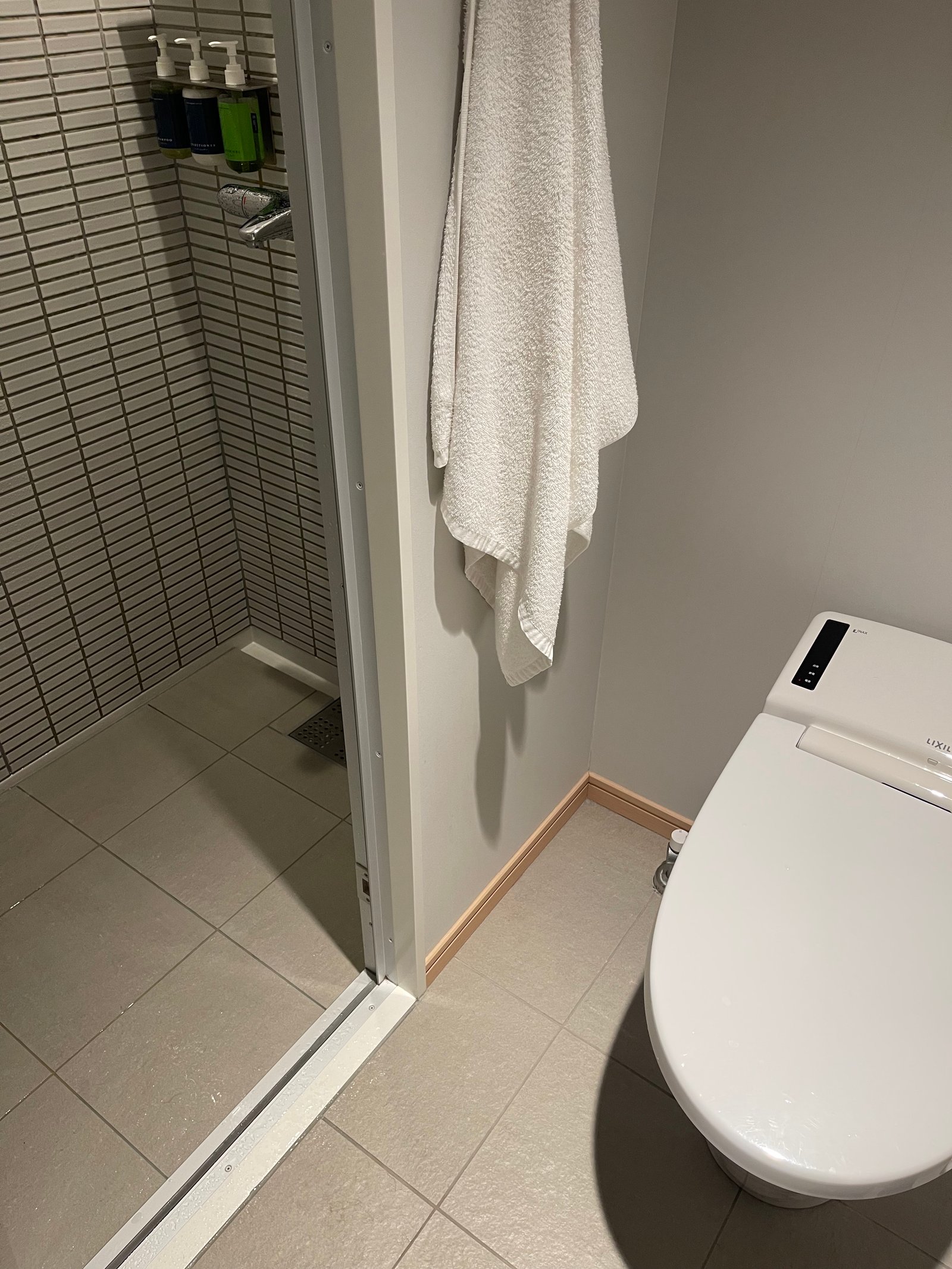
    The toilet/shower room is 1886mm (6’2″) wide by 1235mm (4’0″) deep and has the same ceiling height as above. As expected, the toilet is very fancy, it has a heated seat, and it will do whatever it takes to ensure that you leave this compact room with a tidy bum. The control pad is also fairly intuitive to use.

    The main living/sleeping area of the room is 2783mm (9’1″) wide by 3351mm (10’11”) deep, which is roughly the size of a Toronto apartment bedroom. This room also has a TV, desk area, and the bathroom sink. The ceiling height opens up to 2395mm (7’10”) in this area.

    It’s worth highlighting that the desk height is just under 24″ and the vanity countertop height is about 26″. These are very low compared to Western standards and I can certainly feel it in my back.

    In my view, it’s this vertical dimension which represents the biggest design difference compared to what I’m accustomed to. Surfaces are low and the ceiling heights are compressed. Because otherwise, I’ve stayed in even smaller rooms in Paris and in other places. It’s very comfortable and we would certainly stay here again.

  • Hello Tokyo

    February 1, 2025 · View original


    We arrived in Tokyo late last night. Our departure was delayed by a few hours, but we ended up sleeping most of the flight, and so we landed relatively refreshed and ready to tackle all of the late-night snacks at the closest 7-11.

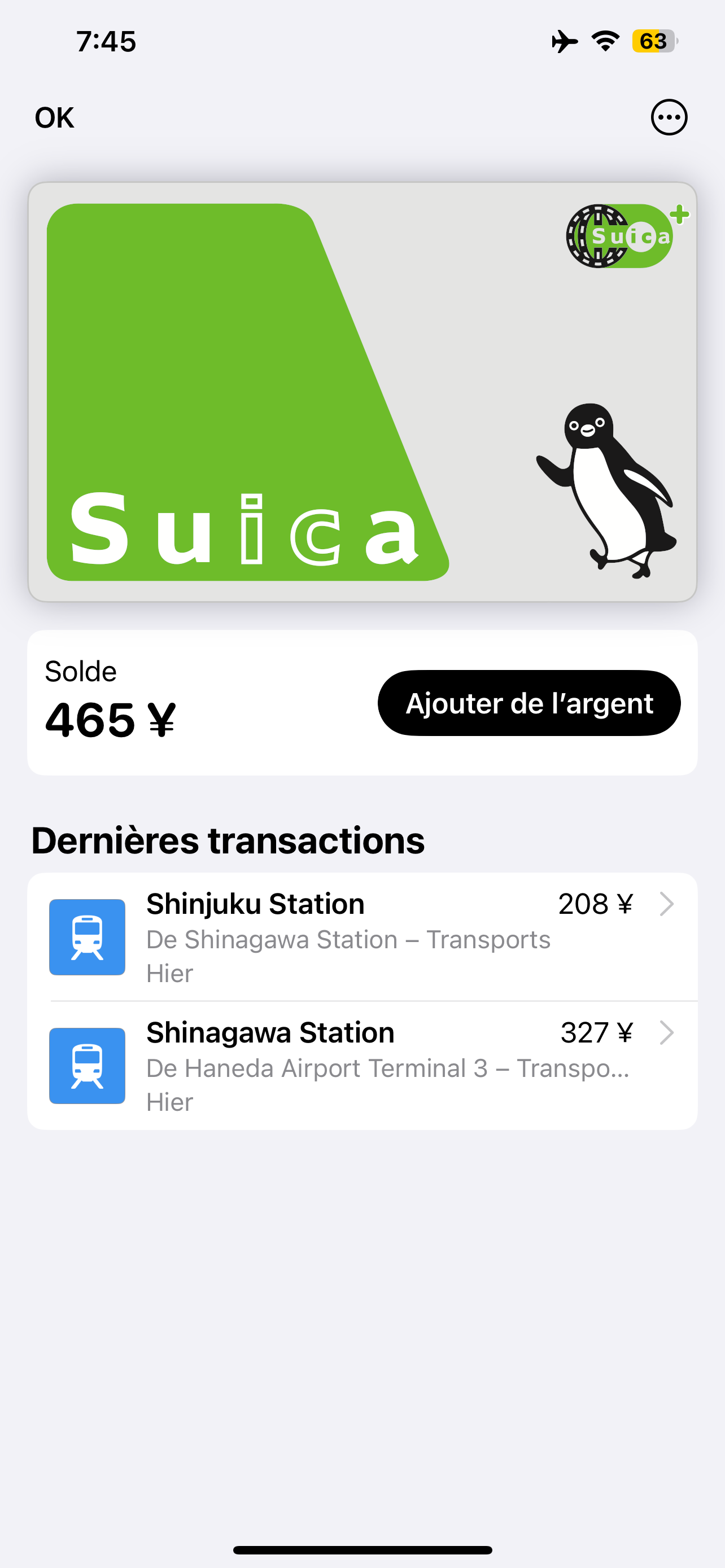
    The onboarding process for taking the train into the city was as easy as it could have been. I was able to add and then load their Suica card directly from Apple Wallet. (Thanks for the tips, everyone.)

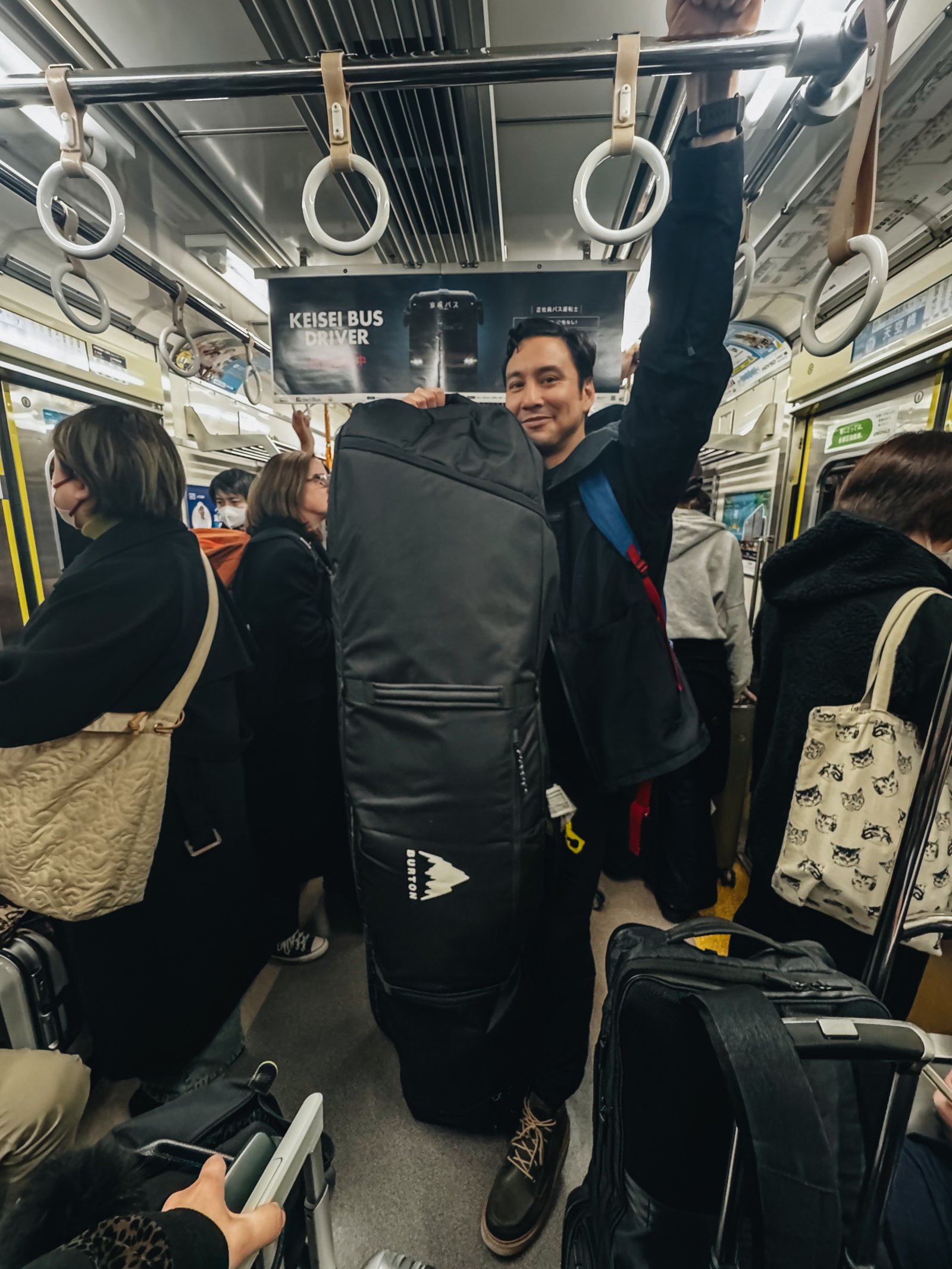
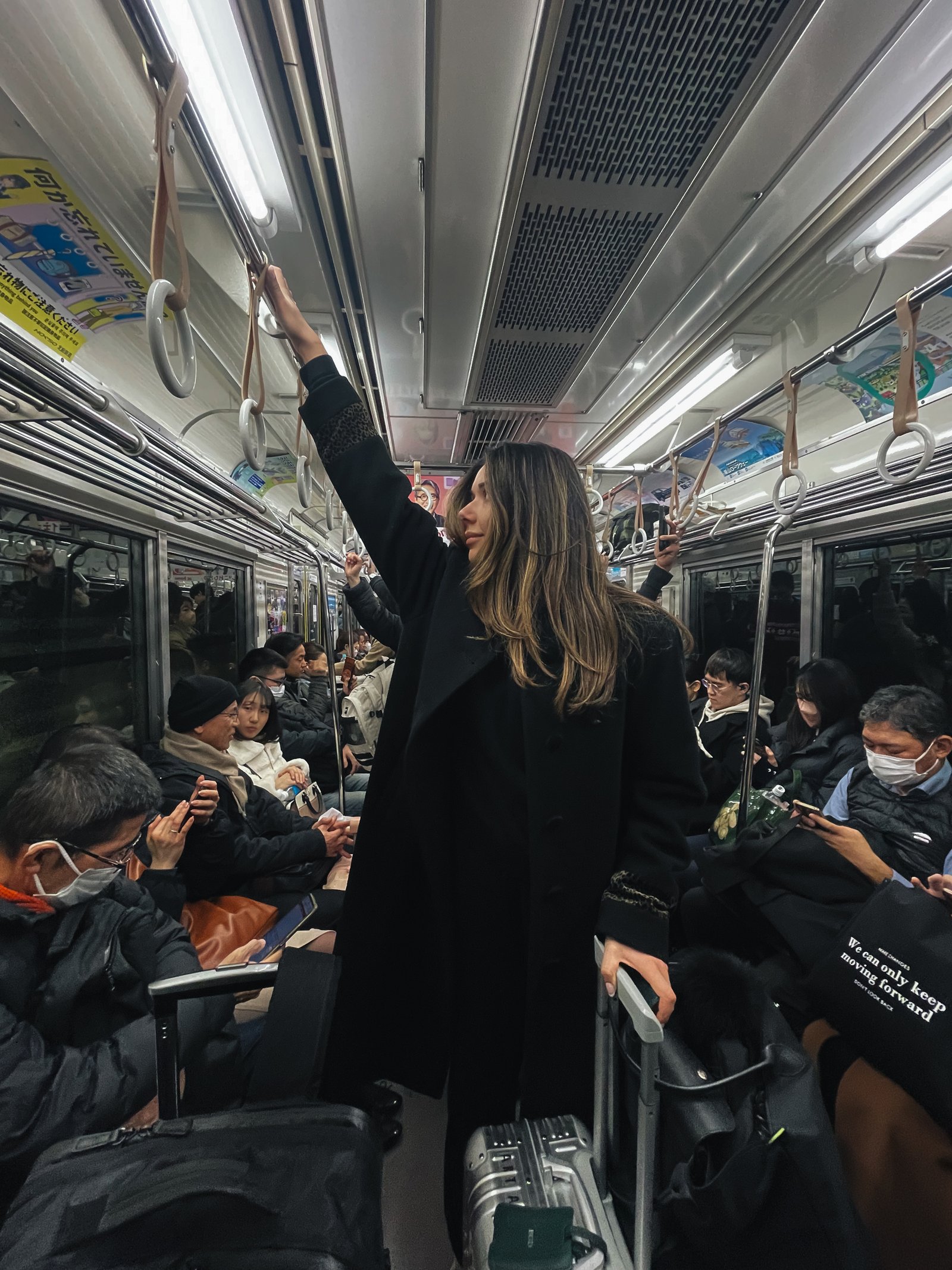
    Here’s us, taking up too much room on the train with our two ski/snowboard bags.

    However, I will say that Shinjuku station — which is the busiest train station in the world, by far — is just as confusing as I remember it. Between the vastness of the station and overall network, and the language barrier, it can be a real challenge to figure out where to go to make your connection.

    But ultimately, we made it to our hotel, and to 7-11. In case you’re wondering, and to give you an idea of scale, my legs absolutely hang off the end of these beds.

    I have no idea what the circular thing was in this bowl, but it was good, hot water was readily available in the store for these purposes, and I was able to supercharge the entire thing with some charcoal-grilled chicken from a separate package.

    The first time I visited Japan, I had a cell phone with one of the first ever color screens. I thought this was a huge deal. And, I had a standalone digital camera that was about the size of a small wallet. I also thought this was a huge deal. Sadly, I’m not sure where most of these photos are today (though I still have the phone).

    So it’s exciting to me that I’m now writing posts and sharing photos with all of you on a decentralized and open ledger that is intended to act as permanent information storage. In theory at least, these posts and these photos will be around forever, even if Paragraph as a company goes away.

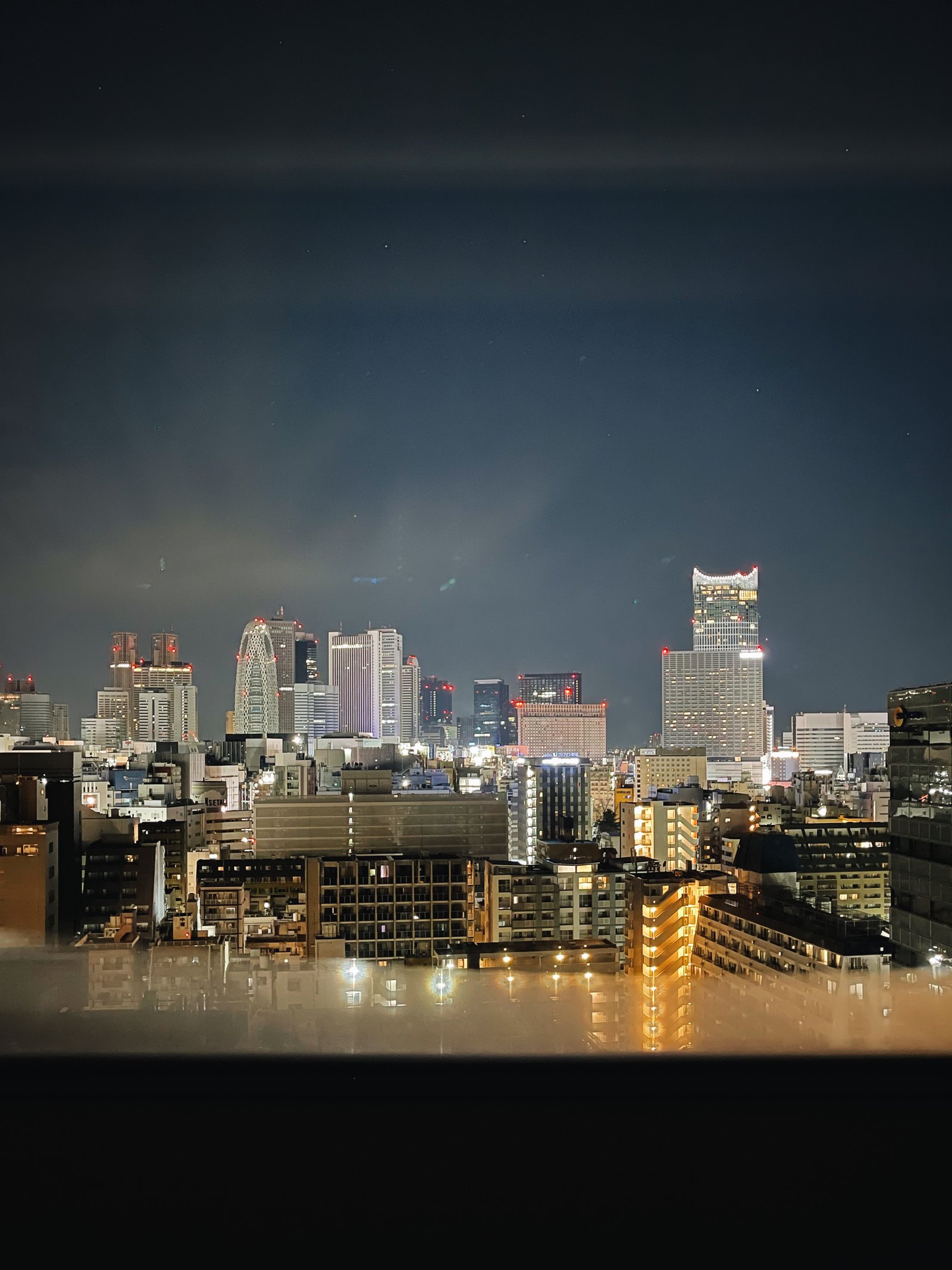
    Which means I’ll be able to look back on the above photo and remind myself that I took it from the window above my hotel bed when I woke up at 530AM, I couldn’t sleep, and I decided to just get up and write today’s post. Tokyo is such an awesome city. It’s great to be back after all these years.

  • End users > investors

    January 31, 2025 · View original


    I am currently sitting in CDG and running on somewhere between 3-4 hours of sleep. We spent the entire day in Paris on a layover and are now waiting to board for Tokyo. So today’s post is going to be two quick announcements related to Junction House. One, we just received the final architectural photos from Double Space Photography, and they turned out great. If you’d like to take a look, most of them can be found here. And two, we just listed suite 607. It’s a spacious two-storey and two-bedroom suite, and one of the best in the building. Over the last few months, we’ve been seeing strong demand from end users (as opposed to investors) and I’m sure this one will go that way as well. For much of the last cycle, it was frankly easier and more profitable to just target investors. But I would argue that the opposite is true today. And that’s a positive thing for the market.

    Cover photo: Double Space Photography

  • Just recreate the past

    January 30, 2025 · View original


    After the fire at Paris’ Notre-Dame in 2019 and the destruction of the cathedral’s wooden spire, President Macron came forward with an idea: France would host an international design competition and look to replace the lost spire with a “contemporary architectural gesture.”

    This precipitated a bunch of bold and “out there” proposals, but ultimately the public wasn’t down with this idea. Polls showed that the majority were in favor of just restoring the 19th century spire designed by Eugène Viollet-le-Duc. And so the idea was dropped.

    This, of course, is not surprising. For better or for worse, I bet that if you asked a random sampling of people whether they prefer old-looking architecture (technical industry term) or something modern, the majority would likely say they prefer the former.

    Of course, in this case, we’re not just talking about any old-looking building. Notre-Dame dates back to the 12th century and is one of the country’s most recognizable symbols. People are naturally going to feel strongly.

    But what is perhaps more interesting is that is an instance of history repeating itself. Viollet-le-Duc’s 19th century spire was obviously not Notre-Dame’s original medieval spire. It had replaced a previous one that had, for whatever reason, become unstable over the course of a cool five centuries.

    And interestingly enough, the idea of doing something different was also rigorously discussed in the 19th century and the answer, then, was also no:

    > Viollet-le-Duc himself turned down a proposal to add two new spires atop the towers, arguing that such a monument “would be remarkable but would not be Notre-Dame de Paris”. Instead, he proposed to rebuild the original medieval spire and bell tower over the transept, which had been removed in 1786 because it was unstable in the wind.

    Striking the right balance between preservation and progress is always a tricky one. But it’s maybe comforting to know that this struggle has been going on for as long as we’ve been designing structures. And in the case of Notre-Dame de Paris, there’s a long history to look to: just stick to the past.

    I’ll let all of you be the judge as to whether this was and is the right approach.

    Cover photo by Fabio Rogerio Sant Ana on Unsplash

  • Hong Kong still uses bamboo scaffolding

    January 29, 2025 · View original


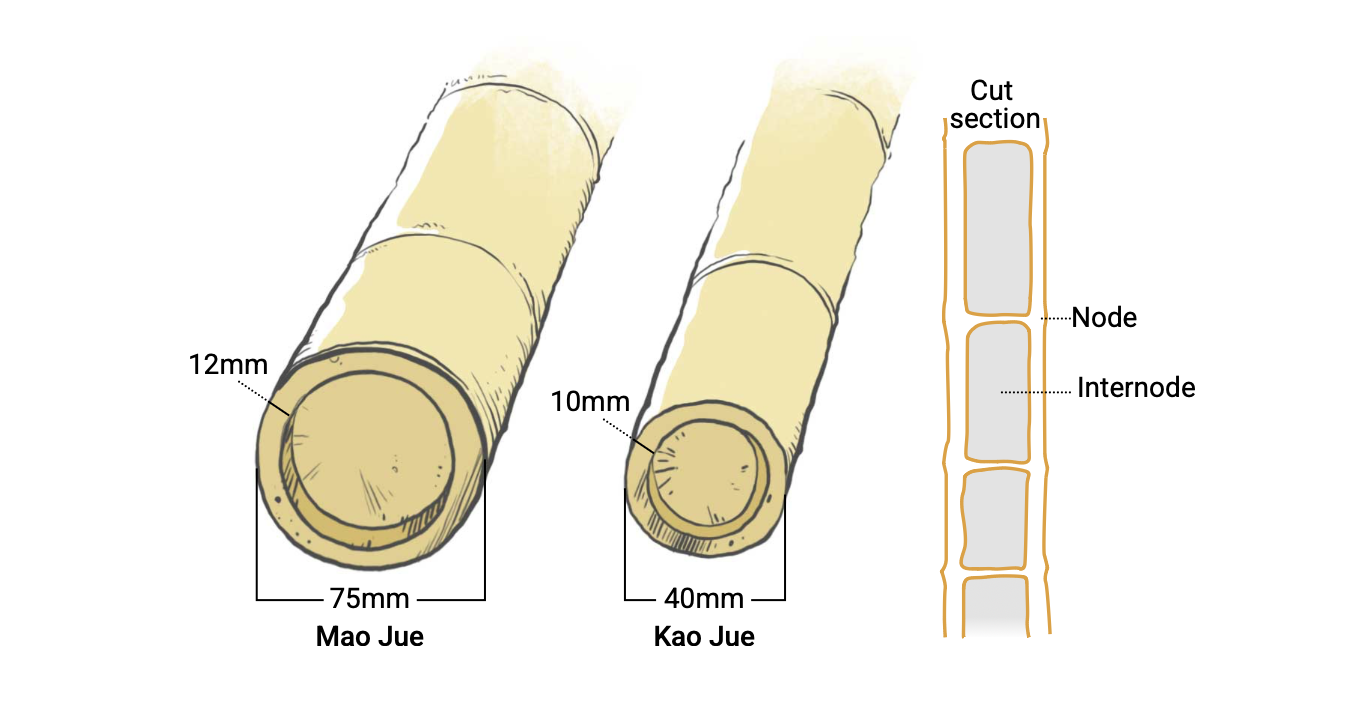
    Hong Kong is one of the last cities in the world that still uses bamboo scaffolding for construction. Why? Well, for one thing, it grows very tall, and quickly (source):

    > Bamboo is one of the fastest-growing plants in the world, and in some cases can grow 60cm a day, and eventually 40 metres tall. Bamboo has thick underground roots called rhizomes, which can grow quickly, creating new shoots metres away.

    And it’s cell-like structure performs very well under compression:

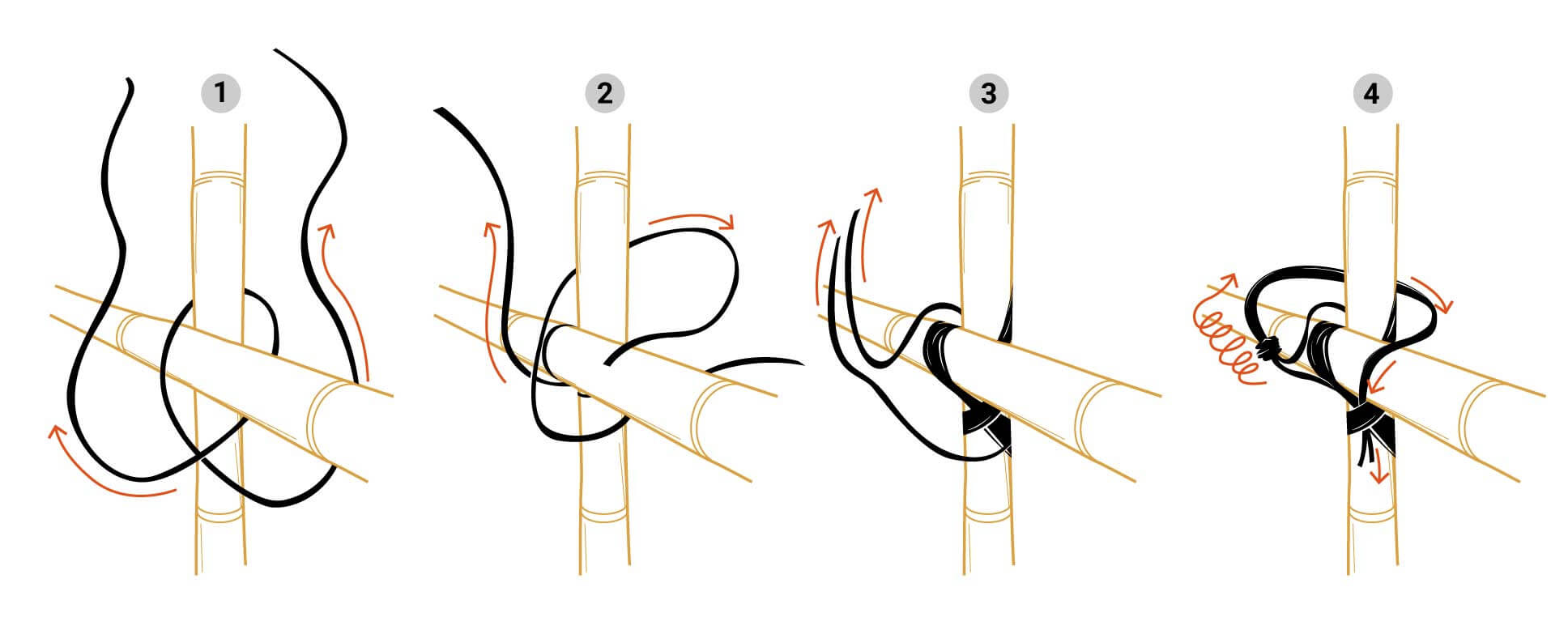
    > Compared to steel, bamboo is much lighter, six times faster to erect and 12 times faster to dismantle. It’s also a fraction of the cost. Bamboo scaffolding doesn’t require sophisticated machinery or complex tools to erect, just skilled workers with nylon ties. If properly erected, bamboo scaffolding can be stronger than steel and far more flexible. The resulting structure is also easy to modify, if necessary. Bamboo scaffolding can be used for entire structures, or part of them. In Hong Kong it is common to see “bamboo balconies” jutting from the sides of buildings where renovations are being carried out on individual units, many floors up. A bamboo pole can also be cut to fit an awkward space, which is ideal for Hong Kong, where construction spaces can be tight amid the densely packed maze of buildings.

    But it’s unclear how long this will remain true. Young people aren’t learning the trade at the same rate as previous generations. And today, there are only 2,479 registered bamboo scaffolders left in Hong Kong. Assuming you have the nerves, the hardest part of the job is apparently the knot. It can take years to master.

    If you’re interested in this topic, I recommend you read this article. I found it fascinating.

    Images: South China Morning Post