Daily insights for city builders, delivered every morning at 6 AM ET. I’m Brandon Donnelly — a Toronto-based real estate developer and founder of Globizen. I’ve been writing here since 2013.

Category: Uncategorized

  • ULI Toronto visits One Delisle

    May 7, 2026 · View original


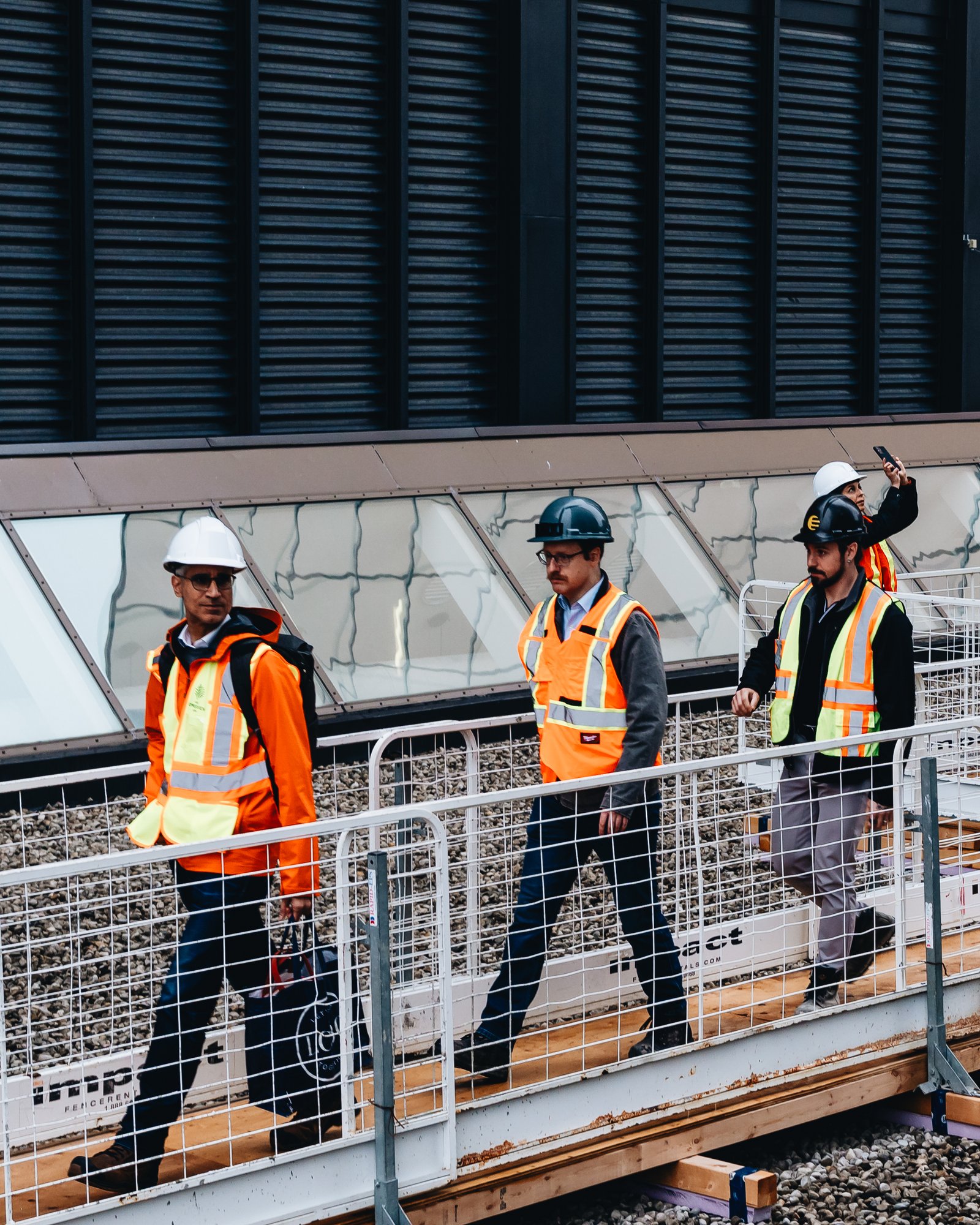
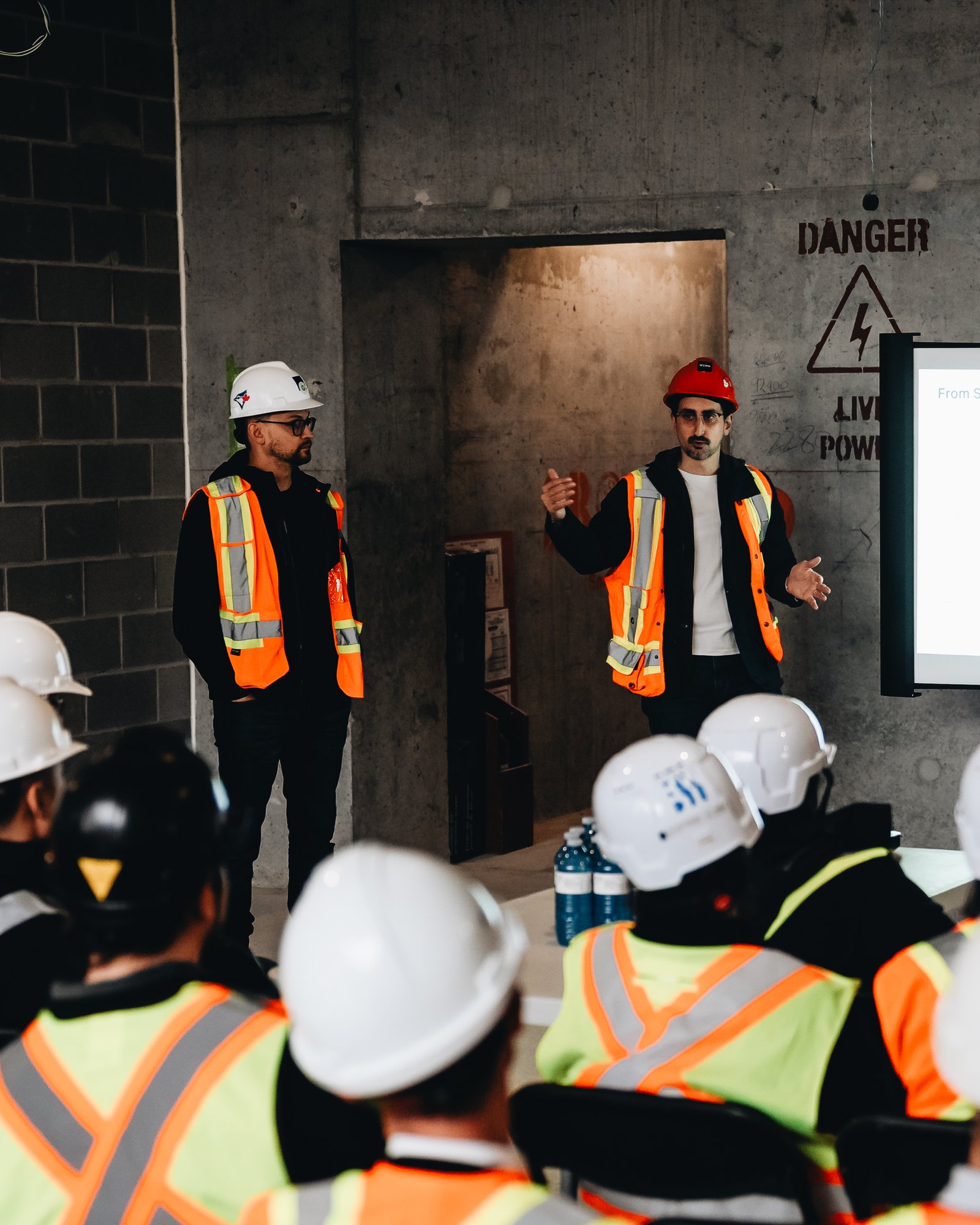
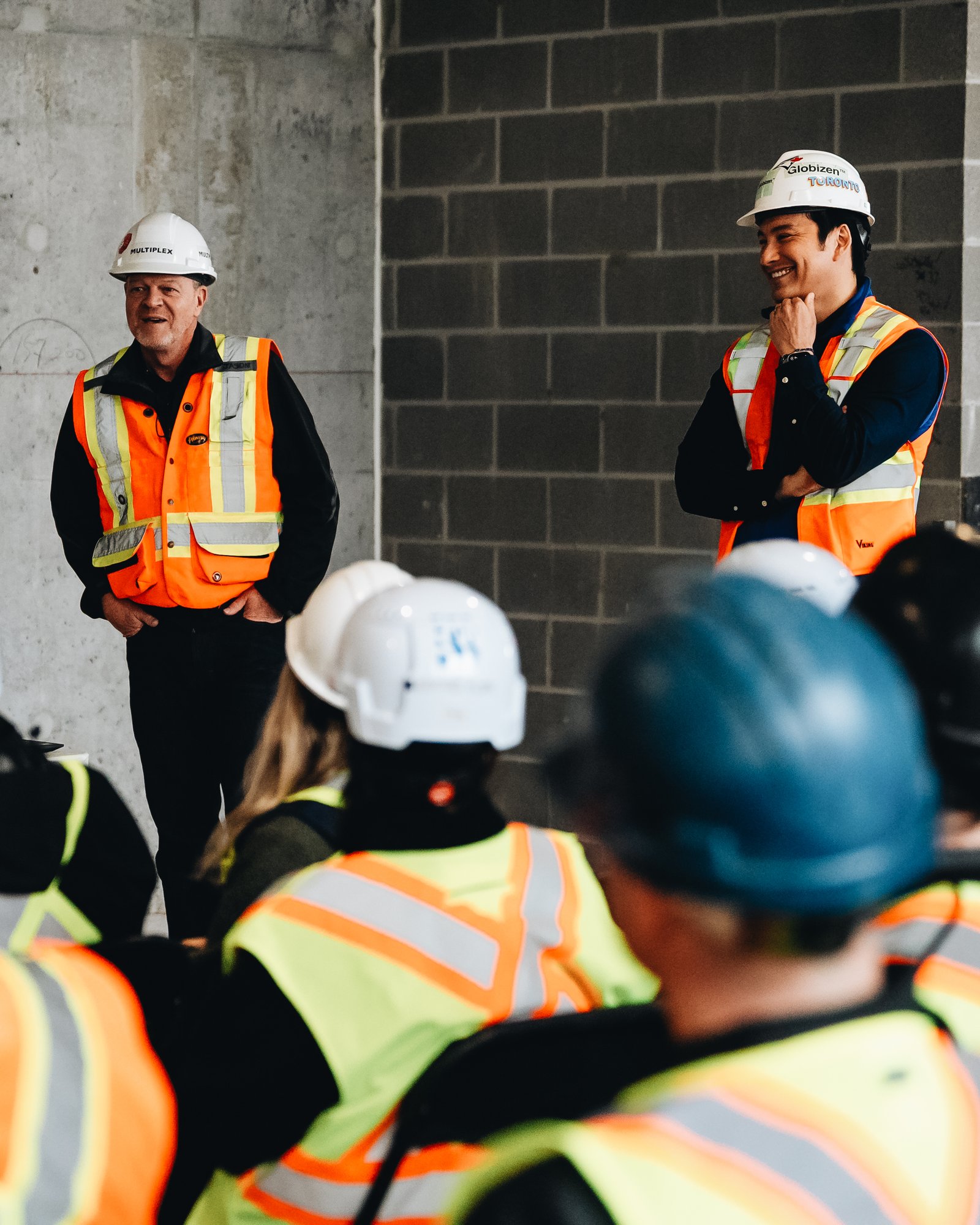
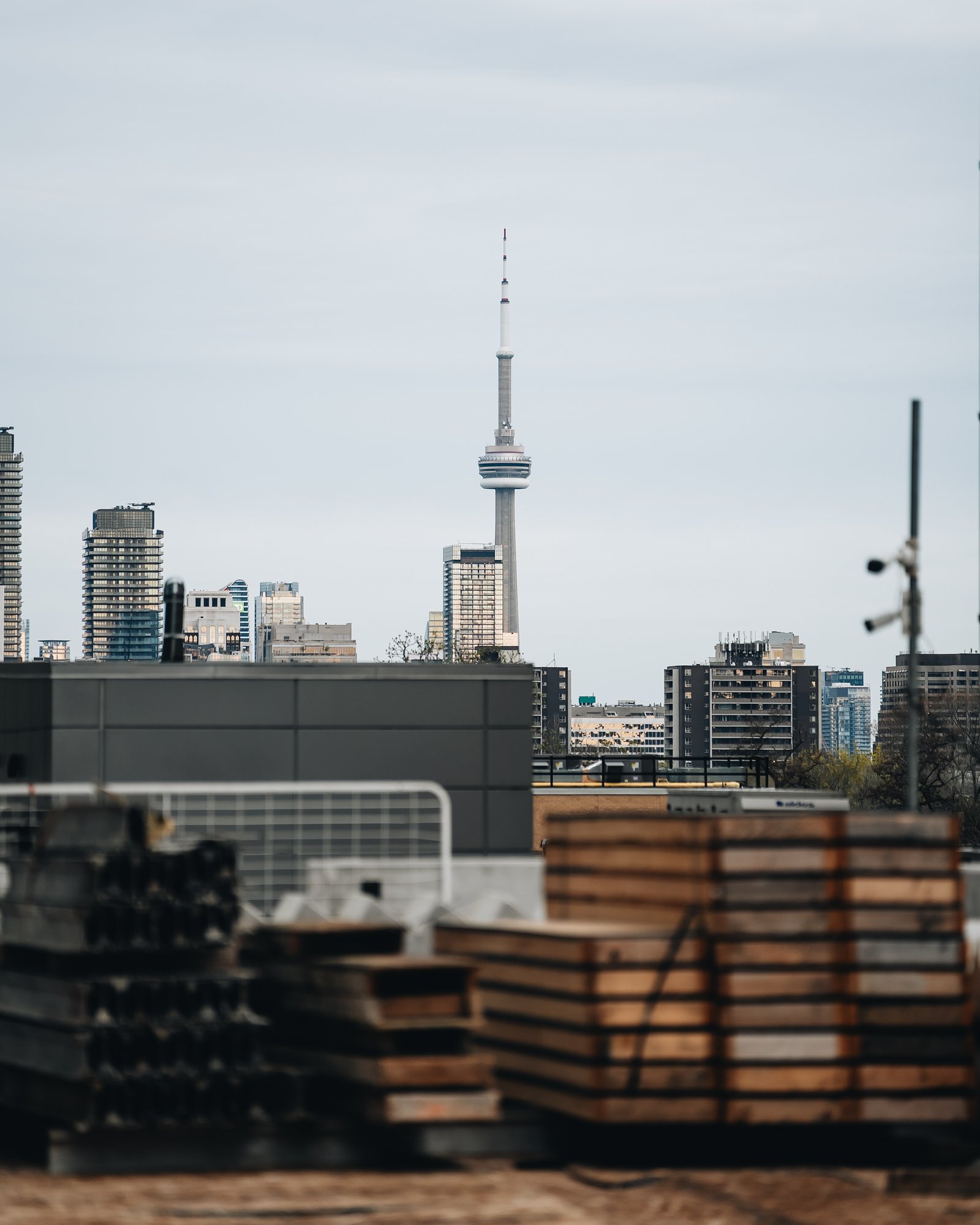
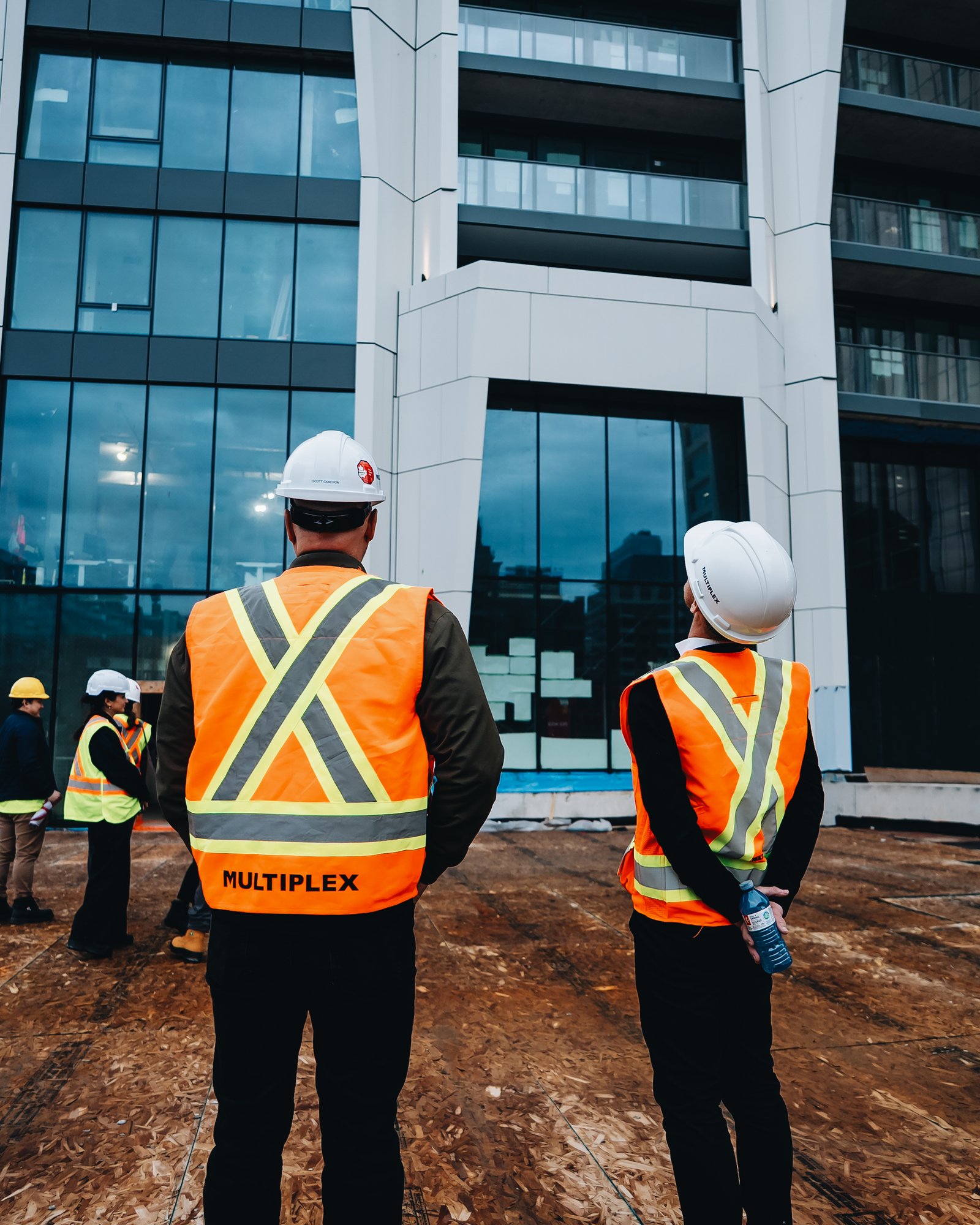
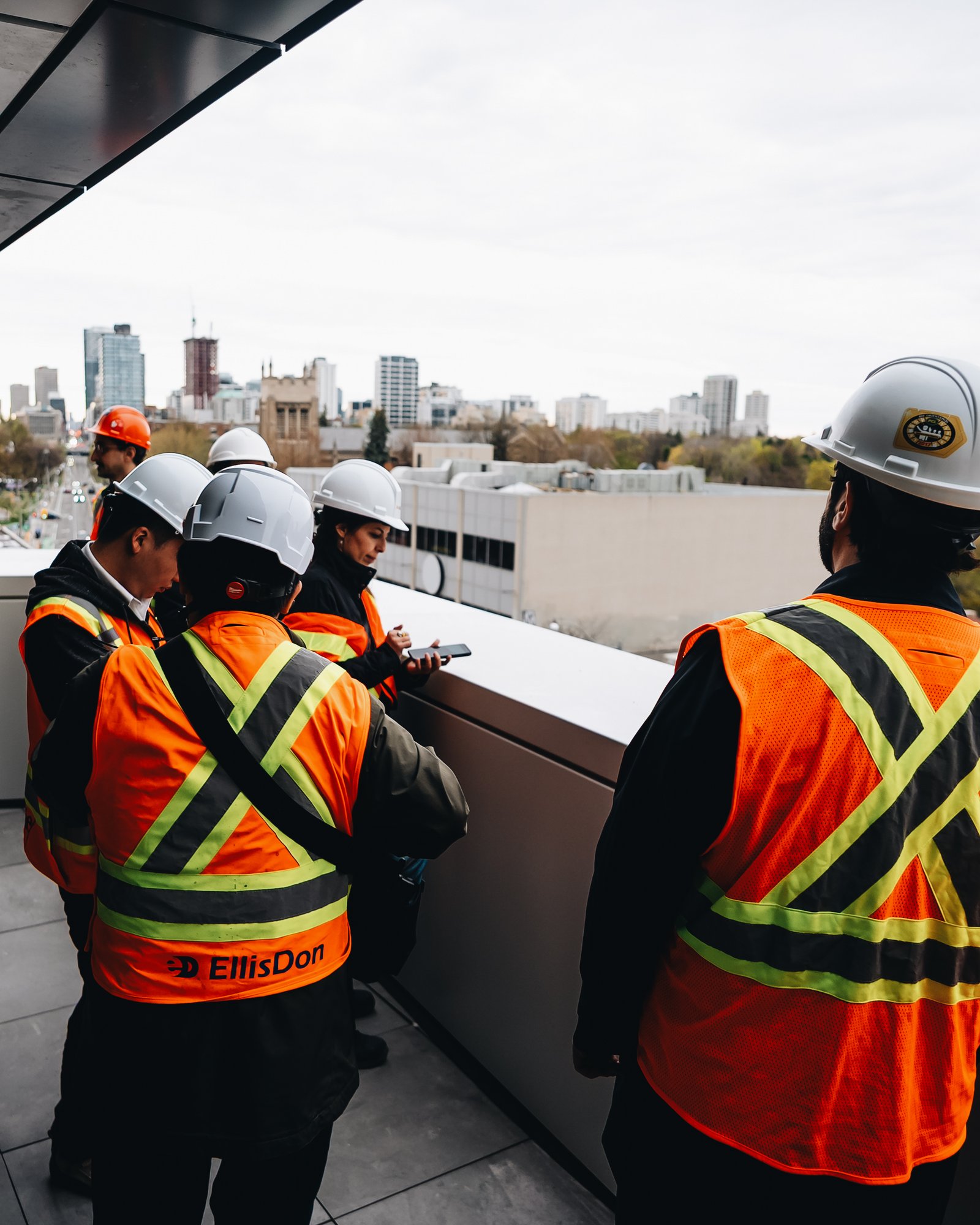
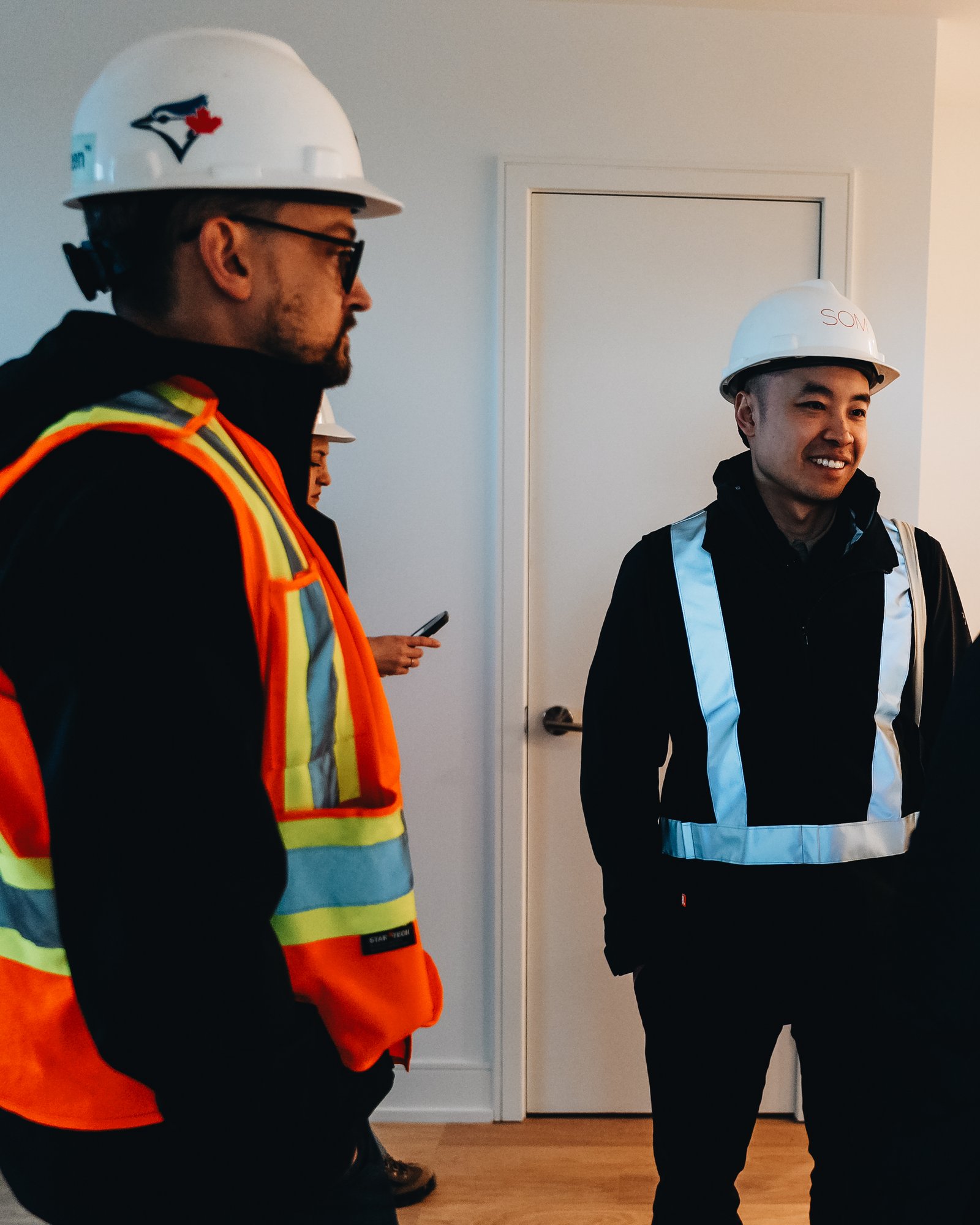
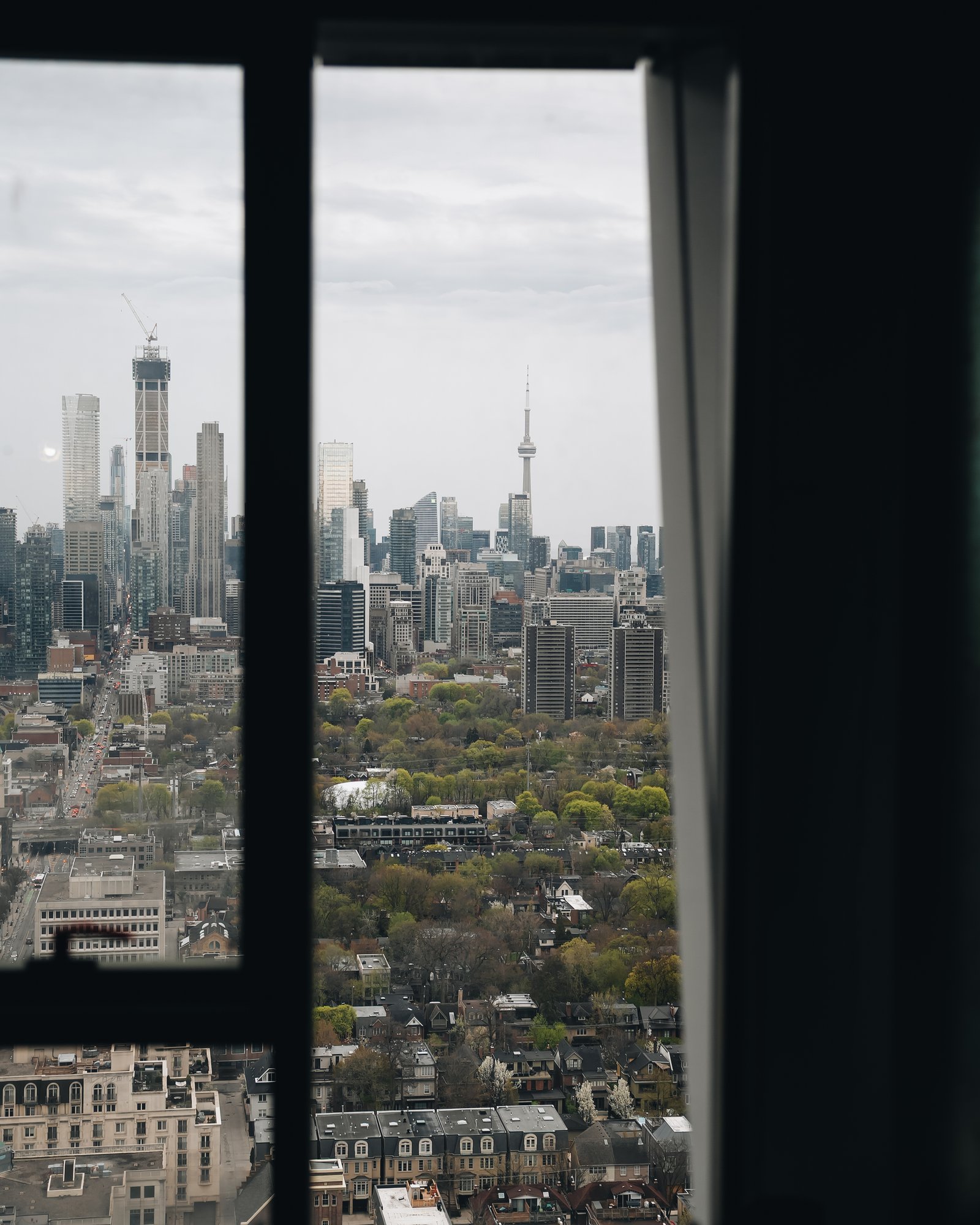
    This week, ULI Toronto visited One Delisle for a behind-the-scenes look at what we believe is this city’s next global landmark. The tour sold out in under 24 hours, and it was great to see so much interest from our industry peers. For those of you who made it out, thanks for taking the time! Here are some photos from the event, all courtesy of Multiplex Construction Canada.

  • If it’s worth conserving, then it’s worth building more of

    May 6, 2026 · View original


    Back in 2016, the New York Times published an article where it cited that at least 40% of the buildings in Manhattan could not be built today because they don’t conform to the city’s zoning code for one or more reasons. These reasons might include too much density (FSI / FAR), too many units, inadequate setback requirements, or something else.

    This is a tricky number to estimate as most cities don’t track it, but I asked Gemini and Claude to try for Toronto, and they returned 70-80% and 45-55%, respectively. Claude’s estimate seems to be lower because it assumed that all of the subdivided single-family houses are now legal because of the new multiplex permissions.

    I don’t know about that, but the point is that there’s a meaningful, non-zero quantity of buildings in our cities that we decided to make illegal, and generally difficult, or impossible to build again. The thing that I’m most interested in dissecting is: why?

    Here’s one way to look at it. My follow-up question to both AI models was: What percentage of buildings within a Heritage Conservation District would you say are illegal to build in Toronto today? And both models agreed that the number is 90%+, and probably very close to 100%.

    Heritage Conservation Districts are a way of saying “these buildings and this urbanism is so good, that it’s worth preserving through extra layers of planning protection.” But at the same time, our other policies say, “you shall never build anything like this ever again.” It’s incoherent.

    A more coherent approach might be to call them Heritage Renewal Districts where we instead codify the following: “this district is now illegal based on our current planning rules and so the objective is to tear it all down and replace it with new, approved buildings.” Sounds like blasphemy, doesn’t it? So then why block more of it?

    If it’s worth conserving, then it’s worth building more of. What ought to be obvious is that we need more rather than less planning flexibility, and we need to legalize the things that have been proven to work, like traditional fine-grained patterns of city-building.


    Cover photo by Ayman Hallak on Unsplash

  • How to protect your NFTs (if any of you still care)

    May 5, 2026 · View original


    Broadly speaking, the market no longer cares about NFT art. I love the collection that I have put together over the last five years and I continue to buy pieces from time to time. But it is becoming harder as fewer artists mint their work and as more marketplaces shut down. For instance, last month, Foundation announced that it would be closing up shop after a failed sale of the company. This was one of the most well-known marketplaces from the 2021 NFT era.

    The other problem with marketplaces shutting down is that now many NFTs are at risk of getting lost forever. But how is that possible given that blockchains are supposed to decentralized and immune to this sort of thing? Here’s my non-technical explanation, which you may want to pay attention to if you own any NFTs.

    The actual images or graphics that make up NFT art can be stored on blockchains in generally one of two ways: either on-chain or off-chain (which is how most NFTs are stored). On-chain means that the code required to render the image (usually vector graphics) is stored directly on the blockchain itself.

    One of the most notable examples is the CyberBrokers collection created by Chicago artist Josie Bellini. In this instance, everything is stored on the Ethereum blockchain. It’s more expensive to do it this way, but it means that as long as Ethereum exists, CyberBrokers exist. So, pretty permanent!

    The other way that NFT art can be stored is off-chain. What this means is that the NFT you are buying is essentially a pointer to an image stored somewhere else on the internet. Owning the pointer is a way of saying, “I own that thing over there!” And since the pointer exists on a blockchain, you should have it forever. The question is whether “over there” still exists or if it’s pointing to nothing. This is the problem to be concerned about if you own any NFTs.

    “Over there” can take many forms. The image could be stored on a centralized server like what Instagram would use when you upload a photo or story. In this case, there’s a high degree of risk that your art could disappear forever and you’d be left with a pointer that points to nothing. The link would be broken.

    Decentralized storage is better than centralized storage, but it’s important to understand the differences. Some decentralized storage networks, like Arweave, are more or less permanent. Arweave works by collecting a fee upfront with the promise that it will be enough to cover the cost of storing the data for at least 200 years. So again, pretty permanent.

    But the most common place for NFTs to be stored is on something called the InterPlanetary File System (or IPFS). IPFS is unique in that it is a peer-to-peer network that uses content-based addressing, instead of location-based addressing. What this means is that you don’t ask the network “where is this file stored?”; you ask the network, “who has this file?”

    This is a crucial difference because it means that as long as your NFT art is stored somewhere in the world, it will remain accessible. However, the challenge is that there isn’t a permanent funding model, so if a marketplace like Foundation was paying to store your art on IPFS and has now shut down, then “stored over there” will disappear and the pointer will point to nothing.

    The good news is that there’s an easy solution if your pieces are on IPFS. All you have to do is store or back up your NFT art somewhere and then there will always be an “over there” to point to! The term used is “pinning” your NFTs and I’ve been in the market for a service for a while. I considered a bunch of companies, and then last week I signed up with Piñata. It’s free for 1GB of storage or $20/month for 1TB of storage.

    If you’ve collected any NFTs that you care about, I would strongly encourage you to make sure that you’ve pinned the ones you can. It doesn’t matter what you use to do it. It doesn’t have to be Piñata. This is not a sponsored post and I’m in no way affiliated with the company. I just care about the crypto and NFT space, and I would hate for any of you to lose any of the work that you’ve collected.

    If you’re a longtime reader of this blog, you might remember that back in 2021 we created the first-ever NFT collection tied to pre-construction condominiums (or at least we think we were the first to do it). It is called the Petra Cortright NFT Collection at One Delisle and you can read more about it here.


    Cover photo by Peter Olexa on Unsplash

  • A festival of doors

    May 4, 2026 · View original


    Multiplexes, as they are called around here, are one of the few housing types that kind of work in Toronto today. According to a recent Globe and Mail article by John Lorinc, the city has issued 2,629 building permits for multiplexes since 2023, representing 4,880 net new homes.

    This is not very much for a city of our size, but this is a new type, and I would bet you two things: that this number will increase and that the city will continue to make it easier to build fine-grained, urban infill housing.

    The great opportunity right now is exactly what architect Craig Race says in the article: “You can’t find 1,500-square-foot, three-bedroom units anywhere other than in multiplexes. The smaller units are the most affordable in the city because the typology costs so much less than mid-rise or high-rise buildings.”

    However, the article also talks about the “festival of doors” that comes with this housing type. This is because each home typically has its own dedicated entry door from grade. Meaning, if you’re building a sixplex, you’re going to have at least six doors sprinkled across the various elevations.

    In some ways, this is a desirable design outcome. Each home is now 100% efficient (rentable area divided by gross construction area), as there are no common areas. I think many residents also appreciate having their own dedicated entrances.

    But on the flip side, an entry door generally equals another staircase. So, from an overall building efficiency standpoint, there are more effective ways to unlock more housing on every infill lot — namely through the adoption of single-egress stair buildings.

    As soon as this becomes a feasible as-of-right option, expect to see an increase in both the quantity and quality of new small-scale infill housing in Toronto.


    Cover photo by White.Rainforest :tm:︎ ∙ 易雨白林. on Unsplash

  • 43

    May 3, 2026 · View original


    I’m writing this post on my birthday (May 2), but by the time you all read it in your inboxes or online, it will be May 3. This is how I write my daily posts, which means when I’m trying to write about something very timely, I sometimes have to adjust my headspace by a day or be off by a day.

    I have always loved my birthday. I woke up this morning to freshly baked croissants from Bianca. That’s hard to beat! This year is also a special birthday for me because I’m going to be this old when our first child (a girl) is born in the coming weeks. Maybe she’ll be a stubborn Taurus like her dad, or maybe she’ll stay cooking for the recommended amount of time.

    I often think of my life in terms of decades. My twenties were all about school, gaining experiences abroad (I spent summers in Taipei and Dublin, and went to grad school in Philadelphia), and, quite frankly, figuring out what I wanted to do with my life. I finished my MBA, which was my second master’s, when I was exactly 30, and I started writing this daily blog that same year.

    My thirties were then about establishing myself in a career. I started working full-time in real estate development when I was 26, right after my first master’s in architecture and real estate, but things take time, and it wasn’t until my thirties that I started hitting my stride. I spent most of this decade working at Slate, and I look back on this time as being both highly productive and a hell of a lot of fun.

    Shortly after I turned 40, I decided to get married and leave Slate at exactly the same time for maximum life change. The love part is not something I thought I could ever plan for, though. I just knew it when I met Bianca. But when it came to my career, the next decade had arrived, and it was time to focus full-time on my own thing (Globizen).

    It’s certainly a tough real estate market in Toronto right now — the toughest since the early ’90s — but I don’t doubt this decision for a second. We’re creating the opportunities that we can, and I’ll never give up. (See stubborn Taurus.)

    I’m now firmly a quadragenarian, working each and every day on things I feel passionate about (making money in this market is an entirely separate matter), and about to add a little human to the mix. I feel fortunate. I’ve also had three croissants today, and I am in no way opposed to having a fourth before the day is done.

    I recently heard David Brooks, whom I appreciate very much, say that we should try and aim for at least three big life adventures each decade. I think this is a fantastic plan. We tend to think back on our lives in terms of punctuations created by milestones, so I’ll be sure to keep aiming for this. Here’s to more adventure!

  • Inside the plan for Toronto’s longest car-free street

    May 2, 2026 · View original


    Toronto, by and large, does not like car-free urban streets. I mean, we have very few of them. Let’s try and name them. The most notable would be the Distillery District. Next to this would perhaps be the intersection of Gould Street & Victoria Street on TMU’s campus. Then there’s Willcocks Commons at the University of Toronto, though it’s not the prettiest.

    After this, I can only think of small, unremarkable or temporary ones. I’m not counting seasonal closures. Technically, the Toronto Islands are the largest car-free community in North America, but I wouldn’t call this urban. So I’m now at a loss. If I’ve missed any noteworthy ones, I would be happy to be corrected.

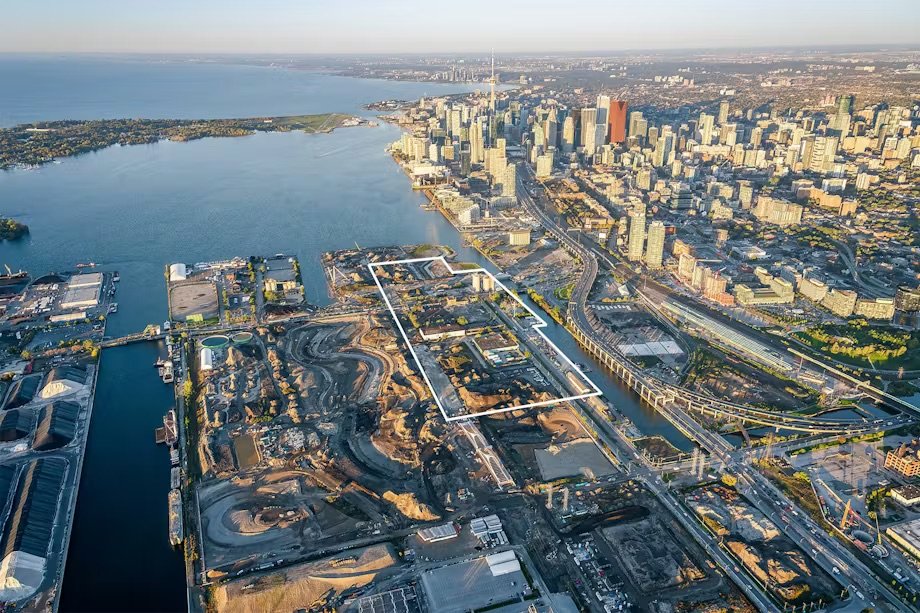
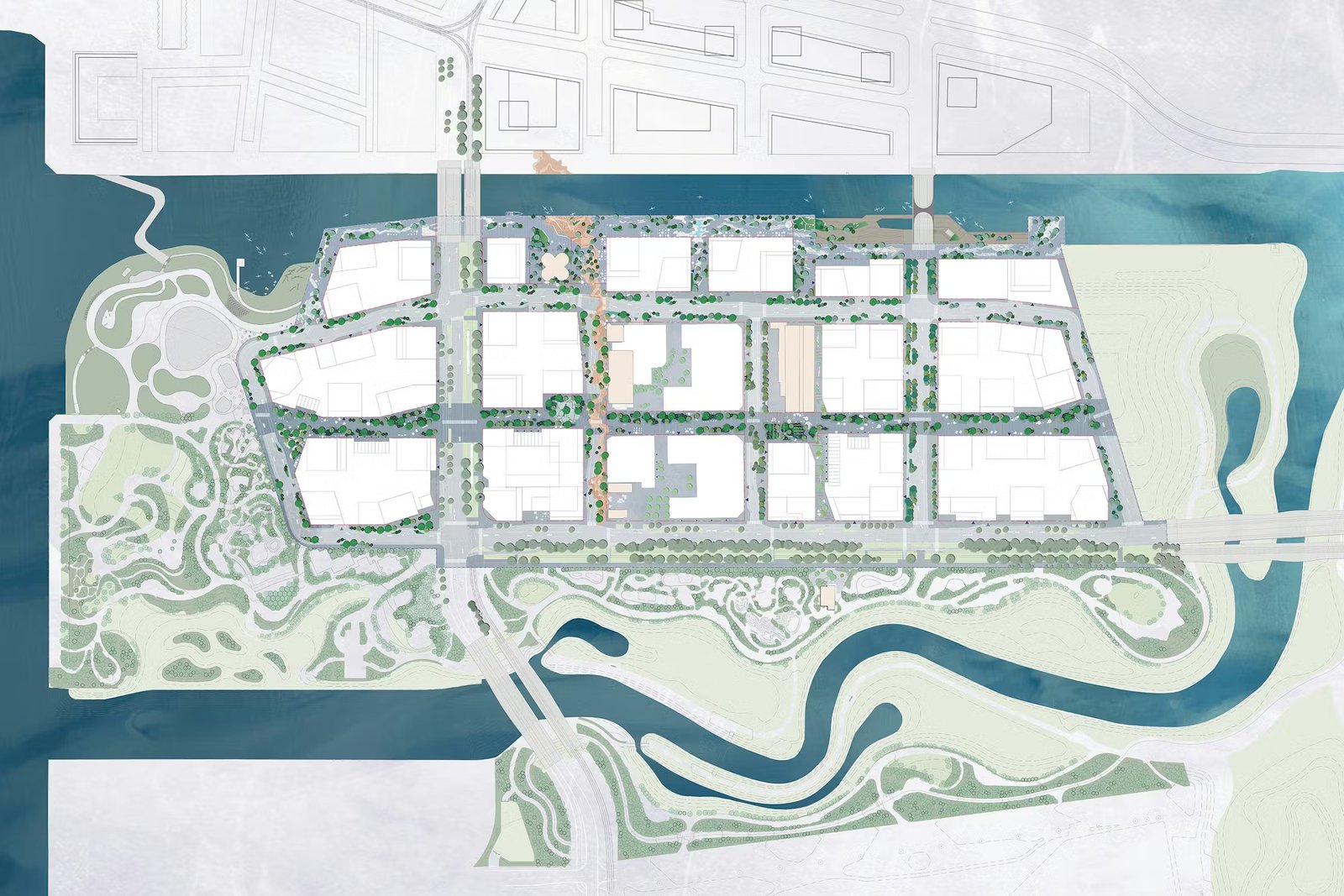
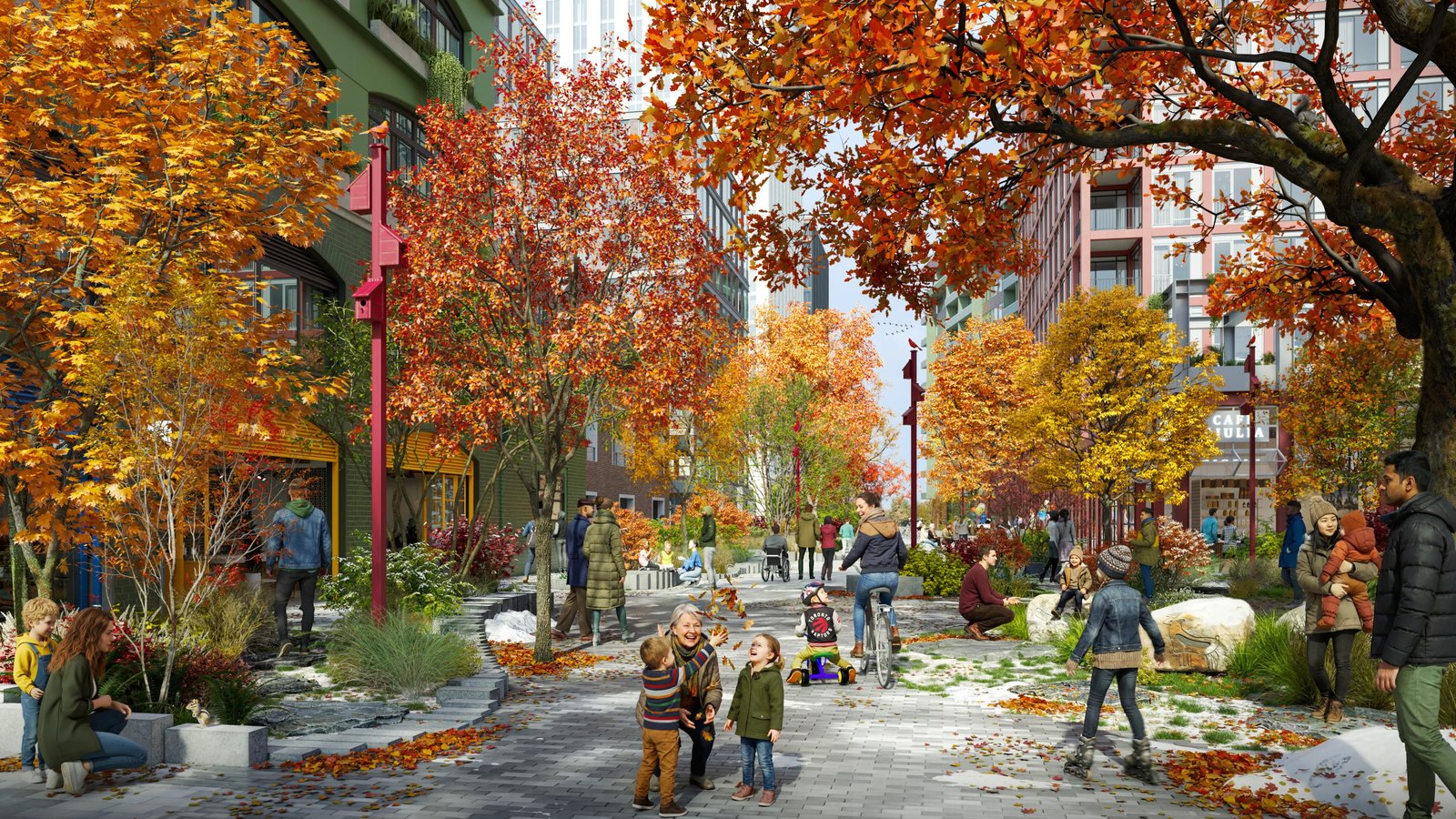
    This concise list makes the recently revealed masterplan for the island formerly known as Villiers — now called Ookwemin Minising (or OM) — all the more exciting. The 16-block plan now includes a 760-metre-long, fully pedestrianized public space called Centre Commons. It runs east-west in the site plan below, and is intersected by a north-south street called The Sandbar Trail.

    As designed, Centre Commons is expected to be the longest car-free street in the city and look something like this:

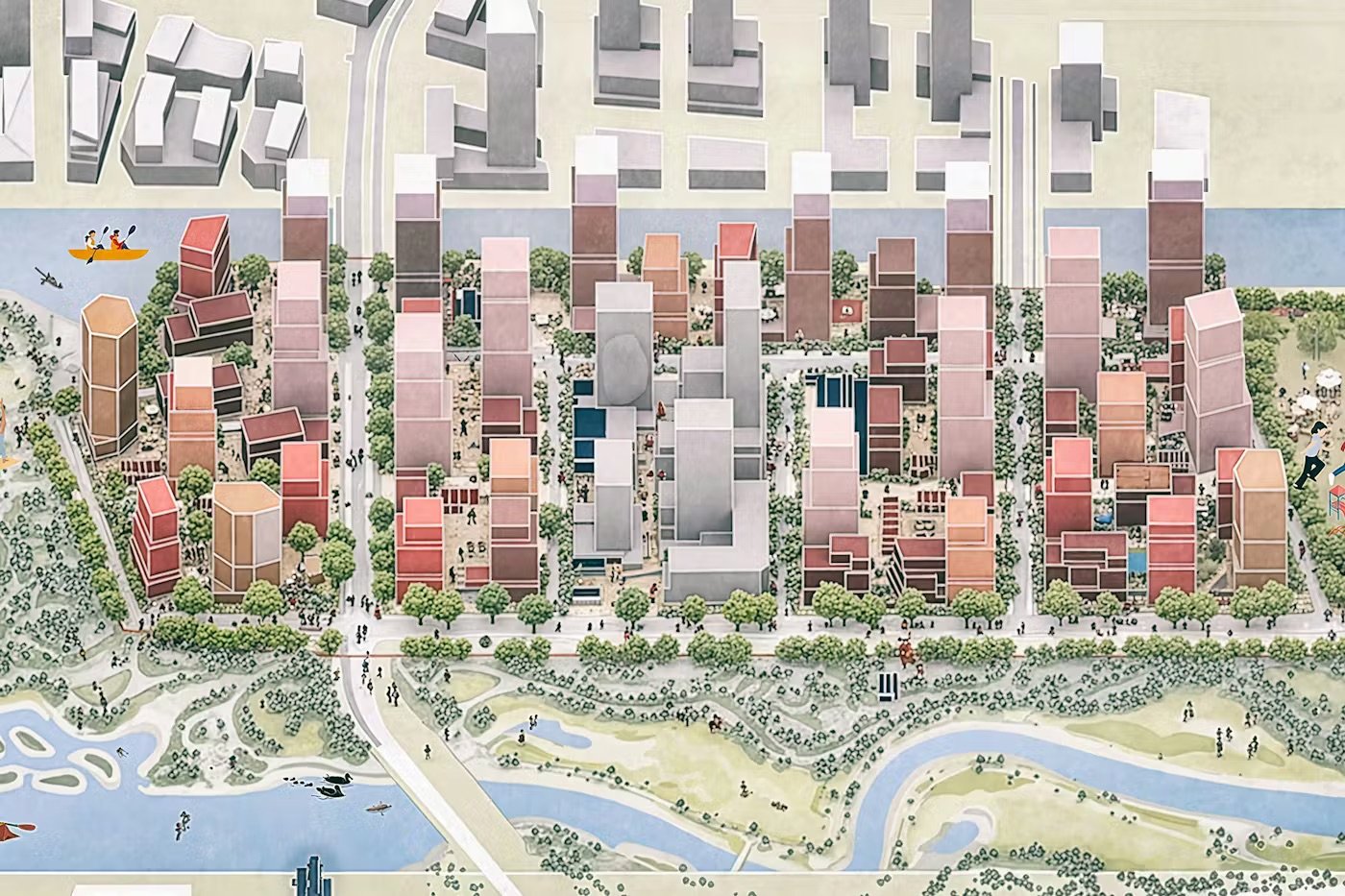
    This is the space in between the buildings. Equally important is the fact that the new masterplan unlocks a 27% increase in finer-grained density, without compromising on the quality or quantity of public space on the island. This is a major improvement over the previous masterplan, which had all the hallmarks of bland pseudo-urbanism. Meaning, it was supposed to be urban, but it wasn’t actually.

    I love the above massing diagram because it feels like a real, organic city, as opposed to just a series of repeating towers on podiums. It has a variety of scales and a more fine-grained urban pattern. This, as we have talked about, is notoriously difficult to achieve in new master-planned communities. But it is possible: loop transit through the island, lower the parking requirements, and give developers the freedom to build.

    The design team includes SLA of Copenhagen (landscape architects), Trophic (Indigenous-owned landscape architects), GHD (prime consultant and technical lead) and Allies and Morrison of London (architectural lead). And when built out, OM is expected to support approximately 12,000 new homes (including 3,000 affordable homes) and 2,900 new jobs.

    I say we build it.


    Cover photo by Allies and Morrison

    Aerial image from Waterfront Toronto

    Centre Commons rendering by Norm Li via SLA

    Area plan and massing diagram by SLA

  • Pre-construction sales -> housing starts

    May 1, 2026 · View original


    The Missing Middle Initiative just released its latest Greater Toronto Area and Greater Golden Horseshoe Housing Report Card. If you’d like to download a copy and see the generally abysmal grades, there’s a link at the bottom of this page. But here are the high-level findings (based on Q4-2025 data):

    – Housing starts are down 34% year-over-year across the 34 municipalities covered in the report. – Condominium starts, in particular, are down over 50% year-over-year. – Pre-construction sales, which are a precursor to housing starts, are down 89% for condominiums and 58% for ground-oriented houses. – The only exception to the above is purpose-built rental starts, which increased 39% year-over-year. But this increase doesn’t come close to offsetting the declines seen in both condominiums and low-rise housing.

    Once again, we are reminded of the looming housing shortage that, I think, could be felt as soon as next year. New construction is inherently slow to respond to market changes, and, as of right now, the ship is clearly headed toward almost no new supply. For that to change, we will almost certainly need to see pre-construction sales return.


    Cover photo by Dmitry Gerasimenko on Unsplash

  • Energy and AI

    April 30, 2026 · View original


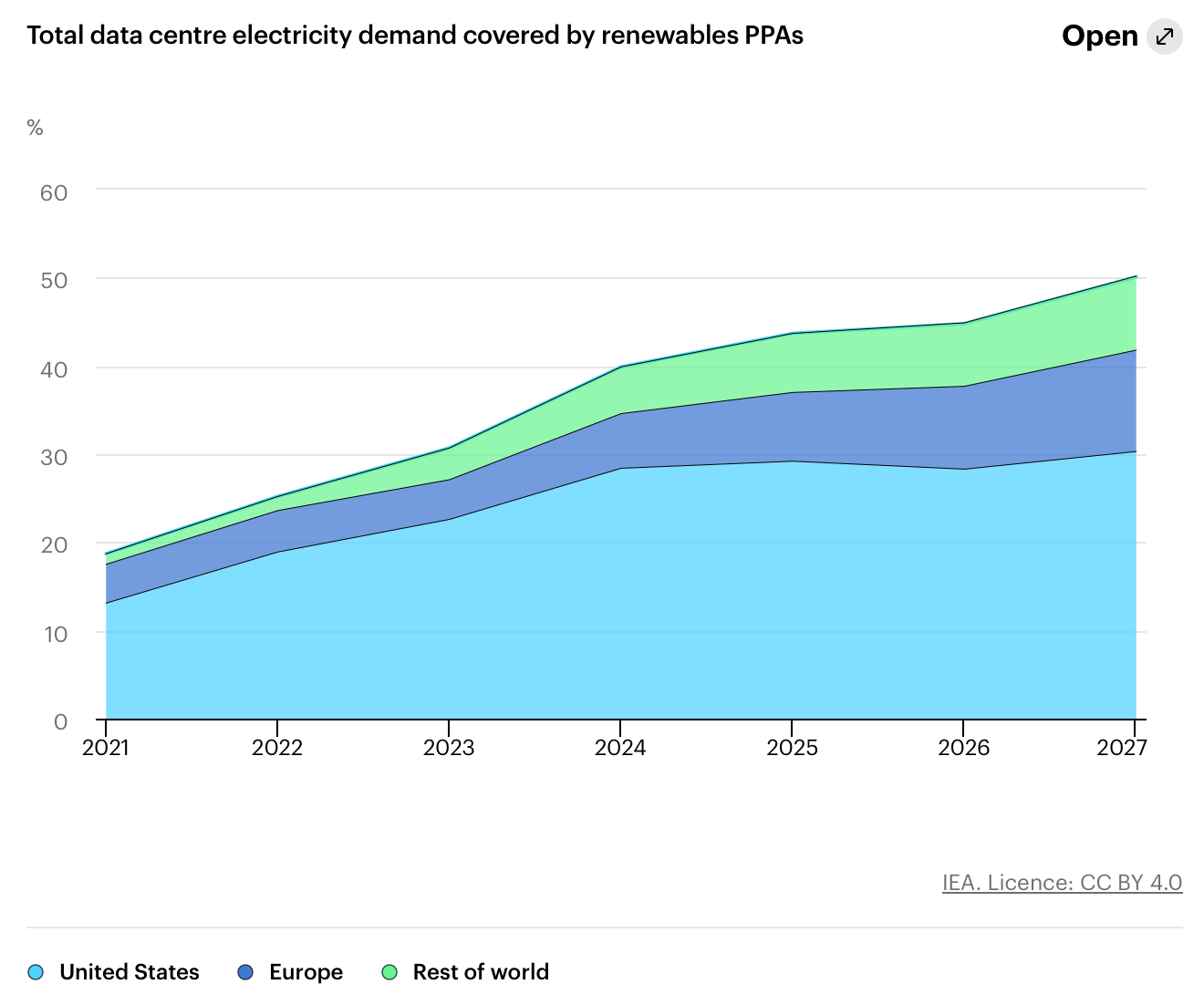
    The International Energy Agency (IEA) has just published a comprehensive report on the nexus between AI and energy consumption. I would encourage you all to give it a read, or, you know, use AI to summarize it for you. It represents our reality today.

    The largest tech companies in the world spent over US$400 billion on data centres in 2025, and this number is expected to jump by 75% in 2026! The total capital expenditure of just five tech companies is right now larger than the entire global investment in oil and natural gas production.

    This is the new fuel for the world economy, and we’re going to need to figure out how to supply enough energy.

    According to the report, an individual server rack within an advanced data centre might only be the size of a refrigerator. But by 2027, it is not inconceivable that it could have a peak power demand equivalent to that of 65 households.

    The good news is that much of this demand is being met by renewables. Renewables are the fastest-growing source of electricity for data centres. The report estimates total generating capacity increasing at an average of 22% per year between 2024 and 2030, which will meet nearly 50% of the growth in data centre demand.

    If you’d like to download a copy of the full report, go here.


    Cover photo by Claudio Schwarz on Unsplash

  • The rules of the game are being rewritten

    Finding the silver linings in Toronto’s housing market reset

    April 29, 2026 · View original


    As a developer, or other market participant, it’s easy to be pessimistic about the current housing market in Toronto. It’s a challenge to make new projects work. That’s suboptimal from a business and city-building standpoint, and for Type A personalities who thrive on accomplishment. But today, let’s look at some of the positives and opportunities that are already here or are likely to happen going forward.

    – If you’re a developer who has been doing the same thing for decades, now is the opportunity to rethink your model and innovate. Why? Because the old model isn’t working, and who knows if it ever will again when the fun times return. – Already, we are seeing a renewed focus on end-user buyers and renters. This is healthy for the market. It signals a return to fundamentals and a deeper focus on our customers. What kind of homes do people actually want to live in? – At the same time, if you’re in need of a home, now is an excellent time to buy or rent. Similarly, for developers, now is an excellent time to buy sites, provided you’ve found a project that works or you have the balance sheet to be patient. – Modular construction and mass timber are getting a lot more airtime. They aren’t a silver bullet in this market, but these things take time and it’s positive that more developers and builders are exploring and testing out their options. – Crisis forces the hand of government. Already, we have seen a new HST rebate, cuts to development charges, and other helpful measures. I also think cities are more receptive to negotiation. If you have a wild and crazy idea that just might work, go talk to them! – As incumbents struggle with their legacy assets and deals, the market is creating more space for new entrants and fresh ideas. I have no doubt that we will see a new generation of developers and entrepreneurs emerge during the next cycle.

    Never let a good crisis go to waste, as they say.

    Would you add anything to this list?


    Cover photo by Lennon Kong on Unsplash

  • The structural reality of car dependency (including in European cities)

    April 28, 2026 · View original


    One generalized truism is that European cities are walkable and transit-supportive, and North American cities are not. This is not universally true, but it’s often thought to be directionally true. However, a recent paper called “Car Dependency in Urban Accessibility” reveals that this may not be as true as we think.

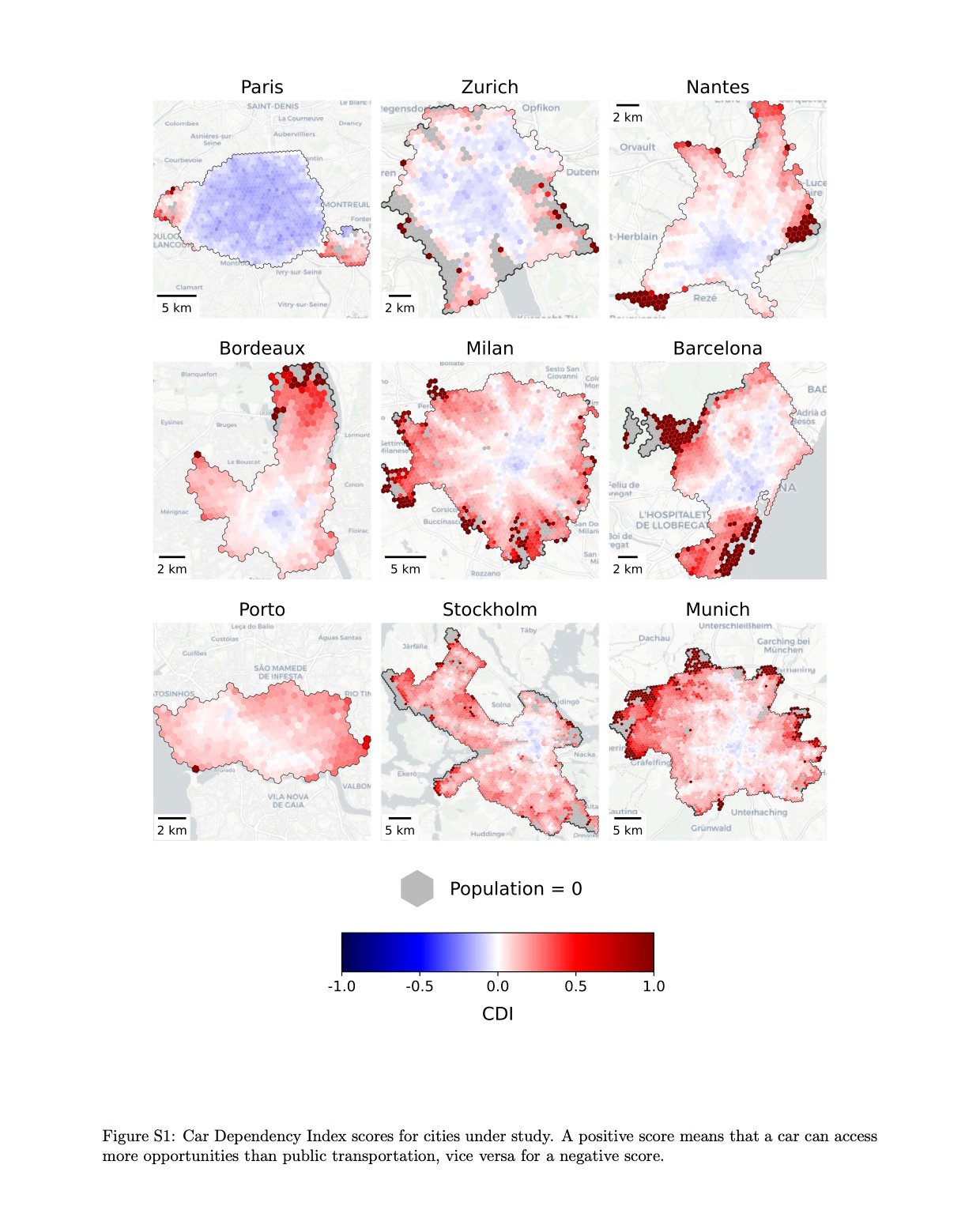
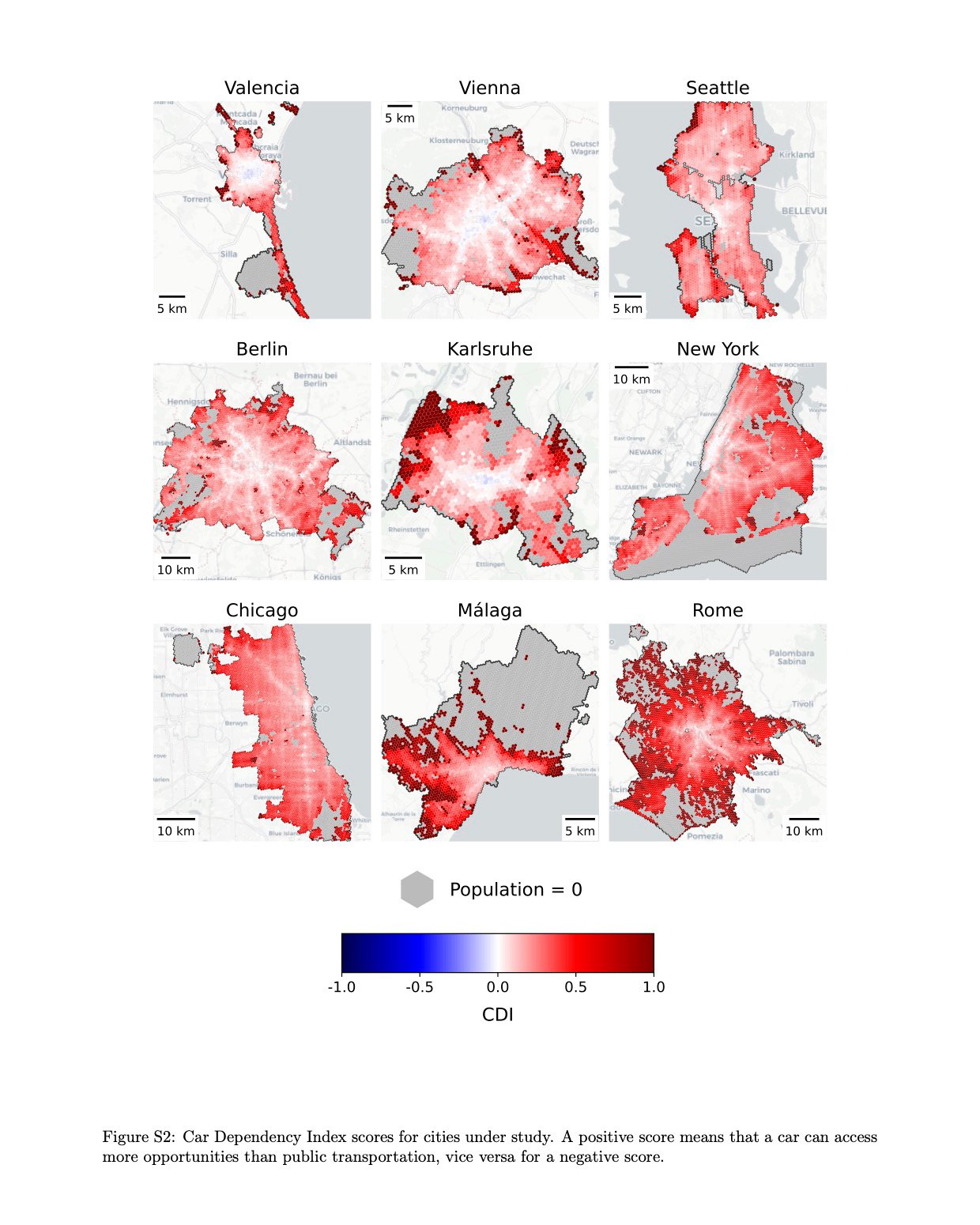
    The study introduces something called a Car Dependency Index (or CDI). What it effectively does is compare accessibility to jobs and services within a city by car versus public transit. They did this for 18 European and North American cities, and here’s what they found:

    A positive score (red on the map) means that a car can access more opportunities than public transportation, and a negative score (blue on the map) means the opposite. What’s not surprising is how car-dependent the outskirts of most cities are, including European cities. Car dependency was high in over 70% of the urban territories that they analyzed.

    What is more surprising to me is that most cities don’t have much, if any, blue. The best-case scenario seems to be a lot of white (which represents accessibility parity between cars and public transit). Hmm. Does Manhattan really not have any blue? The glaring exception is Paris and, to a lesser extent, Zurich, though keep in mind these are only city proper boundaries.

    Another finding is that car dependency remains a primary driver of car ownership, even when accounting for income. What this means is that if you took two people with the exact same income, one living in transit-rich Paris and the other living in the suburbs of Rome, the person in Rome is much more likely to own a car.

    Once again, this supports the obvious fact that if we design cities so that they’re inconvenient to navigate without a car, well, then more people will get cars. It’s not easy to build a transit network that can compete. Individual lines won’t do it. The key word is “network.” And you need the right land-use policies to support it.


    Cover photo by Alessio Ferretti on Unsplash

    Charts from “Car Dependency in Urban Accessibility.”