Daily insights for city builders, delivered every morning at 6 AM ET. I’m Brandon Donnelly — a Toronto-based real estate developer and founder of Globizen. I’ve been writing here since 2013.

Category: Places

  • The grandeur of Montreal

    I was in Montreal for the long weekend and I decided to take the time off from writing. I don’t do that very often, but it was the right thing to do this past weekend.

    Montreal is one of my favorite cities. I spent quite a bit of time there when I was in my early 20s and I almost ended up at McGill for my undergraduate degree. So I have a soft spot for the place.

    One of my friends once described Montreal to me (and contrasted it against Toronto) by saying that it has grandeur. And I think that is exactly the right word.

    There are so many moments throughout the city where you just feel its impressiveness. It’s almost as if, from the very beginning, the city knew what it was destined to become.

    In contrast to this, urban planner Joe Berridge has, in the past, referred to Toronto as an accidental metropolis. And I think that is a similarly accurate way of describing our city.

    Sometimes in Toronto (or perhaps oftentimes, depending on who you ask), you have to scratch a little beneath the surface to find what makes Toronto a truly great city.

    It’s as if the city didn’t know what it was destined to become, and built accordingly. Things just happened — accidentally.

    Grandeur isn’t usually something that is discussed today in city planning circles. We instead talk about things like angular planes, context and, of course, building height.

    But maybe it’s time we rethink our list of requirements. Maybe it’s time we ask ourselves: “Are we creating a city with grandeur?”

    Image: Drone photo from the top of Mount Royal
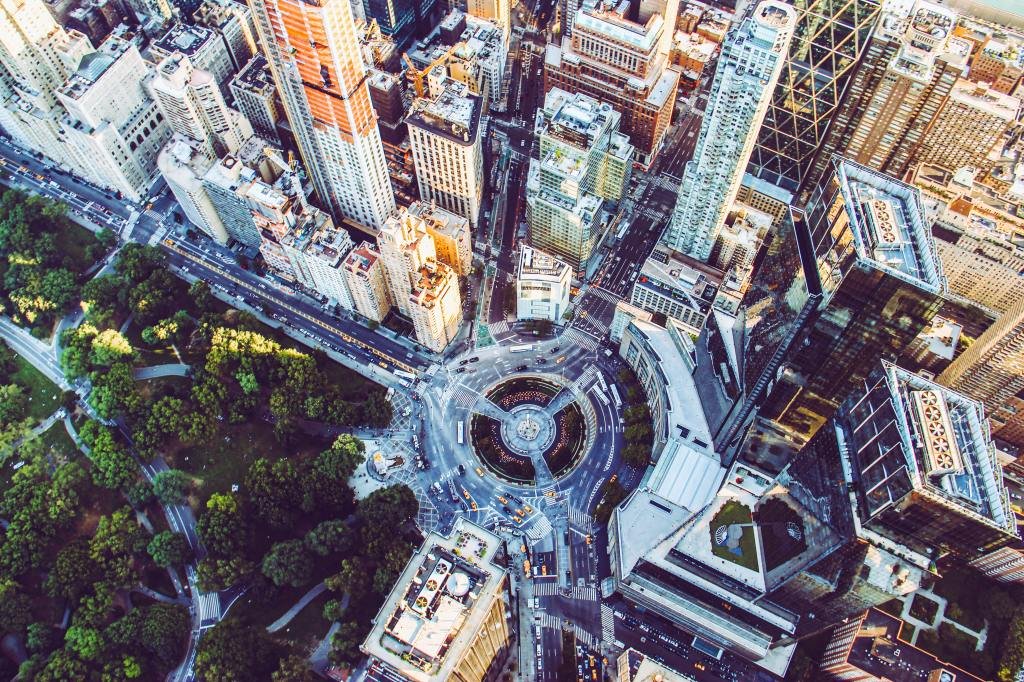
  • New York City isn’t dead

    I was speaking to some friends in New York City over the weekend and they said to me, “you know what Brandon, we don’t really go out at night anymore. It doesn’t feel safe. There are homeless people everywhere and they’ve started to get very aggressive, particularly against Asians.”

    They live in a good neighborhood in Manhattan.

    I was somewhat surprised to hear this, but at the same time, I don’t think for one minute think that New York City is dead. But some do, including James Altucher. James moved to Florida because of the pandemic and recently penned an article in the NY Post called, “New York City is dead forever.”

    That didn’t sit well with Jerry Seinfeld and so this morning he published a rebuttal op-ed piece in the New York Times. It has been making the rounds online today with people responding from both sides of the fence. Richard Florida responded with this tweet thread.

    If you’re a regular reader of this blog, you’ll know where I sit on this topic. I love technology, but sitting at home all day going from Zoom meeting to Zoom meeting is not the kind of life I aspire to live. I agree with Jerry. There’s no energy. In fact, it sucks the energy right out of me.

    With that, I’ll leave you with some more words from Jerry Seinfeld:

    There’s some other stupid thing in the article about “bandwidth” and how New York is over because everybody will “remote everything.” Guess what: Everyone hates to do this. Everyone. Hates.

    You know why? There’s no energy.

    Energy, attitude and personality cannot be “remoted” through even the best fiber optic lines. That’s the whole reason many of us moved to New York in the first place.

    You ever wonder why Silicon Valley even exists? I have always wondered, why do these people all live and work in that location? They have all this insane technology; why don’t they all just spread out wherever they want to be and connect with their devices? Because it doesn’t work, that’s why.

    Real, live, inspiring human energy exists when we coagulate together in crazy places like New York City. Feeling sorry for yourself because you can’t go to the theater for a while is not the essential element of character that made New York the brilliant diamond of activity it will one day be again.

    Photo by Florian Wehde on Unsplash

  • New York City is budgeting $30.8 billion in property tax collections

    According to the WSJ, New York City is budgeting to collect $30.8 billion in property taxes for fiscal year 2021. These tax bills will go out on June 1 and payments will start becoming due on July 1, which is the start of the city’s fiscal year. Here’s how the collections break down across houses, apartments, and commercial properties:

    Overall — and despite the fact that values have softened in the wake of COVID-19 — this year’s property tax budget represents a 5.7% increase over FY2020. The reason for this is that each year the city completes its annual assessments on January 5. And so according to the city’s January numbers, everything is just fine.

    Supposedly this January 5 date is usually non-negotiable. A lawyer is quoted in the Journal article saying that under normal circumstances, if your house were to burn down on January 6, you would still have to pay all of your taxes for the upcoming fiscal year.

    Time will tell if this time is different. But it is interesting, though not surprising, to note just how significant property taxes are to New York City’s overall tax collections. They represent a little more half of all taxes collected.

  • New Yorkers are actually pretty healthy

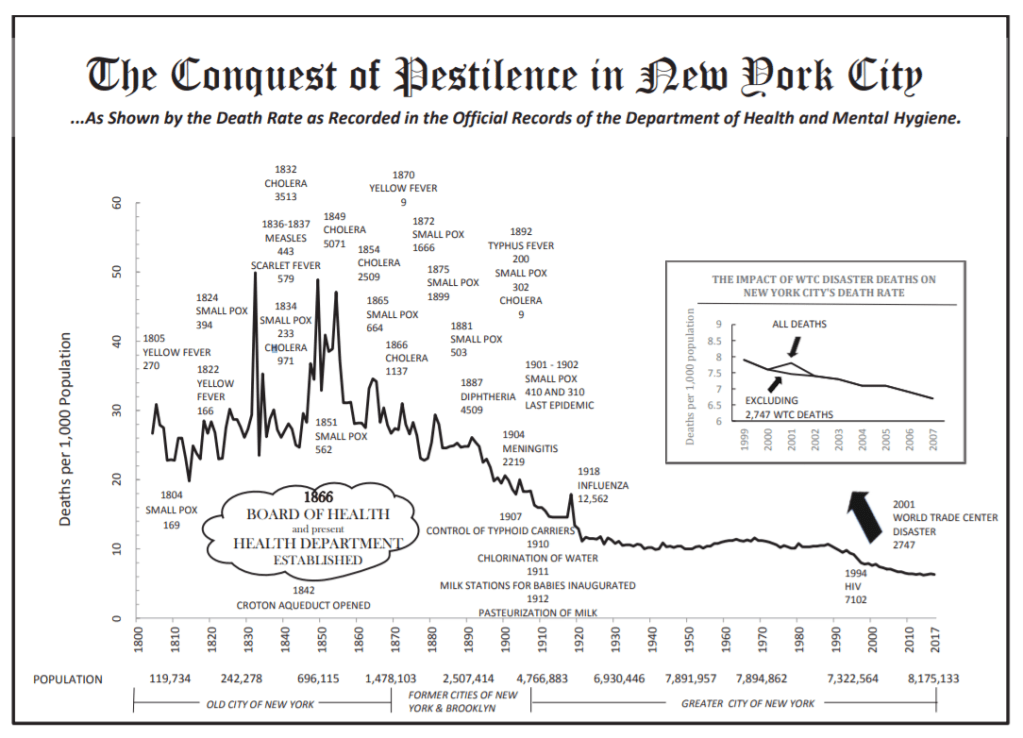
    Nicole Gelinas’ recent piece in CityLab is a good reminder that — despite all of the debates around COVID-19 and urban density — New York City is actually a really healthy place to live. Part of this obviously has to do with the city’s investments in public health. But the biggest factor, Nicole argues, is the city’s transit network. Six million people move around New York City each day without a car. That translates into a meaningfully lower traffic fatality rate. New York State’s rate is about 4.8 per 100,000, whereas Florida’s is 14.7 deaths per 100,000. Taking transit (and having an urban morphology that supports taking transit) also brings along with it other benefits, such as increased walking. And I have to believe that is an important factor. The obesity rate in New York City is thought to be about 22%, compared to a shocking 42% for the country. All of this rolls up into a life expectancy of about 81.2 years for New Yorkers, as of 2017. This is compared to 78.6 years for the US as a whole.

    For more on the health of New Yorkers, check out this 2017 Summary of Vital Statistics. (It’s the source of the above chart.)

  • $27 million worth of condos in New York

    This week it was reported that a South American family has bought and closed on ~$27 million worth of residential condos at Waterline Square in Manhattan. Apparently they went into contract (after the online showings) and closed on the same day, which I suppose you can do when it’s an all-cash deal like this was. The agent, Maria Velazquez, didn’t disclose who the family was, but apparently they’re from Peru and they wanted a safe place to park their money during this pandemic. Uncertain times usually create buying opportunities, and it sounds like the family did get a bit of a bulk discount here. But it’s also interesting to see where capital is flowing right now and what is perceived as a safe haven. Residential real estate in one of the world’s preeminent global cities probably won’t come as a surprise to any of you.

  • The swimming pools of Paris

    For years, French photographer Ludwig Favre has been doing a series on the swimming pools of Paris. The first one he photographed (and the first photo below) was the Piscine Pontoise. Designed in 1933 by architect Lucien Pollet, Pontoise was one of four pools that he completed for the Piscines de France at that time. Another one of his designs was the Piscine Molitor (second picture below), which is the most famous of the bunch for a few reasons. It was the place to be seen in Paris when it first opened. It was where the world’s first bikini was apparently unveiled. And it was also abandoned and almost demolished, during which time it got filled with street art. If you aren’t familiar with the work of Ludwig, I would encourage you to check out his portfolio. He does an incredible job showcasing these pools, as well as many other aspects of our cityscapes.

  • Stairway House, Tokyo

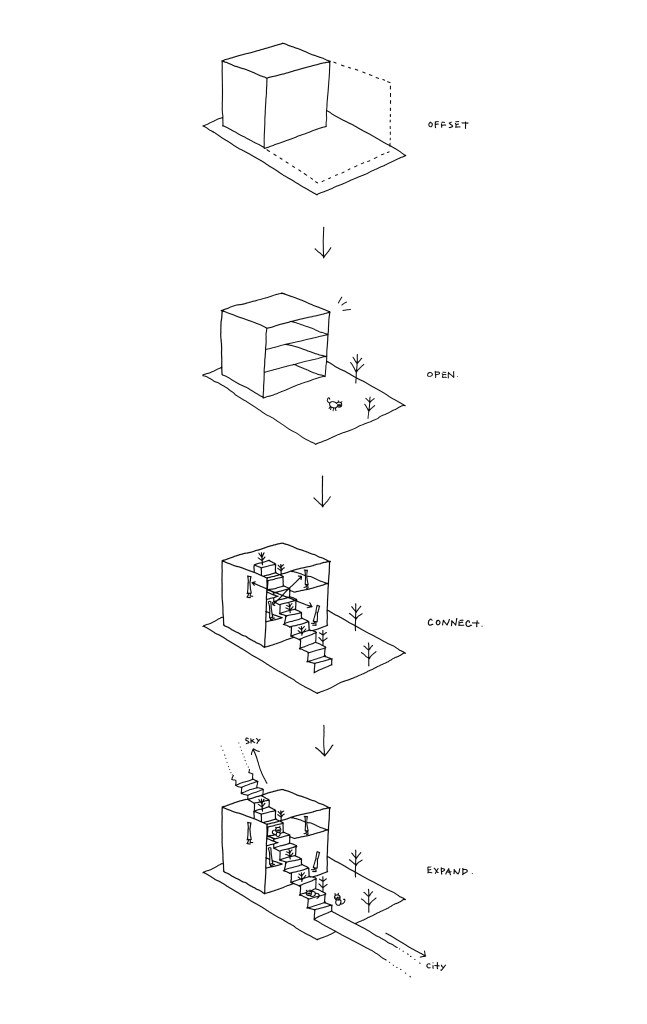
    These sketches tell you everything you need to know about the recently completed Stairway House by Nendo Studio.

    The house is setback from its south property line as a result of the surrounding context. A south-facing green space is then introduced, preserving one of the existing trees.

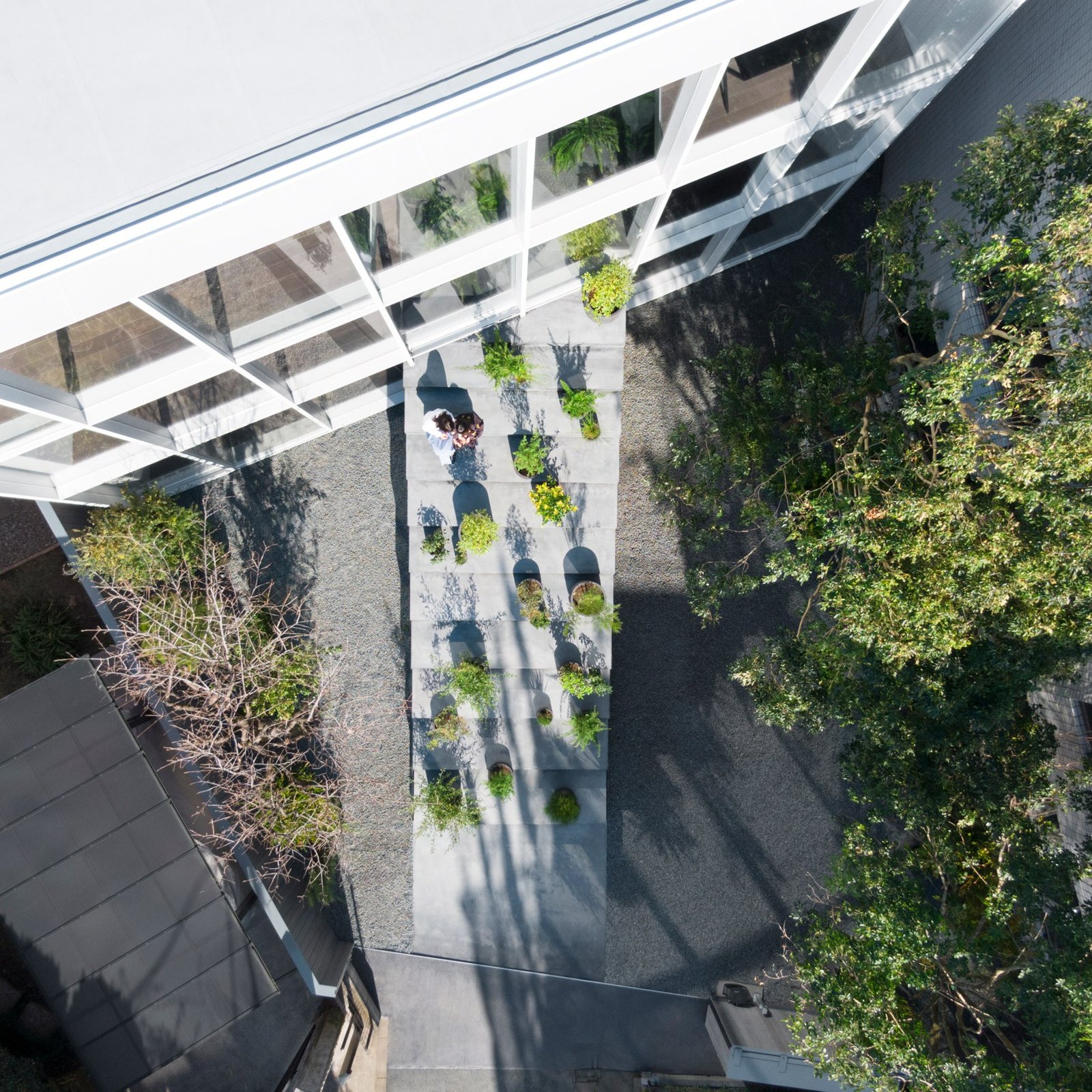
    Given that the house serves as a multi-generational household, a central “staircase” is introduced that visually connects all three floors of the house and serves to mitigate any sort of feelings of social isolation across the families.

    (The staircase-like structure is only partially functional.)

    Finally, the staircase is then expanded outward to connect with the broader city. As you can see from the context plan below, the staircase is on axis with a neighboring city street.

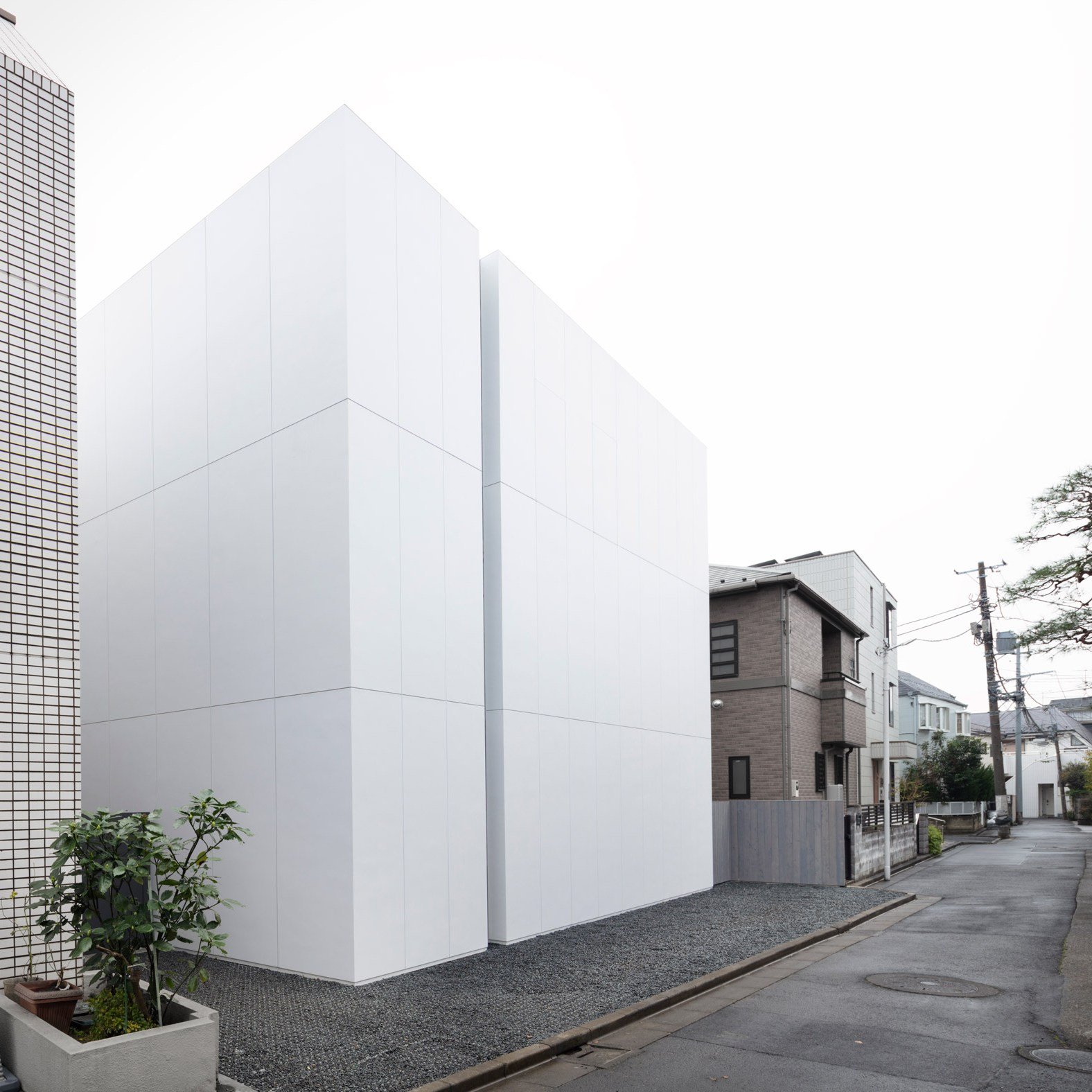
    Here’s how it all turned out:

    Photos and sketches via Nendo Studio

  • Tokyo Jewel

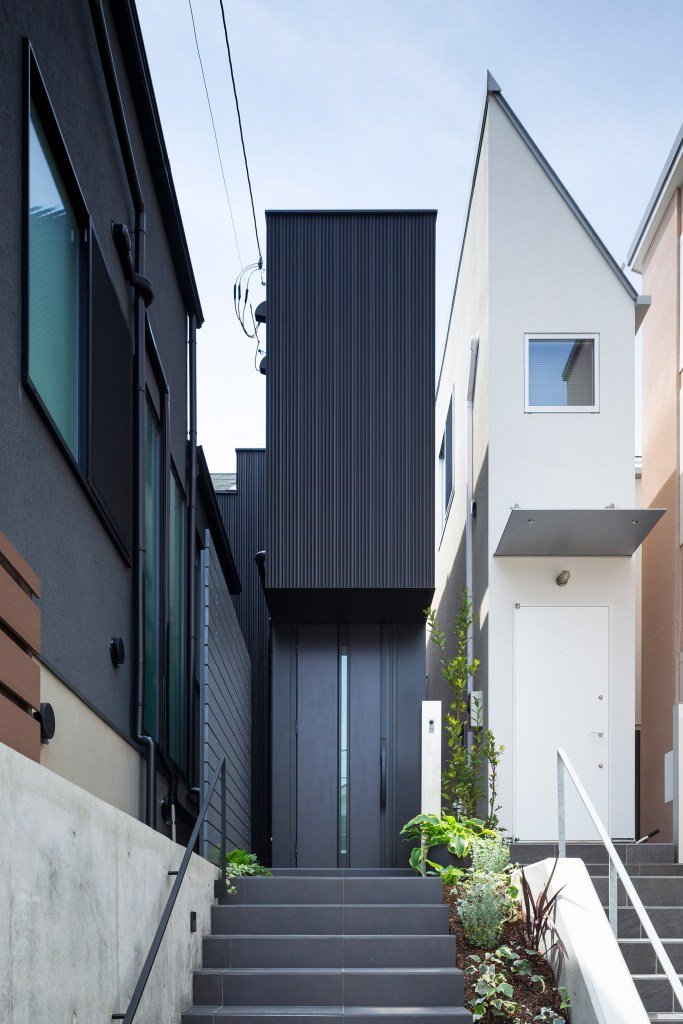
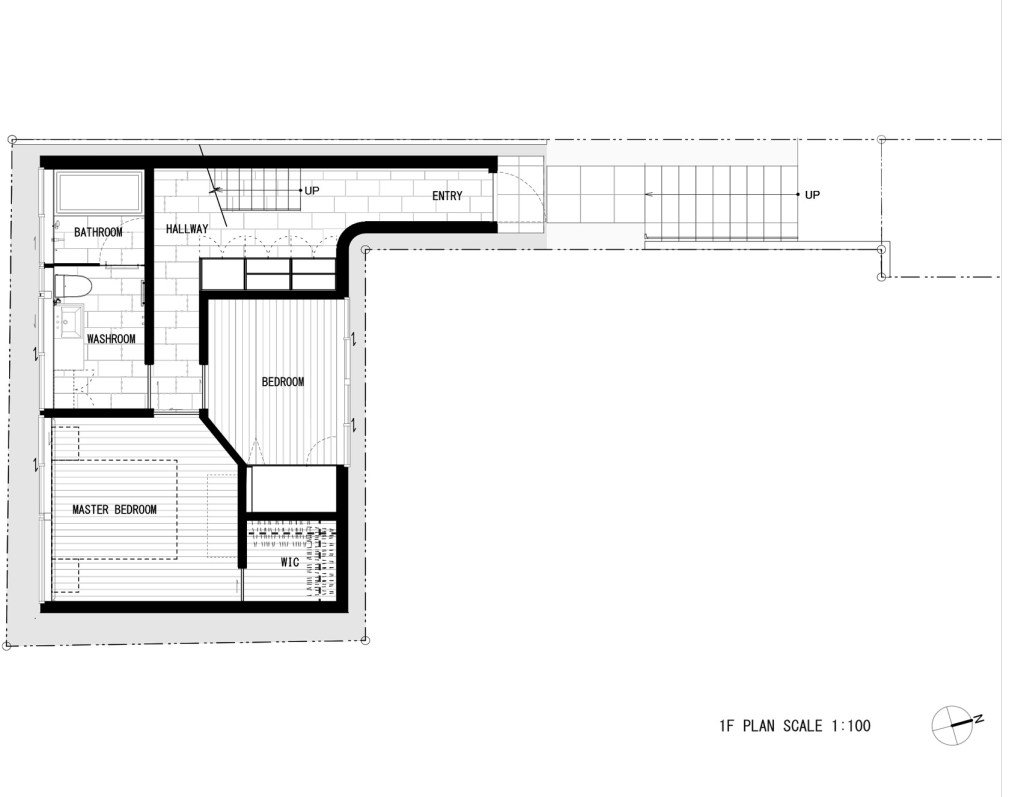
    I have a fascination with “small” Japanese homes. Many, or perhaps most of them, would be illegal to build in a place like Toronto. This one here in Tokyo, called Jewel, is only 1.4m wide on its narrowest elevation. See above photo. Designed by Apollo Architects & Associates, the ~80m2 home was built on a “flagpole” site. Narrow approach. More site area in the back. Here is a plan of the ground floor (via Dezeen) to give you a better sense of what I’m talking about:

    According to Dezeen, the client is a fan of minimal design and, in particular, the work of John Pawson. His work was a source of inspiration for the project. But if you read the article closely, you may notice that he is referred to as the “British architectural designer Pawson.” I learned last week, following this post, that John Pawson is not a licensed architect. Hence the carefully chosen language. I guess there’s hope for those of us who are not architects.

    Photo: Masao Nishikawa

  • Number of condo units built in New York City between 2009 and 2019

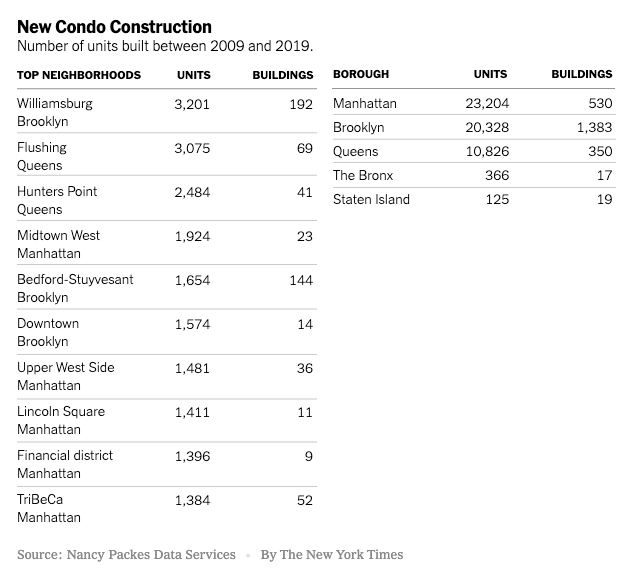
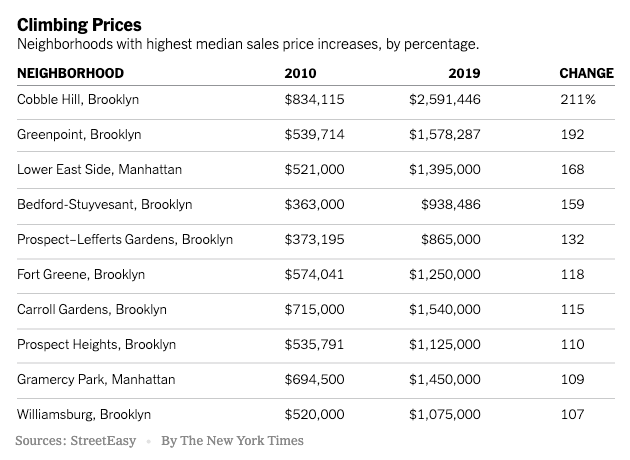
    A decade of ultra luxury condos. The New York Times published this story over the weekend talking about how the luxury condo boom of the 2010s transformed New York City, and in particular Brooklyn.

    Below are two tables from the article: (1) The number of units built between 2009 and 2019 across the five boroughs and the city’s top neighborhoods, and (2) the neighborhoods with the highest median sale price increase.

    The overarching theme is that New York built too many “super-high-end condos” geared toward global capital flows. According to one developer interviewed for the article (Gary Barnett of Extell Development), it was unprecedented.

    Apparently, the problem segment remains the $5 million to $10 million market. There’s simply too much inventory, and that has developers both delaying launches and going with much smaller (and hence more affordable) unit mixes.

    One stat that stood out for me was the new condo premium over resales. In 2011, the average sale price of a new condo in the city was about $1.15 million, which represented about a 9% premium over resale pricing.

    While it is typical to see a premium over resales (the same is true in Toronto), the average price of a new condo in 2019 rose to $3.77 million, representing a 118% premium over resales.

    For the rest of the article, click here.

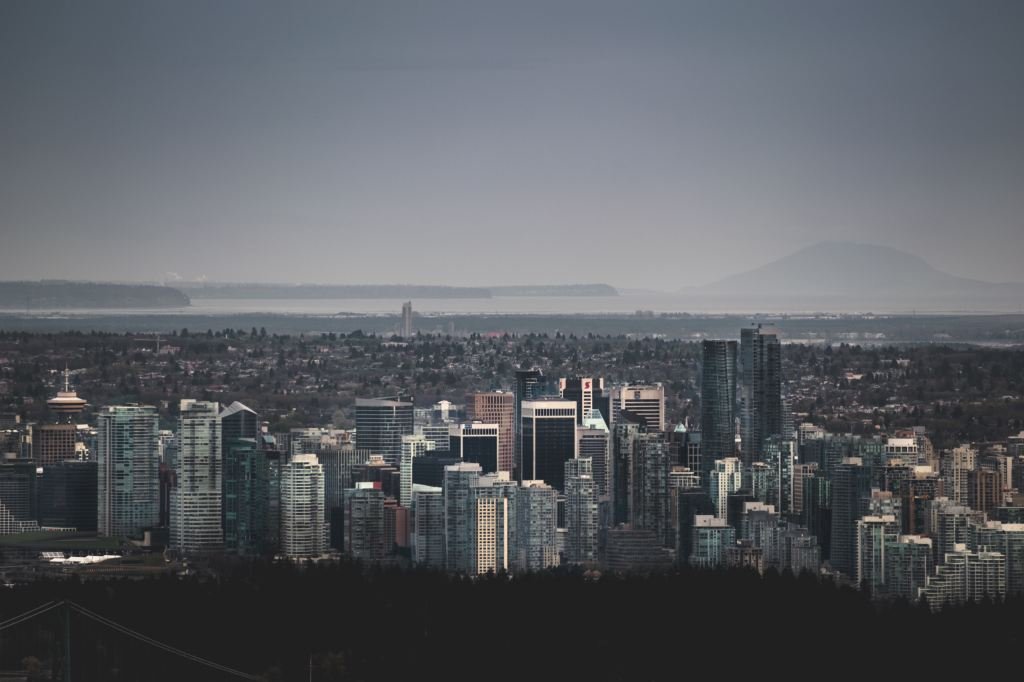
  • Vancouver approves new rental housing policy

    New rental housing measures were approved by Vancouver City Council this week. I haven’t gone through the policies in the detail (you can do that here), but they aim to increase rental housing supply by doing things such as “pre-zoning” for 6-storeys on main streets and by allowing rental apartments to be built on some side streets (up to 150m away from arterial roads).

    Here’s an excerpt from the staff report:

    Enabling new rental housing in all neighbourhoods would support an increase in supply and choice. The incentive programs have concentrated secured market rental development in selected neighbourhoods and along arterial streets. This has been effective at creating larger multi-unit projects, but has created an inequitable environment, where renters have limited housing choice. Expanding program coverage into low density areas, areas zoned for single detached housing and non-arterial locations to allow for a greater mix of structure types and densities (e.g. townhouses, small apartment buildings) are important considerations moving forward.

    It is yet another data point for what I wrote about here — the loosening of single-family zoning. Turns out, it can be difficult to meet the demand for new housing when you set aside a large part — or most — of your land for low-rise single-family homes. And there seems to be growing acknowledgement of that on the part of cities.

    Photo by Aditya Chinchure on Unsplash