Daily insights for city builders, delivered every morning at 6 AM ET. I’m Brandon Donnelly — a Toronto-based real estate developer and founder of Globizen. I’ve been writing here since 2013.
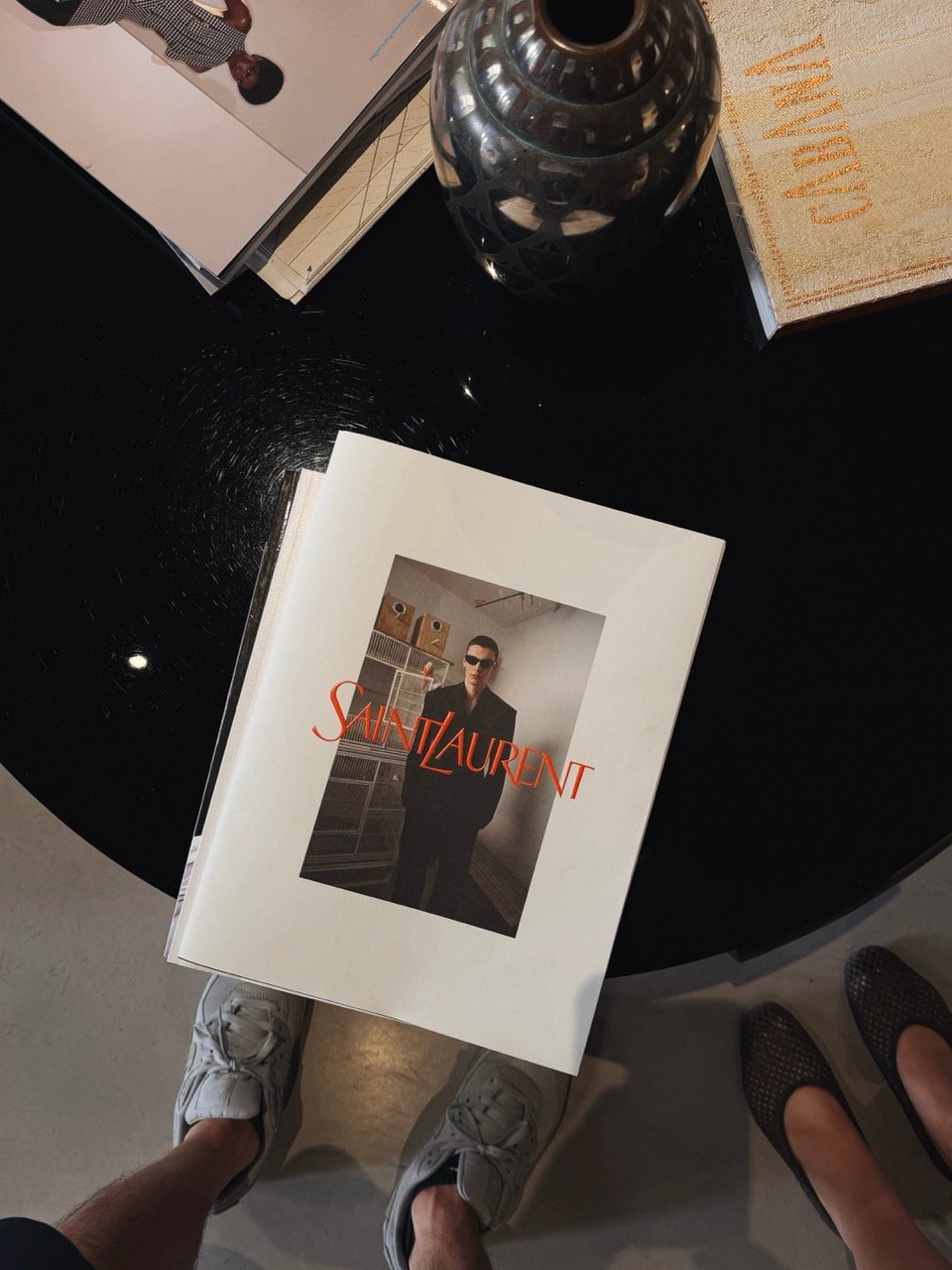
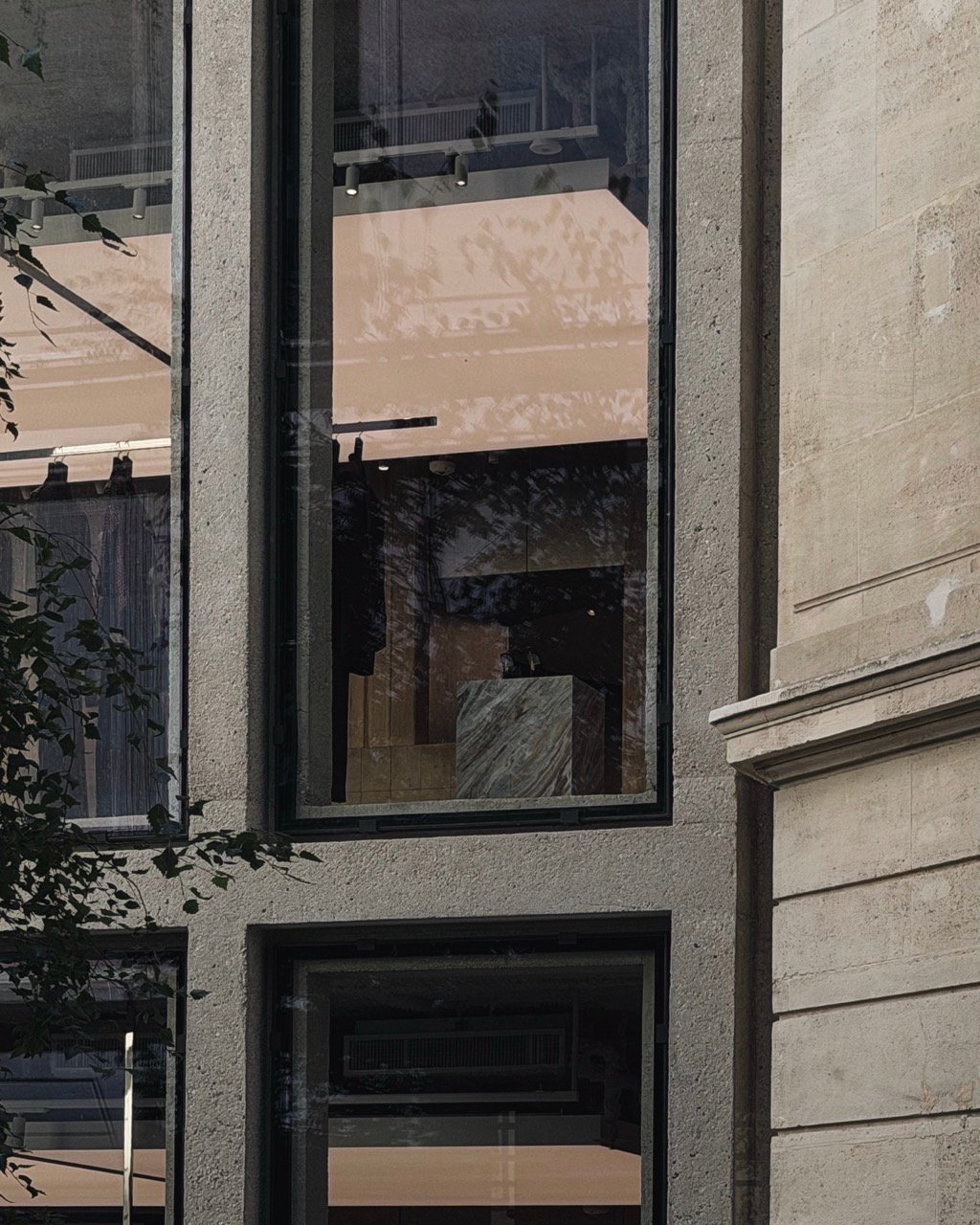
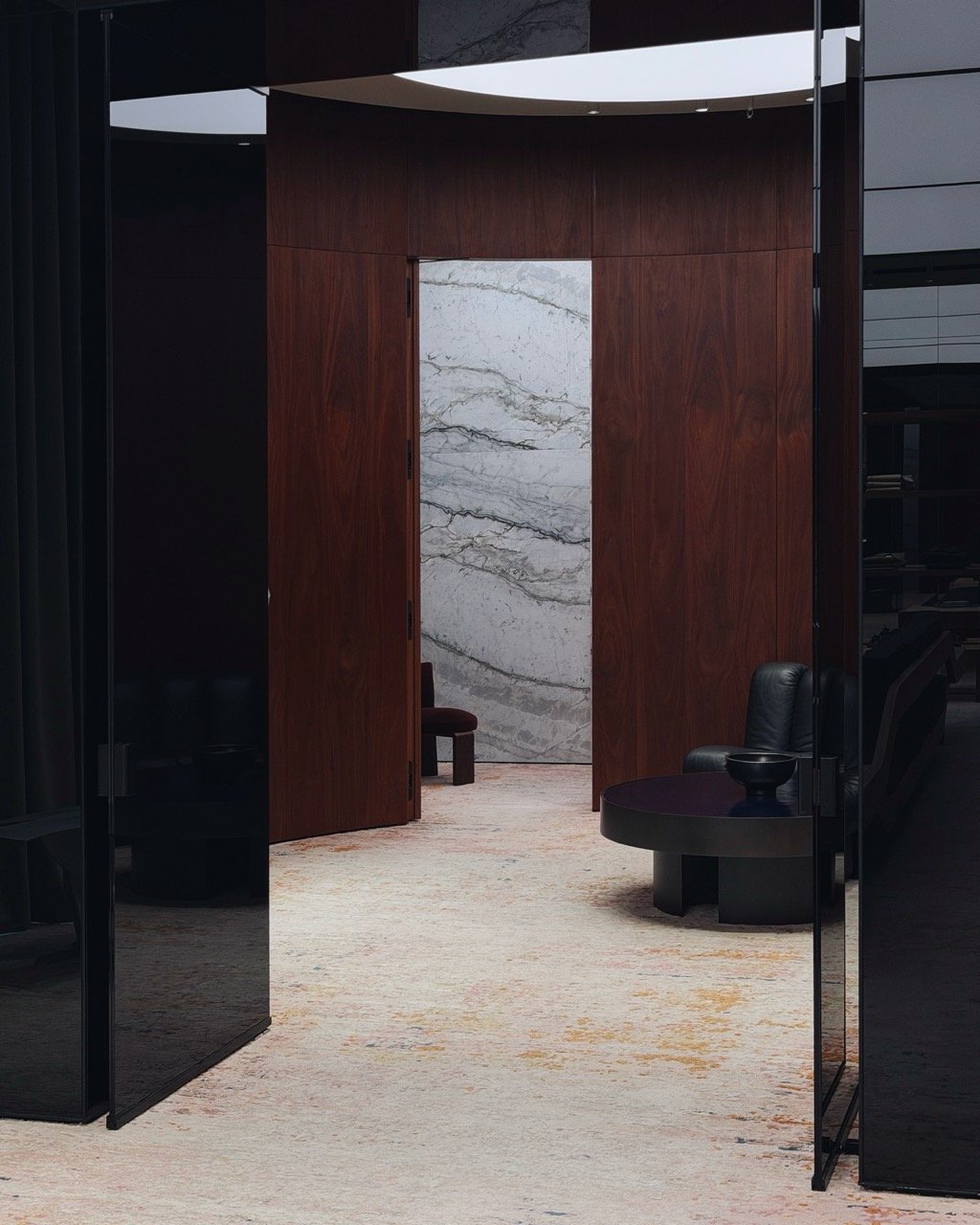
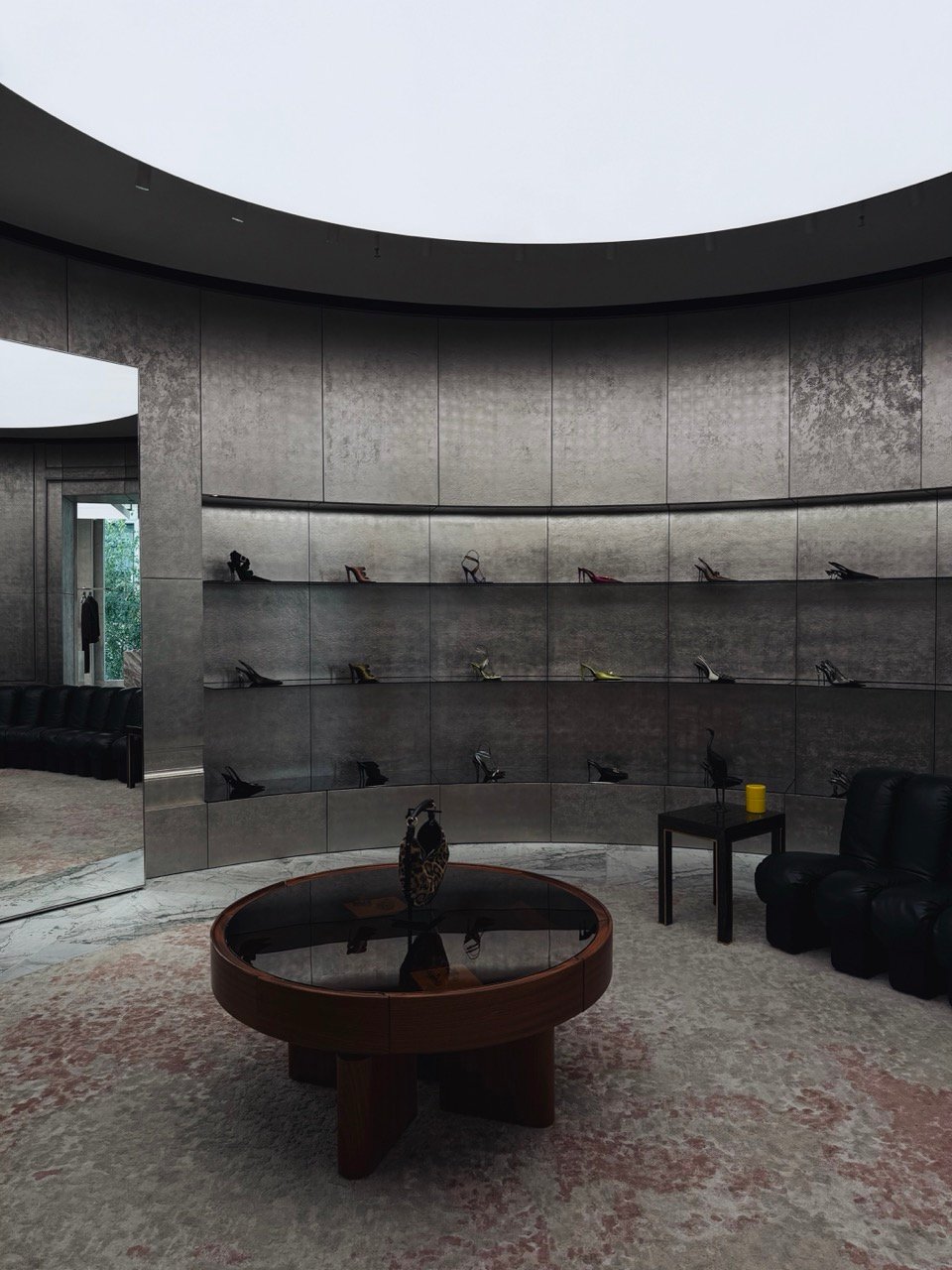
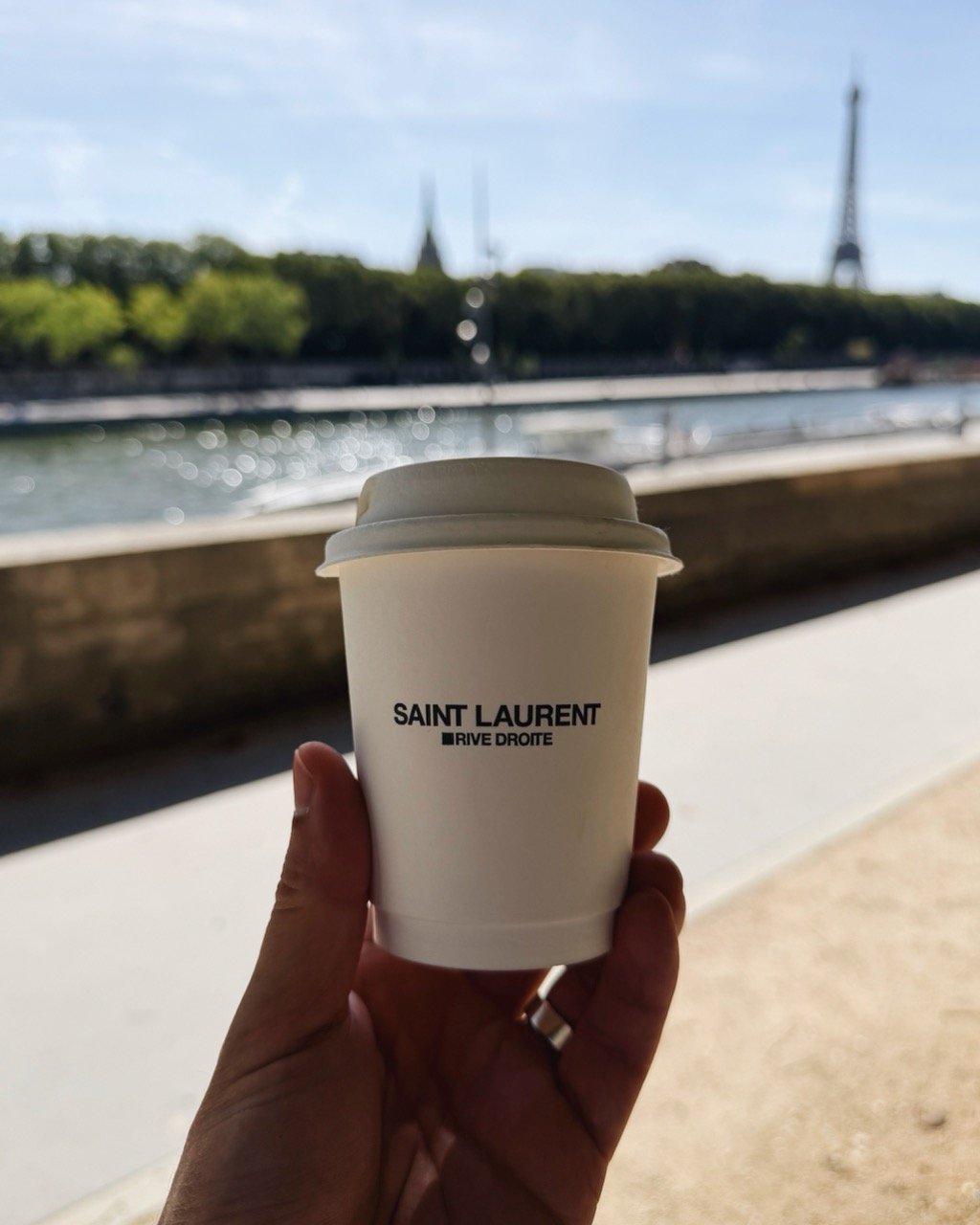
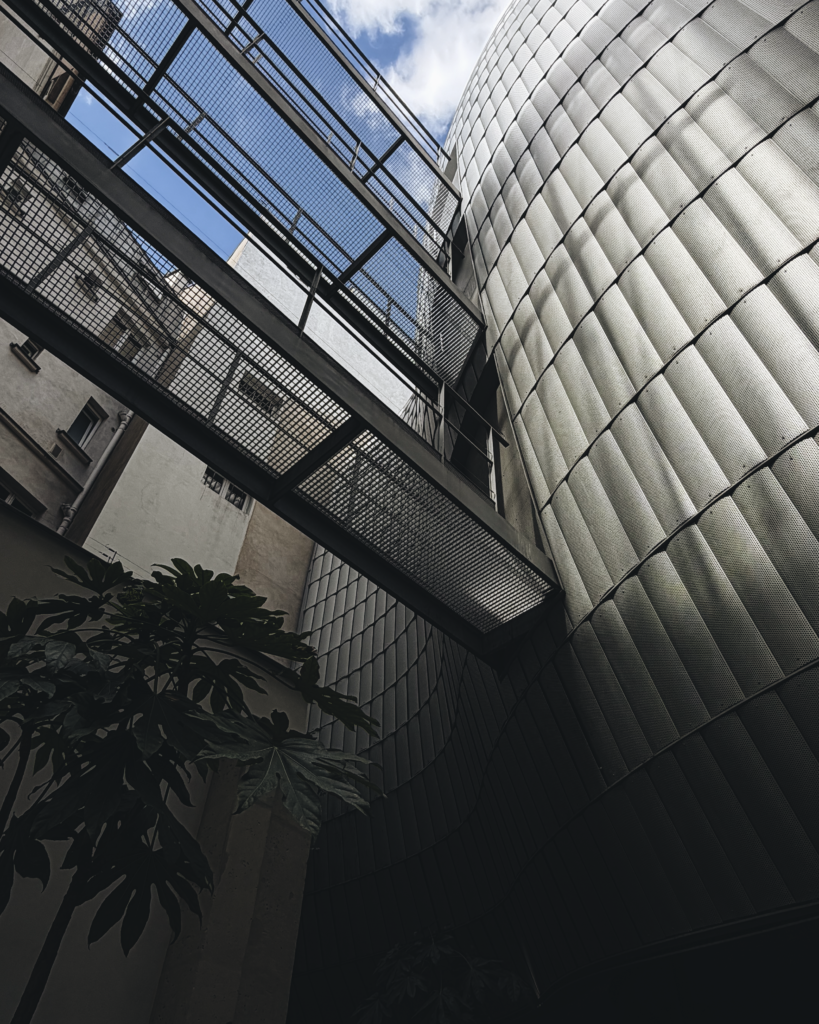
I love how Saint Laurent’s creative director, Anthony Vaccarello, has taken a form of brutalism — corduroy-imprinted concrete and generally raw and exposed materials — and elevated it to high fashion. It’s a perfect example of “raw meets refined.” And you’ll find this approach in its stores all around the world, including in Toronto on Bloor Street. For me, it’s also a great microcosm of Paris. This is a city with a deep, rich history, but one that isn’t afraid to disrupt that history and look forward when it makes sense to do so.
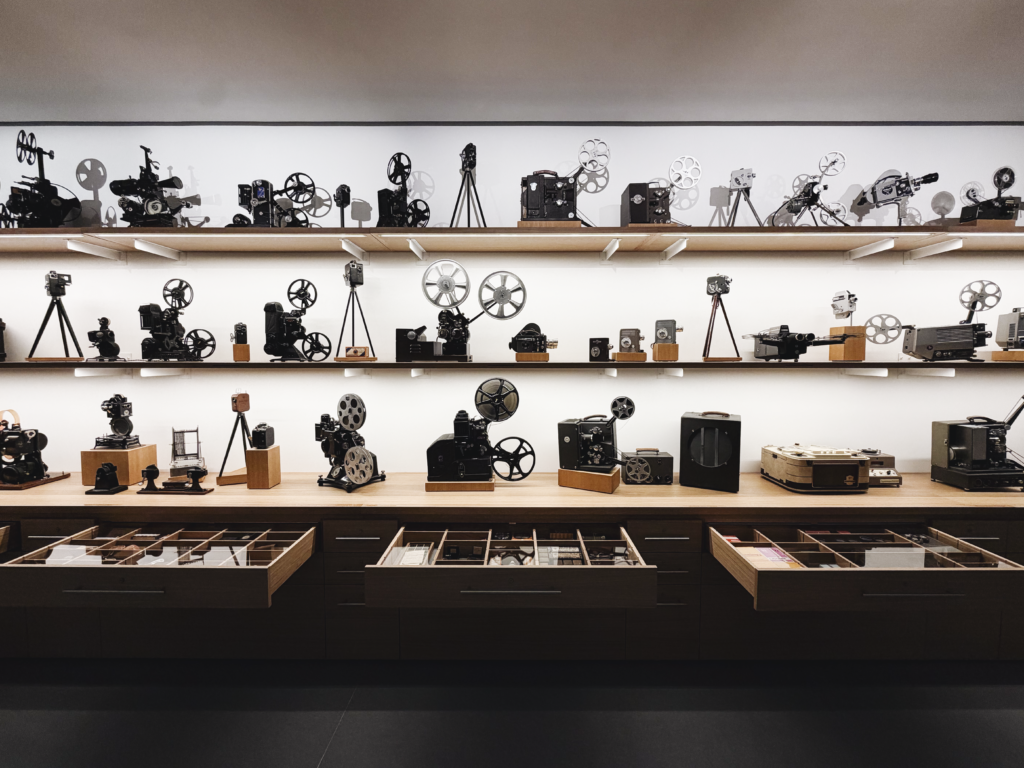
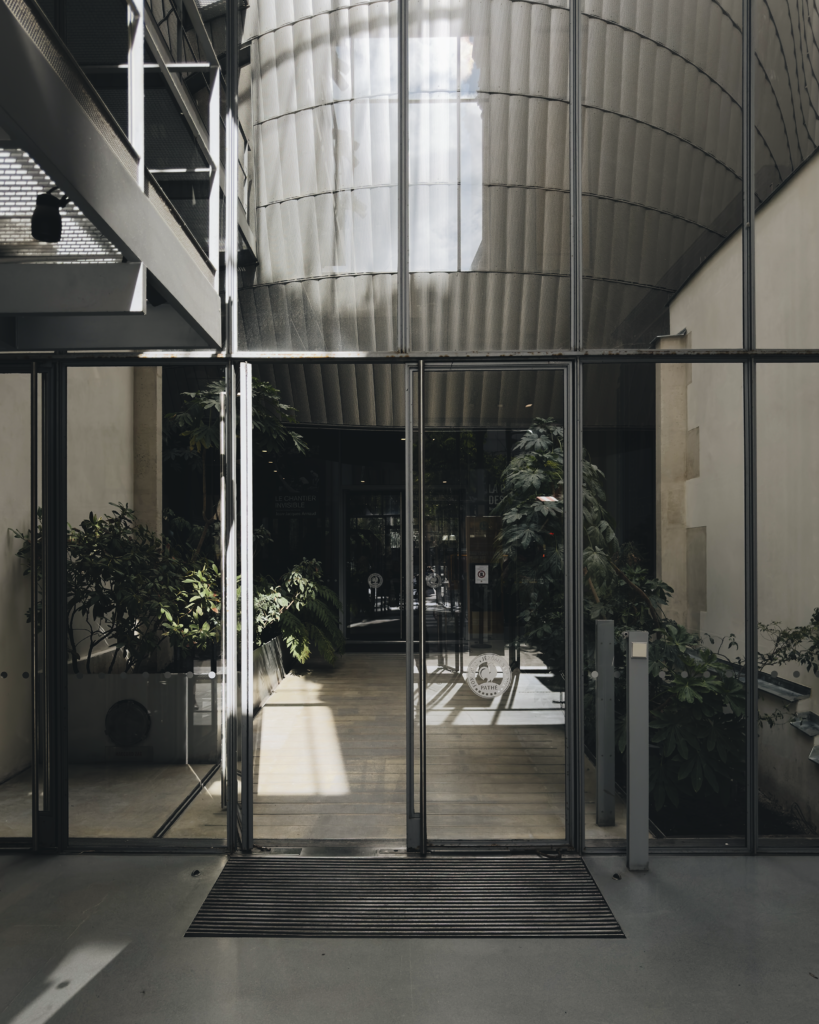
This is a wall of 20th-century filmmaking equipment captured at the Fondation Jérôme Seydoux-Pathé. For background, Jérôme Seydoux is a French businessman and movie producer (and the grandfather of French actress Léa Seydoux). Pathé is the second-oldest operating film company in the world. It was founded by the Pathé brothers in the late 19th century. (For architecture fans, the Fondation itself was designed by Renzo Piano. Note: Full architecture tours only happen once a week.)
Seeing this taxonomy of equipment and reading about its market adoption reminded me that technologies change, but human impulses tend to remain remarkably static. Film cameras at the beginning of the 20th century were made for industry. They were expensive, bulky, and required teams of people. But as you’d expect, by the middle of the century, these devices became more affordable and suitable for individual use. This gave rise to amateur filmmakers and eventually, you could say, proto-influencers.
The introduction of smartphones made creation even easier and social media platforms completely changed the game of distribution, turning content creation into an even bigger business. But in the end, the human desire to capture, create, and share remains the same. Today, however, the game is fundamentally changing. AI eliminates the need for handheld devices and physical models and locations. Now you can just prompt. The possibilities are endless.
As I was walking around the Fondation and reading about how it took a year to cast the right female lead for L’Amant (Jane March was eventually found in the suburbs of London), I couldn’t help but think about how AI completely collapses this process. Today, there’s no need to look; you just need to describe exactly what you want. Invariably, this is going to feel like some kind of loss to purists. Isn’t this artificial?
We are now in a post-camera world. But what will never change is our desire to tell stories.
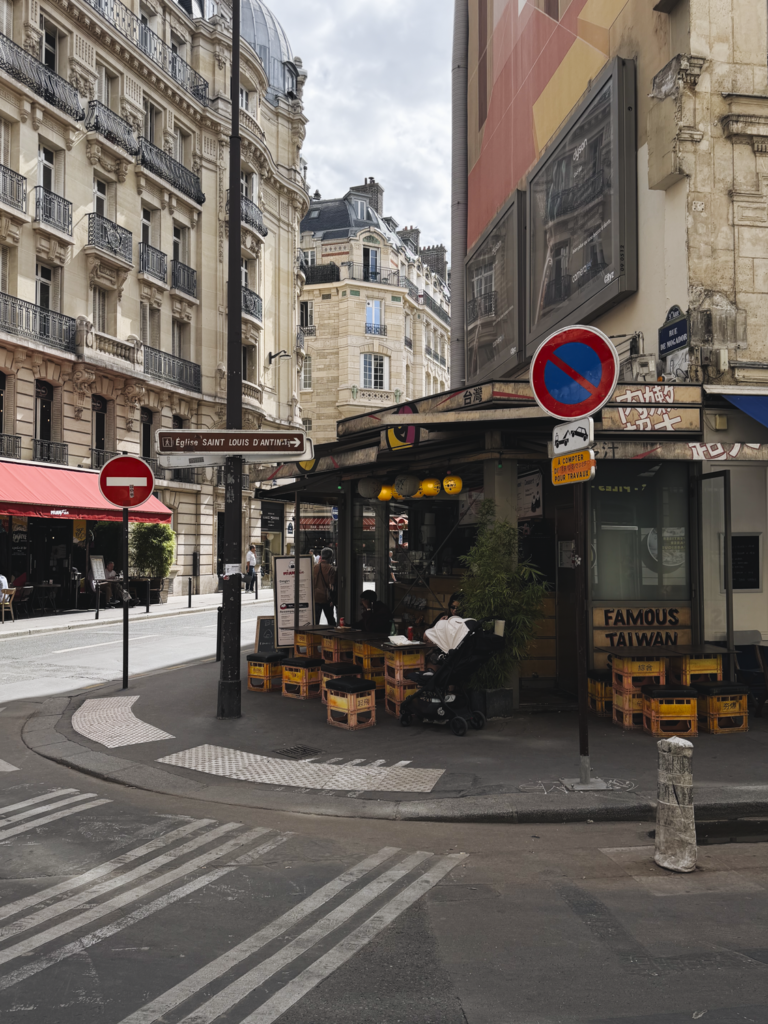
This corner, the corner of rue de la Victoire and rue de Mogador in Paris, could have very easily been nothing. The side wall of the main building is, for whatever reason, blank. There’s a tall mural, two advertising billboards, and a remnant parcel of land that looks to be no deeper than about 3 metres at its absolute deepest.
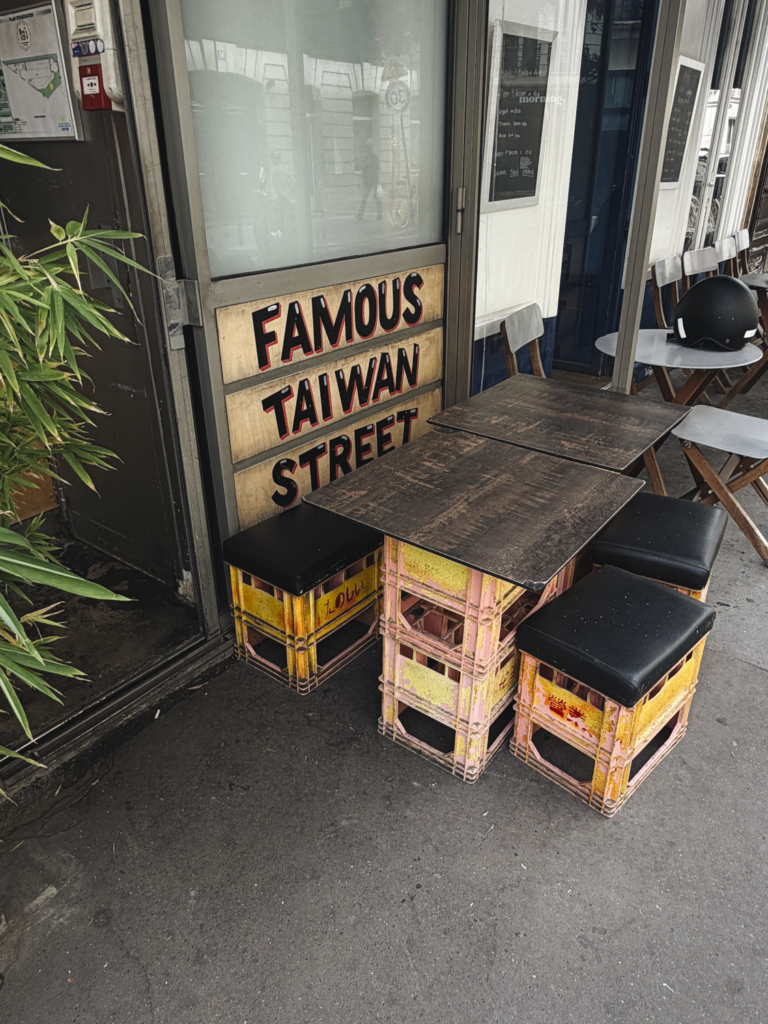
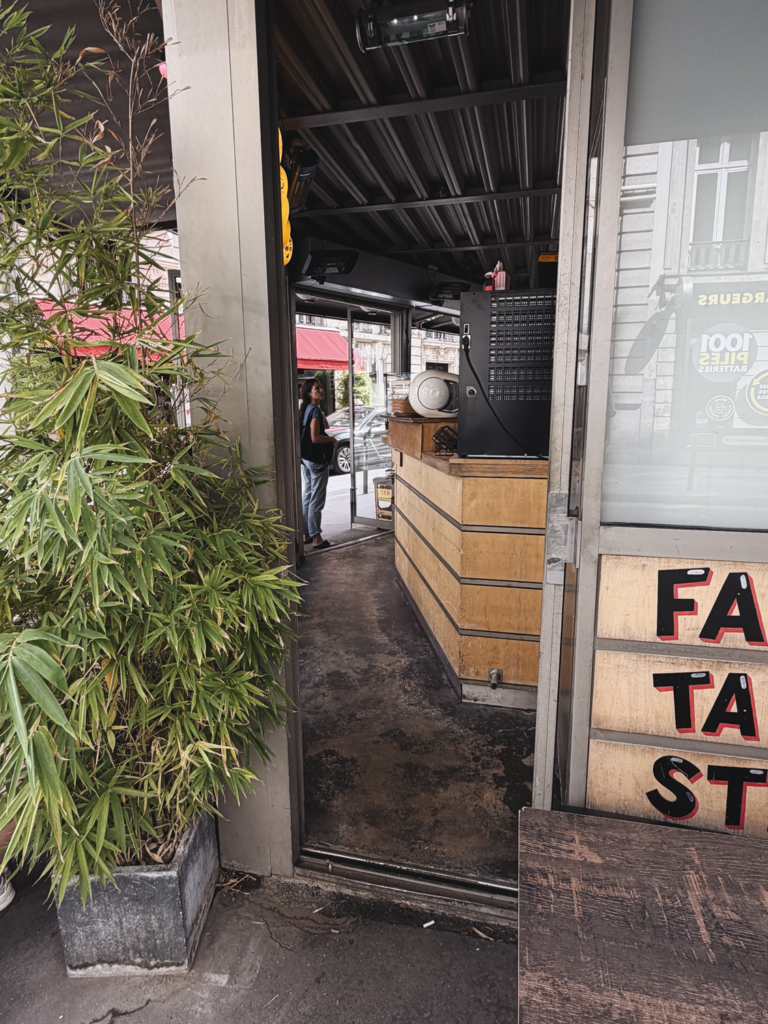
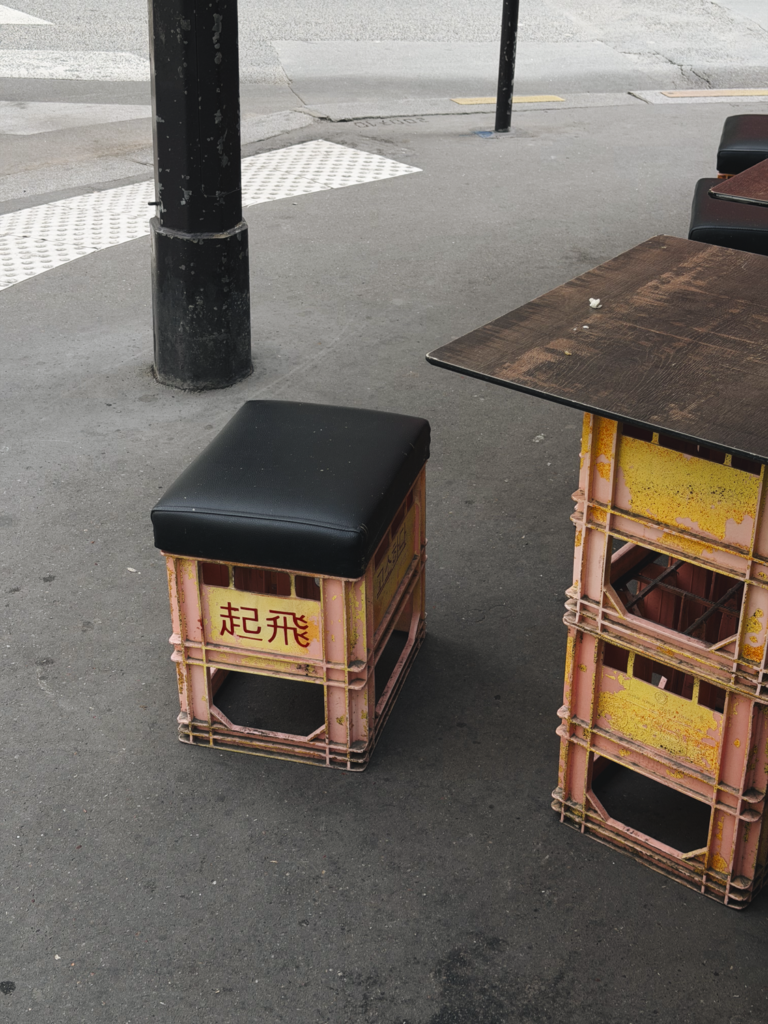
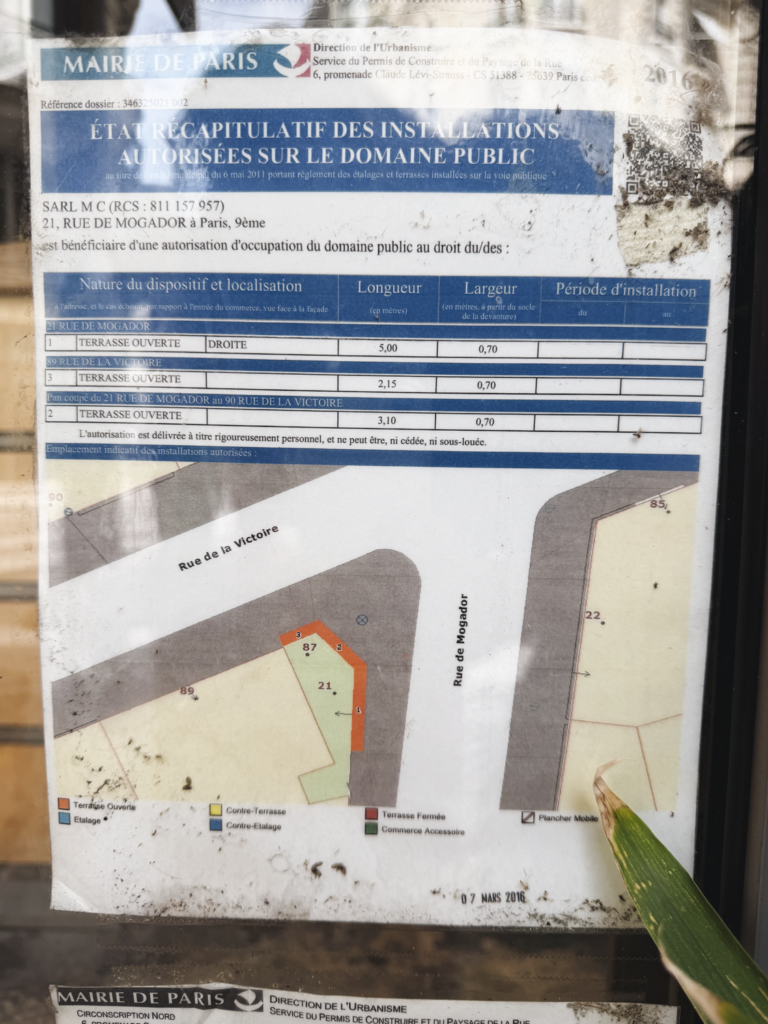
But instead, you’ll find a Japanese street food restaurant called Mian Fan Onigiri (I’m not sure what the Taiwan sign is all about). The interior can’t be larger than 20 or so square metres, but it’s surrounded by a 0.7-metre-deep patio that wraps around the outside of the space and runs about 10 m in total along three faces (see city terrace permit document).
It’s a simple and unfussy space. The patio consists of milk-crate furniture. But these kinds of small spaces punch well above their weight in what they contribute back to a city in terms of street animation and public life. Cities would do well to reduce the barriers to this scale of business and encourage more small entrepreneurs to hang a shingle.
And until they do, we’ll never know how much of this urban spirit is being suppressed.
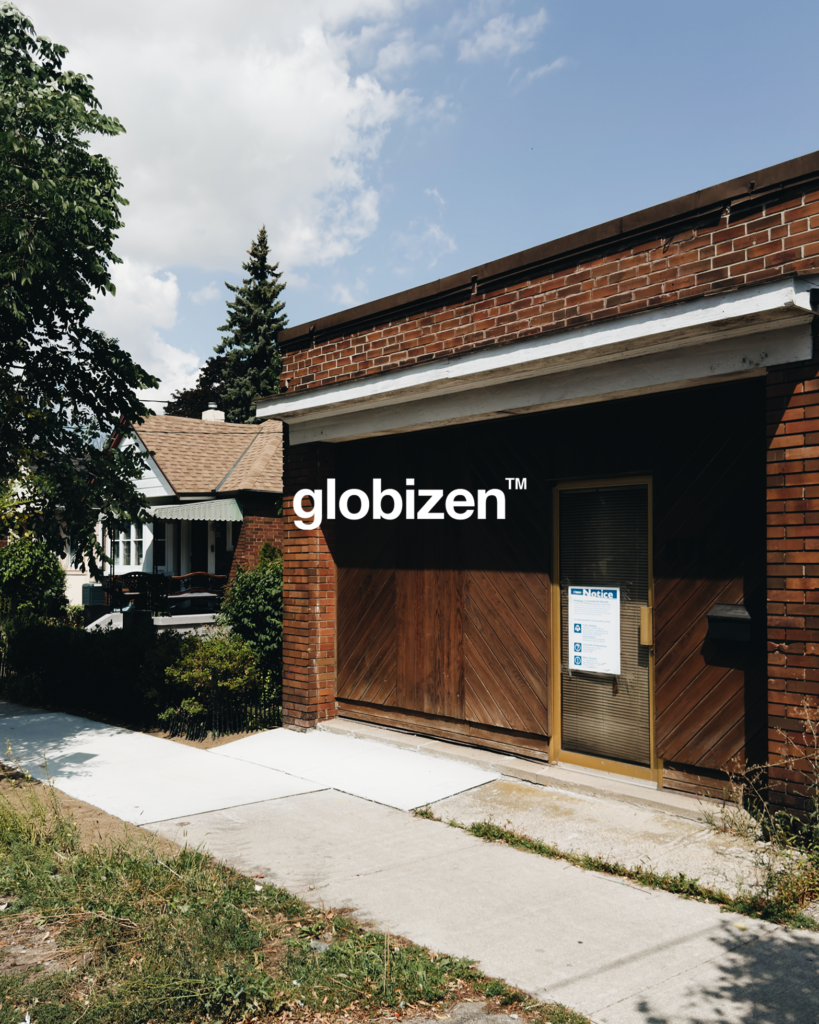
This week, Globizen announced a new acquisition for our Flats division: 571 Oakwood Avenue in Toronto.
This is an exciting moment for us because it marks the first project in our strategy of unlocking underutilized urban sites to create thoughtfully crafted, design-forward rental homes in walkable, transit-oriented communities across Toronto.
The mission is simple:
Fill a Housing Need: We believe there’s a gap in the market for spacious, well-designed, family-oriented rental homes at accessible price points.
Support Toronto’s Urban Evolution: We believe that Toronto is at a unique turning point in its urban history, transitioning from a monocentric downtown surrounded by low-rise suburbs to a polycentric city that fundamentally rethinks its relationship to the car.
Invest in Renewable Energy: Canada needs more clean energy capacity. We see this as an opportunity to create a decentralized renewable energy asset alongside our communities.
Globizen Flats is a response to these beliefs.
Check out the full post in the Globizen Journal. You can also subscribe and follow Globizen Flats (@globizenflats) on Instagram.
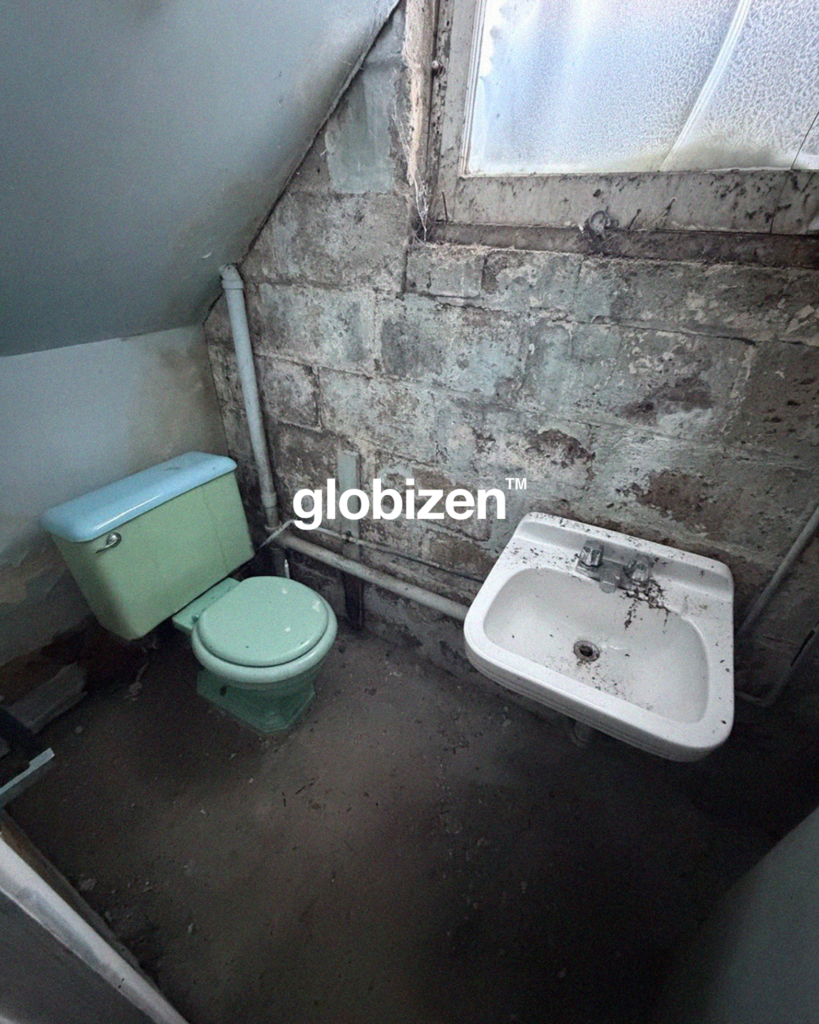
As an aside, I initially created the above toilet image as a joke. It’s a photo of the bathroom in the existing house on site. But my partners thought it was cool and that we should share it publicly, so here we are. I bet that toilet was the neatest thing when it was first installed.
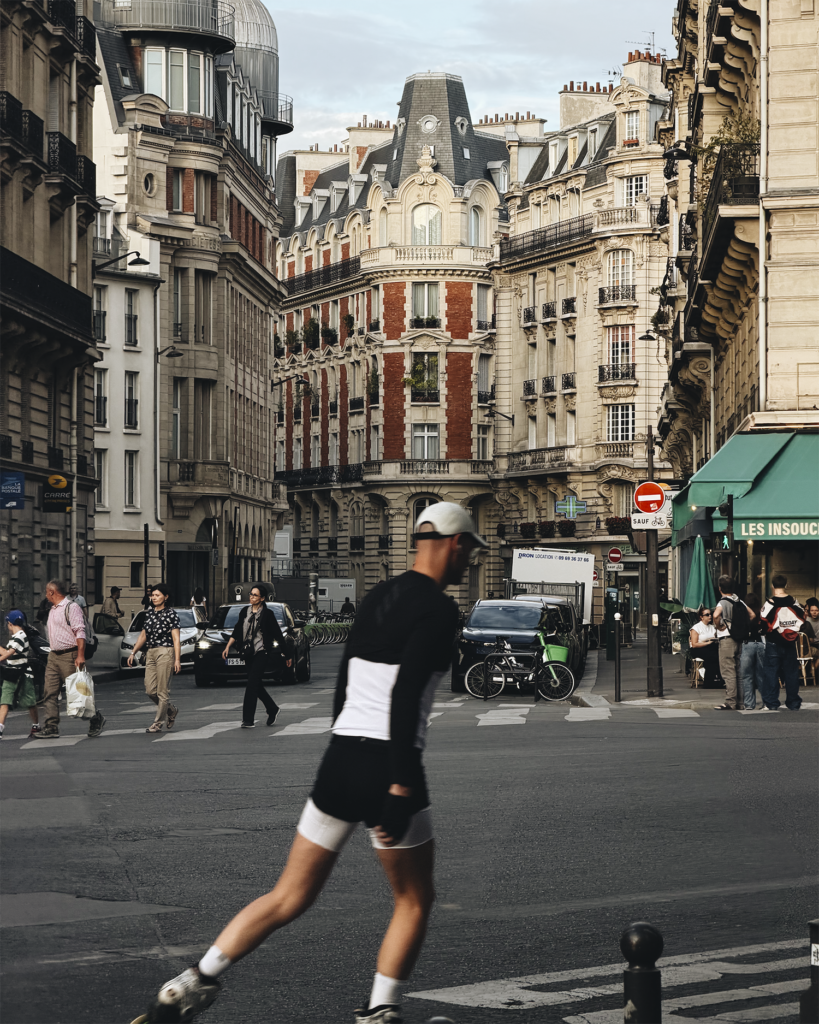
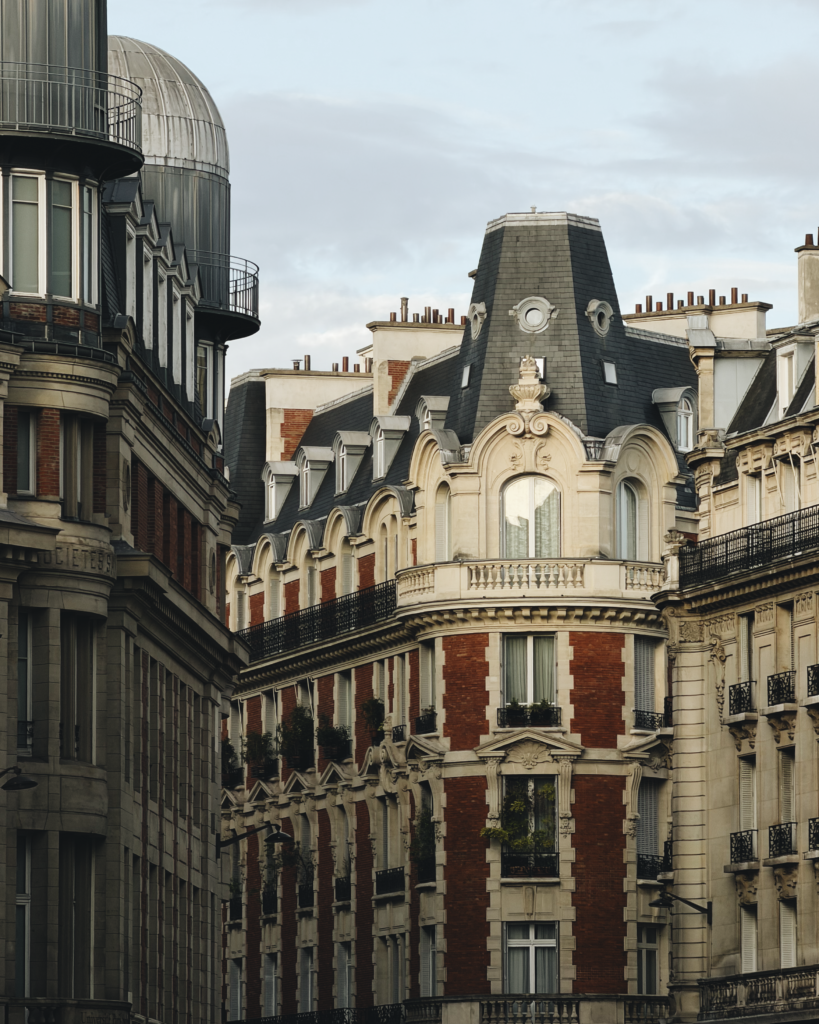
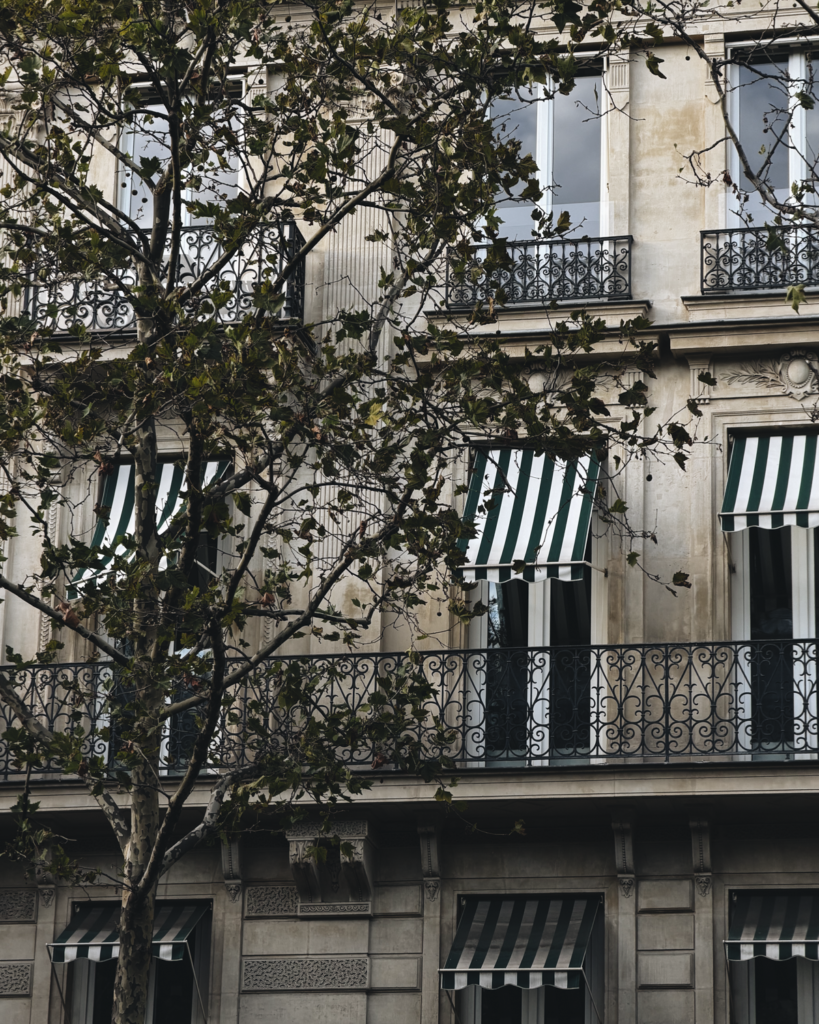
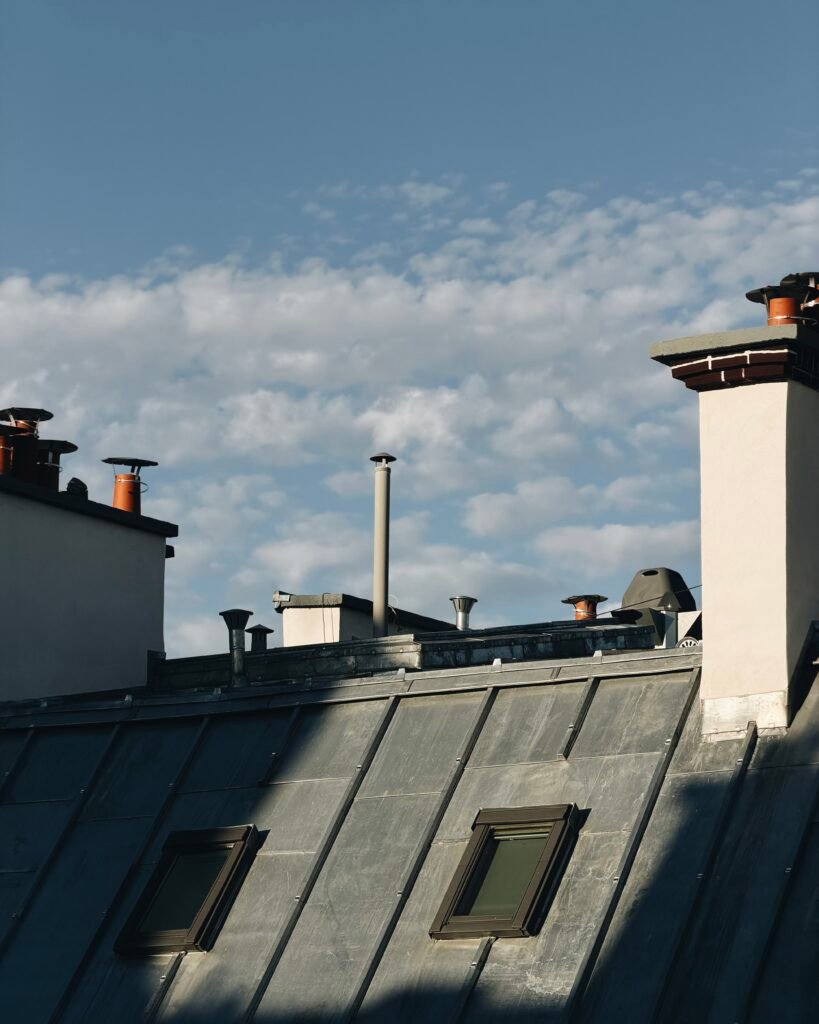
One of the reasons Paris’s built form works so well is that the buildings aren’t all glass. The window-to-wall ratios afford a degree of privacy, despite the high densities and minimal separation distances. Imagine how different the city would feel if this wasn’t the case.
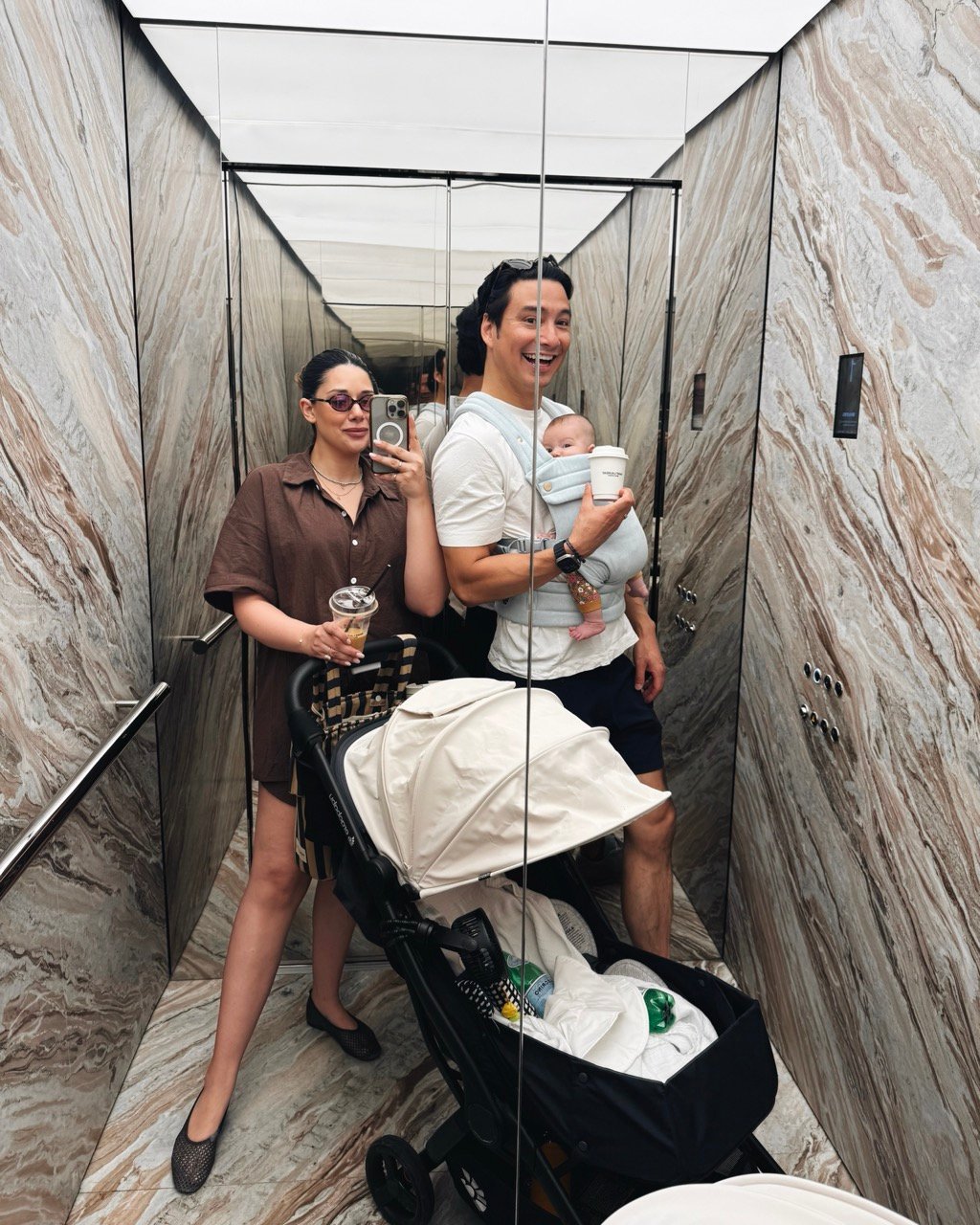
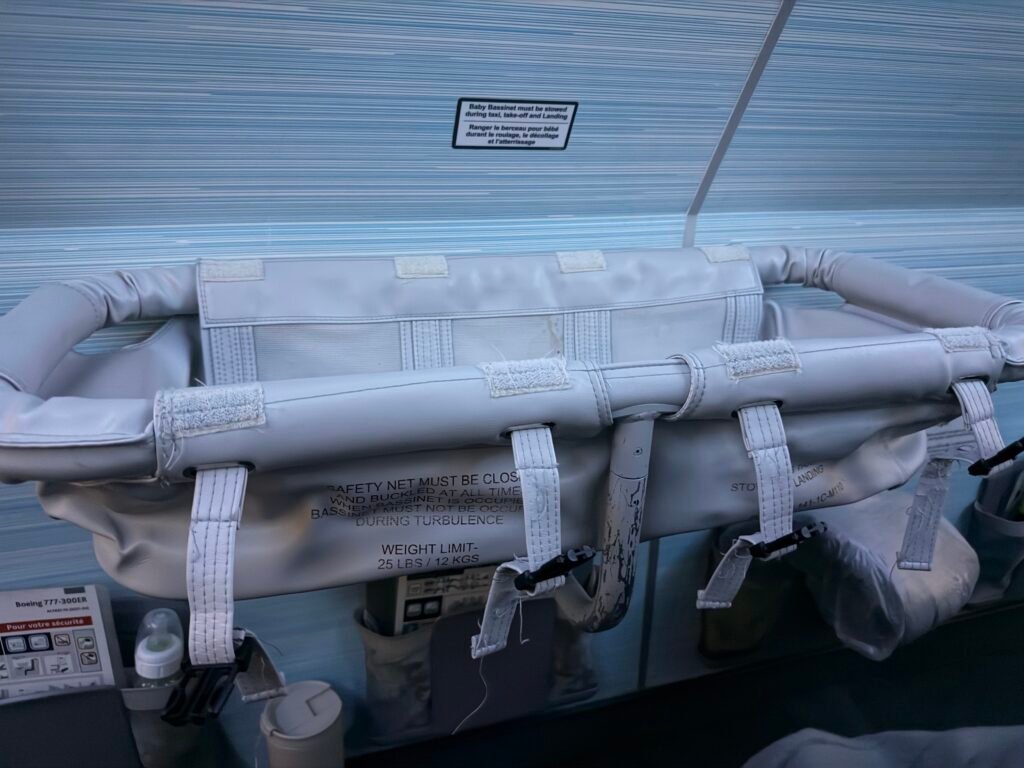
We arrived in Paris this morning and Vivienne’s first flight was a 10/10. She slept most of the way in our arms. The bassinet looked like some sort of elaborate torture device (see below), but she did also sleep in it for a bit. The problem is that they make you take her out whenever the seat belt sign is on, and so we ended up just keeping her in our arms to make sure she stayed asleep. So she slept well; we did not. Thankfully, Toronto to Paris is a super easy flight. It was around 6 hours today.
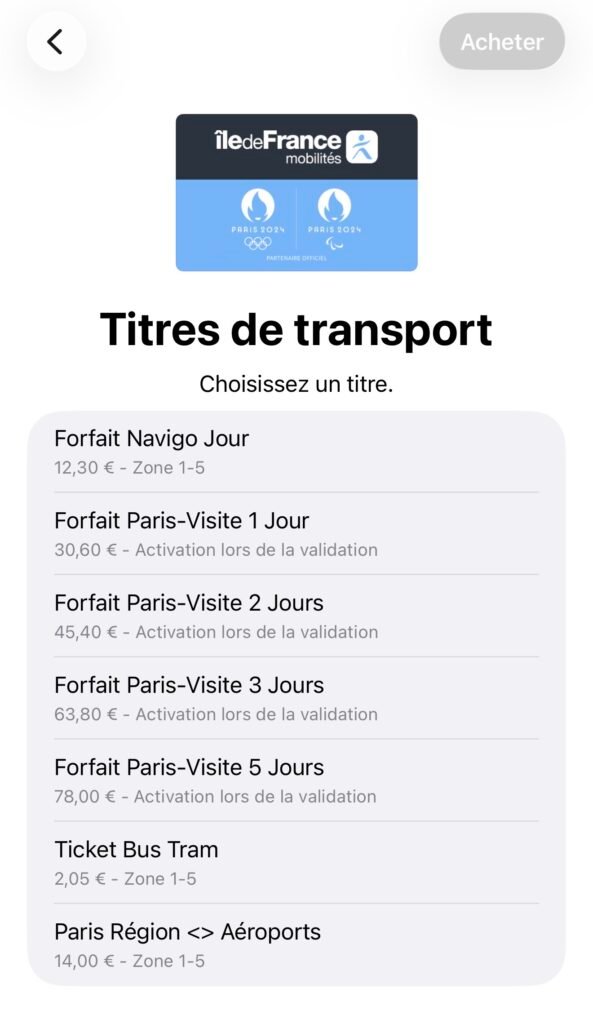
When we arrived at CDG, we stopped at Monop’ for some juices and a snack, and then went straight to the RER B train. Tip: Never fuss with the ticket kiosks. Open Apple Wallet. Add the Île-de-France travel card to it, and then choose the airport pass for €14. The express train took about 30 minutes to get to Gare du Nord. We then did one transfer and one stop on the RER E line, paused in the station to feed Vivienne and admire its vaulted ceilings, and then walked to our hotel. I think we were under an hour inclusive of the meal break.
I’ve said this many times before, but I very much enjoy the feeling of getting off a plane and not having to drive. In terms of our experience with a travel stroller, none of the trains we took had level boarding, so I would just grab the front of the stroller and we’d lift. But every station we were in had elevators. Not all of them were in order, but we could always find one to use. In some cases, we just managed on the escalators.
Full disclosure: We failed at our plan of only checking one 85L bag. We ended up checking one of our 36L carry-on rollers as well. We’ve never travelled with so much stuff before. But I will say that the Patagonia 30L MLC carry-on backpack is incredible. It miraculously fits a lot of stuff and it keeps everything organized and accessible. I don’t do bag reviews on this blog, but I almost want to now.
It turns out that travelling with a 3-month-old is harder than not travelling with a 3-month-old. It requires full-on logistics management, especially in a big, dense city like Paris where we’re accustomed to only walking, biking, and taking transit. Vivienne is already giving us a different appreciation for the city and we’re excited to let her do that. One of the things she suggested is a picnic in the park. That sounds great, and a perfect way to enjoy late-summer Paris.
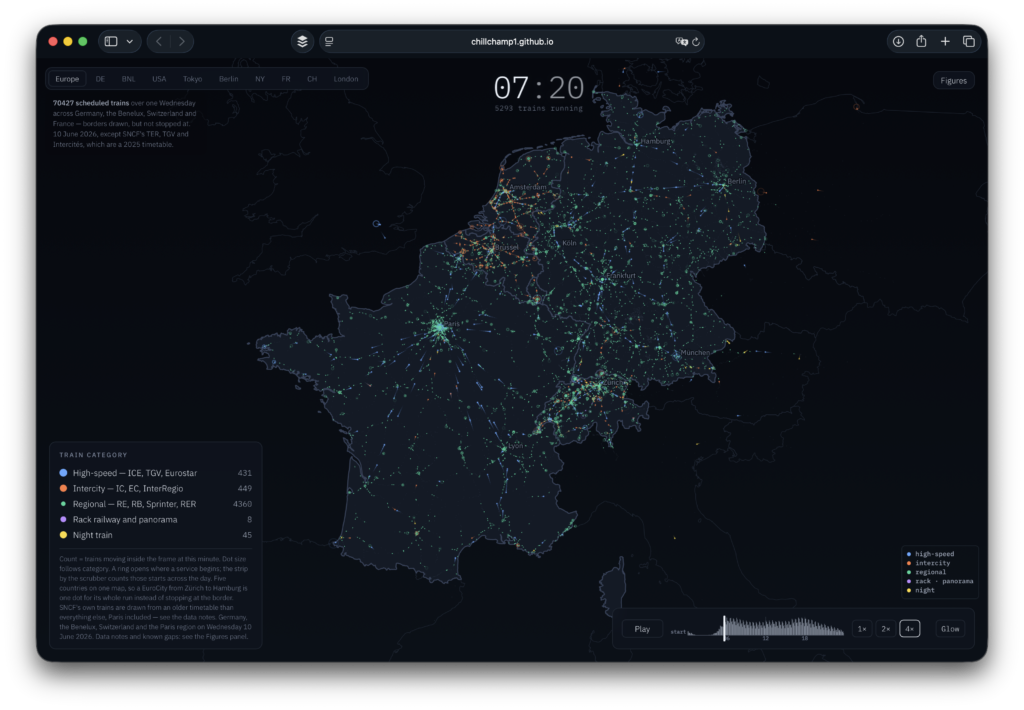
I just came across a fascinating visualization of rail in Europe. You can also visualize other places like the US, but as you know, there isn’t much to see there in the way of trains. What is shown in the above screenshot is Germany, the Benelux, Switzerland, and France. I paused the visualization at 7:20 AM and there were 5,293 trains running, with the vast majority of them (4,360) being regional rail.
Here’s what stood out:
France operates a monocentric hub-and-spoke network with Paris as the clear central hub. Trips almost always route through Paris, which reflects France’s historically centralized economy. In contrast, Germany operates a decentralized mesh network with more point-to-point travel and no single dominant city.
Regional rail is the workhorse. When I paused the visualization, over 82% of the trains in operation were regional rail. High-speed rail is sexy, but it clearly needs to be supported by a dense regional grid that brings people to and from major high-speed routes.
Smaller countries like Belgium, the Netherlands, and Switzerland have such a dense network of intercity rail that they almost read as continuous urban regions.
If you love trains, as I do, you’ll want to take a look.
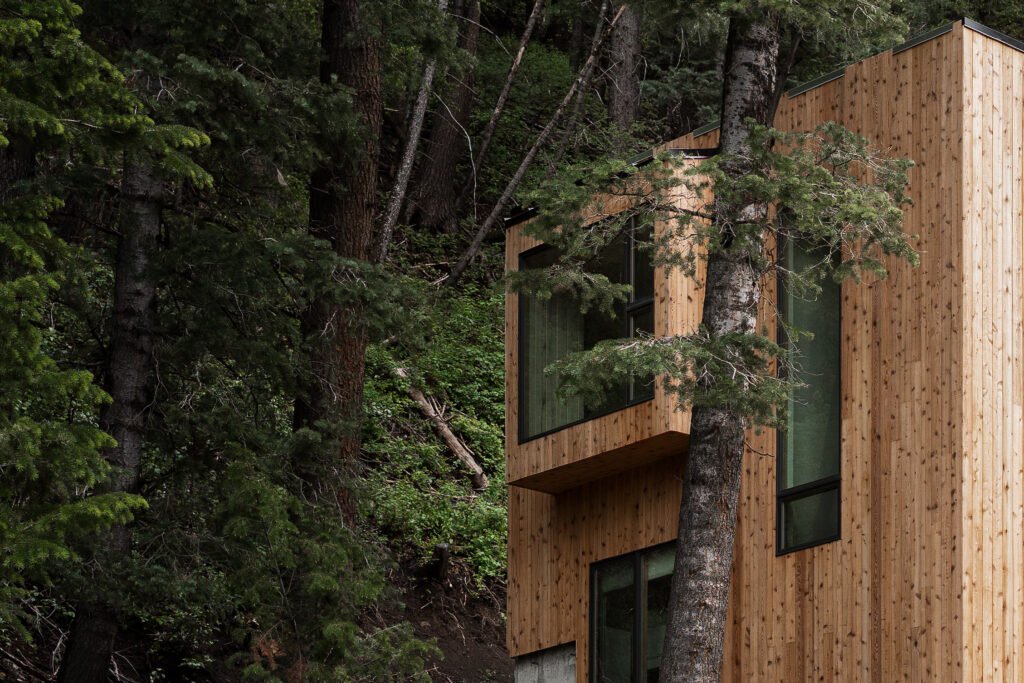
Since we first opened bookings for Parkview Mountain House, we have been using a third-party property manager. This seemed to make the most sense given our team is not local.
But since then, we have learned that, along with the fees charged by Airbnb and VRBO, it’s simply too high a fee load. We also found it difficult to offer the exact hospitality experience we were after without full management control.
So we have made the decision to terminate our management contract and transition the property to internalized management. What this will entail is taking on more management control (from Toronto) and having a local support team that we assemble and manage ourselves. This is underway and I’m personally enjoying getting further into the details of this business.
What does this mean for bookings?
Summer and fall remain open for bookings. But the winter season is now blocked off starting in early December. Expect an announcement this fall when it opens up. To stay in the loop, you can subscribe to this blog and also check off “Globizen Updates.”
Are you local to Park City and SLC?
In the meantime, if any of you live in the area and work in the hospitality, maintenance, or property management space, please drop us a line at pmh@globizen.com. We are currently assembling our local vendor team and we’d love to connect with you.
I have a good feeling that it’s going to be an incredible winter season in Utah.
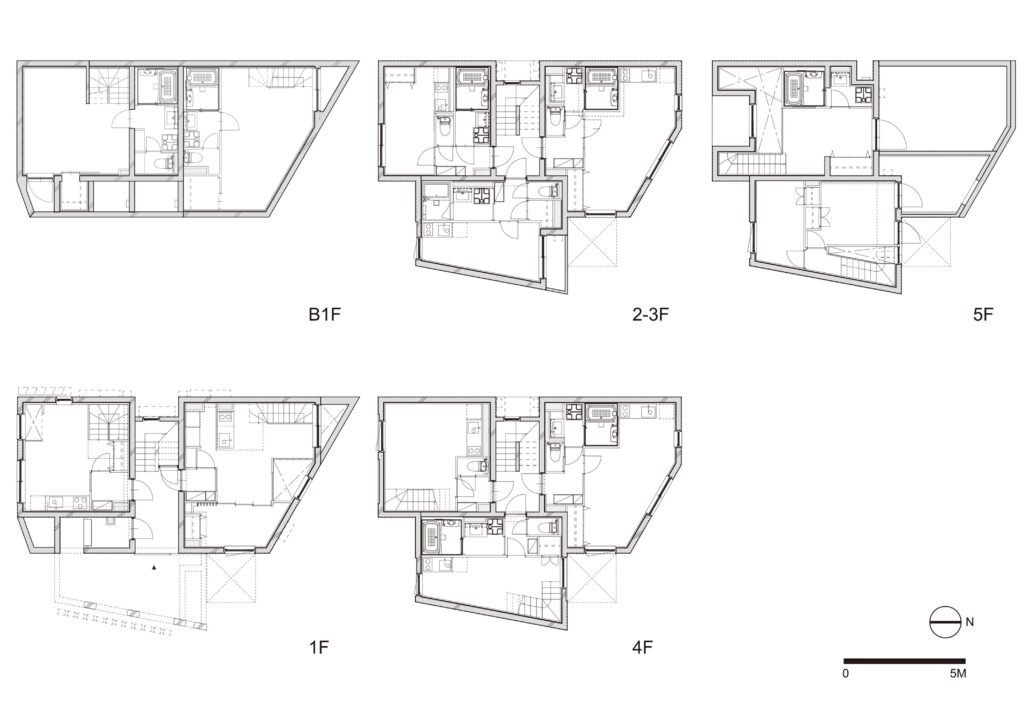
Last week, Globizen shared this 11-unit condominium project in Tokyo on Instagram. Some of you may like the design by Ryuichi Sasaki Architecture, and some of you may not. But regardless, it’s an interesting case study in that the site area is only 152.27 square metres (or 1,639 square feet). The building footprint is 84.86 square metres and the total floor area is 416.68 square metres. If we divide the total area by 11 units, we get an average area per home of only 37.88 square metres, and so these are certainly on the compact side. Here are the floor plans:
The unit composition is as follows:
Ground and basement: 2 x 2-storey homes
Levels 2-3: 6 x single-storey homes
Levels 4-5: 3 homes, 2 of which are 2-storey homes
The other thing you’ll notice is that there’s a single access stair in the middle of the building. As compact as the homes may be, it is this point-access-block design that unlocks the site. To put the site area into perspective, it is almost certainly smaller than the average single-family lot in the central parts of Toronto. A 20′ x 100′ lot is 2,000 square feet, versus the 1,639 square feet we have here (though the proportions are different).
I’m not suggesting that 37.88-square-metre homes are the objective; rather, I’m suggesting that reducing the barriers to developing small infill sites will unlock new housing opportunities that can then be tailored to the needs of the market. Had two egress stairs been required for this building, it would look very different, and may not have ever been built.
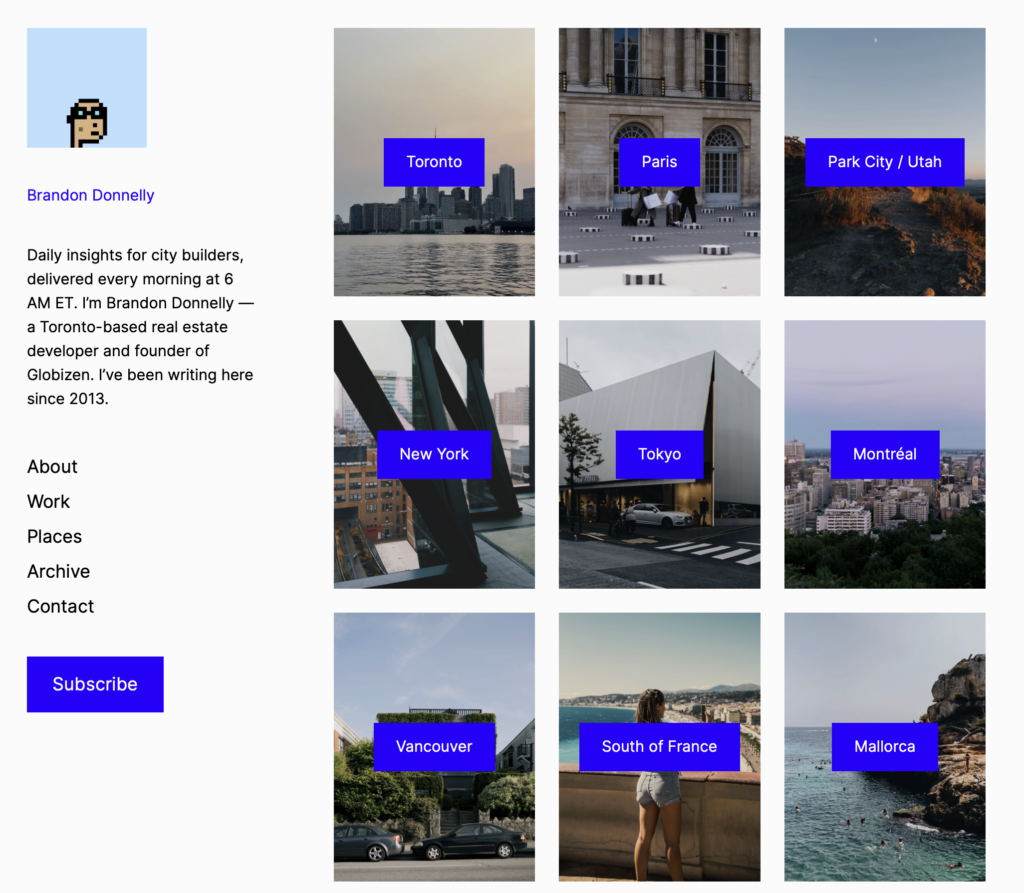
I must say, I’m really happy to be back blogging on WordPress (now with a self-hosted setup). One of the things I set up over the long weekend was a new “Places” page that links to specific cities and locations that I’ve written about over the last 13 years.
All I did was ask AI to tell me which places I have written about the most (Toronto was the undisputed number one). Then I created a bunch of corresponding post categories and batch-edited any posts that had these locations either in the title of the post or in a tag.
Now, if you’re interested in Marrakech but not Montréal, there’s an easy way to filter. Here’s what the Places page looks like:
This is one of the things I missed the most: the ability to easily search, sort, and go back to old posts. That was surprisingly difficult on Paragraph, and it felt to me like my posts were going into a black hole, never to be found again. Reading old posts and revisiting them with new thoughts is a big part of this writing journey.
I’m also excited to add to the Places page. Each one of the covers is a photo I took, and if I didn’t have any photos of the place, it didn’t get added to the page. We have some trips planned at the end of this summer and over the winter, including a bucket-list location for our 16th annual ski and snowboard trip, so stay tuned for more photos and places.