Daily insights for city builders, delivered every morning at 6 AM ET. I’m Brandon Donnelly — a Toronto-based real estate developer and founder of Globizen. I’ve been writing here since 2013.

Category: Places

  • Fruktkiosk

    I’m a big proponent of urban kiosks for two reasons: 1) they can animate and anchor public life without a big footprint (see Lisbon) and 2) they can offer a low-cost option for small entrepreneurs to start something up. It can be a form of fast, low-friction real estate in an industry where most interventions are anything but fast and low-friction.

    For example, when we were in Paris last month, we were walking back to our hotel one evening after dinner and I naturally thought to myself, “We need crêpes.” So, I checked what was on our route home and I found a little kiosk aptly called Le Kiosque. They had crêpes, and the place was busy with lots of people speaking French.
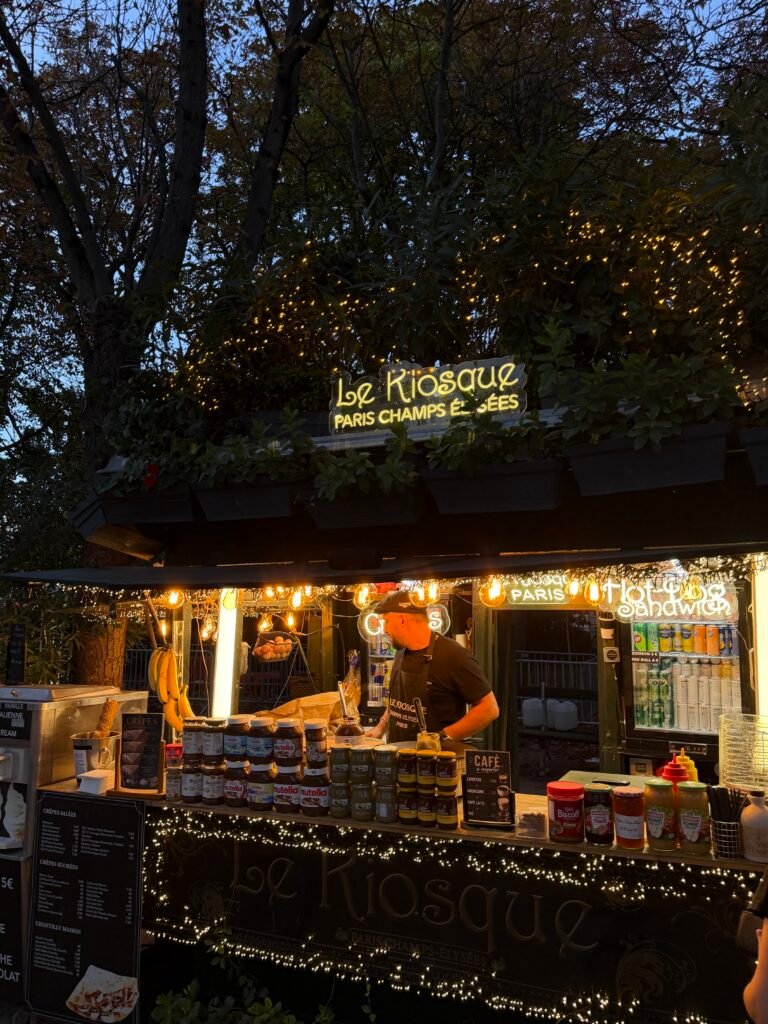
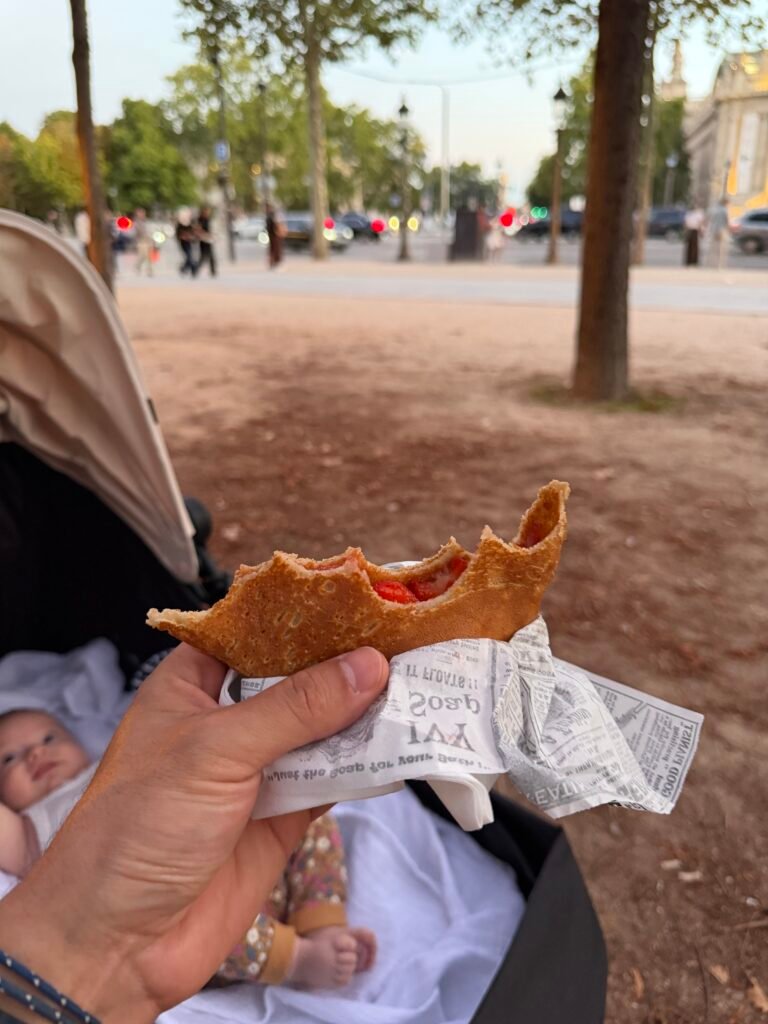
    It’s located between the Grand Palais and a park on the Champs-Élysées, so if it were not for this kiosk, there wouldn’t have been anything available to us in this area, and we would have risked returning crêpe-less!

    These kiosks, as we have seen in Lisbon and other places, can also be downright beautiful. Here’s a fruit stand in Stockholm designed by DinellJohansson architects. It’s green, it has an awning and lights, and a nice yellow sign on the top. I’d share a photo here, but I don’t want the photographer to get mad at me, which sometimes happens. So click the link.

    Stockholm, like Toronto, also experiences snow and winter. It shows you that these urban interventions are weather-agnostic. Cities are missing a big opportunity by not allowing and/or encouraging more urban kiosks.
  • An unsold condo tax misdiagnoses the real estate market

    When developers build new, for-sale housing, they are incentivized to sell that housing. That’s the business. If developers are sitting on unsold inventory — there’s an estimated 4,000 newly-completed unsold condominiums in the Vancouver region — it’s typically indicative of market conditions; meaning developers are sitting on inventory because they have no other choice, not holding inventory because they’re trying to price gouge.

    Last week, BC Premier David Eby announced that, if re-elected, his government would impose a new 2% tax on recently completed condominiums if they sit empty for more than 1 year. This would be levied against the assessed value of the property and increase by 1% for each additional year. So, by year three, the tax would be 3%.

    This would be a punitive tax that seems to suggest developers are not already incentivized to sell their housing inventory. Eby positioned the tax as a way to encourage developers to further lower their prices and sell homes at price points that people are willing to pay. While it would certainly be a “stick” for developers, why punish home builders? That’s less than optimal for long-term housing supply.

    A valuable indicator of current market conditions can be found in Ontario’s new enhanced HST rebate. It represents a meaningful cost reduction on the price of new housing and all signs point to this rebate being passed through to purchasers at or close to 100% of the value. It’s a sign that developers are not looking to price gouge. They’re trying to balance competing objectives and ultimately move their inventory.

  • Housing on the Line

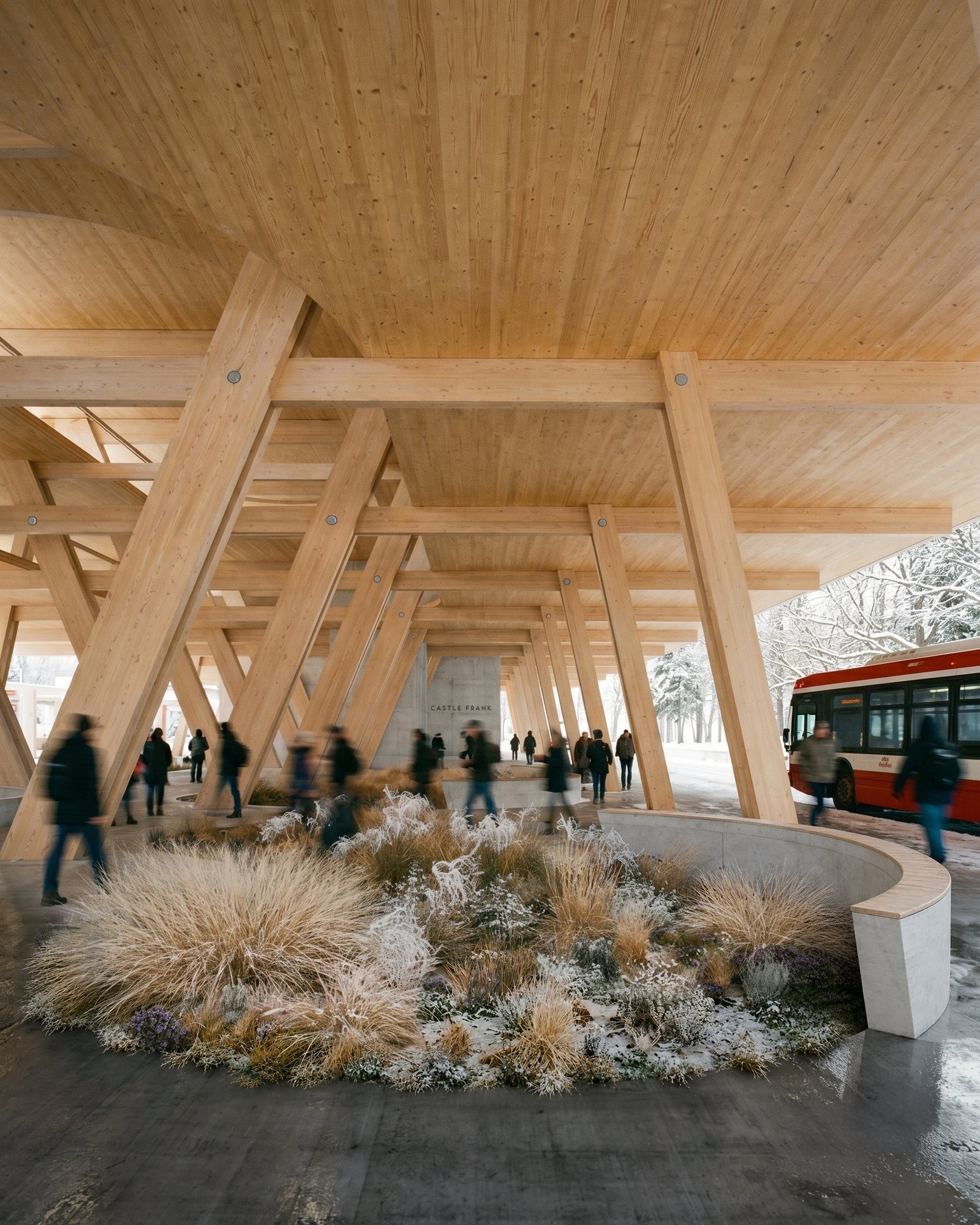
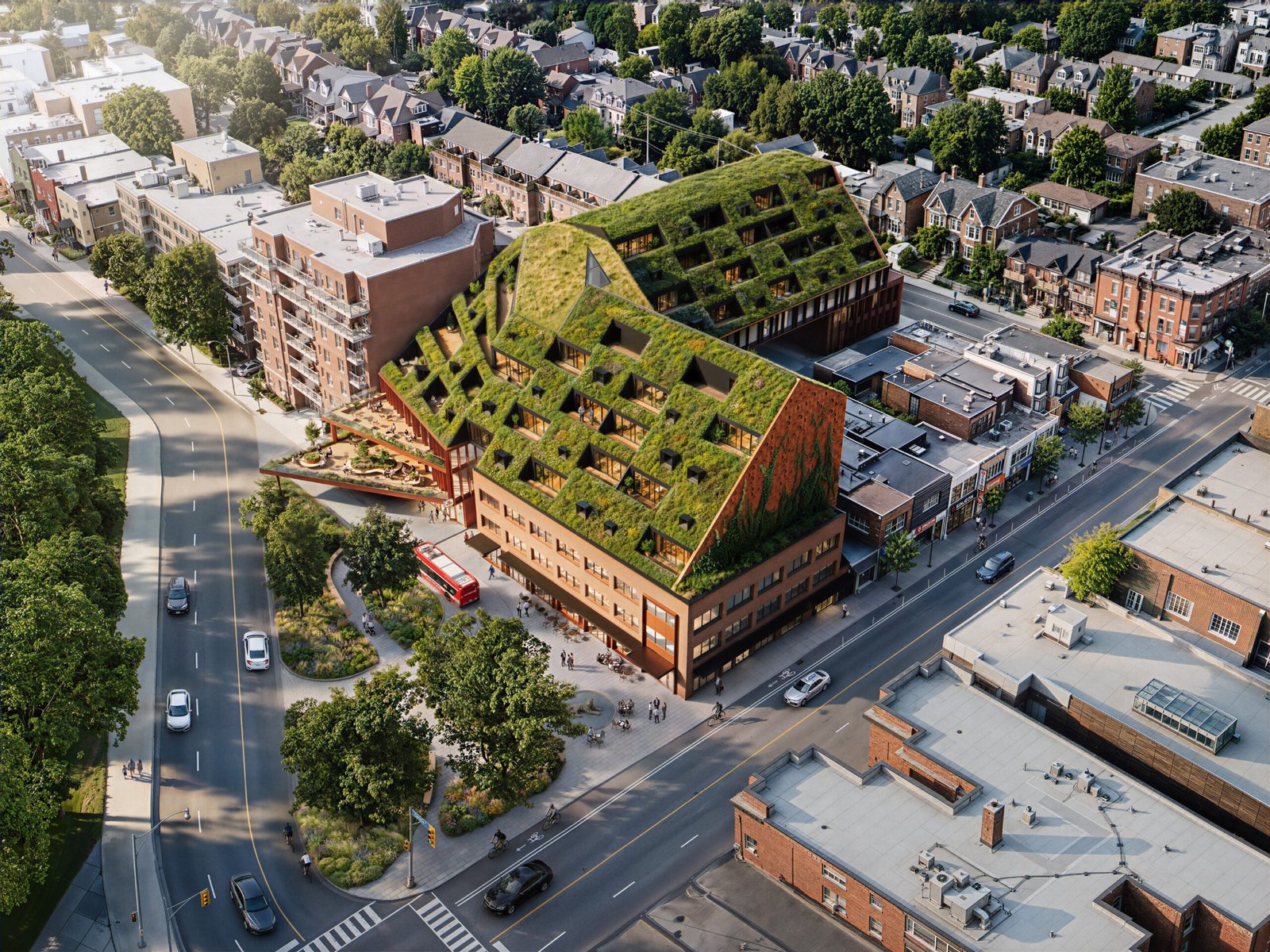
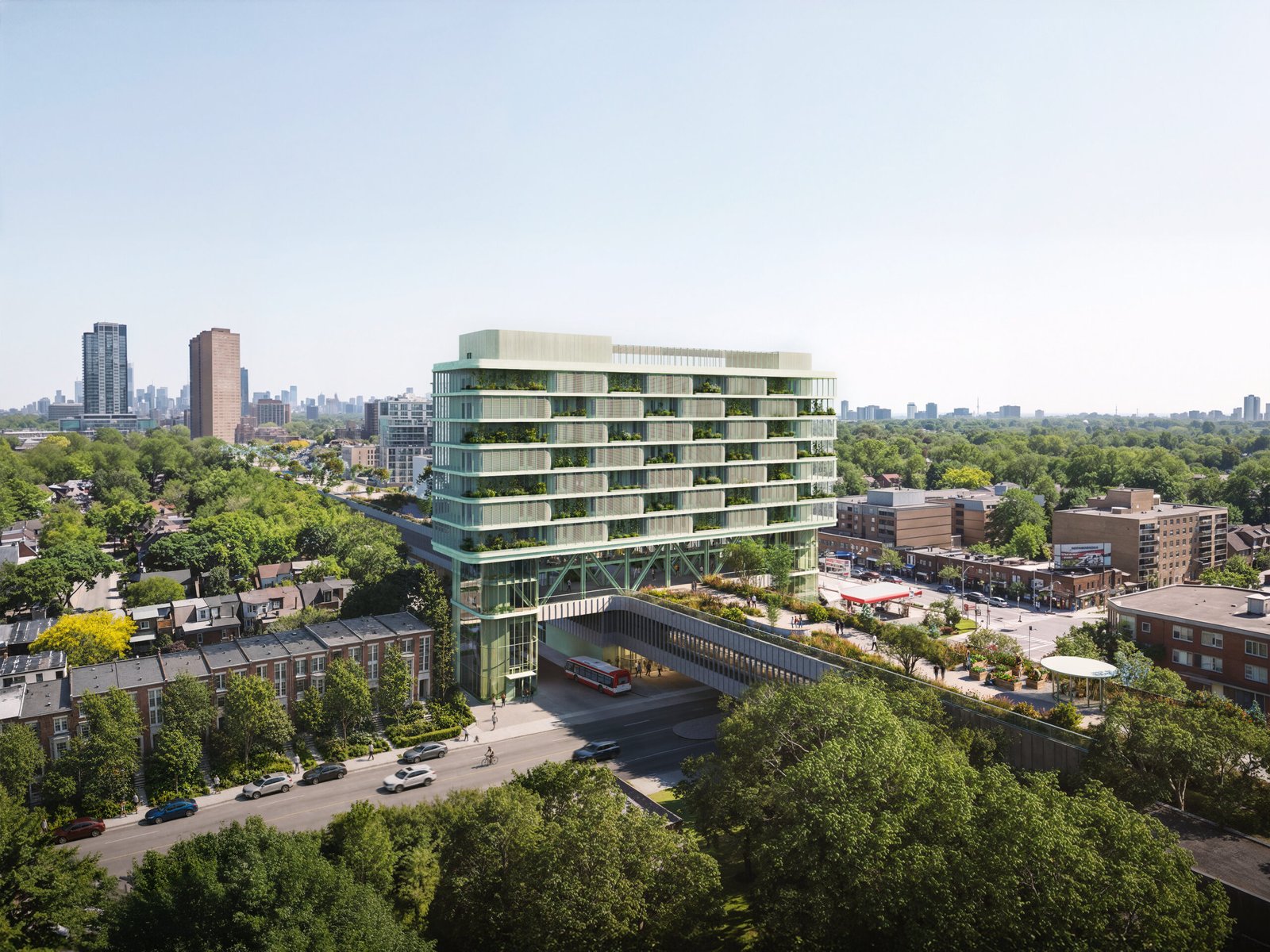
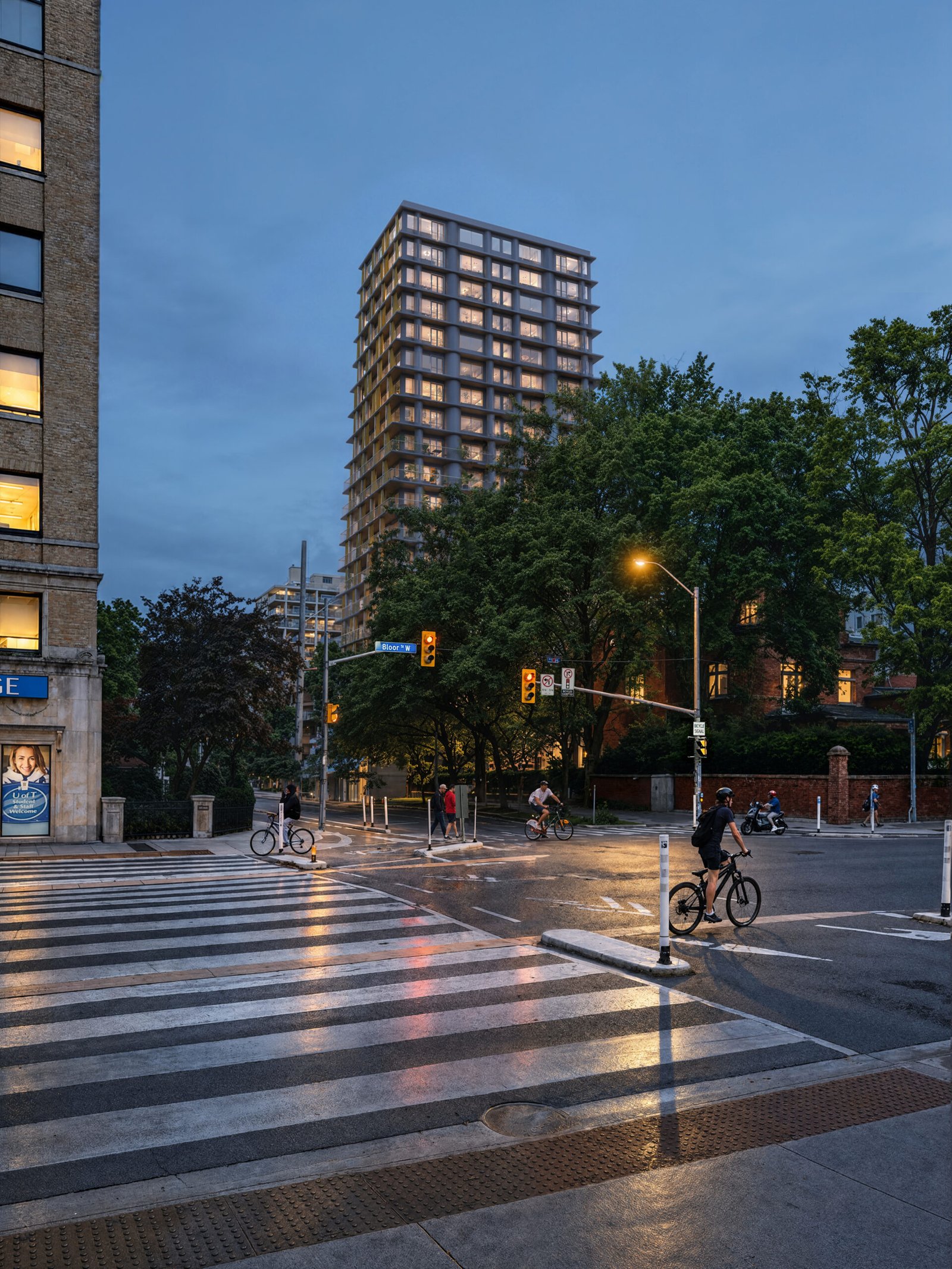
    One of the fundamental truths about cities is that transportation and land-use planning are integral to one another. The most successful cities understand this and build density on top of transit, and build transit where density can and will go. See, once again, the Tokyo model. It’s for this reason that I think the Superkül-led conceptual project called Housing on the Line is an important one for Toronto. While the projects are speculative, they remind us that many of our transit stations are severely undeveloped, including ones we’ve only recently built. Why?

    Description:

    Housing on the Line, a conceptual project and architectural exhibition conceived and initiated by Superkül, will open to the public next Thursday, September 24th in Liberty Village. Developed in collaboration with six other firms – COMN Architects, Dubbeldam Architecture + Design, Gabriel Fain Architects, StudioAC, Studio VAARO, and Suulin – the project proposes speculative designs that integrate multi-unit residential buildings with smaller existing subway station sites along TTC Line 2 Bloor-Danforth. Each firm’s proposal treats a different subway station along Line 2 as a creative canvas for imagining innovative typologies and context-appropriate design that delivers human-scale character, enhanced amenities, and community connectivity.

    Details:

    Housing on the Line | Opening Reception
    Date: Thursday, September 24, 2026
    Time: 6:00–9:30 pm
    Location: The Bakery, 2 Fraser Ave, Toronto
    RSVP: adele@superkul.ca

    If you can’t make the opening reception next Thursday, you can also visit between September 25-27, during the hours of 10am-5pm.


    Project credits (in order): Superkül, Studio VAARO, Gabriel Fain Architects, Dubbeldam Architecture + Design

    Image credits: All renderings by Aron Lorincz Ateliers

  • À la prochaine, Nice

    Our week in Nice has ended. We took an early morning flight out today, connected in DC, and arrived back in Toronto in the evening.

    I love Nice. It’s urban, but it also has great beaches and rocky swimming coves. It shares some of the exact qualities I love about Rio de Janeiro, albeit on a smaller scale.

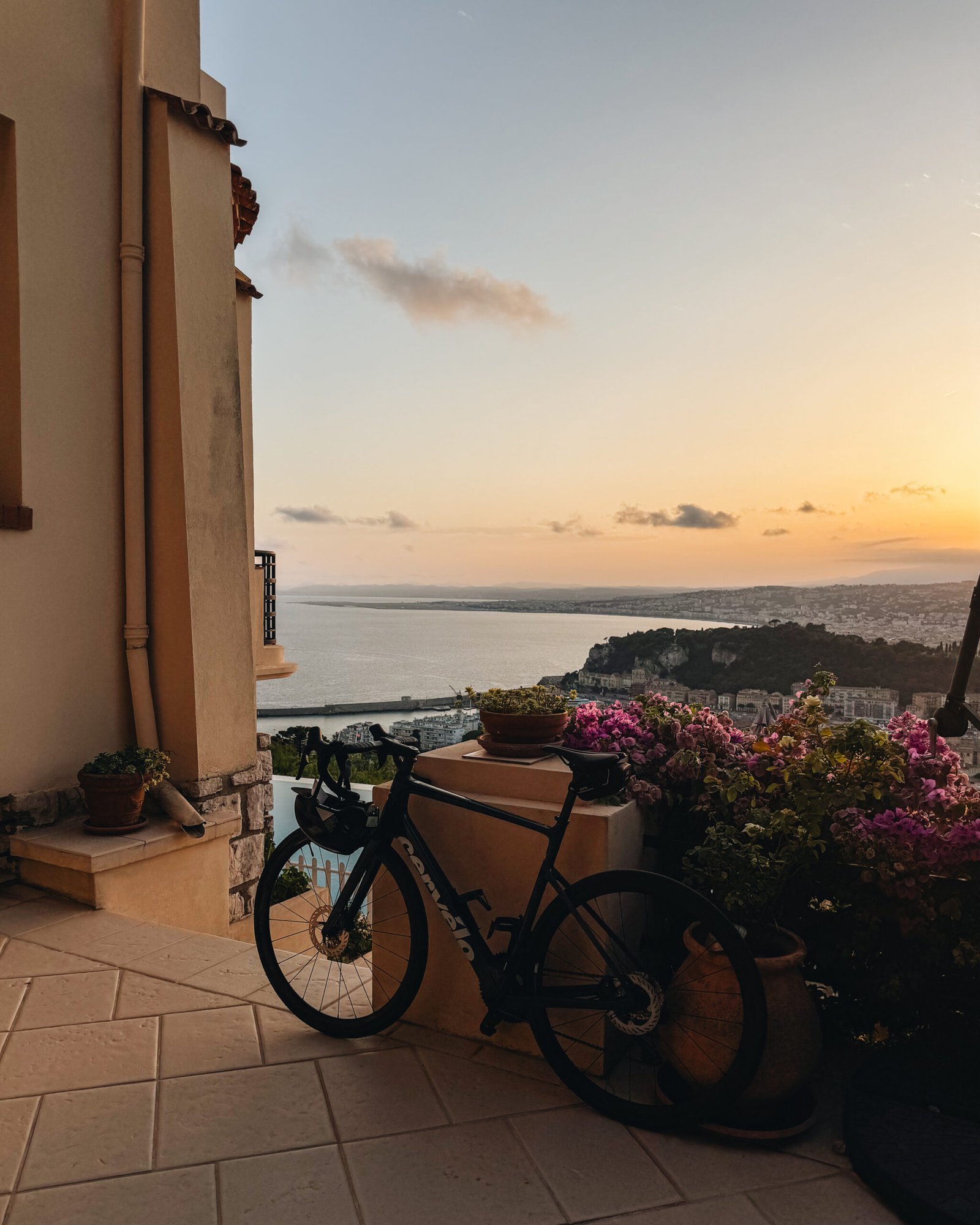
    It also has a robust road biking culture. And I aspire to one day be able to keep up with the pros on those mountain climbs. Until then, look for me in the bike lanes of Toronto.

    Regularly scheduled programming resumes tomorrow on the blog.

  • La Promenade des Anglais needs a Canadian flag

    I have a suggestion.

    La promenade des Anglais is Nice’s most globally recognizable street. It’s a 7-kilometre waterfront promenade that curves along the Baie des Anges. It’s a UNESCO World Heritage Site and it’s home to many of the city’s events, such as the Ironman competition that took place this week.

    (Congratulations once again to my brother from another mother Austin for showing us how it’s done today!)

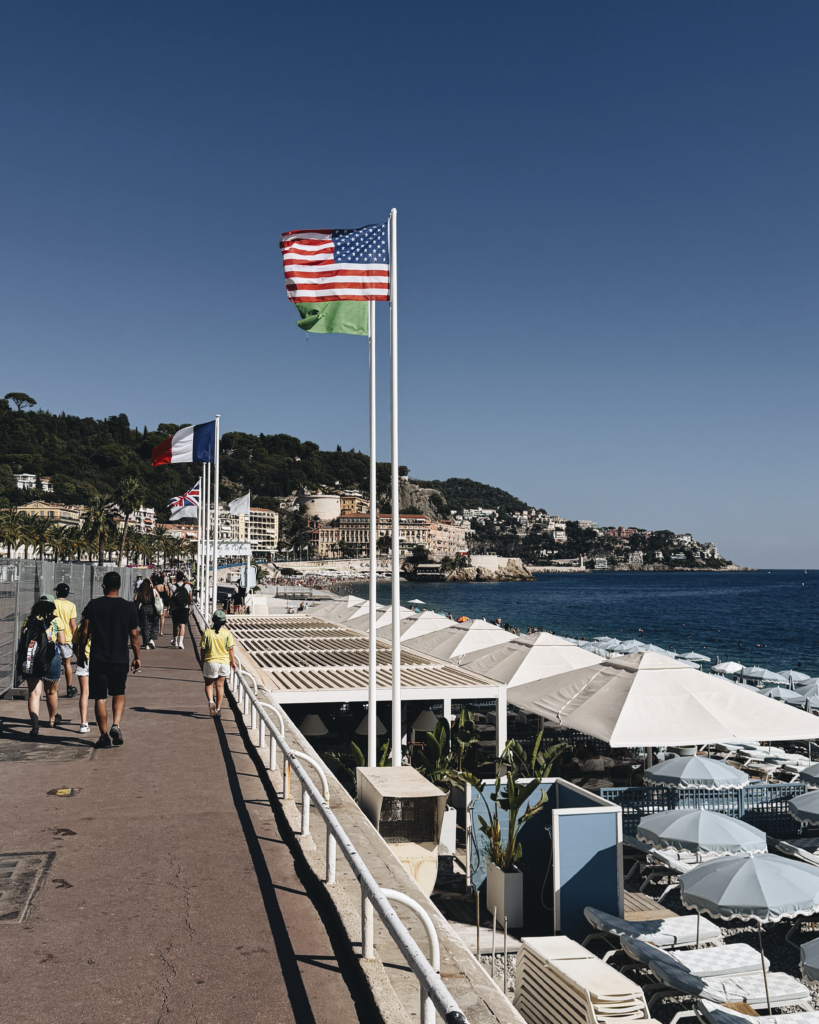
    In addition to a beautiful promenade, beach, and shimmering blue waters, you’ll also find lots of flags. Naturally, there’s the French flag. There’s the Union Jack. The promenade was originally funded and built by the British aristocracy who used to winter in Nice.

    You’ll find the flag of Monaco given its proximity (~20 km). The Italian flag also features. Nice belonged to the Kingdom of Sardinia until 1860, and the border is ~30 km away.

    You’ll find the American flag, which presumably reflects the city’s long military and cultural connection with the US. More recently, you might also find Ukrainian flags, reflecting French solidarity with and support for the country.

    But one flag that I have yet to find is the Canadian flag. That is, other than the one this yahoo was waving around during the Ironman competition. I think that needs to change. Canada is widely considered to be the second most important country, after France, within La Francophonie.

    Plus, with Canada looking to aggressively deepen its economic ties with the EU and with Air Canada announcing direct flights from Toronto to Nice starting next summer, I think Nice should expect greater Canadian influence going forward.

    I have put out a formal request to President Macron, Prime Minister Carney, and the Ville de Nice. I’ll let you know how they respond.

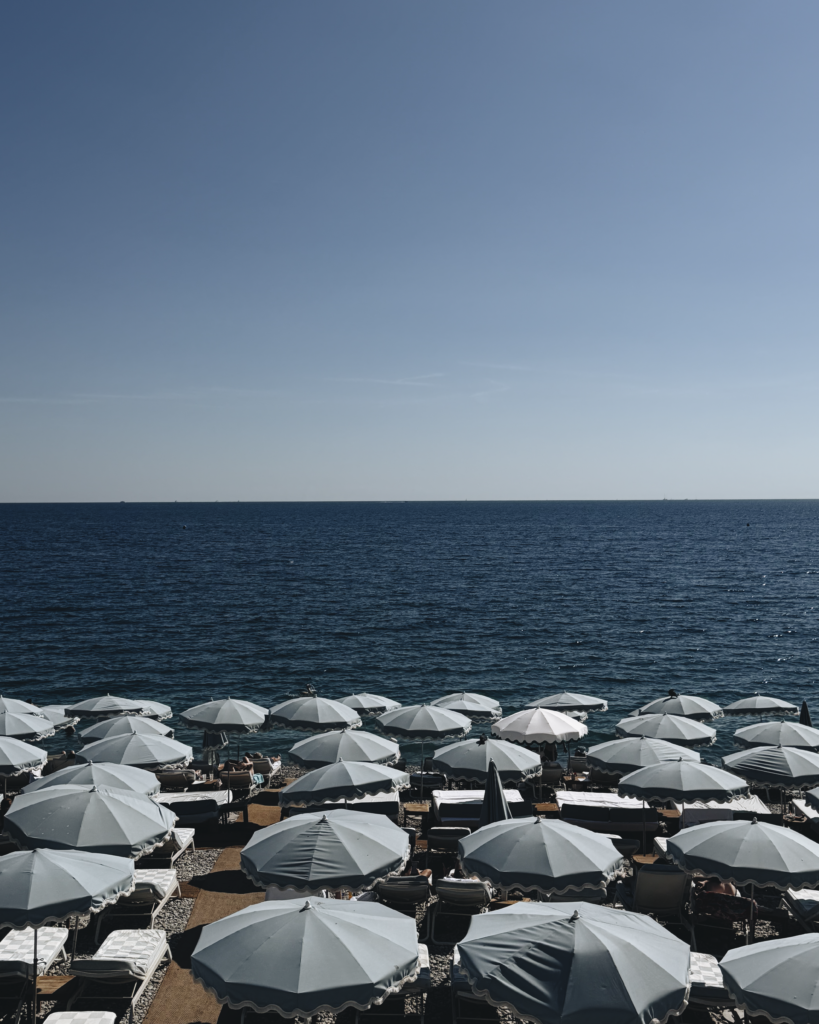
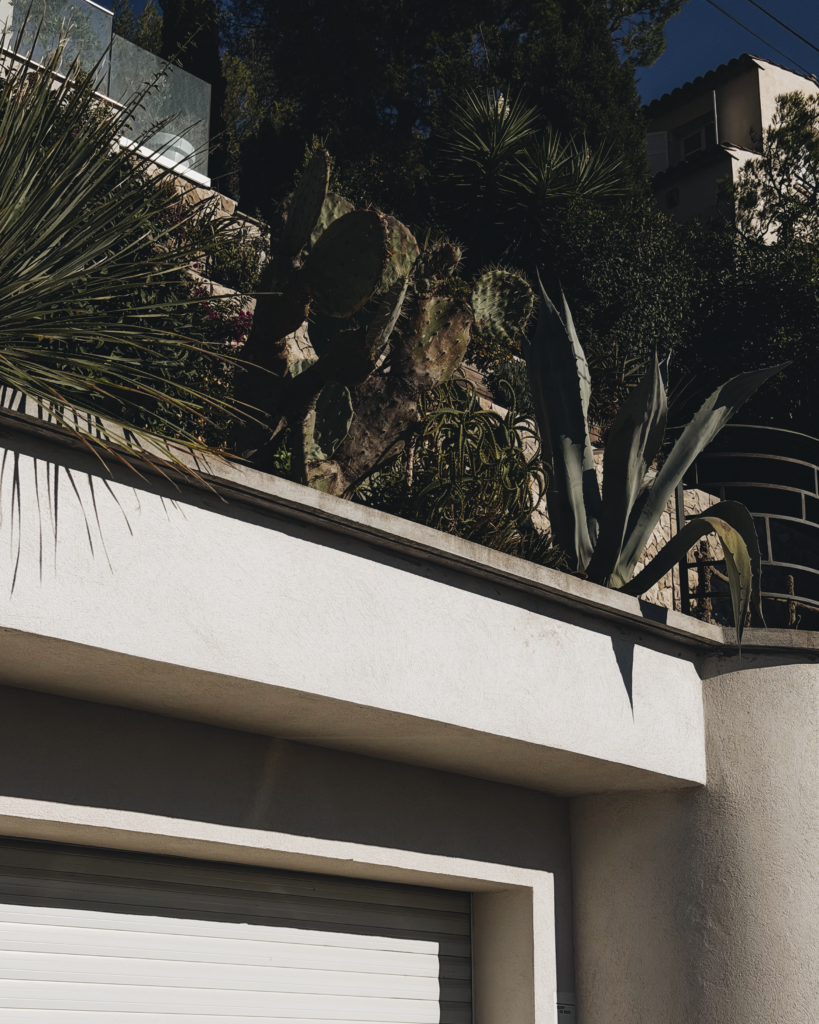
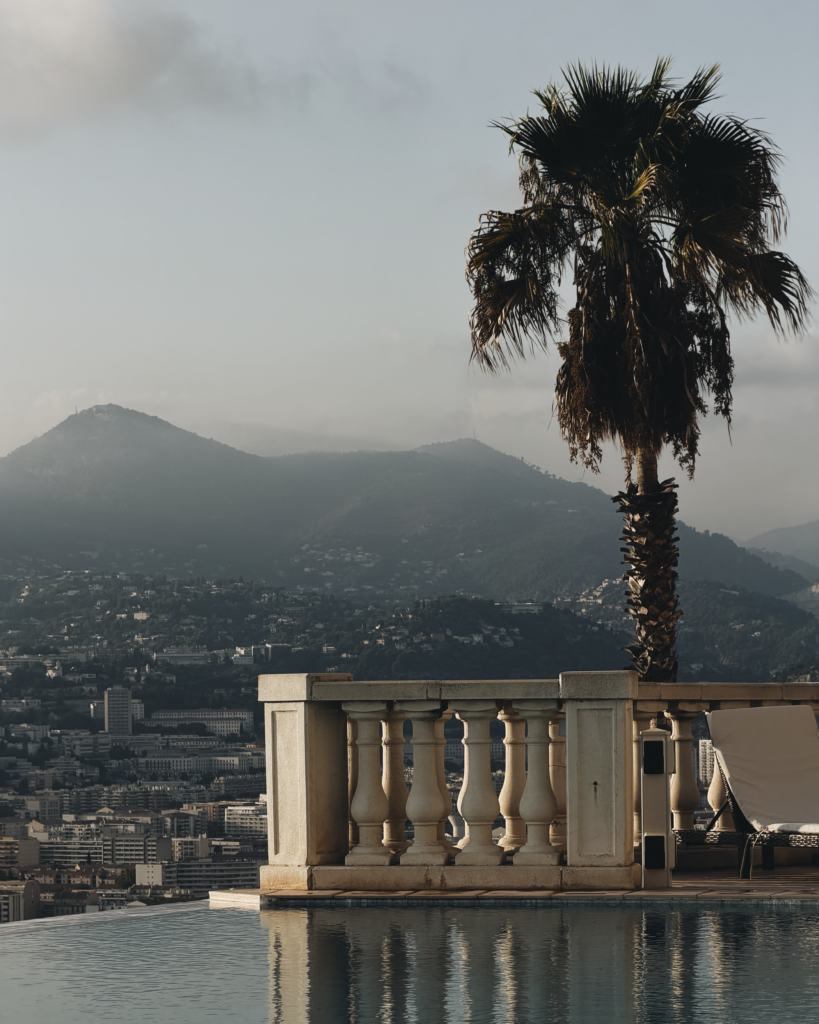
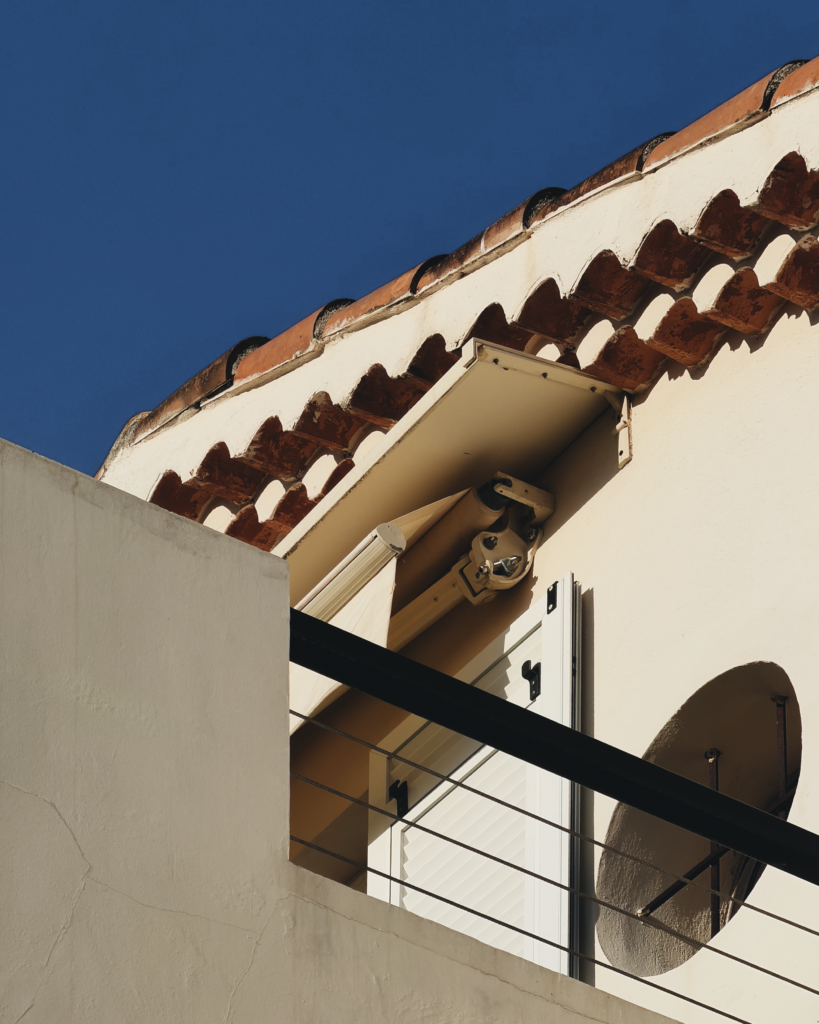
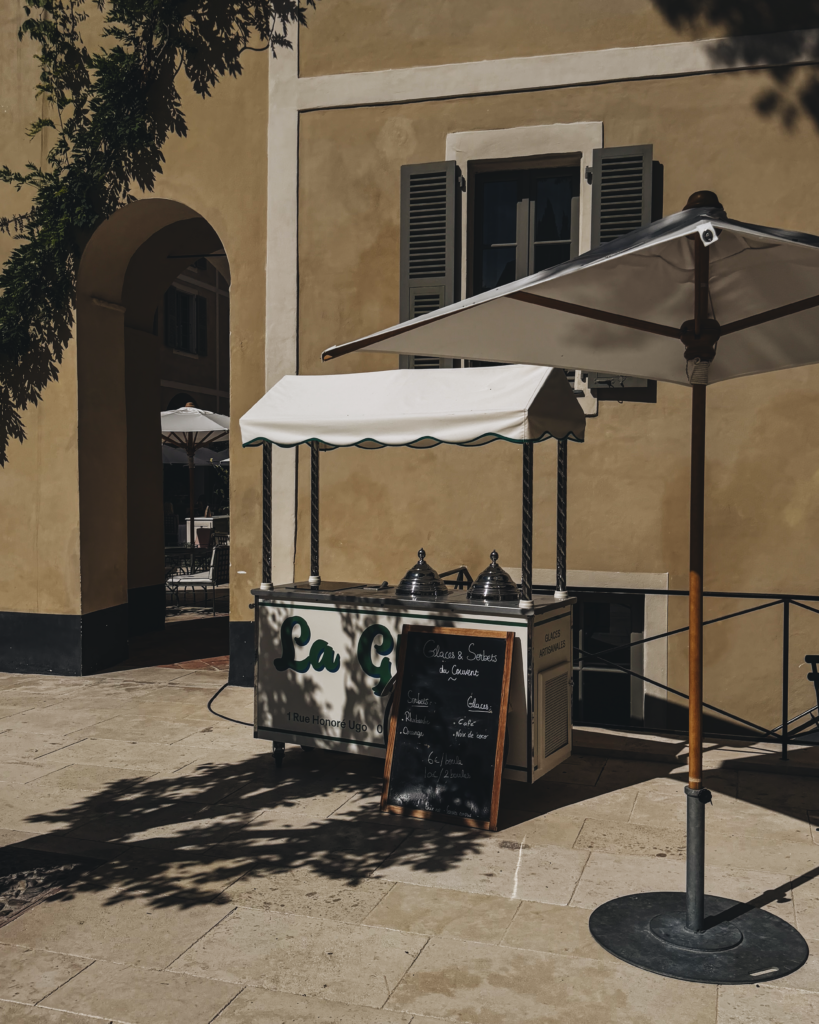
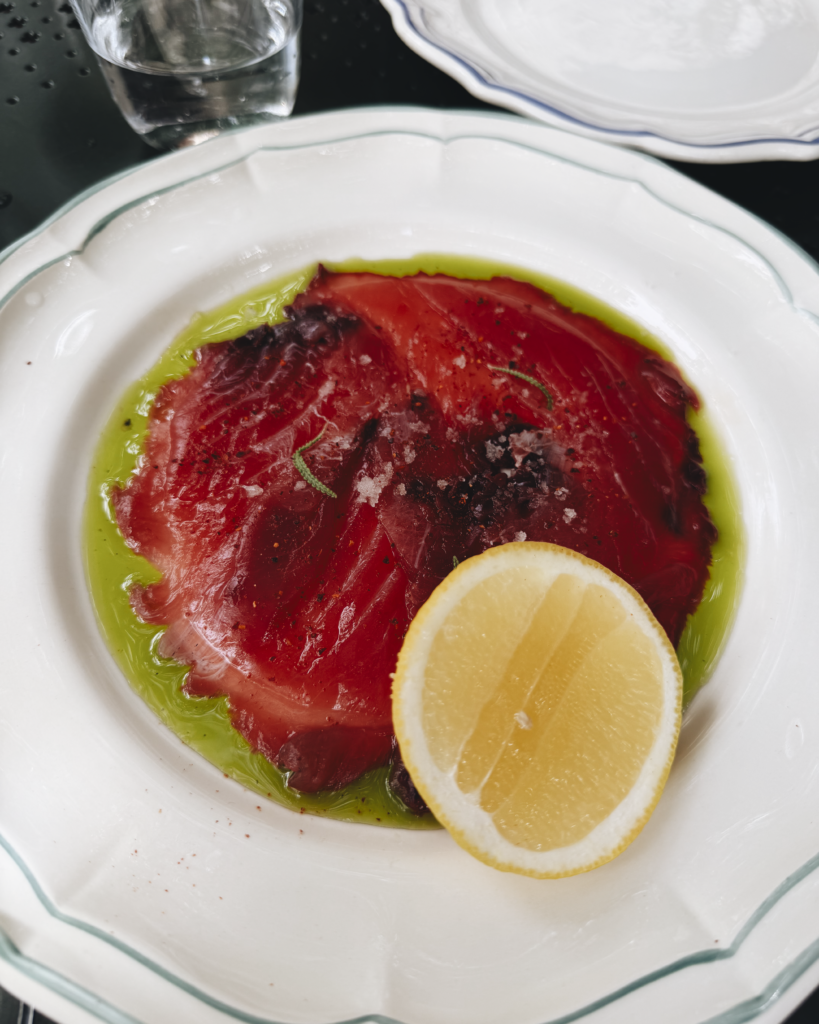
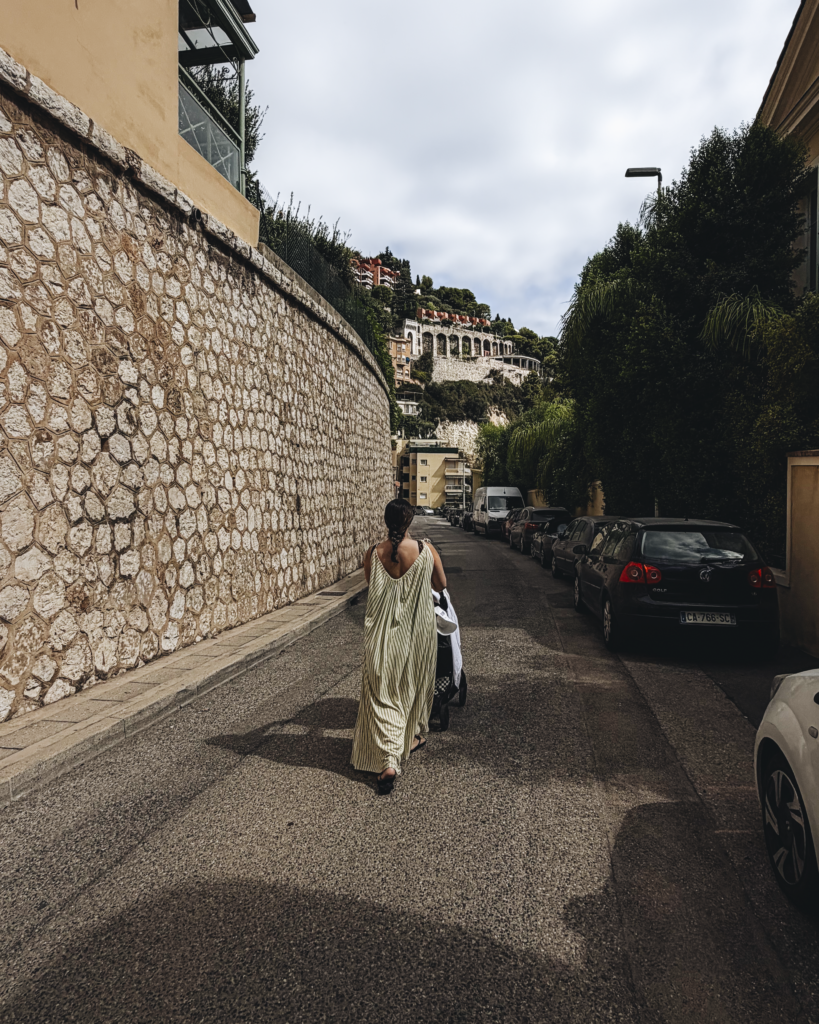
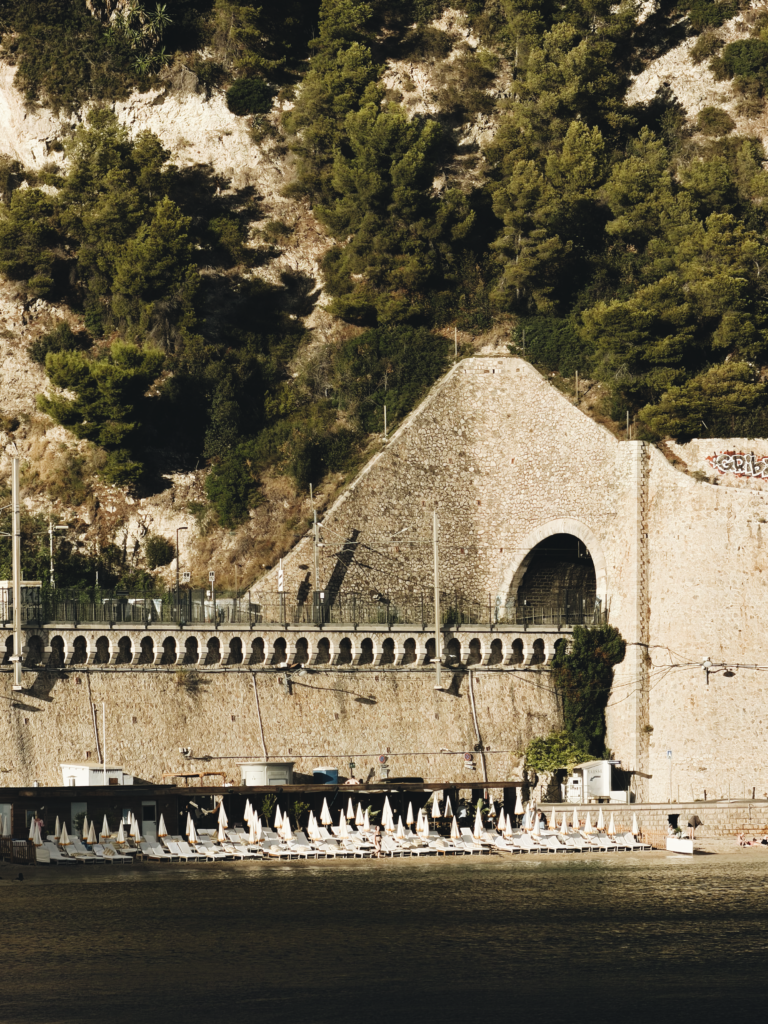
  • Nice, September 2026

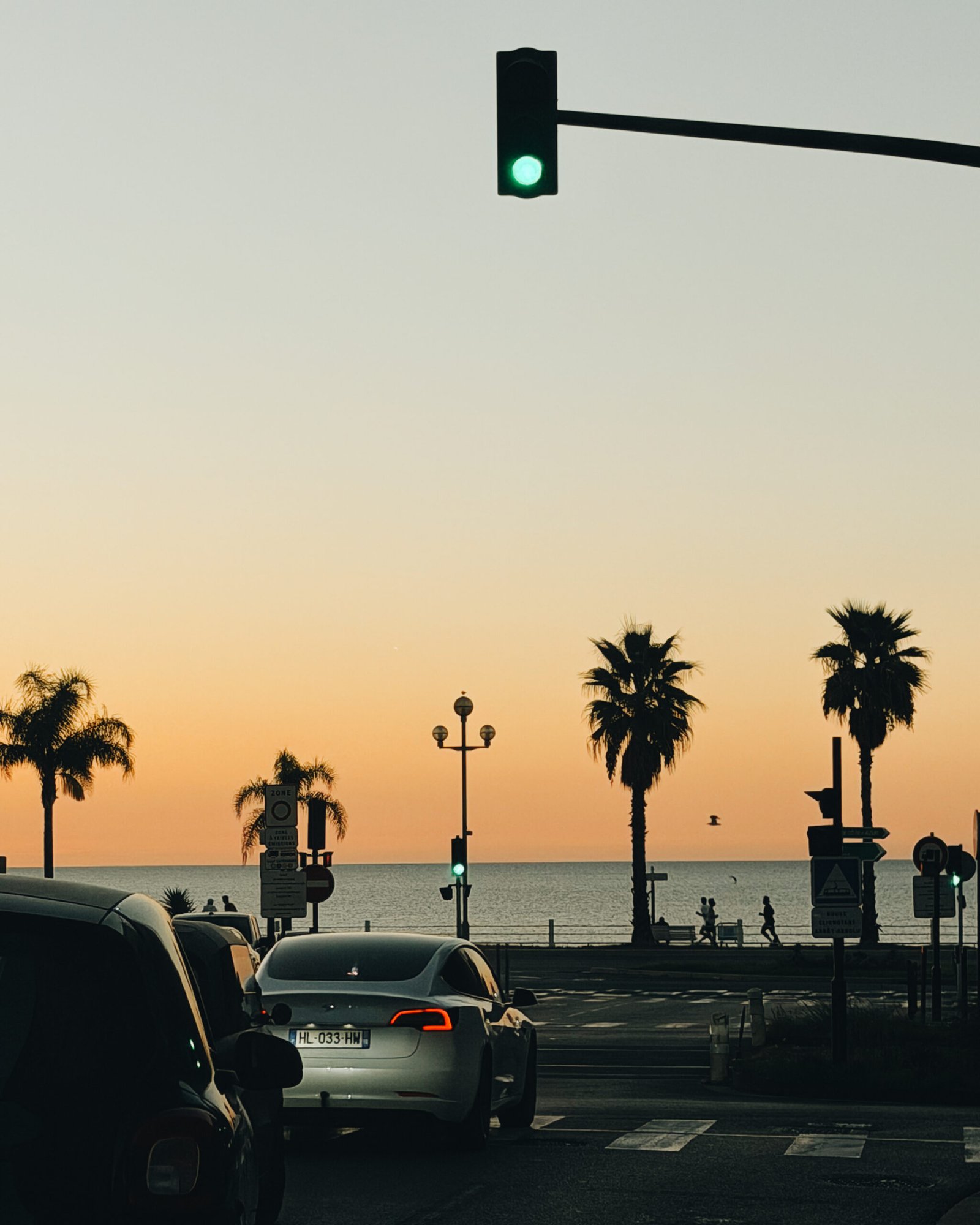
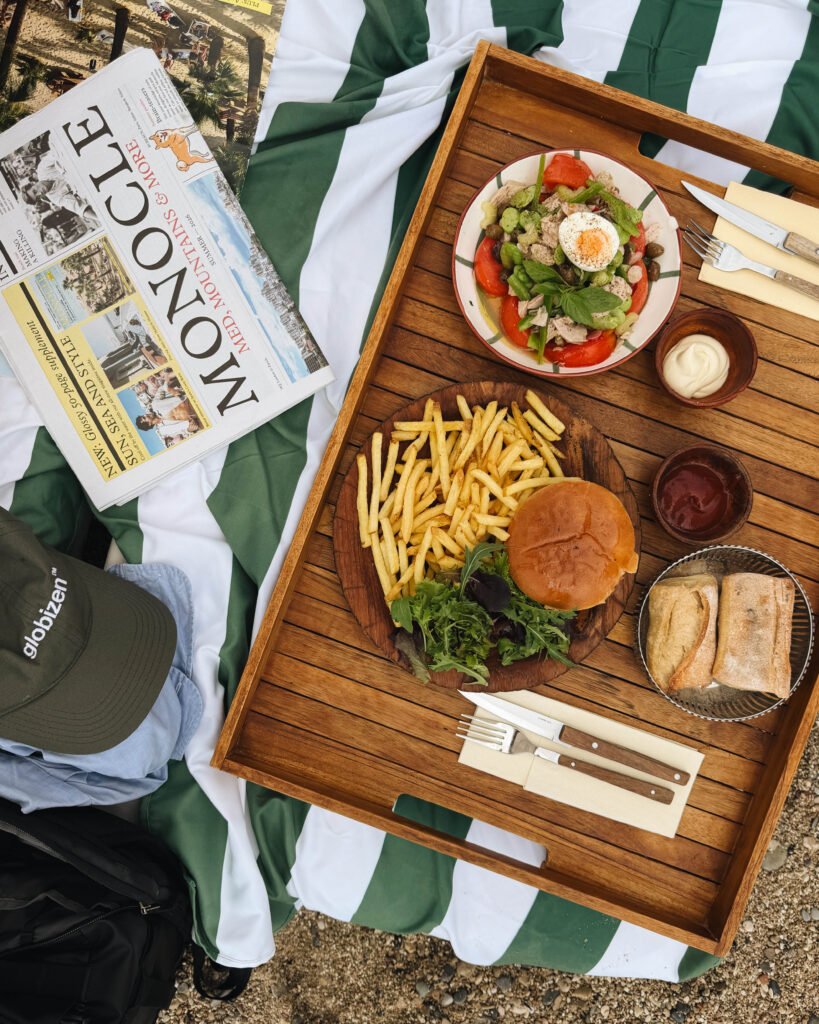
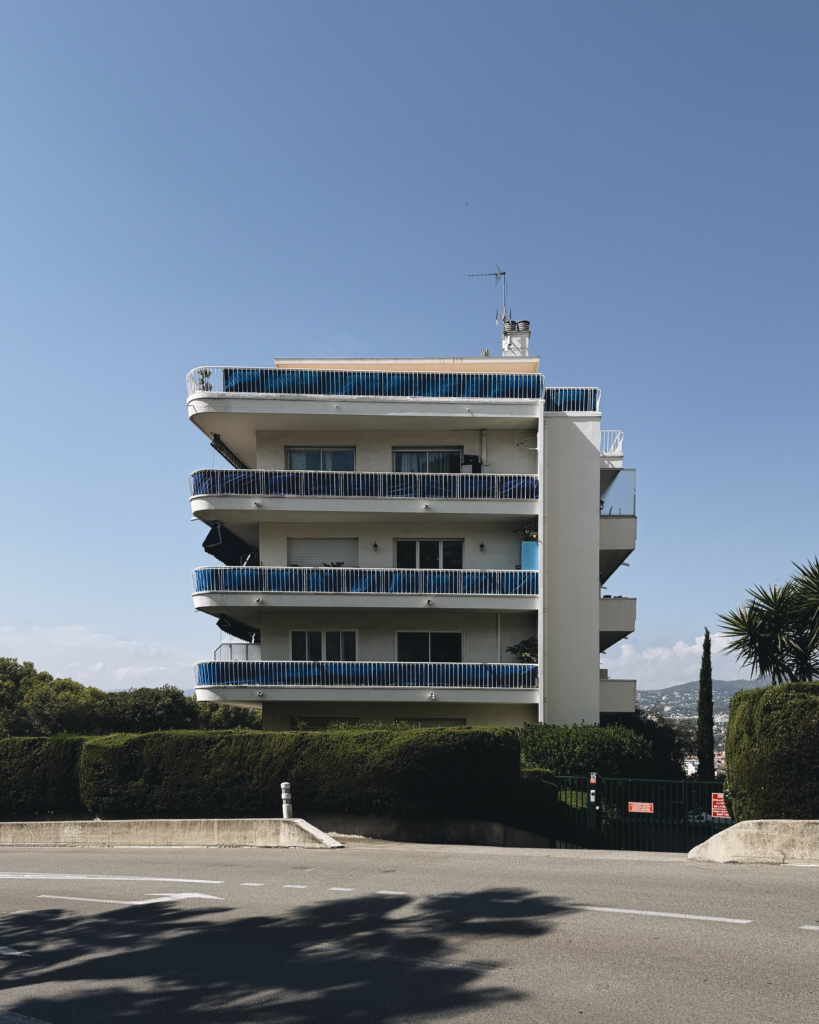
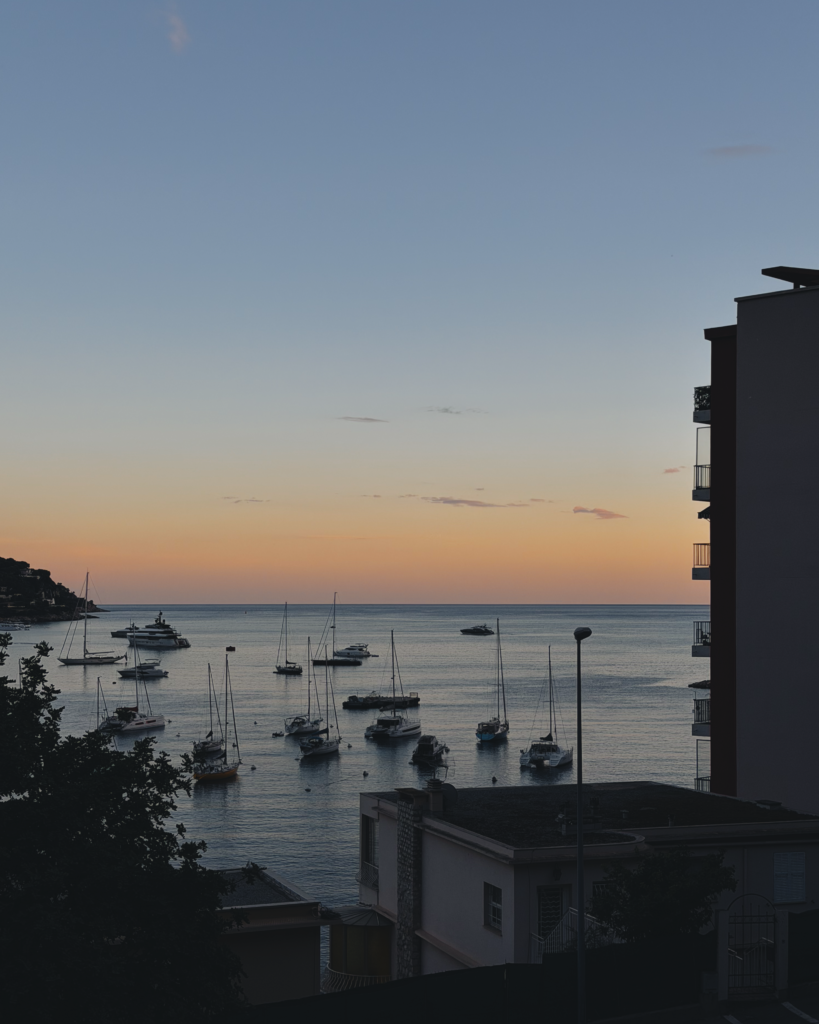
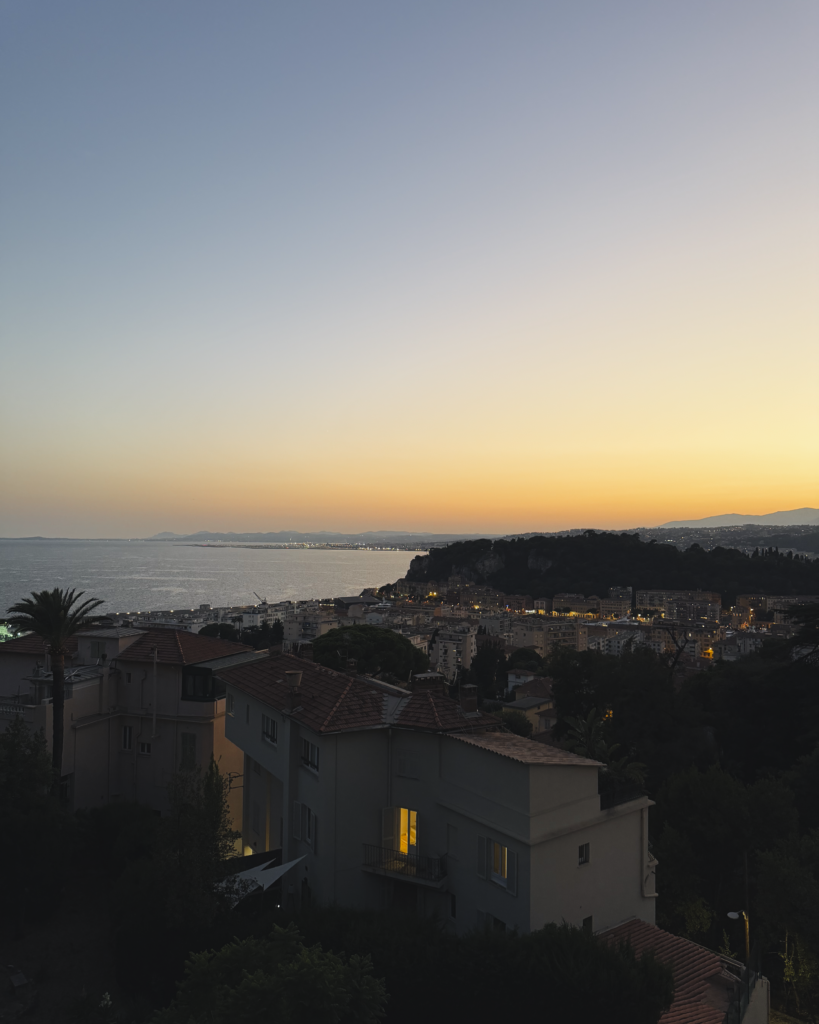
    I have my Fujifilm camera with me on this trip, but it’s been a bit much to carry it around throughout the day with Vivienne and all of her various belongings. So these photos are all shot on iPhone. Sometimes I remember to shoot in RAW (for better post-production), but most of the time these are just quick snaps with the default settings. In my opinion, the photos don’t have the same colour depth and overall richness as the ones I get from my Fujifilm.

  • The Venice syndrome — or is it?

    We were walking through Old Nice today and we stumbled on a fresh pasta shop called Clé aux Pâtes (highly recommend). I went in to grab supplies for dinner and then started chatting with the friendly lady behind the counter. She explained to me that all of the pasta is made on-site every morning and that the shop has been there since 1932.

    I then made a comment that their customer base must have changed considerably over the decades. Underlying this statement was an assumption that it is now mostly tourists. But she corrected me and said that lots of locals also shop there. I then turned to look at the line behind me and, for what it’s worth, there was French being spoken.

    But I left thinking about the composition of the neighbourhood. Old Nice is made up of several statistical areas. The oldest and densest is called Vieux Nice-Sainte-Réparate. It’s just under 50,000 square metres, which is about the size of the Distillery District in Toronto. As of 2022, it had a total full-time population of 1,187 people. This works out to a respectable figure of 23,912 people per km2.

    However, the area’s population has been in decline since at least 2007, when it had 1,798 people. The obvious culprit is more hotels, short-term rentals, and secondary homes. I had Gemini review the area’s census data, and it estimates that only somewhere between 35-45% of the area’s housing serves as primary residences.

    This data would suggest that Old Nice is another example of what has been called the “Venice syndrome.” Tourism is now the trade, leading to a decline in population. But it’s interesting to think about the extent to which the area may also serve as an open-air mall for locals. That’s a more resilient place to be. Of course, all I have to go on is a pasta anecdote.

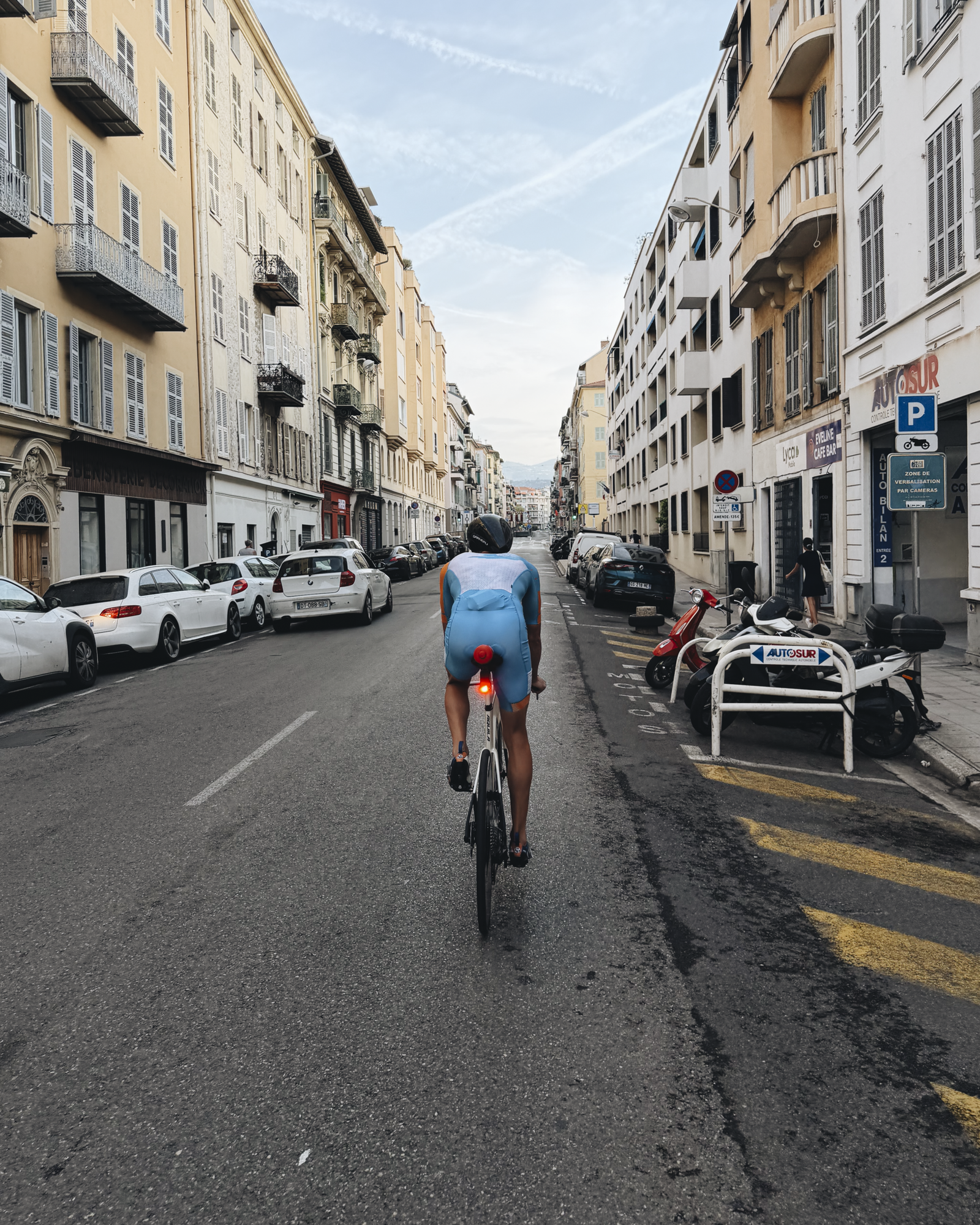
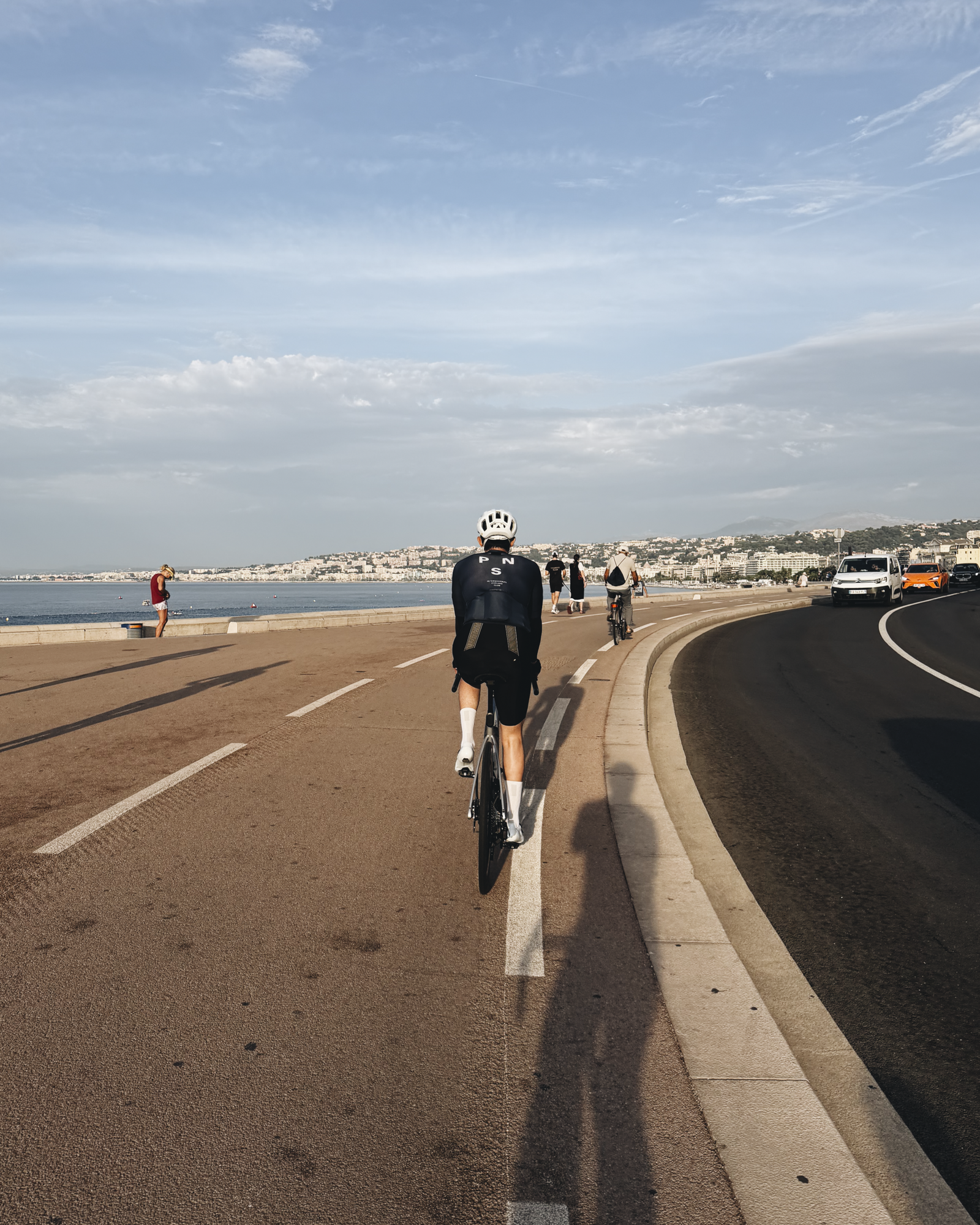
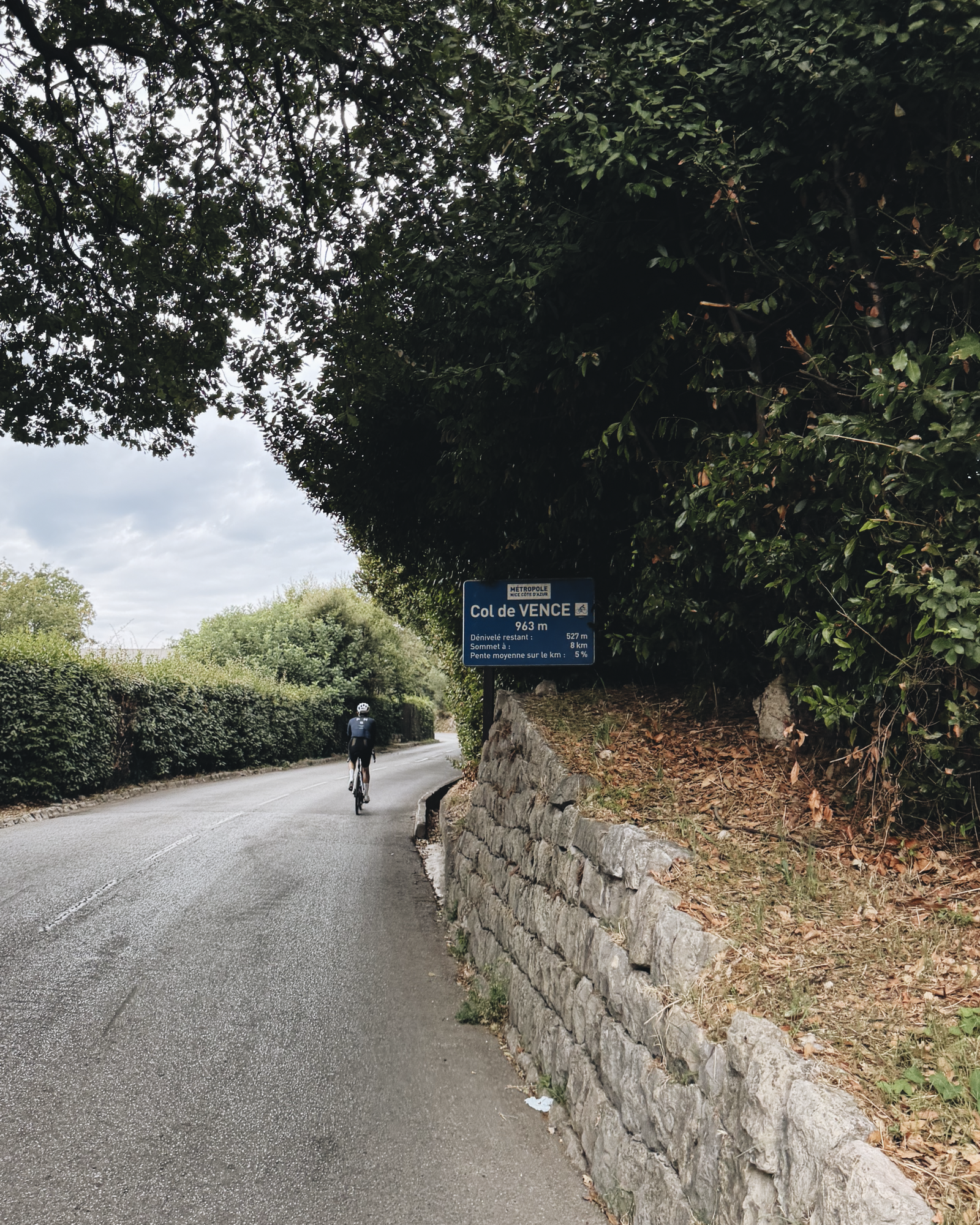
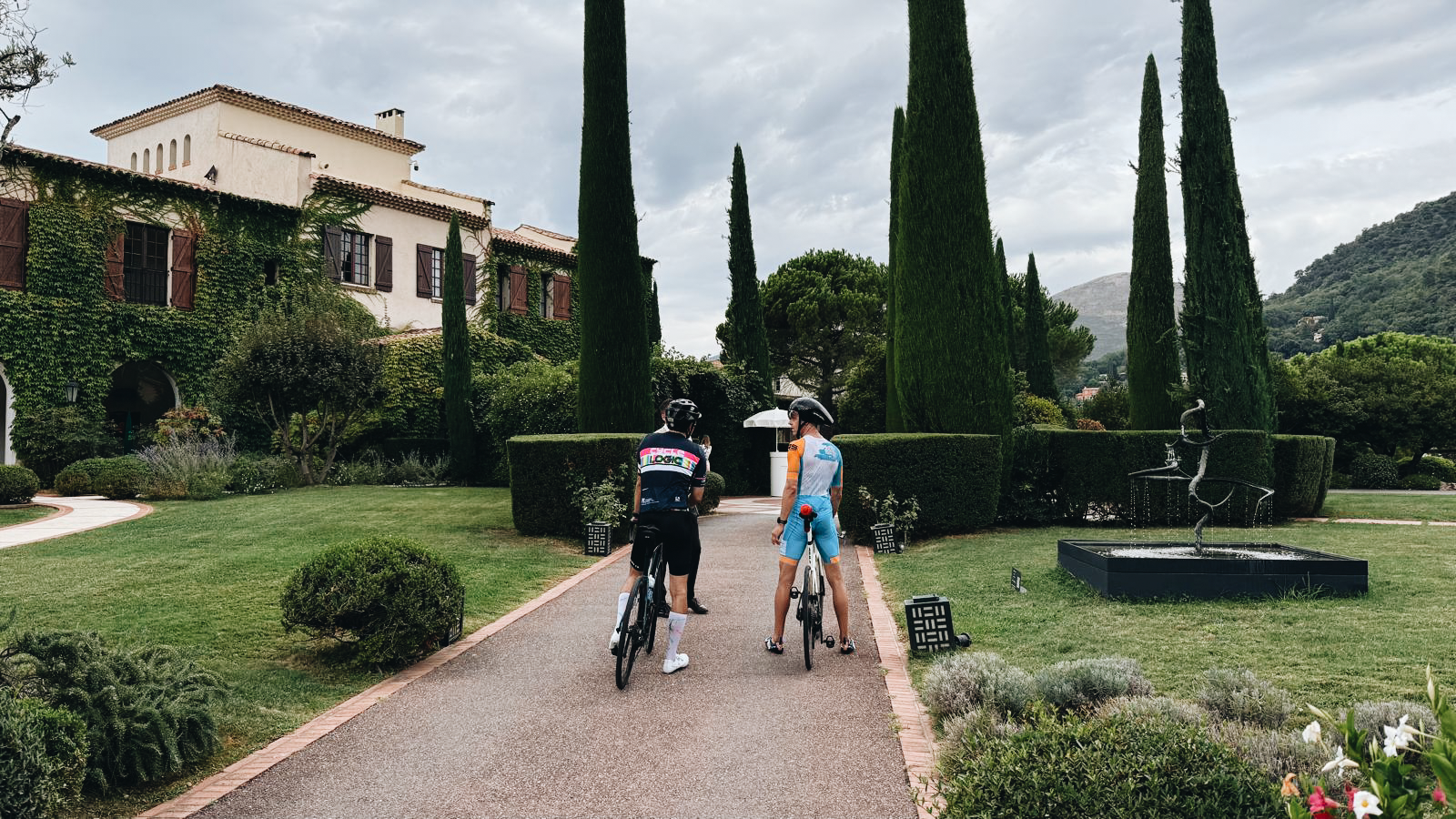
  • Le col de Vence — testing the Ironman cycling course in Nice

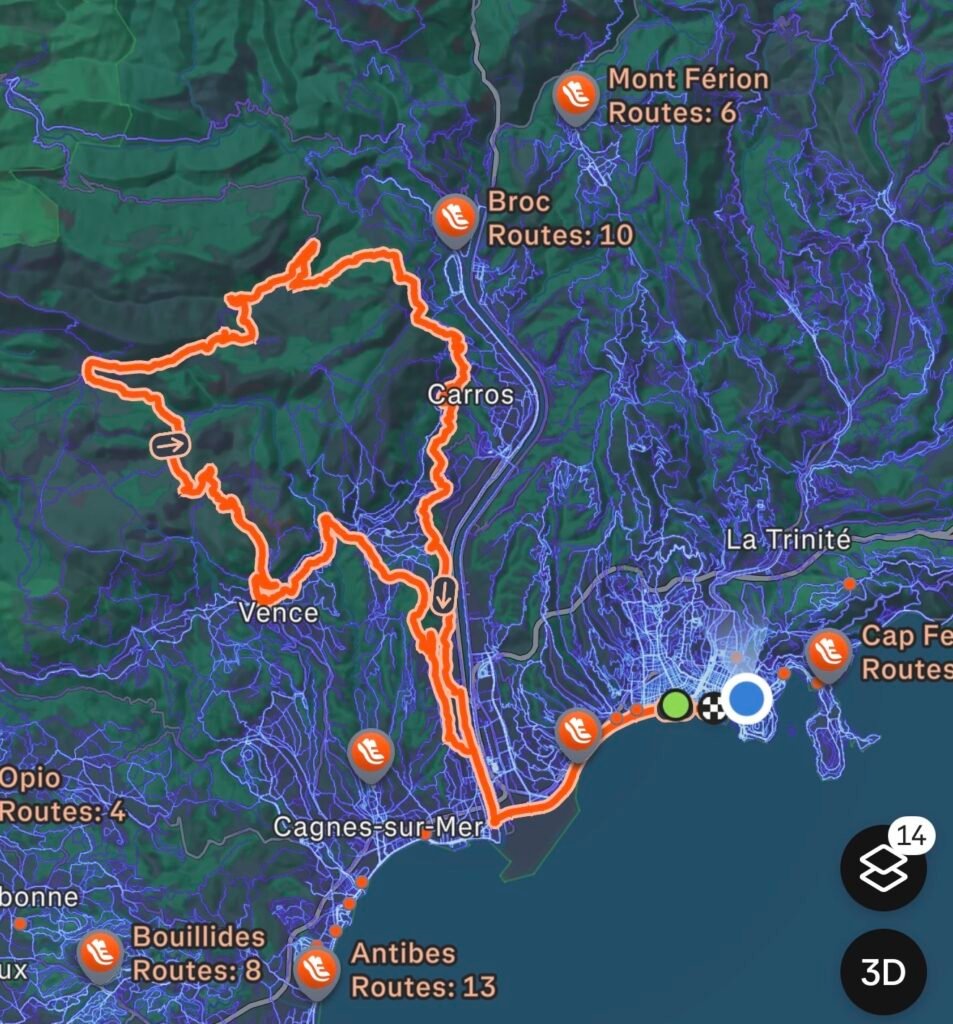
    So, it turns out that if you want to do the 92-kilometre Ironman World Championship bike course in Nice, it’s a good idea to practice a little beforehand. At the very least, you probably want to get on your bike more than a handful of times. I tried it today and came up short.

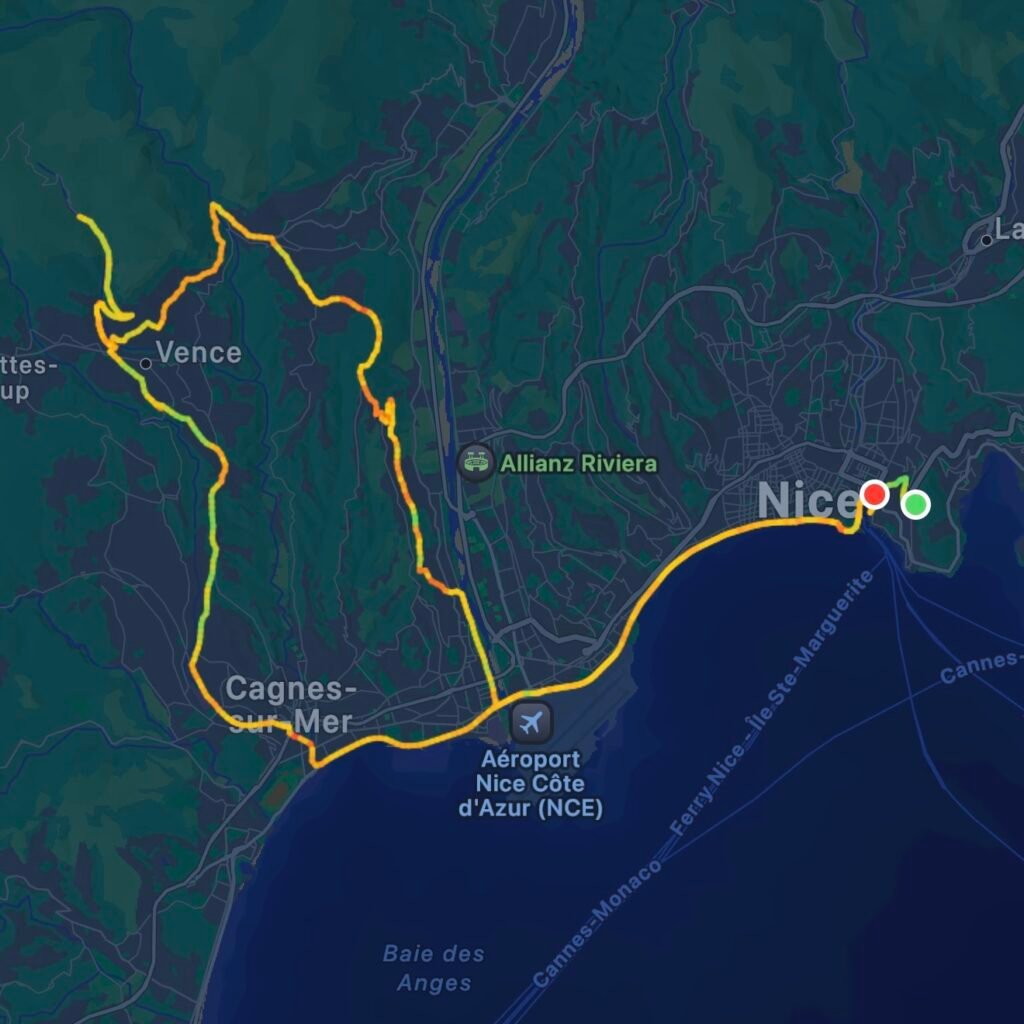
    The circuit includes le col de Vence at its summit, which is a 9.7-kilometre stretch with a 963-metre peak elevation and an average pitch of 6.6%. I was within 6 kilometres of the top, but my quads completely seized up and I turned back towards Vence, then continued south back to the water.

    I really wanted to get there and reward myself with a sugary crêpe, but my legs were saying otherwise. I’ll be back, col de Vence.

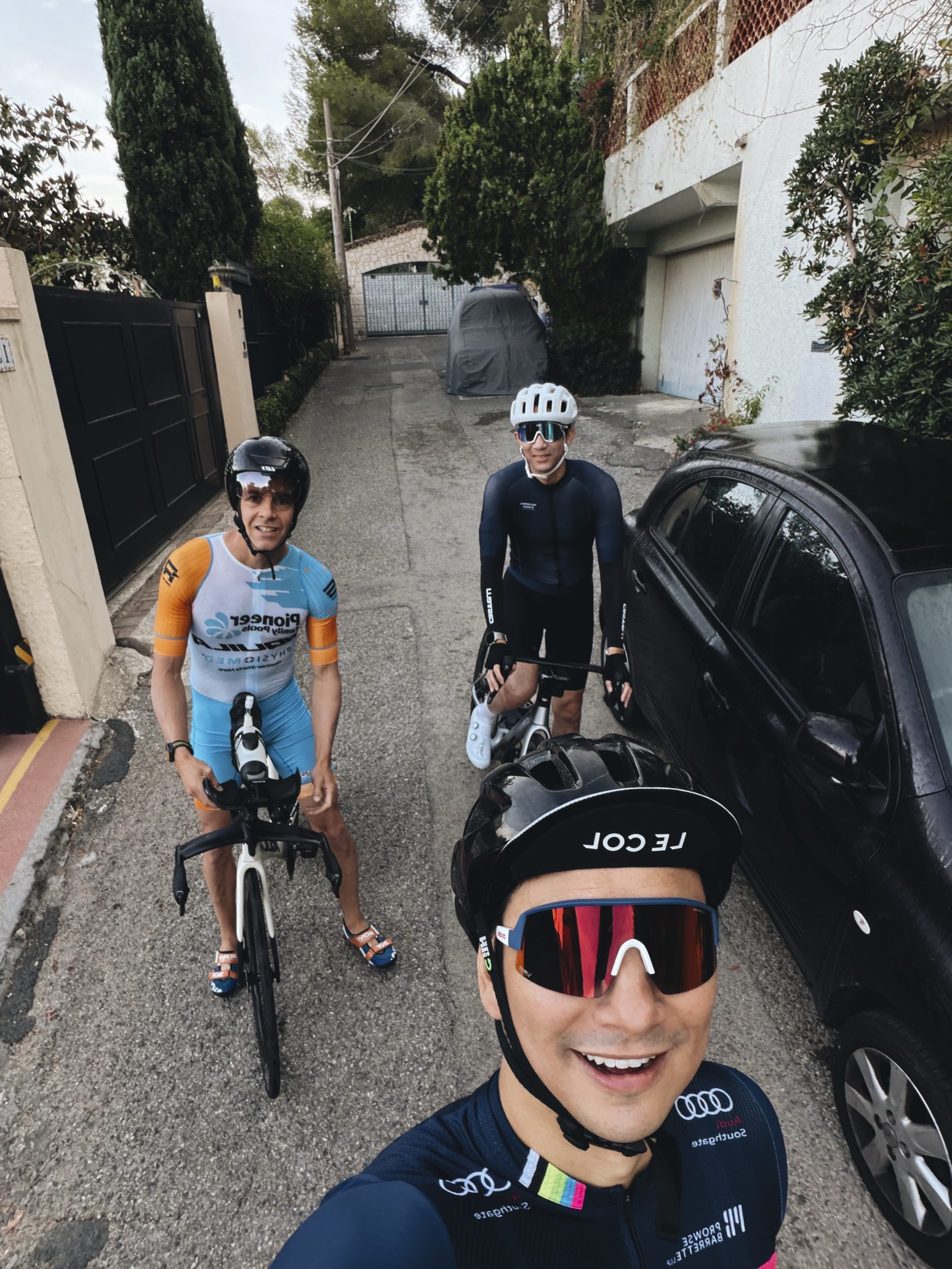
    Shoutout to Guinness World Record holder Austin Kjorven, who will be representing Canada at the Ironman this weekend and has no problem climbing le col de Vence. He was also super patient as I attempted the climb. Follow him here.

    The course:

    What I did:

    The ride:

    Some of the local cycling infrastructure:

  • Gone ridin’

  • Travel isn’t always pretty

    Sometimes there’s an elevator down to the metro, but more often than not there isn’t. 

    Sometimes there’s AC, but oftentimes there isn’t.

    Sometimes Vivienne is peacefully sleeping in her stroller or carrier, but sometimes she’s having a diaper blowout meltdown and screaming loud enough that passersby start giving concerned looks.

    Traveling can be positively inconvenient at times. We’ve never traveled with so much paraphernalia before. We’ve never had to keep breast milk chilled on ice and think about bottle expiries while navigating busy metro trains with no room for our stroller. 

    But in my mind it’s like exercising. It’s work, especially with kids, but it changes you for the better. We also want Vivienne to grow up to be adaptable, resilient and patient in the face of hot, urine-soaked transit elevators and the like.

    As Anthony Bourdain once said:

    “Travel isn’t always pretty. It isn’t always comfortable. Sometimes it hurts, it even breaks your heart. But that’s okay. The journey changes you; it should change you. It leaves marks on your memory, on your consciousness, on your heart, and on your body. You take something with you. Hopefully, you leave something good behind.”

    We finished our week in Paris, walking and taking transit everywhere. We didn’t step into a car once. We averaged just over 10k steps a day, which is significantly lower than what we would have done sans baby, but it’s still respectable. 

    Seeing the data on my watch and my surging step count reminded me how sedentary my life has gotten over the last two years while working from home (at least from a steps per day perspective).

    It’s unacceptable and I need to make some life changes when I get back to Toronto. But for right now, it’s time to head south.