Daily insights for city builders, delivered every morning at 6 AM ET. I’m Brandon Donnelly — a Toronto-based real estate developer and founder of Globizen. I’ve been writing here since 2013.

Category: Park City / Utah

  • Creative residencies at Parkview Mountain House, Park City

    July 21, 2025 · View original


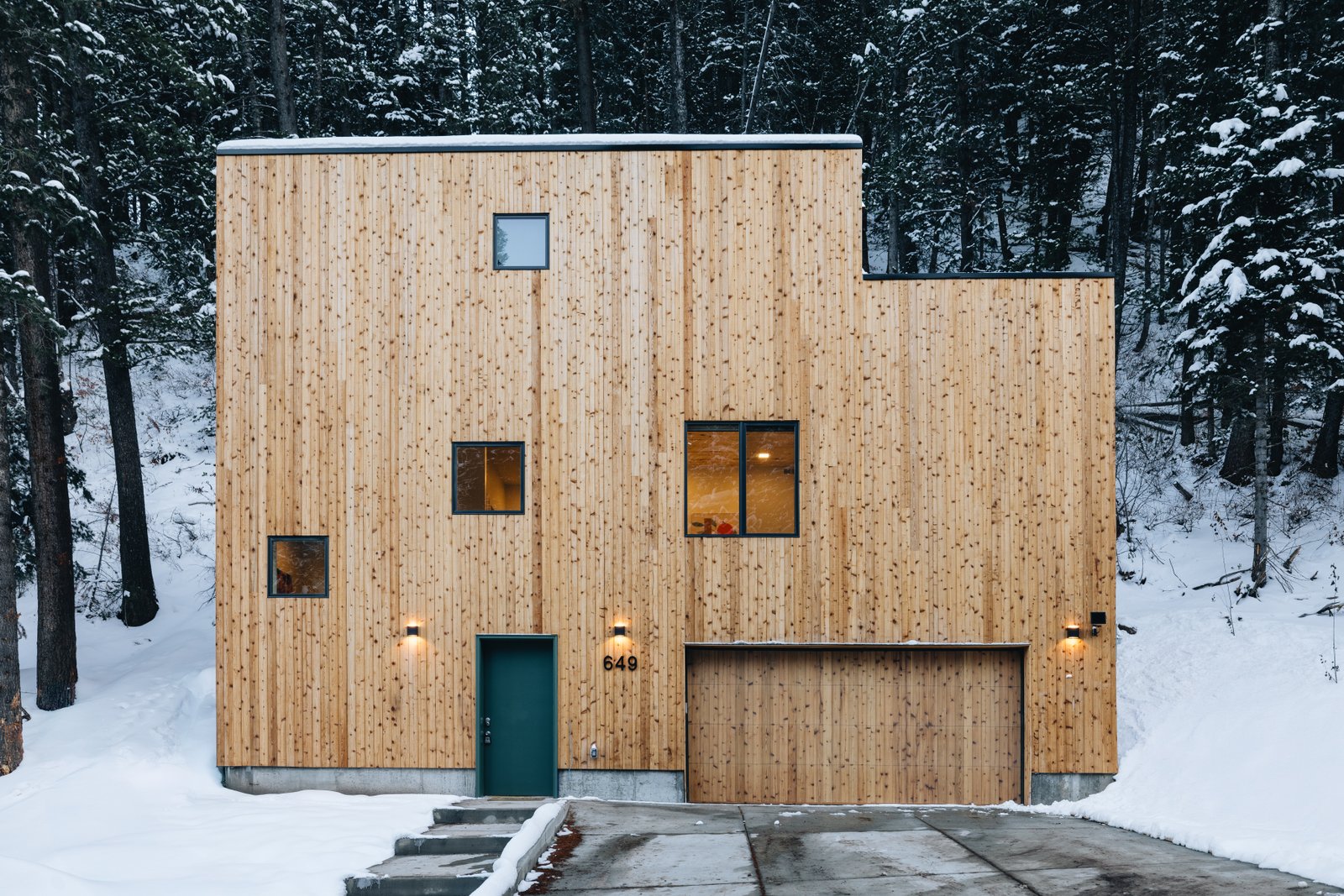
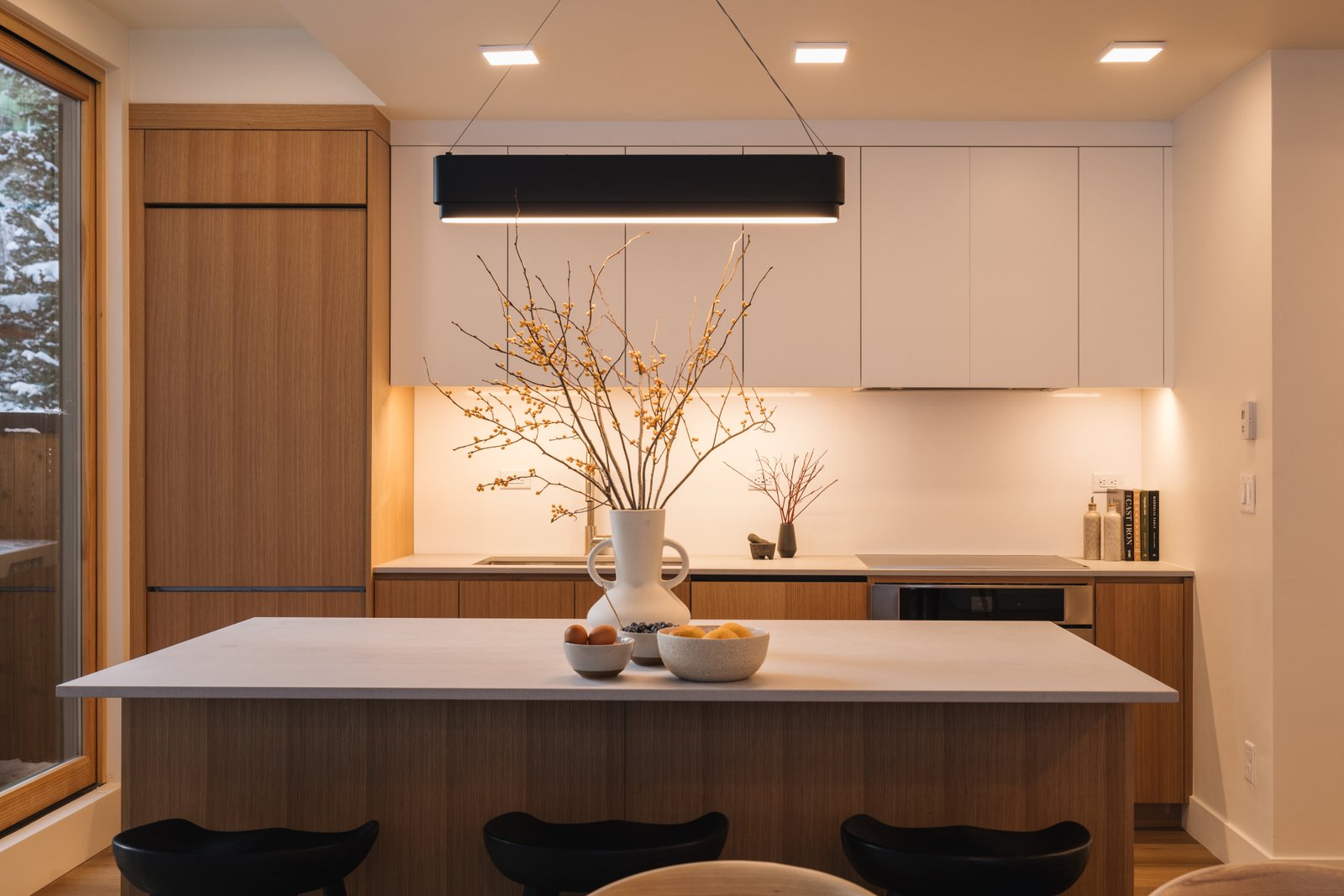
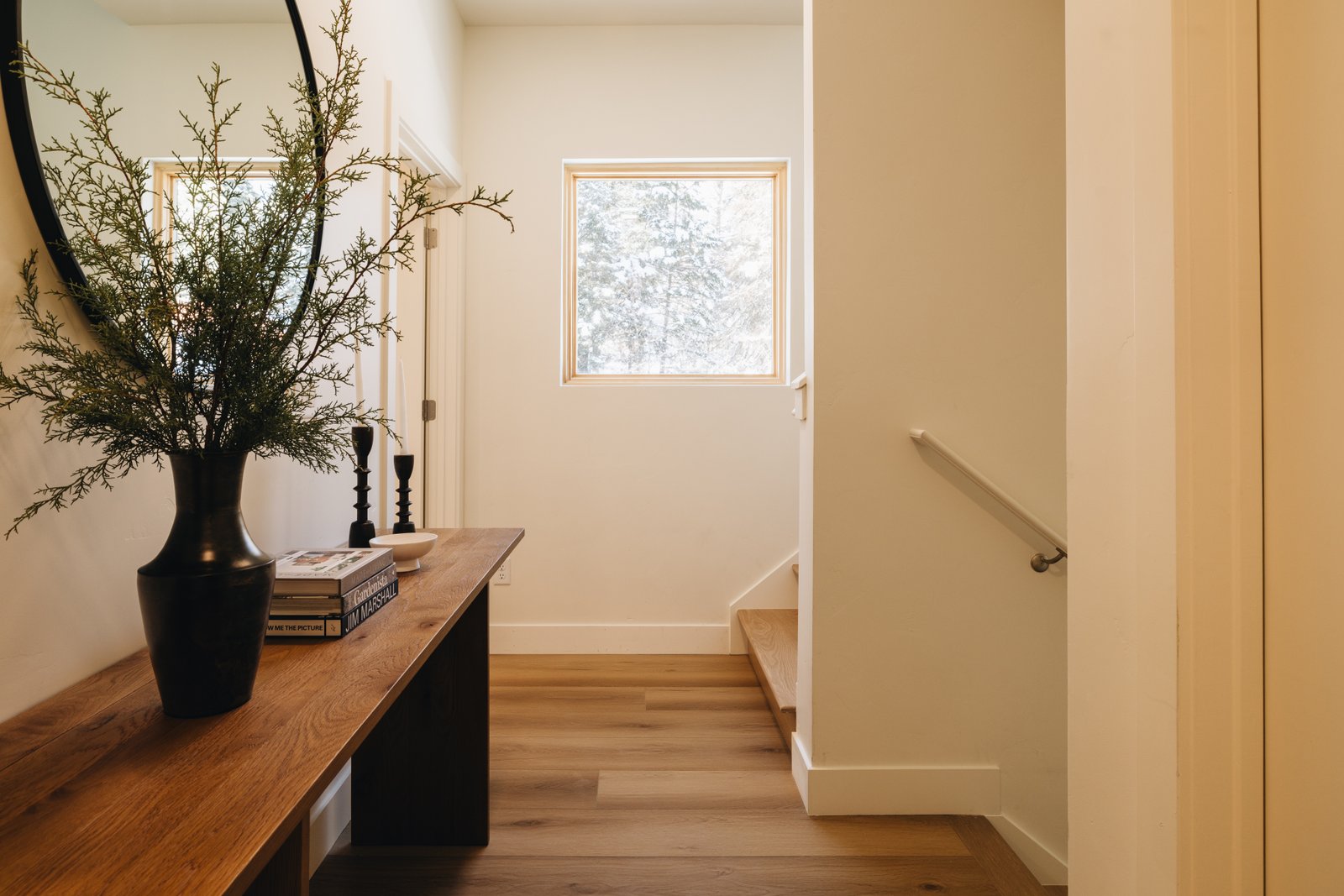
    Parkview Mountain House has just launched a new creative residencies program intended to reinforce the house’s identity as a creative retreat. The way it works is very simple: If you’re an artist, designer, creative or a brand doing culture-shaping work, you can now apply for a free three-night stay at the house. In exchange for the stay, we ask that creative residents produce and share original content that reflects their experience in the mountains of Utah and at Parkview Mountain House. This could include photography, videos, written pieces, branded campaigns (such as a lookbook), and maybe even an artifact for the house. Long term, the idea is to assemble a kind of cultural archive with credit being given back to each individual creator and/or brand. We’re really excited to see what this residency program produces and we hope that the results will be design-focused, globally minded, and rooted in a deep love for the mountains.

    If you’d like to apply, or know of someone who would be a good fit, here’s the link.

  • The tallest building in Utah

    May 17, 2025 · View original


    Salt Lake City has two recently completed luxury multi-family developments. Or perhaps I should say, at least two.

    The first is The Worthington by Chicago-based developer Convexity Properties. It has 31 floors and 359 apartments. Leasing started last summer and seems to be going well.

    The second is the Astra Tower by Kensington Investment Company, which is being managed by Greystar. It has 41 floors, 377 apartments, and is 451 feet tall, making it the tallest building in the state of Utah. Construction was completed at the beginning of this year and, according to Building Salt Lake, it’s already about 30% occupied with full stabilization forecasted for summer 2026.

    It’s interesting to compare these projects to multi-family developments here in Toronto.

    First of all, the reported average rent for Astra is US$3 per square foot, which works out to ~C$4.19 psf for us Canadians at today’s exchange rate. I would say that this is at least ~15% lower compared to where I would expect most Toronto developers are underwriting new projects. This suggests to me that it’s more cost effective to build in SLC.

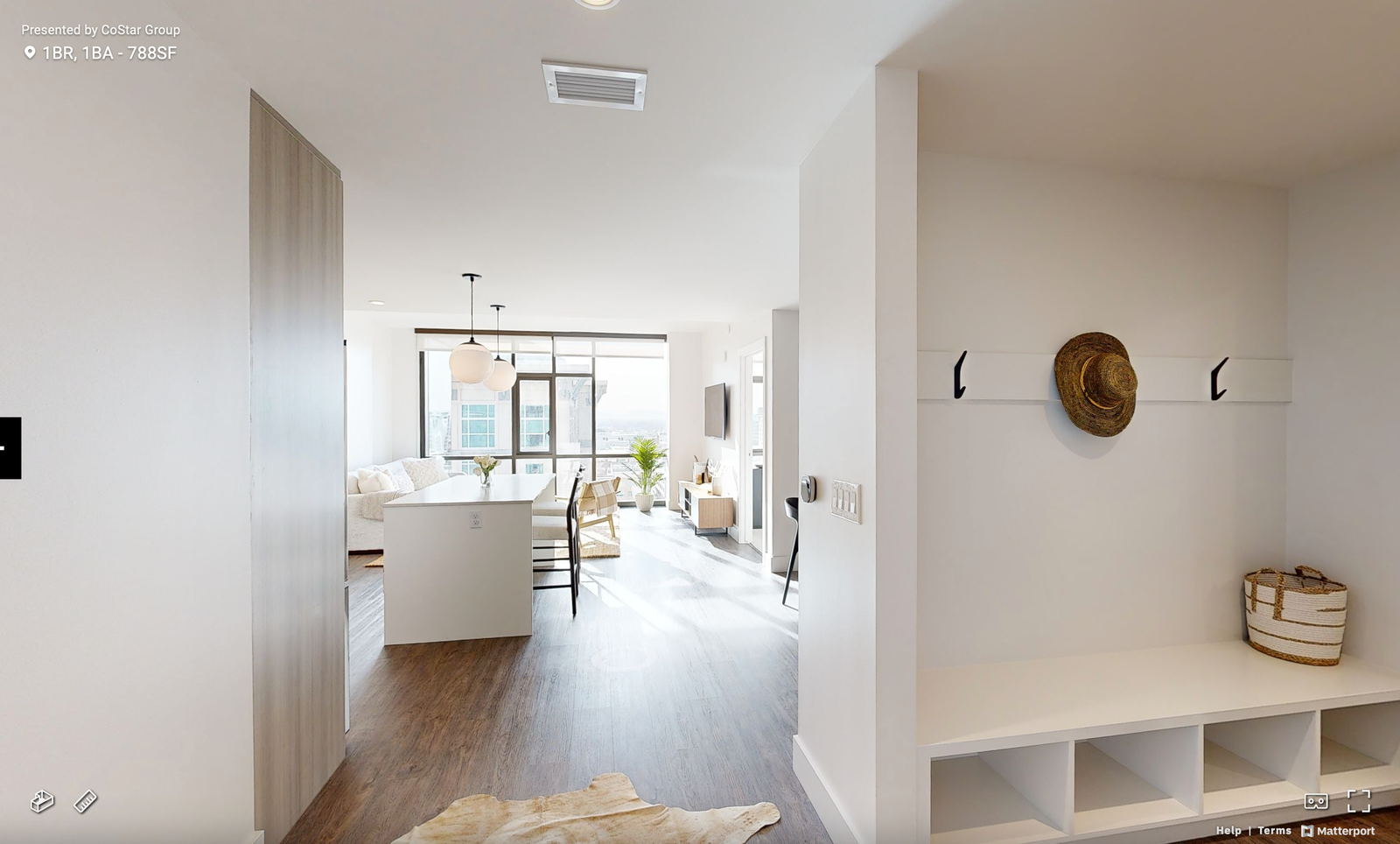
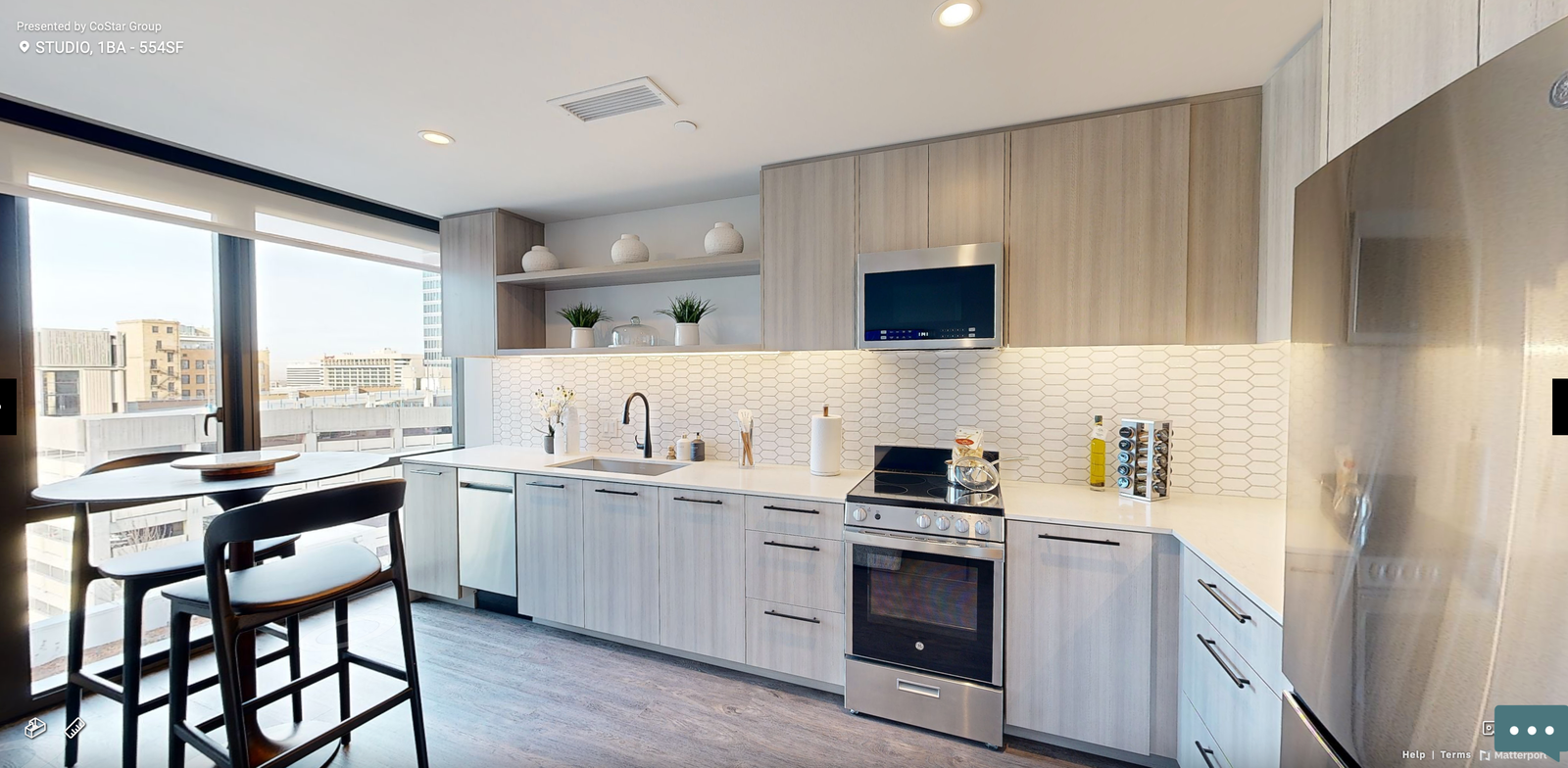
    The product is also different. On Astra’s website, they have two virtual tours.

    The first is for a studio apartment at 554 sf and the second is for a one bedroom at 788 sf. These are meaningfully larger than new apartments in Toronto. Here, the first would have to be a one bedroom and the second would be at a minimum a one bedroom plus den, though probably a two bedroom.

    Every market has its nuances. In the case of SLC, the model suites appear to be very clearly competing with low-rise housing. The one bedroom has a dedicated entrance foyer, there’s a separate dining area, and the bedroom has carpet, among other things. It reminds me of earlier multi-family vintages in Toronto.

    Of course, one really unique feature you get here is views of the Wasatch mountain range (see cover photo above). It’s a special feeling being in an urban center where you have mountains all around you, and it’s one of the primary reasons why an increasing number of people are being drawn to Utah.

    Congratulations to the team on successfully completing such an ambitious project. It’s exciting to see SLC continue to grow and urbanize.

    Cover photo via the Astra Tower

  • Sundance Film Festival is moving from Park City to Boulder

    March 29, 2025 · View original


    YouTube video

    This past Thursday, the Sundance Institute announced that it will be moving the Sundance Film Festival from Park City to Boulder starting in 2027. This is sad. Sundance has been based in Park City since 1981 and it’s the largest independent film festival in the US. Last year (2024), it is estimated that it created 1,730 jobs for residents, contributed $132 million in GDP to Utah, and produced about $13.8 million in state and local tax revenue.

    Here’s what Park City Mayor Nann Worel had to say following the announcement:

    > “For over 40 years Park City wasn’t just the host of the festival, we were its home. We helped shape the identity of Sundance with our unique energy, our colorful people, our undeniable spirit,” Worel said. “The world came here for film, yes, but they stayed for something more. They stayed for the feeling this town gave them. So, yes, I’m disappointed. Deeply. I know many of you are, too.” > > “To our community: We are not defined by one event. Our creative spirit is deeper than any single festival. And while Sundance may be leaving, Park City isn’t going anywhere,” Worel said.

    As I understand it, Utah offered to nearly double the amount of funding that they provide to the arts festival. But that clearly wasn’t enough. There’s also speculation that the festival left because it had overgrown Park City and/or because Colorado is viewed as being more liberal. There are people in Utah who do not approve of some of the content shown at said festival. I have no idea as to the actual reasons. But I do think it’s a real loss for Utah.

    Cover photo by Spencer Davis on Unsplash

  • New website for Parkview Mountain House

    March 16, 2025 · View original


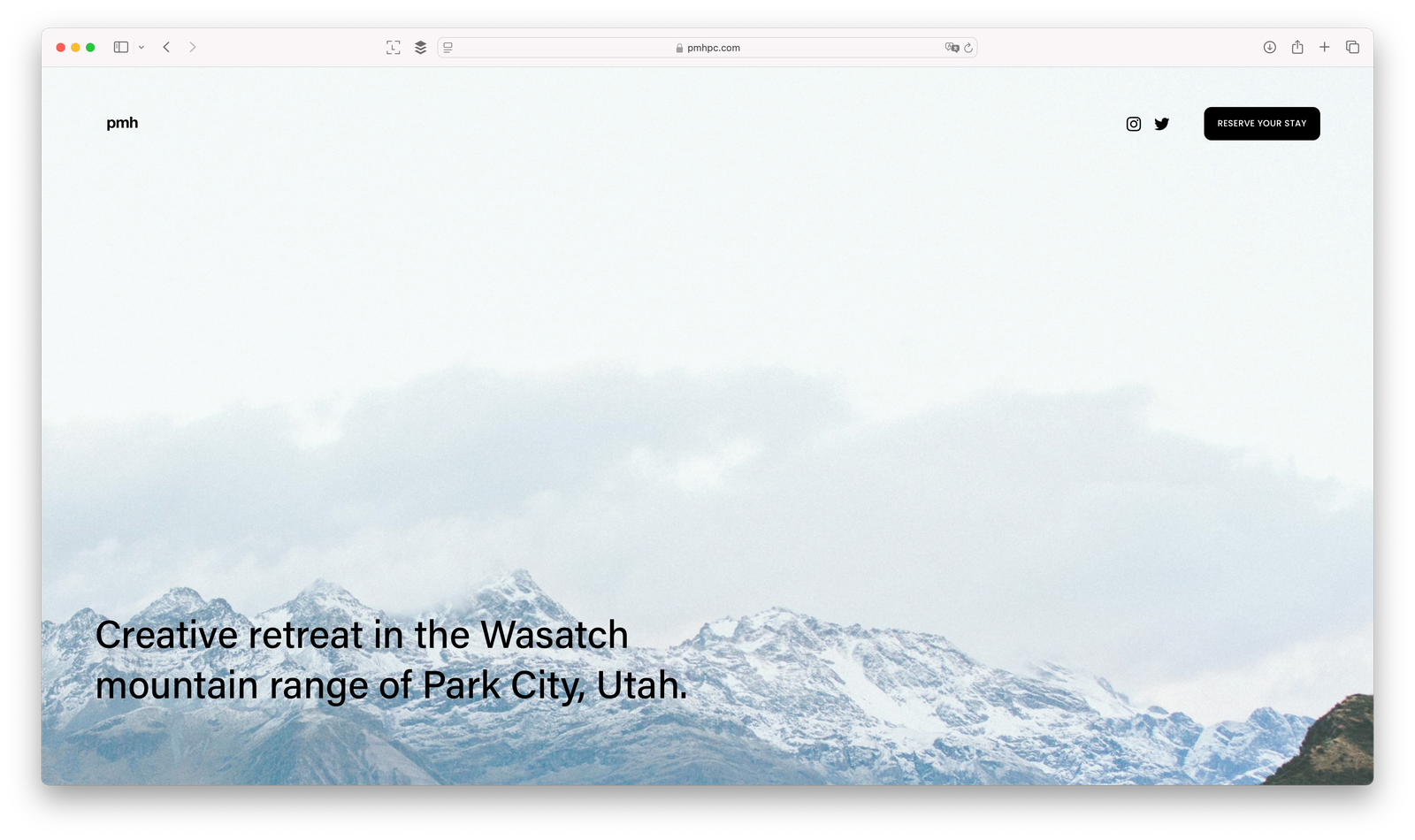
    We just did a complete overhaul of the landing page for Parkview Mountain House.

    If you’re a new reader, PMH is Globizen’s “creative retreat” in Park City, Utah. We completed it and opened it up for reservations at the end of last year.

    If any of you have feedback on the new page, I’d love to hear it. It was a lot of fun rummaging through all of the photos that I have taken there over the years during development and construction.

    And as much as I love snowboarding, I also really enjoy visiting during the summer months. It’s a close second. This year my plan is to get down there for some road biking.

  • The secrets of the greatest snow on earth

    January 5, 2025 · View original
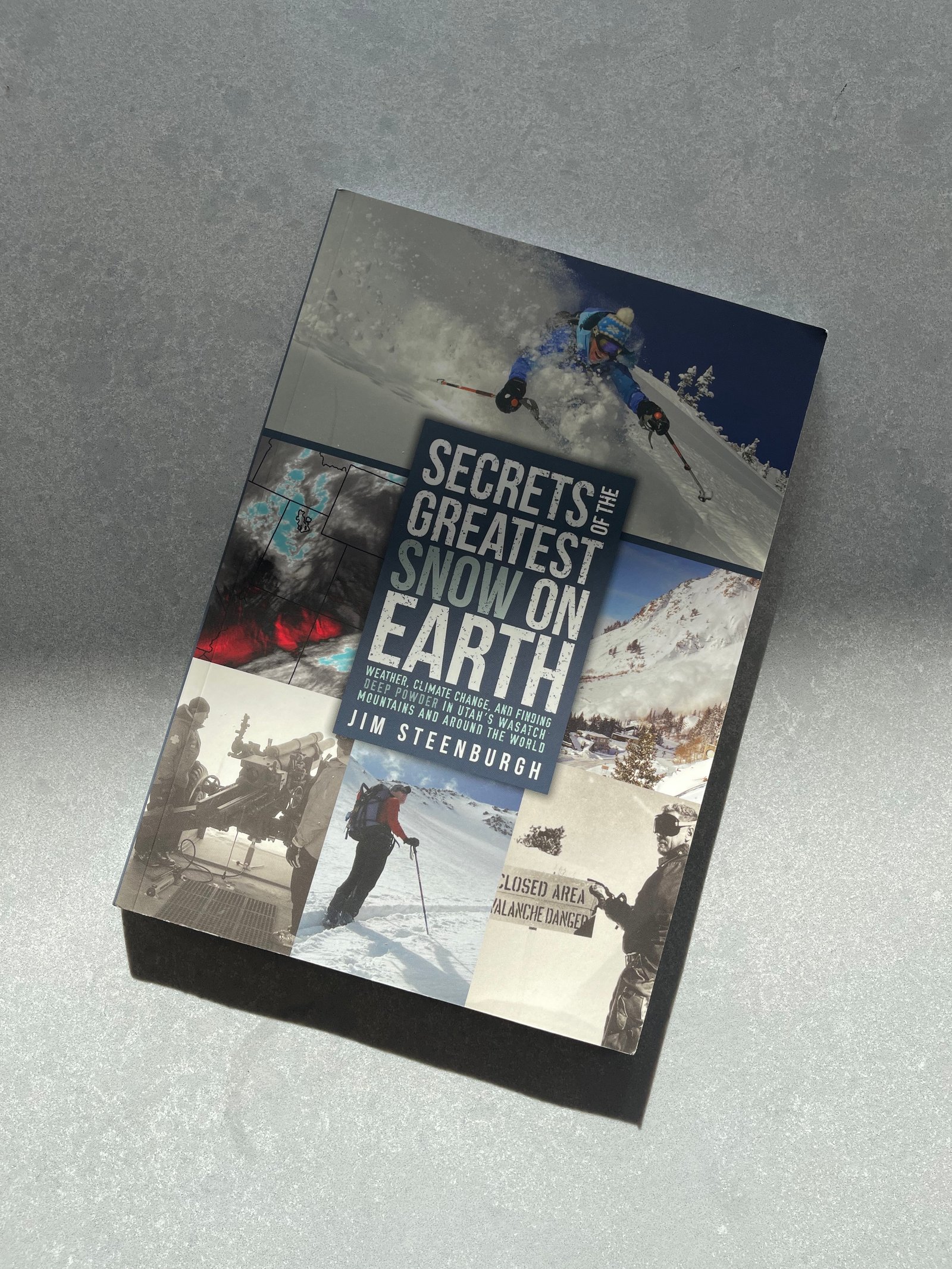

    I’ve been reading this book before bed over the last few days. It’s about the Wasatch Mountains in Utah, but more broadly it’s about how snow works, why and where in the world epic storms happen, how not to get killed in avalanches, and how global warming is impacting our climate. It’s written by Jim Steenburgh, who is professor of atmospheric science at the University of Utah and author of the blog Wasatch Weather Weenies. And I’m finding it really fascinating, even if there are limits to how granular I want to get on the science behind stellar dendrite snowflakes.

    One of the main questions he answers is, of course, the title of the book: Why is the powder skiing and snowboarding so good in Utah? Is it in fact, the greatest snow on earth? (The State of Utah started using this very successful slogan in 1962 and it made its way onto license plates starting in 1985). It turns out that there’s lots of science to support this claim, particularly when it comes to the Big and Little Cottonwood Canyons on the east side of the Salt Lake Valley. This is where you’ll find resorts like Snowbird, Alta, Brighton, and Solitude.

    Little Cottonwood Canyon has one of the most dramatic snowfall contrasts in the world. At its entrance in the valley, the average annual snowfall is about 100 inches. But drive 7 or so miles into the canyon to Snowbird (which during a snowstorm can be super treacherous), and the average annual snowfall increases to over 500 inches. Generally speaking, the average annual snowfall in the canyon increases by about 100 inches per 1,000 feet of elevation gain.

    One of the reasons for this is that the terrain surrounding the Cottonwoods is both high and broad, which means that it is exposed to storm flows coming from nearly any direction. During “stable storms”, this can also create a blocking front, where storms get caught on the windward side and continue to dump in one place, instead of passing over the mountain. This is one of the reasons why there’s this saying: “It doesn’t need a reason to snow in Little Cottonwood Canyon; it needs a reason to stop.”

    Another very snowy place in the world is Japan’s Hokkaido Island. In fact, Jim argues that if there’s any place that could give Utah a run for its money with the claim of the greatest snow on earth, it’s here. Based on historical data, Hokkaido Island has a 90% chance of at least 100 inches of snow in the month of January. This is a lot more than Utah, though snowfall falls off more quickly outside of the peak months.

    So statistically, if you want the highest probability of powder snow during the month of January, Hokkaido is the place for you. It also happens to be where we’re going for our annual ski and snowboard trip this year. I’ll be sure to report back and confirm whether this is true or not.

    The last chapter in the book is on climate change and he starts by stating the obvious: global warming is real. The climate of the Wasatch Mountains today is demonstrably warmer than it was when they were mining silver in Little Cottonwood Canyon in the late 19th century. That is bad news for skiing and snowboarding, and already in the Western US, declines in the average snowpack below elevations of 8,000 feet have been observed.

    The good news is that there’s yet to be a clear and consistent trend above 8,000 feet (at least according to Jim when he wrote the first edition of this book about a decade ago). So stay high up, my friends. If you’re interested in this topic, or climate in general, I would highly recommend you check out Jim’s book. Or at the very least, his blog. I’m going to take my copy of the book and leave it at Parkview Mountain House the next time I’m there so it’s available to everyone who visits. It’s fascinating stuff.

    Cover photo by Alex Moliski on Unsplash

  • How to love winter

    December 22, 2024 · View original


    David Sax is not wrong in this recent opinion piece in the Globe and Mail:

    > Adults suck at winter. We see it as a long, dark, cold, uncomfortable season that we have to endure and survive. The older you get, the harder winter is. But it doesn’t have to be this way.

    There are some cities that do better at winter. For whatever reason, Montreal has always felt to me like a city that embraces it more than say Toronto. Maybe it’s because it’s generally colder and snowier. Maybe it’s because they have mountains nearby. Or maybe I’m wrong. It has just always seemed that way to me.

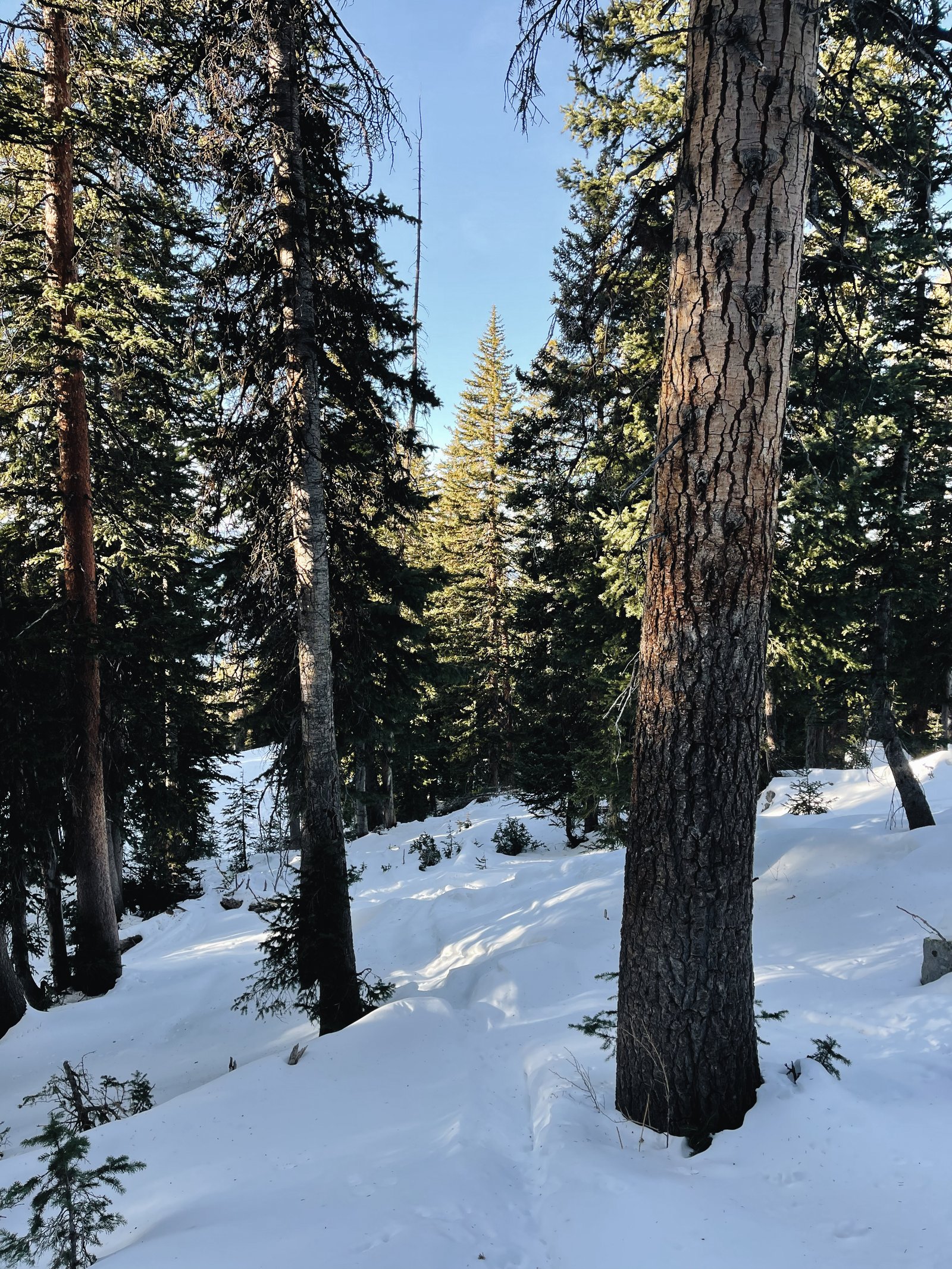
    The trick, as David points out, is to find something you love that you can only do in the winter. For me, and many others, that thing is skiing and snowboarding. Here is a photo from yesterday afternoon taken from within the trees at Brighton Resort in Utah:

    One of the things I love about Salt Lake City / Park City is how much ski and snowboard culture permeates everything. Drive around and you’ll see people waiting at bus stops with all of their gear on and their skis in hand. The locals also tell me that if there’s an epic storm, you can expect a lot of people to show up in the office around lunchtime.

    This is one way to love winter. Admittedly, it’s harder in a city without mountains and snow accumulation, and only cold winter weather. (Cities like Toronto.) So what are your options then? If you have any ideas or things you love to do, please share them in the comment section below. Us adults should suck less at winter.

  • Bookings are now open for Parkview Mountain House

    December 12, 2024 · View original


    For the last 16 years, I have been going on an annual ski and snowboard trip with some of my closest friends from Penn and from Toronto. Two years ago we went to Park City. Last year we went to Les 3 Vallées. And this winter we’ll be going to Hokkaido, which has been on my bucket list for a very long time. I enjoy doing a lot of different sports, but nothing comes close to snowboarding for me. It’s my first love. There’s just something about being in the mountains. So I look forward to our “annual” all year.

    Because of this, I have long had the goal of building a house and short-term rental in the mountains. Firstly, I felt that there weren’t a lot of design-focused options in many mountain towns. You know, something clean and minimal. And secondly, I wanted a place that could embody and share our love of the mountains with others. As many of you know, this resulted in Parkview Mountain House. Globizen partnered with two regulars on the trip and we created what we refer to as a “creative retreat.”

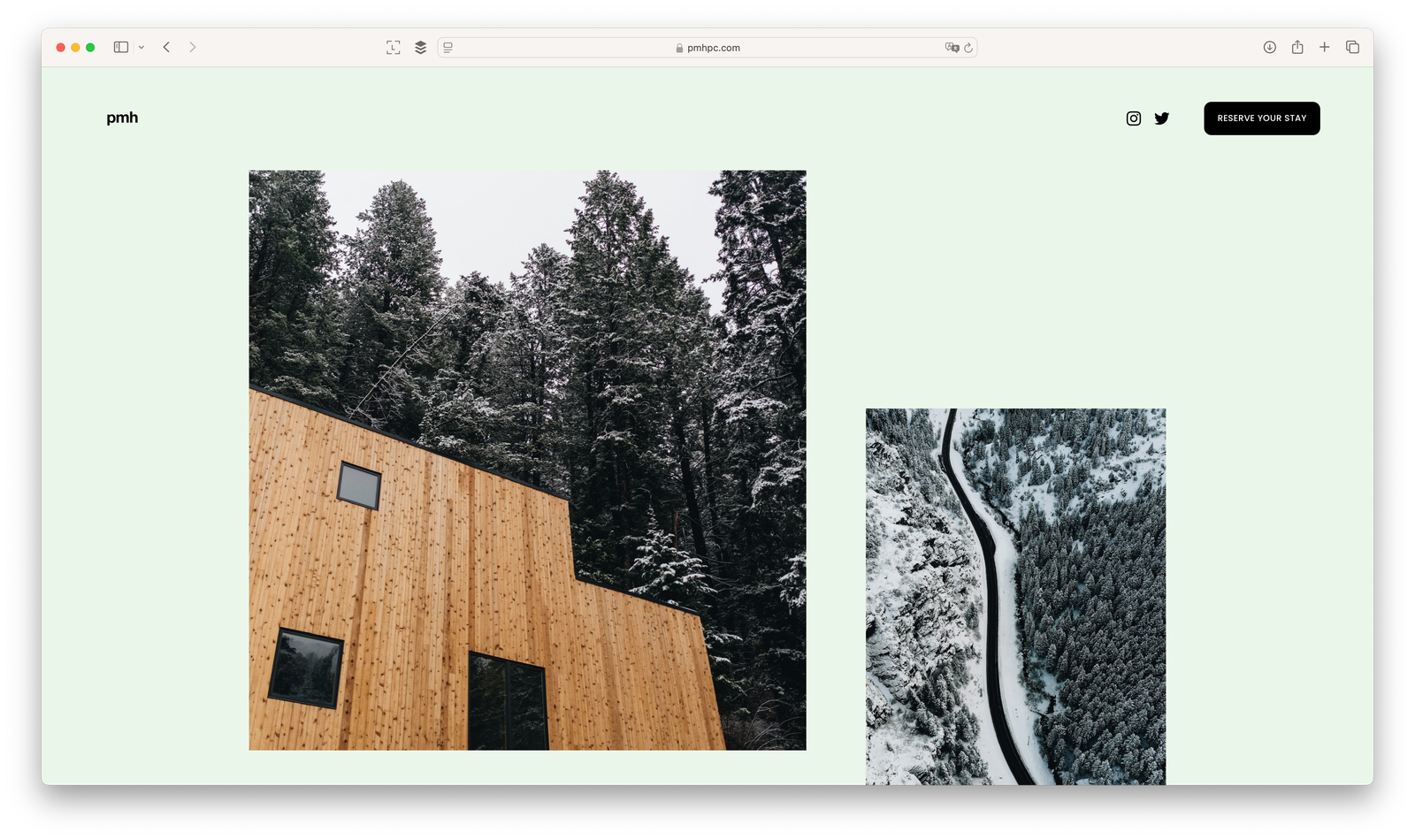
    Here are a few photos of the house:

    Today, I’m super excited to announce that bookings are now open at PMH! If you’d like to book a stay, you can visit AvantStay’s website (who is our hospitality manager) or you can book through Airbnb, if you prefer that. Because we’ve just gone live, all of the rates are at an introductory level while we build up our initial review base. So now is a good time to get something in the calendar this winter (or next summer which is also a really beautiful time). Neat B and I, and a few friends, will be there later this month and we can’t wait.

    Cover photo by Alex Moliski on Unsplash
  • Ten Years of Turning

    November 24, 2024 · View original


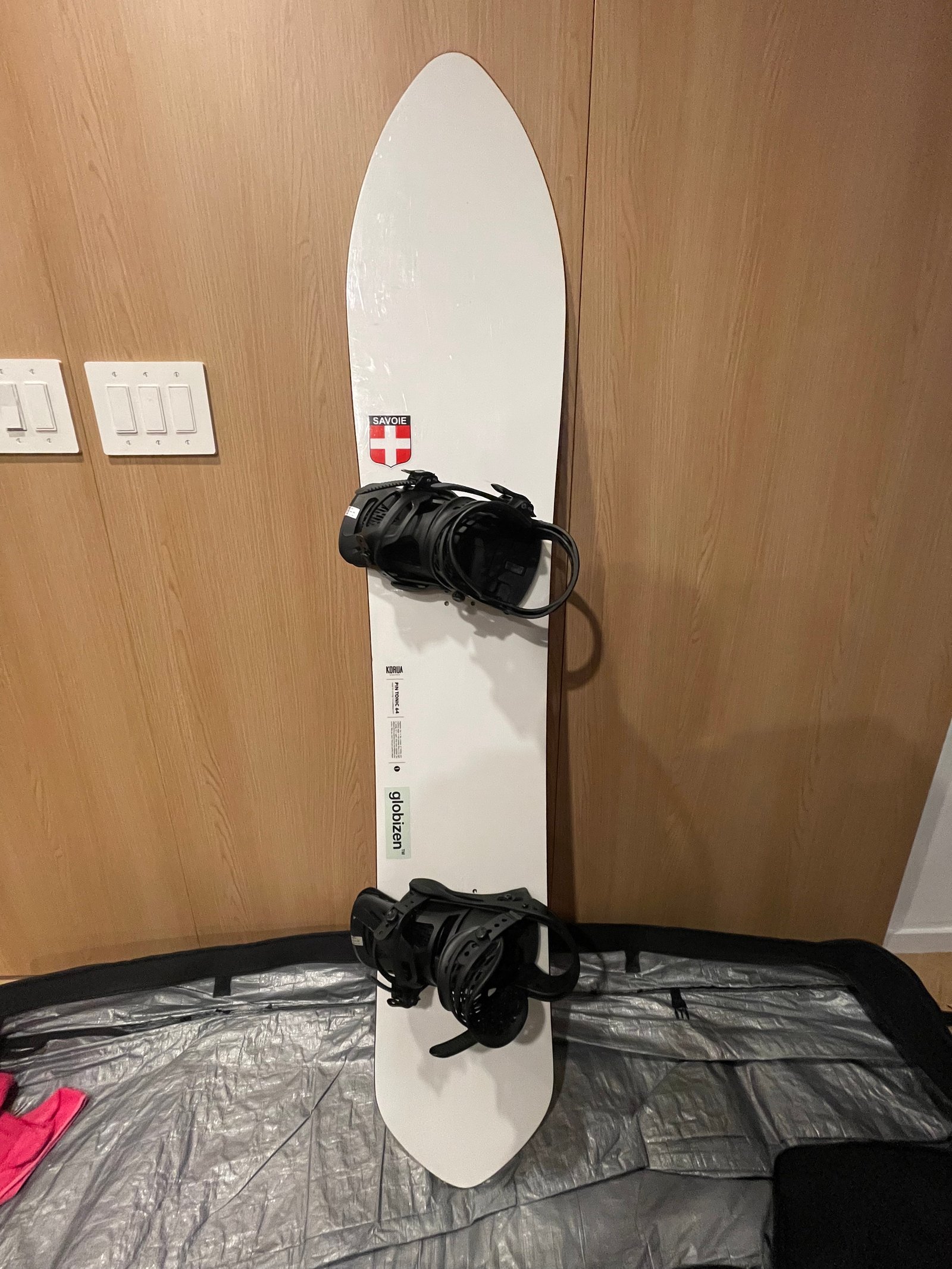
    This weekend marks the opening of many of the resorts in Utah, and so I’ve got snowboarding on the mind right now. The social media algorithms have officially switched me over from cycling videos to ski and snowboard videos. I’m ready to go. The snowboard I have been using for the last few years is from a German company called KORUA. Their story is that the company grew out of a trip to Japan. A group of friends, who were all snowboard nerds in their 30’s, fell in love with the snowboarding culture over there, specifically the focus on “deep powder boards”, and so they decided to return to the Alps and create their own brand.

    The result:

    To date, this has been my favorite board. The shape of it fits my riding style and I love the absolute simplicity of it. None of their boards have any designs or graphics — they’re just different shapes (optimized for different kinds of riding) with an all white top and an all red bottom. I joke that it’s the Christian Louboutin of snowboards. But it’s not really. The KORUA brand is all about performance, the aesthetic beauty of being in the mountains, and the simple pleasure of turning a board on snow. If you’ve ever watched any of their videos or if you follow them on the socials, you’ll know that they have a very unique aesthetic. Black and white. Super simple.

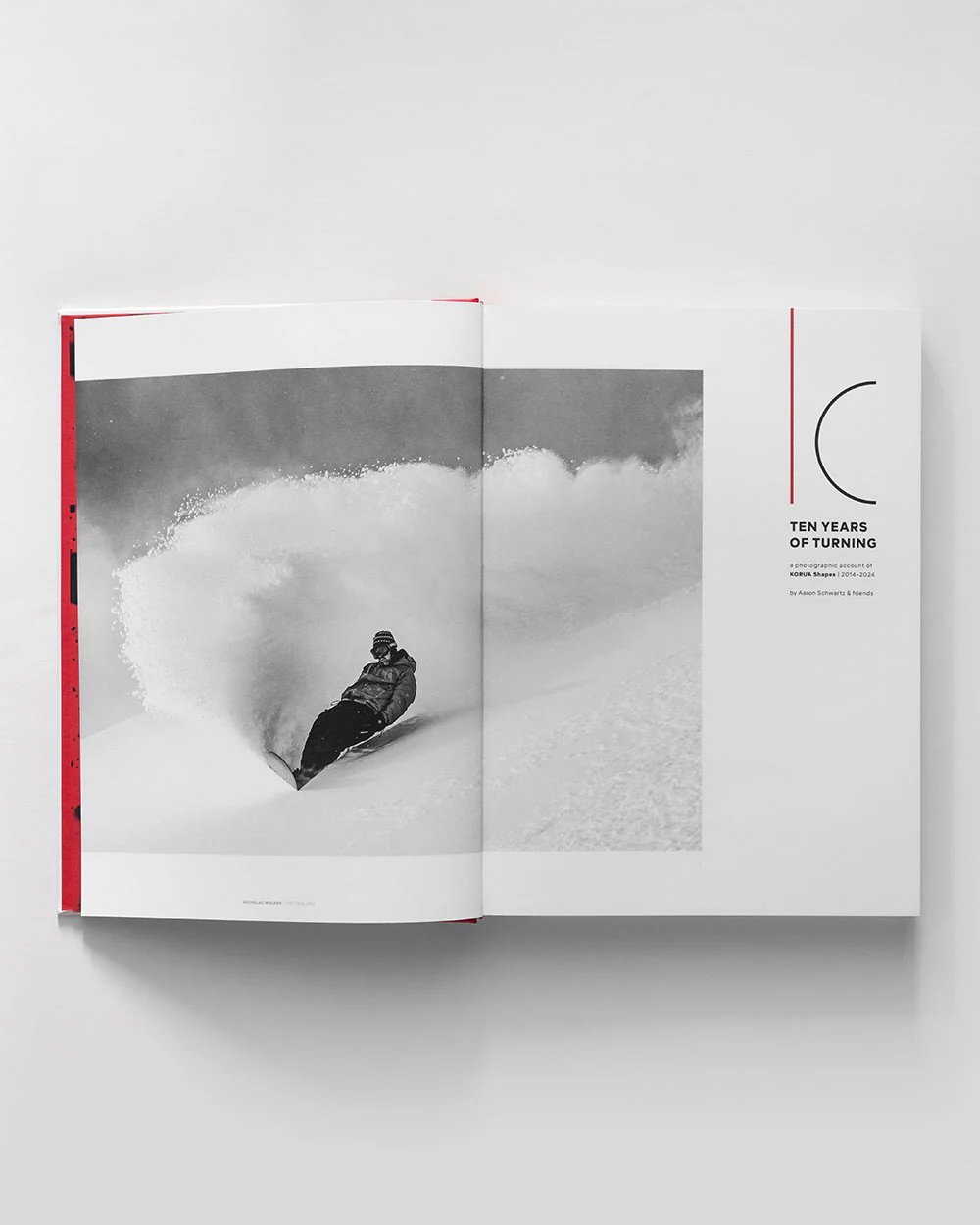
    To this end, they’ve just released a new photo book called Ten Years of Turning. The book tells KORUA’s brand story through the lens of Aaron Schwartz, who is their in-house photographer. He’s been with them since the founding of the company in 2014. And even though I’ve only seen a few of the pages online, I follow Aaron and I already know that this is a book we’re going to need to have hanging around at Parkview Mountain House. If you’re into snow and beautiful things, you may want to check it out as well.

  • Low-carbon cement

    By some measurements, cement production alone is responsible for about 8% of human-caused carbon dioxide emissions every year. And so there is an imperative to find suitable low-carbon alternatives. Here is what is currently happening in the US (via Grist):

    On Tuesday, Terra CO2 Technology was picked to receive a $52.6 million federal grant to build a new manufacturing plant just west of Salt Lake City. The company has devised a method that turns common minerals into additives that can help replace Portland cement — a key component in concrete, and one of the most carbon-intensive materials in the world.

    In addition to this new facility, the company is set to start construction on its first plant in the Dallas-Fort Worth area:

    The project is expected to break ground in January 2025 and begin shipping out materials by late summer 2026, Yearsley said. The facility will be capable of producing up to 240,000 metric tons of SCM [supplementary cementitious materials] per year when completed, or enough to serve roughly half of the local metropolitan market.

    And all of this is part of a broader initiative by the US Department of Energy:

    The Utah facility is one of 14 projects provisionally selected this week to receive $428 million in total awards from the U.S. Department of Energy’s Office of Manufacturing and Energy Supply Chains. The initiative, which is funded by the Bipartisan Infrastructure Law, aims to accelerate clean energy manufacturing in U.S. communities with decommissioned coal facilities. Officials said the projects are expected to create over 1,900 high-quality jobs across a dozen states.

    For the rest of the article, click here.

  • Western resort real estate is in very high demand

    People like ski and snowboard towns. Here’s an excerpt from a recent WSJ article talking about Park City:

    Prices continued to rise in most luxury ski towns this past year, but none grew as much as Park City, a former silver mining town 32 miles east of Salt Lake City. The average home sale price there grew 35% in 2023 from 2022, compared with a 9.4% increase at Vail and Beaver Creek and 3.2% at Aspen, according to the resort report by Summit Sotheby’s International Realty. 

    The main point of the article is this: Park City has gotten really expensive, and so people are now looking and buying homes further out in places like Heber City, Midway, and Kamas. Here’s how expensive expensive is:

    Over the last four years, Covid has stoked demand for western resort real estate. In Park City, single-family homes have sold for a median price of $4 million year-to-date, up from $1.996 million in 2019, according to Redfin, which averaged the monthly median sales prices weighted for the number of homes sold. One home was listed in September for $65 million, which could set a record for the state. It’s now under contract, according to listing agent Paul Benson of Engel & Völkers, who declined to disclose the sale price.

    This, of course, isn’t a novel phenomenon. It’s the whole “drive until you qualify” thing. But what’s interesting about this particular mountain example is that it’s not centered around access to a CBD or downtown; it’s centered around “how fast can I get to a ski and snowboard resort?”

    For example, Deer Valley has a new East Village that is expected to open up in 2025. This brings the cities mentioned above closer in. And buyers seem to be doing that math: “It’s a 25-minute drive today, but next year I’ll be able to get on a lift in 15 minutes. Score.”

    Given that Deer Valley also doesn’t allow snowboarders, it’s interesting to think about how these trends could be bifurcating the region between skiers and snowboarders. I don’t have any data on this, but I bet if you mapped it out, there would be some sort of clustering happen.

    The article also goes on to talk about transportation. Because you can’t talk about new development and real estate without talking about traffic. But I think Bill Ciraco (Park City Council) gets it exactly right in the article: This is a car problem, and less of a people problem.

    In my mind, the Wasatch Range is destined for something like this ONE Wasatch concept, which is/was a proposal to link seven resorts through a handful of new skiable connections. This is similar to what you’ll find in Europe, and it means less driving and more time on the mountain.

    That’s what everyone wants to be doing anyway.

    Photo by Lauren Pandolfi on Unsplash