Daily insights for city builders, delivered every morning at 6 AM ET. I’m Brandon Donnelly — a Toronto-based real estate developer and founder of Globizen. I’ve been writing here since 2013.

Category: Architecture

  • One Delisle has fun slab edges

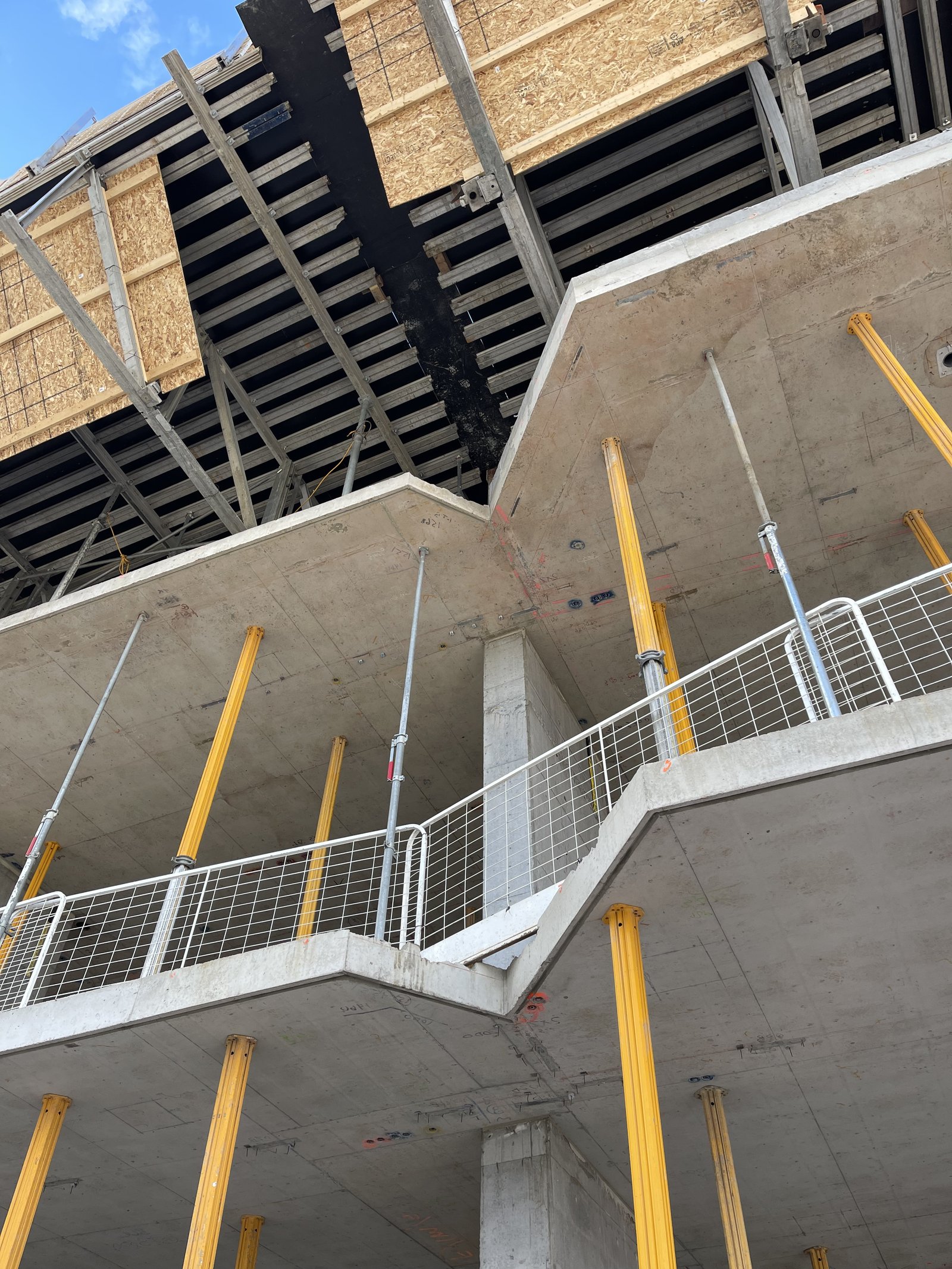
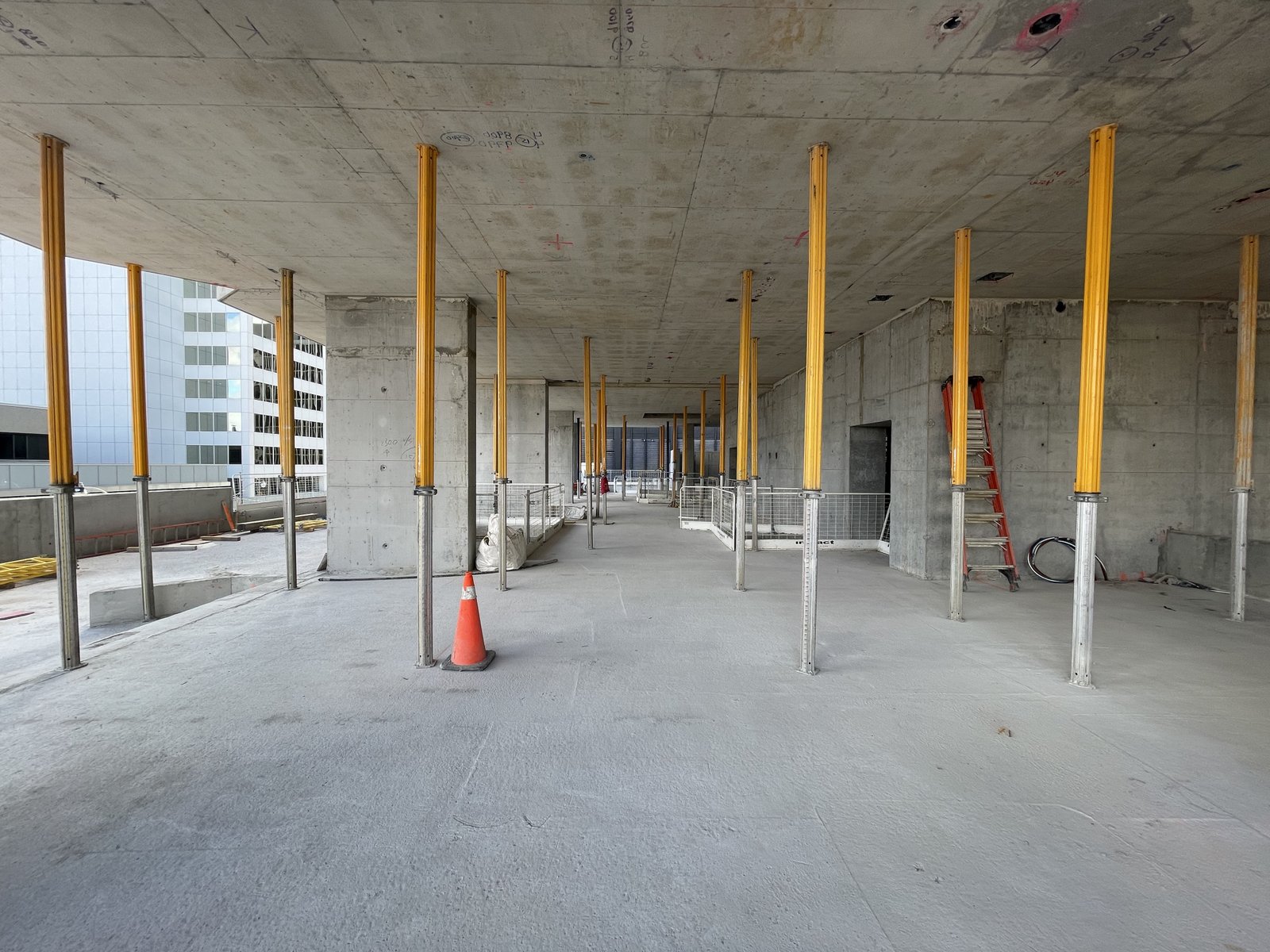
    This morning I was on site at One Delisle with WZMH Architects (AOR) and Studio Gang (design architect). I aim to visit site at least once a week, but lately it’s been more than that. What’s exciting to see right now is that the geometry of the tower is starting to come through in the slab edges. (The architects also made sure to remind me today that they had to draw each and every one of these.) The above photos were taken from the level 2 retail terrace. We always imagined this space becoming an amazing restaurant overlooking Yonge Street — but we’ll see what happens.

    Expect to see a lot more of these fun slab edges over the next few months.

  • Weekend cycle around the city

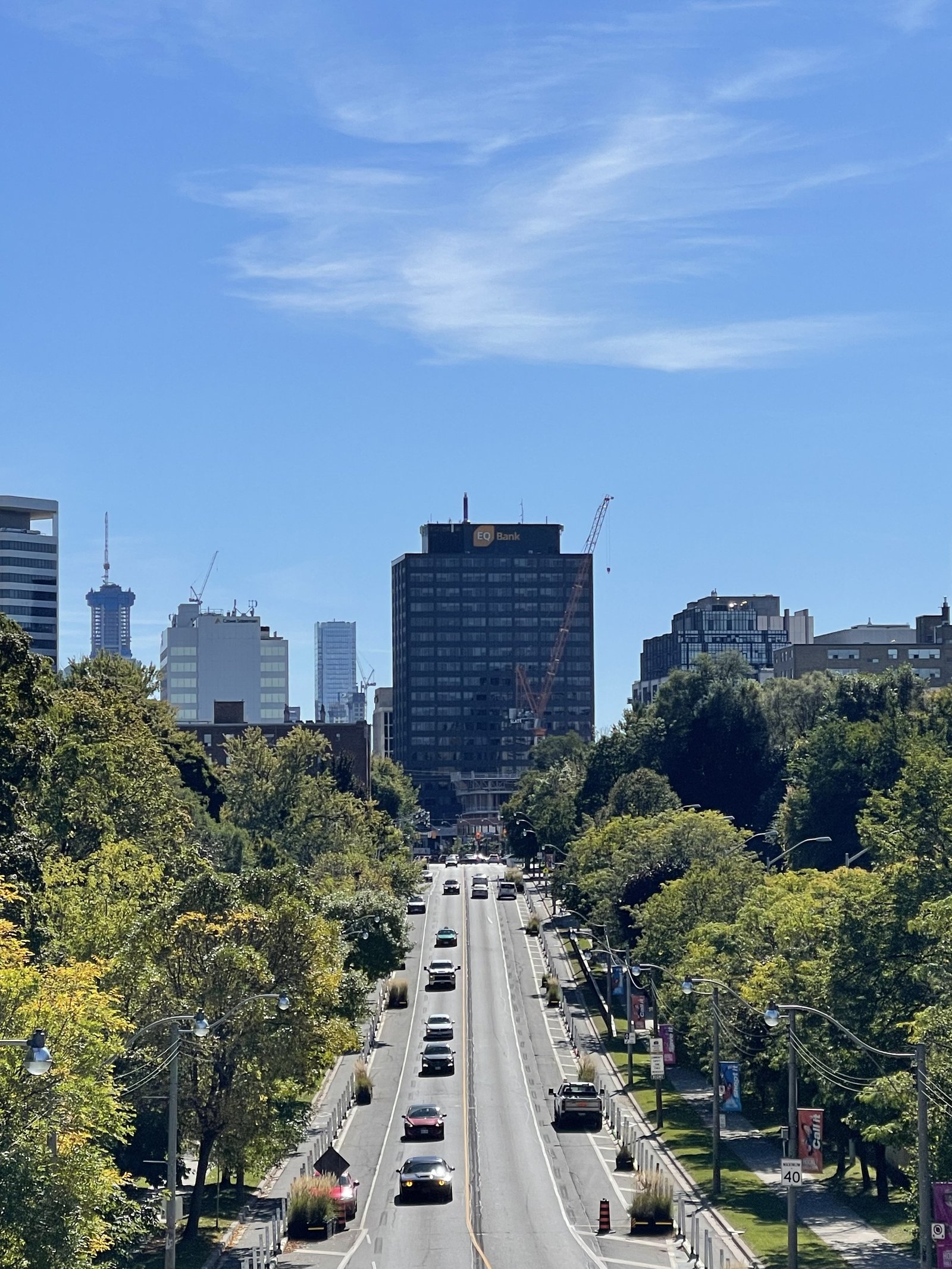
    On Saturday, I went on a bike ride all around Toronto. We cut across midtown (checking in on One Delisle), stopped at the Chester Hill Lookout (which if you grew up in the east end is where you probably went as a teenager to make out), shot down the Don Valley, and then turned west along the waterfront. The weather was perfect.

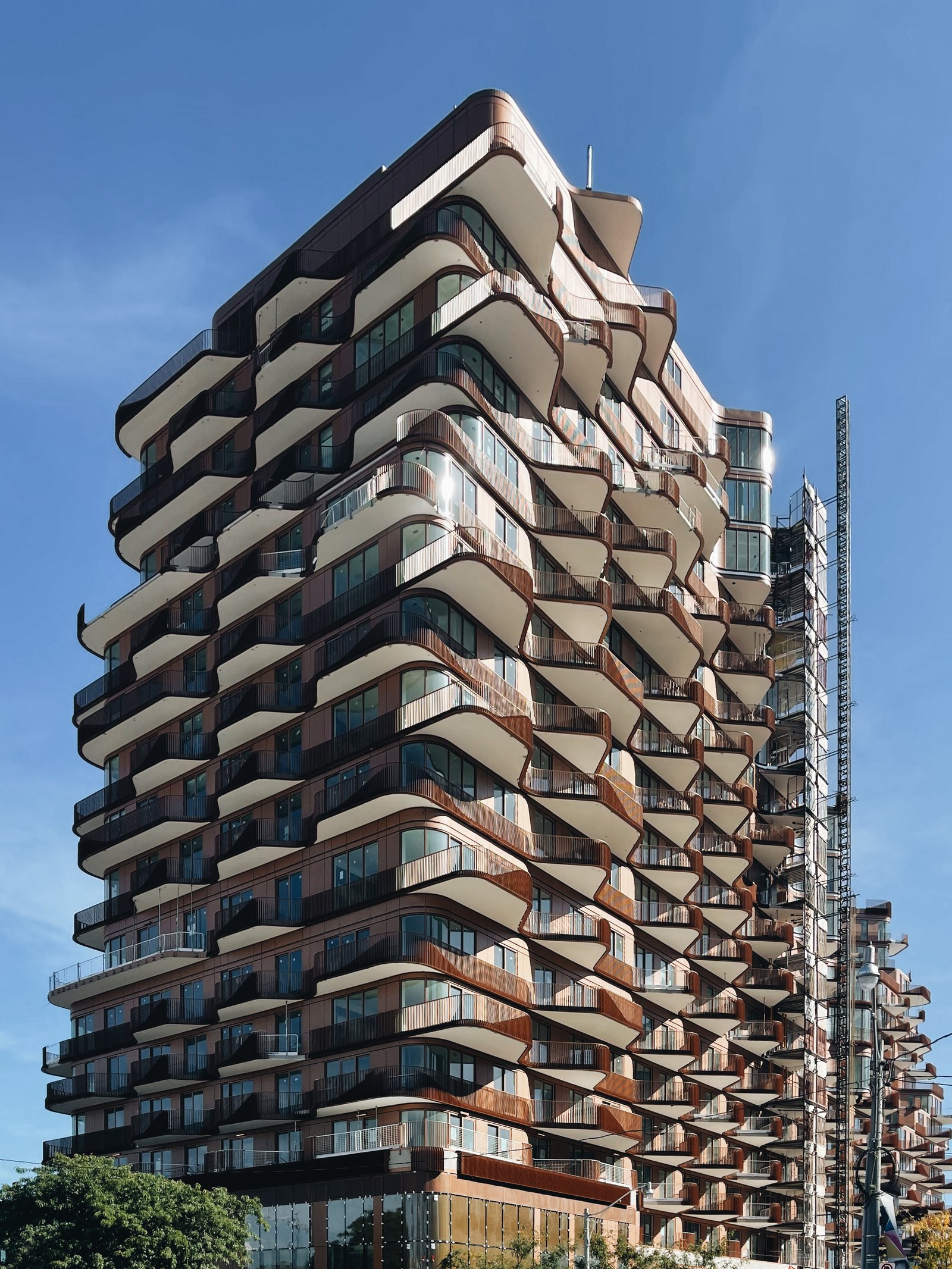
    As we were going along the waterfront, we passed the new Aqualuna building that is under construction on Queens Quay East, near Parliament Street. Being the architecture nerd that I am, I immediately noticed that as you pass by — at the speed of a bike — the balconies create this really nice cinematic effect.

    So I stopped to take these photos (I probably should have taken a video now that I think of it):

    I then tweeted a tweet calling it one of the most beautiful buildings going up in Toronto today. Judging from the responses, most people seem to be in agreement, but a few people questioned the practicality of balconies like this. Namely how private and usable they will be. I don’t disagree, but I still think it’s fine looking building.

    What do you think?

  • Balkonkraftwerk

    Germany has, over the last 2 years, really gotten into balcony solar panels:

    The ease of installation and a potent mix of government policies to encourage adoption has made the wee arrays hugely popular. More than 550,000 of them dot cities and towns nationwide, half of which were installed in 2023. During the first half of this year, Germany added 200 megawatts of balcony solar. Regulations limit each system to just 800 watts, enough to power a small fridge or charge a laptop, but the cumulative effect is nudging the country toward its clean energy goals while giving apartment dwellers, who make up more than half of the population, an easy way to save money and address the climate crisis.

    Of course, there’s only so much that panels like these can produce. By some estimates, a “large well-positioned balcony” might only produce 15% of a home’s electricity needs. But hey, that’s still something, and it seems like something that Toronto should be looking at.

    We also have balconies.

  • Leslie Lookout Park

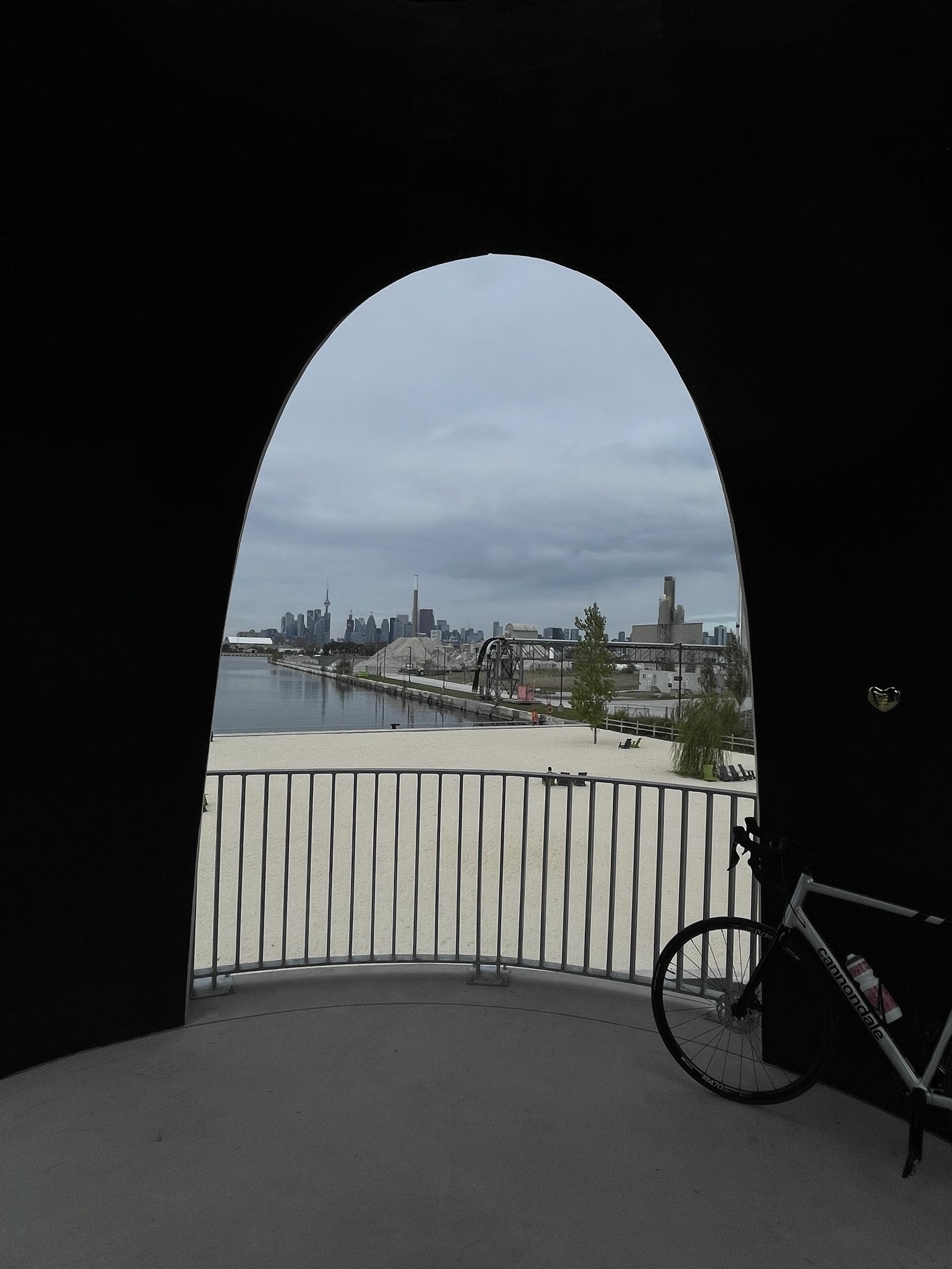
    This morning I rode out to Toronto’s new Leslie Lookout Park, which opened two weeks ago. I came down Cherry Street, crossing the new north bridge, and then I went all along Commissioners Street, crossing its new bridge.

    It’s great to see the Port Lands area continue to develop. Every time I’m down there, it feels more and more real — like an extension of the city. Now we just need to start developing within the blocks.

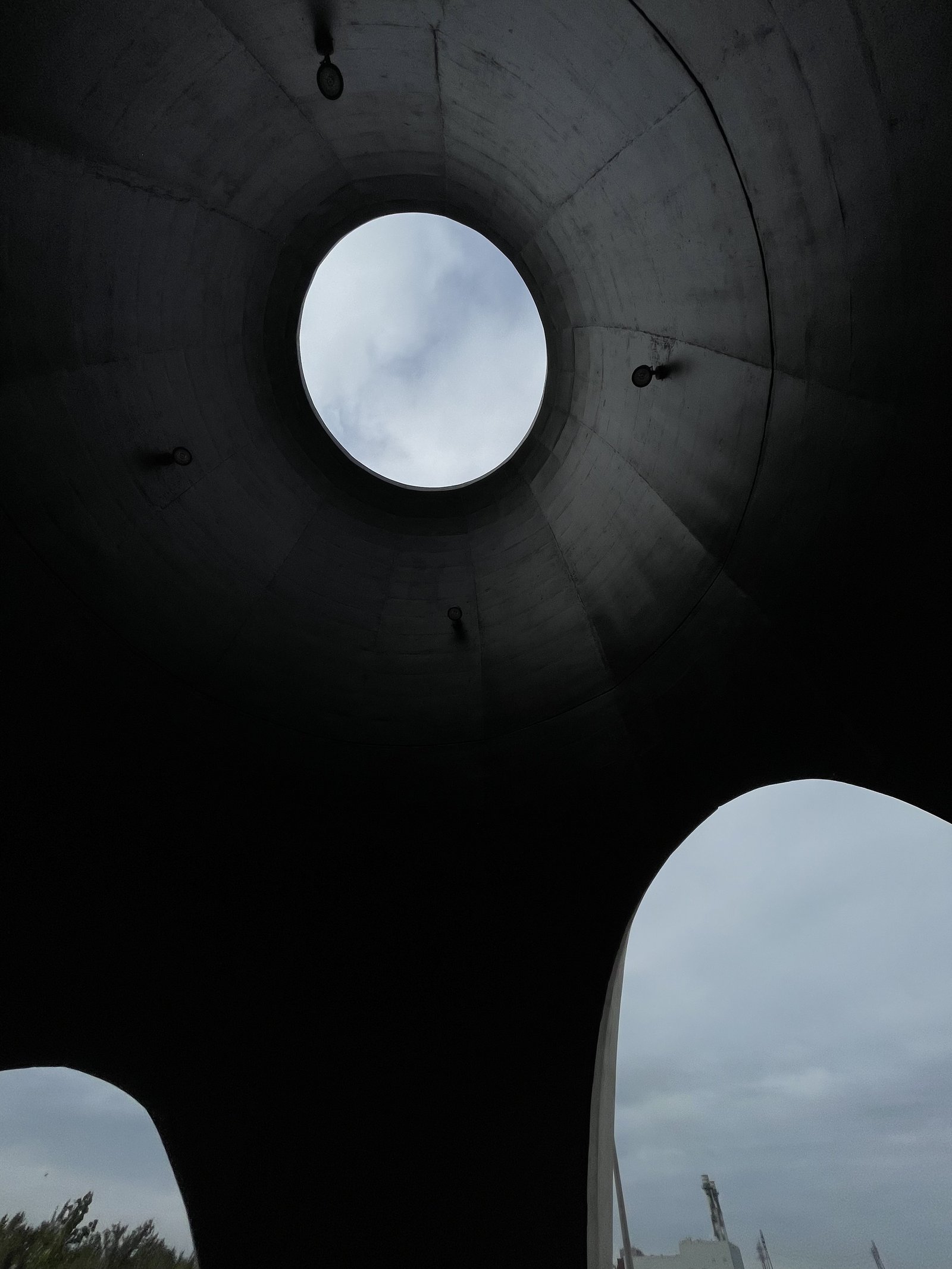
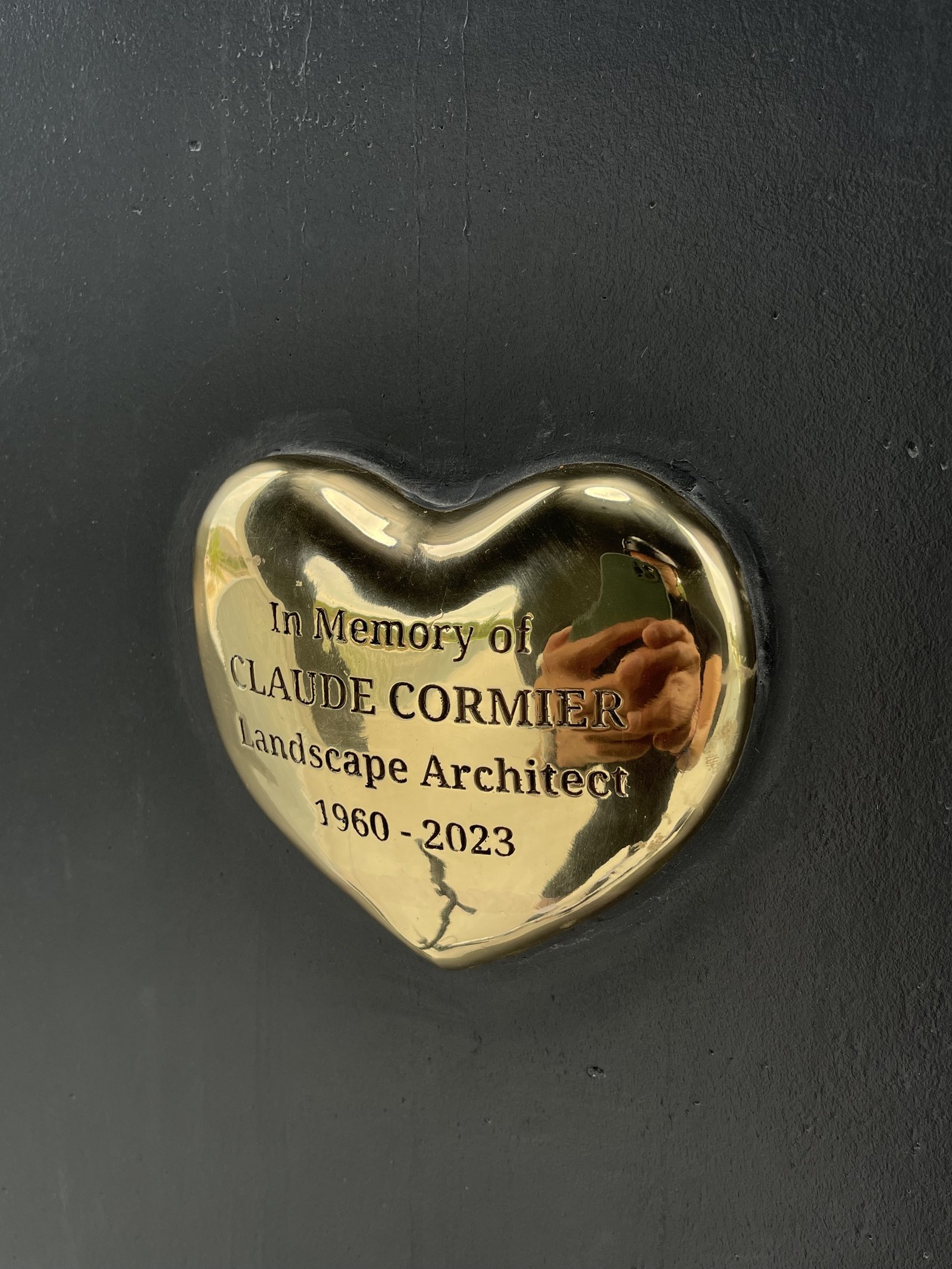
    If you find yourself at Leslie Lookout, make sure you locate Claude Cormier’s heart up in the tower. Claude’s firm CCxA was the landscape architect behind the project; but sadly, he passed away last year.

    Exactly 1 year before the opening of this park.

  • The Bentway Islands

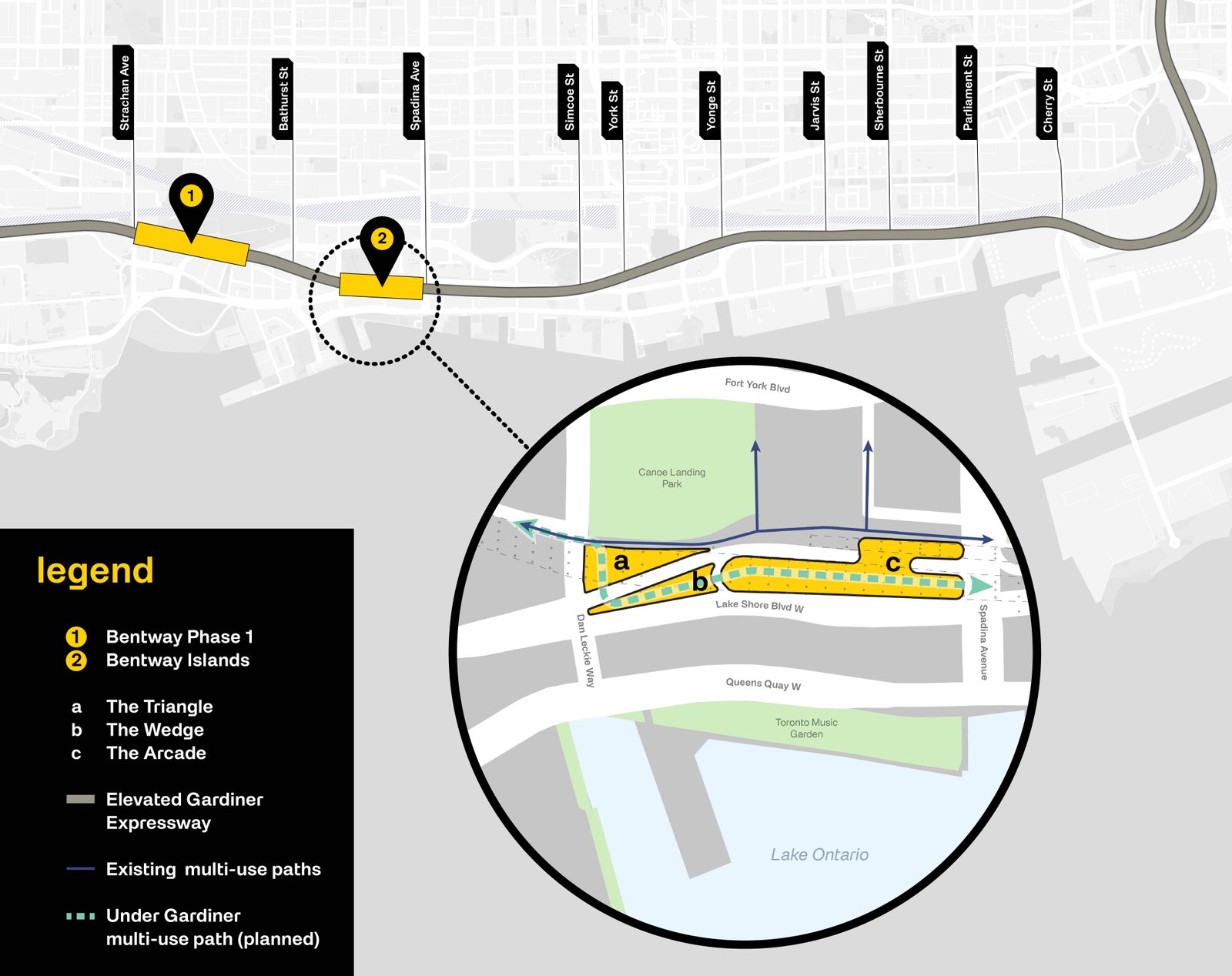
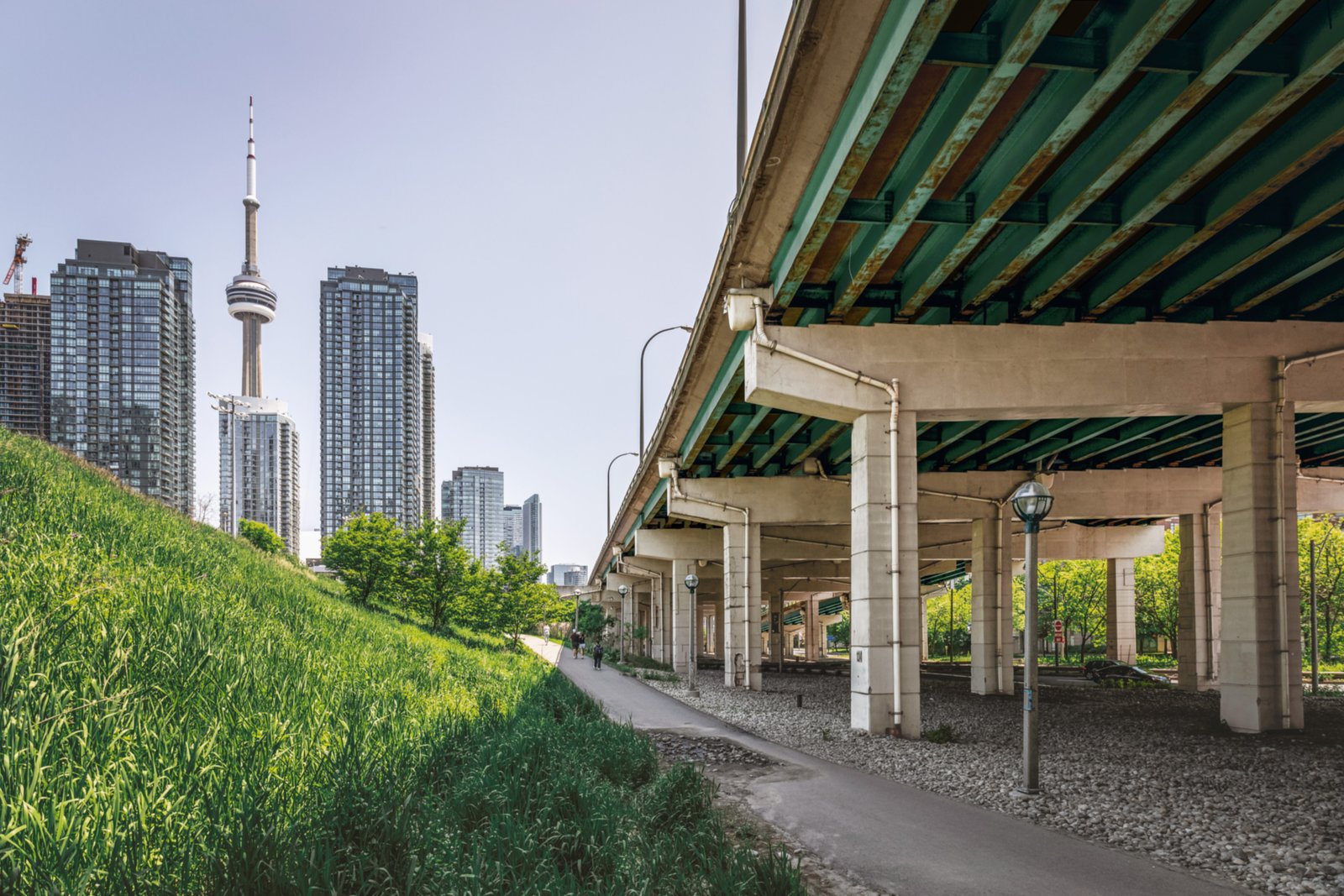
    As many of you know, Toronto has a highly successful public space underneath the Gardiner Expressway called The Bentway. I have ice skated in this space during the winter and I have listened to hard techno in this space during the summer. It has become a public space anchor in the city. Ilana Altman and the team are doing great work. And this week, they just announced that Field Operations (New York) and Brook McIlroy (Toronto) have been hired to design a major expansion. Called The Bentway Islands, this next phase consists of three “islands,” totalling 11,500 m2 (~125,000 ft2).

    Here’s a map:

    And here’s what the spaces look like today:

    Both of these firms do fantastic work, and so I’m excited to see what they come up with. (Field Operations is the firm behind New York’s High Line.) But if I can offer two unsolicited (yet related) suggestions, they would be: 1) Let’s incorporate more commercial uses and 2) let’s aim for these three parcels to not actually feel like urban islands. Generally speaking, the spaces underneath highways aren’t the most desirable. They also tend to be surrounded by inhospitable urban environments. Stitching them in and creating continuity in the fabric of the city (existing example, here) is the best way to make the highway above more or less disappear.

  • The growth of branded residences

    A branded residence is, as the name suggests, a residential building with a known branded attached to it. Historically, these have tended to be hotel brands. But it really just needs to be any brand that people know, care about, and will pay a premium for. So it could also be a fashion brand, a car brand, or whatever else.

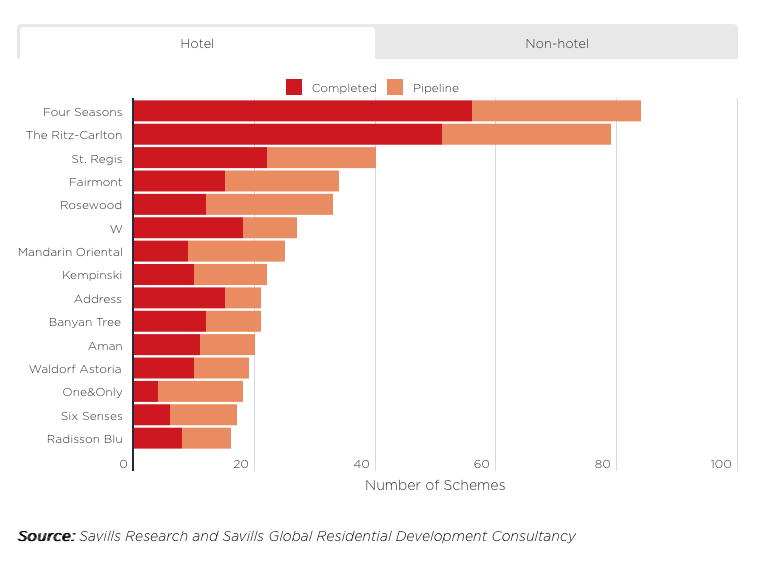
    This is a growing segment of the residential market. According to UK-based Savills, there were only 15 or so of these “schemes” in the 1990s (the UK uses scheme in lieu of project, which always sounds conniving to me), but by the end of this decade they expect the pipeline of branded residences to exceed over 1,200.

    I would also argue that projects designed by celebrated architects and/or designers are a form of branded residence. And this is not being captured in Savills’ number above.

    Whatever your definition, today, the branded residence capital of the world seems to be Dubai, which feels right. And the biggest brands, by what appears to be a long shot, are Four Seasons and Ritz-Carlton (hotel side), and YOO and Trump (non-hotel side). Here are the full rankings from Savills:

    This is an interesting part of the real estate business for a few reasons. One, it makes sense. A New Balance shoe that gets co-branded with Aimé Leon Dore unlocks additional value for both sides. ALD has a brand that certain people care about. So, of course the same would be true of real estate paired with the right brand.

    Two, it’s a growing market, and I think this is aided by the fact that development is an intensely local business — so it can be hard to grow a globally-significant brand on your own. Sometimes you just need to borrow someone else’s.

    And three, it’s usually a less risky approach to getting your name on buildings. Branded residences typically operate on a licensing model, which means developers pay for the right to use the brand. The brand may also capture some of the upside in the form of a percentage of sales. That’s less risky than putting up your own money.

  • I finally tried Apple Vision Pro

    I know I’m late to the party on this, but I finally tried Apple Vision Pro this weekend. I was in the Apple Store at the Toronto Eaton Center getting the battery replaced in my phone, so I decided to do a demo. And let me tell you — I was totally blown away. I messaged everyone I knew (after I got my phone back) and told them that they need to try it.

    To be clear, though, very few people right now want to actually buy this computing device. Initially, Apple was thinking that it would sell upwards of 800,000 units this year. But now it expects to sell somewhere closer to 400,000. Maybe. The device is too expensive, too bulky, and the use cases just aren’t there for someone to feel they need to buy it.

    I also found that, when I was looking at the world around me, I could tell I was looking at a video. It wasn’t exactly perfect. (Vision Pro creates a mixed-reality experience by recording the world around you and then playing it back to you.) But that’s okay. The hardware will get better. The price will come down. And the developer community will build a bunch of killer apps that nobody has even thought of yet.

    None of this changes the fact that the device is still an astonishing technical achievement. The eye tracking works perfectly. All of my hand gestures were flawlessly picked up. And the overall experience was entirely immersive — from 3D videos (recorded on regular iPhones) to a butterfly landing on my hand and a velociraptor flaring its nostrils right in front of me.

    What was most impactful to me is that I could easily imagine a future where all of this works. Is this a more exciting way to watch sports? Yes. I sat courtside and Lebron dunked in my face. Is this a better way to watch movies on a plane? By far. Will this be used to help build buildings and coordinate design & engineering disciplines? Yes, absolutely, among many other things.

    It is also easy to imagine how spatial computing is likely to dovetail with other innovations such as AI and blockchains. Mixed-reality or extended reality blurs the line between physical and digital. And in my mind, AI becomes the way in which we will want to interact with this new computing world. (It’s not easy to type on a virtual keyboard.)

    At the same time, digital artifacts will come to be viewed much differently when they’re all blended in. An NFT sitting in a cold wallet is going to feel a lot different than an NFT hanging in a fully immersive 3D gallery that is viewed by millions of people. This strengthens the case for blockchains, and the ownership of digital objects, products, and services.

    Maybe this is really far into the future. I don’t know. But regardless, if you haven’t already, I would encourage you to book a demo at your local Apple Store. However cool and great you think it will be, it will be better. I’m not suggesting you should buy one, but I am suggesting that you need to try it out and see a glimpse into the future.

    And if any of you are working on Apple Vision Pro software that is somehow connected to the design and construction industry, I would love to hear from you and learn more about what you’re up to. I have complete conviction that this will form the future of our industry. The best place to reach out is here.

  • Physical space is a funny thing

    It is often difficult to grasp. This is why when you look at an empty piece of land, it can sometimes be difficult to visualize actually fitting a building on it. And why when you look at an empty room, it’s common to think, “there’s no way that furniture will fit in here.” But in the end, it does fit.

    It also tends to be relative. Here in North America, it is common to argue over things like parking space dimensions and drive aisle widths. We’ll say things like, “well, people like their big cars.” But then you travel to Europe and you find streets like this:

    And this:

    The first is only marginally bigger than the width of a parking space in Toronto (2.6 meters). And the latter is only marginally bigger than the width of a typical two-way drive aisle (6 meters). So are these too small? Well, it depends on your perspective.

    If your basis of measurement is the size of cars, then these streets will seem too small. Cars also keep getting bigger, so you have this inflation factor to deal with. But if your basis of measurement is something else, such as walkability, then maybe they’re just right.

  • Vertical solar panels

    Ordinarily, solar panels make the most sense on the roof of a building. This is often where you can harvest the most solar energy. But sometimes it can make sense to install them vertically, like in the case of the above building in Scuol, Switzerland. I am by no means an expert on solar, but I am told that this can make sense in snowy climates (where rooftop panels are likely to get covered) and in northern locations where the lower angle of the sun means a vertical position actually catches the sun more effectively (especially during the winter months). It could also be the case that you just don’t have any available roof space. Either way, you have to look at and model out the entire year when it comes to solar.

  • No AC

    We are staying in our 6th hotel of this trip right now. And only 50% of these hotels have had air conditioning. This had led to a few restless sleeps where it was simply too hot. In one of our hotels, we had to ask them to bring a fan up to our room. But hey, this is Europe. I’m sure everyone thought we were spoiled North Americans. Interestingly enough, not having AC forces you to be more aware of the environment around you. Very quickly you learn that if you don’t shut the blinds or shutters when the afternoon sun is shining in, you are going to end up with a room that is too hot to sleep in. I try to be mindful of this back home in Toronto, where we do have AC, but there really isn’t the same imperative to both design and then operate around climate and local conditions. Active mechanical systems do much of this for us.