Daily insights for city builders, delivered every morning at 6 AM ET. I’m Brandon Donnelly — a Toronto-based real estate developer and founder of Globizen. I’ve been writing here since 2013.

Author: Brandon Donnelly

  • There’s growing support for NYC’s congestion relief zone — particularly from the people who actually use it

    February 10, 2025 · View original


    It has now been over 4 weeks since New York City started charging motorists to enter Manhattan so that they pay for a portion of the impact they have on roadways in the city. And the data overwhelmingly supports that travel times have fallen as a result. Transit ridership also appears to be increasing, despite what some critics will tell you, and trains and buses appear to be moving more efficiently as well (via Fast Company):

    > More commuters are opting for buses to cross Manhattan, and those buses are now traveling more quickly, too. Weekday bus ridership has grown 6%, while weekend ridership is up 21%, compared to January 2024. (Subway ridership has also grown by 7.3% on weekdays and 12% on weekends, part of a larger trend in ridership growth happening since the fall, per the MTA. Anecdotally, some subway riders have said they’ve seen more packed trains on their morning commutes.) Buses entering Manhattan from Queens, Staten Island, and the Bronx are saving up to 10 minutes on their route times, which also makes their arrivals more reliable.

    Also noteworthy is that polls suggest that the majority of Manhattan commuters (~66%) now support the congestion relief zone. They are experiencing the benefits and probably doing the mental math that the time they are personally saving is worth at least $9. However, one figure that hasn’t changed all that much is that about half of voters across New York State still oppose the congestion charge (though it has dropped by a few percentage points compared to earlier polls).

    Paul Krugman speculates (in this recent post) that this negative view is, therefore, coming from people living in upstate NY, which is interesting, because how many of these voters will actually end up paying this charge and/or experiencing its benefits? That’s the thing about being asked to spend money that you didn’t have to spend before; if you can’t clearly see the value in doing so, then you’re not going to like the idea.

    At the same time, it can be hard to win political battles with facts, figures, and rational arguments alone. Krugman also argues that there are other reasons for why this congestion relief zone is being opposed by many people and why Trump, in particular, wants to kill it:

    > …maybe the biggest reason for Trump’s desire to kill the congestion charge is a phenomenon I identified the last time I wrote about this: the rage some Americans obviously feel at any suggestion that people should change their behavior for the common good. What we’re seeing with regard to the congestion charge is that some Americans feel that rage even when they themselves aren’t being asked to make changes.

    As I have said before, this is an important policy to follow because its success, or failure, will naturally set a precedent for the rest of North America. If transit-rich NYC can’t make a congestion relief zone work, then who can? However, my optimistic view continues to be that it will ultimately stick. And already we are seeing positive sentiment from the people who it directly affects/benefits.
  • Cat day on Hokkaido

    February 9, 2025 · View original


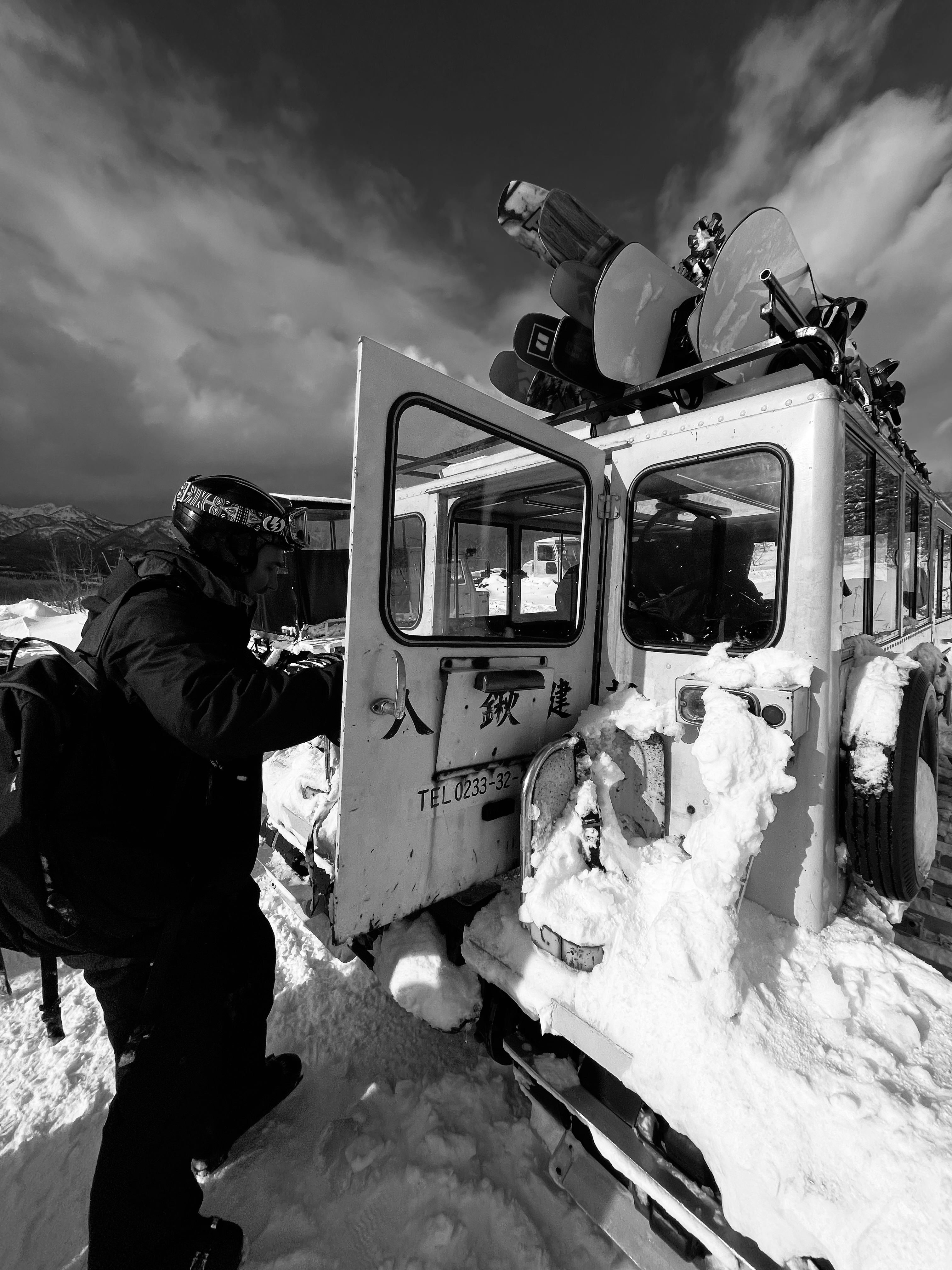
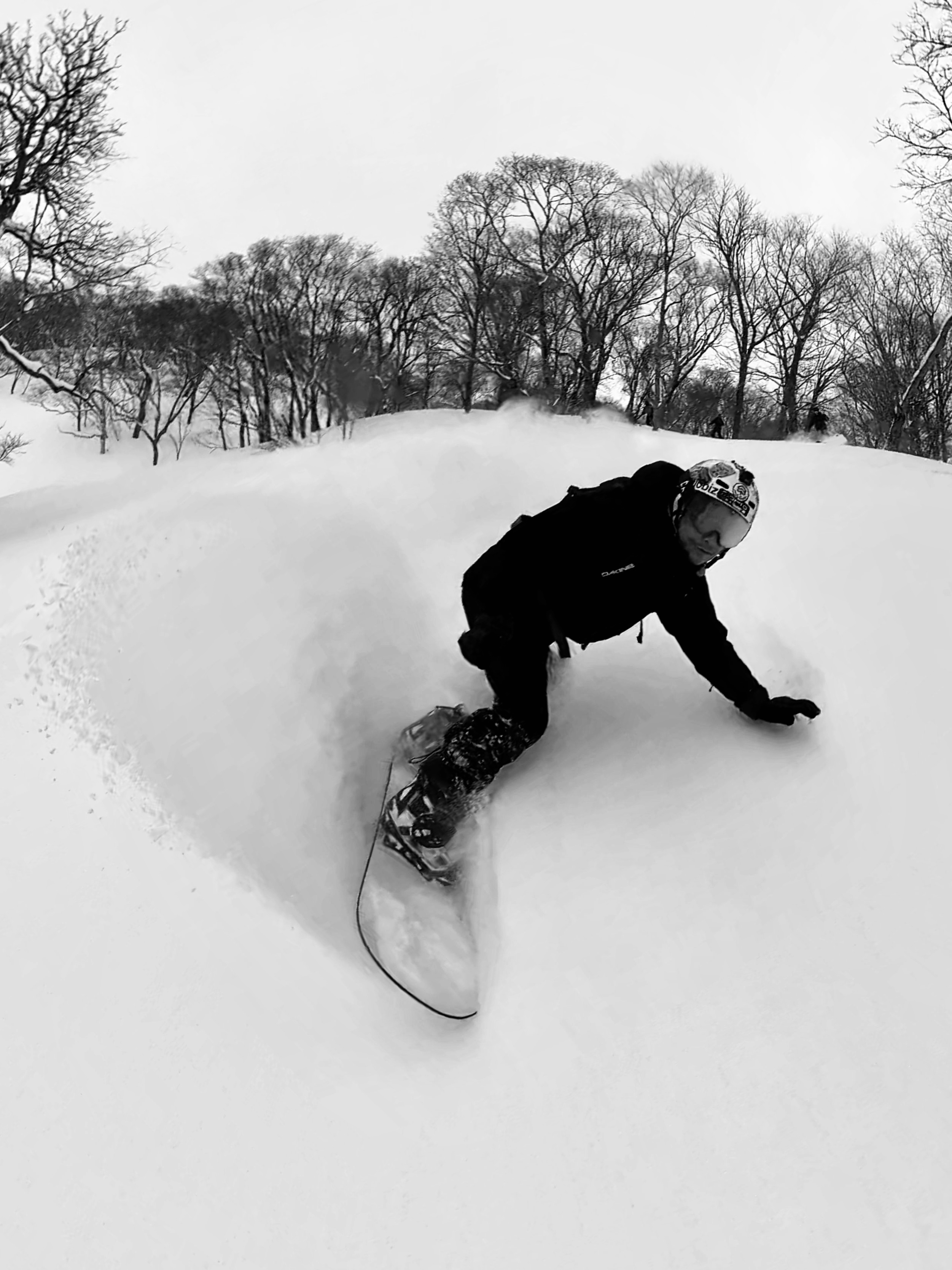
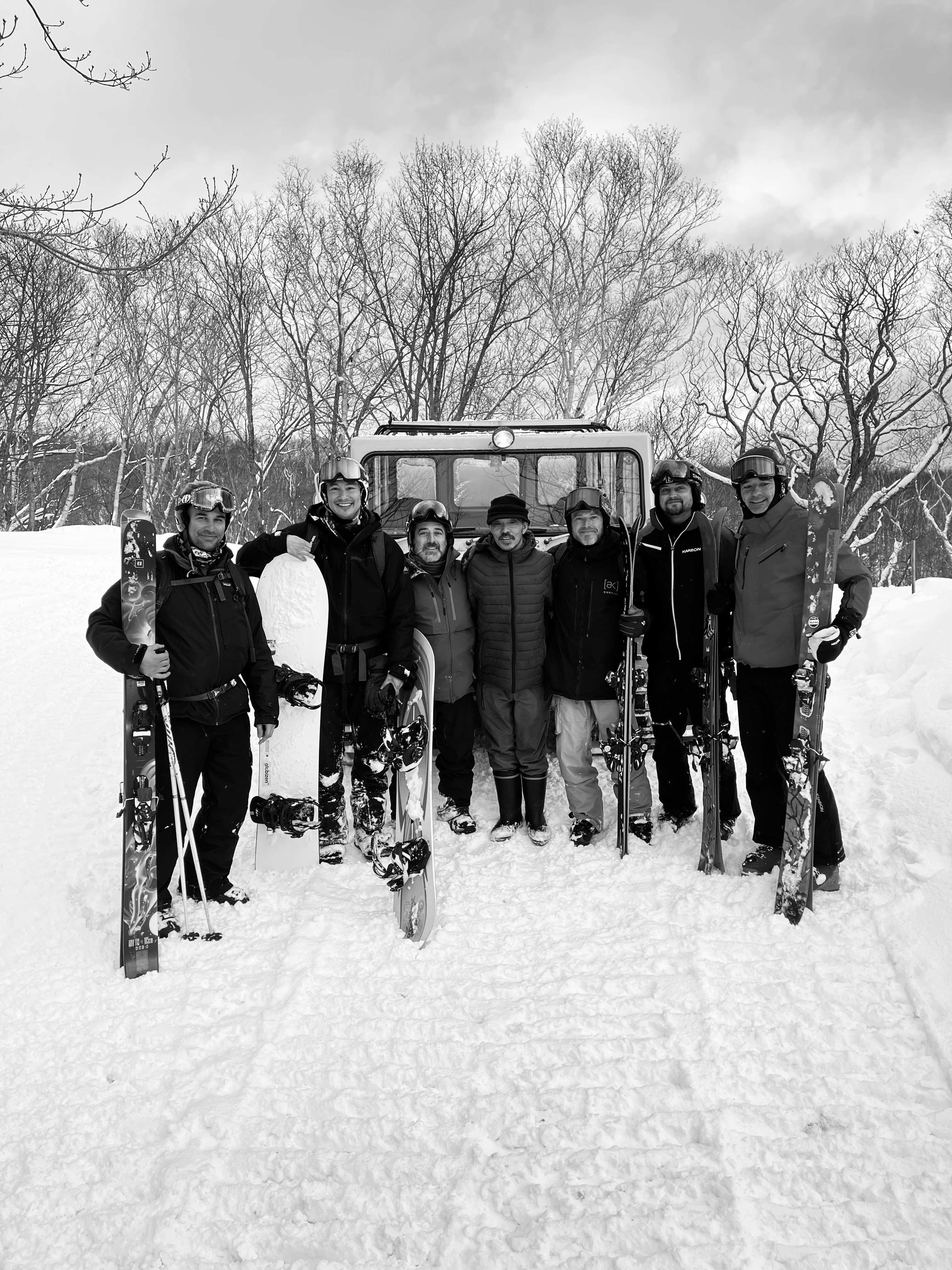
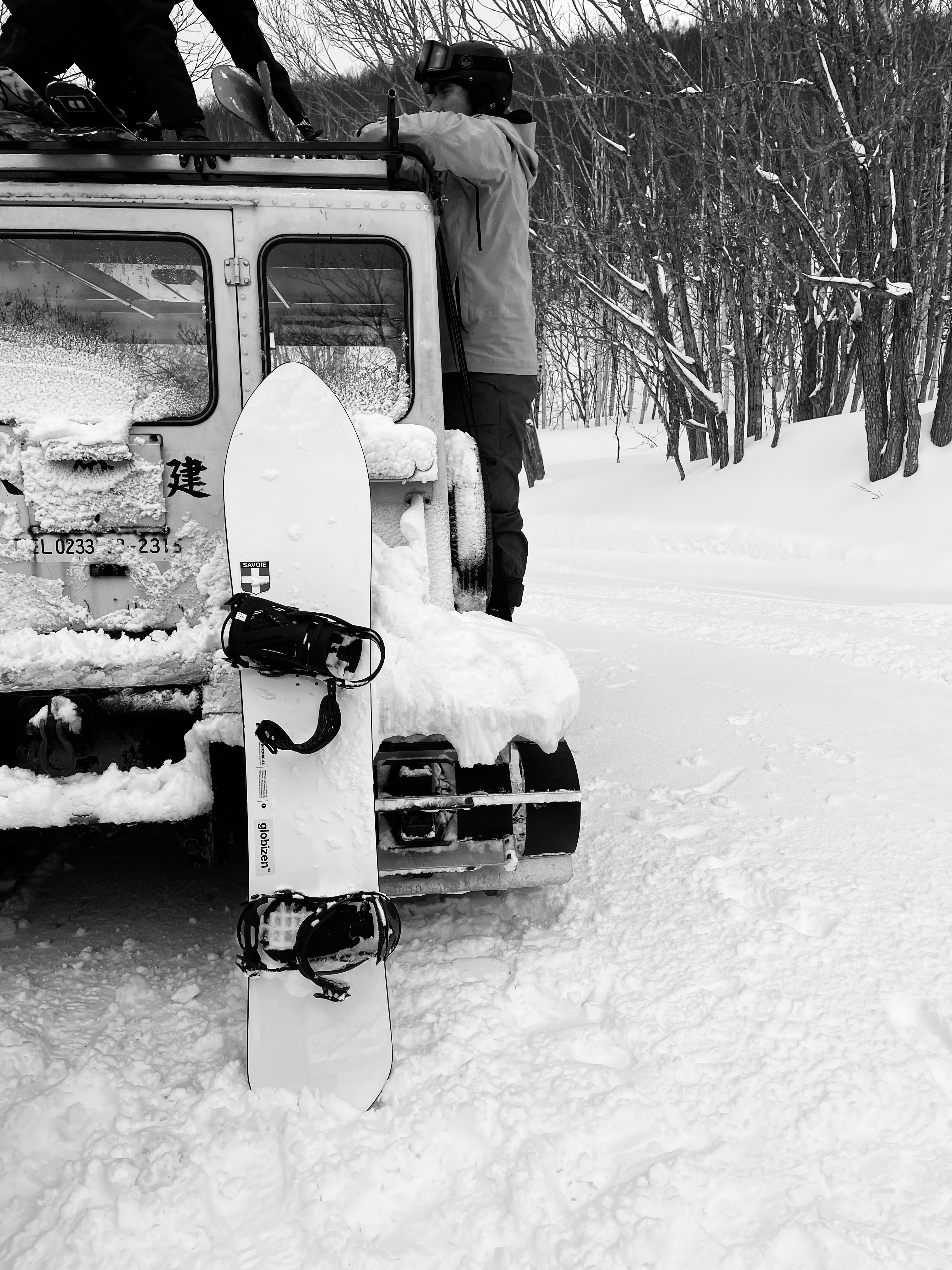
    Today was day 4 of skiing and snowboarding on Hokkaido. We did a “cat day” with Type Two Three, which is a guided backcountry day using a snow cat. It was incredible and we were up to our waists in the fresh stuff. Our guides were two former US Navy SEALs and our driver (pictured above in the middle of the group photo) was a professional snowboarder who competed in the men’s half pipe event at the 2006 Winter Olympics (in Torino) for Japan. His name is Fumiyuki Murakami and, if you’re into snowboarding, I would encourage you to give him a follow on Instagram. He’s a fantastic snowboarder and a very nice man.

    Today was a great day in the mountains.

  • Towards a new Toronto

    February 8, 2025 · View original


    I have a bias toward pedestrian-oriented cities. Being able to walk everywhere and take trains in a city like Paris or Tokyo is, in my opinion, a great luxury. But another important reason is that I have yet to find a big global city that is both designed around the car and that moves people efficiently. If any of you can prove me wrong with an example, I would welcome that. But I honestly can’t imagine a world where the 40 plus million people who live in Greater Tokyo are able to move around as easily using cars as they do with trains.

    It is for these reasons that when we take on new development projects in Toronto, we are looking for opportunities that will support a more pedestrian and transit-oriented future. This means saying no to sites that are unlikely to support this kind of built environment in the near term and aiming to build as little parking as possible, among other things. Put more simply, we want to build well-designed density next to transit. The two go hand in hand. Now, this may sound obvious, but keep in mind that the vast majority of the Toronto region is not built in this way; it’s oriented around the car.

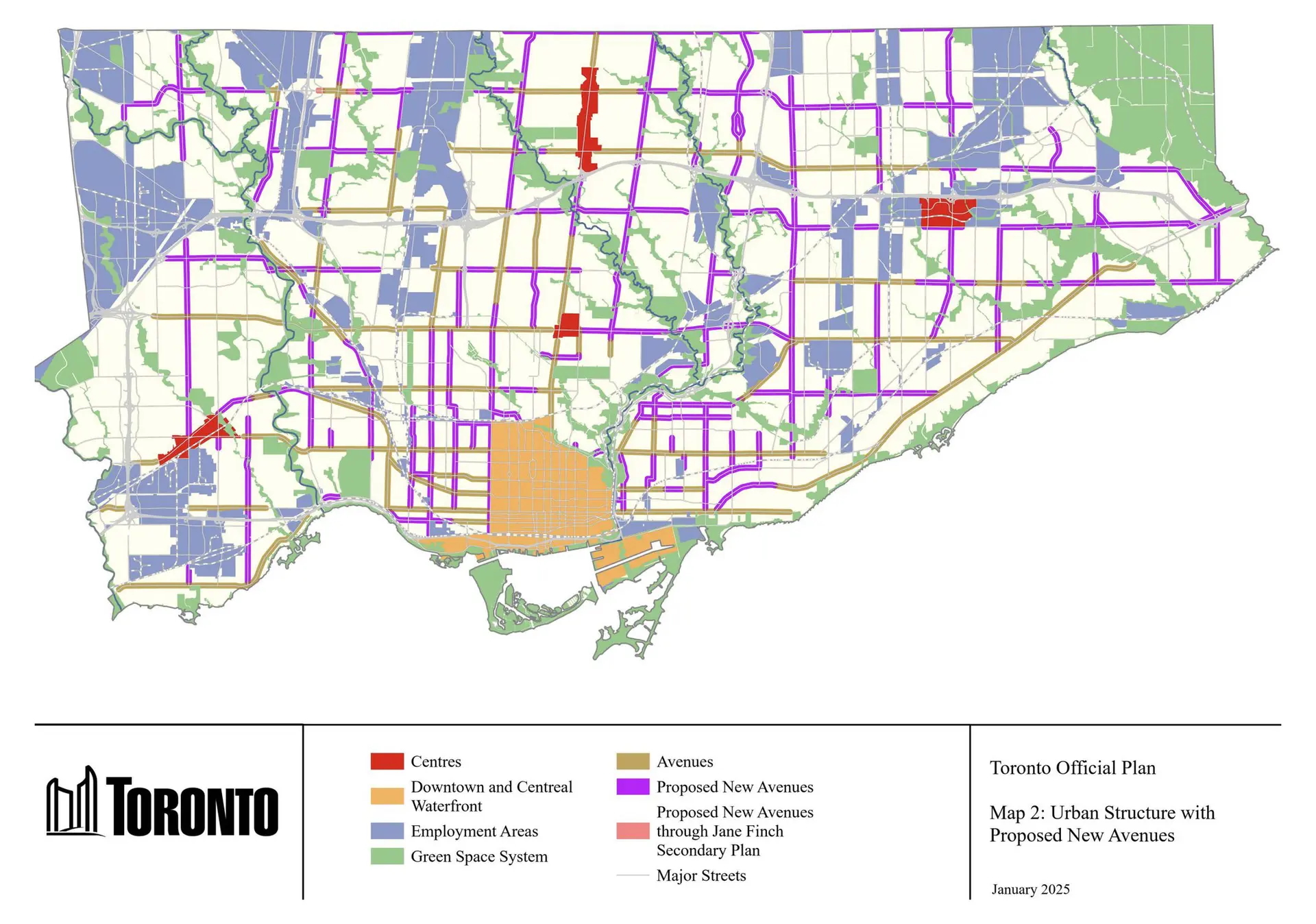
    The Avenues Map that I blogged about yesterday depicts an urban structure that does not yet exist in Toronto, at least not in its entirety. It is a forward-looking planning document, which is what it should be. One of our goals as developers is to do our part in helping to build out this vision for the future. Because in our view, it’s a better one.

  • Toronto approves expanded Avenue network

    February 7, 2025 · View original


    Last month, I wrote about Toronto’s proposal to add additional “Avenues” to its urban structure. (“Avenues” is a defined term that I touch on in last month’s post). Well, this week the new Avenues Policy went to City Council for debate and approval. You can read all the back and forth via Matt Elliott on X. Not surprisingly, some Councillors were/are opposed to it, fearing it will create some sort of dystopian future for Toronto. An attempt was made to send it back for further study and consultation, which is the typical delay tactic. Comments were made that people in multi-family buildings are lonely because they don’t know their neighbors. And it was argued that Kipling Avenue should not be a designated “Avenue”, even though it’s already called one. (Toronto street suffixes can be weird sometimes.) Thankfully, the new Avenues passed. And this is a big deal for Toronto. Over time, this expanded Avenue network is going to create new housing and employment opportunities, and make transit and other forms of mobility far more viable all across the city. As I said last month, I think it’s going to be foundational in helping us move away from the outdated model of the monocentric North American city. Slowly but surely we are laying the groundwork for an urban structure that is actually, and more uniformly, urban.

  • Hello Hokkaido

    February 6, 2025 · View original


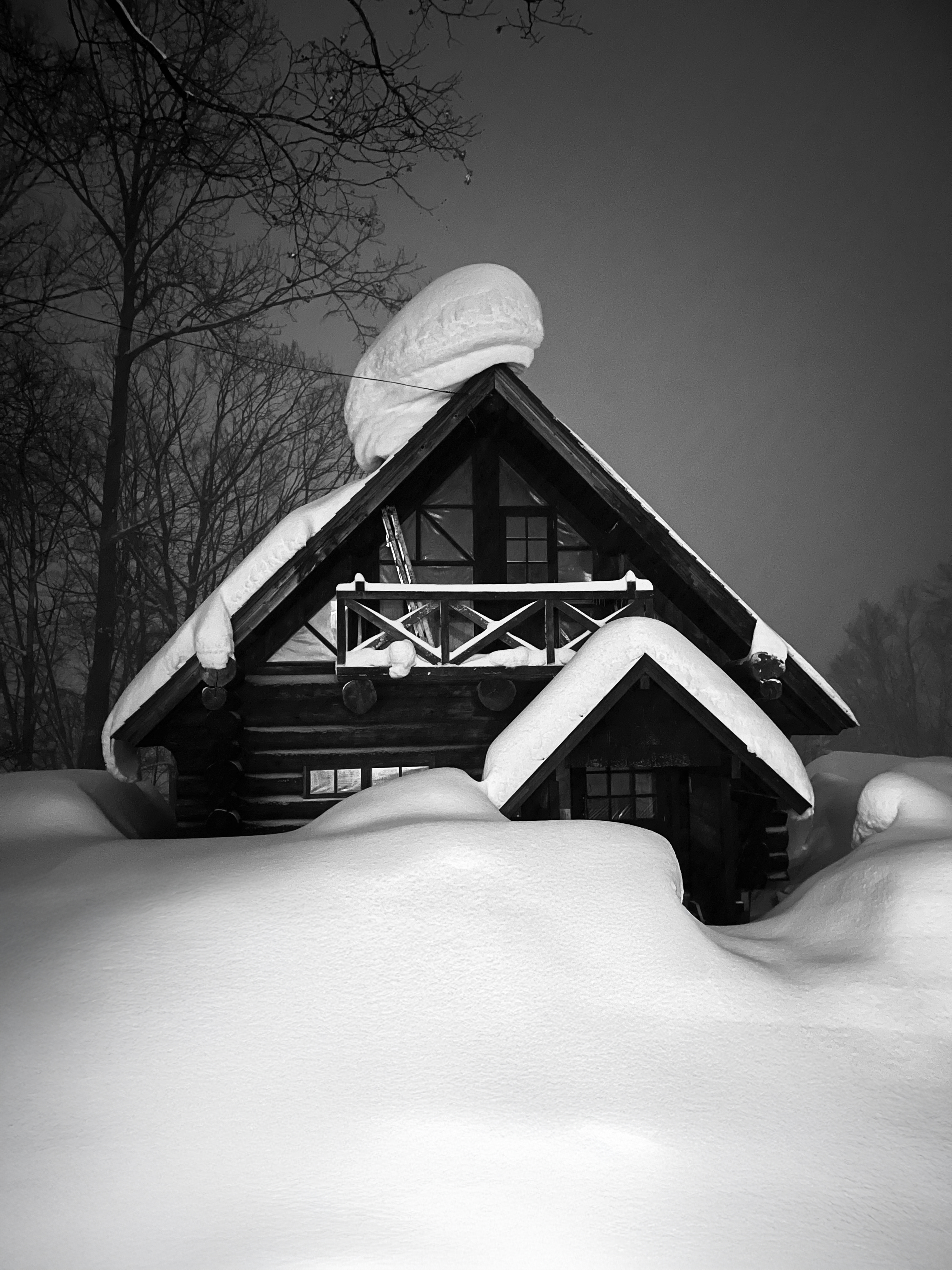
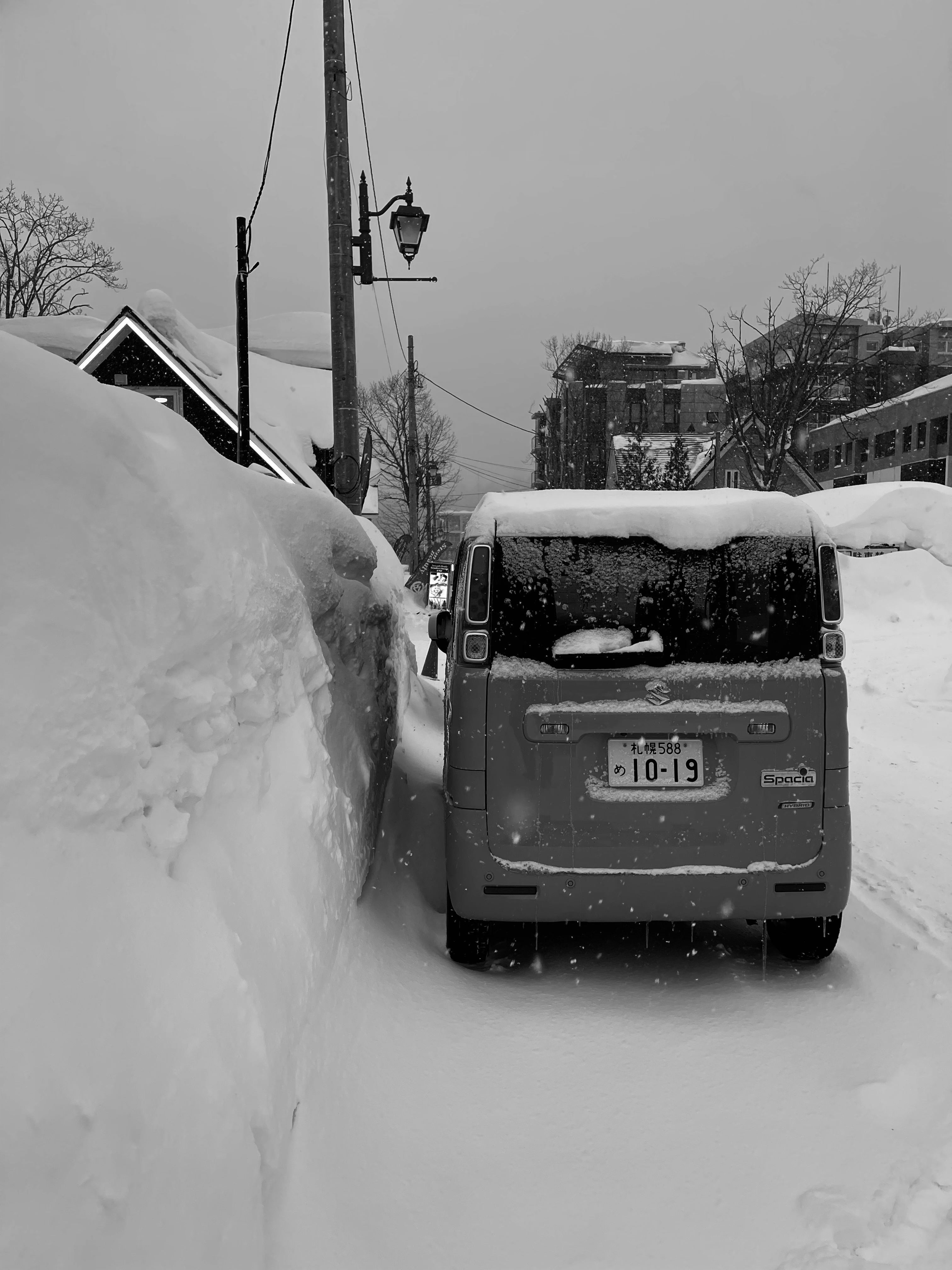
    We landed on Hokkaido yesterday. And when we got out of the airport, it was snowing. The first thing we did was stop in Sapporo for lunch and, while we were there, it continued to snow.

    After lunch, we drove west to Niseko, and for almost the entire 2-hour drive, it was whiteout conditions. It was the first time I had ever seen a place use flashing red arrows hung above the road to indicate the edge of the outer lane.

    This, I quickly learned, is invaluable in a place like Hokkaido; it’s so that both drivers and snowplows know where they’re going and know their limits. But to be honest, many other places should probably adopt it as well.

    We are now on day two and it’s still snowing. The stats do not lie: this is one very snowy place. As I understand it, the main reason for this is its location, and not its elevation. I’m sitting at ~280 meters right now (whereas Park City is over 2,000 meters up).

    But it does have mountains.

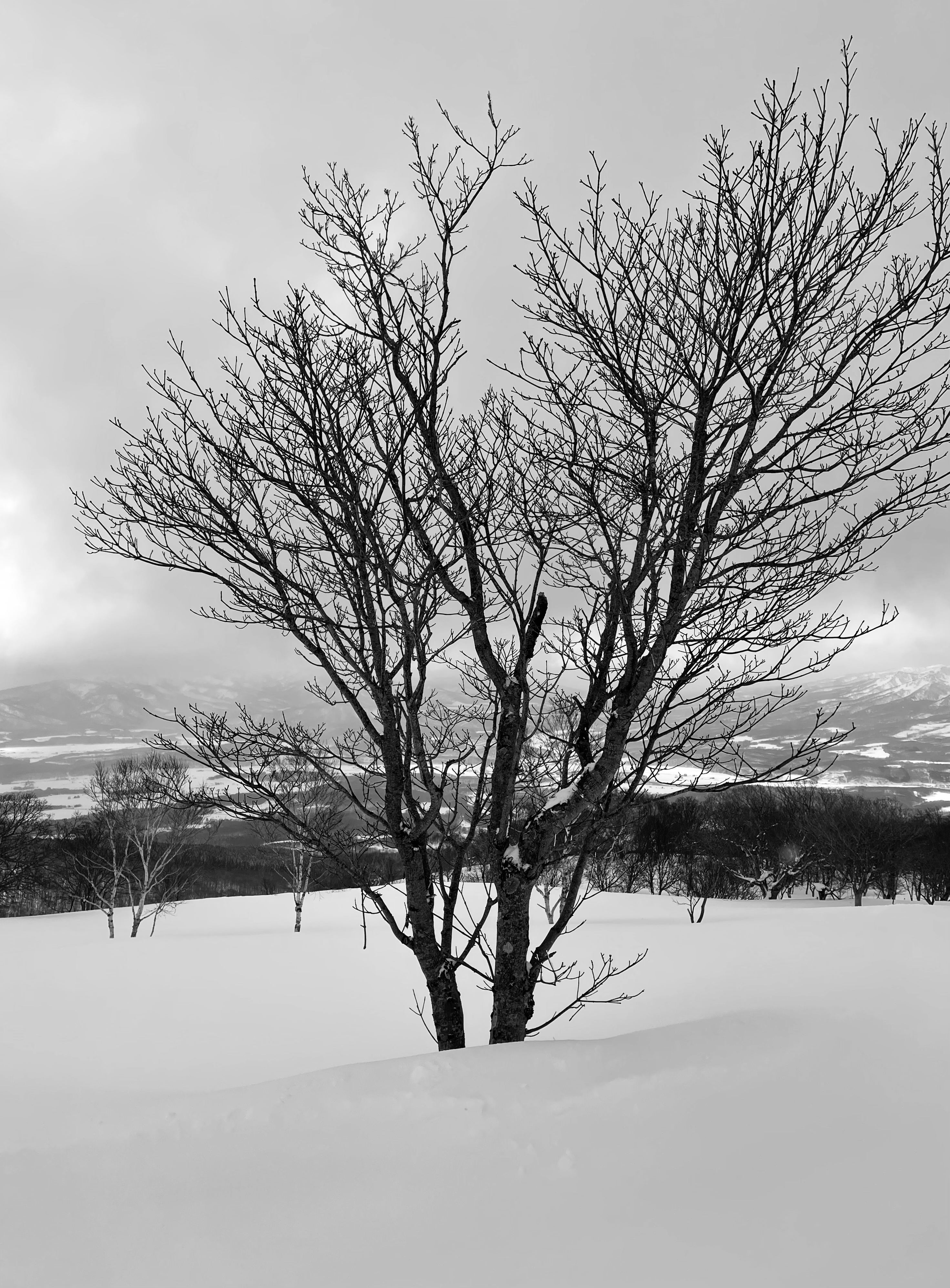
    And when warm air from the Sea of Japan mixes with cold fronts from Siberia, and then intersects these mountains, it produces beautiful dry powder snow, and lots of it. “Japow” is no joke, as you can tell from the above photos.

  • Tokyo’s open-air exit stairs

    February 4, 2025 · View original


    One of the trademarks of Tokyo’s urban landscape is a lot of exterior exit stairs. For example, our hotel is almost 20 storeys and it has two exit stairs, both of which sit outside of the building. Here’s a photo taken from the corridor. You can also see other buildings in the background with similar exit stair configurations.

    Oftentimes these stairs will also be positioned on a building’s primary elevation, making them form part of the overall architectural expression. There’s no shame in doing that here. This is curious to me because it means that, on tight urban sites, you’re giving up part of your frontage to egress. The alternative would be to burry it in the middle of the building and have it transfer over at some point.

    In any event, my first thought when I see a lot of exterior circulation is usually that the place must have a mild climate. And indeed, this is true of Tokyo. The average January and February lows and highs are 10 degrees and 5 degrees, respectively. Snow is extremely rare here. But that doesn’t seem to be what’s driving this egress approach.

    Because if you go up north to Sapporo, where they get upwards of 500cm of snow each year, it too has exterior exit stairs. Closer to home, there’s also the example of Montreal, which is similarly known for its exterior stairs (both in its older housing stock and in some of its newer housing stock). So it can’t just be a weather thing.

    The more likely hypothesis is that it’s simply cheaper and easier to build this way. There may also be local regulations that either directly or indirectly encourage it, beyond it just being more cost effective. Interestingly enough, though, exterior stairs don’t seem to be as common in newer buildings (but this is just my anecdotal observation from the last few days).

    We talk a lot these days about single-stair buildings. And I think it’s clear that we need to start allowing this for larger infill projects. But Tokyo also has me wondering if we should be having a parallel conversation about more open-air exit stairs and corridors. Climate is clearly no excuse. If it can help bring down the cost of building, then it’s something to consider.

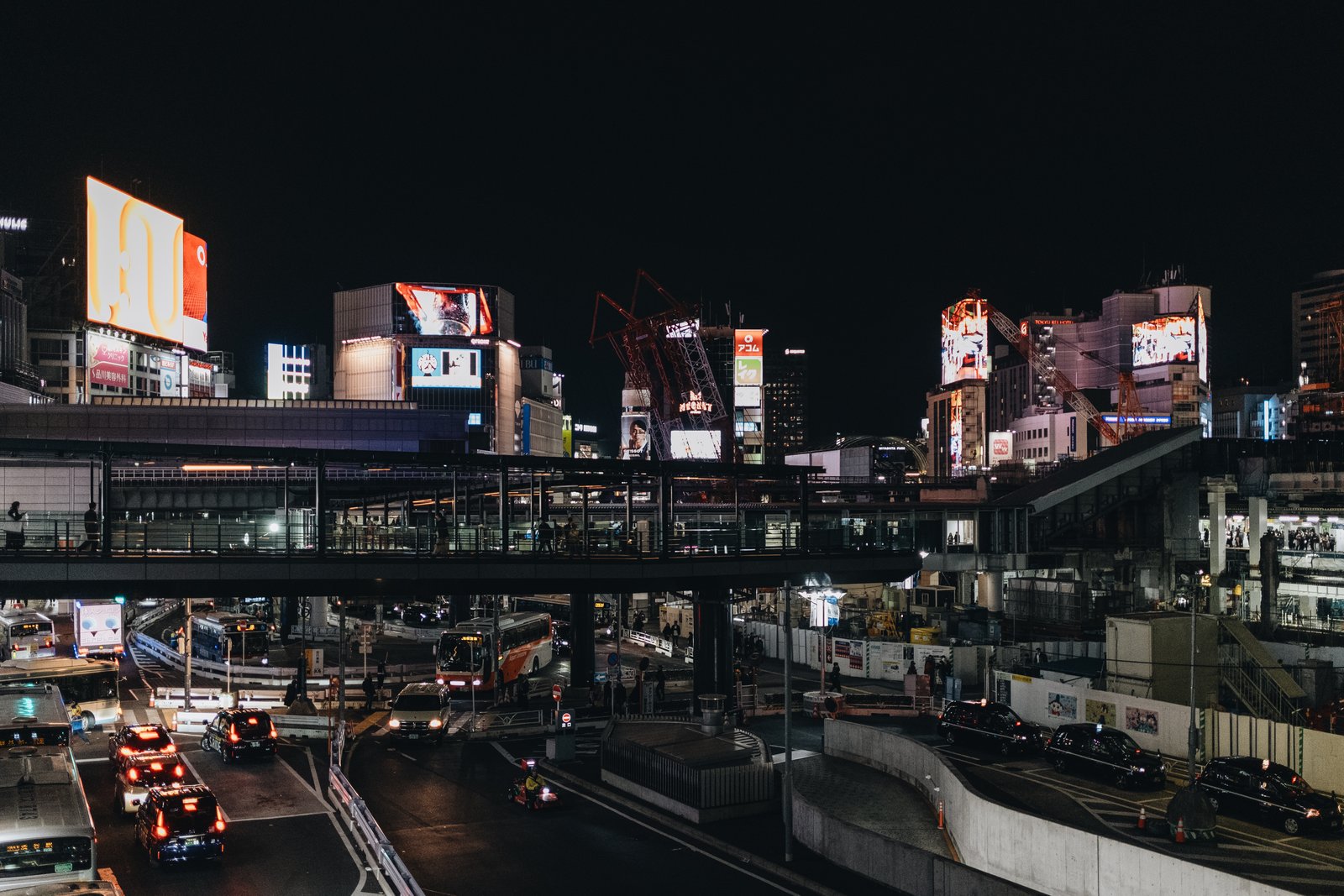
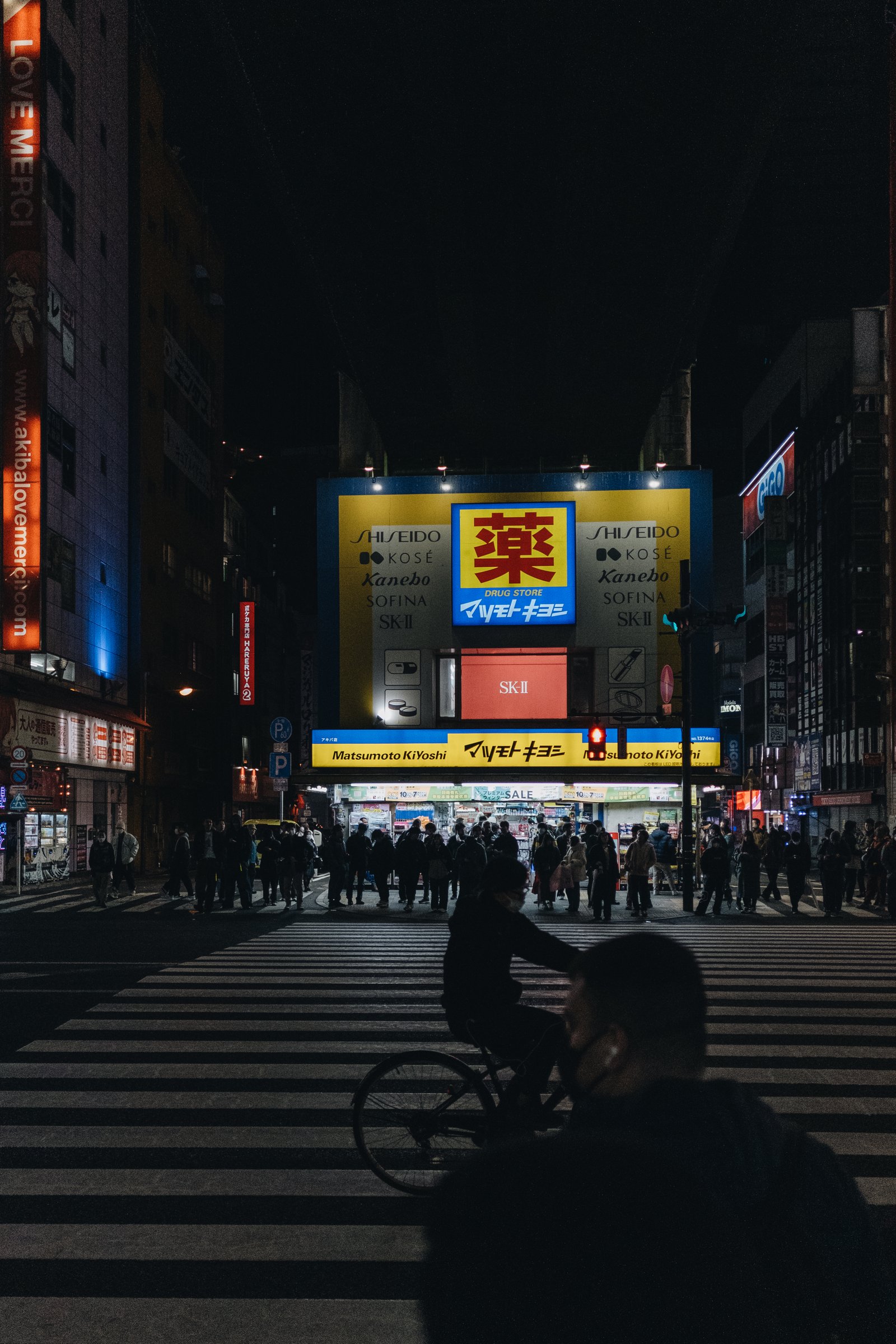
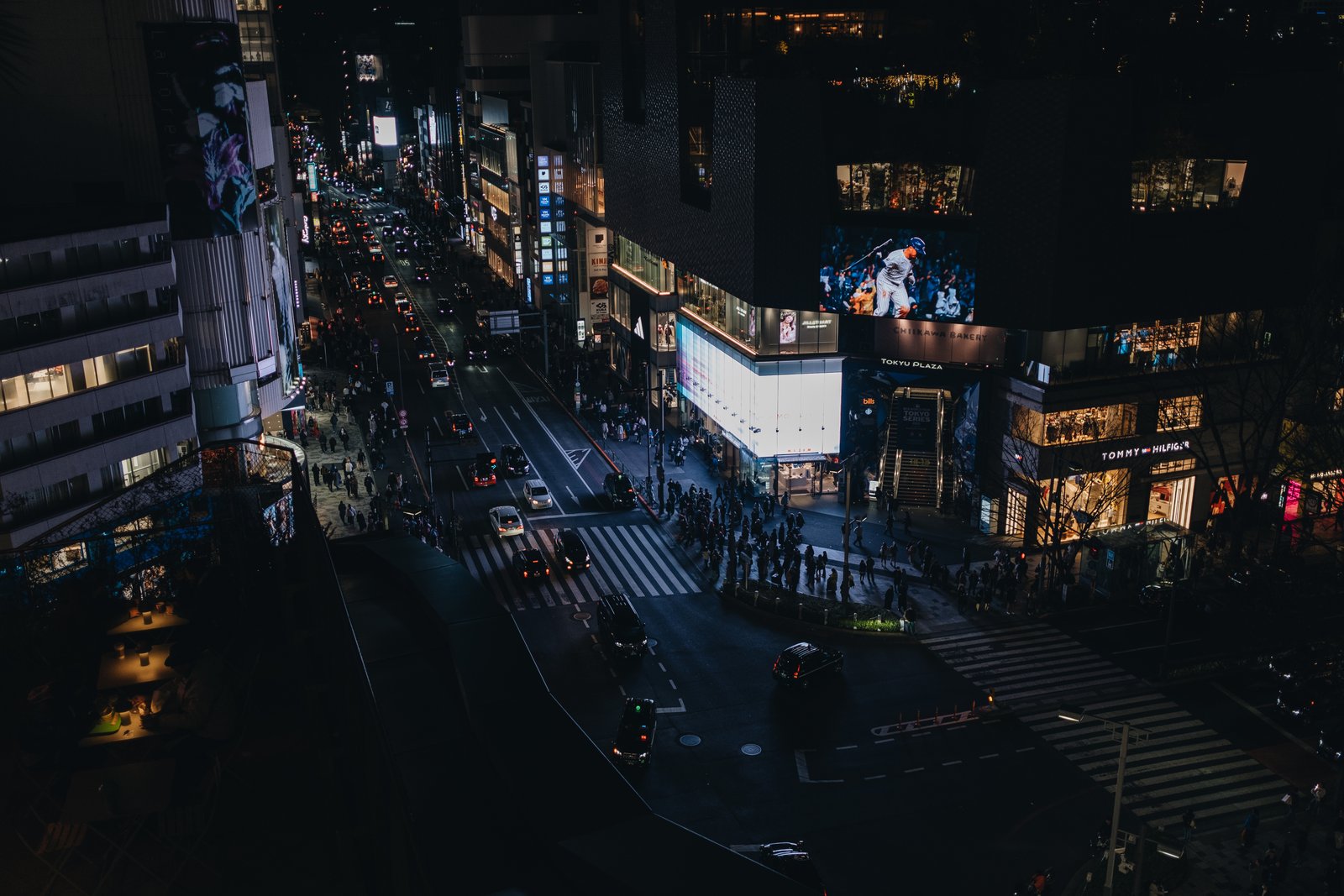
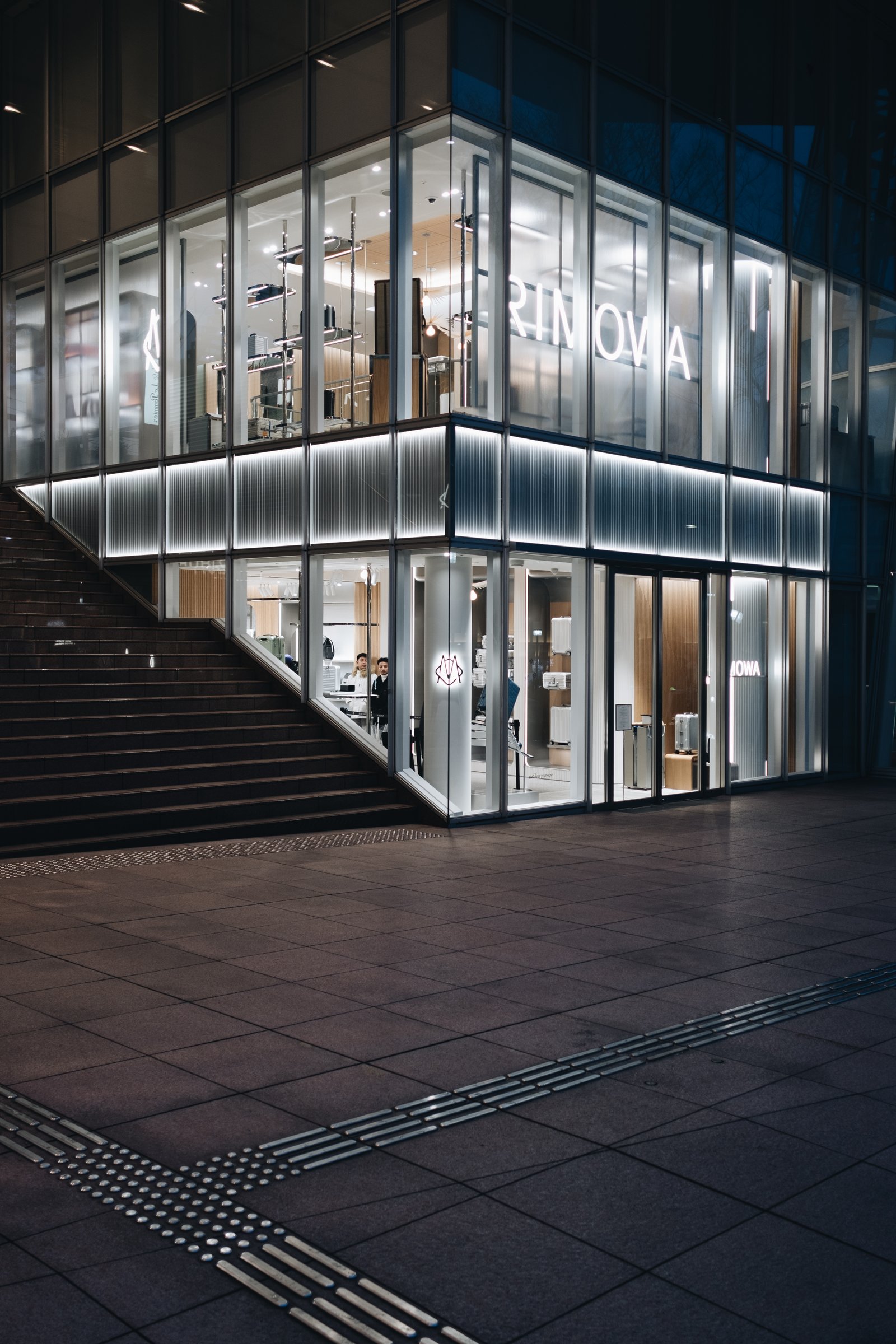
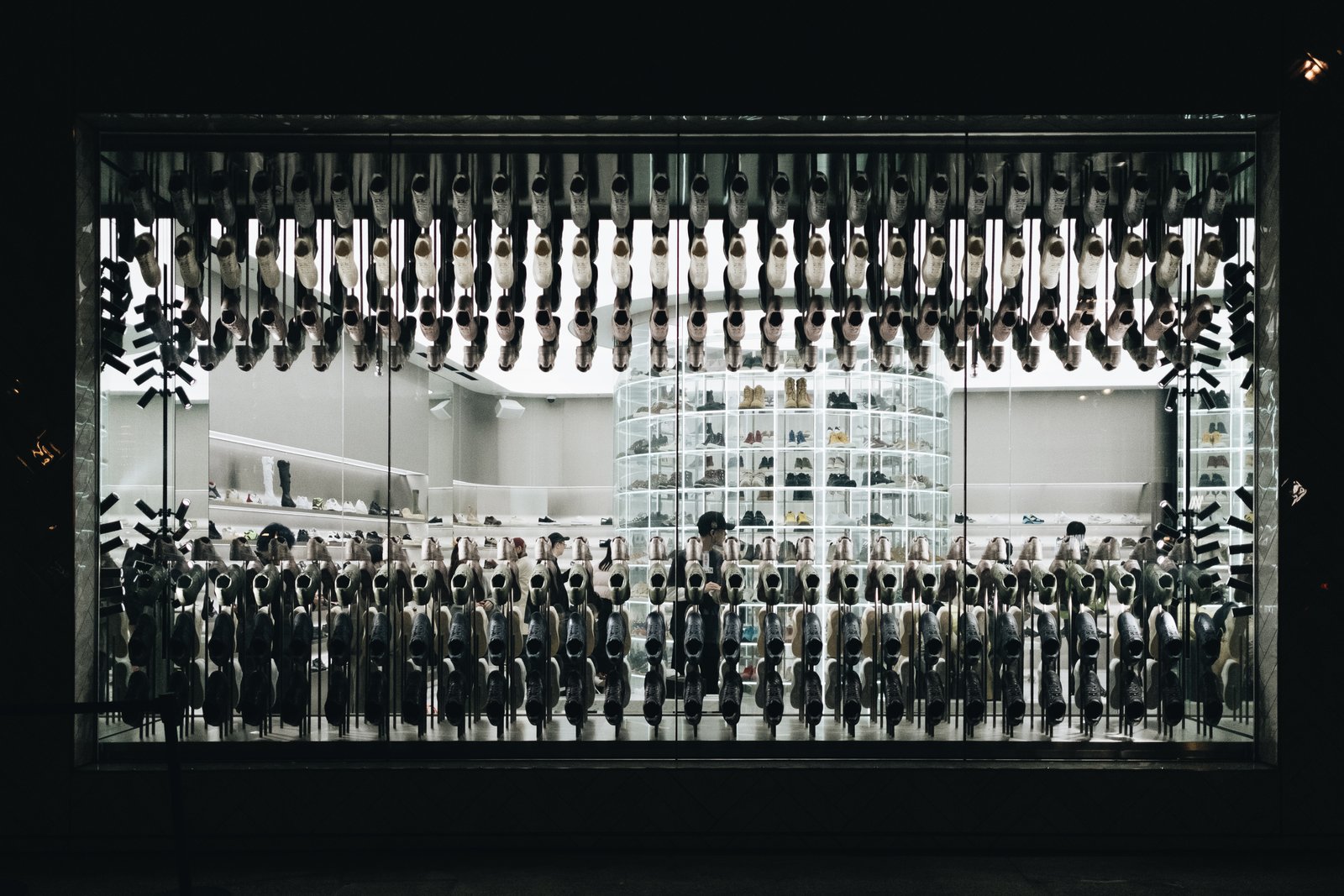
  • Tokyo at night

    February 3, 2025 · View original


  • Anatomy of a Tokyo hotel room

    February 2, 2025 · View original


    Space comes at a premium in Tokyo. So today, let’s take a look at our hotel room, including some of its dimensions. The smallest room in our hotel is 12 m2 (~129 ft2). But we sprung for the 20 m2 (~215 ft2) room given that we have two big ski/snowboard bags with us.

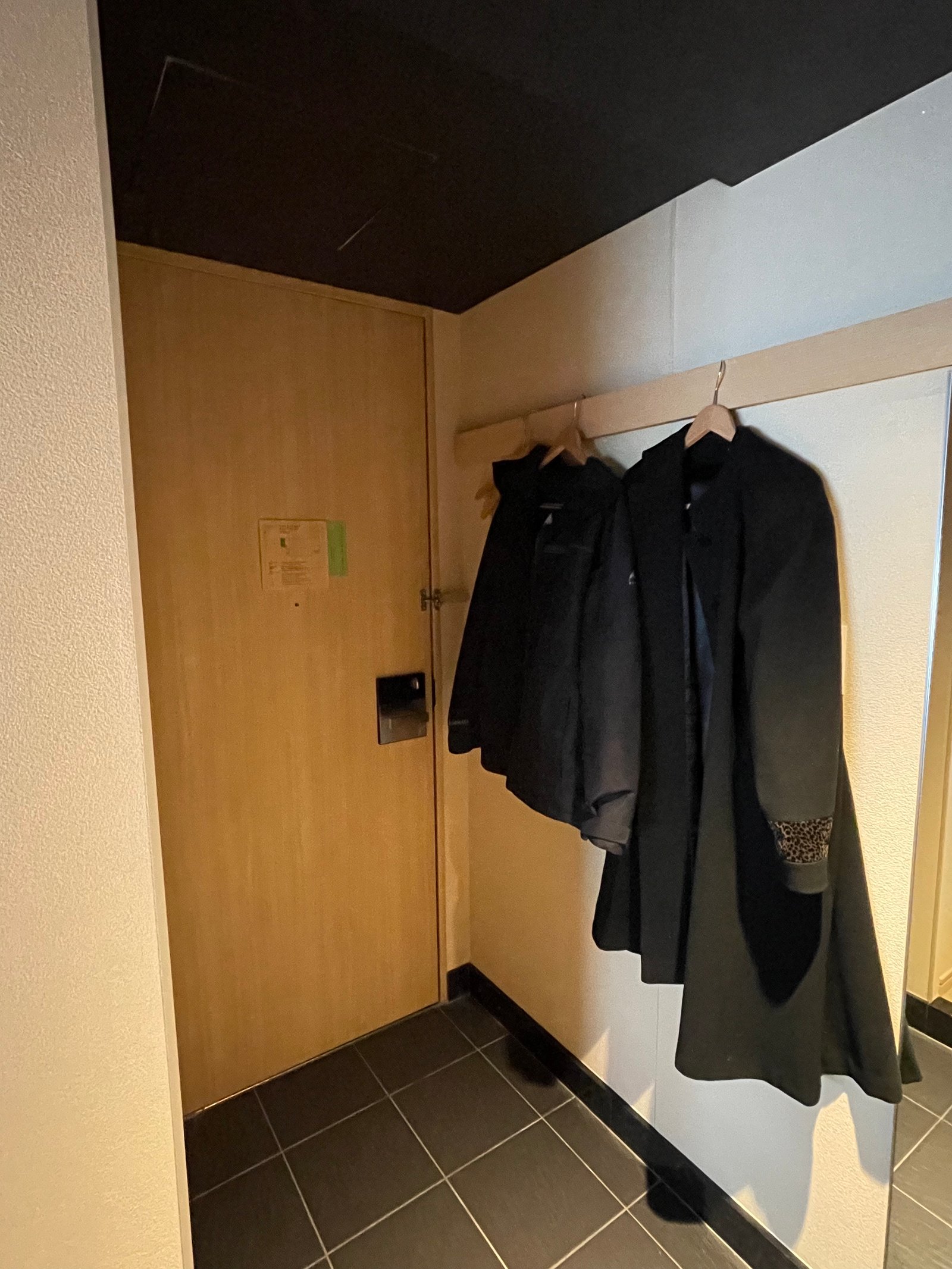
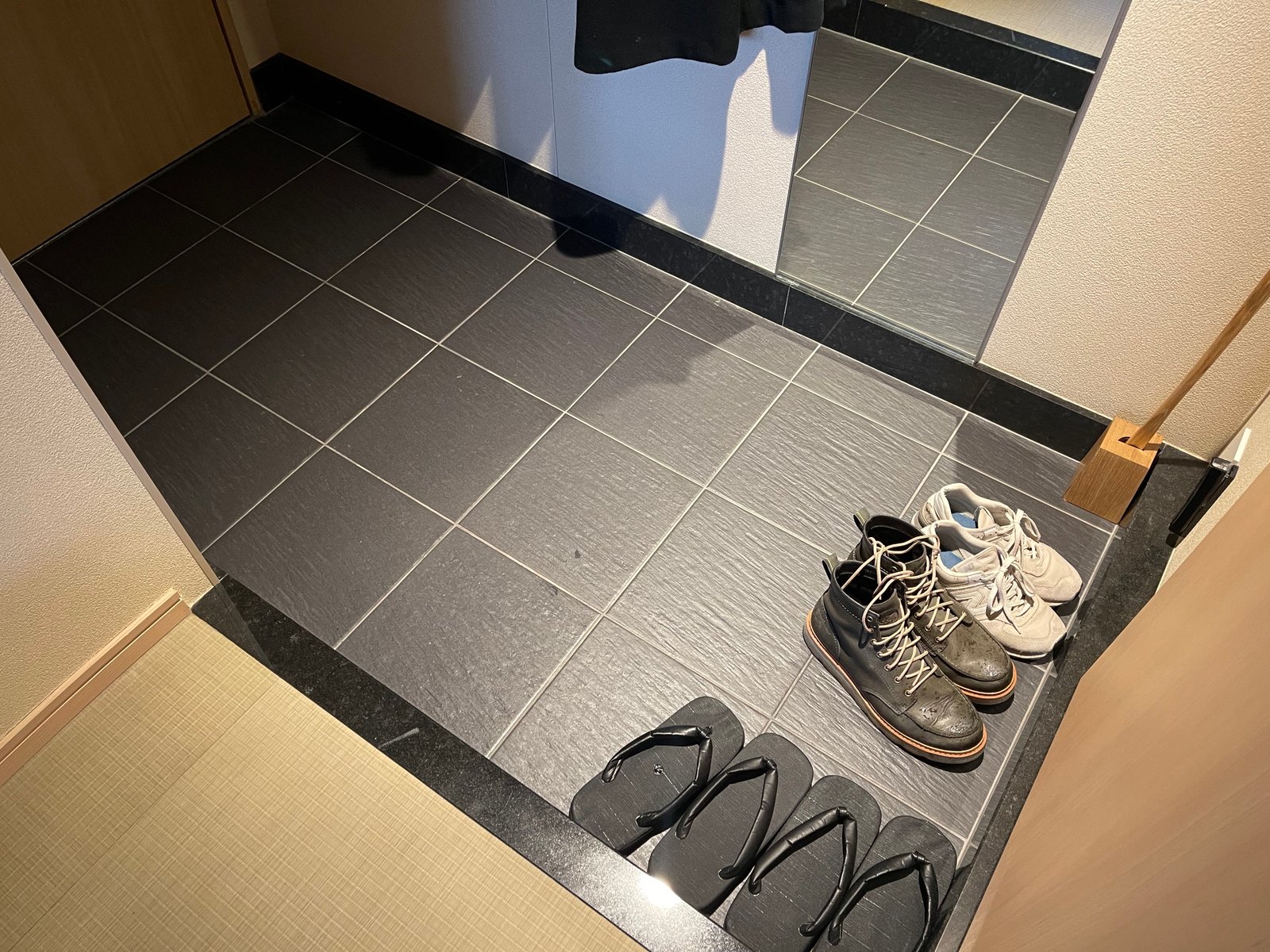
    When you walk into our room, there is a foyer where you naturally remove your outside shoes and put on your inside shoes. There’s also a continuous hook for hanging coats, which seems to be a common detail throughout Tokyo. This area measures 1060mm (3’5″) wide by 2119mm (6’11”) deep and has a clear height of 2170mm (7’1″).

    You then step up to the main room area, which has tatami flooring throughout. It’s obvious that you shouldn’t cross this threshold with your outside shoes on. Here the clear height compresses down to 2069mm (6’9″) because of the raised floor and because of some HVAC above. I wonder if there are any services running under the floor. Presumably they made use of the space.

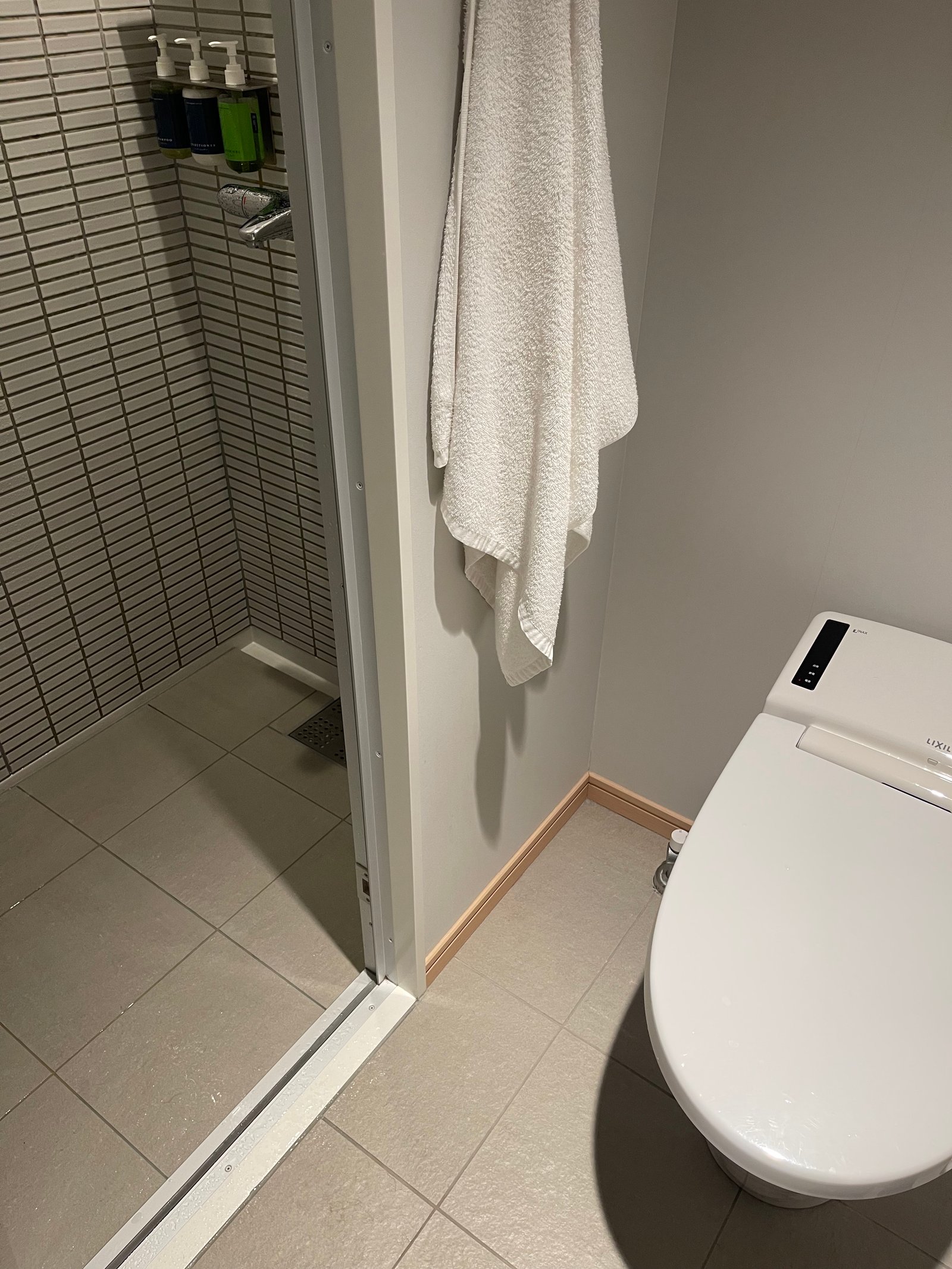
    The toilet/shower room is 1886mm (6’2″) wide by 1235mm (4’0″) deep and has the same ceiling height as above. As expected, the toilet is very fancy, it has a heated seat, and it will do whatever it takes to ensure that you leave this compact room with a tidy bum. The control pad is also fairly intuitive to use.

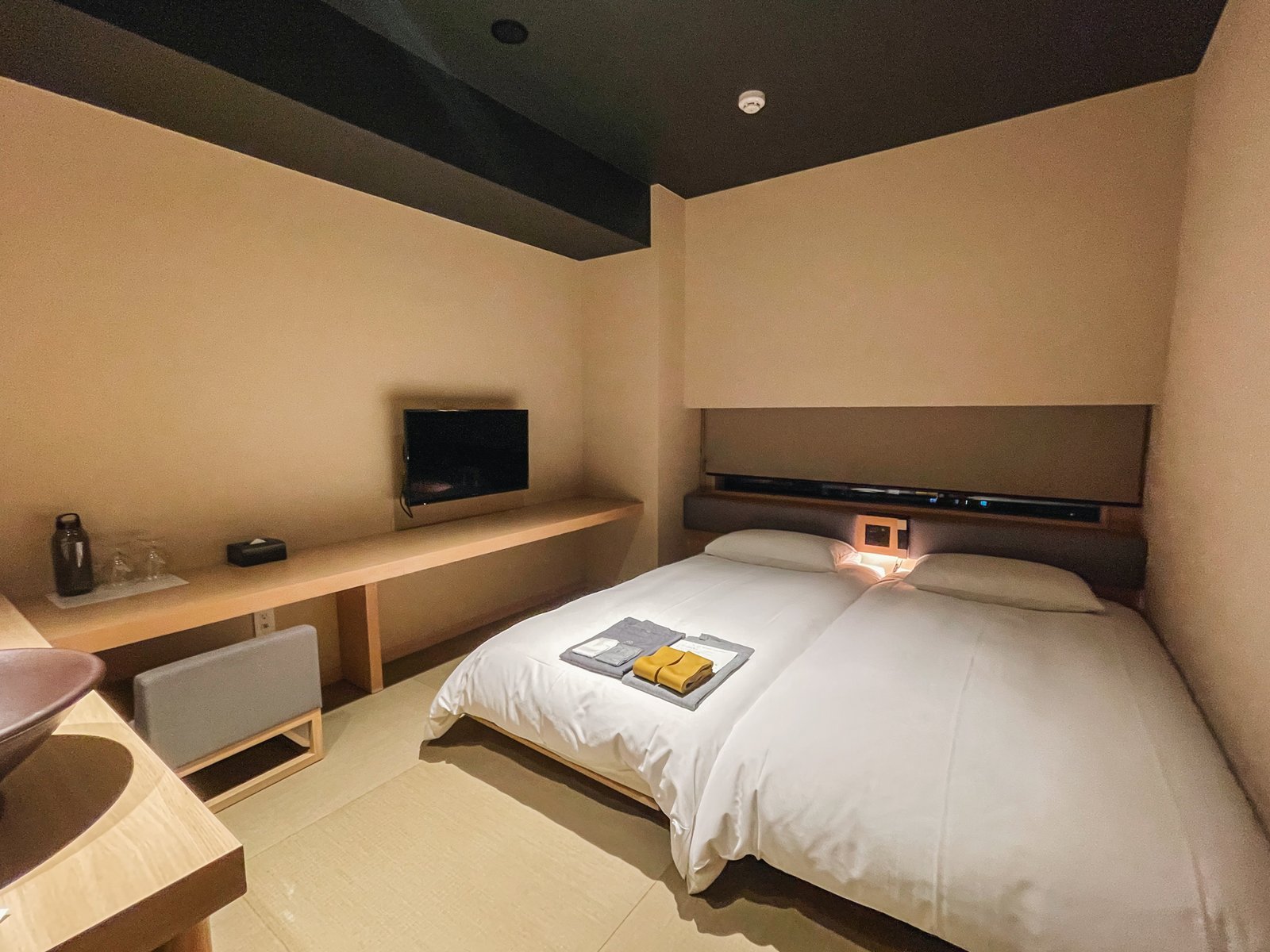
    The main living/sleeping area of the room is 2783mm (9’1″) wide by 3351mm (10’11”) deep, which is roughly the size of a Toronto apartment bedroom. This room also has a TV, desk area, and the bathroom sink. The ceiling height opens up to 2395mm (7’10”) in this area.

    It’s worth highlighting that the desk height is just under 24″ and the vanity countertop height is about 26″. These are very low compared to Western standards and I can certainly feel it in my back.

    In my view, it’s this vertical dimension which represents the biggest design difference compared to what I’m accustomed to. Surfaces are low and the ceiling heights are compressed. Because otherwise, I’ve stayed in even smaller rooms in Paris and in other places. It’s very comfortable and we would certainly stay here again.

  • Hello Tokyo

    February 1, 2025 · View original


    We arrived in Tokyo late last night. Our departure was delayed by a few hours, but we ended up sleeping most of the flight, and so we landed relatively refreshed and ready to tackle all of the late-night snacks at the closest 7-11.

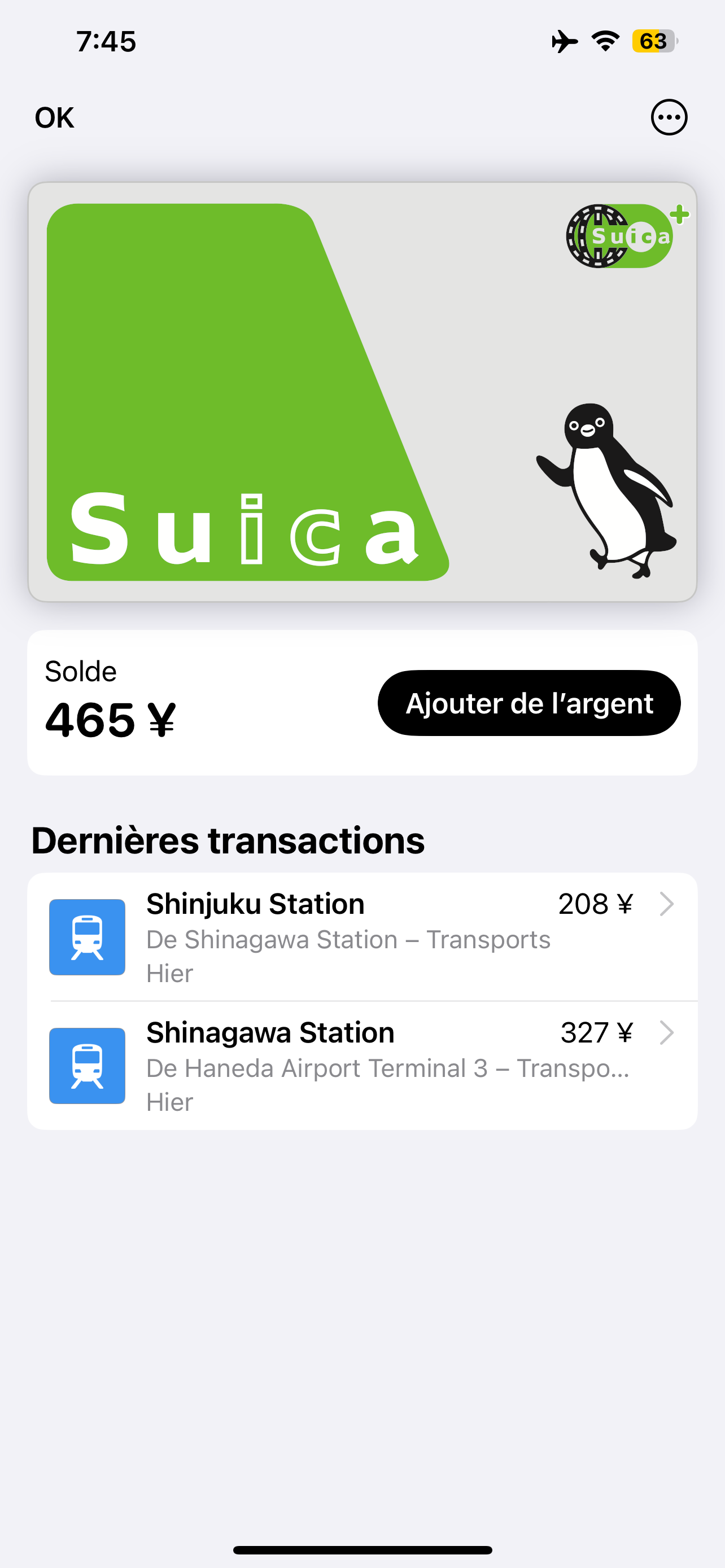
    The onboarding process for taking the train into the city was as easy as it could have been. I was able to add and then load their Suica card directly from Apple Wallet. (Thanks for the tips, everyone.)

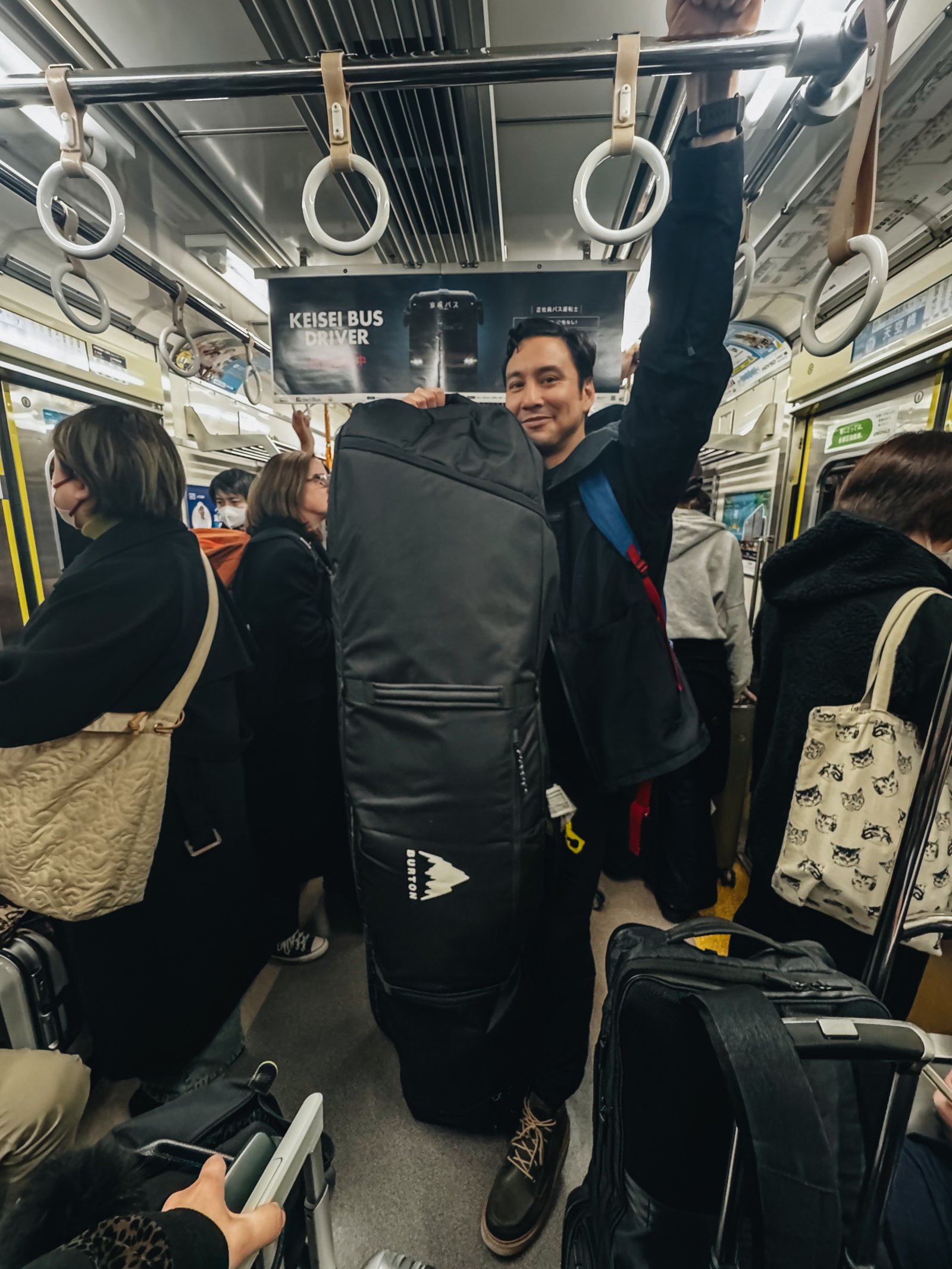
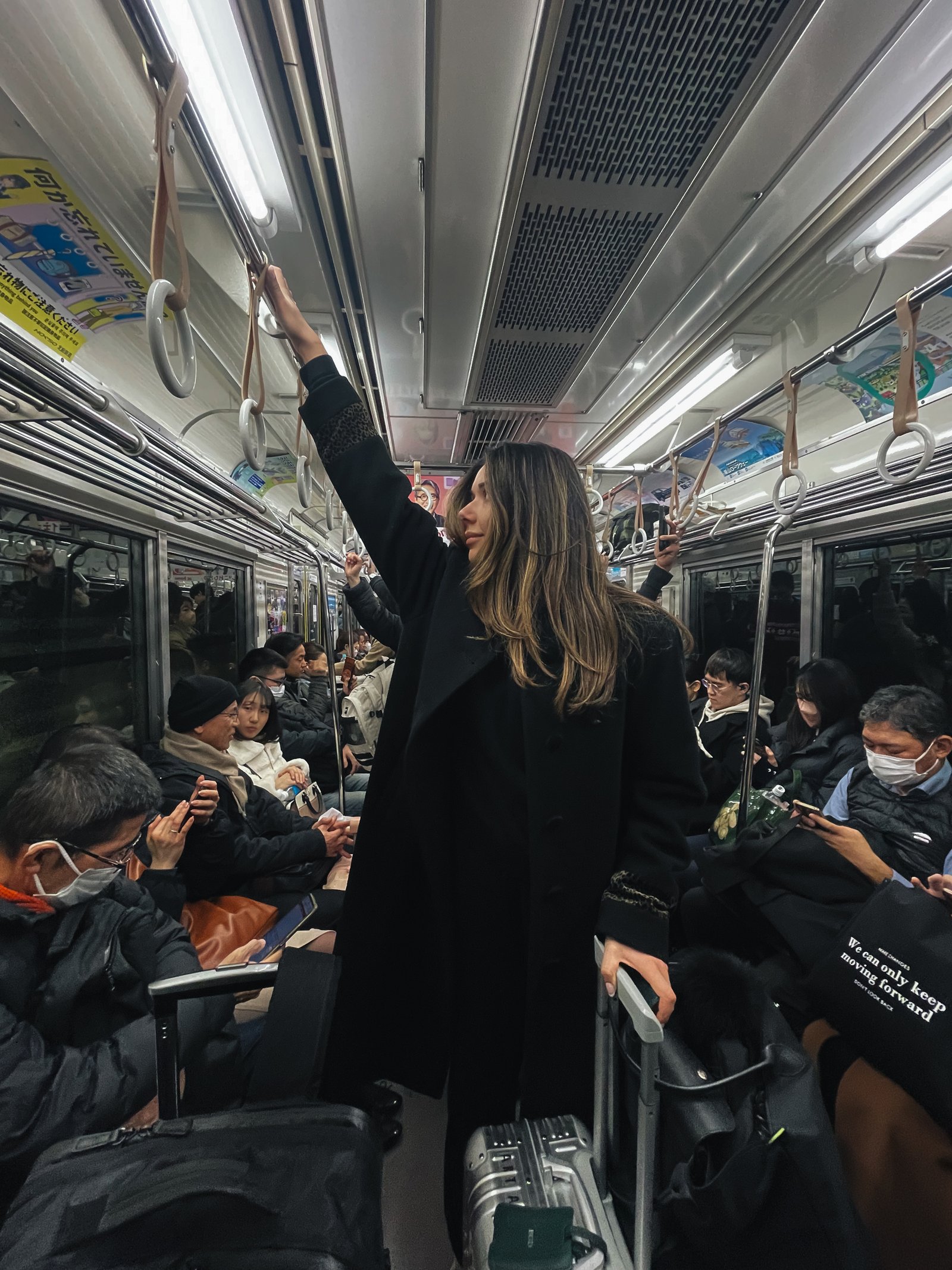
    Here’s us, taking up too much room on the train with our two ski/snowboard bags.

    However, I will say that Shinjuku station — which is the busiest train station in the world, by far — is just as confusing as I remember it. Between the vastness of the station and overall network, and the language barrier, it can be a real challenge to figure out where to go to make your connection.

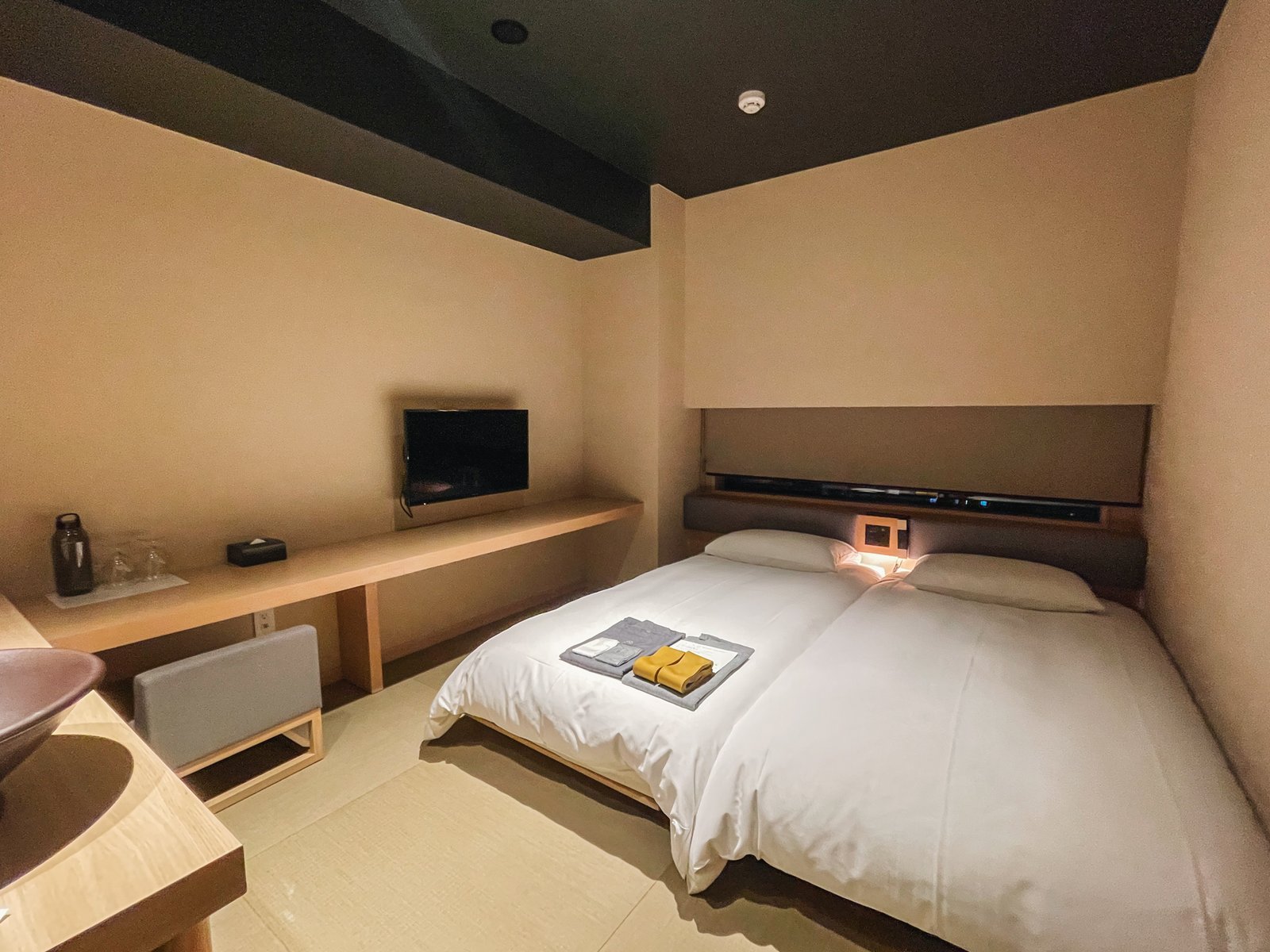
    But ultimately, we made it to our hotel, and to 7-11. In case you’re wondering, and to give you an idea of scale, my legs absolutely hang off the end of these beds.

    I have no idea what the circular thing was in this bowl, but it was good, hot water was readily available in the store for these purposes, and I was able to supercharge the entire thing with some charcoal-grilled chicken from a separate package.

    The first time I visited Japan, I had a cell phone with one of the first ever color screens. I thought this was a huge deal. And, I had a standalone digital camera that was about the size of a small wallet. I also thought this was a huge deal. Sadly, I’m not sure where most of these photos are today (though I still have the phone).

    So it’s exciting to me that I’m now writing posts and sharing photos with all of you on a decentralized and open ledger that is intended to act as permanent information storage. In theory at least, these posts and these photos will be around forever, even if Paragraph as a company goes away.

    Which means I’ll be able to look back on the above photo and remind myself that I took it from the window above my hotel bed when I woke up at 530AM, I couldn’t sleep, and I decided to just get up and write today’s post. Tokyo is such an awesome city. It’s great to be back after all these years.