Daily insights for city builders, delivered every morning at 6 AM ET. I’m Brandon Donnelly — a Toronto-based real estate developer and founder of Globizen. I’ve been writing here since 2013.

Month: February 2025

  • The 10 largest urban areas in the world

    February 18, 2025 · View original


    I have a new not-so-serious goal. I say not-so-serious because I’m busy with lots of other things and who knows if/when I’ll actually get around to this. So let’s just say that this goal is based on a strong interest. I would like to visit the 10 largest urban areas in the world.

    I was careful to say urban areas, because largest cities can be misleading. City proper boundaries are an arbitrary measure. What matters more are the built up areas.

    I have already been to a handful of them, namely the ones centered around Tokyo, Dhaka, and Mexico City. But there are more on the list that I haven’t been to.

    There are, however, two immediate challenges with setting a not-so-serious goal like this one. The first is that it’s not easy to come up with a definitive list of the largest urban areas. It’s nuanced and, for some cities, population estimates are very much rough estimates.

    The second is that population figures are constantly changing. So by the time I get around to this, many of the largest cities might be in Africa (current forecast for this century) and I may be checking off the wrong list.

    But let’s not let perfect be the enemy of good. Here’s what I came up with. And by “what I came up with,” I mean that I asked ChatGPT its opinion. This is the list I got:
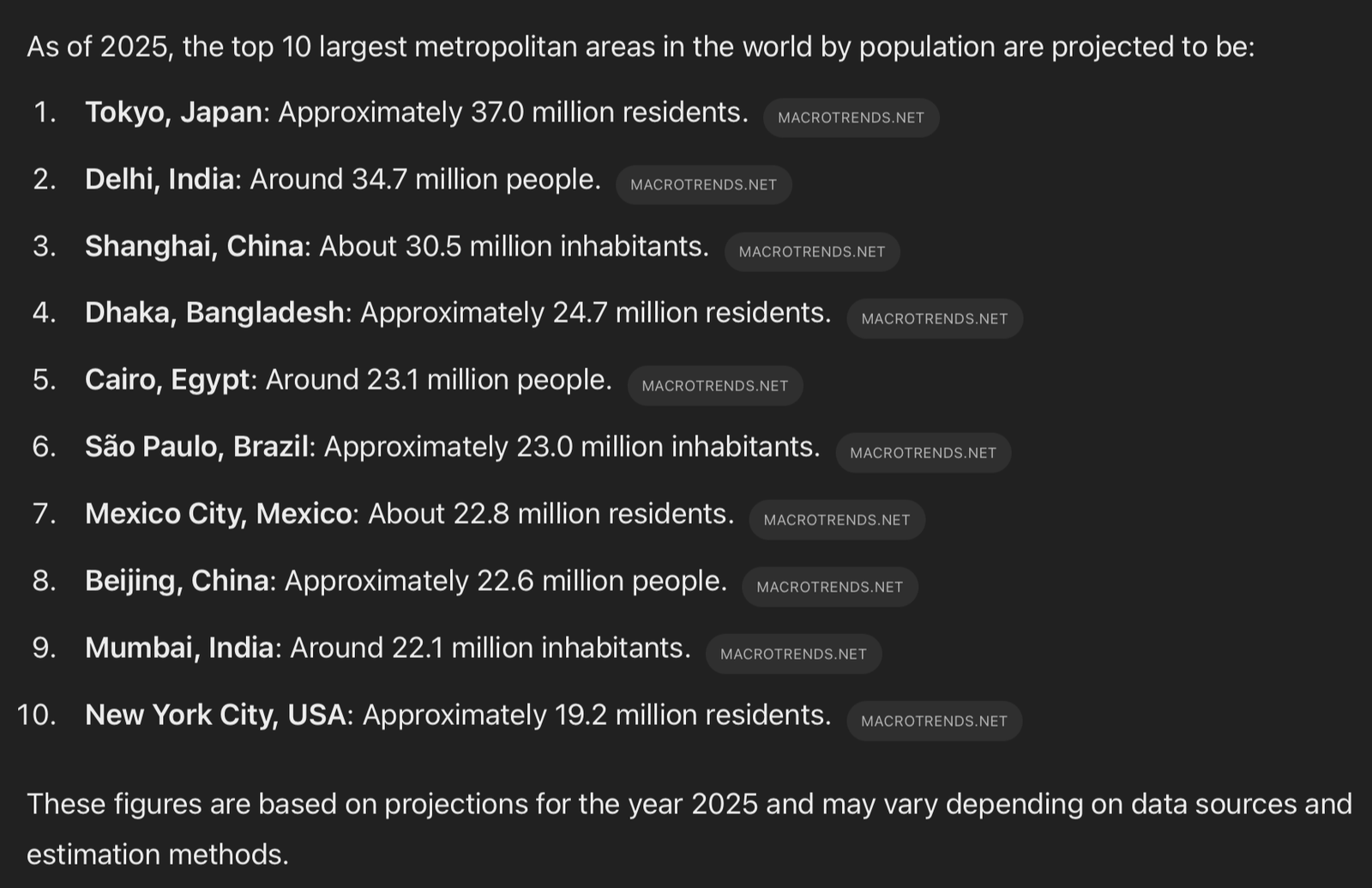
    Then I asked the question in a slightly different way and got this list:
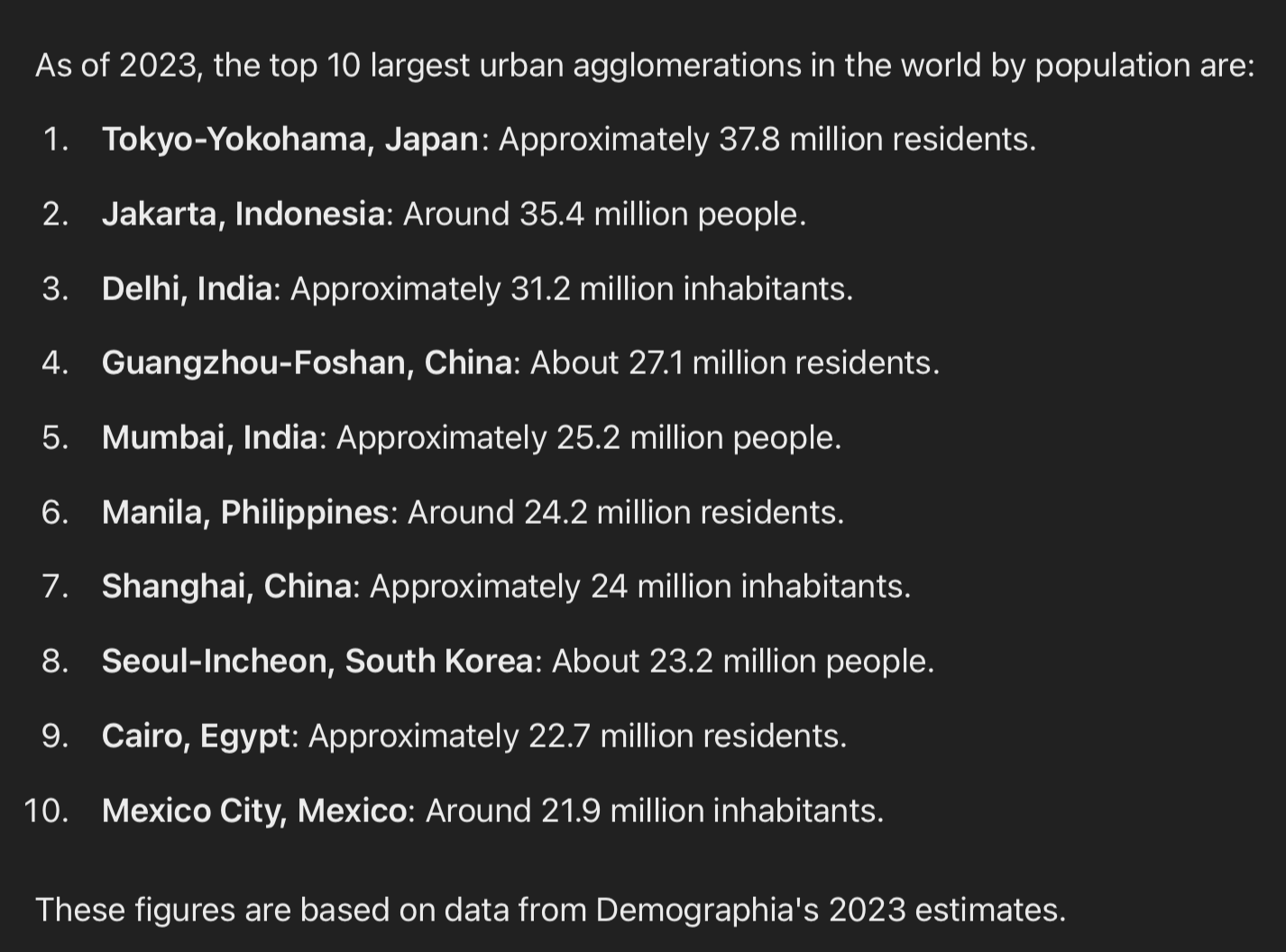
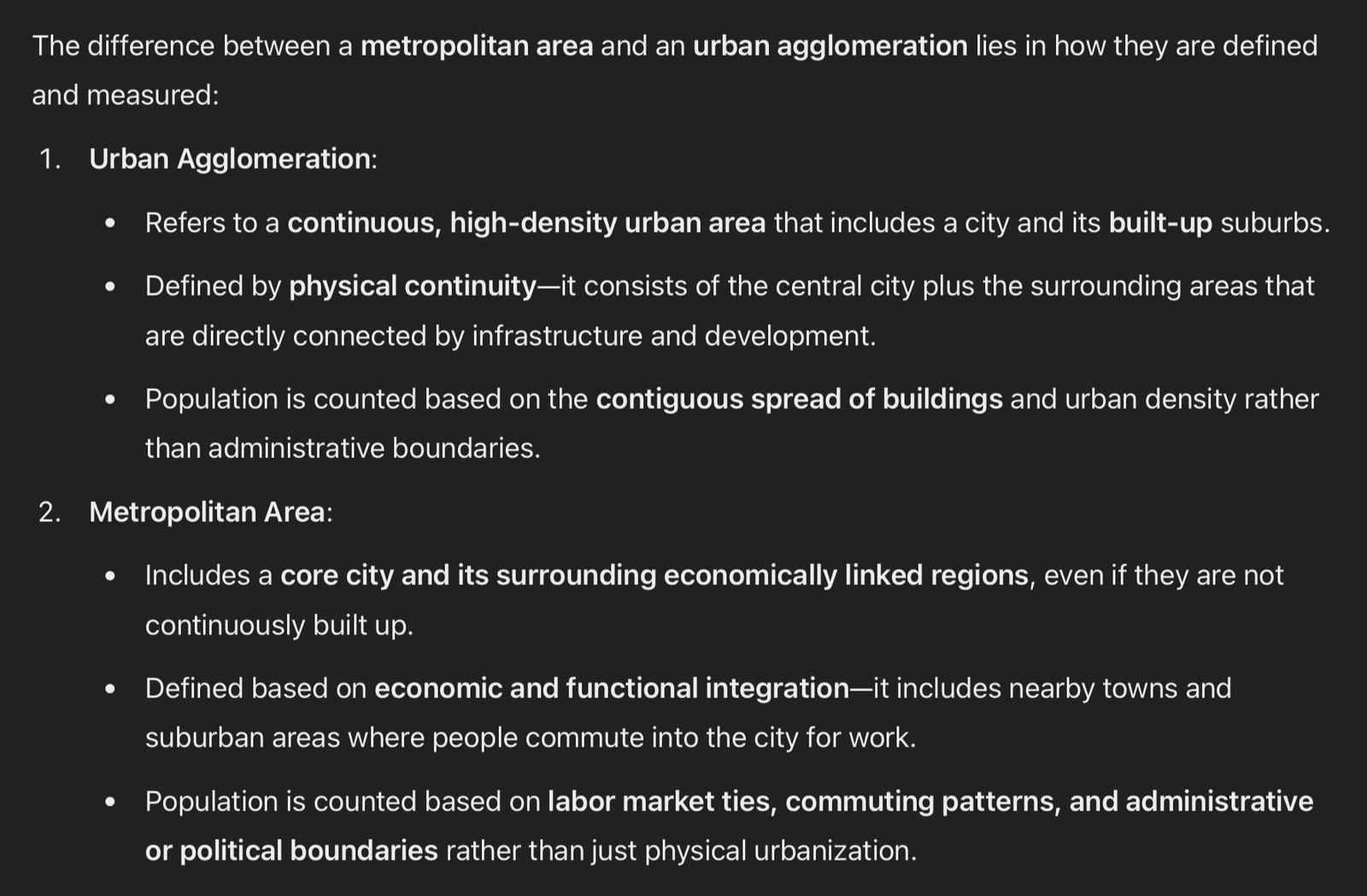
    Then I asked it to tell me its definition of metropolitan area vs. urban agglomeration:
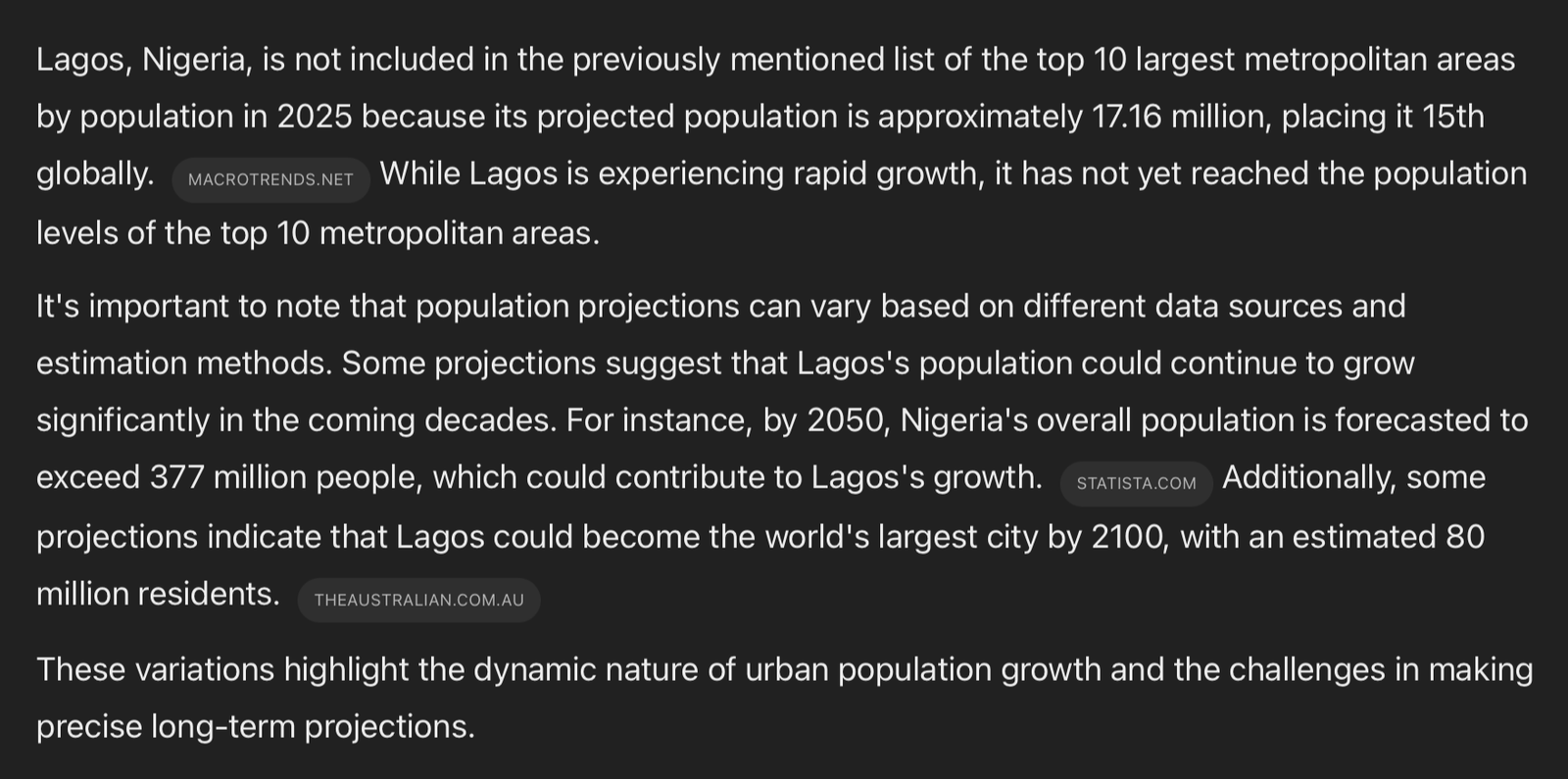
    Finally, I asked it why Lagos, Nigeria was not on the list. Current estimates place this urban region at more than 20 million people (which would place it ahead of New York in the first list), but I don’t think anyone really knows for sure. Whatever the current number, it is widely understood to be one of the fastest growing city regions in the world. This is how ChatGPT responded:
    I’m a little torn because high on my list of cities to visit are São Paulo and Seoul. And they don’t seem to be finding themselves on the same list. I’m also very curious to see Lagos, and I have a suspicion that it’s much larger than official estimates. Regardless, there are some clearly big cities to check off. India and China would be good places to start. So I better get to work. Or not. Since this is a not-so-serious goal.
  • A return to local corner stores

    February 17, 2025 · View original


    Here’s a timely article talking about the difference between 7-Eleven stores in North America versus Japan, and why the Canadian company, Alimentation Couche-Tard, wants to buy the Japanese company for $47 billion:

    > So far, owner Seven & i Holdings Co. hasn’t been able to replicate that success at its 13,000 US and Canadian stores, better known for their constantly rolling hot dogs and 30-ounce soft drinks than their fresh food or their ability to inspire effusive posts from social media influencers. The Tokyo-based company, which has been closing underperforming North American stores faster than it’s been opening new ones, is now the target of a $47 billion takeover bid by a Canadian rival that says it can do a better job translating that overseas magic to the market.

    I have no idea if this will happen, but Couche-Tard has been trying to buy the company since 2005. If successful, this will create the largest convenience store operator in the world. It will also go down as one of the largest foreign takeovers in Japan. (On a related note, Couche-Tard tried to buy French grocery chain Carrefour SA in 2021, but that was blocked by the French Finance Minister.)

    What is clear, though, is that there’s an obvious user-experience gap between the stores in Japan and the stores in Canada and the US. As we talked about here, convenience stores in Japan serve solid food and act very much as community hubs. I didn’t know this until right now, but in Japan, people also use these stores to do things like send parcels and pay utility bills, and top chefs regularly judge the food.

    However, this is based on a supply-chain network that is, at least right now, unique to Japan:

    > In Japan, which is much smaller, the chain relies on a robust supplier network, where inventory and food preparation take place at more than 150 factories churning out breakfast, lunch and dinner. Product lineups and displays change quickly based on consumer tastes, with each store responsible for analyzing the sales of every product and adjusting orders to reduce waste and control inventory. It’s a management method known as tanpin kanri, which was even taken up as a Harvard Business School case study. “Japan’s convenience stores’ food preparation central kitchens and logistics infrastructure would be more challenging to establish and operate efficiently over vast areas in the US,” Boston says.

    There appears to be universal consensus that the key to unlocking additional value is more fresh food and overall better offerings. And presumably Couche-Tard is of the opinion that it will be a better operator and that it can figure out whatever supply chain is needed. Time will tell. But I find it interesting that all of this is arguably about creating a kind of “local corner store” that better serves people’s needs.

    Cities used to have these in spades. But then we zoned them away, scaled everything up, and optimized around rolling hot dog cookers and big gulps. So in many ways, this story is about a return to fundamentals. It’s about figuring out a way to serve quality products to local neighborhoods, in a globalized world. That sounds simple enough, but it’s clearly not easy.

    Cover photo by Lisanto 李奕良 on Unsplash

  • A home, an office, and a public space in Japan

    February 16, 2025 · View original


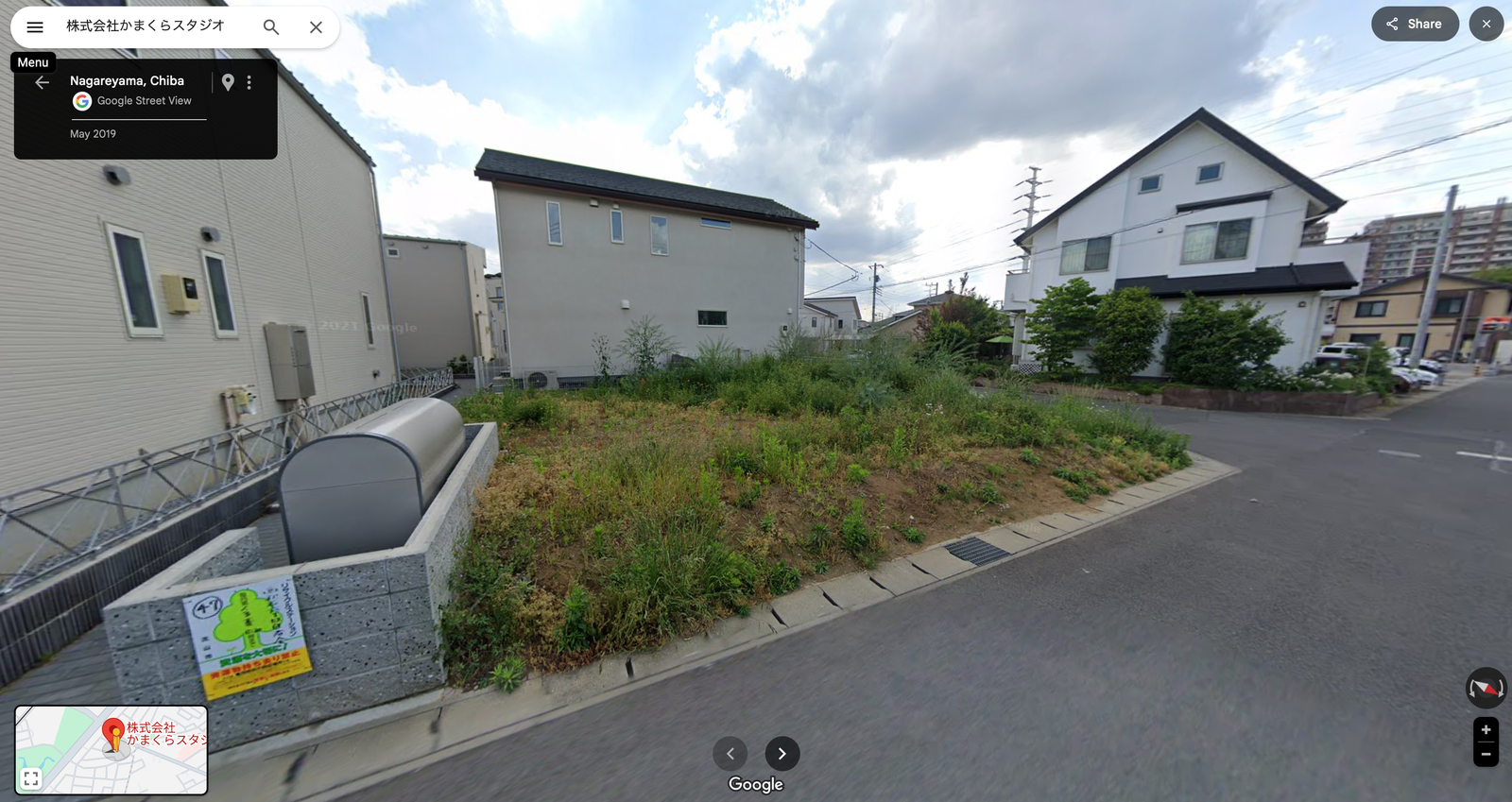
    In my recent post about “takeaways from Japan” I spoke about a willingness to experiment and be playful with the built environment. I said that quite often people design homes around what they want, as opposed to what they think might broadly appeal to the market. So today, let’s look at an example. Below is a site on the outskirts of Tokyo, about an hour from the center of the city. The architect — Kamakura Studio — describes it as being situated in a “new town” where about 75% of the residents have moved in within the past decade. And like Japan as a whole, problems of aging and population decline are expected in the future.

    Using Google Maps to get rough dimensions, the site looks to be somewhere around 8m wide by 11m deep. So this is not a huge site compared to what you might find in the suburbs of other cities, but it’s certainly a very workable set of dimensions. Also noteworthy is the fact that the area has no sidewalks. This is common throughout Tokyo. Ordinarily, this would imply a suburban mental model. But in practice, Tokyo’s streets actually feel very pedestrian-friendly. And that’s because they tend to be narrow and the entire city is oriented mostly around rail.

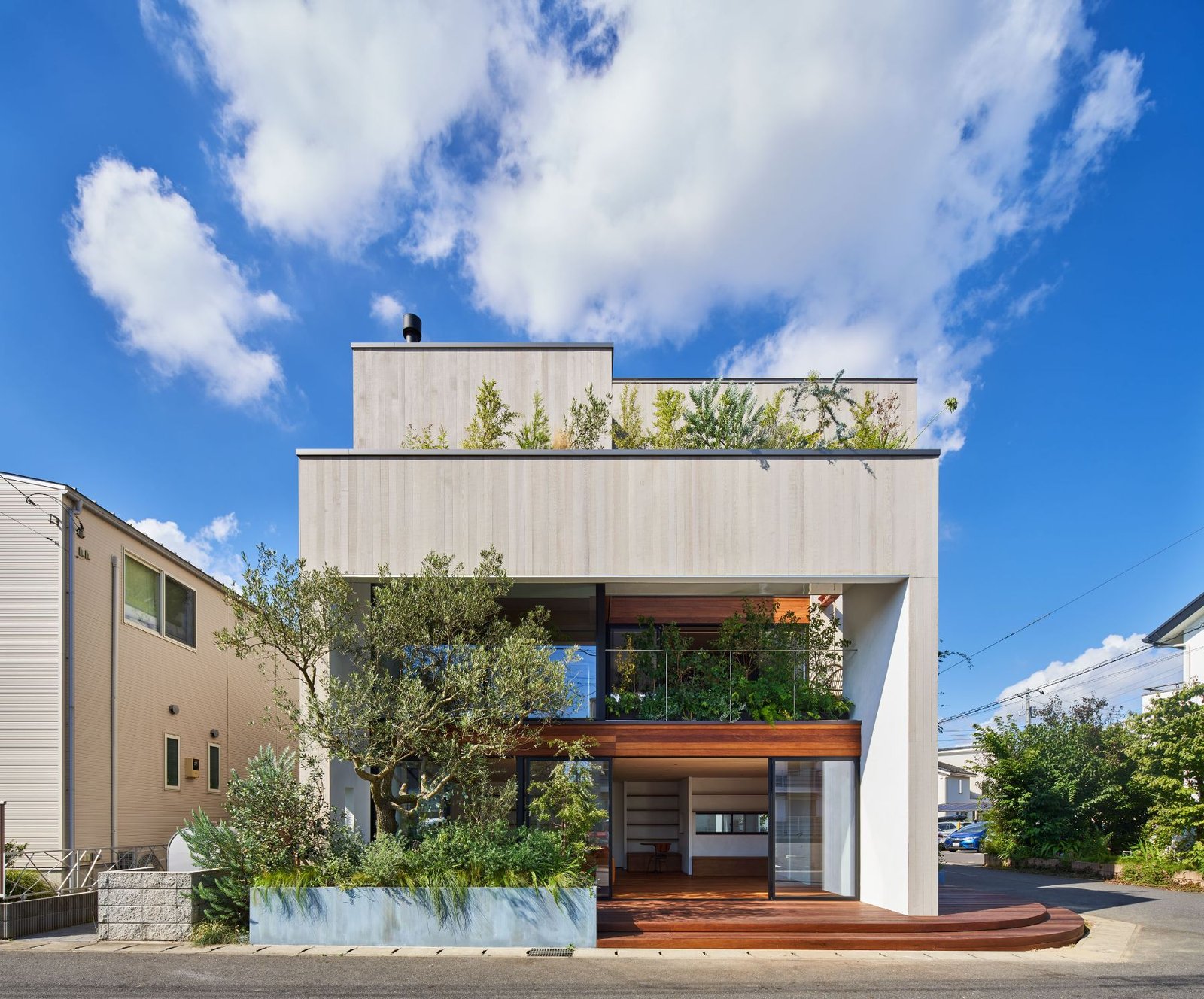
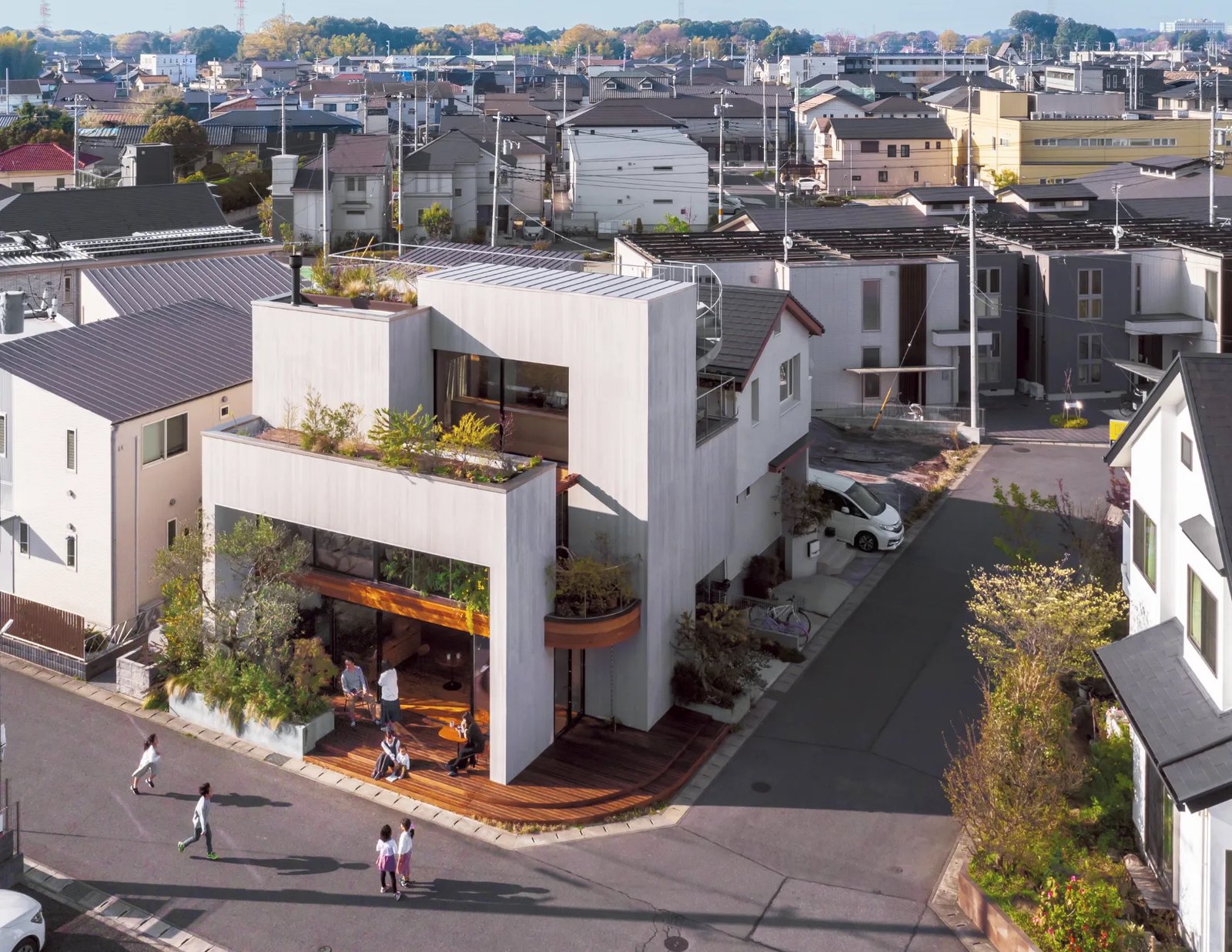
    What was ultimately developed on the site is this (House F):

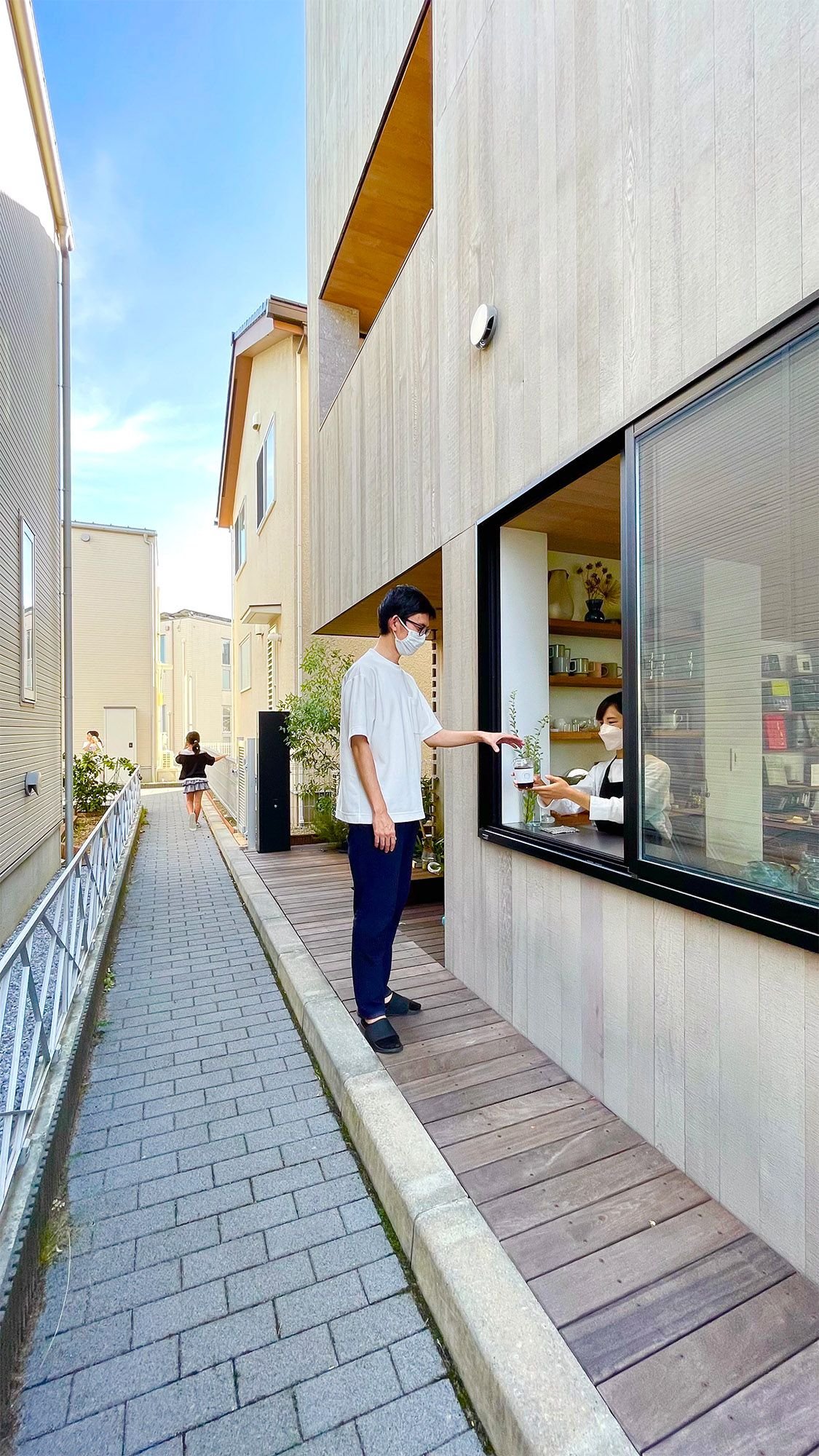
    Totalling 169 m2, the first floor of the house serves as an office for the architect and as an open space for the local community. The firm opens up the space to people who may want to stop in for coffee (or just hang out) and for movie nights. There’s even a “plant-sharing network” on the terrace where dozens of households supposedly contribute and participate. On the second and third floor of the house are the domestic quarters. Here there are two generous bedrooms, study spaces, and multiple balconies, one of which provides access to a rooftop terrace.

    It’s a highly livable house, but it’s also designed to meet a particular set of ambitions. I mean, look at the above coffee window. And this is one of the really cool things about domestic architecture in Japan. (If any of you are familiar with how the zoning would work for a site like this, I’d love to understand that.)

    Project images via Kamakura Studio

  • How symbols and feelings impact anti-development sentiment

    February 15, 2025 · View original


    The traditional narrative when it comes to NIMBYs is that these are individuals acting out of self-interest. Quintessentially, these are people who own their home and do not want development “in their backyard” out of fear that it might negatively impact the value of their property and/or have a negative impact on their local community.

    But in reality, anti-development sentiment is likely more nuanced than this. In a recent working paper called “The Symbolic Politics of Housing,” researchers at UC, Berkeley and UC, Davis show that anti-development sentiment is not always just about self-interest; rather, it can be predicted by how people feel about certain “salient symbols.”

    This is based on something called “symbolic politics theory” and it works like this: We all have positive and negative associations with certain “symbols.” Often these are developed early in life. And so how we might feel about a development or a particular land use policy, depends on the symbols attached to it and whether we like them.

    Here’s an example.

    Consider two identical apartment developments happening in your neighborhood. The first is being developed by faceless “Wall Street investors” and the second is being developed by a nice local entrepreneur who also happens to be of the exact same ethno-cultural group as you.

    If you don’t like people on Wall Street and you don’t want them profiting from the development, the research suggests that you are more likely to oppose the first development, even though it’s the same as the second one, and maybe even if it runs counter, in some way, to your own self-interest. You just don’t like the symbol attached to it.

    This is also why people who live in cities tend to be more pro-development on average. It reinforces symbols that they already like; ones associated with cities, density, and urban living. This is fascinating, but it also complicates matters. Because it means that strong opinions are not just being formed based on measurable impacts. It’s also a question of symbols and feelings.

  • The price of construction depends

    February 14, 2025 · View original


    The typical way to buy or procure construction is create a set of drawings, put them out for tender to people who can build what is shown, select the lowest/best bidder, and then proceed with construction. This is commonly referred to as “design-bid-build.” There are, of course, others ways to procure construction, but this is the traditional method. And in an idealized world, it would always work out very well for owners and developers. But in reality, it’s a lot more complicated.

    The important prerequisite for this method is a great set of drawings (more broadly, great contract documents). Because that is effectively the thing you are buying. Unfortunately, great drawing sets don’t always happen and there are generally a few reasons for this. One possible scenario might be that you just don’t have enough time to produce them. Maybe the market is hot and you want to start construction yesterday, or maybe you have some deadline to meet. Whatever the case, you’re in a rush.

    But the most likely scenario is that the drawings aren’t great simply because the people doing them aren’t good or because, hey, we are all only human. Things were missed, there are mistakes, and the drawings weren’t fully coordinated across the various disciplines. There’s no such thing as 100% perfect drawings. And that results in construction risk, because you’ve now bought things that are wrong and that will need to be corrected later.

    Changes are costly. Later is also a suboptimal time for the simple fact that the price of construction depends on the current situation you happen to be in. Early on before a contract is awarded, buyers of construction have the most, or least some, leverage. The bid process is designed to be competitive and so bidders generally need to sharpen their pencils if they want to win the work. But once a job has been awarded and construction starts, that leverage flips.

    Scope gaps and change orders become that much more expensive because, well, they can be. Switching costs are prohibitively high at this point. And it doesn’t just work with scope additions. You will also be penalized for going in the opposite direction and removing scope items (i.e. credits). In these situations, you should expect to receive cents on the dollar back. This is one of the great asymmetries of construction pricing.

    My point with this post is simply that the price of construction depends — it depends on how and when you are buying it. It’s a very opaque market and it’s important to keep that in mind.

  • Movie: L’histoire de Souleymane

    February 13, 2025 · View original


    I watched a few French films on the flights home yesterday. One of them was L’histoire de Souleymane, which I really enjoyed and was apparently very well received at the Cannes Film Festival last year. The story follows Souleymane, who is a food delivery cyclist and asylum seeker in Paris. And it takes place over a two-day period leading up to an interview that will determine whether he is granted permanent residency in France or whether he will be forced to return to Guinea. I won’t give away the movie, but he goes through a lot while he’s illegally working in Paris and preparing for this interview. And, there’s a plot twist. I also found it interesting to watch Paris through this lens. Paris is a city with many facets, and not all of them look like Emily in Paris. Maybe none of them really do.

  • Takeaways from Japan

    February 12, 2025 · View original


    It’s a wrap for the 14th annual fresh pow adventure. (Here’s a short video.) I’m now on a plane home. But let me tell you, “Japow” did not disappoint. We went for the powder and, without any exaggeration, it snowed every single day. I have never seen snow accumulate as fast as it does on Hokkaido. I now understand why after big storms some people need to leave their house via the second floor. The region gets that much snow in January and February.

    Of course, we also got the chance to spend a number of days in Tokyo. When I first visited the city over 20 years ago, I absolutely loved it. And I feel the same way after this trip. Tokyo is up there for me — it’s one of my favorite cities. It’s obviously enormous, but it’s highly livable and it works, really well in fact. So here’s a list of some of the things — both small and big — that I admire about the place and that I think we should adopt back in Toronto.

    – Its reputation is, of course, true. Tokyo is a neat and clean city, especially given its scale. And everyone seems to be bought into it, because they don’t even have public garbage cans. I don’t exactly know how you instil this into the culture of a place, but I think it goes along with the overall pride they seem to take in their work and the commitment to quality. How you do anything is how you do everything. – Without fail, every time you sit down at a restaurant, the first thing you will receive is a moist towel to clean your hands. It’s a super simple and welcome gesture. Why not clean your hands before you eat? – Everything has a place. Receipts are handed over in trays. Restaurants have baskets at each table so you don’t have to put your bag on the floor. Hangers are provided so you don’t throw your jacket on the back of your chair. And the list goes on. It’s orderly and civilized. – Our toilets are in the stone ages. You’re not going to get yourself clean with just paper. You need a comfortable warm seat and highly adjustable jets of water. I never fully appreciated this need before the trip, but now I’m a true believer. It’s time for a new toilet. – Lots of people still wear masks in Japan, and across Asia. Unselfishly, people do this when they themselves are sick and want to protect others from their germs. It’s a practice that I had hoped would stick in the Western world following the pandemic. But it did not. – Convenience stores (7-11, Lawson, Seicomart, etc) are everywhere and they’re actually good. You can have a decent meal at any of them. We need to up our game. As North American cities relax their zoning to allow more small-scale retail in residential neighborhoods, I also hope that, generally, we see a stronger culture of “going to the corner store.” – Tokyo cares deeply about art, architecture, design, and fashion. There’s a culture of investing in all of it, and you see it clearly across the city. I mean, look at their public toilets, many/most of which have been designed by a celebrated architect. – There’s also a high willingness to experiment and be playful with the built environment, including domestic architecture. Many people seem to design their homes around what they want, as opposed to what might broadly appeal to most people in the market. (This is a topic we’ve spoken about before.) – Alongside all of this, I find that there’s a cartoon quality to a lot of the aesthetics in Tokyo. You see this in the graphic design, the design of everyday objects, and, of course, all the actual cartoons and anime you see everywhere. It makes the city feel very playful at times. – Tokyo is very much a vertical city, as opposed to just a city with tall buildings. There are buildings all over the place with retail uses located on some hidden upper floor and where you need to queue for an elevator to access it. There’s no shortage of evidence to suggest that this “only works in Asia”, but maybe it could work in more places than we think. Oftentimes our land use policies limit the amount of commercial floor area in mixed-use zones. But why even bother? Let the market determine what’s viable. – Finally, and we talked about this last week, Tokyo is a city that is clearly oriented around rail. And it’s the only way that a city of this size could operate as beautifully as it does. This isn’t new information, but it remains my number one takeaway. Because Tokyo is an easier city to get around than Toronto. In fact, we found ourselves not wanting to take Ubers because rail was actually faster, cheaper, and more convenient. That’s a testament to the power and efficiency of rail.

    What did I miss? Let me know in the comment section below.

  • Airport seating design

    February 11, 2025 · View original


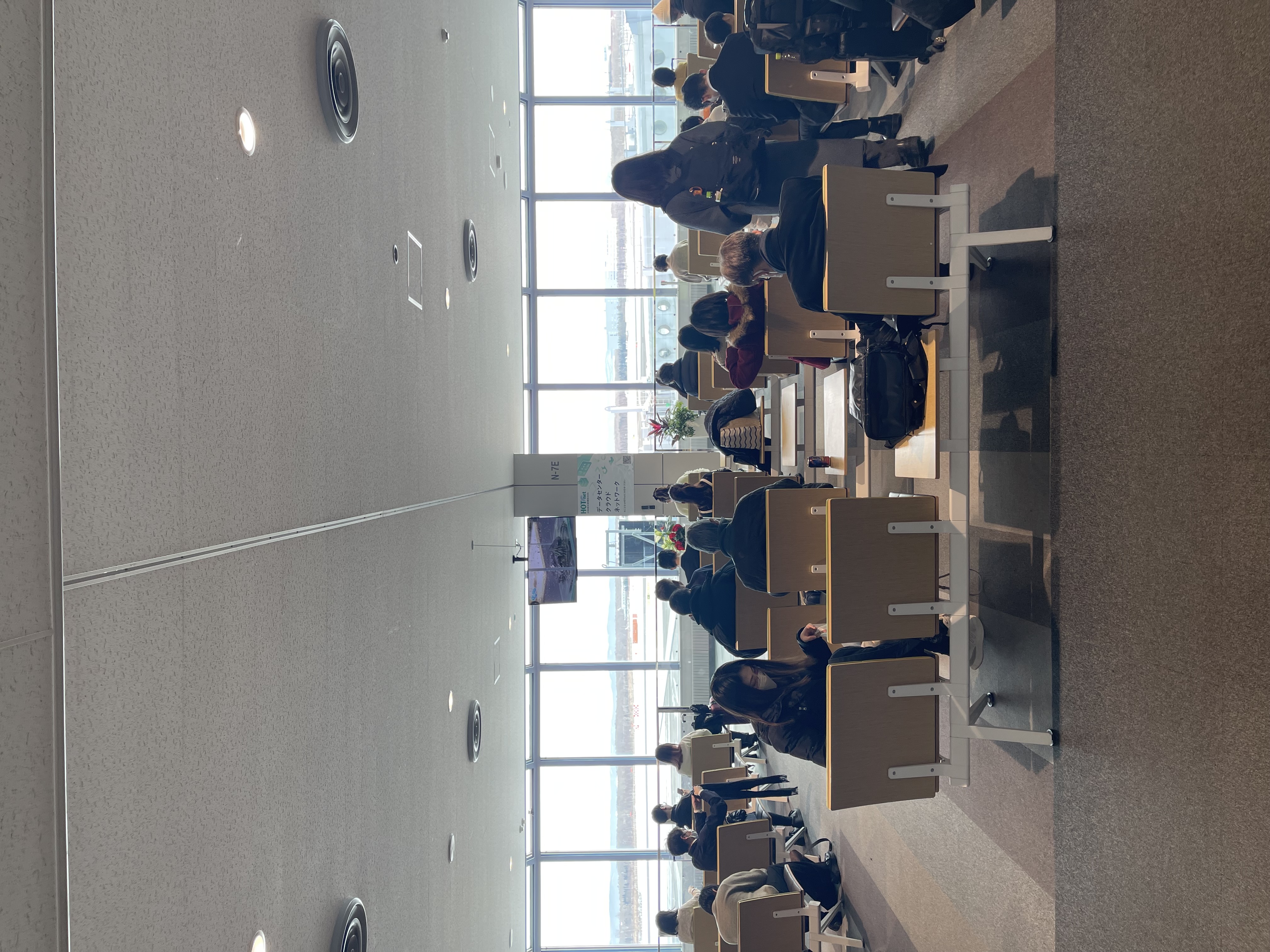
    I like this bench seating at New Chitose Airport. All of the seating faces the glass/tarmac, which is where people want to be looking. Each bench has 3 seats — a pair and a single, separated by a flat lay down area. It seems to work well because there’s a surface to put your stuff down on and because, in these situations, many people don’t seem to want to sit beside a stranger. So even if you tried to squeeze in more seating and you replaced each hard surface with a 4th one, I’m sure there would be a lot of wasted space as a result of people using their bags as stranger blockers. I don’t know for sure that this configuration seats more people per square meter, but it certainly feels more comfortable. And given that this is Japan, there’s a good chance that someone gave careful thought to this space plan.

  • There’s growing support for NYC’s congestion relief zone — particularly from the people who actually use it

    February 10, 2025 · View original


    It has now been over 4 weeks since New York City started charging motorists to enter Manhattan so that they pay for a portion of the impact they have on roadways in the city. And the data overwhelmingly supports that travel times have fallen as a result. Transit ridership also appears to be increasing, despite what some critics will tell you, and trains and buses appear to be moving more efficiently as well (via Fast Company):

    > More commuters are opting for buses to cross Manhattan, and those buses are now traveling more quickly, too. Weekday bus ridership has grown 6%, while weekend ridership is up 21%, compared to January 2024. (Subway ridership has also grown by 7.3% on weekdays and 12% on weekends, part of a larger trend in ridership growth happening since the fall, per the MTA. Anecdotally, some subway riders have said they’ve seen more packed trains on their morning commutes.) Buses entering Manhattan from Queens, Staten Island, and the Bronx are saving up to 10 minutes on their route times, which also makes their arrivals more reliable.

    Also noteworthy is that polls suggest that the majority of Manhattan commuters (~66%) now support the congestion relief zone. They are experiencing the benefits and probably doing the mental math that the time they are personally saving is worth at least $9. However, one figure that hasn’t changed all that much is that about half of voters across New York State still oppose the congestion charge (though it has dropped by a few percentage points compared to earlier polls).

    Paul Krugman speculates (in this recent post) that this negative view is, therefore, coming from people living in upstate NY, which is interesting, because how many of these voters will actually end up paying this charge and/or experiencing its benefits? That’s the thing about being asked to spend money that you didn’t have to spend before; if you can’t clearly see the value in doing so, then you’re not going to like the idea.

    At the same time, it can be hard to win political battles with facts, figures, and rational arguments alone. Krugman also argues that there are other reasons for why this congestion relief zone is being opposed by many people and why Trump, in particular, wants to kill it:

    > …maybe the biggest reason for Trump’s desire to kill the congestion charge is a phenomenon I identified the last time I wrote about this: the rage some Americans obviously feel at any suggestion that people should change their behavior for the common good. What we’re seeing with regard to the congestion charge is that some Americans feel that rage even when they themselves aren’t being asked to make changes.

    As I have said before, this is an important policy to follow because its success, or failure, will naturally set a precedent for the rest of North America. If transit-rich NYC can’t make a congestion relief zone work, then who can? However, my optimistic view continues to be that it will ultimately stick. And already we are seeing positive sentiment from the people who it directly affects/benefits.

  • Cat day on Hokkaido

    February 9, 2025 · View original


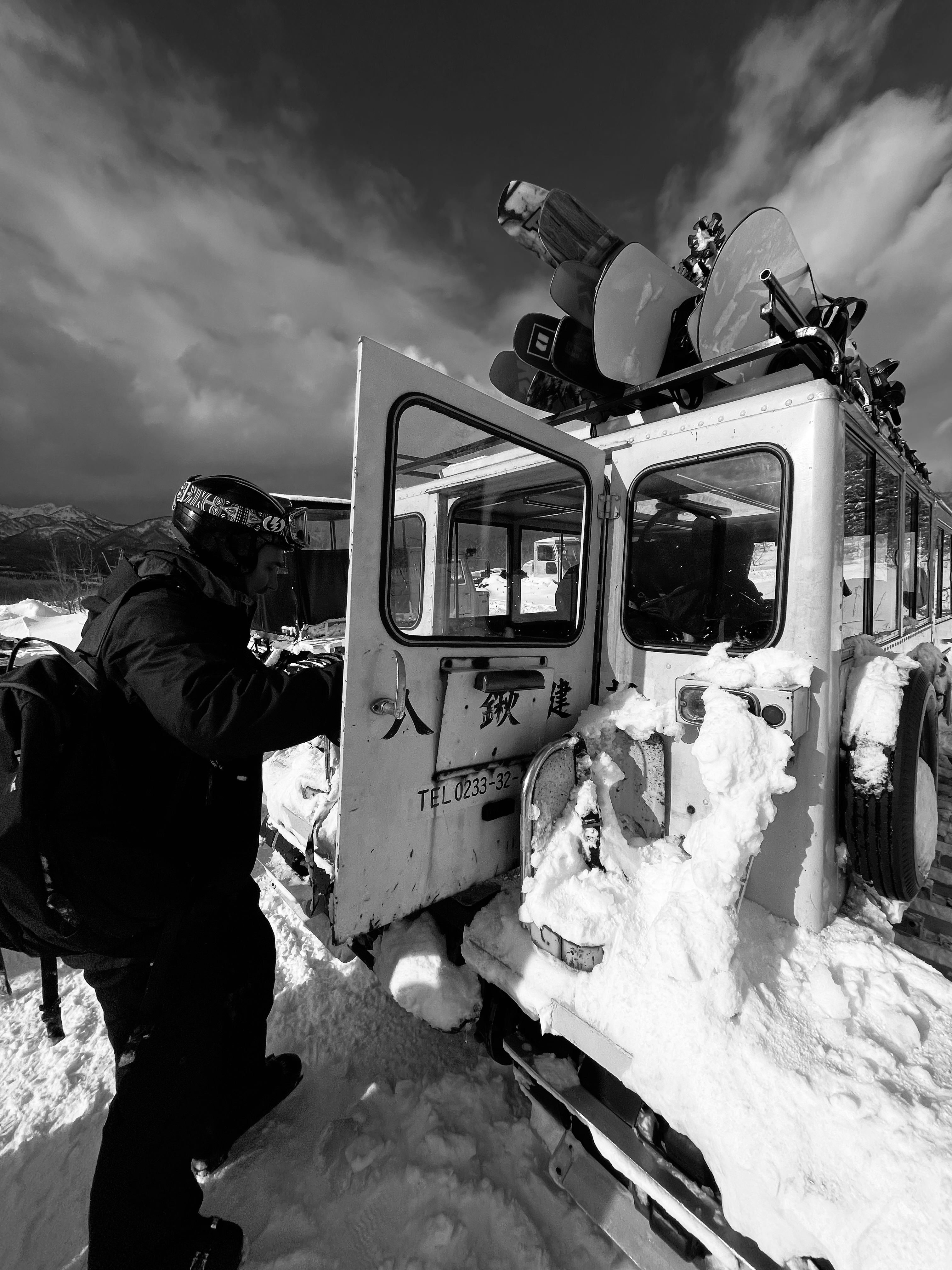
    Today was day 4 of skiing and snowboarding on Hokkaido. We did a “cat day” with Type Two Three, which is a guided backcountry day using a snow cat. It was incredible and we were up to our waists in the fresh stuff. Our guides were two former US Navy SEALs and our driver (pictured above in the middle of the group photo) was a professional snowboarder who competed in the men’s half pipe event at the 2006 Winter Olympics (in Torino) for Japan. His name is Fumiyuki Murakami and, if you’re into snowboarding, I would encourage you to give him a follow on Instagram. He’s a fantastic snowboarder and a very nice man.

    Today was a great day in the mountains.