
Daily insights for city builders, delivered every morning at 6 AM ET. I’m Brandon Donnelly — a Toronto-based real estate developer and founder of Globizen. I’ve been writing here since 2013.

Tag: transit adjacent development

  • The context behind the viral Edmonton multiplex site

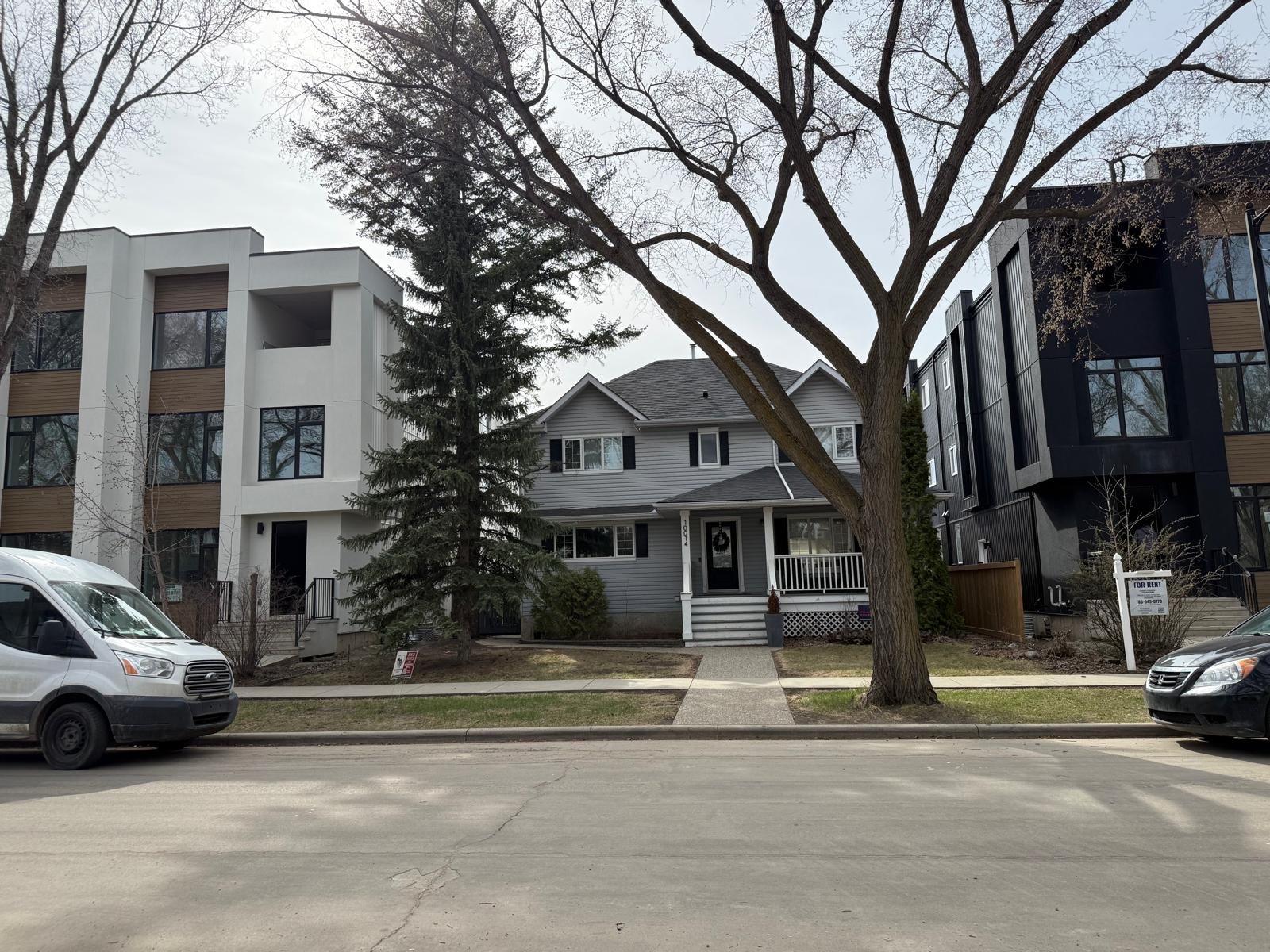
    I’ve had a few people respond to my recent post about the multiplex battle underway in Edmonton, and so I now have a bit more information. The address of the house in the photo is 10014 147 Street NW. Here’s a post-construction photo from the street:
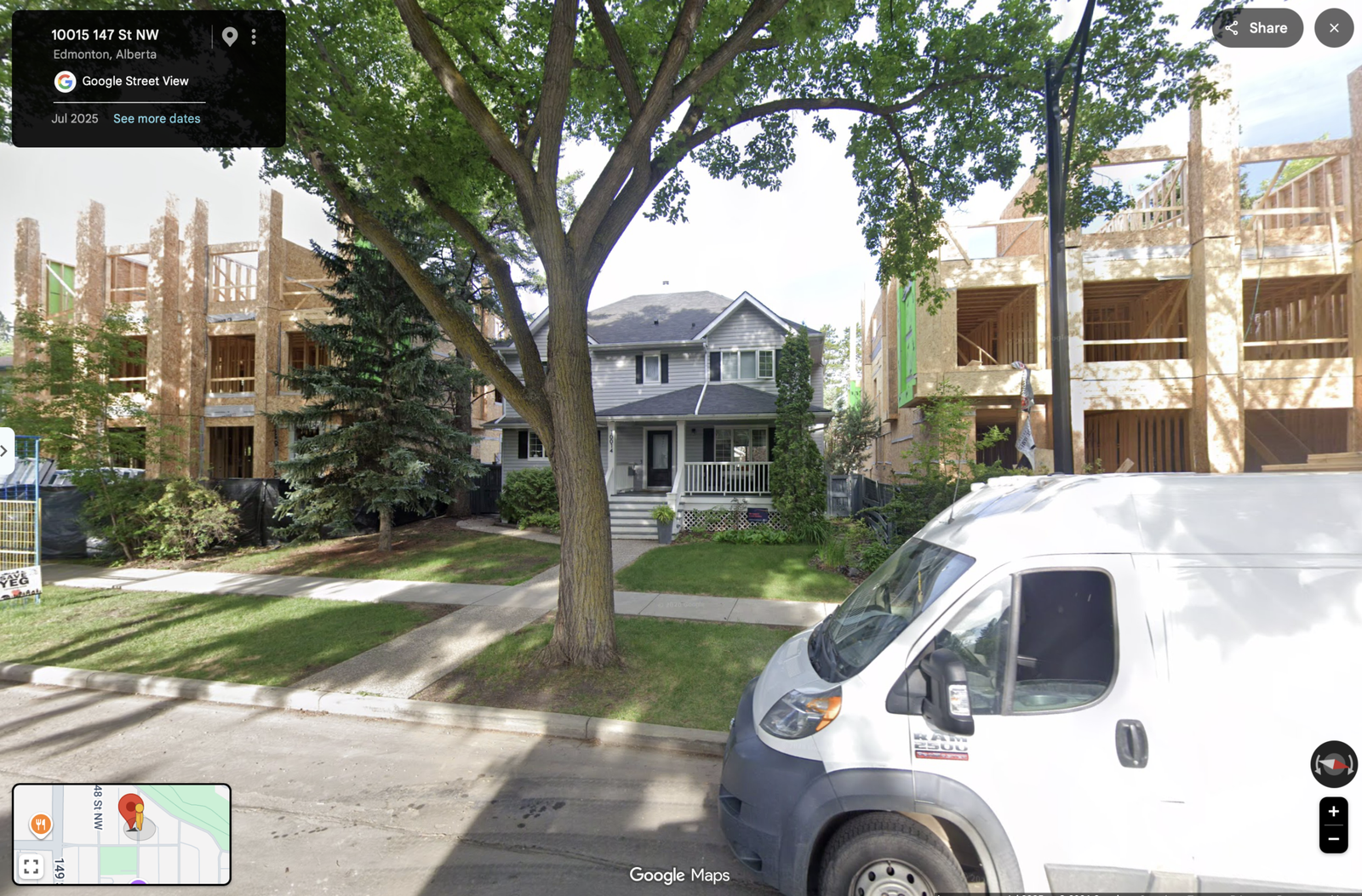
    Here’s a street view image showing the two flanking multiplexes under construction:
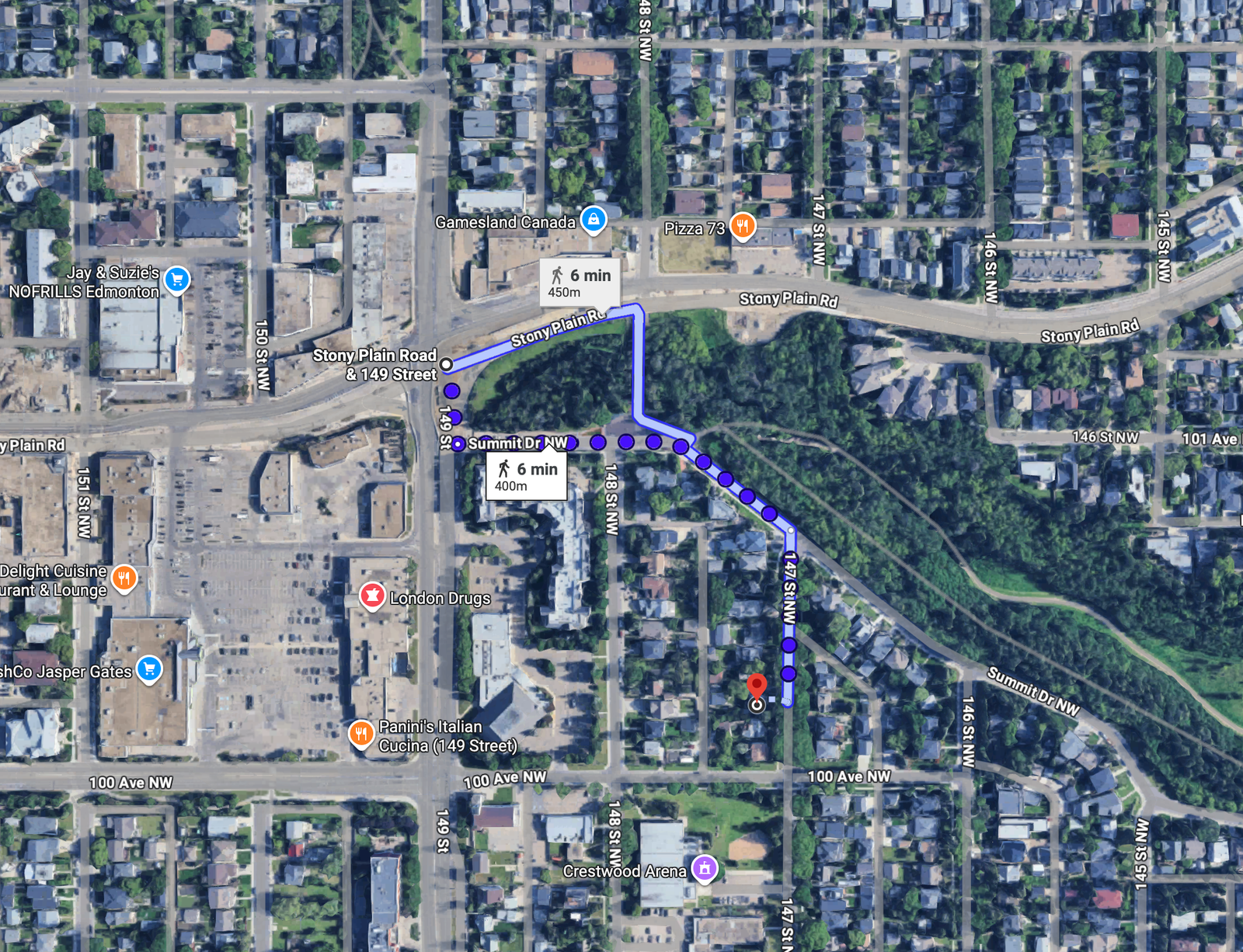
    Here’s how close the house is to the LRT station currently under construction at Stony Plain Road & 149 Street (this is the Valley Line West extension):
    Here’s the route map:
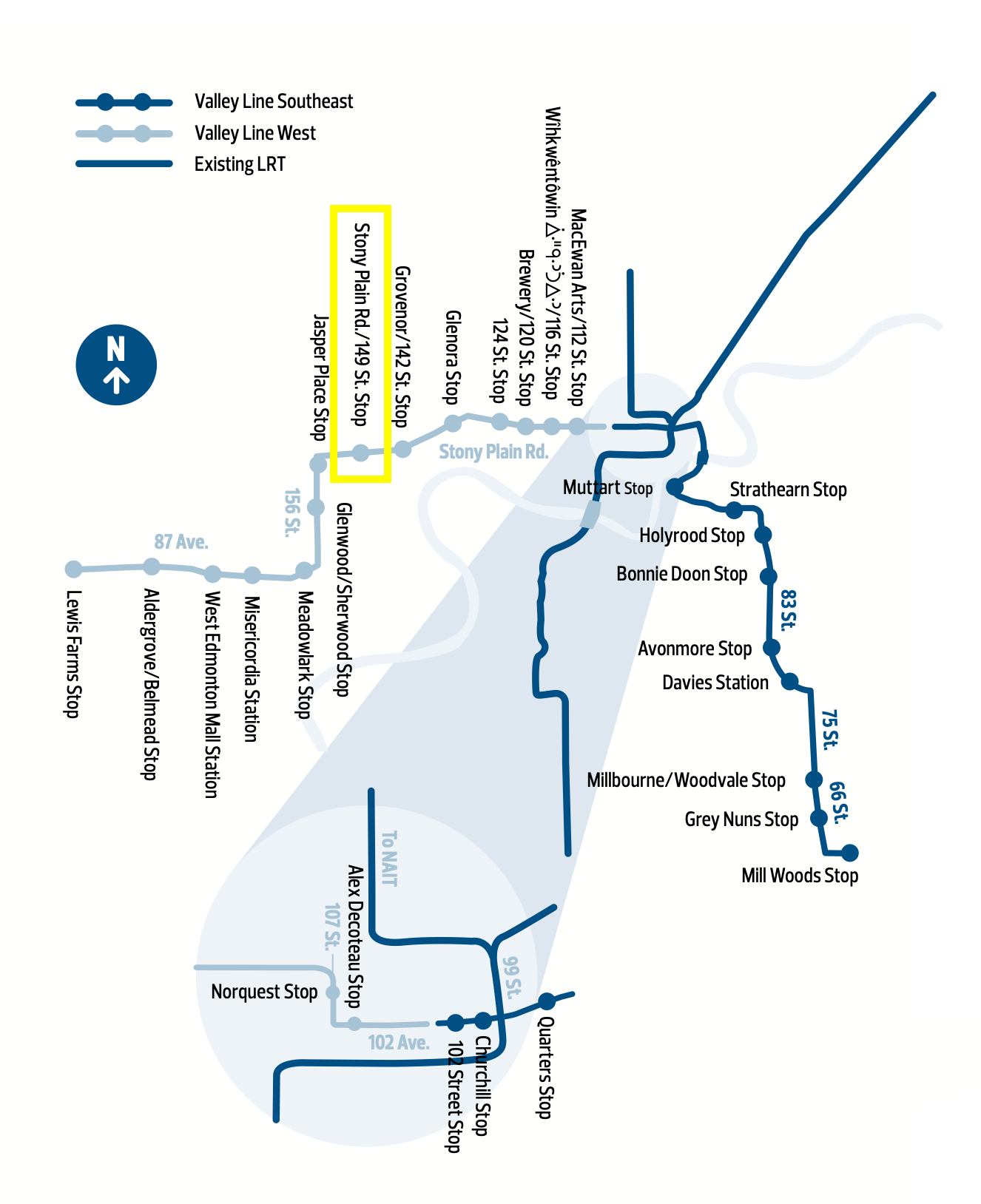
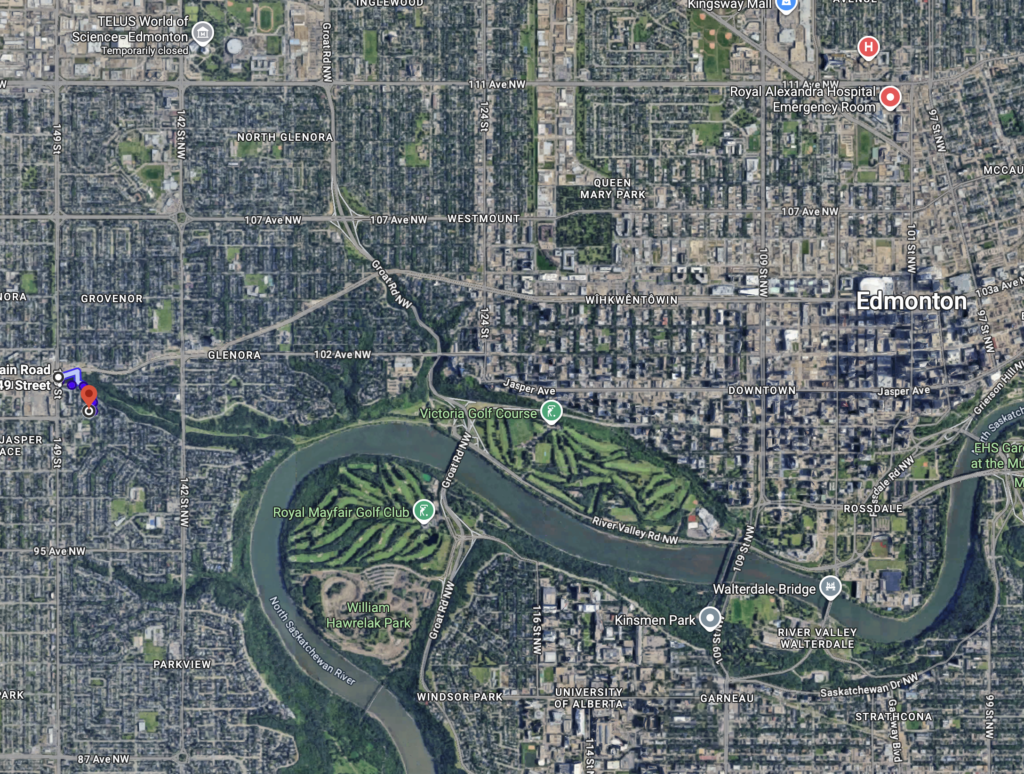
    And finally, here’s the station’s location in relation to downtown:
    Customarily, this is exactly what you want to do on top of and around new transit investments. You want to build density. Transit investment and land-use policy, as I like to harp on here, are integral to one another. And if you do everything correctly, you won’t have to worry about parking minimums.

    Happy Thanksgiving weekend, everyone.

  • Parking minimums are so last decade

    What is the case for having parking minimums? (i.e. Mandating a certain number of parking spaces in new developments.) I guess the argument is that if you don’t require developers to build it, they won’t build enough. And then people will not have parking and so they will be forced to park on the street somewhere. This might annoy the incumbent residents, who will in turn complain, and so it is best and safest to just to build a lot of parking.

    This is pretty much the only reason that I can think of for why a city might want to maintain parking minimums. Because, what’s the worst thing that could happen if you didn’t build enough parking? In the best case scenario, the developer builds fewer parking spaces and people are fine with it. This is ideal because it means people are getting around in other ways: walking, cycling, taking transit, and/or using car share. So it is the most sustainable outcome!

    A bad scenario would be that the developer builds too few parking spaces, nobody will rent the spaces, and then goes bankrupt. This would be very bad for the developer; however, it would be a lot less of a concern for the city. The developer is the one who screwed up. Too bad for them. So when I see new transit-adjacent developments — like this one here in Burnaby, BC with 14 levels of below-grade parking — one can’t help but think: WTF!

    To be clear, this is not a criticism of the developer. I don’t do that sort of thing on this blog. This is a criticism of parking minimums. They are so last decade. And I’m even being generous with this timeline.