Daily insights for city builders, delivered every morning at 6 AM ET. I’m Brandon Donnelly — a Toronto-based real estate developer and founder of Globizen. I’ve been writing here since 2013.

Tag: nice

  • À la prochaine, Nice

    Our week in Nice has ended. We took an early morning flight out today, connected in DC, and arrived back in Toronto in the evening.

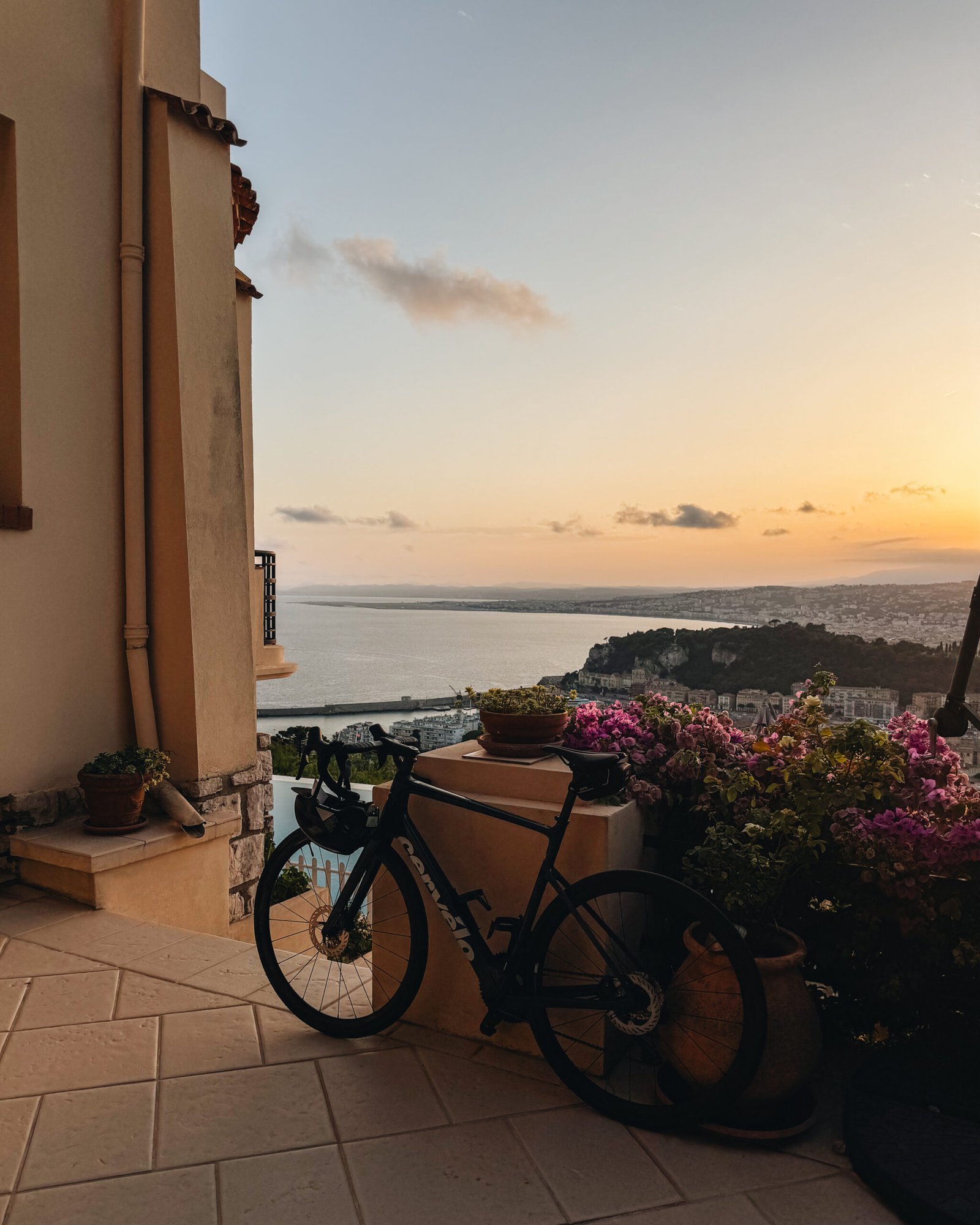
    I love Nice. It’s urban, but it also has great beaches and rocky swimming coves. It shares some of the exact qualities I love about Rio de Janeiro, albeit on a smaller scale.

    It also has a robust road biking culture. And I aspire to one day be able to keep up with the pros on those mountain climbs. Until then, look for me in the bike lanes of Toronto.

    Regularly scheduled programming resumes tomorrow on the blog.

  • La Promenade des Anglais needs a Canadian flag

    I have a suggestion.

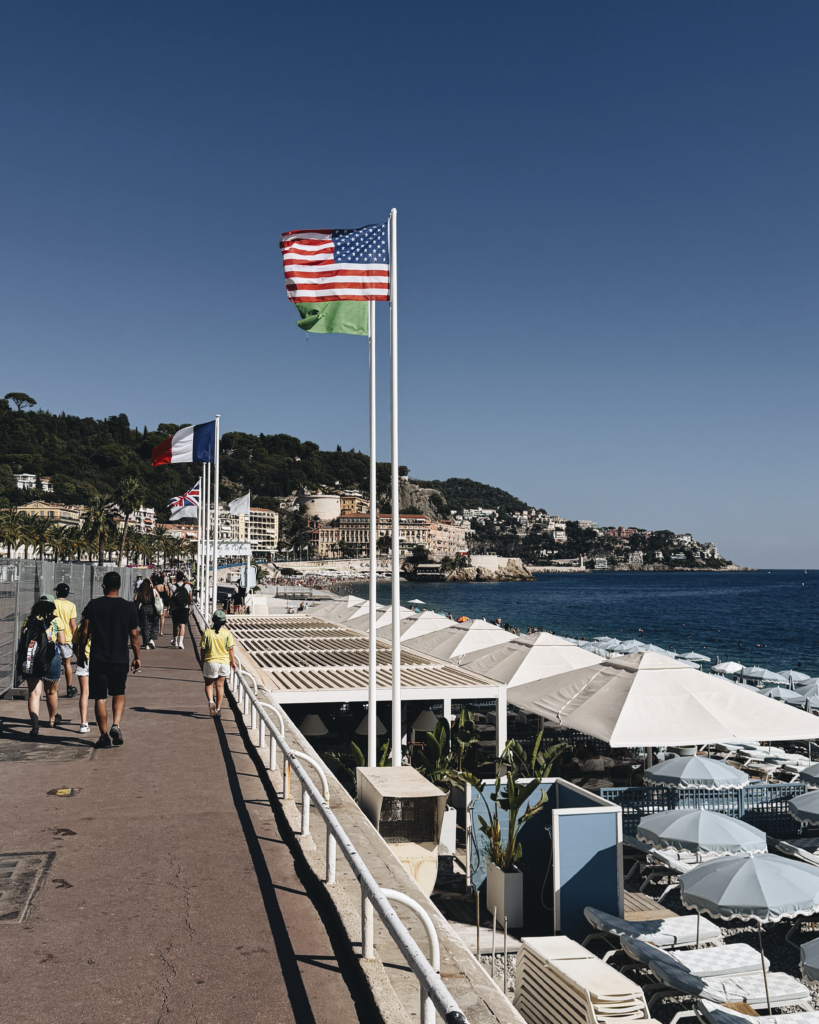
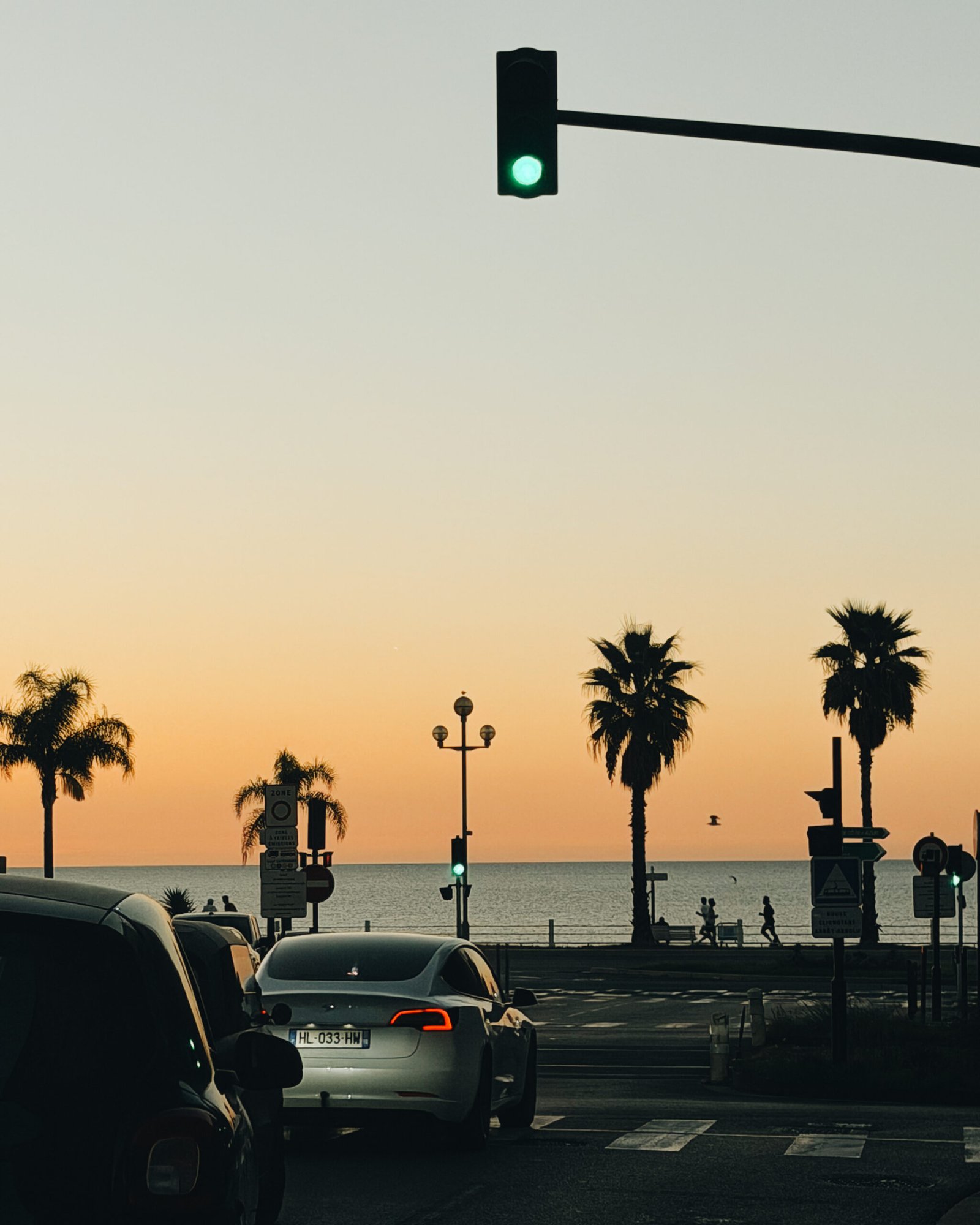
    La promenade des Anglais is Nice’s most globally recognizable street. It’s a 7-kilometre waterfront promenade that curves along the Baie des Anges. It’s a UNESCO World Heritage Site and it’s home to many of the city’s events, such as the Ironman competition that took place this week.

    (Congratulations once again to my brother from another mother Austin for showing us how it’s done today!)

    In addition to a beautiful promenade, beach, and shimmering blue waters, you’ll also find lots of flags. Naturally, there’s the French flag. There’s the Union Jack. The promenade was originally funded and built by the British aristocracy who used to winter in Nice.

    You’ll find the flag of Monaco given its proximity (~20 km). The Italian flag also features. Nice belonged to the Kingdom of Sardinia until 1860, and the border is ~30 km away.

    You’ll find the American flag, which presumably reflects the city’s long military and cultural connection with the US. More recently, you might also find Ukrainian flags, reflecting French solidarity with and support for the country.

    But one flag that I have yet to find is the Canadian flag. That is, other than the one this yahoo was waving around during the Ironman competition. I think that needs to change. Canada is widely considered to be the second most important country, after France, within La Francophonie.

    Plus, with Canada looking to aggressively deepen its economic ties with the EU and with Air Canada announcing direct flights from Toronto to Nice starting next summer, I think Nice should expect greater Canadian influence going forward.

    I have put out a formal request to President Macron, Prime Minister Carney, and the Ville de Nice. I’ll let you know how they respond.

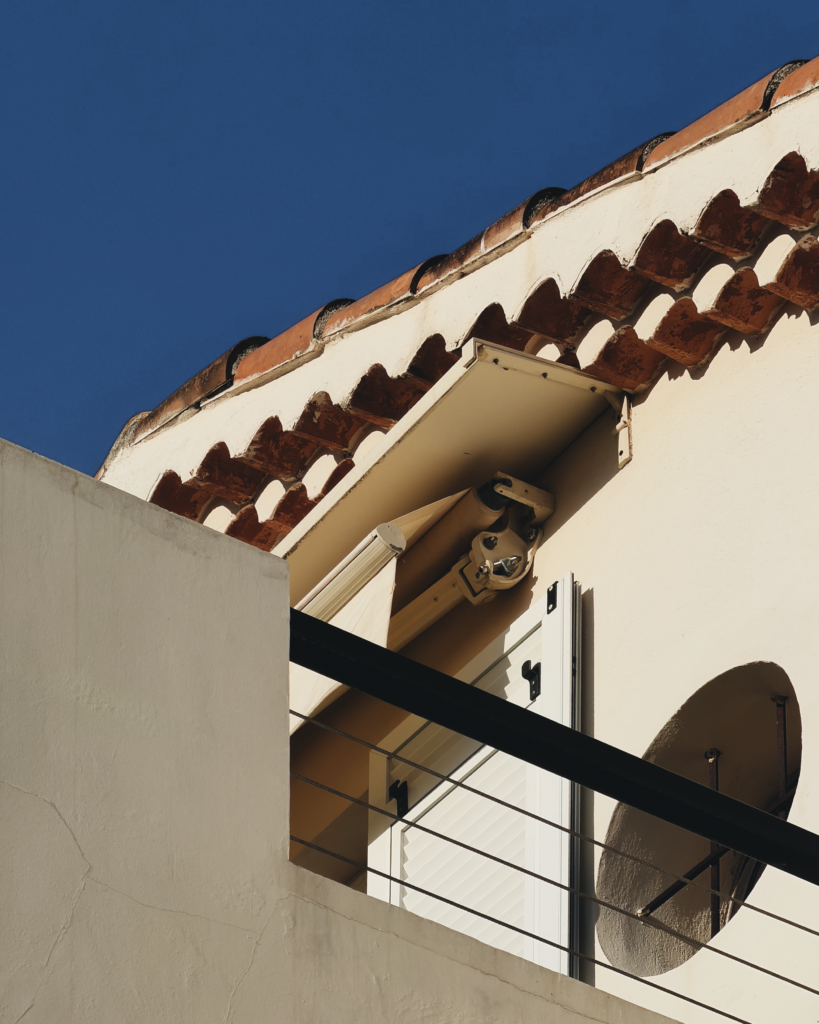
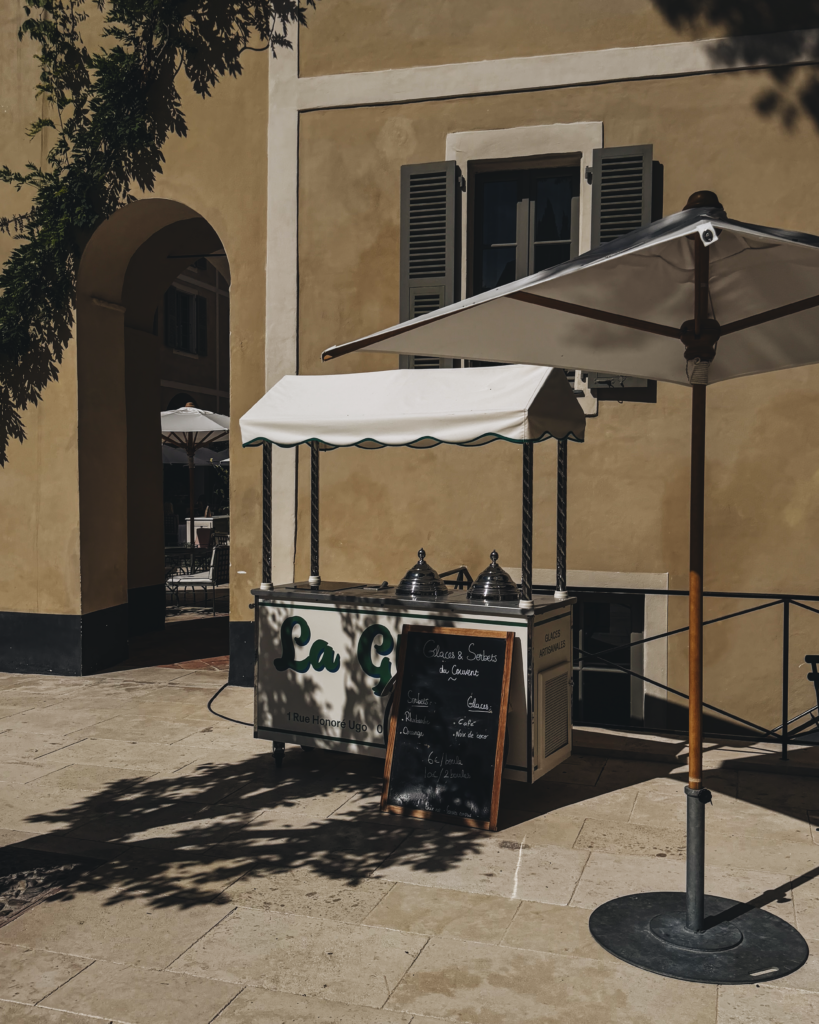
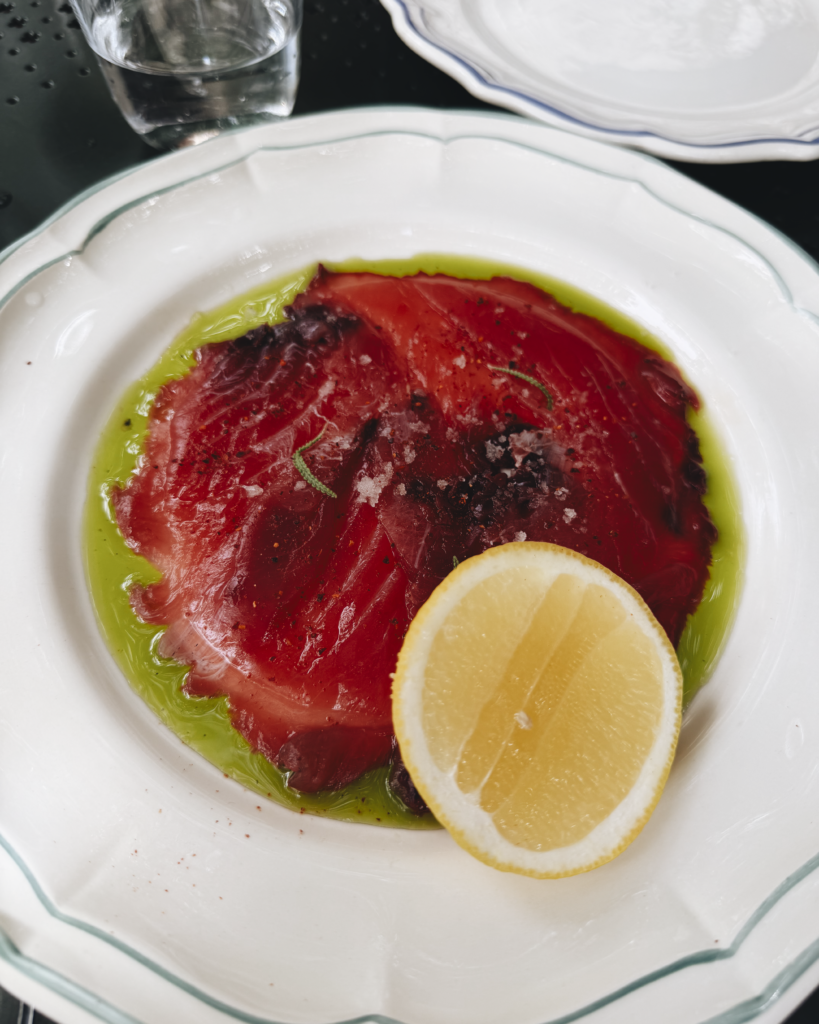
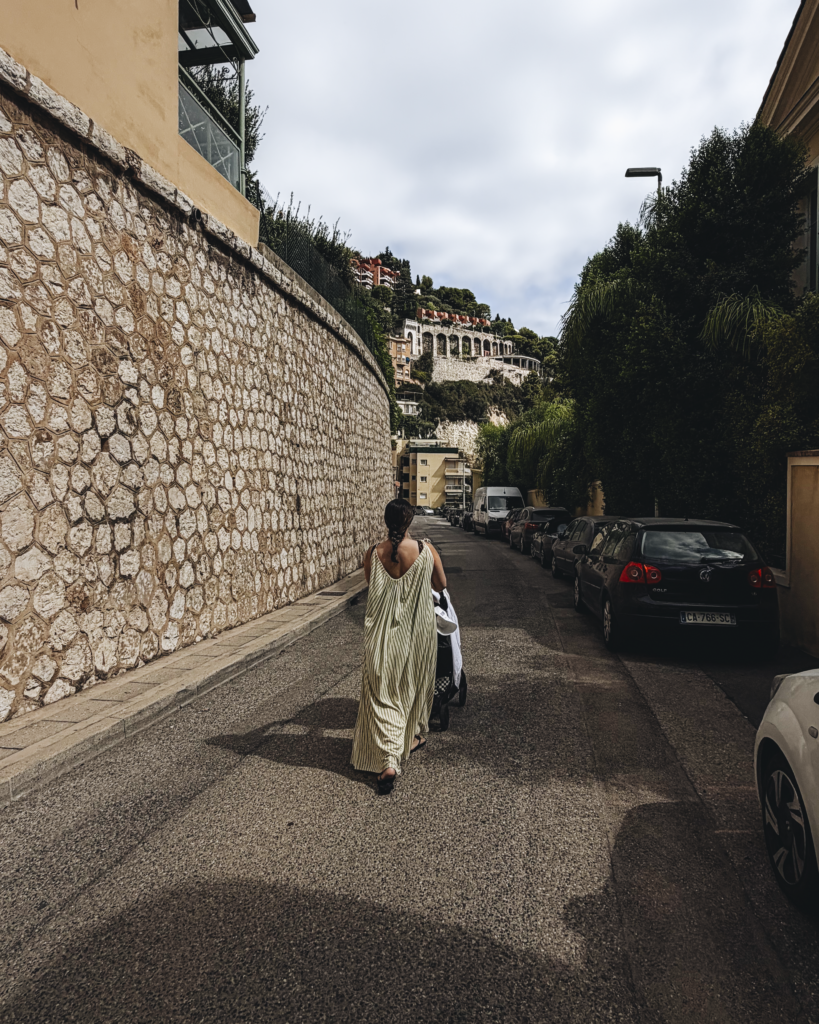
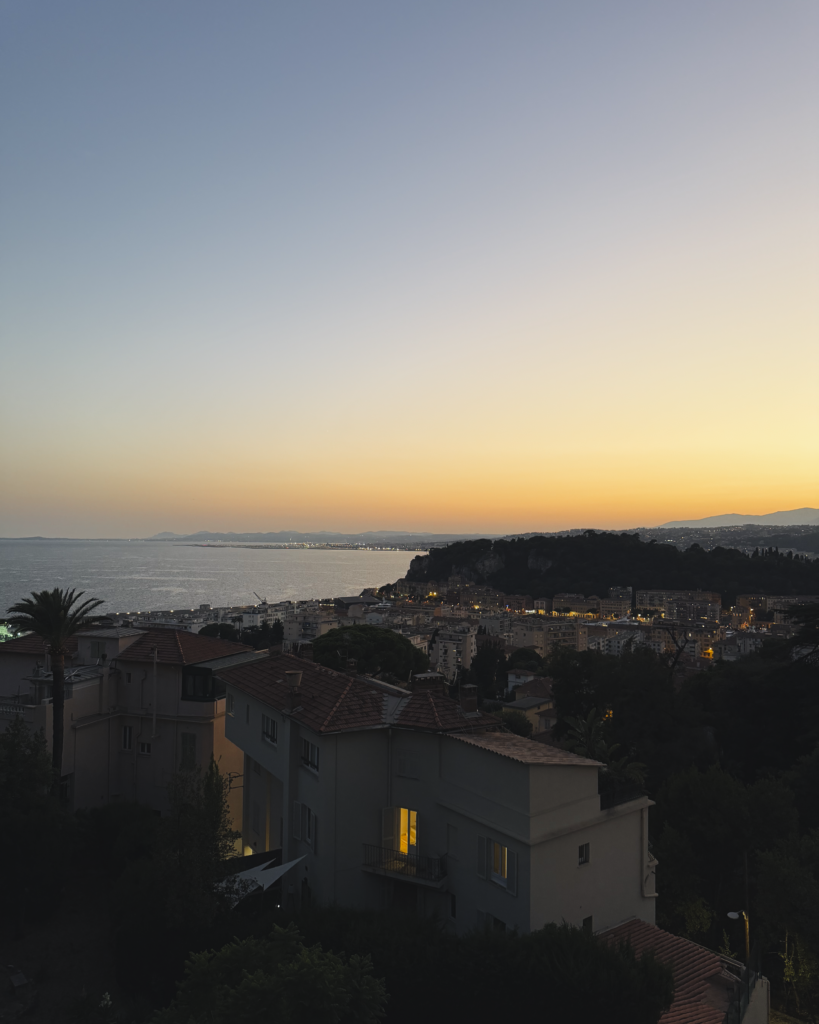
  • Nice, September 2026

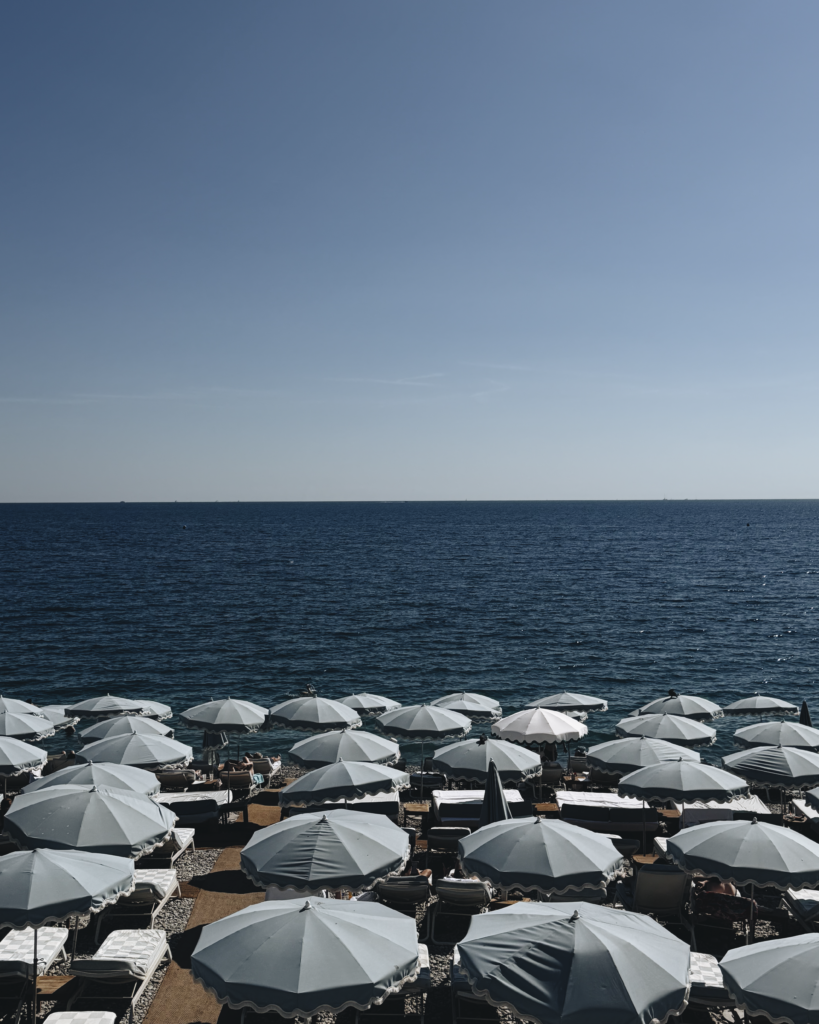
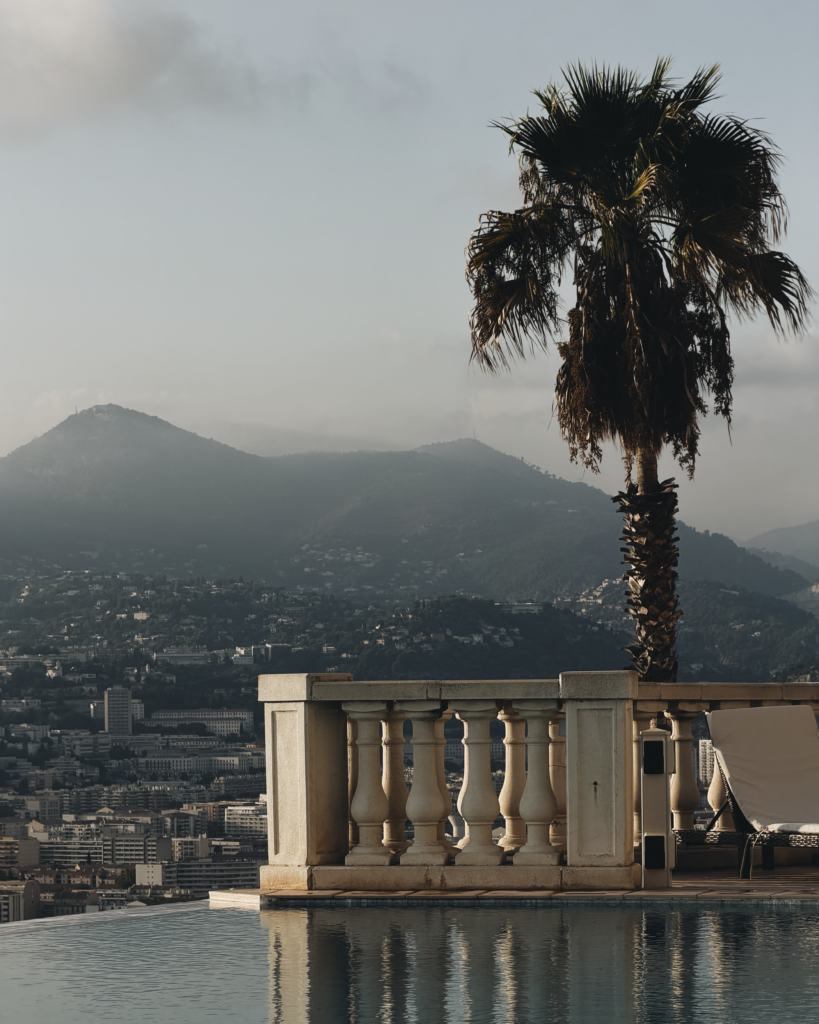
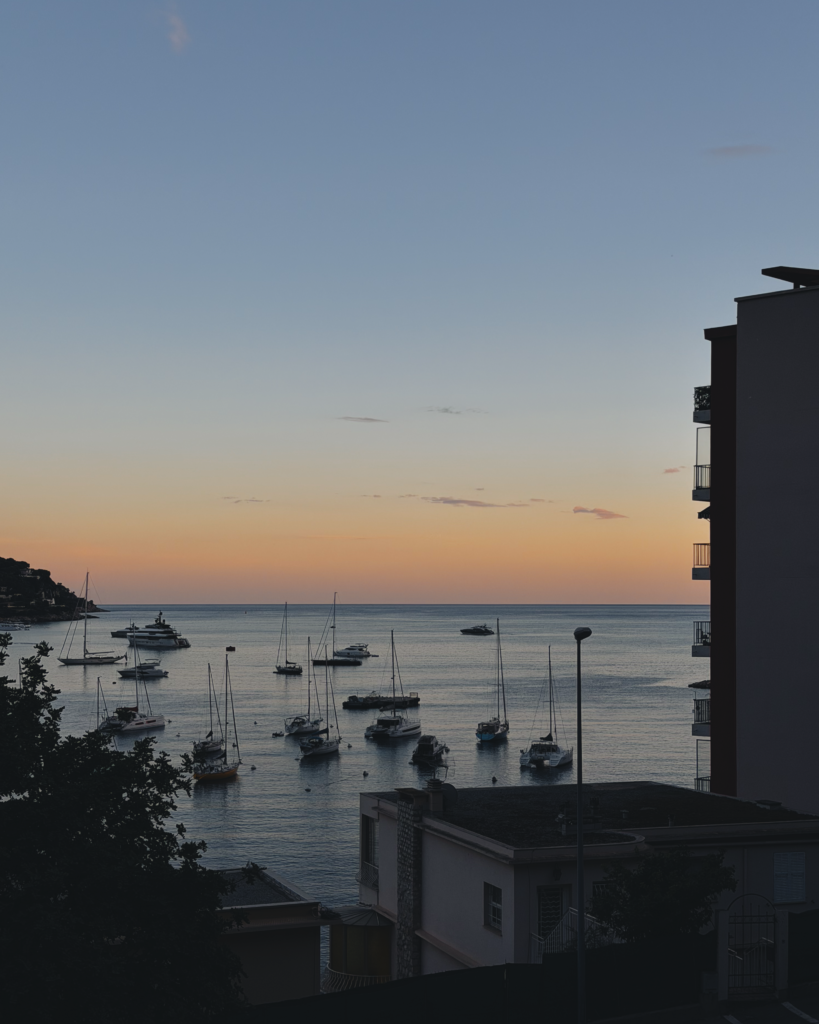
    I have my Fujifilm camera with me on this trip, but it’s been a bit much to carry it around throughout the day with Vivienne and all of her various belongings. So these photos are all shot on iPhone. Sometimes I remember to shoot in RAW (for better post-production), but most of the time these are just quick snaps with the default settings. In my opinion, the photos don’t have the same colour depth and overall richness as the ones I get from my Fujifilm.

  • The Venice syndrome — or is it?

    We were walking through Old Nice today and we stumbled on a fresh pasta shop called Clé aux Pâtes (highly recommend). I went in to grab supplies for dinner and then started chatting with the friendly lady behind the counter. She explained to me that all of the pasta is made on-site every morning and that the shop has been there since 1932.

    I then made a comment that their customer base must have changed considerably over the decades. Underlying this statement was an assumption that it is now mostly tourists. But she corrected me and said that lots of locals also shop there. I then turned to look at the line behind me and, for what it’s worth, there was French being spoken.

    But I left thinking about the composition of the neighbourhood. Old Nice is made up of several statistical areas. The oldest and densest is called Vieux Nice-Sainte-Réparate. It’s just under 50,000 square metres, which is about the size of the Distillery District in Toronto. As of 2022, it had a total full-time population of 1,187 people. This works out to a respectable figure of 23,912 people per km2.

    However, the area’s population has been in decline since at least 2007, when it had 1,798 people. The obvious culprit is more hotels, short-term rentals, and secondary homes. I had Gemini review the area’s census data, and it estimates that only somewhere between 35-45% of the area’s housing serves as primary residences.

    This data would suggest that Old Nice is another example of what has been called the “Venice syndrome.” Tourism is now the trade, leading to a decline in population. But it’s interesting to think about the extent to which the area may also serve as an open-air mall for locals. That’s a more resilient place to be. Of course, all I have to go on is a pasta anecdote.

  • Le col de Vence — testing the Ironman cycling course in Nice

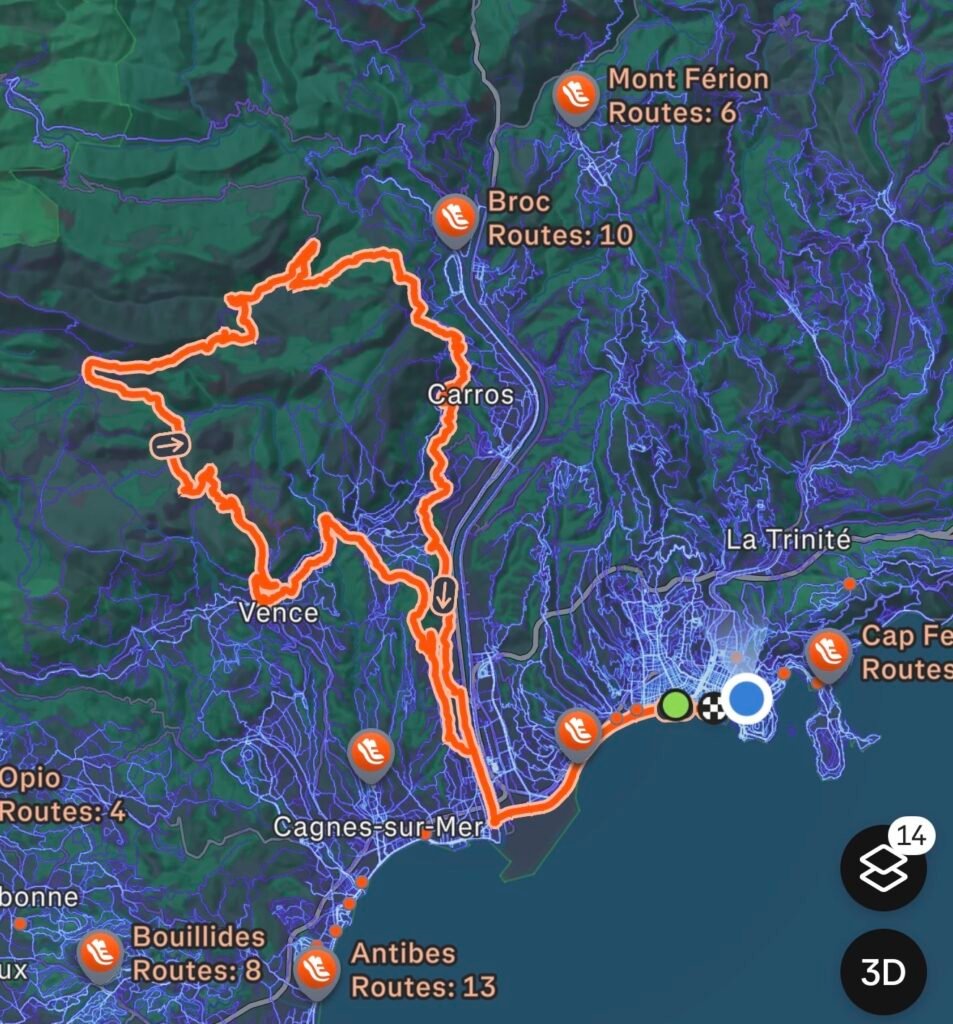
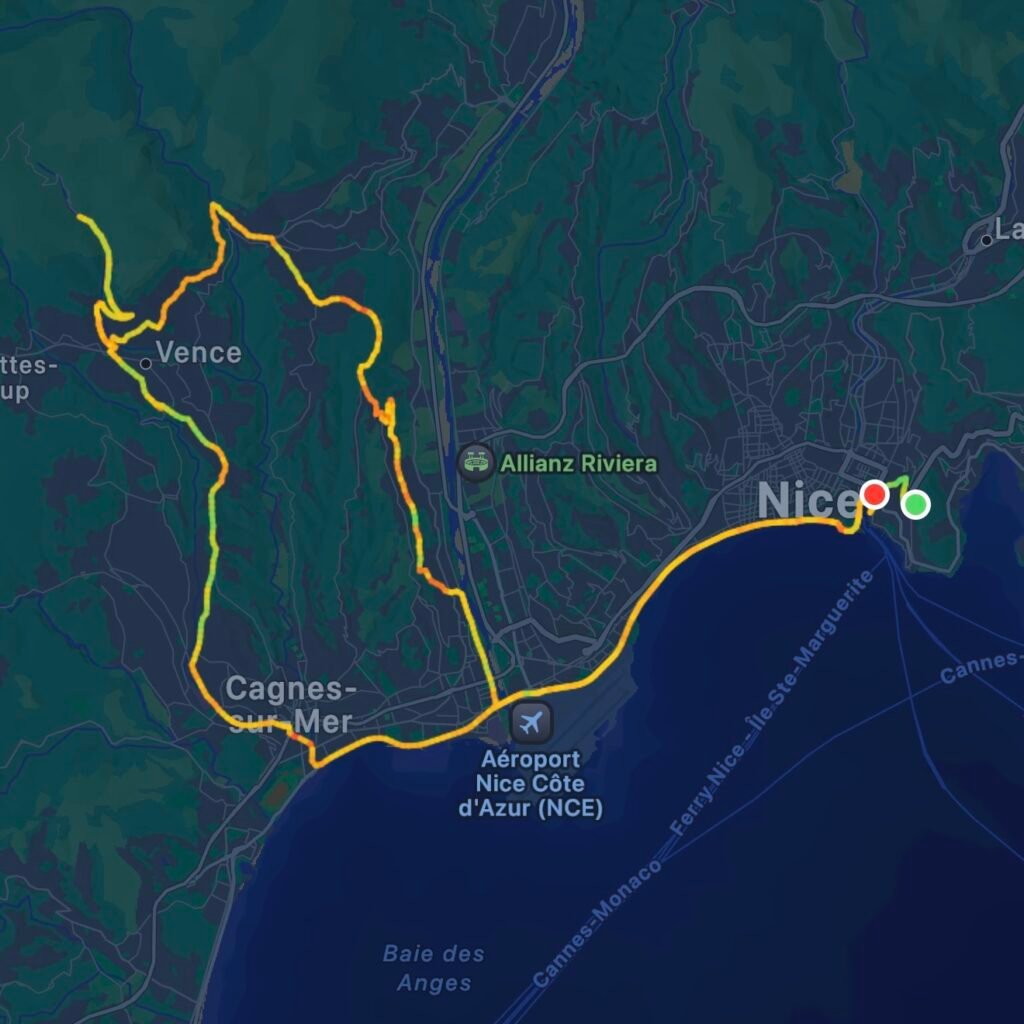
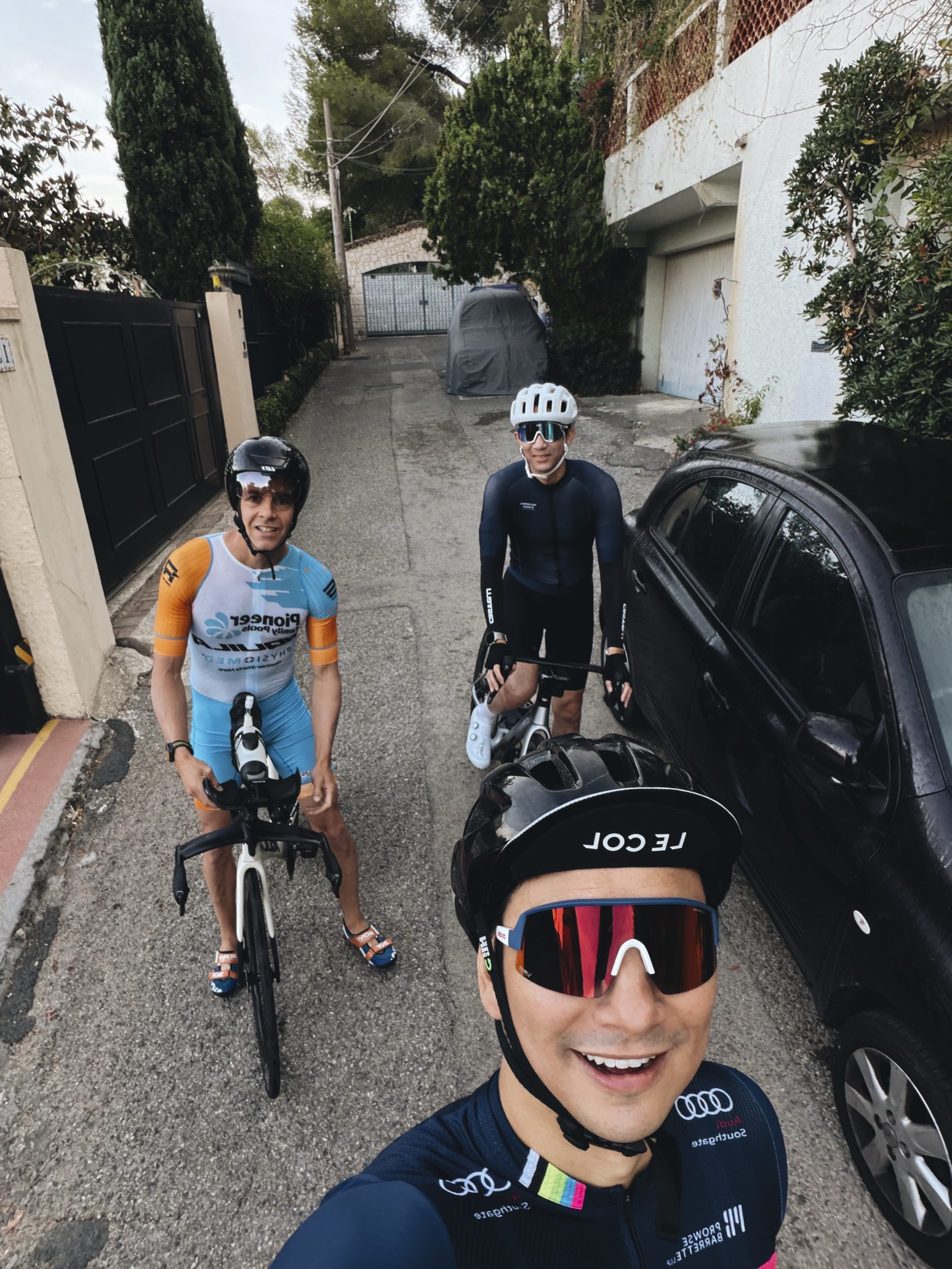
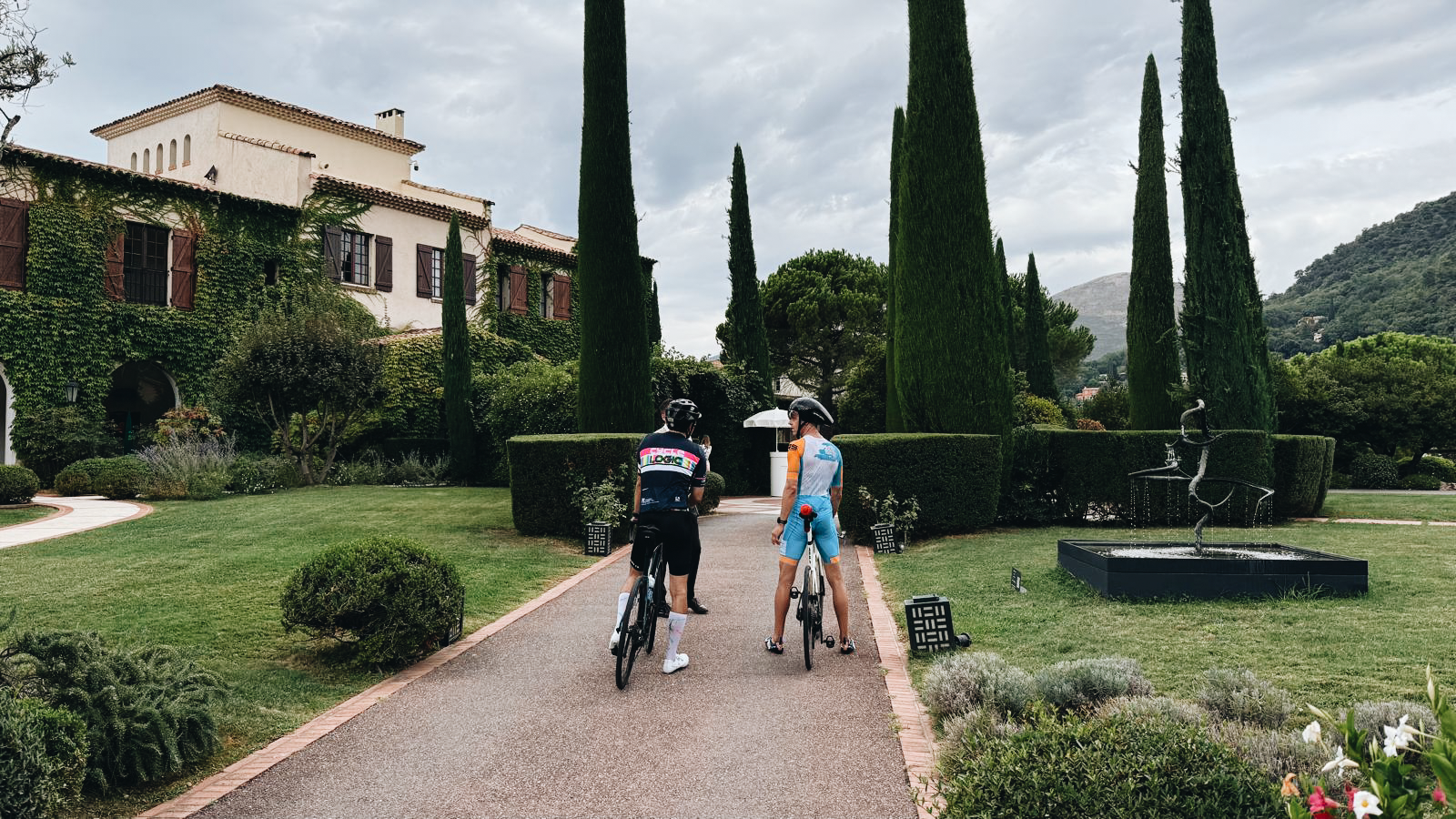
    So, it turns out that if you want to do the 92-kilometre Ironman World Championship bike course in Nice, it’s a good idea to practice a little beforehand. At the very least, you probably want to get on your bike more than a handful of times. I tried it today and came up short.

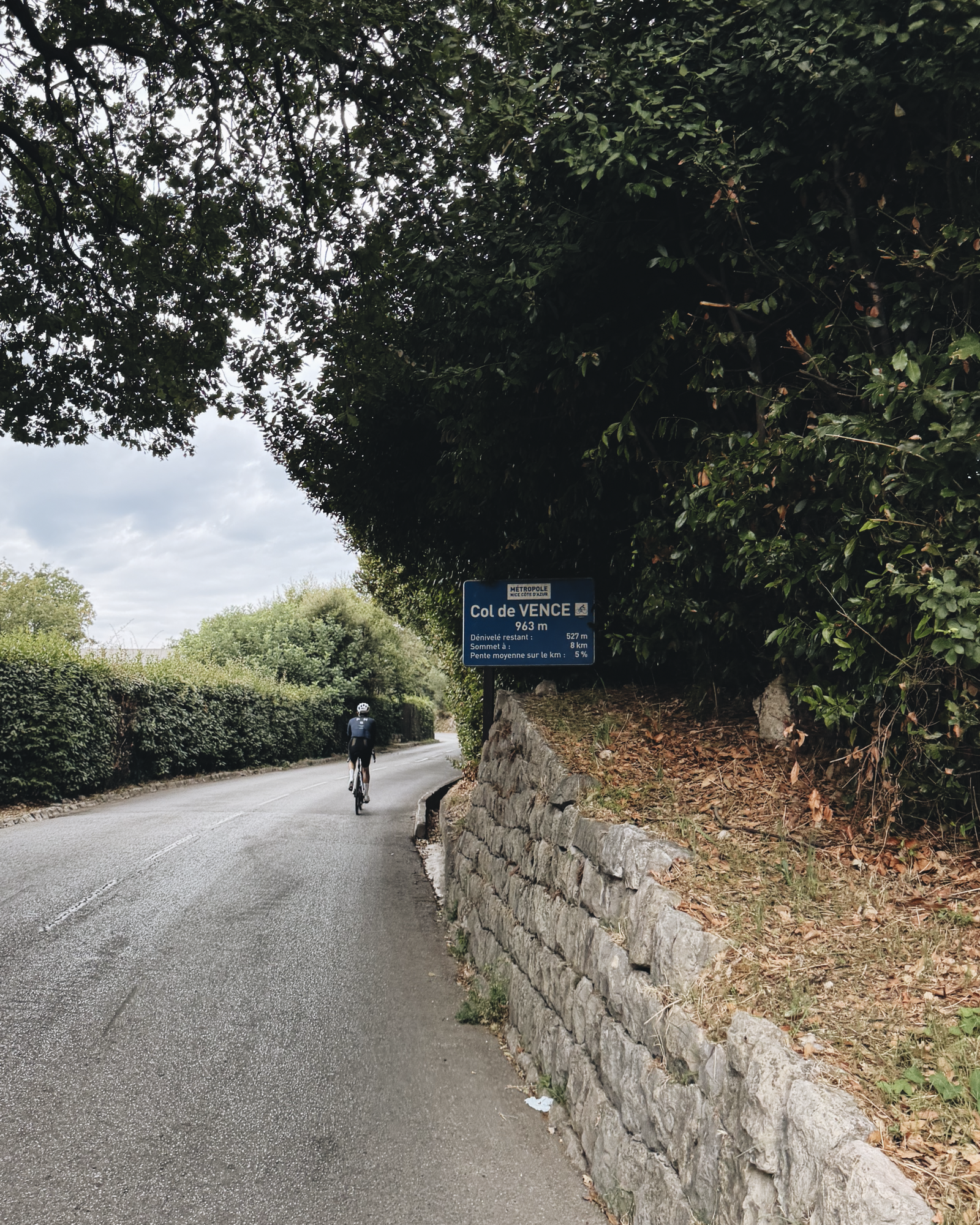
    The circuit includes le col de Vence at its summit, which is a 9.7-kilometre stretch with a 963-metre peak elevation and an average pitch of 6.6%. I was within 6 kilometres of the top, but my quads completely seized up and I turned back towards Vence, then continued south back to the water.

    I really wanted to get there and reward myself with a sugary crêpe, but my legs were saying otherwise. I’ll be back, col de Vence.

    Shoutout to Guinness World Record holder Austin Kjorven, who will be representing Canada at the Ironman this weekend and has no problem climbing le col de Vence. He was also super patient as I attempted the climb. Follow him here.

    The course:

    What I did:

    The ride:

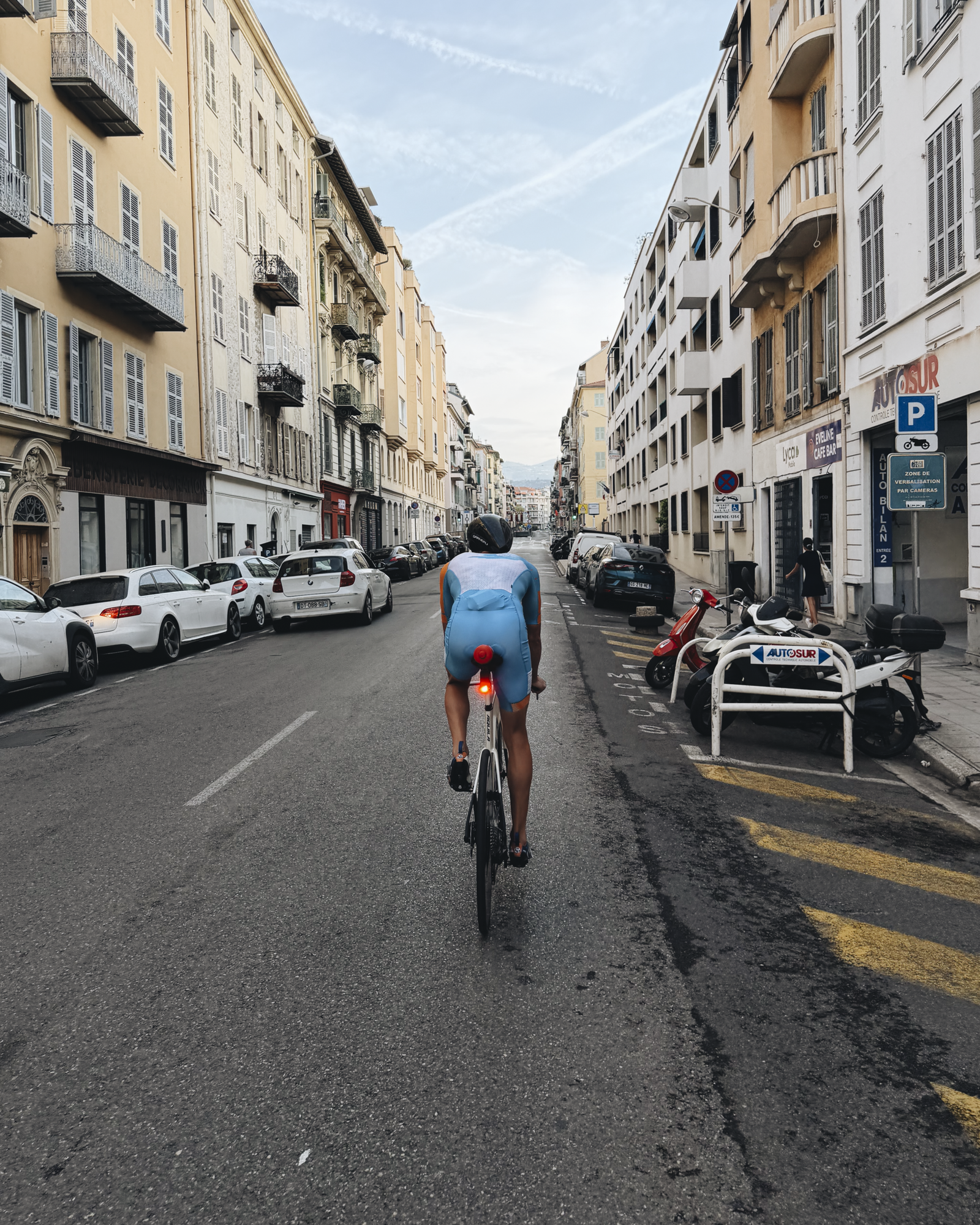
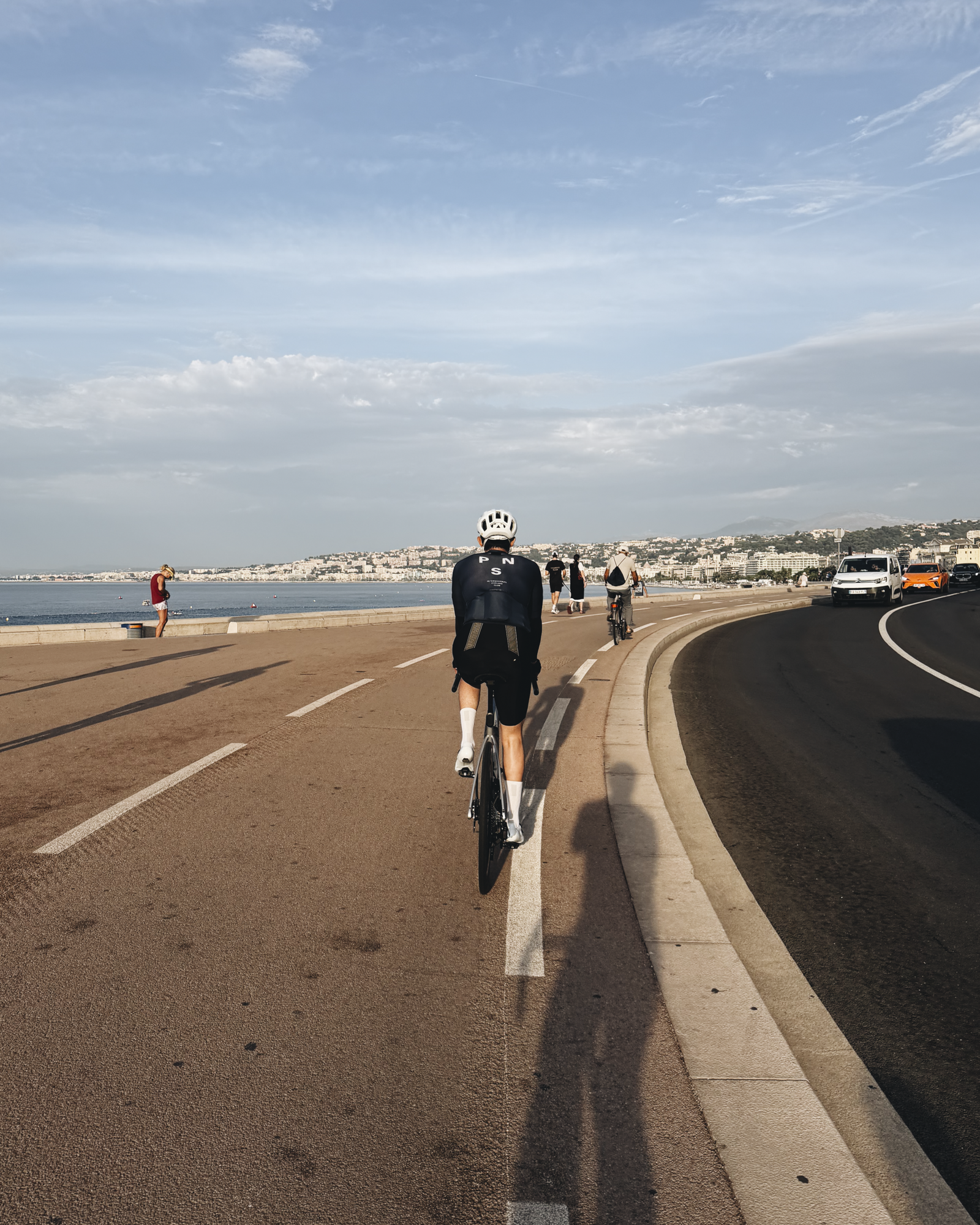
    Some of the local cycling infrastructure:

  • Gone ridin’

  • Navigating cities through a stroller lens

    I love to travel and I try my best to be efficient at it. Pre-kid, Bianca and I would leave for weeks with just two carry-on suitcases and a laundry event at some point in the middle of the trip. But now we’re planning our first trip to Paris and Nice with Vivienne (she’ll be ~3 months old) and this has forced us to rethink our entire operation.

    I have spent more time than I care to admit researching travel strollers and super-light car seats and thinking about how best to navigate the places we are going. It’s an expensive world that I didn’t really need to know about.

    All of this is still to be tested out in the field, but here’s where we’ve landed:

    • Our two carry-on suitcases have been consolidated into one larger 85L checked bag. This is about freeing up our hands as much as possible.
    • I’ve swapped my personal item for a Patagonia Black Hole Mini MLC Pack (30L). MLC stands for maximum legal carry-on. This is not a referral link. I just like the bag. My business partner introduced me to it.
    • We got an Ergobaby Metro 3 travel stroller from family that we’ll be using. It fits into overhead compartments. Unfortunately, it’s not compatible with our car seat, and so we came close to buying a second and lighter travel-only car seat (along with the requisite travel stroller adapters). This felt wasteful. We scratched the car seat. I was also not excited about lugging it around.

    I think this is as minimal as we can be.

    We almost exclusively take the train and walk in Paris (though I have caused chaos in their traffic circles before) and, for Nice, I found a ride-hailing app called SIXT that allows you to reserve rides in advance and add in a car seat for newborns. The main reason we debated a car seat is because where we are staying in Nice is a little out of the centre and we would have wanted to Uber. Now we’ll just test our luck with SIXT and Vivienne’s capacity for long walks on steep inclines.

    It’s amazing how differently you start to think about cities and places when you’ve got a stroller to contend with and an infant with limited neck strength. If any of you have any tips, please leave a comment below.

  • Rents are lower, but what does that ultimately mean?

    Paris is the first city in France to implement some form of residential rent control. The first came in 2014 (enacted in the market in 2015), but this was later removed in 2017. The second came in 2019, and this current program remains in place until November 2026, at which time it will be reviewed.

    But given that it has already been in place for a number of years, people have started to analyze it’s effectiveness. Here is a study by Atelier Parisien d’Urbanisme (APUR) that was published this month.

    The report is in French, but I can tell you that, what they did, was compare the Paris region to 8 other cities in France — all of which do not have the same rent controls. They were: Aix-en-Provence, Grenoble, Marseille, Nantes, Nice, Strasbourg, Toulon, et Toulouse. These were allegedly chosen because their housing markets are thought to be similar to that of Paris’.

    What they found was that from July 2019 to July 2023, legislated controls in Paris lowered rents by approximately 4.2%, compared to where they would have been without any market intervention.

    At the same time, they noticed that these same controls seemed to become more effective over time. From July 2019 to June 2020, they lowered rents by 2.5%, but from July 2022 to June 2023, they lowered rents by 5.9%.

    Finally, they also found that the controls seemed to impact smaller places the most. For apartments between 8 and 18 m2, rents were 10.2% lower than expected during July 2019 and July 2023.

    This is all interesting stuff, but in many ways, it is expected. Rent controls are intended to depress rental growth. That’s the whole point. And based on this data from APUR, it is working in Paris.

    But the really tough questions pertain to the possible knock-on effects. If rents are 4.2% lower, but operating costs are now growing faster than rents, then this is a problem for the housing market. You’re on an unsustainable path.

    And if lower rents mean that fewer developers are going to build new housing, then this is also a problem, because less supply will eventually translate into more upward pressure on rents. I don’t know for sure that this is happening in Paris, right now, but these are crucial considerations.

    It’s never as simple as just looking at rents and thinking lower is better for long-term affordability.

  • A few observations from Paris

    The last time I was in Paris was in 2006. That’s a long time ago and so it was great to be back in the city earlier this week. I don’t know the city as well as I do many other cities, but I speak enough French to be dangerous and we spent a good amount of time on this trip just exploring. On average, we clocked about 20,000 steps a day. So here’s a list of some of the things I was reminded of or learned of on this visit. If any of you are more familiar with the city, please feel free to speak up in the comment section below.

    • I love Paris.
    • The Parisian art of people watching is alive and well. One of my favorite things about Paris is how so much of the cafe seating faces out toward the street. That’s what you’re supposed to be watching: urban life.
    • Most cities have a clear message. In Los Angeles, it’s probably that you should be more famous. In Boston, it’s arguably that you should be smarter. And in New York, it is perhaps that you should be richer. In Paris, the message feels loud and clear: You should be more fashionable.
    • Compared to Toronto, the center of Paris feels far more static. Less construction. Less change. Less that is new. That’s not such a bad thing given how beautiful the city is. But in my view, cities are about balancing preservation and progress. From what I could tell, a lot of the new construction seemed to be happening in the suburbs and in the outskirts of the city.
    • That said, COVID feels much further along in Paris. The city was very open and everyone seemed to be back in the office. Locals said that the city was operating at maybe 80%. It felt busy.
    • Dress shoes are dead in Paris. Everyone wears cool sneakers no matter how young or old. Think business suits with Nike Air Maxes. My hypothesis is that it’s just far more practical given how much people walk in Paris. I plan to adopt this strategy immediately.
    • In addition to walking, everyone seemingly bikes and/or uses an electric scooter. Again, it didn’t seem to matter how young or old. Paris also seems to have solved the scooter clutter problem, as has many other cities. There are designated spots (painted lines next to on-street car parking) and that’s where you’ll find the scooters. Toronto needs to get on board.
    • Traveling at 300 km/h on a train is a highly civilized way to move between urban centers.
    • There’s nothing wrong with having a picnic and drinking a bottle of wine (or two) in a park. In fact, it is probably something that should be celebrated. Let people be grown-ups.
    • When you purchase a baguette, you should immediately take a bite out of it to see how fresh it is.
    • The Eiffel Tower, much like the CN Tower, looks far better when illuminated.
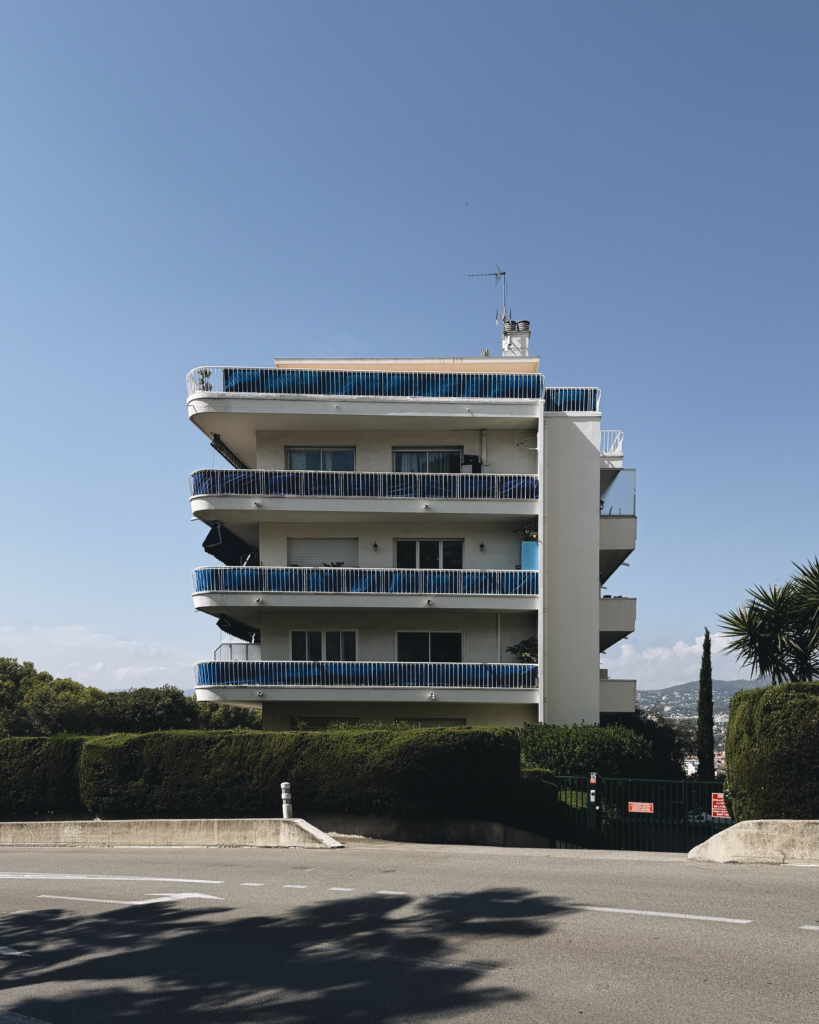
    • Balconies of any size can be wonderful. We had a small Juliet balcony off of our hotel room in Nice and we used it every day for croissant eating and to dry our bathing suits. In a more permanent situation, I am sure we would have started growing things on it.
    • Midrise buildings do indeed create nice urban street walls. But it’s important to keep in mind that Paris’ midrise blocks are also deep and dense and with lots of courtyard conditions. That’s how the city is able to house so many people at such low building heights.
    • Facing conditions between buildings is less of a concern when you employ less glass. Smaller punched windows allow you to better manage privacy. I would go so far as to argue that if Paris were an all-glass city, much of its current built form would be fairly unlivable.

    What did I miss in this list?

    Photo by Alexander Kagan on Unsplash

  • 🏊‍♂️ Le Plongeoir

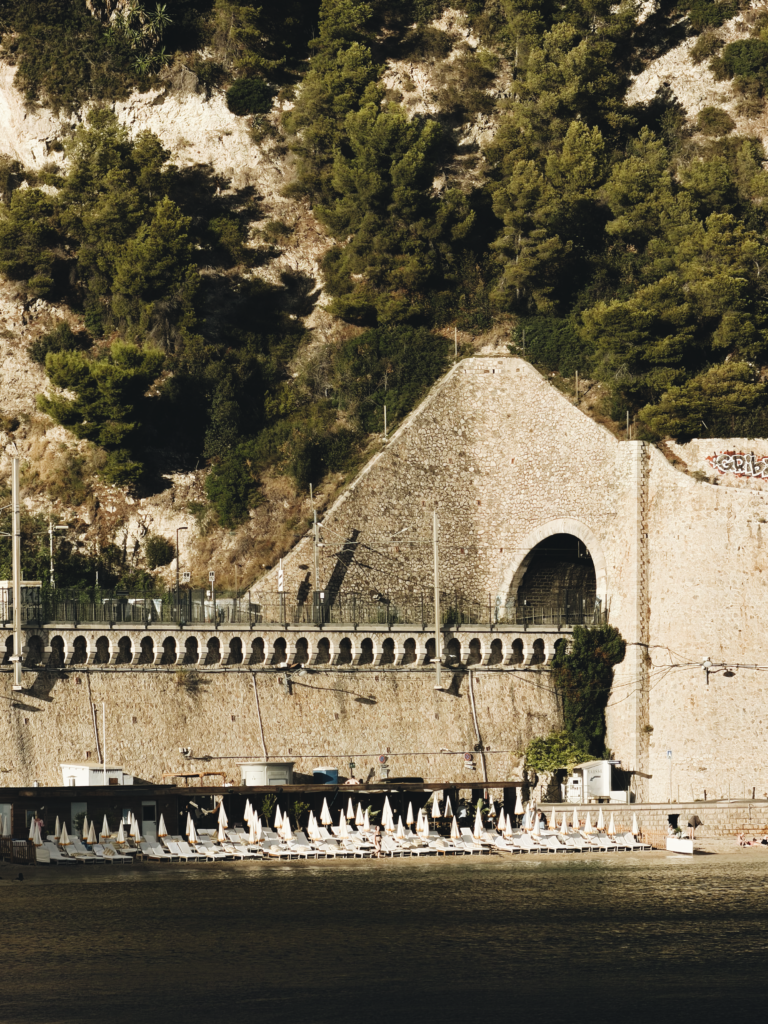
    This beach area was closed because of high winds and choppy waters. But that didn’t stop these kids from doing some very impressive dives off of this ledge. It also happens to be right beside a wonderful restaurant / diving facility called Le Plongeoir.