Daily insights for city builders, delivered every morning at 6 AM ET. I’m Brandon Donnelly — a Toronto-based real estate developer and founder of Globizen. I’ve been writing here since 2013.

Tag: globizen

  • Money and beauty

    I’ve told versions of this story before, but I was reminded of it again today.

    When I was in grad school studying both architecture and real estate, I used to walk back and forth across campus and jump between two very different kinds of academic experiences. On the one side of campus, it was taboo to talk about money. And on the other end, the only important thing to talk about was money. (I am exaggerating in both cases, but I think only slightly.)

    Given that I was studying and genuinely interested in both, this always felt like a weird false dichotomy. I mean, why not care about, you know, multiple things? But that’s generally not the way it was. Talking about money tainted the purity of design. And talking about things like design and beauty felt out of place and less serious in a room where cap rates were being debated and serious financial models were being honed.

    This is not to say that nobody was thinking across disciplines. I was in a joint program, after all. I can also remember attending a lunch & learn where a student asked a seasoned real estate executive what he should study in addition to finance. The response he got was something along the lines of, “the furthest thing from finance. Study something that will give you a different perspective on real estate.”

    I remember this really resonating with me — probably because I was searching for breadcrumbs to make me feel like less of an outsider at Wharton. Still, this came across as a unique perspective at the time.

    Knowing how money stuff works is absolutely fundamental. (We need to teach more of it in schools to young people.) And as a developer, it all starts with managing risk, executing (i.e. doing what we said we would do), and being an honest steward of other people’s money. Don’t do this, and you likely won’t be a developer for very long.

    But then, what else? What unique insights can we bring to the assumptions that feed a finely honed model? Fast forward to today and this is now the basis for how the Globizen team aims to look at real estate opportunities. We want to cover all ends of campus. And that means we are more than okay talking about unserious things like design and beauty.

  • So, what is Globizen doing?

    First, the why. The why is to build better cities. And it’s as simple as that. I love cities. The team loves cities. And we all feel a great sense of responsibility when it comes to doing our part to make them more prosperous, more beautiful, and overall better places to live and work.

    It is for this reason that Globizen refers to itself as a city builder. We obviously didn’t invent this moniker, but we do take it seriously. And our specific intent is to be both a city-building company and a city-building community.

    What this means is that we do the things that most companies do, including trying to make money. But in parallel to this, we also aspire to create a community of like-minded city builders.

    City building isn’t just about real estate development. It’s also about the artist that just painted a mural, the local restauranteur that just opened up a new concept, and the individual that just did something, whatever that may be, to improve their community.

    We would like to do our part to celebrate these actions and support more of them. This is how we want to build.

    As for what we actually do, we are developers of creative mixed-use infill projects. Currently, we are developing and managing projects on our own account (we invested our own equity) and on behalf of great partners. But in all cases, we have a consistent investment philosophy and approach to development:

    • Focus on fundamentals
    • Search for overlooked assets and opportunities
    • Embrace non-consensus views
    • Create value by innovating with design, culture, and technology
    • Execute with discipline and passion
    • Think long term

    We are actively looking for new development opportunities. We are also exploring/underwriting a number of income-producing asset strategies. If you’d like to pitch us a site or project, or you just want to grab a coffee somewhere cool, please feel free to send me an email (brandon.donnelly@globizen.com).

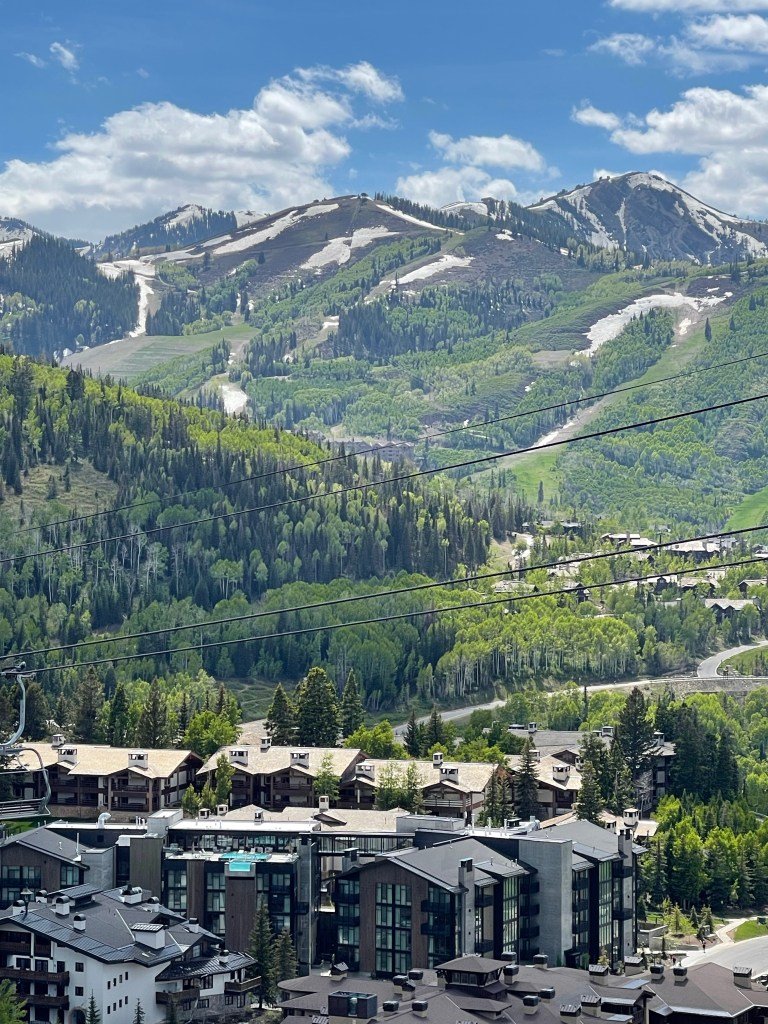
  • Last run of the season

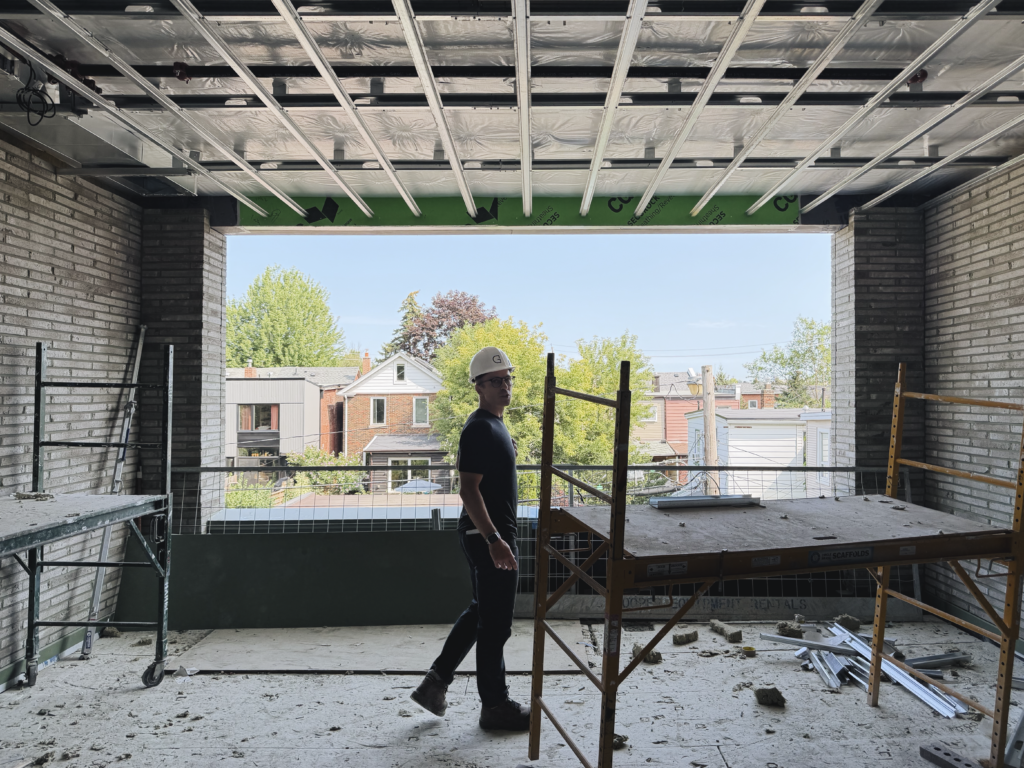
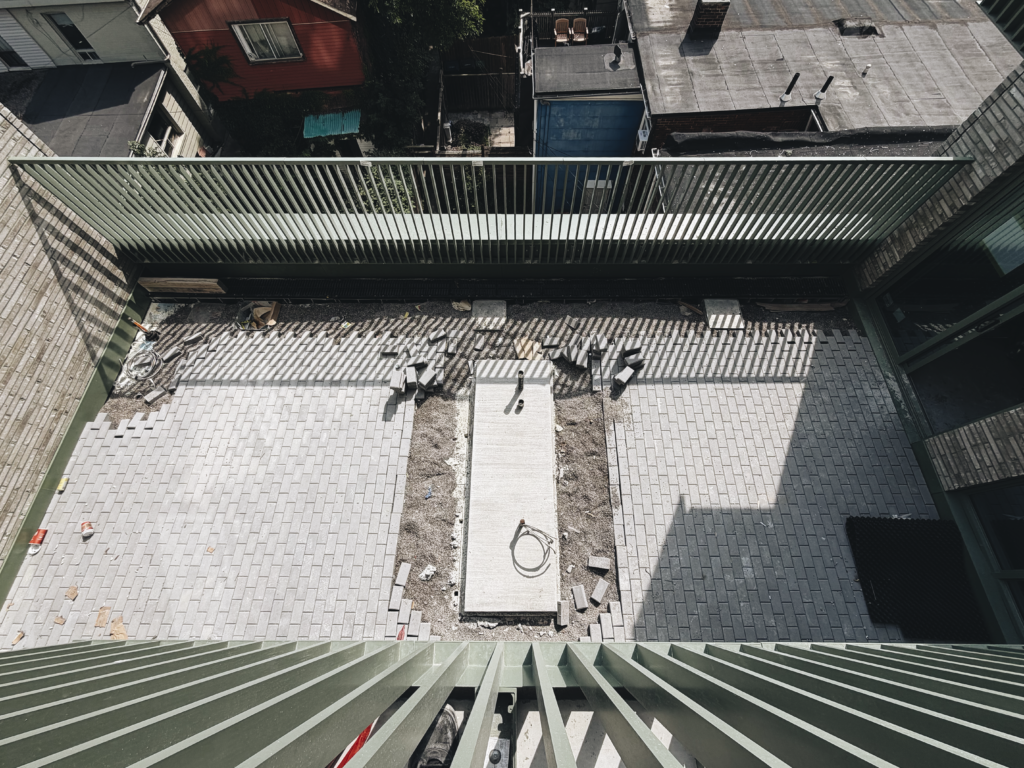
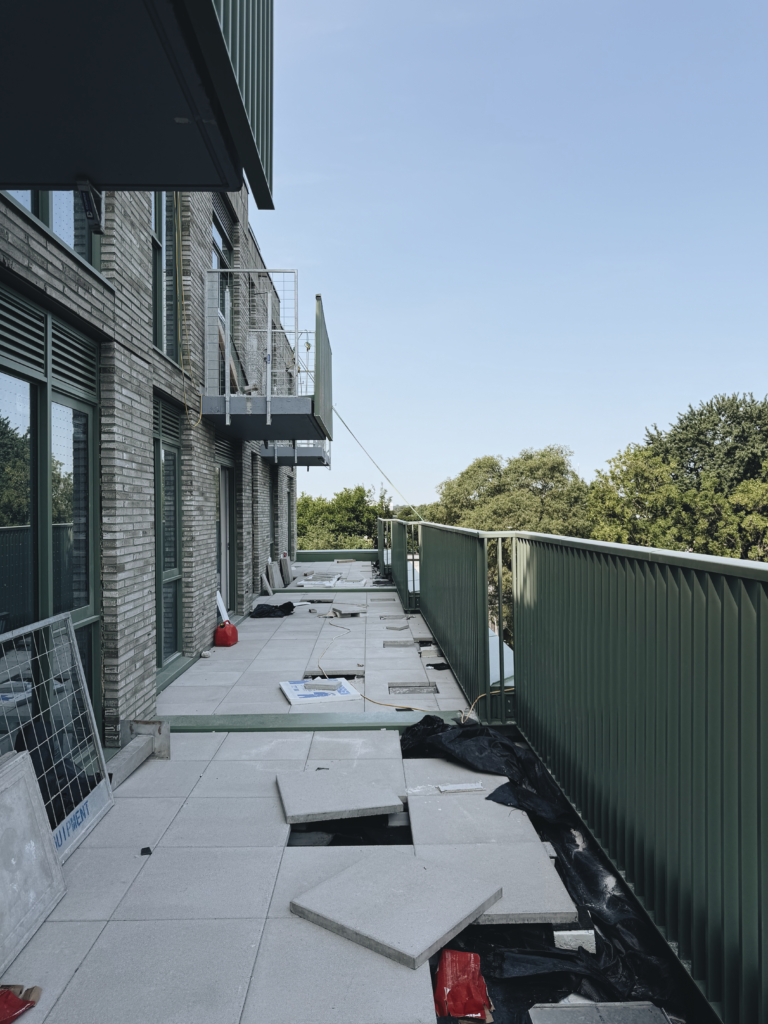
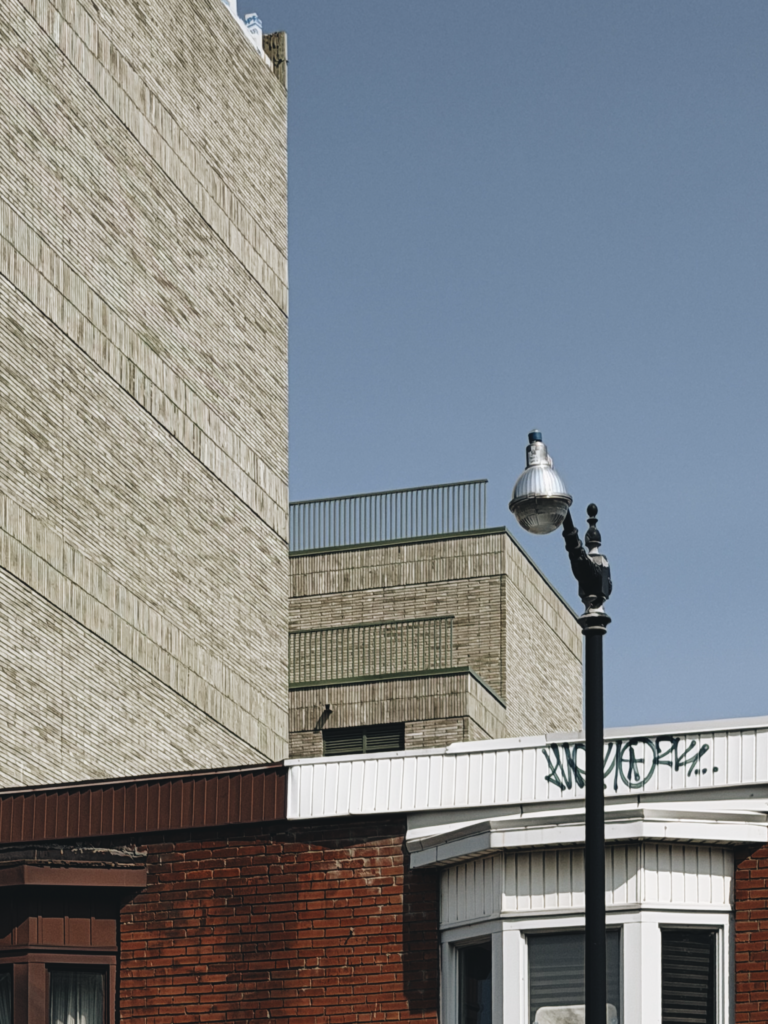
    Shot on iPhone and a Fujifilm X-T3

  • Vacation rentals in Park City

    We spent his morning meeting with prospective property managers for Parkview Mountain House. Here’s what we learned about the short-term rental market in Park City, Utah:

    • Property management fees generally range from 20-35% of revenue (these are turnkey solutions)
    • Airbnb is somewhere around 80% of the market here; though it does tend to skew toward slightly smaller rentals, whereas VRBO skews larger
    • Sundance Film Festival and New Year’s Eve are the two busiest times in Park City (demand greatly exceeds the available vacation rentals — 120%?)
    • Many Sundance guests tends to be people on expenses accounts: not price sensitive, but apparently very demanding
    • Winter is obviously peak demand because of snowboarding and skiing, but demand is still strong in the summer because of cycling, hiking, golfing, fishing, etc.
    • The two slowest times are spring (mud season) and fall
    • Many PMs will track booking lead times, which is the period of time between booking and check-in
    • This past winter season, demand was strong but average lead times were way down — meaning people were booking last minute and responding to snowstorms
    • During heavy snowfall seasons, like the one Utah had this past winter, you’ll likely need to budget for roof snow clearing (a few thousand for the season)
    • Heated driveways are a very good idea in the mountains
    • The most popular / most searched amenity is by far a hot tub; servicing one will run you about $125 per month

    I always find it fascinating to dig in and learn about a new industry and/or market. And that’s exactly what we did this morning.

  • Toronto’s next best photo-op is in the Junction

    Today is a travel day, so I don’t have a whole lot to say. But BlogTO did just publish a story about our Junction placemaking sign: “This intersection is set to become Toronto’s next best photo-op.” I am also happy to report that the sign’s timer has now been installed, which means that, starting today, it will get illuminated each night from sunset to 11PM. (We’re required to shut it off at this time because, you know.)

    So far the response has been overwhelmingly positive. And I truly hope that this installation will become a symbol for the Junction neighborhood. This was our sole purpose for pursuing it. It would also be ironic if something that was so difficult to get approval for ends up being loved by city. Perhaps it’s a lesson that stubbornness can be a good thing when you believe in something.

  • New KYIV city collection t-shirt

    At the beginning of this year, Globizen announced a new collection of city t-shirts. They have been very popular and we only have a few left from our original batch (which included some of the greatest places in the world: Toronto, Paris, and Park City). But we recently added a new city: Kyiv. This is obviously a really important one, and 100% of the proceeds from the sale of this shirt are going be used to support Ukraine. The plan is to allocate 50% to the Toronto Ukrainian Foundation, which has been helping displaced Ukrainians settle in Canada, and the balance to Ukraine directly (via cryptocurrencies).

    If this sounds good to you, click here.

  • Toronto, Paris, Park City — New city tee collection from Globizen

    This week Globizen announced a collection of new city tees.

    Each t-shirt comes with a custom hand-drawn logo and playful colors that are intended to reflect the spirit of each place. The first three cities are Toronto, Paris, and Park City (Utah). And the goal is that once this first release is sold out, there will be a subsequent drop with three new places.

    This is a project we’ve been thinking about for a while now, so it feels great to get it out the door. To pre-order a city collection tee, click here. All prices in Canadian. Global shipping available. Please note that these are pre-orders. All tees will ship in early 2022.

    If you have any feedback on the tees, I’d love to hear from you in the comment section below.

  • Dwelling in peace

    These “aesthetic monsters” are part of a new NFT collection that I recently bought into. They’re called Angomon (supposedly “ango” translates from Japanese into “dwelling in peace”). And they can be purchased on the Magic Eden NFT marketplace. At the time of writing this post, the floor price is about 1.15 SOL.

    The ultimate plan is for these characters to live in some sort of 3D world that will be called the Angoverse (which is an obvious play on metaverse). The team is also planning to provide NFT holders with the original 3D files for these Angomon so that owners can 3D print their own real-world figurines. Longer term, the hope is that there will be official Angomon collectible figurines available for purchase.

    All of these things are of course future plans. They could happen or they could not. These NFTs could have tremendous value or they could not. I just thought these monsters looked cool and fashionable, and so I bought a few. Right now the plan is to frame them and display them all at Parkview Mountain House.

    But it is also interesting to note how go-to-market strategies are changing in this new world of crypto and web3. Fred Wilson recently wrote about this over on his blog. In web2 (think the Facebook/Instagram era), most consumer applications started out with a tool. The network came after.

    Chris Dixon called this strategy, “come for the tool, stay for the network.” In the case of Instagram, the tool was initially photo filters. People used it to apply those filters that made every photo look brown and hipster-like. But eventually network effects took over and that became more important. There are were lots of people using it.

    In web3, everything now seems to start with some kind of asset or token. People buy in and then become invested in the project, which is interesting because they then begin to market out of self-interest. This post is not about that and is more about sharing something that I think is cool.

    Fred Wilson has proposed a new slogan for this. It is: “come for the assets, stay for the experience.” So these Angomon are now assets of mine. If the experience does eventually come, I guess I’ll stick around. Hello web3.

  • Toronto has issued nearly 200 building permits for laneway suites — is that enough?

    We talk a lot on this blog about laneway housing and ADUs, including, of course, the one that Globizen built earlier this year. But beyond being exceedingly cool (see above), what has this policy change meant at the macro level? To what extent is it actually helping housing supply? Let’s consider Toronto.

    As a reminder, “laneway suites” became permissible in the former/old City of Toronto in 2018. The policies where then expanded to the entire city of Toronto in the summer of 2019. So we’ve had just over 2 years of this housing type being fully allowed city-wide.

    Though it’s worth keeping in mind that there are only so many laneways in Toronto (which is why “garden suites” are going to be important and may actually end up being more impactful):

    Between the introduction of laneway suites and June 2021, the City of Toronto received 306 permit applications to construct, of which 238 were associated with a unique address (the same address can have multiple permit applications).

    During this same time period, 183 permits were issued. 107 were still under review at the time this report was written. 15 were refused. And 1 was classified as “unknown”, which I guess means it got lost in the ether or under someone’s desk.

    Some of you will probably argue that this isn’t enough new housing for a city of 3 million people with high home prices, high demand, and high immigration. And I would agree.

    But it’s still early days, there will be an adoption curve, and the policies are still being tweaked to further remove some of the barriers associated with delivering this housing type. Of the 238 unique addresses that submitted a permit application, just over a quarter of them had an associated minor variance application, which means that they did not fully conform to the current laneway suite by-law.

    The most common obstacles appear to be the 1.5m laneway setback, the soft landscaping requirements, and the required fire access. But I know that there are others too. I could have used another foot or two in height on mine.

    But as I mentioned before, there are more areas in this city without laneways than with. And so garden suites are going to be an integral component of city-wide ADUs. This will certainly help the adoption curve.

    I continue to believe that these are all steps in the right direction and that this is an exciting time for Toronto. We are in the midst of transforming our laneways. But we’re not done yet. We’re going to have to make many other tough decisions in order to further increase housing supply. I’m positive we’ll get there.

  • Schematic design phase complete for Parkview Mountain House

    Some of you may be aware that Globizen is working on a new project in Park City, Utah right now called the Parkview Mountain House.

    It was first announced on the Globizen Journal back in the summer and then a later announcement was made appointing New York-based Mattaforma as the project architect. It’s kind of a great story because Mattaforma is a relatively new firm that was formed by two architects who used to be at Studio Gang. So we have a long history of working together.

    The vision for the project is a creative retreat in the mountains. A place to unplug, be active, and hopefully a place to foster creative expression, whatever that may be for you. It was inspired by the trip that I have been making to the mountains each year where we try and do exactly this. It’s one of my favorite times of the year and one that I look forward to the minute the last one is over.

    The team has just finished the schematic design phase for the house (see above axonometric). And we are now working through some of the structural and geotechnical issues that come with building in the mountains on very steep terrain.

    To give you all one example, we had initially contemplated large multi-storey retaining walls to hold back the earth and embed the house into the side of the mountain. But that is now being changed to a stepped foundation that minimizes the amount of excavation and reduces each retaining wall to no more than a single storey. This move will also result in more wood and less concrete. It has been a fun learning process.

    The creative retreat concept has also been evolving and we recently decided to make digital NFT art an integral part of the experience. We have a few collections that we have been stocking up on, but if any of you have any recommendations we are, of course, all ears.

    Once the floor plans have been finalized, they’ll be posted up on the Globizen Journal. So make sure to e-mail subscribe and follow along on Instagram at @parkviewhousepc.