Daily insights for city builders, delivered every morning at 6 AM ET. I’m Brandon Donnelly — a Toronto-based real estate developer and founder of Globizen. I’ve been writing here since 2013.

Tag: development

  • Cities without people

    Some people believe that cities are all about bricks and mortar. While other people believe that they are first and foremost about people. Though I wholeheartedly believe that our built environment has a profound affect on our lives, I am in the latter camp. 

    Real estate to me is an outcome. It is the result of people needing space. A new condominium is built because people need a place to live. A new office building is built because somebody built a great company and it needs to house its growing workforce. So at the end of the day, what is a city without people?

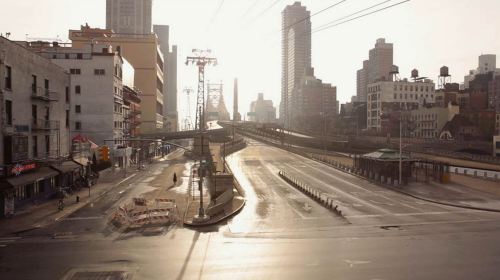
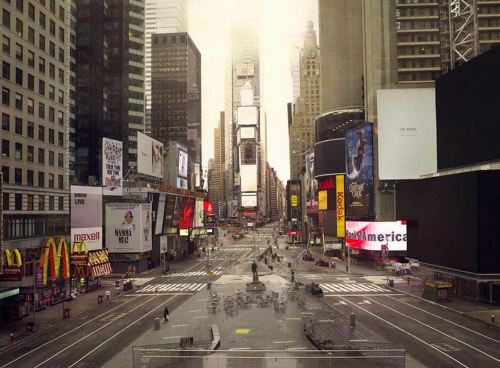
    Perhaps the best way to demonstrate this point is to show you what cities look like without them. This morning I stumbled upon an interesting series of city photographs where almost all of the people have been removed. They are by artists Lucie & Simon and the project is called Silent world.

    The top image is Times Square and the bottom image is Queensbridge in New York.

    Images: Lucie & Simon

  • 3 risks that real estate developers face

    Photograph 'Jailhouse Rock' by Michael Hill on 500px

    ‘Jailhouse Rock’ by Michael Hill on 500px

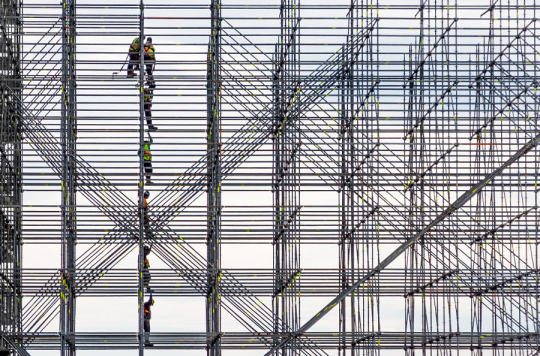
    Real estate development is a risky game. So much so that some people in the business like to say that their primary function is to mitigate risk. 

    Today I’m going to focus on 3 risks that developers face. There are, of course, others risks, but these are some of the biggest. Some people might also categorize them differently, but this is my simplified way of thinking about it.

    The first risk is approvals. Oftentimes in development you need some sort of special permissions to build what you hope to build. These permissions come in many different forms, but whatever the case may be, there is risk associated with this part of the process. 

    What happens if you’re not able to build what you were hoping to build? Is the project still feasible? Do you have a viable plan B? Did you budget for a redesign? Have you now overpaid for the land? There’s a lot of uncertainty in this phase and uncertainty generally means risk.

    Assuming you’re able to obtain your entitlements (this is more of an American term), the next big risk factor is the market. Can you sell or lease out the space that you’re about to build and can you do it at the rates you were assuming when you acquired the site? 

    In a bull market this isn’t usually a problem. In fact, prices and rents may actually exceed your early assumptions. But what if you bought the site in 2006 and now it’s 2008 and you’re hoping to go to market. Now you might be in trouble. In business school I learned to do sensitivity analyses and stress tests. How far does the market need to drop before I lose my shirt? Those are good exercises to do in development.

    Assuming though that the market holds up and you’re able to pre-sell and/or pre-lease your new project and obtain financing, you would then be ready for construction – another big risk. This is why many developers bring construction in-house. It’s them trying to exercise more control over the process and mitigate risk.

    Construction is messy both literally and figuratively. There’s a lot to consider. 

    Are the drawings that you’re using to buy construction properly coordinated? Because if they’re not, you’re going to pay for it later. Is that Chinese curtain wall a great bargain or are you going to end up on a flight to China when it never shows up on your construction site? Are the trades hungry for work or are they busy? If it’s the latter, you’re going to get higher prices. And oftentimes there’s nothing you can do about it. You’re just buying construction at the wrong time.

    But we all know that with risk there’s reward. So if weren’t for all these risks, real estate development just wouldn’t be the same. 

    If you’re in the business, what keeps you up at night? Did I miss something? Let us all know in the comment section below.

  • Project Profile: Fashion House in Toronto by CORE Architects

    image

    As Architect This City continues to grow in readership, I’m starting to get pitched more and more. People email me with something they want promoted and they try and convince me to write about it. Everybody is looking for distribution. I get it.

    I have no qualms about people and companies reaching out. In fact, I welcome the suggestions. But the vast majority of these “pitches” don’t make it onto ATC. 

    When it comes to these sorts of things, I have two simple rules: (1) I have to like it myself. If I don’t think what you’re pitching is interesting or cool, I’m not going to write about it – even if you’re offering up money. (2) I need to be able to be transparent about it. More on this second point in the coming weeks.

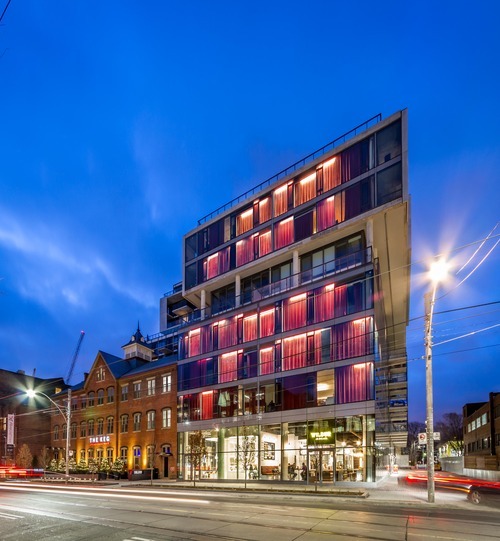
    Recently I was asked to do a post about the Fashion House Condos in Toronto’s King West neighborhood. 

    Here’s why I decided to do it:

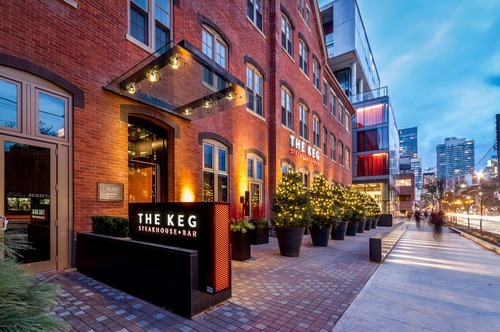
    I like that the existing Silverplate heritage building was preserved and integrated into the base of the condo. It’s now tenanted to The Keg, which has gone into the base of a number of new condo buildings in the city. They’re a successful chain.

    image

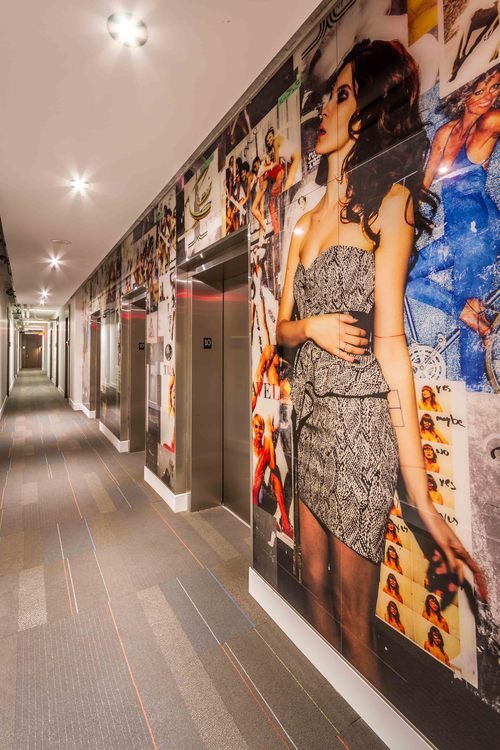
    Each elevator lobby within the building has a unique mural designed by a different fashion designer – most of which are Canadian. The whole Fashion House theme is meant to speak to the area’s history as Toronto’s Garment District.

    image

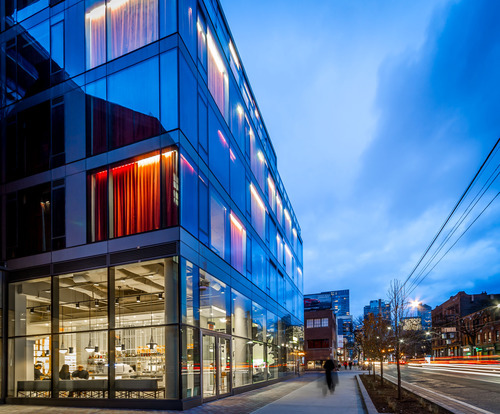
    Many of the residential suites have red curtains (which are white on the interior). They form a “common element” and have to stay in the condo. It gives the building a dramatic and unique feel, though it means you have to be a fan of curtains.

    image

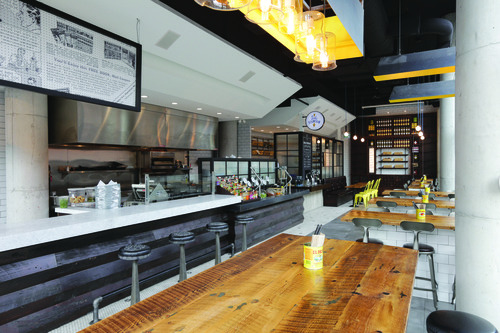
    My good friend designed the Mexican restaurant at the base of the building (Wilbur Mexicana). His firm is called Reflect Architecture.

    It’s also an example of cool startup businesses going into the base of a new development. As far as I know, Wilbur Mexicana is the group’s first venture.

    image

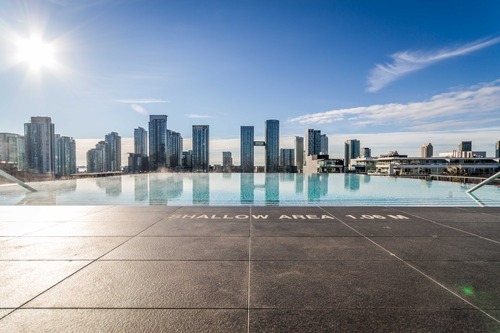
    There’s a rooftop pool that I’m hoping somebody will invite me to this summer.

    imageimage

    And finally, because I think the King West neighborhood is such a great example of urban renewal.

    image

    To end off, here are some stats on the project:

    • Address: 560 King Street West, Toronto
    • Developer: Freed Developments
    • Architect: CORE Architects
    • Project Timeline: 2008-2014
    • Construction Costs: $60M (estimate)
    • Site Area: 4,887 square meters / 52,603 square feet
    • Gross Floor Area: 27,107 square meters / 291,777 square feet
    • Floors: 11 and 12 storeys
    • Building Heights: 33m and 39.7m
    • Residential Suites: 334

    And here are the fashion designers responsible for each elevator lobby mural:

    • 2nd Floor – Beckermans
    • 3rd Floor – Dean Davidson
    • 4th Floor – Jeremy Laing
    • 5th Floor – Adrian Wu
    • 6th Floor – Jenny Bird
    • 7th Floor – Ashtiani
    • 8th Floor – Peach Berserk
    • 9th Floor – Smythe
    • 10th Floor – Jay Godfrey
    • 11th Floor – Bustle
    • Penthouse – Greta Constantine

    What do you think of Fashion House?

    Images: CORE Architects

  • What do you think of 1 Bloor West? [Poll]

    image

    Over the past few weeks I’ve been running a little experiment on Twitter where I tweet about a new development project in Toronto and I ask people to vote on it. If they like the project, I ask that they retweet (RT) it. And if they don’t like it, I ask that they favorite it (FAV).

    Here’s what it looks like in tweet form:

    As you can see from this experiment, about 69% of the people who participated seemed to be in favor of this project (at least at the time of writing this post). That said, the discussion following this tweet was a lot more negative than I would have expected.

    Somebody also pointed out that in my experiment I’ve created a bias towards supporting the project, since a retweet means the project gets shared, whereas a favorite doesn’t do that. I would argue that the more distribution the better for an accurate consensus, but point taken.

    So today I thought I would do this same experiment here on Architect This City. 

    At the bottom of this post, I’ve featured a comment from myself asking if you support the 1 Bloor West project. If you like the project, I ask that you “up vote” my comment. And if you dislike the project, I ask that you “down vote” it. You can do so by using the up and down arrows towards the bottom left of the comment.

    Hopefully this hack will create a more neutral voting framework. I hope you will participate. If you’re reading this via email, you’ll need to open up the post in your browser by clicking “read more” at the bottom.

    If you’d like to learn more about the project before voting, check out this article from the Globe and Mail. Happy voting!

  • 3 architects operating as developers

    image

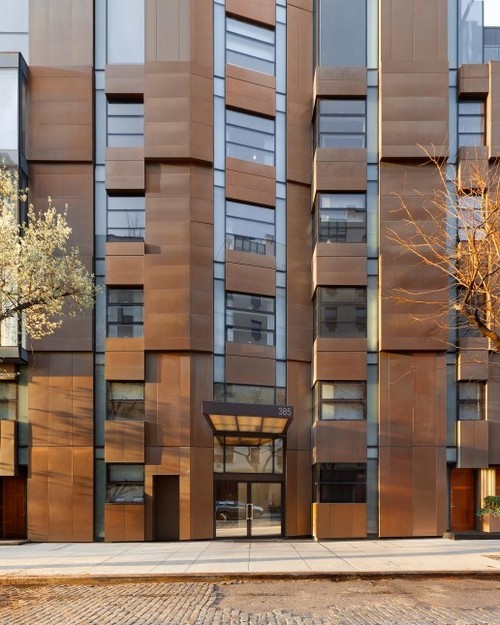
    A reader recently shared with me an interesting article from Crain’s New York (2013) profiling three “architects as developers.” The three firms are DDG Partners (which I’ve mentioned before here on ATC), FLAnk, and Alloy.

    I’ve written a lot about these emerging business models and I continue to think that we’re going to see more of them in the coming years.  As evidence for that claim, I thought it was really interesting to read in the article that Vishaan Chakrabarti – who is director of the real estate program at Columbia University – made specific mention that there’s growing interest among his students to wear multiple hats. In other words, they don’t want to be just an architect or just a developer. They want do it all.

    In a lot of cases, these firms are made up of partners who have those diverse skill sets. There’s only so much that one person can do. But that doesn’t negate the fact that vertically integrated companies are being formed that handle everything from design and construction to property management and development.

    And if an increasing number of students today are interested and thinking about those models, then I think it’s a pretty safe bet that many of them will get out into the workforce and eventually create those companies in the future.

    Ultimately, I think that’s a great thing for cities. Developers tend to have a bad reputation for thinking only about money. But when you bring design and other disciplines in-house, you create tensions in the process. And tension can be a great thing for innovation and creativity.

    Image: 385 West 12th by Flank

  • What you should study to become a real estate developer

    One of the most common questions I receive from readers is about what to study in school in order to become a real estate developer. Here’s one of those questions:

    “Thank you so much for your insight into the real estate development process! I was wondering if you could do a post on what educational degrees you think would best prepare someone for a career in real estate development?”

    I’m not surprised that a lot of aspiring real estate developers have this question on their mind. Compared to many other career options, the path to real estate development has traditionally been pretty informal. It’s much less structured compared to other professions such as law or medicine.

    But as the real estate industry continues to institutionalize (transition from rich families to institutions), I’m sure we’ll see recruitment become more structured as well.

    Already the MBA and Master in Real Estate Development (or some other permutation of that degree) have become — for many large real estate organizations — the prerequisite to getting in the door. So if you’re looking for a simple and safe answer, just get one of these degrees.

    To more fully answer this question though, I thought I would just share my own strategy for getting into real estate development. Because at the end of the day, there’s no one way to become a developer. Lots of people start out in other industries, only to fall into real estate later on.

    The way I started was by first identifying the skills that I thought I would need as a real estate developer and that I felt employers would be looking for. And I assembled this list by going on lots of informational coffee meetings with developers to make sure I was headed in the right direction with my assumptions. 

    In the end, this is more or less what I decided I needed to know:

    Planning: An understanding of local planning policies, zoning, and so on. For this one, it’ll help if you can pick a particular place and commit to learning it (which is what I did with Toronto). There are a lot of local particularities that you’ll need to grasp. Real estate is very much a local business.

    Finance & Economics: The ability to understand markets, build models, and crunch numbers just like a banker. That was my goal before I got an MBA. This includes discounted cash flow analyses, net present value calculations, internal rates of return, and so on.

    Sales & Leasing: There are a lot of people who think that this is the best way to start in real estate (particularly on the commercial side). Learn the nitty gritty of leases and deal negotiations and then figure out where you want to be in real estate. Because at the end of the day, development projects are only viable when you have sales and/or signed leases in place.

    Design & Construction: This was the easy one for me because I was coming from an architecture background. I could “read plans” and I didn’t need to convince people that I understood how buildings worked and how they were built. Instead, I needed to convince people that I had all the other skills.

    And I knew this because that was the feedback I received my informational coffee meetings while I was in architecture school. One CEO (of a large publicly traded REIT in the US) told me flat out: “I need to feel comfortable that you can negotiate and that you won’t fuck up the numbers.”

    And that stuck with me. I realized that I had an image to shed.

    To round out my skill set, I decided to specialize in real estate in my first masters and then get an MBA. And given the chance, I would do it the same all over again. But even if you don’t have the opportunity or inclination to do that, there are a lot of other things you can do to shore up your knowledge base.

    I took a number of ARGUS and Excel classes to learn how to build robust real estate models. You might be surprised at how much you end up learning about the real estate business by doing that. I also became involved in organizations like the Urban Land Institute and started going to every real estate panel I could find. And before committing to doing an MBA, I even thought about taking some accounting classes at a local College.

    So my point is that I think you should identify the skills and strengths that you have today and then figure out some way to acquire the missing ones. Go buy a real estate textbook. Take an online class. Go to industry events. Do whatever it takes to round out your skill set so that you can sit in front a prospective employer (developer) and tell them that you’re able to create value for them and their organization across every facet of the development process. That was my goal when I was trying to get in.

    Of course, those aren’t your only options. 

    You could also just work your way up by taking any job with a real estate developer. One of my closest friends did exactly that and today is doing incredibly well with no formal training in real estate or even a related field. You could also just go out and buy your first property and have a go at it. Many great fortunes have been created by doing exactly that.

    Either way, real estate development is an exciting business to be in. It can often be hard to get your foot in the door given the size of most development teams, but if it’s truly what you want to do and you work on acquiring the skills, I think you’ll eventually find your path.

  • A cold ski town is building one of the first vertical farms in the world

    image

    I have a soft spot for Jackson Hole, Wyoming. It’s a beautiful town and, out of all the places I’ve snowboarded, it’s easily my favorite.

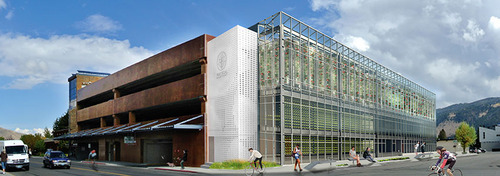
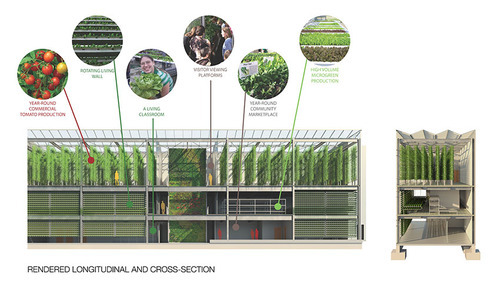
    That’s why I was excited to learn that Jackson is currently building one of the first vertical farms in the world (and in a cold ski town at that). Using a vacant site in the middle of town, a new venture called Vertical Harvest is building a three storey, 13,500 square foot hydroponic greenhouse. It’s being done as a public/private partnership.

    image

    The business will operate year round and supply fresh produce to the local community – replacing food that was previously being shipped in from Mexico and California. 

    The site itself is 1/10 of an acre, but it’s expected to have the same output as a 5 acre piece of land using conventional agriculture methods. 95% of their product is already committed through pre-purchase agreements. 

    Here are some of the businesses that have jumped onboard:

    • Rendezvous Bistro
    • Il Villaggio Osteria
    • Q Roadhouse
    • The Kitchen
    • Jackson Hole Mountain Resort’s five restaurants
    • Snake River Brewery
    • St. John’s Medical Center’s Refuge Grill

    What makes this project even more exciting is their commitment to employing members of the local community with disabilities. This is apparently a growing concern in Jackson, and so Vertical Harvest will be doing their part to address that.

    If you’d like to learn about the design of the facility, check out this article by Fast Company. The team was was very methodical in ensuring that this facility would consume less energy than the status quo of shipping in food from out of state.

    The go-live date is this fall (2015). I should probably plan another trip to Jackson.

    Images from Vertical Harvest

  • What will the condo market look like in 10-20 years?

    Over the past week I’ve had 2 separate people ask me my thoughts on the future of the condo market in Toronto. One of them was working on a University study and one of them was trying to figure out what (condo) property managers would look like in the future. 

    To be clear, the questions weren’t motivated by the typical “bubble” debate that the media loves to headline, rather these were questions about the long term future of condos in this city.

    I haven’t written about this topic explicitly, so today I thought I would summarize my responses for the Architect This City community. There’s probably a touch of aspiration in the responses I gave, but it’s more or less what I’m thinking and what I believe has a good chance of happening over the next 10-20 years.

    Here are some of my thoughts (not an exhaustive list):

    Intensification is going to continue in Toronto and that is going to mean more condominiums and other types of multi-family dwellings. Rental apartments is the product type du jour right now within the real estate community.

    As intensification continues, I think we’re going to see a tipping point in the near term with more families opting to have and raise children in condos in the city. Part of this will be driven by a desire to stay in the city (walkable communities), but part of it will also be driven by the economics (i.e. high price) of low-rise housing in the city.

    As families begin to fill in condos (not just young single professionals and empty nesters), we’ll see developers and cities respond with more family friendly buildings, amenities, and program choices. This could mean anything from children’s play spaces within buildings to redesigned public spaces and parks.

    In line with this shift, I think we’ll also see more sophisticated executions of “mixed-use.” Rather than just stacked uses (retail at the bottom, a few levels of office, and a residential condo tower above), developers and operators are going to start thinking about the ecosystem they are creating. (Related discussion in the comment section of this post.)

    It’s probably a bit safe to predict that sustainability will become more important going forward. But I think that as more families and long-term end users opt for condos, that consumers will become more interested in building and energy performance. Technological advancement (both hardware and software) will also give this a boost.

    Finally, and this applies somewhat to real estate in general, I believe that we’ll see a lot more openness and transparency all across the industry. There will be much better access to data and information. Similar to above, this will be aided by advances in technology and networks.

    Now it’s your turn. What do you think of the above list? And what will the condo market — either in Toronto or in your city — look like in 10-20 years?

  • The great intensification debate–what’s better for cities?

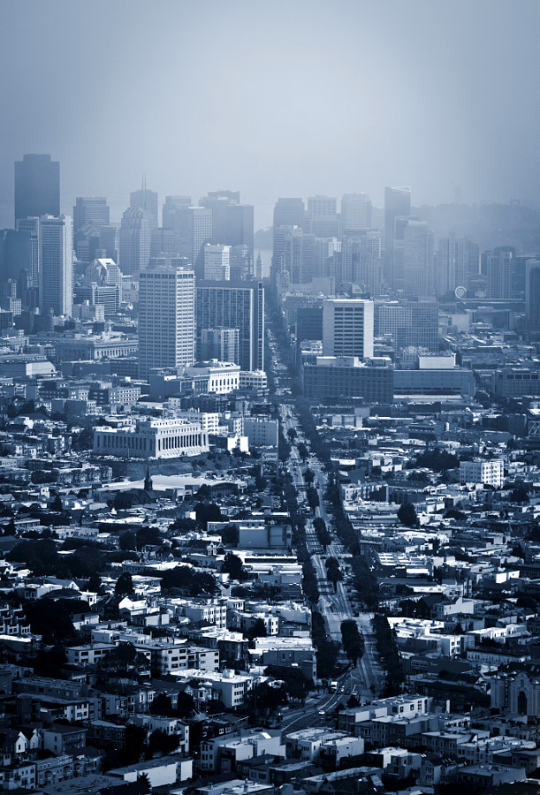
    Photograph San Francisco Bay Blues by Stefano Termanini on 500px

    San Francisco Bay Blues by Stefano Termanini on 500px

    I recently stumbled upon a great Treehugger article by Lloyd Alter called: The real triumph of the city will be seen in Buffalo (2014). The post is partially a response to economist Ed Glaeser’s popular book, Triumph of the City, which I’ve mentioned and cited many times before here on ATC.

    Lloyd’s thesis is basically that Ed is wrong in arguing that reducing the barriers to building is the most effective way to maintain housing affordability; that cities are really made out of flesh, rather than bricks and mortar; and that urbanists need to move beyond the view that a city’s past should be preserved at all costs.

    Lloyd then goes on to argue that rather than continuing to over-intensify cities like New York, San Francisco, and Toronto, we should be turning our attention to former powerhouses like Buffalo and trying to figure out how to reinvigorate those cities. The bones are already in place.

    Now, I don’t disagree that there’s lots of potential in cities such as a Buffalo and Detroit. I’ve written a lot about Detroit and I’m genuinely rooting for the city. But I don’t think it’s as simple as it sounds to shift our attention, and I don’t agree with all of the critiques of Glaeser’s work.

    As important as built form is, cities like Buffalo and Detroit remind us that architecture and buildings alone aren’t enough to build a city. There are countless masterpieces – such as Michigan Central Station in Detroit – that regrettably sit abandoned. You need people and communities.

    There’s also a snowball effect. 

    As a city becomes more successful, there’s a natural tendency for more people to want to be there. It’s no different than the network effect experienced by a social network. A social network without people has no value. But the more people you add to it, the more valuable it becomes and the more difficult it becomes to replace.

    So it shouldn’t come as any surprise that people will put up with expensive real estate and small apartments just to live in cities like San Francisco. That’s where they want to be. And as long as the demand to live in those cities is increasing, I continue to believe that it makes sense to build more, not less, housing and to make it reasonably easy to do so.

    At the same time, I believe whole heartedly in heritage preservation. As a trained architect, there’s a strong possibility that I would shed an actual tear should a building with heritage value be torn down in my city or in any city in the world. 

    And that’s why when I was on CBC radio last week I said that neighborhood investment needs to be a balance between preservation and progress. The Twittersphere later blasted me for using the term “progress”, but I think you get my position.

    My interpretation of Glaeser’s work has never been that he supports completely erasing a city’s past in order to make way for the future. If that is his position, then I too disagree with it. 

    My interpretation has instead been that he supports removing unreasonable barriers to development so that cities are able to supply – or can at least try to supply – enough housing to meet growing demand. This also doesn’t exclusively mean high-rise intensification. It could mean removing the barriers in front of things like laneway housing. And I continue to believe that this is a good idea.

    I don’t believe that this approach alone will solve all housing problems, but I do think it’s a great place to start.

    Thank you Lloyd for the great post.

  • Thoughts on urban renewal and Geary Avenue

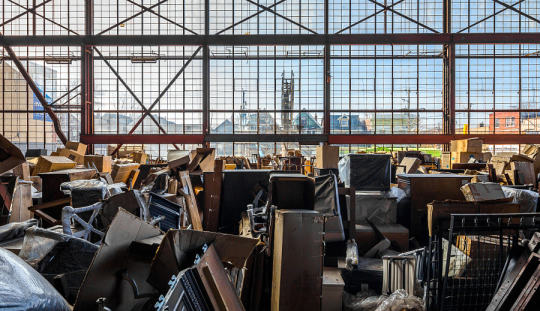
    Photograph dupont survivor by Josemaria de Churtichaga on 500px

    dupont survivor by Josemaria de Churtichaga on 500px

    I was on CBC radio this morning talking about the revitalization of Dovercourt Village and Geary Avenue in Toronto. 

    The funny thing about this topic is that it’s one I actually held off writing about. I’ve been thinking about this street and area for probably about 5 years now. However, I do have to keep some secrets to myself 🙂

    But then I started feeling like the cat was already out of the bag. Everyone in my circle was talking about it. So I wrote a post calling Dovercourt Village the next Ossington. I had no idea it would get the traction that it has gotten, but in hindsight it makes total sense. It makes a great headline: “Toronto’s ugliest street to become the next Ossington.” Boom.

    The tough question that Matt Galloway asked me this morning was: What happens to all the blue collar businesses when/if Geary Avenue and the area really takes off? My response – given that it was only a 5 minute radio piece – was that it comes down to preservation vs. progress. 

    This is a topic that I’ve written about with respect to heritage buildings, but the same concept applies to communities as well. How do you allow neighborhoods to receive new investment while at the same time not erasing its past and the things that made it interesting in the first place?

    It’s not easy, that’s for sure.

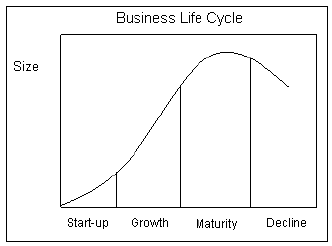
    I absolutely believe that there are things that developers can do to respect the neighborhoods in which they build in. But at the same time there are economics at play. In business school, they teach you this:

    It’s the lifecycle of businesses and industries. 

    The key takeaway here is that the rise and decline of businesses is actually quite healthy for markets. History is littered with examples. The word processor replaced the typewriter. The mobile phone replaced the landline. Air travel replaced rail travel. And the list goes on.

    Today, I think we’re at a moment in time where our relationship to cars is changing dramatically. How we get around and how we own and operate them is being called into question. 

    So just because there’s auto shops on Geary Avenue today, doesn’t mean they’ll be there tomorrow regardless of whether the area takes off or not.