Daily insights for city builders, delivered every morning at 6 AM ET. I’m Brandon Donnelly — a Toronto-based real estate developer and founder of Globizen. I’ve been writing here since 2013.
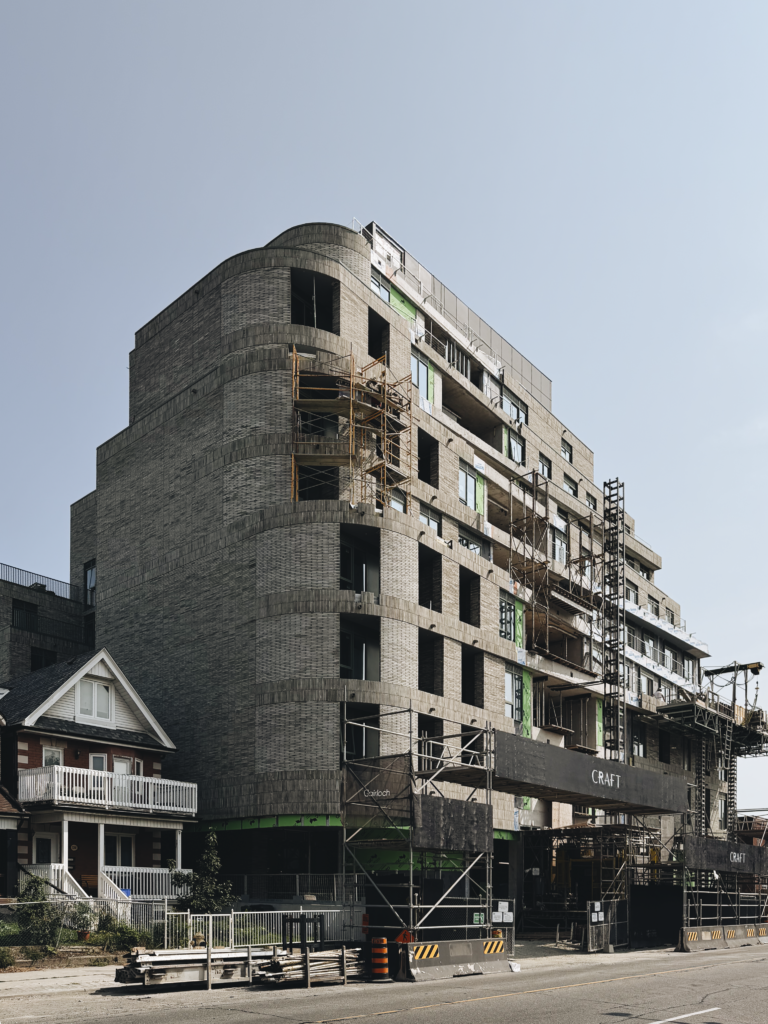
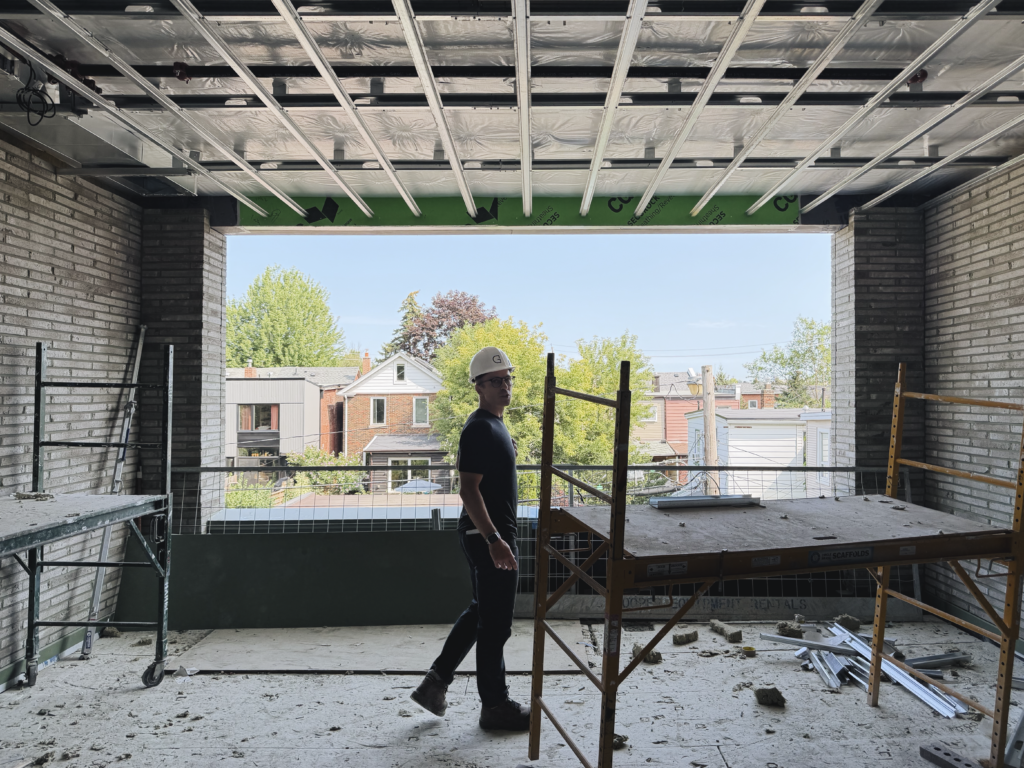
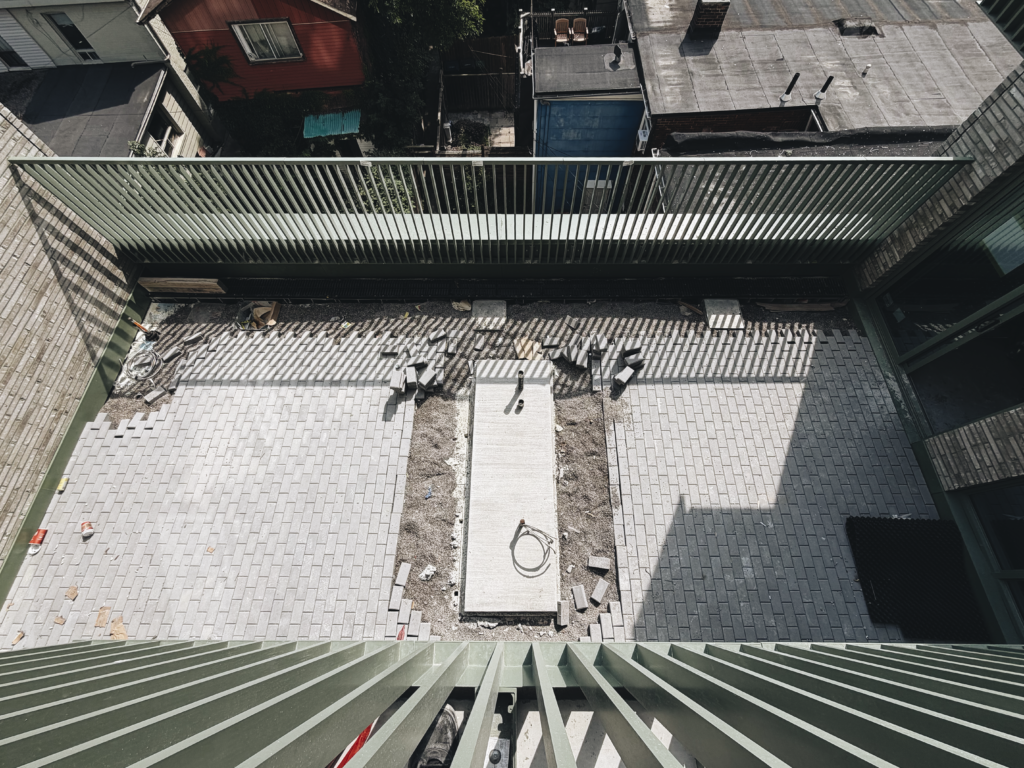
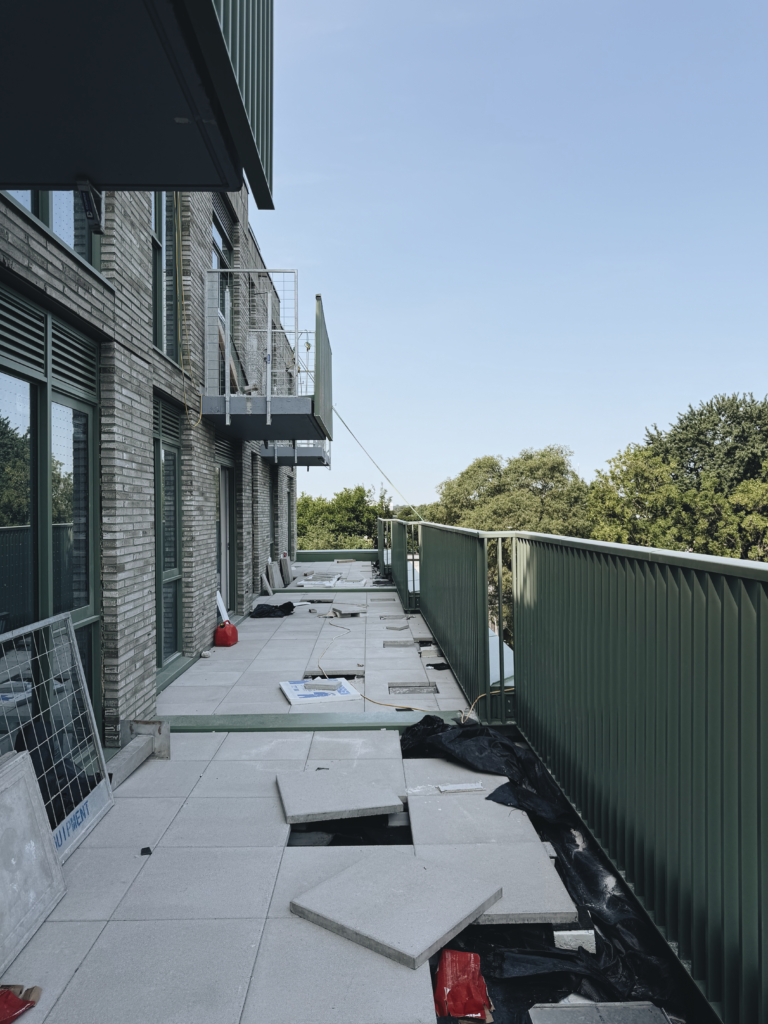
This week, my friend Bill, who is the founder of Gairloch Developments, took me through his Craft Residences project. Bill has done and is doing a number of beautiful projects in the Junction and Craft is one of them.
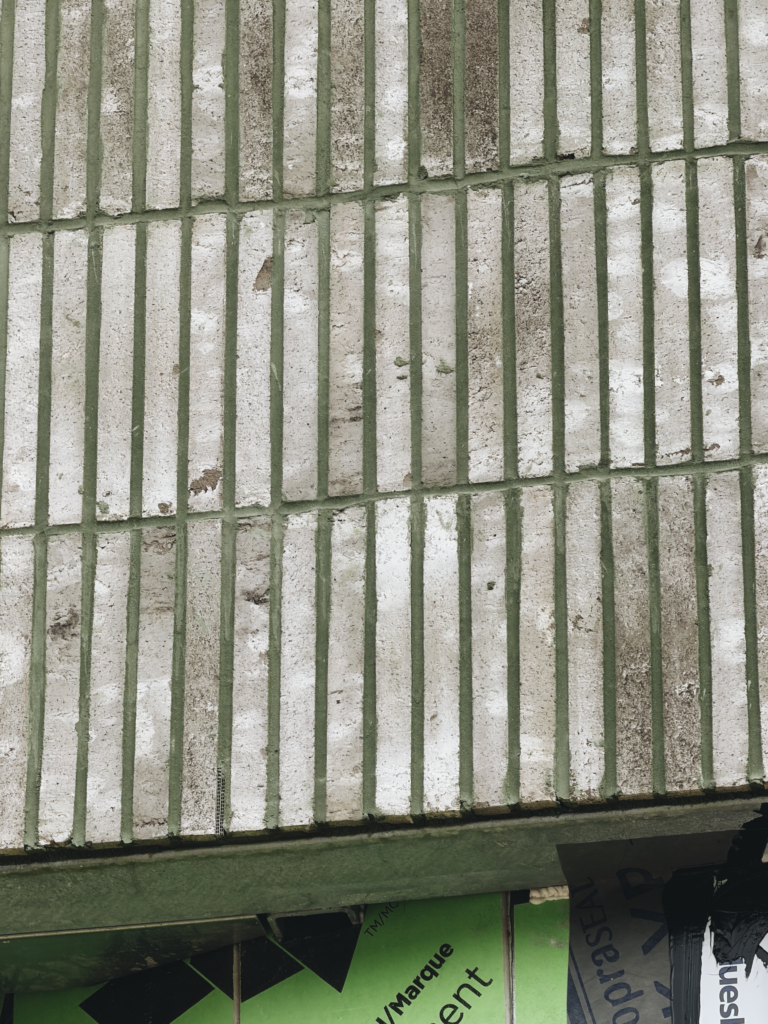
When we met up on Dundas, I immediately complimented him on the project’s use of green (which is, of course, Globizen’s brand colour). Craft has green brick mortar, green windows (on the outside), and green picket balcony guards. Love it.
His response was, “It feels to me like a housing project you’d find in London.” And I think that’s exactly right.
There are some design details that objectively just cost more to design and build. Often the simpler the detail, the more expensive it is to build. As one of my favourite design sayings goes, “Only the rich can afford this much nothing.”
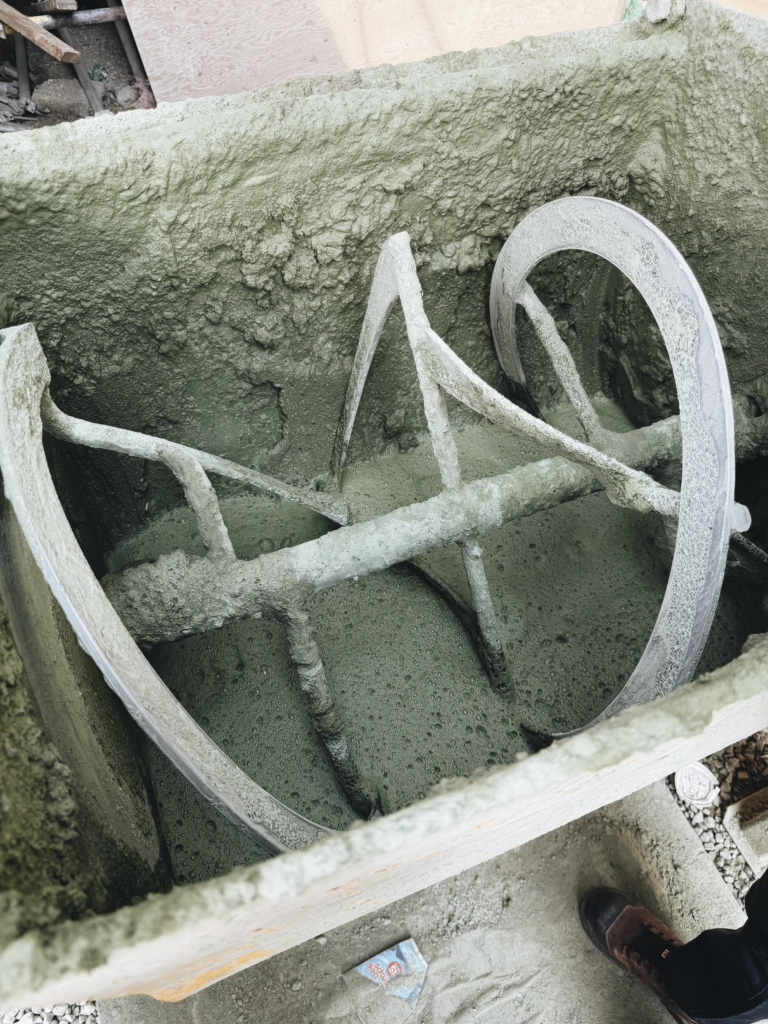
But there are other design details that don’t cost more; you just have to give a shit and make good decisions. Bill gives lots of shits, and it shows in his work. I’m super happy that he’s building in the Junction. Below are my photos from the site tour.
P.S. Globizen has an upcoming, soon-to-be-announced project where we’ve been looking at design details to specifically communicate our brand. Some of them will be green. Please take it as a compliment, Bill.
Update: Craft Residences was designed by BDP Quadrangle. Heather Rolleston is the principal in charge and senior designer.
The GTA condo market is in a state of economic lockdown. The math doesn’t make economic sense from both the demand side (investors) and the supply side (developers), leaving the market at a standstill.
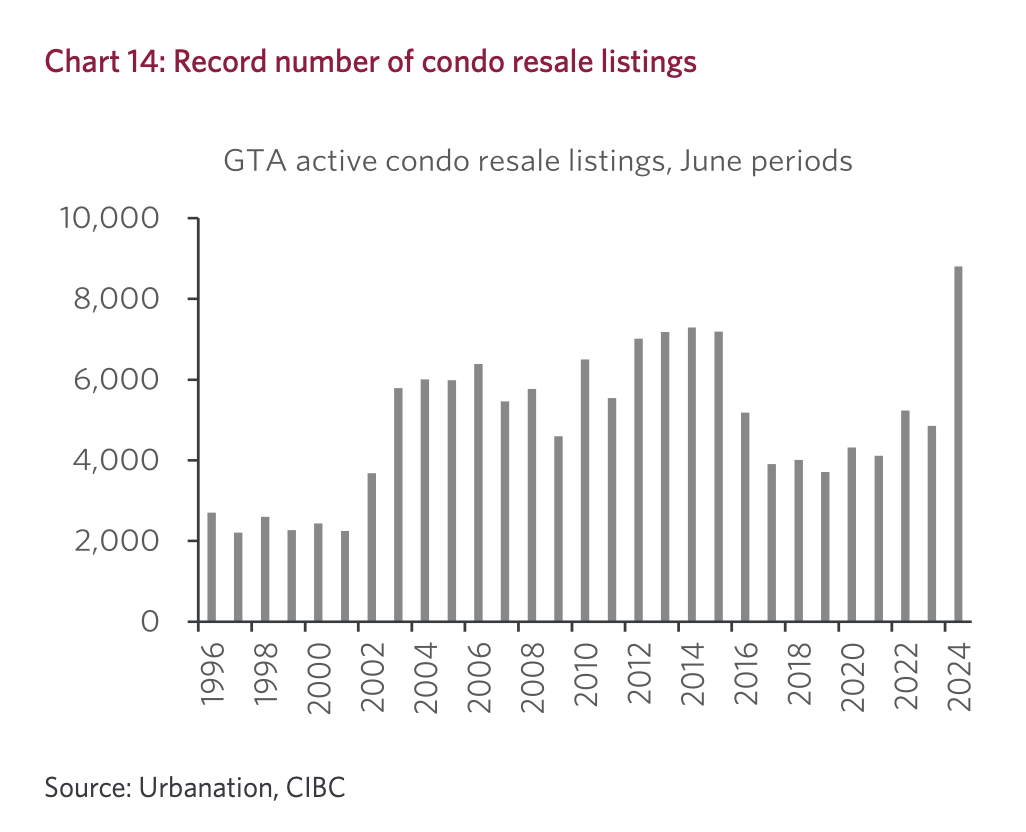
The above excerpt is from a recent CIBC Capital Markets article by Benjamin Tal (CIBC) and Shawn Hildebrant (Urbanation). And what it ultimately means is that the supply of new condominiums in the GTA is falling and will continue to fall for the foreseeable future. Below are two charts, from the same article, that show that.
Because of this, I actually think that, if you need or want a place to live, right now is a near ideal time to buy a condominium, especially if it’s from developer inventory (in an already completed project) or it’s a resale. Of course, most people won’t want to do this because they’d rather buy when most other people in the market want to buy. This is how markets tend to go.
It has been a while since the GTA has gone through one of these real estate cycles, but it is typical: developers are prone to both over-building and under-building. It simply takes too long to build a building, and so it is natural for there to be moments when supply and demand don’t exactly line up.
Pre-selling condominiums is — in theory only — supposed to protect against too much overbuilding. But as we have spoken about many times before, it can be challenging for end users to buy a new home so far in advance. And so the new condominium market has come to rely on investors who want to buy early and then either sell later or rent later.
According to the above article (and MLS data), the share of newly completed condominiums used as rentals reached a peak of 34% in 2023. So a third of new condos. My gut tells me that the actual number is much higher. Many rentals never reach MLS. Overall, I think it’s very safe to assume that the majority of new condominiums are owned by investors.
But right now, fewer investors want to own condominiums, which is why the number of resale listings has spiked this year:
This is, again, why I think right now is an excellent time to buy a condo. You know, be greedy when others… Regardless, this inventory will need to get absorbed and that will ultimately happen. Some of it will go to end users and some of it will go to investors who can make sense of the rental math and/or want to take a long view on Toronto. But if more goes to the former, we will be losing a lot of new rental housing.
At the same time, while all of this is going on, construction starts are likely going to remain depressed (chart 3 above). It’s impossible to know how long this lasts, but at some point we will reach a moment in the cycle where we are under-building new housing. Maybe we’re already there. Development simply can’t turn on fast enough when demand spikes. There will almost always be a lag.
So, since the majority of new condominiums have been serving as new rental housing, there’s a strong case to be made that at some point we will run into a potentially severe shortage of rentals. Condo investors are sometimes vilified in the media, but we will soon find out what happens when you take a big chunk of them out of the housing market.
It is disappointing to me that we often vilify all condominiums as being “luxury condos.” I think the rhetoric is disingenuous and I think it distracts us from finding more productive solutions. As Mike Moffatt points out in this thread, if you look at virtually all major cities in Canada, the most affordable housing options are going to be condominiums and not low-rise freehold houses.
In his case, he looked at current for sale listings in London, Ontario, and found that for homes under $400k, about 81% of them were condominiums, and for homes over $1,200,000, only 4% of them were condominiums. Again: the real “luxury homes” are the low-rise houses that not the condos.
Now to be fair, John Pasalis is not wrong in responding to the thread and saying that on a per pound basis, or a per square foot basis, condominiums are actually more expensive. I’ve been saying this for years on the blog. When measured this way, mid-rise buildings are one of if not the most expensive housing typologies.
So John’s argument is that, while condominiums may be the more affordable option for 1-2 person households, if you’re a family in need of more space, low-rise housing is likely going to be more affordable for you on a per square foot basis. And I would agree with this statement.
The problem with this approach in the real world, though, is that people don’t buy and afford homes based on this metric. You can’t go to a bank and say, “I want to buy this house for $1.7 million dollars because it’s only $680 per square foot when I include the basement, and that’s better value than this 700 square foot condominium selling for $1,400 psf.”
Sorry, the bank is going to tell you what total price you can afford based on your income. And that’s why condominiums in our market have tended to serve as a critical entry point for first-time buyers. They’re the most affordable option in terms of their total sale price.
So in my view, labelling all condominiums as “luxury” is not exactly productive. It ignores their role in providing more affordable homes; it overlooks the supply constraint that low-rise houses represent in most of our cities; and it’s a distraction from the more systemic issue at hand: how do we make housing more affordable for everyone, including families?
If you happen to have made boatloads of money in crypto (which sadly isn’t me), one sensible thing you could do is put some of that money into luxury residential real estate. You know, to diversify your portfolio.
According to this recent WSJ article, it is already happening, with some developers and some homeowners now accepting cryptocurrencies in lieu of US dollars and other fiat currencies. This is helpful if you’ve managed to accumulate a bunch of crypto and don’t want to convert it. It can also be easier when it comes to moving the funds around:
Avi Dabir, vice president of business development at FTX US, said he sees real estate as a growing sector for the company because crypto transactions are faster and more efficient than traditional deals, which rely on an often-cumbersome banking system.“If I want to send a wire transfer today using my traditional bank account, it’s got to be banking hours, I need to make sure I hit that wire cutoff time and I can’t do it on the weekends,” he said. “That’s not a problem with cryptocurrency. It’s open 24/7.”
But of course it is still early days for crypto. The article suggests that most developers and owners are arranging for any crypto received to be immediately converted into US dollars at closing. This is presumably because of how volatile cryptocurrencies tend to be — at least right now.
To accept crypto, PMG had to partner with a regulated exchange that could quickly convert crypto to U.S. dollars, then convince an escrow agent to accept down payments from the exchange, rather than directly from the developer. Mr. Shear said most escrow agents looked at him like he was crazy, but “20 lawyers, one year later, and a lot of brain damage, everybody got comfortable.”
There are also tax considerations (that I am really not an expert on). If you bought $100 worth of Ethereum and it is now worth $10 million, you are responsible for paying tax on this gain if/when you sell, trade, or otherwise dispose of the crypto. And it is my understanding that if you were to use this $10 million in Ethereum to buy something like a condo in Miami, it would also be considered a taxable event.
Maybe all of this becomes commonplace or maybe it doesn’t. But it sure is interesting to see crypto already starting to flow into hard assets like real estate.
We have been working with Vanderbrand for many years. They are the creative agency behind both Junction House and One Delisle. We love the work that they do. It’s beautiful, and they have always managed to get our vision behind each project.
In the case of Junction House, we wanted something clean and simple that at the same time responded to the creative edginess of the Junction neighborhood.
And in the case of One Delisle, we wanted something elevated but that wasn’t traditional or typical. One Delisle is all about pioneering architecture and the brand needed to reflect that (we ended up creating our own typeface that will be carried through into the completed building).
If you’re interested in learning more, Vanderbrand has just updated their website to include a full “case study” on One Delisle. You can check that out over here. Below are a few of my favorite images.
100 Franklin is my kind of project. Developed by DDG Partners, 100 Franklin is a small boutique condominium project that was completed last year in New York’s Tribeca. From what I can tell, there are only 10 residences in the project, ranging from 1,427 to 3,673 square feet.
A number of things are interesting about this project, particularly when you compare it to how and what we typically build in Toronto.
One, it’s kind of an awkward site. It is made up of two triangular lots that one could have easily dismissed as being not all that developable. (Granted space is a precious commodity in Manhattan.) But DDG made it work (they have an in-house design team). They also managed to stitch the two buildings together so that they read as one big awesome street wall.
Two, it’s only about 30,000 square feet. I mention this because, you don’t see a lot of development at this scale here in Toronto. With entitlements taking as long as they do (among other reasons), it can be a real challenge. So if you’re not capital constrained, you may as well take advantage of the economies of scale associated with going bigger.
Three, I think it speaks to differing cultural attitudes around housing. By Toronto standards, these are very large suites. The average size of a new condominium in downtown Toronto is probably somewhere in the low 600s (square feet). I think that tells you a lot about who is buying and how they think about living in a multi-family building.
Four, it’s downright just a beautiful building with some really terrific brickwork. For photos, check out here and here.
If you’re building a multi-family rental building, you’re almost certainly building it “on spec.” What this means is that you’re building an empty building and, once it’s done, you will then work to rent it out. (Nobody rents an apartment years in advance.) In this scenario, you will know what your costs are once the building is complete, but you won’t really know what your revenue will be until you start leasing. If demand is strong and the market has moved since you started building, maybe your rents will be a pleasant surprise. If the market has moved in the opposite direction since you started building, your rents might be an unfortunate surprise. The laneway house I recently completed is an example of a spec rental building. I built it without a tenant, but I assumed that I could rent it out upon completion. That proved to be true, but mind you it was only one unit. So it was relatively low risk.
If you’re building an office building, it is bit more common to have some pre-leasing in place. Early on in my career, I worked on an office development where we started construction with about 25% of the leasing complete. This wasn’t enough for construction financing, but we saw that demand was strong and we needed to start right away in order to meet our lead tenant’s occupancy timing. And so we made the decision to go. We ran on equity for the first bit of construction, but once we completed enough leasing we were able to place our construction facility and lower the project’s overall equity requirement. We took a chance and everything ended up working out okay. But it could have not worked out. What would have happened if a pandemic hit after we started construction? Leasing activity would have completely stopped.
If you’re building a condo building (at least in this city), you’ll likely be pre-selling your suites. You don’t necessarily have to do this. There are examples of well-capitalized condo developers building on spec without any pre-sales whatsoever. (Build, lock in your costs, and then sell.) But generally most developers will pre-sell, secure their construction financing, and then begin construction. In some ways this lowers your risks, as well overall systemic risk in the market. It also lowers your equity requirement as a developer. But it does create another possible risk. Once you pre-sell, you’re effectively locking in and capping your revenues. So you better have a very good handle on your costs. Otherwise you could be exposing yourself to cost escalations without any way to claw back some of your margins.
The other thing to consider is whether you want to yield or not. Is it better to sell all of your suites as soon as possible (bird in hand) or sell only what you need, holdback the rest, and hope that prices increase going forward? I don’t think there is a right or wrong answer here. Some developers don’t want any market risk and so they take the bird in hand when they can. Other developers prefer to profit maximize and/or safeguard themselves against unforeseen costs, and so they sit on inventory. If you have unsold suites, you can always push revenues. Either way, what is hopefully clear from this post is that development is risky. This is just one example of some of the decisions that need to be made. There are countless others. Sometimes you’ll get it right. And sometimes you won’t. Hopefully the former happens more than the latter.
The sentiment around downtown/urban condos has completely changed over the last month or so. This is happening in Toronto and, from what I hear, it’s happening in many other cities as well. Carolyn Ireland published an article in the Globe and Mail today called, “For downtown Toronto condos, the worm has turned.”
But I can also speak to what we (and our colleagues in the industry) are seeing on the ground. A sense of urgency has returned. Prices are starting to push upward. And people are buying. The last few weeks have also seen some very successful condo launches in the city including 8 Wellesley by CentreCourt Developments. I can’t remember if they sold out in 7 minutes or 7.5 minutes.
None of this is necessarily surprising. Interest rates are low. The US is doing a good job at vaccinating its people. Single-family home prices have exploded over the last year (pushing buyers toward condos). And there seems to be an emerging view that the second half of this year is going to be pretty good. (This was my view at the beginning of the year and stand behind that position.)
Today was a beautiful spring-like day in Toronto. I was out for a site visit this morning and the sidewalks were filled with people milling about and enjoying the sunshine. City life isn’t going anywhere my friends. Long live the city.
It was recently reported that Jimmy Fallon and his wife are selling their New York City Penthouse in Gramercy Park. It’s listed for $15 million. In looking at the photos, it’s pretty much what I would have expected. It’s fun and quirky. And they have a “saloon room” that looks like it could be in Wyoming. But what I also find interesting is how they assembled this apartment over time.
It started in 2002. Jimmy Fallon was single and he bought his first place in the building — a one bedroom for $850,000. According to the article, he couldn’t really afford it. But as he was nearing the end of his run on SNL, Lorne Michael encouraged him to buy his own place. So he went and did that in Gramercy Park in a building that dates back to the 1800s.
As life evolved and as Jimmy got married, he and his wife started buying contiguous apartments — three more to be exact. Their penthouse apartment is now about 5,000 square feet and spans three floors in the building. It’s an interesting case study in the flexibility of multi-family buildings. Here is a building that was built in the 1800s and has probably seen a myriad of changes over its lifetime.
Future flexibility is something that is talked about here in Toronto in the context of new construction. We talk about “knock-out panels” so that someone like Jimmy can grow into a larger suite. I’m not sure how often this actually happens, but I would imagine the frequency is relatively low. But it’s very possible and not just in older buildings like The Gramercy Park.
The WSJ announced today that smart-lock company Latch is getting SPAC’ed (i.e. going public). The deal, which is sponsored by commercial real estate firm Tishman Speyer, values the company at about $1.56 billion.
One of the things that is attractive about Latch is that they’re a lot more than just a smart-lock company. They really bill themselves as being a “full-building operating system.” Their platform, called LatchOS, offers everything from access door solutions to guest/delivery management.
If you operate a multi-family apartment building, one of the first things that you would like to do away with is all of your suite entry keys. They are a pain to manage. So smart entry locks are a huge value-add. I guess that’s why 1 in 10 apartments in the US are now being built with LatchOS, according to the company.
Another thing that is attractive about Latch is that they operate as a SaaS/subscription service. So reoccurring revenue and (probably) a higher multiple. Given that changing all of the locks in a big apartment building is no simple task, there are also some natural barriers to churn.
To learn more about today’s announcement, you can check out the WSJ or TechCrunch.