


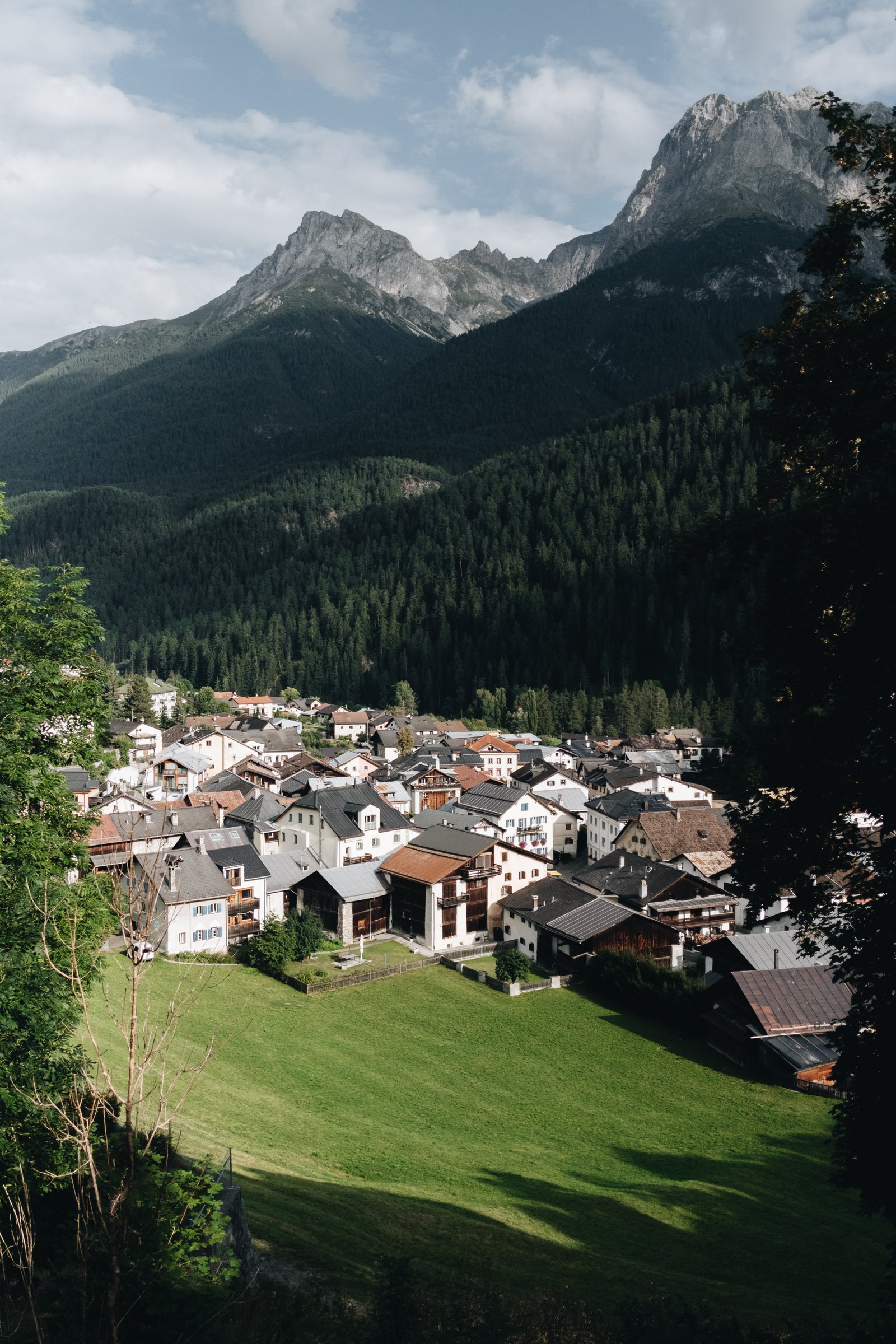
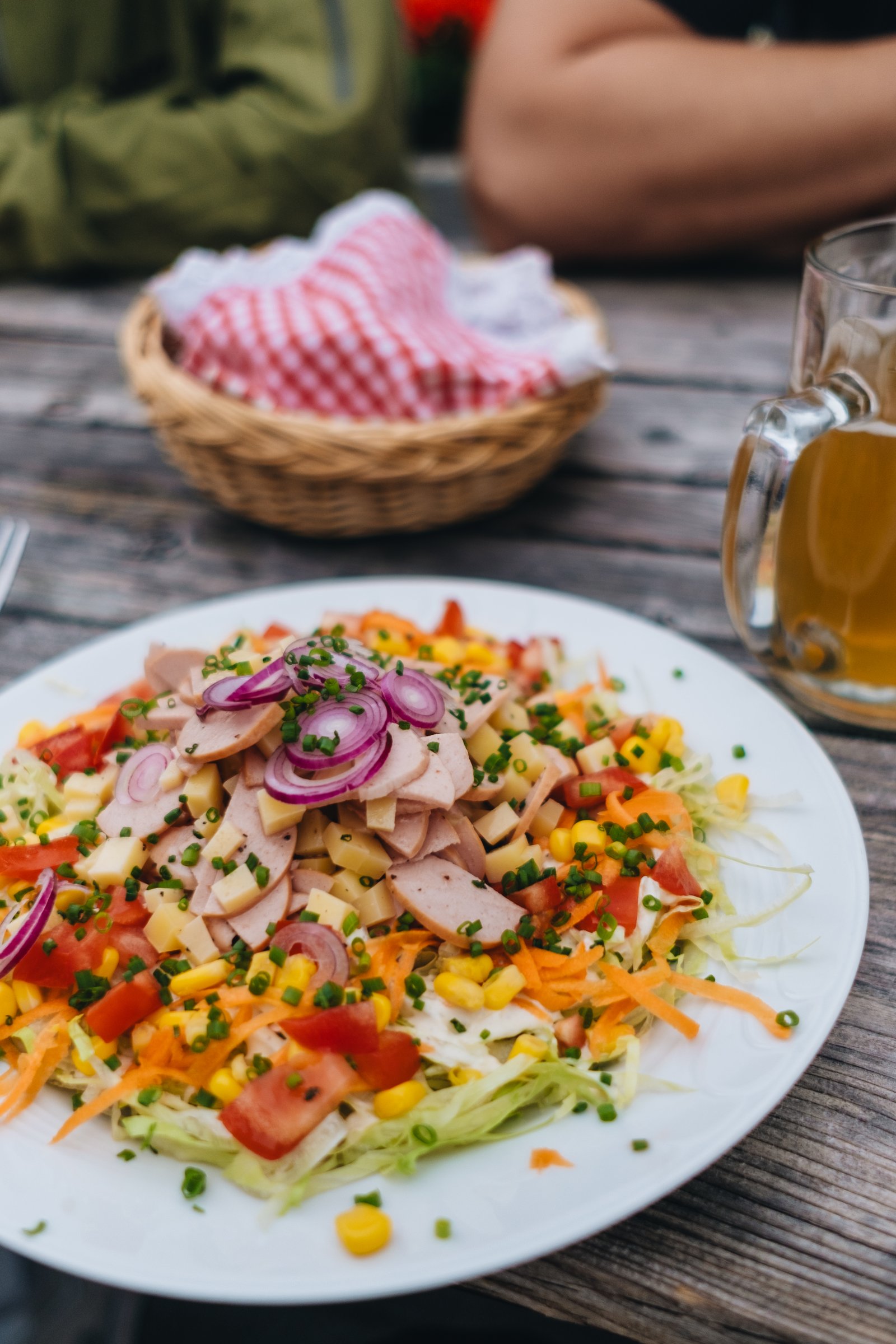

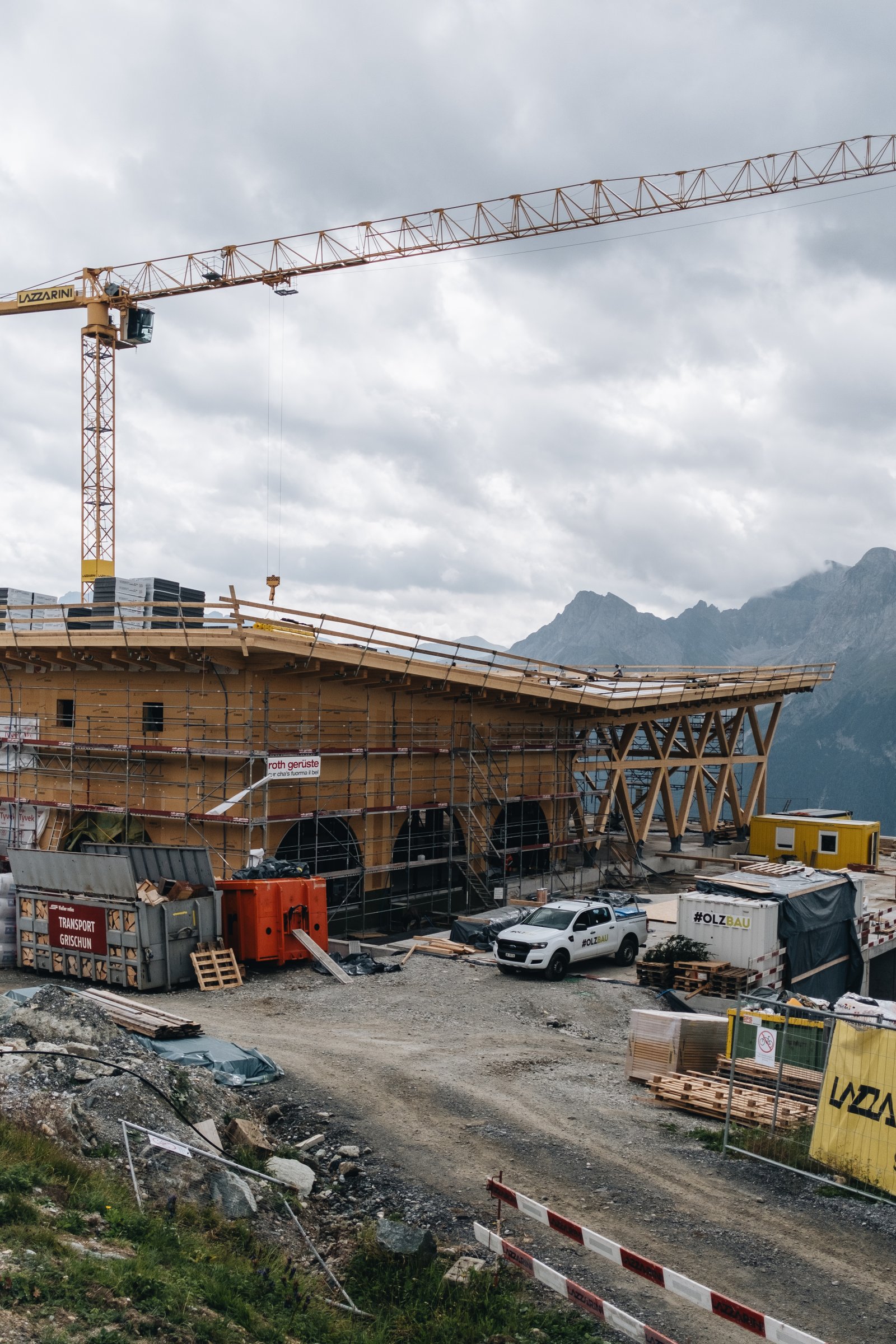


Camera: Fujifilm X-T3 (23mm lens)
Daily insights for city builders, delivered every morning at 6 AM ET. I’m Brandon Donnelly — a Toronto-based real estate developer and founder of Globizen. I’ve been writing here since 2013.
Camera: Fujifilm X-T3 (23mm lens)

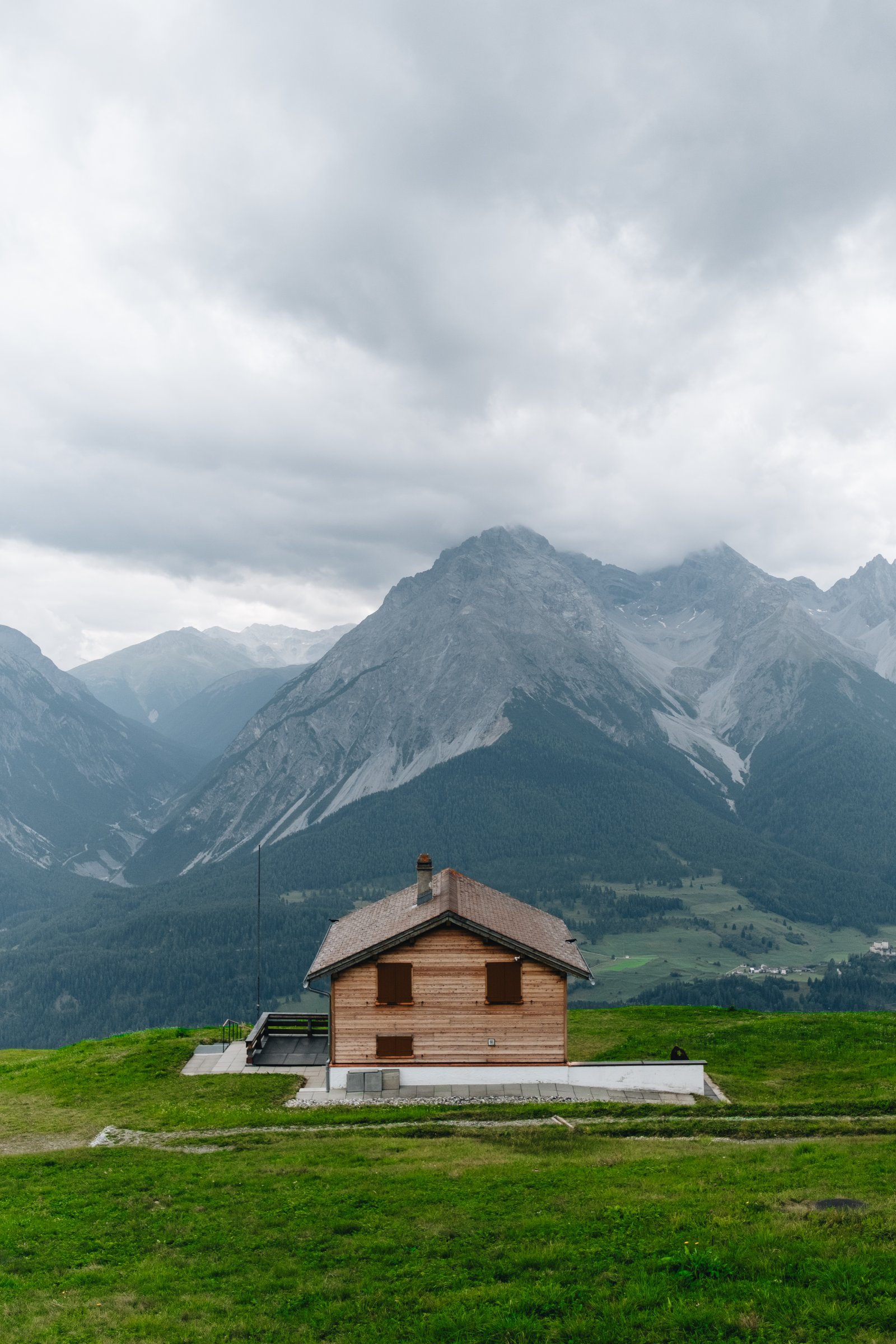
The Project Bench team spent the last several weeks capturing photos and videos of Canada’s largest wine region — the Niagara Benchlands (link is to the official tourism website). And today I’m excited to share that we’ve launched our own new placemaking website called On the Bench.
The purpose of the site is to help celebrate the region. There’s also some very preliminary information about Project Bench. In our humble opinion, we don’t feel that the Benchlands region receives the attention that it clearly deserves. More people are familiar with Niagara-on-the-Lake and Niagara Falls, especially globally.
The Bench is a distinct area, with its own unique character and with more — and arguably better — wineries. This v1 website is the start of us working to demonstrate this. So if you’re a local business or community member that would like to collaborate with us on this overall initiative, we’d love to hear from you.
To join the Bench community and be first to learn more about Project Bench, email subscribe at the bottom of the page, and follow us on Instagram and X.



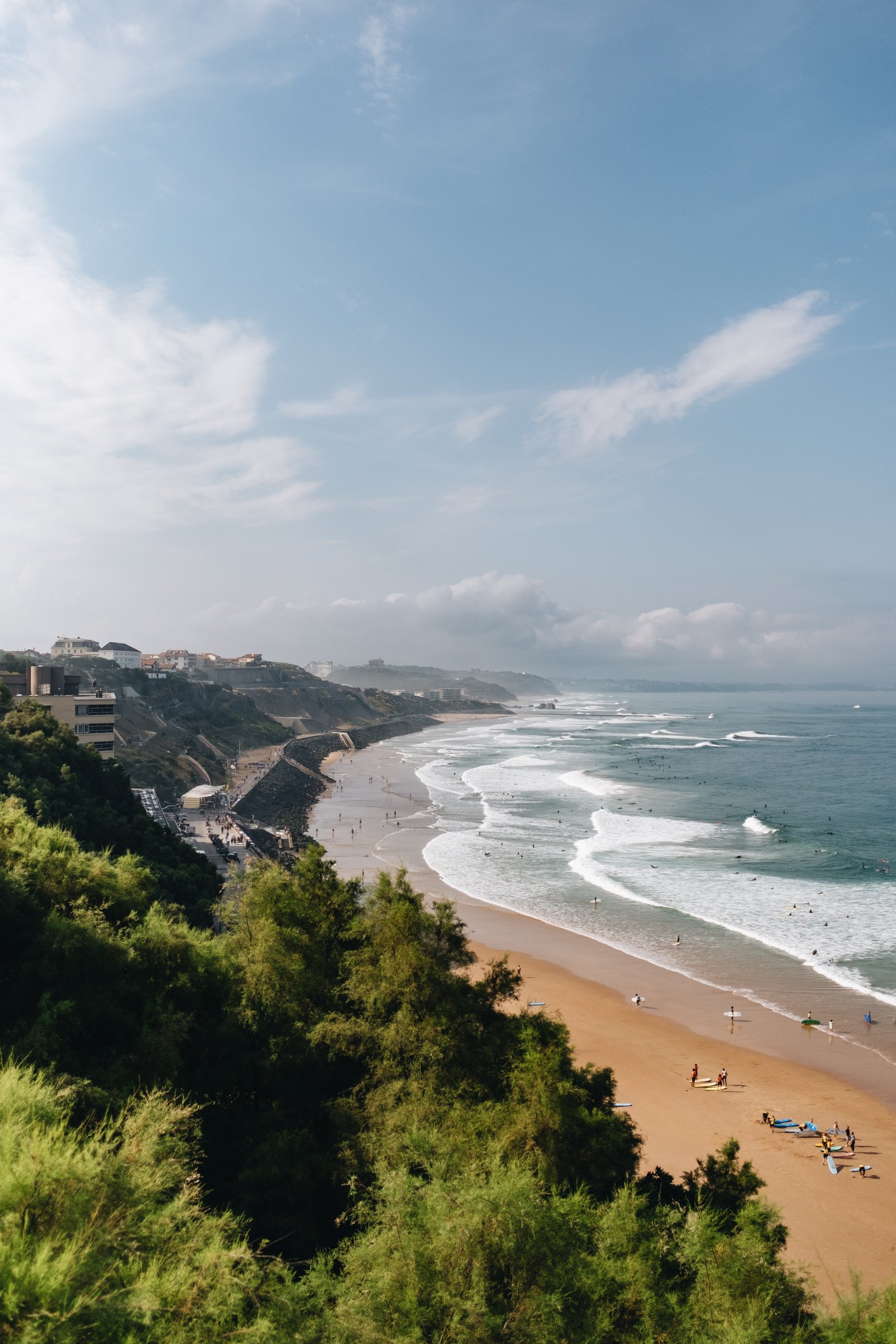


Camera: Fujifilm X-T3 (23mm lens)




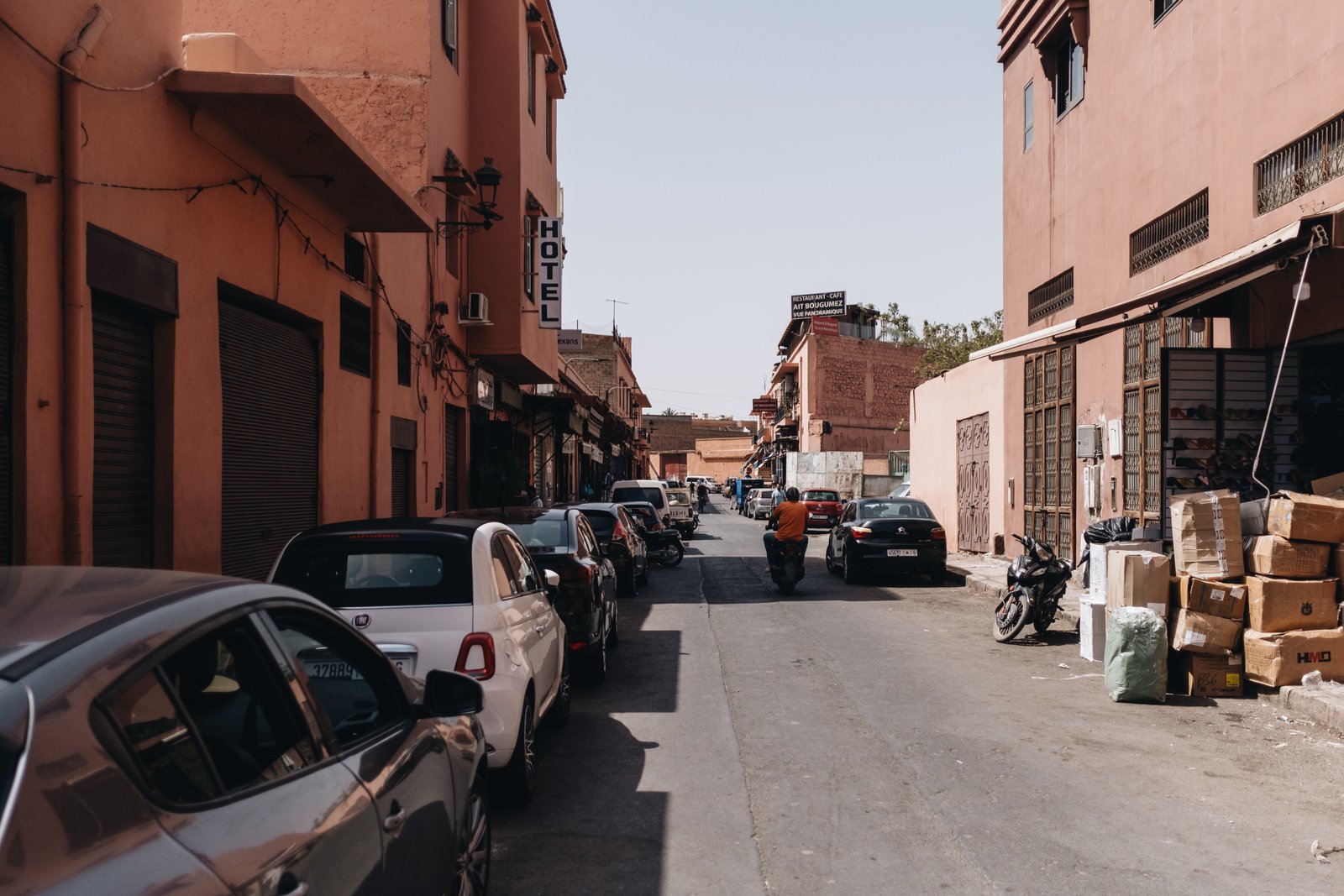


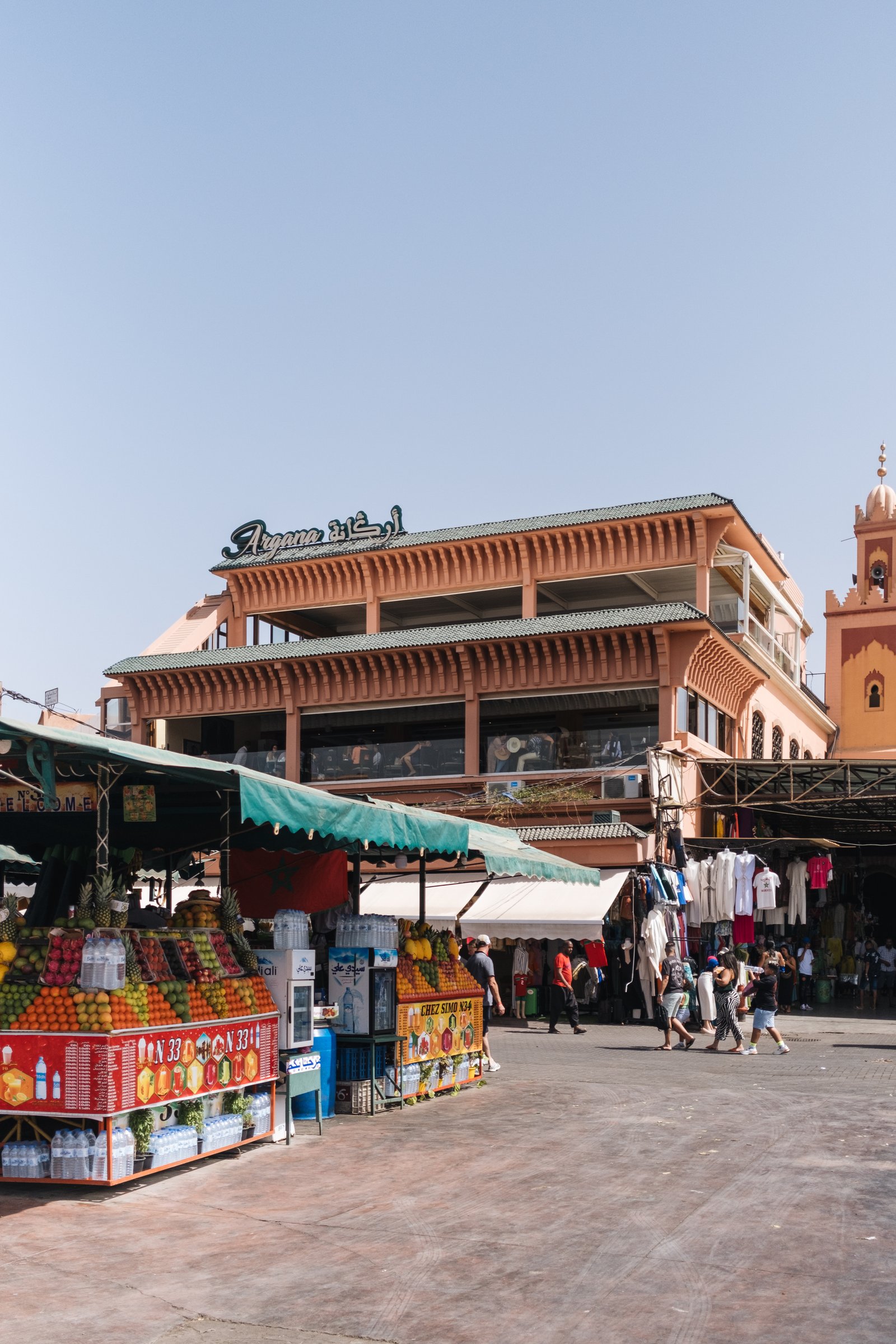


Camera: Fujifilm X-T3 (23mm lens)
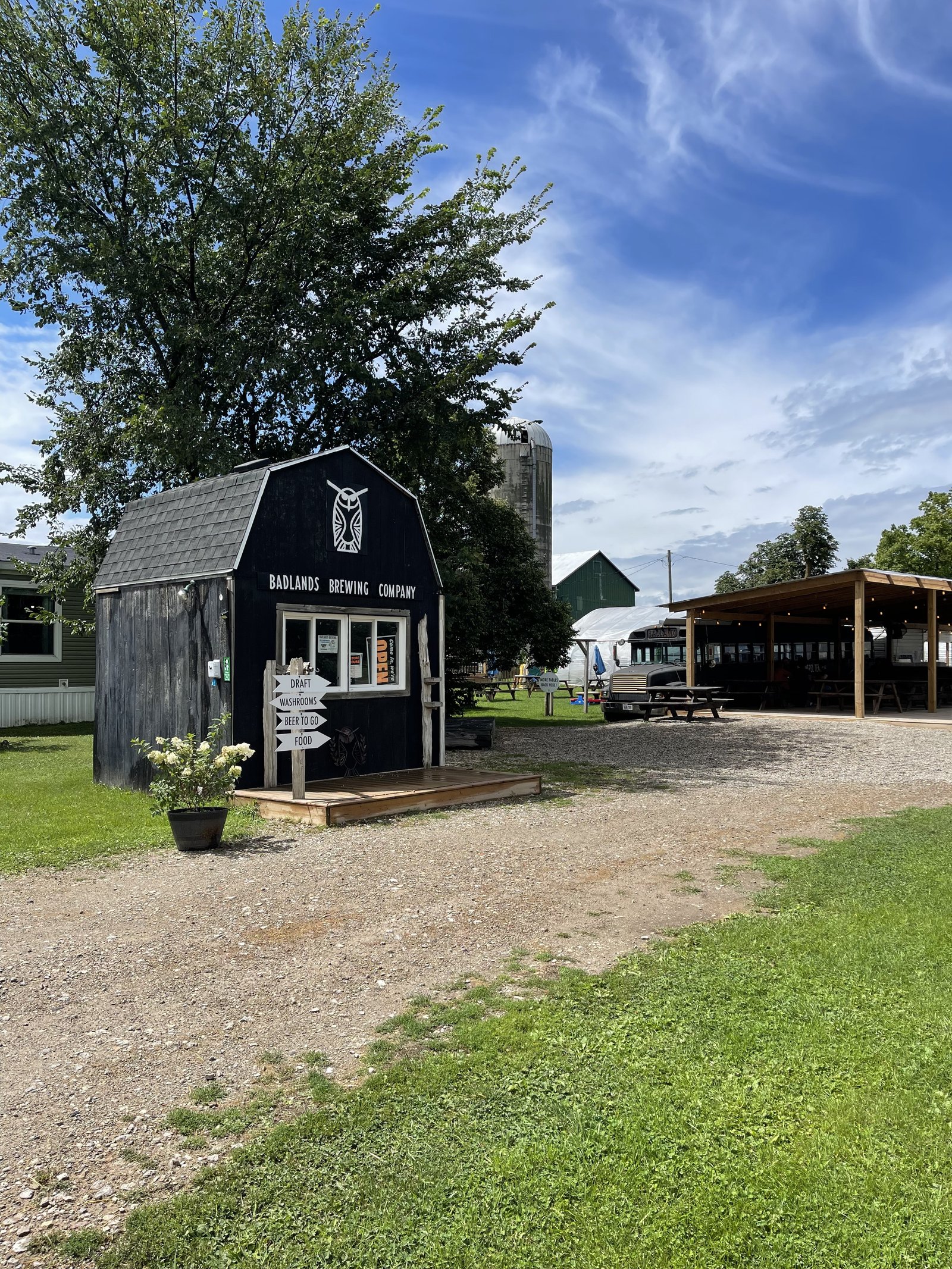
My friend Austin Kjorven convinced me that we should ride 70 km today so that I can try the beer and burgers at Badlands Brewing Company. Here’s the route we took:

I can now confirm that their smash burgers are as advertised. Great buns. I even had two of them just to make sure the first one wasn’t some sort of fluke.


My knees are, however, still giving me problems. I even tried KT tape and the brightest compression socks available in Austin’s closet.

Still, it was an awesome ride. If you happen to find yourself near Caledon, Ontario, definitely check out the Badlands Brewing Company.
Maison Kitsuné is a French-Japanese lifestyle brand that was founded in 2002 as both a record label and a fashion house. Apparently, the founders — Gildas Loaëc and Masaya Kuroki — started out by DJ’ing in order to promote their brand and clothes.
In 2005, they released a full ready-to-wear collection and, according to Wikipedia, fashion has come to represent about 90% of the company’s revenue (2020 figure).
In 2013, Kitsuné opened their first coffee shop in Tokyo. And since then, they have expanded around the world, opening cafes in Paris, Vancouver, Shanghai, and many other cities. As of today, I think they have 35 around the world.
Their latest venture is something a bit new though. It’s called Desa Kitsuné, it’s located in Canggu, Bali, and it’s their first ever clothing shop/restaurant/club. It also comes with a pool and the idea is that you can do lots of different things here: shop, lounge during the day, and/or party at night.
I always find it interesting when different ideas and approaches are combined. And that’s what Kitsuné continues to do. They also plan to do more of it. According to Monocle, the company wants to reach 100 cafes/restaurants around the world in the next 5 years.
So keep an eye out for more foxes in your city.
One perfectly sound approach is to just be the cheapest. This often entails lower margins, but hopefully higher volumes. However, the problem with this approach is that it can become a race to the bottom. At some point, somebody will find a new corner to cut. As Seth Godin says, “the problem with the race to the bottom is that you might win.”
On the other end of the spectrum is this approach:


This is a pamphlet describing full ripeness mangoes from the Miyazaki prefecture in Japan. These are not the cheapest mangoes around. In fact, it’s the opposite; they’re generally known to be the world’s most expensive. But they will almost certainly be the best mangoes that you’ve ever tasted. And you’ll only be able to get them between the months of April and August.
Sometimes it’s possible to be both cheaper and better. And that’s obviously an ideal position to be in. But in many, or perhaps most cases, you’ll need to choose. Cheaper, or that much better.


My friend David Wex recently opened up a new bar called Lisbon Hotel, and this evening I went to check it out with him. It’s not in Lisbon. And it’s not a hotel. But it is deliberately designed to feel like a hotel lobby bar, and it is a great place for drinks and snacks. I recommend both of the dishes pictured above — especially the cucumber and dill one.
It’s also housed in the River City community, which his firm Urban Capital developed. And I think that’s something. Developers are often criticized when they put in boring (yet profitable) uses in the ground floors of their buildings. And this is not that (though hopefully it’s still profitable). This is him and his partners wanting to do something cool and help create a “place.”
Who said new ideas need old buildings? Rhetorical question. It was Jane Jacobs who said this.
For more on Lisbon Hotel, check out this profile in Toronto Life.

I kept spotting this backpack in Les 3 Vallées and I thought it was awesome because, well, in the words of the late Anthony Bourdain, “you can never have too much cheese, bacon, or starch.” Tartiflette is a casserole dish that is local to the Haute-Savoie region in the French Alps. Its main ingredients are potatoes, bacon, and cheese (reblochon to be exact). And yes, it is as delicious and filling as it sounds.
I also liked that the slogan was specific to the region we were in, and so I went on a hunt to find this mysterious backpack. I must have gone into at least 8-10 stores looking for it. None of them had it. But eventually I learned that it was an online thing. It was for the “I like to ski and hang out in chat rooms” crowd, or at least that’s how one guy explained it to me. So I went online and ordered it back to Toronto.
It finally arrived today, and I’m looking forward to using it when I snowboard, cycle, and attempt to make tartiflette for the first time. Now I just need to locate some reblochon. (Note to US readers: My understanding is that this cheese is considered contraband in your country because it is unpasteurized and does not meet US import laws. So you may need to find some sort of clandestine cheese market if you want to make it.)
For those of you who also like to ski and hang out in chat rooms, you can find the bag and other merch, here. It’s all an extension of the Grenoble-based online magazine, skipass.com.
One of the reasons why “new small-scale retail, service, and office uses” are now permitted in low-rise neighborhoods of Toronto — and why many are on to talking about these uses in our laneways — is because it’s a way to serve the “needs of residents” and “reduce local automobile trips”. But what are these needs exactly? And if you had to choose only one, what would it be?
Let me provide some further background.
According to this mapping, 94% of Parisians live within a 5-minute walk of a bakery. And according to this mapping, 94% of people in Mexico City live within a 5-minute walk of a taqueria. So in other words, these two cities seem to have the kind of “small-scale retail, service, and office uses” that satisfy at least some of the needs of their residents.
People in Paris need bread. And people in Mexico City need tacos. But what do people in Toronto need? I’m not sure we have a perfectly parallel thing. But according to Instacart, the top-selling grocery item last year across both the US and Canada was — bananas. One and four carts typically contain them, and apparently this number has remained fairly consistent.
So maybe this should be our small-scale retail and walkability test metric: What % of the population lives within a 5-minute walk of fresh bananas? (I’m open to other food suggestions here.)