Daily insights for city builders, delivered every morning at 6 AM ET. I’m Brandon Donnelly — a Toronto-based real estate developer and founder of Globizen. I’ve been writing here since 2013.

Tag: wine

  • Niagara’s wine country is missing something

    Neat B and I were in the Niagara wine region over the weekend and I was reminded of a few things:

    • Winemakers in Niagara will tell you that southern Ontario isn’t the easiest of places to grow and make wine. But whatever, I think that Niagara is highly underrated. Niagara has some exceptional wineries that you really should explore if you aren’t familiar. Ontario is also the largest ice wine producer in the world, by a long shot. We produce something like 90% of the world’s supply. Ice wine can be a bit of an acquired taste — they’re sweet. But if you get a chance, try one from Stratus. They are supposedly the driest in the world.
    • I don’t know how the wine demographics have shifted in other regions, but we were told over the weekend that 10 years ago it was mostly gray hairs who were out at wineries buying wine. Today, there are tons of young people in their 20s, 30s, and 40s. And we certainly saw that over the weekend. This shift has winemakers now adjusting their wines. I couldn’t tell you what a younger wine palate wants, but apparently it’s something.
    • Lastly, there is a complete lack of cool and modern boutique hotels in the area. I would imagine that part of this is because the Niagara wine region is still emerging. But I think the other reason has to do with my previous point: younger people now want to go to wineries and the hospitality sector hasn’t yet caught up. This strikes me as a massive opportunity.
  • Wineries are a leading indicator for climate change

    We have talked about this before on the blog, but wineries continue to be a great leading indicator for our changing climate. Above is a chart from the Financial Times showing the official start dates of vendange for two wine regions in France. The Champagne region is further north and so the harvest dates naturally tend to be a bit later compared to the Rhône region. But in both cases, we seem to be seeing a shift to about a month earlier: September instead of October and August instead of September. And the turning point, at least according to this data, appears to have been 1987. The winemakers interviewed in this article appear confident that they can continue to adapt and find ways to deliver wonderful bottles of wine. But of course, that is not what you should be worrying about when you see this chart.

    Image: FT

  • The value of Champagne

    Westmount Gaurantee hosted a Champagne tasting event for its clients this evening. Obviously it took place over Zoom. It was a great event and I learned a few things about Champagne. As most of you will know, sparkling wine cannot be called Champagne unless it’s from Champagne, France — a region that, as of 2008, included about 76,000 acres of vineyards and 319 villages. But as I started thinking about this acreage, the developer in me couldn’t help but wonder: “How was the boundary for the Champagne region established? Is it based on unique soil conditions that can’t be found anywhere else in France and the world, or is this a way to artificially control the supply of Champagne and fix prices?”

    As you might imagine, the answer is complicated. (See the Champagne Riots of 1910-1911.) The viticultural boundaries of Champagne were legally defined in 1927. And the entire area is compromised of five wine-producing districts. But there have been revisions to this boundary. In 2008, the production zone was increased from 319 communes to 357. (I’m sure this was highly controversial.) And since the value of land is dependent on what you can do with it, this would have had a dramatic and overnight impact on land values. Yesterday you couldn’t apply a Champagne label, but today you can. According to this article from 2008, we are talking €5,000 a hectare to €1 million per hectare because of a simple boundary change. That is the value of “Champagne.”

    Photo by Lomig on Unsplash

  • Do Canadians embrace winter?

    Curbed published an article this week called, Why U.S. cities should stop whining and embrace winter. It is about Canada and how we allegedly embrace winter, which is arguably true, except I think there’s still a healthy dose of whining combined with trips to the south.

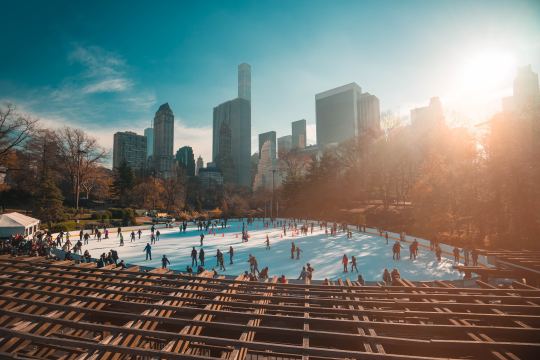
    I went ice skating a few weeks ago along the waterfront here in Toronto. It was a cold night and we debated whether we should skate or do something indoors involving Niagara’s finest red wines. We opted for skating and weren’t cold at all. It was great.

    I was reminded of this when I read the line: “The purpose is to get you skating. If you are skating, you are warm.” It is a good reminder that one of the keys to a successful winter space is physical activity. That and hot tubs.

    Photo by Joseph Barrientos on Unsplash

  • Merry Christmas

    Merry Christmas everyone! And, thank you all for reading this past year.

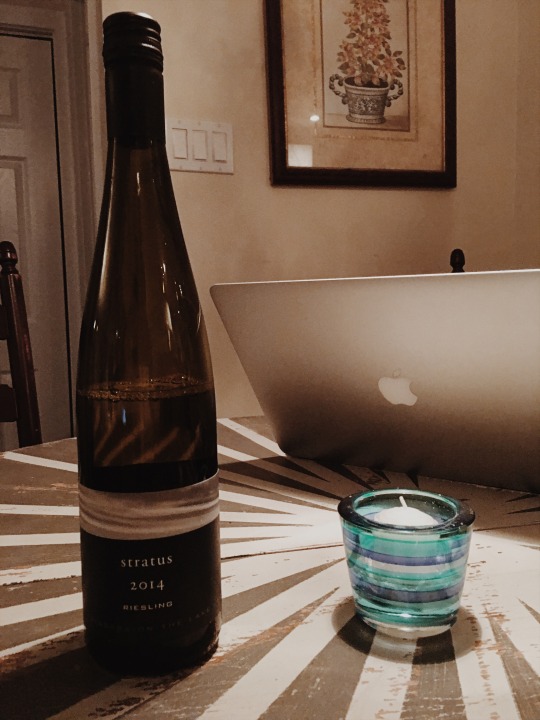
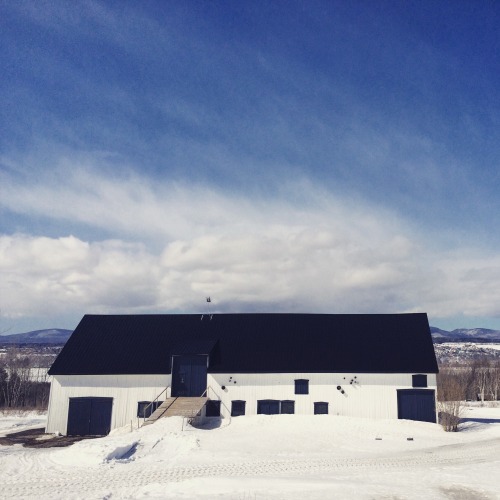
    I just checked into an Airbnb in Mont-Tremblant, Québec and will be spending the next few days here with family and friends. I’ve also brought along some of my favorite wines (see above) and, obviously, my snowboard.

    Hopefully that wherever you are and whatever you’re doing, that you’re with family and/or friends. I know that this time of year can be lonely for some people when things quiet down. So hopefully you have good people to spend it with.

  • The value of saying no

    If you’re somebody who has a lot of ideas, it can be pretty easy to get overwhelmed and/or distracted by all of the possibilities. It’s also worse when you’re an optimist and you believe it can all be done. I am definitely guilty of this. It is one of my weaknesses.

    We all have a finite amount of time to work with and so saying no to the stuff that isn’t core is critical. I believe I am getting better at this, but every now and then I find myself having to do some pruning. And once I do that, boy does it feel great.

    Seth Godin has a fantastic blog post on this topic that I love called, No is essential. Here it is in its entirety (it’s a short post):

    “If you believe that you must keep your promises, overdeliver and treat every commitment as though it’s an opportunity for a transformation, the only way you can do this is to turn down most opportunities.

    No I can’t meet with you, no I can’t sell it to you at this price, no I can’t do this job justice, no I can’t come to your party, no I can’t help you. I’m sorry, but no, I can’t. Not if I want to do the very things that people value my work for.

    No is the foundation that we can build our yes on.”

    To drive the point home even further, let’s shift gears and talk about wine. (For all of you fellow wine drinkers.)

    In viticulture, overall yield – usually measured in hectoliters per hectare of vineyard – is often seen as an important indicator of quality. The idea being that low yields produce better wines because the flavors get concentrated over fewer grapes. 

    Part of what drives this is the leaf to fruit ratio. Too much fruit and not enough leaves, means the grapes won’t ripen properly.

    The parallel to this conversation is that leaves are much like time. There’s only so much of it. And while many of us are constantly trying to maximum yield – I know I am – there are limits to the kind and quality of grapes we can produce when we do that. 

    I know this in principle. And more and more, I know this in practice. I am learning to say no.

    Image from Flickr

  • Somewhereness

    For over 10 years I have been a big
    supporter and proponent of Ontario wines. It’s almost the only kind of wine I
    buy. When I go to a restaurant I will always look to see what wines they have
    from Ontario, because I would much rather support a local winemaker.

    This past weekend I was in Prince Edward County visiting Norman Hardie. They are one of my
    favorite wineries in Ontario and if you haven’t yet tried their wines, I would
    encourage you to give them a go. They also have a great wood pizza oven if you
    decide to visit them in person.

    One of the things I appreciate about Norman Hardie’s wines –
    besides obviously the wines themselves, though the two aren’t mutually exclusive – is his philosophy behind the wines.
    Here’s a snippet from the website:

    I’ve chosen Southern
    Ontario to grow and vinify cool climate varietals, because I truly feel that
    these soils are unlike any other in the New World. As the worldwide market
    grows, the majority of wines available to us have been carefully manufactured to
    fit a flavour profile as opposed to smell and taste like the region they came
    from. I strongly believe in the importance of crafting wines that tastes of the
    place they came from. The French know this notion as “terroir”. Matt Kramer
    (Wine Spectator) calls it “Somewhereness”.

    I like this approach because I feel exactly the same way
    about architecture and cities. Who wants a city that looks and feels like every
    other city in the world? That’s boring, bland, and banal (couldn’t resist the
    alliteration).

    In my opinion, the best buildings respond to their local
    context and the best cities create a unique sense of place. They create
    somewhereness.  

  • Day 1 in Quebec City

    I just checked into the Chateau Laurier Quebec after a busy day touring the city. I don’t have a ton of time to write this post before dinner (though I have a few post ideas brewing). I did however want to share some of the day’s events and some of my photos.

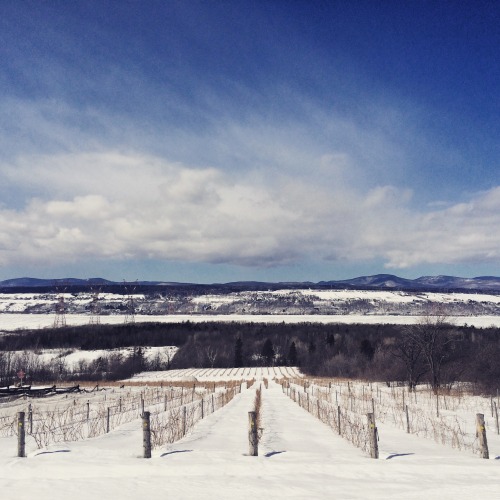
    After I landed I went straight to Île d’Orléans. I had never been there before so I’m glad I got the opportunity. It’s about twice the size of Manhattan and it has a population that hovers somewhere between 7,000 and 10,000 people depending on the season.

    The first stop was a “sugar shack”, which is apparently a big deal in Quebec and in the springtime. The place was packed. Here I had a traditional Quebec lunch (which was great) and I learned that all of the Canadian stereotypes are actually true. We really do put maple syrup on everything.

    After lunch I then asked if we could stop at a few of the local wineries. I love wine and I love wine culture.

    imageimageimage

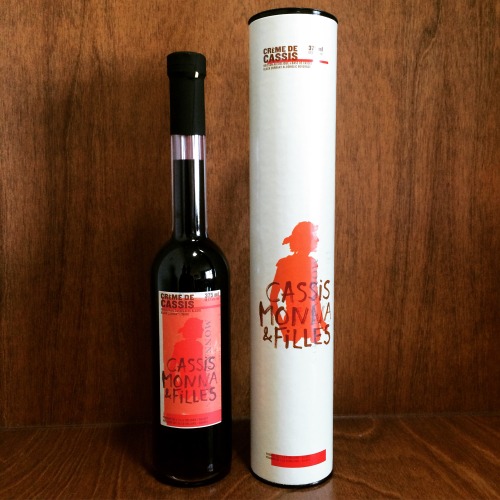
    I picked up one bottle of “wine” from Cassis Monna & Filles. It’s actually made from black currants though, which I was told was illegal to grow in North America for a long time. It’s far more popular in Europe.

    The winery is run by a father and his two daughters. And I thought they did a great job with their brand story and their overall identity.

    After leaving the island, I then went to the Montmorency Falls. I had no idea Quebec had falls, but they do. And the vertical drop is bigger than that of Niagara Falls.

    image

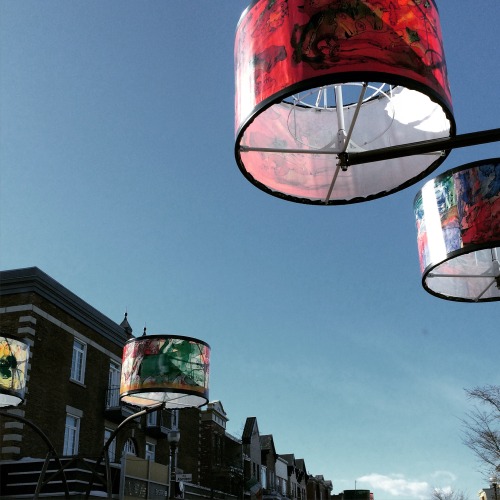
    Finally, I finished the afternoon with a quick tour of downtown and the OMA designed expansion to the fine arts museums. It has one aggressive cantilever.

    Here’s a video of the project. Click here if you can’t see it below. 

    [vimeo 111133943 w=500 h=281]

    If you’re interested, you can also follow my social posts on the Porter Escapes website by clicking here.

  • What makes a city great? [Video]

    Each year Monocle publishes a ranking of the top 25 cities around the world in terms of quality of life. Different than most city rankings, the survey goes beyond the more typical metrics around crime, education and so on, and also looks at some of the softer aspects of quality of life. Metrics such as: Can I get a good glass of wine at 1am? What they’re after is a more truthful ranking of the cities that people actually want to live in.

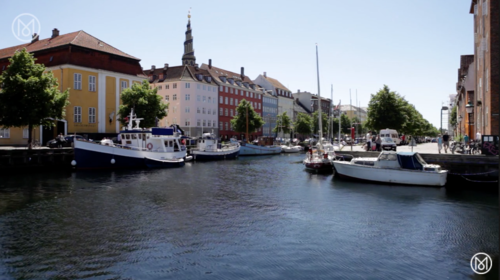
    This year Copenhagen took the number one spot. Vancouver took first in North America. And Tokyo took first in Asia. All 3 cities have scored well since they began the survey. Monocle also released a short video that looks at these 3 cities and explains a bit about their ranking methodology. Click here to watch the video. It’s only about 7 minutes long, but it’ll probably make you want to visit all 3 cities. I’ve never been to Copenhagen, but it’s certainly on my list.