Daily insights for city builders, delivered every morning at 6 AM ET. I’m Brandon Donnelly — a Toronto-based real estate developer and founder of Globizen. I’ve been writing here since 2013.

Tag: vancouver

  • Vancouver proposes empty stores tax

    When you buy commercial real estate, you are buying a stream of future cash flows. Sometimes these cash flows are already in place and sometimes these cash flows are based on future expectations. Either way, as a general rule, it is better to have more rather than less rent.

    But there are some short-term exceptions to this rule. If there is a higher and better use for your property and you’re planning to redevelop it, you probably don’t want to encumber the asset with any leases. Certainly not with any long-term leases. So vacant is likely better.

    Another possible short-term scenario might be that the market has moved and you’re no longer able to command the same rents. But instead of adjusting your expectations, which would negatively and immediately impact the value of your asset, you decide to hold out in the hopes that the market will return.

    Yet another more dire scenario could be that the market has moved entirely and you’re no longer able to find tenants at any price. But this isn’t a choice and so I wouldn’t consider it an exception to our more-rent-is-better rule. This is a systemic kind of problem.

    I am going to assume that for Vancouver to propose an empty stores tax the belief is that scenario two, or some permutation of it, is what is playing out on retail streets. It’s not that the tenants aren’t out there (because of changes in the retail landscape), it’s that landlords are greedy and want too much money.

    But my view is that this proposal ignores (at least) two things.

    One, you can’t punish and tax your way to vibrant urban streets, particularly if something structural is going on in the market. If this were the case, the way to revive a declining post-industrial city would just be to tax any vacant buildings.

    And two, the fundamental value of commercial real estate is, again, determined by rents. So sooner or later the rule of more rent being better than less rent will take hold. Vacancies are not in anyone’s best interest.

  • The great housing supply debate continues

    The great housing debate continues: Are we building enough housing, or are we not?

    Right now the media is talking about a new report from the Union of B.C. Municipalities, which is claiming that cities in British Columbia are actually building enough housing to keep pace with population demand.

    Between 2016 and 2021, the province’s population grew by 7.6% and the number of new dwellings grew by 7.2%, according to the report. So supply appears to be lining up with demand.

    One problem with this robust analysis is that many people, including the Housing Minister, don’t agree. Here’s an excerpt from the Globe and Mail:

    “The overly naive analysis comparing housing to population growth to declare the adequacy of our housing supply fails to understand that housing and population growth are intimately related,” said statistics analyst Jens von Bergmann, a regular decoder of housing statistics for Vancouver and Canada. “It’s a slap in the face of those who have been pushed out, or those who failed to move here, because of the unavailability of housing.”

    And on a related note, here is a recent piece by Shawn Micallef (Toronto Star) talking about why the left can’t get Toronto’s housing right.

  • A nation of apartment dwellers

    The Canada Mortgage and Housing Corporation (CMHC) recently published its latest data on housing starts, housing under construction, and housing completions. Here are a few of the highlights:

    • Canada saw 271k housing starts last year (2021). This includes single-detached housing and multiples, which captures semi-detached housing, row housing, and apartments (and other unit types). This is the highest number of annual housing starts that we have seen over the last five years. The range for the prior years has been between roughly 209-220k.
    • Ontario saw 100k (~37% of the country), Quebec saw 68k (~25% of the country), and British Columbia saw 48k (~18% of the country).
    • What I was curious about when I first saw these numbers was the split across the various housing types. Single-family homes, for instance, came in at 82k for all of Canada. So that’s about 30% of total housing starts. If you add in semi-detached and row, which I believe would also be all grade-related, you get to 124k or 46% of all housing starts.
    • Apartments and other unit types make up the balance at about 147k or 54% of all housing starts. This is kind of interesting because they now represent a majority.
    • Looking at Ontario, the percentage of apartments actually drops to 50%. But the numbers are much higher in both Quebec and BC at 69% and 63%, respectively. Again, this is kind of interesting.

    Despite all of our deference to single-family housing, the numbers suggest that we are actually in the midst of building a different kind of country — one that entails people living in “apartments and other unit types.” Maybe it’s time we got more granular with this line item.

    Note: CMHC defines “apartment and other unit types” to include not just apartments, but also stacked towns, duplexes, triplexes, double duplexes (whatever this is), and row duplexes. A number of these will, of course, be grade-related. But they still represent more intense forms of land use.

  • The Tokyo Toilet

    One of the biggest challenges with living through this pandemic has been finding a good public toilet. Drinking in the park is all fine and dandy, but at some point you’re going to need to find a place to pee. From experience, I can tell you that this can be a challenge in places like Toronto and Vancouver. But from the looks of it, the situation is a bit different in Tokyo. Japan, apparently, views its toilets as a symbol of its world-renowned hospitality culture. And so it takes great pride in the design of its public toilets. Last year, Tokyo invited 16 creators from around the world to redesign 17 of its public toilets throughout Shibuya. The list of creators includes big names like Tadao Ando, Kengo Kuma, Shigeru Ban, Toyo Ito, and many others. And the result is probably the nicest collection of public toilets that you have ever seen (somewhere around 9 of them are already operational with the balance expected to open sometime this year). The uniforms worn by the maintenance staff were even designed by Nigo (creator of the fashion brand A Bathine Ape). That’s attention to detail.

    For more about The Tokyo Toilet project and to check out the completed toilets, click here.

    Image: The Tokyo Toilet

  • A walking tour of Vancouver House

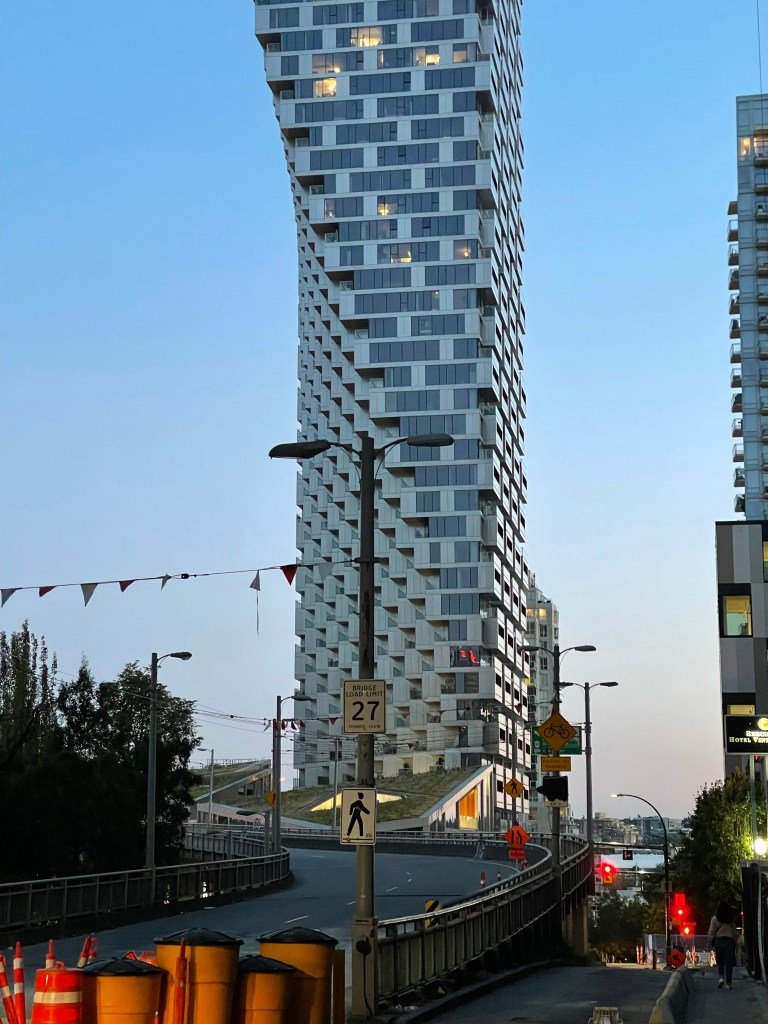
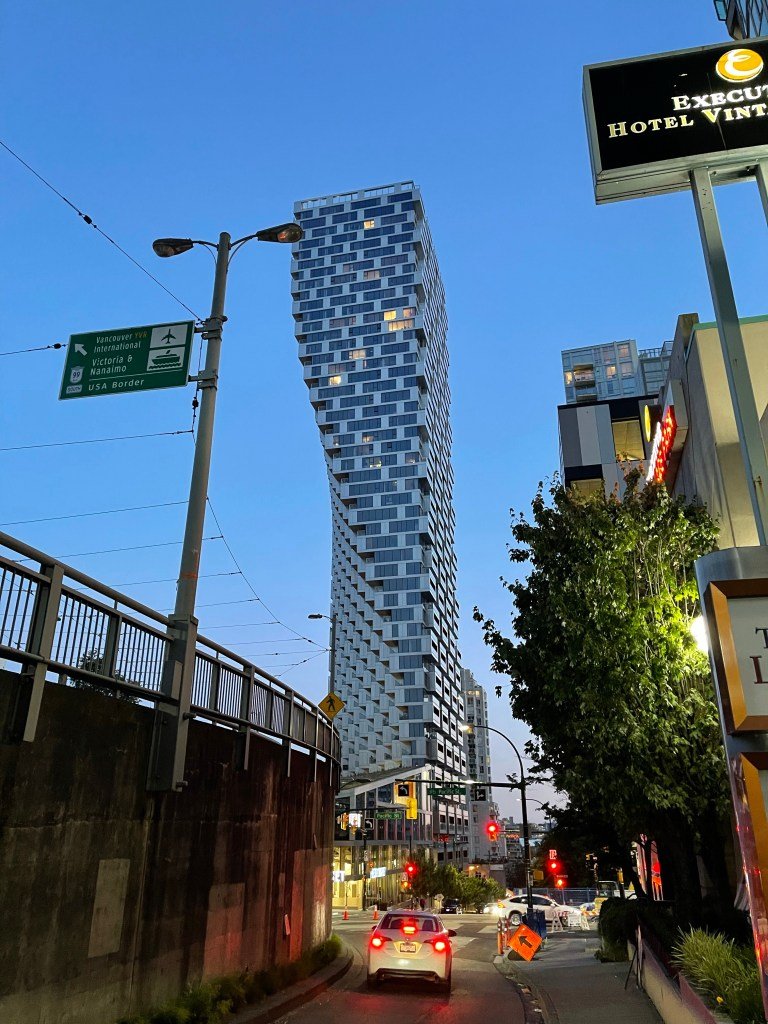
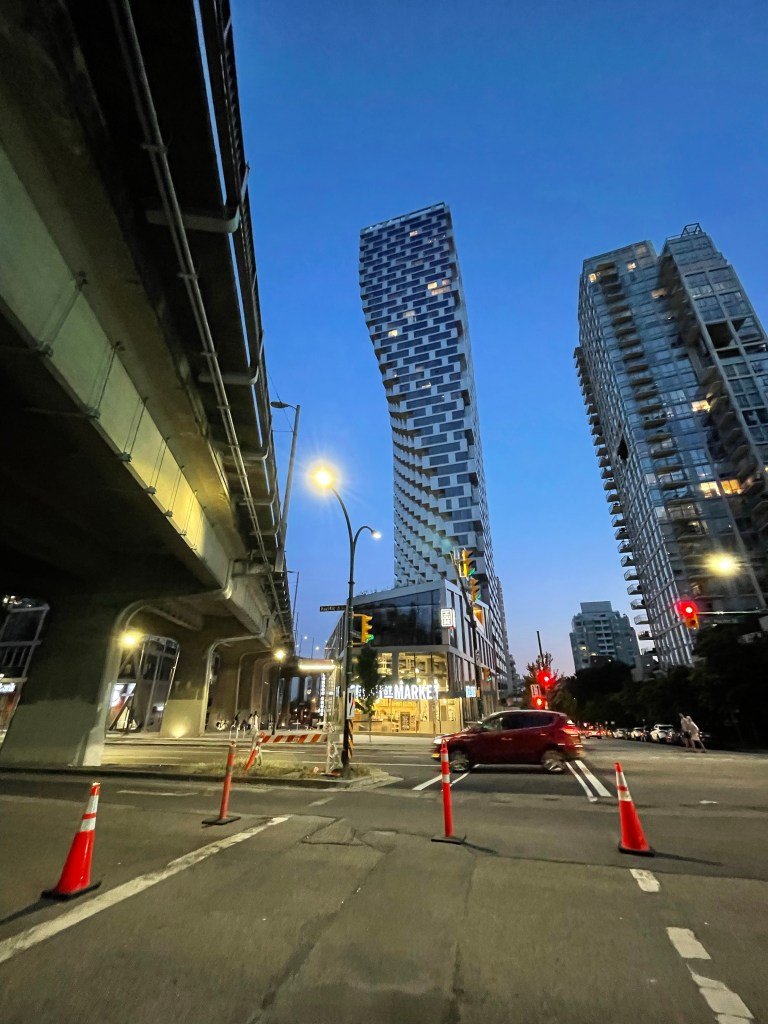
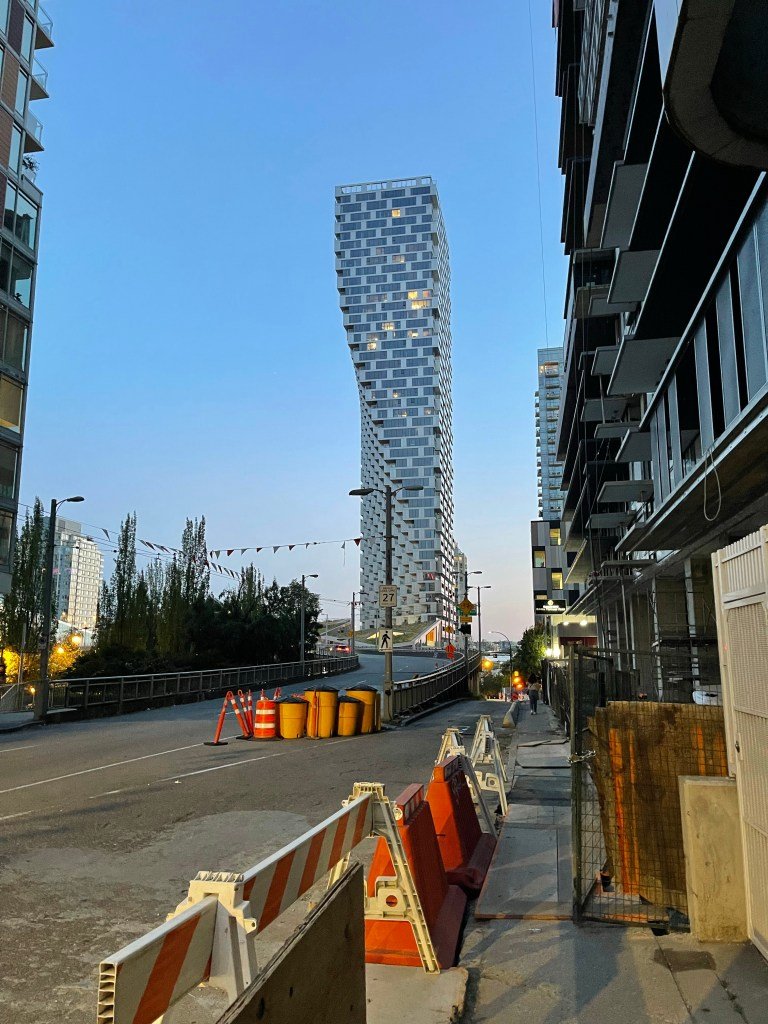
    Vancouver House is such a wonderful example of great city building. It’s an awkward site hugging the off ramps of the Granville Street bridge. It’s less than ideal.

    And yet Westbank (developer) and Bjarke Ingels Group (architect) have turned it into something remarkable. The tower is incredibly unique, though it is not form for the sake of form. It is a direct result of the site’s setback constraints.

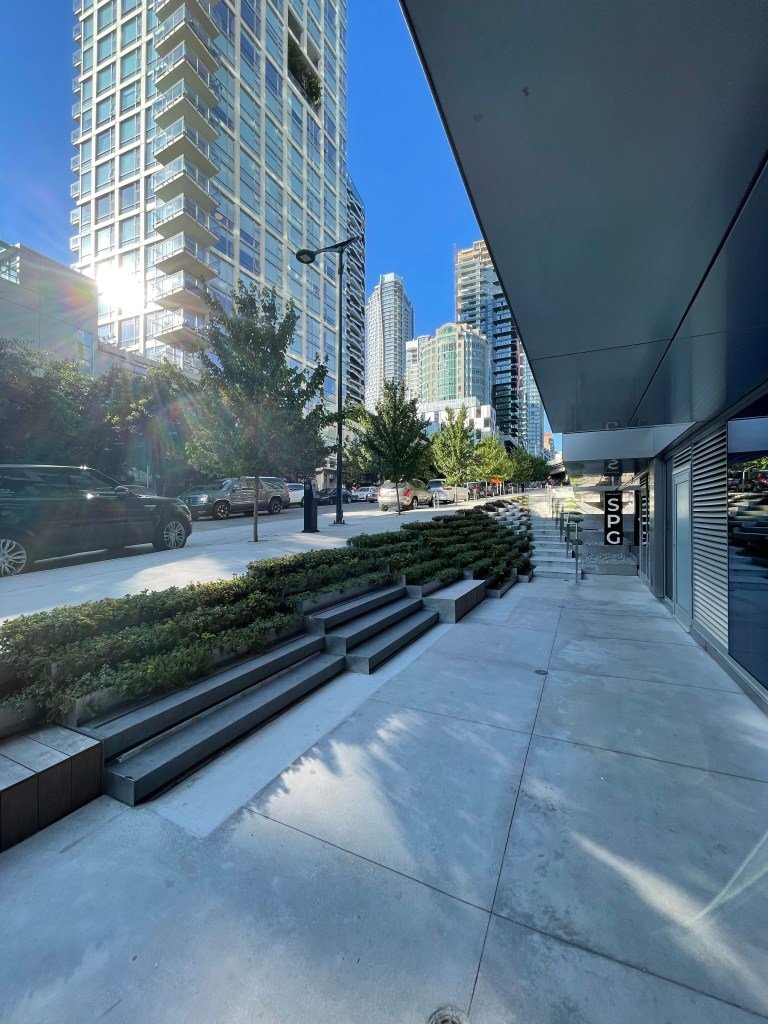
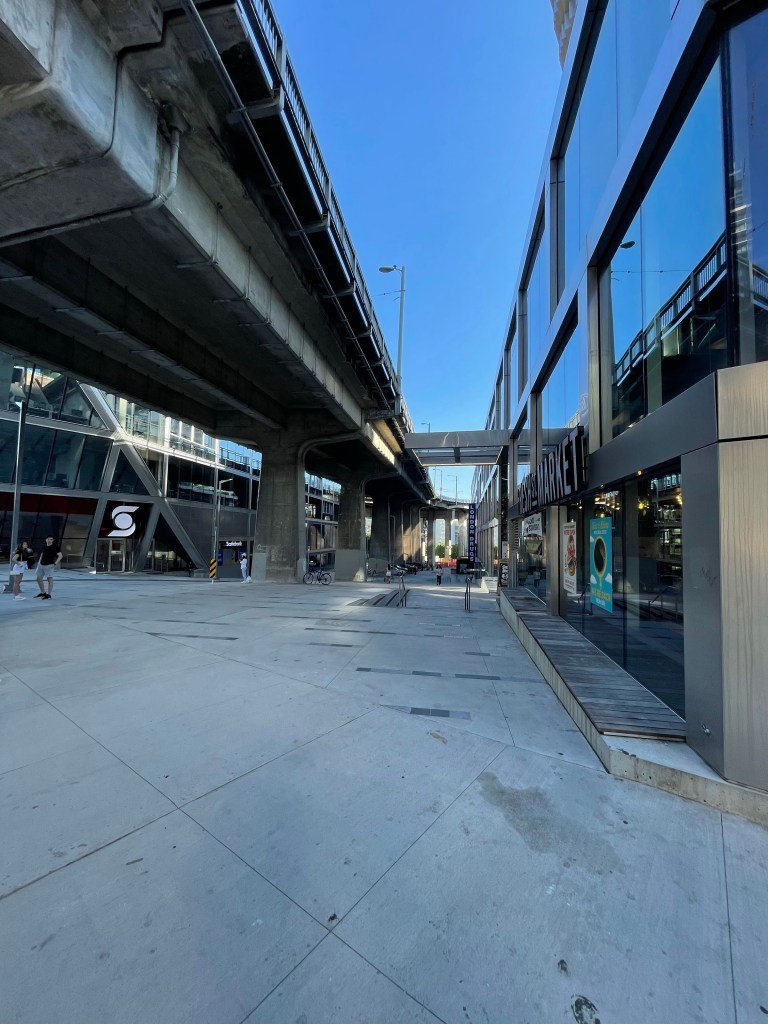
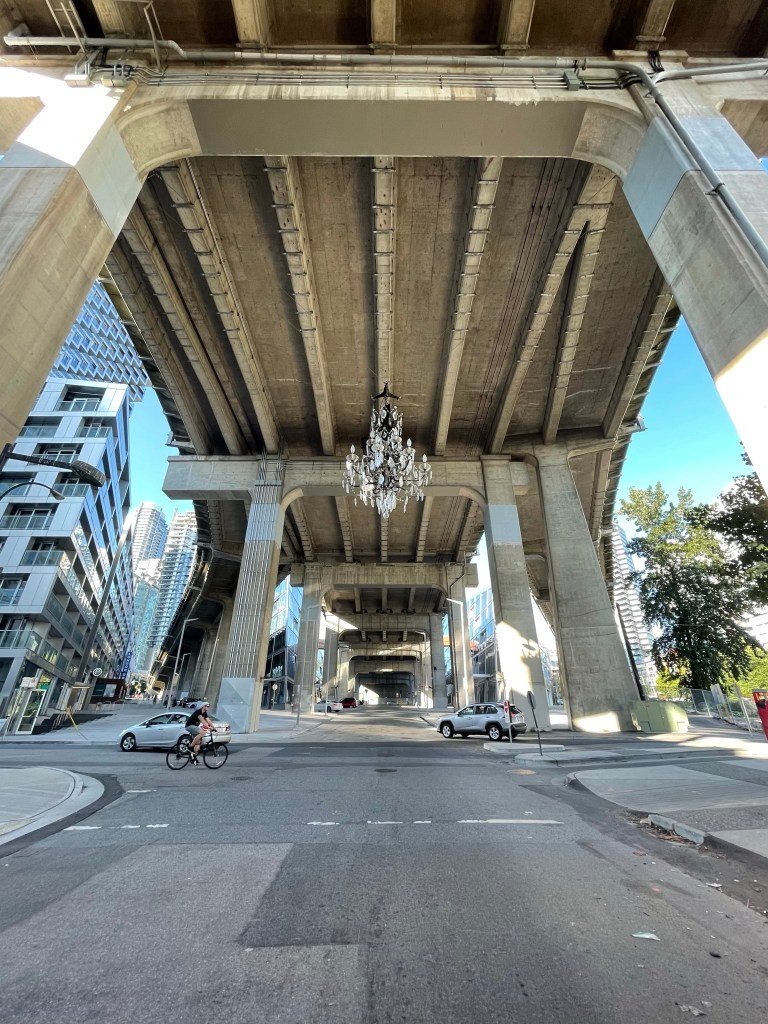
    But perhaps more importantly, the project manages to activate the ground plane and underneath the off ramps through its architecture, a mix of uses (retail and office) and a giant chandelier.

    So if you happen to find yourself in Vancouver, I would encourage you to visit the Beach District and do a walking tour of Vancouver House.

    There’s also a great Italian restaurant in the base of the tower (Autostrada Osteria) that you should try once you’ve finished your tour.

  • Speed and simplicity in Vancouver

    This is a good follow-up to my recent post about the barriers to developing mid-rise here in Toronto. I have just learned (thanks to Michael Mortensen) that Vancouver has proposed some specific zoning changes that are intended to increase the supply of new rental housing.

    Oddly enough, some of these proposed changes are consistent with what I put forward in my post and include 1) streamlining the development approvals process and 2) simplifying the allowable built form. i.e. Fewer step-backs.

    Here’s a capture from the report that went to City Council:

    The report is dated May 2020 and I truthfully don’t know the current status of these proposed changes. I’m sure Michael would have all of the details. But regardless, the report very clearly acknowledges that lengthy entitlement timelines are a barrier to new rental housing, as are more complicated building forms. Speed and simplicity can go a long way.

    For the full staff report, click here.

  • Parasol installation unveiled in downtown Vancouver

    Tangible, which is a Vancouver-based art and design studio, has just unveiled its latest “immersive experience.” It’s called Parasol and it can be found in downtown Vancouver in front of the Bentall Centre near the intersection of Dunsmuir and Burrard. An illuminated canopy-type structure, the 40 fins that make up each Parasol are equipped with LEDs and are designed to mimic the underbelly of a mushroom. If you can’t see the embedded video above, click here.

    I am a big fan of urban lighting and I have long felt that we don’t do nearly enough to light our cities in ways that are fun and playful and that promote a stronger sense of place. This is particularly true during the winter months where, in cities like Vancouver, the sun sets before many people even leave work. So I am sharing Parasol with all of you today as a kind of call to action: Let’s be more fun with our cities. This is a great example for how to do that.

  • Too much low-rise — Theresa O’Donnell in conversation with Larry Beasley

    I attended the above talk last night over Zoom. (Shoutout to Michael Mortensen for inviting Slate’s development team and for helping to moderate the Q&A.) The talk was a conversation between Larry Beasley (former Director of Planning for the City of Vancouver) and Theresa O’Donnell (the newly appointed Director of Planning for the City of Vancouver). Prior to this, Theresa was the director of planning for cities such as Las Vegas, Nevada, and Arlington, Texas.

    I’d like to point out two comments that she made last night that I found interesting.

    The first is that community meetings over Zoom actually aren’t all that bad. And the reason that they’re not all that bad is that they tend to draw out larger crowds (they are easier to attend), and so the feedback on development applications tends to be a bit more inclusive / representative. I agree with this overall view and I’ve been arguing for years (here on the blog) that the typical approach to community engagement is pretty much broken. The opinions become lopsided when you erect too many barriers to participation.

    The second point has to do with the amount of land in Vancouver (and other North American cities) that is dedicated to low-rise housing. It’s too much and it’s going to need to be addressed in order to increase overall housing supply and to chip away at the housing affordability problem. This won’t be news to this audience, but it’s interesting to see how widespread this belief has become. Of course, the big questions remain: How gentle should gentle density be? How much intensification should these neighborhoods see?

    I also appreciated her comment that it’s pure lunacy (my words, not hers) to have higher order transit lines running through mostly low-rise neighborhoods. We need much higher densities to sustainably support these kinds of investments in infrastructure. For us Torontonians, a good example would be (most of) the underdeveloped Bloor-Danforth subway line, though there are other culprits.

    Welcome Theresa.

  • Economic update with Benjamin Tal — get ready for the second half of this year

    Benjamin Tal — CIBC’s Deputy Chief Economist — is seemingly everywhere. And earlier today, he was delivering an annual economic update at an online event hosted by Brattys LLP (our condo lawyers) in partnership with CIBC. Below are a handful of slides that I found interesting and that I tweeted out during the event.

    All of our personal risk curves changed during this pandemic. When the first wave hit, we all had no idea how bad this was going to be and what to expect. And so we all stayed home and washed our hands and our groceries. That changed with each subsequent wave. And now we’re all ready and anxious to be done with this.

    Tal referred to this as one of the most unequal recessions we’ve ever seen. If you had a high paying job, you probably kept it. And after you stopped spending money on eating out, entertainment, travel, and watching the Leafs lose in person, you likely had a meaningfully higher savings rate. That has created some $100 billion of “excess cash” sitting on the sidelines.

    This cash wants to be spent and I think we’re going to see it flying out the door in the second half of this year. Much of it will also flow into services, which should help to prop up the hardest hit segments of the economy. So while there has been some real pain, many are expecting the economy to snap back pretty quickly. Get ready for some euphoria in the second half of this year.

    This last slide is particularly relevant to the kind of things we often talk about on this blog. It is essentially showing the increased demand for housing outside of the city during this pandemic (as of Q4 2020).

    A flatter line (Vancouver, Calgary) indicates that year-over-year price growth was less affected by “distance from the city center.” On the other hand, a steeper line (Toronto, Ottawa) indicates that price growth was stronger the more you moved outward from the core. In the case of Toronto, it was nearly 20% YoY when you got about 60-70 kilometers out of the city.

    But it’s important to keep in mind that the core of Toronto still grew at about 5% year-over-year. About the same as in Vancouver. And in the case of Ottawa, the number looks to be about 17.5% in the city center. These are meaningful numbers and not the kind of symptoms you would expect to see from downtowns in the middle of a death spiral.

    I would argue, as I have many times before, that this last chart is the result of short-term phenomena. I bet we’ll see a number of these pitches reverse by the time Q4 2021 arrives.

  • The views from Capital Point

    These are two photos taken from the roof of our Capital Point project (office strata) in Burnaby, BC. They represent the views from about 19 storeys up. In the first photo you can see downtown Vancouver and the mountains that surround it. And in the second photo you can see the Metrotown town center (second largest in the region) and the SkyTrain station that services it. It’s certainly hard to beat British Columbia on a beautiful sunny day.