Daily insights for city builders, delivered every morning at 6 AM ET. I’m Brandon Donnelly — a Toronto-based real estate developer and founder of Globizen. I’ve been writing here since 2013.

Tag: short-term rental

  • Vacation rentals in Park City

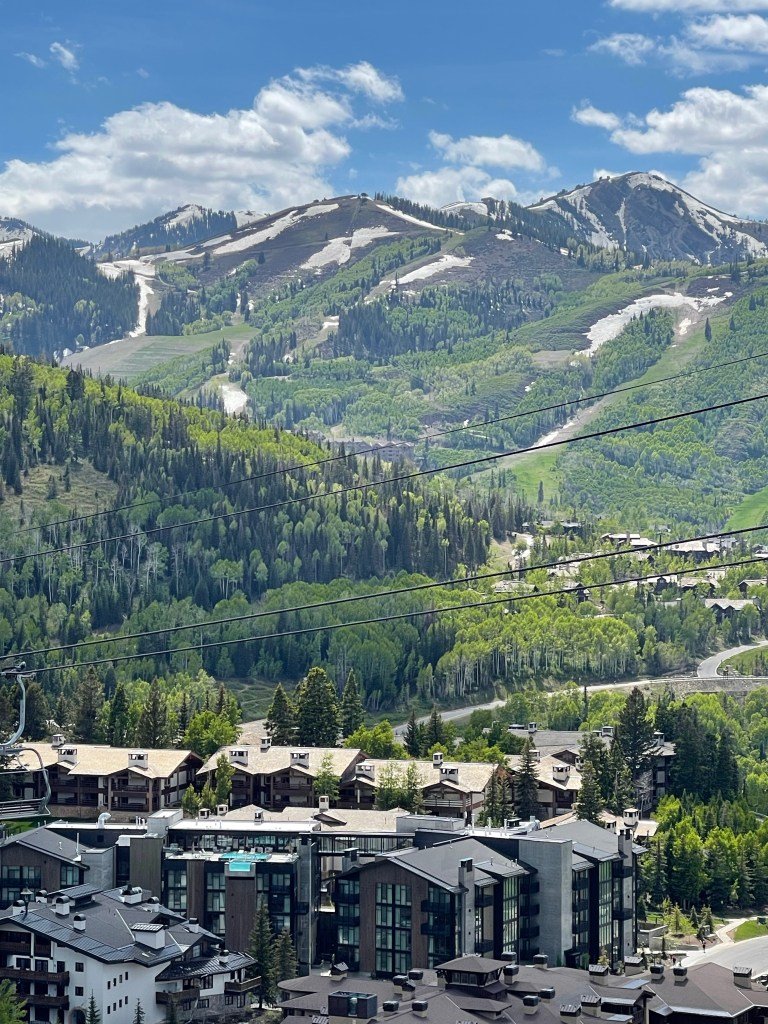
    We spent his morning meeting with prospective property managers for Parkview Mountain House. Here’s what we learned about the short-term rental market in Park City, Utah:

    • Property management fees generally range from 20-35% of revenue (these are turnkey solutions)
    • Airbnb is somewhere around 80% of the market here; though it does tend to skew toward slightly smaller rentals, whereas VRBO skews larger
    • Sundance Film Festival and New Year’s Eve are the two busiest times in Park City (demand greatly exceeds the available vacation rentals — 120%?)
    • Many Sundance guests tends to be people on expenses accounts: not price sensitive, but apparently very demanding
    • Winter is obviously peak demand because of snowboarding and skiing, but demand is still strong in the summer because of cycling, hiking, golfing, fishing, etc.
    • The two slowest times are spring (mud season) and fall
    • Many PMs will track booking lead times, which is the period of time between booking and check-in
    • This past winter season, demand was strong but average lead times were way down — meaning people were booking last minute and responding to snowstorms
    • During heavy snowfall seasons, like the one Utah had this past winter, you’ll likely need to budget for roof snow clearing (a few thousand for the season)
    • Heated driveways are a very good idea in the mountains
    • The most popular / most searched amenity is by far a hot tub; servicing one will run you about $125 per month

    I always find it fascinating to dig in and learn about a new industry and/or market. And that’s exactly what we did this morning.

  • The “hotelization” of housing

    When I was younger and looking for any excuse to travel (I’m not sure this has changed), there were periods of time where I “lived” for weeks and months in hotels and in spaces that today we would characterize as co-living. I always liked the idea of living in a hotel. It was carefree. There were amenities. And you got to meet people from all around the world.

    Well it turns out that these kinds of living arrangements aren’t just attractive to poor university students. We have seen a proliferation of different living and hospitality concepts over the years, and I don’t see this trend slowing down. A recent example, which I just learned about via Globetrender, is “the Other House”. Their first location, pictured, above, is scheduled to open this spring in London’s South Kensington.

    The founder refers to it as a “residents’ club”, and the idea is for it to sit somewhere between a hotel, a serviced apartment, and your typical long-term apartment rental. Each “Club Flat” will have a separate living area and bedroom, as well as a kitchenette for cooking. And guests will be able to stay for as long as they would like — anywhere from one night to more than a year.

    Why this is potentially innovative is that the company is looking to combine the best of a few different worlds here. For example, hotels are great because they offer flexibility, amenities, and a carefree lifestyle, but they’re often missing the sense of belonging/home that you get from more conventional longer-term housing.

    The Other House hopes to fix this through what you might call the “hotelization” of residential real estate. They’re investing in design and in creating the right experience, but they’re also doing things like offering storage facilities for their residents. The idea here is that if you need to travel somewhere else for a few weeks, there’s a place to store all of your personal belongings so that everything is waiting for you when you return “home.”

    Pricing is still TBD. But supposedly the average room rate is anticipated to be around £250 per night, with rates obviously coming down for longer stays. I am curious to see how this concept does in London. While it is not entirely novel, it is decidedly urban. It is an another example of design, location, and experience being privileged over raw square footage.

    They don’t have much up on their website just yet. But if you’d like to follow them on the socials, you can do that over here.

    Image: The Other House

  • A cycling mecca in northeast Spain

    Today I learned that Girona in northeast Spain is a mecca for cycling. Bike enthusiasts like it because the climate is mild; the roads are well maintained; the lifestyle is relaxed; and there’s easy access to the European Grand Tours in Spain, France, and Italy. Apparently Lance Armstrong bought an apartment there in 2001. Though there were other pro cyclists who had come before him.

    Interestingly enough, all of this is allegedly having an impact on the real estate market. According to the WSJ, there has been a surge in the tourist licenses required to operate a short-term rental in the city. Ten years ago, the city had only issued 10 of them. But today, more than 700 have been issued. And as of the end of 2019, residential sale prices had increased about 15% year-over-year.

    I’m not sure how much of this is a result of cycling tourism, Airbnb, Spain’s overall housing market recovery, or other factors. But it certainly sounds like a nice place to go for a bike ride.

  • Airbnb is powering new purpose-built short-term rental buildings

    This past weekend I was in a condo building here in Toronto with large signs in the elevator saying, “No Short-Term Rentals Including Airbnb Are Permitted. Trespassers Will be Prosecuted.” It was the first time I had seen anything like this, but it immediately signaled to me that the building must be having a problem with short-term rentals. Why else would you deface the elevators? There are some buildings that allow short-term rentals, but most don’t.

    However, over the last few years we have started to see purpose-built short-term rental buildings. In some cases, existing apartments buildings were “converted”, as was the case with Niido’s two properties in Nashville and Orlando. Here tenants in the building can rent both unfurnished and furnished apartments and then rent them out on Airbnb up to a maximum of 180 days per year. To date, I think these are the only two properties to use the “Powered by Airbnb” moniker, but more are on the way.

    The developer behind Niido — Newgard Development Group — recently launched a new Powered by Airbnb brand called, Natiivo. This one looks to be focused on for sale product, with two upcoming projects in Austin and Miami. Both projects will have hotel licenses in order to avoid any regulatory risk going forward. But this makes me wonder how materially different this model is from the condo-hotels we’re already familiar with.

    For landlords and developers, the goal is obviously to maximize rents and prices. Allowing (or explicitly encouraging) residents to rent out their place and earn some extra cash, should help with that. And given the way I started this post, we also know there’s a desire to do this, particularly in places with strong tourist demand like in Nashville and Miami. But the reviews are mixed. Not everyone wants to live in a hotel. But then again, not everyone wants to co-live. To each their own.

  • Airbnb empire comes to an end in NYC

    At the beginning of this year, the City of New York filed this lawsuit in an attempt to shut down an Airbnb business that has supposedly generated around $20 million in revenue since 2012. It is currently illegal to rent out an apartment in most buildings in the city for less than 30 days unless the owner/permanent tenant is present. And that’s not how this business was being operated.

    Here are the locations of the rentals named in the lawsuit (map from the New York Times):

    The defendants include a real estate brokerage, the three partners behind the business (more on them here), as well as others. NYC has been trying to pass legislation that would force Airbnb to disclose more information to the Mayor’s Office of Special Enforcement. Information such as the full name(s) and address(es) of every host and whether the short-term rental is an entire dwelling or a room. That presumably would have helped here.

    For more on the lawsuit and the backstory, click here.

    You may also find it interesting to go back to the five-point plan that Airbnb put forward back in 2016. It was intended to serve as a framework for new short-term rental legislation. The points make a lot of sense.