Daily insights for city builders, delivered every morning at 6 AM ET. I’m Brandon Donnelly — a Toronto-based real estate developer and founder of Globizen. I’ve been writing here since 2013.
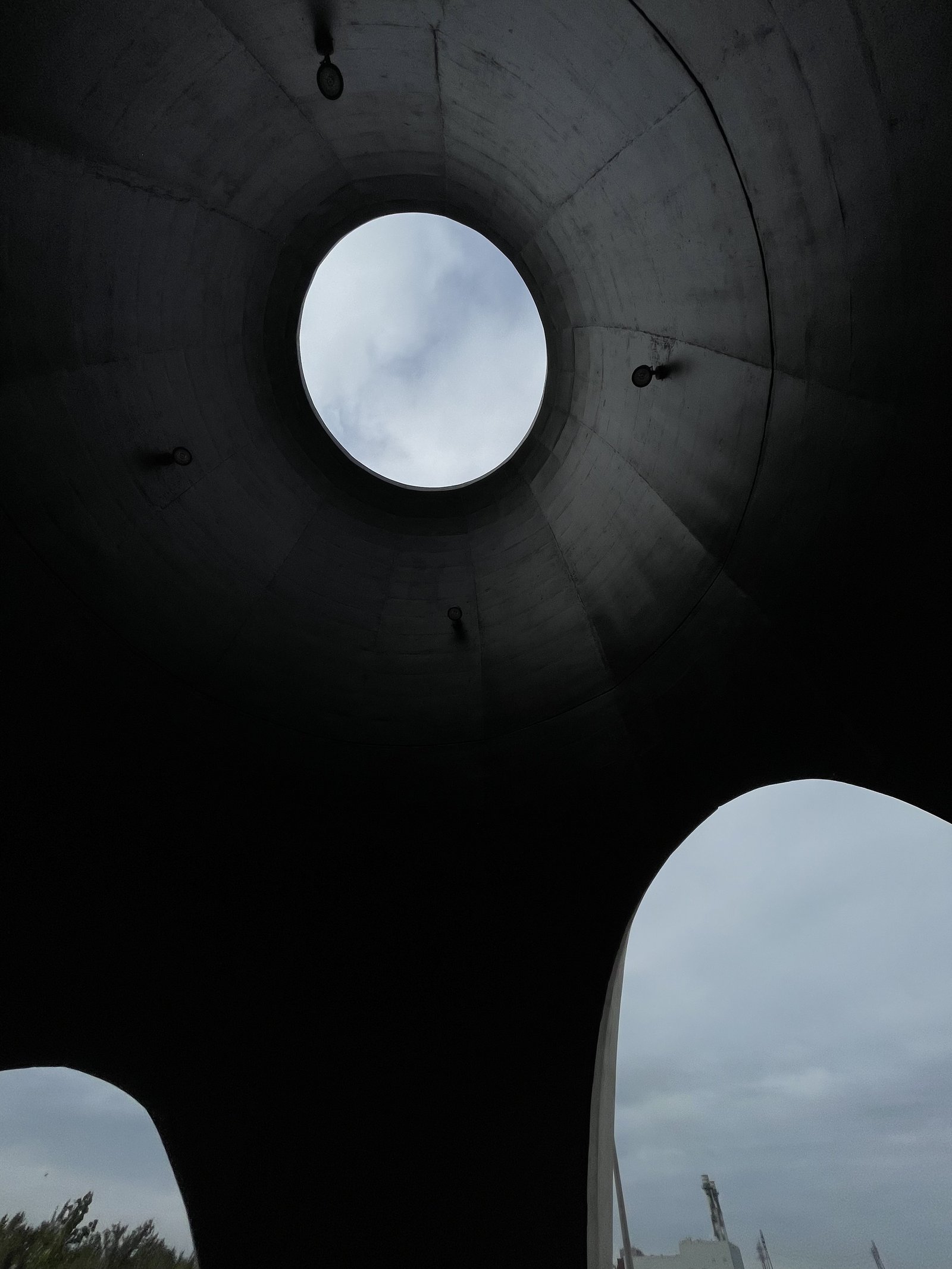
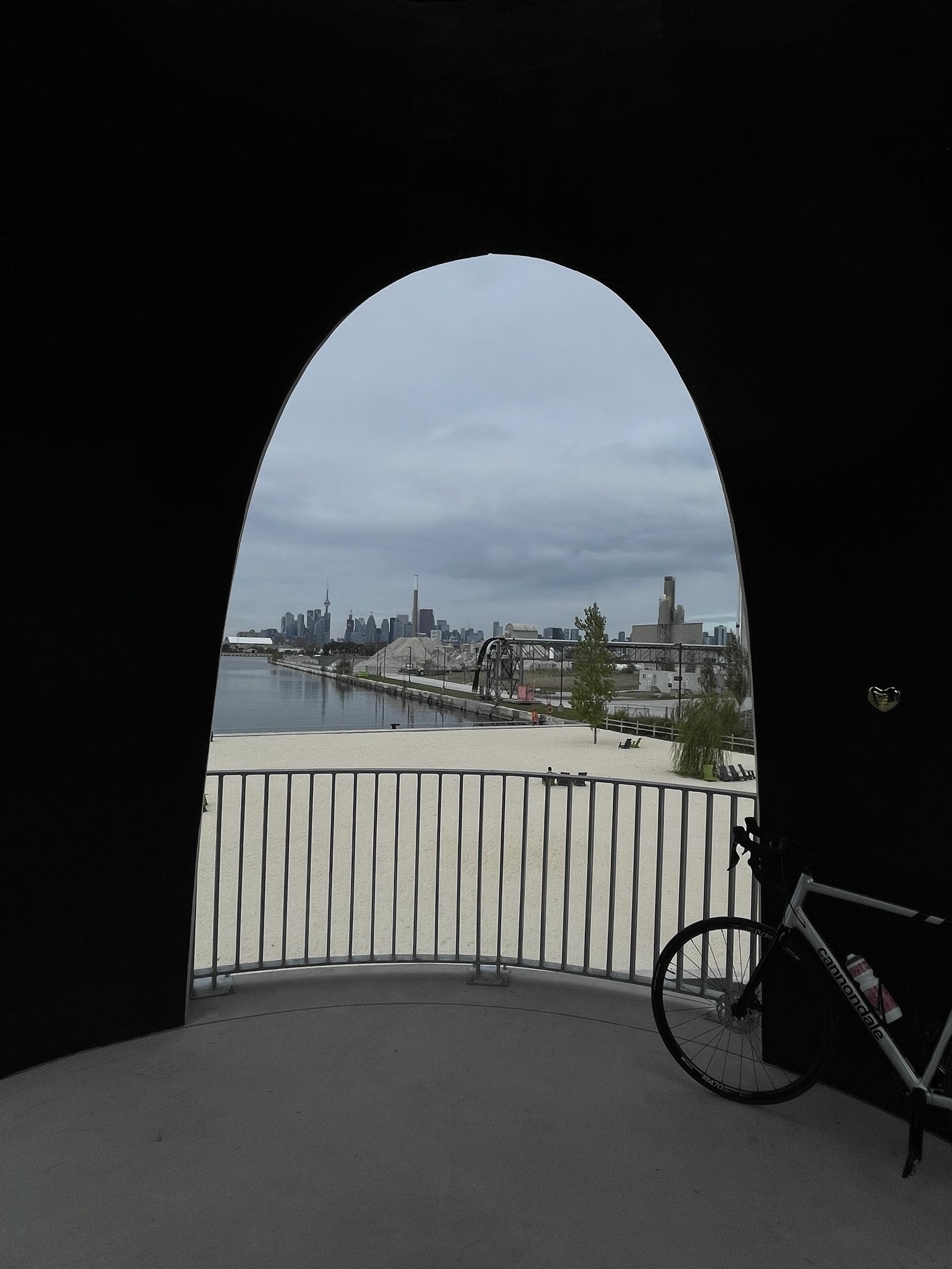
This morning I rode out to Toronto’s new Leslie Lookout Park, which opened two weeks ago. I came down Cherry Street, crossing the new north bridge, and then I went all along Commissioners Street, crossing its new bridge.
It’s great to see the Port Lands area continue to develop. Every time I’m down there, it feels more and more real — like an extension of the city. Now we just need to start developing within the blocks.
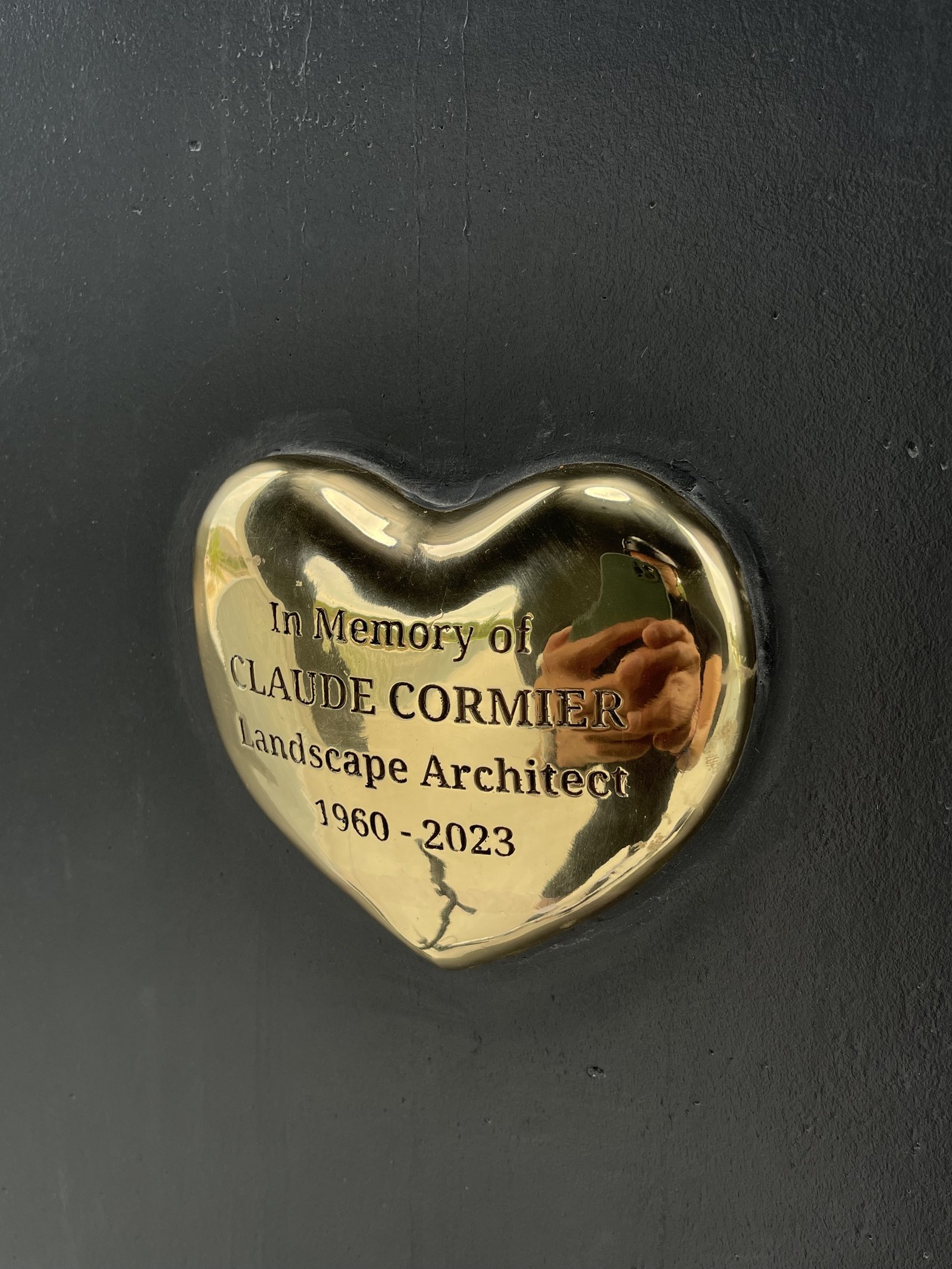
If you find yourself at Leslie Lookout, make sure you locate Claude Cormier’s heart up in the tower. Claude’s firm CCxA was the landscape architect behind the project; but sadly, he passed away last year.
Many years ago I was in a community meeting talking about a proposal we had to add retail uses adjacent to a park. Residential was the highest and best use, but we were excited by what retail could do for the project and area. We were imagining something like a Parisian cafe where everyone would sit facing outward toward the park.
Much to our surprise, the community was vehemently opposed. And when we eventually asked who had been to Europe and sat outside in a nice cafe, the response we generally got was, “yeah, we have, and it’s obviously nice there, when on vacation. But that’s Europe. It won’t work here and it’s not appropriate for the area.”
Hmm. This raises all sorts of interesting questions. But for today, let’s ask this one here: Why is it that some people choose to live in places that are so different than the ones they visit when on vacation?
Is it because we, as humans, want fundamentally different experiences when we travel? i.e. We want to escape from our current reality. “Oh look how novel this is.” In this case, I guess you could say that our markets are fairly efficient and people are getting the kind of lifestyles that they truly want, both at home and abroad.
Or, is it because, for a variety of reasons, we’ve created rules and obstacles that force certain built form outcomes? We think the other ways won’t work. I often find myself in this latter camp, meaning that when I travel, I at some point end up thinking: “This is a good idea. I want to both move here immediately, and steal this idea and bring it back to Toronto.”
Every year my friends at Urban Capital publish an annual magazine called Site. And every year it contains some great articles about the real estate development industry across Canada. (Some of you may also remember that I’ve written a few articles for it in previous years.)
Well this year’s issue is out and there are a few featured articles that I’d like to draw your attention to:
What happens when 175 (mostly) women get together to design a condominium?Link
Why have Toronto condos become so %@$#$! expensive?Link
This last one is a topic that we have talked about many times before on the blog. But here, UC has provided a quantitative comparison between a project they did in 2005 and a project that they’re doing today in 2020. Here’s what they found:
Average condo prices in the City of Toronto are up about 150%. But…
Land costs are up 160%.
Soft costs are up 118%.
Construction and related costs are up 91%.
Financing costs are up 93%.
Government fees, charges, and taxes are up 413%.
And development charges (a subset of the above) are up 3,244%!
At the same time, the profit margin over costs is down about 45%.
(As a point of comparison, CPI only increased by about 26.5% during this same time period.)
The point here is that condos are so %@$#$! expensive largely because of cost-plus pricing. Government fee increases are also outpacing every other cost bucket.
If you’re developing new housing in Toronto, you have no choice but to accept these rising costs. You have to pay development charges and you have to pay them when you’re told, even if that means swallowing some new massive increase.
So by necessity, end prices get continually pushed as a way to try and absorb these costs. You figure out what your costs are going to be and then you price accordingly. But of course, you also have to ask yourself: Can people actually afford this kind of pricing and can this neighborhood support it?
Sometimes the answer is yes, which is why development continues. But sometimes the answer is no. In this case, the next step is simple: you don’t build.
One June 13, 2016 from 6:30 to 9:00 pm, the City of Toronto will be hosting a community consultation meeting for the proposed redevelopment of Honest Ed’s / Mirvish Village.
The meeting will be held at the Bickford Centre Auditorium at 777 Bloor Street West (across from Christie Pits Park).
The purpose of the meeting is to present Westbank’s revised development proposal, which was submitted to the city last month. Their first proposal was submitted last summer (July 2015).
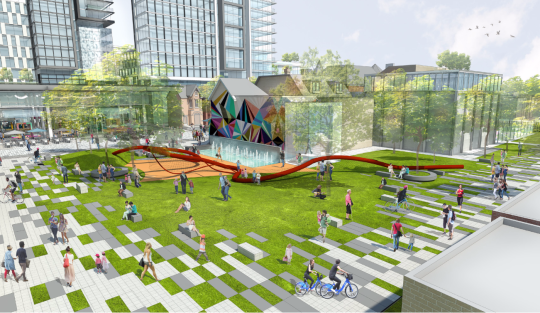
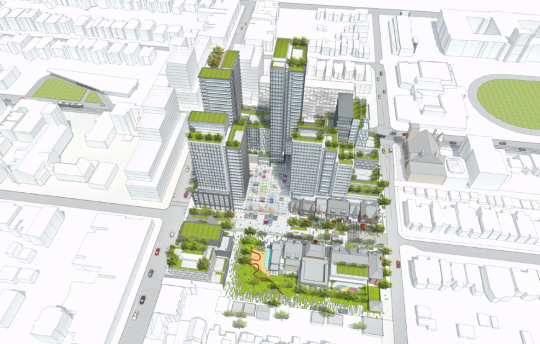
Some of the key changes include a new on-site public park, the retention of additional heritage buildings (now 21 in total), more pedestrian porosity, and the retention of Honest Ed’s alley in its current location.
I consider Westbank to be one of the most thoughtful developers in the city and so I’m pretty excited to see this one evolve. I’m planning to attend the community meeting and maybe I’ll see you there.
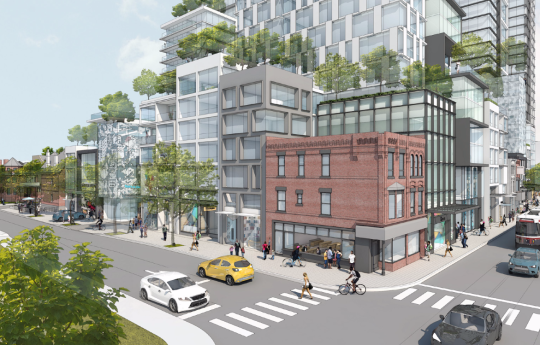
Below are a couple of other renderings to give you a taste.
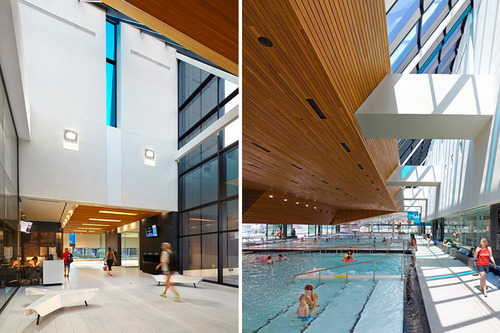
Yesterday morning I went for a swim at the new Regent Park Aquatic Centre. I used to swim regularly when I was in grad school in the US, but it fell off when I moved back to Toronto and there wasn’t a convenient place for me to walk to. Having to drive to a gym or to a pool can really cut hurt how often you’re able to go.
In any case, the pool was fantastic. On the west side of it are glass sliding doors that face the park. And since yesterday was such a beautiful day, they were all open while everyone was swimming lanes. The wooden ceiling also gives the space a nice, warm feel.
The biggest surprise for me though was the universal change rooms. I had never been in a co-ed change room before – or one that was completely open and visible to the pool (there are small private rooms so you can actually change). For families, it makes a lot of sense. Everyone can go in together and it’s easy to watch your kids in the pool from within the change room.
After my swim, I rode my bike around Regent Park and tweeted this out:
What’s happening in Regent Park is incredibly exciting. To me, it feels like a return to the fundamentals of city building. They’ve reconnected the old street grid – which had previously been removed to create the old “towers in a park” scheme – and they’re clearly working towards a proper urban neighborhood with retail at grade and buildings pushed right up against the street.
A big measure of success, though, will be how animated the streets become and how well the retail does. Because all of that isn’t quite there yet. But we’re on our way. And already I feel like we’re about to forget what the old Regent Park used to be like. Toronto may have lived with that neighborhood for over 60 years, but future generations will barely know it existed.