
Daily insights for city builders, delivered every morning at 6 AM ET. I’m Brandon Donnelly — a Toronto-based real estate developer and founder of Globizen. I’ve been writing here since 2013.

Tag: pedestrian-only street

  • The immediate returns of a car-free Oxford Street

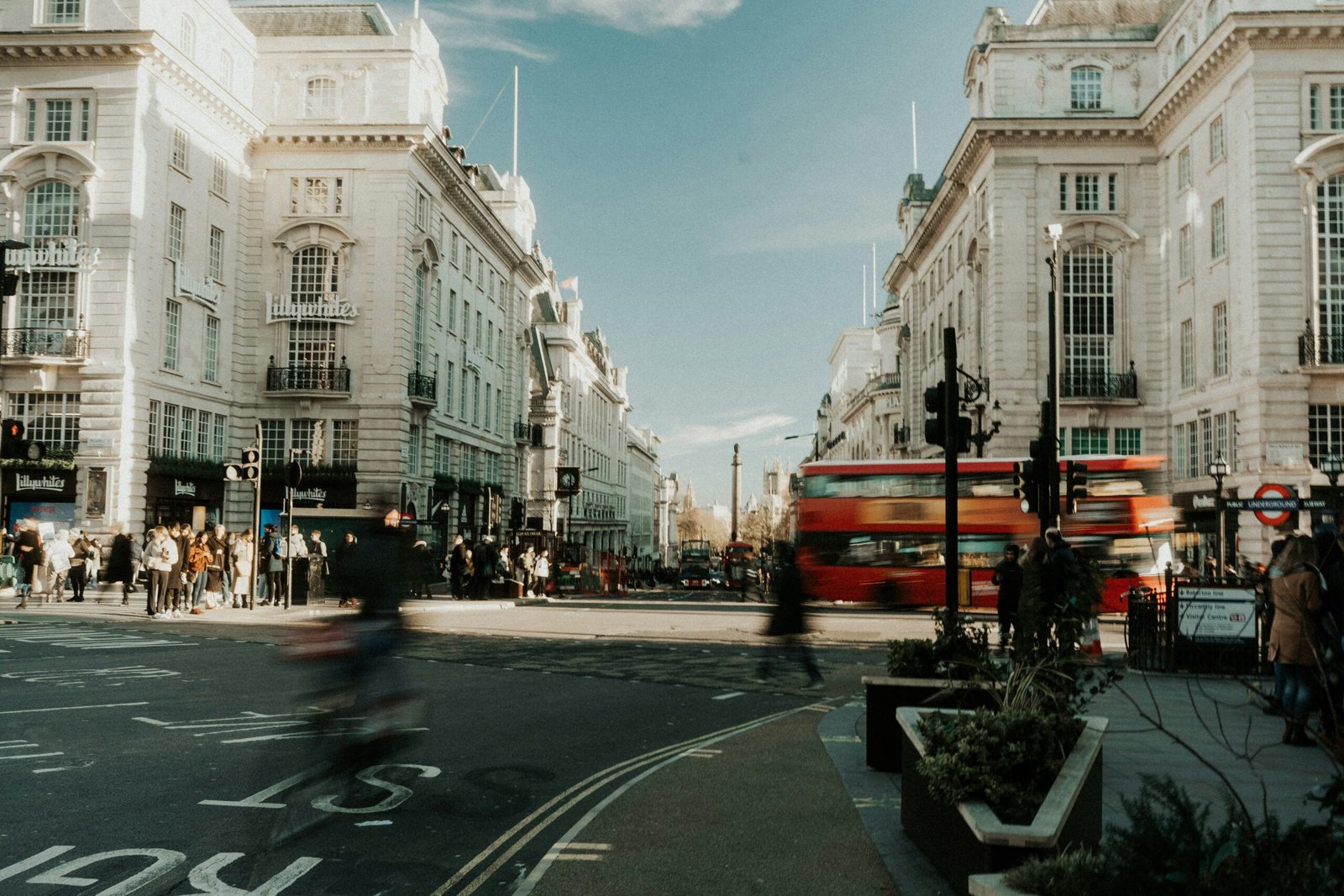
    It’s only been about two weeks since London pedestrianized Oxford Street. While it’s certainly possible that more people are visiting the street purely because of its novelty, the initial reports are positive.

    In the first six days after it was pedestrianized, the broader West End area saw a 13% increase in transactions on Barclays debit and credit cards.

    What’s more, separate figures published by payments company Adyen show that in-store transactions across 40 different businesses on Oxford Street increased by 19% both week-over-week and year-over-year.

    While the datasets remain limited, all of this is promising and, in my view, expected. Oxford Street is coming off a difficult decade, during which vacancies rose to 13.7% in 2022 and average retail rents declined from £1,100 per square foot in 2016 to £600 during the pandemic.

    London is aiming, as it should, to compete with Fifth Avenue and the Champs-Élysées with this £150 million investment. This is an effective way to do that.


    Photo by Bryan Brittos on Unsplash
  • La Rambla

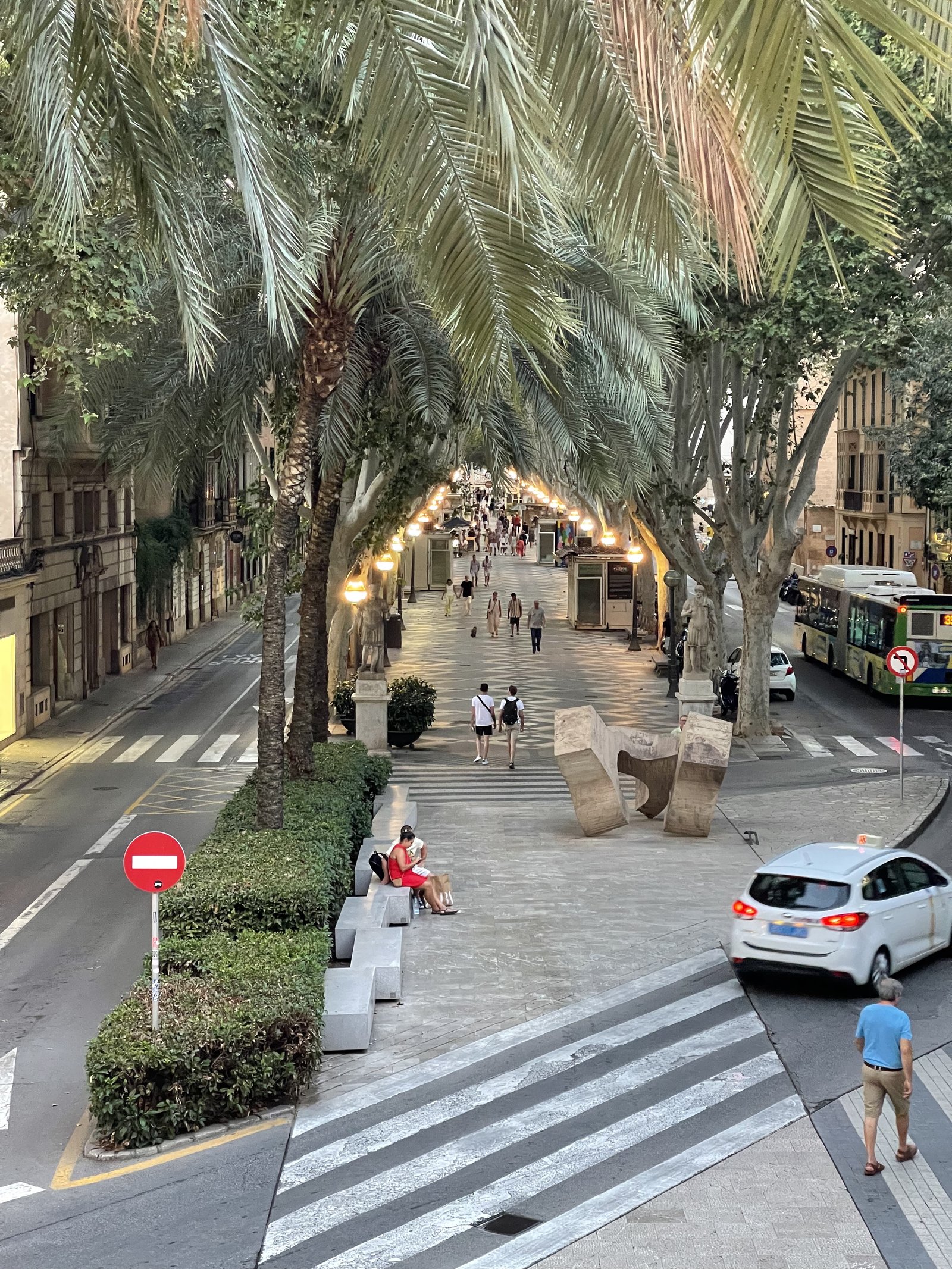
    It’s hard to think of Barcelona and not think of its famed street, La Rambla. But this same street design (and name) also appears in other cities throughout Spain. The above two streets are in Palma. The first is also called La Rambla (which is supposedly derived from an old Arabic word meaning sandy riverbed) and the second is called the Paseo del Borne. Both follow the exact same urban design principles. They’re broad tree-lined streets with a large center median dedicated to only pedestrians. All car traffic is relegated to the sides. What’s great about this design is the following. One, it reallocates public space according to who uses it the most (i.e. pedestrians). Two, it consolidates the main pedestrian realm (in lieu of just having larger sidewalks on either side of the street). And three, it establishes a clear hierarchy for the street. Pedestrians are most important here, and that’s why they get the center position. It’s surprising that more cities don’t adopt this same design.