
Daily insights for city builders, delivered every morning at 6 AM ET. I’m Brandon Donnelly — a Toronto-based real estate developer and founder of Globizen. I’ve been writing here since 2013.

Tag: oxford street

  • The immediate returns of a car-free Oxford Street

    It’s only been about two weeks since London pedestrianized Oxford Street. While it’s certainly possible that more people are visiting the street purely because of its novelty, the initial reports are positive.

    In the first six days after it was pedestrianized, the broader West End area saw a 13% increase in transactions on Barclays debit and credit cards.

    What’s more, separate figures published by payments company Adyen show that in-store transactions across 40 different businesses on Oxford Street increased by 19% both week-over-week and year-over-year.

    While the datasets remain limited, all of this is promising and, in my view, expected. Oxford Street is coming off a difficult decade, during which vacancies rose to 13.7% in 2022 and average retail rents declined from £1,100 per square foot in 2016 to £600 during the pandemic.

    London is aiming, as it should, to compete with Fifth Avenue and the Champs-Élysées with this £150 million investment. This is an effective way to do that.


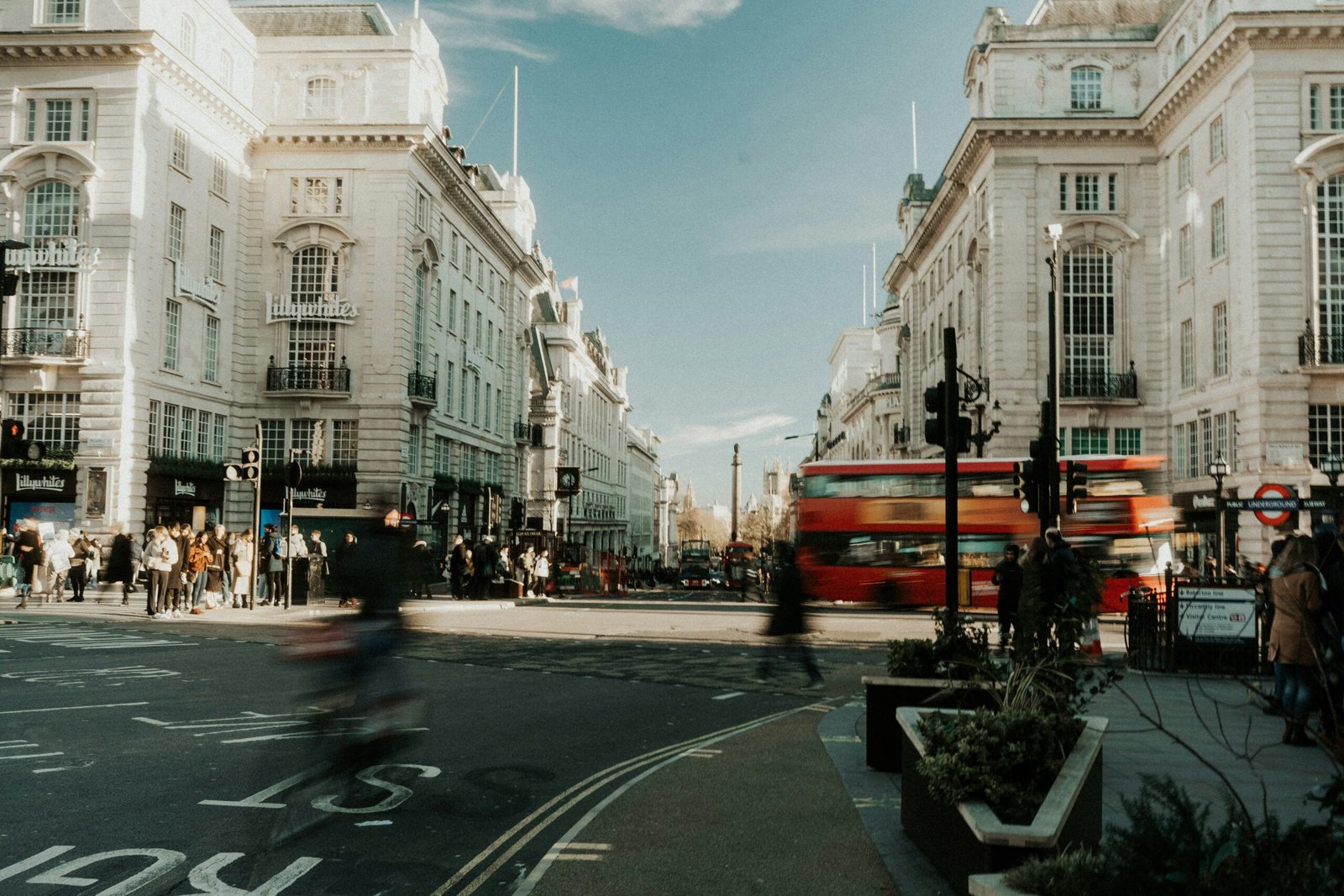
    Photo by Bryan Brittos on Unsplash

  • London pedestrianized Oxford Street

    London did it: they pedestrianized Oxford Street. The section between Orchard Street and Great Portland Street is now closed to all traffic, including buses, cars, taxis, bikes, and scooters. And already, it looks like this. (For reference, here’s the post I wrote at the beginning of the year when London first approved the plans.)

    Pedestrianization is a much-debated topic in urbanist circles. Toronto has, for instance, very few pedestrian-only streets and has debated pedestrianizing Kensington Market for as long as I can remember. But with London and Oxford, the street was widely acknowledged to be in decline and that created the political consensus to do something.

    I can’t wait to see the data once it becomes available, but even before then, here is my prediction.

    Pedestrianizing Oxford will prove to be an economic and urban success for the city. Other cities will then look to London and say “See, we can do that too!” But the critics will respond with “Yeah, but we’re not Oxford Street in London. We simply don’t have the infrastructure. Where will people park? The businesses will suffer!”

    And they will be right, though not for the reasons they think: Not every city is willing to be bold.