Daily insights for city builders, delivered every morning at 6 AM ET. I’m Brandon Donnelly — a Toronto-based real estate developer and founder of Globizen. I’ve been writing here since 2013.

Tag: office vacancy

  • Inside the post-pandemic AI investment boom reshaping San Francisco

    San Francisco’s Q2 2026 economic report is perhaps an idealized summary of how the post-pandemic, AI investment boom is transforming our cities.

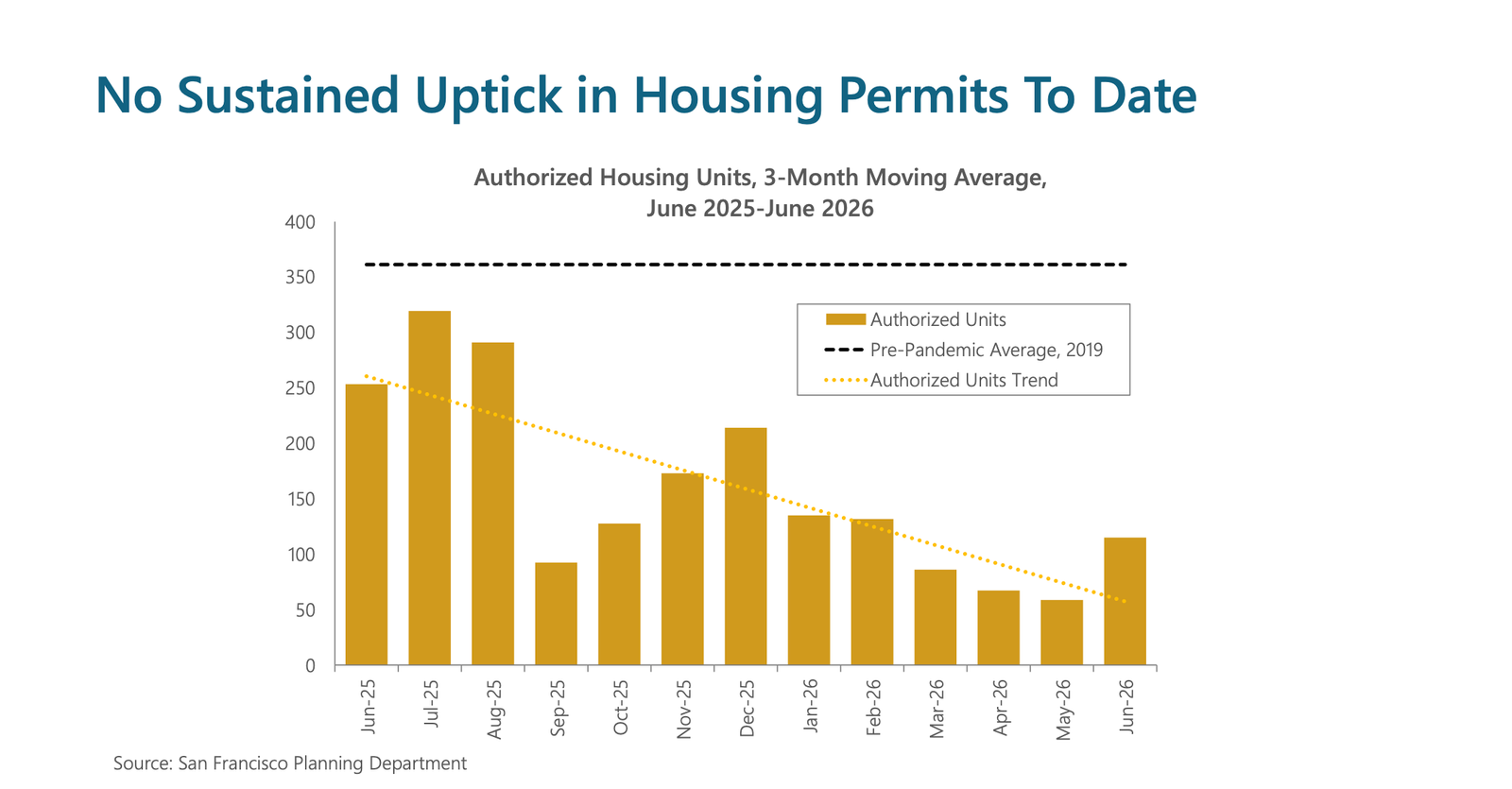
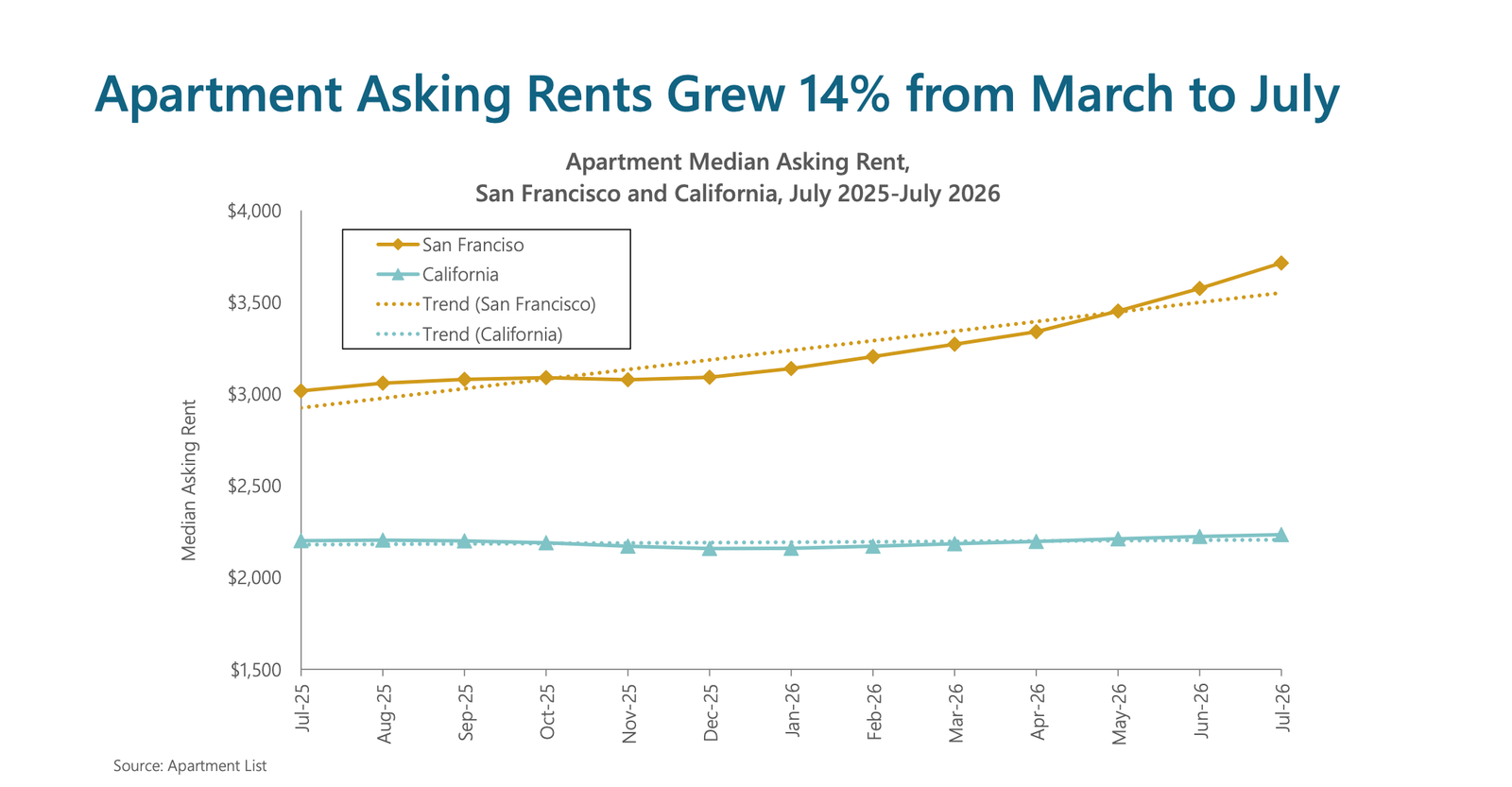
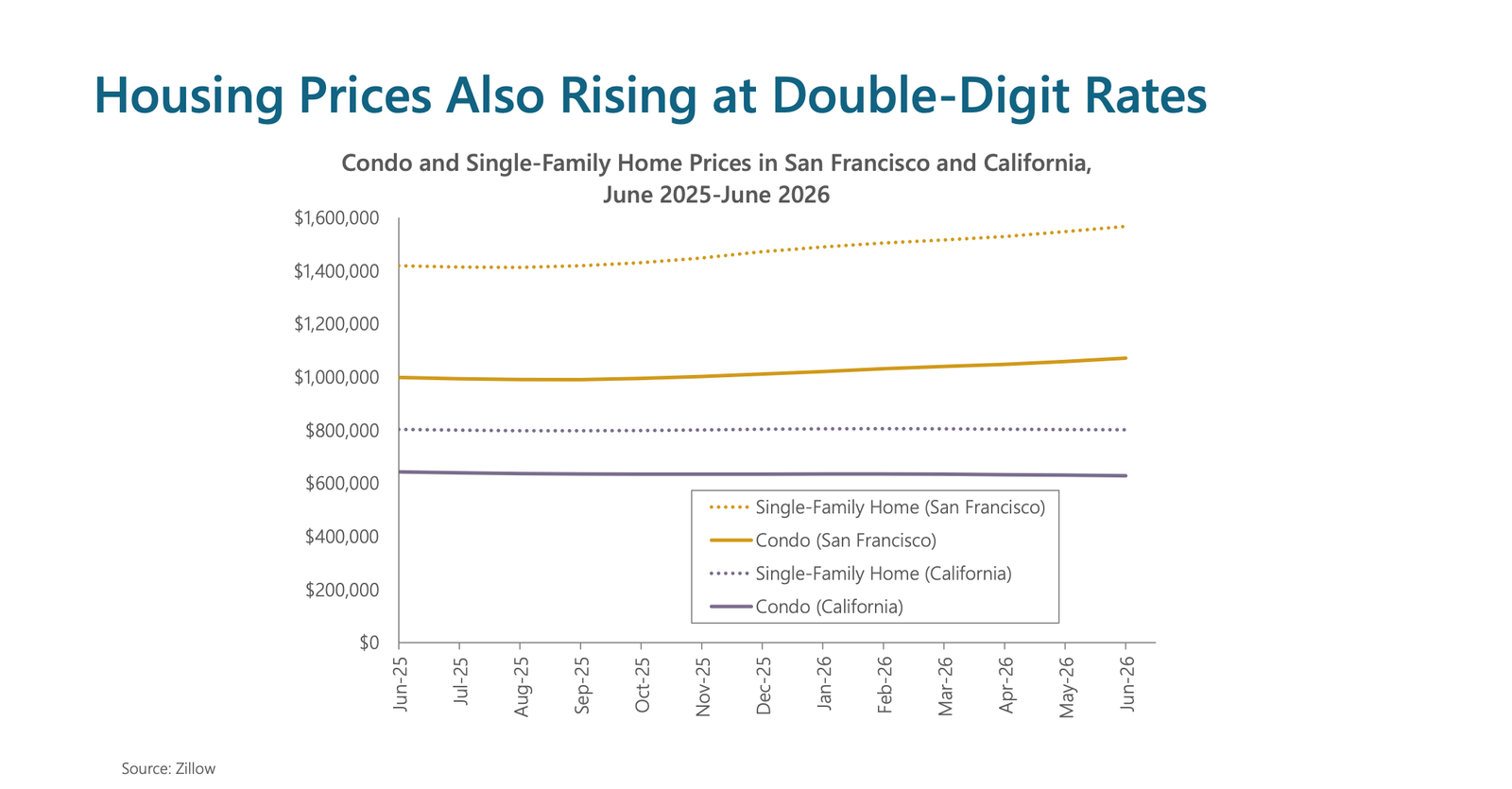
    Housing Supply Crisis: Residential apartment rents grew 14% from March to July, and single-family house prices are now growing at double-digit annual rates. And yet, the city continues to see a structural decline in housing permits, below pre-pandemic levels.
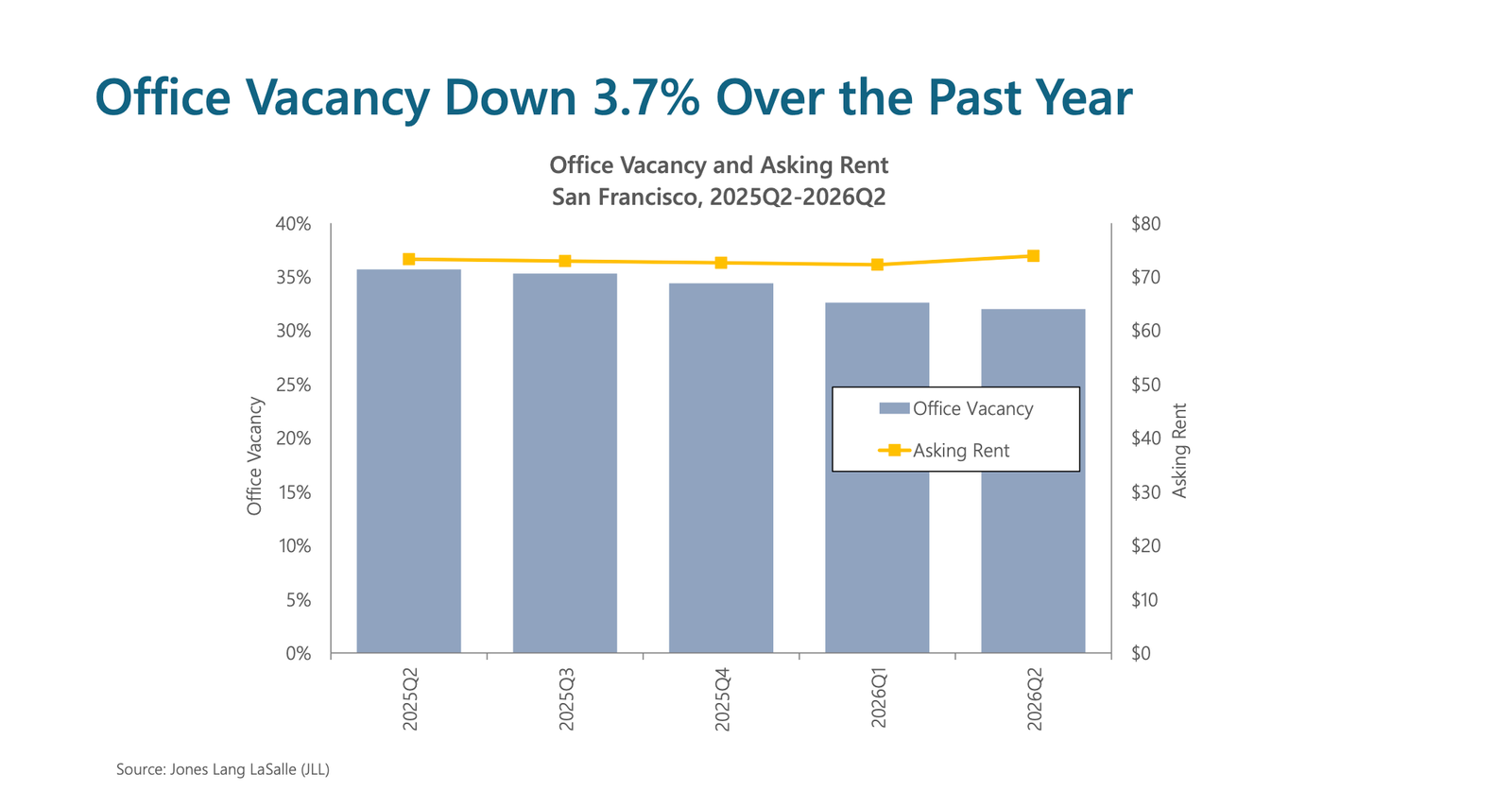
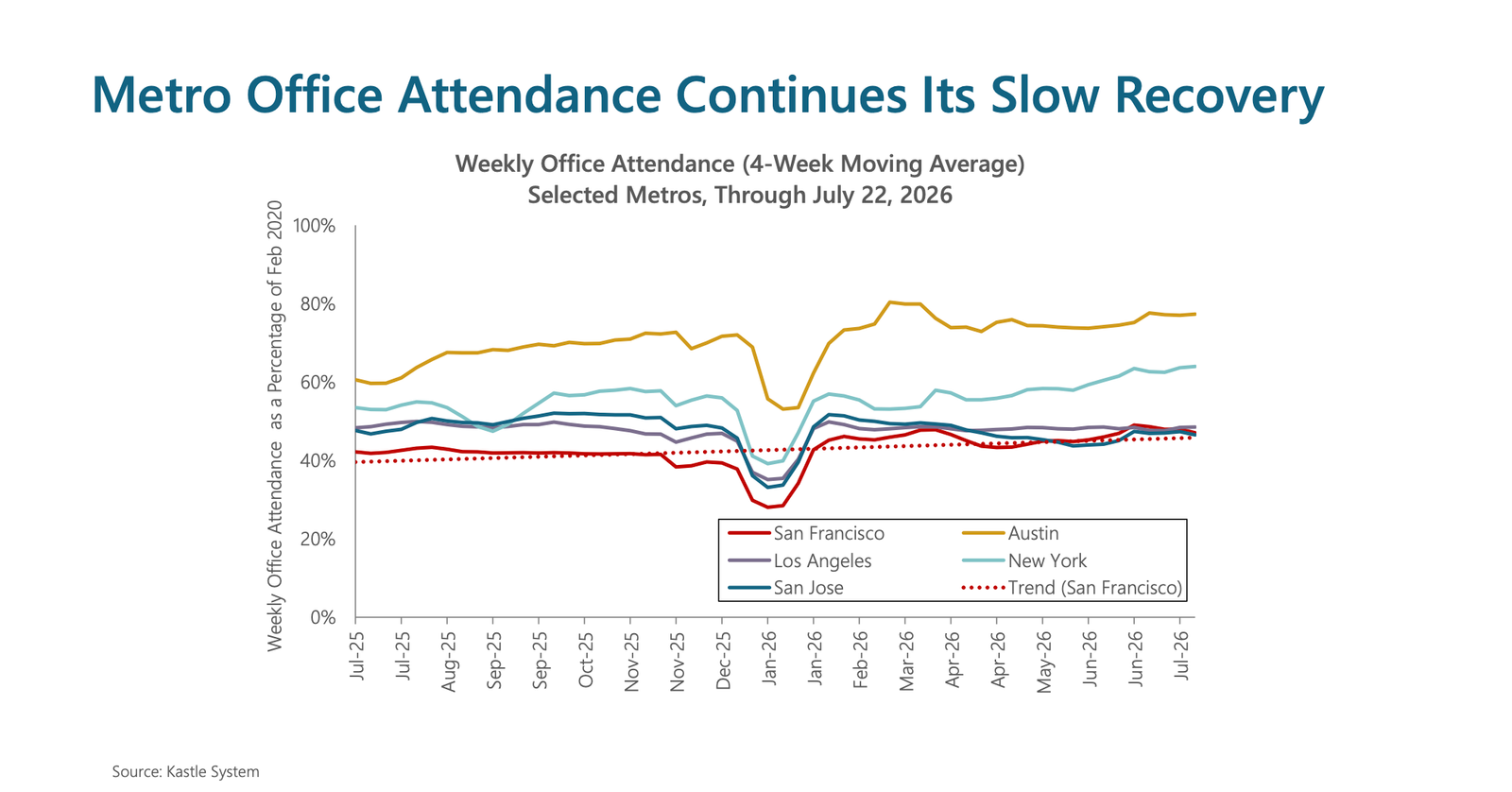
    Segmented Commercial Market: The city’s office vacancy rate declined 3.7% over the past year, but the overall vacancy rate is still greater than 30%. Weekly office attendance also remains below 50% of pre-pandemic levels.
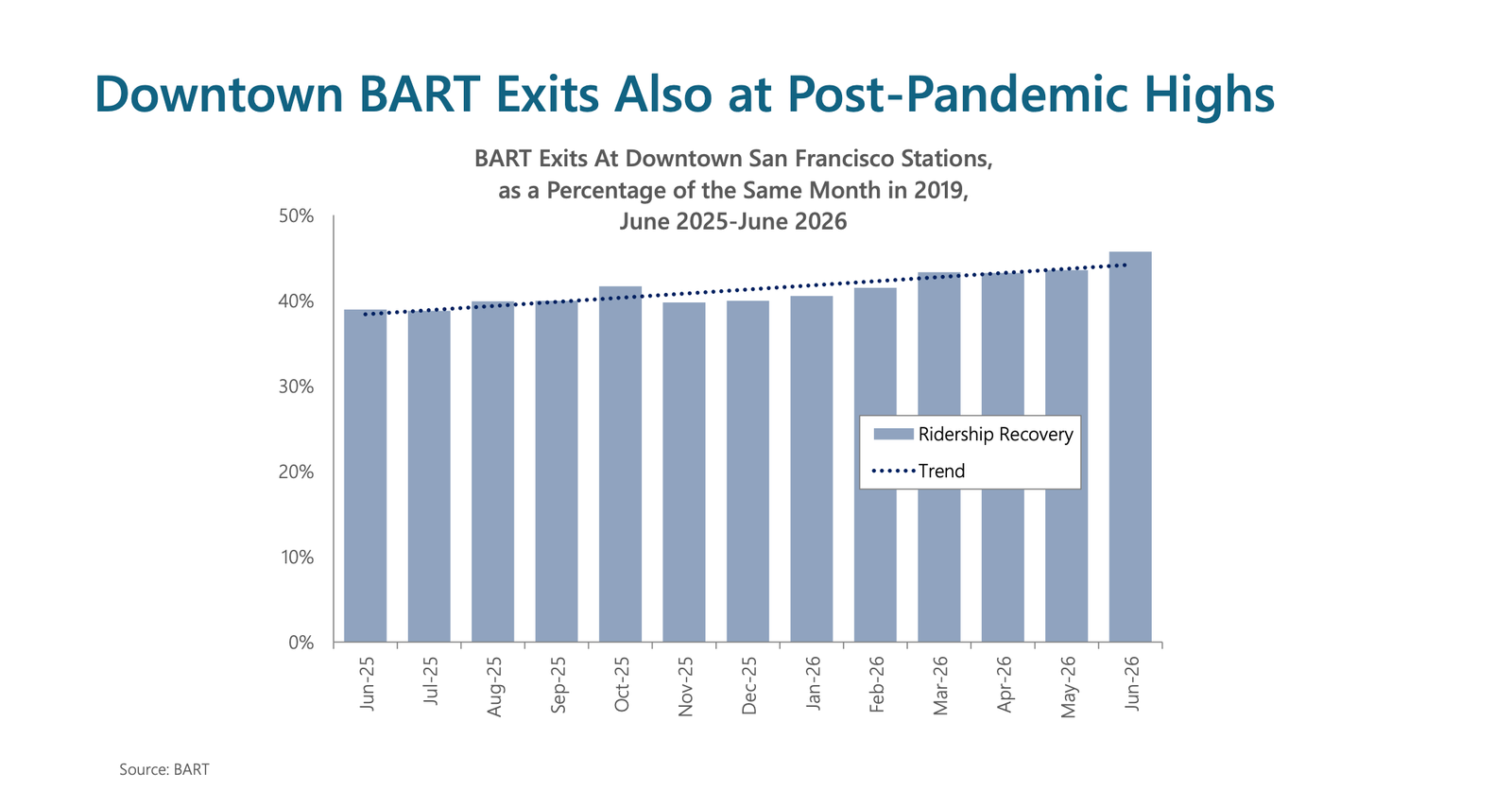
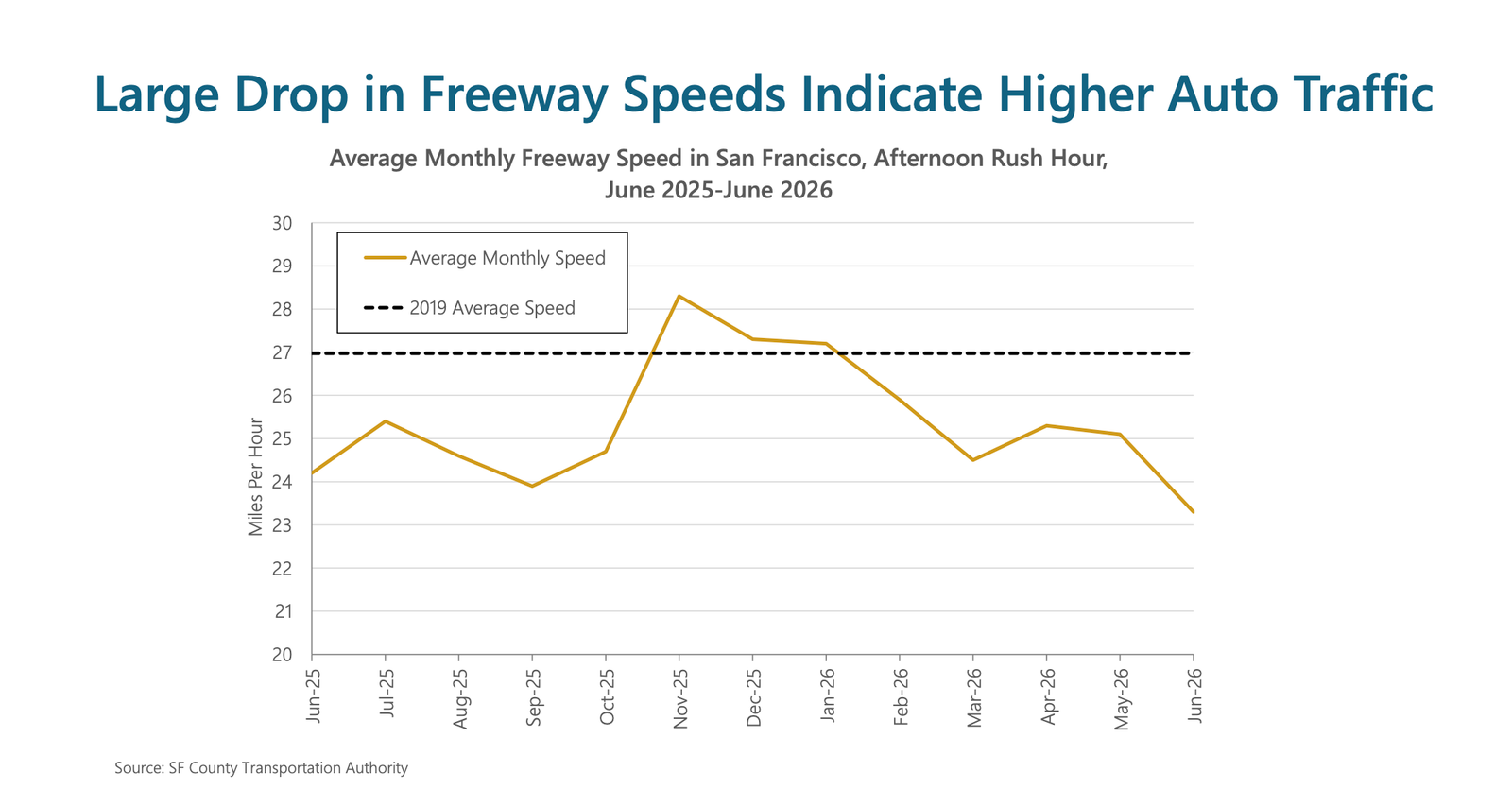
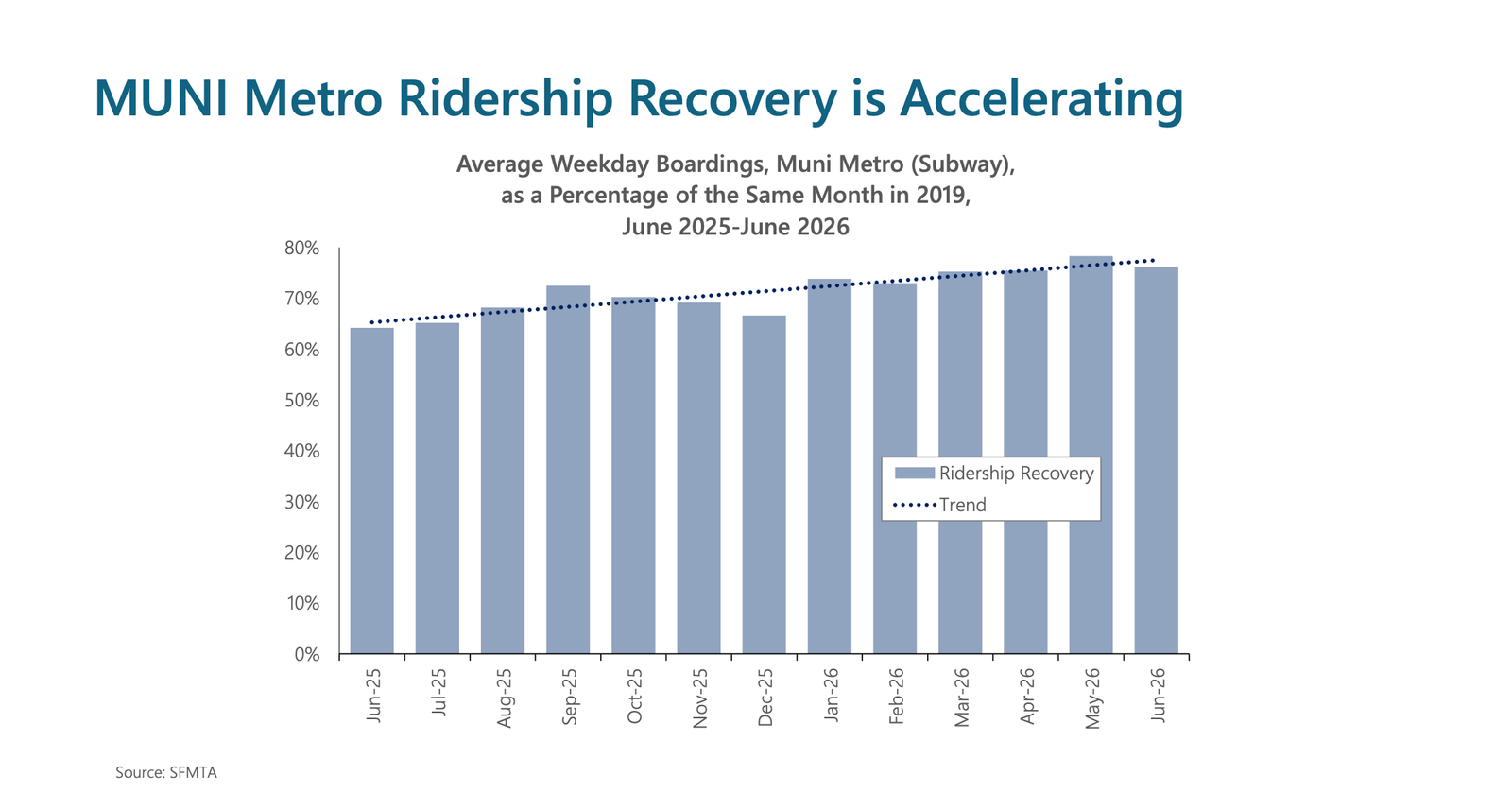
    Urban Rebound: Average highway speeds are dropping, suggesting more user demand. MUNI Metro (local) ridership is also increasing rapidly, reaching over 70% of pre-pandemic levels. But downtown BART station exits (regional rail) are below 50% of 2019 levels, reinforcing the fact that though the city is active, but people simply aren’t commuting in nearly the same way.
    Ultimately, the surge in housing prices proves that the “urban doom loop” narrative was fundamentally wrong (remember that?). San Francisco remains an intensely desirable place to live and work. But they’ve got to get moving on building more housing.

  • European office vacancy rates: La Défense vs. the Paris-CBD

    The first thing that stands out to me in this European office vacancy rate chart from Savills is the difference between Paris-La Défense (~15%) and Paris-CBD (2%).

    For those of you who maybe aren’t familiar, La Défense is the largest purpose-built business district in Europe. It houses upwards of 40 million square feet of office space and covers about 1,400 acres. It’s also more or less where Paris decided to allow and put tall buildings. Though, it is about 3 km west of the city limits.

    The Paris-CBD, on the other hand, is within the city limits and I’m assuming it refers to the quartier central des affaires (QCA). But regardless of the exact boundary definitions, what we are comparing here is a purpose-built business district to an older supply-constrained central one. And clearly there are, right now, meaningful differences in demand for the offices in these two areas.

    What’s also interesting is that there’s a meaningful difference in the rents. According to Reuters, office space in La Défense is on average about 50% cheaper than the QCA. This, to me, is a reminder that monofunctional urban areas tend to be less resilient over time. And that’s why La Défense is actively working to add additional uses, such as more residential.

    But it’s not just about uses. The area will also need to contend with the fact that it has a vastly different kind of built form; one that isn’t fine-grained and walkable like the QCA. This matters.