






Camera: Fujifilm X-T3 (23mm lens)
Daily insights for city builders, delivered every morning at 6 AM ET. I’m Brandon Donnelly — a Toronto-based real estate developer and founder of Globizen. I’ve been writing here since 2013.
Camera: Fujifilm X-T3 (23mm lens)
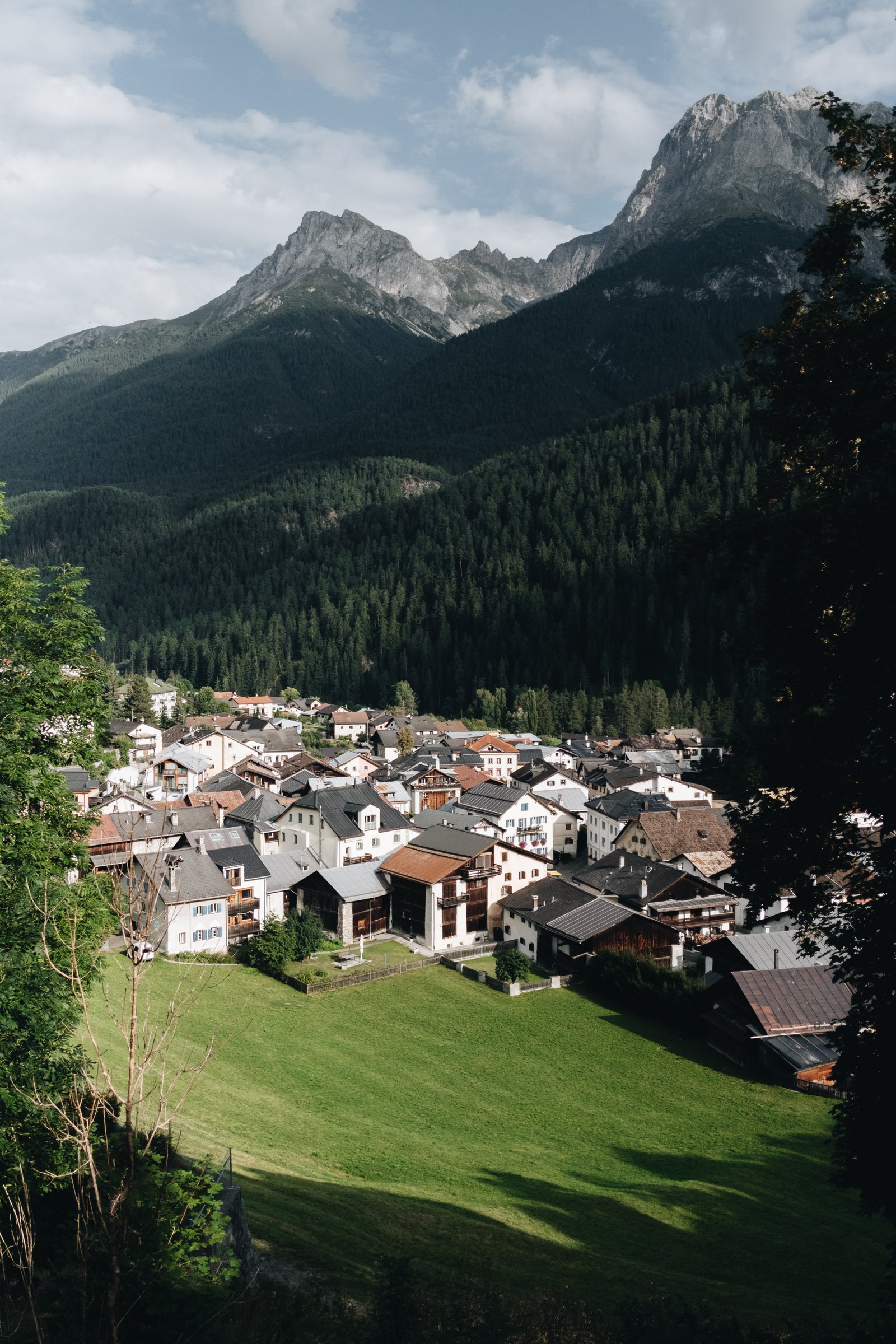
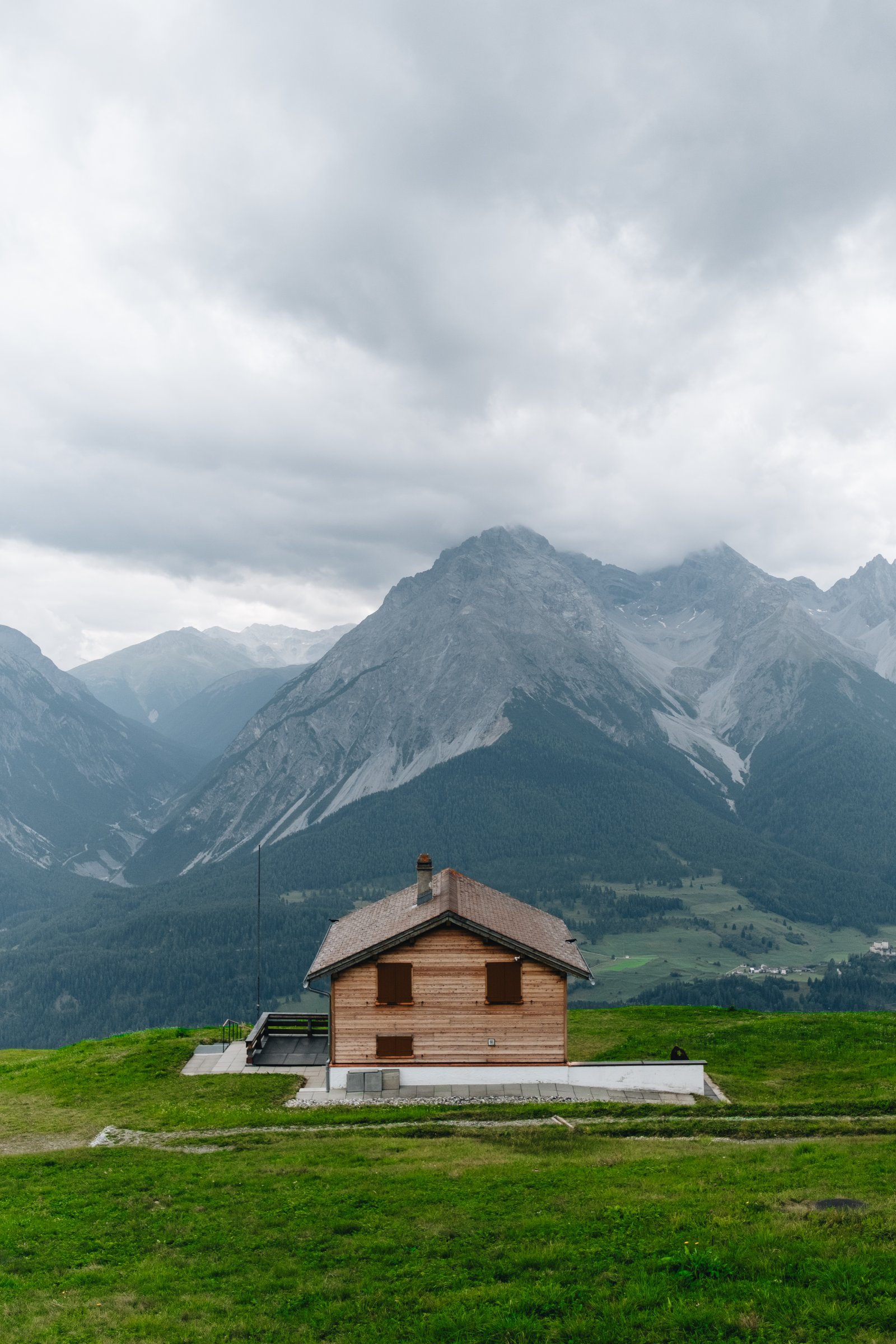
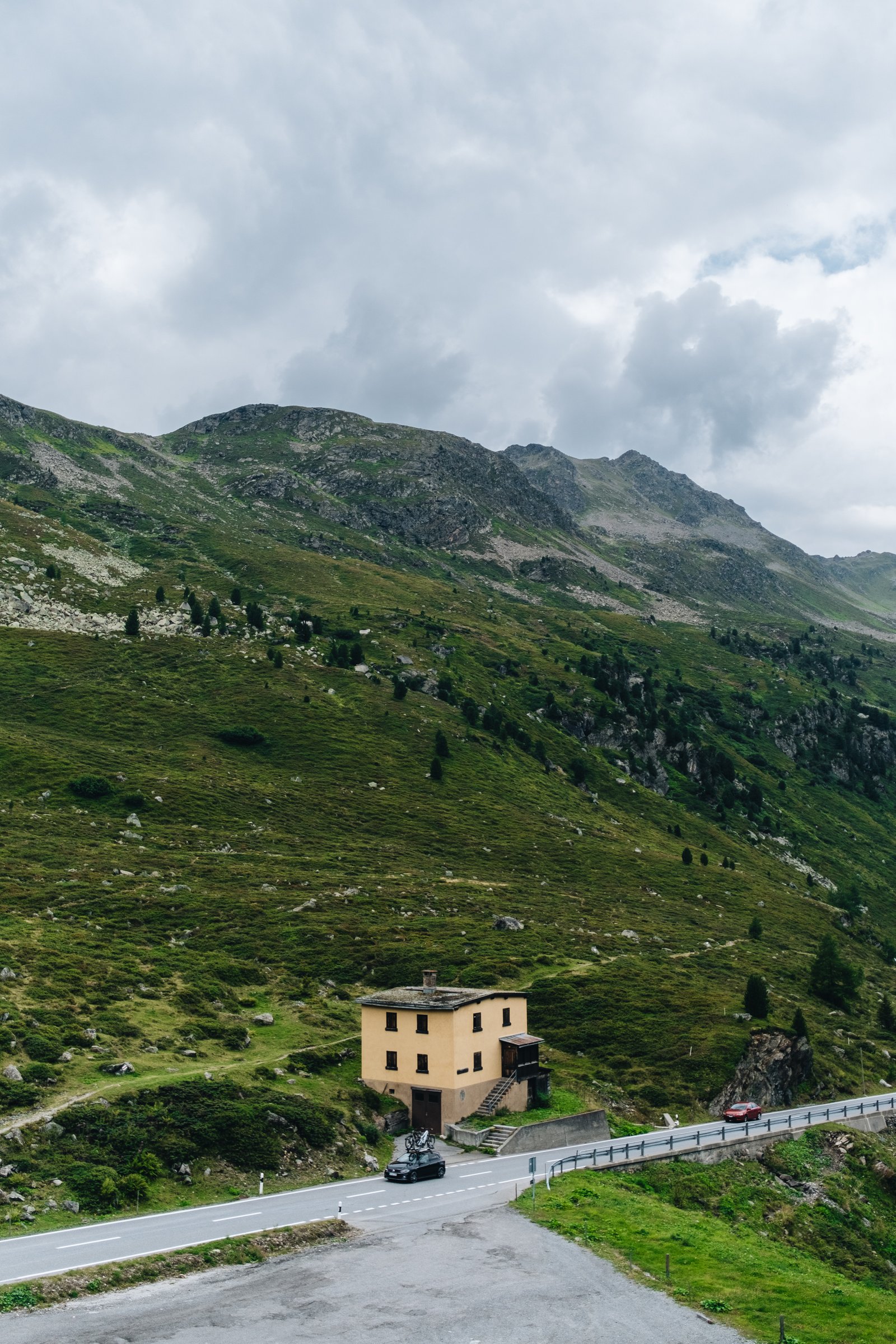
We spent the last few days in Scuol, Switzerland. Scuol is a small mountain town with under 5,000 people (2018 figure) near the eastern border of the country. The town first achieved notoriety in the 1860s because of the various naturally-occurring mineral waters that can be found in the area. They were / are thought to have healing properties, and so a spa tourism destination was created. Skiing and snowboarding were later added to the town’s repertoire.
We tried the water from this fountain — the Lischana source:
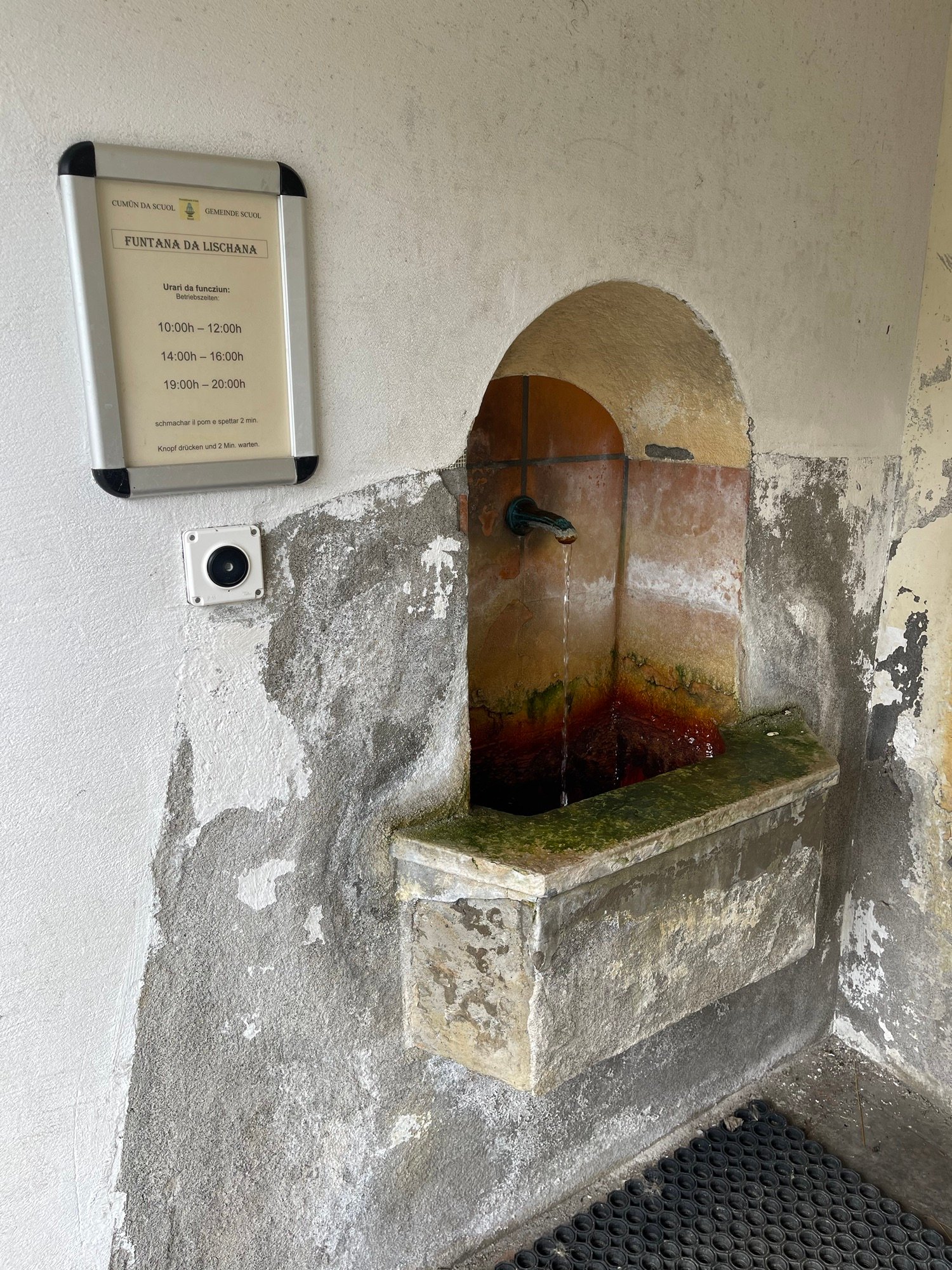
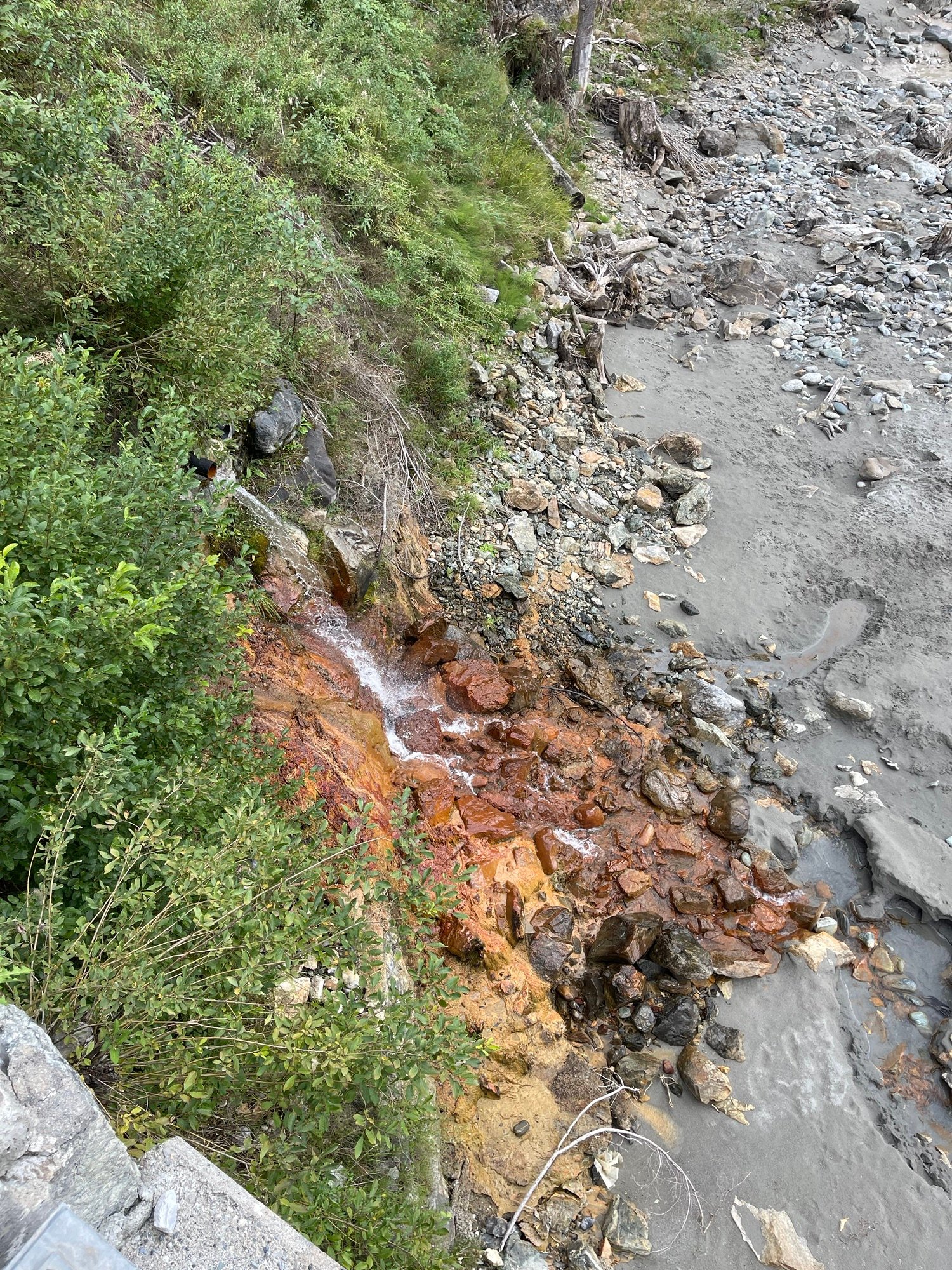
The best way I can describe the taste is to say, imagine water that has had pennies soaking in it for the last 100 years. That’s what it tastes like, which is not good. But it is rich in magnesium and other things, which is why people (especially athletes) seek it out. It comes out clear from the source but if you let it sit in a bottle it will naturally become carbonated and turn brown. That’s why the embankment above has the color that it does.
I had a handful of respectable sips. Hopefully that’s enough to make me strong. A big thank you to Klaus, Peter, and Jaimie for the invite to Scuol!

The building season is short in Park City. There was still snow on our site in May and there was snow again on our site by October. You can certainly build through the winter, but it’s not ideal. It slows you down, and so the team has been racing to get “closed in” before the real winter weather arrives. (Park City Mountain Resort opens for the season on November 17.)
Right now, it looks like we’ll be finished framing by early next week. We have our framing inspection scheduled with Summit County on Wednesday. Here’s a progress shot of level three from last week:

This is the top floor of the house, which will house the kitchen, dining area, living room, terrace (which is where the above photo was taken from), and two bay windows. The far one is going to serve as a seat in the living room, and the closer one (on the right) is going to be a workspace area. In both cases, they’re designed to orient you towards the trees and the mountain.
Overall, this was Mattaforma’s design strategy — to create a kind of introverted house. The windows facing the street are generally small and placed to frame very specific views of the landscape; whereas the windows facing the trees and mountain are generous. The intent was to always connect you with nature as you move throughout the house.
Sadly, PMH won’t be available for rent this winter. But if you’d like to get on the list for next summer and winter, click here.
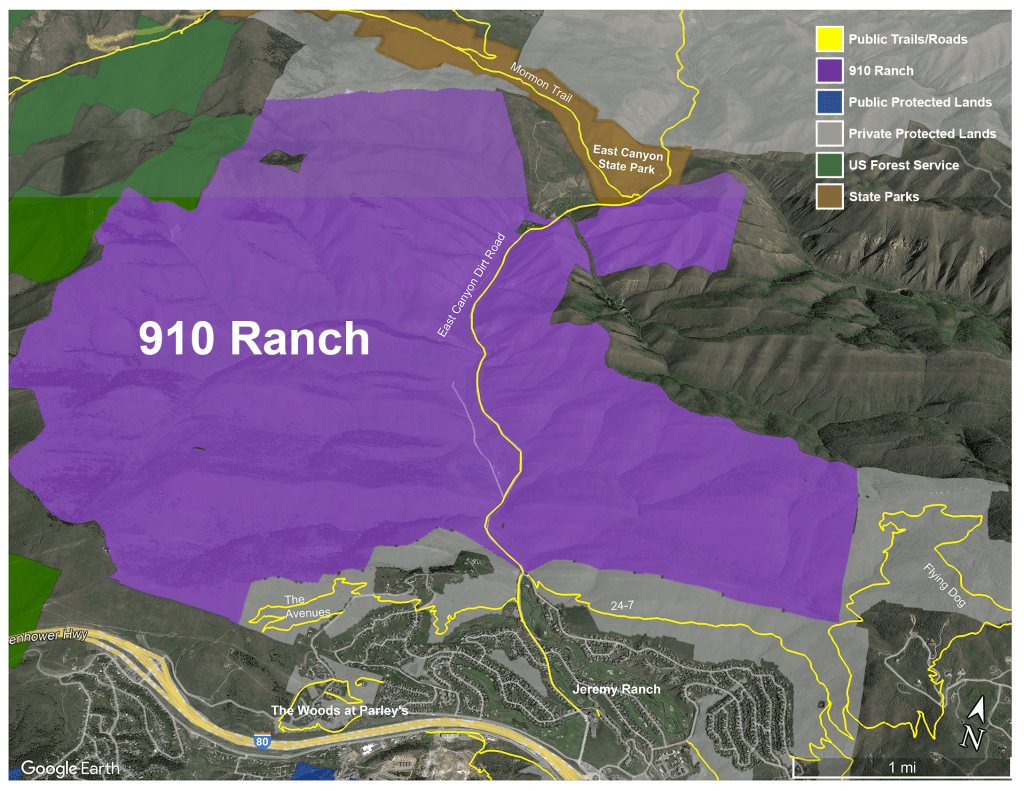
Summit County Council is holding a special meeting this week to vote on the acquisition of an 8,576-acre property next to Jeremy Ranch and around the corner from Parkview Mountain House.
The County Manager has recommended approval of the deal and these are the terms:
– $55 million total purchase price (about $6,413 per acre)
– Structured through a $15 million three-year option to purchase, with a right to extend for another year for an additional $5 million (option fees to be applied toward the purchase price)
– During the option period, the County will have control of the property and pay $5,000 per month in rent
Another way to look at this deal is that Summit County needs to initially come up with $15 million of equity. This is because they are getting seller financing for the remaining $40 million. (Implied loan-to-value of about 73%.)
After 3 years, they will have to put in another $5 million, which lowers the implied LTV to about 64%. But in both cases, and assuming the $5k per month is all the County needs to pay, there’s effectively no interest on this 4-year “financing”. ($60k per year on $40-45 million.)
The purchase price is also only ~$6k per acre, which should tell you that this is not development land. Its value is what you see here:
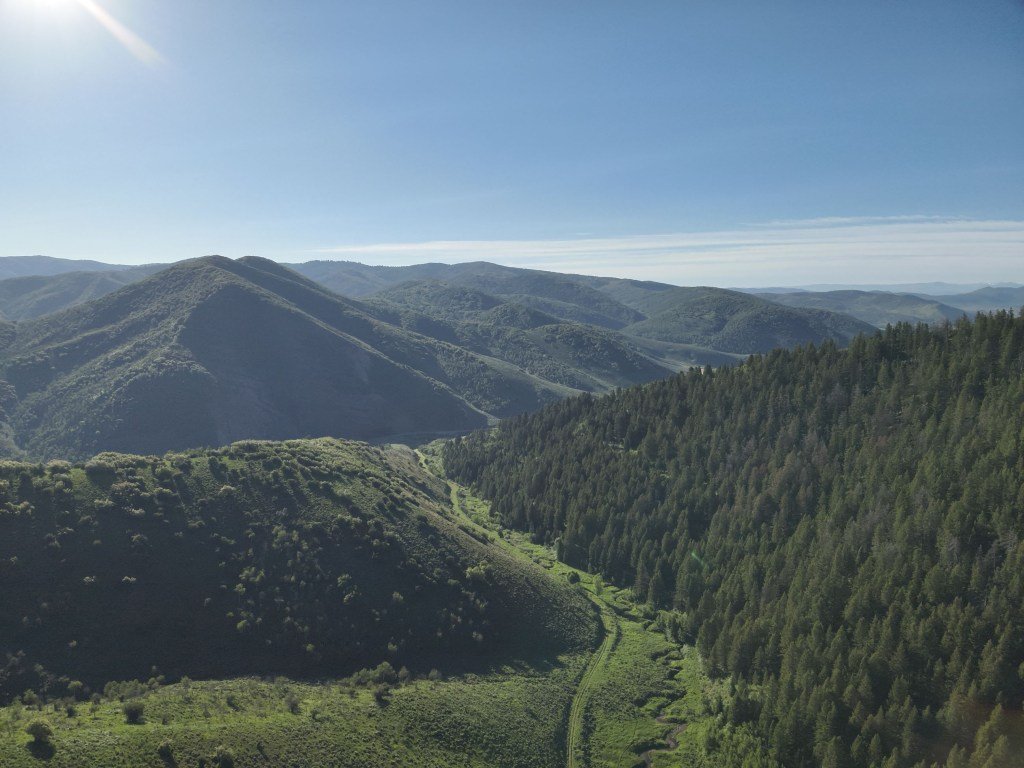
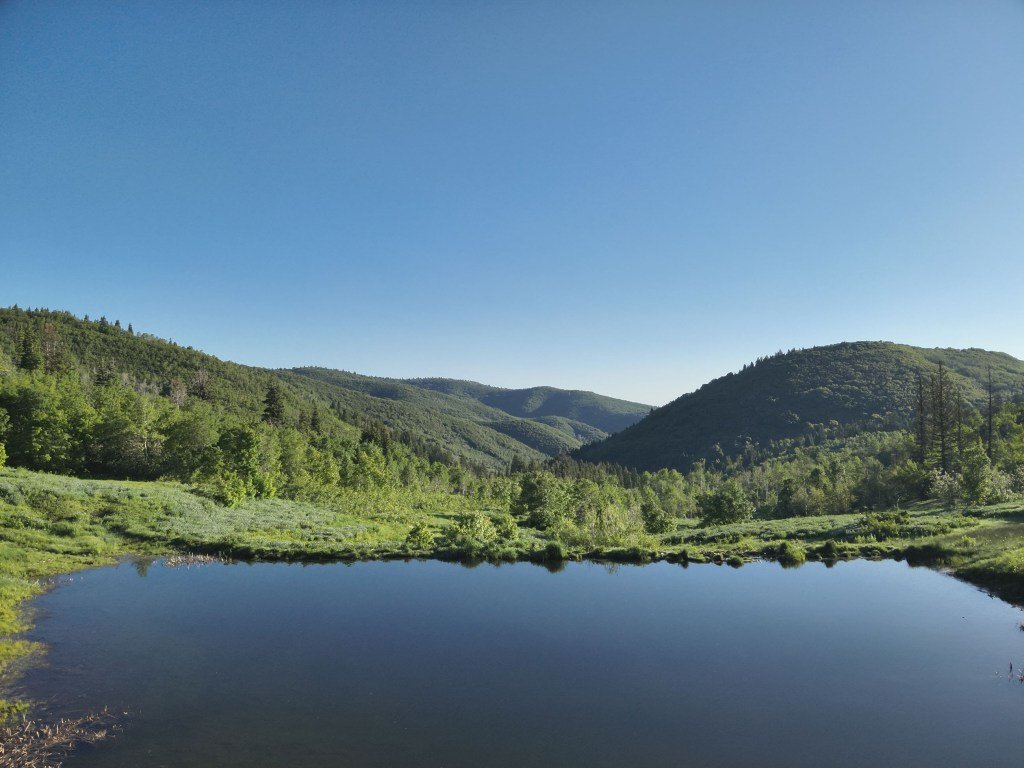
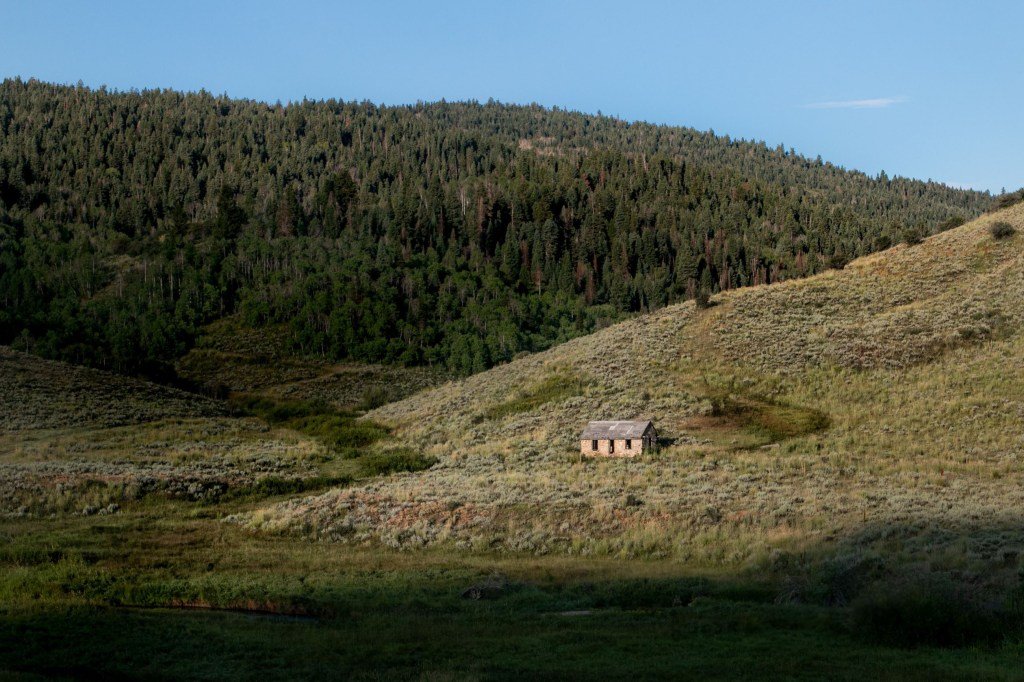
And this is exactly what Summit County intends to do with the land: conserve it. As one of the last contiguous mountain ranches in the area that is privately owned, this sure seems like a win for the community. It’s a pretty good deal, too.
Images: Summit County, Utah


I am in Park City for the weekend because we just started site works for Parkview Mountain House (PMH).
When you’re building in the mountains, there are generally two types of sites: sites that are uphill from the road and sites that are downhill from the road.
The latter is significantly harder to build on because you have to first create access to the lot, which means bringing in soil and creating a ramp. You may also end up craning in materials.
Thankfully, our site is on the uphill side. You bring in an excavator, dig into the mountain, and then you have a flat workable site.
That’s what we’re doing on site right now and it’s what you’re seeing above — a big hole in the side of a mountain. And it’s pretty exciting.
Photos: Isaac Silvera
As many of you know, I am working on a new build in Park City, Utah. One of the things that I have had to get up to speed on are earth retention systems. Building in the mountains is challenging. Here are a couple of photos from this morning of a new single-family home under construction near the lot that I am working on.


It looks to be a combination of cast-in-place concrete and precast blocks (right side). We are looking at a similar strategy. To give you a sense of the magnitude, some of the concrete blocks we are looking at are 1,800 lbs each. As is the case with many construction projects, a lot of the costs here end up going towards things that most people won’t ever see or think about.
I’ve never been to Whitefish, Montana, but it is on my list (mostly to try out the snowboarding). I have also been following a home in Whitefish that was designed and built by Alex Strohl and Andrea Dabene called the Nooq. I like to periodically dream about living in the mountains and this home is the sort of thing that usually comes to mind.
Take a look at the home’s Instagram page and you’ll see that every detail has been carefully considered. Each bathroom, for example, has a different tile color — all of which are meant to mimic the color palette of Montana throughout the year. As I’ve said before on the blog, that’s one of the things that you want from good design — you want to know that somebody thought about things.
They have also recently made the home available for rent on Airbnb. But the listing is private. So if you’d like to learn more, you’ll have to drop your email address over here. I may just have to do that once winter rolls around.

Jackson Hole never disappoints.
The valley is this wonderful combination of cowboy town, expansive flat plains, wildlife, snowcapped mountains, challenging skiing and snowboarding, ‘mountain modern’ architecture, and twangy accents.
One of the highlights of the trip was discovering a hot spring along the side of the Snake River. We never would have found it had it not been for a few locals. Apparently it’s called the “stinky spring.”
The setup was no frills — a bunch of rocks arranged as basins in order to catch the surprisingly steamy sulfur water. But the experience of sitting in the mountains and jumping between the icy river and hot springs was priceless.
That’s another great thing about ski towns: they change your perception of snow, winter, and the outdoors. When it snows in Jackson, people smile and grab their skis and snowboards. I aspire to bring that same energy to winter in the city.
I could never be a ski bum, but I can certainly appreciate why others make that choice. Until the 10th annual…
My condo has an east exposure. That means I get direct sun in the morning and no direct sun in the afternoon, once the sun has crossed over onto the other side of my tower.
But a funny thing happens in the late afternoon and early evening. The sun reaches just the right angle and begins to reflect off the apartment across from me. That apartment is about 11m away.
Once this happens, it then feels like I’m getting direct sun again. It floods my apartment. This may seem like a small thing, but I love it when this happens. It’s happening right now as I write this post.
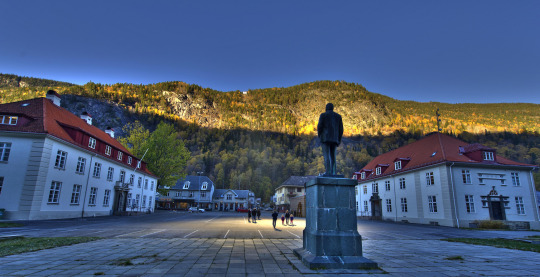
So I can only imagine what it must have felt like for the residents of Rjukan, Norway when they got their first taste of winter sun back in 2013.
Rjukan is a small town of approximately 3,400 residents. It’s located about 2.5 hours west of Oslo and is situated within a deep east-west valley.
As a result of its geography, the town is cast in shadow for about half of the year, from September to March. The elevation of the sun is simply too low for direct light to reach down and into the valley.
So what the town did was install a set of solar powered mirrors on top of the mountains. The mirrors – also called heliostats – track the sun and reflect it down into the town’s main square. Now the town gets winter sun.
Interestingly enough, many residents opposed the mirrors before they were built. They viewed it as a frivolous expenditure. Petitions and Facebook pages were created. But now that the mirrors have been installed, most of the naysayers seem to have changed their tune.
I think it goes to show just how important light is, but also how difficult change, of many varietals, can be.
Image: Flickr
This morning, instead of my usual routine of writing alongside a cup of coffee, I decided to finally edit all of the skiing and snowboarding footage that I took last month in Park City, Utah. Click here for the final cut.
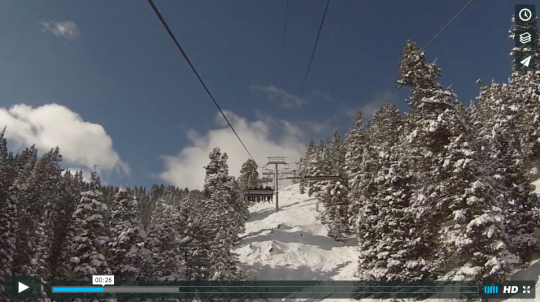
Compared to the video we did for Jackson Hole, I don’t like the selfie perspective as much. It doesn’t show enough of the person. This time we used the Go Pro 3-way arm, but in Jackson we used a plastic tube that I think was used for a beer funnel before that. Next year we’ll go back to that.
Video is a lot of fun and I would love to figure out a way to incorporate more of it into this blog. But that’s a far bigger time commitment and I am not prepared to allocate resources to that. I write every day. That’s my thing.
I am, however, not ignorant to what’s happening in the world of video blogging. And I think there are lots of opportunities for businesses who have the resources to allocate towards projects like this.
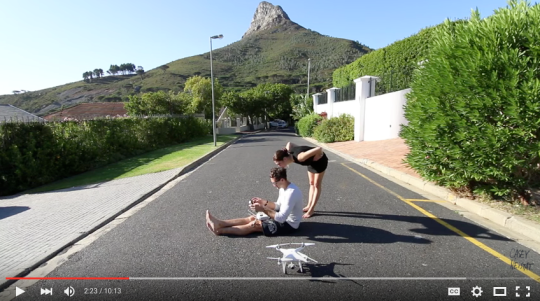
Take for instance this vlog by New York video guy Casey Neistat. It’s probably the best piece of marketing that the Phantom 4 drone could have asked for. It’s authentic. I watched it and now I want one. Take my money.
(Note to city geeks: It’s worth watching just for the drone aerials of Cape Town, South Africa.)
To my knowledge, I don’t think people are doing anything like this in the real estate business. But eventually it will happen. Because people are becoming increasingly immune to your typical marketing pieces.