Daily insights for city builders, delivered every morning at 6 AM ET. I’m Brandon Donnelly — a Toronto-based real estate developer and founder of Globizen. I’ve been writing here since 2013.

Tag: laser distance meter

  • Physical space is a funny thing

    It is often difficult to grasp. This is why when you look at an empty piece of land, it can sometimes be difficult to visualize actually fitting a building on it. And why when you look at an empty room, it’s common to think, “there’s no way that furniture will fit in here.” But in the end, it does fit.

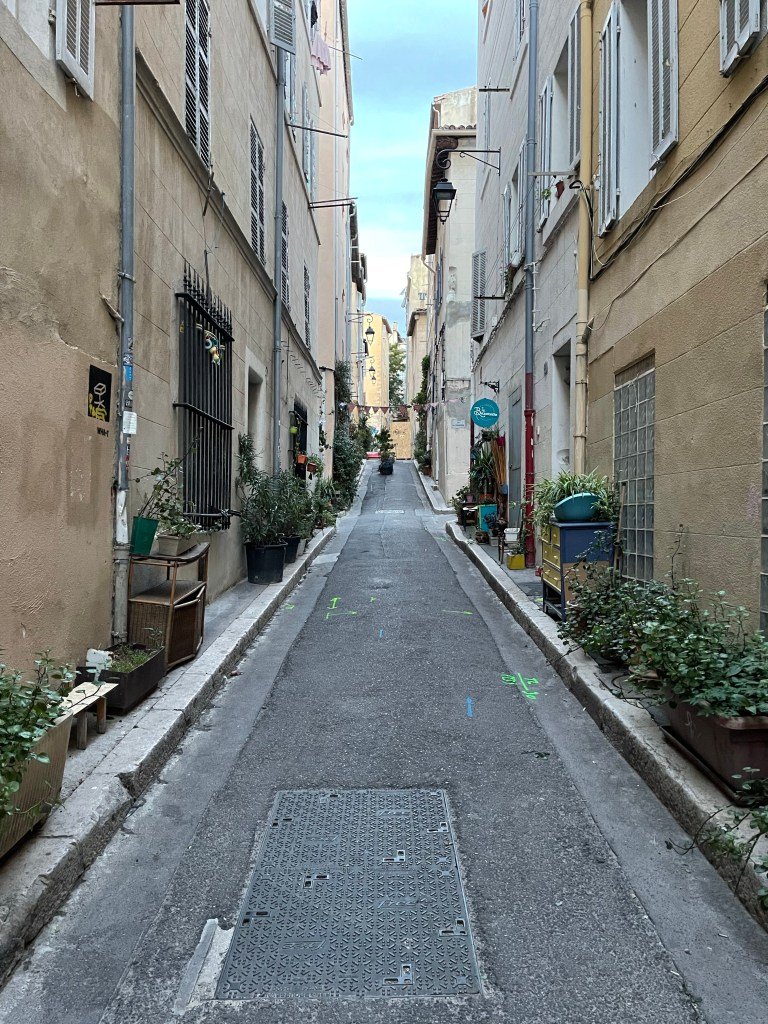
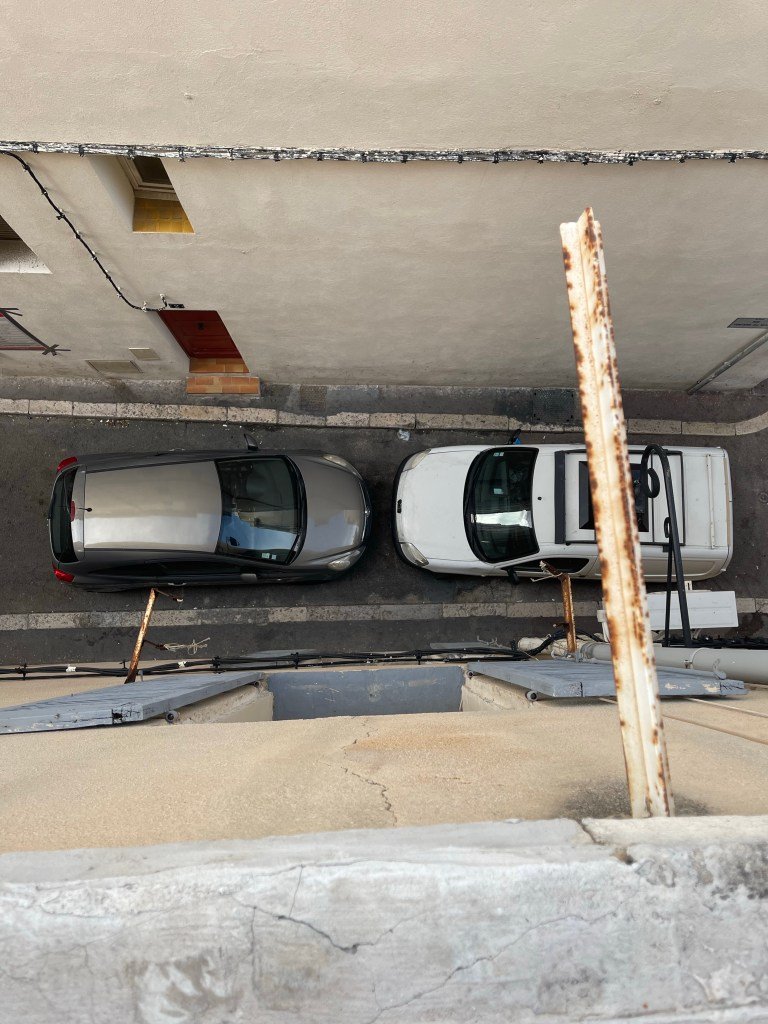
    It also tends to be relative. Here in North America, it is common to argue over things like parking space dimensions and drive aisle widths. We’ll say things like, “well, people like their big cars.” But then you travel to Europe and you find streets like this:

    And this:

    The first is only marginally bigger than the width of a parking space in Toronto (2.6 meters). And the latter is only marginally bigger than the width of a typical two-way drive aisle (6 meters). So are these too small? Well, it depends on your perspective.

    If your basis of measurement is the size of cars, then these streets will seem too small. Cars also keep getting bigger, so you have this inflation factor to deal with. But if your basis of measurement is something else, such as walkability, then maybe they’re just right.

  • Out of office

    I just turned on my out of office. Neat B and I leave this evening for our honeymoon. Our first stop is Mallorca. Neither of us have been before and it has been on our list.

    One of our goals for this trip is to be active. So among lots of other things, the plan is to get on some bikes at some point. We hear that Mallorca is a pretty good island for that.

    As always, I’ll be continuing to write. I love writing when I’m on vacation and experiencing new things. The laser distance meter is also in my bag, so expect some of this and this.

  • The even narrower streets of Noto, Sicily

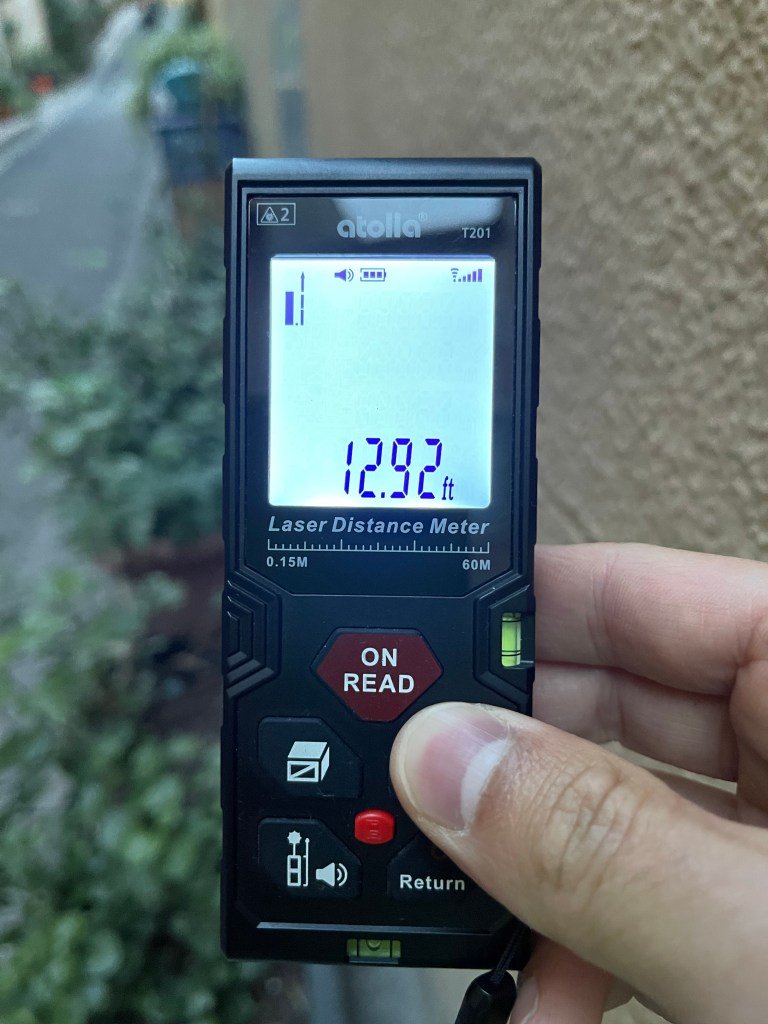
    So it turns out that the narrow streets in Le Panier (in Marseille) are actually far too wide at nearly 13 feet. What were the planners even thinking back in 600? Here’s a street I found in Noto, Sicily at just over 4 feet. I’m not sure if this is considered some sort of tertiary lane or not, but it had a street sign, addresses, and businesses in a courtyard at the end of it. So I’m going to assume it’s a bona fide street. It’s hard to imagine getting much tighter than this. I wonder if Jeff Bezos delivers here.

  • Laser distance metering Le Panier in Marseille

    I usually always have a laser distance meter in my bag. I use it when I’m on construction sites and I need to confirm important dimensions. But they can also be useful when you’re traveling and you want to appear as nerdy as humanly possible to the locals.

    This is a typical older street in Le Panier area of Marseille, which is the oldest part of the city in probably the oldest city in France. Greek settlers colonized this area around 600, and at that time it was called Massalia.

    There is one major street in Le Panier — la rue de la République — which will make you feel like you’re in Paris. It was pierced through in the late 19th century, around the same time that Paris was doing its large-scale urban renewal things.

    But there remains lots of examples of what you see here: streets that are 12 to 13 feet wide from building face to building face. This is wider than your typical Toronto condo living room, but not by much.

    There are, I guess, sidewalks on these streets. But most of them tend to be taken over by potted plants and other urban accessories. Everyone who uses these streets really just has to figure out how to share them.

    It would be illegal to build this close and compact in most modern cities. Part of this is, of course, because modernity used to view this kind of urban form as being unhealthy and generally undesirable. Humans needed light, air, and space.

    This is true. But we also like intimate urban spaces that put people first.