
Daily insights for city builders, delivered every morning at 6 AM ET. I’m Brandon Donnelly — a Toronto-based real estate developer and founder of Globizen. I’ve been writing here since 2013.

Tag: kiosks

  • Fruktkiosk

    I’m a big proponent of urban kiosks for two reasons: 1) they can animate and anchor public life without a big footprint (see Lisbon) and 2) they can offer a low-cost option for small entrepreneurs to start something up. It can be a form of fast, low-friction real estate in an industry where most interventions are anything but fast and low-friction.

    For example, when we were in Paris last month, we were walking back to our hotel one evening after dinner and I naturally thought to myself, “We need crêpes.” So, I checked what was on our route home and I found a little kiosk aptly called Le Kiosque. They had crêpes, and the place was busy with lots of people speaking French.
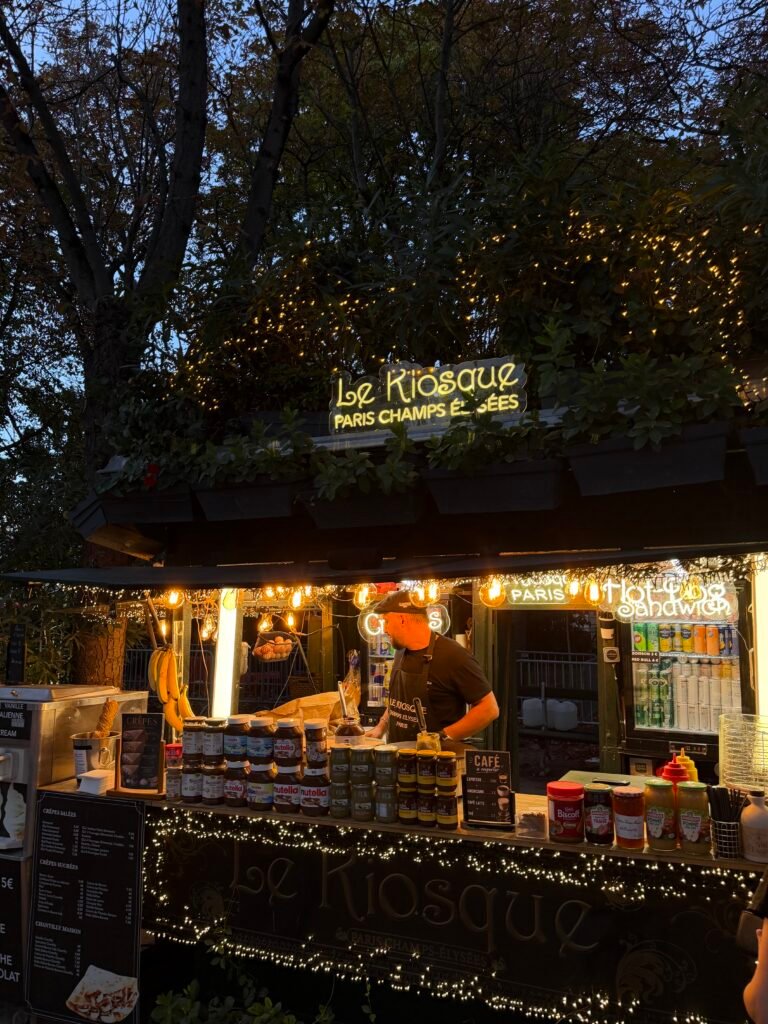
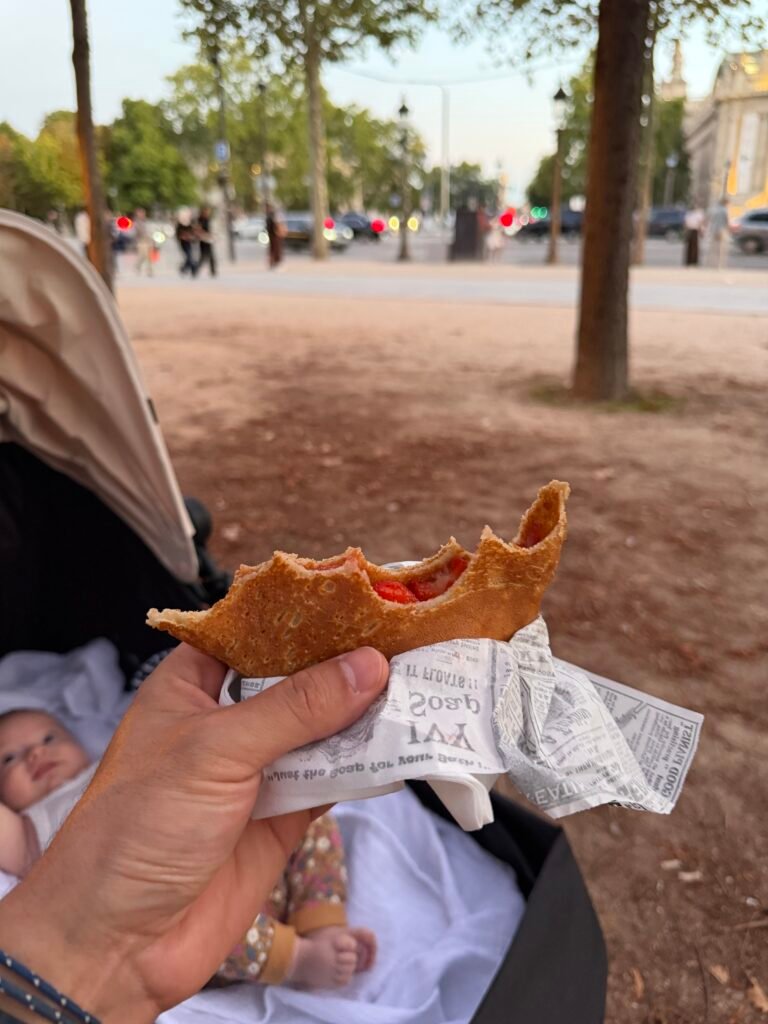
    It’s located between the Grand Palais and a park on the Champs-Élysées, so if it were not for this kiosk, there wouldn’t have been anything available to us in this area, and we would have risked returning crêpe-less!

    These kiosks, as we have seen in Lisbon and other places, can also be downright beautiful. Here’s a fruit stand in Stockholm designed by DinellJohansson architects. It’s green, it has an awning and lights, and a nice yellow sign on the top. I’d share a photo here, but I don’t want the photographer to get mad at me, which sometimes happens. So click the link.

    Stockholm, like Toronto, also experiences snow and winter. It shows you that these urban interventions are weather-agnostic. Cities are missing a big opportunity by not allowing and/or encouraging more urban kiosks.

  • Digitizing fast food workers

    I think I am 1 of only 7 people in the world who actually likes the Filet-O-Fish sandwich from McDonald’s. That said, I rarely go, maybe only after a fancy small plate dinner. You know, the kind where you leave starving and you’re desperately searching for a burger on the way home just so you can go to sleep full.

    I have, however, been noticing the introduction of their digital ordering kiosks, which are part of the McDonald’s Experience of the Future strategy. The plan is to replace human cashiers in at least 2,500 U.S. locations by the end of this year and in another 3,000 locations by the end of 2018. By 2020, the majority of U.S. locations should have “EOTF” in place.

    Because of this, analysts are raising their price targets for McDonald’s. They are also attributing its surging stock price to these new operational efficiencies. MCD is up about 26% YTD. And you can bet the ROI math on these kiosks only looks better if/when minimum wages increase.

    This isn’t necessarily groundbreaking news, but if you’d like to dig into some of the math behind why customer-facing fast food workers are clearly going to become a thing of the past, you can do that here.

    I did want to single out one stat that I came across when researching how I will be experiencing Filet-O-Fish sandwiches in the future. 

    More than 70% of all McDonald’s sales in the U.S. happens via drive-thru. This stood out to me as being an extraordinary number, not because I don’t believe it, but because it very clearly speaks to urban-suburban form. It is saying that more than 70% of sales are happening in geographies where it’s actually feasible to have a drive-thru window.

    That’s not possible at the corner of Queen and Spadina.