Daily insights for city builders, delivered every morning at 6 AM ET. I’m Brandon Donnelly — a Toronto-based real estate developer and founder of Globizen. I’ve been writing here since 2013.

Tag: cottage

  • Tiny, prefabricated, and expensive

    This is not a new video (click here if you can’t see it embedded above). It’s from 2015. But I still very much like the simplicity of the Vipp Shelter. It’s only 55 square meters.

    One problem is that it cost USD 585,000 at the time it was prefabricated. It goes to show you that prefabrication and small don’t necessarily equate to affordability. For this reason, Lloyd Alter called it a “problematic prefab” back in 2015.

    Of course, there are ways to make a home like this much more cost effective. I’ve been looking, on and off, for over a year for a piece of land that would be suitable for a project like this. I’ll let you all know if I find something.

  • Project Profile: Pavillon du lac

    Over the years on this blog I have posted the occasional “Project Profile”, where I have shared a noteworthy development project, an interesting piece of architecture, or some other kind of project that I thought would interest all of you. Everything is now a project.

    This morning I decided that I should do that more often. I’m not sure if it will be every week, but hopefully it’ll be fairly regularly. I also have a few other alliterative blog series that I have started in the past and should continue.

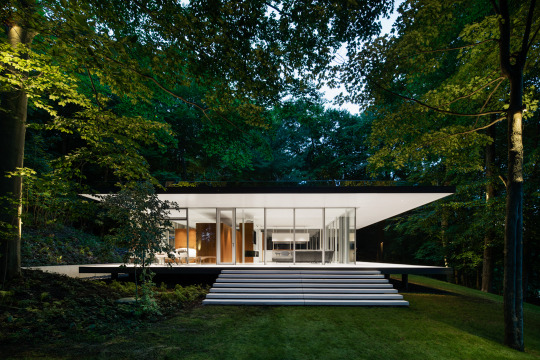
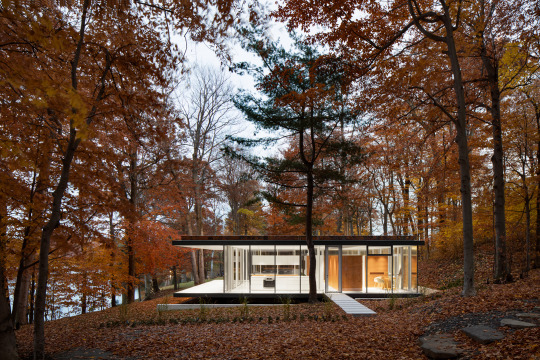
    This week’s Project Profile is the Pavillon du lac in Quèbec (somewhere) by Montréal-based Daoust Lestage. All of the photography used in this post is by Adrien Williams

    The first thing you may notice is that it is evocative of Philip Johnson’s Glass House and Mies van der Rohe’s Farnsworth House (1951) – but probably more the latter.

    Le Pavillon du lac was completed in 2015. It has 2 bedrooms and is about 1,240 square feet. The entire glass pavilion is housed between two thin flat slabs with cantilevering overhangs on two of its elevation. They create a kind of portico that frames views of the water. All of the glass is triple-glazed.

    image

    One of the key distinctions for me is how the house sits on the ground. As is the case with the Farnsworth House, le Pavillon du lac sits on stilts, elevated off the ground. The ground floor slab is then able to ignore whatever topography there may be beneath it. 

    image

    At the same time, there are elevations of the house where the ground has been carved into (see below). This creates a small moat around the perimeter and roots the building within the landscape. 

    image

    For more photos of le Pavillon du lac, click here.

  • Living on water

    Phaidon has a new architectural book out that surveys 55 homes, all of which have some sort of connection to water, whether that be an ocean, lake, river, or pool. It’s called Living on Water. I don’t (yet) have a copy, but it looks like the perfect coffee table book for a cottage, summer home, or studio apartment with zero connection to water. Monocle on Design recently interviewed the editor of the book (podcast episode here). So if beautiful homes on the water are your thing, maybe check it, and the book, out.

  • Returning to photography

    I used to be more into photography. In architecture school, I had an old Canon Rebel and a photoblog where I posted one photo every day. Clearly I have a thing for daily routines.

    But that was the pre-social media era and before mobile phones had cameras. With the rise of those two things I eventually moved over to just taking photos on my phone and posting them to my Instagram. Today we are all photographers.

    However this week I decided that I want to start taking that creative outlet a bit more seriously again. So I asked my talented photography buddy (founder of DSCBRD) if he could recommend a reasonably priced camera for my purposes. 

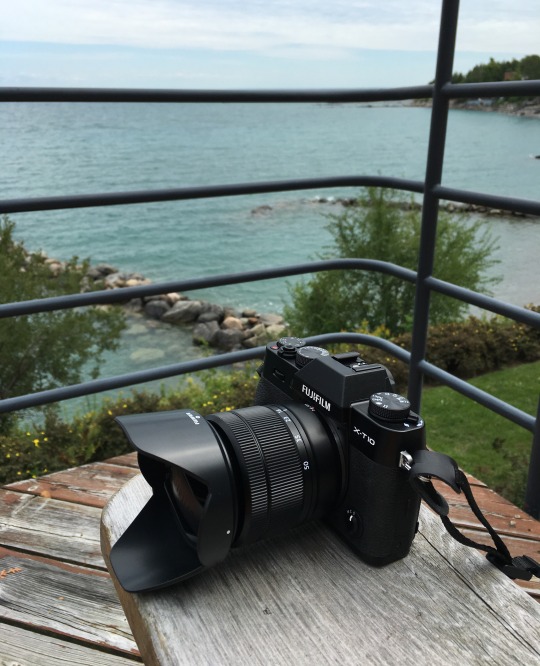
    I then sifted through all of the reviews – because that’s what I do – and decided on the mirrorless Fuji X-T10. I love the retro design. It’s also compact enough that it’s easy to carry around. The best camera is the one you have on you.

    image

    So I’m spending this afternoon at a cottage playing around with it. It’s a fun place to experiment. I hope you’re all having a great weekend. Talk to you tomorrow.

  • Going swimming (and being transparent)

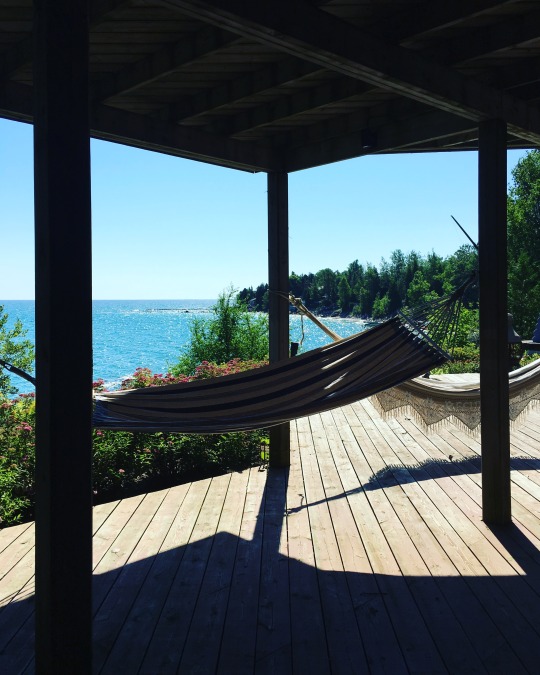
    I woke up this morning to this view:

    image

    I then went for a swim. The water tends to be on the cooler side in the Georgian Bay, but with the weather we’ve been having it’s pretty perfect right now.

    At this point I’m thinking about a beer and some reading. I have Capital in the Twenty-First Century by Thomas Piketty sitting in my car. It’s next in the queue.

    I am telling you all of this simply to be transparent. 

    Recently I had someone caution me that I should be careful about being too public and too open. I won’t get into specifics, but I was told that sometimes it’s better to just fly under the radar.

    I recognize that there have to be limits to transparency, but as a rule of thumb I subscribe to the opposite approach. When possible and when appropriate, I would rather be more, rather than less, transparent. 

    This blog is who I am. It’s indicative of how I think. And it discloses what I’m doing. So I don’t see a lot of downside. What you read is what you get. You’ll know if we should be friends and/or do business together.

    After I wrote about what I’m doing next I had a bunch of emails come in from various people telling me what they’re doing and, in some cases, suggesting that we work together. Some people had development sites that they thought I should take a look at. And some people immediately asked if I was hiring.

    I am grateful for each of those emails. But I also know that they’re an outcome of openness and transparency.

  • Cottage weekend

    I just got home from a weekend up at a friend’s cottage. It’s an annual birthday tradition and it’s always a great time. A good cottage weekend can do wonders to reinvigorate yourself. I am ready for the week.

    But since the Pan Am Games closing ceremony fireworks are about to kick-off and I want to go watch them from my sun deck, I don’t have a lot of time to write a post. So instead, I thought I would share a few of my photos from the weekend.

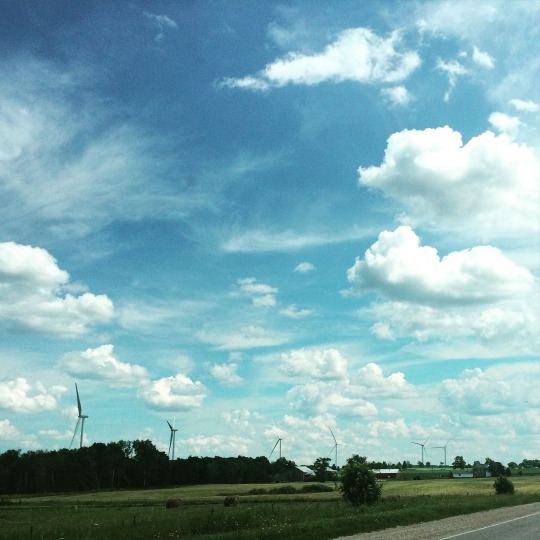
    The first photo is near Shelburne, Ontario. The wind turbines are from the Amaranth Wind Farm, which is the largest wind energy installation in Canada.

    image

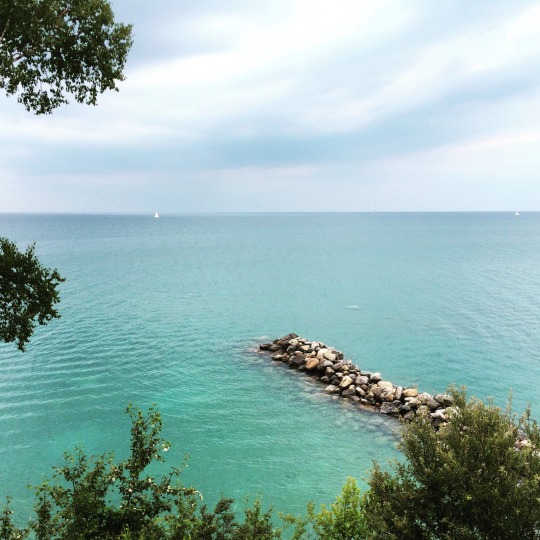
    This is the Georgian Bay. I love swimming in this water.

    image

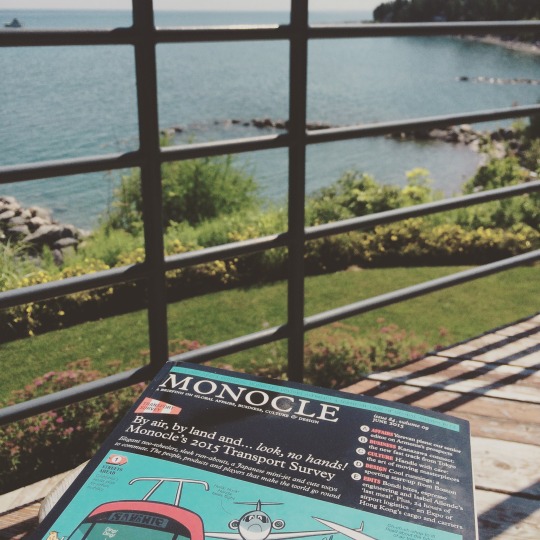
    Cottage reading: Monocle.

    image

    The wood shop. There’s a lot of creative talent at this particular cottage.

    image

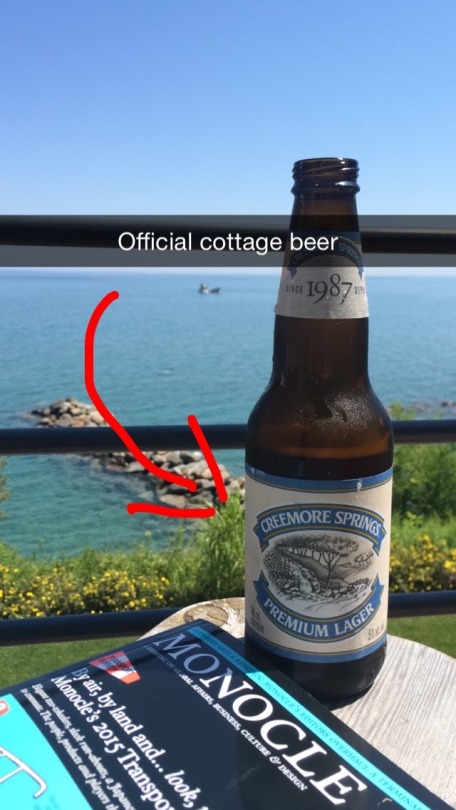
    Creemore = cottage.

    image

    All of these photos were also posted to my Instagram if you’d like to follow me there. The last photo was from Snapchat (donnelly_b).

    Regular scheduled programming will resume tomorrow. I have a great guest post queued up on road pricing. I can’t wait to share it.

  • “Am I supposed to like this?”

    image

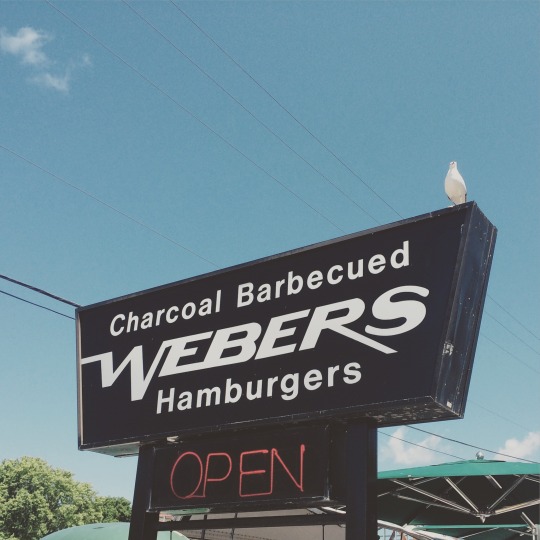
    Today I had lunch at Webers Hamburgers so that I could see what all the fuss is about. Here’s my check-in.

    For those of you who don’t know Webers, it’s a burger place on the side of the highway in Orillia, Ontario. It opened in 1963 with the goal of targeting cottage goers and has since become an “institution” in the region.

    I don’t think I’ve ever been, so I figured I had to give it a try.

    Before going, I decided to ask around to see what people thought of the burgers. And in almost all of the cases, I got the same response: “You can get better burgers in the city. But you have to go. It’s an institution. It’s tradition.”

    And that ended up being a very accurate description.

    Were the burger goods? Yes. Were they mind blowing? No. In fact, they’re pretty basic burgers. You have a choice of 3 different toppings and 2 different condiments. That’s it. Want mayo? Sorry, they don’t do that.

    But in the end, it’s not really about the burgers.

    While there, I was reminded of a blog post by Seth Godin called, “Am I supposed to like this?” His opening line is the following: “If we think we are, we probably will.” And it’s all about how we make judgments well before we think we do (and how marketers invest in that).

    What matters a great deal is how we’re “supposed to” feel about something. If a wine is expensive, we’re “supposed to” to think it tastes better and our mind usually makes that a self-fulfilling prophecy.

    And in this case, Webers has become symbolic of summer and good times at the cottage. You’re “supposed to” stop there whenever you go to the cottage. It’s tradition.

  • subtilitas:

    Tham & VidegårdArchipelago house, Stockholm 2006. Photos (C) Åke E:son Lindman.

  • subtilitas:

    Tham & Videgård Arkitekter – Summerhouse, Lagnö 2011. Photos (C) Åke E:son Lindman.

  • No cottage is complete without a fire pit