Daily insights for city builders, delivered every morning at 6 AM ET. I’m Brandon Donnelly — a Toronto-based real estate developer and founder of Globizen. I’ve been writing here since 2013.

Tag: bordeaux

  • Bordeaux’s tramway network

    I was very impressed by Bordeaux’s tramway network. It felt like no matter where you were in the city, there was a tram gracefully passing you by. Here’s a high-level summary of the system:

    • The network has 4 lines and a total route length of 77.5 km.
    • The first line opened in 2003.
    • The network has 130 stops, which crudely results in an average stop spacing of around 600 m.
    • The system pioneered ground-level power supply for the trains, which means no overhead wires. Supposedly this caused some issues upfront, but now it seems to be working just fine.
    • Most of the network runs on a dedicated right-of-way (en site propre). Meaning, the trains don’t compete with car traffic. Many of the lines are quite beautiful too – see above video.
    • In 2018, the network carried close to 100 million people. This is in a city of ~260k people and a metro area of ~1.4 million people (2020).

    The key differentiators for me are (1) the stop spacing and (2) the fact that most of the system runs on its own dedicated right-of-way. These are two reasons why Toronto’s streetcars perform so poorly. They stop too frequently. And most of the lines have to compete with traffic.

    So why bother? Walking can be faster.

    Bordeaux shows that — if you implement light rail correctly — you can actually move a ton people efficiently. With surface rail, you can also build out a robust network in a relatively short period of time.

    Twenty years isn’t that long in city-building years. It has already been 10 years since Toronto was first promised SmartTrack.
  • The mighty bollard

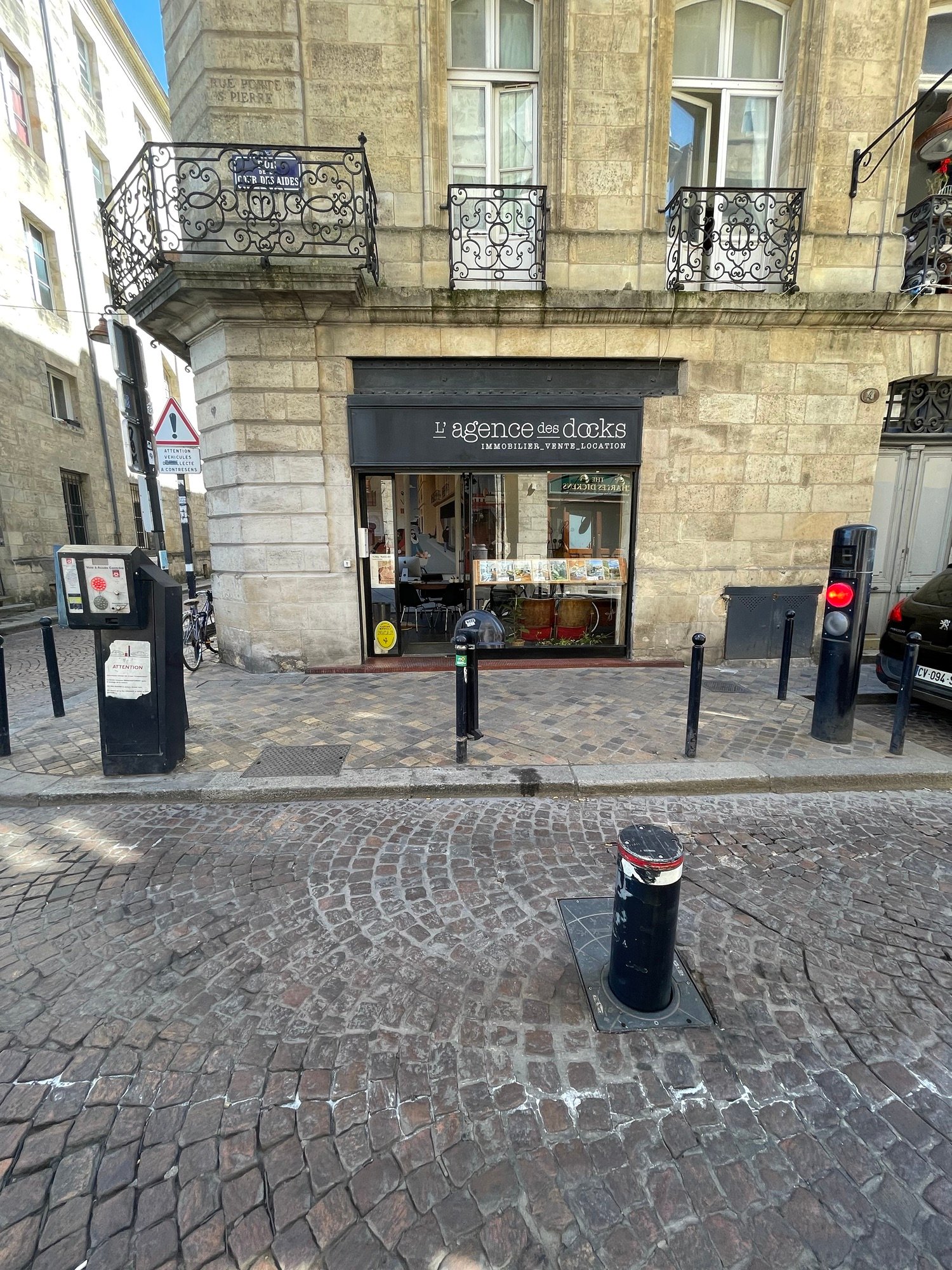
    The mighty — and automatic — bollard is an important city-building tool that isn’t employed nearly enough in North America. It’s typically used to control car access to small pedestrian-only or pedestrian-first streets. But I guess if you don’t have any of these, then you may not feel the need to install such a device. The above photos are from Bordeaux. And if you want to gain access, you need to hit the intercom button and explain why you’re local traffic. Can you think of any streets in your city that could use a system like this? I can think of many in Toronto.

  • How balconies and winter gardens were added to the Grand Parc Bordeaux apartment blocks

    The 2021 Pritzker Prize was just awarded to French architects Anne Lacaton and Jean-Philippe Vassal. One of the most notable aspects of their work is their appreciation for and reuse of existing structures, which, as many of you will know, is far more sustainable than building new. A good example of this approach is their Grand Parc project in Bordeaux, where they transformed three existing tower blocks and 530 dwellings.

    What’s fascinating about this project is how they added balconies and winter gardens to structures that previously didn’t have any. I also like how there are two layers of outdoors spaces. There’s the more enclosed winter garden portion and then there’s an open air balcony-type component, which also happens to be a more public-facing space where you might actually run into some of your neighbors.

    If you can’t see the video above, click here. Once you’ve had a chance to watch the video, I would be curious to know: Are these spaces that you would like to live in?

  • Brutalist wine warehouse for sale near Bordeaux

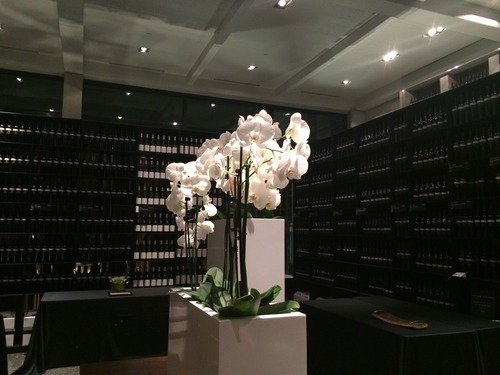
    I am sure that many of you have been eagerly waiting for an old Brutalist wine warehouse to come on the market near Bordeaux, and so here is a listing from Espaces Atypiques. The site is over 1 hectare. The ground floor is about 2,000 square meters. And the central atrium space is some 25m tall. It’s listed for €550,000 and I reckon it needs a bit of work.

    I don’t know where exactly it’s located in Saint-Émilion, France (nor have I ever been) and I can’t vouch for the condition of the existing building in any way shape or form, but I do think it would be a lot of fun to turn a Brutalist structure like this into a hotel, restaurant, and creative event space. Public gathering space(s) in the atrium; private rooms along the perimeter.

    Image: Espaces Atypiques

  • The will to try new things

    image

    I’m a big fan of wine. But in particular, I like and I support Ontario wines. And last night I was in Niagara-on-the-Lake for the Stratus Vineyards annual harvest party. It happens every year and, as the name suggests, it kind of marks the end of the growing season for the vineyard. I say kind of because not all varietals have been harvested by this time.

    At one point during the evening, I was speaking with the winemaker, J-L (Jean-Laurent) Groux, who is a native of the Loire Valley in France and first learned how to make wine in Burgundy and Bordeaux. And I asked him: why Niagara? Why did you bring your talent to Niagara? (When he came, Niagara would have had a great reputation for crappy wines.)

    He first responded by saying that he had been traveling around the world to different wine regions, and Niagara just so happened to be where he was when he ran out of money. But he went on to say that he saw Niagara as a place of opportunity. It was a region on the rise and he knew that he would have the creative freedom to experiment and do whatever he wanted.

    And that just wasn’t the case in France where tradition dictated. Good for Niagara.

    But as he was telling me all of this, I couldn’t help but think that it’s the classic business story of incumbents and disruptors. I’m not saying that French winemaking will get disrupted. I’m just saying that in a world of established wineries, corporations and other groups, it would seem impossible for them to be threatened in any way by upstarts. They, the incumbents, have more money, more people, and more resources all around.

    But what they sometimes lose along the way, is the will to try new things.