
Daily insights for city builders, delivered every morning at 6 AM ET. I’m Brandon Donnelly — a Toronto-based real estate developer and founder of Globizen. I’ve been writing here since 2013.

Tag: bloor west village

  • Why new homes will not kill the vibe in Bloor West Village

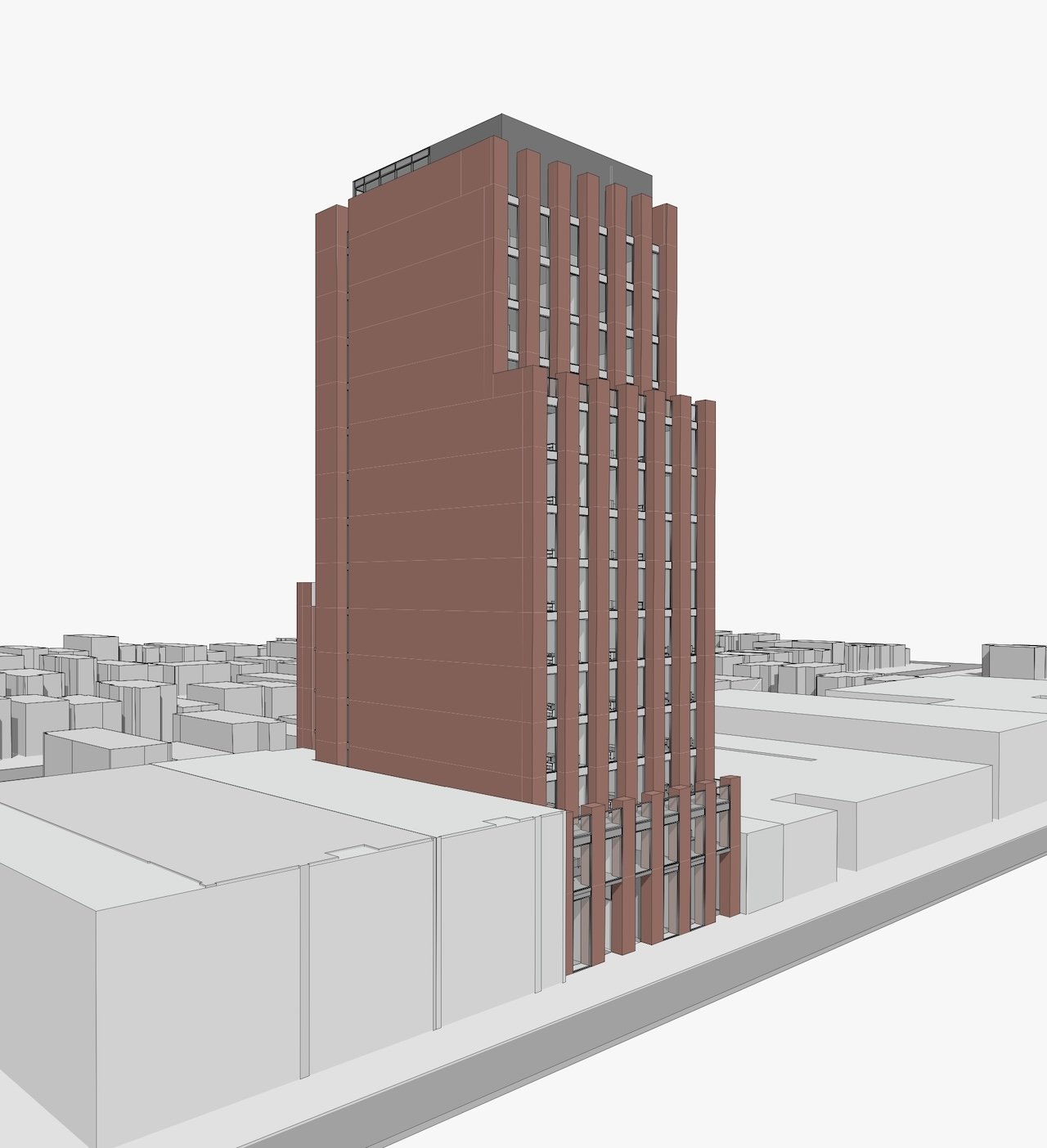
    I learned about this development proposal over the weekend through a Toronto Star article that I couldn’t read because it was behind a paywall. Oh well, here’s the Twitter post and the headline: “Once built, the 60-unit tower will be the only one on the strip. Locals say it will kill the area’s vibe.”

    The original proposal was a 16-storey mixed-use building at 2273-2279 Bloor Street West in Bloor West Village, but through negotiations with the City, it was reduced to 14 residential floors plus a mechanical penthouse wrapped with indoor and outdoor amenity spaces. The height is just under 50 metres, and the resulting FSI for the site is 9.2. What you see above is the revised massing (via UrbanToronto).

    So, will it kill the area’s vibe?

    One way to look at the proposal is that it’ll be the “only one.” But the other way to look at it is that we’ve historically underbuilt along one of our major subway lines and that it’s a positive indicator that we’re now seeing proposals like this being brought forward. This is good. It’s a fine-grained urban proposal with 50% two- and three-bedroom suites and zero parking.

    The question we should be asking ourselves is: how do we encourage more of this? The future of Toronto lies not in the two- to three-storey buildings you see depicted above, but in a mix of denser buildings that will unlock additional homes in the city and allow Toronto to wean itself off its dependency on the car. People are what create the vibe.

  • Lincoln Road’s $67 million makeover (and Business Improvement Areas)

    Lincoln Road is one of my favorite parts of Miami Beach. Supposedly the pedestrian-only street attracts some 11 million visitors a year. But I have noticed that the street has lost some of its mainstays to areas such as Wynwood. This is probably why the city and local property/business owners struck a deal this past summer to makeover the street based on a design by Field Operations.

    The deal works like this: The City of Miami Beach is going to pay for the entire US$67 million makeover. This money will come from city and county taxes, as well from bonds. In return, property owners in the Lincoln Road Business Improvement District (BID) have agreed to tax themselves an additional 25% in order to pay for promoting and programming the street.

    Obviously everyone believes that they will come out ahead as a result of this makeover. An improved Lincoln Road means more foot traffic, more sales, and more tax revenue. There’s also talk of expanding the boundaries of the BID, which would generate additional funds. Right now the district is bounded by Alton Road on the west and by Washington Avenue on the east.

    For those of you who aren’t familiar with Business Improvement Districts, they are essentially defined areas where additional taxes are levied in order to fund projects and improvements that help overall economic development within the district. It is a structure that is used all around the world and it is one that was actually pioneered here in Toronto.

    Here we call them Business Improvement Areas, and the first ever was the Bloor West Village BIA, which was established in 1970. There are now 83 BIAs in the City of Toronto. The first BID in the United States was the Downtown Development District in New Orleans. It was established in 1974. There are now over 1,200 across the U.S.

    If you’d like to learn more about the improvements planned for Lincoln Road, here’s a copy of the master plan that was submitted to the City of Miami Beach’s Historic Preservation Board. The link is from The Next Miami.

    Rendering: Field Operations