


Rye and Portsmouth, New Hampshire. Shot on a Fujifilm X-T3 with a 23mm f/2 prime lens.
Daily insights for city builders, delivered every morning at 6 AM ET. I’m Brandon Donnelly — a Toronto-based real estate developer and founder of Globizen. I’ve been writing here since 2013.
Rye and Portsmouth, New Hampshire. Shot on a Fujifilm X-T3 with a 23mm f/2 prime lens.

This beach area was closed because of high winds and choppy waters. But that didn’t stop these kids from doing some very impressive dives off of this ledge. It also happens to be right beside a wonderful restaurant / diving facility called Le Plongeoir.
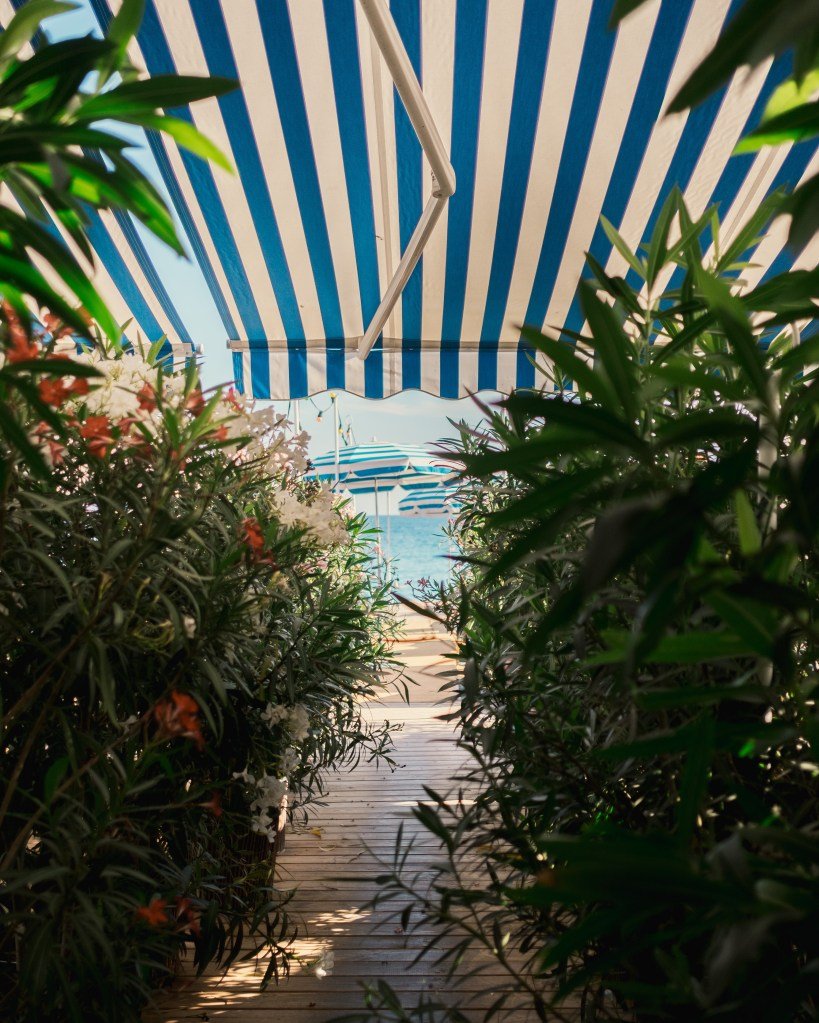
Hôtel Amour à la plage, Nice

This Thursday is the launch of a brand new city event called the WRLDCTY Virtual Festival (vowels, clearly, suck). Presented by Vancouver-based Resonance Consultancy, the “host cities” are New York, London, Hong Kong, Los Angeles, and Toronto.
The idea is to bring together thought leaders and city lovers from all around the world on a virtual platform for three days. The speakers include people like Richard Florida, Bjarke Ingels, and Dan Doctoroff.
The other thing they’re doing is offering up over 20 virtual urban experiences. Think yoga on Santa Monica Pier, burlesque in Brooklyn, and graffiti art tours in Toronto. It’s clearly no substitute for actual travel, but this is the best we’ve got right now and we’re all trying to adapt.
A general admission ticket is free, but some of the headline events require a pro pass and if you’d like to do some virtual networking and chat with other guests in the “Community Center,” you’ll also need that same pass. Here’s the full agenda.

The above photo was taken on a walk up to the Castillo de Gibralfaro in Malaga, Spain. It was built by the Moors during their occupation of the Iberian Peninsula in the Middle Ages.
It is located on Mount Gibralfaro (~130m up) in the center of the city, overlooking the historic core, the waterfront, and its lower elevation sibling — the Alcazaba (or citadel).
In the Middle Ages, this is what it meant for a city to be defensible. High ground. Formidable double walls. And places to shoot from.
Thankfully, today, I think one could easily argue that “urban defensibility” tends to instead rely on things like knowledge, innovation, and diversity.
Here are a couple of photos from inside the fortress. It is always amazing to see what labor was able to build without the technologies that we have today.


Portions of it were built using a very elegant and elongated brick. Above is the bar area at the top. Presumably this was a later addition, though, supposedly the Moors did make and sell wine from the Andalucia region.
If you ever find yourself in Malaga, this complex is a must visit.
Over the weekend I learned about Dan Buettner’s Blue Zones. These are cities and parts of the world where, according to Dan, people have a much longer life expectancy. The five regions he identifies as Blue Zones are: Okinawa (Japan); Sardinia (Italy); Nicoya (Costa Rica); Icaria (Greece); and Loma Linda (California).
Many of you have probably heard of this finding from Malcolm Gladwell. I think he writes about it in Outliers. I had. But I didn’t know about Dan Buettner and his efforts to teach these “secrets” to other regions around the world.
I can’t speak for the efficacy of his consulting practice, but I think it’s interesting that some of the characteristics of these Blue Zones include a strong sense of family and community, as well as constant moderate physical activity. In other words, activity that is integral to normal life, such as lots of hills in a mountain town.
The links between urban form, walking and biking (instead of driving), and health outcomes are something that get a lot of air time. It is, of course, one of the reasons why denser cities are thought to be healthier cities. They encourage more active forms of mobility.
But what else could we be doing to make physical activity an inseparable part of urban life? In Rio de Janeiro, they often incorporate fitness facilities into their public spaces, whether it’s a parklet or the beach. That probably doesn’t qualify as inseparable, but it’s certainly a start.
Here are two images of the unfinished Museum of Image & Sound in Rio de Janeiro by Diller Scofidio + Renfro.
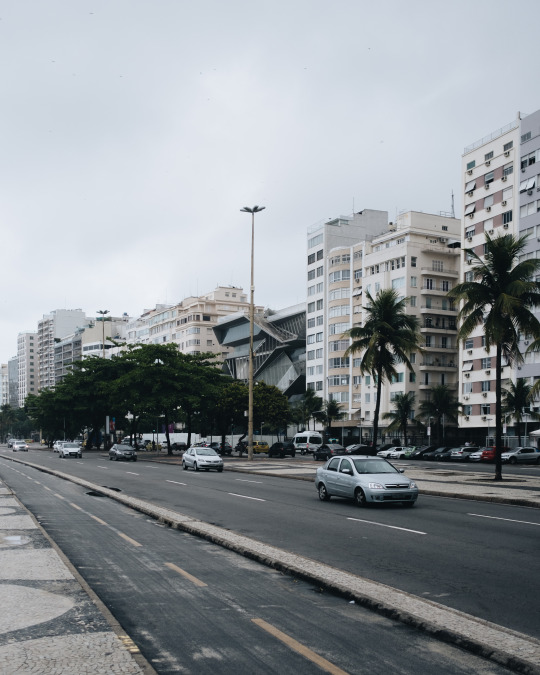
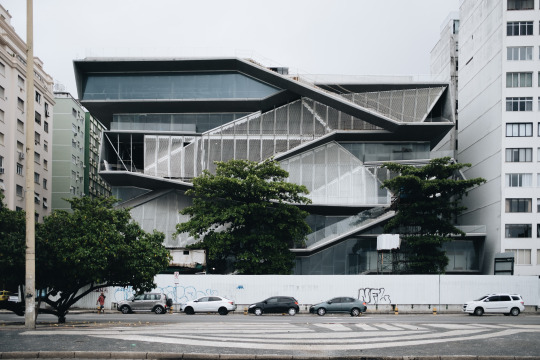
The building sits across from Copacabana’s famed beach and tiled boardwalk. The street you’re looking at is Avenida Atlântica.
The idea behind the architecture was to create a kind of “vertical boulevard” on the building’s beachside facade. Clever.
It is particularly impactful when you see it within the context of Copacabana’s delightfully formidable streetwall and curving promenade.
But it is unclear when the building will ultimately be finished. Construction started in 2010 and it first stalled in 2012. Too bad.
I just learned about the ongoing legal dispute on Martin’s Beach (south of San Francisco) through this New York Times article.
To briefly sum it up, tech billionaire Vinod Khosla bought a 53-acre beachside village known as Martin’s Beach in 2008. On the land is about 47 beach houses, a shop that sold ice cream at one point in its life, and a road that provides the only access to the beach. The road is private, but over the years and before Khosla purchased the property, it provided both parking for and access to the beach.
After acquiring the property, the county told Khosla that he had 2 options with respect to the road:
(1) Keep it open (there’s a gate that controls access). And charge no more than $2 a car for parking, which was the rate charged in 1972.
(2) Apply for a Coastal Development Permit to change how the access works.
Khosla opted to do neither and in turn the residents of Martin’s Beach sued him. He’s been in a legal battle ever since. But according to the New York Times, he has about $3 billion sitting in his war chest. For him it is both a matter of principle and a matter of protecting property rights.
Not surprisingly, tech billionaire fighting to keep people off a public beach makes for a sensational headline in the media. The NY Times argued that every generation has some sort of rich Californian fighting to privatize the waterfront. Khosla is this generation’s “beach villain”.
But beneath the headlines lies a fascinating legal debate that you can read more about through a blog post that Khosla published earlier this year. For you property lawyers out there, I would be curious to hear your thoughts in the comment section below.
We switched coasts today. Here is a photo of our Miami Beach hotel taken from the boardwalk with my iPhone:
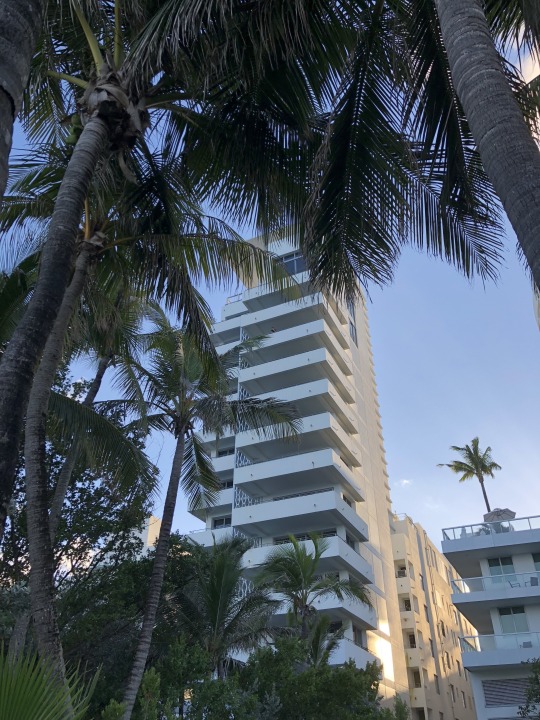
And here is the after:
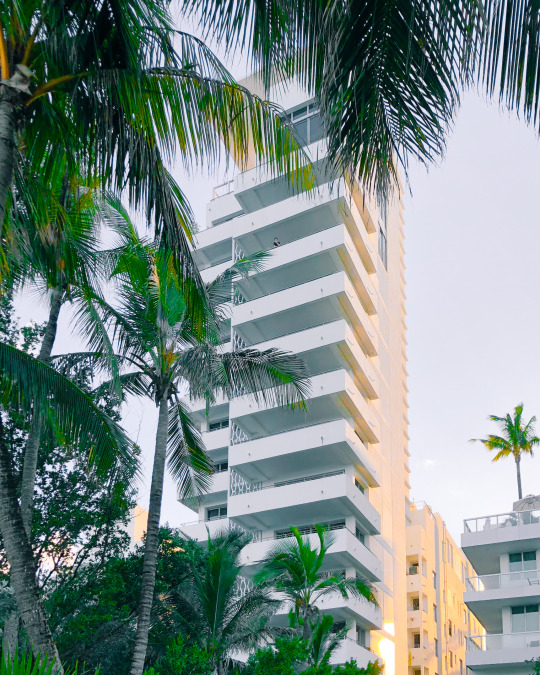
I took it into Lightroom. Fixed the alignment of the building. Whitened it, but brought out the beautiful warm sunset light on the north elevation. And I took the greenery in the foreground out of the shadows.
The balconies remind me of one of Donald Judd’s “Untitled” pieces. He was one of my favorite artists. I also like the one dude leaning over that upper balcony. It gives the photo a tranquil feel, which is not usually how one would describe Miami Beach.