Daily insights for city builders, delivered every morning at 6 AM ET. I’m Brandon Donnelly — a Toronto-based real estate developer and founder of Globizen. I’ve been writing here since 2013.
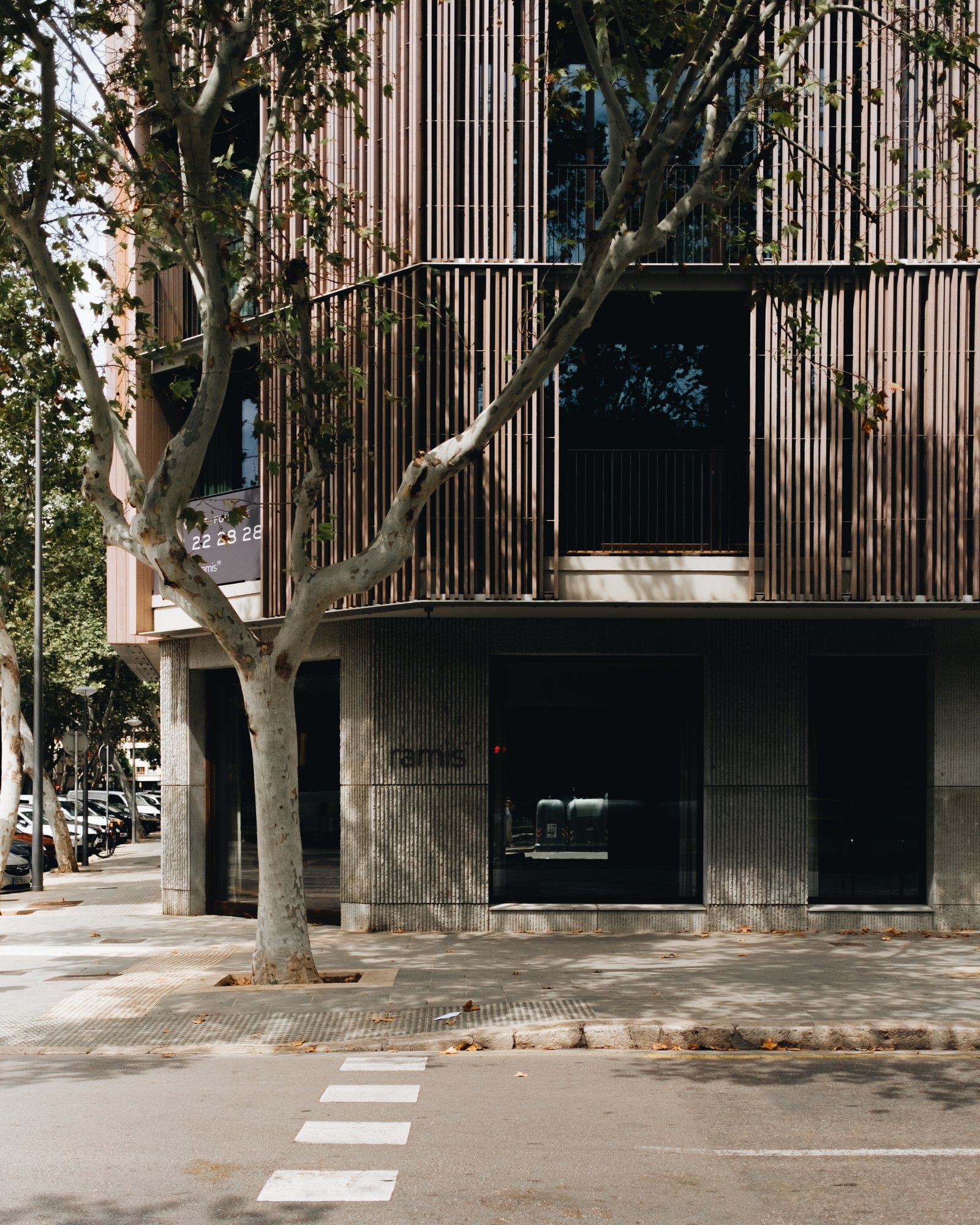
This is a beautiful apartment building in the center of Palma. Brutalist ground floor. Operable wooden slats up the rest of the facade. It feels right at home in this climate. It’s also a passive-energy building that uses 90% less energy compared to a “conventional” apartment building. The technical classification is nZEB (or a nearly zero energy building). It’s pretty amazing that with only 9 apartments, these kinds of projects pencil here. Perhaps it’s no surprise that it’s also a single-stair building.
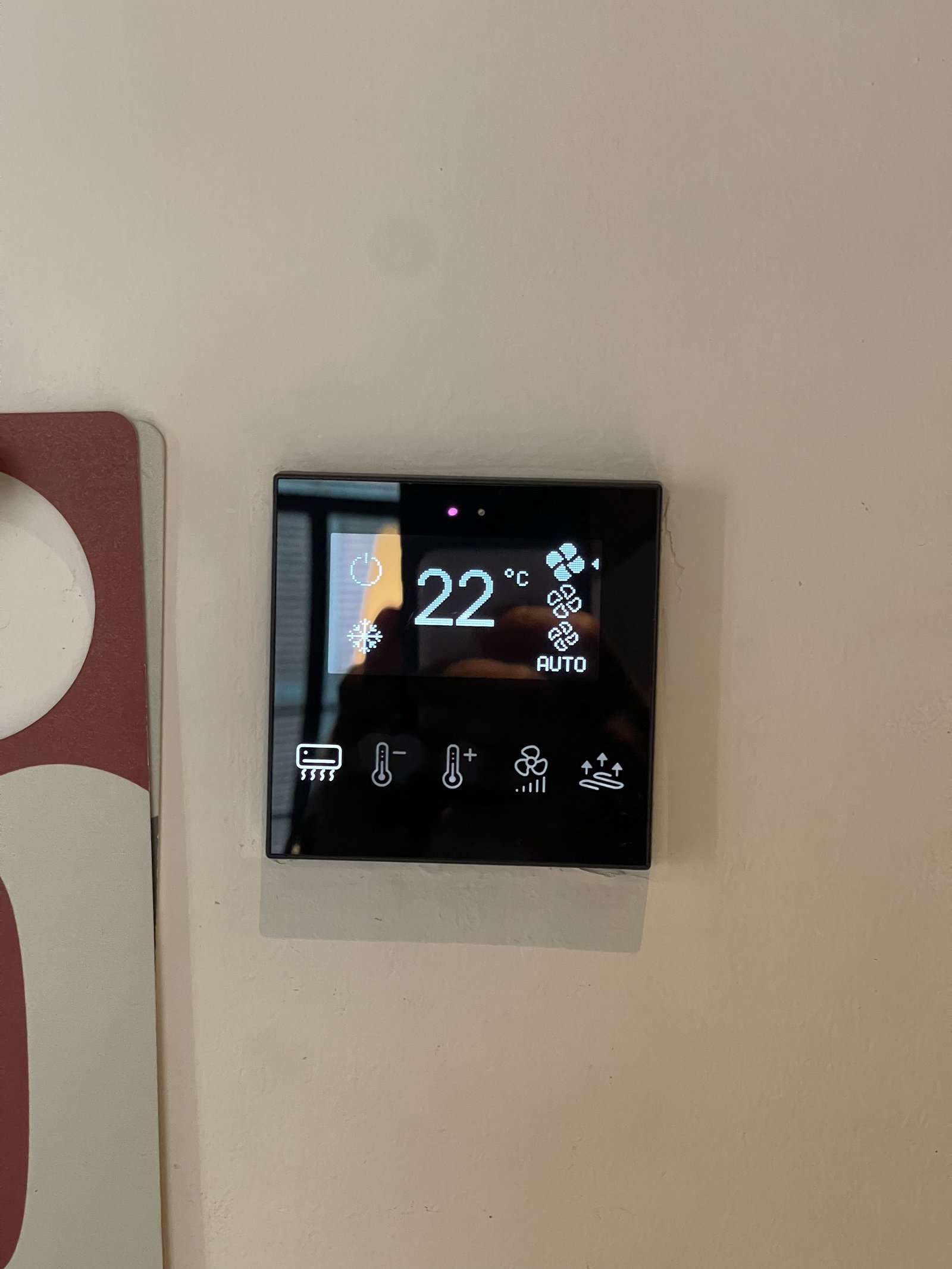
We just checked into our hotel in Palma and one of the first things I noticed is that as soon as you open any of the windows/doors, the AC automatically turns off. A message on the thermostat then alerts you that it will come back on once you close the windows. I haven’t yet figured out how this particular hotel room is sensing that things are open, but it’s relatively easy to do this at home through smart thermostats and sensors like these. I make a real concerted effort to do this manually, and so it’s great to see it automated in a hotel room, where people are naturally going to care less about wastage. Europe is so far ahead of North America when it comes to energy efficiency.
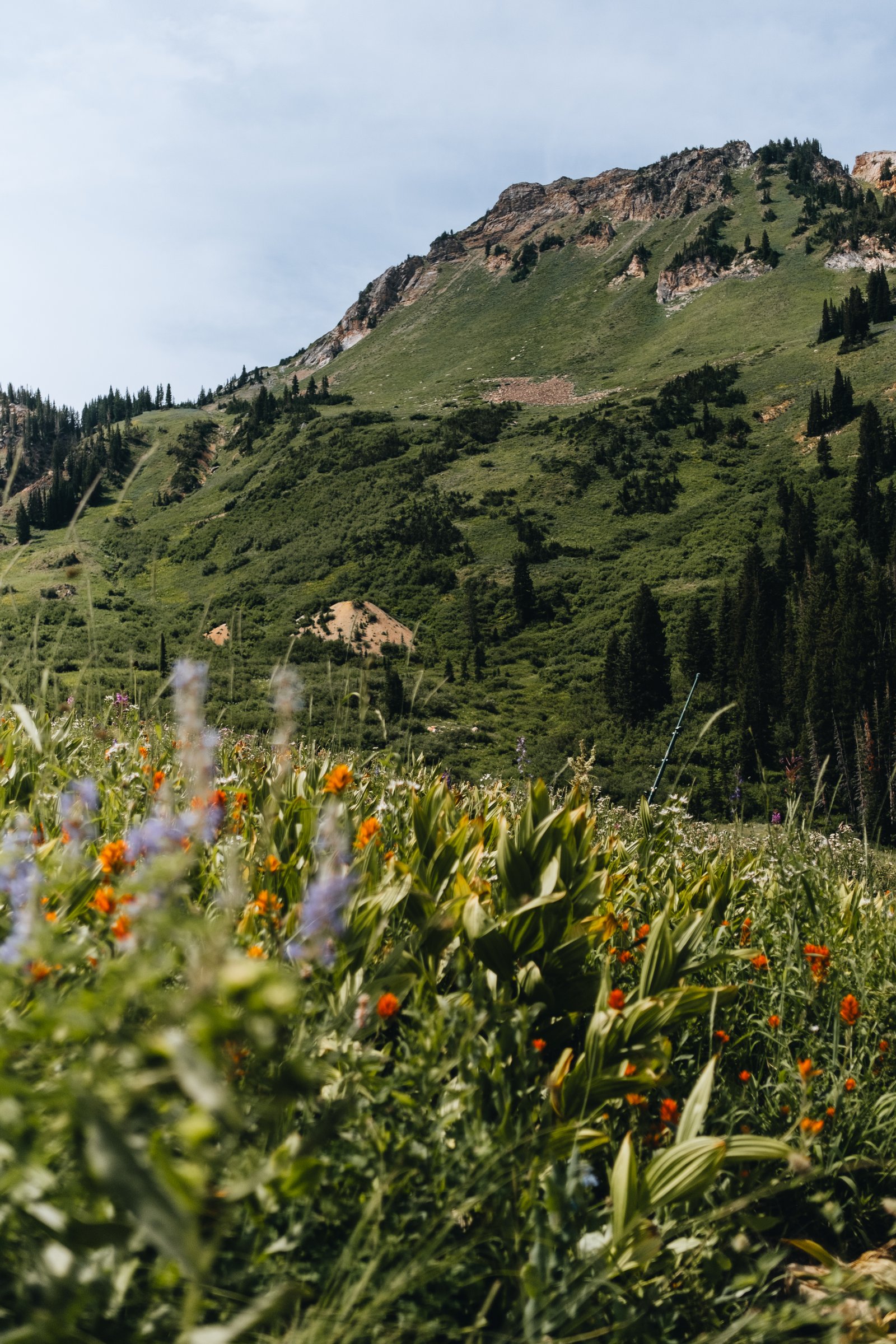
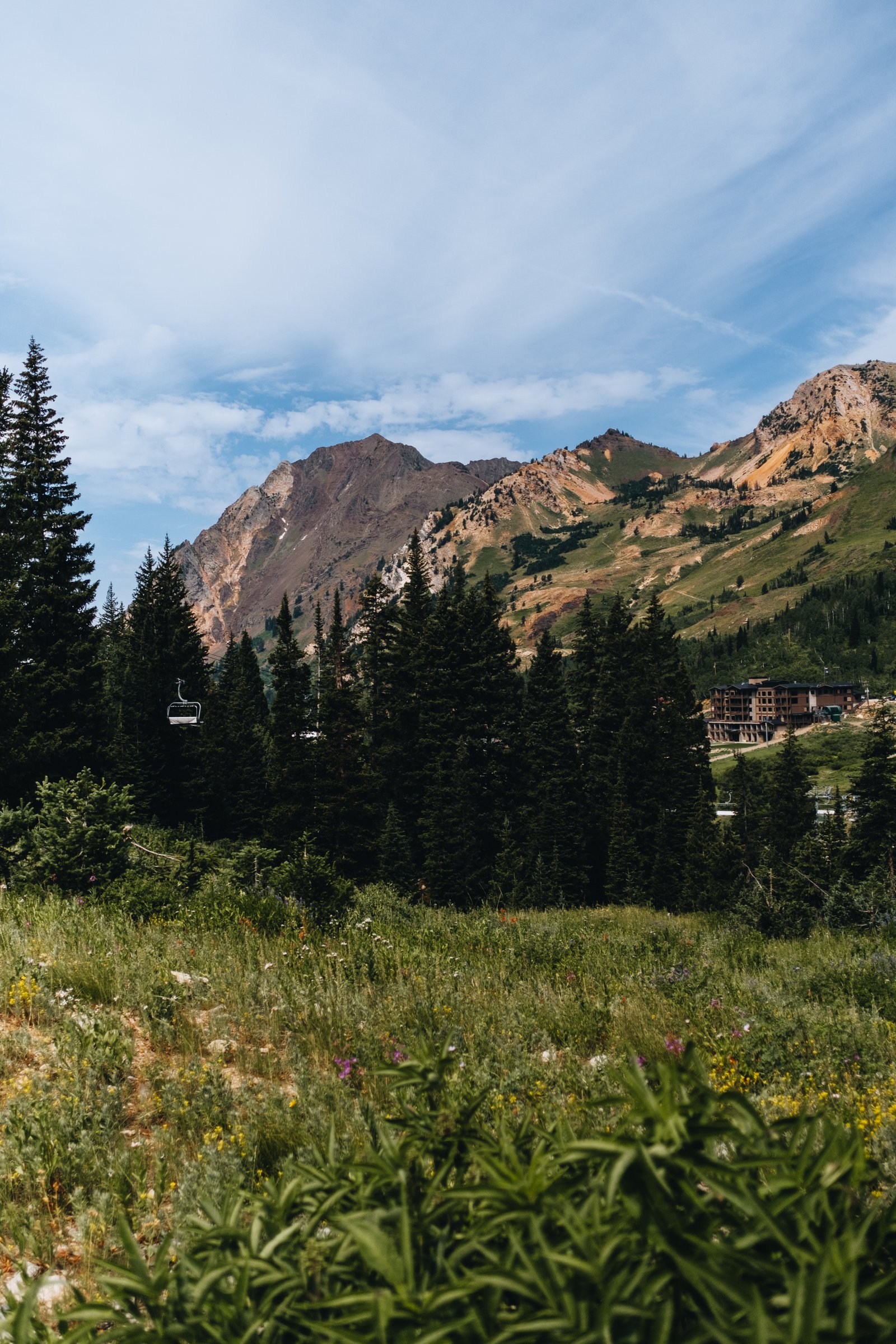
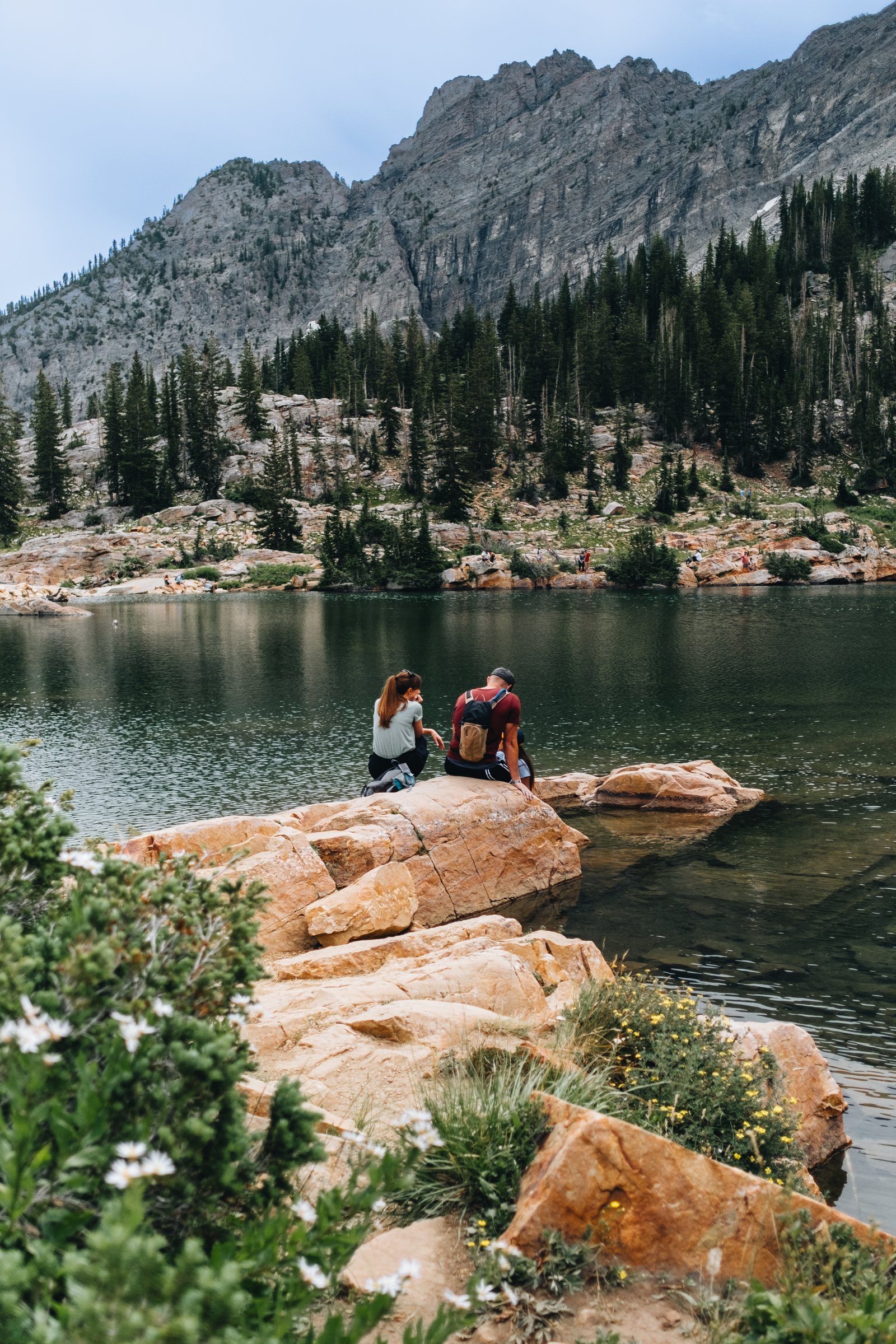
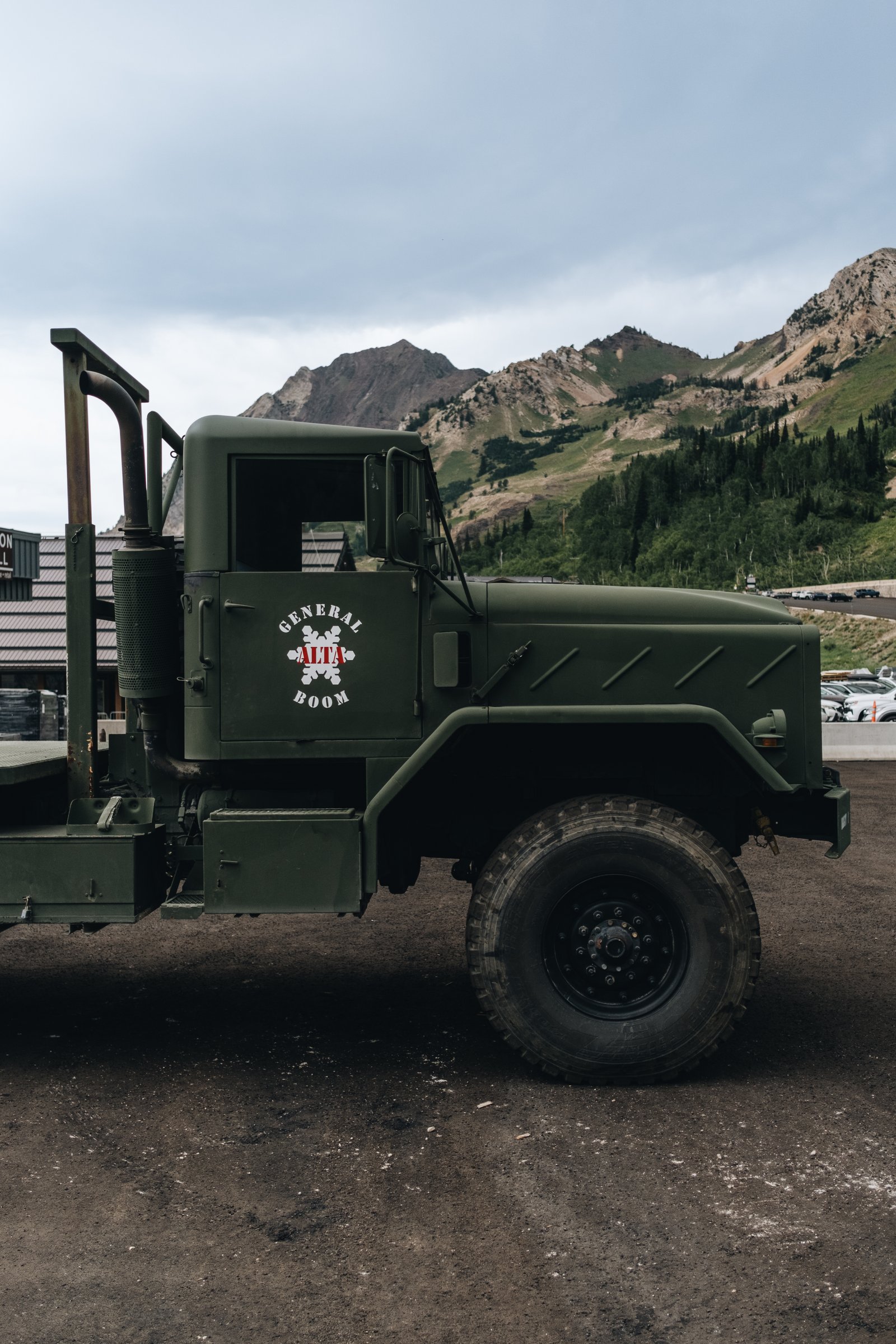
It is Neat B’s birthday this weekend and we are hanging out in Utah. Today, we hiked up to Cecret Lake, which is accessible from the Alta Ski Area in Albion Basin. Alta is a ski-only resort, so hiking is the only way that my kind — snowboarders — gets to see this area. The basin is known for its beautiful wildflowers and it didn’t disappoint. Cecret Lake is also a watershed area for Salt Lake City. So as you hike up, there are signs telling you not to swim in the lake or do things like bath your dog. Because what goes into the watershed will end up in the faucets of Salt Lake City within 24 hours (according to the signs). If you haven’t done this hike, I would highly recommend it. It’s easy/moderate, and a great way to work up an appetite for In-N-Out Burger, which is a real treat for us Torontonians.
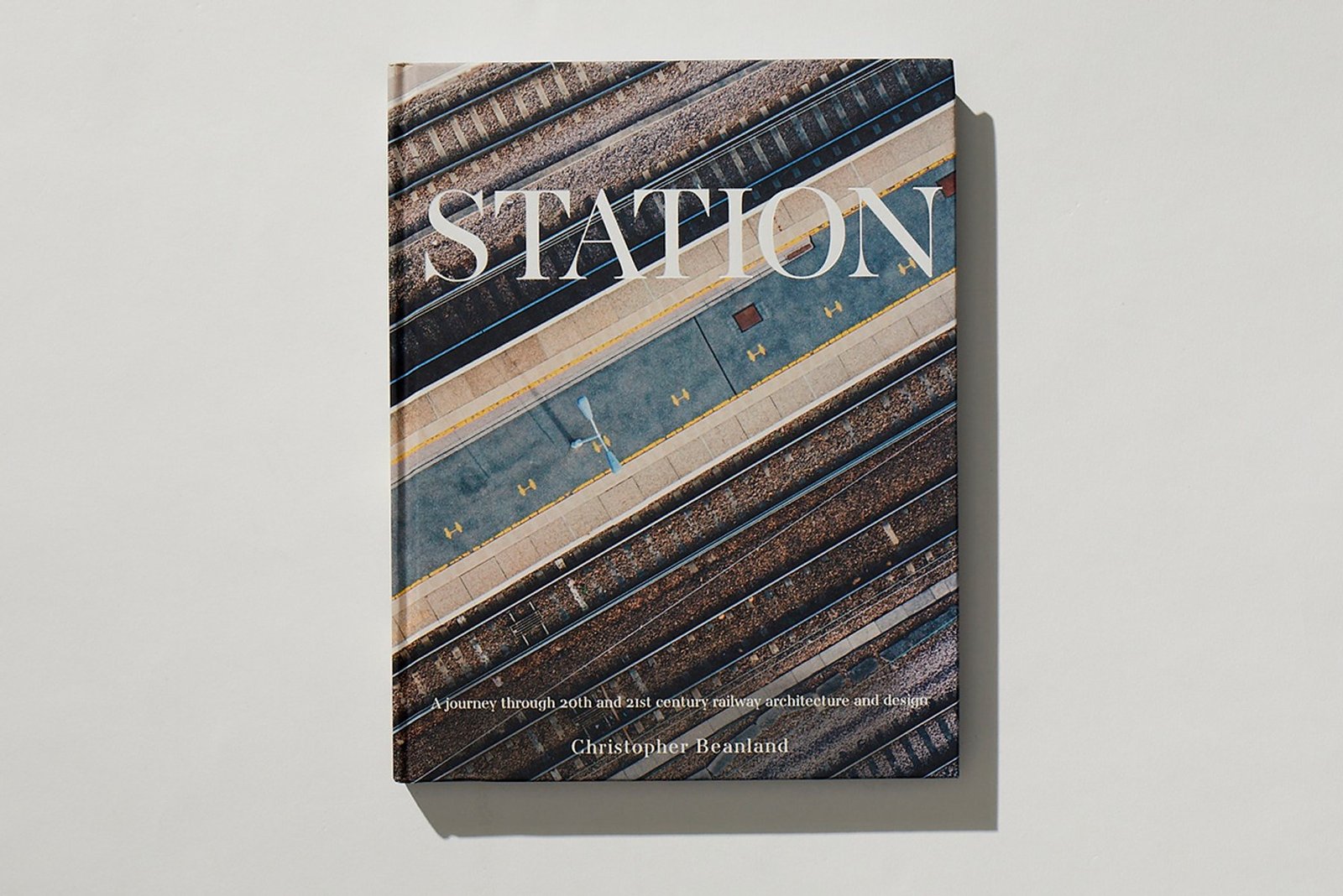
I would rather take a train to the office than drive. And given reasonable options, I would rather take a train than get on a plane. I like trains. So by default, it means that I’m interested in Christopher Beanland’s new book, Station. In it, he profiles some of the best railway architecture from the 20th and 21st centuries. Places like Union Station in Los Angeles, Hauptbanhof in Berlin, and Byappanahalli in Bengaluru. But as cool as these places are on their own, I think it’s important to keep in mind that trains exist as part of a network. And like all transport, they promote time-space convergence. This is part of what makes these spaces so interesting — they’re like a portal to somewhere else.
So, Dubai has just announced that it will be building the largest capacity airport in the world at the site of its existing Al Maktoum International Airport. At an expected cost of approximately US$35 billion, the expanded airport is planned to have 400 gates, 5 parallel runways, 5 passenger terminal buildings, and capacity for up to 260 million passengers per year.
To put this into perspective, Atlanta International Airport is currently the world’s busiest with nearly 105 million passengers last year. Dubai International Airport — their other and main airport — is second with just under 87 million passengers last year. From a physical perspective, though, this new airport is expected to be 5x the size of Dubai International.
On top of this, Dubai is also planning for the area around the airport — called Dubai South — to form the basis of a new city for 1 million people.
On Monday morning, I flew on Delta from Salt Lake City to Toronto, which in this direction takes just over 3 hours. And it was my first time ever experiencing reasonably reliable wi-fi on a flight. Maybe this is already common for the people who fly in the front of planes, but for me, I’ve never had the wi-fi work so well.
Usually it goes like this: I try and connect, everything is painfully slow, and so I get frustrated and move on. But this time around, I was able to check all of my emails, download fairly large PDFs, mark them up on my iPad, and write yesterday’s blog post. It was pretty great, and it allowed me to land in Toronto with far less anxiety around my work backlog.
But it also got me thinking about what this means for travel and work. If you’re a regular reader of this blog, you’ll know that I greatly prefer working in an office with my team. I think proximity matters.
At the same time, I recognize that technology is empowering new kinds of remote work, that we are all becoming more globally connected, and that, in the future, most of us are likely to travel more, rather than less. This will be for both work and for fun.
While solid in-flight wi-fi may not seem like that big of a deal, in my mind it’s a game changer. People will become more mobile if they can sit on flights and actually be productive (and maybe Apple Vision Pro helps with this). It is another step in what feels like an ongoing untethering of work.
My time in the mountains has come to an end. I’m on a flight back to Toronto and about to start watching old Bond movies (as one should). If you don’t ski or snowboard or do any other winter sports, it’s maybe hard to relate to this, but the mountains are a truly special place. I’m always sad to leave them. In my opinion, there’s no better place to disconnect and recalibrate.
And even though I’ve been mostly disconnected, it has been hard not to miss the hype around the new Apple Vision Pro, which was released into the wild this week. I haven’t tried one yet, but every review that I have read or watched seems to come to the same general conclusion: “Wow, this thing is incredible. It feels like a glimpse into the future of computing.”
If you’re looking for a comprehensive technical overview of the device, you should check out Marques Brownlee’s video, here. But if you’re just looking to get a sense of what it might be like to, you know, wander around New York City wearing one, you should definitely check out Casey Neistat’s video, here.
Now I think there’s no question that there’s a dystopian element to all of this. When Casey is standing around and watching a butterfly eat his donut, he looks pretty strange from the outside. Only he is seeing the butterfly. But then again, we all look pretty weird standing around staring down at our phones all the time. Maybe this will help us become less disconnected. I don’t know.
Either way, it’s hard not to imagine this changing — a lot. I mean, here’s just one small example. Already Zillow has an app for Vision Pro that allows you to tour homes for sale. Assuming it’s as good as everyone says it is, I can’t imagine anyone going to physically tour a home ever again, unless they’re really serious and/or ready to put in an offer.
Of course, there’s also no shortage of people saying that this device is simply too expensive. But I think that misses the point. This is version one. At this point, Apple just needs to be directionally right about what they are calling “spatial computing.” (They don’t want you to call it VR.) Because if they are right, the price will come down and then we’ll all be watching old Bond movies on these devices.
This is a photo taken from the base village of Val Thorens. I took it while we were sitting on a massive terrace in the middle of it. But what stood out to me even more than the terrace itself was the buildings that frame it. They are all about 8-9 storeys, have no step-backs, and were clearly orchestrated to create a defined “street wall.”
These framing buildings can be just as important as the public spaces themselves; they form the “walls” of the public realm and create a sense of enclosure. In this case, the buildings also follow a similar aesthetic. They were designed to pay homage to traditional Savoyard architecture, which is known for its use of local woods and stones.
The other thing I find noteworthy is that all of this is only about 50-some years old. Val Thorens the resort opened in 1971. And it only became an idea sometime around 1969 when Pierre Schneblelen — an engineer and developer — decided that he wanted to build Europe’s highest ski resort. (The base of the resort sits at 2,300 m and the peak elevation is 3,230 m.)
As time passes, it’s easy to take these kinds of places and experiences for granted. But they only exist because someone, at some point, had a vision. And when that vision was initially presented, it was probably perceived by many, or by most, to be crazy. That’s just how these things go, and so I like reminding myself of that.