Daily insights for city builders, delivered every morning at 6 AM ET. I’m Brandon Donnelly — a Toronto-based real estate developer and founder of Globizen. I’ve been writing here since 2013.

Category: South of France

  • Le col de Vence — testing the Ironman cycling course in Nice

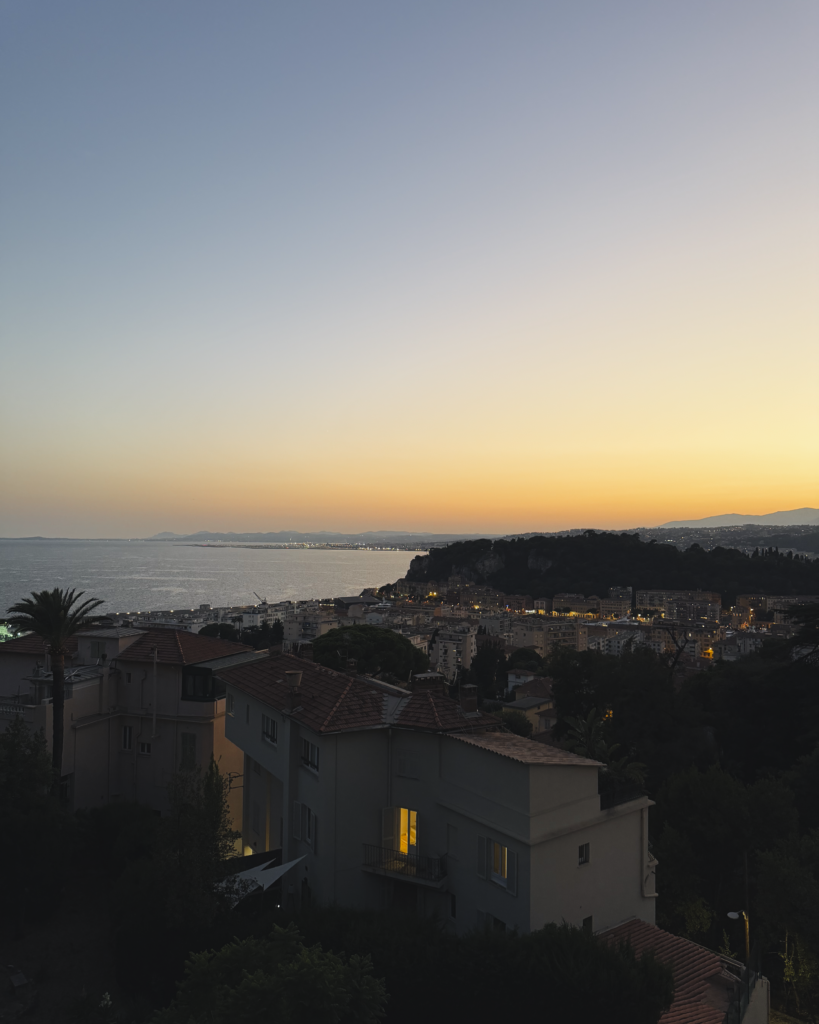
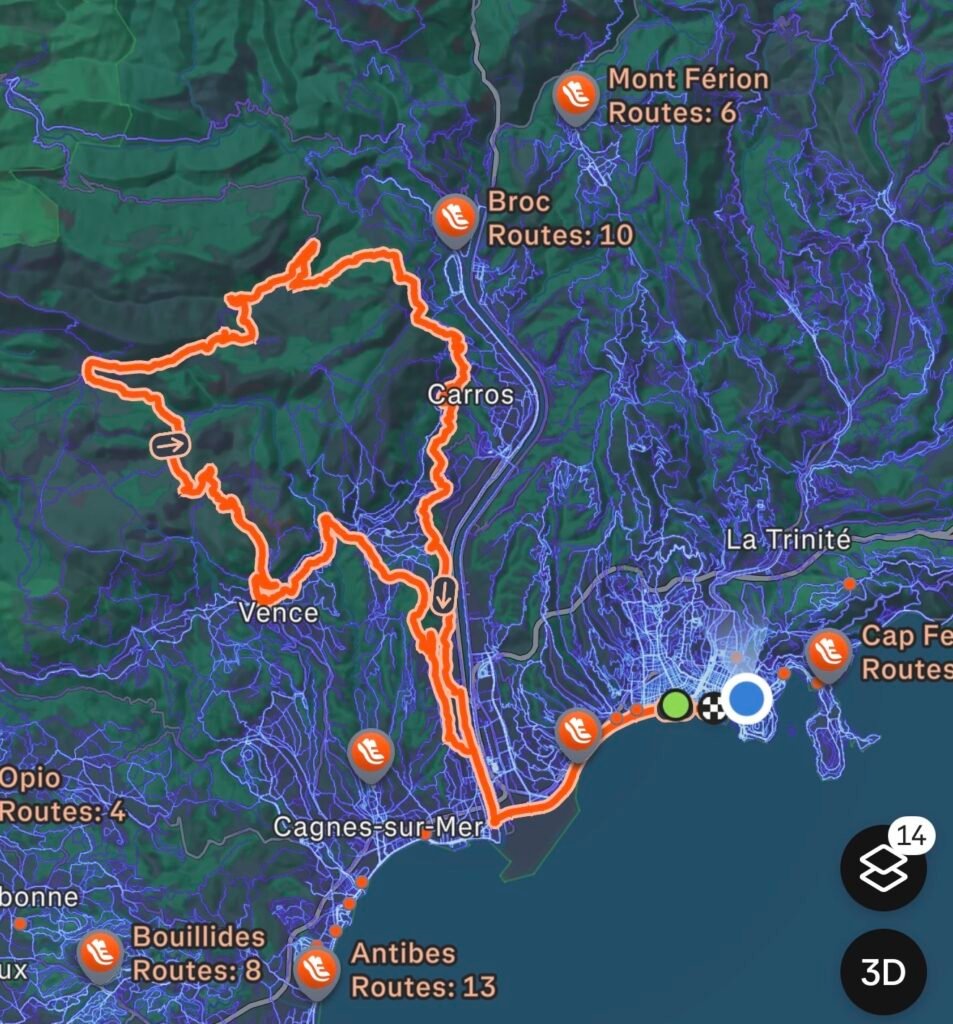
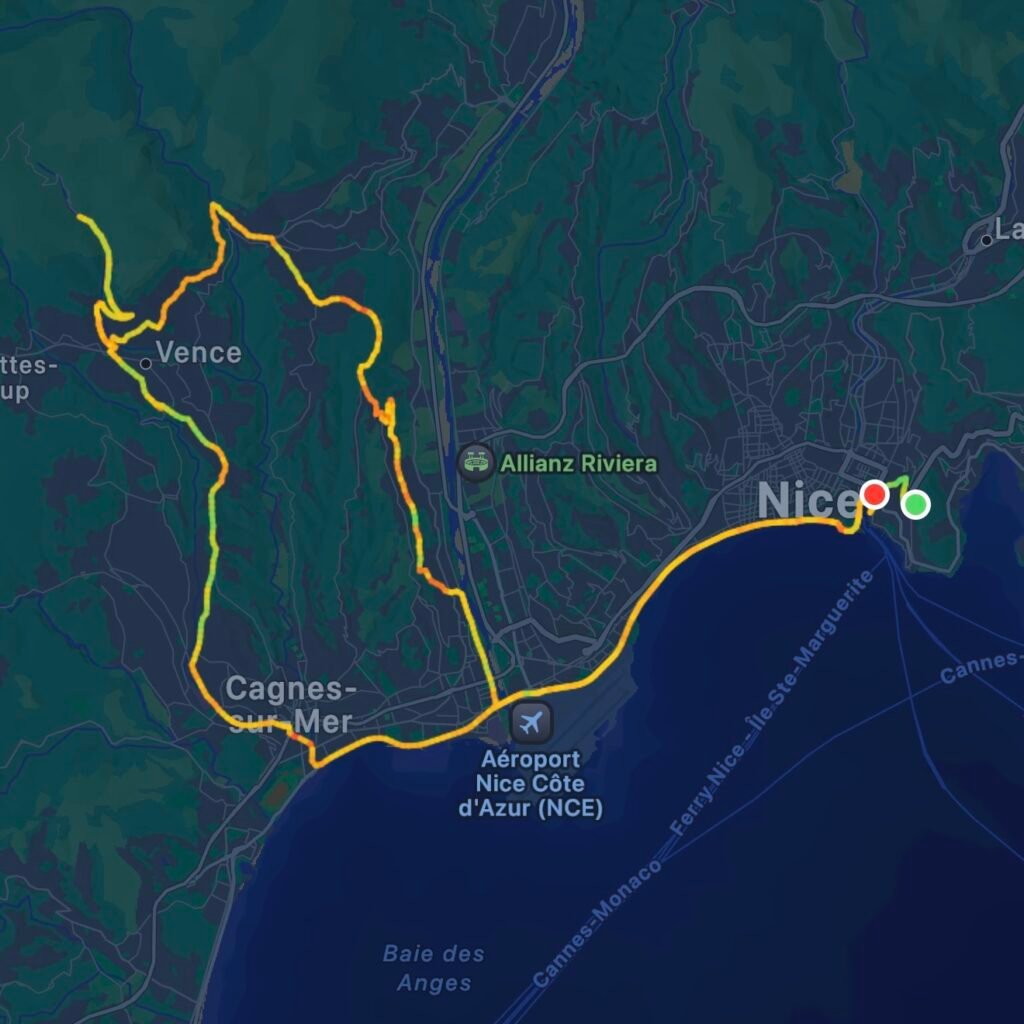
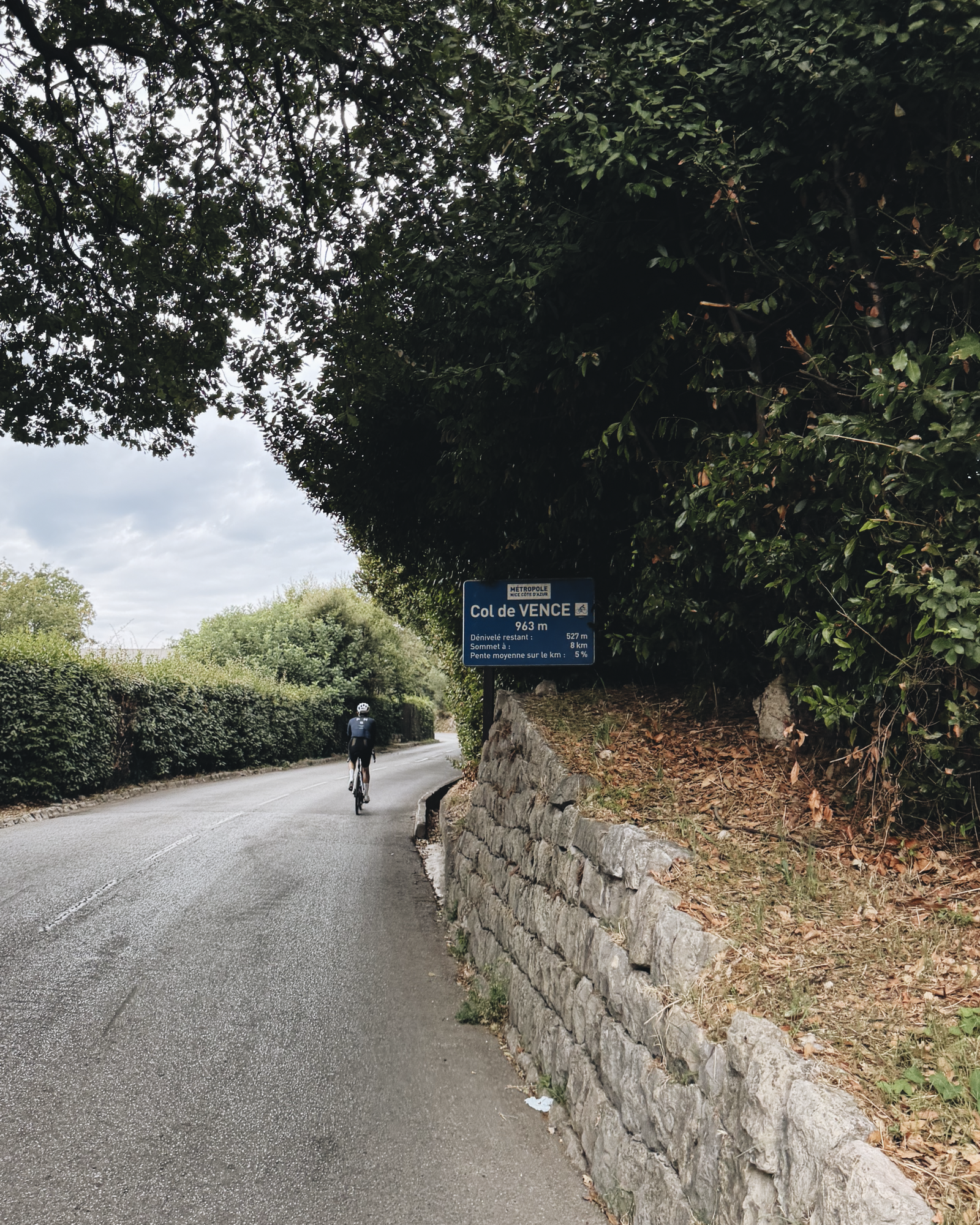
    So, it turns out that if you want to do the 92-kilometre Ironman World Championship bike course in Nice, it’s a good idea to practice a little beforehand. At the very least, you probably want to get on your bike more than a handful of times. I tried it today and came up short.

    The circuit includes le col de Vence at its summit, which is a 9.7-kilometre stretch with a 963-metre peak elevation and an average pitch of 6.6%. I was within 6 kilometres of the top, but my quads completely seized up and I turned back towards Vence, then continued south back to the water.

    I really wanted to get there and reward myself with a sugary crêpe, but my legs were saying otherwise. I’ll be back, col de Vence.

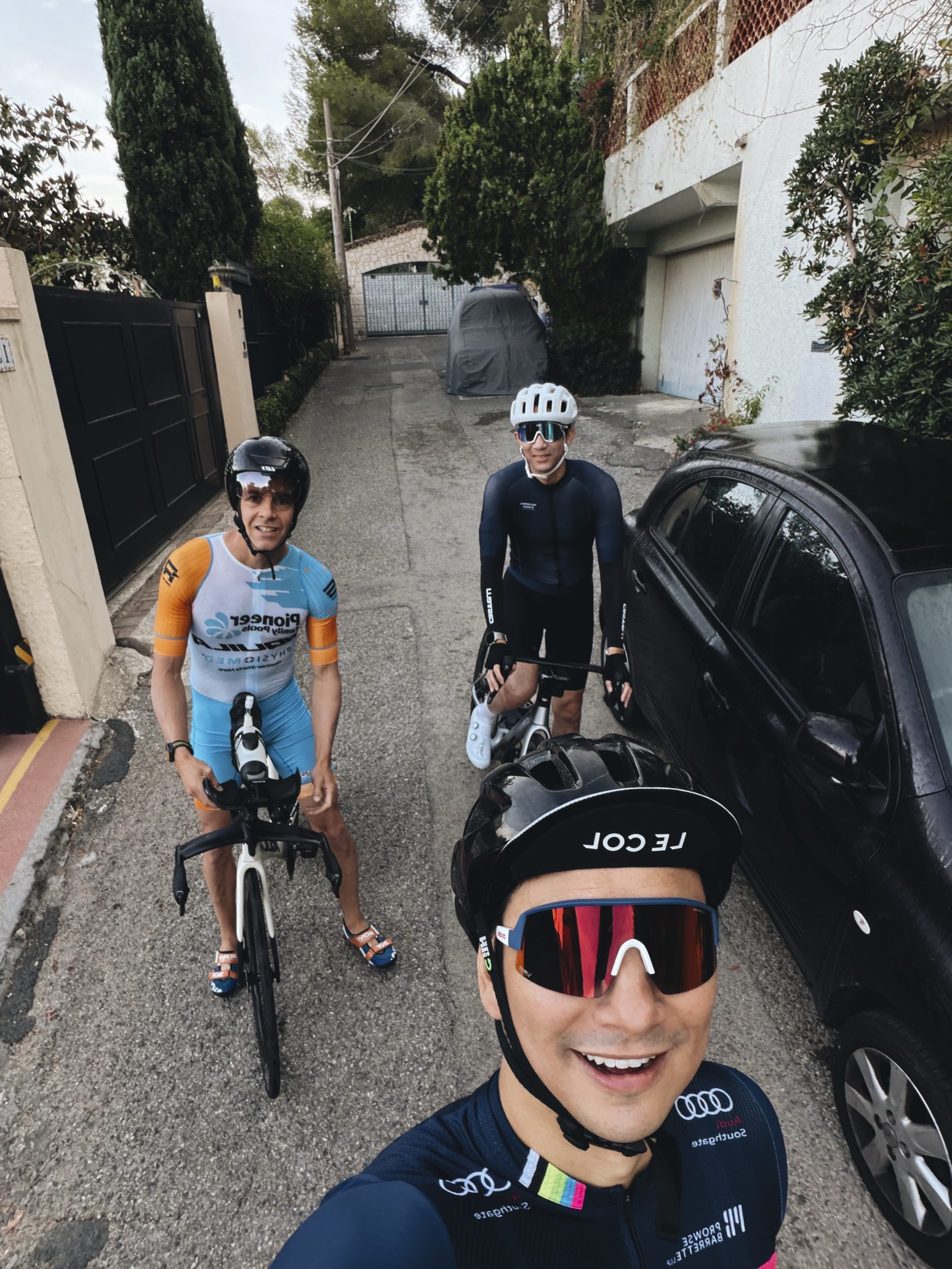
    Shoutout to Guinness World Record holder Austin Kjorven, who will be representing Canada at the Ironman this weekend and has no problem climbing le col de Vence. He was also super patient as I attempted the climb. Follow him here.

    The course:

    What I did:

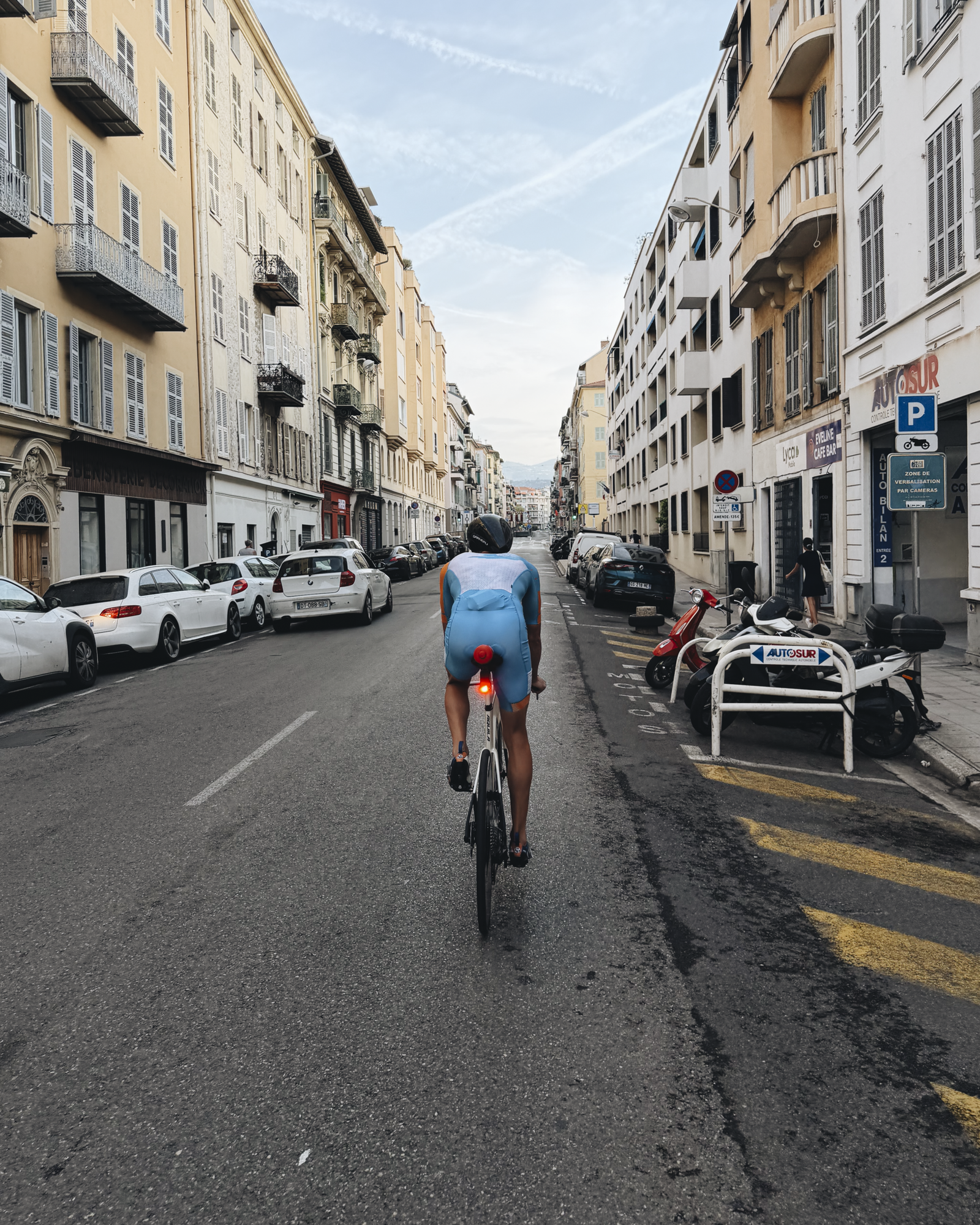
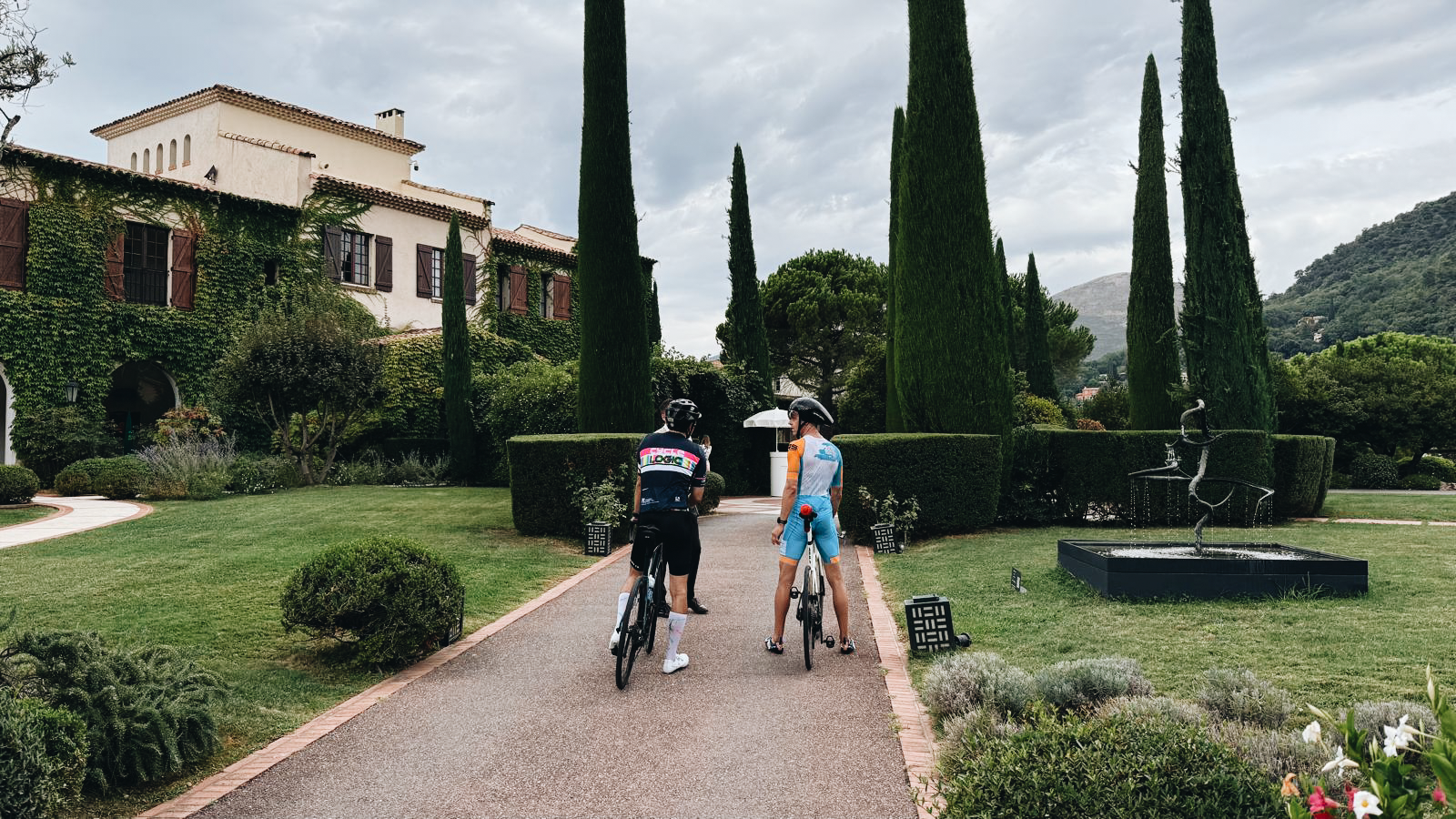
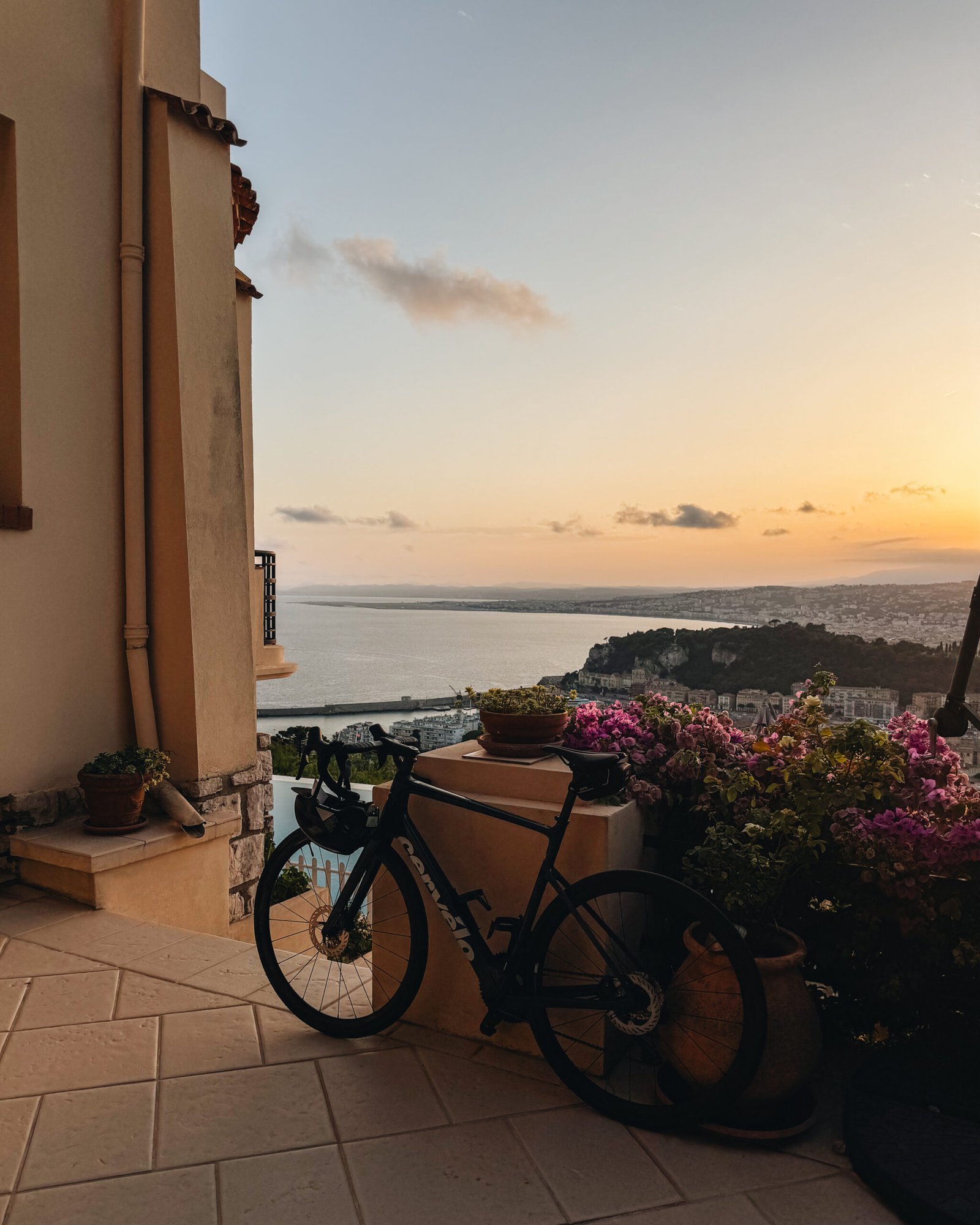
    The ride:

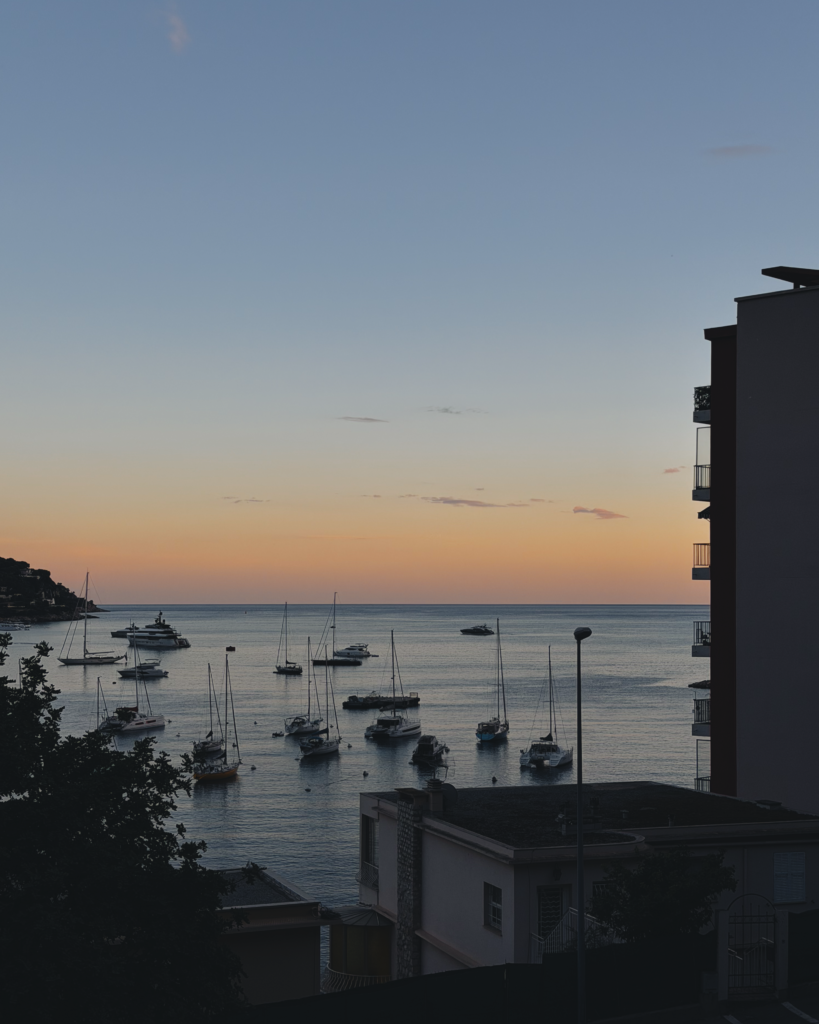
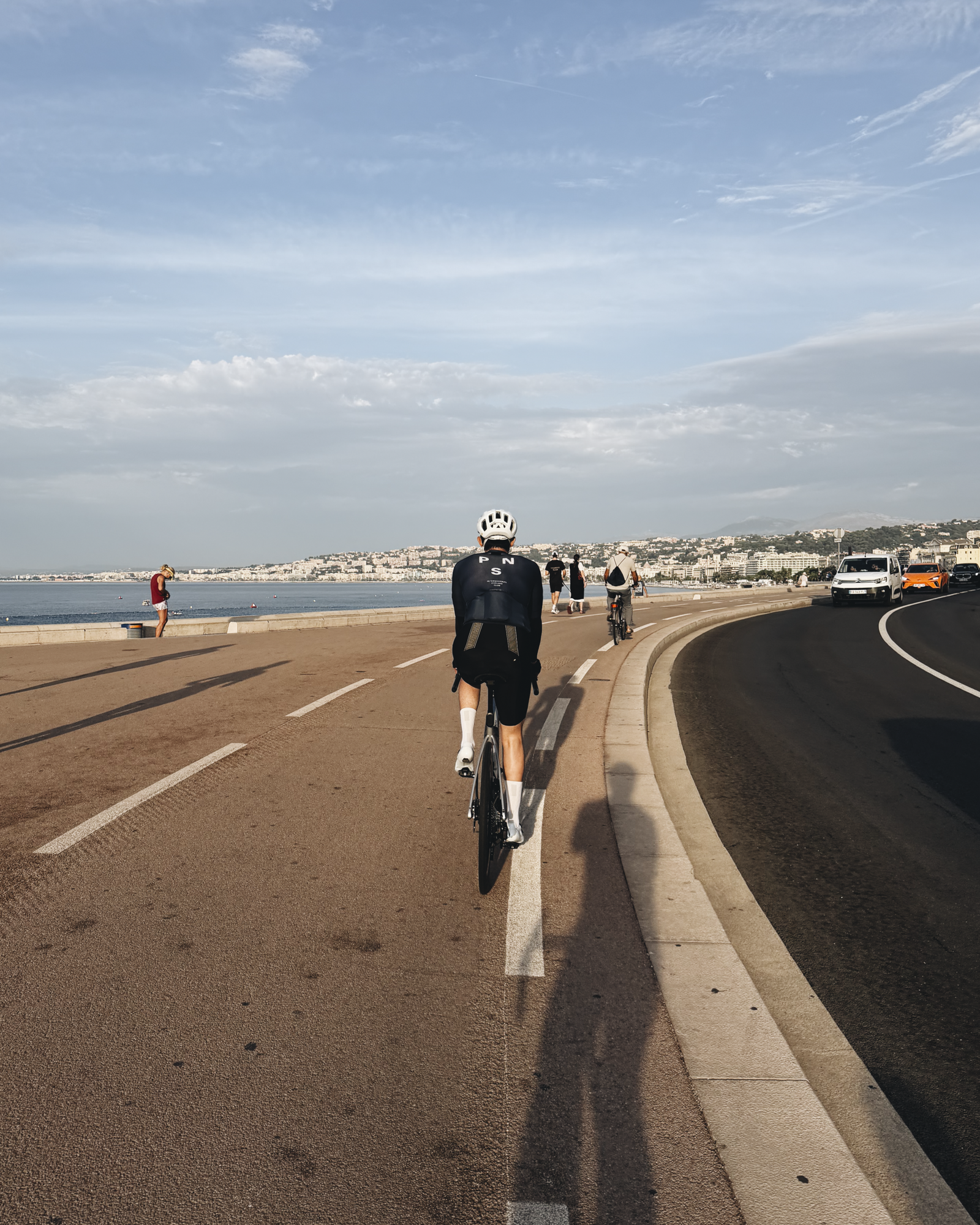
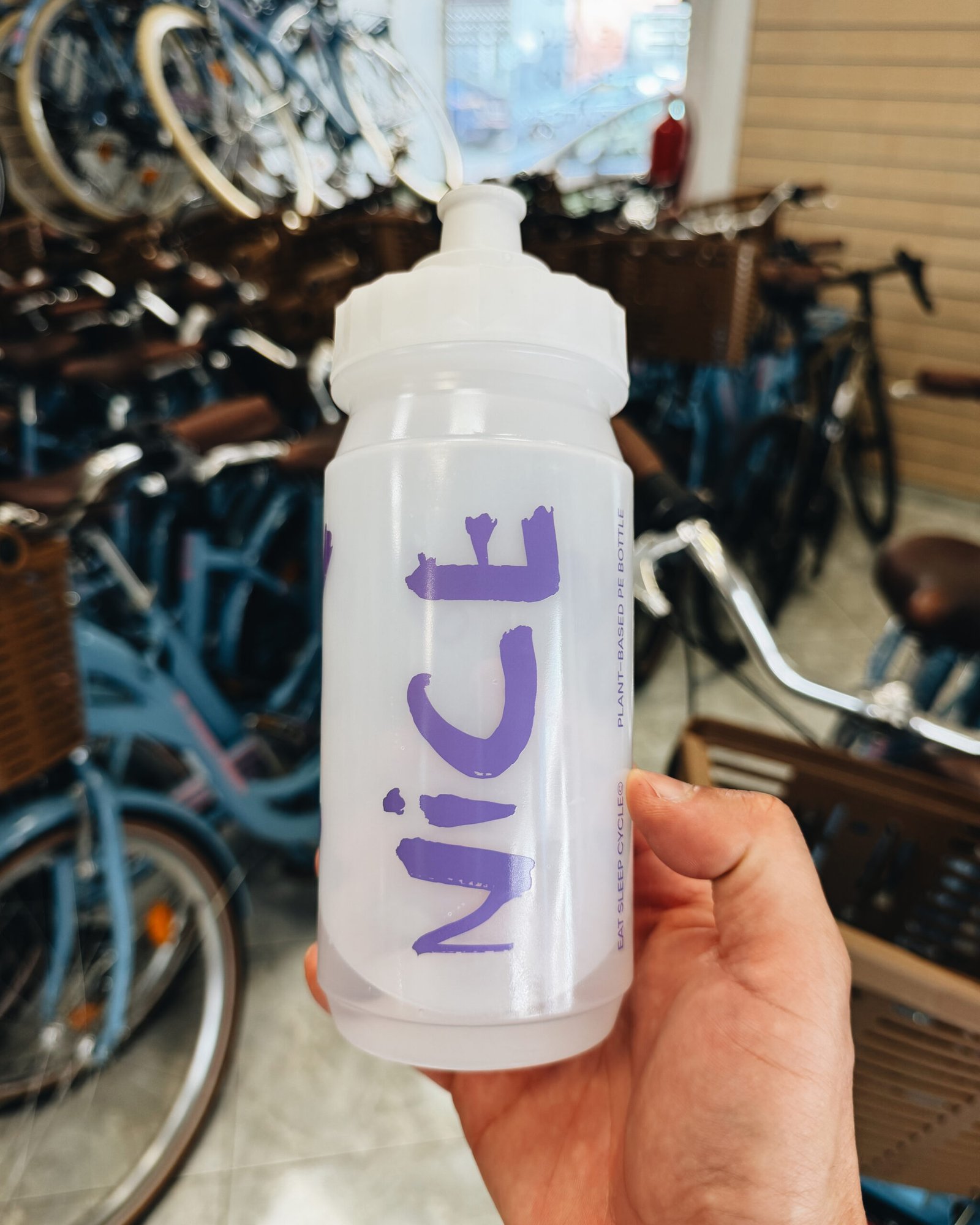
    Some of the local cycling infrastructure:

  • Gone ridin’

  • The entire city is your backyard

    I rarely watch any TV, but when I do, I enjoy browsing YouTube. One of my favourite channels, one that I have mentioned before on this blog, is Never Too Small. It’s a look at small urban spaces from around the world, with the architect or designer walking you through their intent and the various design details. Whenever I watch an episode, I usually get excited about the possibility of buying some piece-of-shit apartment in Paris and turning it into something cool. One day.

    Now NTS has a new series coming out, and it’s premiering this week on July 30. It’s called My City, My Backyard, and it’s a look at cities, specifically through the eyes of creatives. I already know that I’m going to like it, and I love the title. When you live in a city, the entire city is your backyard and amenity. The first city in this new series also happens to be one of my favourite cities: Marseille.

    Marseille is having a moment right now, and that’s not just my confirmation bias speaking. In 2024, the city saw 19.5 million overnight stays, which were a 20% increase compared to the year prior (they hosted 10 medal events during the Paris 2024 Olympics). But even if you strip out its Olympic boost, tourism is rising. Spring 2025 recorded a 7% year-over-year increase, which included a 19% increase in international visitors. Summer 2025 visitors were also 10% higher than in 2023.

    What’s driving this, beyond its vibrant culture, great restaurants, and breathtaking landscapes, is that Marseille has just the right amount of edge. It’s not always a hyper-polished Instagram moment; it’s an effortlessly cool place where finding an uncomfortable rock next to turquoise waters will give you everything you need.

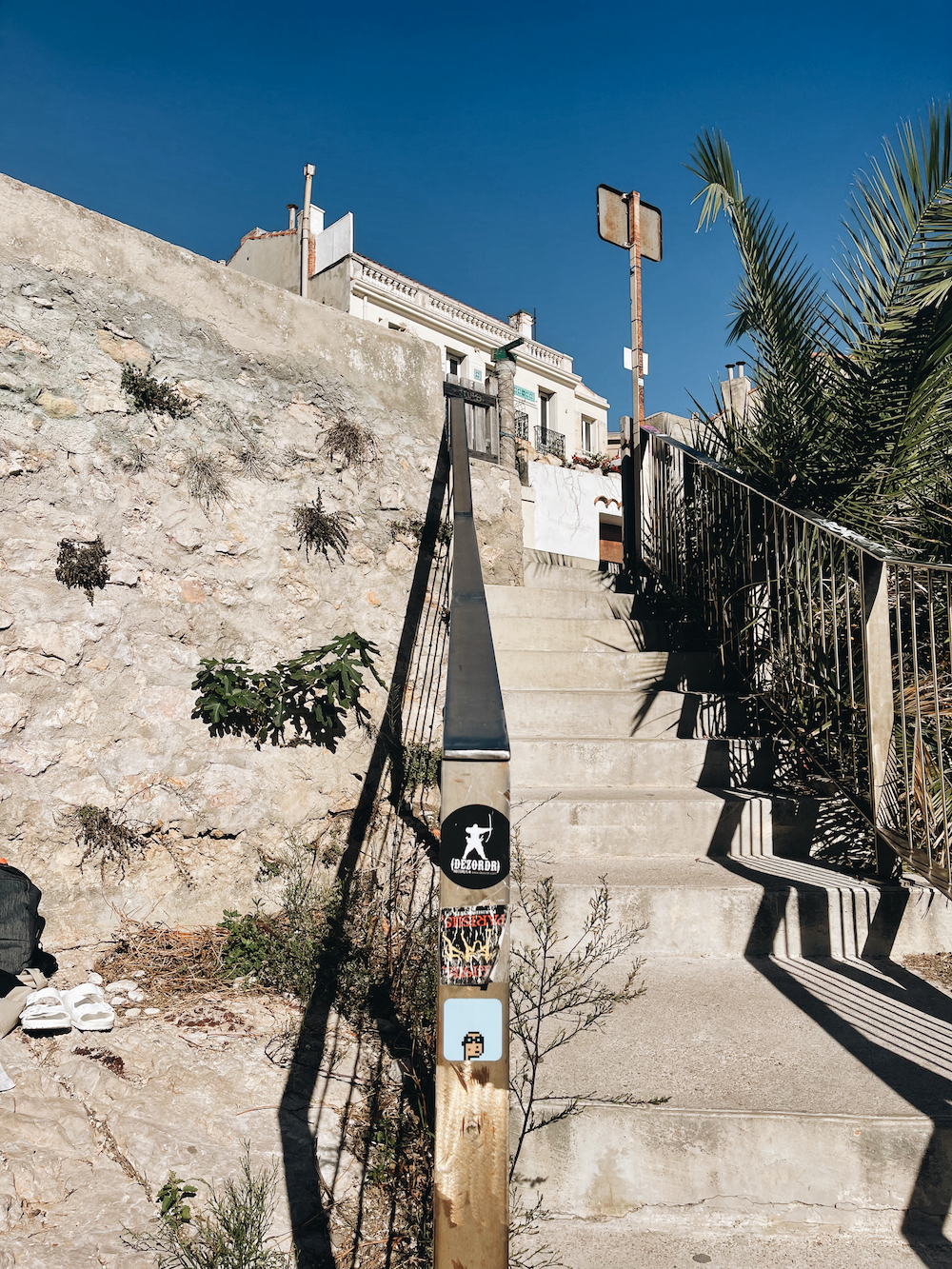
    In other words, it is a place that feels authentic. And in a world of global sameness and AI-generated simulacra, I think many of us are now seeking that authenticity — something that feels real and a little raw. Marseille has that in spades. Oh, and if any of you happen to visit la plage de Maldormé, let me know if my unauthorized sticker is still there.

    Here is NTS’s channel in case you want to check out Marseille this week.


    Cover photo by Jeet Sandhu

  • Nice Méridia

    September 5, 2025 · View original


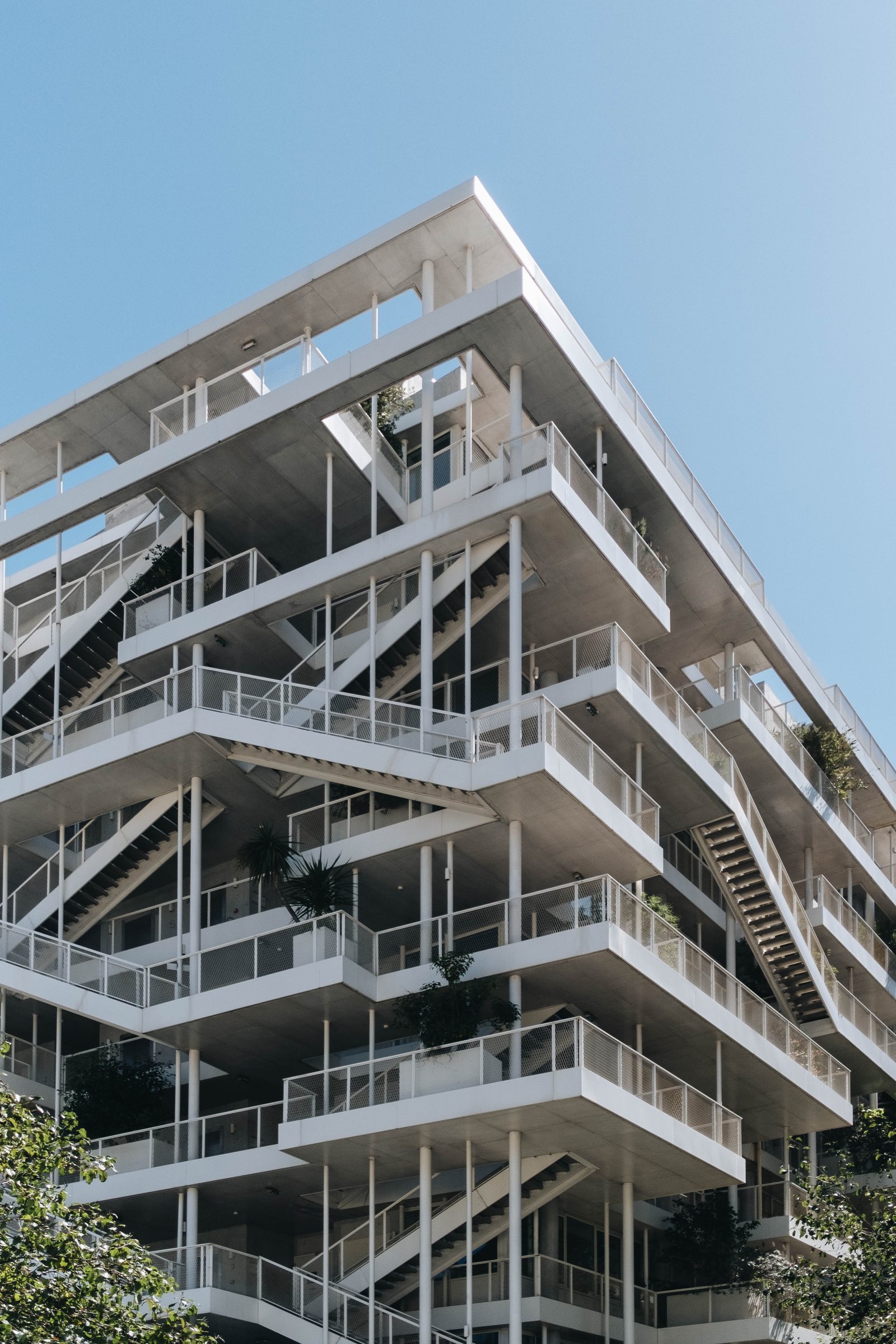
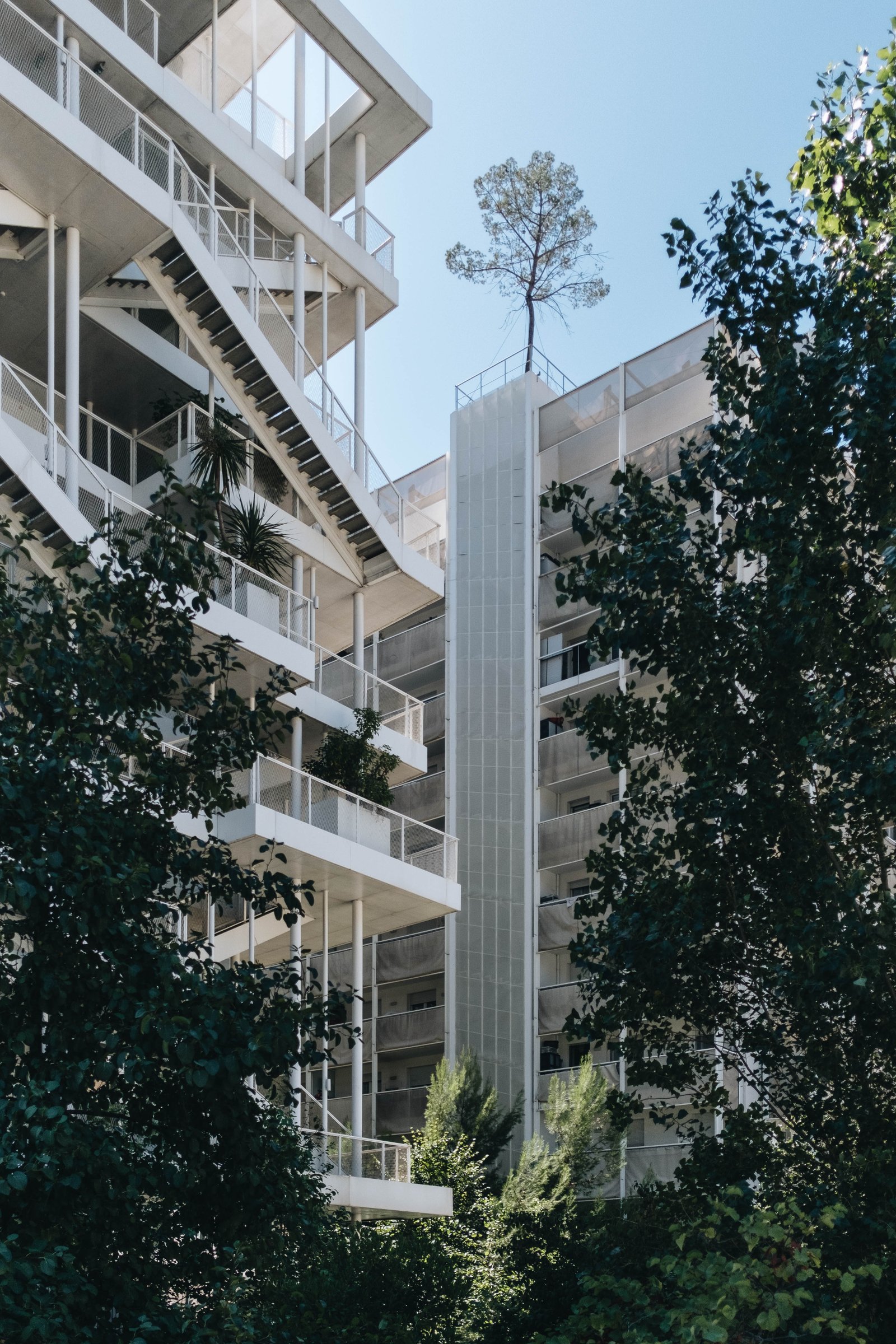
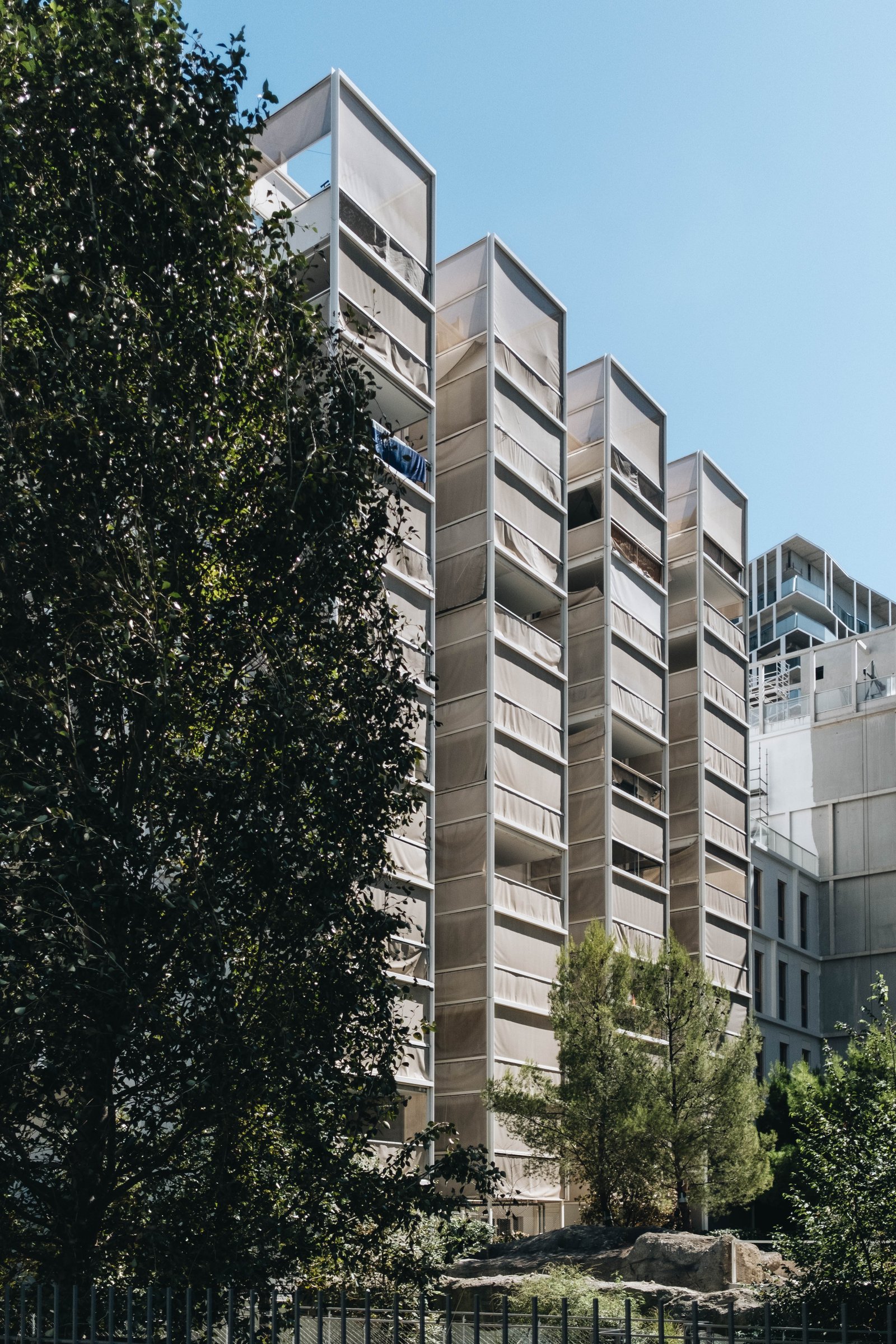
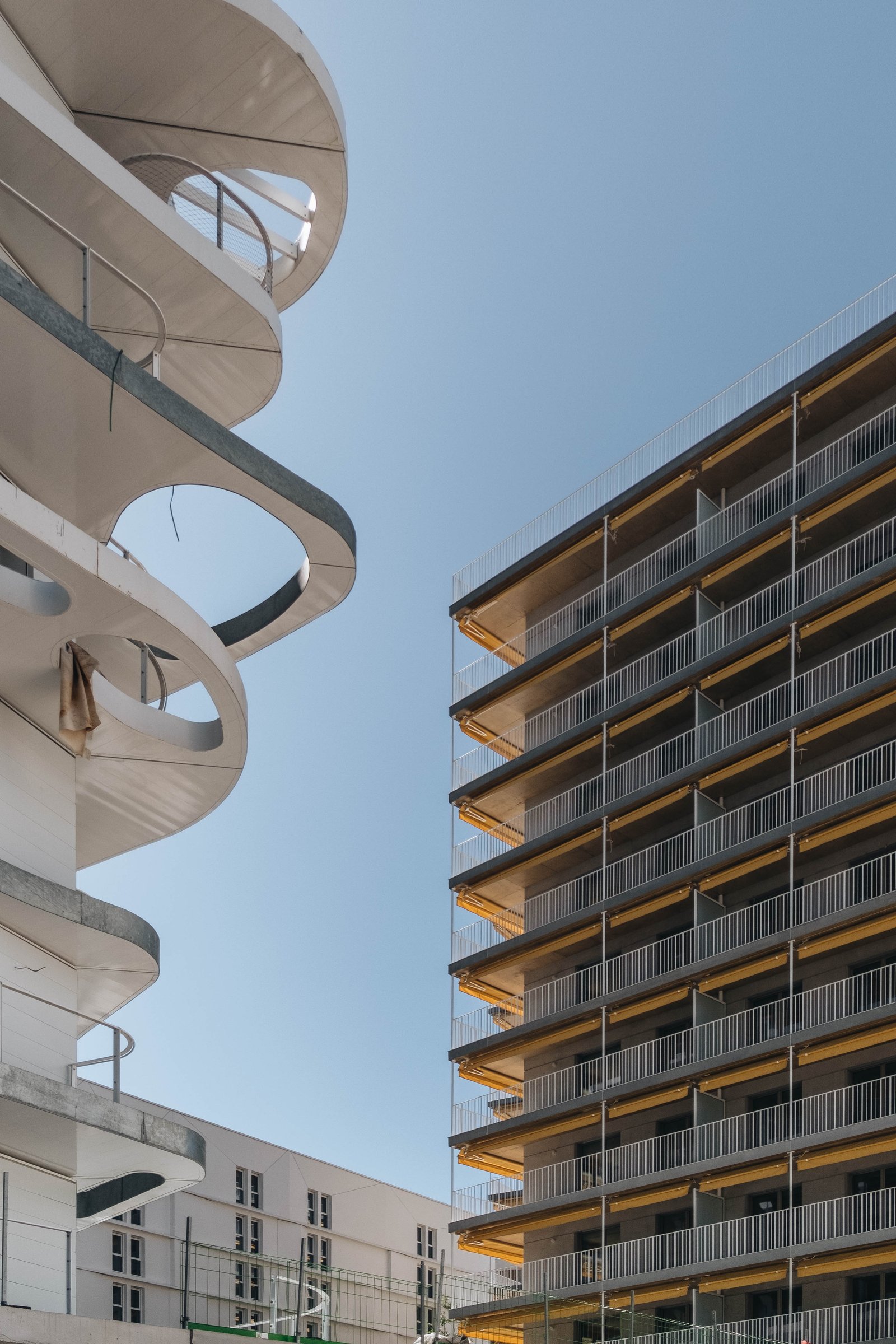
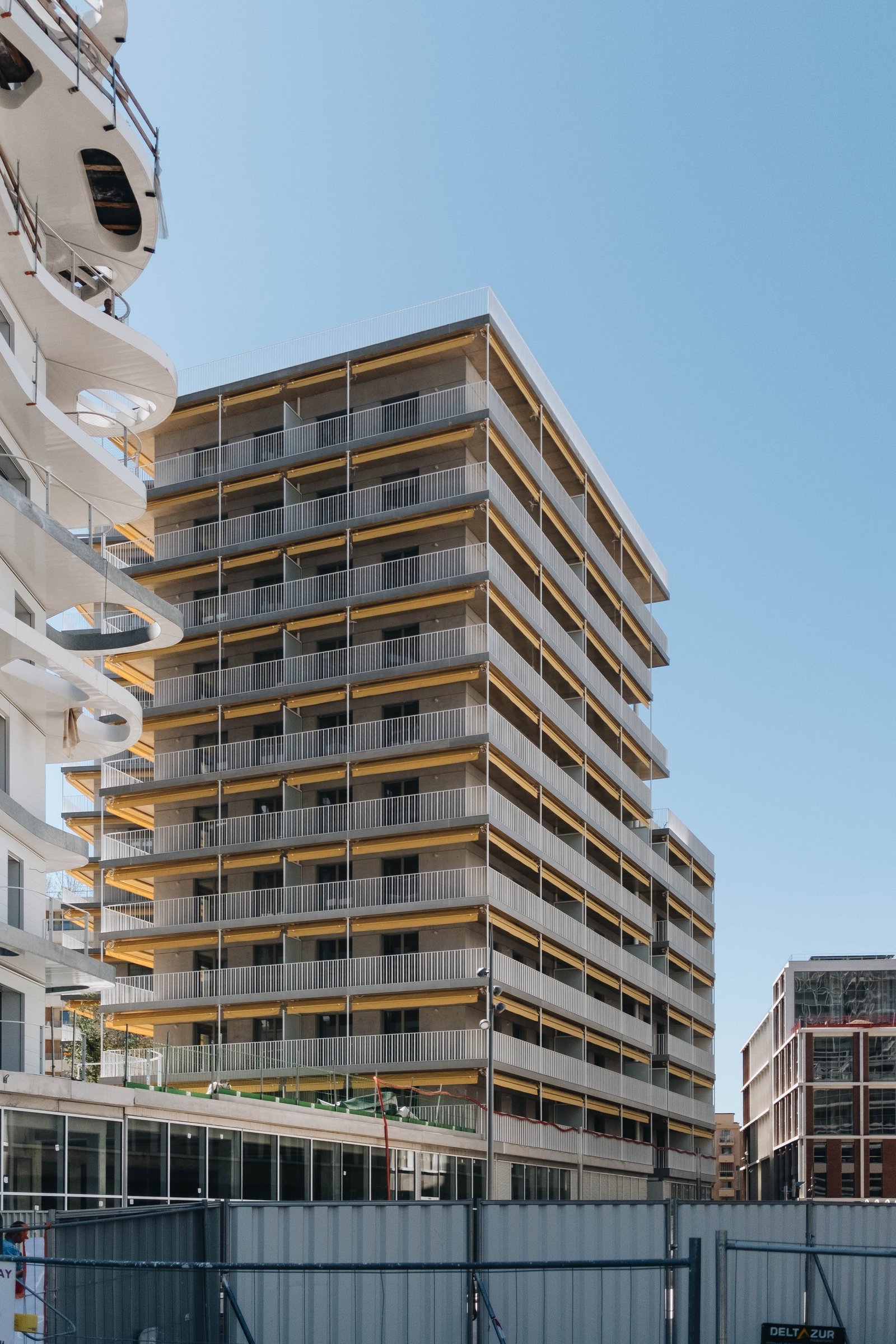
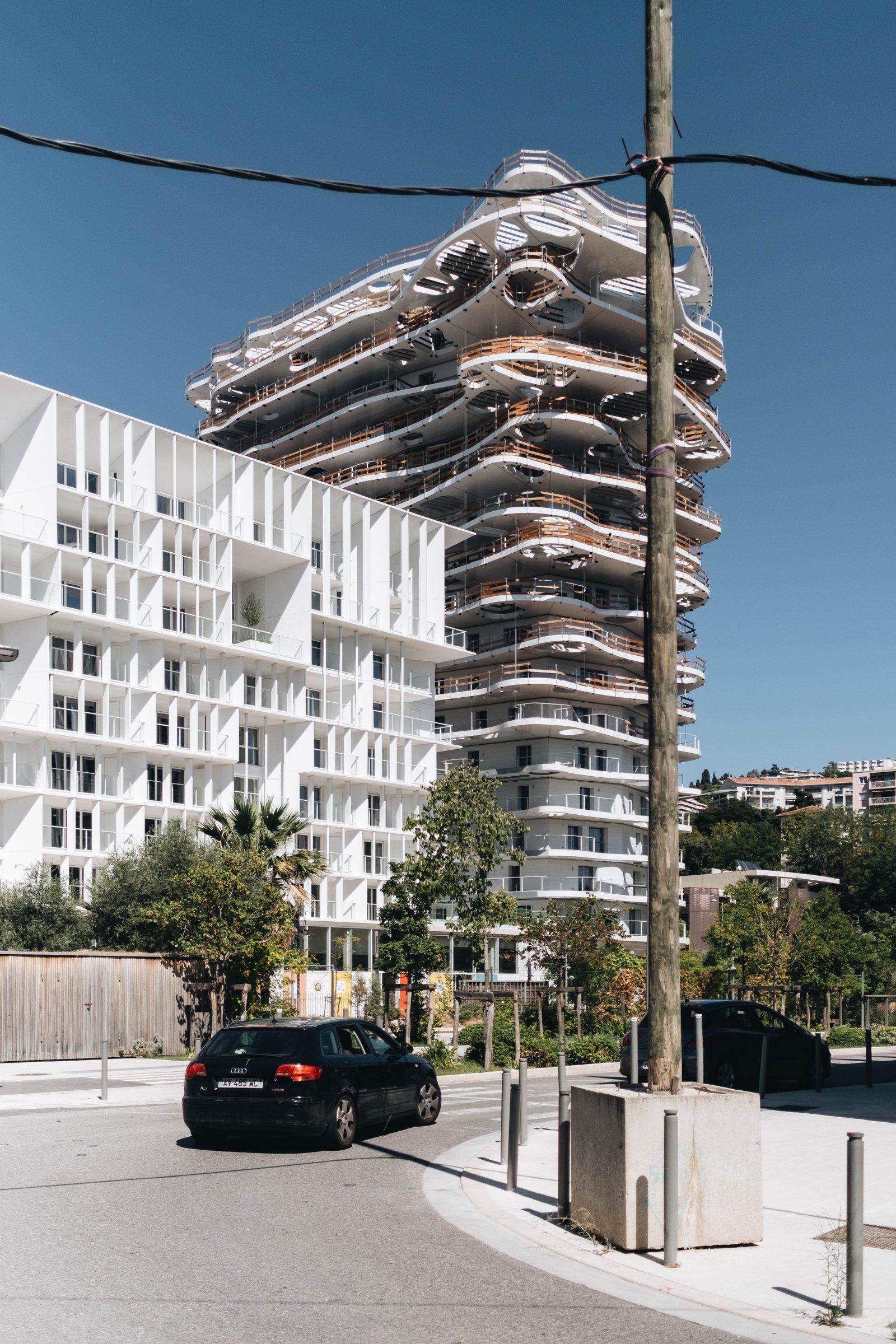
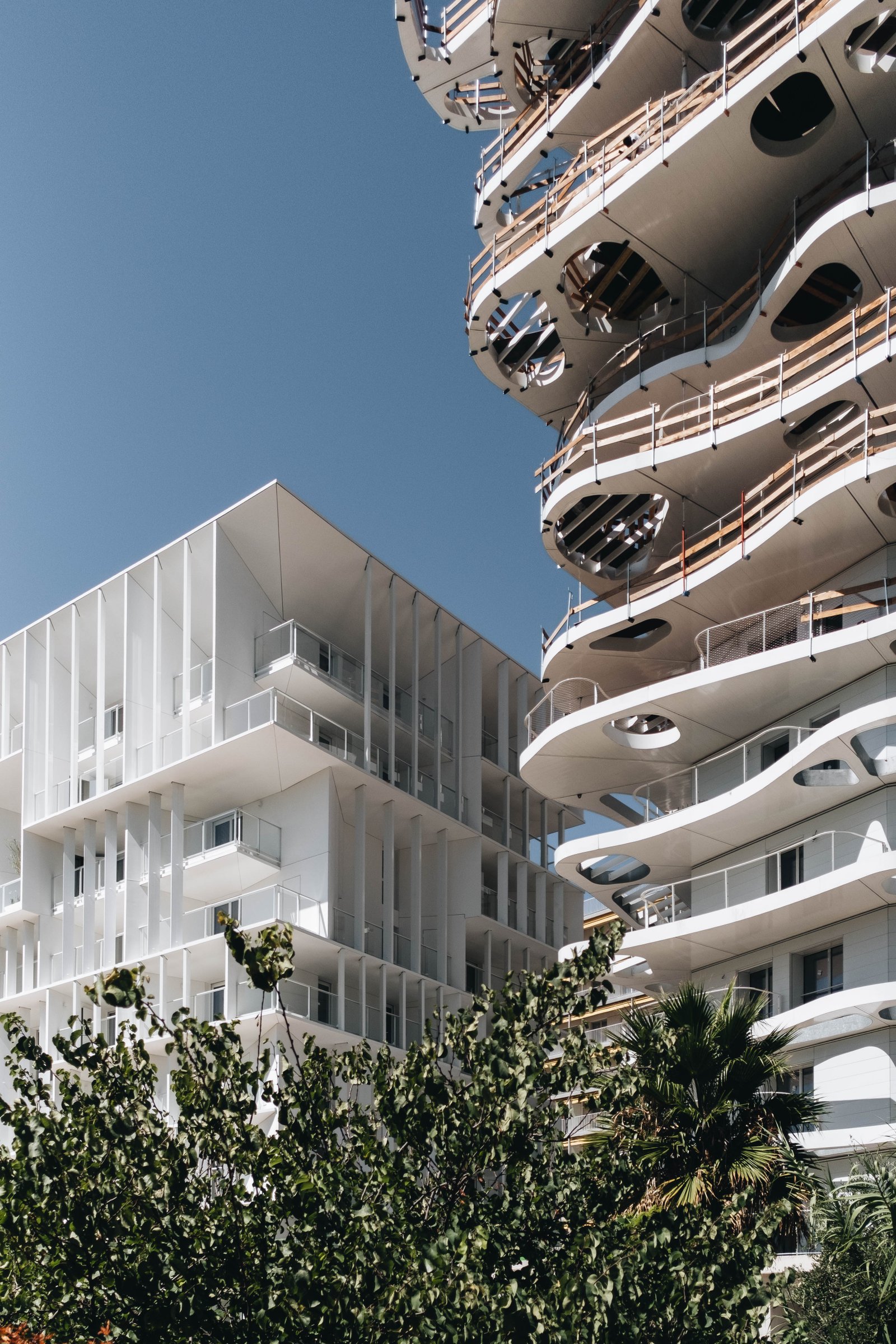
    Today’s post is a follow-up to yesterday’s post about a new community currently under construction in Nice’s Var valley. The following photos were captured on a Fujifilm X-T3 and edited in Lightroom.

  • Exploring new Nice

    September 4, 2025 · View original


    It’s easy to romanticize the oldest parts of Europe’s built environment. But we all know they were built during a different time. A more fair comparison would be to look at how new neighbourhoods are being planned and constructed today.

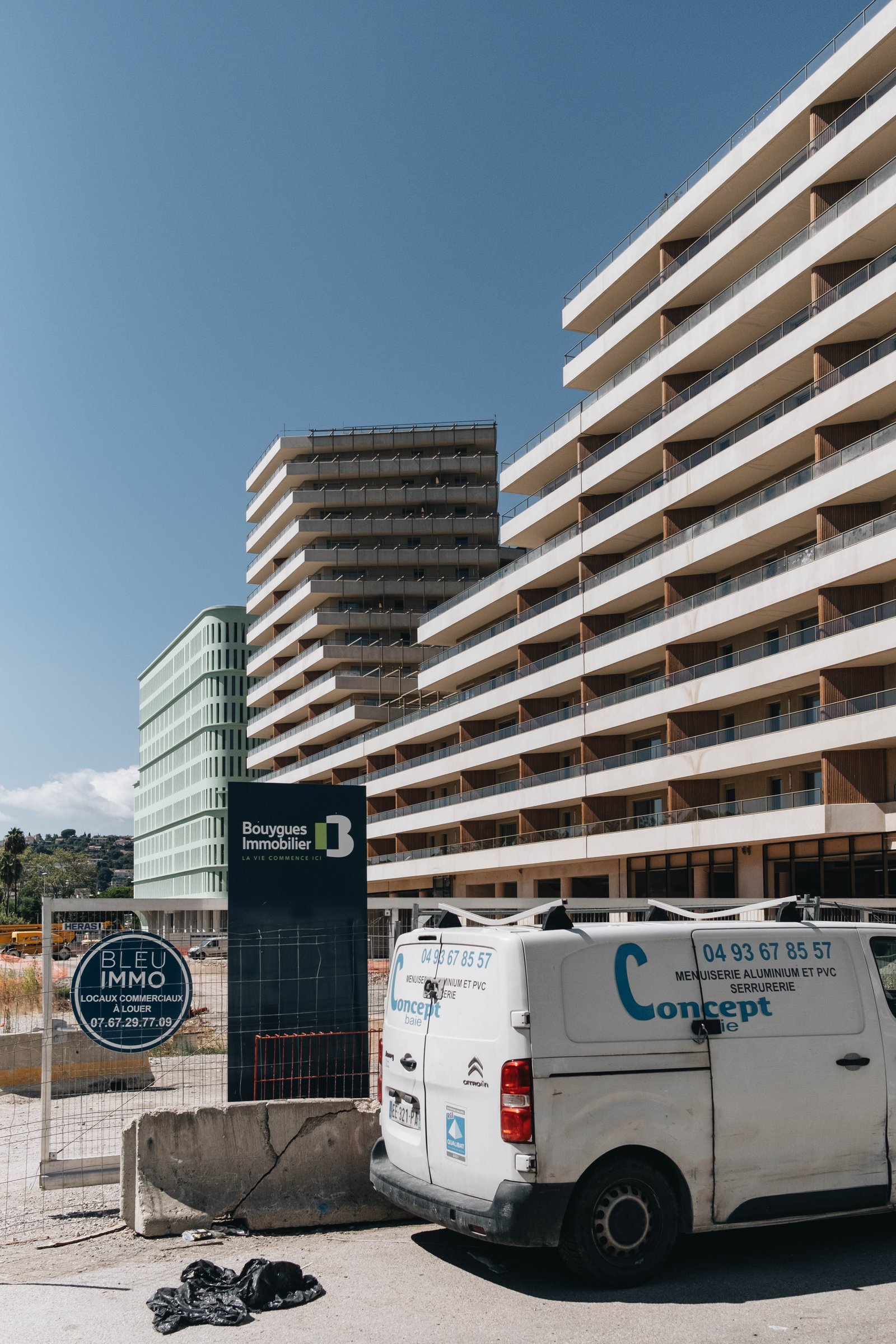
    So let’s exit Vieux-Nice and venture to an entirely new community currently under construction to the north of the airport called Nice Méridia. When complete, the mixed-use community expects to welcome 5,000 residents, 5,000 students, and 5,000 jobs.

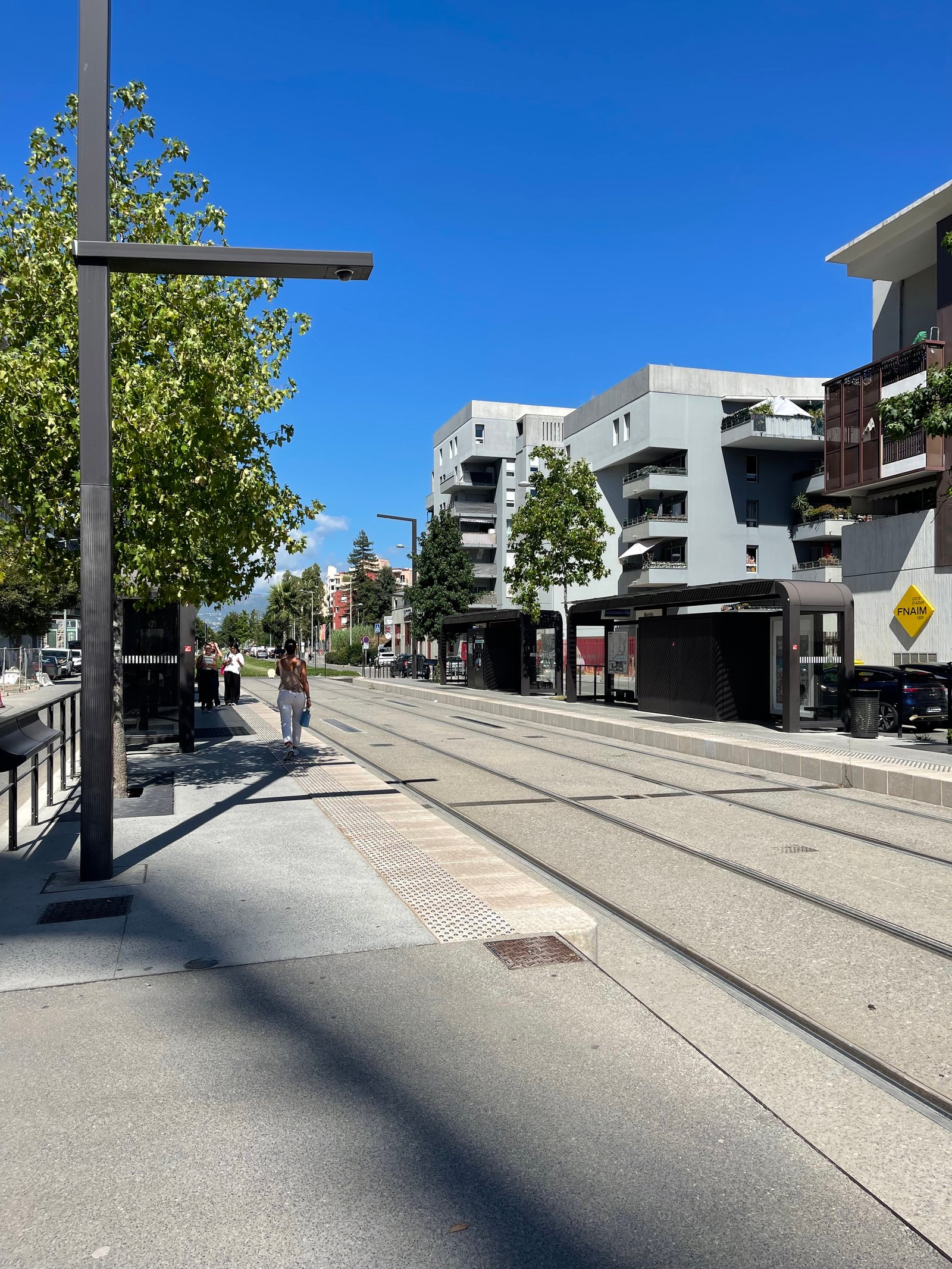
    I don’t know much about the surrounding area, but I do find it noteworthy that the transit infrastructure is already in place. Here’s the tram line that runs on the eastern edge of the community, on its own dedicated lanes. Transit is the clear priority here.
    The community itself is a mix of different street designs. Here, for example, is a narrow street where traffic is controlled by mechanical bollards. North America really needs to get with the bollard program.
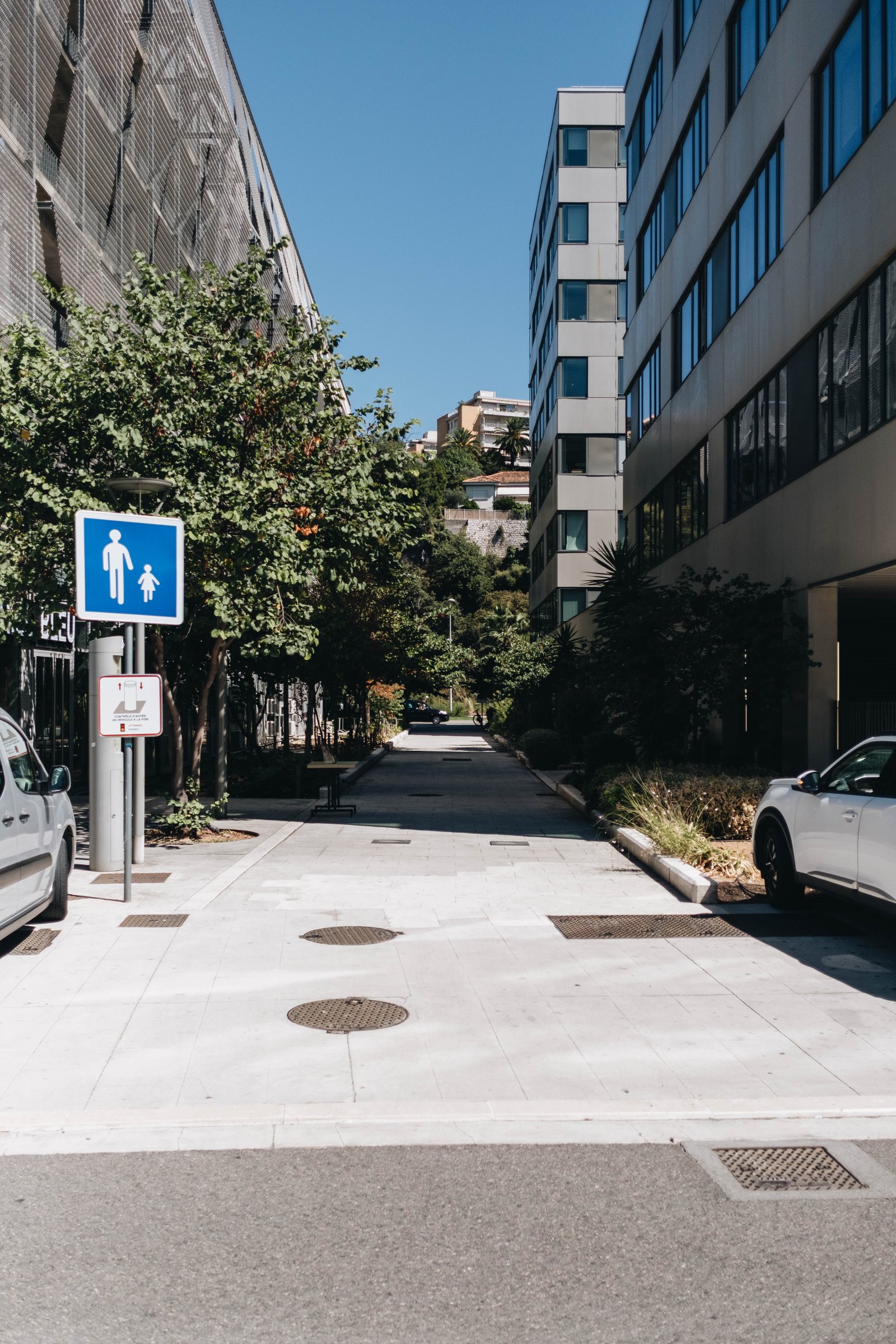
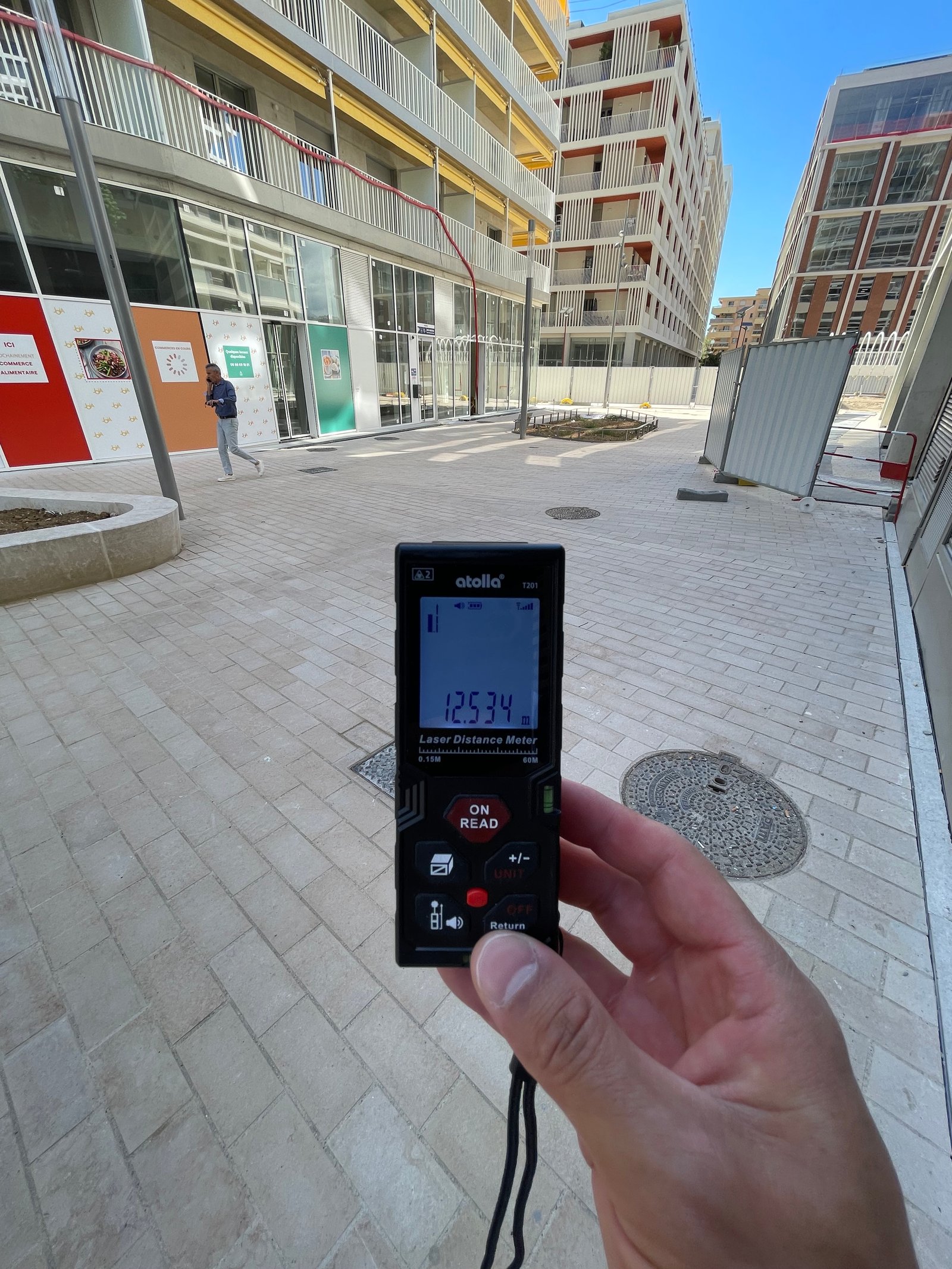
    Here’s a pedestrian-only street that, at its narrowest, is roughly 12.5 meters. So a fairly generous mid-block space.
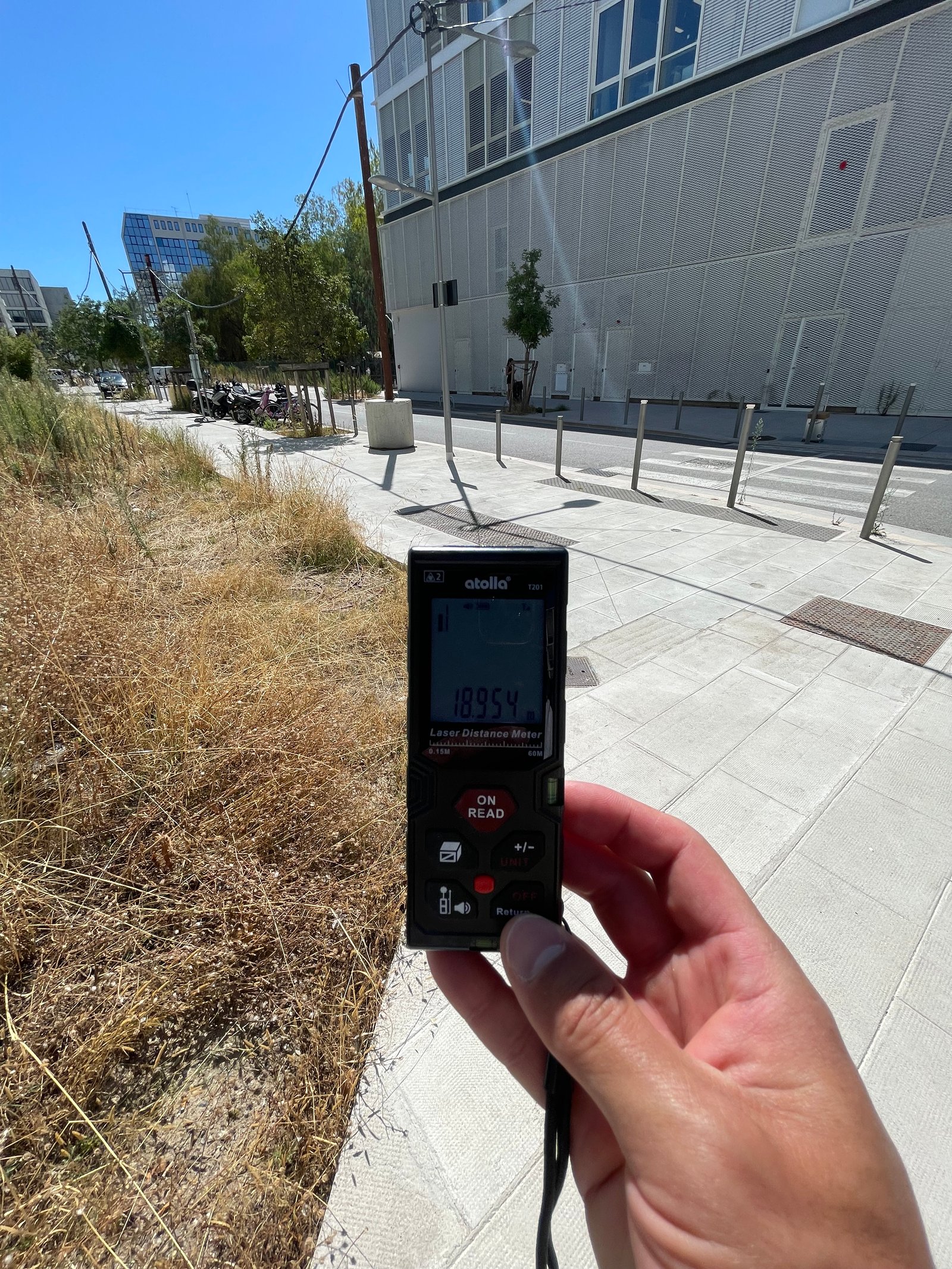
    Here’s what seems to be a fairly typical through street, which clocks in at around 19 meters from building face to building face.
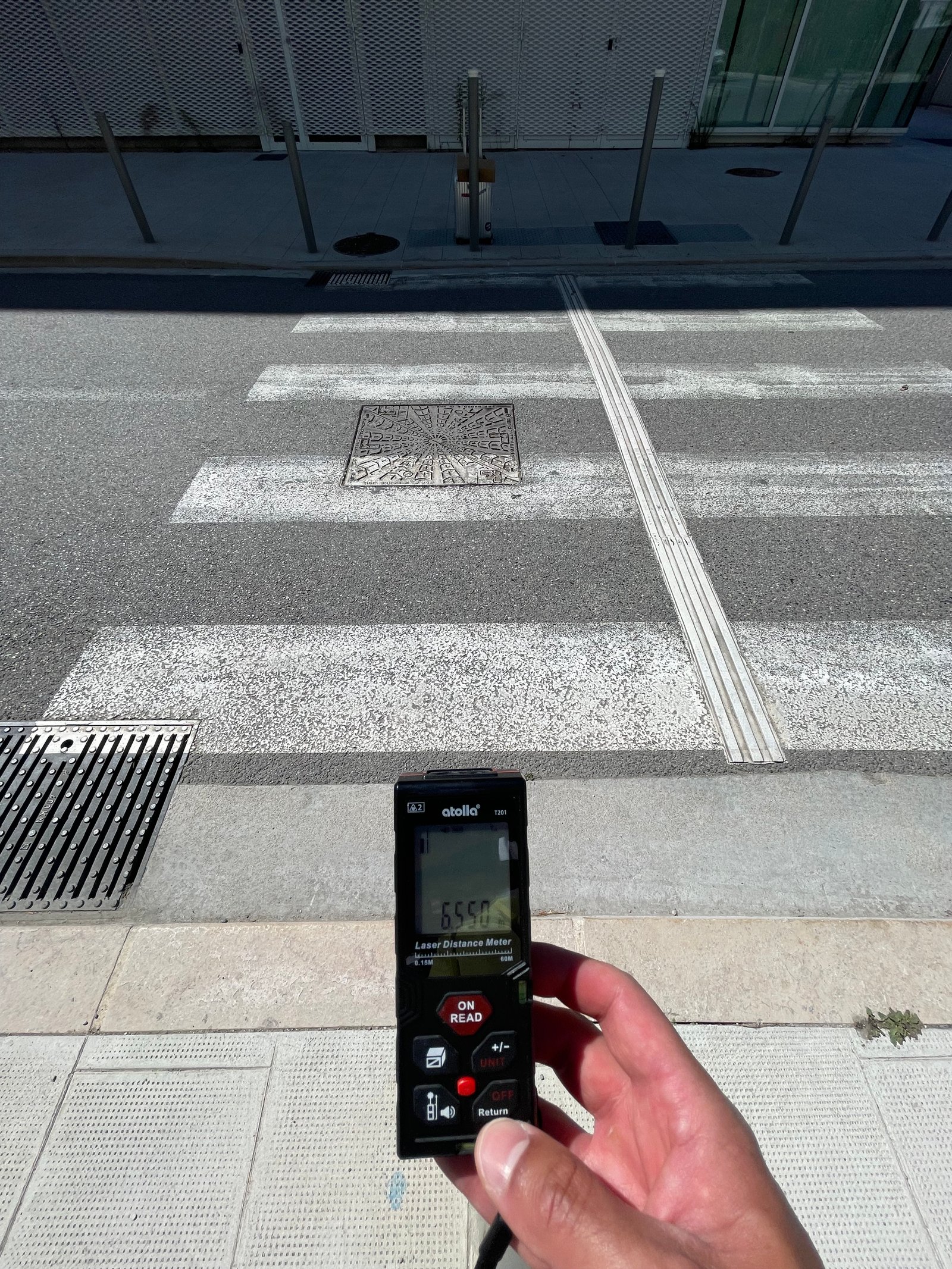
    20 meters is not an atypical right-of-way width. It’s the dimension of most of the streets in the core of Toronto. But here, most of the space is allocated to sidewalks and green space. The space allocated to cars is roughly 6.5 meters. (I’d like to emphasize that this is a rough dimension as I was using my suitcase to pick up the endpoint of the laser.)
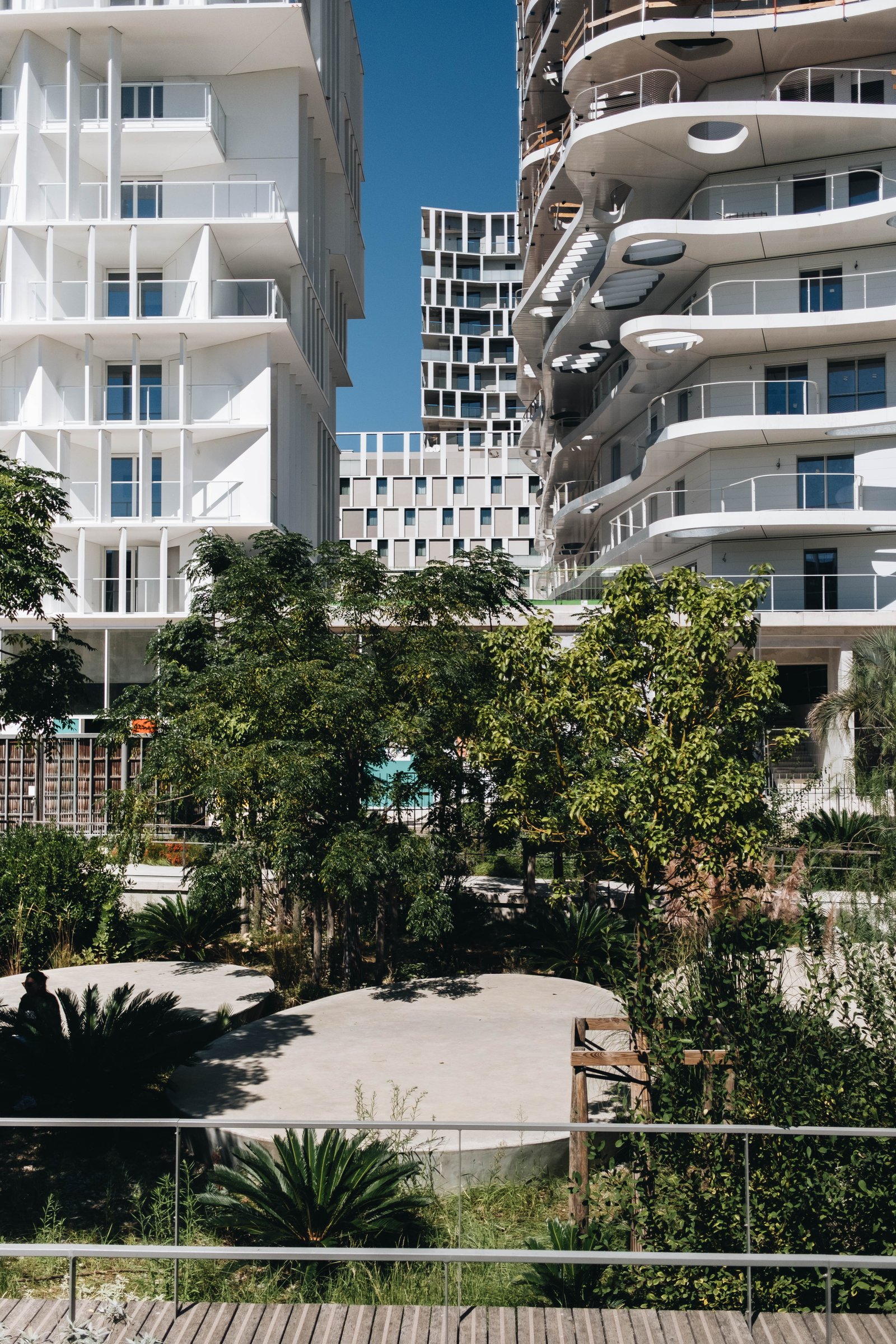
    Finally, there’s this incredible green space bisecting the entire community. I don’t have any dimensions for it, but I can tell you it’s a spectacular amenity. With the all-white buildings in the background, it feels a bit like Miami.
    Tomorrow I’ll share photos of the architecture. Stay tuned.

  • La jalousie window shutter

    September 3, 2025 · View original


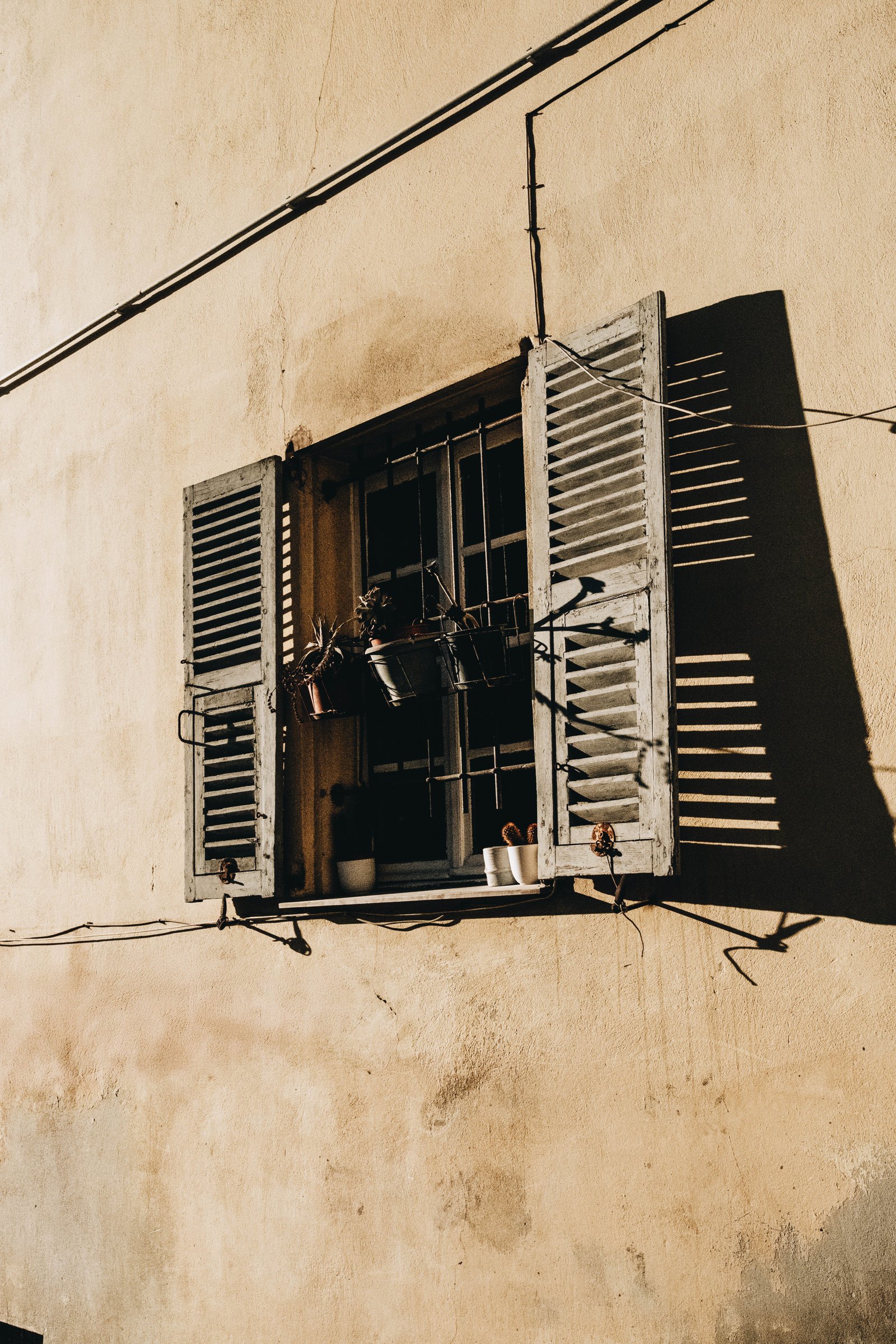
    The humble window shutter is — in many parts of the world — the unsung hero of climate control. What makes them so effective is that they sit outside of the building envelope and, therefore, block sun and thermal heat gain before they get inside. This is an important detail because, once inside, you now have to work that much harder to bring interior temperatures down.

    France’s contribution to the world of window shutters is one called la jalousie, which was deliberately named after the French word for jealousy. The key design feature is that they allow you to be a voyeur. The louvers, which are traditionally adjustable, allow you to see out, but for the most part block people from seeing in. Hence the name. Supposedly they first took hold in Marseille and then spread to the rest of France. That makes sense.

    It’s easy to not care about shutters in a world of modern air conditioning, but this is what generations upon generations have been using to regulate the temperatures of their homes. It’s dead simple, and it works.

  • Do you travel to places or hotels?

    May 2, 2025 · View original


    I was reminded of this duality the other day while listening to a Scott Galloway podcast where he talked about his love for expensive hotels, and how he travels to hotels, not to places. This is a bit abnormal. Traditionally, people stay at a hotel because there are things they want to see and/or do in the place where the hotel happens to be located. Meaning they choose the place first, and then figure out where they’re going to stay after.
    But there is also a statistically significant percentage of travellers who work in the opposite direction. Scott seems to be one of them. Now, his examples were all at the highest end of the spectrum, and that makes intuitive sense. If your M.O. is to travel to hotels, and you’re kind of agnostic to place, then presumably the hotels are going to be super nice. But I don’t think this market segment only exists at the very top. I don’t stay at the same kind of hotels as Scott, but I still love hotels.

    One example that I have talked about before is Tuba Club in the south of Marseille. Bianca and I stayed here a few summers ago. We read somewhere that it was about to open, we loved the vibe, and so we organized our travel itinerary just so we could stay there. We ended up loving Marseille (so much so that we went back), but Tuba came first. It was the catalyst.

    A local example I can give is the Drake Devonshire in Prince Edward County, Ontario. When it opened in 2014, “The County” was not on my radar. Maybe I had been there as a kid? I don’t know. But as soon as it opened, I wanted to go, as did many others judging by the lack of room availability. The design by John Tong was a hospitality offering that just wasn’t available in the rest of southern Ontario at the time.

    This is a powerful position to be in for a hotel. Because it means that through some magical combination of design, brand, service, and experience, you have a product that people specifically want. They’re not just stopping by and need a place to stay, they’re actively seeking you out. This is not to say that location doesn’t matter; it does. But it is to say that a highly-coveted offering that people love is always better to have than not.

    And if you get it right, there’s the opportunity that people will even choose you over place.

    Update: A previous version of this post incorrectly stated that John Tong had passed away. John unfortunately had a severe stroke, but he did not pass away. Sorry, my mistake, John!

    Cover photo by Toni Osmundson on Unsplash

  • A great hotel can help you build your city

    January 10, 2025 · View original


    Hotels are an important city-building tool. Let me give you an example. Each year, Conde Nast Traveler publishes a list of the best places to visit right now. Here’s the 2025 list. If you scroll through it, one of the 25 places you’ll find is Marseille. And if you look at the first picture, you’ll find a hotel/restaurant called Tuba Club.

    Long-time readers of this blog will know that I’m a big fan of Marseille and that, back in 2021, Neat B and I stayed at this hotel. In fact, the whole reason we even decided to stop in the city for the first time was so that we could check out this exact place. It opened the summer before and I had seen it written up somewhere.

    I can also tell you that if you flip through Monocle’s new handbook about France and go to the hotel section, you will likewise find Tuba Club. The place is seemingly everywhere and now has a loyal following.

    But here’s the important thing: it only has 5 rooms! And the room we stayed in was best accessed via a window and a large rock outcropping beside it. There’s no way this place would meet code anywhere in Canada. But boy was it cool. And because we loved the experience so much, we decided to go back to Marseille the following summer and check out more of the city. It didn’t disappoint.

    Now I tell people and write blog posts about how much I love Marseille. And it all started with 5 non-code-compliant rooms perched on a bunch of rocks in a sleepy fishing port on the south end of the city. A great hotel can help you build your city.

  • Cité Radieuse, Duplex Type E

    Le Corbusier’s Cité Radieuse in Marseille is, as I have mentioned before, one of the most important and influential multi-family buildings of the 20th century. As an architecture student, this is one of those buildings that you get indoctrinated with, so I was excited to visit it for the first time with Neat B in 2022 on what was our second visit to Marseille. We’re big fans of the city. Here is the post I wrote following that visit.

    Today, let’s look at one of the actual suites, which is currently listed for sale through Architecture de Collection. But first, a reminder: The complex was originally constructed between 1948-1952 and was meant to serve as a new housing model for post-war France. In 2016, the building was designated a UNESCO World Heritage Site and, today, you’ll sometimes find things like a Chanel fashion show taking place on its rooftop.

    The suite that is for sale is Type E, which is about 100 m2. It has 3 bedrooms and 2 bathrooms. A balcony. And a view of the Mediterranean. It is listed for 650 000 €, which works out 6,500 € per square meter. For Toronto readers, this is right now the equivalent of C$965,485 or about C$897 per square foot. The monthly copropriété charge is about 300 € and the annual property taxes are about 2000 €.

    Does this seem reasonable or expensive to you?

    For more info, click here.

    Photo by Louis Charron on Unsplash

  • 3 things about Le Corbusier’s Cité Radieuse

    I have written about Le Corbusier’s Cité Radieuse in Marseille many times before on the blog. It is one of the most influential multi-unit buildings of the 20th century. For better and for worse, it inspired a generation of architects. But up until this afternoon, I had yet to actually see it in person. Now that I have, here are 3 takeaways.

    The corridors throughout the building were thought of as “streets” in a vertical village. Because of this, each street had a mailbox and each front door came equipped with an elaborate delivery system. The large curvy thing pictured above was for general deliveries (mostly food I’m guessing). And the smaller door below was for ice block deliveries (i.e. refrigeration). In both cases, these doors could be accessed from inside the kitchen.

    The two “streets” in the middle of the building were dedicated to commercial uses. And by being in the middle of the building, they were equidistant from residents living either above or below. I was told that when the building first opened in the 1950s, these streets were actually quite successful — filled with everything from bakeries to grocery stores. So you can imagine people running deliveries up and down to the other streets. But that quickly fell off as the retailing landscape developed in Marseille and in France. Today, this portion of the building houses mostly offices, art galleries, and specialty boutiques. Though there remains a widely-used 21-room hotel (pictured above).

    To fully appreciate what the Cité Radieuse meant for housing in France, you kind of have to imagine what the rest of its stock was like at that time. The introduction of duplex and dual aspect units with modern kitchens and bathrooms and with views of the sea, represented meaningful progress at the time. But it is interesting to see how much ceiling heights have changed over the years. They’re really low here — well under 8 feet. And that is probably its greatest Achilles’ heel today.

    If ever you happen to find yourself in Marseille, I would encourage a visit to the Cité Radieuse. Many of the things we do today started in this building. And there are some other ideas here that might also be worth bringing back.