Daily insights for city builders, delivered every morning at 6 AM ET. I’m Brandon Donnelly — a Toronto-based real estate developer and founder of Globizen. I’ve been writing here since 2013.

Category: Retail

  • Micro-retail on the corner of rue de Mogador

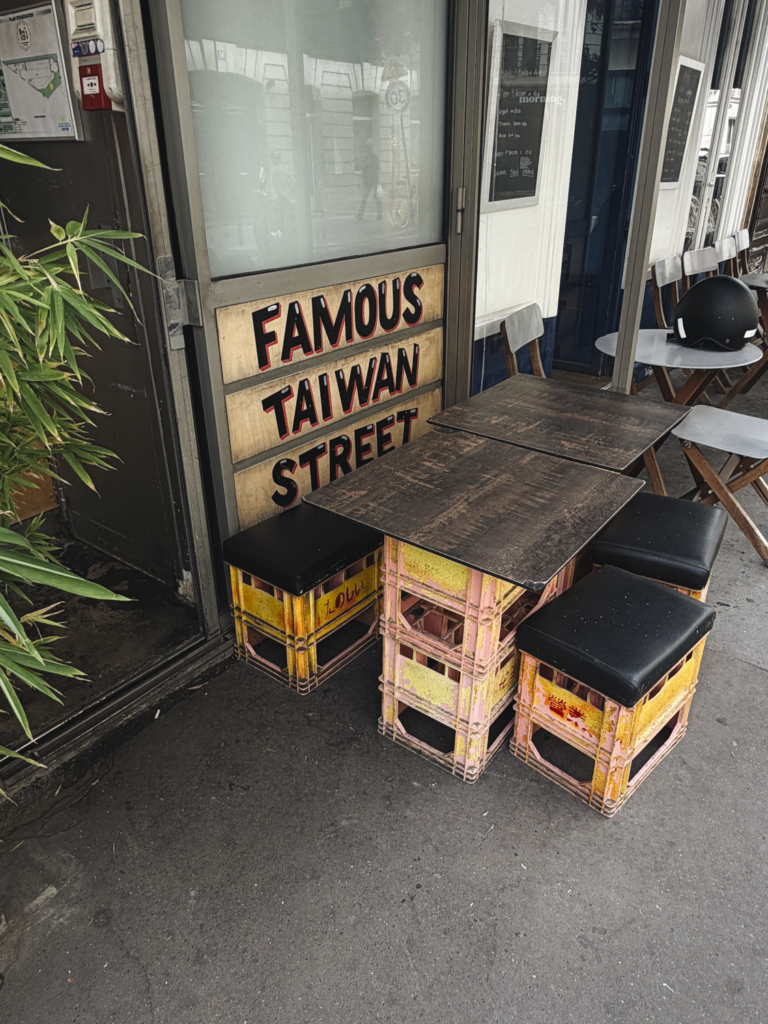
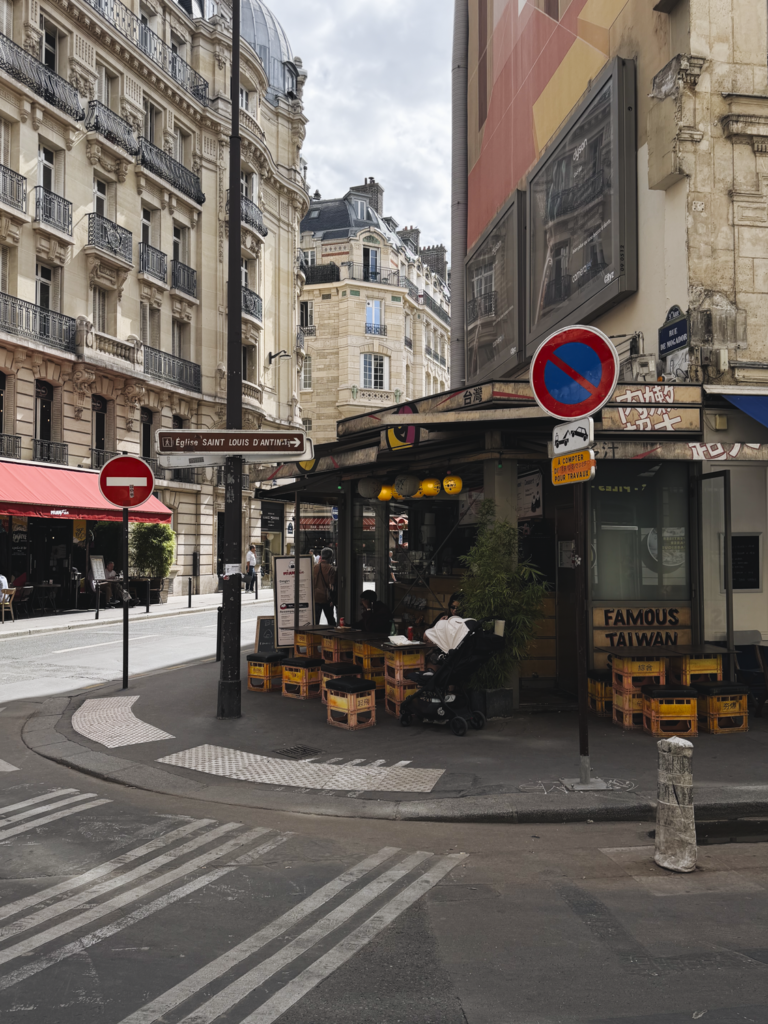
    This corner, the corner of rue de la Victoire and rue de Mogador in Paris, could have very easily been nothing. The side wall of the main building is, for whatever reason, blank. There’s a tall mural, two advertising billboards, and a remnant parcel of land that looks to be no deeper than about 3 metres at its absolute deepest.

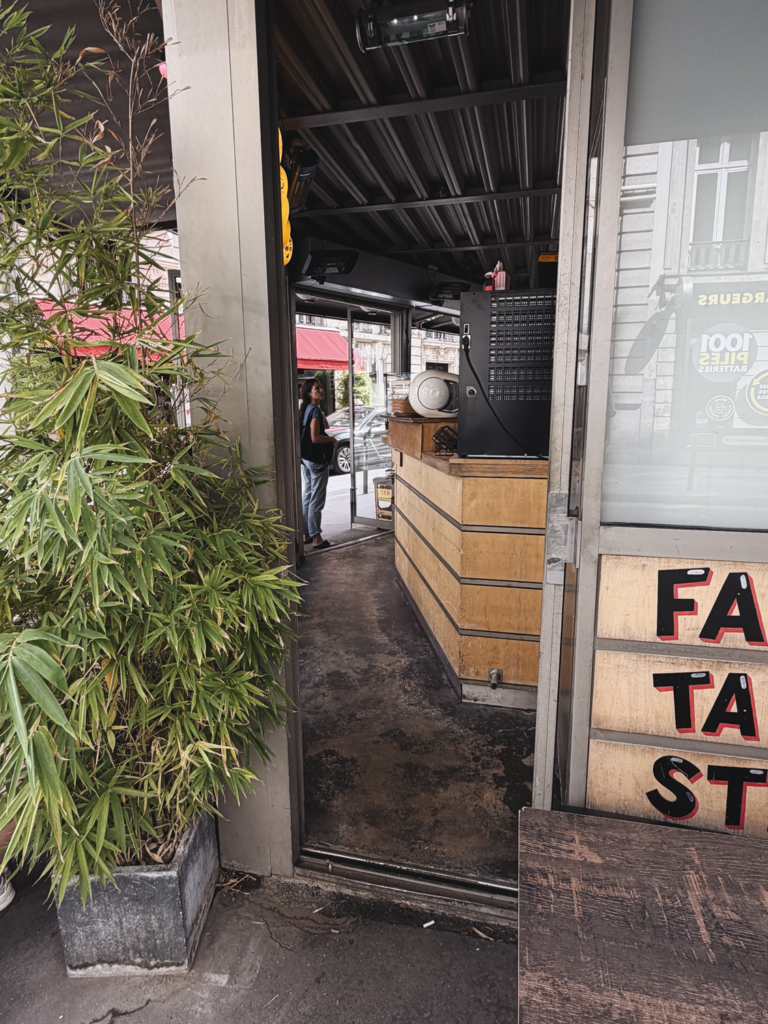
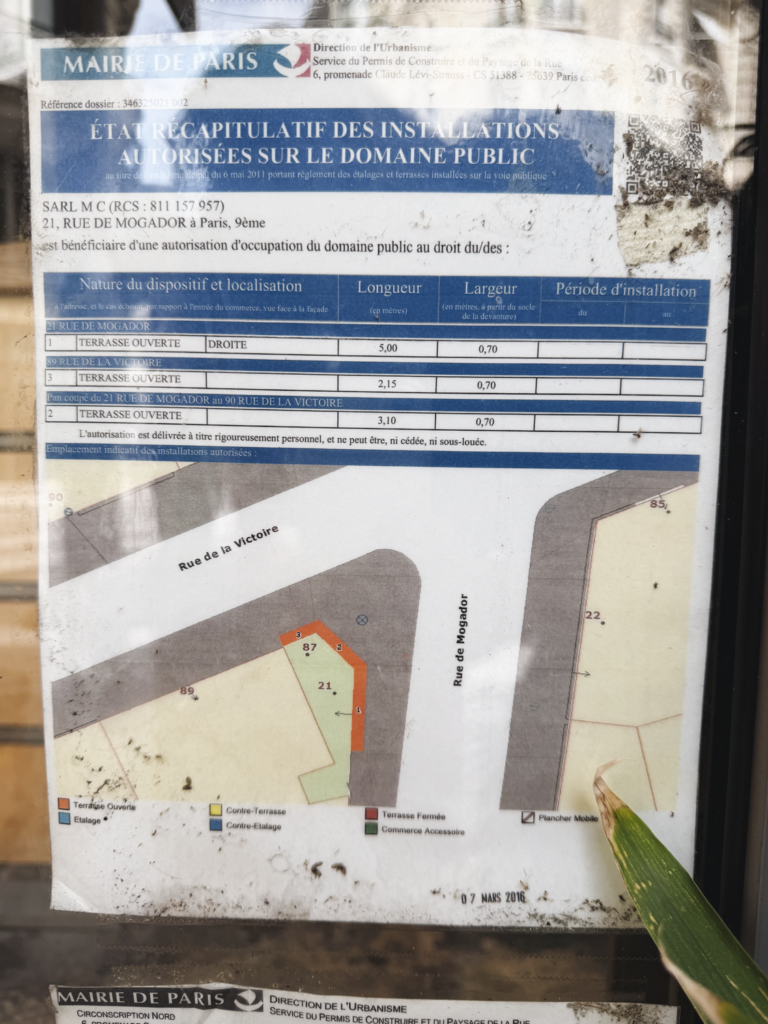
    But instead, you’ll find a Japanese street food restaurant called Mian Fan Onigiri (I’m not sure what the Taiwan sign is all about). The interior can’t be larger than 20 or so square metres, but it’s surrounded by a 0.7-metre-deep patio that wraps around the outside of the space and runs about 10 m in total along three faces (see city terrace permit document).

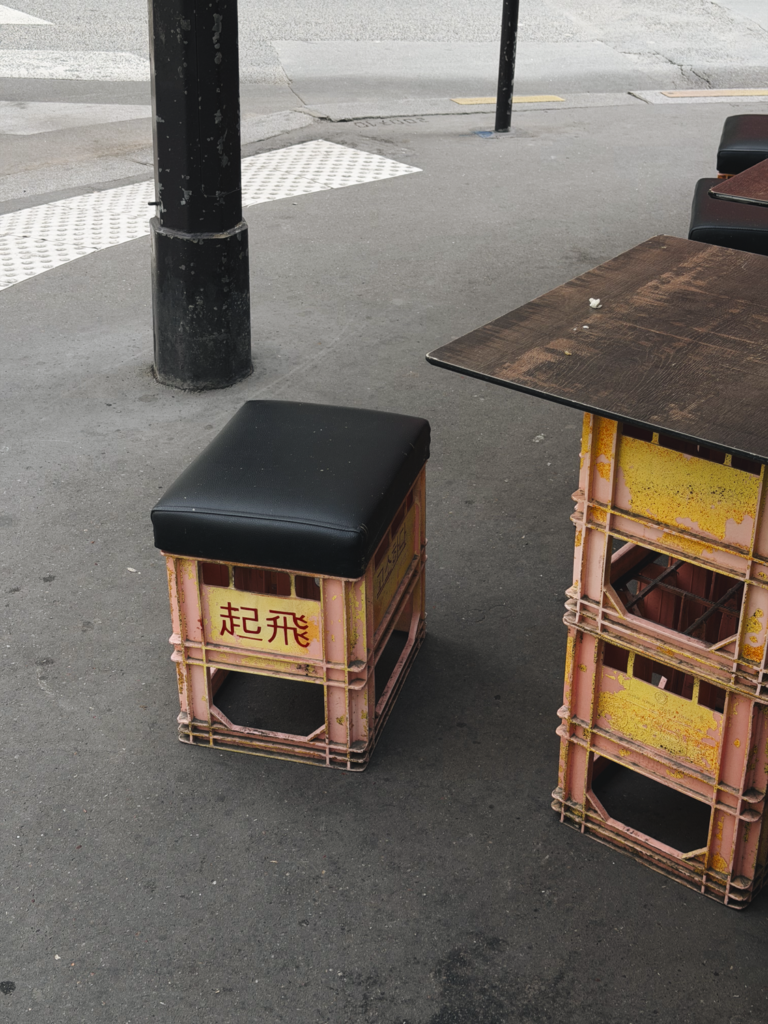
    It’s a simple and unfussy space. The patio consists of milk-crate furniture. But these kinds of small spaces punch well above their weight in what they contribute back to a city in terms of street animation and public life. Cities would do well to reduce the barriers to this scale of business and encourage more small entrepreneurs to hang a shingle.

    And until they do, we’ll never know how much of this urban spirit is being suppressed.
  • Fast fashion is embracing luxury placemaking

    The future of physical retail continues to evolve.

    Recently, we spoke about LVMH’s approach of spending billions on some of the world’s most prime real estate. But the focus on human-centred destination experiences isn’t unique to the luxury segment. Case in point: Zara just opened a new flagship store in Shanghai designed by AIM Architecture (which appropriately stands for Authentic Immersive Matters).

    Located on a major commercial street, the store looks like this and can be generally described as follows:

    • Positioned on a prime open-air main street (versus an enclosed mall).
    • Large amphitheatre-style seating on the ground floor that connects the store to the street and encourages people to linger.
    • Beautiful interiors with not a lot of clothes on display — it has more of a gallery feel.

    It is a clear example of fast fashion adopting luxury placemaking and brand immersion. The point is not to bombard you with clothing options. The point is a human-centred space that gives you an opportunity to experience the Zara brand and then decide if its products might help you better define your sense of self. It’s a media channel, giving you something you can’t get online.