Daily insights for city builders, delivered every morning at 6 AM ET. I’m Brandon Donnelly — a Toronto-based real estate developer and founder of Globizen. I’ve been writing here since 2013.

Author: Brandon Graham Donnelly

  • Physical space is a funny thing

    It is often difficult to grasp. This is why when you look at an empty piece of land, it can sometimes be difficult to visualize actually fitting a building on it. And why when you look at an empty room, it’s common to think, “there’s no way that furniture will fit in here.” But in the end, it does fit.

    It also tends to be relative. Here in North America, it is common to argue over things like parking space dimensions and drive aisle widths. We’ll say things like, “well, people like their big cars.” But then you travel to Europe and you find streets like this:

    And this:

    The first is only marginally bigger than the width of a parking space in Toronto (2.6 meters). And the latter is only marginally bigger than the width of a typical two-way drive aisle (6 meters). So are these too small? Well, it depends on your perspective.

    If your basis of measurement is the size of cars, then these streets will seem too small. Cars also keep getting bigger, so you have this inflation factor to deal with. But if your basis of measurement is something else, such as walkability, then maybe they’re just right.

  • Land, development, democracy

    Traffic congestion and a lack of affordable housing are two clearly defined problems facing most, if not all, major cities. We know they exist. We call them crises. And yet, we can’t seem to implement effective solutions, even though we know what they are. Why is that? In her new book, On The Housing Crisis: Land, Development, Democracy, Jerusalem Demsas makes the argument that it is a failure of local democracy. There is a disconnect between what we say we want to happen and what we are actually doing. This resonates with me. In my mind, it’s looking upstream at what is bottlenecking us from making the decisions that will produce better outcomes for our cities. So after reading this conversation with her about the new book, I decided to buy a copy.

    As always, I’ll let you know what I think.

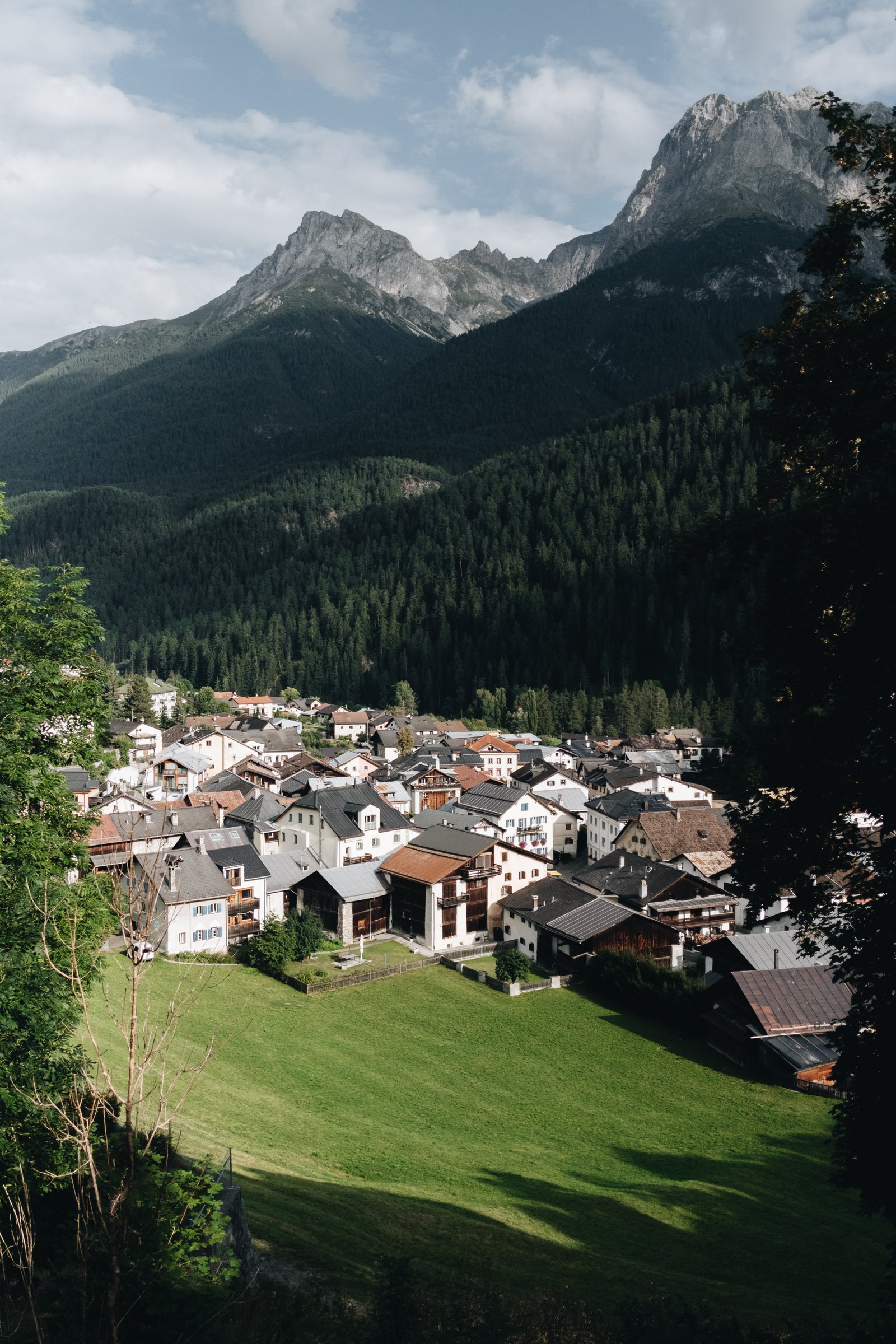
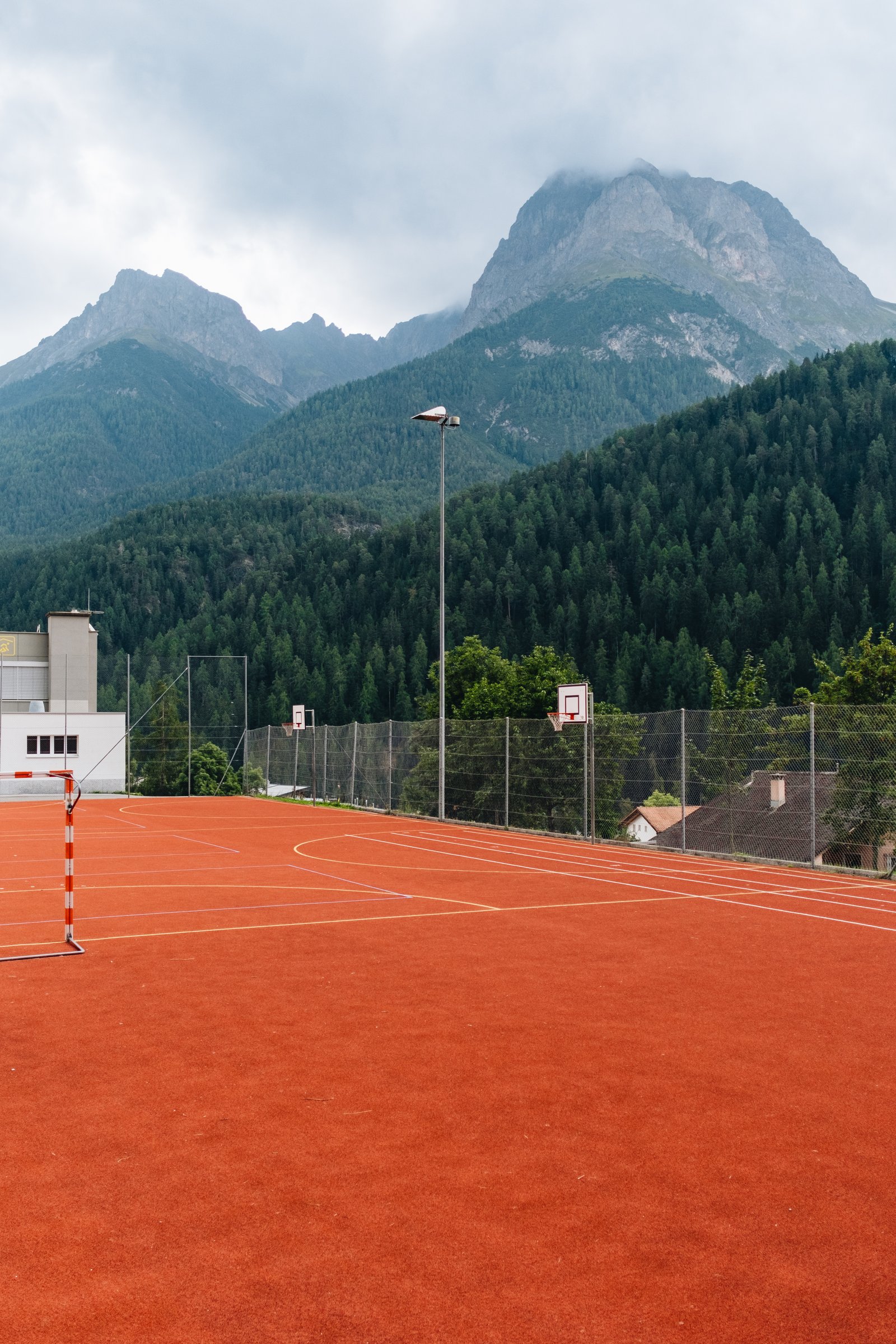
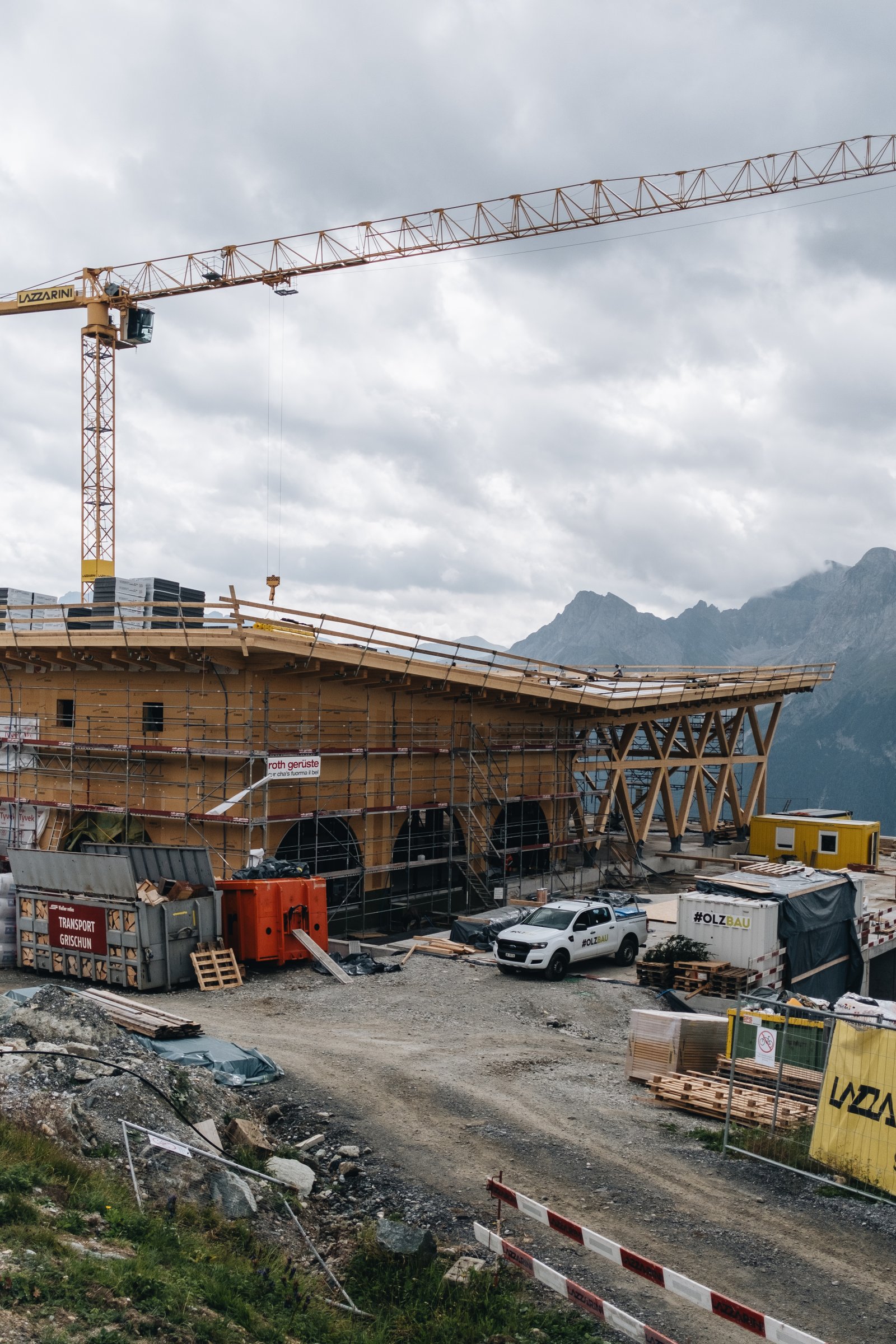
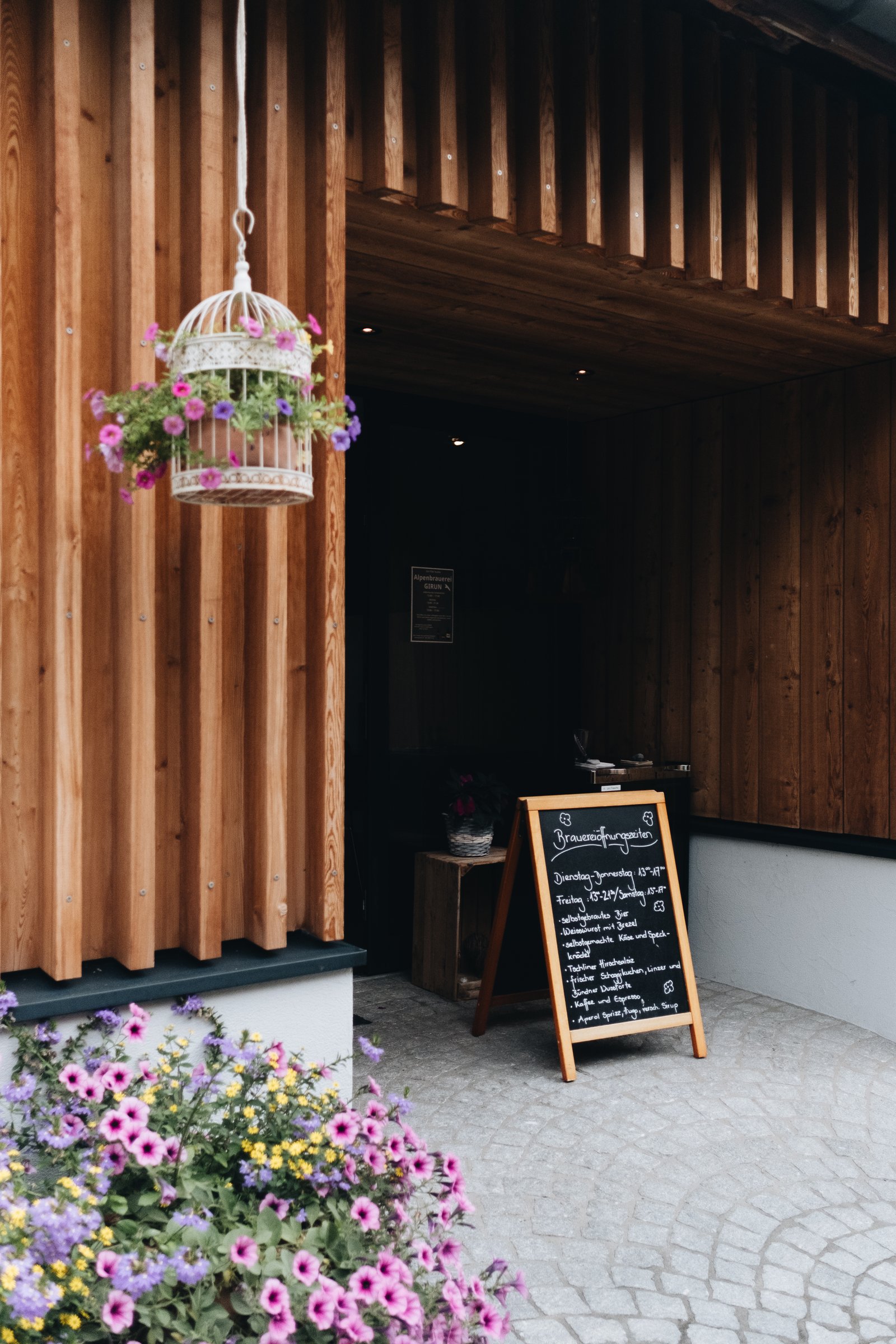
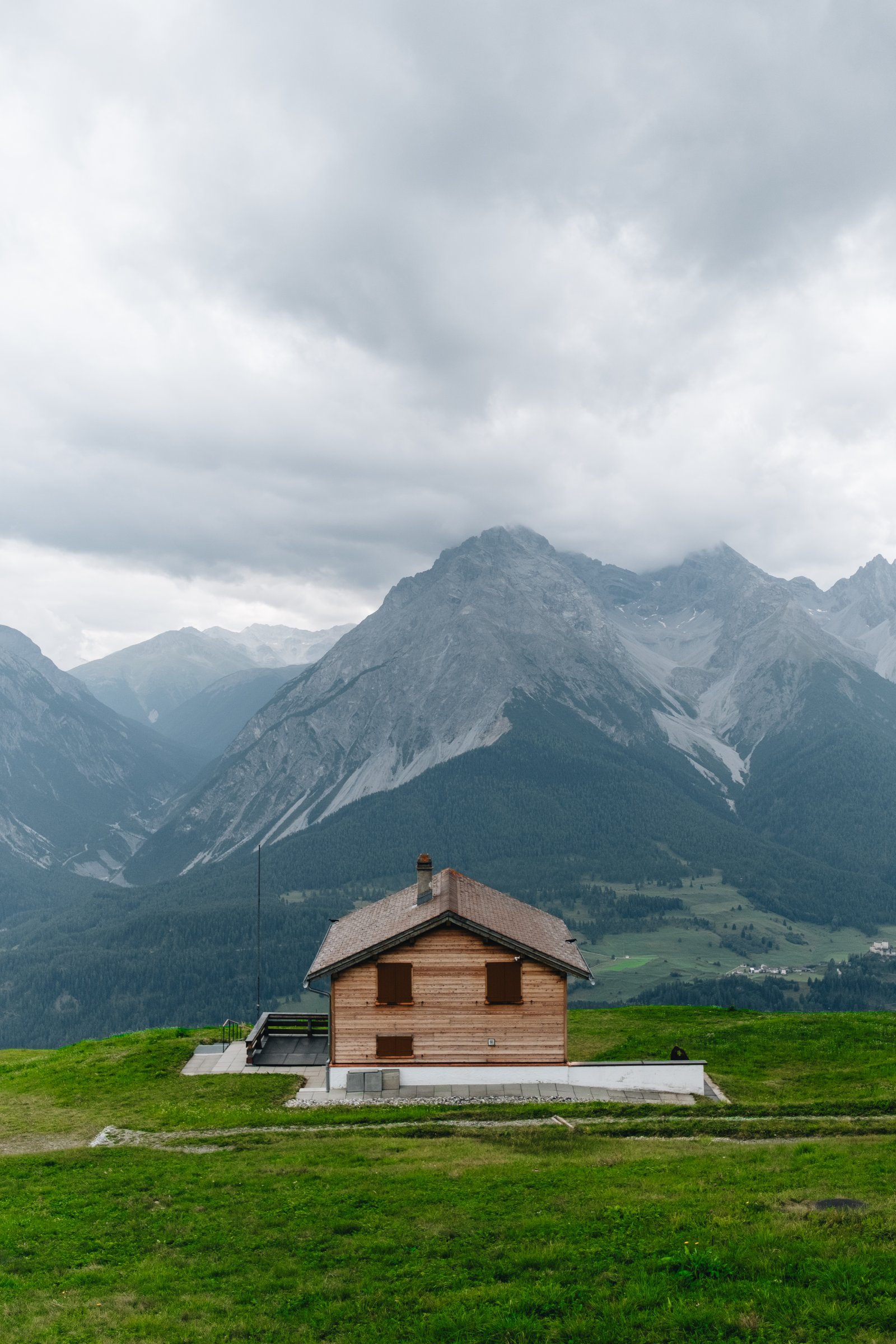
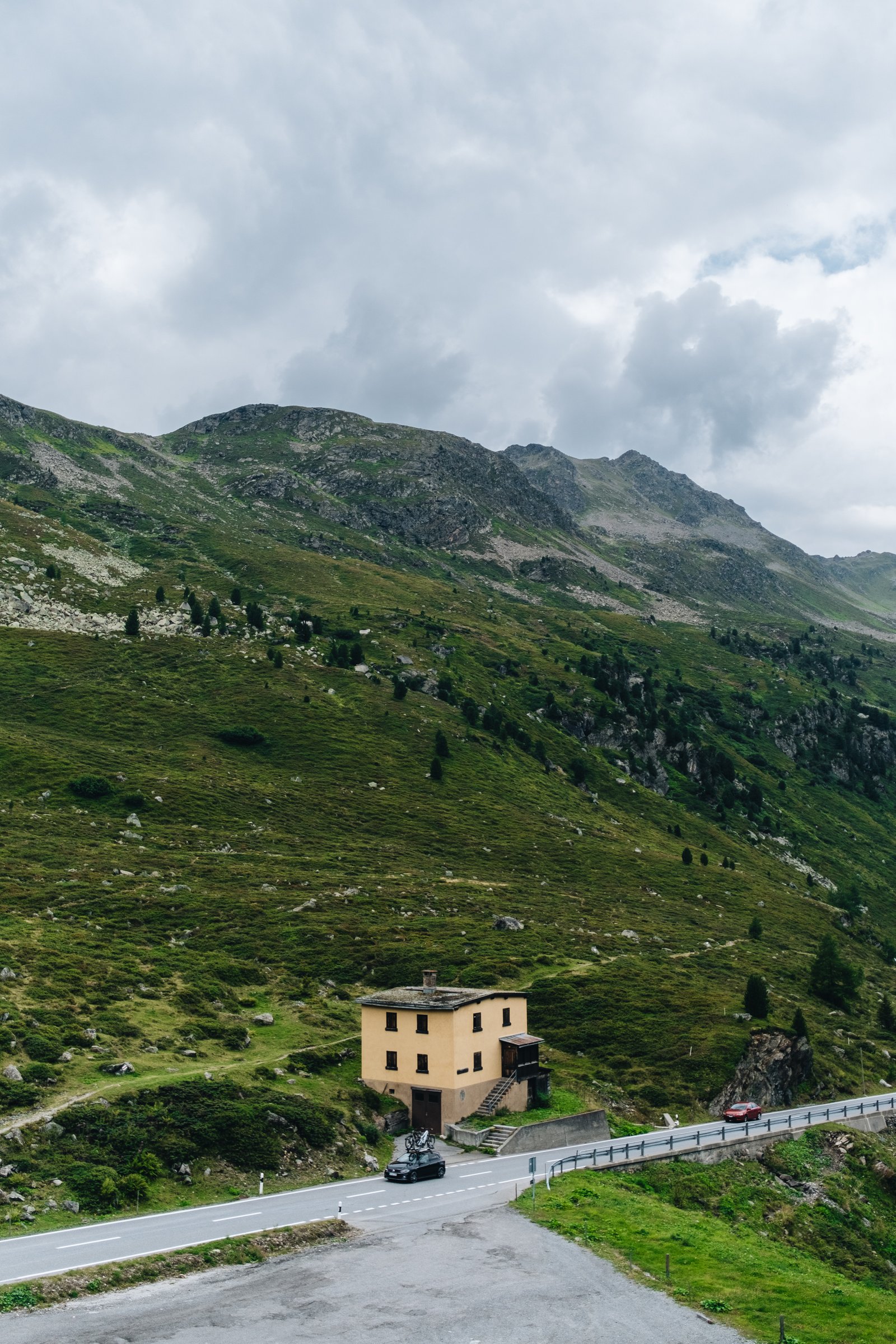
  • 🇨🇭 Scuol, Switzerland

    Camera: Fujifilm X-T3 (23mm lens)

  • New On the Bench website

    The Project Bench team spent the last several weeks capturing photos and videos of Canada’s largest wine region — the Niagara Benchlands (link is to the official tourism website). And today I’m excited to share that we’ve launched our own new placemaking website called On the Bench.

    The purpose of the site is to help celebrate the region. There’s also some very preliminary information about Project Bench. In our humble opinion, we don’t feel that the Benchlands region receives the attention that it clearly deserves. More people are familiar with Niagara-on-the-Lake and Niagara Falls, especially globally.

    The Bench is a distinct area, with its own unique character and with more — and arguably better — wineries. This v1 website is the start of us working to demonstrate this. So if you’re a local business or community member that would like to collaborate with us on this overall initiative, we’d love to hear from you.

    To join the Bench community and be first to learn more about Project Bench, email subscribe at the bottom of the page, and follow us on Instagram and X.

  • Equitable Bank launches construction financing product for laneway houses

    A few weeks ago, Equitable Bank launched a new construction financing product for laneway homes and garden suites in Canada. Here is the announcement. This is generally good news. When we completed Mackay Laneway House back in 2021, the banks hadn’t yet gotten their head around this housing type. I remember RBC getting tripped up on the fact that there were two detached dwellings on the same residential lot.

    That said, there are some important conditions around this new mortgage product:

    “The Laneway House Mortgage is offered on properties that are free and clear, or in combination with new or existing mortgages where Equitable Bank holds, or will hold, the first position.”

    In other words, they want no debt on the property or they want sufficient equity in the property — but Equitable Bank needs to hold the mortgage. I suspect that most of the people who have built laneway and garden suites have done so by leveraging the equity in their main house; so I’m not sure how “innovative” this product will end being in practice. You’ll also need to switch to Equitable Bank if you have your mortgage with another lender.

    Still, if you’re looking to build one of these homes — and I continue to believe that they make a ton of sense both financially and from a city-building standpoint — it wouldn’t hurt to see what Equitable Bank can offer.

  • Healing penny water

    We spent the last few days in Scuol, Switzerland. Scuol is a small mountain town with under 5,000 people (2018 figure) near the eastern border of the country. The town first achieved notoriety in the 1860s because of the various naturally-occurring mineral waters that can be found in the area. They were / are thought to have healing properties, and so a spa tourism destination was created. Skiing and snowboarding were later added to the town’s repertoire.

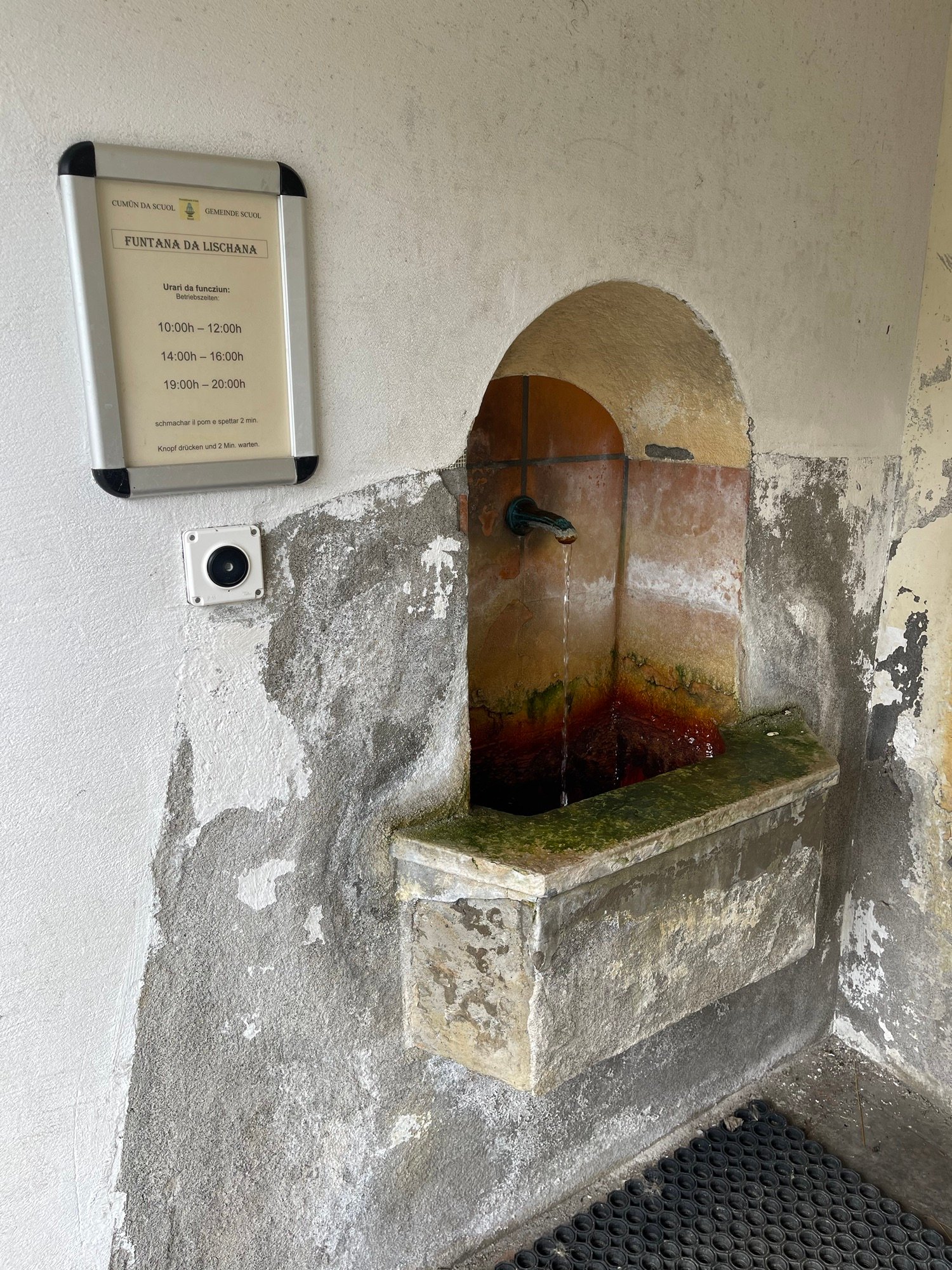
    We tried the water from this fountain — the Lischana source:

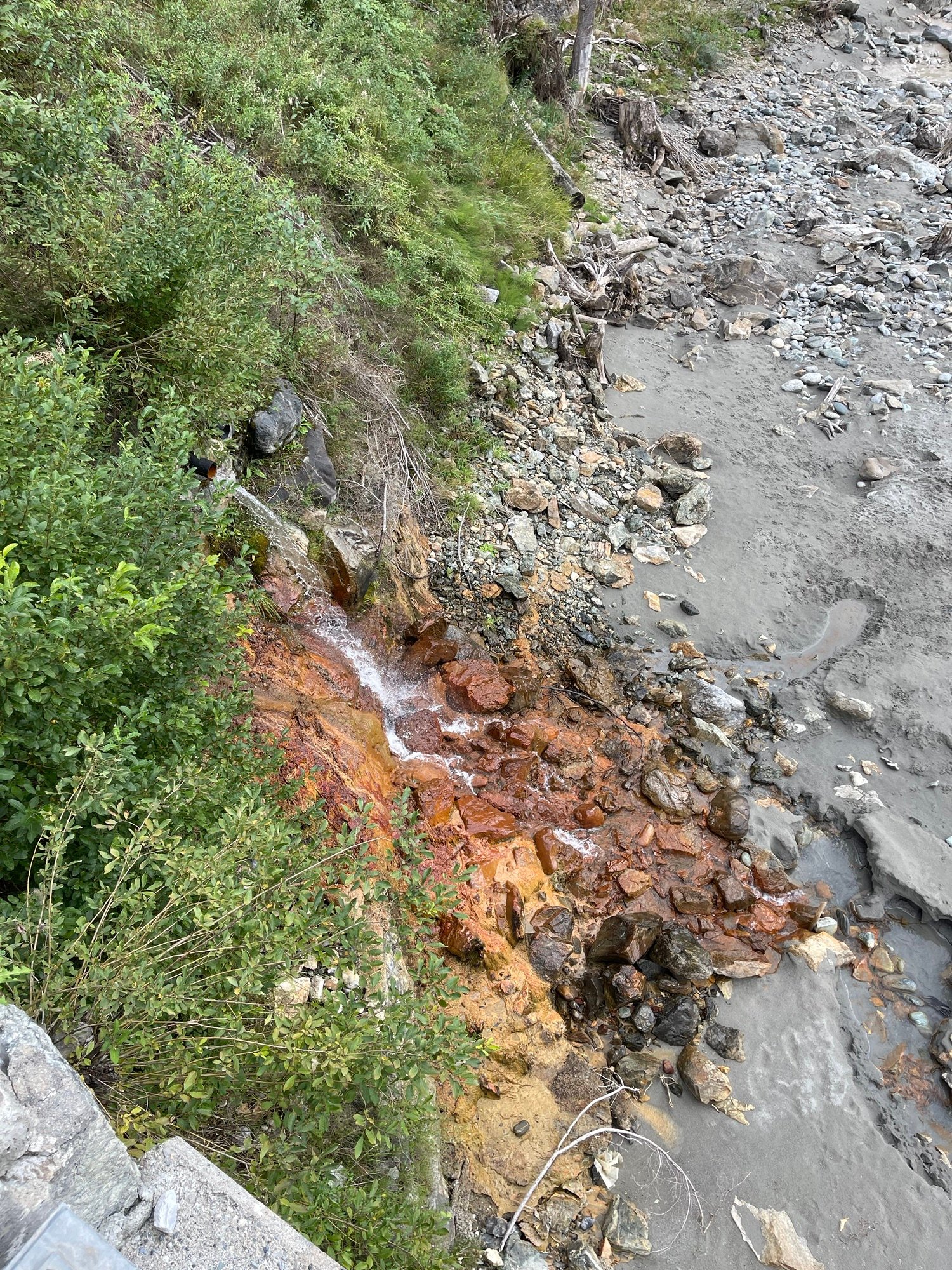
    The best way I can describe the taste is to say, imagine water that has had pennies soaking in it for the last 100 years. That’s what it tastes like, which is not good. But it is rich in magnesium and other things, which is why people (especially athletes) seek it out. It comes out clear from the source but if you let it sit in a bottle it will naturally become carbonated and turn brown. That’s why the embankment above has the color that it does.

    I had a handful of respectable sips. Hopefully that’s enough to make me strong. A big thank you to Klaus, Peter, and Jaimie for the invite to Scuol!

  • Vertical solar panels

    Ordinarily, solar panels make the most sense on the roof of a building. This is often where you can harvest the most solar energy. But sometimes it can make sense to install them vertically, like in the case of the above building in Scuol, Switzerland. I am by no means an expert on solar, but I am told that this can make sense in snowy climates (where rooftop panels are likely to get covered) and in northern locations where the lower angle of the sun means a vertical position actually catches the sun more effectively (especially during the winter months). It could also be the case that you just don’t have any available roof space. Either way, you have to look at and model out the entire year when it comes to solar.

  • No AC

    We are staying in our 6th hotel of this trip right now. And only 50% of these hotels have had air conditioning. This had led to a few restless sleeps where it was simply too hot. In one of our hotels, we had to ask them to bring a fan up to our room. But hey, this is Europe. I’m sure everyone thought we were spoiled North Americans. Interestingly enough, not having AC forces you to be more aware of the environment around you. Very quickly you learn that if you don’t shut the blinds or shutters when the afternoon sun is shining in, you are going to end up with a room that is too hot to sleep in. I try to be mindful of this back home in Toronto, where we do have AC, but there really isn’t the same imperative to both design and then operate around climate and local conditions. Active mechanical systems do much of this for us.

  • Kompotoi

    Portable toilets are needed on every construction site, and in lots of other places too. Generally speaking, though, they are not pleasant spaces. But that doesn’t seem to be the case in Switzerland. I just discovered a Swiss company called Kompotoi. They make high-quality portable toilets out of spruce, and they have made a commitment to composting as much human waste as possible.

    But the really unique feature that I had never seen before is that each toilet comes equipped with a bin of wood shavings (“litter”), which you are supposed to sprinkle over your poop once you’re done. This serves two important functions. One, it dries out the waste which greatly reduces any smells. I can attest that the toilet I used smelt just fine. And two, doesn’t it just look better to go into a toilet and see wood shavings as opposed to poop?

    This might be an instance of “yeah, only in Switzerland.” The retail price for their classic toilet model is CHF 5,966. That works out to about C$9,500 once you covert it to our painfully weak dollar.

  • Who owns single-family houses in the US

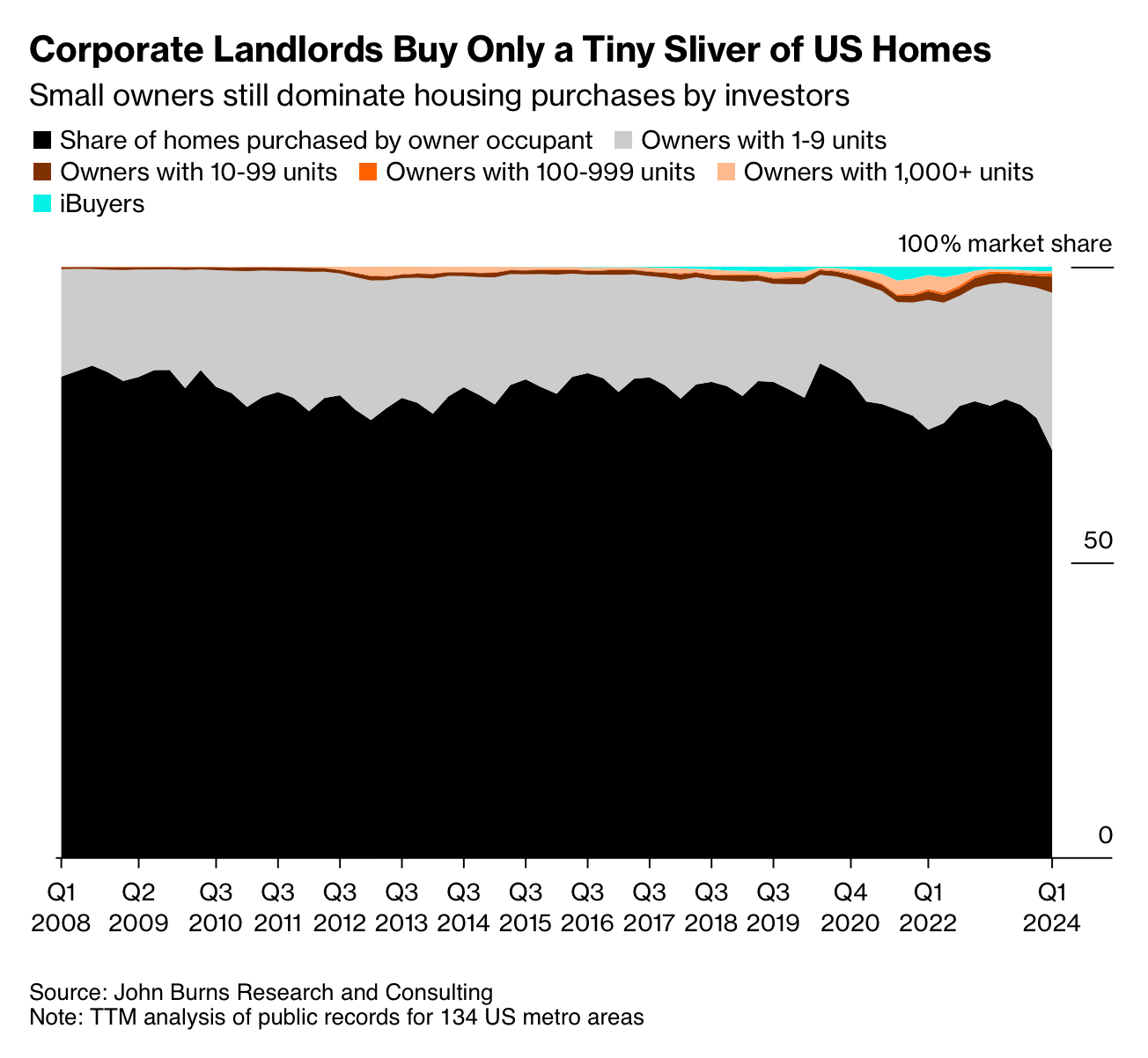
    Here is a chart from a recent Bloomberg article summarizing who owns single-family houses in the US.

    As of Q1-2024, about 69% were owner-occupied, about 26.6% were owned by small landlords (1-9 homes), and the rest were owned by what many are now calling “corporate landlords.”

    The point of this graph was to show that, despite getting a lot of political attention, corporate landlords still own very little. Let’s call it sub 4%, excluding iBuying companies like OpenDoor. So how much of a problem is this, really?

    Smaller landlords control much more of the US market. And at the end of the day, a house owned by a small landlord versus a corporate landlord doesn’t change the supply-demand balance of a market. It still represents an available home.

    The first and more important problem to solve is overall housing supply. Because that does change the supply-demand balance of a market. And once again, there’s no shortage of data to support the finding that increased supply tends to moderate rental growth.

    For the record, I also dislike using the term home to refer to single-family houses. Home is not a housing type. It is simply a place where people live permanently. So whenever I see a title like “US homes,” I get confused, because I don’t actually know what they’re referring to.

    If you read the article, it would appear they’re only talking about single-family houses. But implying that these are the only kind of home feels to me like an anachronism.