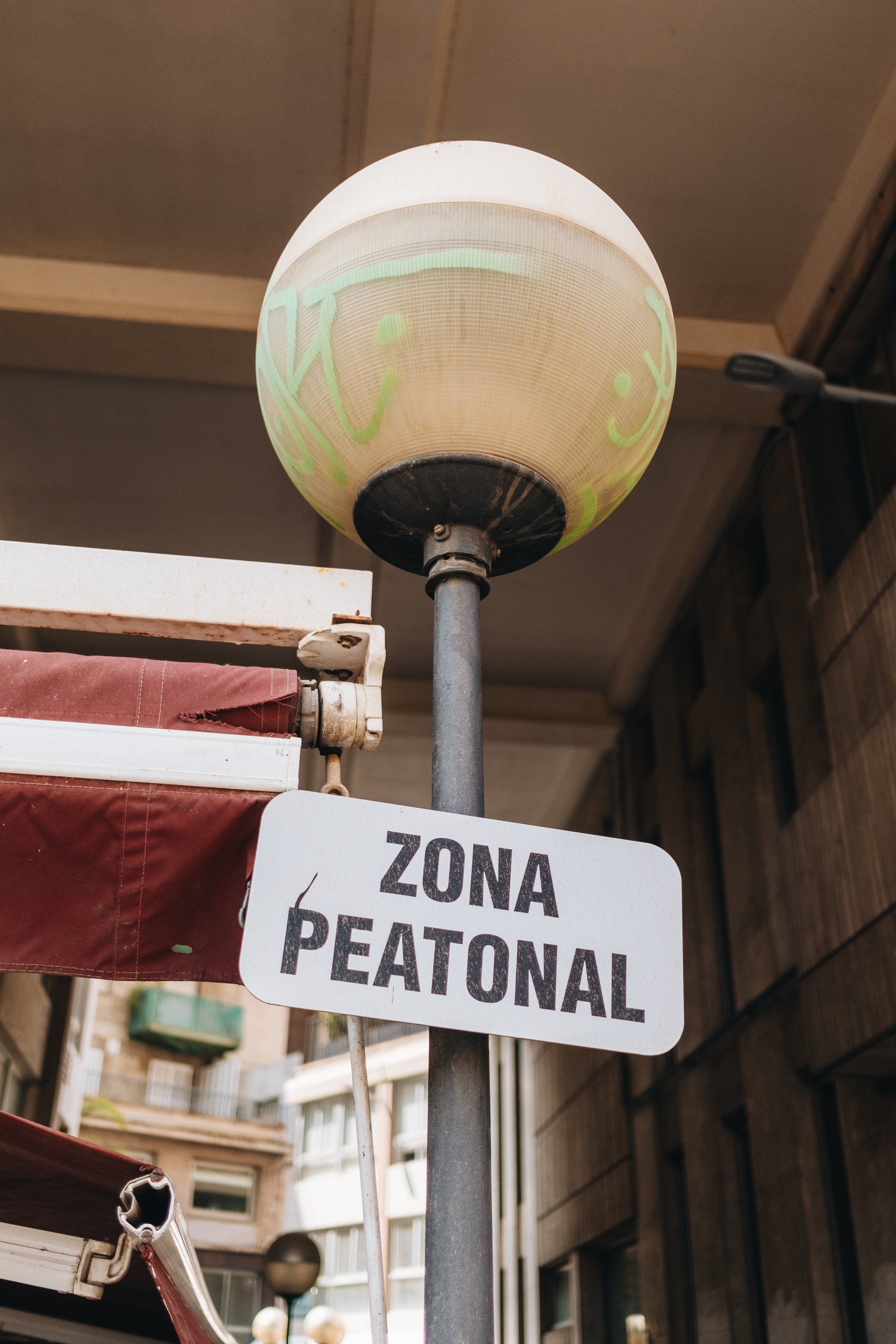
The street in front of our hotel is about 8.3m wide. (I actually measured it.) And this is generous for Palma’s Old Town. The building directly in front of us is also 6 storeys tall and has exactly zero setbacks and stepbacks. It is one straight elevation all the way up. In other words, it is an urban condition that does not follow any of today’s generally accepted rules of planning. The street should be wider. And the building should have a bunch of stepbacks, right? Maybe not. Lots of people seem to love this kind of dense, unplanned, and walkable built form in Europe. Eating outside on a narrow street is a feature. But for whatever reason, when people return home, many don’t seem to want it anymore, or worse, they actively oppose it. It’s an interesting dynamic that I don’t fully understand. Because personally, I enjoy visiting places that I could see myself living in. What about you?
Author: Brandon Graham Donnelly
-
We should use more permeable pavers
Today we rented a car so that we could go and explore other parts of Mallorca. We went to three different beaches and coves on the southeast coast, and they were some of the most beautiful public spaces I have ever seen.
Along the way, we stopped at an Aldi to grab picnic supplies. I love Aldi. It’s amazing how much less expensive everything is here compared to back in Toronto, even once you do the EUR to CAD conversion.
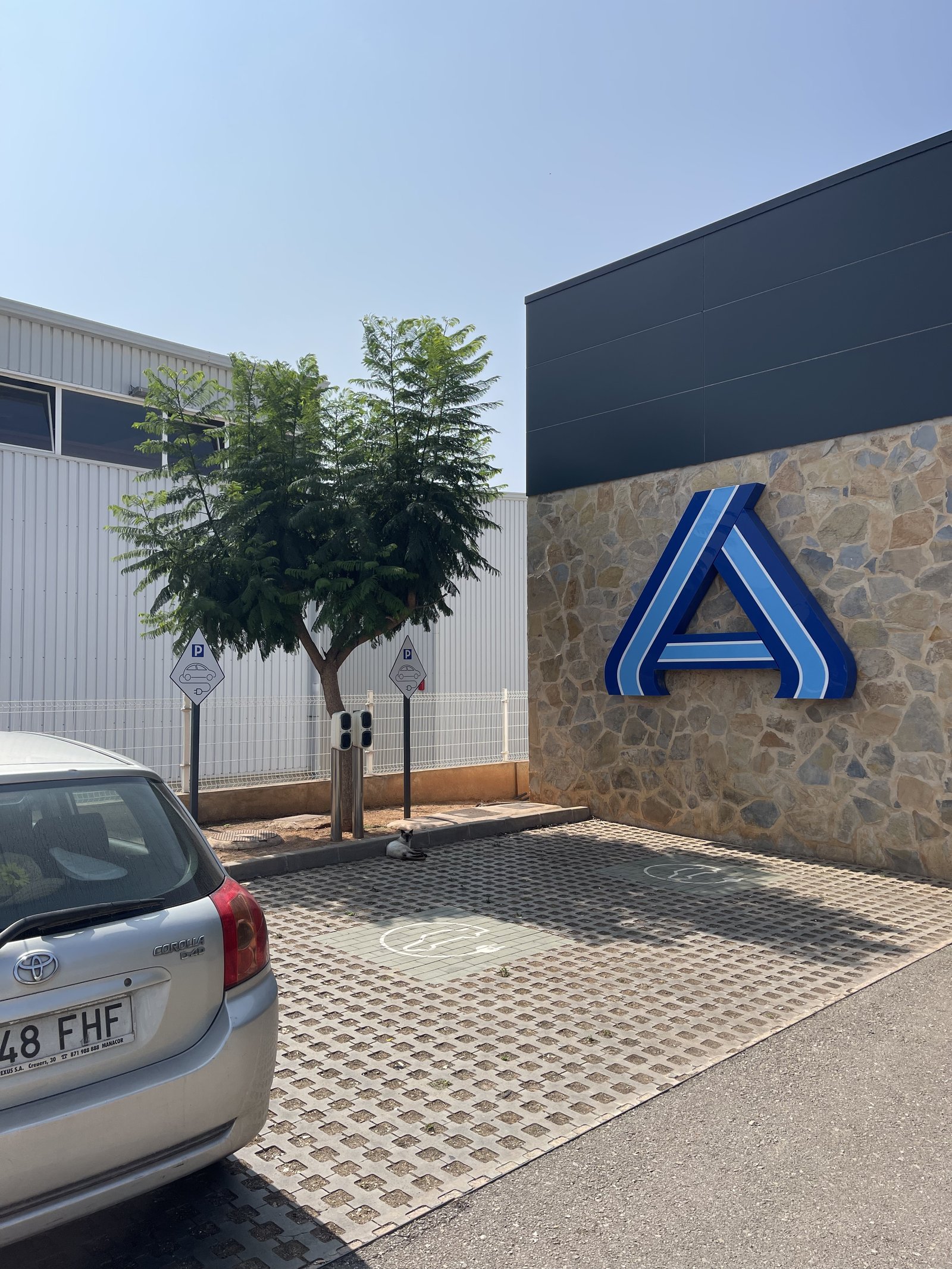
As soon as we pulled in, the first thing I noticed is that every single parking space had permeable pavers. Here are two photos. The second photo is to also show you their EV charging spaces and one of the two cats that seems to live at the store.


Permeable pavers are, of course, useful because they help to reduce surface runoff. Meaning, they allow some amount of water to filter into the ground, which is not the case with impermeable surfaces.
Considering that Toronto has already had two major flood events this summer alone, I think it behooves us to take note. When is the last time you’ve seen permeable pavers used in a public parking lot in Canada or the US? Serious question. I can’t think of an example.
Having a store cat could also be a good idea.
-
Palma
Traveling is one of life’s greatest experiences. Pack a carry-on (so you bring only what you really need). Strip yourself of your regular surroundings. And explore the world with new eyes — maybe with a camera in your hand.
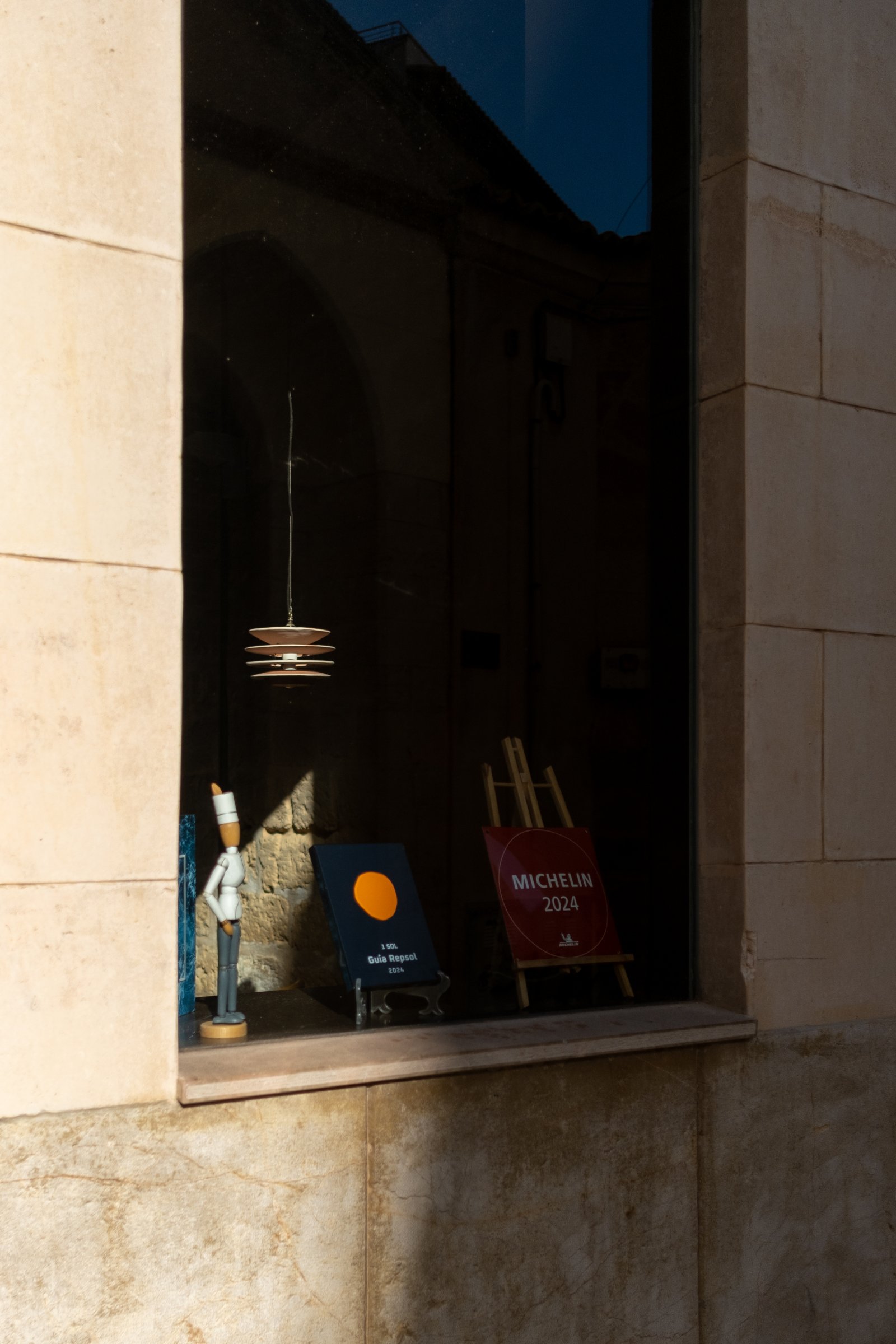
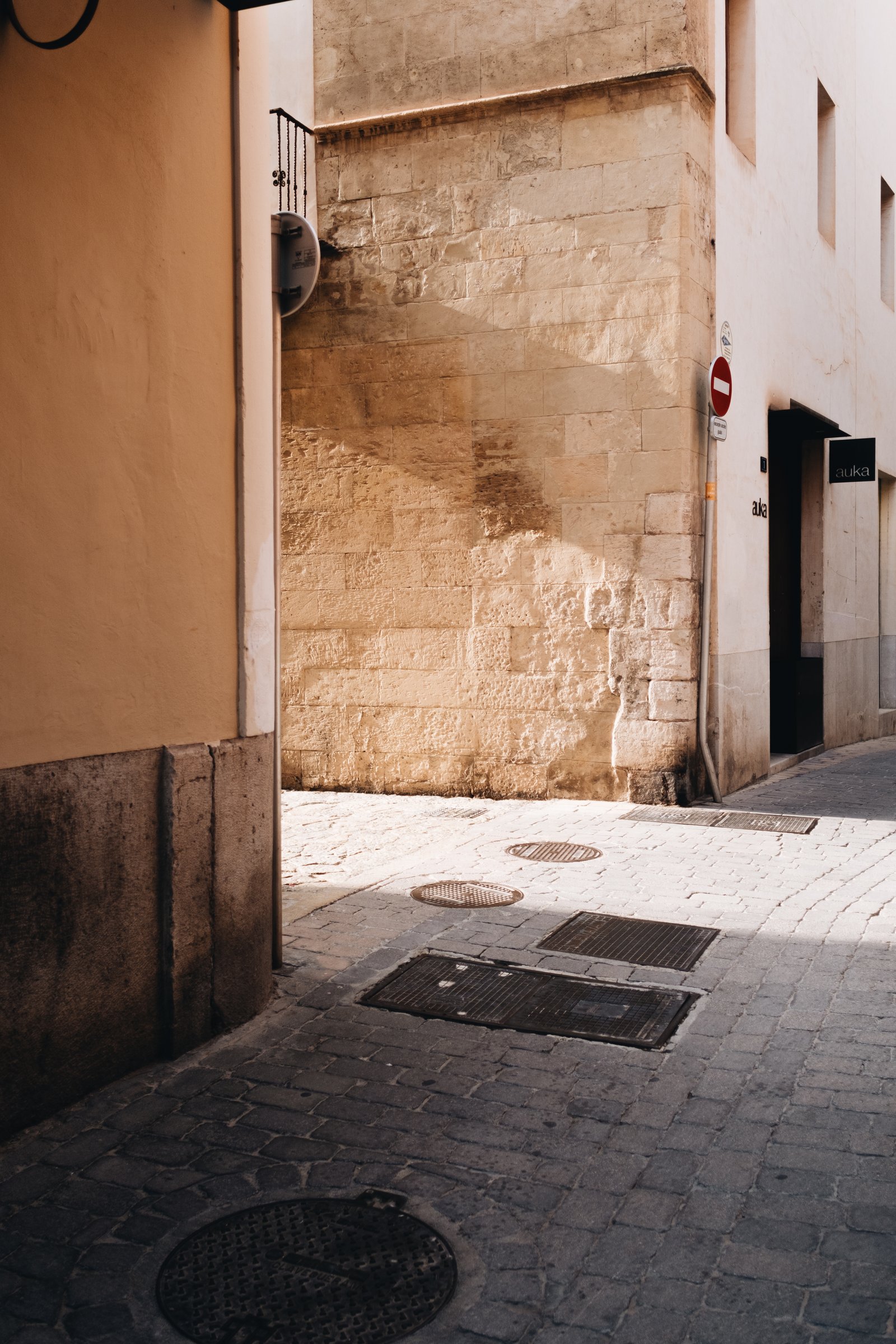






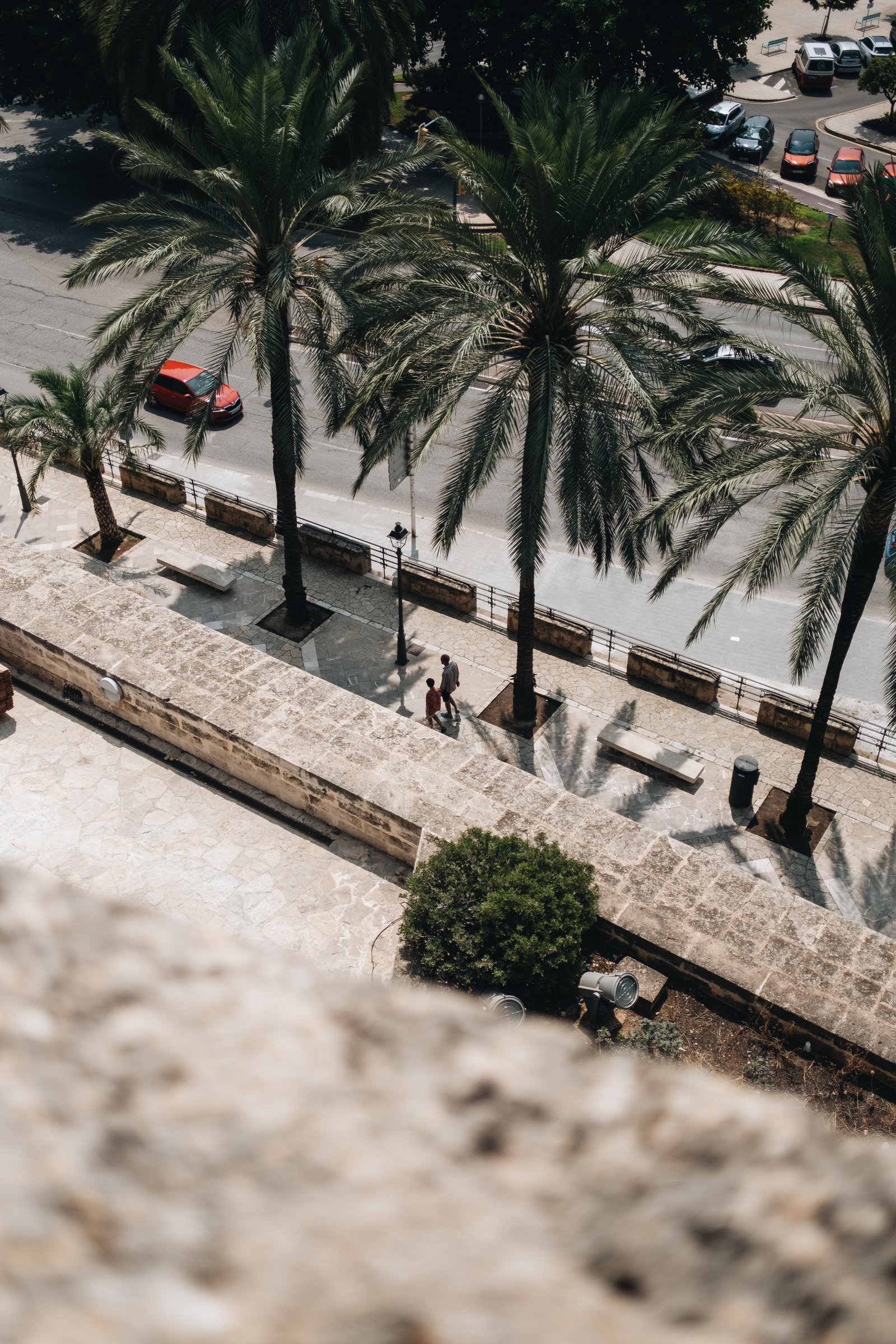



Camera: Fujifilm X-T3 (23mm lens)
-
La Rambla
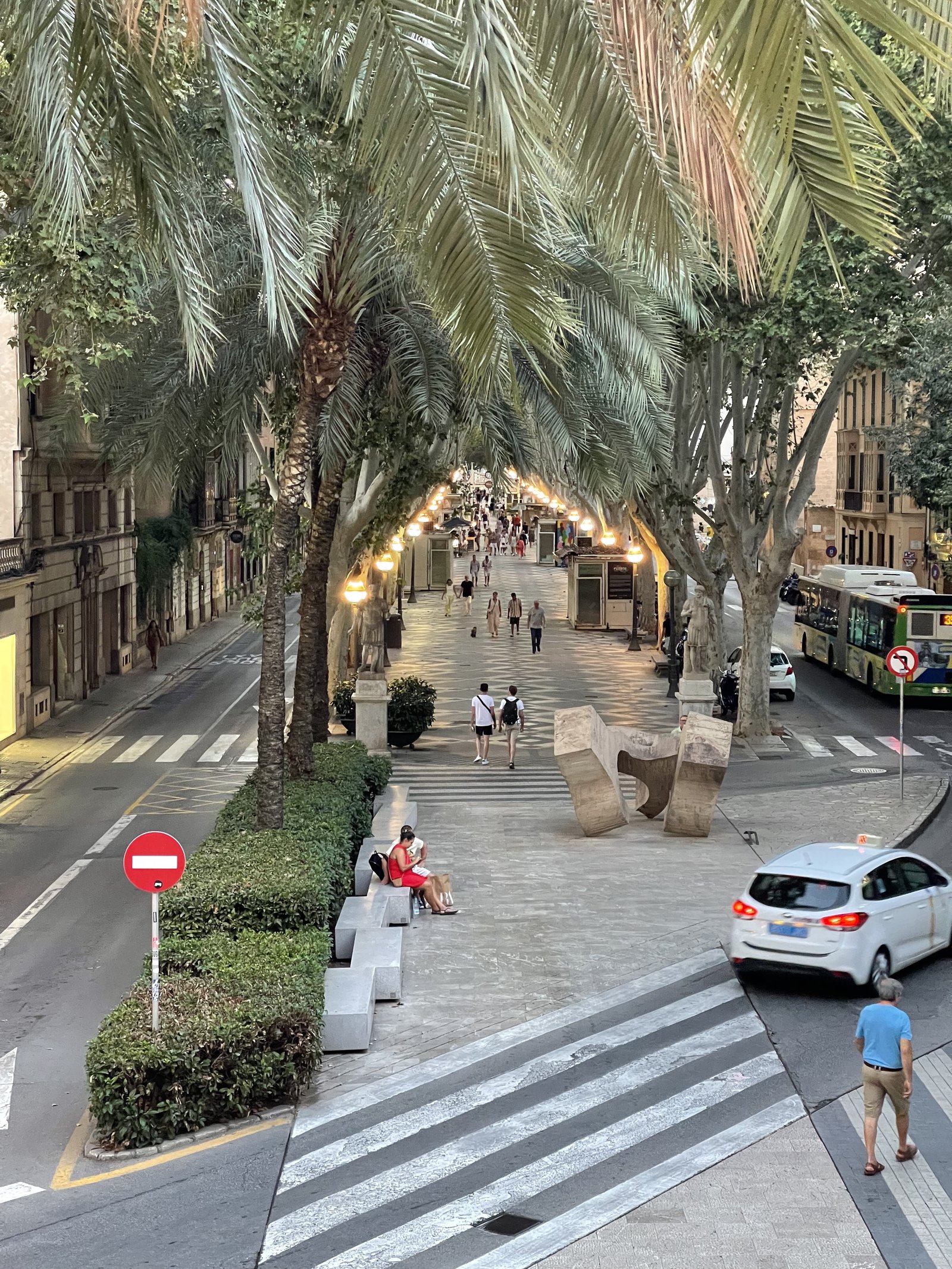
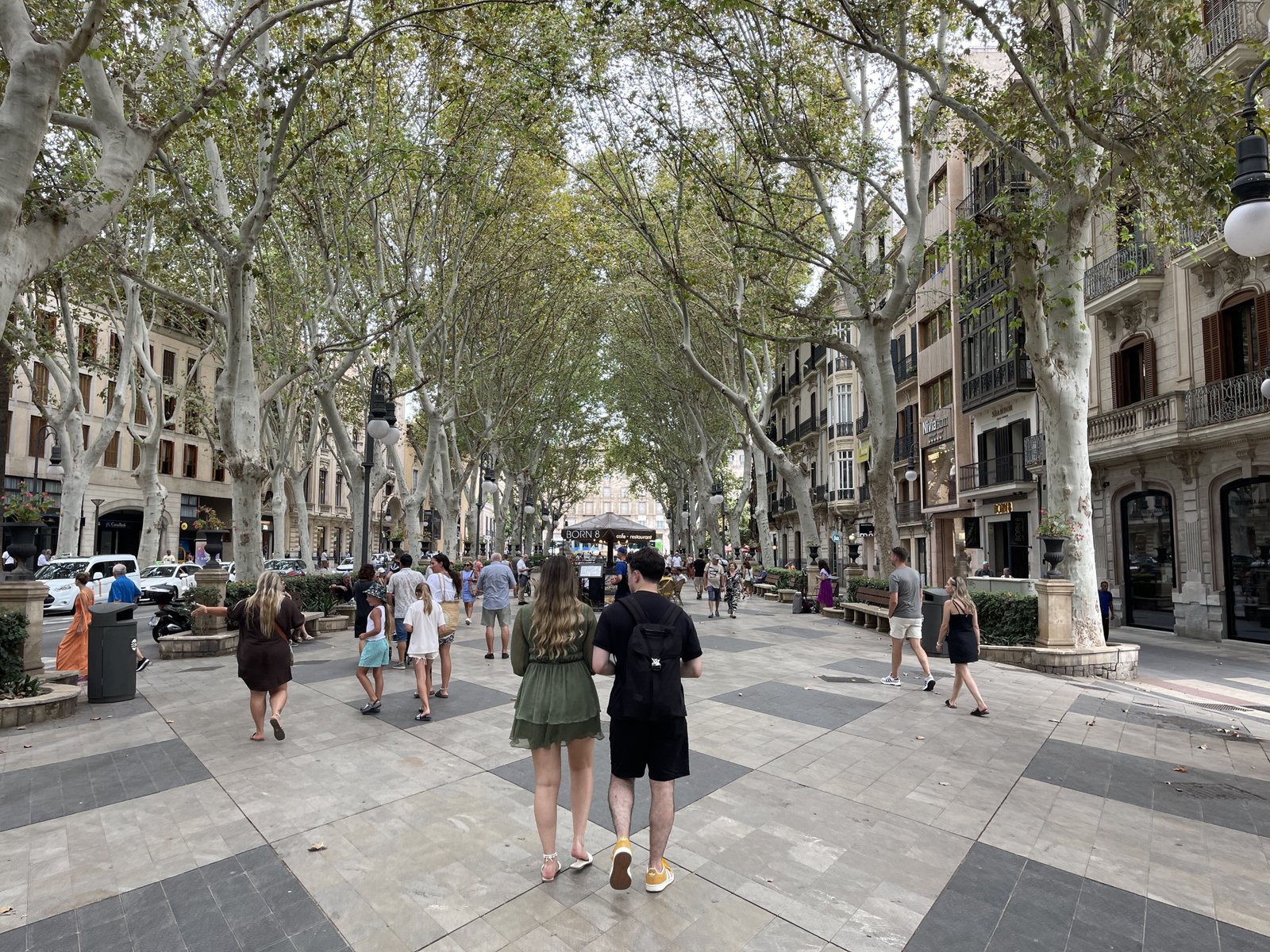
It’s hard to think of Barcelona and not think of its famed street, La Rambla. But this same street design (and name) also appears in other cities throughout Spain. The above two streets are in Palma. The first is also called La Rambla (which is supposedly derived from an old Arabic word meaning sandy riverbed) and the second is called the Paseo del Borne. Both follow the exact same urban design principles. They’re broad tree-lined streets with a large center median dedicated to only pedestrians. All car traffic is relegated to the sides. What’s great about this design is the following. One, it reallocates public space according to who uses it the most (i.e. pedestrians). Two, it consolidates the main pedestrian realm (in lieu of just having larger sidewalks on either side of the street). And three, it establishes a clear hierarchy for the street. Pedestrians are most important here, and that’s why they get the center position. It’s surprising that more cities don’t adopt this same design.
-
Paseo Mallorca 15

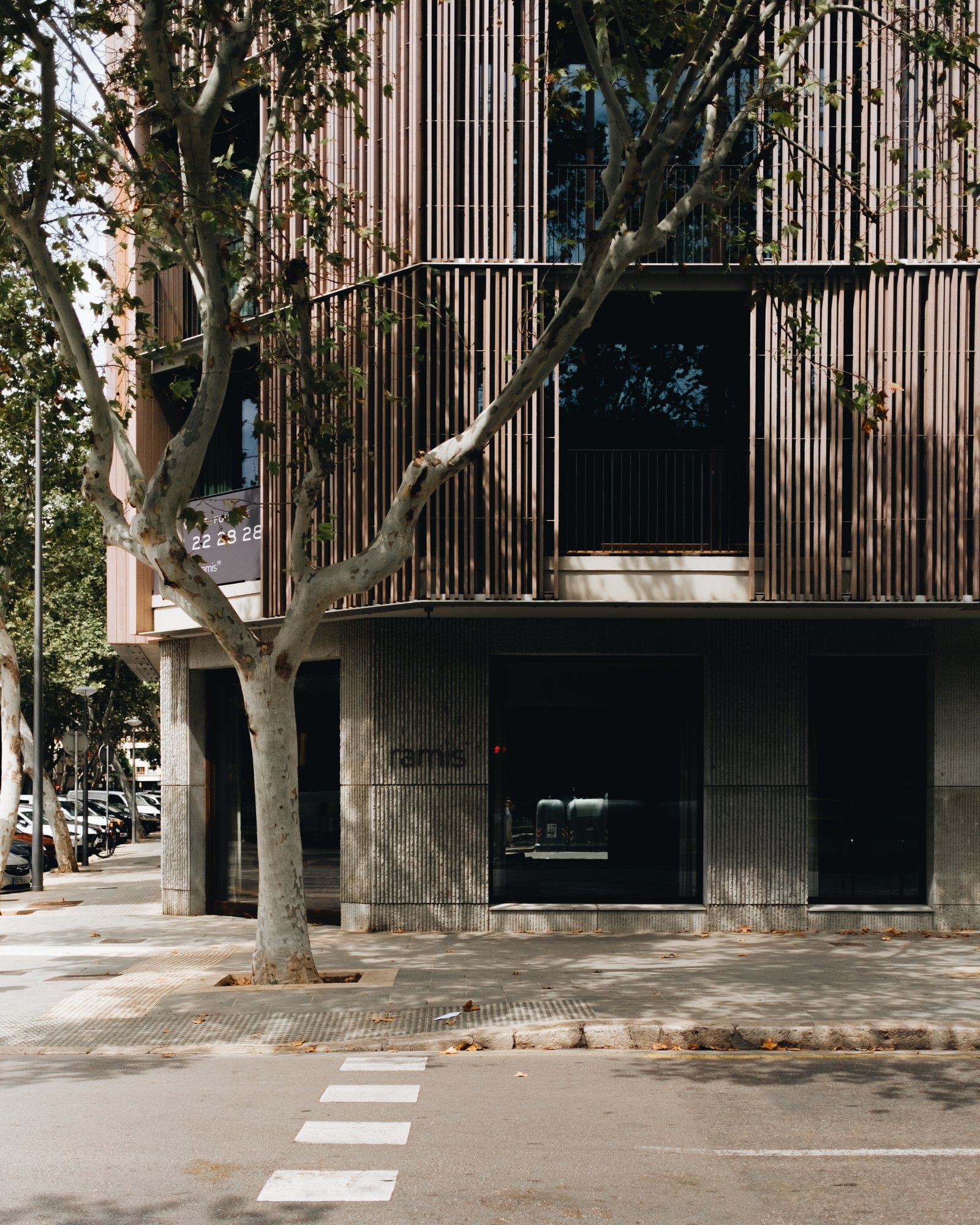
This is a beautiful apartment building in the center of Palma. Brutalist ground floor. Operable wooden slats up the rest of the facade. It feels right at home in this climate. It’s also a passive-energy building that uses 90% less energy compared to a “conventional” apartment building. The technical classification is nZEB (or a nearly zero energy building). It’s pretty amazing that with only 9 apartments, these kinds of projects pencil here. Perhaps it’s no surprise that it’s also a single-stair building.
The architect is OHLAB. For more information, here’s their website.
-
Level two transfer slab at One Delisle

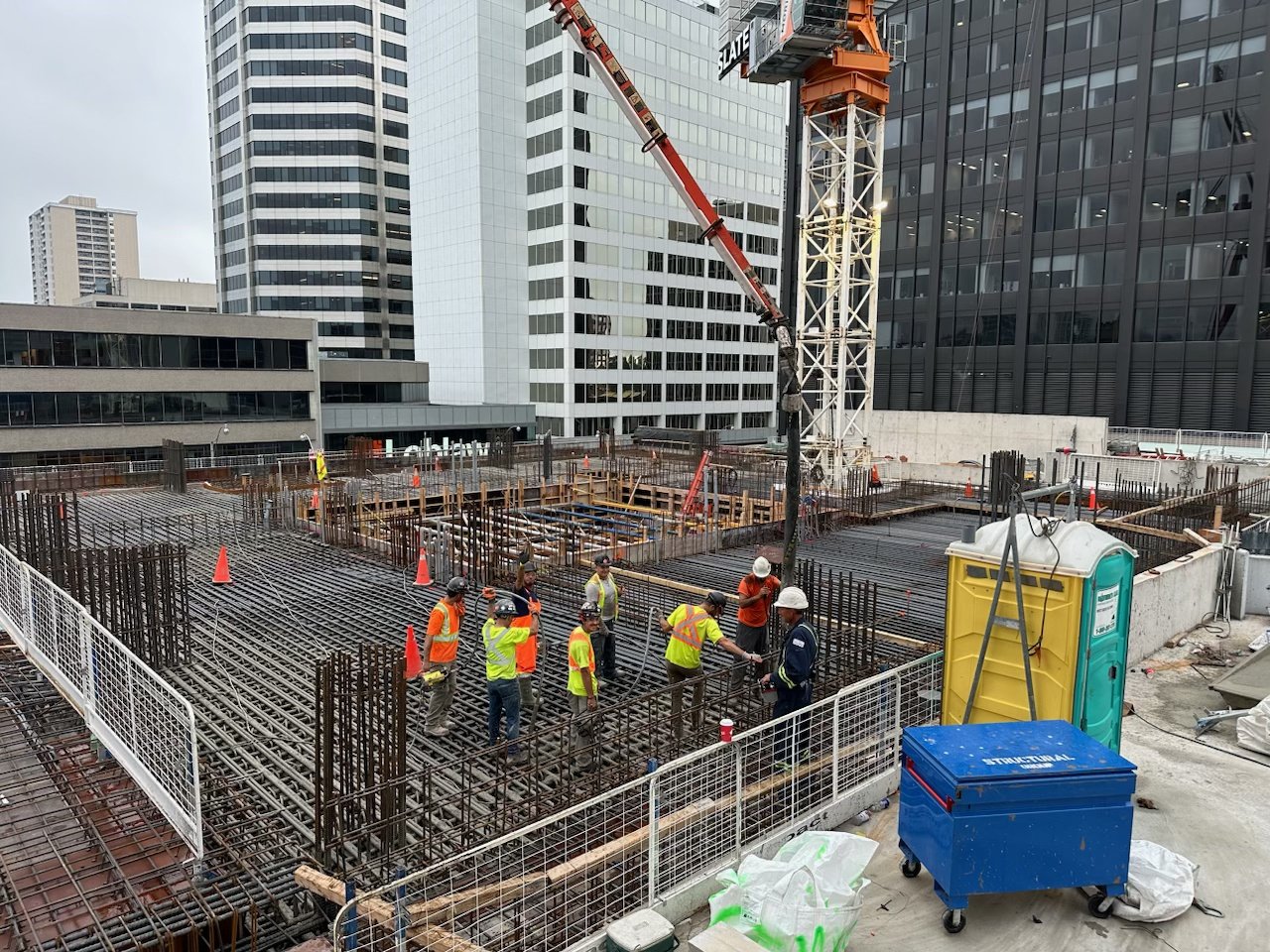
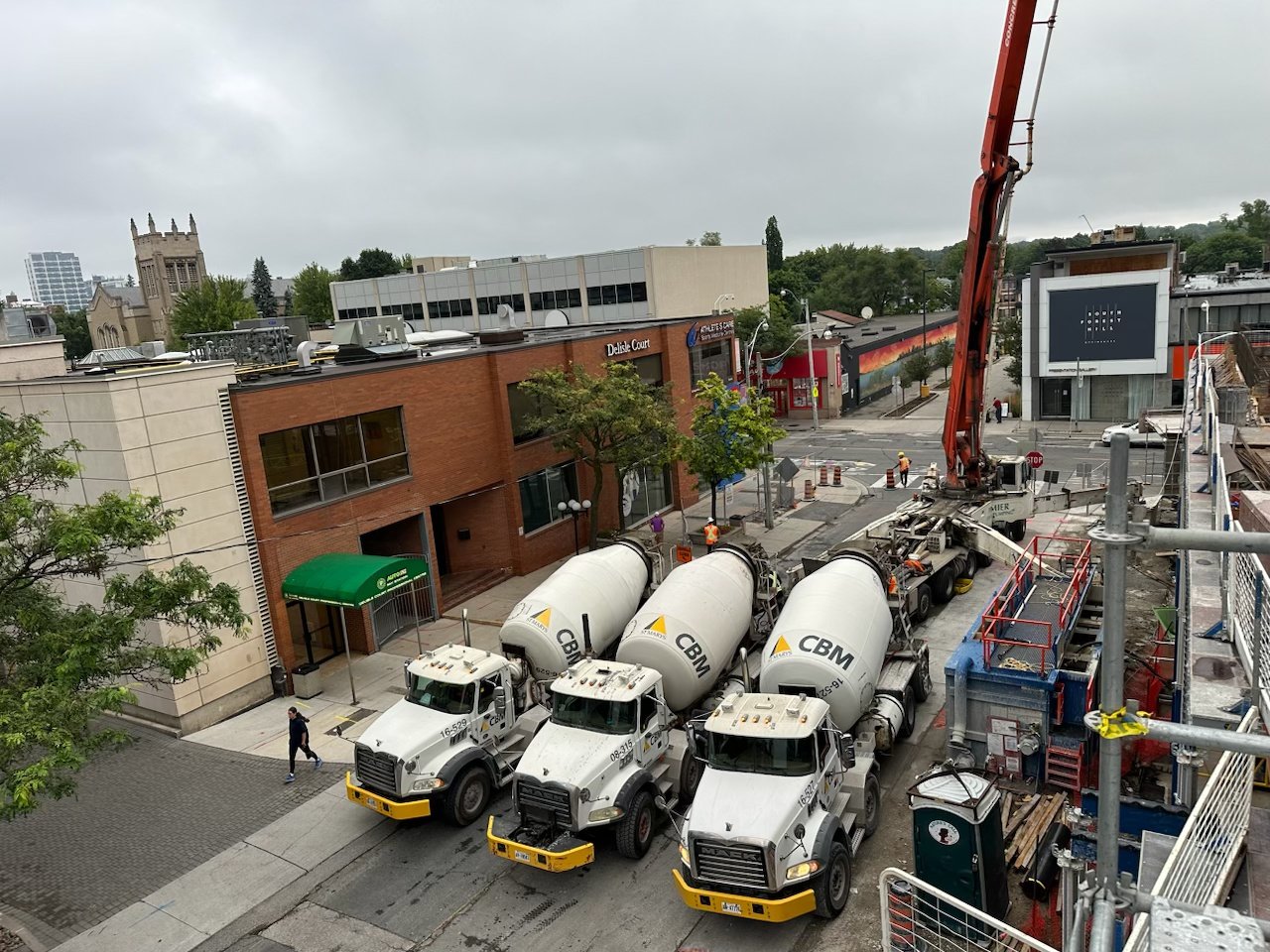
Today we are pouring our massive level two transfer slab at One Delisle. Delisle Avenue has been temporarily closed and the first concrete truck arrived at 6 AM. We’re currently averaging about 100 m3 per hour. There’s also a bit of light rain in Toronto right now, so that should help keep the slab cool. We’re a few weeks later than we were initially targeting back in June, but a lot of coordination has gone into this one slab. Our level three slab is also somewhat unique because of the double-height pool space and the gym; but following that, we’re on to our “typical” floors. And by “typical”, I mean as typical as one gets on a project like One Delisle.
-
Turn off the AC

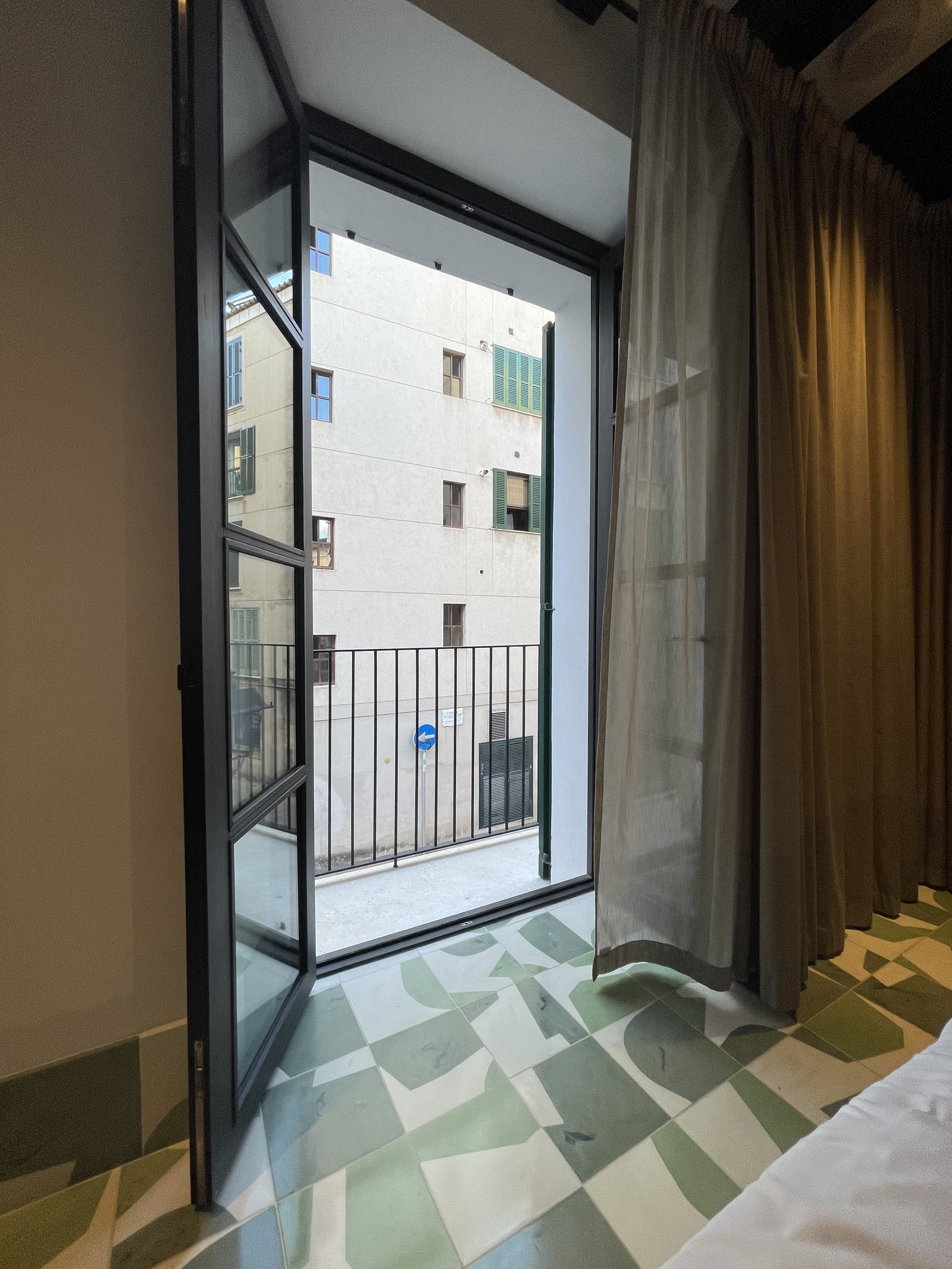
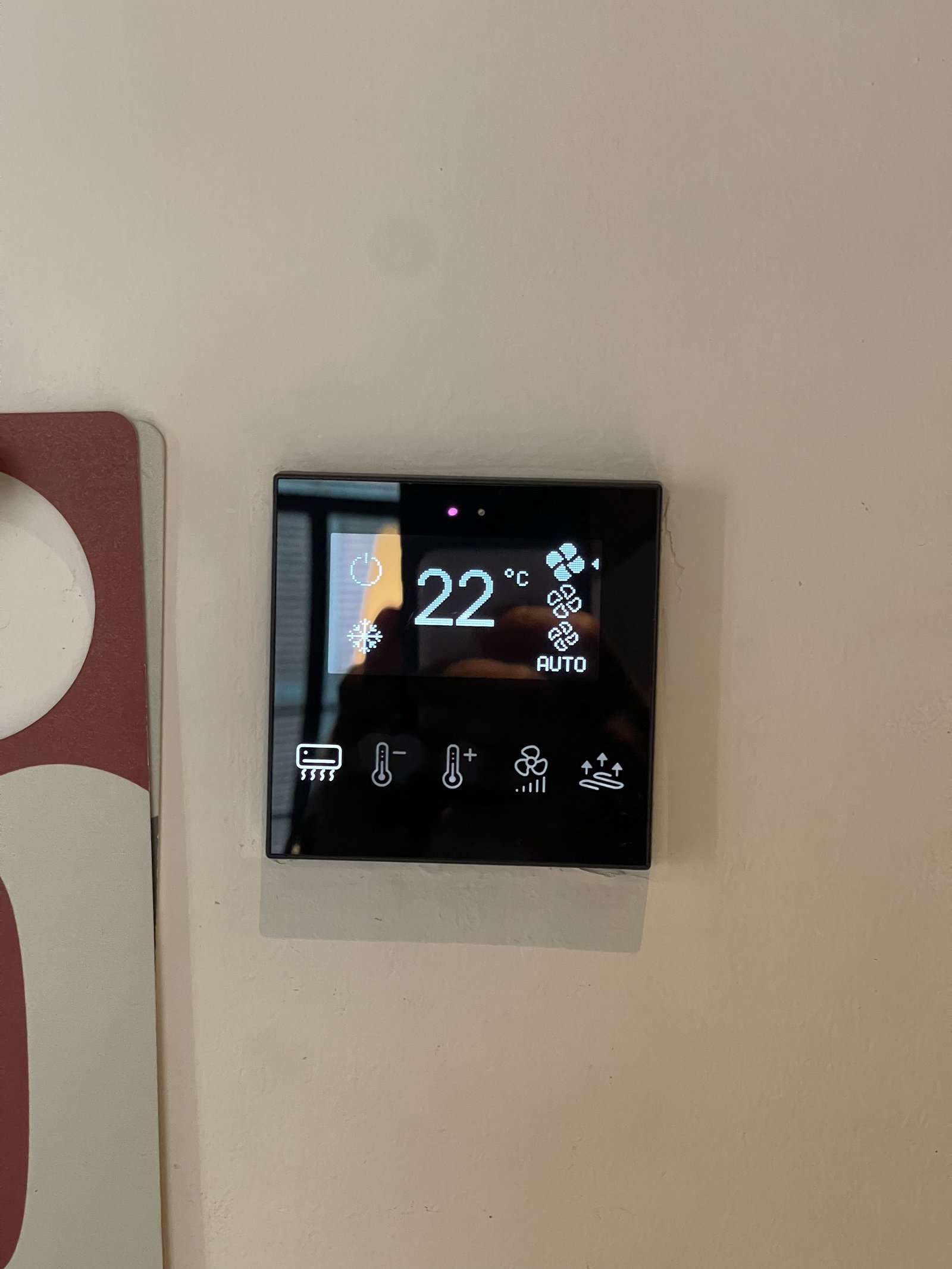
We just checked into our hotel in Palma and one of the first things I noticed is that as soon as you open any of the windows/doors, the AC automatically turns off. A message on the thermostat then alerts you that it will come back on once you close the windows. I haven’t yet figured out how this particular hotel room is sensing that things are open, but it’s relatively easy to do this at home through smart thermostats and sensors like these. I make a real concerted effort to do this manually, and so it’s great to see it automated in a hotel room, where people are naturally going to care less about wastage. Europe is so far ahead of North America when it comes to energy efficiency.
-
Out of office
I just turned on my out of office. Neat B and I leave this evening for our honeymoon. Our first stop is Mallorca. Neither of us have been before and it has been on our list.
One of our goals for this trip is to be active. So among lots of other things, the plan is to get on some bikes at some point. We hear that Mallorca is a pretty good island for that.
As always, I’ll be continuing to write. I love writing when I’m on vacation and experiencing new things. The laser distance meter is also in my bag, so expect some of this and this.
-
Roncesvalles is a great, single-sided, street
Roncesvalles Avenue is a successful north-south main street in the west end of Toronto. I say successful, because it is truly a great street. It has transit, bike lanes, a fine-grained built form, and lots of interesting retail:

But it is somewhat unique in that a large section of it is a one-sided retail street. Meaning, it looks like this:

This obviously isn’t a fatal flaw. It remains a wonderful street. And there are lots of examples of thriving one-sided retail streets. Ocean Drive in Miami Beach immediately comes to mind (notwithstanding the fact that locals tend not to go to it).
But conventional retail wisdom does dictate that two sides are better than one. Consider this 2023 report by Cushman & Wakefield ranking the top global main streets across the world. All of the streets that I have been to before are two-sided:
- 5th Avenue in New York between 49th and 60th (above 60th is, incidentally, when the street converts to single-sided because of Central Park)
- Montenapoleone in Milan
- The main street of Tsim Sha Tsui in Hong Kong
- New Bond Street in London
- Avenues des Champs-Élysées in Paris
- Grafton Street in in Dublin
- Passeig de Gracia in Barcelona
- Bloor Street in Toronto
These are all two-sided retail streets.
None of this is to say that the west side of Roncesvalles has nothing going on. It has a diverse mixture of uses, including churches, libraries, apartments, and many other things. But I think there is still an argument to be made that it has been hamstrung by restrictive zoning.
That said, Roncevalles is defined as a “major street” in Toronto’s Official Plan and so it does fall under the city’s new Major Street Study. Maybe that changes things.
-
Nobody drives at the Olympics anymore
One of the commitments that Paris made for this summer’s Olympics was ensure that every single competition venue was served and accessible by public transport. In fact, if you look on their website, it clearly says “no venues in the Paris region are accessible by motorized vehicles.”
For those who attended, this seems to have worked out quite well. So much so that Los Angeles just made a similar commitment for the 2028 Olympic Games (excerpt from the New York Times):
L.A. mayor Karen Bass said Saturday the city is working on expanding its public transportation system to hold a “no-car Games” in four years, which means spectators will have to take public transportation to all Olympic venues. To accomplish this, she added that L.A. will need more than 3,000 buses and plans to borrow them from around the U.S.
Of course, the built environment of Los Angeles is slightly different than that of Paris’. One was built around the car, and the other was not. And I think the success of Paris 2024 shows how a robust public transport system is uniquely equipped to absorb significant demand shocks when needed.
Here’s an excerpt from Le Monde talking about transit during the games:Not only was the audacious gamble of organizing the first Olympic Games completely accessible by low-carbon public transport, on bicycle and on foot successful. Not only was transportation to the many competition venues scattered around Paris and its surrounding region fluid. But the transit network and its agents also proved their ability to ensure, thanks to planned initiatives and adapted resources, fast, reliable and even pleasant travel. What’s more, the Paris Olympics offered the pleasing spectacle of a large city mostly freed, for a time, from the clutches and nuisances of automobile traffic.
But regardless of built form, both of these examples represent one of the positive externalities associated with hosting the games. They force cities toward massive positive change, and that’s always a good thing.